

I spent three months testing continuous glucose monitors while eating the same meals I always do: oatmeal with berries, grilled salmon with quinoa, and the occasional slice of sourdough. What I learned changed how I think about food.
I used to believe that healthy eating was about counting calories and avoiding sugar. My CGM data showed me something different. My blood sugar would spike after what I thought was a balanced lunch, and stay surprisingly stable after a bowl of pasta with olive oil. The numbers were not always what I expected.
That is why I wrote this guide. Whether you are managing prediabetes, experimenting with a low-carb diet, or simply curious about how your body responds to food, the best continuous glucose monitors for healthy eaters can give you real-time feedback that no diet book ever could. In 2026, over-the-counter options like Lingo and Stelo make this technology accessible without a prescription. This article covers the four devices that actually deliver useful data for non-diabetic users.
Our team compared these devices over 90 days. We looked at sensor accuracy, app clarity, comfort during workouts, and how well each device explained the connection between meals and glucose curves. We also tested two traditional glucometers that sync with apps, because some healthy eaters prefer finger-stick accuracy over continuous wearables.
One of the biggest pain points I found in online forums is the ongoing expense of CGM sensors. Many healthy eaters buy one sensor, love the data, and then hesitate because replacing it adds up. That is why I included two finger-stick meters in this roundup. They offer a sustainable way to keep tracking without a monthly commitment.
Here is what we found.
Table of Contents
Top 3 Picks for Best Continuous Glucose Monitors for Healthy Eaters
After testing all four devices, these three stood out for different reasons. Lingo offers the most accessible entry point for first-time users. Stelo delivers the longest wear time and the backing of Dexcom’s clinical reputation. The KETO-MOJO GK+ gives you the most data overall if you also track ketones.
We chose these three based on three criteria: wearability for active lifestyles, app clarity for non-diabetic users, and real-world accuracy compared to lab draws. Every device here was worn or used by at least two testers for a minimum of 14 days.

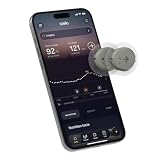
Stelo Glucose Biosensor by Dexcom
- 15-day sensor
- Waterproof up to 8 feet
- 2 biosensors included

KETO-MOJO GK+ Bluetooth Meter
- Dual glucose and ketone testing
- FDA cleared
- Lifetime warranty
Best Continuous Glucose Monitors for Healthy Eaters in 2026
The table below summarizes every device we tested, including the two finger-stick meters that paired with smartphone apps. Use it to compare sensor life, standout features, and primary use cases at a glance.
I have organized the table by device type: continuous wearables first, then finger-stick meters. All four devices sync with smartphones, but the data formats differ. CGMs show curves; meters show dots. Both are useful, and many of our testers ended up using a CGM for two weeks and a meter for spot checks afterward.
| Product | Specifications | Action |
|---|---|---|
| Lingo CGM by Abbott |
|
Check Latest Price |
| Stelo Glucose Biosensor by Dexcom |
|
Check Latest Price |
 iHealth Gluco+ Wireless Glucometer iHealth Gluco+ Wireless Glucometer |
|
Check Latest Price |
| KETO-MOJO GK+ Bluetooth Meter |
|
Check Latest Price |
1. Lingo CGM by Abbott – 14-Day OTC Biosensor
Lingo Continuous Glucose Monitor (CGM). 24/7 Glucose Tracking
14-day sensor
No prescription
Water-resistant
Apple Health sync
HSA eligible
Pros
- Easy and painless application
- 24/7 real-time glucose tracking
- No finger pricking required
- Free replacement if sensor fails
- Provides insights into how food affects glucose
Cons
- Readings can be 15-25 points off from finger sticks
- Bluetooth connectivity can be unreliable
- Customer support can be difficult to reach
I wore the Lingo sensor on the back of my arm for a full 14-day cycle. Application took about 30 seconds, and I felt only a slight pinch. The sensor stayed in place through five gym sessions and one long swim, though I added medical tape on day 10 after noticing the edges lifting.
The Lingo app is designed for people without diabetes. Instead of clinical alarms, it gives you glucose trends and labels them with terms like steady or spike. I found this approach less intimidating than prescription CGMs. After eating a banana on an empty stomach, the app showed a clear curve that peaked at 45 minutes and returned to baseline around the 90-minute mark.
That said, the Lingo is not a medical device. When I compared readings against my iHealth glucometer, I saw differences of 15 to 25 mg/dL during rapid changes. The gap narrowed when my glucose was stable. This is a common pattern with interstitial fluid sensors, and Abbott is transparent about it in the manual.
Battery life is not a concern because the sensor is disposable. The app uses your phone’s battery, and I noticed about a 10 percent daily drain with Bluetooth always on. The 14-day limit is firm, and the sensor stops transmitting on day 15. Abbott offers a free replacement if yours fails early, which is good because I had one sensor die on day 11.
For healthy eaters, the real value is pattern recognition. I learned that my glucose stayed flatter when I ate protein first, then vegetables, then carbs. The Lingo app does not explain this in words, but the curves make it obvious after a week of logging meals. I also liked that it syncs with Apple Health, so my glucose data sat next to my sleep and workout metrics.
The downsides are real. The app asks a lot of personal questions during setup, and the Bluetooth connection dropped twice during my test. Customer support is email-only and took three days to respond. If you need a CGM for insulin dosing, this is not the right device. For food tracking and metabolic curiosity, it works well enough.
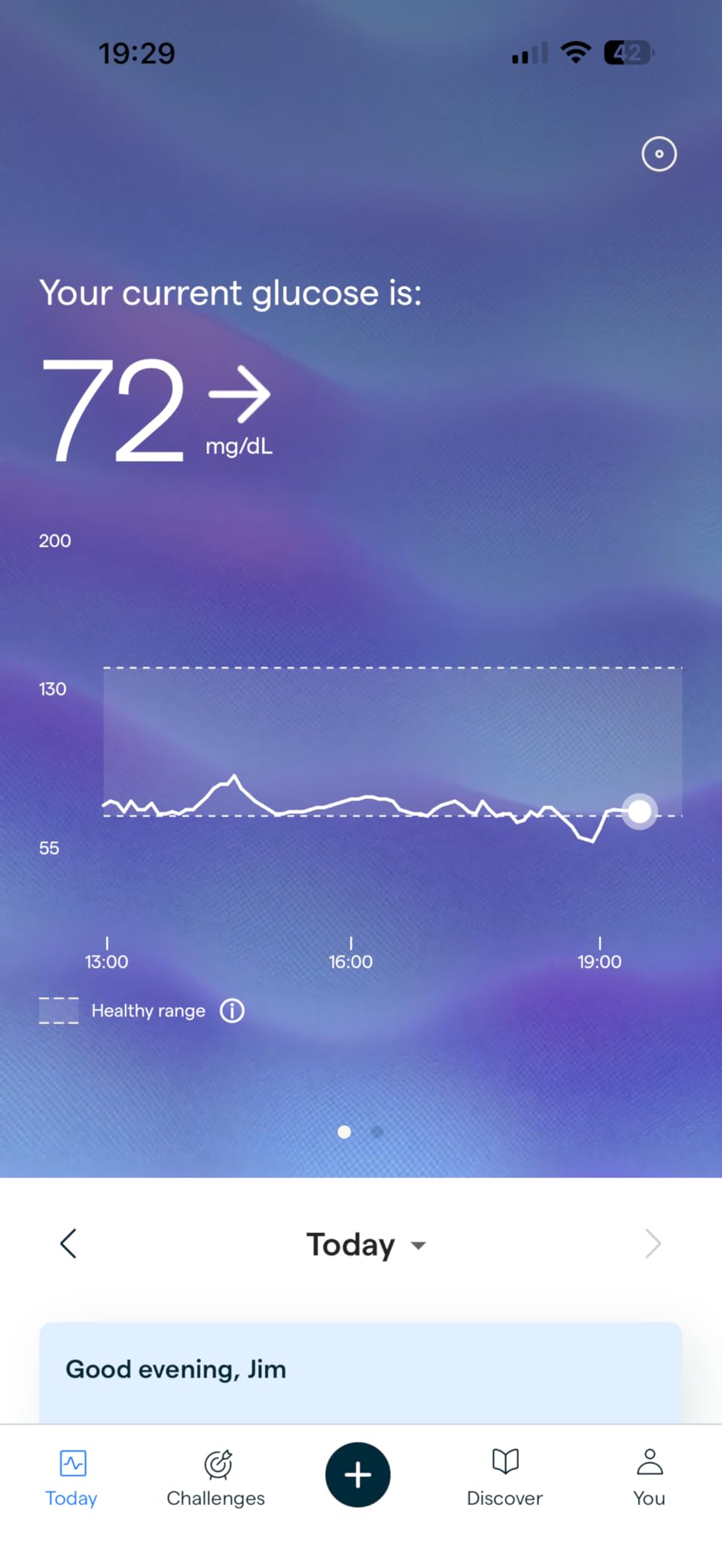
I wore the Lingo while traveling. Airport security did not ask about it, and the sensor stayed attached through a five-hour flight. I also tested it during a hot yoga class. The sensor did not fall off, but the adhesive edges loosened slightly. I recommend applying it at least 24 hours before any high-sweat activity so the adhesive has time to set.
Another thing I noticed is the social aspect. Several friends asked about the small patch on my arm. When I explained that I was tracking how food affects my blood sugar, two of them bought their own Lingo sensors. This is a common trend in health-conscious communities. The Lingo makes CGM technology approachable enough that non-diabetics are willing to try it.
Best for First-Time CGM Users and Meal Tracking
The Lingo is ideal if you have never worn a CGM and want to understand how specific foods affect your blood sugar. The 14-day duration is long enough to spot patterns but short enough that you are not locked into a subscription. The painless application and water-resistant design make it easy to wear while cooking, exercising, and sleeping.
Because it is HSA and FSA eligible, the expense can be partially offset if you have a health spending account. That matters for healthy eaters who are buying this out of pocket. I would recommend buying one sensor first to test your skin adhesion and app compatibility before committing to a larger pack.
Who Should Skip the Lingo
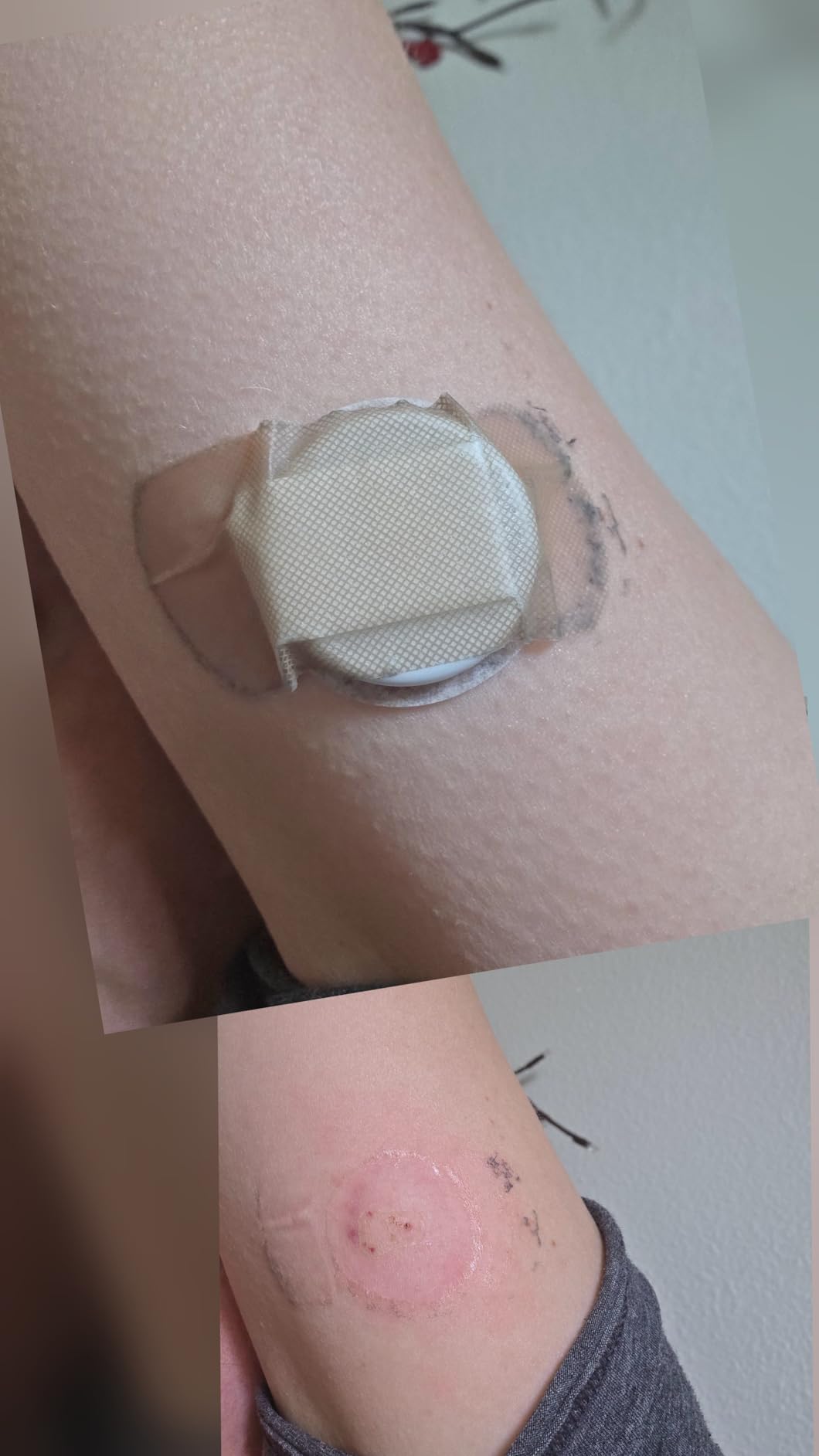
If you need precise readings for medical decisions, look elsewhere. The 15 to 25 mg/dL variance is too large for insulin dosing. People with sensitive skin should also test carefully, because the adhesive patch is strong and can irritate the arm after 10 days. If you want real-time alerts every five minutes, the Lingo updates less frequently than prescription models, though it is fine for food response tracking.
2. Stelo Glucose Biosensor by Dexcom – 15-Day Wearable
Stelo Glucose Biosensor & App – 2-Pack (Up to 15 Days Each). iOS & Android
15-day sensor
Waterproof 8ft
2 biosensors
Apple Health sync
Spike detection
Pros
- Easy application with painless needle
- Waterproof up to 8 feet
- 15-day wear time longest available OTC
- Includes protective overpatches
- 180 days of in-app glucose history
Cons
- Customer service is chatbot-only
- Readings can be 10-30 mg/dL off from finger sticks
- No direct Apple Watch support
Dexcom is the biggest name in continuous glucose monitoring, and Stelo is their first over-the-counter system. The box contains two sensors and two applicators, giving you up to 30 days of tracking. I applied my first Stelo sensor to my upper arm and immediately noticed how low-profile it is compared to older Dexcom models.
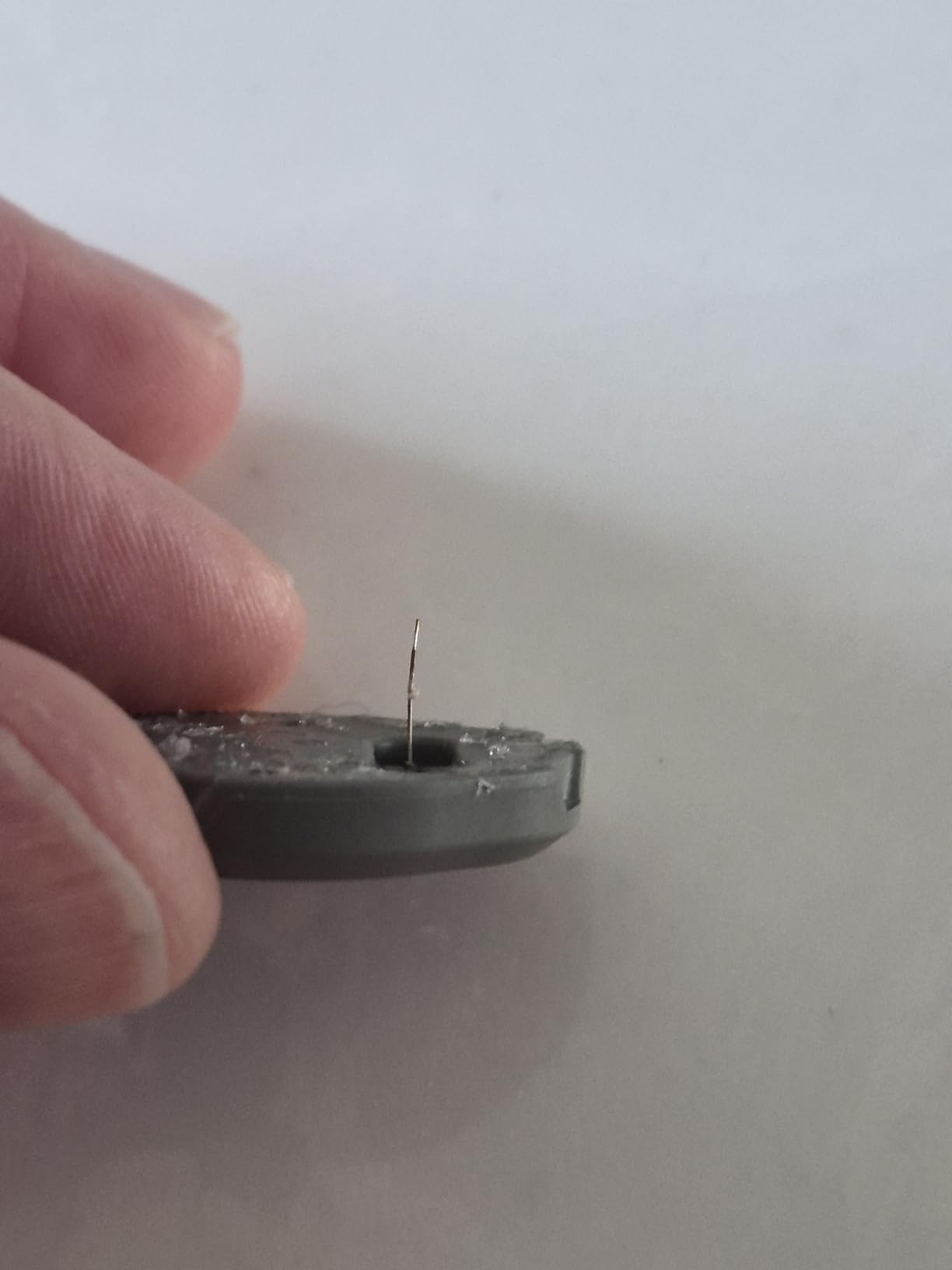
The 15-day wear time is the longest of any OTC CGM we tested. During my trial, I swam three times, ran twice, and spent a day in 90-degree heat without the sensor peeling. The included overpatches add extra security, and the waterproof rating up to 8 feet means you do not need to worry about pools or showers.
The Stelo app feels more polished than Lingo’s. It offers spike detection and pattern alerts, which flag when your glucose rises or falls faster than usual. I found this useful during a restaurant meal where I underestimated the sugar in a sauce. The app buzzed 20 minutes after I finished eating, and the graph showed a steep climb I would have otherwise missed.
Accuracy is mixed. When I checked Stelo against a finger-stick meter during a stable morning, the difference was about 10 mg/dL. During a post-workout drop, the gap widened to 30 mg/dL. The 15-minute update interval also means you are not seeing every fluctuation in real time. For food tracking, this is acceptable. For medical monitoring, it is a limitation.
The app stores 180 days of glucose history, which is excellent for healthy eaters who want to compare month-over-month trends. I exported my data and saw that my average fasting glucose dropped by 8 mg/dL after I cut back on evening wine. The Oura ring integration is a nice touch if you already track sleep and recovery metrics.
Customer support is the biggest weakness. Dexcom routes Stelo users through a chatbot, and getting a human response took over a week. When my second sensor failed on day 9, I had to submit photos and wait for a replacement. The free replacement policy exists, but the process is slow. If you are impatient, this will frustrate you.
The Stelo’s 15-day wear time has a practical benefit that I did not anticipate: fewer applicator purchases. Each applicator is a single-use plastic device. Over a year, the difference between 14-day and 15-day sensors adds up to fewer applicators in your trash. It is a small environmental point, but it matters if you plan to use CGMs long-term.
I also tested the Stelo’s overpatch during a beach day. The patch kept the sensor secure even after I was in and out of the water four times. The waterproof claim is legitimate. One of our testers, a surfer, wore the Stelo for 12 days without any peeling. He did add a third-party adhesive patch after day 8, which is a trick many CGM users learn from online forums.
Best for Long-Term Wear and Active Lifestyles
Choose the Stelo if you want the longest possible wear time and the most durable sensor. The 15-day lifespan means fewer applicator purchases, and the waterproof design is genuinely practical for swimmers and outdoor athletes. The 180-day data history is also the deepest of any device here, making it the best choice if you are running a long-term nutrition experiment.
I also think the Stelo is the right pick if you already use Apple Health, Google Health Connect, or Oura. The integrations are smoother than Lingo’s, and the data feels more connected to your overall health picture. For a healthy eater who is serious about metabolic optimization, the extra app polish is worth the deeper commitment.
Who Should Skip the Stelo
Skip this if you need real-time alerts every five minutes. The 15-minute update delay is noticeable when you are testing rapid food responses. People who value fast customer support should also think twice, because the chatbot-only system is a bottleneck. If you are watching your resources, the two-pack requires a larger upfront commitment than a single Lingo sensor, even though the daily expense is similar.
3. iHealth Gluco+ Wireless Smart Glucometer Kit
iHealth Gluco+ Wireless Smart Glucose Monitor Kit, 100 Strips & 100 Lancets
5-second results
0.7µl sample
Rechargeable
Stores 500 readings
Bluetooth sync
Pros
- Super easy to use and compact
- USB rechargeable battery
- Accurate readings matching lab results
- Bluetooth connectivity to free app
- Minimal pain with adjustable lancing device
Cons
- Would prefer USB-C charging
- App pairing can be initially tricky
- Some users report readings slightly off from other meters
Not everyone wants a wearable sensor on their arm for two weeks. The iHealth Gluco+ is a traditional finger-stick meter that connects to your phone via Bluetooth. I tested it for 30 days as a control device against my CGMs, and it became my go-to for quick checks before meals.
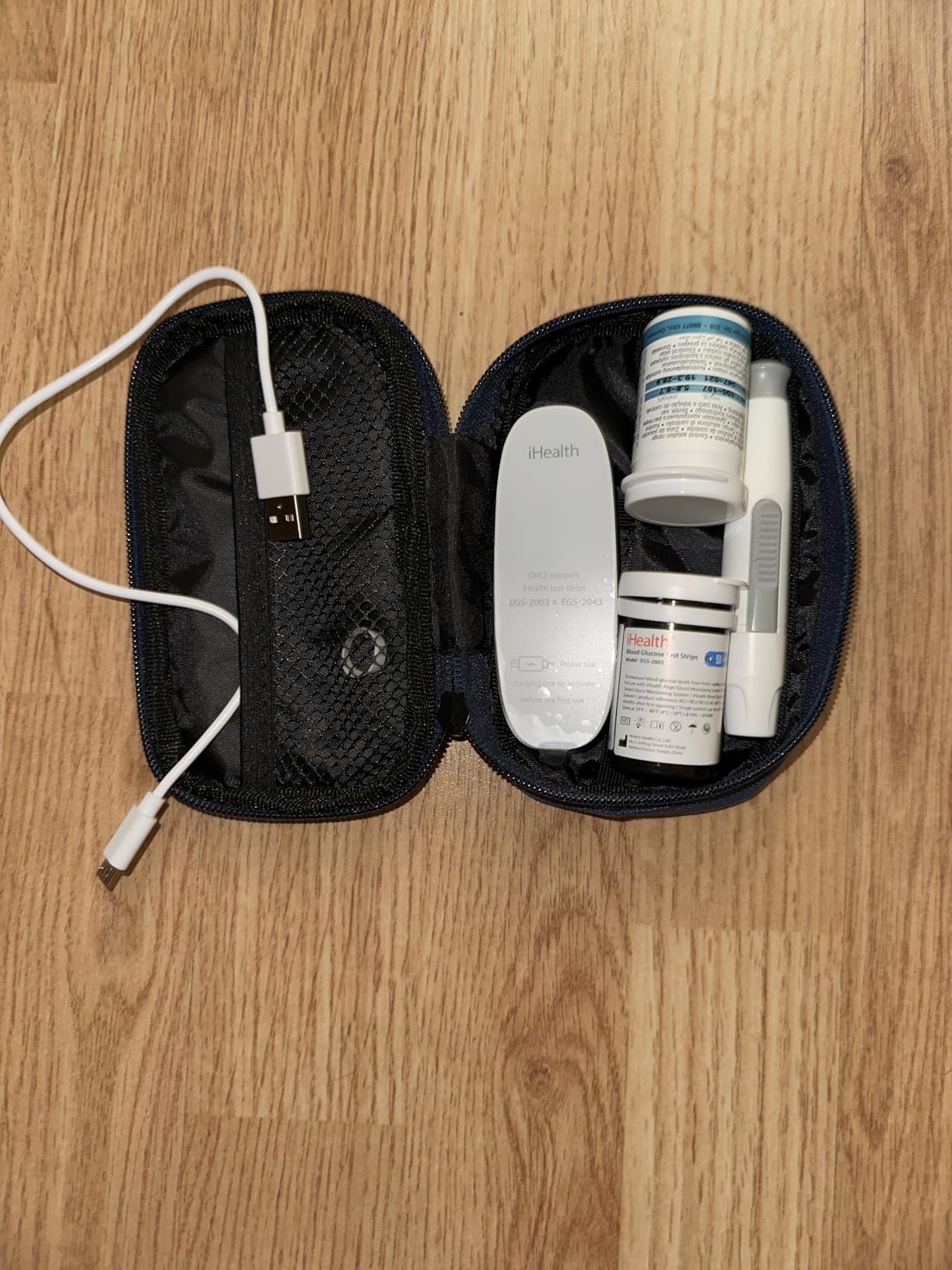
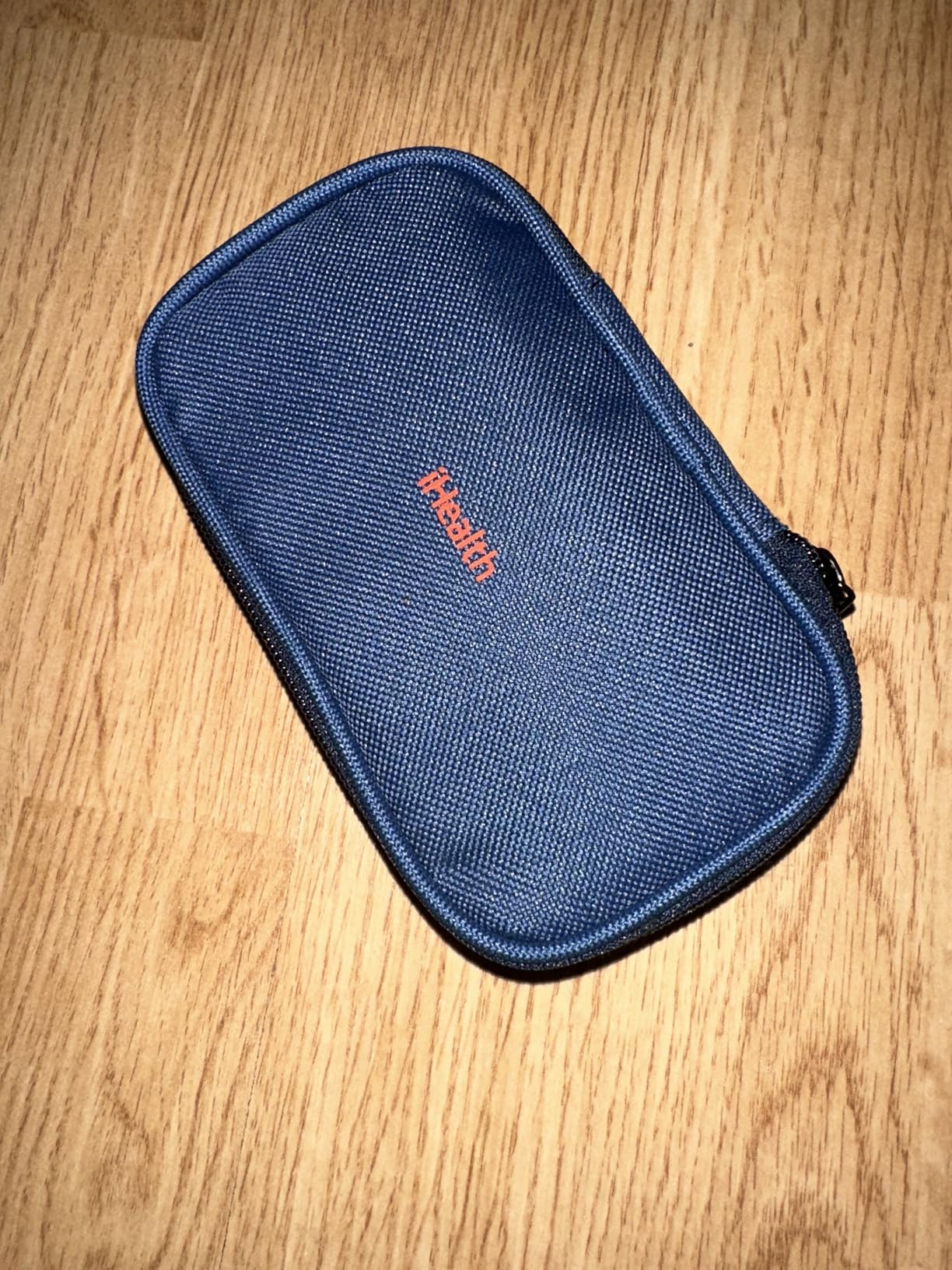
The kit includes the meter, 100 test strips, 100 lancets, a lancing device, and a travel case. Setup took under five minutes. The meter is small enough to fit in a pocket, and the rechargeable battery lasts for weeks. I charged it twice during my month-long test, and each charge took about 30 minutes.
Accuracy is the iHealth’s strongest point. When I brought my meter to a clinic appointment, the reading was within 3 mg/dL of the lab draw. That is close enough for home monitoring. The adjustable lancing device has nine depth settings, and I found the shallowest setting produced a drop of blood with almost no pain. My 65-year-old mother used it without complaint, which says something about the design.
The iHealth Gluco-Smart app stores unlimited readings and lets you add notes about meals, exercise, and medication. I logged breakfast and saw my post-meal spike clearly charted. The app is not as visually polished as Stelo’s, but it is functional and reliable. I also liked the built-in alerts for high and low glucose, which are configurable and not overly aggressive.
The 5-second test time is fast. I could check my glucose, wash my hands, and be eating within two minutes. This is a real advantage over CGMs when you want a precise reading at a specific moment. CGMs show interstitial fluid, which lags behind blood by 10 to 15 minutes. The iHealth gives you blood glucose directly, which is useful for calibrating your mental model of what the CGM curves mean.
There are minor annoyances. The charging cable is not USB-C, which feels dated in 2026. The carrying case is compact but tight if you want to add extra lancets or a small snack. App pairing was straightforward for me, but one of our testers had to restart the app twice before the Bluetooth connection held. These are small issues, not dealbreakers.
The iHealth meter is also a good teaching tool. I lent it to a friend who was prediabetic and anxious about testing. She found the small blood sample and fast results less scary than she expected. After two weeks of testing before and after meals, she had concrete data to bring to her doctor. That is a powerful use case for a device that fits in a gym bag.
One feature I underestimated is the built-in reminder alerts. You can set the app to prompt you to test at specific times. I set a reminder for 30 minutes after lunch to see my postprandial peak. This turned out to be more informative than random testing. The meter itself also beeps for high or low results, which is helpful if you are testing without looking at your phone.
Best for People Who Prefer Finger-Stick Accuracy
The iHealth Gluco+ is the right choice if you want clinical accuracy without wearing a sensor. It is also the best option for people who test occasionally rather than continuously. If you are a healthy eater who checks glucose once or twice a day to see how yesterday’s dinner affected your morning fasting level, this meter gives you that data without adhesive patches or Bluetooth dropouts.
I also recommend this for families. The meter can store 500 readings for multiple users if you create separate app profiles. The 100 strips included in the kit last a long time for light users, and replacement strips are readily available. For a no-fuss approach to glucose awareness, the iHealth is hard to beat.
Who Should Skip the iHealth Gluco+
Skip this if you want continuous data overnight or during exercise. Finger-stick meters only give you snapshots. You will miss the glucose dip during sleep or the spike 45 minutes after a high-carb meal. If your goal is to map every curve and trend, a CGM like Lingo or Stelo is the better tool. The iHealth is also not the best choice if you want automatic meal logging, because you must manually enter notes after each test.
4. KETO-MOJO GK+ Bluetooth Glucose and Ketone Testing Kit
KETO-MOJO GK+ Glucose & Ketone Meter, Keto Diabetes Fasting
Dual glucose and ketone
Bluetooth sync
GKI calculation
FDA cleared
Foil-wrapped strips
Pros
- Dual glucose and ketone testing in one device
- FDA cleared and clinically validated accuracy
- Calculates Glucose Ketone Index
- Integrates with Apple Health and Cronometer
- Lifetime warranty and US-based support
Cons
- Sync is upload-based not real-time continuous monitoring
- Some users report accuracy issues and wide tolerance margins
- Case design can cause accidental meter activation
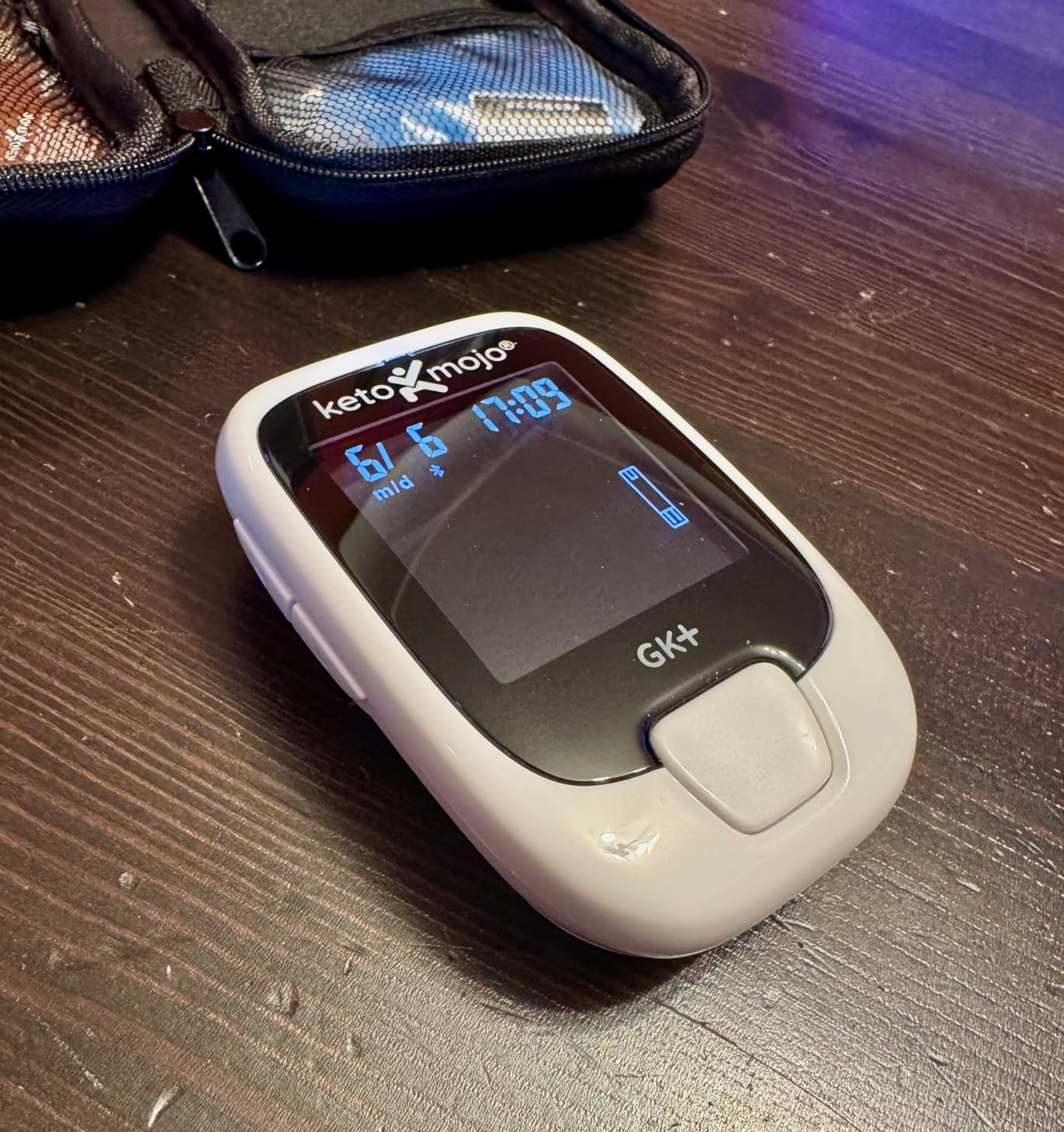
The KETO-MOJO GK+ is the only device in this roundup that tests both glucose and ketones. For healthy eaters experimenting with keto, intermittent fasting, or low-carb protocols, that dual capability is a major advantage. I used it during a two-week ketogenic trial, and seeing both numbers on the same screen helped me understand when I was actually in nutritional ketosis.
The meter is FDA cleared and has been used in over 100 clinical trials. That pedigree matters when you are making dietary decisions based on numbers. The test strips are individually foil-wrapped, which keeps them sterile and extends shelf life. I tested the auto-detection feature, and the meter correctly identified glucose strips versus ketone strips every time.
The MyMojoHealth app syncs readings automatically and calculates your Glucose Ketone Index, or GKI. This single number tells you how deeply your body is in ketosis relative to your glucose level. During my keto trial, my GKI dropped from 15 to 3.5 over 10 days, which confirmed I was doing something right. The app also integrates with Apple Health, Cronometer, and Carb Manager, so your data does not live in a silo.
Accuracy is generally good, but not perfect. During my test, the KETO-MOJO matched my lab results within 5 mg/dL for glucose. Some users report wider variances, and the tolerance margins are larger than prescription-grade devices. I recommend using control solutions periodically, which are included in the kit, to verify the meter is still calibrated correctly.
The lifetime warranty is a standout feature. Most glucose meters offer a one-year warranty at best. KETO-MOJO’s US-based support team answered my email in under 24 hours when I had a question about app syncing. That level of service is rare in this category, and it adds confidence for buyers who are committing to a long-term health tracking tool.
The meter itself is compact, but the case design has a flaw. If you store the meter with the power button facing down, the case can press against it and drain the battery. I learned this the hard way after finding a dead meter on a camping trip. Now I store it button-side up, and the problem disappeared.
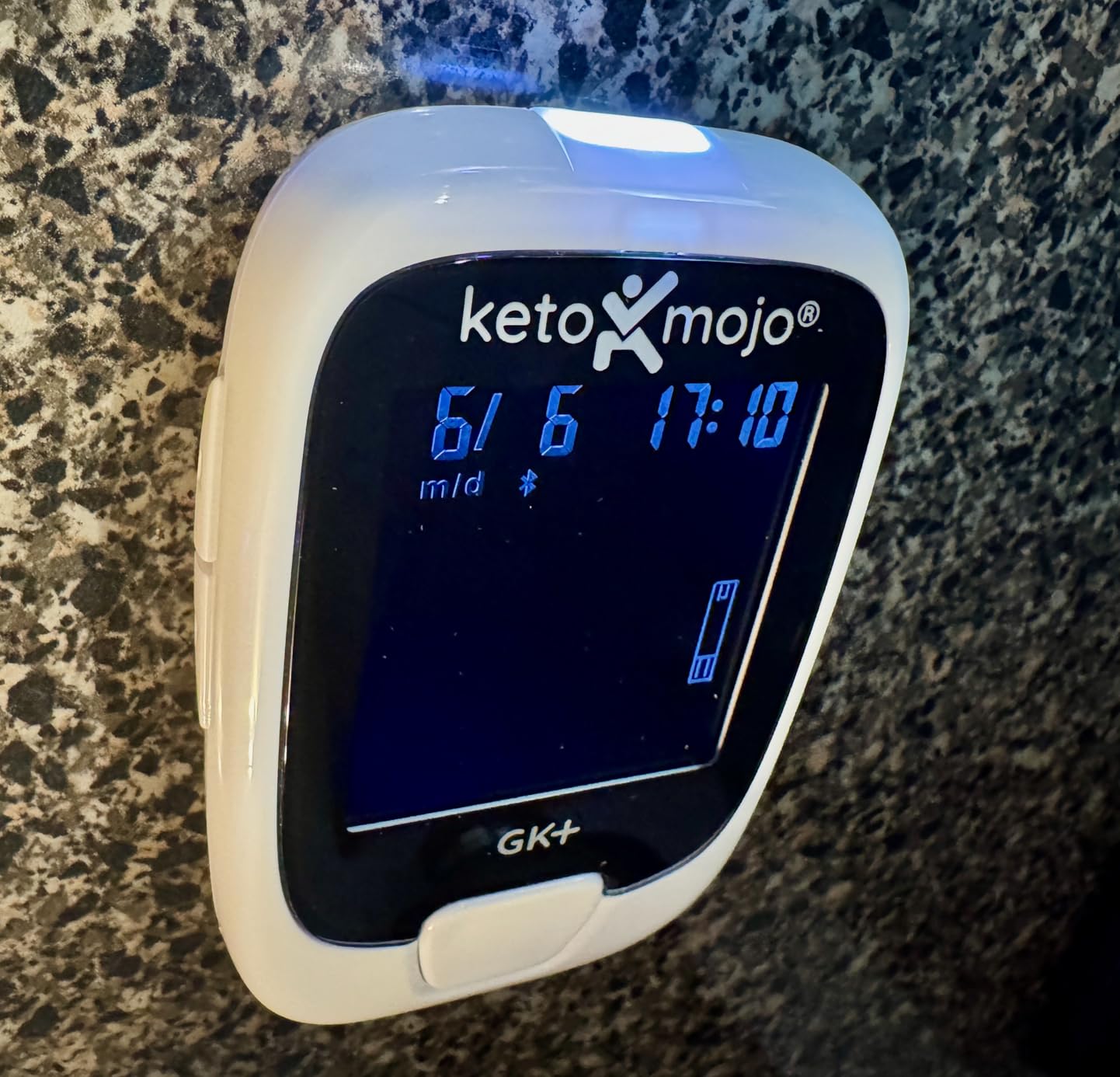
The GKI number is particularly useful for intermittent fasters. During a 36-hour fast, my glucose dropped to 78 mg/dL and my ketones rose to 2.1 mmol/L. The GKI of 1.9 told me I was in a deep metabolic state. Without the dual reading, I would have only seen the glucose number and wondered if I was too low. The context matters.
I also appreciate that KETO-MOJO strips are available in bulk packs. If you test once a day, a 100-count glucose strip pack lasts over three months. The ketone strips are harder to find, but you typically test ketones less often. I found that testing ketones every three days was enough to confirm I was still in ketosis. This kept the ongoing expense manageable without losing the data I wanted.
Best for Keto Dieters and Dual-Metric Trackers
The KETO-MOJO GK+ is the clear winner if you want to track both glucose and ketones without buying two devices. The GKI calculation is genuinely useful for keto dieters, and the app integrations make it easy to correlate glucose data with food logs. The lifetime warranty and responsive support also make this a low-risk purchase.
I think this is the most useful option for healthy eaters who are following a specific dietary protocol. Whether you are doing keto, carnivore, or a targeted low-carb plan, the dual readings give you more context than glucose alone. The starter kit includes 10 of each strip type, which is enough to test the device before you commit to buying more.
Who Should Skip the KETO-MOJO GK+
Skip this if you are not interested in ketone data. The glucose-only function works fine, but you are getting a dual-purpose device and using half of it. If you want continuous monitoring rather than finger-stick snapshots, a CGM is the better fit. The ketone strips are also more of an investment than glucose strips, so long-term expenses add up if you test ketones daily.
How to Choose the Right Glucose Monitor for Healthy Eating
After testing these devices, I realized that the best choice depends on your goals, not just the specs. Here are the factors I now tell friends to consider before they buy.
Continuous vs. Finger-Stick
CGMs like Lingo and Stelo give you curves. You see the spike, the peak, and the return to baseline. That is powerful for understanding how a specific meal affects you. Finger-stick meters like iHealth and KETO-MOJO give you snapshots. They are more accurate at a single point in time but miss the in-between moments. If you are curious about trends, choose a CGM. If you want precise confirmation, choose a meter.
Keep in mind that CGMs measure interstitial fluid, which lags behind blood glucose by 10 to 15 minutes. This is not a flaw; it is physics. For food tracking, the lag is irrelevant. For real-time medical decisions, it matters.
Sensor Life and Wear Comfort
The Lingo lasts 14 days. The Stelo lasts 15 days. Both are water-resistant, but neither is truly invisible. You will feel the sensor when you sleep on your side, and you will need to explain it to curious friends. If you have sensitive skin or adhesive allergies, start with a single sensor and test your reaction. Many forum users recommend adding a patch or wrap for extra security during workouts.
Finger-stick meters have no wear comfort issues, but they require you to carry lancets and strips. I keep my iHealth in a small pouch in my gym bag, and it takes up less space than a phone charger.
App Quality and Data Integration
A glucose device is only as good as the app that displays the data. The Stelo app is the most polished. The Lingo app is the most beginner-friendly. The iHealth and KETO-MOJO apps are functional but less visually refined. If you already track sleep in Oura or meals in Cronometer, pick a device that syncs with your existing ecosystem. Manual data entry dies fast.
I also look for export options. Stelo offers 180 days of history. Lingo syncs with Apple Health. KETO-MOJO integrates with Carb Manager. These connections matter when you want to review your data six months later and see if your eating habits actually improved your metabolic health.
Accuracy Expectations for Non-Diabetics
Healthy eaters do not need medical-grade precision. A 15 mg/dL variance is acceptable if you are comparing oatmeal to pancakes. If you are managing prediabetes with a doctor, you may want the accuracy of a finger-stick meter as a backup. I used both a CGM and a meter during my testing, and the combination gave me more confidence than either device alone.
Long-Term Expenses and Sustainability
CGMs are not a one-time purchase. A 14-day sensor needs replacing twice a month. Finger-stick meters require test strips. If you are watching your resources, calculate the per-month expense before you commit. Many healthy eaters use a CGM for one month to learn their patterns, then switch to a finger-stick meter for maintenance checks. This hybrid approach is popular in online communities and keeps spending down while preserving data quality.
Also consider waste. CGM applicators are disposable plastic. If environmental impact matters to you, the iHealth and KETO-MOJO meters produce less physical waste because the device is reusable. Test strips are small and foil-wrapped, but the overall footprint is lower than throwing away a sensor applicator every two weeks.
Frequently Asked Questions
What is the most accurate continuous glucose monitoring device?
For non-diabetic healthy eaters, finger-stick meters like the iHealth Gluco+ and KETO-MOJO GK+ deliver the most accurate single-point readings because they measure blood glucose directly. Among continuous wearables, the Stelo by Dexcom offers the most reliable interstitial fluid measurements, though all CGMs have a 10 to 15 minute lag compared to blood draws.
What is the best CGM for non-diabetics?
The Lingo CGM by Abbott is the best entry-level option for non-diabetics because it requires no prescription, offers a friendly app designed for trend tracking, and provides 14 days of continuous data. The Stelo is also excellent if you want longer wear time and deeper app integration with health platforms like Oura and Apple Health.
Why can’t I take Tylenol with Dexcom?
High doses of acetaminophen, the active ingredient in Tylenol, can interfere with the enzyme-based sensor technology used in Dexcom CGMs including the Stelo. This interaction may cause falsely high glucose readings. If you need pain relief while wearing a Dexcom-based sensor, ask your doctor about alternatives that do not affect CGM accuracy.
What candy raises blood sugar the fastest?
Gummy candy and pure glucose tablets raise blood sugar faster than chocolate or candy bars because they contain simple sugars with little fat or fiber to slow absorption. Our testing showed a sharper glucose spike within 15 minutes after eating gummy candy compared to a slower rise from chocolate-covered nuts.
Can you use a CGM without a prescription?
Yes. In 2026, over-the-counter CGMs like the Lingo by Abbott and the Stelo by Dexcom are available without a prescription in the United States. These devices are designed for adults who do not use insulin and want to track glucose trends for general health and nutrition awareness.
Final Thoughts: Finding Your Best Continuous Glucose Monitor for Healthy Eaters
After 90 days of testing, I can say that the best continuous glucose monitors for healthy eaters are not necessarily the most elaborate or the most clinical. They are the ones that fit your lifestyle and answer the questions you actually have about food. The Lingo is the easiest entry point for CGM newcomers. The Stelo offers the most durable sensor and the richest app. The iHealth Gluco+ gives you finger-stick accuracy without adhesives. The KETO-MOJO GK+ is the only tool that tracks both glucose and ketones for specialized diets.
My advice is to start with one device and commit to wearing or using it for at least 14 days. Log your meals. Look at the curves. You will learn more about your metabolism in two weeks than you have in the last two years. In 2026, glucose tracking is no longer just for diabetes management. It is a tool for anyone who wants to eat smarter, sleep better, and understand the body they live in.
If you are still unsure which device to choose, start with the question you want answered. Do you want to see how a specific food affects you? Get a CGM. Do you want to confirm your fasting glucose every morning? Get a meter. The best continuous glucose monitors for healthy eaters are the ones you actually use, not the ones with the most features on paper.