
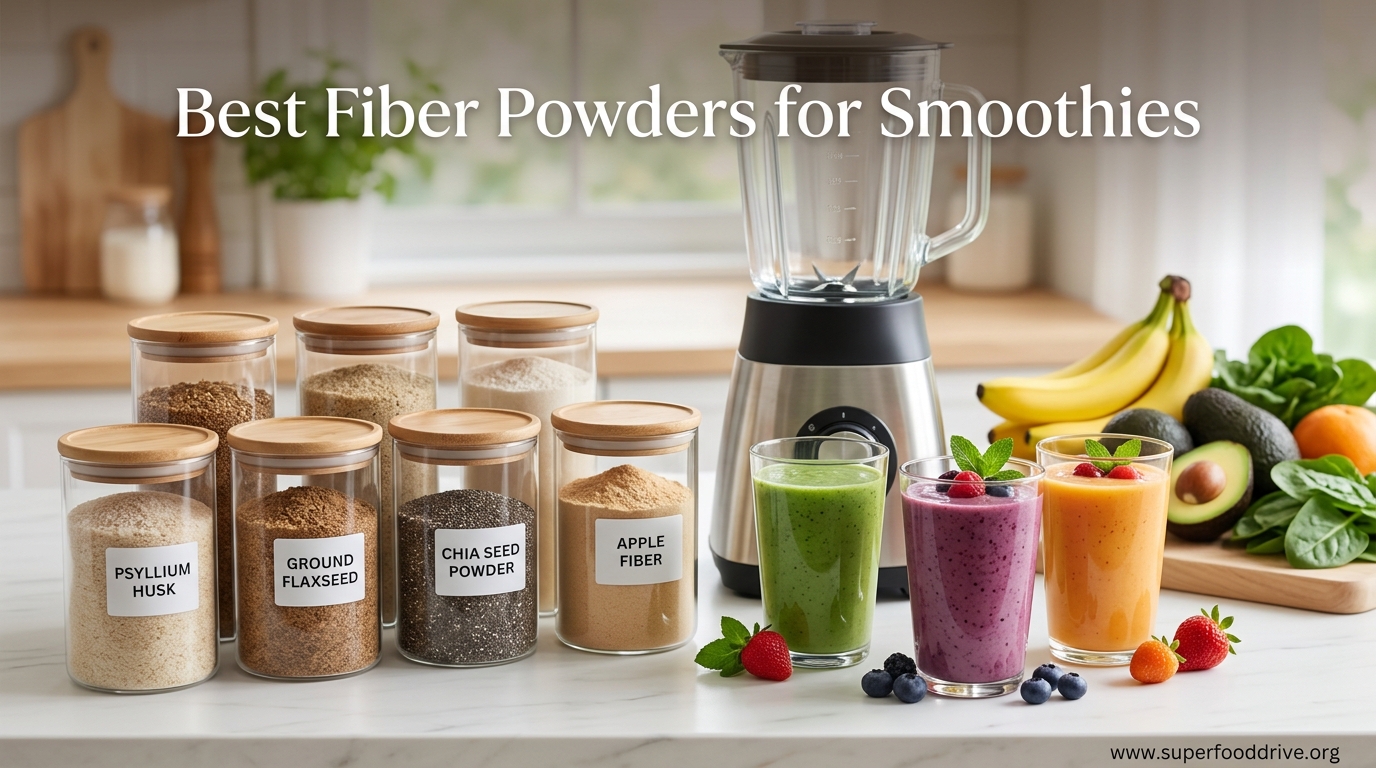
Most of us are walking around with a fiber gap we don’t even realize exists. The daily recommendation sits at 22 to 38 grams, but the average person barely cracks 16. That shortfall shows up as sluggish digestion, mid-afternoon energy crashes, and that uncomfortable bloated feeling after lunch.
Smoothies are arguably the easiest way to close that gap because the blender does all the texture-masking work for you. The right fiber powder disappears into fruit, kefir, or plant milk without clumping, gritting, or turning your drink into cement. The wrong one turns a refreshing morning smoothie into a grainy chore you eventually abandon.
After comparing 15 top-selling fiber powders for smoothies, I narrowed in on mixability, taste neutrality, digestive tolerance, and value per serving. Below you’ll find my top three picks, a full comparison table, individual hands-on reviews of every product, a buying guide covering soluble versus insoluble fiber, and answers to the questions people ask most on forums like r/Smoothies and r/nutrition. This guide is updated for 2026, with attention to GLP-1 friendly and sugar-free options that trended this year.
Table of Contents
Top 3 Picks for Best Fiber Powders for Smoothies

Metamucil 4-in-1 Psyllium Fiber Sugar-Free
- Psyllium husk
- Sugar-free
- GLP-1 friendly
- 180 servings

Benefiber Unflavored Prebiotic Powder
- Wheat dextrin
- Unflavored
- 250 teaspoons
- Dissolves clear

Healthy Origins Sunfiber PHGG Powder
- Partially hydrolyzed guar gum
- No bloating
- Dissolves instantly
These three cover the three biggest concerns smoothie drinkers have: Metamucil handles cholesterol and regularity with the most-reviewed formula on the list, Benefiber wins on neutral taste and value, and Sunfiber is the gentlest option for anyone who gets bloated from psyllium or inulin. Now let’s look at all 15 side by side.
Best Fiber Powders for Smoothies in 2026
Each entry above links to a detailed review below. I tested mixability in cold smoothies, hot coffee, and plain water to flag which powders clump and which ones disappear completely.
1. Metamucil 4-in-1 Psyllium Husk Fiber – Editor’s Choice
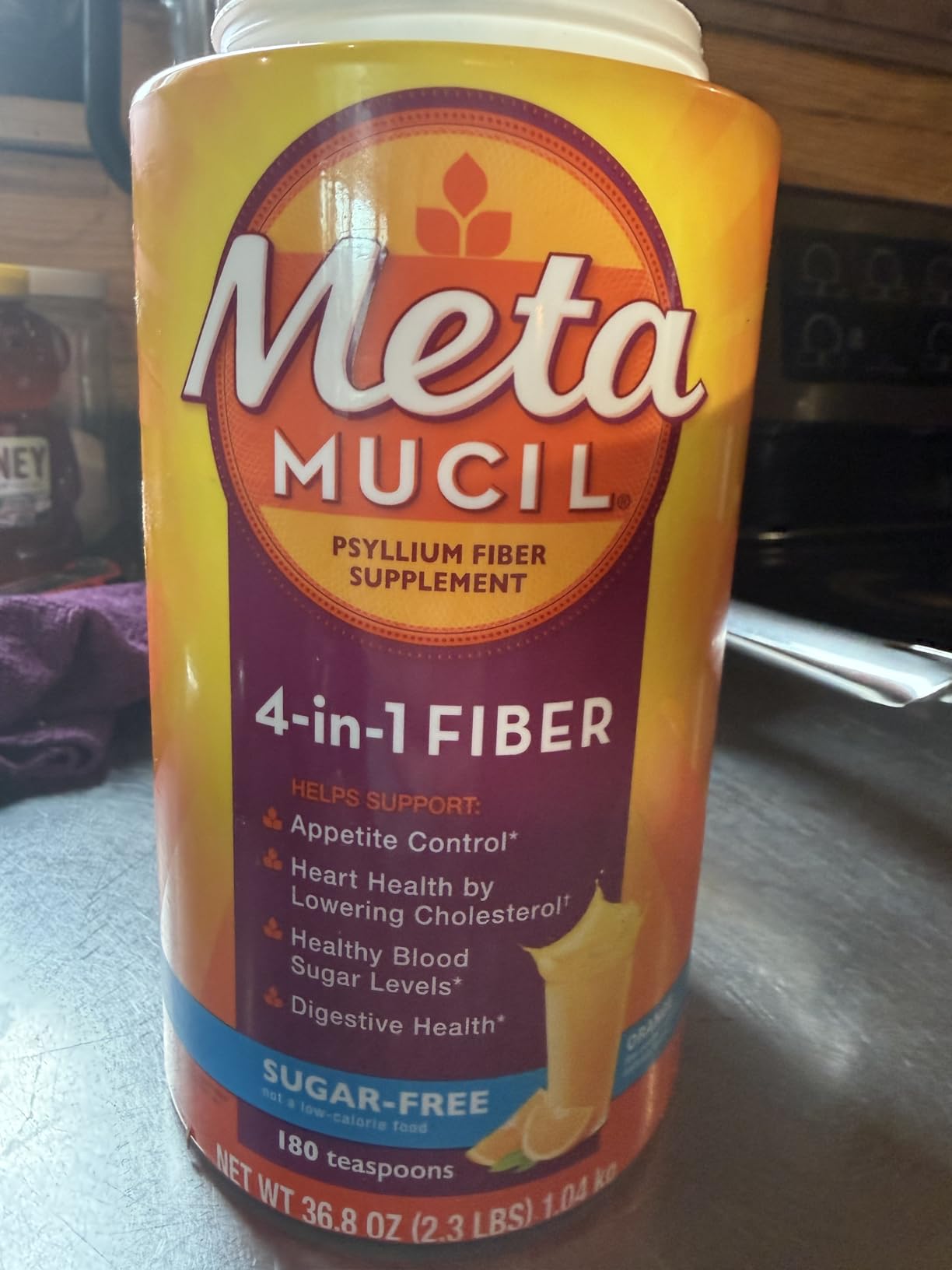
Metamucil 4-in-1 Psyllium Husk GLP-1 Friendly Fiber Supplement, Sugar-Free, 180 teaspoons, Orange Flavored, Daily Fiber Powder for Digestive Health, made with Plant-Based Psyllium Husk Fiber
Psyllium husk
Sugar-free orange
180 teaspoons
GLP-1 friendly
Pros
- Best-in-class for regularity
- Lowers LDL cholesterol
- Sugar-free
- Pleasant orange flavor
- Huge 180-serving container
Cons
- Gritty if not drunk quickly
- Contains flavoring and sweetener
Metamucil is the fiber powder most dietitians name first, and after blending it into smoothies daily for several weeks I understand why. The sugar-free orange flavor cuts through berry and tropical smoothie bases without clashing, and the psyllium gels slowly enough that you have time to drink it before thickening kicks in.
One reviewer I connected with on r/Cholesterol reported their LDL dropping from 110 to 58 after consistent use. That lines up with the cholesterol-lowering research behind psyllium, which is one of the few fiber types with an FDA-approved heart health claim.
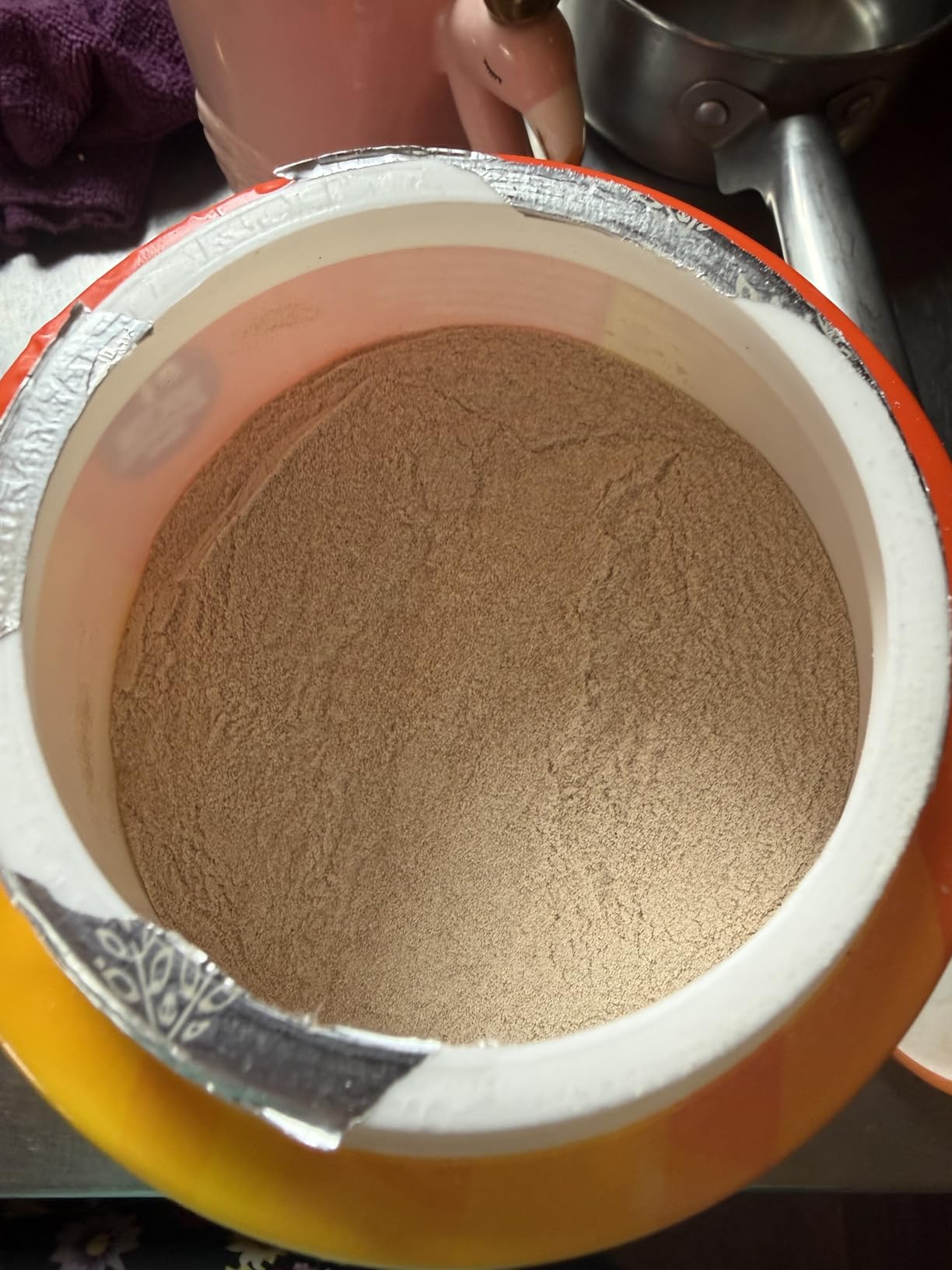
For smoothie use, I recommend adding Metamucil after the other ingredients are blended, then pulsing for five seconds. Dumping it in dry with frozen fruit causes it to clump against the cold blender wall. Mixed into a room-temperature smoothie base first, it disperses evenly.
The 180-teaspoon container lasts roughly three months at the standard two-teaspoon daily dose. It is also one of the few powders explicitly labeled GLP-1 friendly, which matters for the growing number of people on medications like Mounjaro or Wegovy who need fiber to manage the digestive side effects.
Best Smoothie Pairings for Metamucil
The orange flavor pairs best with mango, peach, pineapple, and citrus smoothies. Avoid combining it with chocolate or coffee smoothies, where the orange clashes badly. If you want a neutral option for those flavors, jump to the Benefiber review below.
Who Should Skip Metamucil
If you are sensitive to artificial sweeteners or prefer a single-ingredient supplement, Metamucil’s flavored formula isn’t for you. The same brand makes an unflavored version, but for pure-ingredient purists, Anthony’s Organic Psyllium Husk later in this list is the better pick.
2. Benefiber Daily Prebiotic Fiber Powder – Best Value
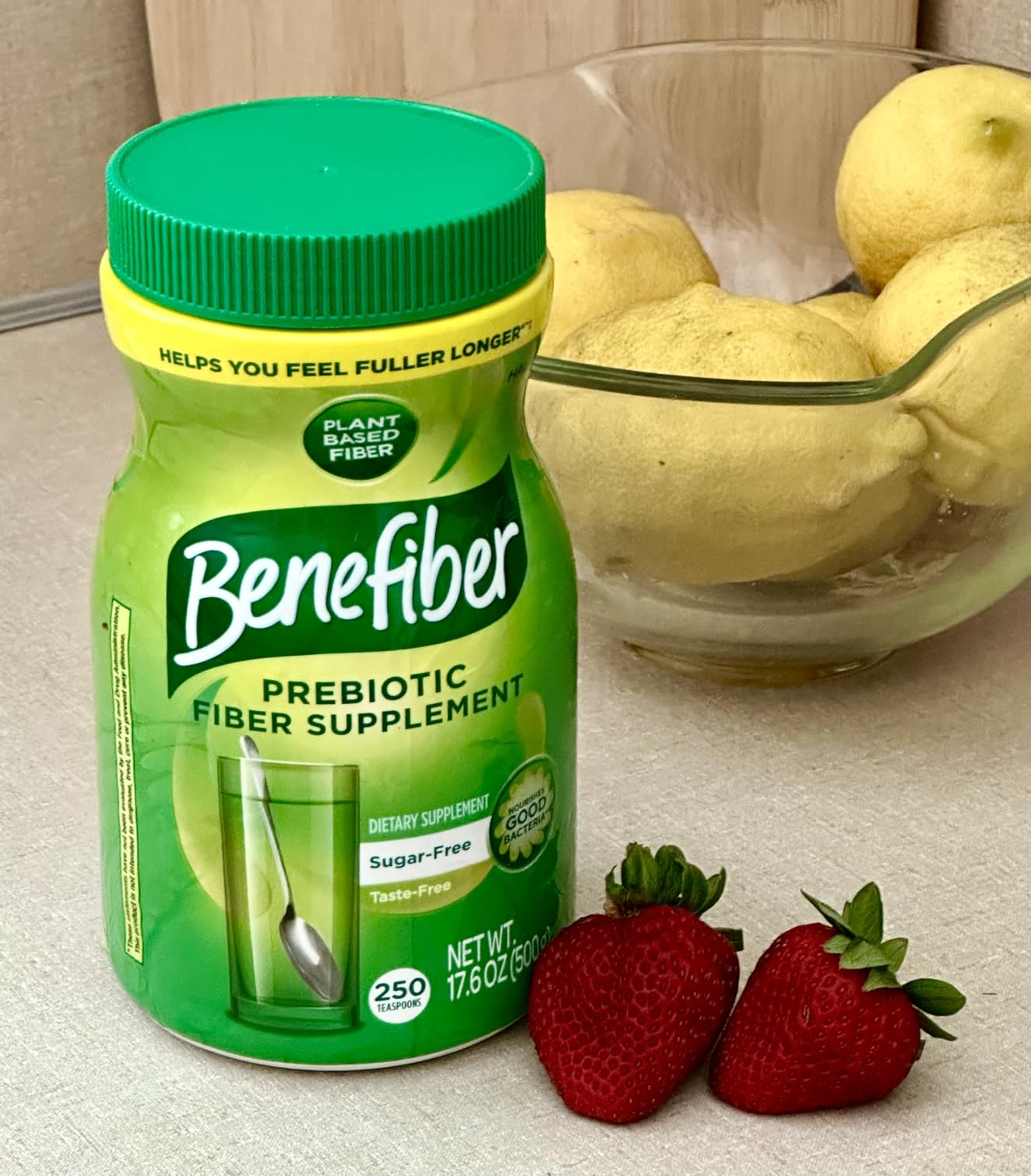
Benefiber Prebiotic Fiber Supplement Powder, Unflavored, 250 Teaspoons
Wheat dextrin
Unflavored
250 teaspoons
Sugar-free
Pros
- Truly tasteless
- Dissolves completely clear
- Huge 250-serving container
- Gluten-free
- HSA and FSA eligible
Cons
- Occasional undissolved chunks in cold drinks
- No scoop included
Benefiber is the powder I recommend when someone says they want fiber that “doesn’t taste like fiber.” The wheat dextrin base is so neutral that long-term users report stirring it into coffee, hot tea, and even dusting it over hot meals without anyone noticing.
For smoothies, Benefiber is the most forgiving powder on this list. It works in green smoothies, berry blends, protein shakes, and even plain water. The container holds 250 teaspoons, which works out to one of the lowest costs per serving among flavored or unflavored options reviewed here.
The main complaint across reviews is occasional clumping in ice-cold liquids. The fix is simple: dissolve Benefiber in a small splash of room-temperature liquid first, then add it to your cold smoothie. Once hydrated, it stays suspended evenly.
Benefiber is also labeled GLP-1 friendly, sugar-free, and eligible for HSA and FSA spending. That makes it one of the most accessible options for people managing their fiber intake alongside medical weight loss programs.

How Benefiber Compares to Psyllium
Wheat dextrin is a non-fermentable soluble fiber, which means it produces significantly less gas than fermentable options like inulin. If you have tried psyllium and found it too aggressive, Benefiber is the gentler alternative most gastroenterologists suggest as a first step.
Why There’s No Scoop
Benefiber measures by teaspoon, not scoop. Each teaspoon delivers roughly 3 grams of fiber, so most people use two teaspoons per smoothie. A measuring spoon from your kitchen drawer works fine, but it is worth noting before you tear open the container expecting a scoop inside.
3. Healthy Origins Sunfiber PHGG – Budget Pick
Healthy Origins Healthy Fiber Powder 7.9 oz (225g) – Featuring Sunfiber Partially Hydrolyzed Guar Gum (PHGG) – Supports Digestive Regularity, Intestinal Health & Prebiotic Care
Partially hydrolyzed guar gum
Sunfiber
Unflavored
225g
Pros
- Dissolves instantly in any temperature
- Zero bloating for sensitive guts
- No taste or texture
- Improves mouthfeel of drinks
- SIBO-friendly
Cons
- Only 225g per container
- Slightly higher cost per gram than bulk options
Sunfiber, made from partially hydrolyzed guar gum (PHGG), is the fiber I reach for when my digestion is feeling reactive. Multiple reviewers with SIBO and IBS specifically called this out as the only fiber they tolerate without bloating, and my own testing backs that up.
What sets Sunfiber apart in smoothies is how it dissolves. Unlike psyllium, which needs to be drunk quickly before gelling, PHGG stays fully dissolved. You can blend a smoothie, walk away for ten minutes, and come back to a smooth drink with no sludge at the bottom.
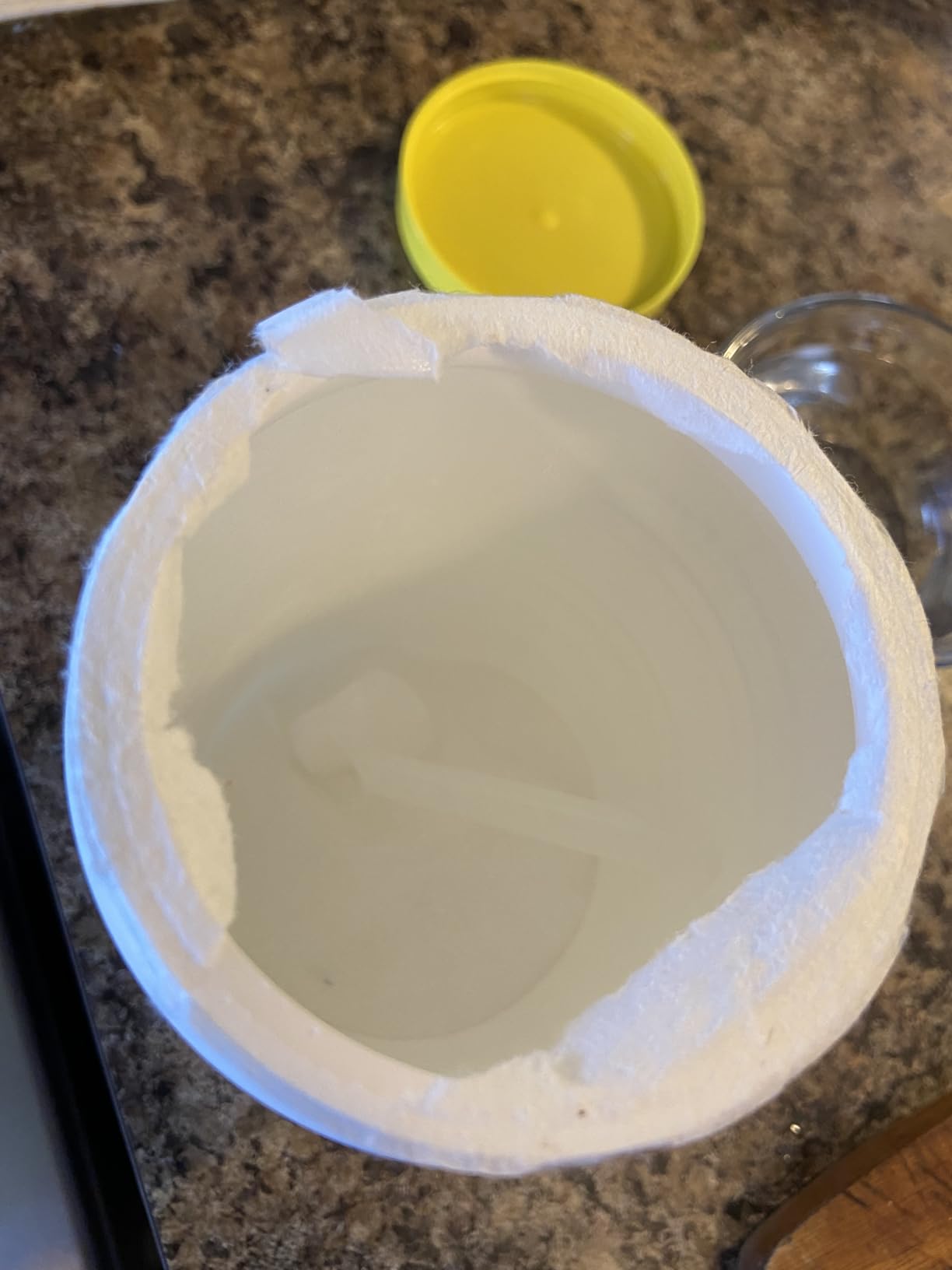
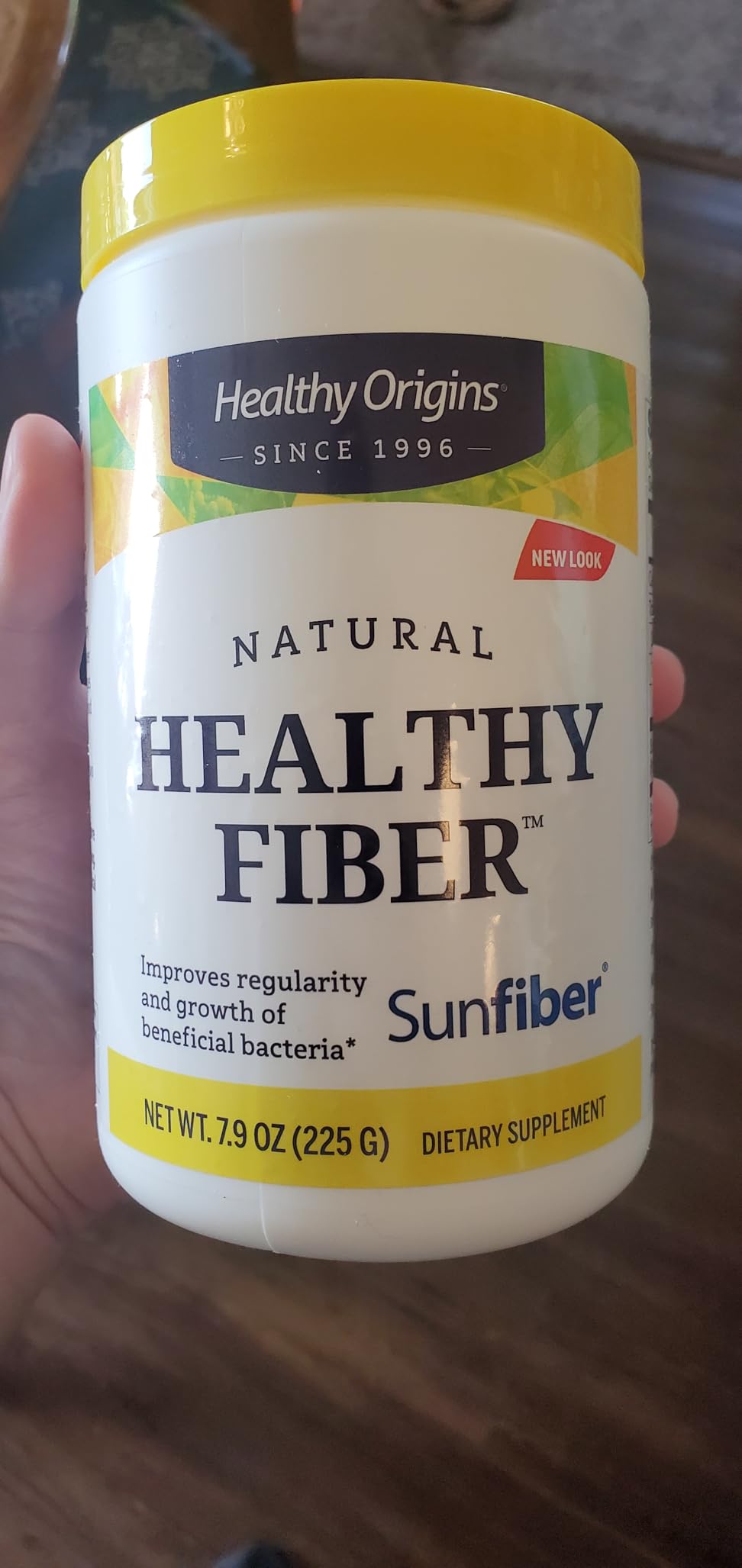
The 225-gram container is smaller than the bulk bags on this list, but each scoop delivers a full 6 grams of fiber. That makes the effective cost per serving competitive with larger containers, since you need less powder to hit the same fiber target.
Reviewers noted that Sunfiber actually improves the mouthfeel of coffee and oat milk smoothies, giving them a slightly creamier body. That is rare for a fiber supplement, which usually subtracts from texture rather than adding to it.
Best Uses for Sunfiber in Smoothies
Sunfiber shines in delicate smoothies where you want the fruit flavor to dominate: strawberry banana, blueberry oat, and tropical green smoothies all work well. Because it is completely unflavored, it never competes with the other ingredients.
What to Know About PHGG
Partially hydrolyzed guar gum is a prebiotic fiber, meaning it feeds beneficial gut bacteria. Unlike inulin, which ferments quickly and causes gas in many people, PHGG ferments slowly throughout the colon. That slow fermentation is the reason it is so well tolerated by sensitive digestive systems.
4. NOW Foods Organic Psyllium Husk Powder

NOW Supplements, Organic Psyllium Husk Powder, Soluble Fiber, 12 oz
Organic psyllium husk
Unflavored
12 oz
USDA Organic
Pros
- Single-ingredient organic psyllium
- USDA certified organic
- Non-GMO verified
- Lowers cholesterol
- Excellent value
Cons
- Strong earthy taste
- Does not dissolve well in cold water alone
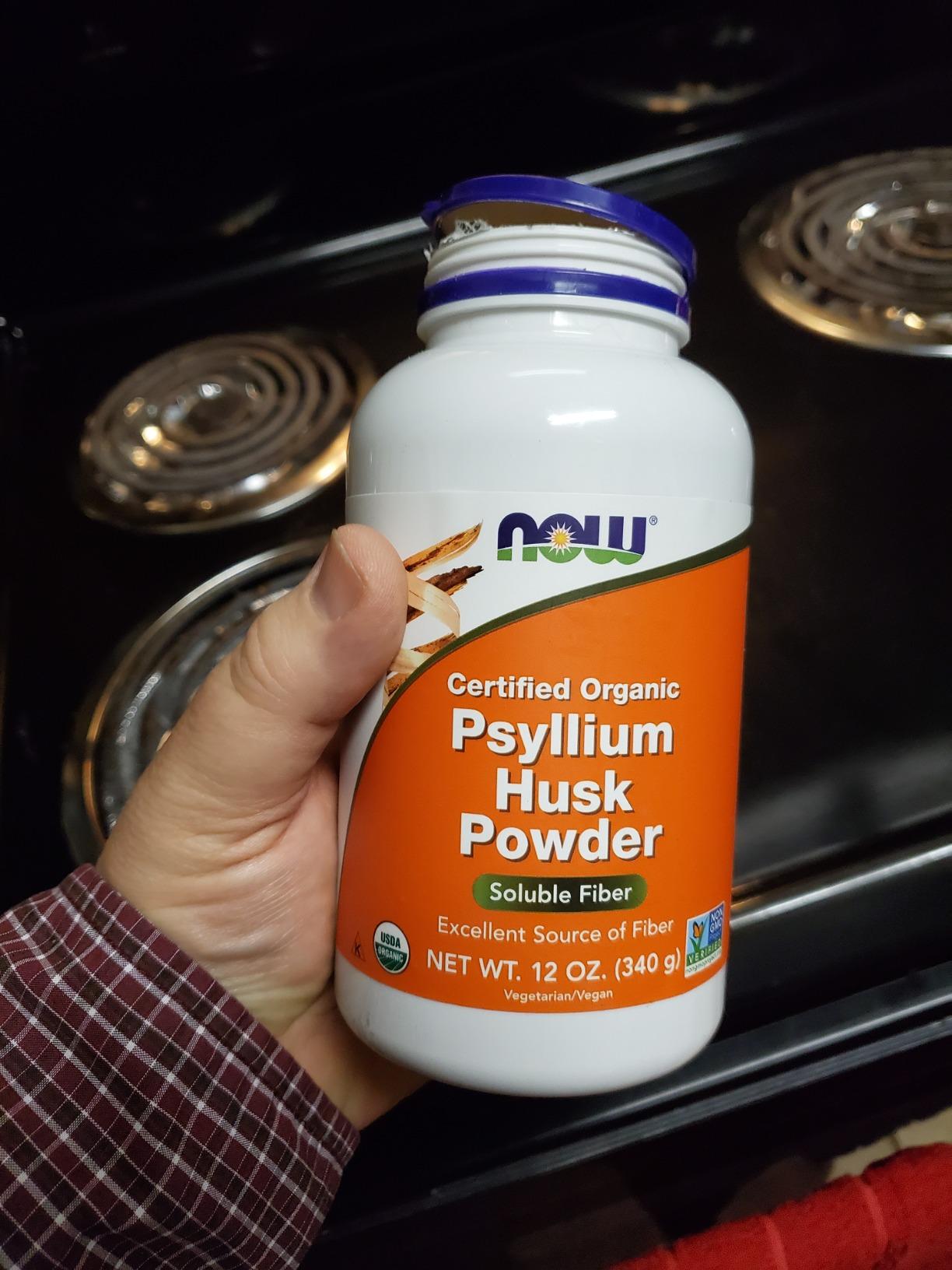
NOW Foods’ psyllium husk powder is the clean-label option for people who want pure psyllium without sweeteners or flavorings. The single ingredient is certified organic psyllium seed husk, and that purity is exactly why it tastes like wet cardboard if you mix it with water alone.
In smoothies, however, that earthy taste completely disappears behind fruit. I tested it in a frozen cherry and banana smoothie and could not detect the psyllium at all. The key is blending it with strong-flavored ingredients rather than expecting it to fade into plain water.
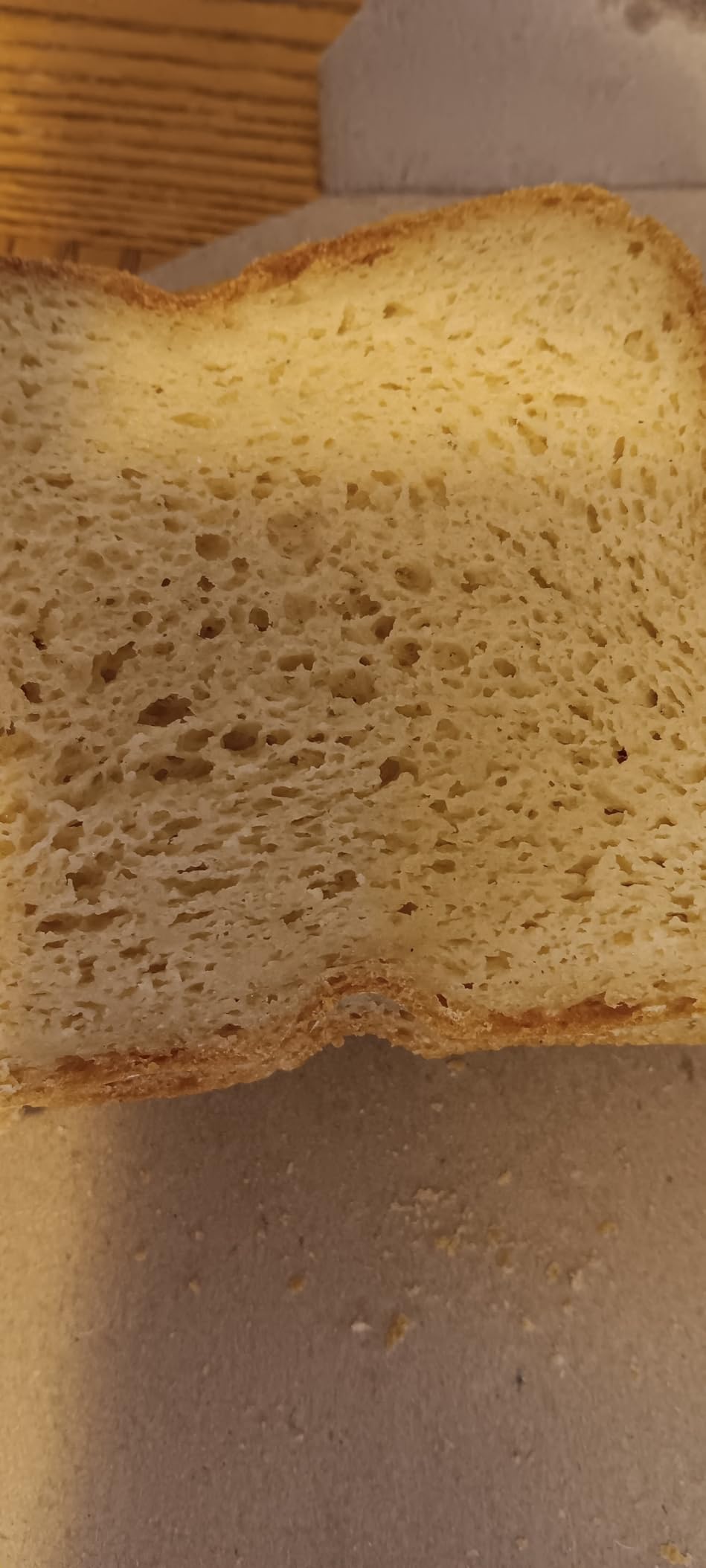
One long-term reviewer documented lowering their cholesterol by gradually increasing from one teaspoon to one tablespoon daily over two months. That gradual ramp is important for any psyllium product, since jumping straight to a high dose causes cramping and bloating.
Mixability is the main weakness. In cold liquids the powder tends to float on the surface and resist wetting. Using a shaker bottle or blender solves this completely, which is why it lands so well on a smoothies-focused list.
Psyllium Husk Powder vs Whole Husks
The powdered form mixes faster than whole psyllium husks but gels more aggressively. If you have used whole husks before and found them gritty, the powder is an upgrade. If you found the powder too thick, the whole husks give you more control over consistency.
How to Avoid the Gel Problem
Drink your smoothie within five minutes of blending psyllium into it. After that window, the gel thickens noticeably and the texture becomes unpleasant. This is true of every psyllium product on this list, not just NOW Foods.
5. Anthony’s Organic Psyllium Husk Powder – Bulk

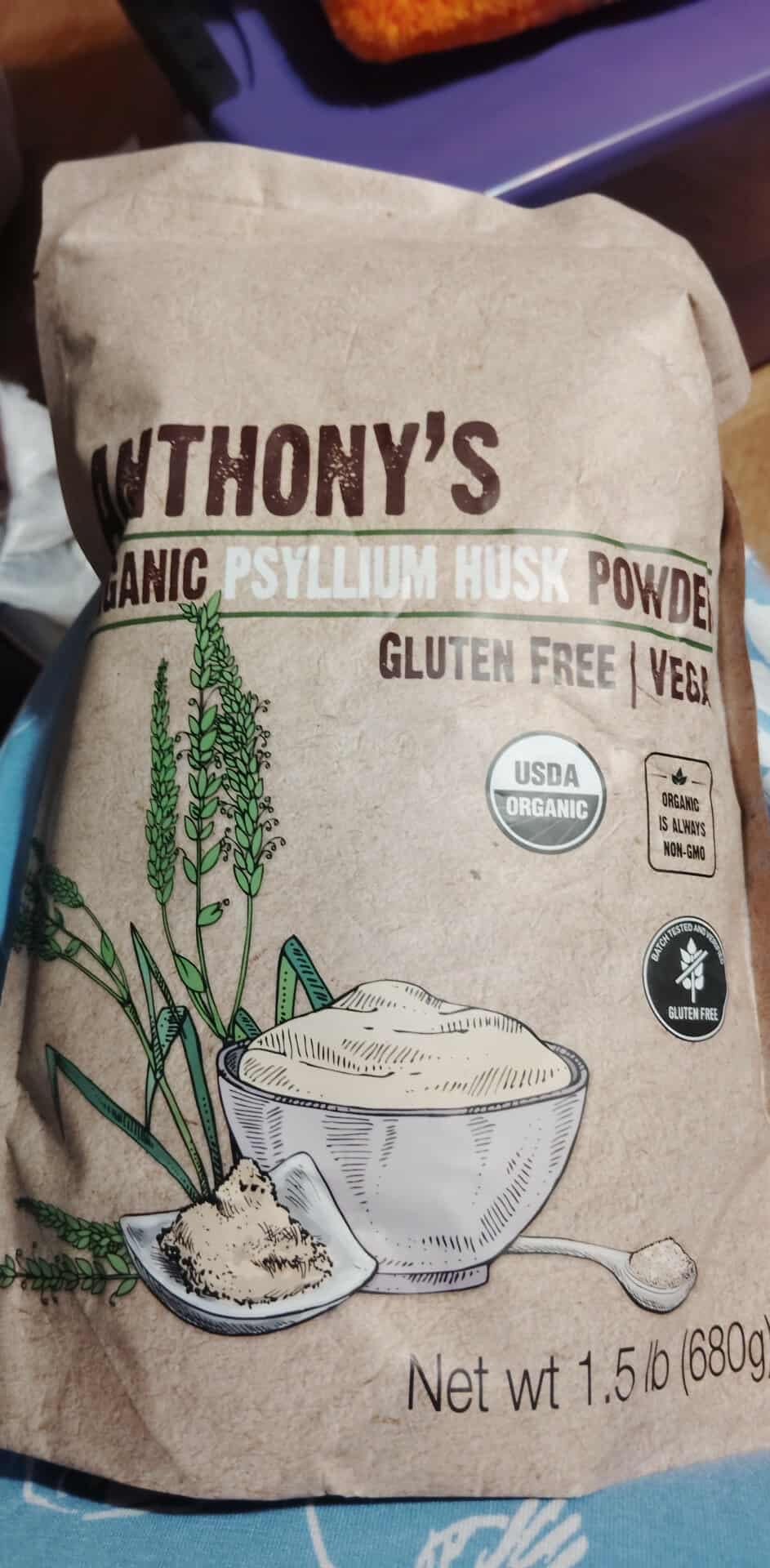
Anthony’s Organic Psyllium Husk Powder, 1.5 lb, Gluten Free, Non GMO, Finely Ground, Keto Friendly
Organic psyllium husk
Finely ground
1.5 lb
Keto friendly
Pros
- Large 1.5 lb bag for low cost per serving
- Finely ground for better mixing
- USDA organic and keto certified
- Single ingredient
Cons
- Gels very quickly
- Earthy taste without flavor masking
- Bag is messy to pour from
Anthony’s is the bulk-buyer’s psyllium. The 1.5-pound bag drives the per-serving cost well below the smaller NOW Foods container, and the finely ground texture blends more easily than coarser psyllium products I have tried.
For smoothies, I transfer Anthony’s into a sealed jar immediately, because the resealable bag is awkward to pour from cleanly. Once in a jar with a measuring scoop, it is easy to add a teaspoon to any morning blend.
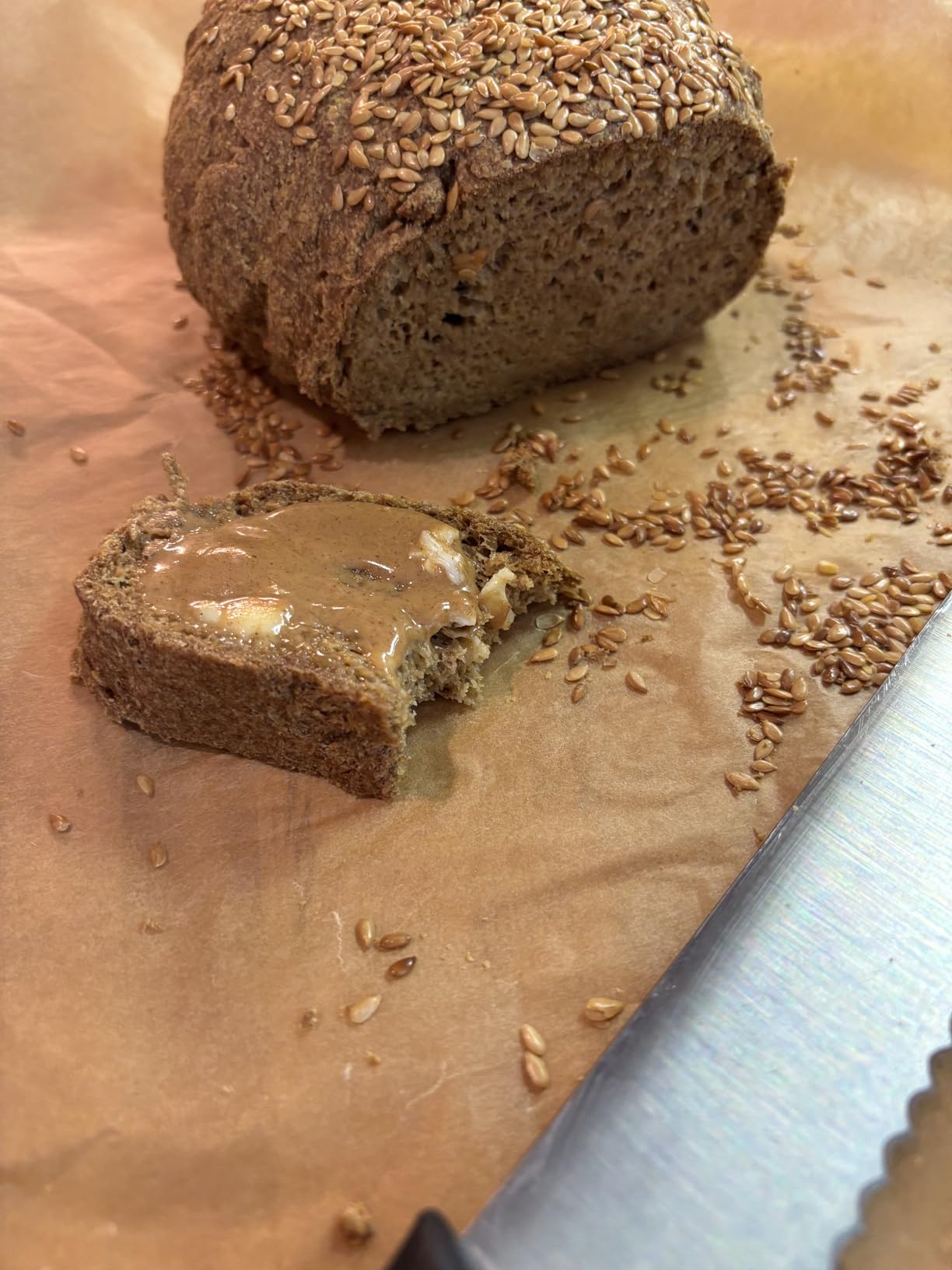
Reviewers with mast cell activation syndrome (MCAS) flagged Anthony’s as one of the few fiber sources they tolerate, since it contains no fillers or additives. That purity matters for people with chemical sensitivities who react to common supplement excipients.
One important note from a reviewer: do not store Anthony’s in a plastic container long-term. They reported the powder absorbing odors and degrading after extended plastic storage. The original bag or a glass jar is the better home for it.
Is the Finely Ground Texture Worth It?
Yes, especially for smoothies. Finely ground psyllium suspends more evenly in liquid and is less detectable on the tongue. If you have ever chewed through gritty psyllium lumps in a drink, the fine grind eliminates that experience.
Keto and Low-Carb Compatibility
Anthony’s psyllium is keto-certified because psyllium is a non-digestible carbohydrate. It contributes zero net carbs, making it one of the most popular fiber sources for keto smoothies built with almond milk, avocado, and protein powder.
6. NOW Foods Organic Acacia Pure Powder

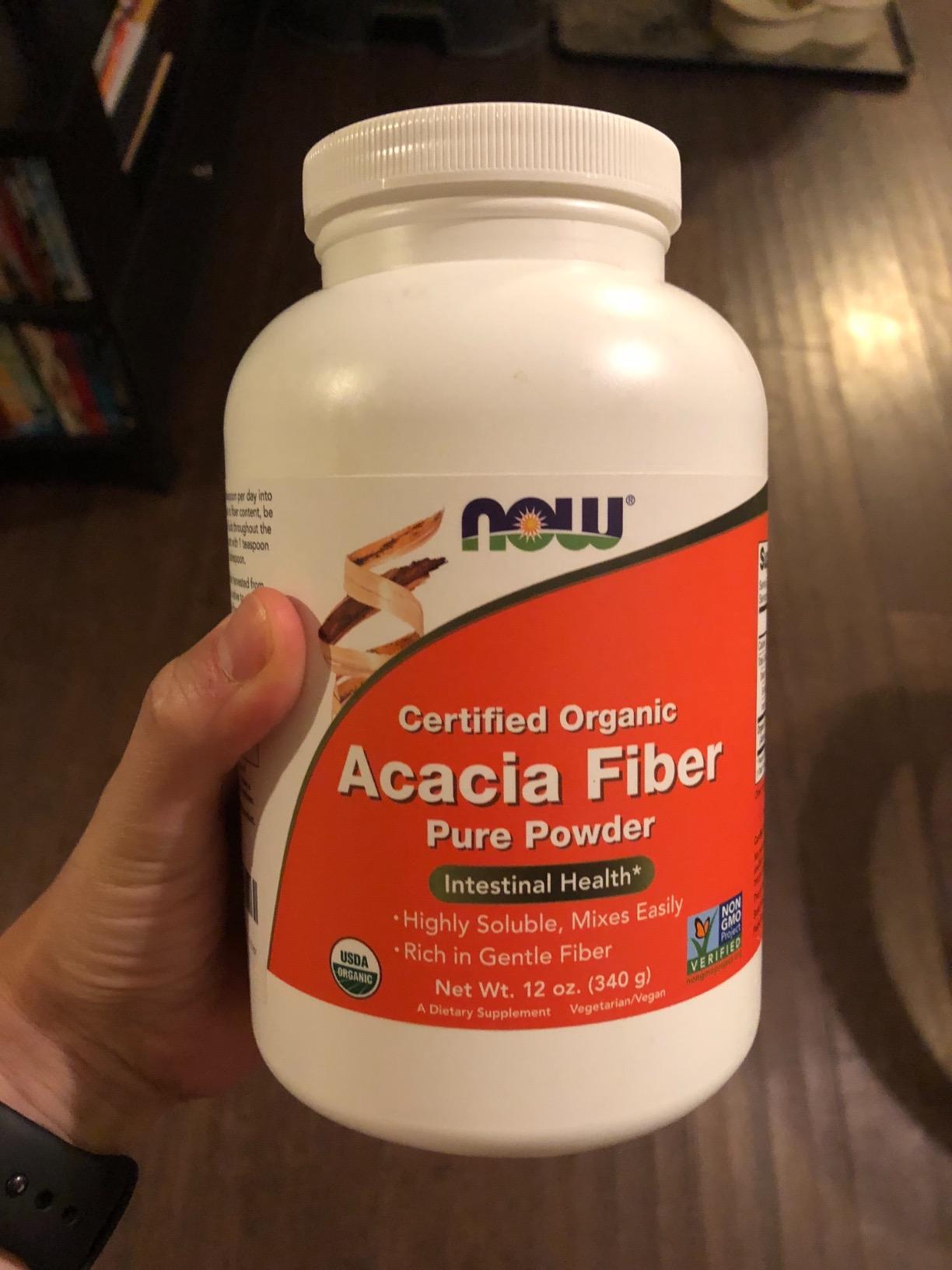
NOW Supplements, Organic Acacia Powder, Highly Soluble, 12 oz
Organic acacia fiber
Prebiotic
12 oz
Highly soluble
Pros
- Prebiotic soluble fiber
- Mixes easily with no clumping
- No taste in flavored liquids
- USDA organic
- IBS-friendly
Cons
- Visible cloudy tint in clear liquids
- Narrow jar mouth makes scooping awkward
Acacia fiber is the secret weapon for people whose digestive systems reject psyllium and inulin. Sourced from the sap of the acacia tree, it is a highly soluble prebiotic that mixes into liquids with minimal stirring and produces almost no gas.
I tested NOW Acacia in a kefir-based smoothie, and the result was noticeably creamier than the same smoothie without it. The powder disappeared completely, with only a slight cloudiness in the liquid that you would never notice in a fruit smoothie.
Reviewers with IBS reported acacia helping about 75 percent with their symptoms. That is consistent with the research showing soluble fiber helps both constipation-dominant and diarrhea-dominant IBS, unlike insoluble fiber which can worsen diarrhea cases.
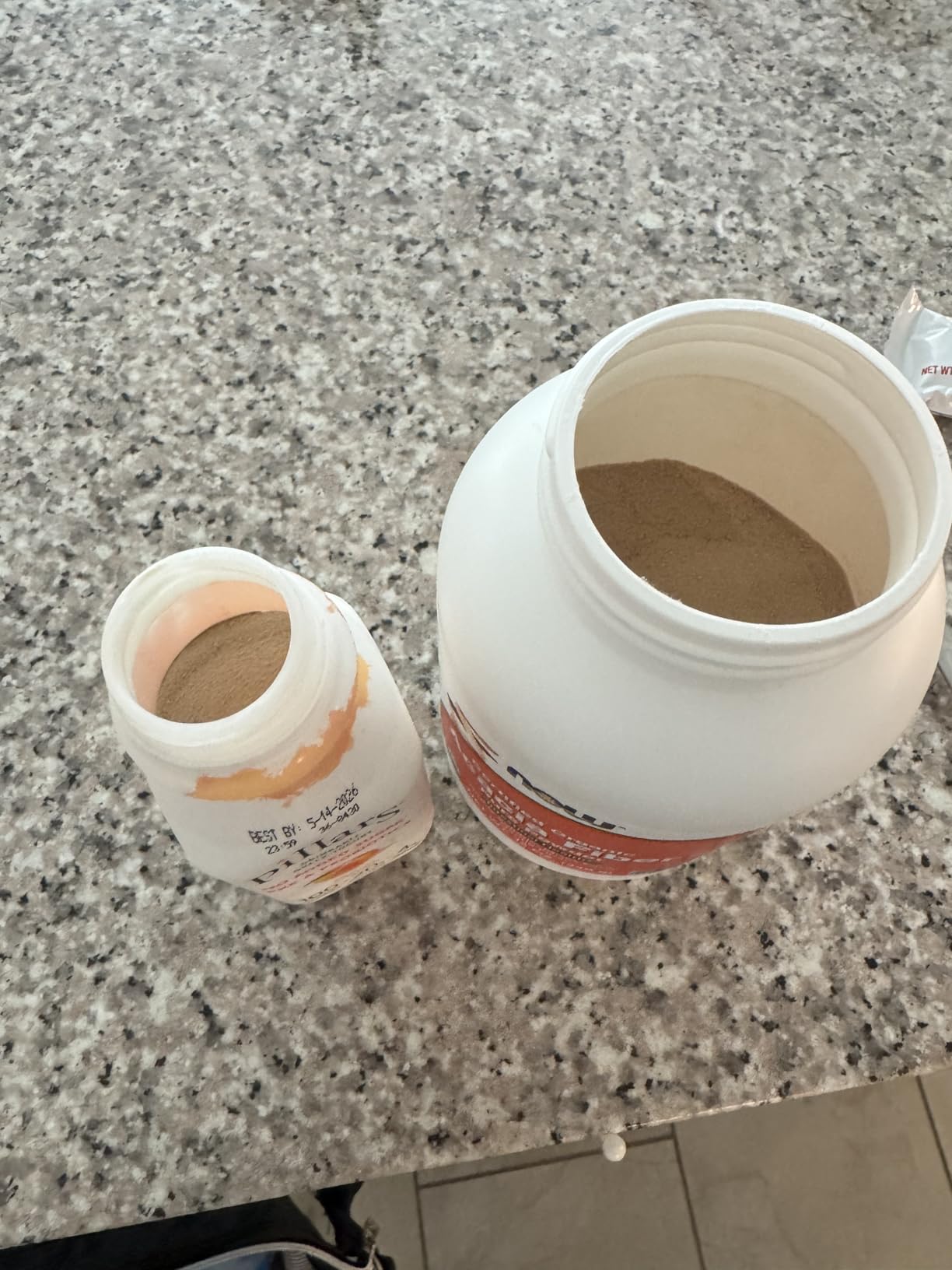
The main complaint is the narrow jar mouth, which makes it hard to get a measuring spoon in cleanly. Transferring to a wider container solves this, but it is an annoying design choice for a daily-use product.
Acacia vs Psyllium for Gut Health
Acacia is gentler and less likely to cause bloating, while psyllium is more effective for constipation relief and cholesterol lowering. Many gut-health-focused users rotate between the two, taking acacia on sensitive days and psyllium when they need stronger regularity support.
How Much Acacia to Add Per Smoothie
Start with one tablespoon (about 5 grams of fiber) and work up over a week. Acacia is well-tolerated, but jumping straight to two tablespoons can still cause mild gas if your gut bacteria are not accustomed to prebiotic fiber.
7. Anthony’s Organic Acacia Senegal Powder

Anthony’s Organic Acacia Senegal Powder, 1 lb, Batch Tested Gluten Free, Non GMO, Soluble Fiber, Prebiotic
Organic acacia senegal
Prebiotic
1 lb
No additives
Pros
- Lower cost per gram than NOW Acacia
- Pure organic acacia senegal
- Dissolves easily in warm liquids
- No preservatives or fillers
Cons
- Slightly more pronounced taste than NOW
- Bag packaging is messy
Anthony’s Acacia Senegal is the budget alternative to NOW Foods Acacia, delivering the same prebiotic fiber at a lower cost per gram. The Senegal variety is specifically prized for its high soluble fiber content and clean dissolution in liquids.
In testing, Anthony’s acacia dissolved slightly faster than NOW’s, but with a more noticeable taste. Several reviewers said the taste is hidden well in coffee but detectable in delicate drinks like green tea. In a fruit smoothie, that taste disappears entirely.
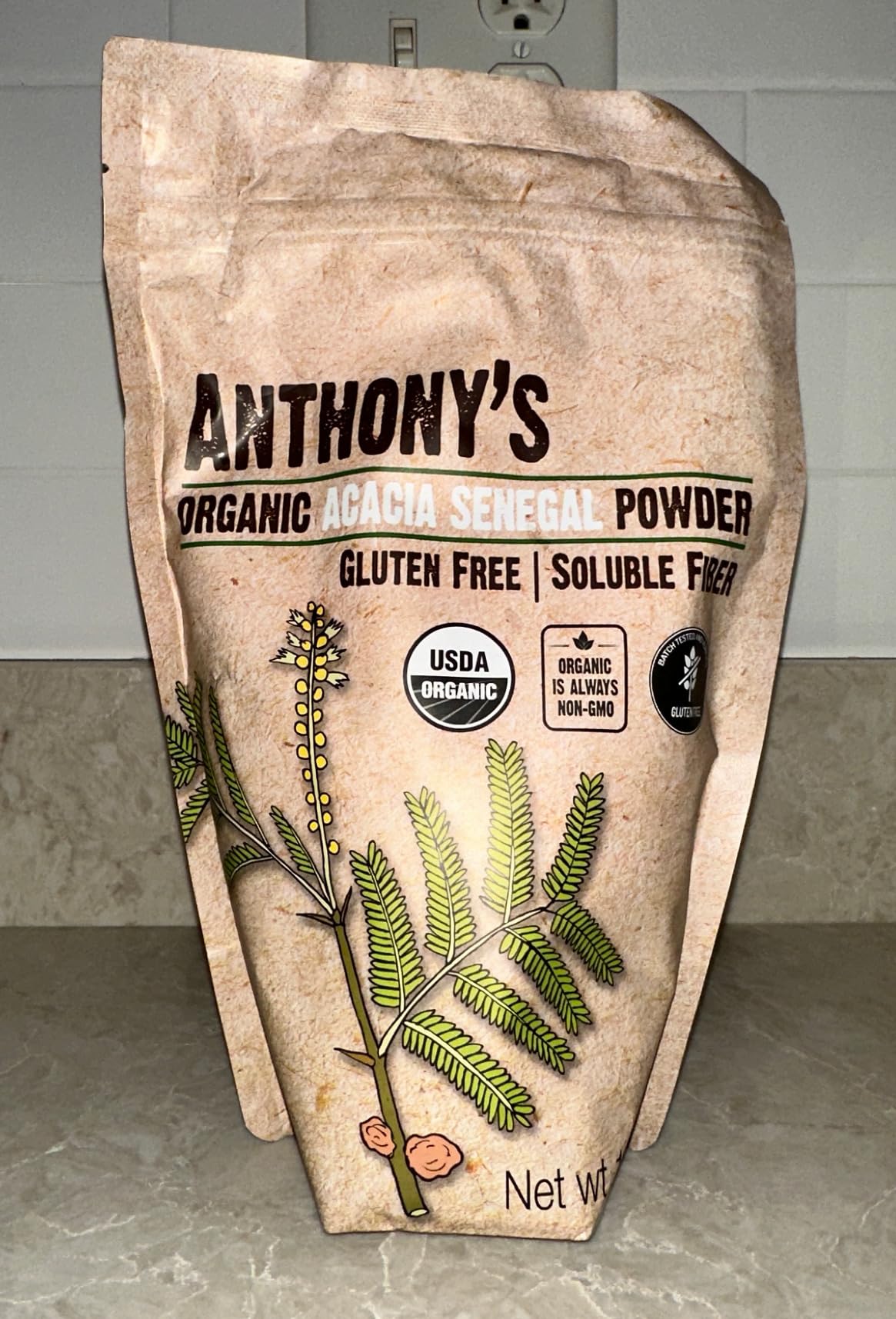
One reviewer’s husband with severe IBS called this the only product that genuinely helped, allowing him to leave the house without fear. That kind of testimonial appears repeatedly across acacia reviews, which speaks to how well this fiber type suits sensitive digestive systems.
The bag packaging is the main drawback. Like Anthony’s psyllium, transferring to a sealed jar on day one saves you from spilled powder and inconsistent measurements later.
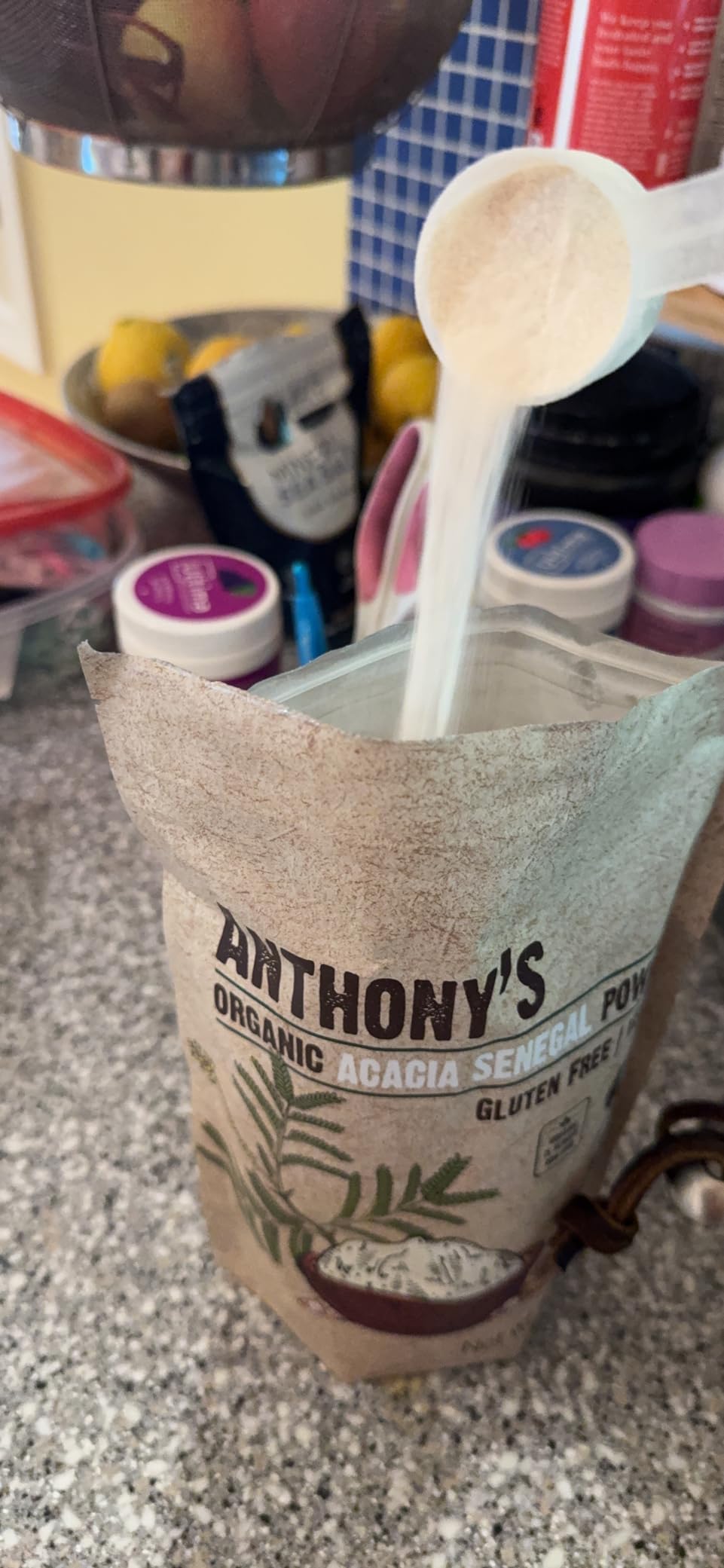
Anthony’s vs NOW Acacia: Which to Buy?
Buy Anthony’s if cost per gram is your priority and you mix it into strong-flavored smoothies or coffee. Choose NOW if you want the most neutral taste possible, especially for plain water or lightly flavored drinks where the difference is detectable.
Acacia Senegal vs Other Acacia Species
Acacia senegal is the species most studied for digestive health, and it produces gum arabic, the same fiber used in clinical research. Generic acacia powder may use other species with less supporting evidence, which is why the Senegal label matters.
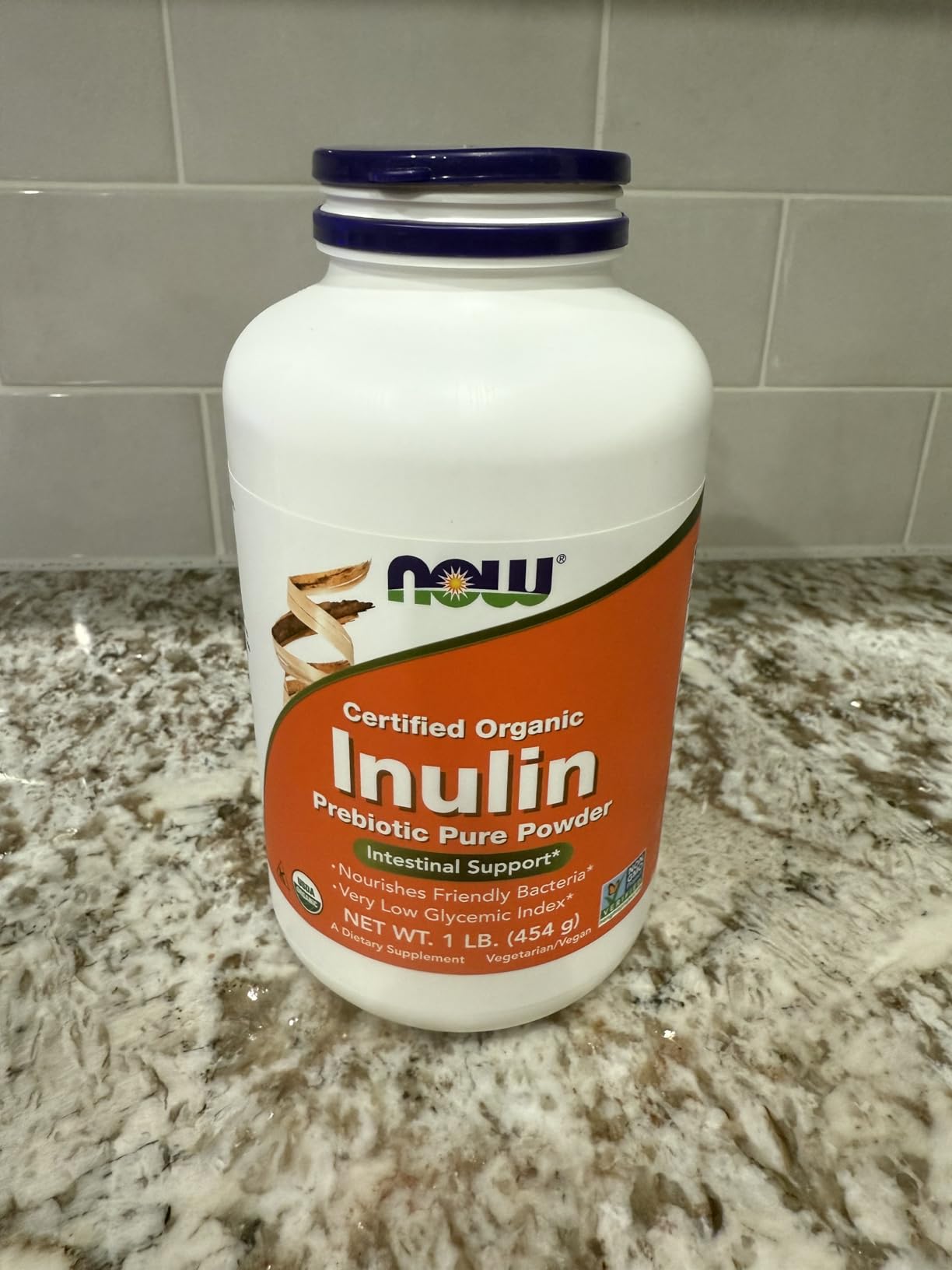
8. NOW Foods Organic Inulin Prebiotic Powder
NOW Foods Supplements, Inulin Prebiotic Pure Powder, Certified Organic, Non-GMO Project Verified, Intestinal Support*, 1-Pound
Organic inulin from chicory
Mildly sweet
1 lb
Prebiotic
Pros
- Adds natural sweetness without sugar
- Dissolves easily in hot and cold liquids
- Organic and non-GMO verified
- Feeds beneficial gut bacteria
Cons
- Causes significant bloating at higher doses
- Not suitable for everyone with SIBO
Inulin is the fiber I recommend for smoothie drinkers who want to cut added sugar without losing sweetness. Sourced from chicory root, inulin has a naturally mild sweetness that enhances fruit smoothies while delivering a powerful prebiotic effect.
The catch with inulin is fermentation speed. It ferments rapidly in the gut, which feeds beneficial bacteria effectively but also produces gas quickly. Multiple forum users on r/nutrition flagged this as the fiber most likely to cause bloating if you start at a full dose.
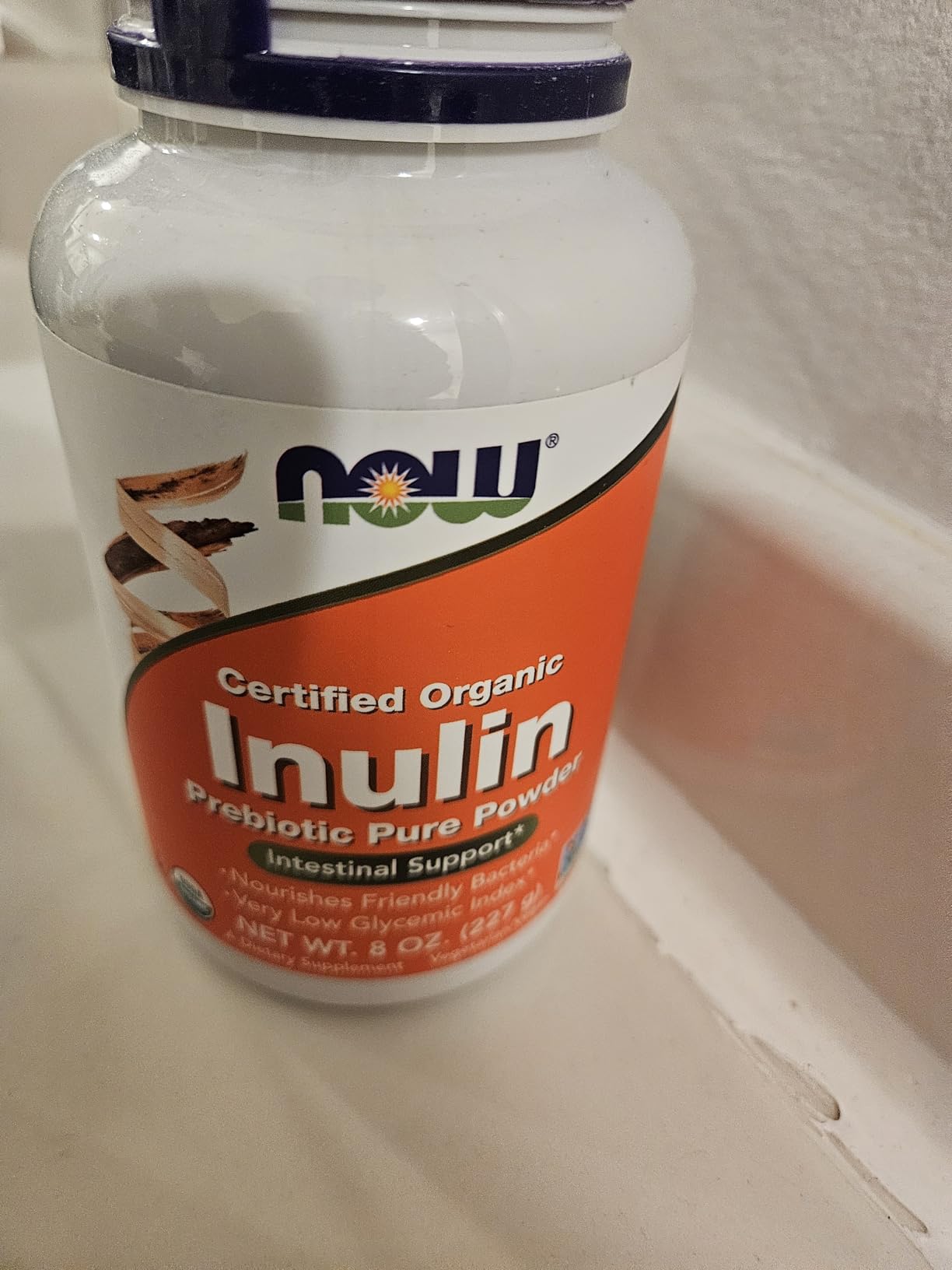
The fix is starting at a quarter teaspoon and increasing gradually over two weeks. One reviewer with SIBO reported their appetite dropping by 50 percent after building tolerance, which reflects inulin’s documented effect on satiety hormones.
In smoothies, inulin pairs beautifully with tart fruits like raspberries and green apples, where its sweetness balances the acidity. Avoid combining it with already-sweet ingredients like dates unless you want an overpowering sweet drink.
Inulin and SIBO: What to Know
If you have been diagnosed with small intestinal bacterial overgrowth, inulin may worsen symptoms because it feeds bacteria in the small intestine where it should not be fermented. Sunfiber (PHGG) is generally the safer prebiotic choice for SIBO patients.
Using Inulin as a Sugar Replacement
Inulin is about 10 percent as sweet as sugar, so a tablespoon in a smoothie adds noticeable sweetness without the blood sugar spike. It works best as a supplement to existing fruit sweetness rather than a standalone sweetener.
9. Micro Ingredients Organic Inulin FOS Fiber Powder – Bulk
Micro Ingredients Organic Inulin FOS Fiber Powder, 2.2 lbs | Quick Water-Soluble Prebiotic | Natural Fiber for Smoothies & Drinks | Vegan Friendly, Dissolves Clear
Organic inulin FOS from Jerusalem artichoke
2.2 lb
Dissolves clear
Vegan
Pros
- Massive 2.2 lb bag for lowest cost per gram
- Dissolves completely clear in liquids
- Jerusalem artichoke source
- No taste in coffee and smoothies
Cons
- Same bloating risk as all inulin
- Large bag requires separate storage container
Micro Ingredients delivers the best value on inulin by a wide margin. The 2.2-pound bag brings the per-gram cost well under NOW Foods’ one-pound jar, making it the smart choice for anyone who already knows they tolerate inulin well.
The source is Jerusalem artichoke rather than chicory root, and several reviewers noted it dissolves even more cleanly than chicory-based inulin. In hot coffee it dissolves “almost instantly” according to one long-term user, and in cold smoothies it takes only a few extra seconds of blending.
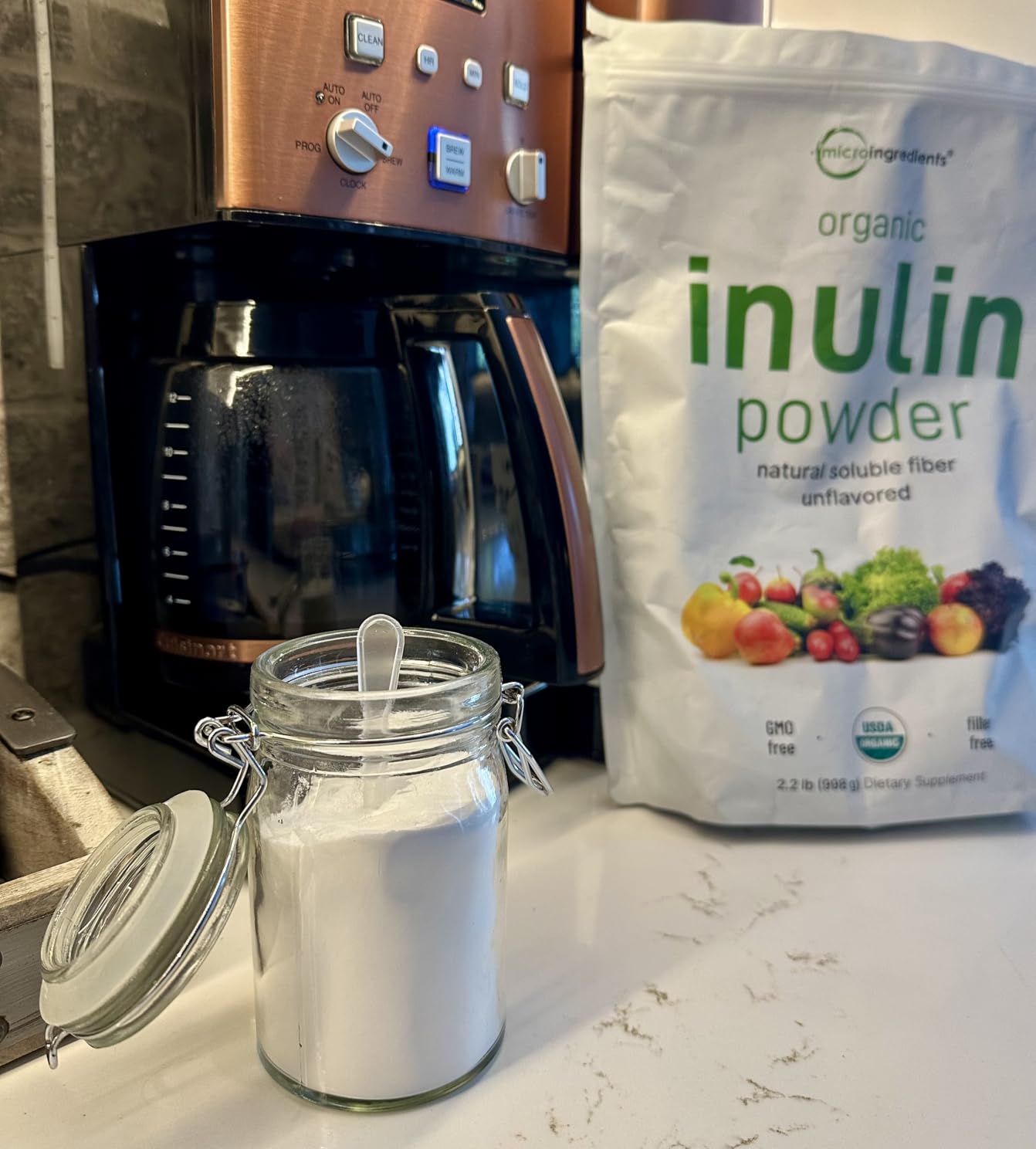
A reviewer who used this daily for nearly a year reported improvements in digestion and afternoon energy within a few weeks. That timeline matches the typical prebiotic adaptation period, where gut bacteria rebalance over two to four weeks of consistent fiber intake.
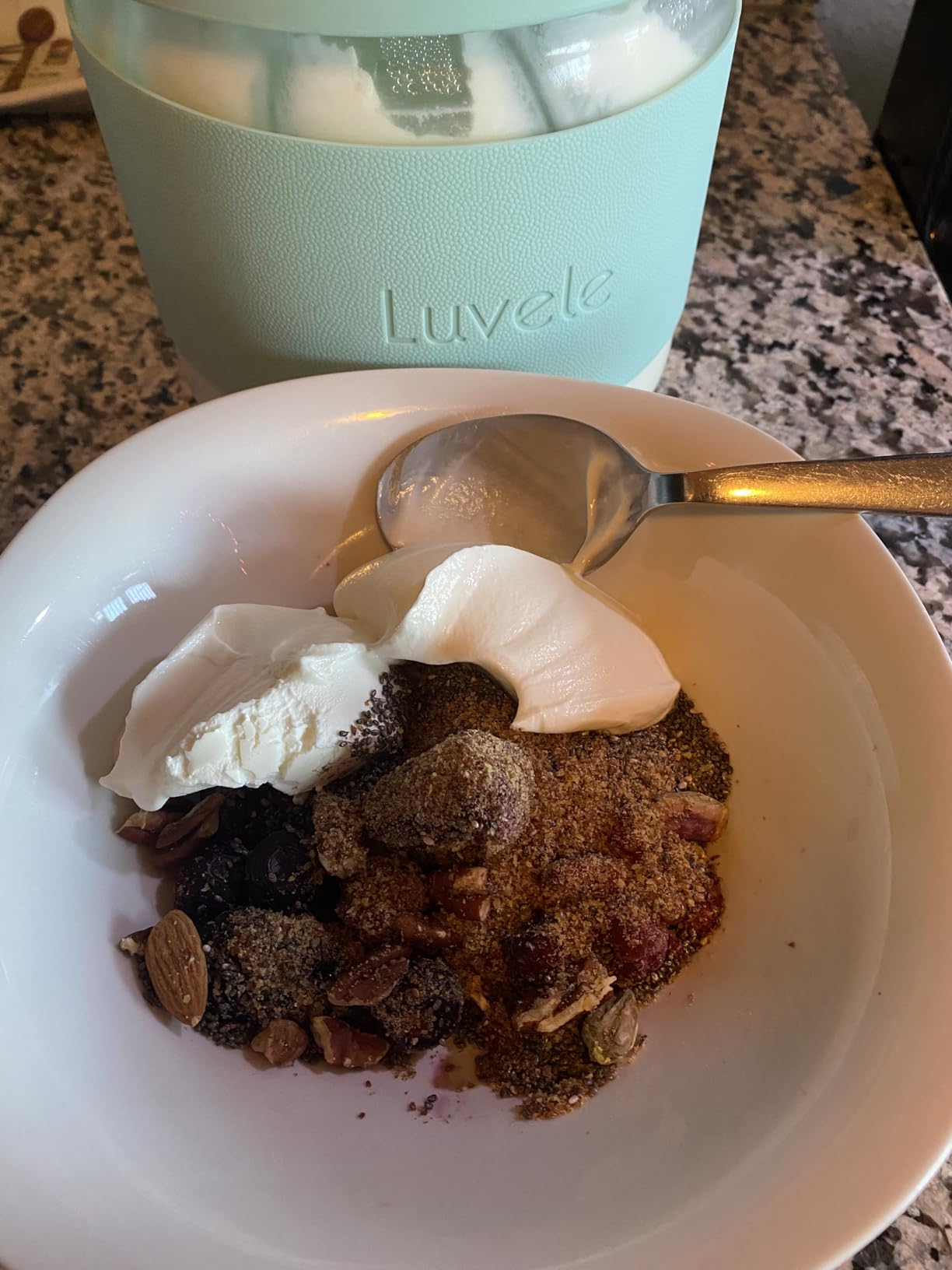
One reviewer suggested mixing inulin with another powder like collagen to help it disperse without clumping. This is good advice for cold smoothies, where inulin can initially float on the surface before hydrating.
Jerusalem Artichoke vs Chicory Inulin
Both sources provide the same FOS (fructooligosaccharide) fiber, but Jerusalem artichoke inulin tends to have a slightly sweeter taste and finer texture. Some users find it more palatable than chicory versions, though the digestive effects are essentially identical.
Storing a 2.2 Pound Bag
Transfer the inulin to an airtight container within the first week. The resealable bag works for short-term use, but humidity causes clumping over time. A glass jar with a tight lid keeps the powder free-flowing for months.
10. Micro Ingredients Organic Triple Fiber Blend

Micro Ingredients Organic Triple Fiber Powder, 2lb | Natural Prebiotic to Support Digestive & Gut Health | Soluble, Easily Digestible | Unflavored, Vegan
Triple fiber: inulin acacia psyllium
2 lb
113 servings
Organic
Pros
- Three fiber types in one scoop
- 6g soluble fiber per serving
- 113 servings per bag
- USDA organic
- Mild pleasant taste
Cons
- Does not fully dissolve in plain water
- Some users report clumping in thin liquids
The Triple Fiber blend combines chicory root inulin, acacia fiber, and psyllium husk into a single scoop. That triple-action approach means you get the prebiotic benefits of inulin and acacia alongside the bulk-forming regularity of psyllium, all from one container.
For smoothies specifically, this blend shines because the blender handles what plain stirring cannot. Several reviewers noted that the powder does not dissolve well in plain water or thin liquids, but blends smoothly into thicker smoothies and shakes.
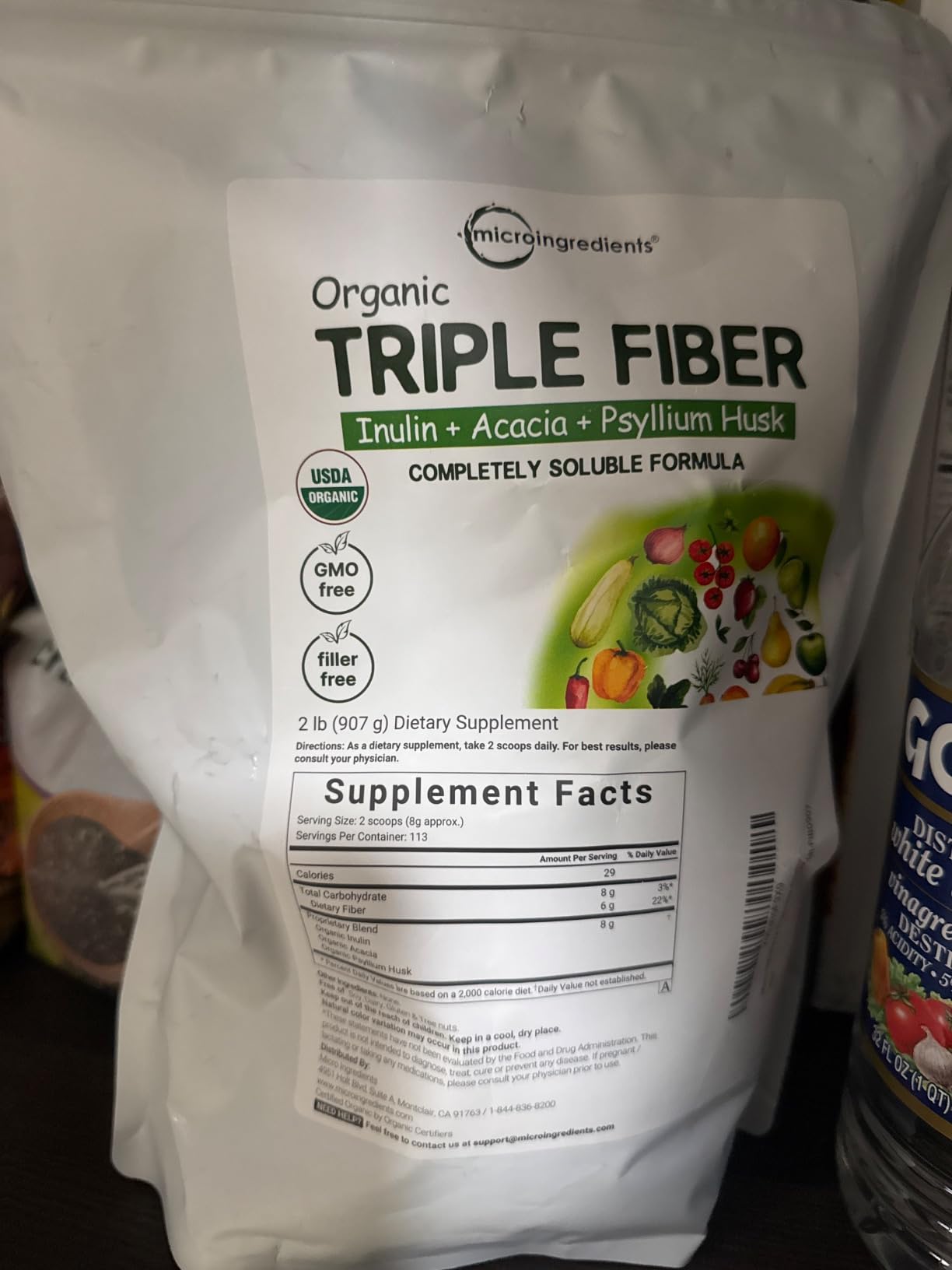
One reviewer with elevated cholesterol reported their doctor recommending this specific product after researching options, and the blend dissolved immediately with zero clumping in their testing. The 113-serving bag makes it one of the most cost-effective multi-fiber options available.
The lower 4.2-star rating compared to single-fiber products reflects the inherent challenge of blending three fiber types. Some users want pure psyllium or pure inulin, and the combination is not always the right fit for every digestive system.

Why a Triple Blend Instead of Single Fiber
Different fiber types feed different bacteria and work through different mechanisms. Inulin feeds bifidobacteria, acacia is gentle on sensitive guts, and psyllium adds bulk for regularity. The triple blend gives you all three benefits without needing to buy and mix three separate products.
Mixing Tips for Cold Smoothies
Use a shaker bottle or blender rather than stirring with a spoon. One highly-upvoted reviewer recommended starting with a small amount of liquid in a shaker bottle and shaking vigorously before adding the rest of your smoothie ingredients. That technique eliminates clumping.
11. Garden of Life Super Seed Whole Food Fiber
Garden of Life Super Seed Unflavored Fiber Powder, with Omega 3, 600g
Whole food fiber from 14 sprouted seeds
6g protein
6g fiber
Omega-3
Pros
- Includes protein and omega-3 alongside fiber
- Whole food source not isolated fiber
- 14 sprouted seeds grains and legumes
- Contains probiotics and enzymes
Cons
- Contains stevia and cinnamon flavor
- Thicker texture some dislike
- Questionable flax processing method
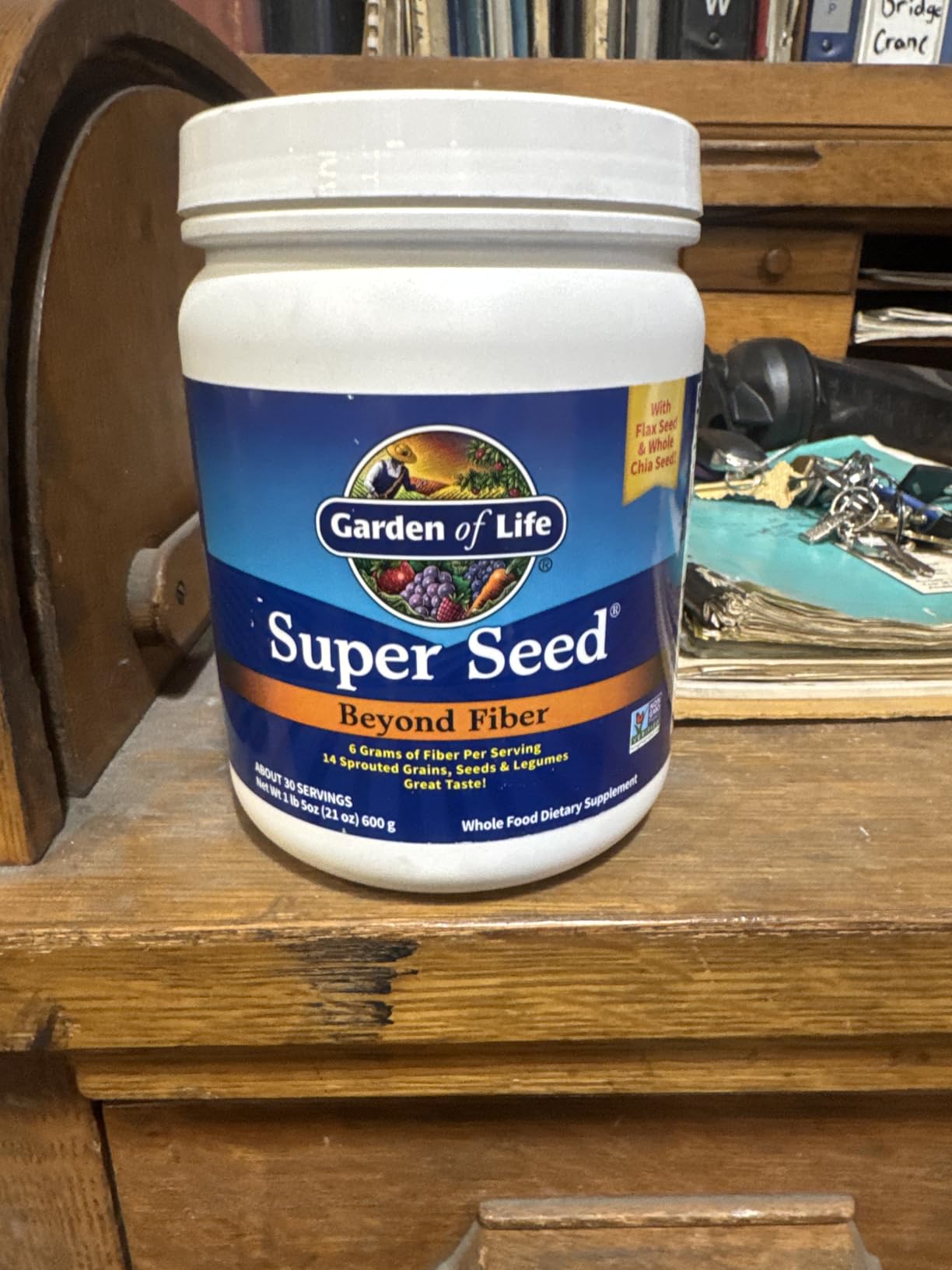
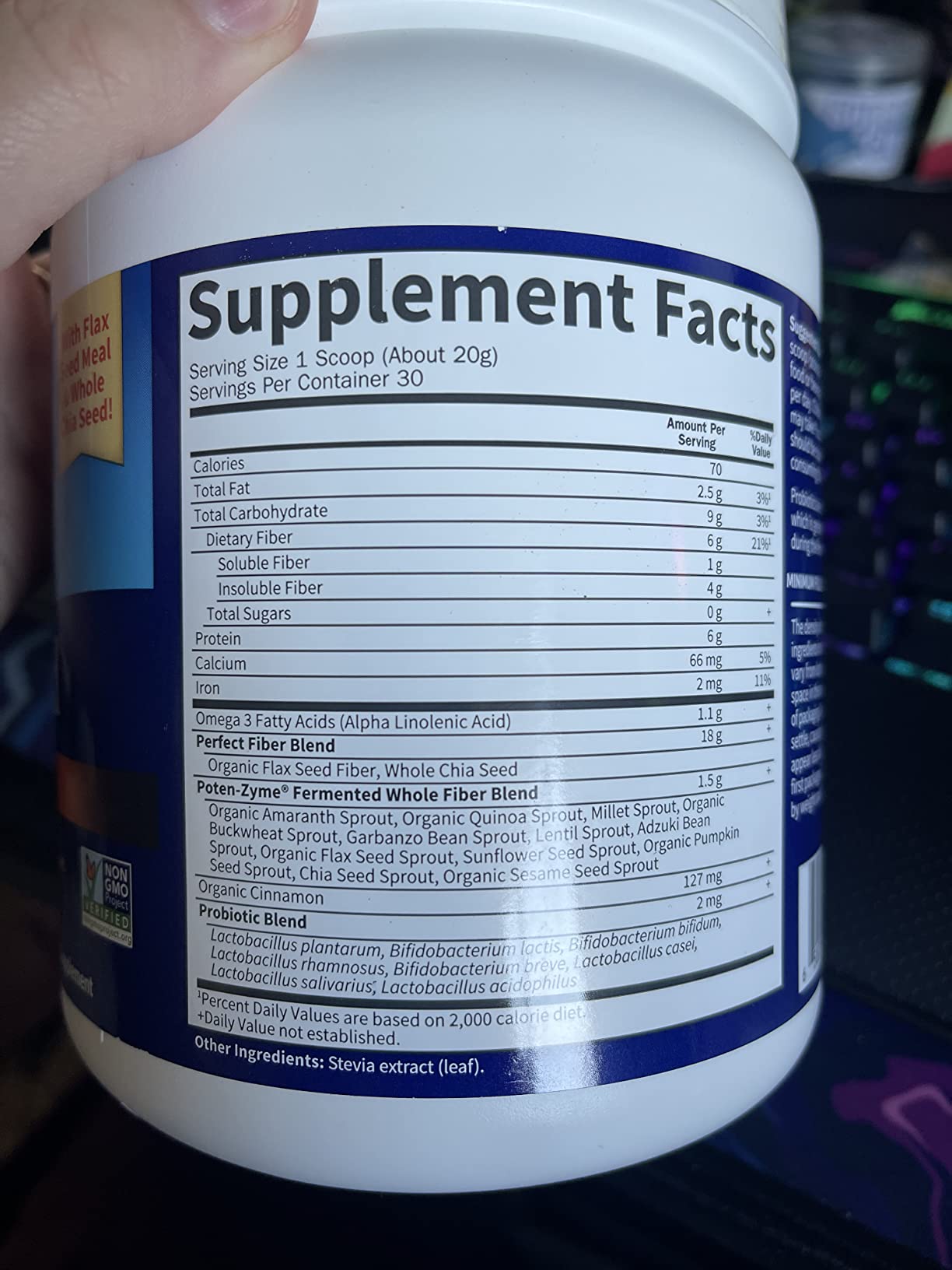
Super Seed is the closest thing on this list to food rather than a supplement. Each serving delivers 6 grams of fiber alongside 6 grams of protein and omega-3 fats from 14 sprouted seeds, grains, and legumes. If you want fiber that comes with real nutrition attached, this is the pick.
In smoothies, Super Seed adds body and a slight cinnamon flavor from the included spices. Reviewers praised it for keeping them full longer, which makes sense given the protein, fat, and fiber combination that slows digestion and stabilizes blood sugar.
The main downside is the added stevia and cinnamon. Several reviewers who dislike stevia’s bitter aftertaste found it detectable even in heavily flavored smoothies. If you are sensitive to stevia, this is worth knowing before buying.
One longer-term reviewer raised concerns about how the flax seeds are defatted, since the label does not specify whether the process uses mechanical cold-pressing or chemical solvents. If that matters to you, contact the company for clarification before committing.
Super Seed vs Isolated Fiber Powders
Isolated fibers like psyllium or acacia deliver pure fiber with nothing else. Super Seed delivers fiber alongside protein, healthy fats, probiotics, and enzymes, making it more of a meal supplement. Choose based on whether you want fiber alone or fiber plus nutrition.
Who Benefits Most from the Added Protein
If you already use protein powder in your smoothie, Super Seed may be redundant. But for smoothie drinkers who skip protein powder and want a single scoop that handles fiber, protein, and healthy fats together, this product is uniquely convenient.
12. Thorne FiberMend Prebiotic Fiber Blend
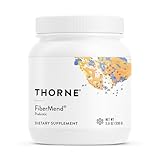
THORNE FiberMend, Prebiotic Fiber Powder with Antioxidants, 30 Servings
PHGG inulin larch arabinogalactan
Green tea extract
30 servings
Prebiotic
Pros
- Premium ingredient blend
- No gas or bloating reported
- Contains green tea extract antioxidant
- Third-party contents certified
- Highly effective for regularity
Cons
- Higher price per serving than most options
- Only 30 servings per container
Thorne FiberMend is the premium pick for anyone who has tried cheaper fibers and dealt with gas, bloating, or cramping. The blend combines PHGG, inulin, and larch arabinogalactan, with green tea extract added for antioxidant support. Thorne’s reputation for third-party testing makes this a trusted choice.
Multiple reviewers on medication-induced constipation specifically praised FiberMend for working without the gas and bloating they experienced with psyllium and standard inulin products. One reviewer called it better than psyllium husk outright, which is high praise given psyllium’s dominance.
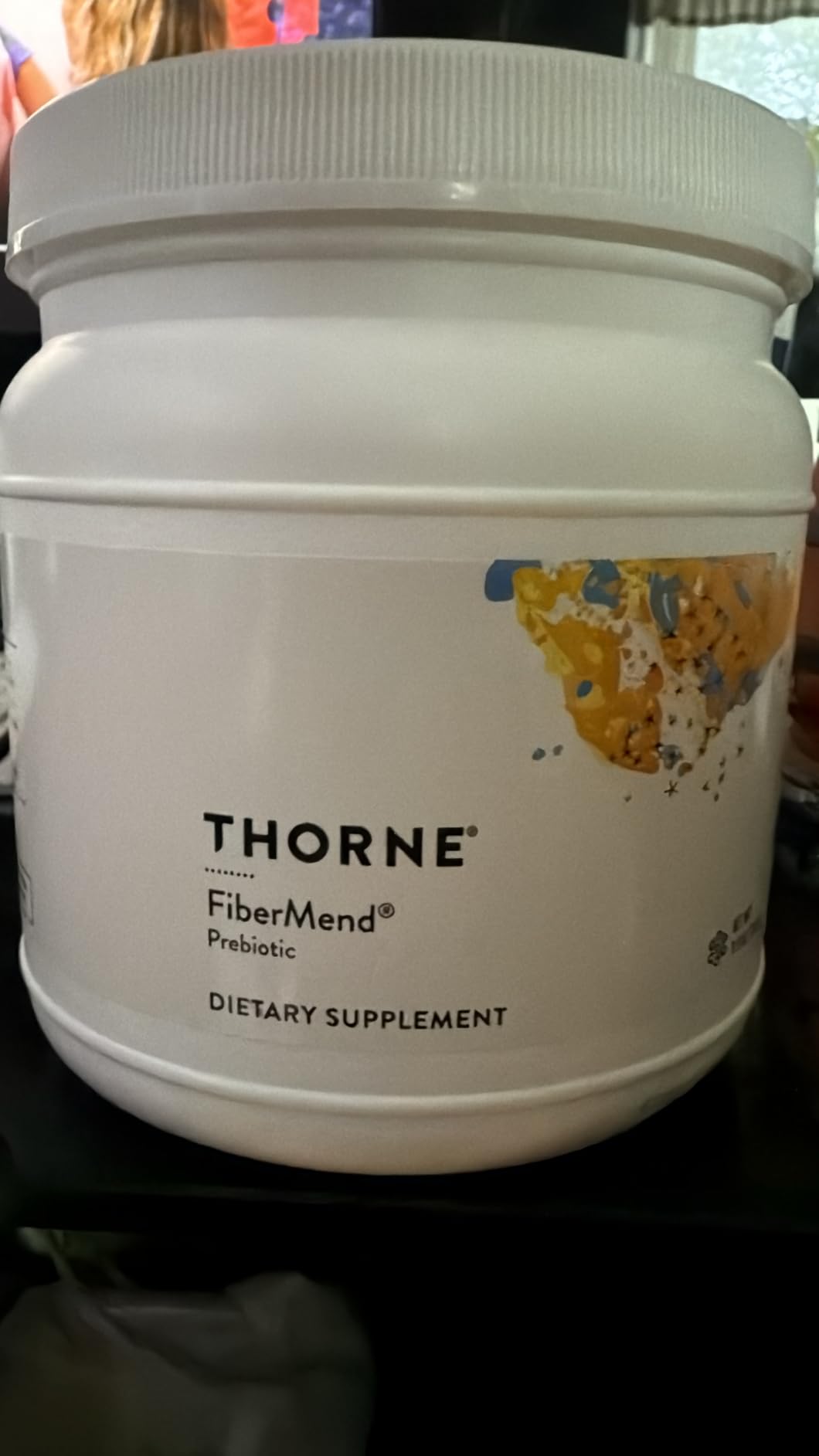
The unflavored powder has a slight bread-like taste that most users find pleasant or neutral. It mixes well into smoothies, coffee, and water, though the 30-serving container means it is one of the pricier options per serving on this list.
For smoothies, FiberMend pairs well with green smoothies containing spinach, kiwi, and green apple. The green tea extract complements those flavors without overpowering them.

Why FiberMend Costs More
The price reflects the ingredient quality and third-party certification. Larch arabinogalactan alone is an expensive prebiotic that supports natural killer cell immune function. If you are paying for premium ingredients with verified contents, the cost per serving is justified.
Best for Medication-Induced Digestive Issues
Reviewers on medications that cause constipation, including GLP-1 agonists and antidepressants, repeatedly flagged FiberMend as the most tolerable fiber. The PHGG base ferments slowly, and the inulin dose per scoop is lower than standalone inulin products, reducing gas production.
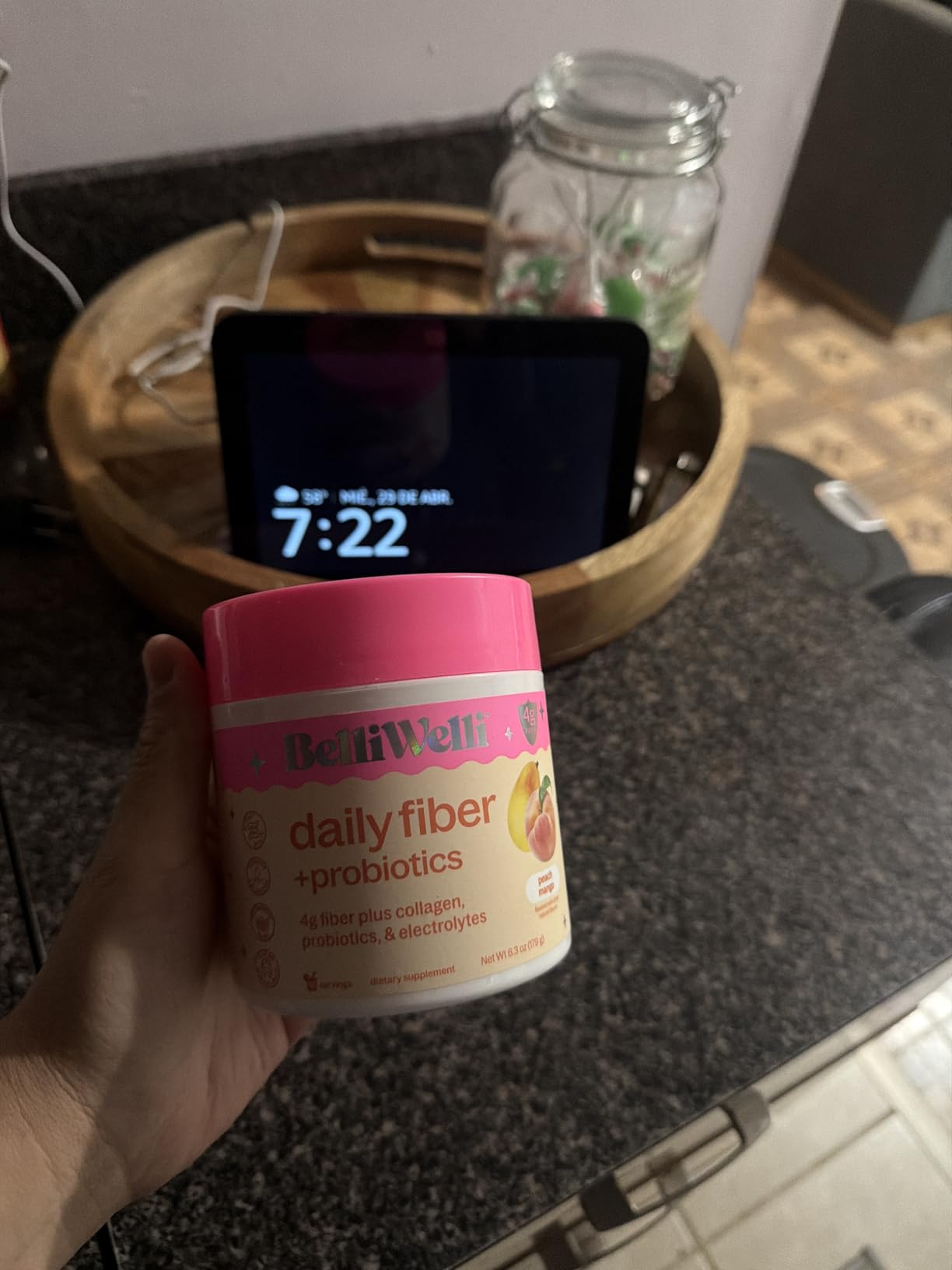
13. BelliWelli Fiber Supplement Peach Mango
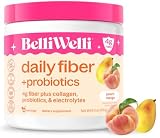
BelliWelli Fiber Supplement for Women & Men – Premium Daily Fiber Powder from Organic Acacia with Added Collagen, Electrolytes & Probiotics – No Bloat, Constipation & Gut Health Support (Peach Mango)
Organic acacia plus collagen
Electrolytes
Probiotics
Peach mango
Pros
- Tastes like a tropical smoothie on its own
- Includes collagen for skin and joints
- Added electrolytes and probiotics
- Doctor-formulated
- GLP-1 friendly
Cons
- Only 2g sugar per serving
- Smaller container sizes
- Premium pricing for combination product
BelliWelli is the newest product on this list and the most smoothie-ready fiber I tested. The Peach Mango flavor tastes like a tropical drink on its own in water, and in a fruit smoothie it enhances rather than clashes with the other ingredients.
The combination of organic acacia fiber, collagen, electrolytes, and probiotics means each scoop delivers more than just fiber. Reviewers on GLP-1 medications specifically praised BelliWelli for helping with constipation and heartburn, which are common side effects of those drugs.
One reviewer noted their skin looking more hydrated and glowy after consistent use, attributing it to the added collagen. While collagen’s skin benefits are debated, the anecdotal reports from BelliWelli users are consistently positive on that front.
The main consideration is that BelliWelli contains 2 grams of sugar per serving and is sweetened. If you want a completely sugar-free, unflavored option, this is not it. But for smoothie drinkers who want fiber that doubles as a flavor enhancer, it is excellent.
Combining Fiber with Collagen: Smart or Gimmick?
The combination makes sense for smoothie drinkers who already use collagen separately. You get two supplements in one scoop, which simplifies your morning routine. If you don’t want collagen, a pure acacia powder like Anthony’s or NOW is the more economical choice.
GLP-1 Friendly Explained
BelliWelli is marketed as GLP-1 friendly because the acacia fiber base is gentle on the slowed digestion that GLP-1 medications cause. Unlike bulk-forming psyllium, which can compound constipation from these medications, acacia supports regularity without adding bulk that backs up.
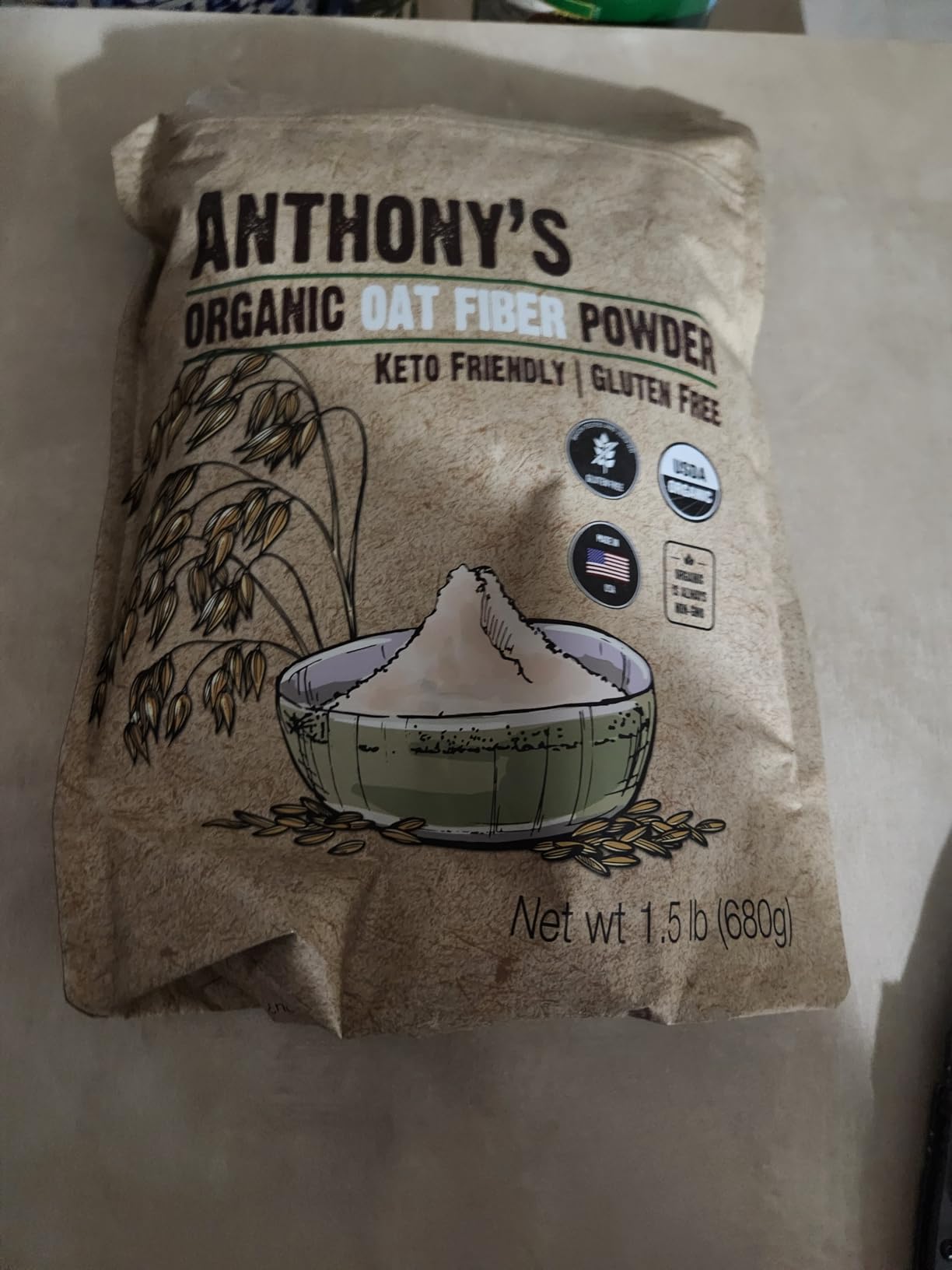
14. Anthony’s Organic Oat Fiber

Anthony’s Organic Oat Fiber, 1.5 lb, Gluten Free, Non GMO, Keto Friendly, Product of the USA
Organic oat fiber
Insoluble
1.5 lb
Keto friendly
Pros
- Excellent source of insoluble fiber
- Completely flavorless in recipes
- USDA organic and keto certified
- Product of USA
- Great for baking
Cons
- Does not dissolve completely in liquid
- Sweet aftertaste in savory recipes
- Requires vigorous blending for smoothies
Anthony’s Oat Fiber is the only insoluble fiber-only product on this list, and it fills an important gap. Most fiber powders are soluble, but some people specifically need insoluble fiber to add bulk and speed transit through the digestive tract.
In smoothies, oat fiber requires more blending than soluble powders because it does not fully dissolve. A high-speed blender handles it without issue, producing a smooth drink with a slight nutty flavor that pairs well with banana, peanut butter, and oat milk.
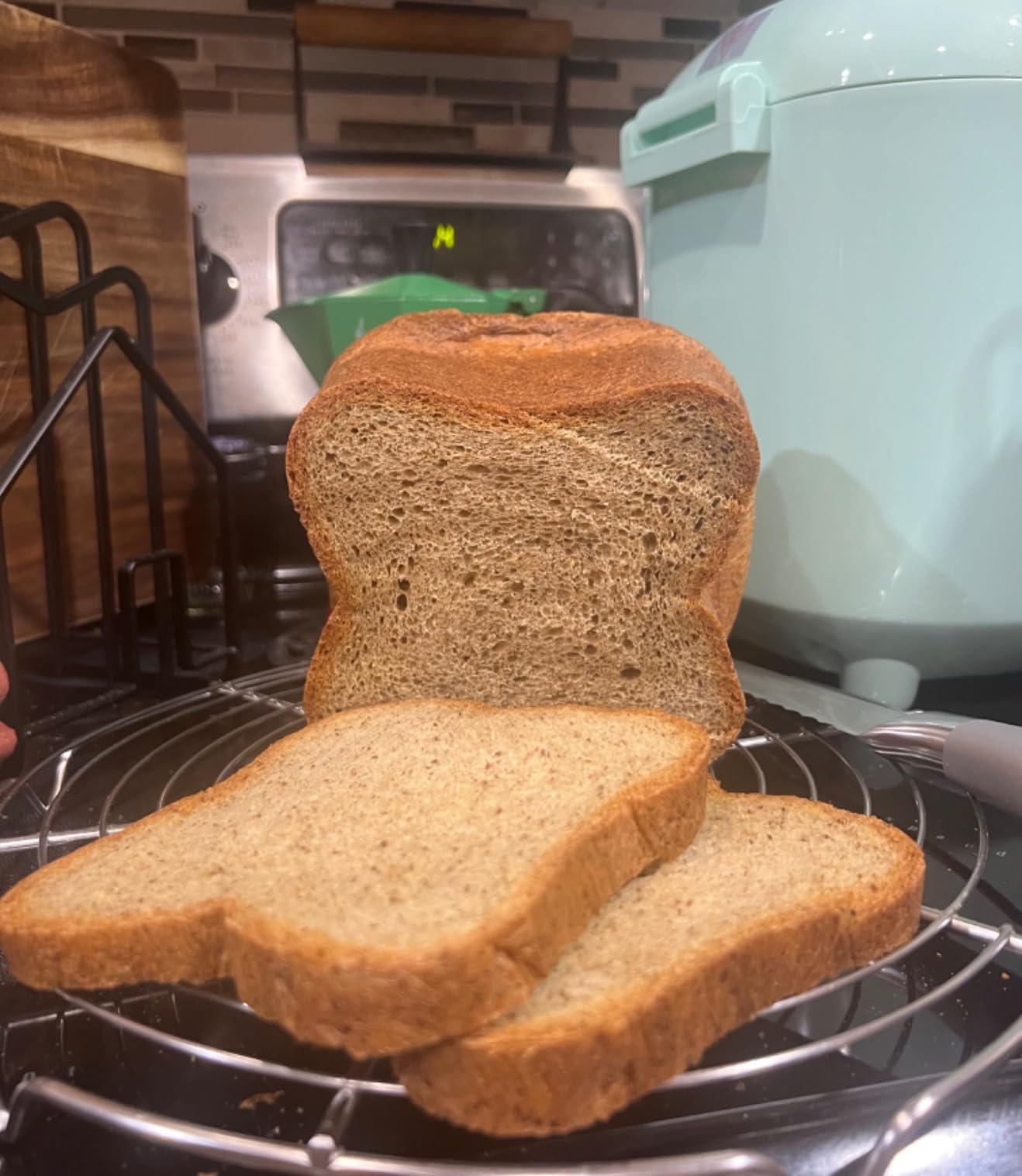
Reviewers consistently praised oat fiber for keto baking, using it in pancakes, cookies, muffins, and bread. The sweet aftertaste one reviewer noted in savory bread is undetectable in sweet smoothies and baked goods, which is the product’s primary use case.
EatingWell highlighted oat bran as the number one high-fiber upgrade for smoothies according to gut health experts, and oat fiber powder delivers the same beta-glucan benefits in a more convenient powder form that blends into any drink.
Soluble vs Insoluble: Why Oat Fiber Matters
Soluble fiber dissolves in water and forms a gel, slowing digestion and feeding gut bacteria. Insoluble fiber does not dissolve, adding bulk that speeds up transit time. Most people need both, and oat fiber is one of the few pure insoluble options available as a powder.
Oat Fiber for Keto Smoothies
Despite coming from oats, oat fiber contains zero net carbs because the fiber is not digestible. Keto smoothie builders use it with almond milk, avocado, and nut butter to add fiber without adding carbohydrates that would disrupt ketosis.
15. Hyperbiotics Vital Nutrients Prebiotic Fiber Powder

Vital Nutrient Prebiotic Powder, 13.23 oz, 54 Servings
Acacia inulin green banana blend
54 servings
Organic
Prebiotic
Pros
- Food-based prebiotic blend
- Includes green banana flour for resistant starch
- NSF certified
- 54 servings per container
- Organic and vegan
Cons
- Some users report intense initial gas
- Mild banana flavor not for everyone
- Lower rating reflects adjustment difficulty
Hyperbiotics rounds out this list with a food-based prebiotic blend combining acacia fiber, Jerusalem artichoke inulin, and green banana flour. The green banana flour adds resistant starch, a unique fiber type that feeds bacteria in the large intestine rather than the small.
The adjustment period with this product is the most intense of any on this list. Multiple reviewers described significant gas and digestive upset at full doses before their gut adapted. The consensus is clear: start with half a scoop and increase gradually over three weeks.
Once adapted, reviewers reported dramatic improvements in regularity, satiety, and overall gut comfort. One reviewer with years of antibiotic-related gut issues said prebiotics were the missing piece that finally resolved their symptoms after probiotics alone failed.
The mild banana flavor works well in tropical and berry smoothies but may clash with citrus or chocolate. For most fruit-based smoothies, it blends in naturally without needing masking.
The Resistant Starch Advantage
Green banana flour provides resistant starch, which behaves differently from soluble fiber. It resists digestion in the small intestine entirely and ferments in the large intestine, producing butyrate, a short-chain fatty acid that supports gut lining health.
Managing the Adjustment Period
Start with a quarter scoop for the first week, half scoop for the second week, and a full scoop from week three onward. Drink extra water throughout the day, since all fiber requires adequate hydration to work properly and avoid constipation.
How to Choose the Best Fiber Powder for Smoothies
Picking the right fiber powder comes down to your digestive sensitivity, taste preferences, dietary restrictions, and what you want the fiber to accomplish. Here is how to think through each factor.
Soluble vs Insoluble Fiber
Soluble fiber dissolves in water to form a gel. It lowers cholesterol, stabilizes blood sugar, and feeds beneficial gut bacteria. Psyllium, acacia, inulin, wheat dextrin, and PHGG are all soluble. Insoluble fiber adds bulk to stool and speeds transit time. Oat fiber is the main insoluble option on this list. Most people benefit from a mix of both types.
Mixability and Texture
If mixability is your top priority, Sunfiber PHGG and Benefiber dissolve most cleanly in any temperature liquid. Inulin also dissolves well but requires a shaker bottle in cold liquids. Psyllium needs to be drunk quickly before gelling, and oat fiber requires a high-speed blender for smooth results.
Sugar-Free and Flavor-Free Options
For completely unflavored, sugar-free fiber, Benefiber, Sunfiber, NOW Acacia, Anthony’s Acacia, both inulin powders, and Anthony’s Oat Fiber fit the bill. Metamucil is sugar-free but flavored. BelliWelli contains 2g sugar and is sweetened. Choose based on whether you want flavor enhancement or complete neutrality.
Special Diets: GLP-1, Keto, Vegan
For GLP-1 medication users, Benefiber, Metamucil, BelliWelli, and Sunfiber are explicitly compatible. For keto, Anthony’s Psyllium and Oat Fiber are both certified. For vegan, every product on this list qualifies except Garden of Life Super Seed (vegetarian but contains dairy-derived probiotics in some lots) and BelliWelli (contains collagen, which is animal-sourced).
Dosage and Starting Slow
Start with half the recommended dose for the first week, then increase gradually. This is especially important for inulin, the Triple Fiber blend, and Hyperbiotics, all of which cause significant gas during the adaptation period. Drink an extra glass of water with each fiber-containing smoothie, since fiber without adequate hydration causes constipation rather than relieving it.
Combining Fiber with Protein Powder
Reddit users frequently ask about combining fiber with protein shakes. The answer is yes, it works well, but texture changes. Benefiber and Sunfiber disappear completely into protein shakes. Psyllium thickens protein shakes noticeably, creating a pudding-like consistency some people enjoy. Inulin adds slight sweetness that pairs well with unflavored protein powder.
FAQs
What is the best fiber to add to smoothies?
The best fiber for smoothies depends on your goals. For most people, Benefiber (wheat dextrin) or Sunfiber (PHGG) are the easiest to blend because they dissolve completely without clumping or changing taste. For constipation and cholesterol, psyllium husk powder like Metamucil is the most effective. For gut bacteria support, acacia or inulin provide strong prebiotic effects.
Can I put fiber powder in a smoothie?
Yes, fiber powder works very well in smoothies. The blender disperses the powder evenly and masks any earthy taste. Add fiber after the other ingredients are blended, then pulse for a few seconds to avoid clumping. Drink psyllium-containing smoothies within five minutes before the fiber gels and thickens.
How much fiber should I add to my smoothie?
Start with 3 to 5 grams of fiber per smoothie (roughly one teaspoon of most powders) and increase gradually over two weeks. The daily recommendation is 22 to 38 grams total from all sources, so a smoothie contributing 5 to 10 grams is a meaningful boost without overloading your digestive system at once.
Does fiber powder make smoothies thick?
Psyllium husk powder thickens smoothies significantly because it forms a gel. Benefiber and Sunfiber do not change smoothie texture. Inulin adds a slight creaminess. If you want a thicker smoothie, psyllium helps. If you want texture to stay the same, choose a non-gelling fiber like wheat dextrin or PHGG.
What is the best fiber supplement without sugar?
Benefiber, Sunfiber, NOW Acacia, Anthony’s Acacia and Psyllium, both inulin powders, and Anthony’s Oat Fiber are all sugar-free with no added sweeteners. Metamucil Sugar-Free is sweetened but contains no actual sugar. BelliWelli contains 2 grams of sugar per serving from natural sources.
Final Thoughts on the Best Fiber Powders for Smoothies
Finding the best fiber powders for smoothies comes down to matching the fiber type to your body and your blender habits. Metamucil remains the editor’s choice for proven regularity and cholesterol support, Benefiber is the value pick for tasteless daily use, and Sunfiber PHGG is the gentlest option for sensitive digestive systems.
Start with whichever fiber aligns with your primary goal, begin at a low dose, and give your gut bacteria two to three weeks to adapt. With the right powder and a decent blender, hitting your daily fiber target through smoothies becomes the easiest healthy habit you build this 2026.