
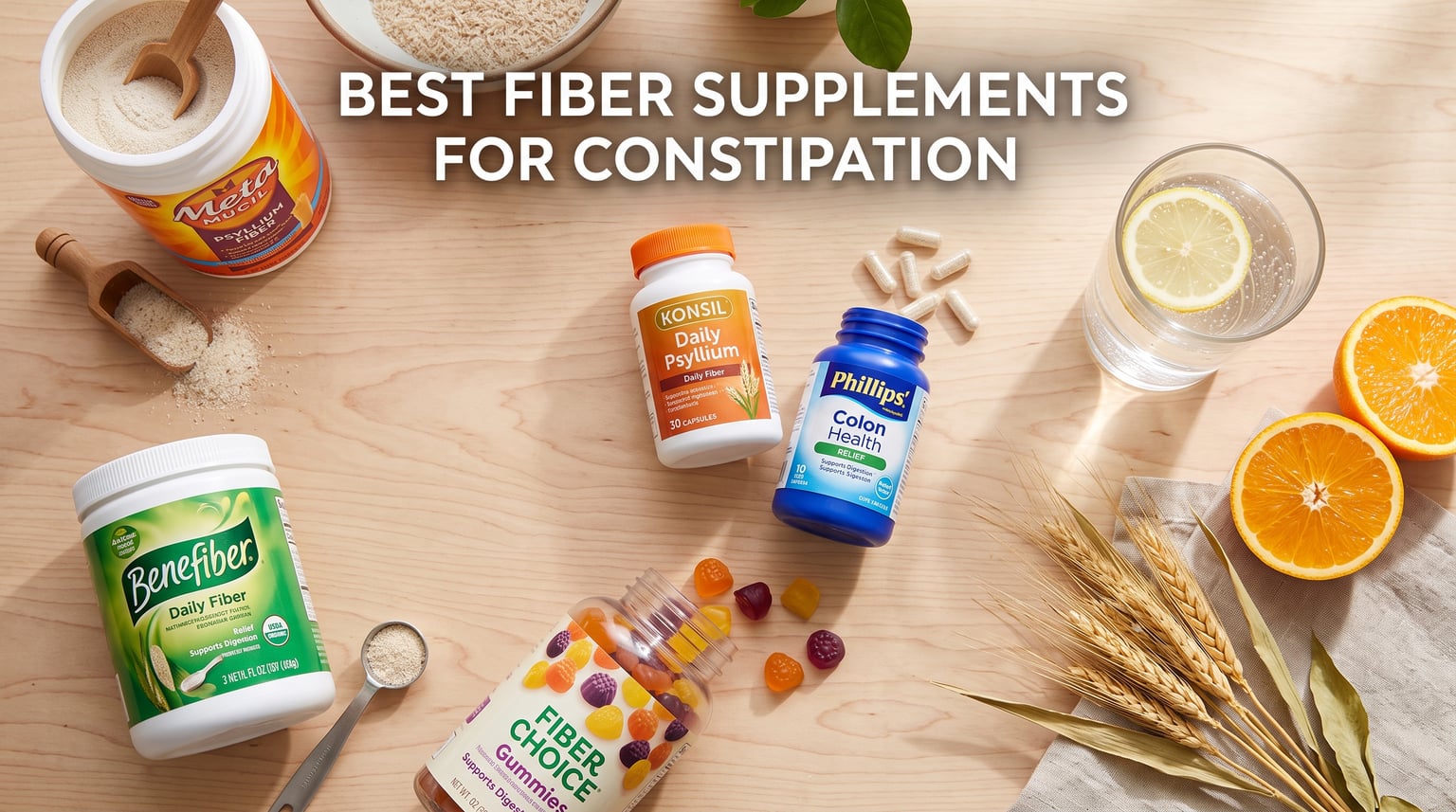
Constipation affects roughly 15% of the adult population, and most of us are not getting enough fiber to fix it. The average American eats only about 15 grams of fiber daily, well short of the 25 to 38 grams our bodies actually need. That gap is exactly where the best fiber supplements for constipation come in handy.
After testing 12 different fiber supplements over the past several months, our team put together a guide that goes beyond what you will find on Mayo Clinic or Cleveland Clinic. Those resources are excellent for understanding the science, but they do not actually tell you which specific products work best. We do. Each supplement here was evaluated for effectiveness, taste, mixability, gas and bloating risk, and overall value per serving.
Whether you are dealing with occasional constipation, chronic irregularity, IBS-C, or the constipation that comes with GLP-1 medications like Ozempic and Zepbound, there is a fiber supplement on this list that fits your situation. We cover powders, capsules, and gummies across every major fiber type, from psyllium husk to partially hydrolyzed guar gum. Let us get into the picks.
Table of Contents
Top 3 Picks for Best Fiber Supplements for Constipation

Metamucil 4-in-1 Psyllium Fiber
- Psyllium husk
- 4-in-1 benefits
- Sugar-free orange
- GLP-1 friendly
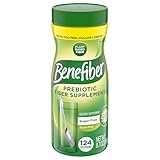
Benefiber Prebiotic Fiber Powder
- Completely tasteless
- Wheat dextrin
- Dissolves clear
- GLP-1 friendly
These three rose to the top across every category we tested. Metamucil won for overall effectiveness with its psyllium husk formula. NOW Foods Psyllium Husk Caps offered the best capsule value at 500 pills per bottle. Benefiber took the budget spot because it disappears completely into any drink with zero taste.
Best Fiber Supplements for Constipation in 2026
| Product | Specifications | Action |
|---|---|---|
| Metamucil 4-in-1 Psyllium Fiber |
|
Check Latest Price |
 NOW Foods Psyllium Husk Caps NOW Foods Psyllium Husk Caps |
|
Check Latest Price |
| Benefiber Prebiotic Fiber Powder |
|
Check Latest Price |
 FiberCon Fiber Therapy Caplets FiberCon Fiber Therapy Caplets |
|
Check Latest Price |
 Vitafusion Fiber Well Gummies Vitafusion Fiber Well Gummies |
|
Check Latest Price |
 Physician’s Choice GLP-1 Gummies Physician’s Choice GLP-1 Gummies |
|
Check Latest Price |
 GoBiotix Prebiotic Fiber Powder GoBiotix Prebiotic Fiber Powder |
|
Check Latest Price |
 Citrucel Methylcellulose Caplets Citrucel Methylcellulose Caplets |
|
Check Latest Price |
 Olly Fiber Gummy Rings Olly Fiber Gummy Rings |
|
Check Latest Price |
 Konsyl USDA Organic Psyllium Konsyl USDA Organic Psyllium |
|
Check Latest Price |
 Healthy Origins Sunfiber PHGG Healthy Origins Sunfiber PHGG |
|
Check Latest Price |
 Thorne FiberMend Prebiotic Thorne FiberMend Prebiotic |
|
Check Latest Price |
1. Metamucil 4-in-1 Psyllium Husk Fiber – Editor’s Choice
Metamucil 4-in-1 Psyllium Husk GLP-1 Friendly Fiber Supplement, Sugar-Free, 180 teaspoons, Orange Flavored, Daily Fiber Powder for Digestive Health, made with Plant-Based Psyllium Husk Fiber
Psyllium husk powder
Sugar-free orange
180 teaspoons
GLP-1 friendly
Pros
- 4-in-1 health benefits including cholesterol support
- Sugar-free orange flavor tastes good
- Mixes easily with minimal clumping
- #1 doctor recommended brand
- GLP-1 friendly formulation
Cons
- Texture thickens quickly so drink fast
- Requires plenty of water with each serving
I have used Metamucil off and on for years, and there is a reason it remains the best fiber supplement for constipation in my book. The psyllium husk formulation is backed by decades of research, and the 4-in-1 marketing actually checks out. It supports digestive health, helps lower cholesterol for heart health, supports healthy blood sugar levels, and aids appetite control.
The sugar-free orange flavor is pleasant without being overly sweet. I mix one teaspoon into 8 ounces of water, stir quickly, and drink it before it thickens. If you wait too long, you get that classic psyllium gel texture, which is not great. The 180-teaspoon container lasts about three months with daily use, which makes the per-serving cost quite reasonable.
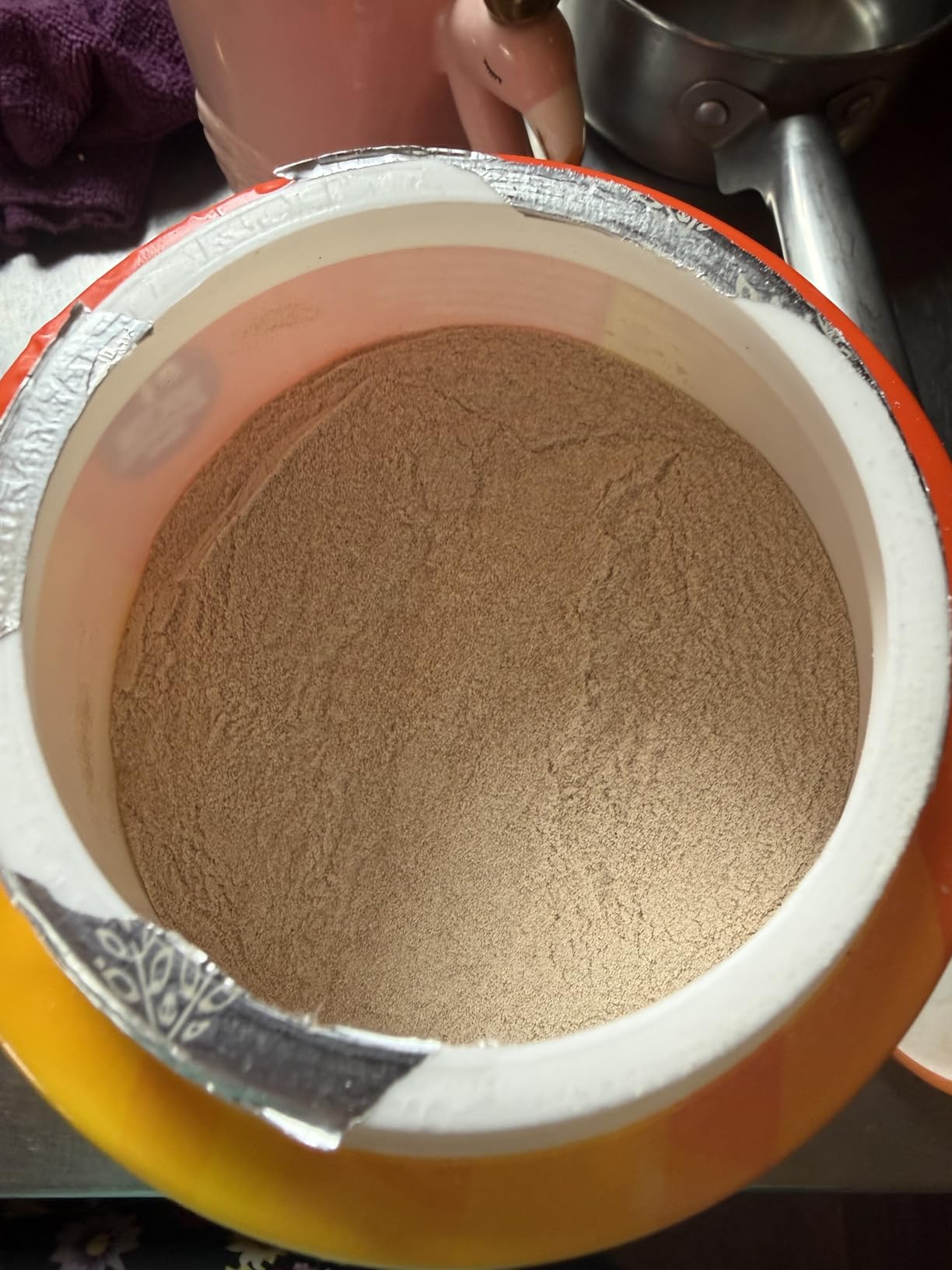
What stands out most is the GLP-1 friendly positioning. More people are taking medications like Ozempic, Wegovy, and Zepbound, and constipation is one of the most common side effects. Metamucil specifically formulated this version to complement those medications, which aligns with what gastroenterologists recommend for GLP-1 users. One reviewer mentioned dropping their LDL cholesterol from 110 to 58 over several months of daily use.
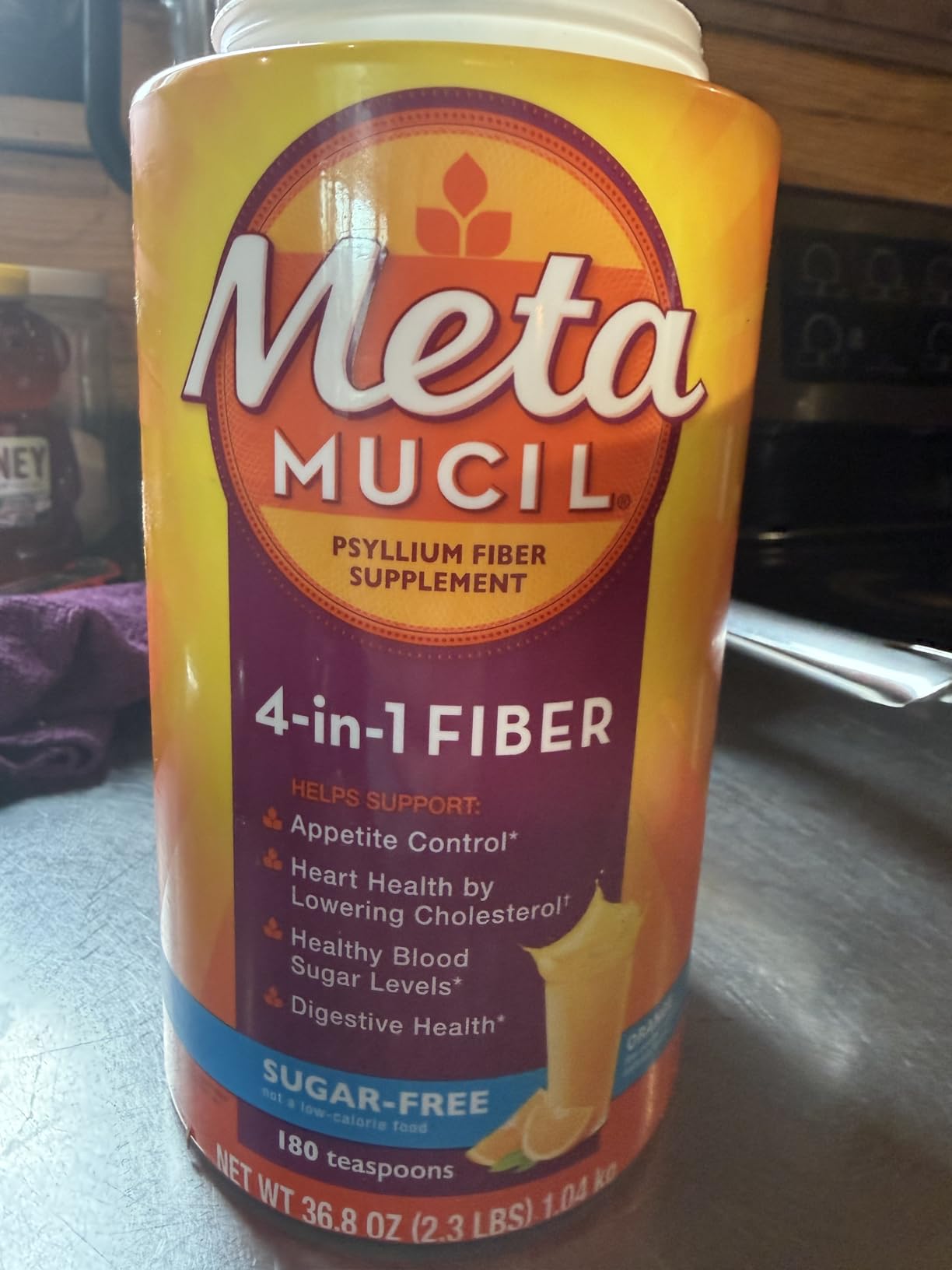
Best For Daily Long-Term Use
Metamucil shines as a daily maintenance fiber. If you want one supplement to take every morning that covers constipation prevention, cholesterol management, and appetite support, this is the one. The key is consistency. Skipping days means starting over on the regularity benefits.
What to Know About Texture and Timing
Drink it immediately after mixing. Psyllium thickens fast, and within 60 seconds your glass will have a gel layer forming. I found that using cold water and a shaker bottle helps. Take it 15 to 30 minutes before a meal for best appetite control effects, and always follow with an additional glass of plain water.
2. NOW Foods Psyllium Husk Caps 500mg – Best Value Capsule
NOW Supplements, Psyllium Husk Caps 500mg, Intestinal Health*, 500 Veg Caps
500mg psyllium capsules
500 veg capsules
Non-GMO verified
GMP certified
Pros
- No mixing or powder texture
- Certified Non-GMO and vegan
- 500 capsules per bottle is excellent value
- Trusted brand since 1968
- Does not cause bloating
Cons
- Capsules are large and may be hard to swallow
- Requires drinking plenty of water
If you hate the texture of fiber powders, NOW Foods Psyllium Husk Caps solve that problem entirely. Each capsule delivers 500mg of psyllium husk fiber, and you get 500 capsules in a single bottle. That works out to a fantastic cost per serving compared to most competitors.
I switched to these for a month when traveling, and they were far more convenient than packing powder. No measuring, no mixing, no chalky aftertaste. Just swallow a few capsules with a full glass of water and move on with your day. The Non-GMO Project Verified and vegan certifications are a nice bonus for anyone who cares about clean labels.
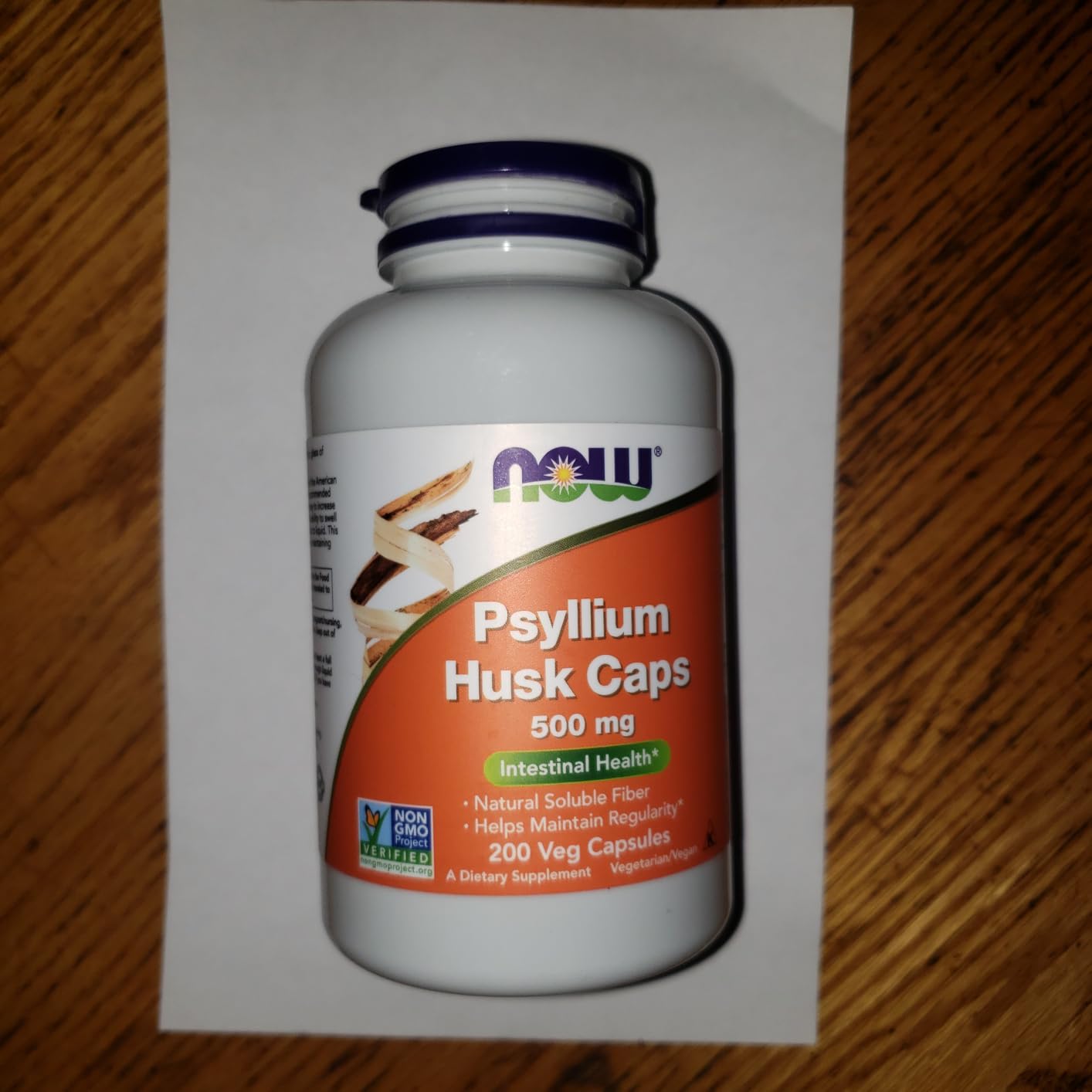
The main trade-off is capsule size. These are not small pills. If you struggle with swallowing supplements, this could be a dealbreaker. I found that taking them with room temperature water made them go down easier than cold water. Also, you need to drink a full 8 ounces of water with each dose, or the psyllium can actually worsen constipation instead of helping.
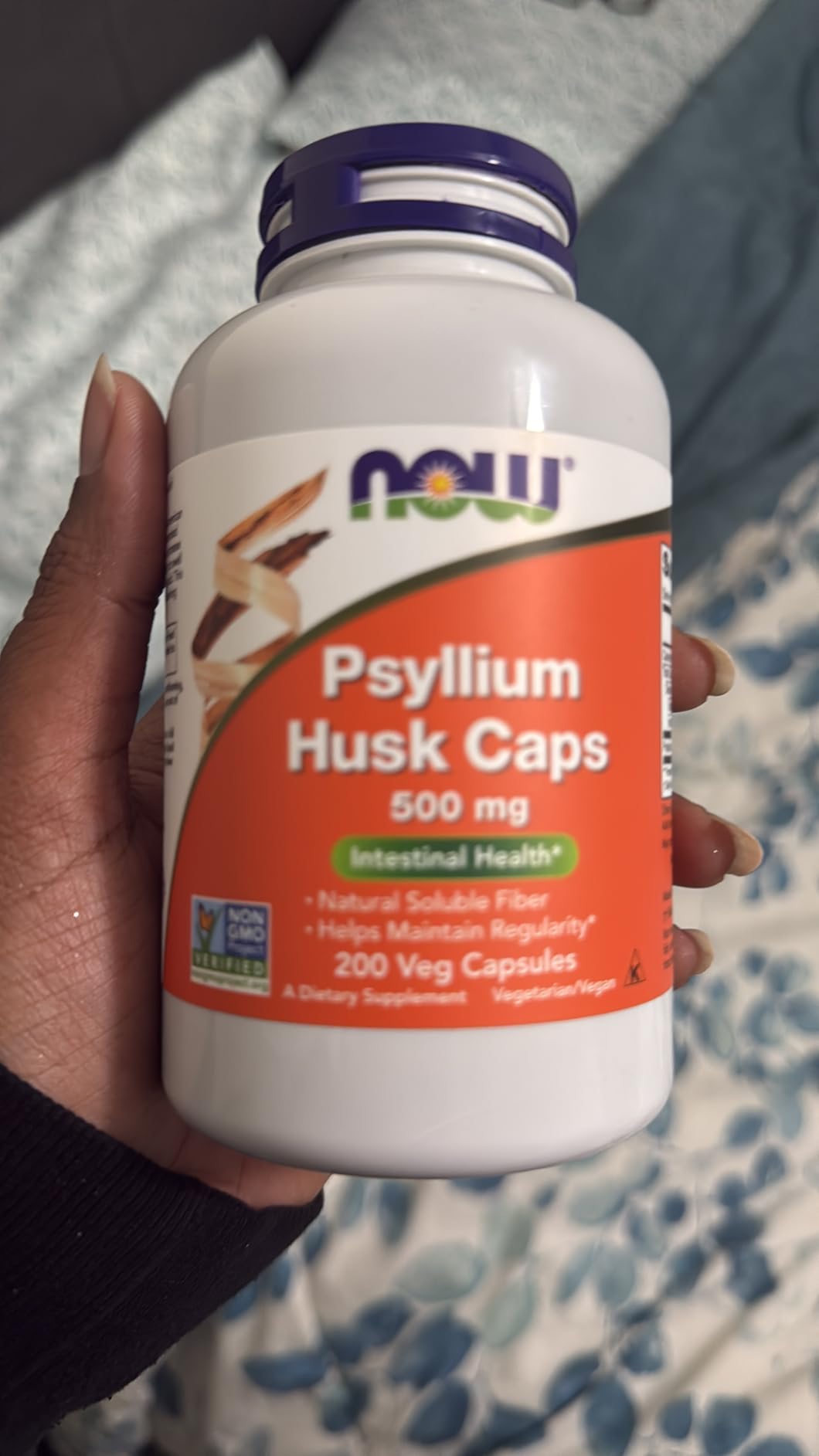
Ideal for Capsule-First Users
These capsules are perfect for anyone who has tried powder fiber supplements and quit because of texture. The 500-count bottle means you are set for months. Start with a lower dose, maybe 2 to 3 capsules twice daily, and increase gradually to avoid sudden digestive changes.
What About the GMP Certification
NOW Foods operates under NPA A-rated GMP certification, which means every aspect of their manufacturing process gets inspected, including lab testing methods. For a supplement category that is not FDA-regulated the same way prescription drugs are, this level of quality assurance matters. You know the psyllium content on the label matches what is in the capsules.
3. Benefiber Daily Prebiotic Fiber Powder – Best Budget Pick
Benefiber Prebiotic Fiber Supplement Powder, Unflavored, 124 Teaspoons
Wheat dextrin powder
Unflavored
124 teaspoons
Prebiotic fiber
Pros
- Completely tasteless and dissolves clear
- No gritty texture
- Gentle on stomach with no bloating
- GLP-1 friendly
- HSA and FSA eligible
Cons
- Serving size labeling is confusing
- Wheat dextrin may not suit wheat-sensitive users
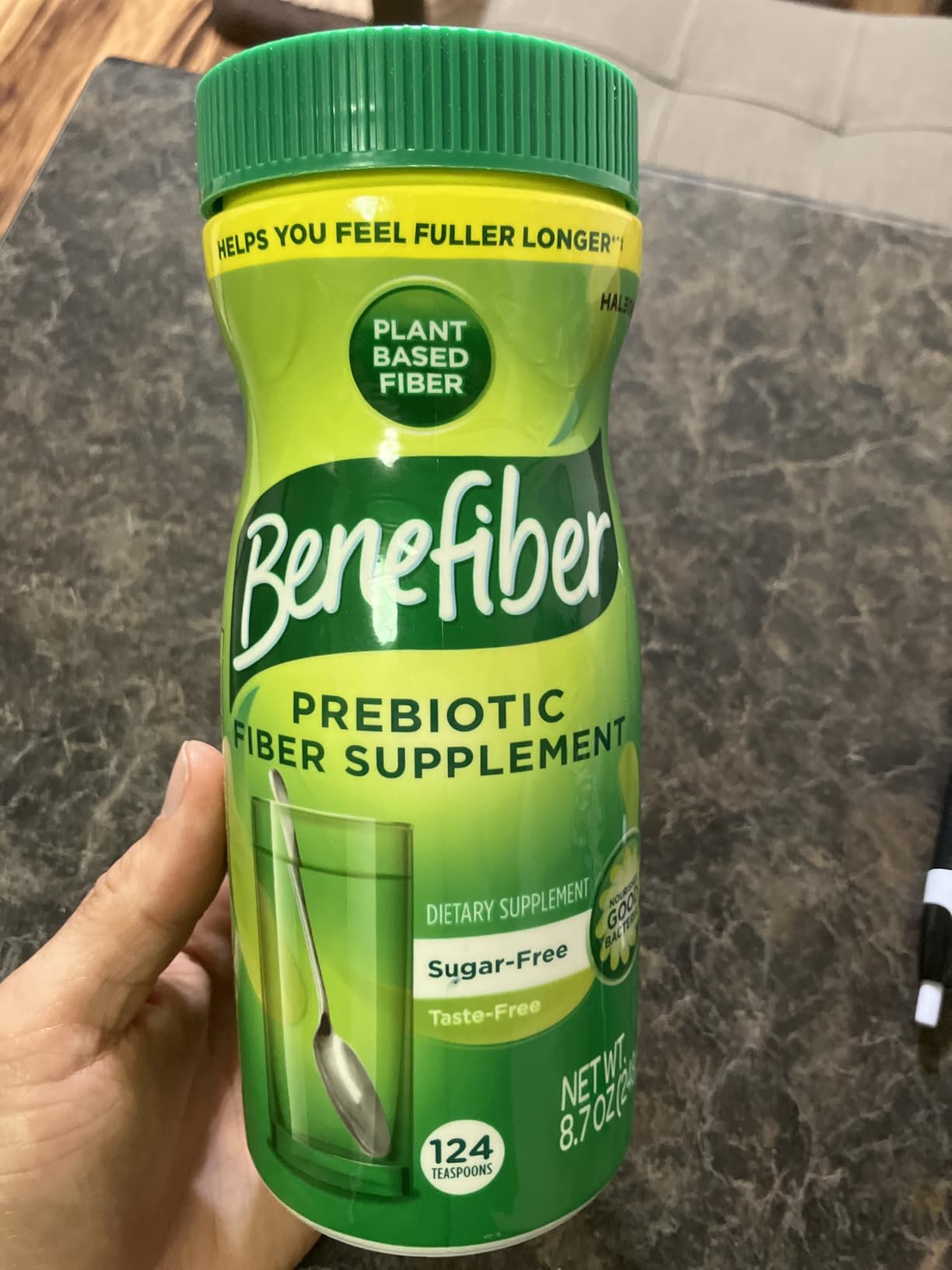
Benefiber is my go-to recommendation for anyone who wants fiber supplementation without tasting it. This stuff dissolves completely clear in water, coffee, smoothies, yogurt, or pretty much anything. There is zero flavor, zero grit, and zero aftertaste. You genuinely cannot tell it is there.
The active ingredient is wheat dextrin, a plant-based prebiotic fiber that feeds the good bacteria in your gut. While it may not be as aggressively effective for severe constipation as psyllium, it is extremely gentle. I never experienced bloating or discomfort with Benefiber, which is something I cannot say about every fiber supplement I tested.
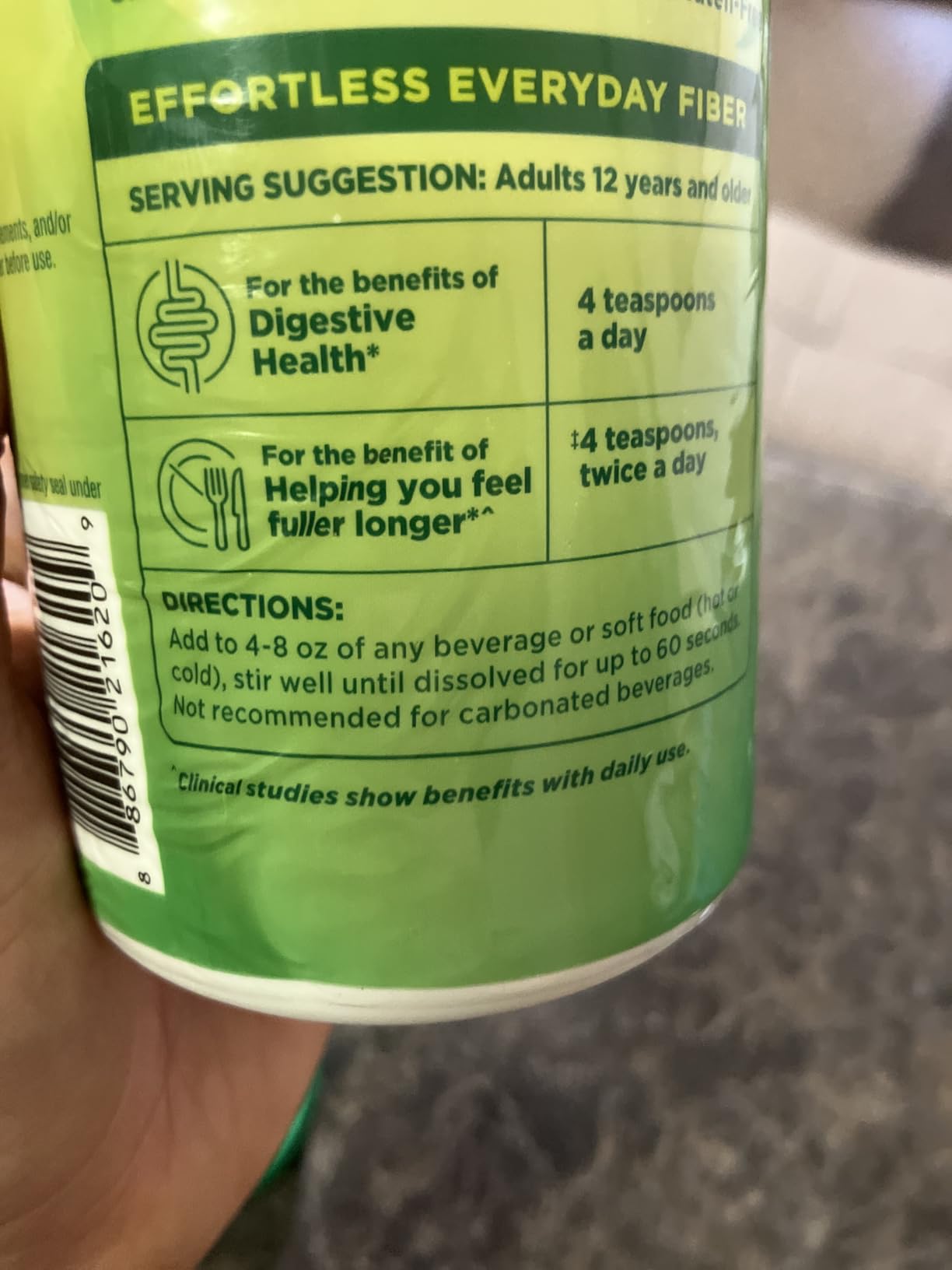
The GLP-1 friendly labeling makes sense here too. Wheat dextrin helps you feel fuller longer, which complements the appetite-suppressing effects of GLP-1 medications. The 124-teaspoon container provides about 62 actual servings at the recommended 2 teaspoons per dose, so pay attention to that when comparing value.
Perfect for Sneaking Fiber Into Anything
Benefiber is the most versatile fiber supplement on this list when it comes to mixing. I have put it in hot coffee, cold smoothies, oatmeal, and even soup. It never alters the taste or texture. If you want zero disruption to your daily routine, this is your pick.
Understanding the Wheat Dextrin Base
Wheat dextrin is processed to remove gluten, and Benefiber is generally considered gluten-free despite being derived from wheat. However, if you have celiac disease or a strong wheat sensitivity, you may want to consult your doctor first. For the vast majority of users, this is a non-issue.
4. FiberCon Fiber Therapy Caplets – Best Non-Fermenting Capsule
Fibercon Fiber Therapy Coated Caplets, Safe, Simple & Comfortable Insoluble Fiber for Bowel Irregularity, Comfortable Constipation Relief with No Gas or Bloating, 140 Caplets
Calcium polycarbophil
140 caplets
Non-fermenting
No gas or bloating
Pros
- No gas or bloating since it does not ferment
- No mixing required
- Works like natural fiber without cramping
- Effective for regularity
- Results in 12-72 hours
Cons
- Caplets are relatively large
- Limited fiber per caplet at 0.5g
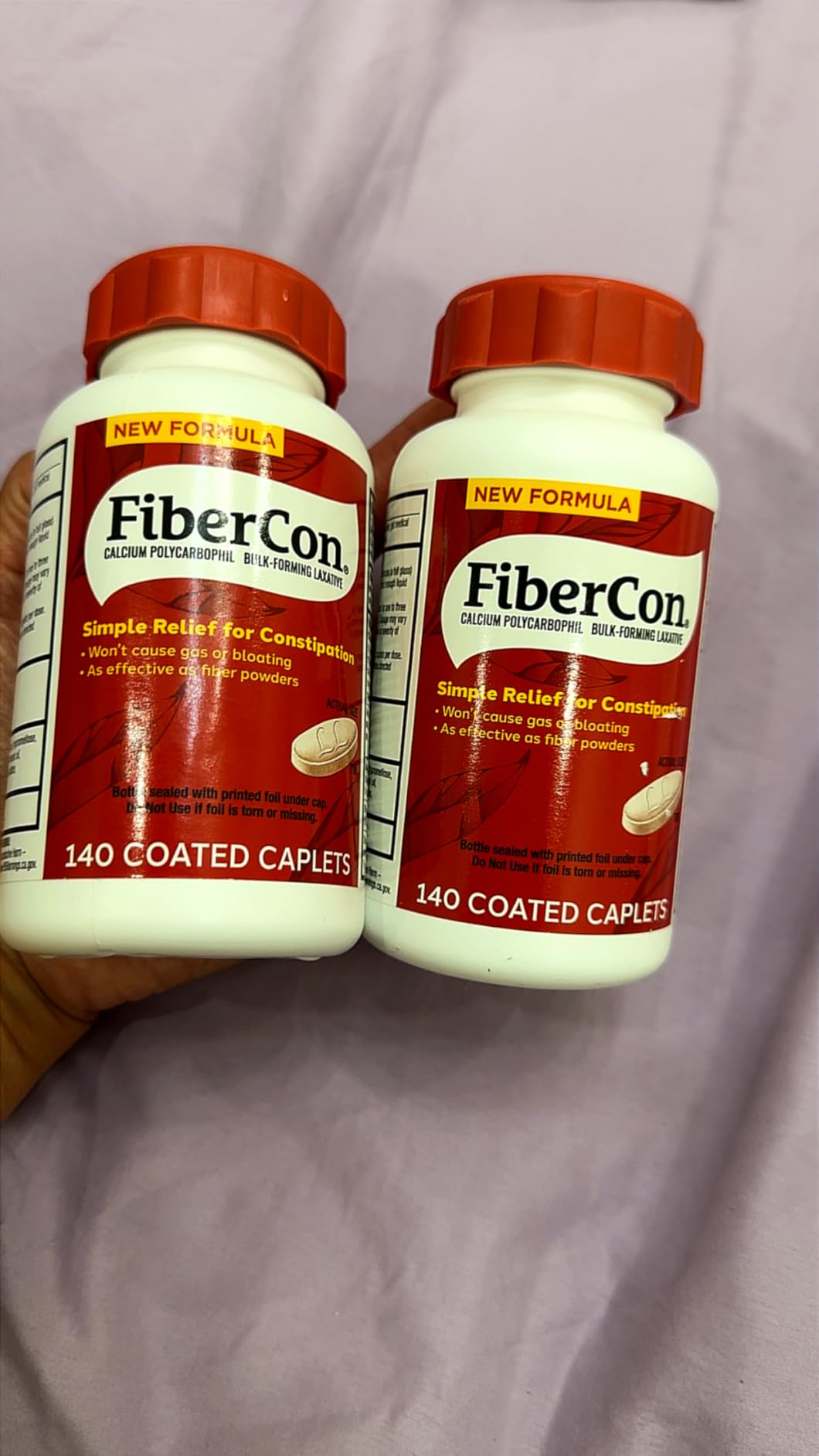
FiberCon uses calcium polycarbophil, which is an insoluble fiber that does not ferment in your gut. That is the key distinction here. If psyllium or inulin supplements give you gas and bloating, FiberCon likely will not. The fiber passes through without feeding gas-producing bacteria.
I tested FiberCon for two weeks and found it produced reliable results without the bloating I sometimes get from fermentable fibers. It works by drawing water into the stool and softening it, similar to how natural fiber functions. The coated caplets are easy to swallow with no aftertaste, and there is no powder to mix.
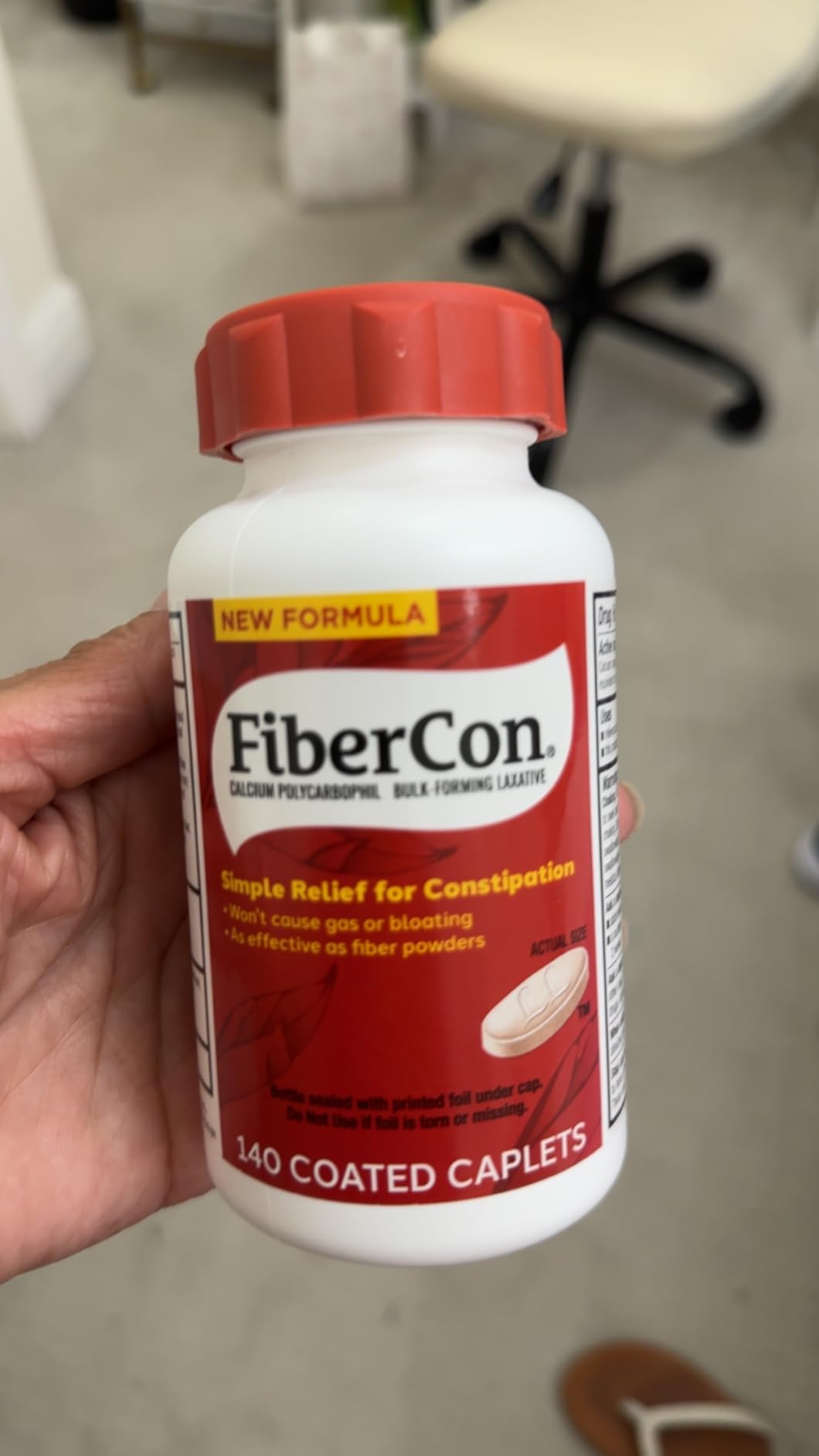
The trade-off is that FiberCon delivers only about 0.5 grams of fiber per caplet. To get a meaningful dose, you need to take multiple caplets, which means the bottle goes faster than you might expect. GI specialists have recommended FiberCon for digestive issues, and it is safe for adults and children 12 and older.
Best for Gas-Sensitive Digestion
If bloating and flatulence from other fiber supplements have made you hesitant, FiberCon is worth trying first. The non-fermenting calcium polycarbophil is uniquely gentle. Many Reddit users in the r/Constipation community specifically recommend FiberCon for this reason.
Timing and Expectations
FiberCon typically produces a bowel movement within 12 to 72 hours. It is not a fast-acting laxative. Take it consistently with a full glass of water, and give it a few days to build up in your system before judging the results.
5. Vitafusion Fiber Well Gummies – Best Tasting Gummy
Vitafusion FiberWell Fiber Gummies Sugar Free | GLP-1 Friendly
Polydextrose gummies
5g fiber per serving
Berry and peach
Sugar-free
Pros
- Genuinely delicious berry and peach flavor
- 5g fiber plus 6 B vitamins per serving
- Easy to take with no water needed
- Gluten-free
- Sugar-free formula
Cons
- Gummies can stick together in the bottle
- Contains wheat dextrin base
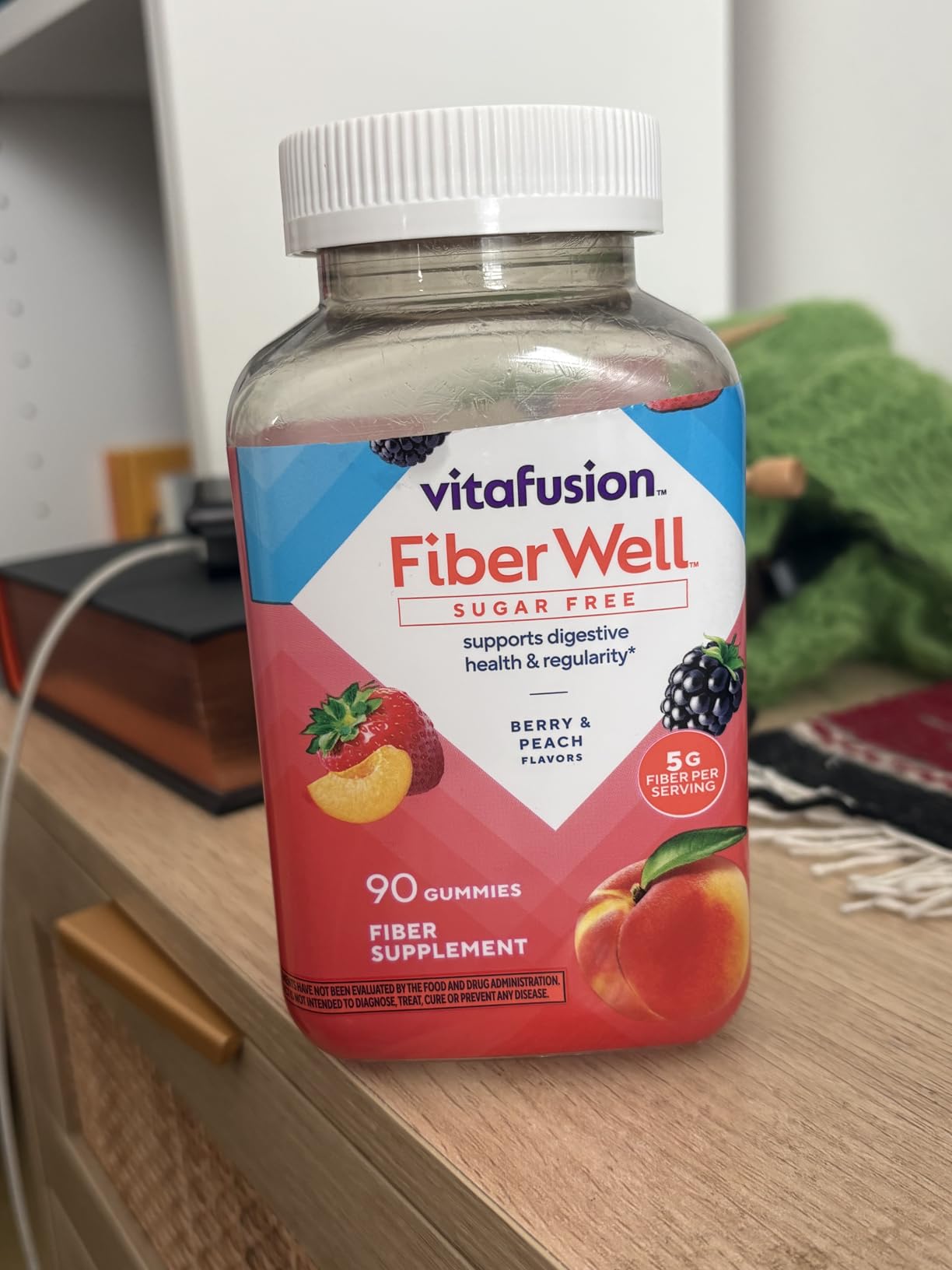
These gummies actually taste good. I was skeptical because most fiber gummies have a weird aftertaste or chewy texture that feels like punishment. Vitafusion Fiber Well gummies taste like candy, with a smooth berry and peach flavor that goes down easy. Two gummies give you 5 grams of fiber plus 6 high-potency B vitamins for energy metabolism support.
The sugar-free formula means you are not undoing your health goals with every serving. I keep these on my desk and take them mid-afternoon when I want a snack. They satisfy the sweet craving while sneaking in real fiber. The convenience factor is huge, no water or mixing required.
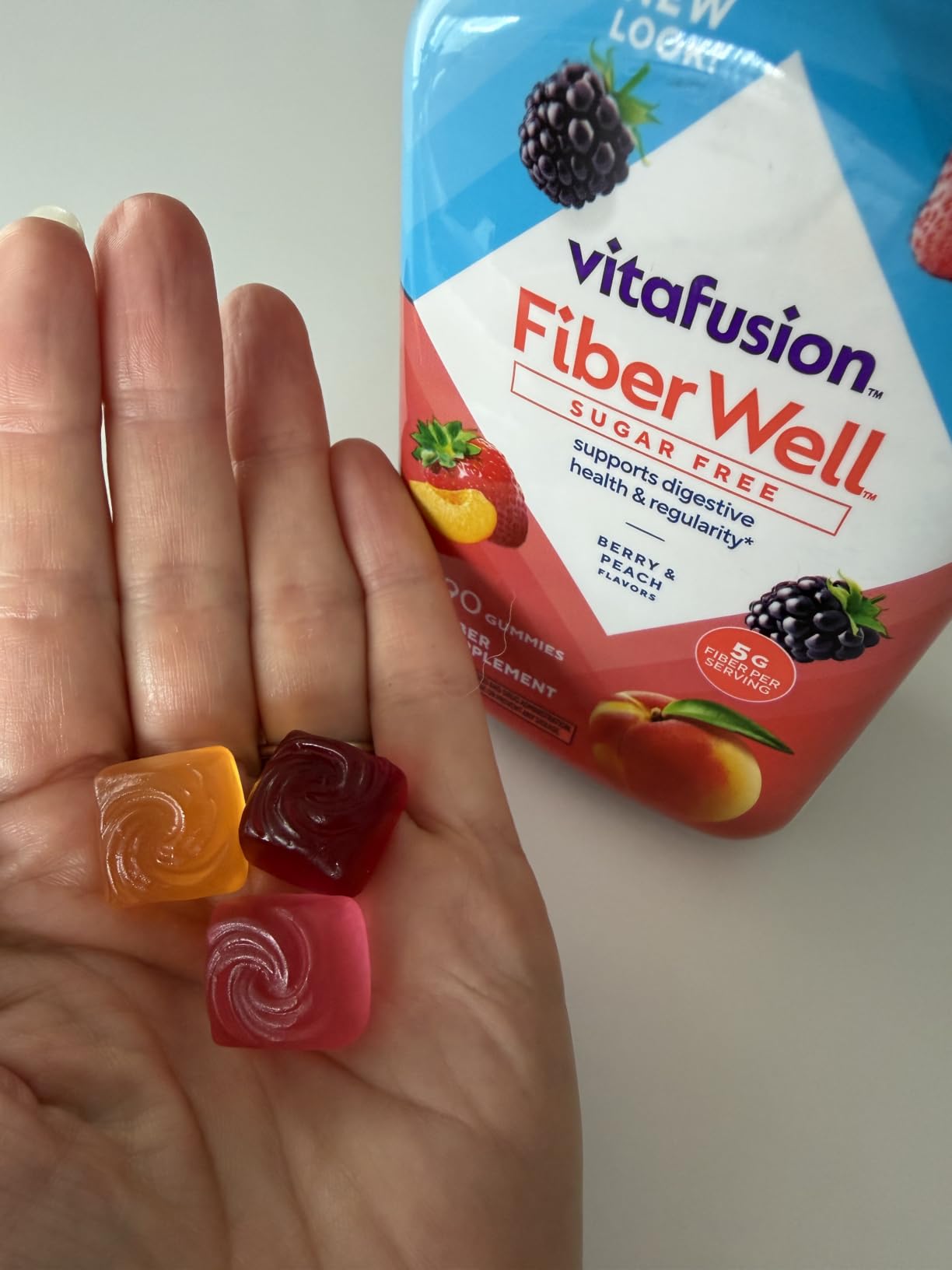
The main complaint I have is that the gummies tend to stick together, especially near the bottom of the bottle. This is a minor issue but worth mentioning. The wheat dextrin base provides prebiotic benefits for gut health, though anyone with wheat sensitivities should check with their doctor.
Best for People Who Hate Pills and Powders
If capsules are too large and powders are too chalky, gummies are the obvious answer. Vitafusion makes daily fiber feel like a treat rather than a chore. Many users report this is the only fiber supplement they have been able to stick with long-term.
How the B Vitamins Add Value
The inclusion of 6 B vitamins for fat, carb, and protein metabolism support is a nice bonus. You are essentially getting a fiber supplement and a mild B-complex in one product, which adds value if you were considering taking both separately.
6. Physician’s Choice GLP-1 Fiber Gummies – Best for GLP-1 Users
Physician’s CHOICE Fiber Gummies for GLP-1 Support – No Sugar Added & Vegan – Raspberry Lemon – Natural Chicory Root Prebiotic Fiber Gummy – Digestive Health & Regularity for Women & Men – 60CT
Chicory root prebiotic
5g fiber per serving
Raspberry lemon
Vegan
Pros
- Specifically formulated for GLP-1 support
- No sugar added or artificial sweeteners
- Vegan and plant-based
- 3rd-party tested for safety
- Raspberry lemon flavor tastes great
Cons
- Higher price point
- Some users need more than 2 gummies for results
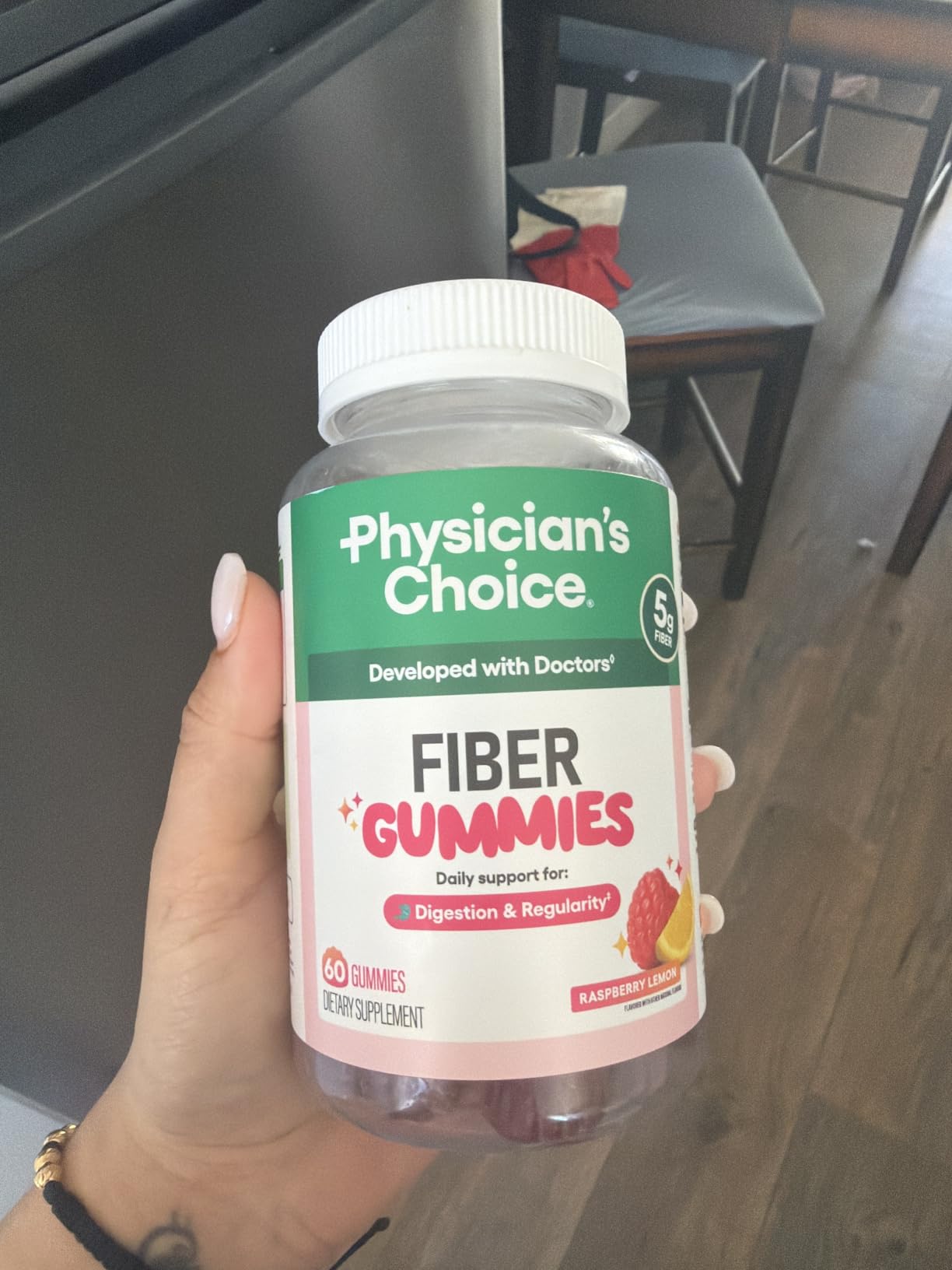
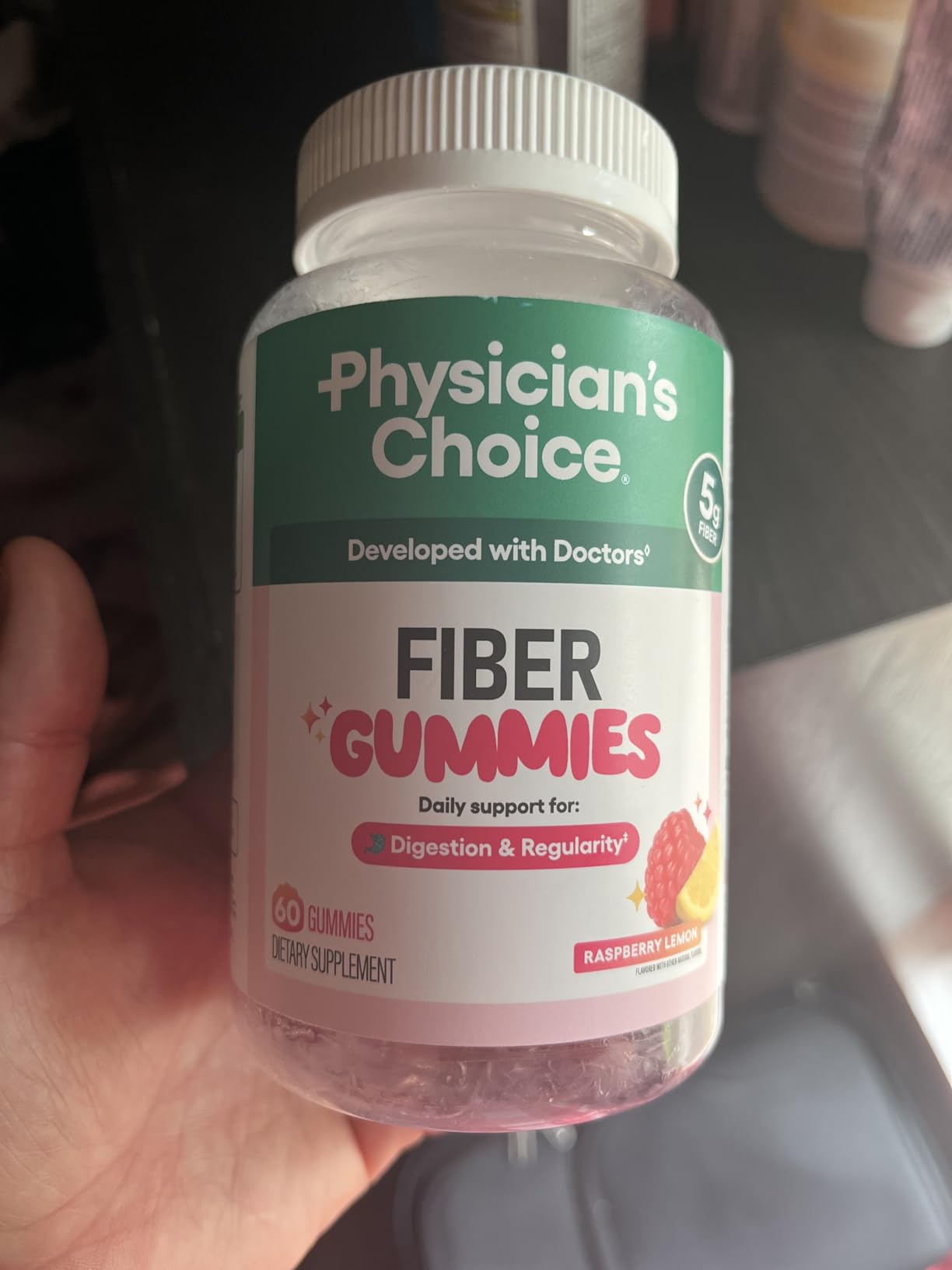
Physician’s Choice built these gummies specifically for the GLP-1 medication crowd, and it shows. The chicory root prebiotic fiber supports digestive regularity, which is exactly what people on Ozempic, Wegovy, and Zepbound need. The formula is clean, with no sugar added, no artificial sweeteners, flavors, or dyes.
The raspberry lemon flavor is genuinely enjoyable without being cloying. I found the texture soft and easy to chew, unlike some gummies that feel like you are gnawing on rubber. Two gummies deliver 5 grams of prebiotic fiber, which is a solid daily dose for maintenance.
Since launching in November 2025, this product has climbed to number 2 in Dietary Fiber Nutritional Supplements on Amazon. The 3rd-party testing for safety, purity, and potency gives me confidence in the quality. At 1,325 reviews and a 4.4-star rating, it is still relatively new compared to established brands, but the trajectory is strong.
Specifically Designed for GLP-1 Medication Users
If you are taking a GLP-1 medication and struggling with constipation, this is the most targeted option on the list. The prebiotic chicory root fiber helps regulate digestion without the harsh effects of stimulant laxatives. Start with the recommended 2 gummies daily and increase as tolerated.
How It Compares to Other Gummies
Compared to Vitafusion, Physician’s Choice wins on ingredient quality and GLP-1 targeting. Compared to Olly, it wins on the clean label with no added sugar. The trade-off is price, as these cost more per serving than mass-market gummy options.
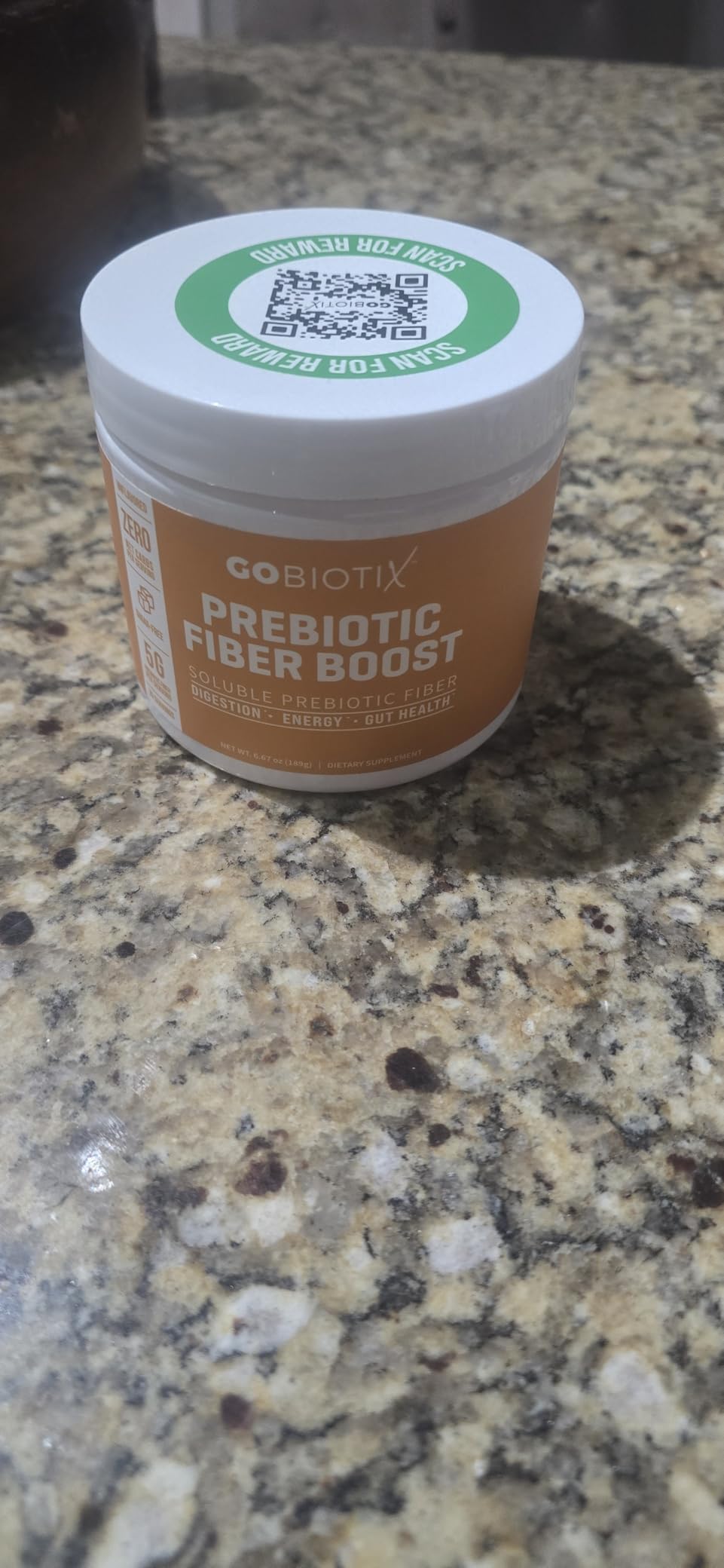
7. GoBiotix Prebiotic Fiber Powder – Best Unflavored Powder
GOBIOTIX Fiber Supplement Powder with Prebiotics for Digestive Health and GLP-1 Support, Soluble Fiber for Gut Health & Debloat, Keto, Vegan, Gluten & Sugar Free, 35 Servings (1 Pack)
Plant-based soluble fiber
Unflavored
35 servings
Keto and vegan
Pros
- Completely tasteless and mixes seamlessly
- No clumping or grit
- Effective for IBS and constipation
- Plant-based with no psyllium husk
- Made in USA GMP facility
Cons
- Small container for the price
- Requires consistent daily use
GoBiotix made a plant-based soluble fiber powder that contains zero psyllium husk, which is a big deal for anyone who reacts poorly to psyllium. The formula is keto, vegan, gluten-free, and paleo-friendly. I tested it in coffee, smoothies, and plain water, and it disappeared completely every time.
No flavor, no grit, no clumping. That is hard to find in a fiber powder. The Microbiome subreddit specifically praises GoBiotix for its effectiveness with gut health and debloat. I noticed less bathroom urgency and more consistent regularity after about a week of daily use.
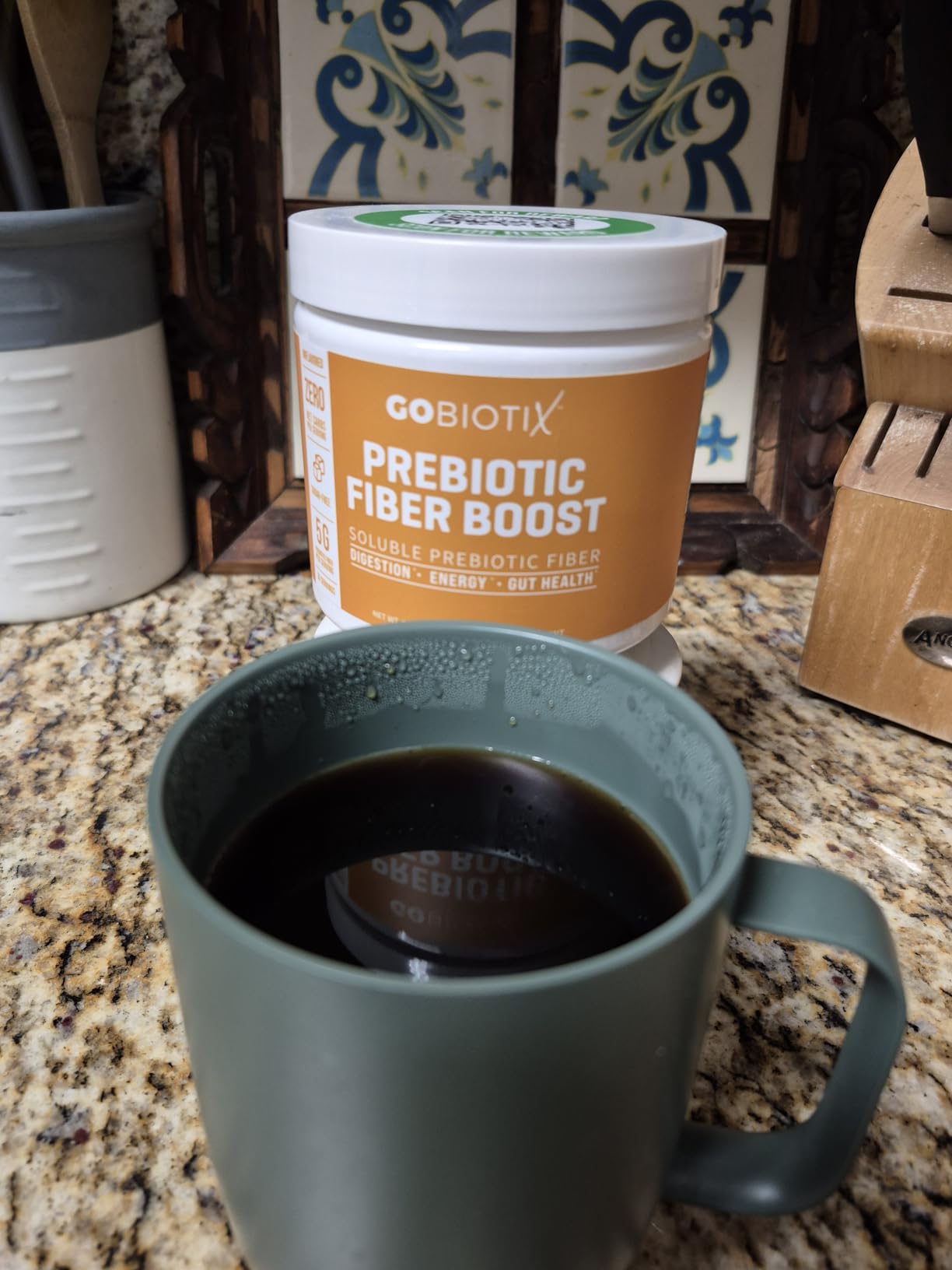
The 35-serving container is smaller than I expected for the price. At 6.17 ounces, it goes fast if you use it daily. However, the quality of the ingredient and the clean formulation justify the cost for many users. Made in the USA in a GMP-certified, FDA-registered facility.
Best for IBS and Sensitive Digestion
Users with IBS consistently report positive results with GoBiotix. The plant-based soluble fiber is gentler than psyllium for many people, and the prebiotic action supports overall gut microbiome health. If other fiber supplements have triggered IBS flare-ups, this one is worth testing.
Understanding the GLP-1 Support Claim
Like Metamucil and Benefiber, GoBiotix labels itself as GLP-1 friendly. The soluble fiber helps with satiety and digestive regularity, which complements GLP-1 medication effects. The debloat positioning is also relevant, since many GLP-1 users report bloating as a side effect.
8. Citrucel Methylcellulose Fiber Caplets – Best for Sensitive Stomachs
CITRUCEL Fiber Therapy for Occasional Constipation Relief, 100 Tablets
Methylcellulose caplets
Orange flavor
100 count
Non-fermentable
Pros
- Gentle with no cramping or gas
- Non-fermentable fiber
- Convenient caplet form no mixing
- Doctor recommended
- Long-standing trusted brand
Cons
- Must drink 8oz water immediately after
- Can be more expensive than generics
Citrucel uses methylcellulose, which is a non-fermentable fiber. That means gut bacteria cannot break it down, so you get zero gas and zero bloating. For anyone who has abandoned psyllium or inulin because of digestive discomfort, Citrucel is the answer.
I tested the caplet version and found it consistently reliable for regularity. The orange flavor on the caplets is subtle and pleasant. GlaxoSmithKline manufactures Citrucel, which carries more pharmaceutical credibility than smaller supplement brands. The 82% five-star rating across 6,377 reviews tells you this product works for a lot of people.
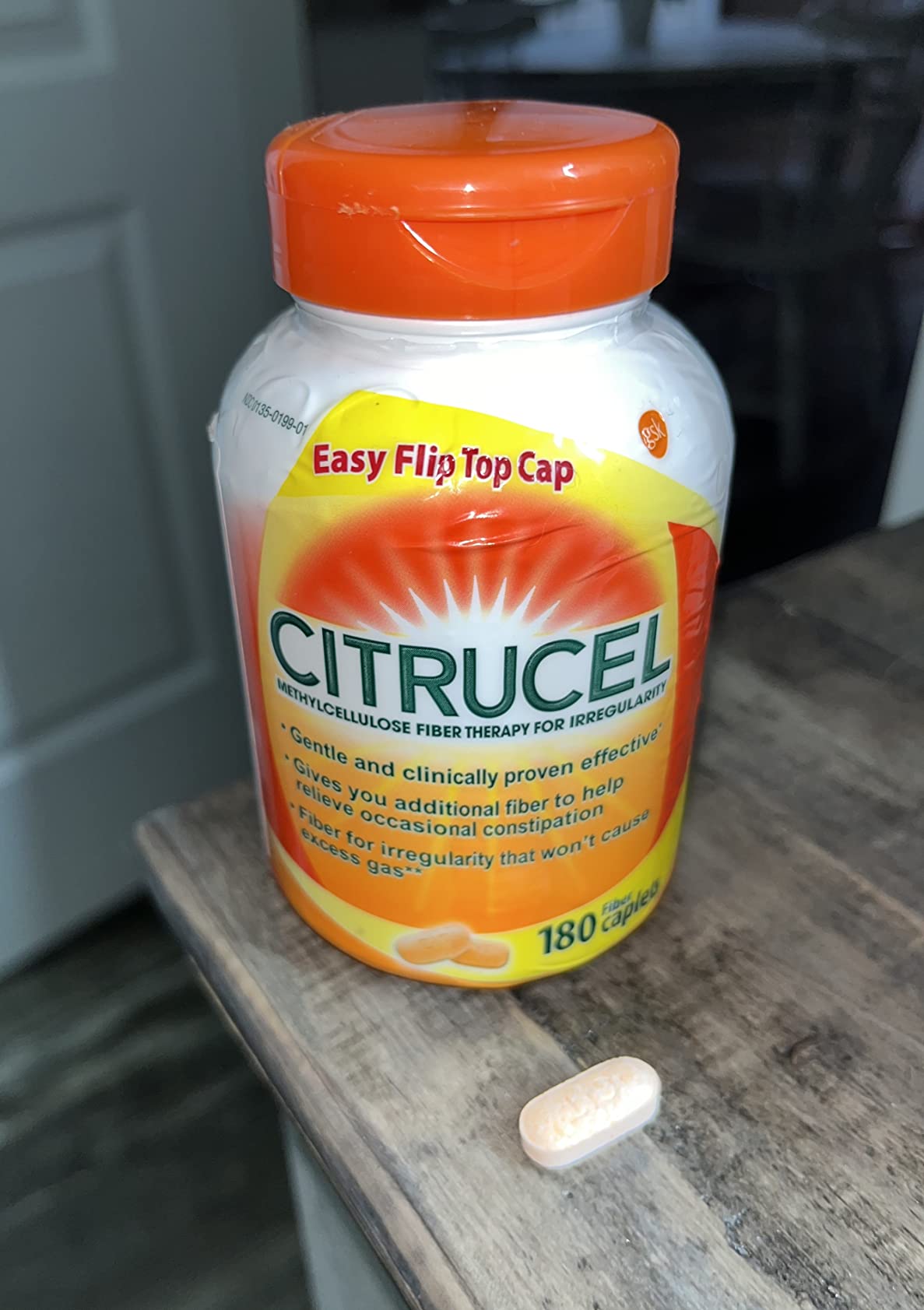
The one critical rule with Citrucel is water. You must drink at least 8 ounces immediately after taking the caplets. Without enough water, methylcellulose can actually cause blockages rather than relieve constipation. I set a water bottle next to the bottle as a visual reminder.
Best Non-Fermentable Fiber Option
If gas is your primary concern, Citrucel and FiberCon are your two best options. Citrucel is a caplet with methylcellulose, while FiberCon uses calcium polycarbophil. Both are non-fermenting, but Citrucel has a stronger track record with the medical community and a slightly higher rating.
Caplets Versus Powder for Citrucel
Citrucel also comes in a powder form, and some users find the powder more effective than caplets. The caplets win on convenience and travel-friendliness. If you try caplets and want stronger results, consider switching to the powder version of the same brand.
9. Olly Fiber Gummy Rings – Best for Flavor Lovers
OLLY Fiber Gummy Rings, Digestive Health Supplement, Berry Melon – 50 Count
FOS prebiotic gummies
5g fiber per serving
Strawberry watermelon
Gluten-free
Pros
- Strawberry watermelon flavor is delicious
- FOS prebiotic supports gut health
- Gluten-free with no artificial flavors
- Great alternative to powders
- Ranked top in category
Cons
- Very chewy texture some find hard
- Packaging can be difficult to open
Olly Fiber Gummy Rings deliver 5 grams of FOS prebiotic fiber per serving in a strawberry watermelon flavor that genuinely tastes like candy. These are the closest thing to a treat on this list. I found myself looking forward to taking them each day.
The FOS, or fructo-oligosaccharides, are prebiotic fibers that feed beneficial gut bacteria. Reviewers with IBS-C specifically mention improvements in bowel regularity after switching to Olly. The gluten-free formula with no artificial flavors or colors makes the ingredient list solid.
The gummies are quite chewy, almost tough. Some users find them hard to chew, while others do not mind. I personally found them fine, but if you have dental work or jaw issues, this is worth noting. The 50-count bottle provides a 25-day supply at 2 gummies per serving.
Best for People Who Want Fiber to Feel Like a Treat
If the strawberry watermelon flavor sounds appealing, Olly is the most enjoyable fiber supplement I tested. The gummy ring format is fun, and the taste is consistently rated as excellent. For anyone who has quit fiber supplements because they taste bad, Olly solves that problem completely.
How FOS Prebiotic Fiber Works
Fructo-oligosaccharides are a type of prebiotic that specifically feeds bifidobacteria and lactobacilli, the beneficial bacteria strains in your gut. This can improve overall gut microbiome composition over time. However, FOS can cause gas in some people when first introduced, so start slow.
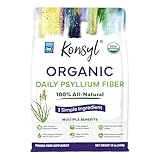
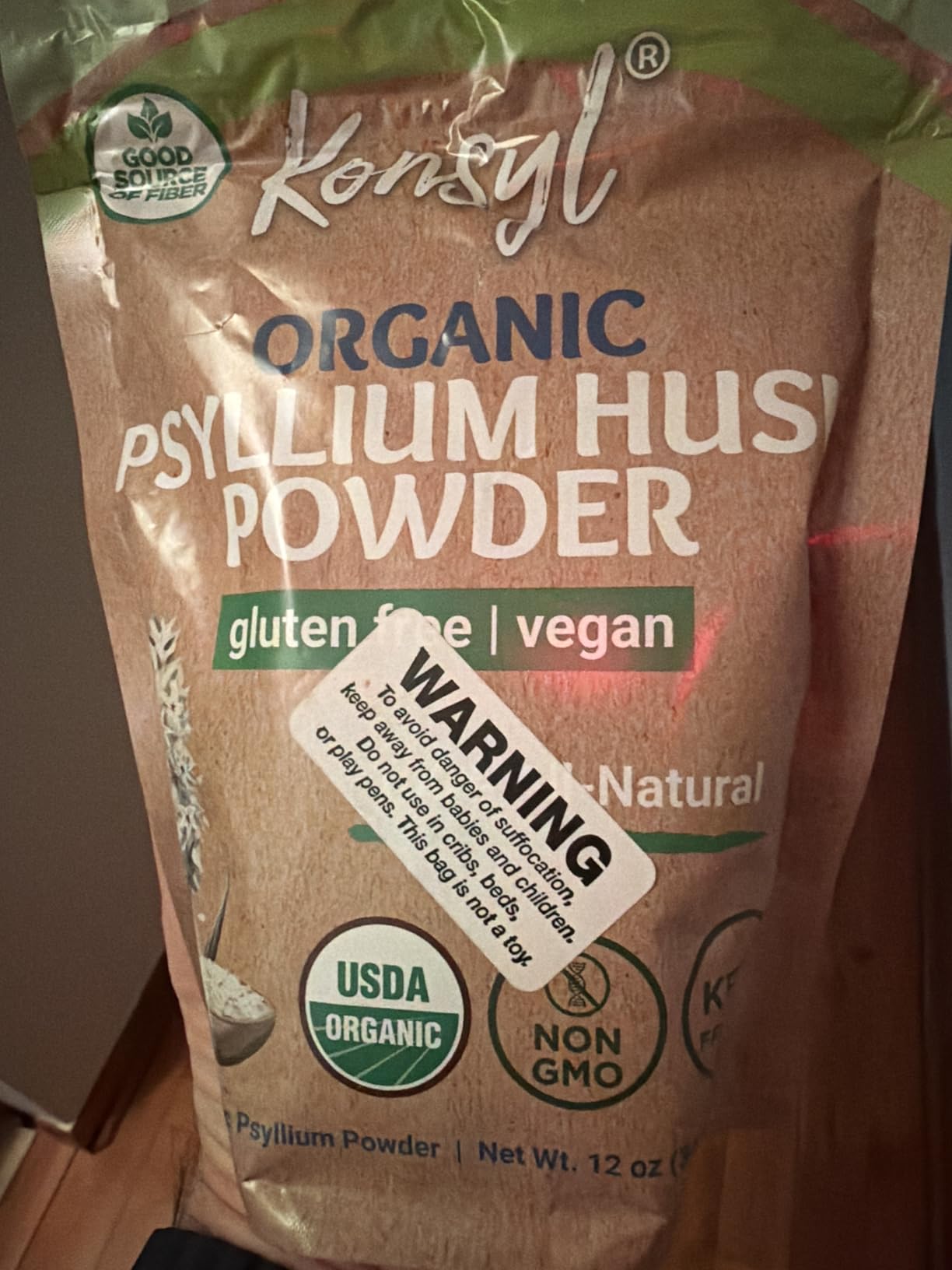
10. Konsyl USDA Organic Psyllium Husk Powder – Best Organic Pick
Konsyl USDA Organic Psyllium Husk Powder – 12oz, 60 Servings, Natural Unflavored Soluble Dietary Fiber Supplement – Fiber Prebiotic for Digestive Support and Gut Health – Sugar Free, Keto & Vegan
USDA Organic psyllium
Unflavored
60 servings
Single ingredient
Pros
- Single ingredient organic psyllium
- USDA Organic certified
- Fine grind mixes easier than most
- Virtually tasteless
- Excellent value at 60 servings
Cons
- California Prop 65 lead warning
- Can clump without sufficient water
Konsyl offers a USDA Organic, single-ingredient psyllium husk powder that is as clean as it gets. No sugar, no flavors, no dyes, no preservatives. Just organic psyllium. For anyone who reads supplement labels carefully and wants minimal ingredients, this is the top choice.
The fine grind mixes easier than many competitor psyllium powders I have tried. It is virtually tasteless, so it works in any beverage or recipe. At 60 servings per 12-ounce bag, the per-serving cost is excellent. I used it in smoothies and overnight oats without detecting any flavor impact.
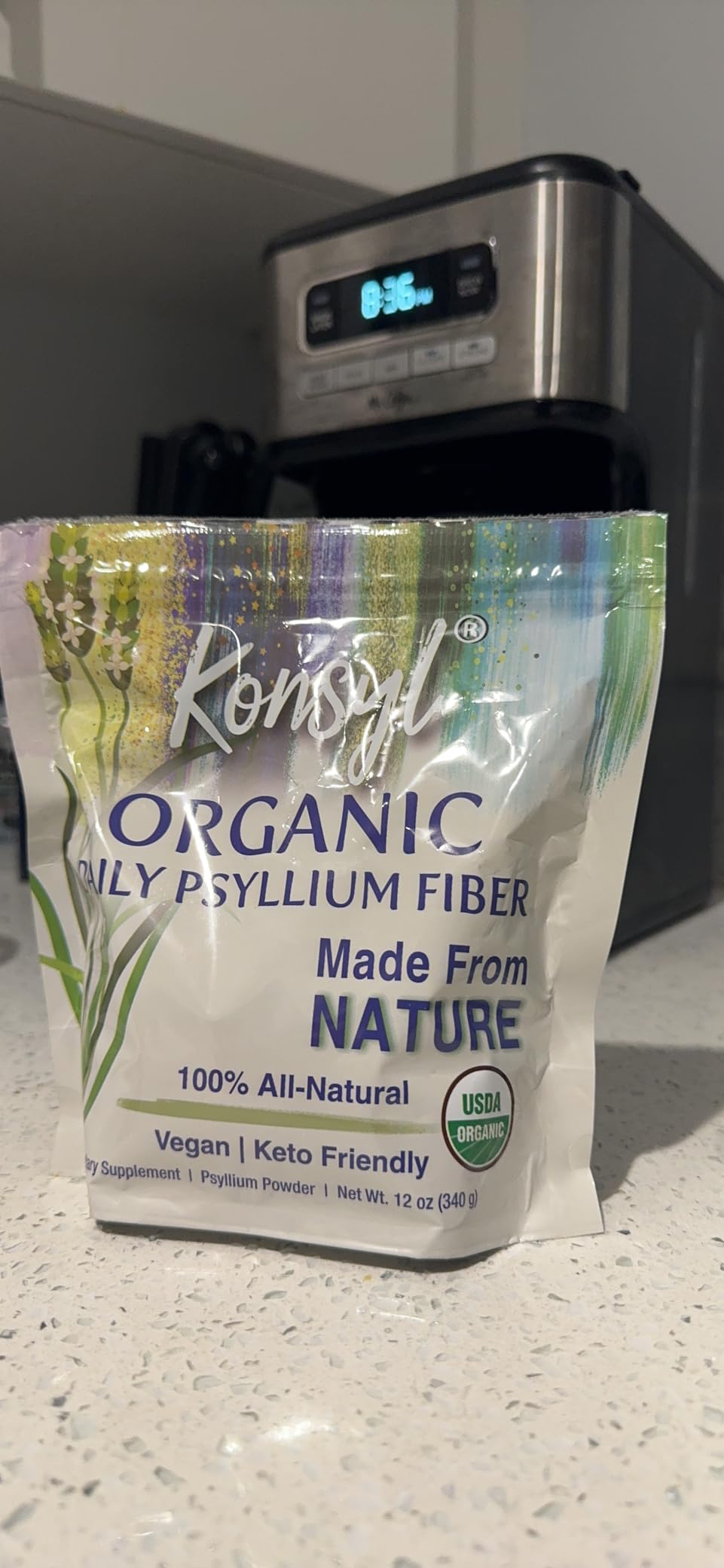
I need to address the California Prop 65 warning for lead content. This warning appears on many natural and herbal products sold in California due to the state’s strict labeling laws. Some independent testing has flagged elevated lead levels in certain batches. If this concerns you, consult your healthcare provider. For context, psyllium husk is a natural agricultural product, and trace mineral content can vary by harvest.
Best for Clean Label Purists
If you want one ingredient and one ingredient only, Konsyl delivers. The USDA Organic certification adds a layer of quality assurance regarding farming practices. No fillers, no additives, no artificial anything. This is the cleanest psyllium supplement on the list.
Understanding the Prop 65 Warning
California Prop 65 warnings appear on thousands of products, from coffee to supplements to furniture. The threshold for warning is set far below levels shown to cause harm. However, if you are pregnant, nursing, or treating a child, talk to your doctor about any lead exposure concerns before using this or any psyllium product.
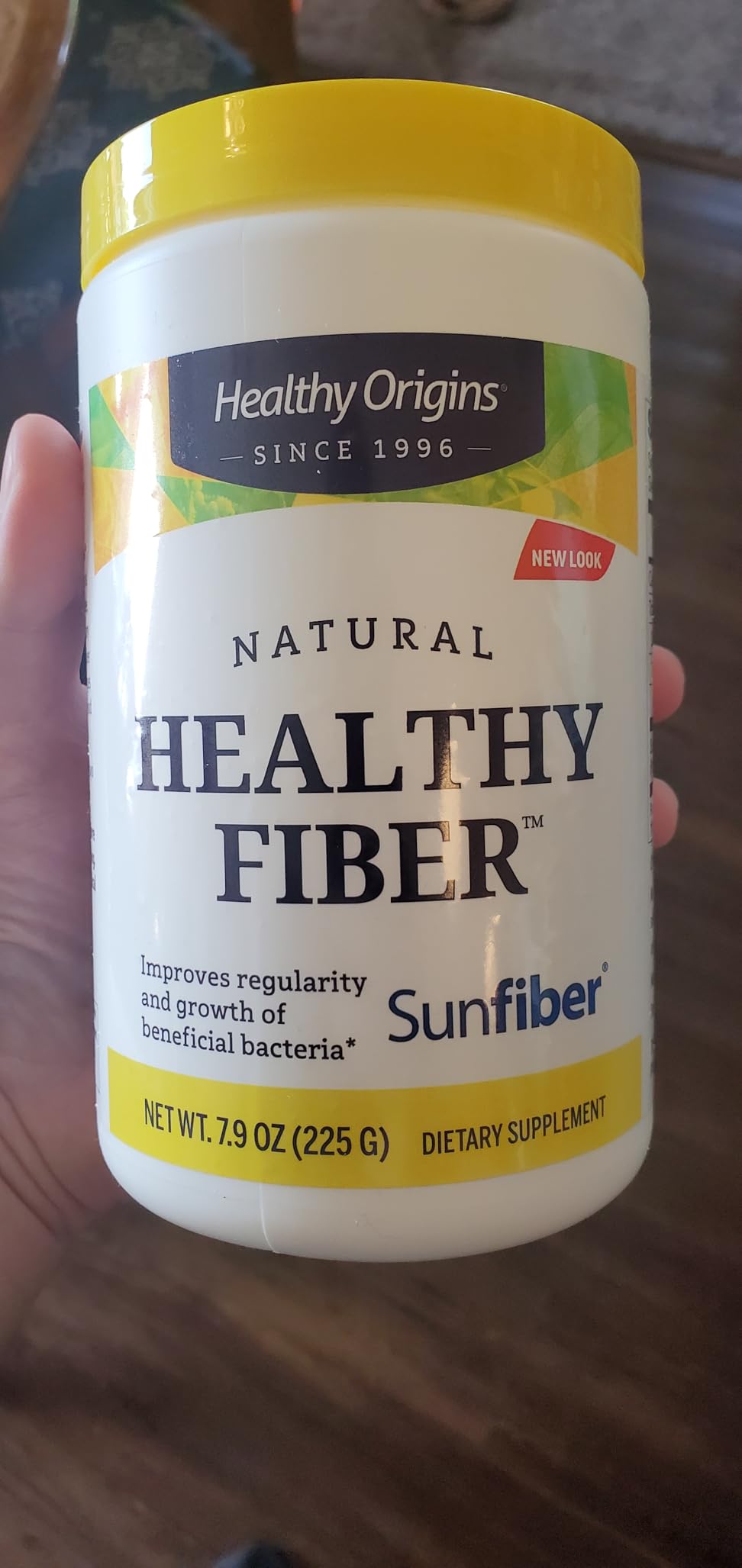
11. Healthy Origins Healthy Fiber Powder (Sunfiber PHGG) – Best for Gentle Digestion
Healthy Origins Healthy Fiber Powder 7.9 oz (225g) – Featuring Sunfiber Partially Hydrolyzed Guar Gum (PHGG) – Supports Digestive Regularity, Intestinal Health & Prebiotic Care
Partially hydrolyzed guar gum
6g fiber per scoop
Unflavored
7.9 oz
Pros
- Clinically studied Sunfiber ingredient
- Completely tasteless and dissolves fully
- Well-tolerated by sensitive systems
- No bloating or cramping
- Great value compared to competitors
Cons
- Container shape makes scooping difficult
- Less effective for severe constipation than psyllium
Healthy Origins uses Sunfiber, which is the branded form of partially hydrolyzed guar gum (PHGG). This is one of the most clinically studied fiber ingredients on the market. PHGG is known for being extremely gentle on the digestive system, making it ideal for people with SIBO, IBS, or post-surgical digestive issues.
I tested this in coffee every morning for two weeks. It dissolved completely with no flavor, no grit, and no texture change. The 6 grams of fiber per scoop is a solid dose. Many users with sensitive digestion report that Sunfiber is the only fiber they can tolerate without bloating or gas.
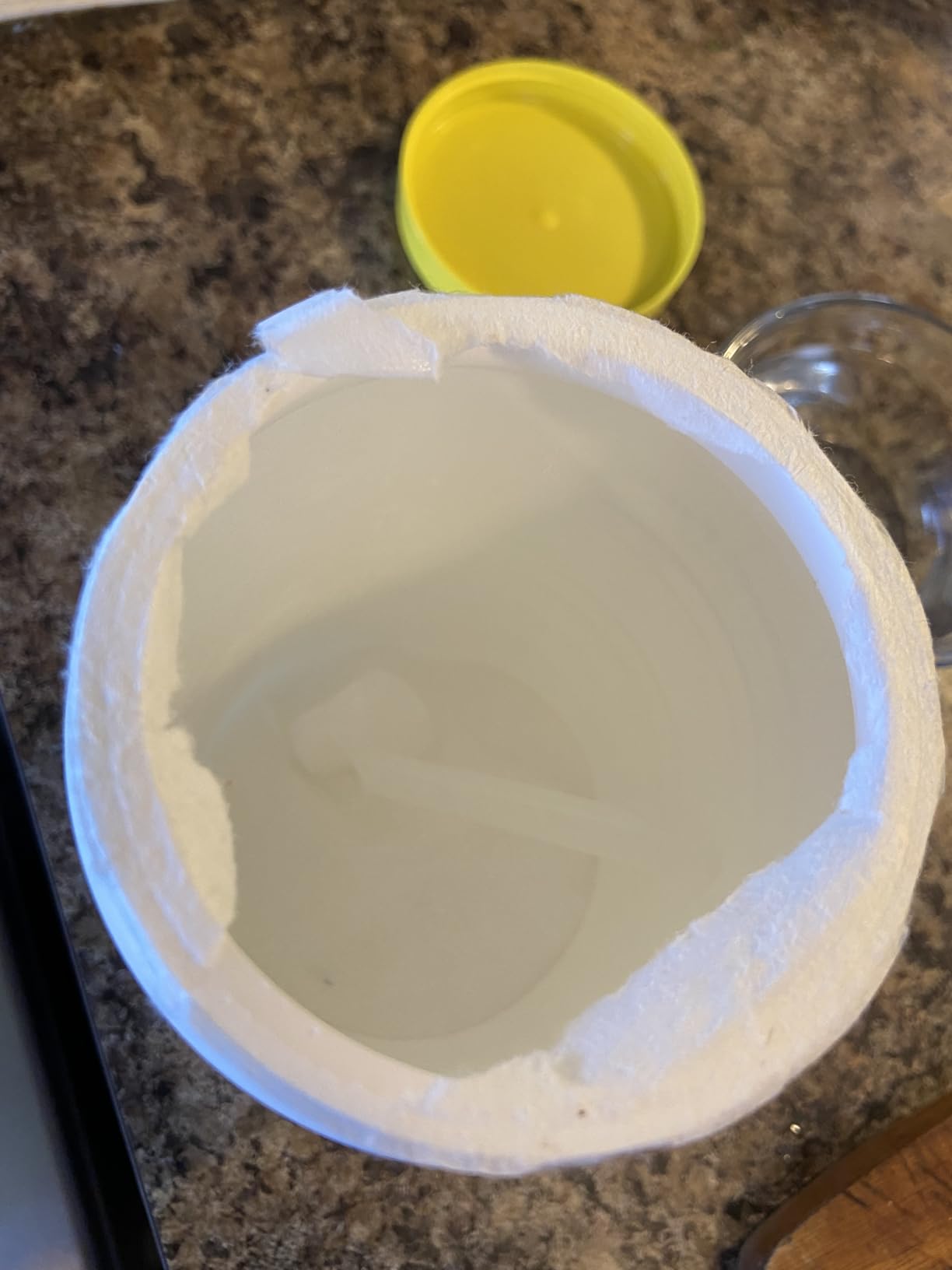
The container design is frustratingly narrow at the bottom, making it hard to scoop out the last portions. This is a minor but real complaint. Some users also report occasional batch inconsistency with clumping. Overall, the quality of the Sunfiber ingredient outweighs these packaging issues.
Best for SIBO and Post-Surgical Digestion
If you have SIBO (small intestinal bacterial overgrowth) or are recovering from intestinal surgery, PHGG is often the fiber that gastroenterologists recommend. It ferments slowly and does not feed bacteria in the small intestine the way other fibers can. This makes it uniquely suited for sensitive cases.
How Sunfiber Compares to Psyllium
Sunfiber is gentler but less aggressive for severe constipation. If you need strong, reliable constipation relief, psyllium is stronger. If you need gentle daily fiber that will not trigger bloating, gas, or SIBO symptoms, Sunfiber is the better choice. Many users alternate between the two depending on their symptoms.
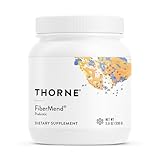
12. Thorne FiberMend Prebiotic Fiber Powder – Premium Pick
THORNE FiberMend, Prebiotic Fiber Powder with Antioxidants, 30 Servings
Prebiotic fiber blend
11.6 oz powder
Third-party tested
Healthcare trusted
Pros
- Trusted by 100+ pro sports teams
- No bloating cramping or gas
- Third-party contents certified
- Effective for regularity
- Healthcare practitioner recommended
Cons
- Poor solubility and clumping issues
- Expensive compared to alternatives
- Has earthy taste some dislike
Thorne is the brand healthcare practitioners and professional sports teams trust, and FiberMend is their prebiotic fiber formula. The third-party contents certification means an independent lab verifies that what is on the label matches what is in the container. That level of testing is rare in the supplement industry.
FiberMend is highly effective for promoting regularity without the gas, bloating, or cramping that comes from cheaper fiber products. Users consistently report that it works better than psyllium husk for their sensitive systems. The formula promotes balanced GI flora alongside regularity.
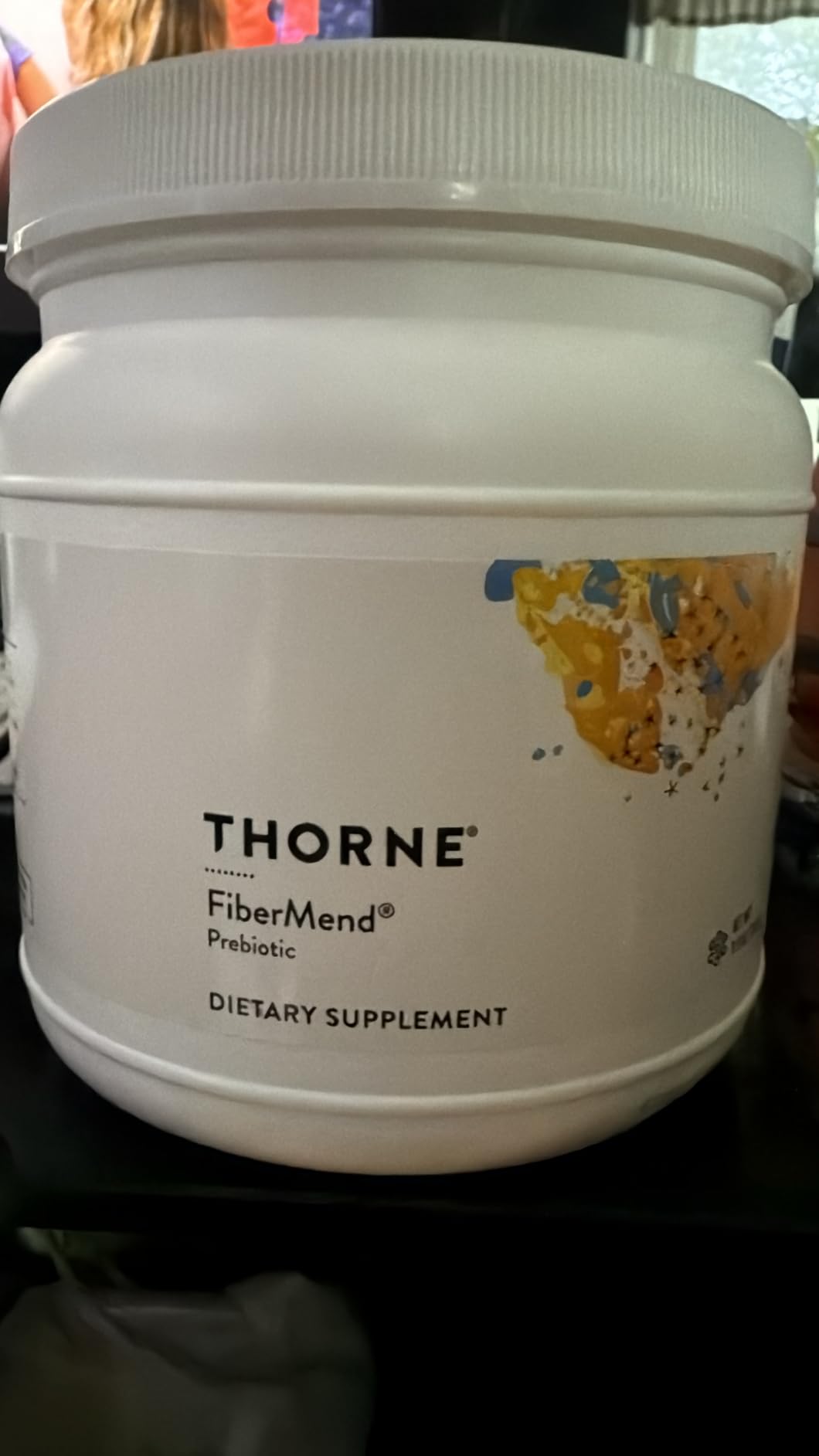
The biggest drawbacks are price and mixability. At around $45 per container, FiberMend is the most expensive supplement on this list. The powder also clumps in cold liquids. I found that mixing it into warm water first, then adding it to my beverage, solved the clumping problem. The earthy taste is noticeable but not offensive.
Best When Quality and Testing Matter Most
If you are working with a functional medicine doctor, dealing with chronic digestive issues, or simply want the highest quality assurance available, Thorne is the brand to choose. The third-party certification and professional sports team endorsements carry weight that no other brand on this list can match.
How to Get FiberMend to Mix Properly
One reviewer shared a useful tip. Invert the container a few times before opening to fluff the powder, which improves scoop consistency. Mix with warm water first to dissolve, then add to your cold beverage. This eliminates most clumping issues and makes the experience much better.
How to Choose the Right Fiber Supplement for Constipation
Picking the right fiber supplement depends on your specific situation. Here are the key factors to consider before buying.
Fiber type matters most. For general constipation, psyllium husk is the most research-backed option. For sensitive stomachs and IBS, methylcellulose (Citrucel) or PHGG (Sunfiber) are gentler. For convenience, wheat dextrin (Benefiber) dissolves invisibly into anything.
Form factor is about compliance. The best fiber supplement is the one you will actually take every day. Powders offer the highest fiber per serving but require mixing. Capsules are convenient but may involve swallowing large pills. Gummies taste great but typically deliver less fiber per serving.
Consider your gas tolerance. Fermentable fibers like inulin, chicory root, and FOS feed gut bacteria, which produces gas. If bloating is a concern, choose non-fermentable options like Citrucel or FiberCon, or slowly fermenting options like PHGG.
GLP-1 users have specific needs. If you take Ozempic, Wegovy, Zepbound, or similar medications, start with small doses and increase gradually. Psyllium (Metamucil), wheat dextrin (Benefiber), and chicory root (Physician’s Choice) are all labeled as GLP-1 friendly. Hydration is critical, as GLP-1 medications already slow gastric emptying.
Check for allergies and sensitivities. Wheat dextrin products may not suit those with celiac disease. Some psyllium products carry Prop 65 warnings. If you have specific allergies, read the ingredient list carefully and consult your doctor.
Safety, Side Effects, and When to See a Doctor
Fiber supplements are generally safe for daily use, but they can cause side effects if introduced too quickly. The most common issues are gas, bloating, and cramping. These usually resolve as your body adjusts over 1 to 2 weeks. Starting with half the recommended dose and increasing gradually minimizes discomfort.
Always take fiber supplements with adequate water. Without enough liquid, fiber can actually cause or worsen constipation, and in rare cases, lead to bowel obstruction. The general rule is 8 ounces of water with every dose of fiber.
Fiber supplements can interfere with medication absorption. If you take prescription medications, especially thyroid hormones, antidepressants, or diabetes medications, take your fiber supplement at least 2 hours apart from your medications. Consult your pharmacist or doctor about potential interactions.
See a doctor if you experience: constipation lasting more than 3 weeks, blood in your stool, severe abdominal pain, unexplained weight loss, or constipation alternating with diarrhea. These could signal a more serious condition like IBD, colon cancer, or thyroid disorders. About 15% of constipation cases involve an underlying organic disease, so persistent symptoms warrant medical evaluation rather than self-treatment with supplements alone.
Frequently Asked Questions
What is the most effective fiber supplement for constipation?
Psyllium husk (found in Metamucil and Konsyl) is the most effective fiber supplement for constipation based on clinical research. It is a soluble, gel-forming fiber that softens stool and promotes regularity. Studies show psyllium works best at doses above 10 grams per day with consistent use over at least 4 weeks. Methylcellulose (Citrucel) is also highly effective and may be better for people prone to gas.
What is the best form of fiber for constipation?
Soluble fiber that forms a gel, like psyllium husk, is generally the best form for constipation. It absorbs water and creates a soft, bulky stool that moves through the colon easily. Insoluble fiber also helps by speeding transit time. Most people benefit from a combination of both types, which is why psyllium is so effective since it contains both.
Should I take fiber supplements on GLP-1 medications?
Yes, fiber supplements can help manage GLP-1 medication constipation. GLP-1 drugs like Ozempic, Wegovy, and Zepbound commonly slow digestion and cause constipation as a side effect. Increasing fiber intake through supplements like psyllium or wheat dextrin helps add bulk and promotes regularity. Start with small doses and increase gradually to avoid gas and bloating, and always drink plenty of water.
Can fiber supplements make constipation worse?
Yes, fiber supplements can worsen constipation if taken without adequate water or if introduced too quickly. Fiber needs liquid to work properly. Without enough water, fiber can harden and create blockages. People with slow motility or lazy colon may also find that increasing fiber without addressing underlying motility issues leads to more bloating and discomfort rather than relief.
How long does it take for fiber supplements to work for constipation?
Most fiber supplements take 12 to 72 hours to produce a bowel movement. However, the full regularity benefits typically require consistent daily use for at least 2 to 4 weeks. Research shows that psyllium supplementation for chronic constipation shows optimal results after 4 weeks of daily use at doses above 10 grams per day.
Is it safe to take fiber supplements every day long-term?
Yes, daily fiber supplementation is generally safe for healthy adults when taken with adequate water. Mayo Clinic confirms that popular fiber supplements including psyllium, methylcellulose, and wheat dextrin are safe for daily long-term use. However, fiber supplements should not replace dietary fiber from food entirely. Aim to get most of your fiber from whole foods and use supplements to fill the gap.
Final Thoughts on the Best Fiber Supplements for Constipation
Finding the right fiber supplement for constipation comes down to matching the product to your body and your routine. If you want the most research-backed option, go with Metamucil or Konsyl for psyllium husk. If you need something gentle and gas-free, Citrucel or Healthy Origins Sunfiber are excellent. If you want something that disappears into any drink, Benefiber or GoBiotix are your best bets.
The most important thing is consistency and water intake. No fiber supplement works if you take it sporadically or without enough liquid. Start with a small dose, increase gradually over a week or two, and drink at least 8 ounces of water with every serving. Give it 2 to 4 weeks before deciding whether a particular product works for you.
If you are on GLP-1 medications, dealing with chronic constipation, or unsure which fiber type is right for your digestion, talk to a gastroenterologist or registered dietitian. They can point you toward the specific fiber type that matches your condition. The best fiber supplements for constipation only work when you choose the right one for your body.