
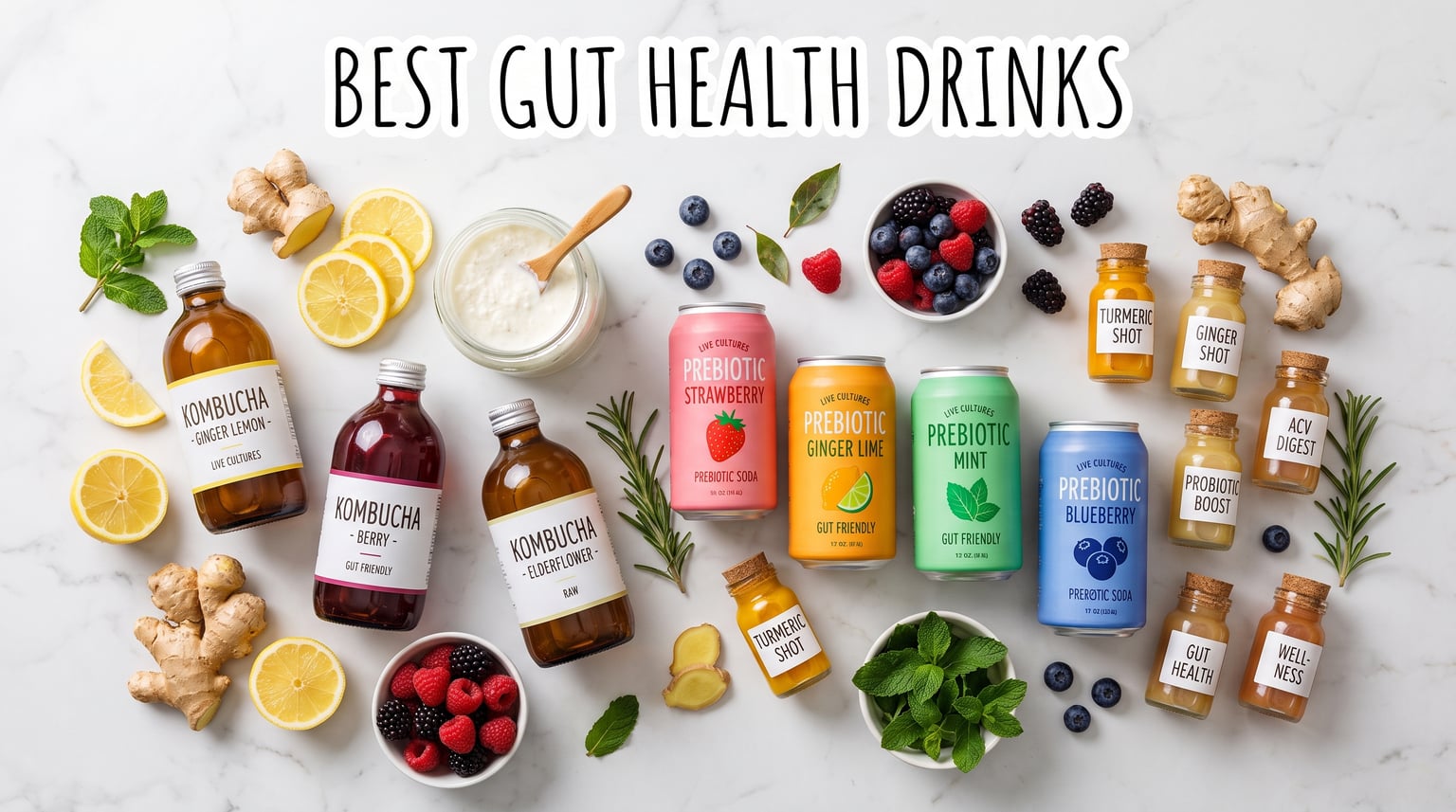
Your gut does a lot more than just digest food. It influences your immune system, mood, energy levels, and even how clearly you think. When your microbiome is out of balance, you feel it through bloating, irregularity, fatigue, and brain fog. Finding the best gut health drinks can make a real difference in how you feel every single day.
Our team spent weeks testing and researching the top probiotic beverages, prebiotic sodas, fermented teas, and wellness shots on the market. We looked at everything from CFU counts and sugar content to ingredient quality and real customer experiences. What we found is that not all gut health drinks are created equal. Some deliver billions of live probiotics with minimal sugar. Others are essentially fancy sodas dressed up in wellness packaging.
The best gut health drinks share a few things in common. They contain live active cultures or prebiotic fiber, they keep sugar low, and they use clean ingredients without artificial sweeteners or fillers. In this guide, we break down 12 options across categories like kombucha, kefir, prebiotic soda, probiotic shots, and apple cider vinegar drinks. Whether you are dealing with bloating, irregularity, or just want a healthier alternative to your afternoon soda, you will find your match below.
One important note before we start. If you are new to fermented drinks, begin with small portions. Reddit users on r/GutHealth and r/nutrition consistently report that starting with 2 to 4 ounces of kombucha or kefir and gradually increasing helps your body adjust without uncomfortable bloating or gas. Your gut needs time to adapt to new bacteria, and patience pays off.
Table of Contents
Top 3 Picks for Best Gut Health Drinks
Out of the 12 products we tested and analyzed, three stood out for different reasons. Lifeway Kefir delivers the most probiotic bang for your buck. SYNERGY Gingerade Kombucha is the gold standard for authentic fermented tea. And Yakult offers the most convenient, affordable daily probotic habit. Here is how they compare.


Yakult Probiotic Drink Original
- L. paracasei Shirota strain
- 5-pack
- Kid-friendly
- Affordable daily habit
Best Gut Health Drinks in 2026
Here is a quick comparison of all 12 gut health drinks we reviewed. Each one brings something different to the table, whether that is high CFU counts, zero sugar, or convenience for busy mornings. Use this table to scan your options, then read the detailed reviews below.
1. Lifeway Low Fat Kefir Strawberry – 12 Live Active Cultures
Lifeway Low Fat Kefir – Probiotic Drink with 10g Protein, 12 Live Active Cultures – Up to 99% Lactose Free, Gluten Free – Strawberry, 32 oz.
12 live cultures
10g protein per serving
Up to 99% lactose free
High in vitamin D and calcium
32oz bottle
Pros
- Smooth creamy texture with great sweet-tangy balance
- 12 live and active probiotic cultures
- Up to 99% lactose free for sensitive individuals
- Versatile for drinking or blending in smoothies
- High in protein calcium and vitamin D
Cons
- Tart even in strawberry flavor
- Thicker texture may not appeal to everyone
I have tried a lot of probiotic drinks over the years, and Lifeway Kefir keeps pulling me back. It ranks number one in the kefir category on Amazon for good reason. Each 32-ounce bottle packs 12 live and active probiotic cultures, which is more diversity than you will find in most kombucha or yogurt drinks. For anyone serious about gut microbiome support, this is hard to beat.
The strawberry version has a smooth, creamy texture that works as a standalone drink or as a smoothie base. I like blending it with frozen bananas and a handful of spinach for a gut-friendly breakfast. With 10 grams of protein per serving, it actually keeps you full. That is something you cannot say about most kombucha or prebiotic sodas.
What impressed me most is the lactose situation. Lifeway is up to 99 percent lactose free, which makes it accessible for people who normally avoid dairy. The fermentation process breaks down most of the lactose naturally. If traditional milk products upset your stomach, kefir is worth trying as a gentler alternative that still delivers calcium and vitamin D.
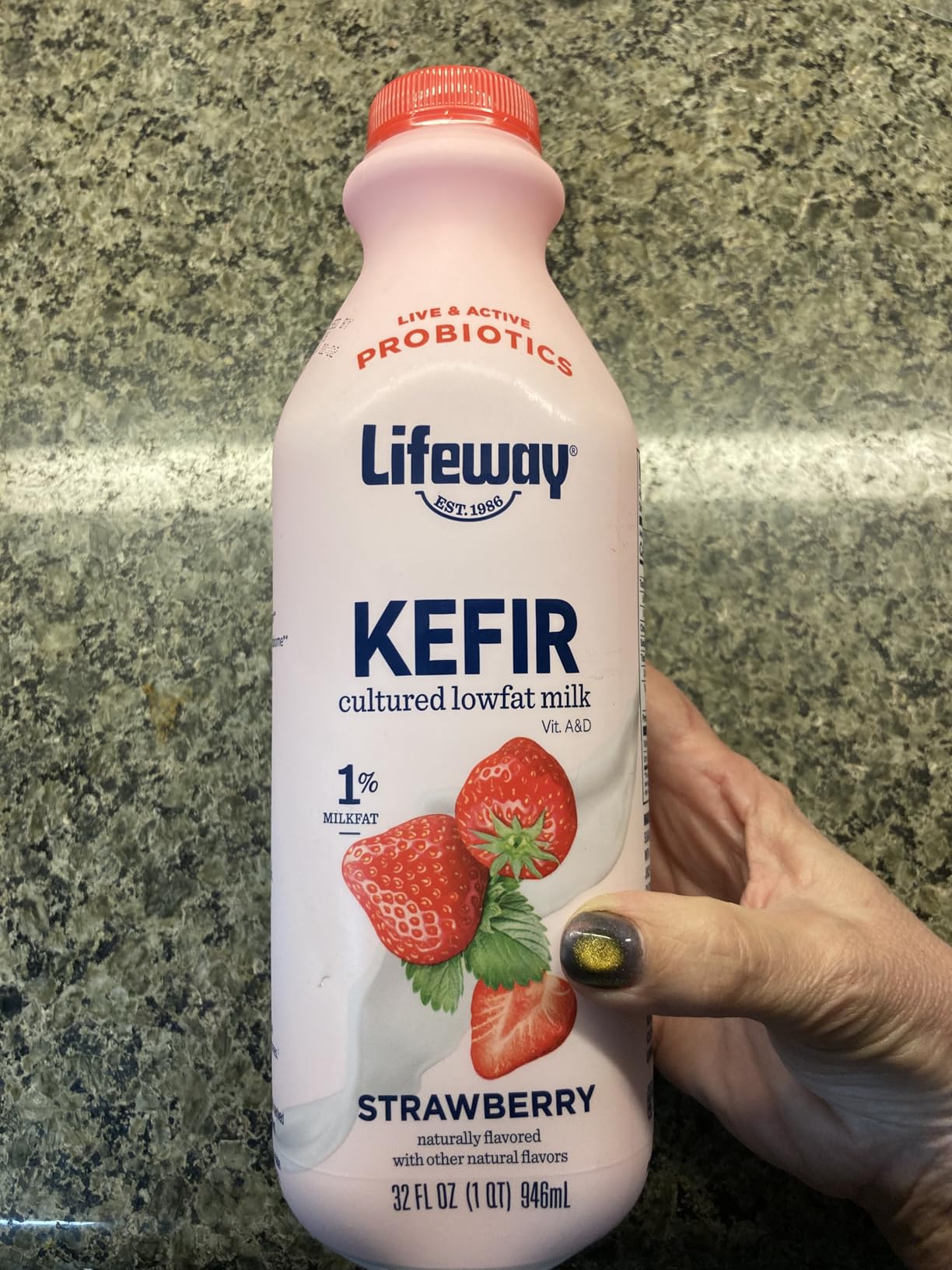
The main downside is the tartness. Even the strawberry flavor has a tangy edge that some people find off-putting at first. Reddit users on r/GutHealth recommend starting with 4 ounces and gradually increasing. The texture is also thicker than milk, more like a drinkable yogurt. If you expect something thin and watery, the creaminess might surprise you.
Who benefits most from kefir
Lifeway Kefir shines for people dealing with irregularity, bloating from gut flora imbalance, or anyone recovering from a round of antibiotics. The 12 diverse strains help repopulate your gut with beneficial bacteria. It is also one of the few probiotic drinks that delivers meaningful protein, making it a genuine meal component rather than just a supplement.
Cost and value considerations
At roughly $3.50 for a 32-ounce bottle, Lifeway delivers more probiotics per dollar than almost any other product on this list. You get multiple servings from one bottle, each loaded with live cultures. Compared to $3 to $4 single-serving kombucha bottles or premium prebiotic sodas, the value here is exceptional for daily gut support.
2. SYNERGY Gingerade Kombucha – Authentic Raw Fermentation

SYNERGY The Real Kombucha – Gingerade – 16 fl oz Bottle – Raw Probiotic Drink for Gut Health and Immune Support
Raw never pasteurized
Billions of living probiotics
Cold pressed ginger
Small batch fermented
Since 1995
Pros
- Refreshing ginger flavor with perfect tangy-spicy balance
- Minimal added sugar compared to other kombucha brands
- Authentic traditional fermentation with heirloom cultures
- Billions of diverse naturally occurring probiotics
- Wide variety of flavors available
Cons
- Not Prime eligible
- Some may find ginger flavor too mild
- Higher price point than mass-market alternatives
SYNERGY is the number one kombucha brand in the United States, and after drinking their Gingerade regularly, I understand why. GT’s Living Foods has been brewing kombucha since 1995 using heirloom Himalayan cultures fermented in small batches for weeks, not days. This is the real deal, not a mass-produced approximation of kombucha.
The Gingerade flavor hits a perfect balance between tangy and spicy. The cold-pressed ginger adds a warm kick without overpowering the fermented tea base. Carbonation is natural from the fermentation process, giving it a lively fizz that makes it a genuine pleasure to drink. With over 5,200 reviews and a 4.8-star rating, the consensus is clear.
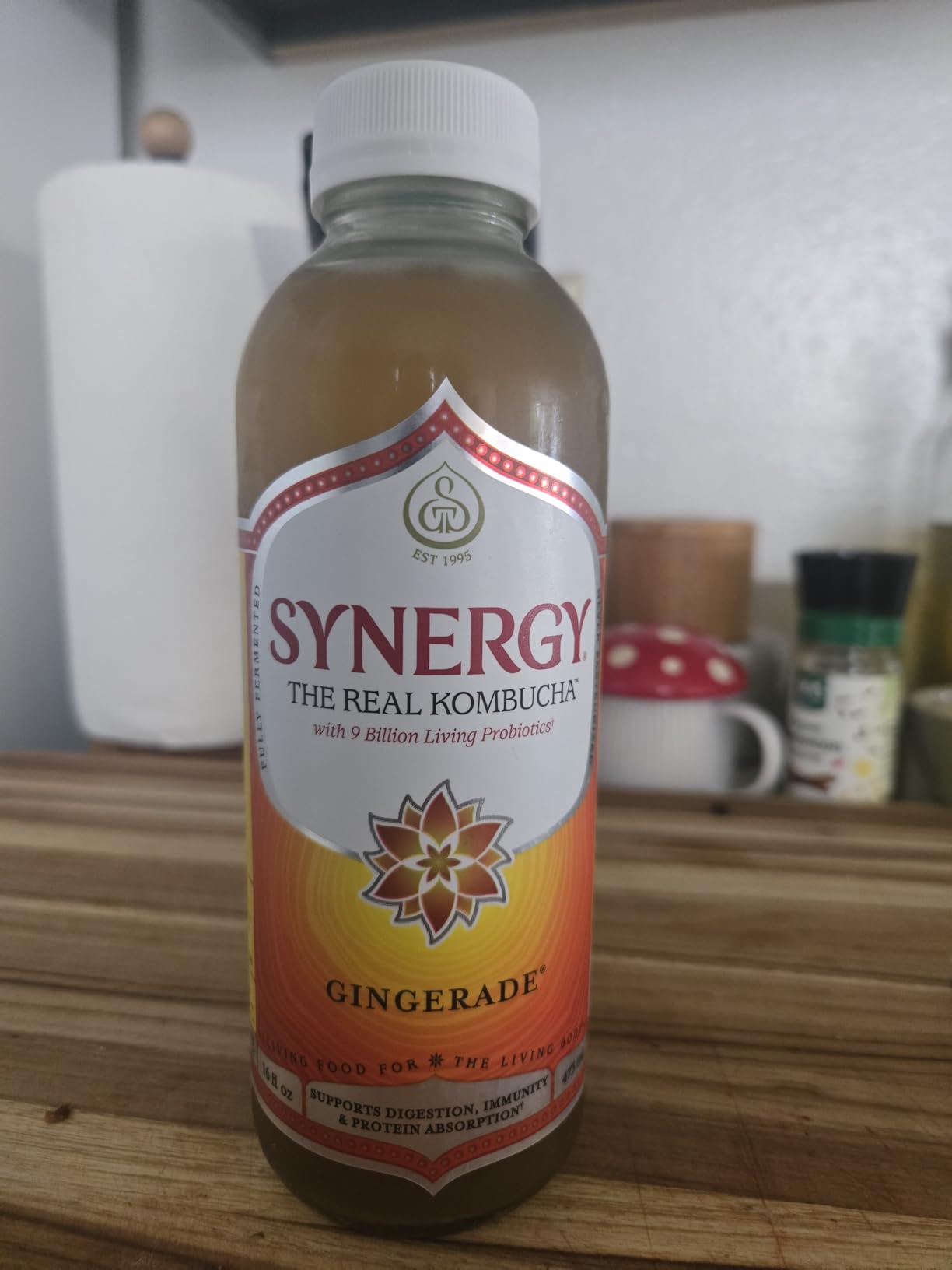
What sets SYNERGY apart from other kombucha brands is what it does not contain. There is minimal added sugar, no artificial flavors, and absolutely no pasteurization. The probiotics are alive and active, which is the whole point of drinking kombucha for gut health. Pasteurized kombucha might taste fine, but it does not deliver the live bacteria your microbiome needs.
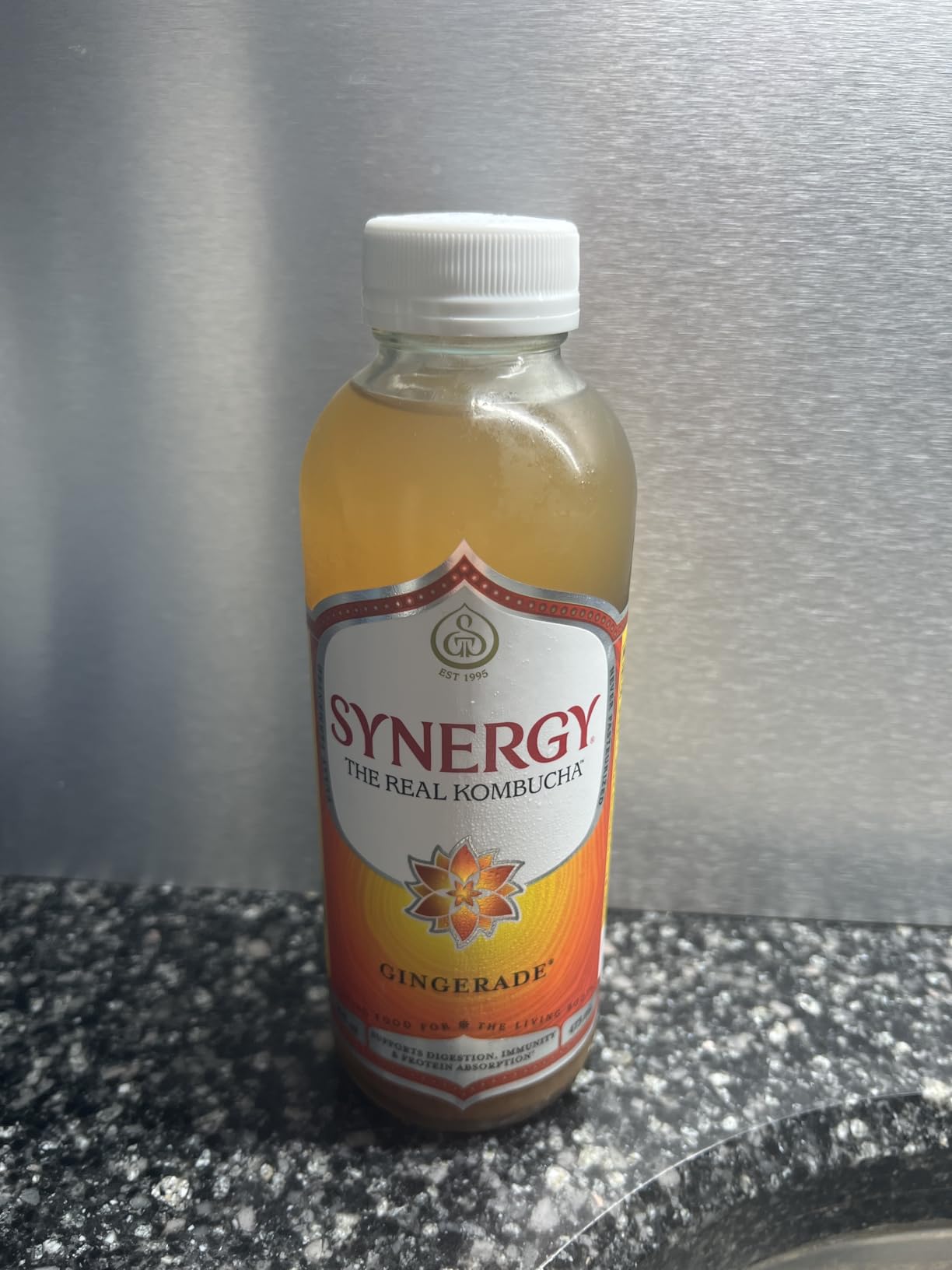
The drawbacks are minor but worth mentioning. It is not Prime eligible, so shipping takes longer. Some reviewers who love intense ginger flavor find this version too mild. And at around $3 per 16-ounce bottle, it costs more than mass-market kombucha alternatives. But you are paying for authentic craftsmanship and genuine probiotic content.
Fermentation transparency matters
Forum users on Reddit consistently value brands that are transparent about their fermentation methods. SYNERGY’s traditional small-batch process sets it apart from industrially produced kombucha that may be brewed faster with less probiotic diversity. If you want authentic kombucha the way it has been made for centuries, this is your benchmark.
Best way to drink it
I recommend starting with 4 to 6 ounces per day, ideally in the afternoon as a refreshing pick-me-up. The natural caffeine from the tea base is modest but noticeable. Some users report that the carbonation can be intense on an empty stomach, so try it with or after a meal if you have a sensitive gut.
3. Yakult Probiotic Drink Original – Convenient Daily Habit
Yakult Probiotic Drink Original, 2.7 fl oz Bottle, Pack of 5
L. paracasei Shirota strain
Billions of live probiotics
2.7oz bottles
No fat gluten or cholesterol
Pack of 5
Pros
- Smooth sweet tangy flavor loved by all ages
- Contains exclusive L. paracasei Shirota strain
- Convenient small bottle size for daily use
- Affordable daily probiotic habit
- No fat gluten or cholesterol
Cons
- Very small 2.7oz bottle size
- Some may want larger servings
- Occasional taste inconsistencies reported
Yakult is the probiotic drink most people recognize, and that familiarity is actually an advantage. This Japanese probiotic drink has been around since 1935, and it contains a proprietary strain called Lactobacillus paracasei Shirota that has been studied extensively for digestive health. Each tiny 2.7-ounce bottle delivers billions of live cells of this specific strain.
The taste is often described as an orange creamsicle or sweet yogurt drink. It goes down easily, and kids love it. That makes Yakult one of the few gut health drinks that works for the entire family without complaints. With over 6,500 reviews and a 4.7-star average, it has built incredible loyalty over decades.
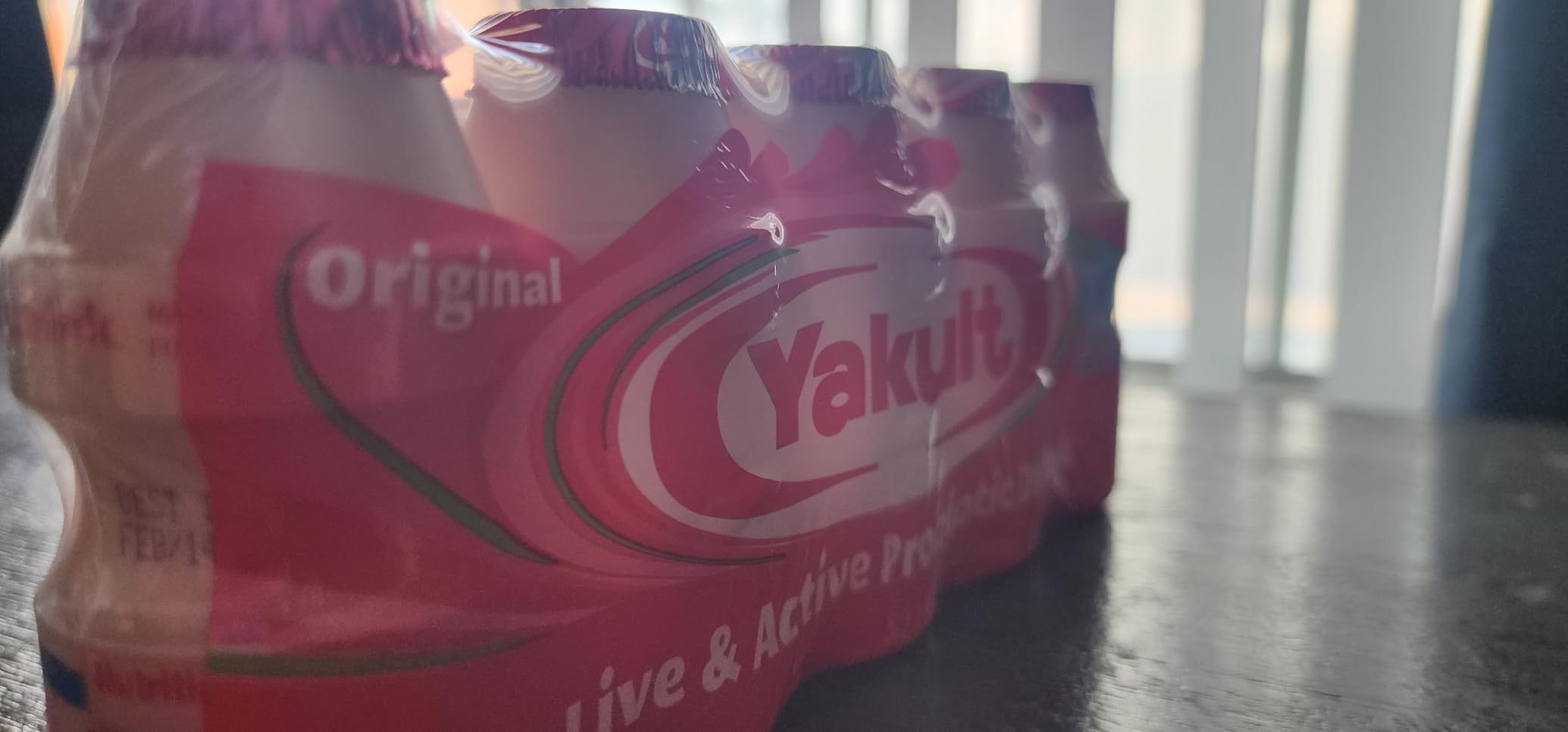
I keep Yakult in my fridge as a no-brainer daily habit. One small bottle in the morning takes three seconds to drink, and you are done. No preparation, no mixing, no acquired taste required. The convenience factor is genuinely unmatched among probiotic drinks on this list.
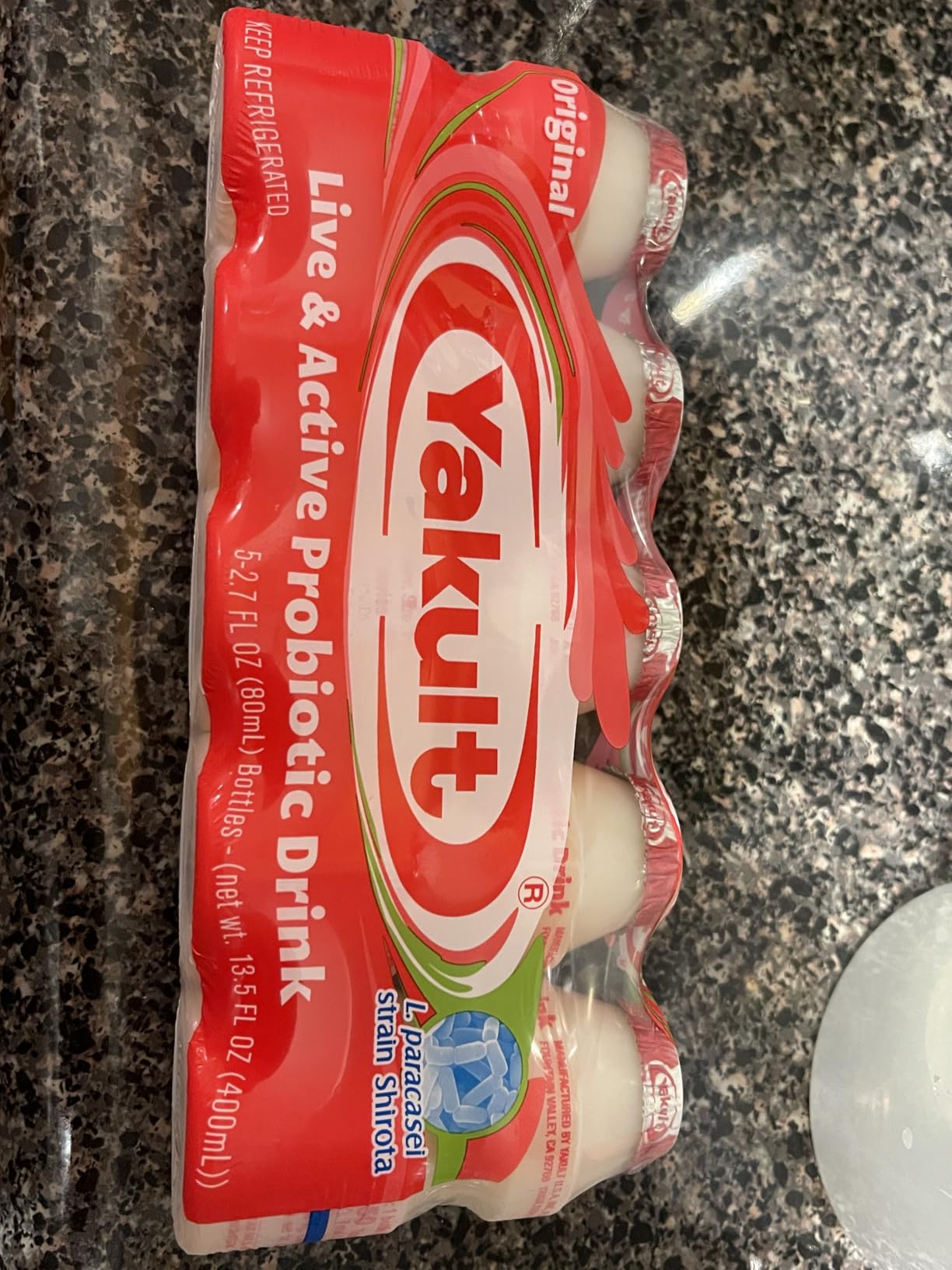
The main criticism from health-conscious users on Reddit is the sugar content. Each small bottle contains added sugar to balance the fermentation tartness. For some, that is a reasonable trade-off for a proven probiotic strain. Others prefer unsweetened options. At about $3.28 for a pack of five, it is one of the most affordable daily probotic options available.
What makes the Shirota strain special
L. paracasei Shirota is one of the most researched probiotic strains in the world. Studies suggest it survives stomach acid better than many other strains, meaning more live bacteria actually reach your intestines where they do their work. This is the kind of strain-specific detail that serious gut health researchers look for.
Best use case for Yakult
Yakult is ideal for anyone who wants a simple, consistent probiotic routine without changing their lifestyle. It is perfect for kids, older adults, and anyone new to gut health drinks who finds kombucha too funky or kefir too tart. The small bottle size is a feature, not a bug, because it delivers a precise daily dose.
4. Poppi Prebiotic Soda Wild Berry – Best Soda Alternative
Poppi Prebiotic Soda, Sparkling Water & Fruit Juice, Wild Berry, 12 Oz, 12 Pack
Wild Berry prebiotic soda
Low sugar
Prebiotic from apple cider vinegar
#1 Bestseller in soda
12 pack
Pros
- Fantastic wild berry flavor customers call best in lineup
- Low sugar and low calorie per can
- Prebiotic benefits from apple cider vinegar
- Diabetic-friendly minimal blood glucose impact
- Carbonation stays fresh even after opening
Cons
- Premium pricing compared to regular soda
- Occasional shipping damage dented cans reported
- Some question prebiotic amount for significant benefit
Poppi Wild Berry is the number one bestseller in the Soda Soft Drinks category on Amazon, and it earned that position by doing something remarkable. It actually tastes like soda. If you are trying to kick a daily soda habit but find sparkling water depressing, Poppi bridges the gap with genuine flavor satisfaction plus gut-friendly prebiotics.
The wild berry flavor is the standout in the Poppi lineup. Customers consistently call it the best version the brand makes. The sweetness level hits like a real soda without the sugar bomb. At only 5 grams of sugar and minimal calories per can, it lets you enjoy the soda experience without the gut-wrecking consequences of conventional soft drinks.
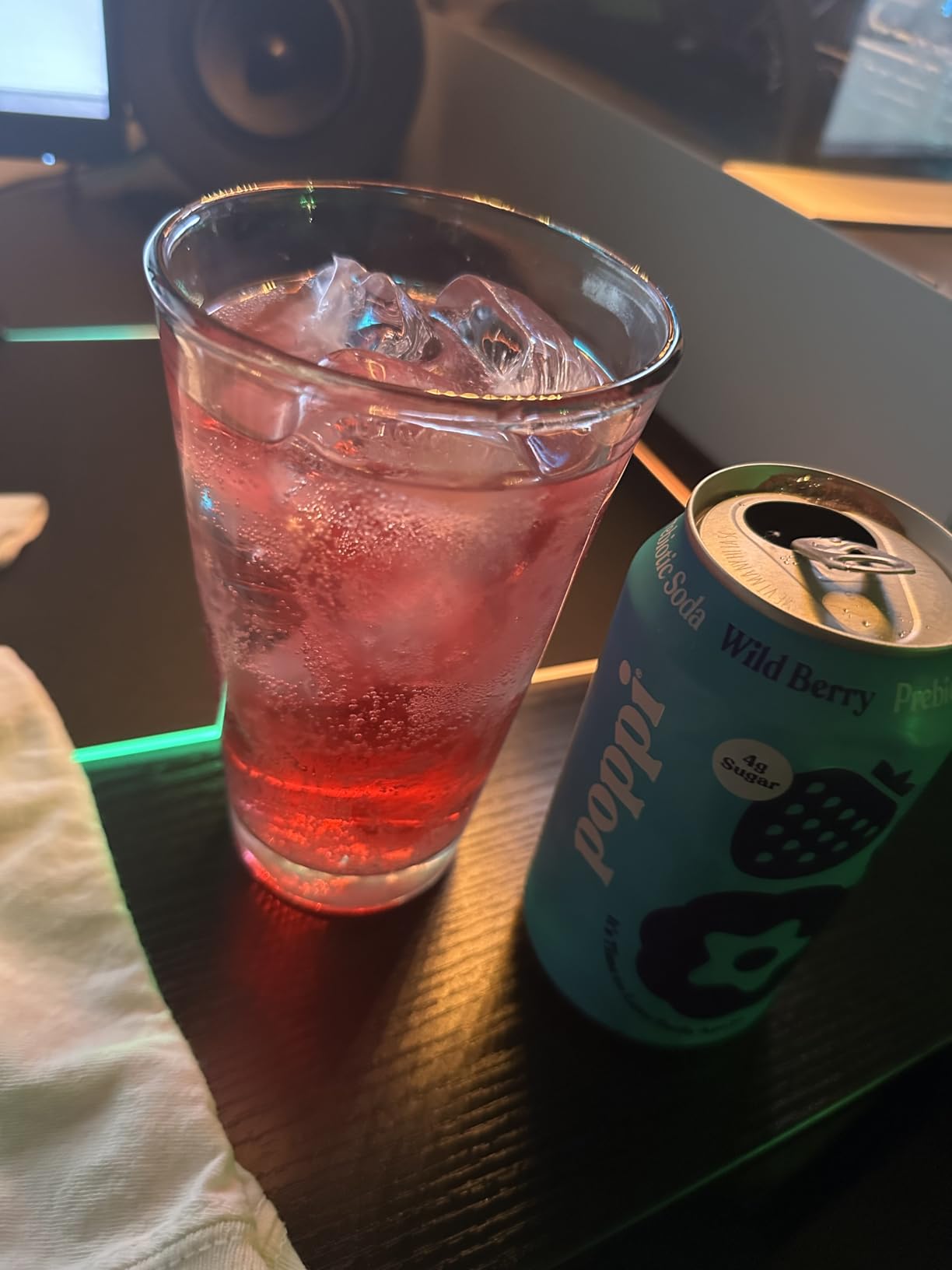
What makes Poppi work as a gut health drink is the apple cider vinegar base. ACV contains acetic acid, which research suggests may support digestion and blood sugar management. The prebiotic fiber from agave inulin feeds the beneficial bacteria already living in your gut. This is not a probiotic drink, meaning it does not add new bacteria. Instead, it nourishes the good bacteria you already have.
One diabetic reviewer on Amazon reported using a continuous glucose monitor and seeing minimal blood sugar impact from Poppi. That is significant for anyone managing blood sugar who still wants to enjoy a flavored beverage. The carbonation quality also stands out. Cans stay fizzy even after opening, which is not always the case with prebiotic sodas.
Poppi vs Olipop: which is better
This is one of the most common questions on Reddit’s nutrition forums. Both brands make prebiotic sodas with similar sugar profiles and price points. Poppi tends to be sweeter and more soda-like, which appeals to people transitioning from regular soda. Olipop offers more botanical complexity and a slightly more sophisticated flavor profile.
Who should try Poppi
Poppi is perfect for anyone replacing a daily soda habit with something gut-friendlier. It is also great for people who want prebiotic benefits without the tangy kick of fermented drinks. If you find kombucha too sour or kefir too thick, Poppi gives you the familiar soda experience with functional benefits.
5. Olipop Prebiotic Soda Variety Pack – Complex Botanical Flavors

Poppi Prebiotic Soda, Sparkling Water & Fruit Juice, Short List, 12 Oz, 12 Pack
4 flavor variety pack
5g sugar per can
Agave inulin prebiotics
Non-GMO
12 pack
Pros
- Great mouthwatering flavor as excellent soda substitute
- Low sugar and low calorie per can
- Prebiotics from agave inulin and cassava root fiber
- Wide variety of flavors appeals to all ages
- Good value when purchased in bulk
Cons
- Some find it expensive compared to regular soda
- Occasional short-counted shipments reported
- Some question prebiotic amount for real benefit
Olipop takes a different approach than Poppi. While Poppi leans into candy-sweet soda nostalgia, Olipop crafts more nuanced, botanical flavors that appeal to adults who appreciate complexity. The Short List variety pack includes Orange, Strawberry Lemon, Cherry Limeade, and Raspberry Rose, each with its own personality.
With nearly 4,800 reviews and a 4.5-star rating, Olipop has built a dedicated following. The prebiotic fiber comes from agave inulin and cassava root fiber, feeding beneficial gut bacteria. At 5 grams of sugar and 35 calories or less per can, it fits easily into most dietary approaches without triggering sugar guilt.
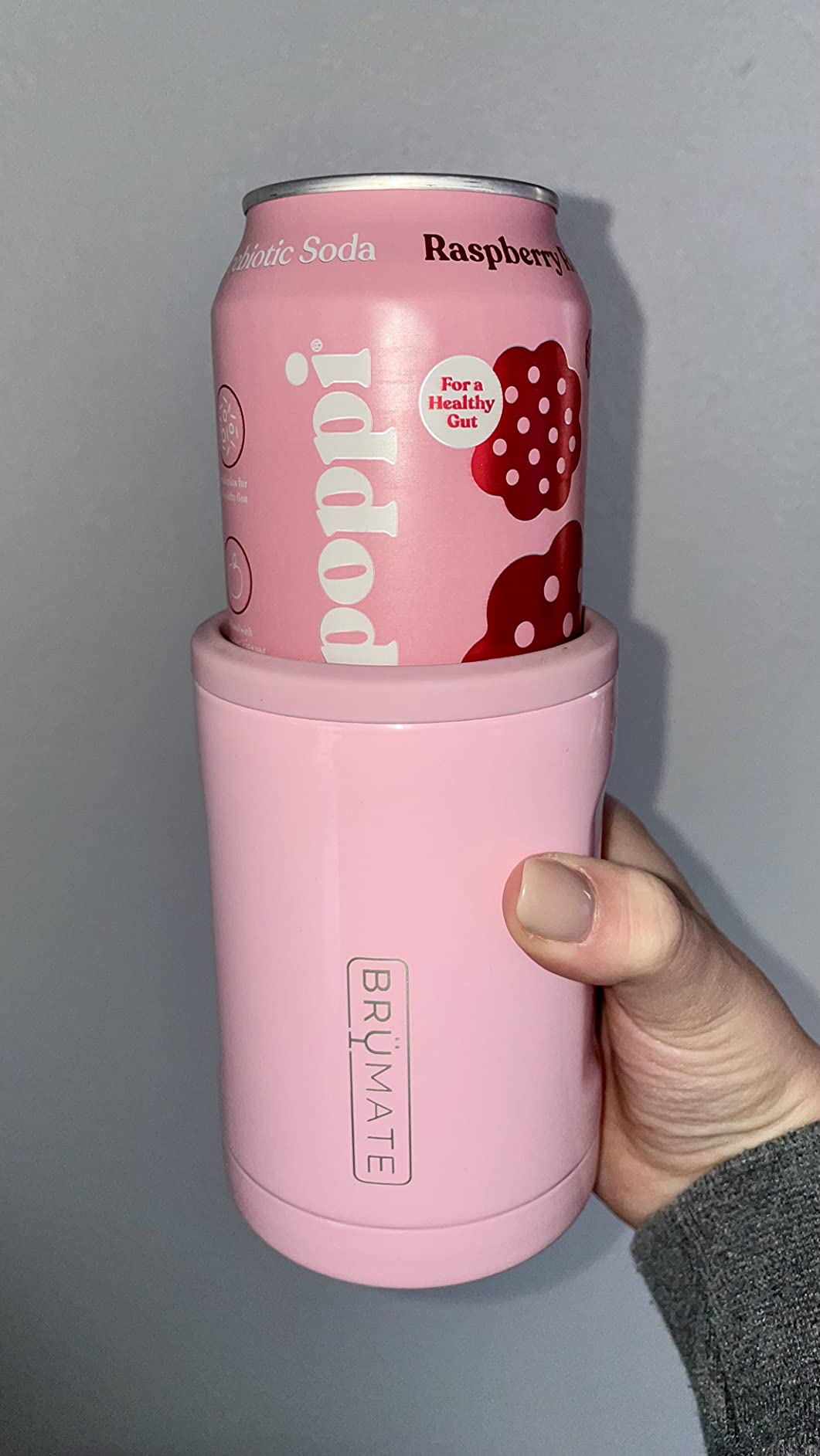
I found the Cherry Limeade to be the standout flavor in this pack. It has a brightness that regular cherry sodas completely lack. The Strawberry Lemon is refreshing without being cloying. Families report that kids love these flavors too, which makes Olipop a useful tool for parents trying to reduce their children’s conventional soda intake.
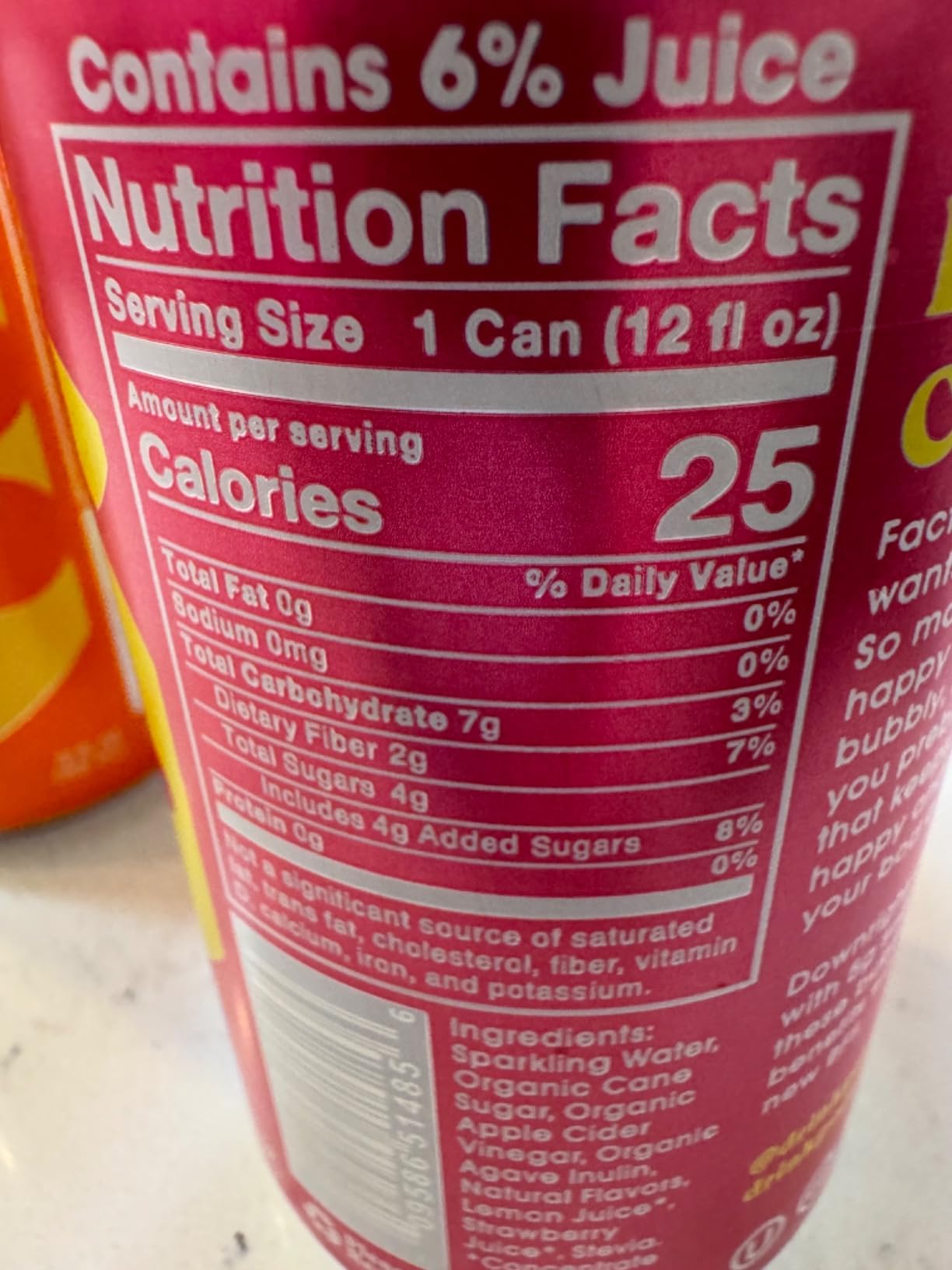
The main complaint is pricing. At about $17 for a 12-pack, Olipop costs more than regular soda. But you are paying for functional ingredients, clean labeling, and a genuinely better beverage. Some reviewers also question whether the prebiotic dose is sufficient for meaningful gut health benefits. The honest answer is that Olipop is a healthier alternative to soda, not a replacement for therapeutic probiotics.
When to choose Olipop over kombucha
If you do not enjoy the fermented, slightly vinegary taste of kombucha, Olipop gives you gut-friendly fiber in a format that tastes like a treat. It is also shelf-stable and does not require refrigeration, which makes it easier to store and transport than live-culture kombucha or kefir.
Sugar comparison with conventional soda
A regular 12-ounce cola contains about 39 grams of sugar. Olipop contains 5 grams. That difference matters enormously for gut health, because excess sugar feeds harmful bacteria and yeast in your digestive tract. Replacing one daily soda with Olipop cuts 34 grams of sugar from your daily intake while adding prebiotic fiber.
6. Humm Probiotic Kombucha Zero Sugar – Keto Friendly Option
Humm Probiotic Kombucha Zero Sugar Variety Pack, No Refrigeration Needed, Keto Friendly, Organic, Vegan, Gluten Free, 12oz Cans (16 Pack)
Zero sugar
2 billion probiotics
Shelf stable no refrigeration
Keto friendly
4 flavors 16 pack
Pros
- Zero sugar with only 10 calories per can
- 2 billion probiotics plus Vitamin B12
- Shelf stable no refrigeration needed
- Great variety of 4 flavors
- Prime eligible for fast shipping
Cons
- Some note flat carbonation compared to traditional kombucha
- B12 taste can be noticeable
- Not authentic kombucha taste per traditional drinkers
Humm Zero Sugar Kombucha solves a problem that keeps coming up in gut health drink discussions. Many people want kombucha’s probiotic benefits but cannot afford the sugar that comes with traditionally fermented kombucha. Humm uses a proprietary process to eliminate sugar during fermentation while keeping 2 billion probiotics per can intact.
The variety pack includes four flavors spread across 16 cans. Acai Blueberry, Blood Orange, Peach Tea, and Raspberry Lemonade each bring something different. Peach Tea is the consistent crowd favorite based on my analysis of 1,788 reviews. With 75 percent 5-star ratings, this is a well-loved product in the zero-sugar functional beverage space.
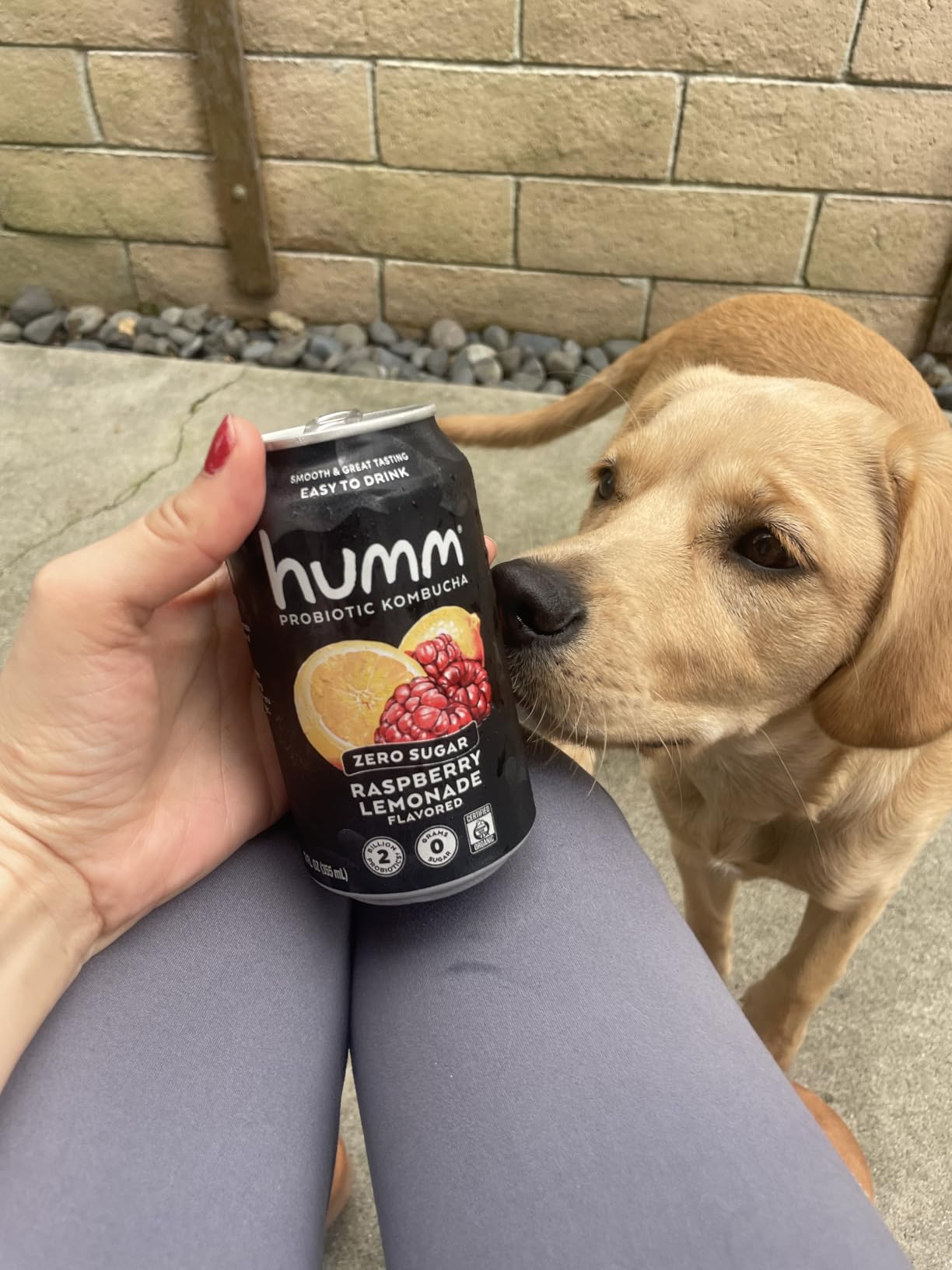
What makes Humm special is the shelf stability. Because there is zero sugar, fermentation cannot continue in the can, which means no refrigeration is needed. You can store these in a pantry, take them traveling, or keep them at your desk. That is a massive convenience advantage over refrigerated kombucha that goes bad if left warm.
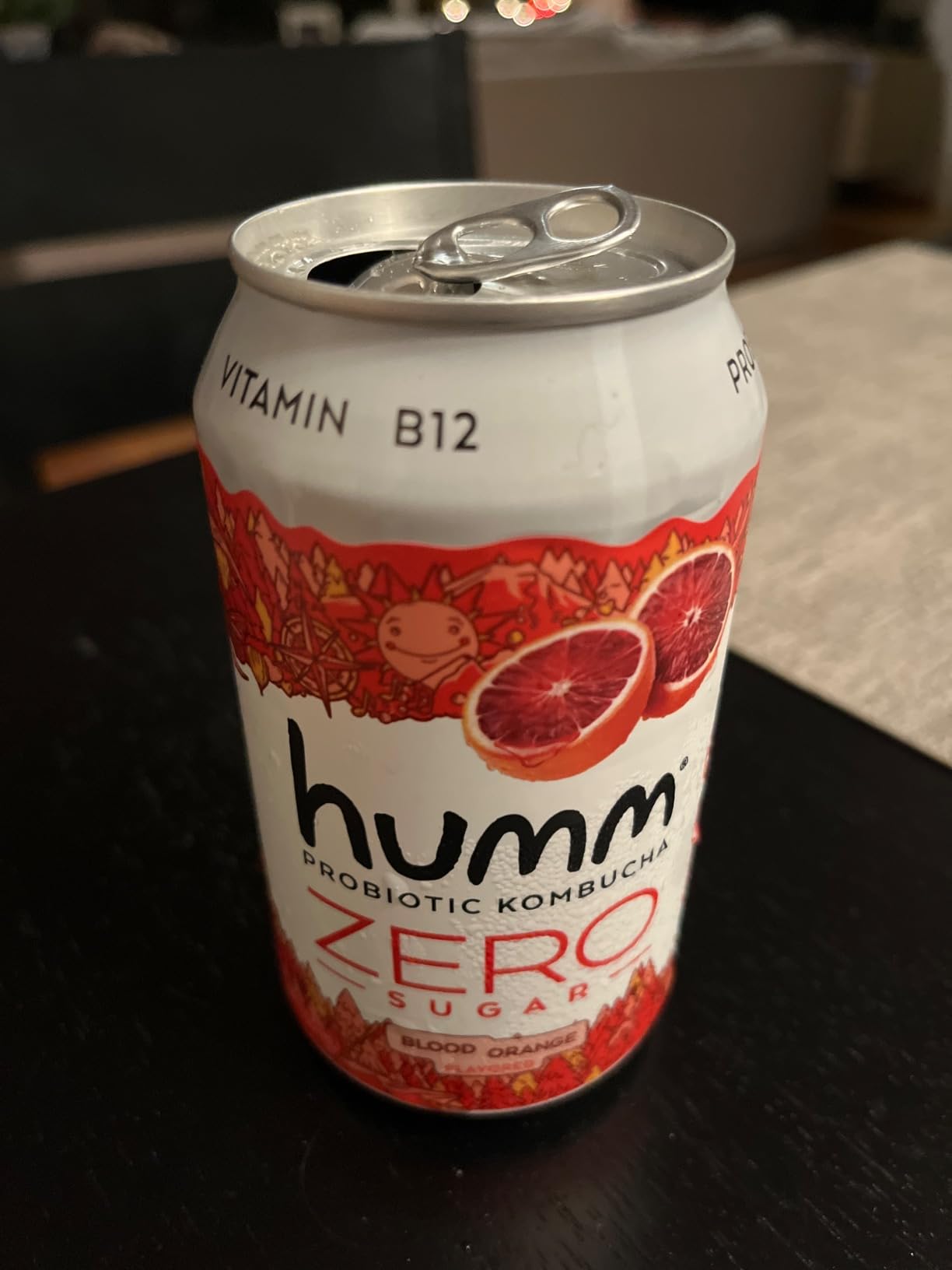
The trade-off is taste. Traditional kombucha drinkers note that Humm’s carbonation is flatter and the flavor profile is different from authentically fermented kombucha. The added Vitamin B12 can create a slightly metallic taste that some people detect. Raspberry Lemonade receives the most criticism for flavor. If you want authentic kombucha taste, go with SYNERGY. If you want zero sugar and convenience, Humm is your answer.
Best for keto and diabetic diets
With less than 1 net carb per can and zero sugar, Humm fits perfectly into ketogenic, diabetic, and low-carb lifestyles. Most kombucha contains 6 to 12 grams of sugar per bottle from the fermentation process, which can be problematic for strict low-carb diets. Humm removes that barrier entirely.
Shelf life and storage
The shelf-stable format means Humm cans last months without refrigeration. This makes them ideal for stocking up, office kitchens, road trips, and any situation where refrigeration is unreliable. Just chill before drinking for the best taste experience, since cold carbonation hits differently than warm.
7. Wildwonder Sparkling Probiotic – Prebiotic Plus Probiotic Combo

wildwonder Classic Variety Sparkling Probiotic Drink, 12 Pack
1 billion CFUs probiotics
5g prebiotic fiber
Monkfruit sweetened
40 calories
Seen on Shark Tank
Pros
- Complex flavors with no stevia or sugar replacement aftertaste
- Contains both prebiotics and live probiotics
- Low calorie and low sugar per can
- Great as mocktail mixer or alcohol alternative
- Female and AAPI founded company with social mission
Cons
- Premium pricing compared to other options
- Taste variation depending on storage conditions
- Daily consumption gets expensive for some
Wildwonder caught national attention on Shark Tank, and the concept is compelling. Each can combines live probiotics with prebiotic plant fiber in a sparkling format sweetened with monk fruit. No stevia aftertaste, no artificial sweeteners, and only 6 grams of sugar and 40 calories per can.
The classic variety pack offers complex, layered flavors that work beautifully as standalone drinks or as mocktail mixers. I found these to be the most interesting flavor profiles of any sparkling probiotic drink on this list. The combination of real fruit juice and herbal extracts creates depth that goes beyond simple soda flavors.
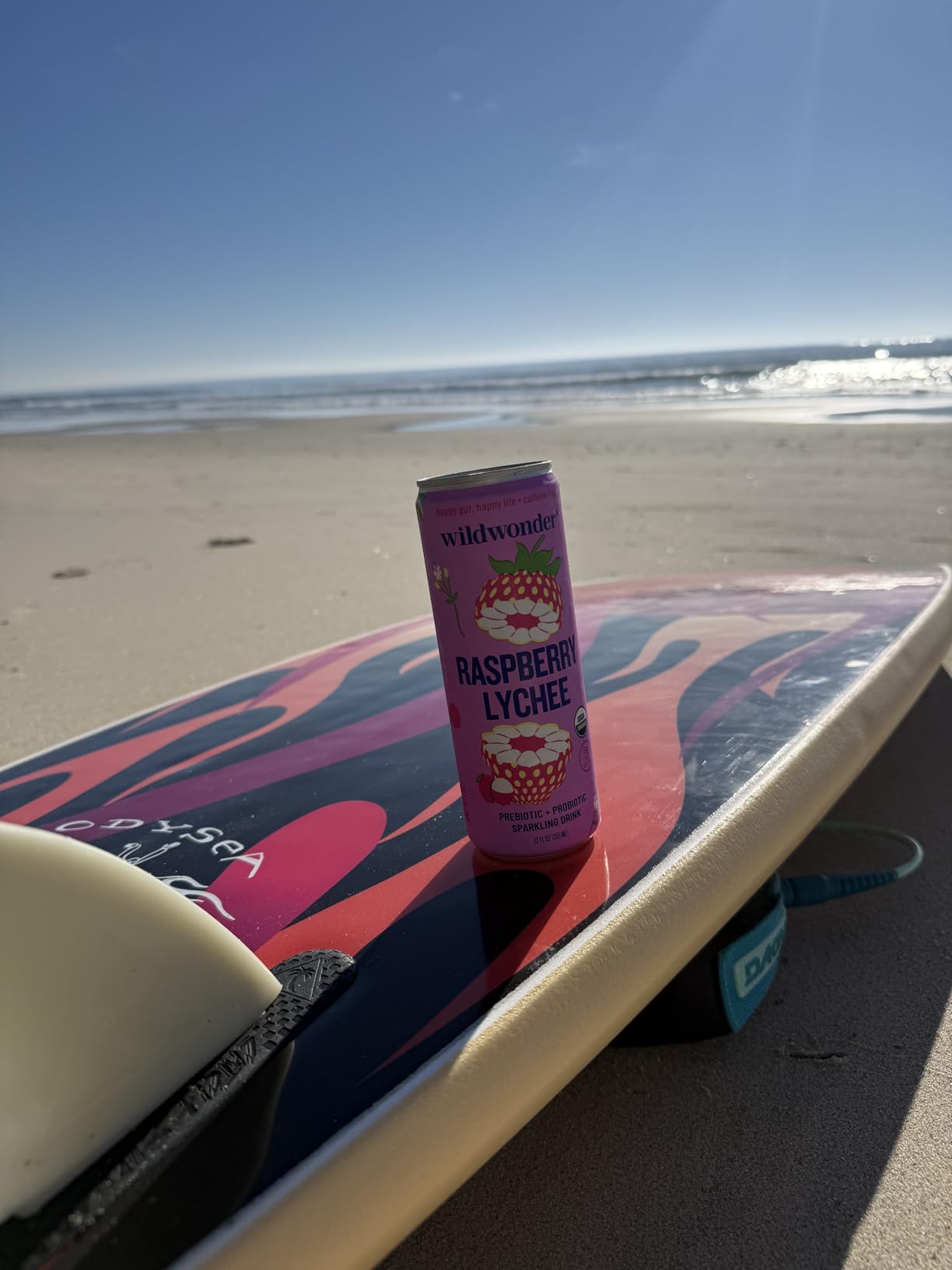
From a gut health perspective, Wildwonder is one of the few drinks that delivers both probiotics and prebiotics in a single can. Probiotics add new beneficial bacteria to your system, while prebiotics feed the bacteria already there. This synbiotic approach is what many gut health experts recommend for maximum microbiome support.
The main drawback is price. At roughly $3.66 per can on Amazon when buying the 12-pack, daily consumption adds up. Some reviewers note they can find Wildwonder cheaper at physical stores. There are also reports of taste variation depending on how the product was stored and shipped, which is a risk with any live-culture beverage.
Best for entertaining and social occasions
Wildwonder shines as an alcohol alternative at social gatherings. The complex flavor profiles and elegant packaging make it feel like a real cocktail, not a compromise drink. If you are hosting a dinner party and want something gut-friendly that does not feel like a health food sacrifice, Wildwonder is the most sophisticated option on this list.
Monkfruit vs stevia sweeteners
Many customers specifically choose Wildwonder because it uses monk fruit instead of stevia. Stevia has a distinctive aftertaste that some people find unpleasant, while monk fruit provides clean sweetness without bitterness. If you have been turned off by other low-sugar drinks that use stevia, Wildwonder is worth trying.
8. Health-Ade Kombucha Variety Pack – Organic and Clean

Health-Ade Fan Favorite Variety Pack Kombucha Tea, Organic Drink with Living Probiotics, Detoxifying Acids, Supports Gut Health, Non-GMO, Vegan, Gluten Free, 12 Pack (16 Fl Oz Bottles)
Organic kombucha
Living probiotics
Gut healthy organic acids
12 pack
Real fruit juice
Pros
- Delicious taste with real fruit juice from organic produce
- Good packaging that keeps bottles intact
- No artificial sweeteners flavors or colors
- Better alternative to sugary sodas
- Organic non-GMO vegan and gluten free
Cons
- Some reviews mention high sugar content concerns
- Not Prime eligible
- Occasional shipping issues
- Higher price point for 12-pack variety
Health-Ade positions itself as the clean-label kombucha brand, and their Fan Favorite Variety Pack delivers on that promise. The 12-pack features their most popular flavors, all brewed with real organic fruit juice and zero artificial anything. No fake sweeteners, no synthetic flavors, no questionable colors.
What I appreciate about Health-Ade is their transparency about the fermentation acids. During fermentation, kombucha produces organic acids like acetic, lactic, gluconic, and glucuronic acid. These postbiotics have their own health benefits beyond the probiotics themselves, supporting everything from liver function to immune health.
The flavors are bright and refreshing without being overly sweetened. Health-Ade uses less sugar than the average soda, and the sweetness comes from real organic fruit juice rather than added cane sugar. This is kombucha for people who want the genuine article without any ingredient compromises.
However, sugar content is a valid concern that comes up in reviews. While Health-Ade contains less sugar than conventional soda, kombucha still has naturally occurring sugar from the fermentation process. If you are strictly monitoring sugar, the zero-sugar Humm option might serve you better. Shipping issues are also noted, with some customers receiving flat or delayed deliveries.
Natural antioxidants and plant compounds
Health-Ade highlights the natural antioxidants in their kombucha, which come from the tea base and fruit additions. Antioxidants help protect your cells from oxidative stress and support overall inflammation balance. Combined with the organic acids and probiotics, this gives Health-Ade a broader functional profile than many competitors.
Best served cold and fresh
Because Health-Ade is a living beverage, freshness matters. Drink it cold, and consume it relatively quickly after opening. The live cultures are sensitive to heat and time, so proper storage in the refrigerator is essential. This is not a shelf-stable product like Humm Zero Sugar.
9. KeVita Master Brew Kombucha Raspberry Lemon – Balanced Flavor
KeVita Master Brew Kombucha Raspberry Lemon, with Live Probiotics, 15.2 Fl Oz
Organic kombucha
Live probiotics
Raspberry lemon flavor
Glass bottle
Non-GMO verified
Pros
- Crisp refreshing raspberry lemon flavor with perfect balance
- Billions of live probiotics for digestive health
- Certified Organic and Non-GMO Project Verified
- Comes in glass bottles for premium packaging
- Vegan gluten-free and kosher
Cons
- Expensive for a single bottle
- Not Prime eligible
- Limited stock availability
- Kombucha taste can be acquired
KeVita Master Brew Kombucha in Raspberry Lemon is a long-standing favorite with nearly 1,300 reviews and a 4.6-star average. The flavor balance is what sets it apart. The raspberry and lemon complement each other without either one dominating, avoiding the overly gingery bite that some kombucha brands lean into.
The glass bottle packaging adds a premium feel that aluminum cans cannot match. There is something about drinking kombucha from glass that makes the experience feel more intentional. The carbonation level is well-calibrated, with enough fizz to be refreshing without being aggressive.
KeVita is certified organic and Non-GMO Project Verified, which addresses two of the most common concerns from health-conscious consumers. The brewing process uses unique fermentation techniques that produce a bold tea taste underneath the fruit flavors. For people who want their kombucha to taste like actual tea, not just flavored sparkling water, KeVita delivers.
The main drawbacks are practical. At $3 per 15.2-ounce bottle, it is expensive compared to multi-pack options. It is not Prime eligible, and availability is sometimes limited. Loyal customers on Amazon express concern about flavors being discontinued, which suggests supply chain challenges that could affect consistent availability.
Best for kombucha purists
If you have been drinking kombucha for years and have strong opinions about fermentation quality, KeVita is likely to meet your standards. The bold brewed tea taste and balanced fruit flavors suggest careful recipe development rather than mass-market optimization.
Glass vs can packaging
The glass bottle is not just about aesthetics. Glass is inert, meaning it does not interact with the beverage or leach any compounds. Some kombucha drinkers believe glass preserves the live cultures and flavor better than aluminum. If packaging purity matters to you, KeVita’s glass bottles are a point in their favor.
10. Bragg Apple Cinnamon ACV Beverage – Ready to Drink

Bragg Refreshers Organic Apple Cinnamon Apple Cider Vinegar Beverage, 16 Fl Oz
Organic ACV beverage
Apple cinnamon flavor
Ready to drink 16oz
Trusted Bragg brand
No dilution needed
Pros
- Great taste without the strong vinegar bite of plain ACV
- Convenient ready-to-drink format no dilution needed
- Trusted Bragg brand with long-standing reputation
- Refreshing daily health ritual
- Reported nausea relief and wellness benefits
Cons
- Some find cinnamon flavor does not mix well
- A bit sweet and slightly vinegary for some
- Over $5 per bottle with shipping
- Some prefer making their own diluted ACV drink
Bragg is the most trusted name in apple cider vinegar, and their ready-to-drink Refreshers line makes ACV accessible to people who cannot stomach straight vinegar shots. The Apple Cinnamon flavor masks the harshness of raw ACV while delivering the acetic acid and polyphenols that make apple cider vinegar a gut health staple.
The convenience factor here is significant. Mixing your own ACV drink requires measuring, diluting, and dealing with the strong smell. Bragg Refreshers eliminate all of that. You open the bottle and drink. Half the bottle is one serving, making portion control straightforward.
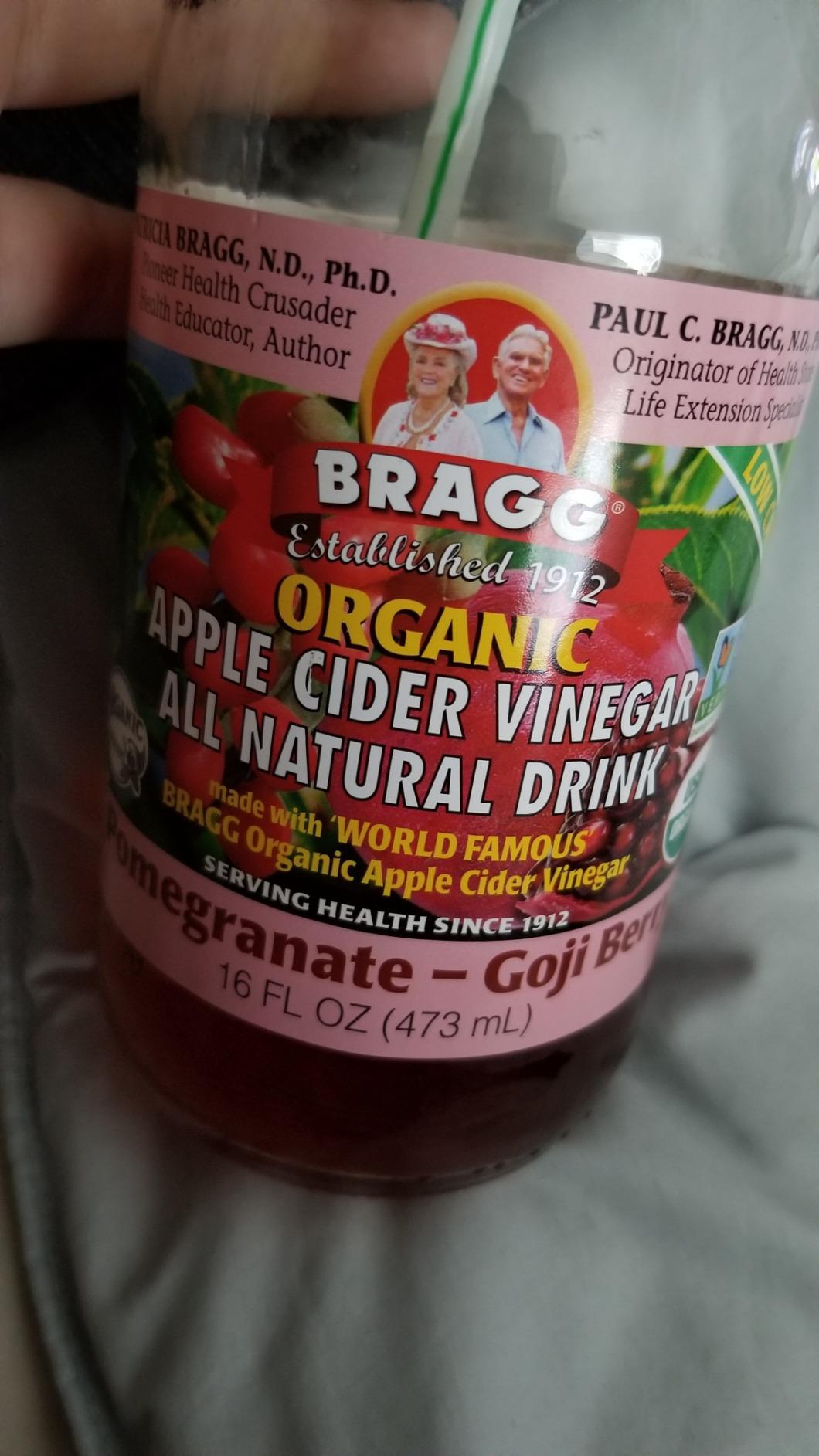
Reviewers mention several reported benefits including nausea relief, general wellness support, and a refreshing daily ritual. The ACV base contains acetic acid, which some studies suggest may help with digestion and blood sugar management. While ACV drinks are not probiotic in the traditional sense, they create an environment in your gut that supports beneficial bacteria.
The cinnamon flavor is where opinions divide. Some people love the warm spice notes combined with apple. Others find the cinnamon does not quite blend with the vinegar base. At over $5 per bottle when you factor in shipping, the price gives some customers pause, especially when homemade ACV drinks cost pennies per serving.
ACV and gut health connection
Apple cider vinegar supports gut health indirectly. The acetic acid may help stimulate stomach acid production, which improves protein digestion and nutrient absorption. Some research suggests ACV has antimicrobial properties that can help control harmful bacteria while preserving beneficial strains. It is a different mechanism than probiotic drinks, but complementary.
Who should try Bragg Refreshers
If you want the benefits of apple cider vinegar without the harsh experience of shooting straight ACV, Bragg Refreshers are the gentlest entry point. They are also good for people who want a functional morning drink but do not enjoy fermented dairy or kombucha flavors.
11. Suja Organic Digestion Shot – Ginger and ACV Power
Suja Organic Digestion Shot with Ginger, Apple Cider Vinegar and Ginseng, Immunity Support, Functional Shot, Cold-Pressed Juice with Live Probiotics, Plant-Based & Gluten-Free (2 Fl Oz)
Ginger ACV and ginseng
Live probiotics
Cold-pressed
USDA Organic
2oz shot
Pros
- Effective for digestion and gut health relief
- High-quality organic ingredients with live probiotics
- Provides energy boost and immune support
- Great value at affordable price point
- Convenient single-serve shot format
Cons
- Strong ginger spicy taste not for everyone
- Some bottles arrived damaged and leaked
- Strong aftertaste for sensitive palates
Suja Organic Digestion Shots pack a serious gut health punch into a tiny 2-ounce bottle. The ingredient list reads like a gut health manifesto. Cold-pressed ginger, apple cider vinegar, ginseng, and live probiotics combine to create a potent daily wellness shot. With 86 percent 5-star reviews across 786 ratings, people are feeling real results.
The cold-pressed process matters because it preserves the nutritional integrity of the ingredients. Heat pasteurization destroys many of the beneficial compounds in ginger and other functional ingredients. Suja uses high-pressure processing instead, which maintains nutrients while ensuring safety.
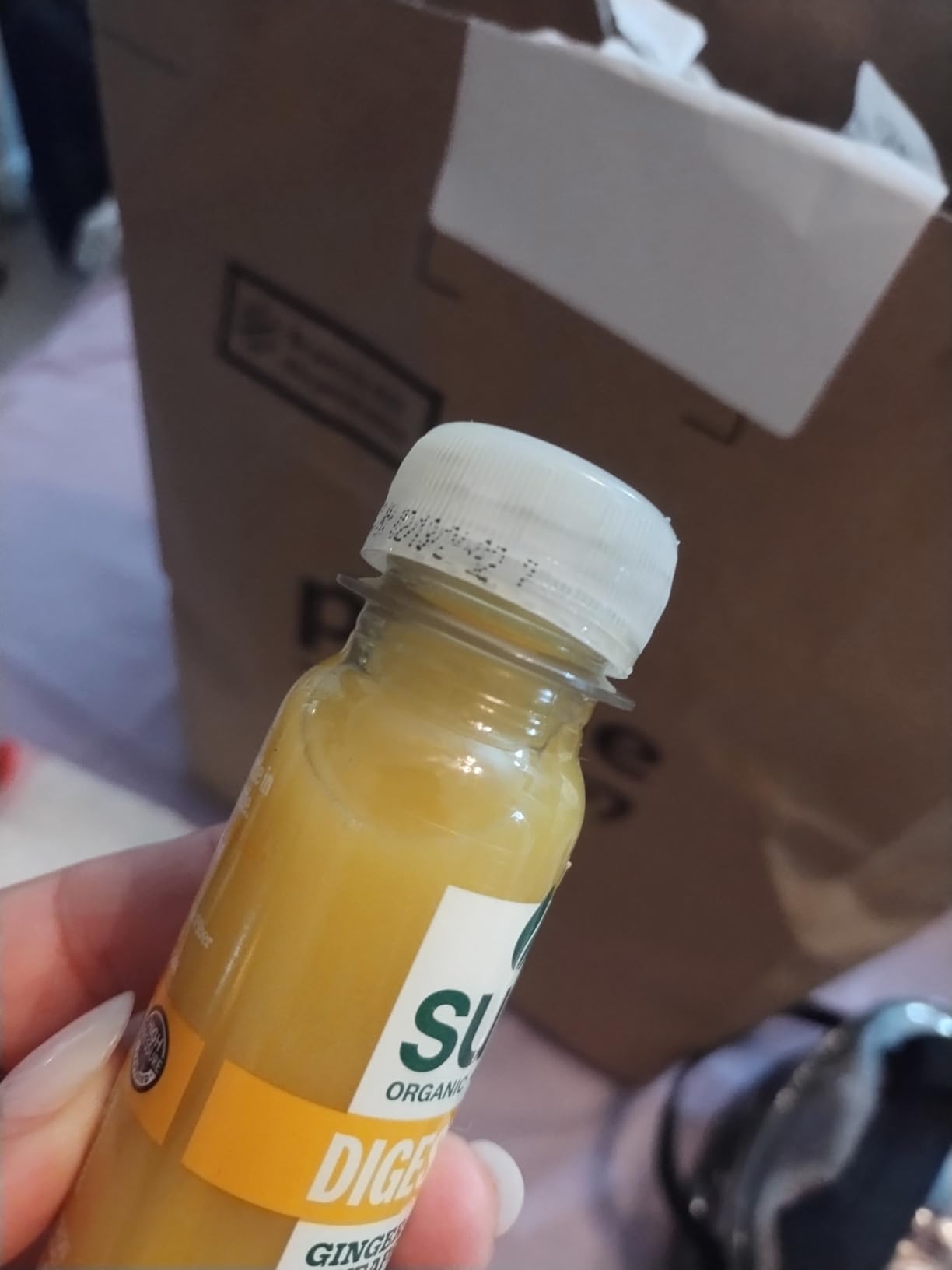
I found these shots genuinely effective for acute digestive discomfort. When you feel bloated or heavy after a large meal, a ginger and ACV shot can help stimulate digestion and reduce that uncomfortable fullness. Ginger has strong clinical backing for digestive support, and combining it with ACV and probiotics creates a multi-angle approach.
The taste is not subtle. This is a functional shot, not a treat. The ginger brings real heat, and the ACV adds tang. Some people love the intensity and find it invigorating. Others need to chase it with water. At $2.50 per shot, it is one of the most affordable wellness shots available, making daily use sustainable.
Best for acute digestive support
Unlike daily maintenance probiotics that work gradually over weeks, Suja Digestion Shots can provide relatively quick relief when you are actively experiencing bloating or digestive discomfort. The ginger stimulates gastric emptying, while the ACV supports stomach acid production. This makes it ideal for targeted use rather than just daily supplementation.
Cold-pressed quality and ingredient sourcing
Suja is known for their cold-pressed commitment and organic ingredient sourcing. The USDA Organic certification means the ginger, apple cider vinegar, and other components are produced without synthetic pesticides or fertilizers. For people who care about what goes into their gut health products, this transparency builds trust.
12. Kor Shot ACV Probiotics Shot – Small Batch Crafted

KOR Gut Check Organic Probiotic Shot – Apple Cider Vinegar Wellness Shot – Single 1.7 Fl Oz
ACV with the mother
1 billion CFU probiotics
USDA Organic
Small batch Malibu
1.7oz shot
Pros
- Effective for gut health bloating and upset stomach relief
- Contains ACV with the mother and 1 billion CFU probiotics
- Made with organic sustainably sourced ingredients
- Convenient single-serve shot format
- Good taste for an ACV-based shot
Cons
- Strong ACV taste can burn for some users
- Small 1.7oz bottle size
- Pricey when buying individually
- Taste is divisive not for everyone
Kor Shot takes a craft approach to gut health shots. Handcrafted in small batches in Malibu, California, these shots combine apple cider vinegar with the mother, 1 billion CFU probiotics, aloe vera juice, fresh California lemons, apple juice, and coconut water. The result is a complex, potent wellness shot with a dedicated following.
The inclusion of ACV with the mother is significant. The mother refers to the strands of protein, enzymes, and beneficial bacteria that are present in unfiltered, unpasteurized apple cider vinegar. Many gut health advocates believe the mother contains additional beneficial compounds that filtered ACV lacks.
With 80 percent 5-star reviews across 597 ratings, Kor Shot has earned its reputation. Reviewers consistently report effectiveness for bloating, upset stomach, and general gut health support. The probiotic addition sets it apart from ACV-only shots, giving you both prebiotic effects from the ACV and probiotic benefits in one bottle.
The taste is the dividing line. ACV shots are inherently intense, and Kor Shot does not try to mask that intensity. Some customers love the bold, tangy flavor and describe it as energizing. Others find it burns and recommend chasing it with water or juice. At $3.59 per 1.7-ounce shot, it is pricier than Suja, but the small-batch quality and organic sourcing justify the premium for many users.
The mother and why it matters
ACV with the mother contains the raw, unfiltered elements of vinegar production. These include beneficial bacteria, enzymes, and proteins that are typically removed in commercial vinegar processing. While clinical evidence is still developing, many functional nutrition practitioners specifically recommend ACV with the mother over filtered versions for maximum gut health benefit.
Sustainable sourcing practices
Kor Shot emphasizes sourcing from small organic farms, which appeals to consumers who care about the environmental and social impact of their purchases. While this does not directly affect gut health outcomes, it is a differentiator that builds brand trust among values-driven buyers.
Best Gut Health Drinks by Your Goal
Different gut health goals call for different drinks. Here is a practical guide to choosing the right product based on what you are trying to achieve.
Best for Bloating Relief
For bloating, ginger-based drinks are your best bet. The Suja Organic Digestion Shot combines ginger with ACV and live probiotics for fast-acting relief. Kor Shot ACV Probiotics Shot offers similar benefits with the addition of 1 billion CFU probiotics. For a gentler daily approach, SYNERGY Gingerade Kombucha delivers anti-inflammatory ginger compounds along with living probiotics. Reddit users on r/IBS report that ginger is one of the most consistently effective natural remedies for bloating and gas.
Best Morning Drink for Gut Health
The best morning drink for gut health is something warm or room temperature that stimulates digestion gently. Yakult works as a quick probiotic shot first thing in the morning. Lifeway Kefir provides protein and 12 live cultures to start your day with maximum microbiome support. For those who prefer warm drinks, Bragg Apple Cinnamon ACV Beverage at room temperature can help stimulate stomach acid production before breakfast. Many Reddit users combine lemon water with a small kefir or kombucha for their morning routine.
Best for IBS and Sensitive Stomachs
If you have IBS or a sensitive digestive system, start with the gentlest options. Yakult’s well-researched L. paracasei Shirota strain is one of the most clinically studied probiotics for IBS support. Lifeway Kefir’s 99 percent lactose-free formula works for many dairy-sensitive individuals. Avoid highly carbonated or very acidic drinks initially. Forum users report that kefir tends to be better tolerated than kombucha for IBS symptoms. Start with small amounts and increase gradually.
Best Soda Replacement
If you are replacing a daily soda habit, Poppi Wild Berry is the most satisfying transition product. It genuinely tastes like soda while delivering prebiotic fiber. Olipop offers more complex flavors for sophisticated palates. Humm Zero Sugar Kombucha works for people who want the kombucha experience without any sugar. All three options contain a fraction of the sugar found in conventional soda while providing functional gut health ingredients.
Best for On-the-Go Convenience
For busy lifestyles, shelf-stable options win. Humm Zero Sugar Kombucha requires no refrigeration and comes in convenient 12-ounce cans. Poppi and Olipop cans are also shelf-stable and travel-friendly. Yakult bottles are small enough to toss in a lunch bag. Suja and Kor Shots are perfect for keeping in your desk or bag for digestive emergencies. The worst on-the-go options are the refrigerated glass-bottle kombuchas, which require temperature control and careful handling.
What to Look for in a Gut Health Drink
Choosing among the best gut health drinks becomes easier when you know what matters. Here are the key factors our team used to evaluate every product on this list.
Probiotic Count and Strain Diversity
Look for products that specify their probiotic content. Lifeway Kefir lists 12 live and active cultures, which is exceptional diversity. Humm provides 2 billion probiotics per can. Wildwonder delivers 1 billion CFUs plus 5 grams of prebiotic fiber. Products that are vague about their probiotic content or make no specific claims may not deliver meaningful amounts. Strain diversity matters too. Multiple strains of Lactobacillus and Bifidobacterium provide broader microbiome support than a single strain.
Sugar Content
Sugar is the biggest trap in the gut health drink category. Many commercial kombuchas and probiotic beverages contain significant added sugar that can actually harm your gut microbiome by feeding harmful bacteria and yeast. Look for drinks with under 8 grams of sugar per serving. Humm Zero Sugar leads with zero sugar. Poppi and Olipop both keep sugar around 5 grams. Be wary of any product that does not clearly display sugar content, as some kombuchas can contain 12 to 20 grams per bottle.
Refrigerated vs Shelf-Stable
Refrigerated probiotic drinks typically contain more viable live cultures because refrigeration keeps bacteria dormant and alive. However, shelf-stable options like Humm Zero Sugar and Poppi have improved their processing to maintain probiotic viability without cold storage. If you are choosing a product primarily for probiotic benefits, refrigerated options like Lifeway Kefir and SYNERGY Kombucha may have an edge. If convenience is your priority, shelf-stable options eliminate storage headaches.
What to Avoid
Steer clear of drinks with artificial sweeteners like sucralose or aspartame, which research suggests may negatively impact gut bacteria. Avoid products with long ingredient lists full of preservatives and stabilizers. Be cautious of beverages that claim probiotic benefits but list no specific strains or CFU counts. Forum users on r/GutHealth consistently warn against products that are essentially sugary drinks with probiotic sprinkles added for marketing purposes.
Frequently Asked Questions
What is the best drink for a healthy gut?
The best drink for a healthy gut is kefir, specifically Lifeway Low Fat Kefir, because it contains 12 live and active probiotic cultures plus 10 grams of protein per serving. Kefir delivers more strain diversity than kombucha or yogurt drinks, and research consistently supports its effectiveness for improving digestive health, nutrient absorption, and bowel regularity.
Do gut health drinks actually work?
Yes, gut health drinks can work when they contain viable live probiotics or prebiotic fiber in meaningful amounts. Studies show that fermented beverages like kefir and kombucha can improve microbiome diversity, reduce bloating, and support digestion. However, results depend on consistent daily use, the specific strains present, and whether the product avoids excessive sugar that would counteract the probiotic benefits.
What can I drink to clean my gut health?
To support gut cleansing and reset, drink kombucha for its organic acids and probiotics, kefir for live culture diversity, ginger tea or shots for anti-inflammatory benefits, and apple cider vinegar drinks for digestive enzyme support. Start with small amounts and drink consistently. Combining these with a high-fiber diet and plenty of water gives your digestive system the tools it needs to rebalance naturally.
What should I drink first thing in the morning for gut health?
The best morning drink for gut health is a small glass of kefir or a Yakult probiotic shot, which delivers live cultures to your digestive system before food. Alternatively, warm lemon water with a splash of apple cider vinegar can stimulate stomach acid production and digestion. Avoid coffee on an empty stomach if you have sensitive digestion, as it can irritate the stomach lining.
What probiotic drinks are good for bloating?
For bloating relief, ginger-based drinks are most effective. Suja Organic Digestion Shots combine ginger with ACV and probiotics for targeted relief. SYNERGY Gingerade Kombucha provides anti-inflammatory ginger compounds along with living probiotics. Kor Shot ACV Probiotics Shot offers a concentrated dose of digestion-supporting ingredients. Start slowly with fermented drinks, as they can initially cause temporary bloating before your gut adjusts.
Should people with Hashimoto’s take probiotics?
People with Hashimoto’s thyroiditis may benefit from probiotics, as research suggests a connection between gut health and autoimmune thyroid conditions. However, anyone with an autoimmune condition should consult their endocrinologist before starting probiotic drinks, as individual responses vary. Some practitioners recommend specific strains over others for autoimmune patients, and fermented drinks containing histamine may need to be approached cautiously.
Conclusion
The best gut health drinks in 2026 combine real probiotic or prebiotic benefits with clean ingredients and minimal sugar. Lifeway Low Fat Kefir stands out as our editor’s choice for its unmatched 12 live cultures, protein content, and proven track record with over 4,400 reviews. SYNERGY Gingerade Kombucha remains the gold standard for authentic fermented kombucha. And for anyone transitioning away from soda, Poppi Wild Berry delivers genuine soda satisfaction with gut-friendly prebiotics.
The most important factor is consistency. A daily kefir, a morning Yakult, or an afternoon Poppi will do more for your gut than occasional kombucha binges. Start small, pay attention to how your body responds, and give it two to four weeks before judging results. Your microbiome did not get unbalanced overnight, and it will not fix itself overnight either.
Pick the drink that fits your lifestyle and taste preferences, because the best gut health drink is the one you will actually drink every day. Whether that is a tangy kefir, a refreshing prebiotic soda, or a potent ginger shot, your gut will thank you for making the switch from conventional sugary beverages.