
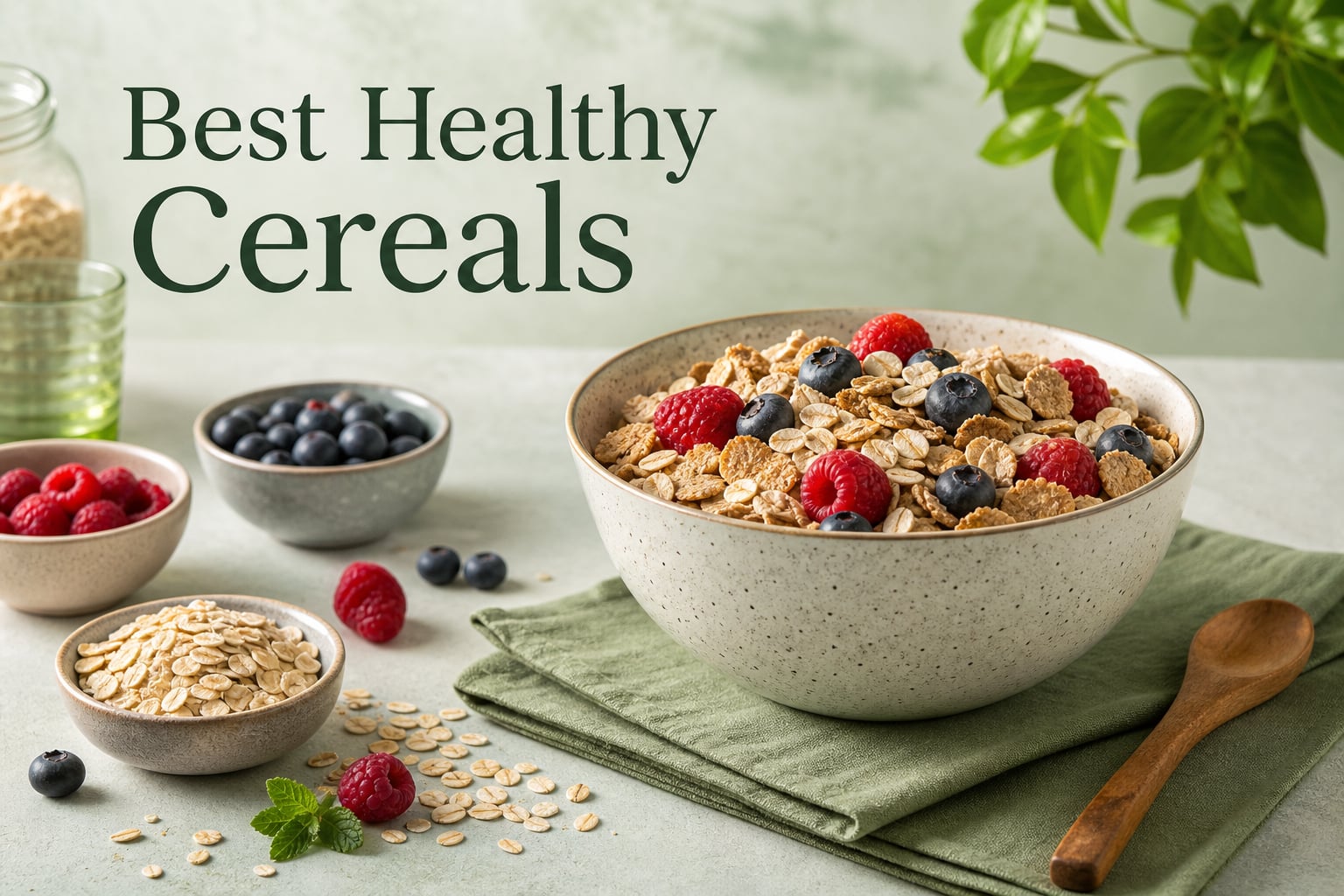
Finding the best healthy cereals gets confusing fast. Front-of-box claims can make nearly any crunchy breakfast look wholesome, while the details that matter—whole grains, fiber, protein, added sugar, and the actual ingredient list—sit on the Nutrition Facts panel.
For this guide, I treated a healthy cereal as one built around a recognizable grain, seed, or nut base and offering a meaningful nutritional advantage for a particular need. A useful general screen is a whole grain as the first ingredient, at least 3 to 5 grams of fiber, less than 6 grams of added sugar, and enough protein to make breakfast more filling; no single cereal has to hit every mark for every eater.
That last point matters. A zero-sugar corn flake can make sense for someone avoiding sugar, while a higher-protein granola can work better after exercise, and a bran cereal can be the practical choice for someone who wants more fiber. I compared the manufacturer and listing claims available for all 10 products, along with ratings, reviewer feedback, ingredient positioning, and dietary labels rather than treating “healthy” as a one-size-fits-all label.
Forum conversations showed the same frustrations again and again: people want cereal that tastes good, has a short ingredient list, and is not packed with sugar just because it wears a health halo. The picks below include familiar whole-grain bran, no-added-sugar muesli, organic options, gluten-free cereals, keto-oriented choices, and protein cereal, so you can start with the reason you are buying it.
Nutrition needs are personal. If you manage diabetes, digestive symptoms, food allergies, kidney disease, or another medical condition, use the package label as the final authority and ask a registered dietitian or clinician for advice that fits your situation.
The top 3 picks answer different breakfast needs in 2026
The overall healthiest cereal is the one that gives you the nutrition you need without turning breakfast into a sugar-heavy snack. From this group, Fiber One Original Bran is my broad high-fiber pick, NuTrail Protein Nut Granola is the strongest protein-focused choice, and The Real Cereal Company Corn Flakes is the clearest minimalist, zero-sugar option.
Fiber One Original Bran: Best for adults who want a whole-grain cereal with a very high fiber claim and a simple everyday format.
NuTrail Protein Nut Granola: Best for a keto or low-carb routine that also calls for substantially more protein than a standard cereal.
The Real Cereal Company Organic Corn Flakes: Best for shoppers who want organic, gluten-free flakes with two listed ingredients and no sugar claim.
Those are not interchangeable picks. Fiber One contains 18 grams of whole grain per serving and claims 65% Daily Value of fiber, NuTrail lists 15 to 17 grams of protein per two-thirds-cup serving, and the corn flakes are made from organic corn grits and sea salt. Pick the profile that closes the biggest gap in your own breakfast.

These 10 healthy cereals make the short list in September 2026
This comparison is a starting point, not a substitute for the package in your hand. Several product listings supply precise fiber, protein, or sugar figures, while others emphasize certifications and ingredients instead; I have not filled in missing nutrition numbers with guesses.
Use the feature summaries to narrow the field, then check serving size, allergens, total carbohydrate, saturated fat, and any ingredients that matter to you. Granola, flakes, bran cereal, and sprouted seed toppers are different foods with different portions, so comparing only the word “cereal” can mislead.
| Product | Specifications | Action |
|---|---|---|
| Fiber One Original Bran |
|
Check Latest Price |
 Eden Organic Muesli Eden Organic Muesli |
|
Check Latest Price |
 NuTrail Protein Nut Granola NuTrail Protein Nut Granola |
|
Check Latest Price |
 One Degree Cacao Crisps One Degree Cacao Crisps |
|
Check Latest Price |
 Sweet Diane’s Granola Sweet Diane’s Granola |
|
Check Latest Price |
 Lil Bucks Cinnamon Buckwheat Lil Bucks Cinnamon Buckwheat |
|
Check Latest Price |
 Real Cereal Corn Flakes Real Cereal Corn Flakes |
|
Check Latest Price |
 Premier Protein Mixed Berry Premier Protein Mixed Berry |
|
Check Latest Price |
 Poop Like a Champion Poop Like a Champion |
|
Check Latest Price |
 Clusterbucks Blueberry Crisp Clusterbucks Blueberry Crisp |
|
Check Latest Price |
1. Fiber One Original Bran is the high-fiber everyday pick
Fiber One Original Bran Cereal, High Fiber, Whole Grain, 19.6 oz
65% DV fiber
18g whole grain
90 calories
Pros
- 65% Daily Value fiber
- 18g whole grain
- 90 calories
- vitamins and minerals
Cons
- May feel too fibrous
- not gluten-free
Fiber One Original Bran is the clearest answer when your priority is fiber. The product listing says one serving delivers 65% of the Daily Value of fiber, provides 18 grams of whole grain, and has 90 calories, which is a strong set of facts for a basic cold cereal.
I like that it does not need a special use case to be useful. It can be eaten as cereal or worked into recipes, and the listing notes vitamins and minerals alongside its whole-grain base.
The trade-off is obvious: a cereal designed around a very large fiber contribution can be too intense if your normal intake is low. Increase fiber gradually, drink adequate fluids, and follow the serving size on the box instead of treating more as automatically better.
The shopper response is also encouraging, with a 4.6-star average from 1.9k+ reviews in the supplied data. That is more useful than a marketing claim alone, though digestive tolerance is individual.
Fiber makes this a strong pick for regularity-focused breakfasts
Fiber One suits an adult who wants a high fiber cereal as a breakfast staple and can tolerate bran-style cereal. Pairing it with milk or a fortified dairy-free alternative and fruit can round out the meal without changing the cereal’s primary role.
It also makes sense for shoppers who prefer a conventional whole-grain cereal rather than a keto formula or a seed-and-nut granola. The stated 18 grams of whole grain per serving gives the choice a clear whole-grain foundation.
Serving size makes this a cereal to introduce thoughtfully
People who are unused to a high-fiber breakfast may prefer a smaller amount at first. The listing itself flags that the cereal may be too fibrous for some preferences, and that is useful, plainspoken guidance.
It is also not presented as gluten-free, so shoppers avoiding gluten should choose one of the explicitly gluten-free products lower on this list. Review the current package ingredients for the most current allergen information.
2. Eden Organic Muesli is the no-added-sugar whole-grain mix
Eden Organic Muesli Cereal, Eat Hot or Cold, Oat, Rye, Wheat, and Spelt Flakes, Raisins, Cranberries, Wild Blueberries, Pumpkin and Sunflower Seeds, Overnight Oats, No Added Sugars, 17.6 oz
Organic oats rye wheat spelt
No added sugars
Eat hot or cold
Pros
- Organic whole grains
- organic fruit and seeds
- no added sugars
- hot or cold
Cons
- Contains wheat
- availability can vary
Eden Organic Muesli is a good fit if you want a cereal that reads more like a pantry blend than a manufactured flake. Its listing names roasted and rolled oat, rye, wheat, and spelt flakes, then adds organic dried fruit and seeds with no sulfites, preservatives, or added sugars.
The lack of added sugar is important, but it does not mean the cereal is sugar-free: raisins, cranberries, and wild blueberries contribute naturally occurring sugars. That distinction is exactly why the Nutrition Facts panel still matters.
Its flexibility is a practical advantage. You can eat it cold, warm it, use it for overnight oats, or add it to baked goods, which makes the 17.6-ounce package more adaptable than a cereal that works only in a bowl.
The supplied review data gives it a 4.5-star average from 269 reviews. Its limitation is dietary fit: rye, wheat, and spelt make it unsuitable for a gluten-free diet.
Whole-grain variety makes this useful for muesli fans
This is for people who enjoy a chewier, mixed-texture breakfast and want several organic grains in one bowl. The fruit and seed mix brings more variety than plain flakes while retaining an ingredient list that is easy to recognize.
It also suits a household that changes breakfast styles through the week. Cold cereal one day and overnight oats the next are both supported by the product’s stated uses.
Fruit sugars and gluten set the key limits here
Choose this muesli for its no-added-sugar claim, not as a promise of no sugar at all. Dried fruit can be a welcome ingredient, but it may not fit every carbohydrate target.
Because it contains wheat-related grains, it is not a gluten-free cereal. Anyone with celiac disease or a wheat allergy should not treat organic labeling as a substitute for an explicit gluten-free claim.
3. NuTrail Protein Nut Granola is the high-protein keto-oriented choice
NuTrail Protein Nut Granola Cereal, Variety Pack, 15-17g Protein, No Sugar Added, Keto, Low Carb, Gluten Free, Grain Free, Healthy Breakfast, 8 oz, 3 Count
15-17g protein
Zero added sugar
3-4g fiber
Pros
- 15-17g protein
- zero added sugar
- 3-4g fiber
- grain-free
Cons
- Contains whey
- grain-free is not for everyone
NuTrail Protein Nut Granola separates itself from ordinary cereal with 15 to 17 grams of protein per two-thirds-cup serving. The listing also states zero added sugar and 3 to 4 grams of fiber, making it one of the more targeted high-protein, low-sugar options in this group.
The formula uses nuts, seeds, butter, and whey protein crisps rather than grains. That makes it grain-free, gluten-free, keto, and low carb according to the product information, but it also means it will not suit dairy-free or vegan eaters.
I would view this as a compact, nutrient-dense topping or breakfast rather than assuming it has the same portion logic as corn flakes. Its serving is two-thirds of a cup, and granola is usually more concentrated than airy cereal.
The product has a 4.5-star average from 219 supplied reviews. Review feedback describes it as a strong match for fitness-focused and keto routines, which aligns with the stated protein and carbohydrate positioning.
Protein makes this a better match for active mornings
NuTrail is the better pick for someone who wants a protein cereal without adding a separate protein source. The whey protein crisps are described as complete protein, while the nuts and seeds give the cereal its granola structure.
Try it with plain yogurt if dairy fits your diet, or eat the listed serving on its own as a snack. Check the label for total fat, calories, and allergens because nut-based cereal can be concentrated.
Whey and nuts make this a narrower dietary fit
The product is not suitable for people avoiding dairy because it contains whey protein crisps. It is also not nut-free, so it does not work for households managing nut allergies.
Grain-free is a preference or dietary strategy, not a mark that automatically makes a cereal healthier. If whole grains and soluble fiber are your focus, Fiber One or Eden may align more closely with that goal.
4. One Degree Cacao Crisps are the traceable organic gluten-free cereal
One Degree Organics Sprouted Brown Rice Cacao Crisps Cereal, Glyphosate-Free, Gluten-Free, USDA Organic, Non-GMO, Whole Grain, Yogurt Topping, Chocolate Breakfast Cereal, 10 ounce (Pack of 1)
Sprouted brown rice
Organic and gluten-free
Real cacao
Pros
- Six certifications
- sprouted whole grain
- farmer traceability
- no artificial flavors
Cons
- Cacao flavor may be mild
- not a high-protein claim
One Degree Organics Sprouted Brown Rice Cacao Crisps is the pick for shoppers who care most about certification and ingredient sourcing. The listing identifies real cacao and sprouted whole-grain brown rice, then backs it with USDA Organic, Non-GMO, certified gluten-free, glyphosate-free, vegan, and kosher claims.
One detail that stands out is traceability: the brand says every ingredient can be traced back to the farmer through its Clean Source Code. That does not replace nutrition information, but it offers a level of sourcing detail that many cereal listings do not provide.
The cacao positioning can make this feel more approachable than plain rice cereal, without the listing claiming artificial flavors or preservatives. Still, the available data does not provide precise fiber, protein, or added-sugar numbers, so I would check the current box before making it your daily high fiber cereal.
It has a 4.4-star average from 1.2k reviews in the supplied data. That larger review base is a helpful signal for shoppers comparing a specialty organic cereal with newer, less-reviewed options.
Certification depth makes this a practical gluten-free pantry pick
This cereal fits people who need gluten-free food and also want organic and vegan claims from the same product. Sprouted whole-grain brown rice provides a recognizable grain base rather than relying on a long list of specialty ingredients.
It may also appeal to parents looking for a cacao cereal with no artificial flavor claim, though every family should still review the package’s nutrition panel and serving size. “Chocolate” on a package should never be treated as a nutrition verdict by itself.
Nutrition Facts should decide whether it meets your daily targets
The listing gives certification and sourcing details, not a complete macro comparison. That makes this an ingredient-transparency selection rather than the factual winner for protein or fiber in this article.
If your goal is specific—such as at least 5 grams of fiber or a particular added-sugar cap—compare the box’s panel with the product claims from Fiber One, NuTrail, Lil Bucks, or Poop Like a Champion.
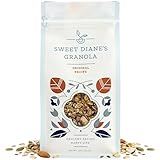
5. Sweet Diane’s Original Granola is the vegan yogurt-topper option
Sweet Diane’s Granola – Standard Size (12 oz): Organic, Low-Sugar, High-Fiber, Gluten-Free, Vegan, Delicious Breakfast and Snack Topper (Classic Size, Original Recipe)
5g protein
Gluten-free and vegan
Oats seeds flax
Pros
- 5g protein
- rolled oats and seeds
- gluten-free
- vegan
Cons
- May be less sweet
- granola serving needs attention
Sweet Diane’s Original Granola is an organic granola for people who want familiar ingredients and a less dessert-like breakfast direction. The listing highlights rolled oats, pumpkin seeds, and flaxseed, plus 5 grams of protein per serving and a gluten-free, vegan formula.
This is one of the more straightforward topping-style options here. Its stated uses include yogurt and smoothie bowls, so it works especially well for someone who already gets protein from yogurt, soy yogurt, or another breakfast base.
The product describes itself as low sugar and free from artificial fillers or additives. The supplied information does not state a specific sugar or fiber number, so use that language as a reason to inspect the label, not as a number you can compare against the 3 grams stated for Lil Bucks.
It holds a 4.4-star average from 128 reviews. The known taste consideration is that some people may want a sweeter granola, which can be a benefit or drawback depending on why you are avoiding excess sugar.
Oats and seeds make this a flexible plant-based breakfast component
This choice is useful for a vegan breakfast or for a person who wants to add crunch to a bowl instead of making cereal the entire meal. Pumpkin seeds and flaxseed give it a seed-forward identity alongside rolled oats.
The 5-gram protein claim is modest compared with NuTrail or Premier Protein, but it can contribute to a balanced meal. Pair it with a protein-containing base rather than expecting a topping-sized granola to do every job alone.
Sweetness preferences and portions guide the final choice
Granola can be easier to overpour than flakes, so a measured serving is worthwhile. Follow the package serving size, especially if you are selecting a healthy cereal for weight loss or blood-sugar management.
People who expect a very sweet breakfast may find the flavor restrained. Adding fresh berries or sliced banana can change sweetness and texture while keeping you in control of what goes into the bowl.
6. Lil Bucks Cinnamon Buckwheat is the high-fiber seed crunch
Lil Bucks Sprouted Buckwheat Groats, Crunchy Topper, Cinnamon (6oz Bag)
6g protein
5g fiber
3g sugar
Pros
- 6g plant protein
- 5g fiber
- 3g sugar
- organic sprouted buckwheat
Cons
- Small bag
- not a traditional flake cereal
Lil Bucks Sprouted Buckwheat Seeds earns a spot because the listing supplies a well-rounded set of numbers: 6 grams of plant-based protein, 5 grams of fiber, and 3 grams of sugar per serving. It is also organic, sprouted, gluten-free, and paleo-friendly according to the product information.
Buckwheat is not wheat, and this product is presented as a seed-based crunch rather than a conventional bowl of flakes. That makes it a sensible fit for people who want to layer texture over yogurt, oatmeal, smoothies, salads, or even soups.
The cinnamon version uses natural maple syrup sweetness, while the listing’s 3-gram sugar figure gives shoppers a concrete number to compare. For a low sugar cereal-style topper, that is stronger evidence than a vague “better for you” label.
Its 4.4-star average comes from 60 reviews, a smaller base than mainstream products in this roundup. The package is also small, so consider how you plan to use it before deciding whether it belongs in your everyday rotation.
Fiber and protein make this a substantial topping rather than empty crunch
This is for someone who wants a gluten-free cereal alternative with both fiber and protein stated on the listing. The 5 grams of fiber clears the commonly used 3-to-5-gram screen, and the 6 grams of protein adds more staying power than a plain puffed grain.
Because it is versatile, it can help improve the nutrition of a breakfast you already enjoy. Sprinkle a measured portion on oatmeal or yogurt instead of relying on it as the only food in the meal.
Its small format changes how you should use it
Think of Lil Bucks as a superseed cereal or topper, not a direct replacement for a large bowl of bran flakes. The 6-ounce package and crunchy seed format make portion awareness especially important.
It is gluten-free and paleo-friendly, but anyone with allergies should check the current package. Product claims and production practices can change, and the label is the current source for allergen details.
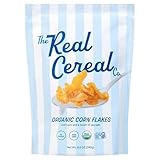
7. The Real Cereal Company Corn Flakes are the two-ingredient zero-sugar pick
The Real Cereal Company, Organic Corn Flakes Cereal, 8.4 oz, Zero Sugar, Gluten Free, Non-GMO
Organic corn grits and sea salt
Zero sugar
Gluten-free
Pros
- Two ingredients
- zero sugar
- USDA Organic
- gluten-free
Cons
- No stated protein or fiber edge
- small package
The Real Cereal Company Organic Corn Flakes has the shortest ingredient story in this roundup: organic corn grits and sea salt. It is USDA Organic, non-GMO, gluten-free, and explicitly says zero sugar with no artificial or natural sugar substitutes.
That simplicity answers a common shopper concern: what cereal is actually healthy rather than dressed up with a long list of sweeteners? A two-ingredient cereal is easy to understand, and the oven-roasted crunchy texture gives it a familiar corn-flake format.
Simple does not automatically mean high fiber, high protein, or low glycemic impact. The supplied listing does not provide those nutrient amounts, so this is a clean-ingredient and no-sugar pick, not a claim that it outranks bran or protein granola on every nutrition measure.
The review average is 4.4 stars from 38 reviews. That is a promising but small body of shopper feedback, so the ingredient list and dietary fit should carry more weight than the rating alone.
Ingredient simplicity makes this useful when sugar is the main concern
Choose these flakes if you want to avoid sugar and sugar substitutes while keeping a familiar cereal experience. They are also a clear option for gluten-free shoppers who want organic corn rather than a grain-free seed mix.
You can add your own fruit, nuts, or yogurt based on your needs. That gives you control over sweetness and protein instead of buying a cereal where those choices have already been made for you.
Protein and fiber may need to come from the rest of breakfast
The listing does not make a standout protein or fiber claim. A balanced bowl may need an addition such as Greek yogurt, soy yogurt, milk, nuts, seeds, or a side of eggs, depending on your dietary pattern.
That is not a failure of a two-ingredient product; it is a reminder that a simple cereal can be one part of a healthy breakfast. Check the label’s fiber and protein lines if either target is central for you.
8. Premier Protein Mixed Berry Almond is the 20-gram protein cereal
Premier Protein Mixed Berry Almond Breakfast Protein Cereal, 30 oz Bag
20g protein
Real berries and almonds
Gluten-free
Pros
- 20g protein
- real berries and almonds
- gluten-free
- crunchy texture
Cons
- Some find it too sweet
- contains almonds
Premier Protein Mixed Berry Almond cereal makes the largest protein claim in this group at 20 grams per serving. The listing also names dried strawberries, raspberries, and sliced almonds, and describes the product as a gluten-free crunchy cereal for breakfast or snacking.
That amount of protein can be useful when you want cereal to carry more of the meal on its own. It may be a practical option after a workout or on mornings when building a separate protein source is inconvenient.
The product is lightly sweet according to its description, and some customer feedback says it can taste too sweet. That means it is worth checking the current added-sugar line if low added sugar is your first criterion rather than assuming high protein answers every label question.
Its 4.2-star average is based on 2.9k+ supplied reviews, the largest review base on this list. The volume offers a broad view of shopper experience, while the lower average than several niche picks suggests taste and expectations are mixed.
Twenty grams of protein makes this the biggest protein contribution here
This cereal is for people specifically searching for a high protein breakfast cereal. A 20-gram claim is substantially above the 5 to 6 grams stated for some other products in this roundup.
The berries and almonds also give it a more complete mix than plain protein crisps. Still, if you have a tree-nut allergy, almonds make it an immediate no.
Sweetness and ingredient fit deserve a label check
Do not equate protein with a low-sugar cereal automatically. The supplied listing describes a lightly sweet berry profile, and shopper feedback flags sweetness as a potential downside.
Use the label to compare added sugar, total carbohydrate, and serving size with NuTrail if you follow a lower-carb plan. For a dairy-free or nut-free routine, check ingredients carefully before choosing either protein-focused option.
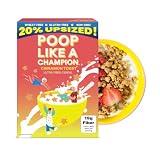
9. Poop Like a Champion is the psyllium-powered keto fiber option
Poop Like A Champion High Fiber Cereal – Cinnamon Toast Flavor | Keto Friendly Low Carb Gluten Free & Healthy | Breakfast Essentials with Soluble, Insoluble & Psyllium Husk Powder
57% DV fiber
97 calories
Keto and gluten-free
Pros
- 57% Daily Value fiber
- psyllium husk
- keto friendly
- gluten-free
Cons
- Flavor will not suit everyone
- very high fiber needs a gradual start
Poop Like a Champion Cinnamon Toast cereal is another serious fiber contender, with a listing claim of 57% of the Daily Value per serving. It uses soluble and insoluble fiber plus psyllium husk, and is described as keto-friendly, low carb, gluten-free, non-GMO, and 97 calories per serving.
Psyllium is a soluble fiber ingredient often used to support regularity, but high-fiber foods still need to fit your own digestion and fluid intake. The playful product name does not change the practical advice: begin gradually if you are not accustomed to this amount of fiber.
Its base includes non-GMO sorghum flour, psyllium husk powder, and corn bran, and the brand calls the Cinnamon Toast version a new and improved flavor. That makes it a more flavored alternative to plain bran, though some reviewers may still not enjoy the taste.
It has a 4.2-star average from 864 supplied reviews. The review summary points to positive feedback around the fiber effect, but a health claim should never be a reason to ignore individual digestive comfort.
Psyllium and fiber make this suited to low-carb fiber goals
This is a reasonable choice for a keto-oriented eater looking for a high fiber cereal that is also gluten-free. The 57% Daily Value claim is lower than Fiber One’s 65% figure, but it comes in a low-carb, psyllium-containing format.
The mix of soluble and insoluble fiber is also relevant for shoppers who want fiber diversity. If you take medications or have a medical condition, ask a clinician or pharmacist about timing and dietary fiber changes.
A gradual start makes more sense than a full bowl on day one
The product itself is built around a large fiber contribution, so it may not be ideal for someone who wants a mild-tasting, low-fiber cereal. Increase intake slowly and drink water, particularly when adding psyllium-containing foods.
Taste is the other decision point. The cinnamon flavor is intended to make the cereal more enjoyable, but the supplied data notes that some shoppers may not enjoy it, so do not expect it to resemble a conventional sugary cinnamon cereal.
10. Clusterbucks Blueberry Crisp is the nut-free grain-free cluster
Clusterbucks Superfood Clusters – Grain-Free, Keto-Friendly Granola with Regeneratively Grown Sprouted Buckwheat– Gluten-Free, Low-Carb, Organic Healthy Snack (6 Ounce (Pack of 1), Blueberry Crisp)
Grain-free and nut-free
Sprouted buckwheat
Plastic neutral
Pros
- Nut-free formula
- sprouted buckwheat
- gluten-free
- plastic neutral
Cons
- Small package
- lower 3.9 rating
- contains sweeteners
Clusterbucks Blueberry Crisp brings a distinct combination to the list: a grain-free, gluten-free, dairy-free, and nut-free cluster made with dehydrated and sprouted buckwheat. The product is also described as organic, keto-friendly, low carb, and plastic neutral.
Its nut-free status makes it different from many granolas, which commonly depend on almonds or other nuts. That can be useful for a household avoiding nuts, though you should still read the current allergen statement rather than relying only on a product title.
The listing says it is sweetened with maple syrup, honey, and coconut sugar, so it is not a zero-sugar product despite its low-sugar positioning. This is a good example of why “natural” sweeteners still belong in the added-sugar conversation.
Its 3.9-star average from 49 reviews is the lowest in this comparison, and the product comes in a 6-ounce package. I would choose it for its hard-to-find dietary combination and packaging claim, not because the rating makes it a consensus favorite.
Nut-free clusters make this a specific allergy-aware option
Clusterbucks is for someone who wants a crunchy, grain-free breakfast topper but needs to avoid nuts and dairy. Sprouted buckwheat supplies the stated plant-based complete protein and fiber positioning without using a nut base.
It also works in smoothies, yogurt, oatmeal, or as a snack, based on the listing. For a dairy-free meal, pair it with a dairy-free yogurt or plant milk that fits your nutritional needs.
Sweeteners and rating mean this is a niche selection
Maple syrup, honey, and coconut sugar are all sweetening ingredients, so check the package’s added-sugar amount if that is a strict target. “Keto-friendly” does not remove the need to assess the label against your individual carbohydrate plan.
The plastic-neutral and regeneratively farmed ingredient claims may matter to environmentally minded shoppers. Those are meaningful purchasing factors, but they should sit beside, not replace, a check of the nutrition panel and the lower review average.
A healthy cereal label answers five questions before it goes in your cart
Healthy breakfast cereals do not need to be perfect, but they should be honest about what they provide. These five checks help cut through front-label language and address the most common worries raised by cereal shoppers: sugar, blandness, confusing certifications, and whether a product will actually keep them full.
The first ingredient tells you what the cereal is built from
Look for a whole grain, a minimally processed grain, or a clearly named seed or nut base near the beginning of the list. Fiber One identifies whole grain, Eden names oats, rye, wheat, and spelt, and the One Degree cereal identifies sprouted whole-grain brown rice.
A short ingredient list can be useful, but it is not the only standard. The Real Cereal Company lists organic corn grits and sea salt, while a longer list may still make sense if it clearly contains whole grains, fruit, seeds, or a protein source you want.
Fiber should be compared to the serving size you will actually eat
A practical general benchmark is at least 3 to 5 grams of fiber per serving, though a higher amount can be useful if your body tolerates it. In this roundup, Lil Bucks lists 5 grams, NuTrail lists 3 to 4 grams, and Fiber One and Poop Like a Champion make much larger Daily Value claims.
Do not jump from a low-fiber diet to an extra-high-fiber cereal overnight. Fiber changes are usually more comfortable when they are gradual and paired with fluids, especially for products containing psyllium or bran.
Added sugar matters more than a sweet-sounding package
Check both total sugars and added sugars. A general screening rule from the search research is less than 6 grams of added sugar per serving, but this is a guide rather than a medical prescription.
Fruit-based muesli can have total sugar from raisins or berries without added sugar, while a product made with maple syrup, honey, or coconut sugar can still contain added sugar. Zero-sugar corn flakes and NuTrail’s zero-added-sugar claim are useful starting points for shoppers who want to minimize it.
Protein works best when it matches the rest of your breakfast
Protein can make cereal more filling, but you do not need every box to supply 20 grams. Premier Protein lists 20 grams, NuTrail lists 15 to 17 grams, and Lil Bucks and Sweet Diane’s list 6 and 5 grams respectively.
With a lower-protein cereal, build the bowl around a protein source that suits you, such as dairy milk, soy milk, yogurt, eggs, or a side of beans. That can be more satisfying than trying to find one box that meets every macro target.
Dietary claims should be specific rather than assumed
Gluten-free shoppers have explicit choices here, including One Degree, NuTrail, Sweet Diane’s, Lil Bucks, The Real Cereal Company, Premier Protein, Poop Like a Champion, and Clusterbucks. Eden muesli is not gluten-free because it contains rye, wheat, and spelt.
For keto cereal, look beyond the label to total carbohydrates, fiber, serving size, and ingredients. NuTrail, Poop Like a Champion, and Clusterbucks are described as keto-friendly, but your own plan determines whether they fit.
Portion awareness makes granola and clusters easier to compare fairly
Granola and cluster products are often dense, while flakes and bran can be lighter by volume. Compare each serving size before declaring one product better, and measure the first few bowls if you are working toward a specific nutrition goal.
For a healthy cereal for seniors or kids, texture, chewing comfort, dietary restrictions, and the rest of the meal can matter as much as a single number. The most sustainable breakfast is one that fits your routine and that you genuinely enjoy eating.
FAQs
What is the overall healthiest cereal?
The overall healthiest cereal depends on your goal, but a strong general choice is one with a whole-grain or clearly named grain base, at least 3 to 5 grams of fiber, low added sugar, and a serving size you will follow. In this roundup, Fiber One Original Bran stands out for its 65% Daily Value fiber claim and 18 grams of whole grain per serving.
What are the top 3 best cereals?
For different needs, the top three are Fiber One Original Bran for high fiber, NuTrail Protein Nut Granola for 15 to 17 grams of protein and zero added sugar, and The Real Cereal Company Organic Corn Flakes for a two-ingredient, zero-sugar, gluten-free option. The best choice depends on whether fiber, protein, or ingredient simplicity matters most to you.
Are Grape-Nuts healthy?
Grape-Nuts can fit a healthy diet because they are a wheat-based cereal with a dense, crunchy texture, but healthfulness depends on the current label, serving size, and your needs. They are not among the 10 products reviewed here, so compare their fiber, added sugar, protein, and ingredient list with the products in this guide rather than relying on the name alone.
What cereals should I limit?
Limit cereals that are high in added sugar, low in fiber and protein, or made mainly from refined grains when you want a filling everyday breakfast. Read the serving size, total and added sugar, fiber, protein, and ingredient list. A product does not need a health claim to be useful, but its label should match your goal.
The best choice matches your breakfast routine
The best healthy cereals are not all trying to solve the same problem. Choose Fiber One for an everyday fiber-forward bowl, NuTrail or Premier Protein when protein is the priority, The Real Cereal Company when ingredient simplicity and zero sugar matter most, or Lil Bucks and Clusterbucks for specialty seed-based formats.
Start with the product that fits your real breakfast routine, then read the current package label before buying. In 2026, that simple habit remains the best way to turn a cereal aisle full of claims into a choice you can feel good about eating regularly.