
If you have ever finished a round of antibiotics and felt like your digestive system was completely wrecked, you are not imagining it. Antibiotics do their job by killing bacteria, but they cannot tell the difference between the harmful bugs making you sick and the beneficial microbes keeping your gut running smoothly. Up to 60 percent of people on antibiotics develop antibiotic-associated diarrhea, and the disruption can linger for weeks or even months after the last pill.
The right probiotic can change that outcome dramatically. Clinical research shows that taking specific, well-studied strains alongside and after antibiotics can cut your risk of diarrhea and other gut issues by roughly 60 percent. The key word there is “specific,” because not every probiotic on the shelf is built for this job. Two strains in particular, Saccharomyces boulardii and Lactobacillus rhamnosus GG, have the strongest evidence behind them for antibiotic recovery.
I have spent the last several months comparing the best probiotics for antibiotics recovery, digging into strain profiles, CFU counts, survivability features, and thousands of real customer reviews. Below you will find my top 12 picks, broken down by who each one suits best, what makes it work, and what to watch out for before you buy.
Table of Contents
Top 3 Picks for Best Probiotics for Antibiotics Recovery

Florastor Daily Probiotic
- Saccharomyces boulardii CNCM I-745
- No refrigeration needed
- 3-year shelf life

Best Probiotics for Antibiotics Recovery in 2026
| Product | Specifications | Action |
|---|---|---|
| Florastor Daily Probiotic |
|
Check Latest Price |
 Jarrow S. Boulardii + MOS Jarrow S. Boulardii + MOS |
|
Check Latest Price |
| Culturelle Pro Strength |
|
Check Latest Price |
 Physician’s CHOICE 60B CFU Physician’s CHOICE 60B CFU |
|
Check Latest Price |
 Renew Life Extra Care Renew Life Extra Care |
|
Check Latest Price |
 Garden of Life Raw Probiotics Garden of Life Raw Probiotics |
|
Check Latest Price |
 Florajen3 Digestion Florajen3 Digestion |
|
Check Latest Price |
 NOW S. Boulardii 5B NOW S. Boulardii 5B |
|
Check Latest Price |
 Seed DS-01 Synbiotic Seed DS-01 Synbiotic |
|
Check Latest Price |
 Align Probiotic Align Probiotic |
|
Check Latest Price |
 BiotiQuest Antibiotic Antidote BiotiQuest Antibiotic Antidote |
|
Check Latest Price |
 Culturelle Daily Probiotic Culturelle Daily Probiotic |
|
Check Latest Price |
Strain Specificity Over Everything
The single most important factor is which strains are in the bottle. The two best-researched options for antibiotic recovery are Saccharomyces boulardii, a beneficial yeast that antibiotics cannot kill, and Lactobacillus rhamnosus GG, the most clinically studied bacterial strain in the world. If your probiotic does not contain at least one of these, you are likely leaving protection on the table.
CFU and AFU Count
CFU, or colony-forming units, tells you how many live bacteria are in each dose. For antibiotic recovery, look for somewhere in the 10 to 60 billion CFU range. Going higher is not always better, since your gut can only colonize so many new microbes at once. Some newer brands, like Seed, use AFU, or active fermentation units, which measures viable cells more accurately than CFU.
Survivability Features
A probiotic only works if its live cultures actually reach your intestines. Look for delayed-release capsules, acid-resistant formulations, or capsule-in-capsule delivery systems that protect the strains through stomach acid. Yeast-based probiotics like S. boulardii have a natural advantage here because they survive gastric acid far better than bacterial strains.
Single-Strain vs Multi-Strain
For active antibiotic use, a single-strain product with S. boulardii or L. rhamnosus GG is often the most targeted choice. After you finish the course, switching to a multi-strain formula can help rebuild broader microbial diversity. Some products, like BiotiQuest Antibiotic Antidote, are specifically designed for this transition period.
Prebiotic Inclusion
Prebiotics are the fibers and compounds that feed beneficial bacteria. A synbiotic, which combines probiotics with prebiotics, can give the new microbes a better chance of establishing themselves. Look for inulin, MOS, or proprietary prebiotic blends on the label.
Timing Compatibility
Whatever you pick needs to fit the two-hour gap rule, which I cover in detail later. Yeast-based probiotics are particularly convenient because they can be taken closer to your antibiotic dose without being destroyed.
1. Florastor Daily Probiotic – The Saccharomyces Boulardii Gold Standard
Florastor Probiotic for Digestive and Immune Health, 30 Capsules
Saccharomyces boulardii CNCM I-745
No refrigeration
3-year shelf life
Vegetarian and gluten-free
Pros
- Works for C. diff recovery
- Survives stomach acid better than bacterial probiotics
- No refrigeration required
- Gentle but effective
Cons
- More expensive than alternatives
- Some packaging complaints reported
Florastor is the probiotic I recommend more than any other for people actively on antibiotics. The reason is simple: it contains the exclusive Saccharomyces boulardii CNCM I-745 strain, the exact yeast used in over 65 years of clinical research on antibiotic-associated diarrhea and C. diff prevention. Because it is a yeast rather than a bacterium, antibiotics cannot kill it, which means it keeps working right through your entire prescription.
I have read through thousands of Florastor reviews, and the pattern is striking. People consistently report that it stopped antibiotic-related diarrhea within a day or two, and many IBS sufferers call it life-changing. The fact that it requires no refrigeration and has a three-year shelf life makes it practical for travel, work, or just keeping in your medicine cabinet without worry.
From a technical standpoint, Florastor’s survivability is its biggest advantage. The yeast naturally resists gastric acid, bile, and digestive enzymes, arriving in your intestines intact where it can get to work. It also produces enzymes that help break down toxins from harmful bacteria, which is why it is specifically recommended for C. diff recovery.
The main drawback is price. Florastor runs higher per capsule than most alternatives, and some customers have complained about packaging changes over the years. But when you are dealing with antibiotic recovery, paying a bit more for a strain that has been studied for over six decades is money well spent.
Best For People on Active Antibiotic Courses
Florastor shines brightest when taken during antibiotic treatment. Because the yeast survives alongside your medication, you get continuous protection rather than having to time doses carefully. It is the top choice for anyone prescribed amoxicillin, doxycycline, clindamycin, or other broad-spectrum antibiotics that notoriously disrupt gut flora.
Who Should Skip It
If you are looking for a high-CFU multi-strain formula to rebuild diversity after finishing antibiotics, Florastor alone will not cover all your bases. You may want to pair it with or switch to a broader-spectrum product once your prescription ends. People with yeast allergies should also consult their doctor before using any S. boulardii product.
2. Jarrow Formulas Saccharomyces Boulardii + MOS – Best Value Yeast Probiotic
Jarrow Saccharomyces Boulardii + MOS Probiotics, 90 Capsules
5 billion CFU S. boulardii
With MOS prebiotic
90 delayed release caps
Vegan and gluten-free
Pros
- Well-documented effectiveness for gut inflammation
- Helps with C. diff prevention
- Good value for 90 capsules
- Delayed release for survivability
Cons
- Capsule is somewhat large
- MOS may interfere with some beneficial bacteria adherence
Jarrow Formulas has been a trusted name in supplements for decades, and their Saccharomyces Boulardii + MOS formula is one of the best-value options for antibiotic recovery. You get 90 delayed-release capsules delivering 5 billion CFU per serving, which works out to a remarkably low cost per day compared to Florastor while using the same core yeast strain.
What sets this one apart is the addition of MOS, or mannanoligosaccharides, a prebiotic compound that helps crowd out harmful bacteria in the gut. The idea is that MOS binds to pathogens and prevents them from sticking to your intestinal walls, while the S. boulardii simultaneously restores microbial balance. Reviewers frequently mention rapid improvement in IBS symptoms and overall digestive comfort.
The delayed-release capsule design is a real advantage for survivability. Instead of dissolving in your stomach where acid can damage the contents, the capsule passes through to your intestines before releasing the active cultures. This matters more for bacterial probiotics than for yeast, but it still helps ensure maximum potency.
The only common complaint is capsule size. Some users find them a bit large to swallow comfortably, and there is a theoretical concern that MOS could interfere with beneficial bacteria adherence in some cases. In practice, most people do not report this as an issue.
Best For Budget-Conscious Buyers
If you want the proven benefits of S. boulardii without the premium price tag of Florastor, Jarrow is the obvious choice. The 90-capsule bottle lasts three months at the standard dose, making it one of the most cost-effective ways to protect your gut during and after antibiotics.
Who Should Skip It
If you have trouble swallowing larger capsules, this may not be your best option. Also, if you want a multi-strain formula to rebuild broad microbial diversity, you will need something in addition to this single-strain yeast product.
3. Culturelle Pro Strength Daily Probiotic – The L. Rhamnosus GG Powerhouse
Culturelle Pro Strength Probiotics for Digestive Gut Health*, 12B CFU, 60ct
Lactobacillus rhamnosus GG
12 billion CFU
With prebiotic inulin
2-month supply
Pros
- Works fast with results in about a week
- Helps with constipation gas and bloating
- No refrigeration needed
- Backed by over 1000 studies
Cons
- Slightly pricey but worth it
Culturelle Pro Strength is built around Lactobacillus rhamnosus GG, the single most clinically studied probiotic strain in existence with over 1,000 supporting scientific papers. For antibiotic recovery, this strain has been shown to reduce the incidence and severity of diarrhea, making it one of the most evidence-backed bacterial options on the market.
The 60-count bottle gives you a full two-month supply, which is perfect because you want to continue taking probiotics for several weeks after finishing your antibiotic course. Each capsule delivers 12 billion CFU along with prebiotic inulin to help the bacteria establish themselves in your gut.
Reviewers consistently say this product works fast. Many report noticeable improvements in bloating, gas, and bowel regularity within about a week of starting. It is also a favorite among travelers who use it to protect against digestive upset, and several people mention improvements in skin and eczema flare-ups, which makes sense given the gut-skin connection.
The only real downside is that it sits at a slightly higher price point than basic drugstore probiotics. But given the strain quality, the two-month supply, and the depth of clinical research, most users consider it well worth the investment.
Best For Quick Digestive Relief
If you want a product that starts working within days rather than weeks, Culturelle Pro Strength is one of the fastest-acting options I have reviewed. The L. rhamnosus GG strain colonizes efficiently and begins rebalancing your gut microbiome quickly, which is exactly what you need when recovering from antibiotic damage.
Who Should Skip It
If you are actively on antibiotics and want a strain that will not be killed by your medication, you need S. boulardii instead of or alongside this product. L. rhamnosus GG is bacterial, so it can be destroyed by antibiotics if taken too close together. Use the two-hour gap rule or pair it with a yeast probiotic.
4. Physician’s CHOICE 60 Billion CFU – Best Multi-Strain Formula
Physician’s CHOICE Probiotics 60 Billion CFU – 10 Strains + Organic Prebiotics – Immune, Digestive & Gut Health – Supports Occasional Constipation, Diarrhea, Gas & Bloating – for Women & Men – 60ct
60 billion CFU
10 diverse strains
With organic prebiotics
Acid-resistant capsules
Pros
- High potency 60B formula
- Helps with constipation diarrhea gas and bloating
- Clean ingredients without harmful additives
- No discomfort or side effects
Cons
- Premium pricing
- Capsule is a little big for some users
Physician’s CHOICE is the number one best seller in the acidophilus category on Amazon, and for good reason. With 60 billion CFU from 10 diverse strains plus organic prebiotics, it is one of the most comprehensive gut-rebuilding formulas available. This is the product I recommend for the recovery phase after you finish your antibiotics.
While you are still on your prescription, a single-strain yeast like S. boulardii is your best defense. But once the course is done, you need to repopulate your gut with a wide variety of beneficial bacteria, and that is exactly what this 10-strain blend is designed to do. The acid-resistant capsules help ensure the cultures survive the journey to your intestines.
The review volume on this product is staggering, with over 140,000 customer reviews and a 4.6-star average. People consistently report relief from constipation, diarrhea, gas, and bloating, and many describe it as a life-changer for long-term digestive health. The clean ingredient list with no harmful additives is another major selling point.
The main drawbacks are the premium price and the somewhat large capsule size. Some users with smaller throats find them difficult to swallow, though most do not report this as a problem.
Best For Post-Antibiotic Microbiome Rebuilding
Once your antibiotic course is finished, this is one of the best products for restoring microbial diversity. The 10-strain blend covers Lactobacillus and Bifidobacterium species that are commonly depleted by antibiotics, and the prebiotic blend feeds them so they can take hold.
Who Should Skip It
If you are currently taking antibiotics, this bacterial formula may be partially destroyed by your medication. Use it as a follow-up after your prescription ends, or pair it with a yeast probiotic during treatment. Also, the high CFU count may cause temporary bloating in people new to probiotics.
5. Renew Life Extra Care Digestive Probiotic – Best for Multi-Symptom Relief
Renew Life Extra Care Digestive Probiotic Capsules, Daily Supplement Supports Immune, Digestive and Respiratory Health, L. Rhamnosus GG, Dairy, Soy and gluten-free, 30 Billion CFU, 30 Count
12 diverse strains
30 billion CFU
L. rhamnosus GG and B. lactis
Delayed-release capsules
Pros
- Cured chronic diarrhea for many users
- Multiple benefits across digestive immune and respiratory health
- Smaller easy-to-swallow capsules
- No refrigeration required
Cons
- Some pricing fluctuations reported
- Oversized bottle with lots of cotton padding
Renew Life has been in the probiotic space for over 25 years, and their Extra Care formula brings together 12 diverse strains delivering 30 billion CFU per capsule. What makes this particularly interesting for antibiotic recovery is the inclusion of both L. rhamnosus GG and Bifidobacterium lactis Bl-04, a strain studied for respiratory and immune support.
The delayed-release capsules are designed to survive stomach acid and deliver their payload directly to the intestines. Renew Life is also Non-GMO Project Verified and free from gluten, dairy, and soy, which matters for people with sensitivities that can flare up after antibiotic disruption.
The reviews tell a compelling story. Multiple users report that this product cured chronic diarrhea that nothing else could fix. Others mention significant improvements in bloating, digestion, and even respiratory health, which aligns with the B. lactis Bl-04 research. The smaller capsule size is frequently praised as easy to swallow.
The main complaints center on pricing fluctuations and packaging issues. Some customers report receiving oversized bottles with excessive cotton padding, and there are occasional mentions of expired product arriving. These are fulfillment issues rather than formula problems, but they are worth noting.
Best For People With Multiple Digestive Complaints
If antibiotics left you dealing with diarrhea, bloating, gas, and immune sluggishness all at once, Renew Life Extra Care covers more bases than most single-issue products. The 12-strain blend with respiratory support makes it a well-rounded choice for comprehensive recovery.
Who Should Skip It
If you want the simplicity of a single proven strain during active antibiotic treatment, this multi-strain formula is better suited for the post-antibiotic recovery phase. Also, check expiration dates carefully, as some buyers have received short-dated stock.
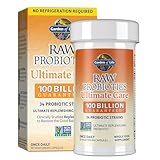
6. Garden of Life Raw Probiotics 100 Billion – Highest Potency Pick
Garden of Life Raw Probiotics Ultimate Care, 100 B CFU, Shelf Stable, 30ct
100 billion CFU
34 probiotic strains
With digestive enzymes
Shelf stable no refrigeration
Pros
- Extremely high potency
- Includes digestive enzymes for better absorption
- Shelf stable for travel convenience
- Clinically studied strains
Cons
- Expensive relative to other options
- Bottle is much larger than needed for 30 capsules
Garden of Life Raw Probiotics is the most potent formula in this lineup, packing 100 billion CFU from 34 different probiotic strains into each capsule. It also includes a digestive enzyme blend featuring protease and acid protease, which helps your body break down and absorb nutrients more efficiently after antibiotic-related digestive disruption.
This is a serious product for people who want maximum microbial diversity in a single dose. The 34-strain profile means you are getting a wide range of Lactobacillus and Bifidobacterium species, including clinically studied strains like B. lactis, L. acidophilus, and L. paracasei that are commonly depleted during antibiotic treatment.
Despite the massive CFU count, reviewers report that this product is gentle and fast-acting. Many mention clearing up bacterial imbalances and eliminating diarrhea within days. The shelf-stable formulation means no refrigeration is required, which is impressive at this potency level.
The main drawbacks are cost and packaging. This is one of the more expensive options per capsule, and several customers note that the bottle is unnecessarily large for just 30 capsules. A few users have reported oxidized product despite proper storage, so buy from a reputable source.
Best For Maximum Potency Seekers
If you want the strongest possible probiotic formula to aggressively rebuild your gut after a heavy antibiotic course, this 100 billion CFU powerhouse is hard to beat. The addition of digestive enzymes is a thoughtful touch that addresses the nutrient absorption issues common after gut disruption.
Who Should Skip It
If you are new to probiotics or have a sensitive stomach, 100 billion CFU may be too aggressive as a starting point. Consider beginning with a lower-potency product and working up. The price also puts it out of reach for some budgets.
7. Florajen3 Digestion High Potency – Best Refrigerated Probiotic
Florajen Digestion Probiotic, Advanced Relief, 60 Capsules
20 billion CFU
Refrigerated for freshness
L. acidophilus and L. rhamnosus
Allergen free formula
Pros
- Refrigerated for maximum live culture potency
- Helps restore balance after antibiotics
- Allergen free and non-GMO
- Kosher certified
Cons
- Requires refrigeration inconvenient for travel
- Cold chain shipping concerns
Florajen3 takes a different approach from most products on this list by being refrigerated. The reasoning is that keeping probiotics cold preserves maximum live culture potency, ensuring you actually get the full 20 billion CFU promised on the label. Each capsule combines Lactobacillus acidophilus and Lactobacillus rhamnosus, two of the most important strains for restoring gut balance after antibiotics.
This product is specifically marketed for antibiotic side effects, which immediately puts it in the conversation for anyone recovering from a prescription. The strains are stomach acid-resistant and bile-tolerant, meaning they are built to survive the journey to your intestines where they can do their work.
Reviewers consistently praise Florajen3 for quieting digestive upset and restoring regularity. Several mention that it is particularly effective for lactose intolerance, which can worsen after antibiotics damage your gut’s lactose-digesting bacteria. The allergen-free formula is a plus for sensitive users.
The big trade-off is convenience. Because it requires continuous refrigeration, Florajen3 is not ideal for travel or for people without reliable cold storage. Some customers have also reported issues with cold chain shipping, where products arrived warm and potentially less potent.
Best For People Who Prioritize Freshness
If you believe in the refrigerated approach and want guaranteed live culture potency, Florajen3 is one of the best options available. It is particularly well-suited for home use where refrigeration is not an issue.
Who Should Skip It
If you travel frequently, do not have reliable refrigeration, or want something you can keep in your bag, the shelf-stable options on this list are more practical. Also, be cautious about shipping during hot summer months.
8. NOW Supplements Saccharomyces Boulardii 5 Billion – Best Budget Yeast Probiotic
NOW Supplements, Saccharomyces Boulardii, 5 Bil CFU Probiotic, 60 Veg Caps
5 billion CFU yeast probiotic
60 vegetarian capsules
Shelf stable
NPA A-rated GMP certified
Pros
- Yeast-based probiotic survives stomach acid
- Excellent value for the price
- No refrigeration required
- Trusted brand with rigorous testing
Cons
- Lower CFU count than some alternatives
- Refrigeration recommended to maintain shelf life
NOW Supplements is one of the most respected names in the supplement industry, and their Saccharomyces Boulardii 5 Billion is the most affordable yeast probiotic on this list. For significantly less than Florastor or Jarrow, you get 60 vegetarian capsules of the same beneficial yeast strain that has been studied for decades for antibiotic recovery.
Because S. boulardii is a yeast, it naturally resists stomach acid and survives antibiotic treatment, making it ideal for use during your prescription. NOW Foods holds an NPA A-rated GMP certification, which means their manufacturing facilities undergo rigorous inspection and quality testing.
Reviewers describe this as an essential part of their daily health routine, with many mentioning remarkable differences in gut comfort after just a few days. Several people specifically note that pharmacists recommended this product alongside their antibiotic prescriptions, which speaks to its credibility.
The trade-off for the low price is a lower CFU count than some premium options, and NOW does recommend refrigeration to maintain full potency through the best-by date. Some customers have noted products arriving warm during summer shipping, though this is a common issue with all probiotics.
Best For Cost-Conscious Antibiotic Protection
If you want the proven benefits of S. boulardii at the lowest possible price, NOW Supplements delivers. This is the budget pick that does not compromise on the active ingredient that matters most for antibiotic recovery.
Who Should Skip It
If you want a higher CFU count or a multi-strain formula, this single-strain budget option will not cover those needs. It is also worth noting that the brand recommends refrigeration for long-term storage, even though it is sold as shelf-stable.
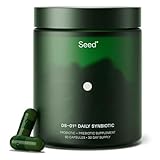
9. Seed DS-01 Daily Synbiotic – Best Premium Synbiotic
Seed DS-01 Daily Synbiotic – Adult Probiotic + Prebiotic – 30-Days with Jar
24 probiotic strains
53.6 billion AFU
Capsule-in-capsule delivery
Prebiotic and probiotic in one
Pros
- 2-in-1 synbiotic formula
- Largest clinical trial for bloating and gas
- Capsule-in-capsule delivery protects probiotics
- Benefits beyond gut health including immune support
Cons
- Most expensive option in this collection
- Some users report initial 2-3 week adjustment period
Seed DS-01 Daily Synbiotic is the most scientifically sophisticated product on this list. It combines 24 proprietary probiotic strains with a prebiotic in a single capsule-in-capsule delivery system. The outer capsule releases the prebiotic in your upper gut, while the inner capsule protects the probiotic strains all the way to your lower intestines.
Seed uses AFU, or active fermentation units, instead of CFU to measure potency. The argument is that AFU more accurately counts viable cells, including those that are active but not yet forming colonies. At 53.6 billion AFU, this is a serious potency product with the clinical backing of the largest trial ever conducted on a probiotic for bloating and gas.
Reviewers frequently describe feeling like a new person within the first week, with significant reductions in bloating and improvements in regularity. Several IBS sufferers report being able to reduce or eliminate medications like Imodium after starting Seed. The product also claims benefits for immune health and even visible signs of skin aging.
The main barrier is price. Seed is the most expensive product in this collection by a wide margin. Some users also report a 2-3 week adjustment period with initial bloating or changes in bowel habits before things settle down.
Best For Those Who Want a Complete Synbiotic Solution
If you want one product that handles both the probiotic and prebiotic sides of gut recovery with cutting-edge delivery technology, Seed is the most advanced option available. The capsule-in-capsule design solves the survivability problem that plagues many conventional probiotics.
Who Should Skip It
If you are on a budget or need something specifically for active antibiotic treatment, a pure S. boulardii product will serve you better for less money. Seed is best used as a long-term daily synbiotic for ongoing gut health rather than acute antibiotic protection.
10. Align Probiotic Bloating Relief – Best Doctor-Recommended Brand
Align Probiotic Bloating Relief + Food Digestion, Probiotics for Women and Men, #1 Doctor Recommended Brand‡, Promotes Digestive Health and Helps Support the Metabolism of Food*, 28 Capsules
Bifidobacterium 35624 proprietary strain
With vitamin B12
Gluten-free and vegetarian
20+ years of research
Pros
- Most recommended probiotic brand by gastroenterologists
- Strong clinical research backing
- Small easy-to-swallow capsules
- No refrigeration required
Cons
- Only 28 capsules per package
- Takes 1-2 weeks to see full results
- Some report initial cramping or bloating
Align has been the number one probiotic brand recommended by gastroenterologists for over 15 years. The secret is their proprietary Bifidobacterium 35624 strain, backed by more than two decades of scientific research. While it is not specifically an S. boulardii or L. rhamnosus GG product, the 35624 strain has its own impressive body of evidence for digestive comfort.
Each capsule also includes vitamin B12, which supports the metabolism of fats and proteins into cellular energy. This is a thoughtful addition because antibiotic-related gut damage can temporarily impair nutrient absorption, and B12 is one of the nutrients most affected by digestive disruption.
Reviewers consistently mention noticeable reductions in bloating after meals, with some seeing results within just a few days. The small capsule size is frequently praised as easy to swallow with no aftertaste, which matters for people who struggle with larger pills.
The drawbacks are worth considering. With only 28 capsules per package, you fall a couple days short of a full month supply. Some users report initial negative reactions like cramping or bloating during the first week, and the premium brand pricing means you pay more per capsule than most alternatives.
Best For Bloating Relief After Antibiotics
If your main post-antibiotic complaint is bloating rather than diarrhea, Align is specifically formulated for that complaint. The 35624 strain is one of the most studied options for IBS-related bloating, which often flares up after gut disruption.
Who Should Skip It
If you need acute protection against antibiotic-associated diarrhea, you are better served by an S. boulardii product. Align is also not the most budget-friendly option, and the 28-count package is an awkward supply size.
11. BiotiQuest Antibiotic Antidote – Best Purpose-Built Formula
BiotiQuest Antibiotic Antidote Probiotics | 20 Billion CFU | 30 Servings
8-strain formula
20 billion CFU
Designed for post-antibiotic use
Shelf stable and non-GMO
Pros
- Proprietary eight-strain formula
- Targets antibiotic-induced damage specifically
- Supports both diarrhea and constipation relief
- Shelf stable no refrigeration required
Cons
- Limited stock available
- Only 30 reviews as a newer product
- May require months of consistent use
BiotiQuest Antibiotic Antidote is the only product on this list designed from the ground up specifically for post-antibiotic recovery. The name says it all, and the formula backs it up with an eight-strain blend that includes four proprietary keystone strains targeting the specific damage caused by antibiotic use.
The formula is engineered to decrease cellular inflammation, strengthen mucosal immunity, and balance pH in the gut. It also aims to improve bowel regularity, providing relief from both diarrhea and constipation, which is useful since antibiotic disruption can swing your digestion in either direction.
Because this is a relatively new and specialized product, the review volume is low compared to established brands. However, the reviews that do exist are compelling. One customer writes about keeping a health-compromised family member functioning well after mega-doses of antibiotics, and another praises the research backing the formula.
The main concerns are availability and track record. With only 30 reviews, there is less real-world data to draw from compared to products with thousands of customer experiences. The product may also require months of consistent use for full gut restoration, which means ongoing cost commitment.
Best For Targeted Post-Antibiotic Recovery
If you want a product that was explicitly formulated to address antibiotic damage rather than general digestive health, this is the most purpose-built option on the market. The keystone strain concept is unique and addresses the root cause of post-antibiotic imbalance.
Who Should Skip It
If you prefer products with extensive track records and thousands of customer reviews, this newer entrant may not give you the confidence you want. The limited review volume also makes it harder to assess how it performs across different body types and antibiotic scenarios.
12. Culturelle Daily Probiotic Capsules – Best Everyday Maintenance Option
Culturelle Digestive Daily Probiotic for Men & Women, 10B CFUs, 30 Count
Lactobacillus rhamnosus GG
10 billion CFU
Most clinically studied strain
1-month supply
Pros
- Most clinically studied probiotic strain
- Excellent value compared to other retailers
- Easy to swallow capsules
- Helps with bloating gas and digestion
Cons
- Rare histamine intolerance reactions possible
- Some report mild initial side effects
- May not work for everyone with IBS
The original Culturelle Daily Probiotic is the more affordable sibling of the Pro Strength version, delivering 10 billion CFU of Lactobacillus rhamnosus GG in a 30-count bottle. This is the strain with the deepest clinical evidence for antibiotic-associated diarrhea prevention, and this product makes it accessible at a budget-friendly price point.
What I appreciate about this product is its simplicity. One well-studied strain, a reasonable CFU count, no unnecessary fillers or exotic additions. For people who want proven results without overthinking their supplement routine, this is about as straightforward as it gets.
Reviewers praise the lack of side effects, with many saying they feel mentally sharper and happier since starting. Others mention fast results, with improved digestion and decreased bloating within 24 hours. The capsules are easy to swallow with no unpleasant smell or taste.
The main caveats are rare histamine intolerance reactions in sensitive individuals and the fact that bacterial strains like L. rhamnosus GG can be killed by antibiotics if taken too close together. As with any bacterial probiotic during active antibiotic use, follow the two-hour gap rule.
Best For Daily Maintenance and Budget Buyers
If you want the proven L. rhamnosus GG strain at the lowest possible price for everyday gut maintenance after antibiotic recovery, this is the most accessible option. It is the probiotic many pharmacists recommend first.
Who Should Skip It
If you need acute protection during active antibiotic treatment, you may want a yeast-based product that antibiotics cannot destroy. Also, people with histamine intolerance should approach L. rhamnosus GG products cautiously, as this strain can produce histamine in sensitive individuals.
How to Take Probiotics with Antibiotics
Knowing which probiotic to take is only half the equation. How and when you take it makes an enormous difference in whether you actually get the protective benefits. Get the timing wrong and you may be wasting your money entirely.
The Two-Hour Gap Rule
The most important principle is the two-hour gap rule. Because antibiotics kill bacteria, you need to separate your bacterial probiotic dose from your antibiotic dose by at least two hours. If you take them together, the antibiotic can destroy the beneficial bacteria before they ever reach your gut. Take your antibiotic, wait two hours, then take your probiotic. Or take your probiotic first and wait two hours before your next antibiotic dose.
The exception is Saccharomyces boulardii. Because it is a yeast rather than a bacterium, antibiotics cannot kill it. This means you can take S. boulardii products like Florastor, Jarrow, or NOW Foods closer to your antibiotic dose without losing potency. This is one of the biggest advantages of yeast-based probiotics during active treatment.
Continue for Two to Four Weeks After
Antibiotic effects on your microbiome can last far longer than your prescription. Research shows that gut diversity may not fully recover for weeks or even months after a course. Take your probiotic for at least two to four weeks after your last antibiotic dose to support full microbiome restoration.
Pair With Prebiotic Foods
Probiotics need food to thrive, and that food comes in the form of prebiotic fiber. Add foods like kefir, sauerkraut, kimchi, garlic, onions, asparagus, bananas, and oats to your diet during and after antibiotics. These foods feed the beneficial bacteria you are trying to establish, giving them a much better chance of colonizing your gut.
Expect an Adjustment Period
Reddit users and customer reviews frequently mention a temporary worsening of symptoms when first starting probiotics. This is sometimes called a die-off reaction, where beneficial microbes crowd out harmful species and cause temporary gas, bloating, or changes in bowel habits. This typically resolves within a week or two as your gut adjusts.
Frequently Asked Questions
What is the best probiotic to take after antibiotics?
The best probiotic to take after antibiotics contains either Saccharomyces boulardii or Lactobacillus rhamnosus GG, the two most clinically studied strains for antibiotic recovery. Florastor is the top pick for active antibiotic use because its yeast strain survives medication, while Culturelle Pro Strength is excellent for post-antibiotic rebuilding with L. rhamnosus GG.
Can I take probiotics while on antibiotics?
Yes, you can and should take probiotics while on antibiotics, but timing matters. Follow the two-hour gap rule: separate your bacterial probiotic dose from your antibiotic by at least two hours so the medication does not kill the beneficial bacteria. Saccharomyces boulardii products like Florastor are the exception because antibiotics cannot kill yeast.
How long should I take probiotics after finishing antibiotics?
Continue taking probiotics for at least two to four weeks after your last antibiotic dose. Some research suggests gut microbiome diversity may take months to fully recover, so longer-term use of a multi-strain probiotic can provide additional benefits for full restoration.
Do probiotics help prevent C. diff infections from antibiotics?
Saccharomyces boulardii has documented activity against Clostridioides difficile overgrowth, making it one of the best-studied probiotics for C. diff prevention during antibiotic treatment. Products like Florastor and Jarrow Formulas S. Boulardii contain this strain and are frequently recommended for people at higher risk of C. diff.
Are food sources like yogurt and kefir enough after antibiotics?
Yogurt, kefir, sauerkraut, and kimchi are excellent prebiotic and probiotic food sources that support gut recovery. However, they typically deliver lower and less consistent doses of specific strains than targeted supplements. For acute antibiotic recovery, combining food sources with a high-quality supplement provides the best protection.
Conclusion
Recovering your gut health after antibiotics does not have to be a guessing game. The science is clear that two strains, Saccharomyces boulardii and Lactobacillus rhamnosus GG, offer the strongest protection against antibiotic-associated diarrhea and microbiome disruption. Florastor remains my top overall pick for its proven CNCM I-745 yeast strain that survives antibiotic treatment, while Culturelle Pro Strength is the best L. rhamnosus GG option for fast relief and post-antibiotic rebuilding.
Remember the fundamentals: take yeast-based probiotics during your prescription, switch to multi-strain formulas after you finish, follow the two-hour gap rule for bacterial strains, and continue for at least two to four weeks past your last dose. Pair your supplement with prebiotic foods like kefir and sauerkraut to give the new microbes the fuel they need to thrive.
Whichever product you choose from this list of the best probiotics for antibiotics recovery in 2026, you are giving your gut the support it needs to bounce back. As always, talk to your doctor before starting any new supplement, especially if you have underlying health conditions or are taking medications beyond your antibiotic course.