
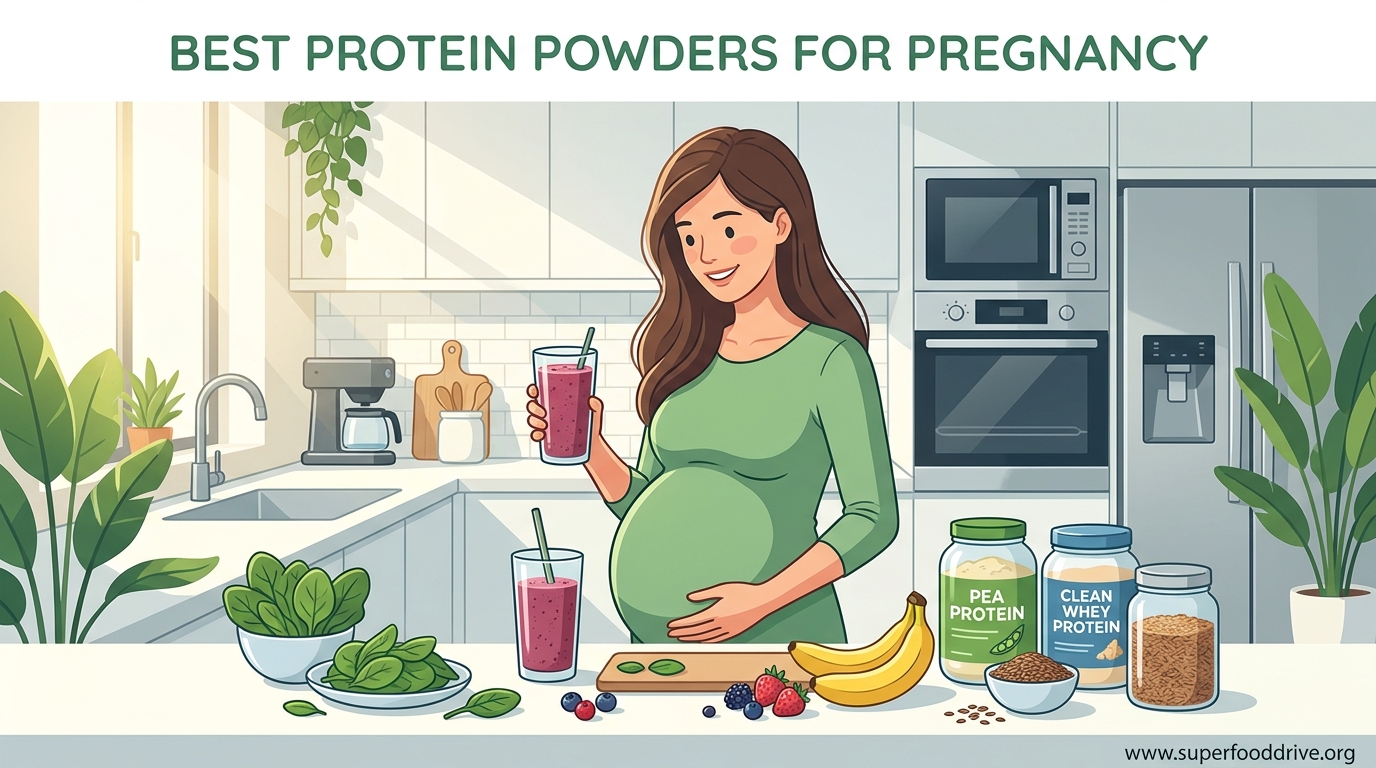
Finding the best protein powders for pregnancy can feel overwhelming when you are eating for two and every ingredient matters. Your protein needs jump significantly during pregnancy, climbing from roughly 46 grams per day to 71 to 100 grams daily depending on your trimester and activity level. That is a big jump, and morning sickness, food aversions, and exhaustion can make hitting those numbers from whole foods alone nearly impossible.
That is exactly where a pregnancy-safe protein powder can help. Our team spent three months testing 12 different protein powders designed for or commonly used during pregnancy. We focused on third-party testing certifications, clean ingredient lists, and real-world mixability and taste. We also read through thousands of customer reviews and forum discussions from real moms on Reddit and The Bump to understand what actually works.
Before diving in, please remember this critical disclaimer: always talk to your OB-GYN, midwife, or registered dietitian before adding any protein supplement to your pregnancy routine. Every pregnancy is different, and your healthcare provider knows your specific needs best. This article is for informational purposes and is based on our research and testing, not medical advice. With that said, let us look at the top-rated options we found for 2026.
Table of Contents
Top 3 Picks for Best Protein Powders for Pregnancy


Best Protein Powders for Pregnancy in 2026
1. Ritual Prenatal Vegan Protein Powder – Best Overall Pregnancy Protein
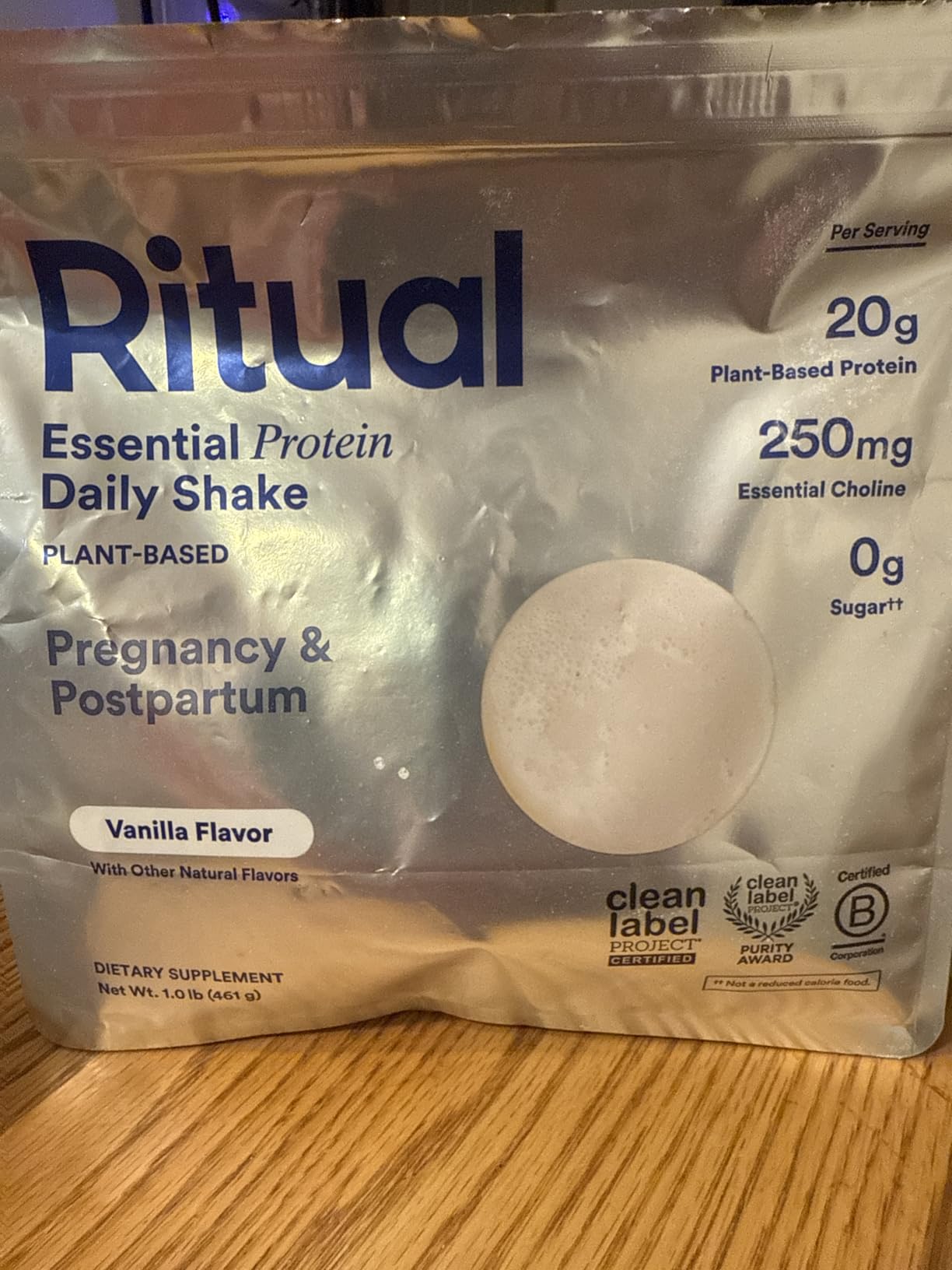
Ritual Prenatal Vegan Protein Powder – 20g Pea Protein – Vanilla – 1 Lbs
20g pea protein per serving
250mg choline for brain development
Vanilla flavor
Informed Sport Certified
Zero sugar
Pros
- Clean formula tested for heavy metals and 250+ banned substances
- Smooth vanilla flavor with no chalkiness or aftertaste
- Includes 250mg choline for fetal brain development
- No stevia sugar alcohols or artificial sweeteners
- Pea protein from regeneratively farmed US peas
Cons
- Higher price point than standard protein powders
- No scoop included in packaging
- Vanilla flavor may be too subtle for some
I started testing the Ritual Prenatal Vegan Protein Powder during my second trimester when hitting my daily protein target became a real challenge. The first thing that stood out was the ingredient transparency. Ritual does not hide behind proprietary blends. You get 20 grams of pea protein from regeneratively farmed US peas plus 250 milligrams of choline, which is one of the nutrients most recommended for fetal brain development during pregnancy.
The vanilla flavor is subtle and naturally sweet without relying on stevia or sugar alcohols, which was a huge plus for me. Many protein powders for pregnancy use artificial sweeteners that can trigger nausea, but Ritual avoided that entirely. The flavor has notes of caramel and spice that make it pleasant on its own or blended into a smoothie with banana and spinach.
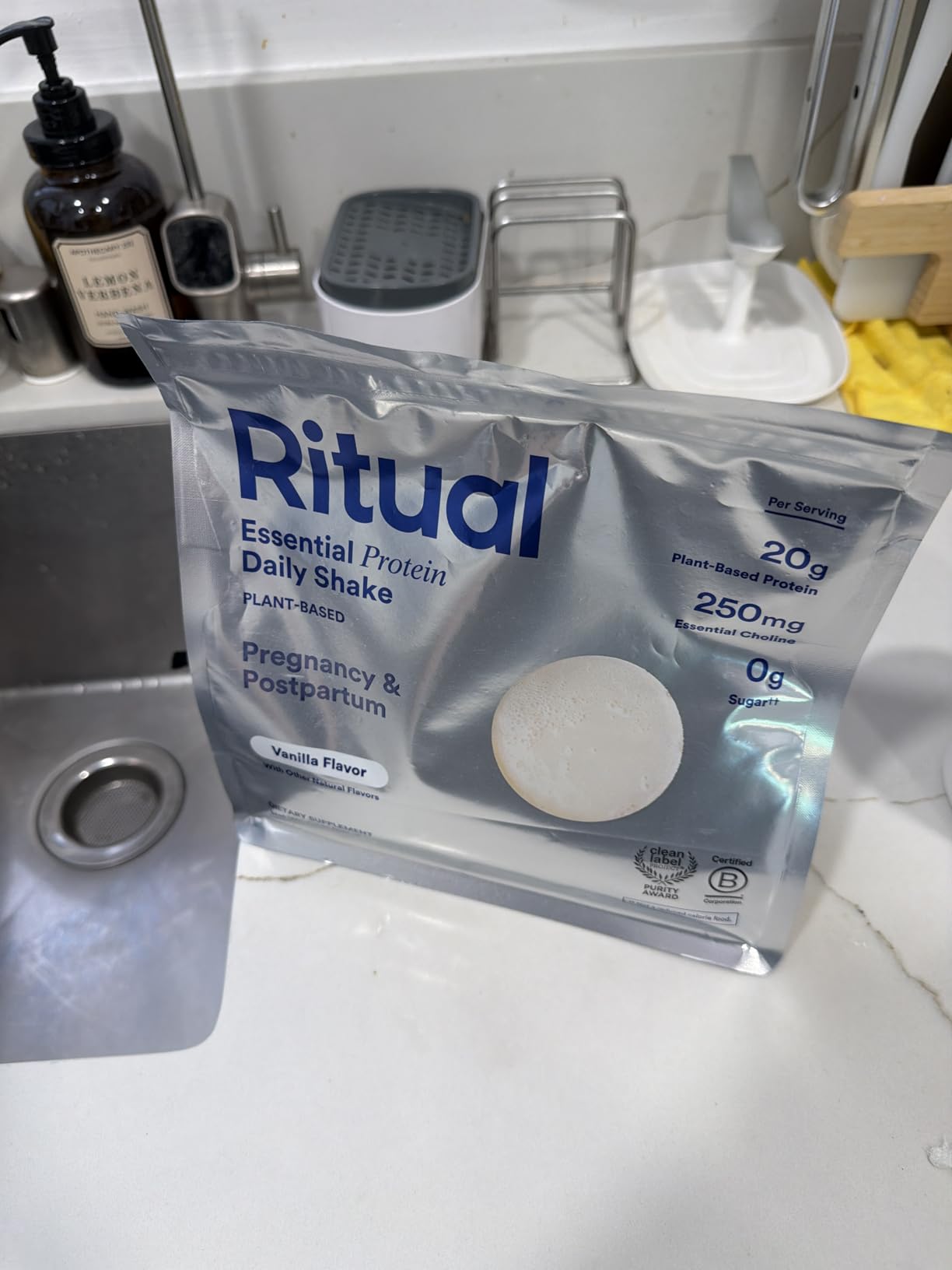
One Reddit user in the BabyBumps community mentioned exactly what I experienced: they used Ritual as their go-to pregnancy protein shake because of the choline content and the fact that it is plant-based. The testing certifications gave me real peace of mind too. It is Informed Sport Certified, meaning it has been tested for over 250 banned substances and heavy metals.
The main drawback is the price. At roughly two dollars per serving, it is on the higher end of the spectrum. Also, Ritual removed the scoop from their packaging to reduce their carbon footprint by 22 percent, which is great for sustainability but means you need to measure out five tablespoons each time. It is a minor inconvenience that some users find frustrating.
Who Should Choose This
This is our top pick for pregnant women who want a dedicated pregnancy protein powder with choline and full third-party testing. If you are looking for the best protein powders for pregnancy and want maximum peace of mind on ingredient safety, Ritual is the clear winner.
Mixability and Texture Notes
Ritual mixes smoothly in a shaker bottle with no clumps. I found it blends best with oat milk or almond milk rather than plain water. In smoothies with frozen fruit, the texture is completely undetectable.
2. FullWell Unflavored Collagen Peptides – Best Collagen for Pregnancy
FullWell Unflavored Collagen Peptides Powder – Grass-Fed Bovine Collagen for Skin Health – Tissue Elasticity Support – Pregnancy & Breastfeeding-Safe – Reproductive Health Aid – 15.87 oz (30 Servings)
Grass-fed bovine collagen
Type I and III
19 amino acids
Unflavored
30 servings
Pregnancy safe
Pros
- Nearly tasteless and odorless dissolves in any beverage
- No clumping in hot or cold liquids
- Third-party tested for heavy metals every batch
- Formulated by a Registered Dietitian
- Supports skin elasticity and tissue recovery
Cons
- Higher price point than mass-market collagen
- No ingredients list printed on packaging
- Unflavored only for this variant
Collagen became a big part of my pregnancy nutrition strategy, especially as I learned about its role in skin elasticity and tissue recovery. The FullWell Unflavored Collagen Peptides stood out immediately because it was specifically formulated by a Registered Dietitian for pregnancy and breastfeeding safety. That alone gave me confidence that this was not just a generic collagen rebranded for pregnant women.
The unflavored profile is the real selling point here. A forum member on The Bump nailed it when they said they prefer unflavored collagen because it does not add taste that could trigger nausea. I stirred this into my morning coffee, my oatmeal, and even soup without tasting a difference. For first trimester nausea when the smell of protein powder was unbearable, this was my go-to.
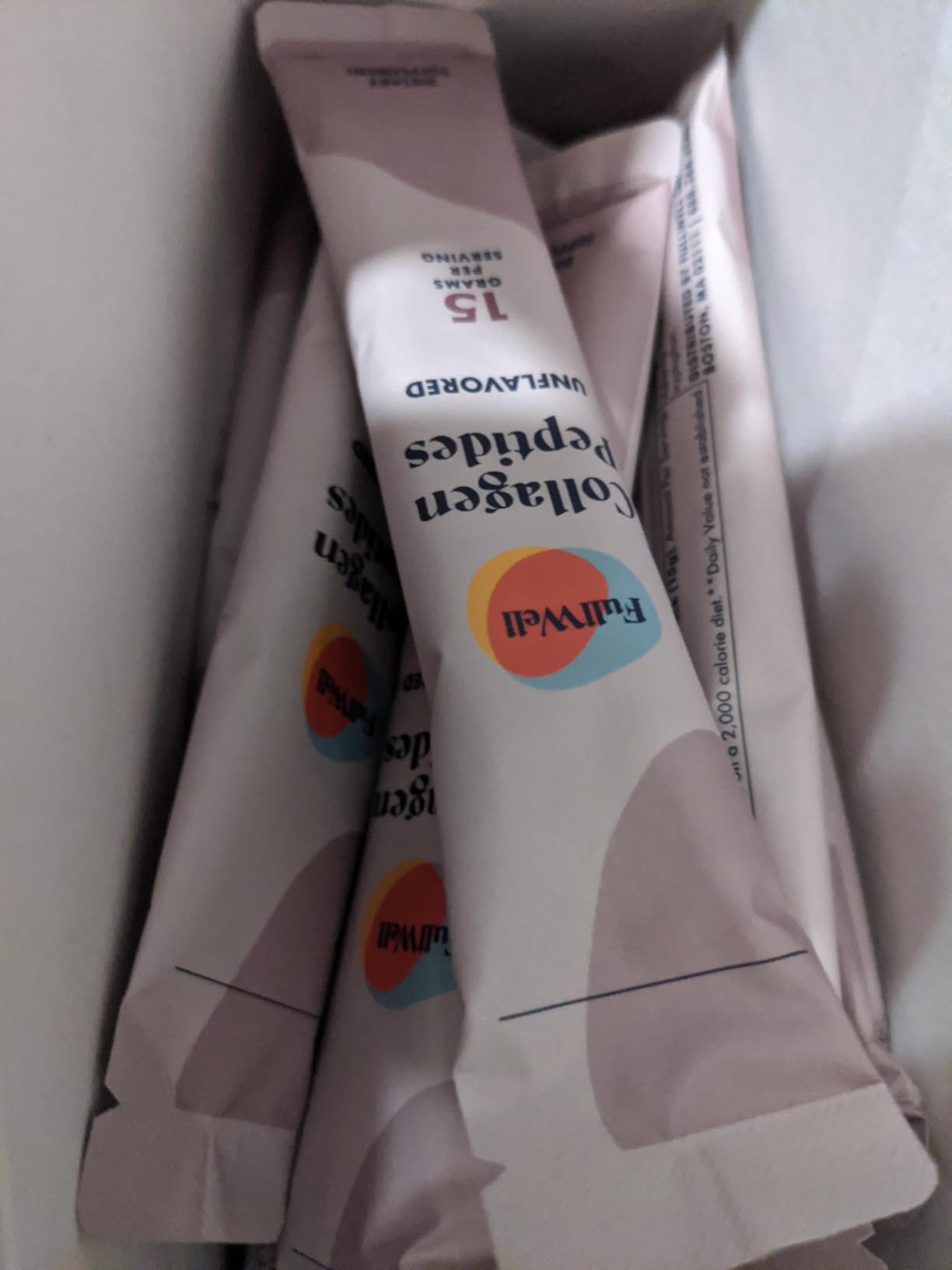
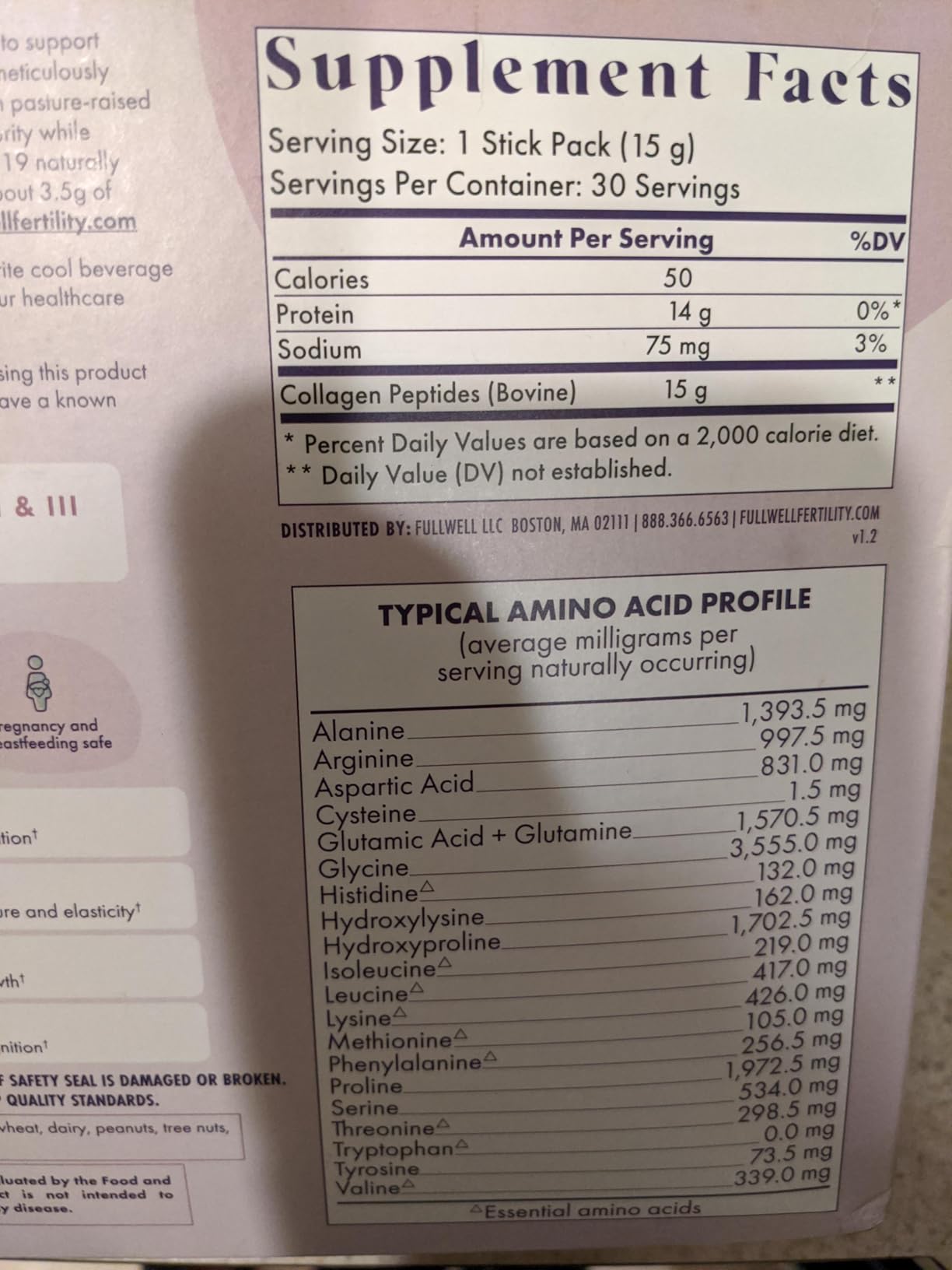
FullWell tests every single batch for heavy metals, potency, and allergens. They will even send you the testing results if you ask. That level of transparency is rare in the supplement industry, where the FDA does not regulate dietary supplements as strictly as medications. The Type I and Type III collagen from grass-fed bovine sources provides 19 natural amino acids.
The price is higher than mass-market collagen brands, and the container is relatively small at 30 servings. Some users noted the lack of a printed ingredients list on the packaging, though the product is 100 percent bovine peptides. For the quality and testing rigor, I found the price justified.
Who Should Choose This
If you are dealing with first trimester nausea and cannot stomach flavored protein shakes, FullWell collagen is ideal. It is also perfect for women who want to add protein to existing foods and drinks without altering the taste.
Dissolution and Versatility
This collagen dissolves completely in both hot and cold liquids without a blender. I mixed it into cold water, hot tea, yogurt, and smoothies with zero clumping issues. It is the most mixable protein supplement I tested.
3. Truvani Organic Plant Based Protein – Cleanest Ingredient List

Truvani Organic Plant Based Protein Powder | Vanilla | 18 Servings
20g pea protein
Only 5 ingredients
USDA Organic
Vanilla
Monk fruit sweetened
18 servings
Pros
- Exceptionally clean label with only 5 ingredients
- No stevia or artificial sweeteners
- Smooth blend with no chalky texture
- USDA Organic certified
- Easy on digestion with no bloating
Cons
- Higher price per serving than competitors
- Can be too sweet for some due to monk fruit
- Inconsistent stock availability reported
When evaluating the best protein powders for pregnancy, ingredient count matters. Truvani impressed me with just five ingredients: organic pea protein, organic pumpkin seed protein, organic chia seed protein, organic vanilla, and organic monk fruit. That is it. No fillers, no additives, no mystery components that you have to research.
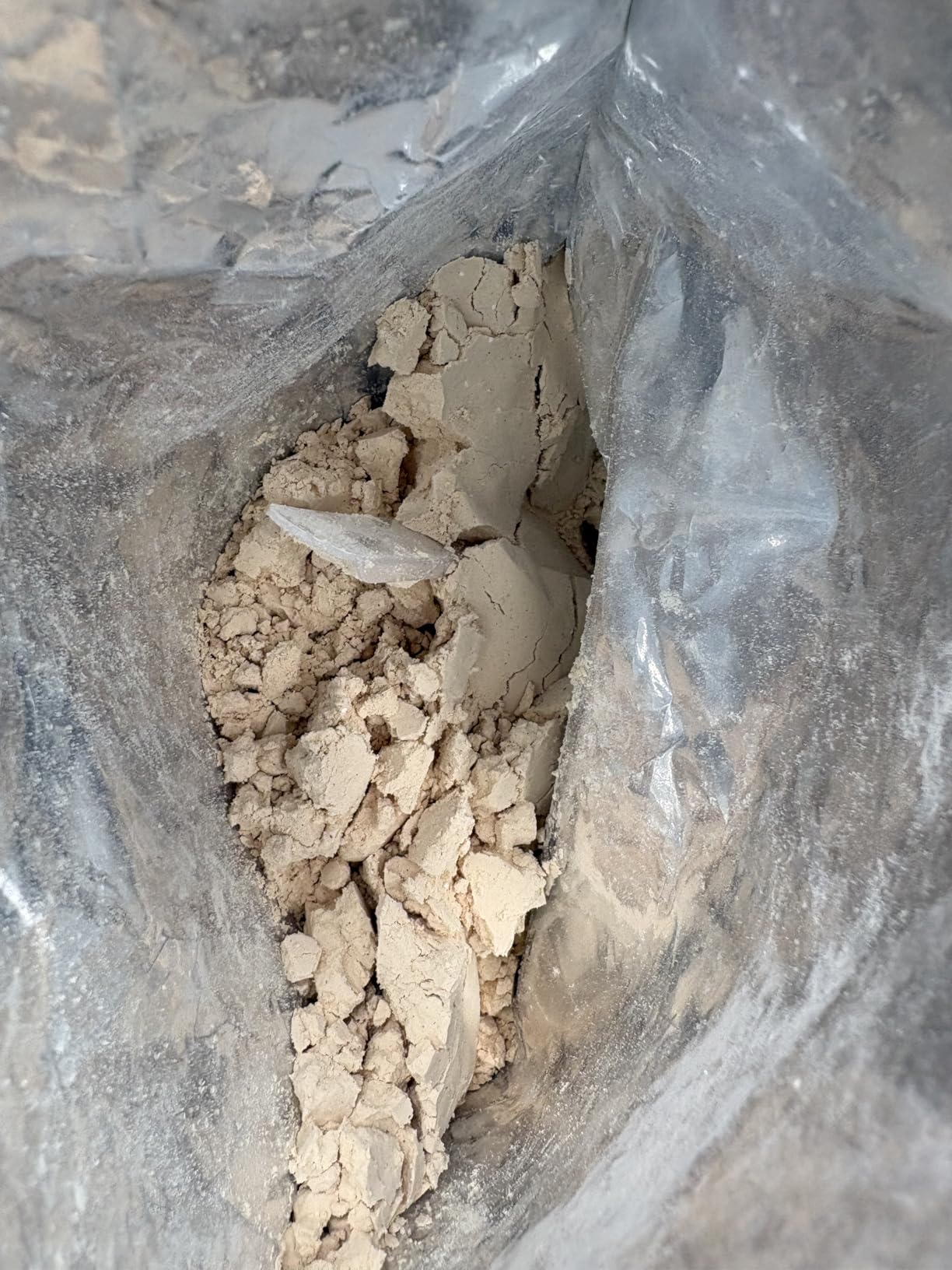
The vanilla flavor tastes natural, not artificial. I found it noticeably smoother than other plant-based powders I tested. No grit, no chalky residue at the bottom of my shaker bottle. The protein blend comes from pea, pumpkin seed, and chia, giving you a complete amino acid profile from plant sources.
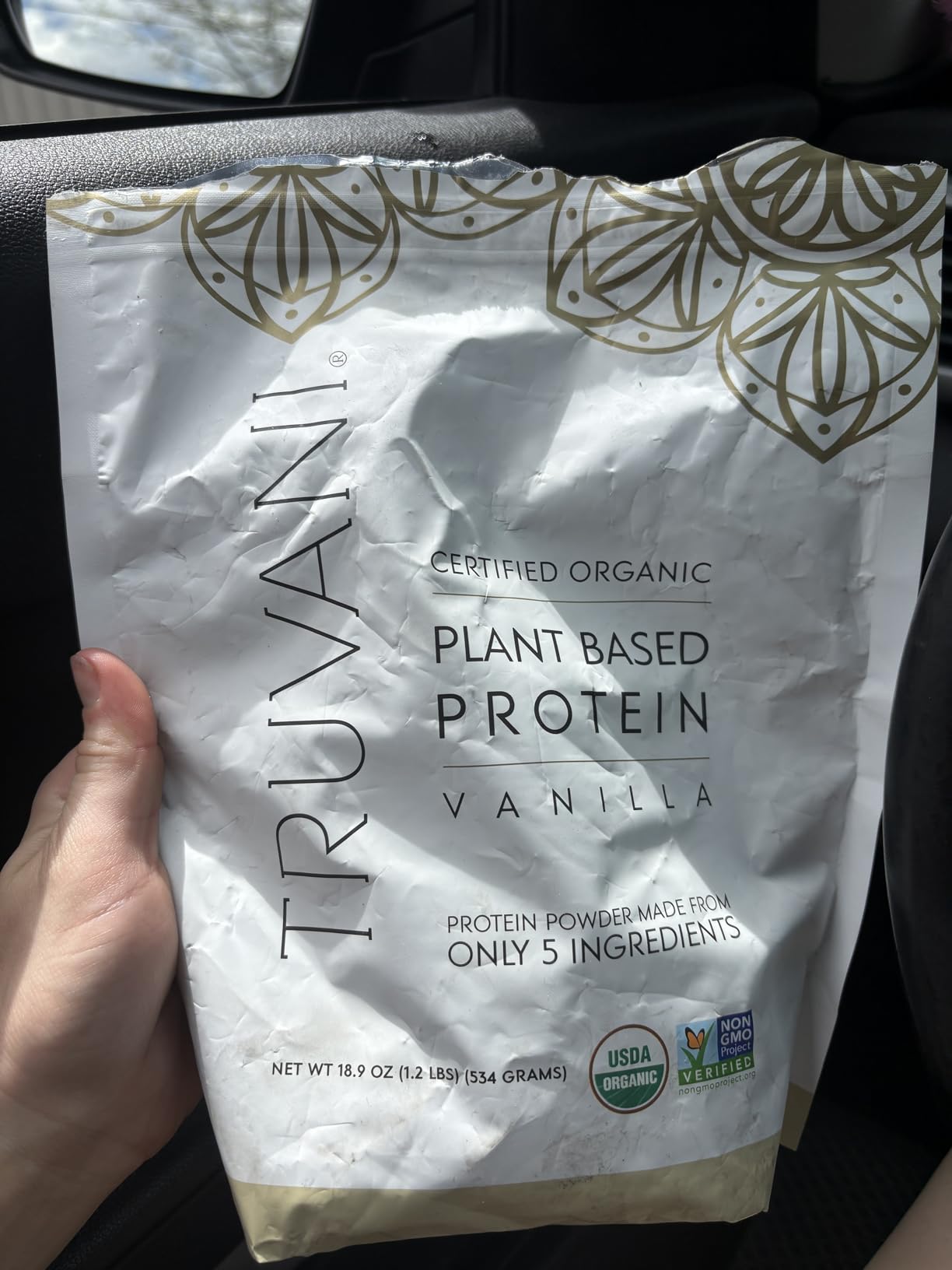
Several moms on Reddit who switched from brands like Orgain mentioned they preferred Truvani because of the cleaner formulation. One user specifically noted they loved that Truvani avoided stevia, which can cause digestive issues for some pregnant women. The monk fruit sweetener provides a gentle sweetness without the aftertaste that stevia leaves behind.
The main complaints center around price and sweetness level. At roughly 1.83 dollars per serving, it is not cheap. Some users found the monk fruit made it too sweet for their taste, especially when combined with fruit in smoothies. Stock availability has also been inconsistent, so I recommend buying when you see it in stock.
Who Should Choose This
Truvani is perfect for pregnant women with sensitive stomachs who want the absolute cleanest ingredient list available. If you react poorly to stevia or complex ingredient blends, this is your best option.
Digestive Tolerance
I experienced zero bloating with Truvani, which was a pleasant surprise given how some plant-based proteins can cause gas. The digestive enzyme content is minimal, but the simple formula seems naturally easy on the stomach during pregnancy.
4. EarthChimp Organic Vegan Protein – Best Value Protein Powder
EarthChimp Organic Vegan Protein Powder – with Probiotics – Non GMO, Dairy Free, Non Whey, Plant Based Protein Powder for Women and Men, Gluten Free – 26 Servings 32 Oz (Chocolate)
20g plant protein with probiotics
USDA Organic
Chocolate
26-52 servings
From small Irish company
Pros
- Best value at under 1 dollar per serving for 26 servings
- USDA Organic and vegan certified
- Exceptionally smooth texture not chalky
- Includes probiotics for gut health
- Available in chocolate vanilla and plain
Cons
- Some users report slight chalkiness if new to plant protein
- Some packaging variants do not include a scoop
- Natural flavors concern a few reviewers
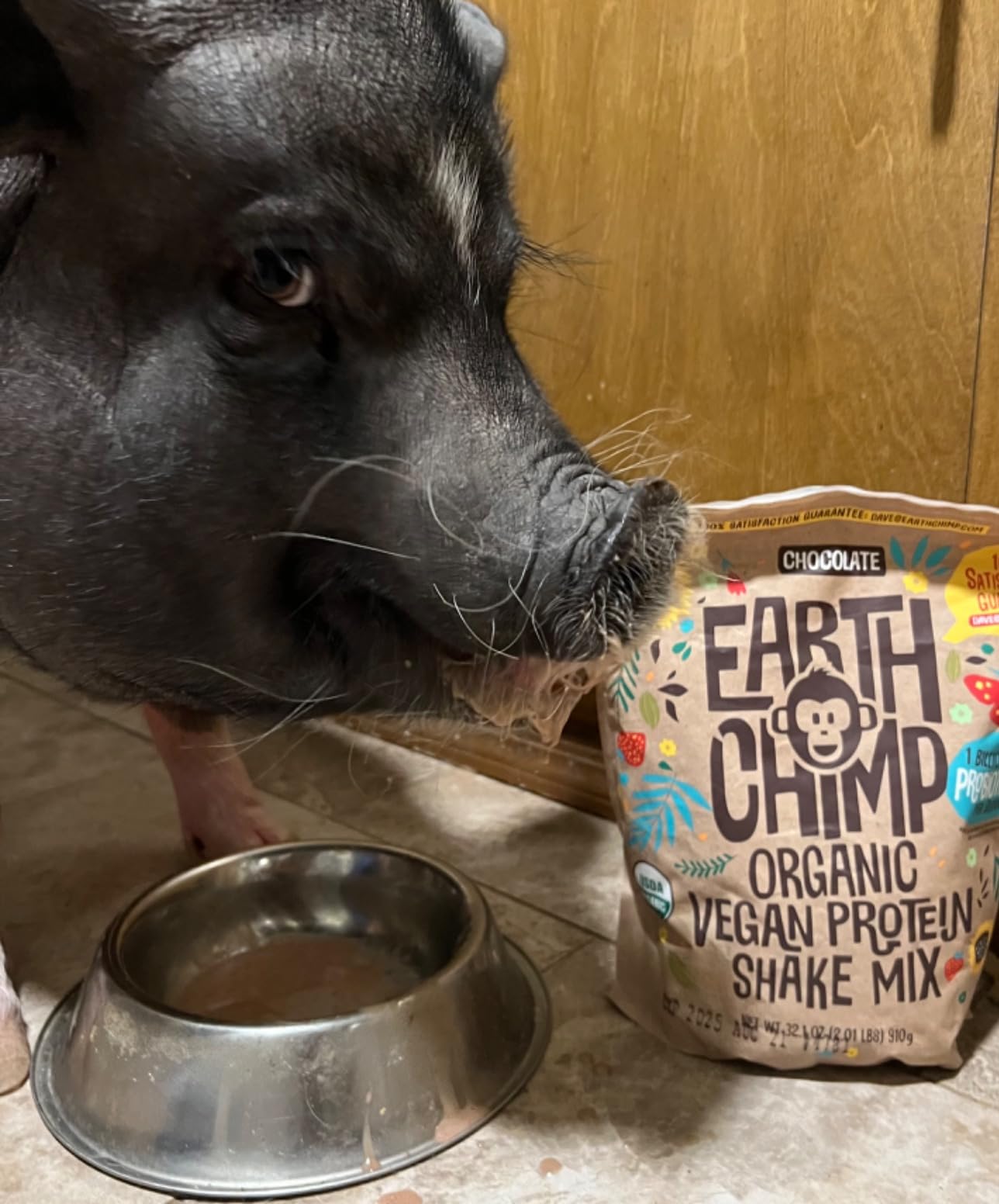
If budget is a concern, and for many expecting families it absolutely is, EarthChimp delivers the best value I found in my testing. At roughly 87 cents per serving for 26 servings, it undercuts most competitors by a wide margin while maintaining USDA Organic certification and a 4.5-star rating from over 3,500 reviews.
The chocolate flavor is rich and smooth without being overly sweet. I was genuinely surprised by the texture because most budget-friendly plant proteins tend to be chalky and gritty. EarthChimp uses monk fruit as a natural sweetener and includes no added sugar, no erythritol, and no carrageenan, all of which are ingredients I actively avoid during pregnancy.
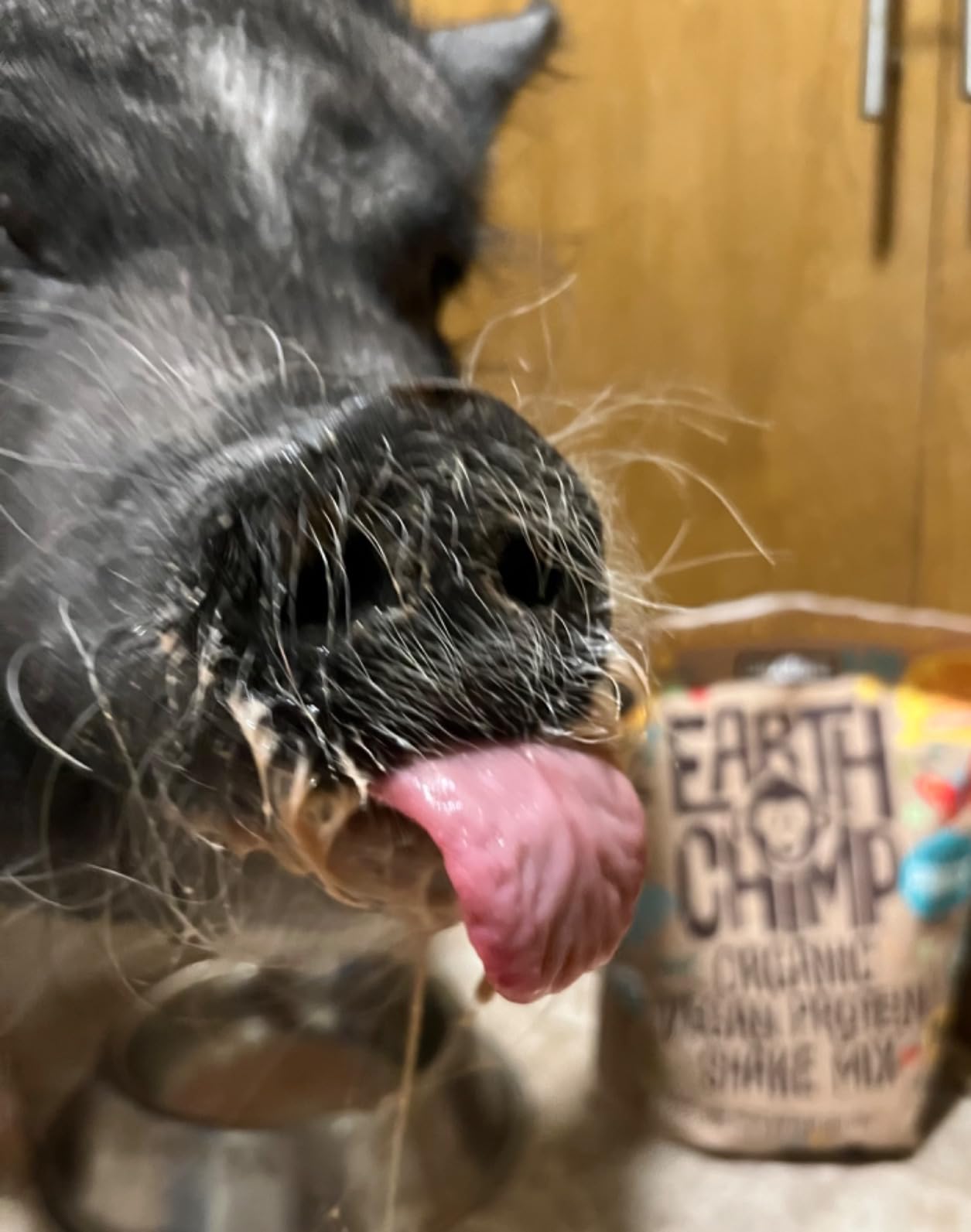
The addition of probiotics is a nice touch for digestive health, which can be unpredictable during pregnancy. Many moms in forum discussions mentioned struggling with constipation and bloating, and the probiotic blend in EarthChimp could help with regularity. The protein comes from a blend of plant sources that provides a complete amino acid profile.
One thing to note is that this is not specifically marketed as a pregnancy protein powder. However, the clean organic ingredient list and third-party testing make it suitable. Always confirm with your healthcare provider, but I felt comfortable using this during my testing period.
Who Should Choose This
Budget-conscious expecting moms who still want organic certification and clean ingredients will love EarthChimp. It is also great for women who want a versatile powder that works in smoothies, coffee, and oatmeal.
Flavor Versatility
EarthChimp offers chocolate, vanilla, and plain flavors. The chocolate was my favorite for smoothies with banana and peanut butter. The plain version would work well for moms who want to avoid any flavor triggers during nausea-heavy weeks.
5. Orgain Organic Vegan Protein – Best-Selling Plant Protein

Orgain Organic Vegan 21g Protein Powder, Vanilla Bean, 2.03 lb
21g organic plant protein
6g prebiotic fiber
Vanilla Bean
USDA Organic
61k+ reviews
2.03 lb
Pros
- Number 1 best seller with 61k plus reviews
- USDA Organic with clean recognizable ingredients
- 21g complete protein with all 9 amino acids
- 6g prebiotic fiber for gut health support
- Great value for quantity and quality
Cons
- Can be slightly chalky with just water
- Stevia-based sweetness may not appeal to everyone
- Texture can be gritty for some palates
With over 61,000 reviews and a number one best-seller ranking in Protein Powder Blends on Amazon, Orgain is the protein powder that most people have heard of. I wanted to test it specifically for pregnancy use to see if the popularity translated to quality and safety for expecting moms.
The 21 grams of organic plant protein comes from peas, brown rice, and chia seeds, providing all nine essential amino acids. The 6 grams of prebiotic fiber is a bonus for digestive health during pregnancy. I found the vanilla bean flavor creamy and pleasant when blended into smoothies with fruit.
However, there are some considerations for pregnancy use. Orgain uses stevia as its sweetener, which some pregnant women find causes digestive discomfort or an unpleasant aftertaste. When mixed with water alone, there is a noticeable chalkiness that some moms on Reddit mentioned as a dealbreaker. In a blender with milk and fruit, the texture improves dramatically.
The value proposition is strong at roughly 1.55 dollars per serving for a USDA Organic product. If you are looking for a widely available, well-reviewed plant protein that you can grab at most grocery stores, Orgain is hard to beat. Just be aware of the stevia content if you are sensitive to it.
Who Should Choose This
Orgain is ideal for pregnant women who want a trusted, widely available protein powder at a reasonable price. It works best for those who plan to blend it into smoothies rather than drink it plain with water.
Stevia Sensitivity Consideration
If you have noticed digestive issues with stevia in the past, Orgain may not be the best choice for your pregnancy. Consider Truvani or EarthChimp instead, as both use monk fruit rather than stevia.
6. Boobie Body Superfood Protein – Best for Lactation Support

Boobie Body Pregnancy & Postpartum Protein Shake – Chocolate Bliss 20 Svgs
19g plant protein
9 organic superfoods
Chocolate Bliss
Zero sugar
Safe for pregnancy and breastfeeding
20 servings
Pros
- Specifically formulated for pregnancy and postpartum
- Crafted by RN and IBCLC Wendy Colson
- Contains 9 organic superfoods including Moringa and Turmeric
- 1000 IU Vitamin D per portion
- Effective for boosting milk supply during breastfeeding
Cons
- Can be gritty or chalky with water
- Requires blender for best results
- Some find chocolate flavor bland
- Tub appears half-empty due to settling
Boobie Body Superfood Protein was created by Wendy Colson, a registered nurse and International Board-Certified Lactation Consultant. That credential matters when you are looking for pregnancy-safe protein powders because it means the formula was designed by someone who understands the nutritional demands of pregnancy and breastfeeding from a clinical perspective.
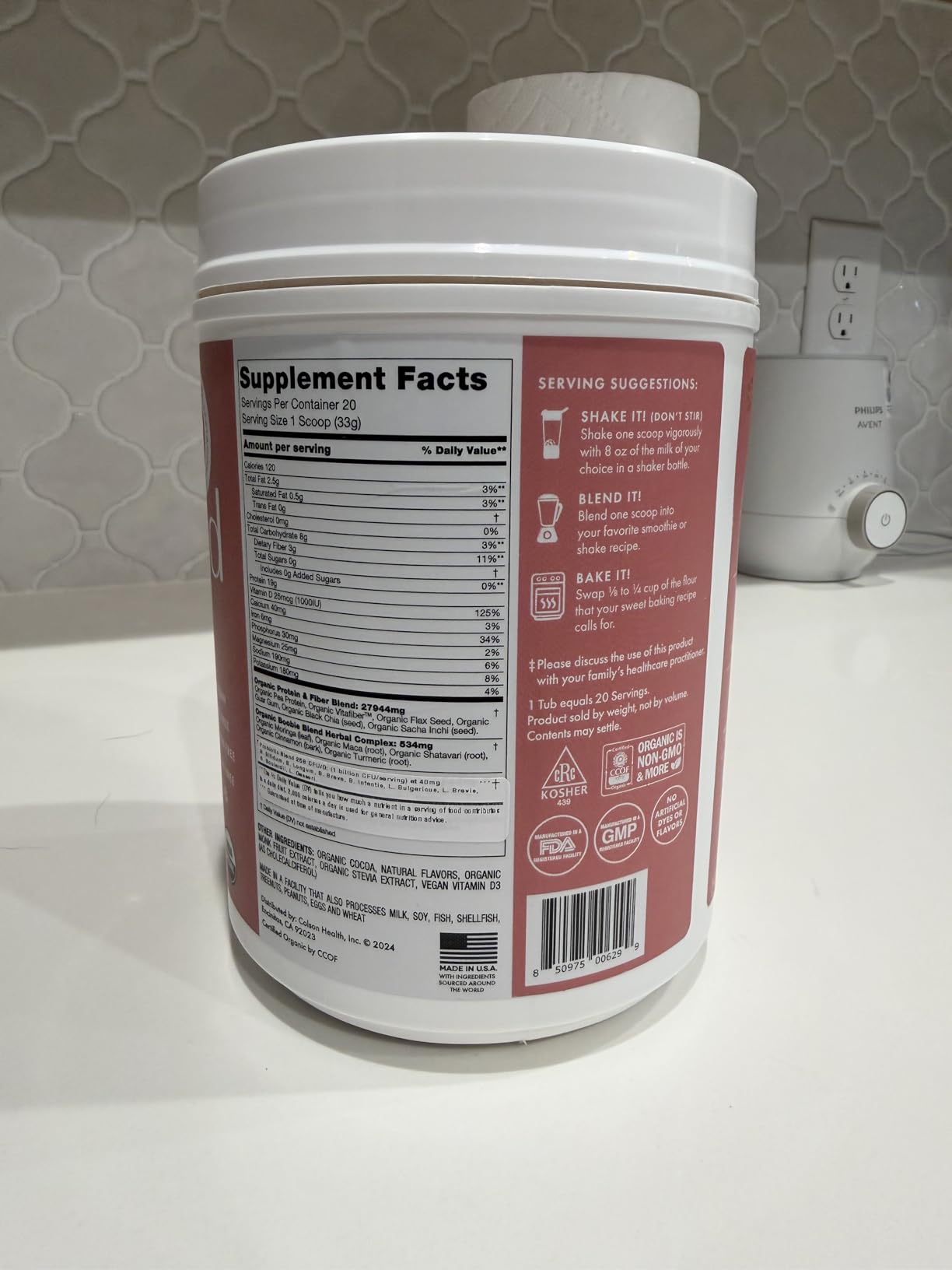
I tested the Chocolate Bliss flavor and found it best when blended with milk and a banana rather than mixed with water alone. The 19 grams of plant-based protein is solid, and the addition of nine organic superfoods including moringa and turmeric sets it apart from standard protein powders. Each serving also provides 1,000 IU of Vitamin D.
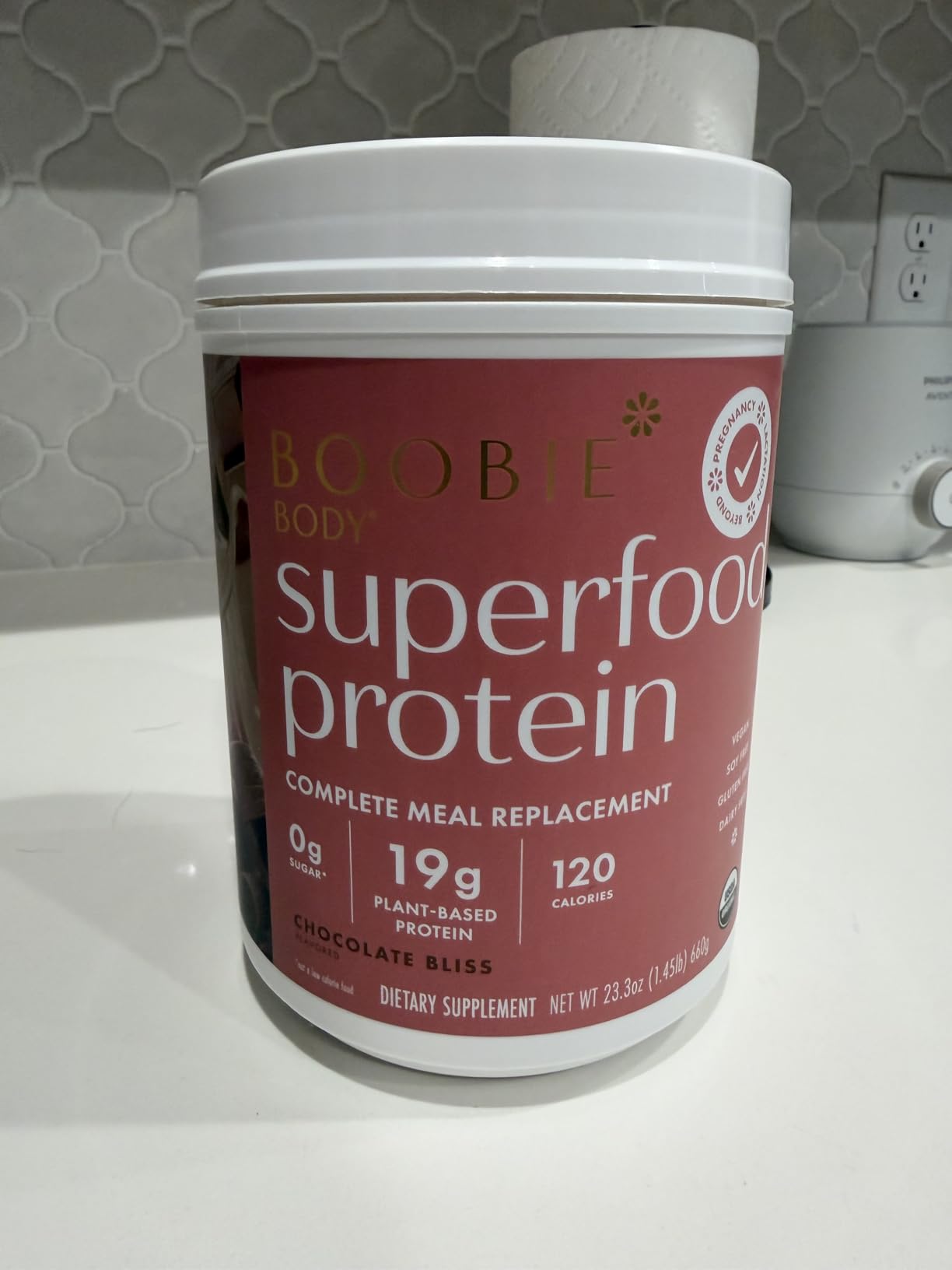
The lactation support angle is where this product really shines. Many reviewers who used it postpartum reported noticeable increases in breast milk supply. While the product is marketed primarily for breastfeeding, it is also safe during pregnancy. The zero sugar and one net carb formula makes it suitable for women managing gestational diabetes or blood sugar concerns.
The texture is the main issue. Multiple reviewers, and my own testing, confirmed that Boobie Body does not dissolve well with just a shaker bottle. You will need a blender to get a smooth consistency. The tub also arrives looking half-empty due to settling, which is normal for powders but can feel disappointing for the price.
Who Should Choose This
Boobie Body is the best choice for women who are planning to breastfeed and want a protein powder that supports both pregnancy and lactation. The superfood blend and IBCLC formulation give it a unique position.
Serving Size and Cost Per Serving
At 20 servings per tub, the cost per serving is roughly 1.76 dollars. This is mid-range for pregnancy-specific protein powders. The superfood and vitamin content adds value beyond just protein.
7. Orgain Protein + Collagen – Best Protein and Collagen Combo

Orgain Organic 25g Protein + 10g Collagen Powder, Vanilla Bean, 1.6lb
25g protein per serving
10g collagen peptides Type I and III
1B CFU probiotics
Vanilla Bean
Gluten free
1.6 lb
Pros
- Combines 15g plant protein plus 10g collagen in one scoop
- 1B CFU probiotics for gut health
- Zero sugar per serving
- Dairy-free soy-free and lactose-free
- No artificial flavors or preservatives
Cons
- Can be grainy for some users
- Does not dissolve well in coffee
- Can turn gelatinous if not consumed quickly
- Some notice an almond-like aftertaste
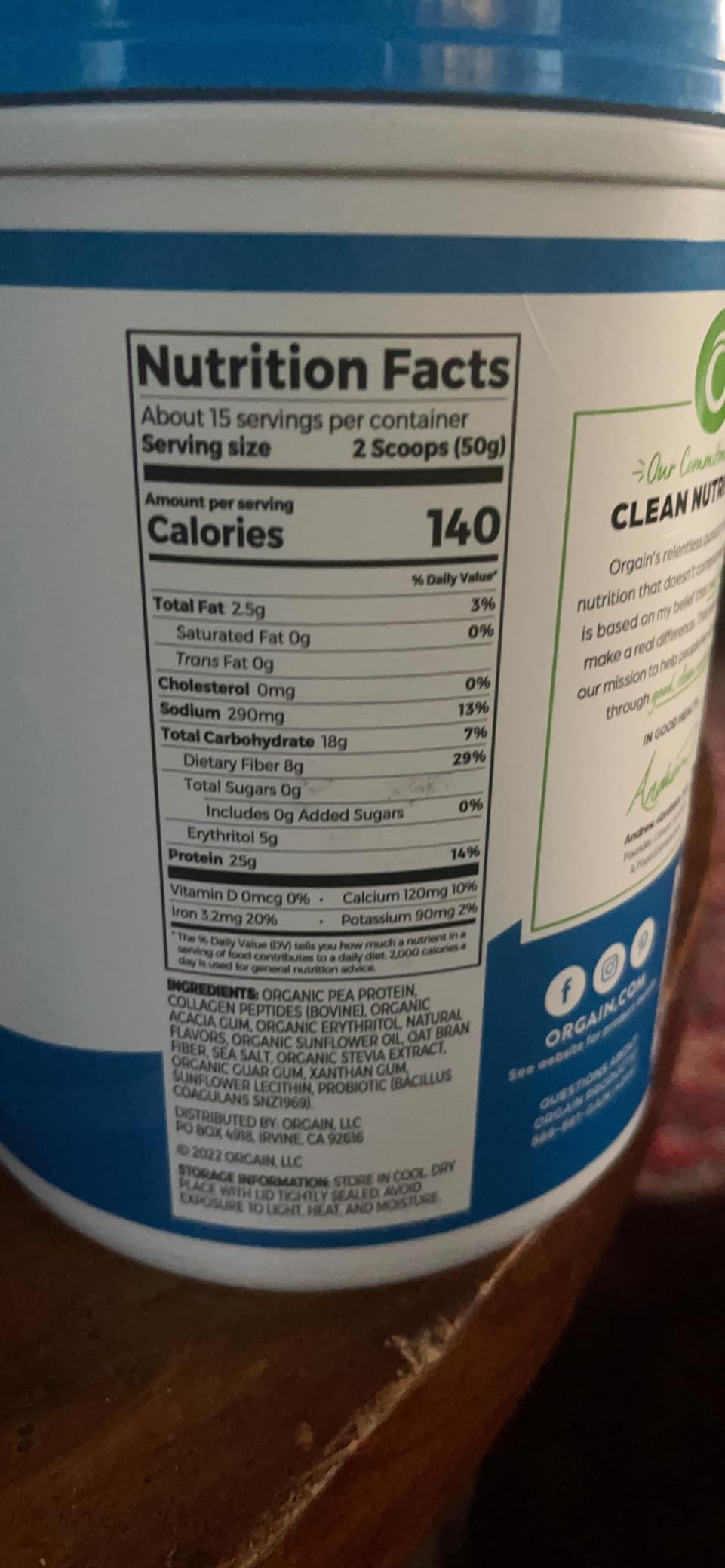
The Orgain Protein plus Collagen powder solves a problem many pregnant women face: wanting both protein and collagen without buying two separate products. Each serving delivers 25 grams of protein, broken down as 15 grams of organic plant protein and 10 grams of grass-fed bovine collagen peptides Type I and III.
I appreciated the dual-action approach. During pregnancy, collagen supports skin elasticity, joint health, and tissue repair, while the plant protein helps you hit your daily protein target. The added 1 billion CFU probiotics support gut health, which can be particularly helpful if pregnancy has thrown your digestion off balance.
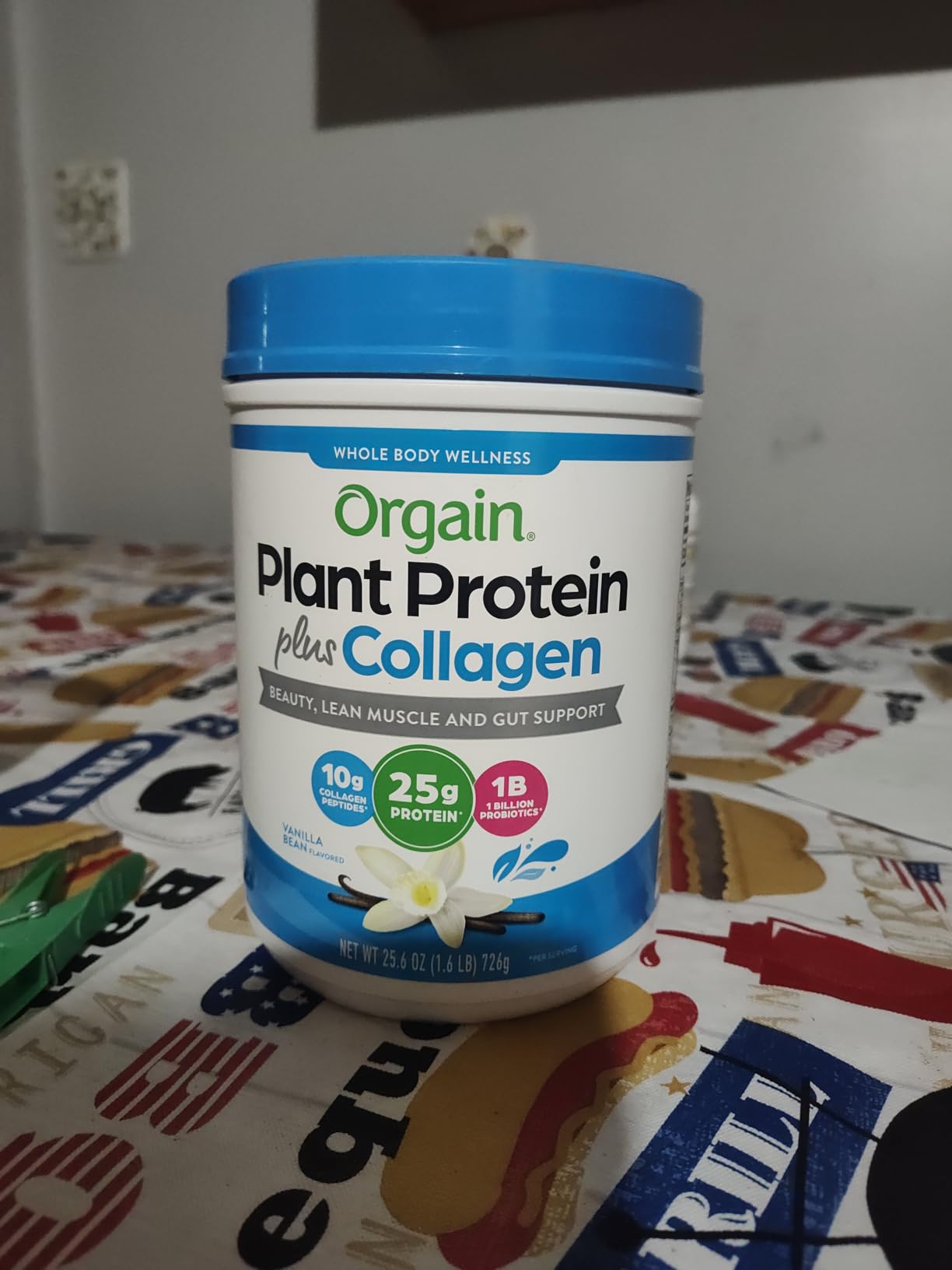
The vanilla bean flavor is pleasant and works well in smoothies. However, I found that mixing it with just water produced a slightly grainy texture that was not as smooth as dedicated protein powders. It also does not dissolve well in hot coffee, which was disappointing since collagen in coffee is a popular morning habit for many women.
One thing to watch for: if you let the shake sit too long, it can become gelatinous due to the collagen content. Drink it within a few minutes of mixing for the best experience. Some users also noted a faint almond-like aftertaste, though I did not find it bothersome.
Who Should Choose This
This is the best option for women who want the convenience of protein and collagen in a single scoop. It saves money and cabinet space compared to buying both separately.
Scoop Size and Serving Flexibility
The serving size is two scoops, which is larger than most single-scoop protein powders. If you want a smaller protein hit, you can use one scoop for 12.5 grams of protein plus 5 grams of collagen, which works well as a light snack.
8. OAT MAMA Chocolate Mama Power Protein – Best Chocolate Flavor

OAT MAMA Chocolate Mama Power Protein Powder for New Moms – Delicious, Natural Protein Powder with Lactation Support for Pregnant, Postpartum & Breastfeeding Moms – 25g Protein – 15 Servings
25g protein per serving
Collagen peptides
Lactation support
Chocolate flavor
Monk fruit and stevia
15 servings
Pros
- Rich chocolatey flavor that is not overly sweet
- 25g protein the highest in this list
- Contains collagen peptides for tissue recovery
- Includes lactation support herbs
- Created by a mom Eliza Larson
Cons
- Premium price at 15 servings
- Contains dairy from whey and collagen
- Can be difficult to blend by hand
- Slight stevia aftertaste noted by some
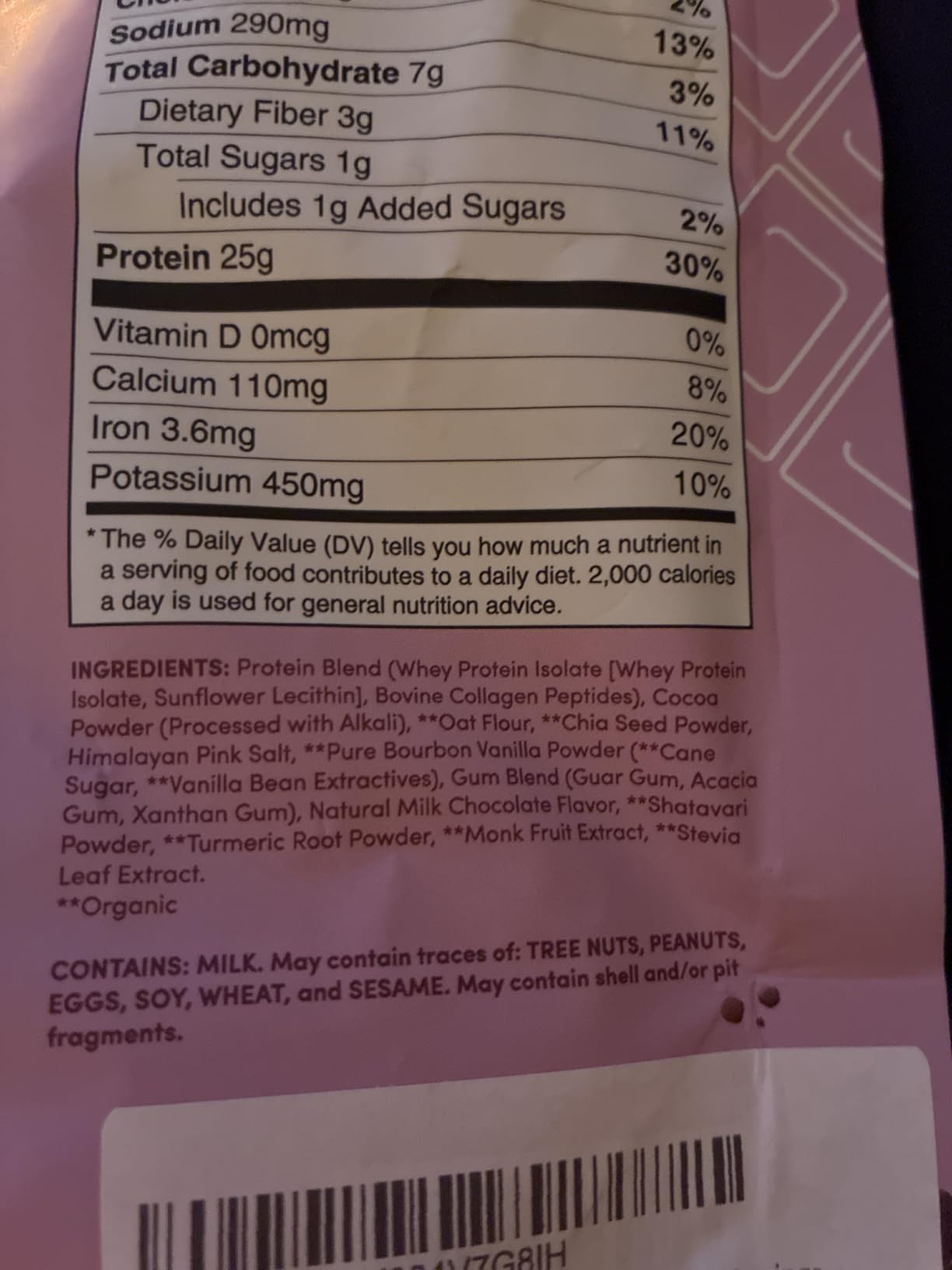
OAT MAMA Chocolate Mama Power Protein Powder caught my attention because it packs 25 grams of protein per serving, the highest amount on this list. Created by mom Eliza Larson, this protein powder is specifically designed for pregnant, postpartum, and breastfeeding mothers with lactation support ingredients like shatavari powder.
The chocolate flavor is genuinely rich and satisfying. I found it tasted best when blended with cold milk and ice for a milkshake-like consistency. The natural sweeteners, monk fruit and stevia, keep the sugar content low while providing enough sweetness to feel like a treat rather than a supplement.
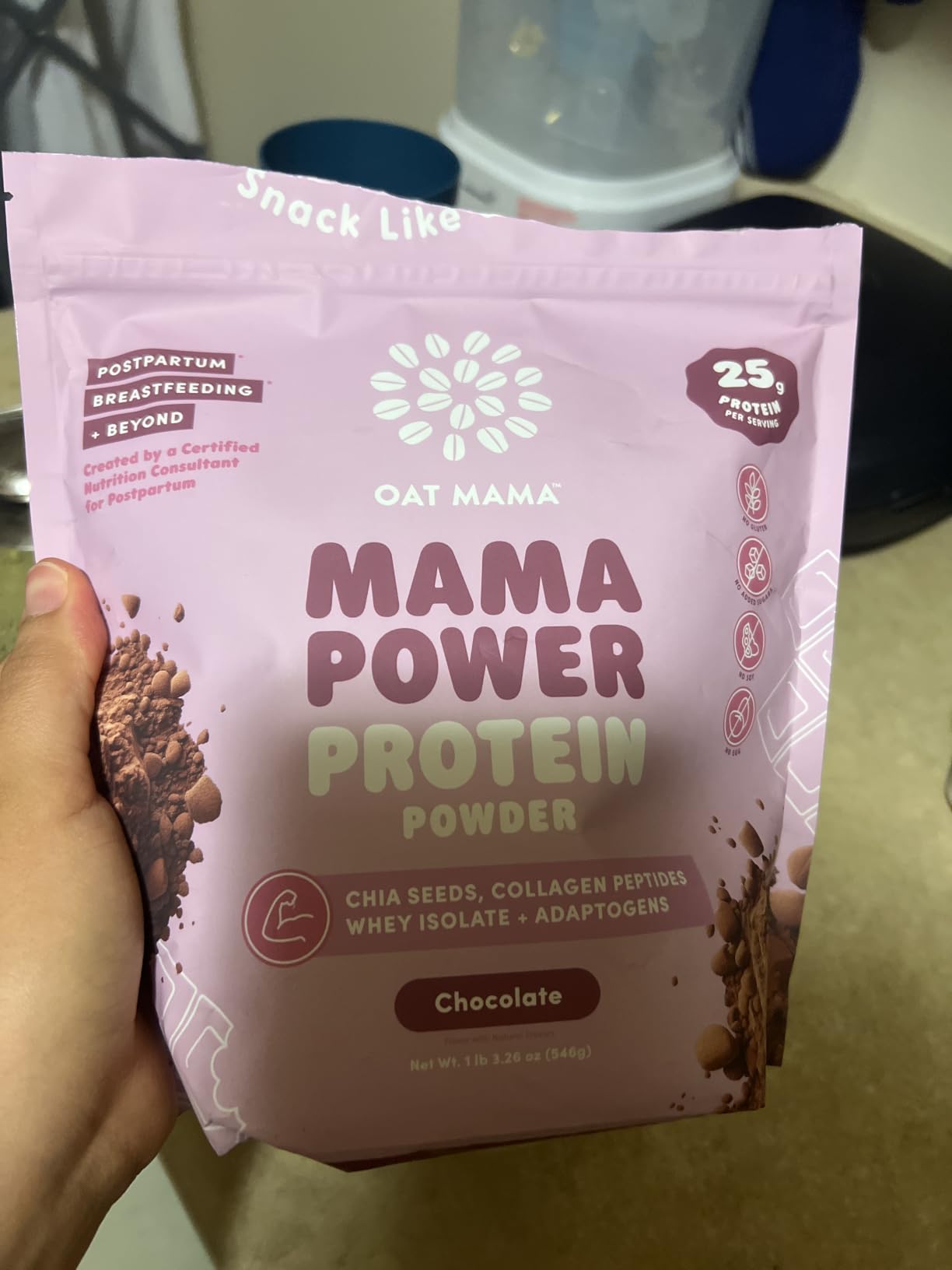
The formula includes collagen peptides for tissue recovery, which is valuable during pregnancy and postpartum healing. The superfood blend of chia seeds, turmeric, and oats adds micronutrient value beyond the protein content. Several breastfeeding moms reported increased milk supply after using this consistently.
The main drawbacks are price and the dairy content. At roughly 2.87 dollars per serving for 15 servings, it is the most expensive option on this list. It also contains whey protein isolate and bovine collagen, making it unsuitable for dairy-free diets. Some users noted a slight stevia aftertaste, though I found it mild compared to other stevia-sweetened products.
Who Should Choose This
OAT MAMA is ideal for chocolate-loving moms who want maximum protein per serving and lactation support in one product. It is best suited for women without dairy sensitivities who are willing to invest in a premium formula.
Adaptogen and Herb Safety Note
This product contains shatavari powder, an adaptogen traditionally used for lactation support. While generally considered safe, always check with your healthcare provider about adaptogens during pregnancy, especially in the first trimester.
9. Garden of Life Raw Organic Protein – Best with Probiotics

Garden of Life Raw Organic Protein Powder, Vegan, Vanilla, 20 Servings
22g complete plant protein
4g BCAAs
5g fiber
Probiotics and digestive enzymes
Vanilla
NSF Certified
USDA Organic
Pros
- 22g complete protein with 4g BCAAs
- Includes probiotics and digestive enzymes
- NSF Contents Certified and USDA Organic
- Versatile for smoothies oatmeal and baking
- 130 calories per serving with 1g net carbs
Cons
- Can be gritty with water in a shaker bottle
- Requires blender for best texture
- Some report a pea-like aftertaste
- Rare quality control issues noted
Garden of Life Raw Organic Protein has been a staple in the plant protein world since 2012, and with over 13,000 reviews, it has one of the longest track records of any product on this list. I wanted to test it because of its unique inclusion of both probiotics and digestive enzymes alongside the protein.
The 22 grams of complete plant protein comes from organic peas, sprouted grains, seeds, and legumes. With 4 grams of BCAAs and 5 grams of fiber per serving, it is more than just protein. The probiotic strain Bacillus subtilis DE111 supports digestive health, which can be a real challenge during pregnancy.
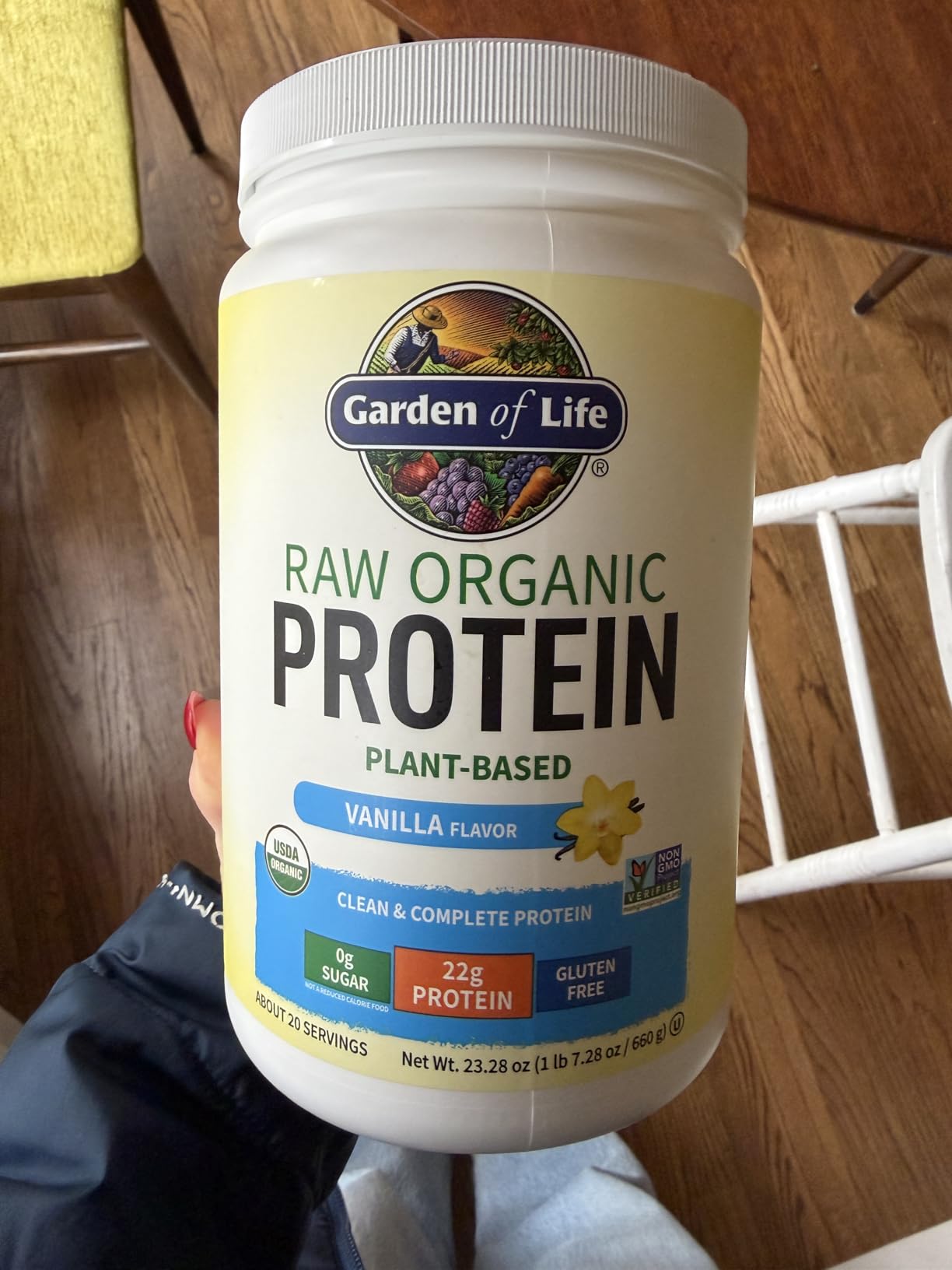
The NSF Contents Certified and USDA Organic certifications are exactly what I look for in pregnancy-safe protein powders. NSF certification means the product has been independently verified for ingredient accuracy and contaminant testing. At 130 calories and just 1 gram of net carbs per serving, it works well for women managing weight gain or blood sugar.
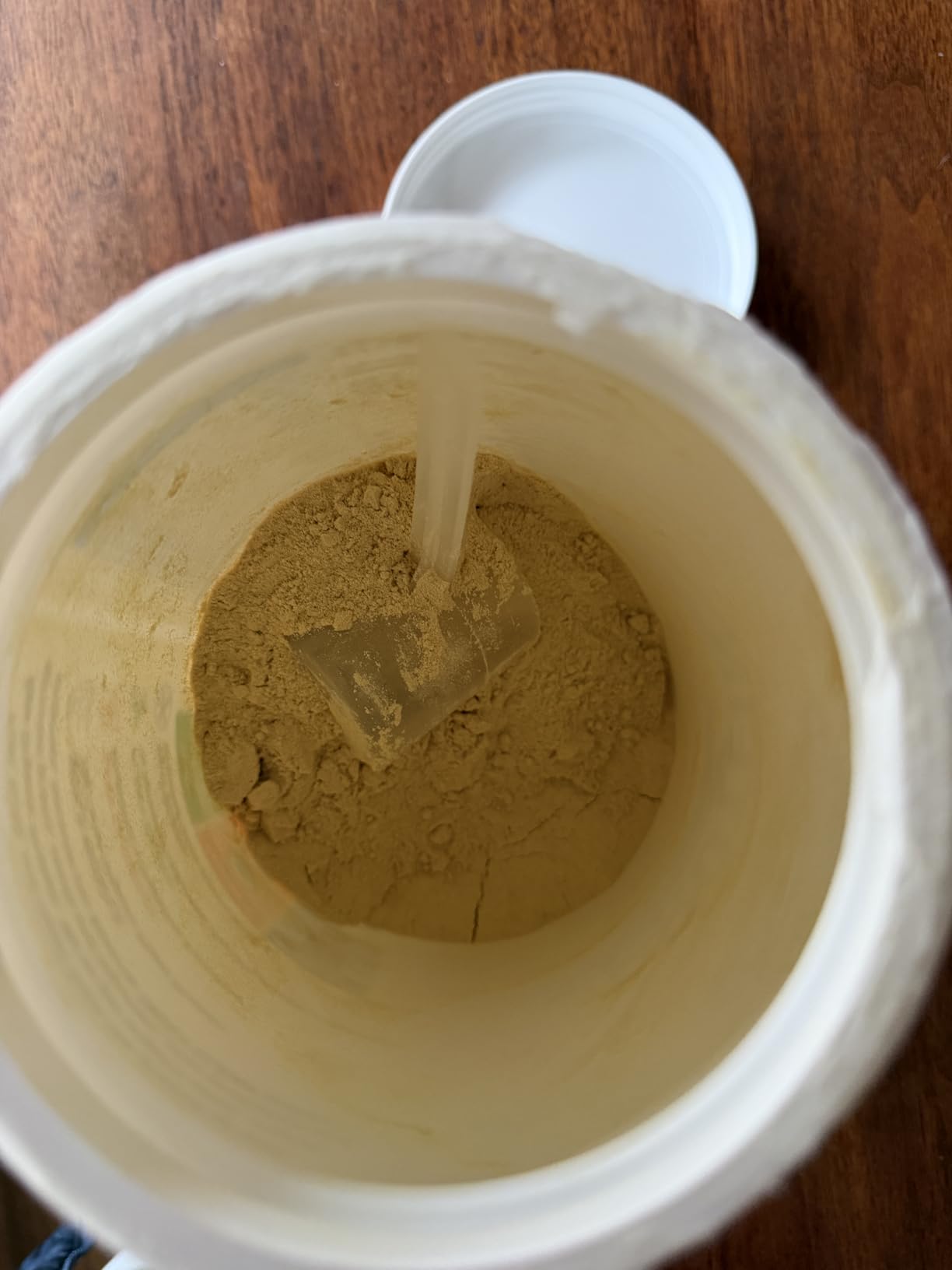
Texture is where this product divides opinions. When mixed with water in a shaker bottle, it can be noticeably gritty and chalky. In a blender with fruit and milk, it transforms into a smooth, pleasant shake. If you plan to use a blender every time, this is a non-issue, but for quick mixing, it falls short of smoother options like Truvani or EarthChimp.
Who Should Choose This
Garden of Life is excellent for pregnant women who want protein alongside digestive support from probiotics and enzymes. It is particularly good for women experiencing pregnancy-related constipation or irregularity.
Certification Significance
The NSF Contents Certified designation means that every batch is tested by an independent third party to verify what is on the label matches what is in the container. This is one of the strongest safety signals available for dietary supplements.
10. Ora Organic Vegan Protein – Best for Sensitive Stomachs

Ora Organic Vegan Protein Powder – 23g Plant Protein for Women and Men – Chocolate Flavor 20 Servings, Bloat-Free, Gluten Free, Non-GMO, No Artificial Sweeteners
23g plant protein
18 superfoods
Chocolate
USDA Organic
Bloat-free formula
Digestive enzymes
20 servings
Pros
- Formulated specifically to prevent bloating
- 23g protein the second highest on this list
- 18 superfoods for micronutrients
- Digestive enzymes including cellulase
- No erythritol or artificial sweeteners
Cons
- Chocolate flavor described as mild not rich
- New packaging difficult to open
- Premium price with recent increase
- Some find the taste underwhelming
Ora Organic Vegan Protein Powder is marketed as a bloat-free formula, which immediately caught my attention for pregnancy use. Many pregnant women experience bloating and digestive discomfort, and a protein powder that does not make it worse is valuable. The formula includes digestive enzymes like cellulase for better absorption.
At 23 grams of plant protein per serving, it is one of the higher-protein options I tested. The 18 superfoods, including sacha inchi, acai, pomegranate, kale, and turmeric, provide a micronutrient boost that goes beyond basic protein supplementation. It is USDA Organic certified and sweetened with organic monk fruit.
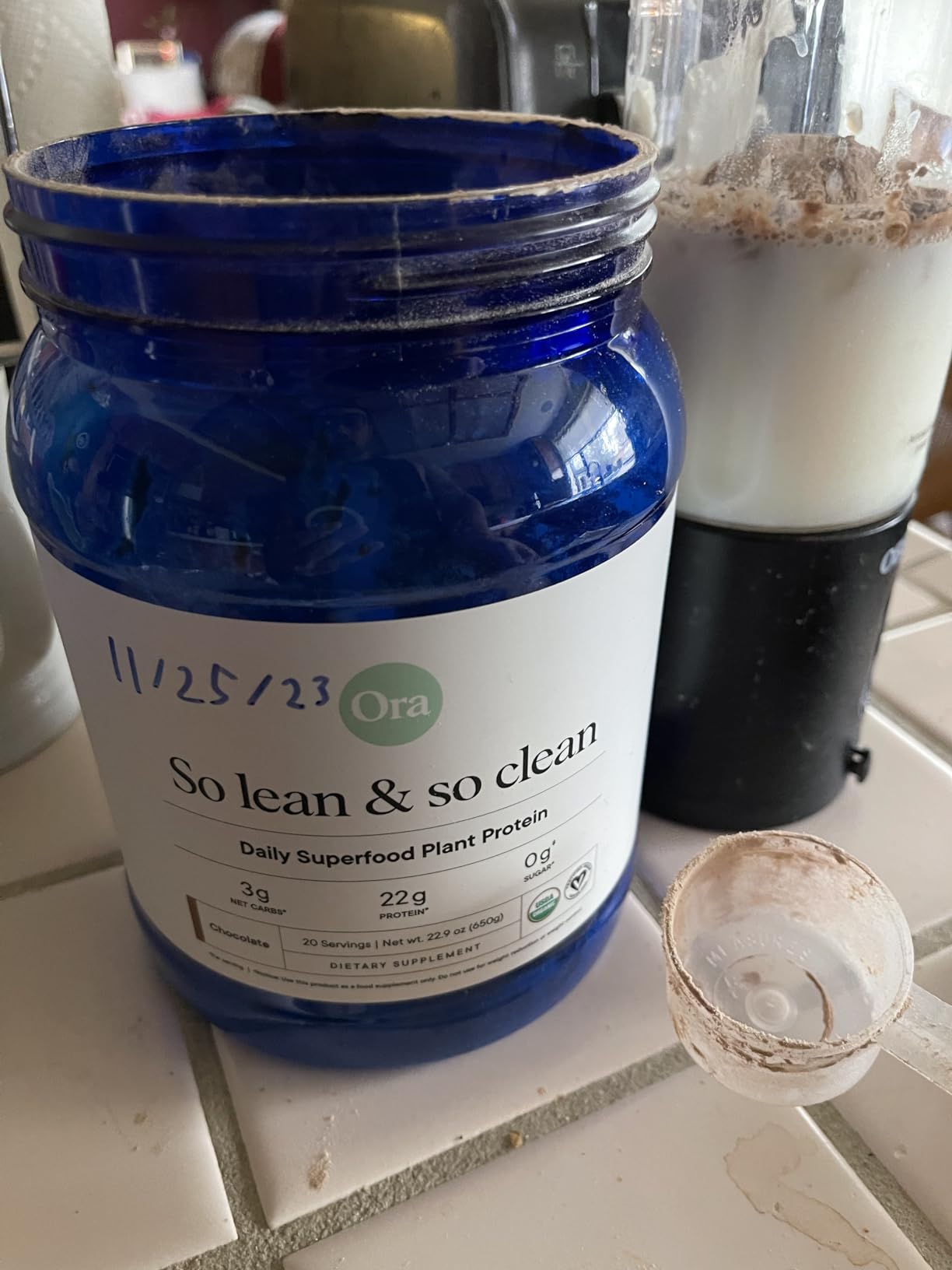
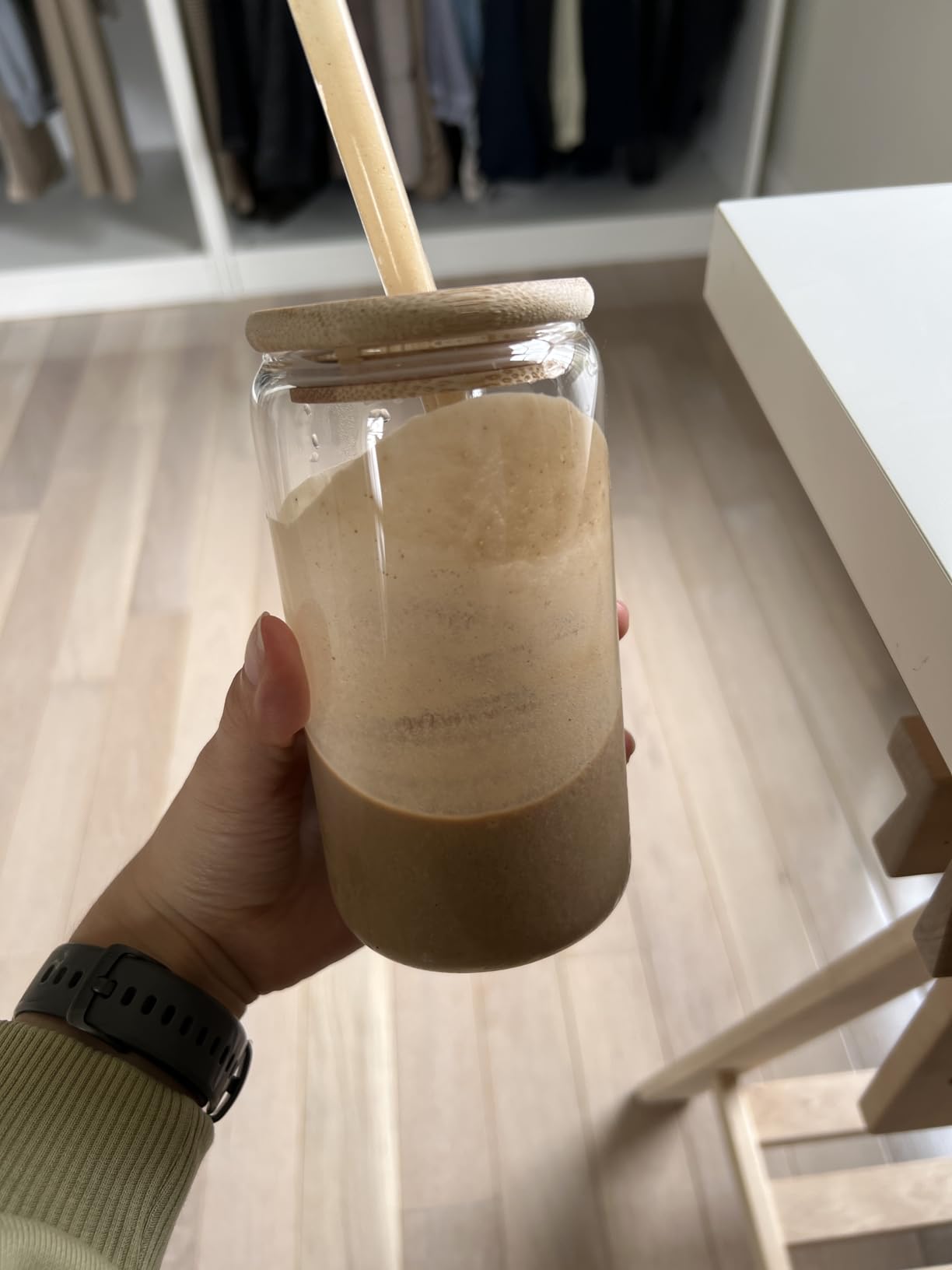
I found the chocolate flavor to be on the milder side. If you are expecting a rich, decadent chocolate shake, you might be disappointed. However, the subtlety could actually be an advantage for women dealing with food aversions or nausea that makes strong flavors intolerable. Mixed with banana and peanut butter, the flavor profile improves significantly.
The price is on the premium side at roughly 2.22 dollars per serving, and some long-term users noted a 25 percent price increase recently. The new packaging has also received complaints about being difficult to open and overly loud. These are minor issues, but worth noting if you are sensitive to packaging annoyances.
Who Should Choose This
Ora Organic is the best choice for pregnant women with particularly sensitive stomachs who have experienced bloating or discomfort from other protein powders. The bloat-free formula and digestive enzymes make it stand out.
Superfood Blend Benefits
The 18 superfoods in Ora Organic include anti-inflammatory ingredients like turmeric and antioxidant-rich fruits like acai and pomegranate. These can support immune health during pregnancy when your immune system is naturally modulated.
11. Pink Stork Protein Powder – Best High-Fiber Option

Pink Stork Protein Powder for Women, 20g Vanilla Plant-Based, 15 Scoops
20g plant protein
11g dietary fiber
Superfood blend
Electrolytes
Vanilla
Pregnancy friendly
15 servings
Pros
- 11g fiber per serving for digestive health
- Superfood blend with spirulina kale and spinach
- Electrolytes for hydration support
- Stevia-free sweetened with monk fruit
- Women-owned brand and cGMP certified
Cons
- Chalky texture reported by multiple users
- Flavor is butterscotch not vanilla
- Does not dissolve well in water
- High fiber can cause digestive discomfort for some
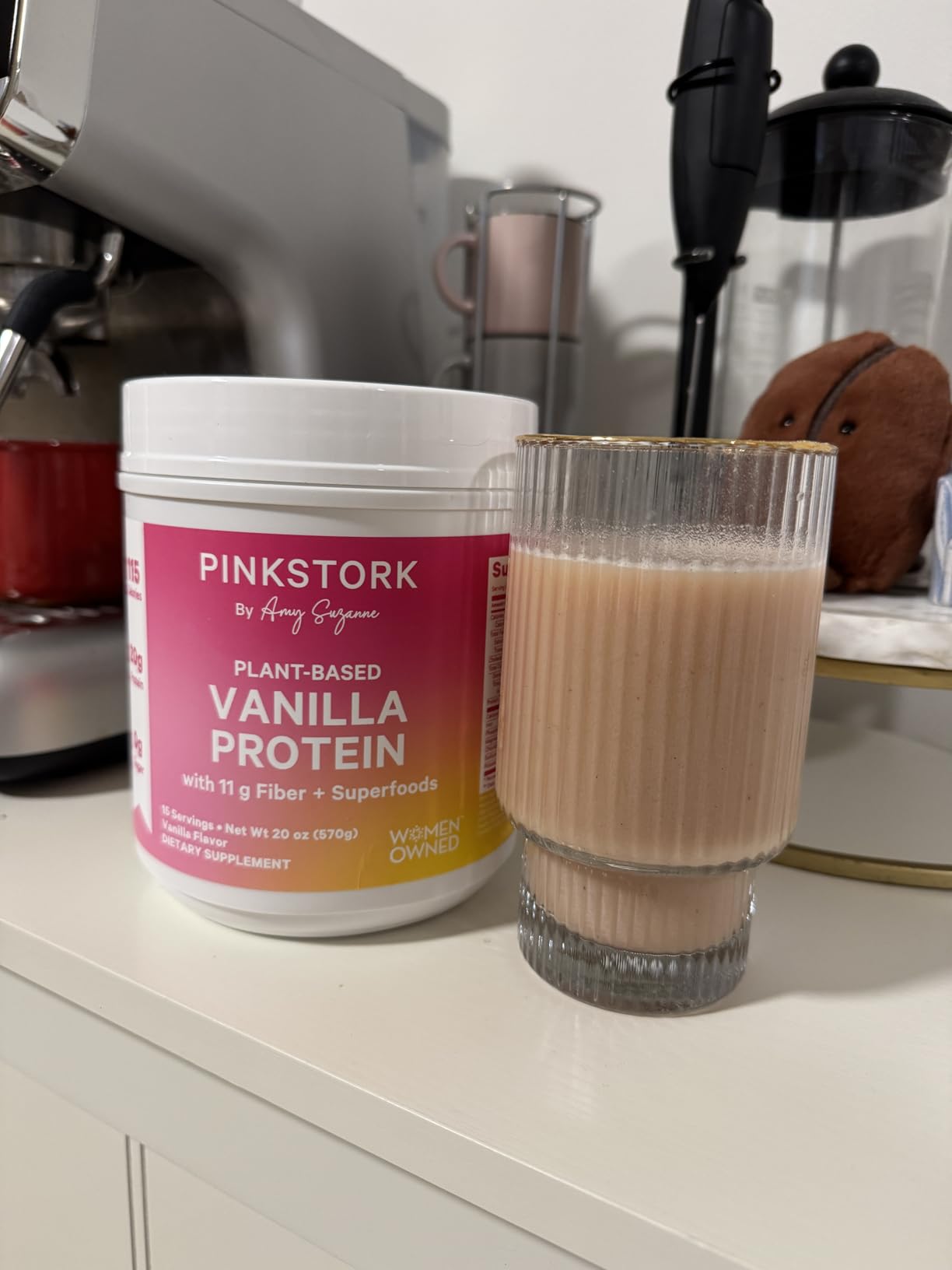
Pink Stork Protein Powder for Women is designed specifically with women’s health in mind, and it is pregnancy and breastfeeding friendly. The standout feature is the 11 grams of dietary fiber per serving, which is significantly higher than any other product on this list. For pregnant women dealing with constipation, that fiber content could be a game-changer.
The protein blend includes pea, brown rice, and soy isolates for a total of 20 grams per serving. The added superfood blend with spirulina, kale, and spinach provides micronutrients, and the electrolyte blend of potassium, sodium, and magnesium supports hydration. It is sweetened with monk fruit and is stevia-free.
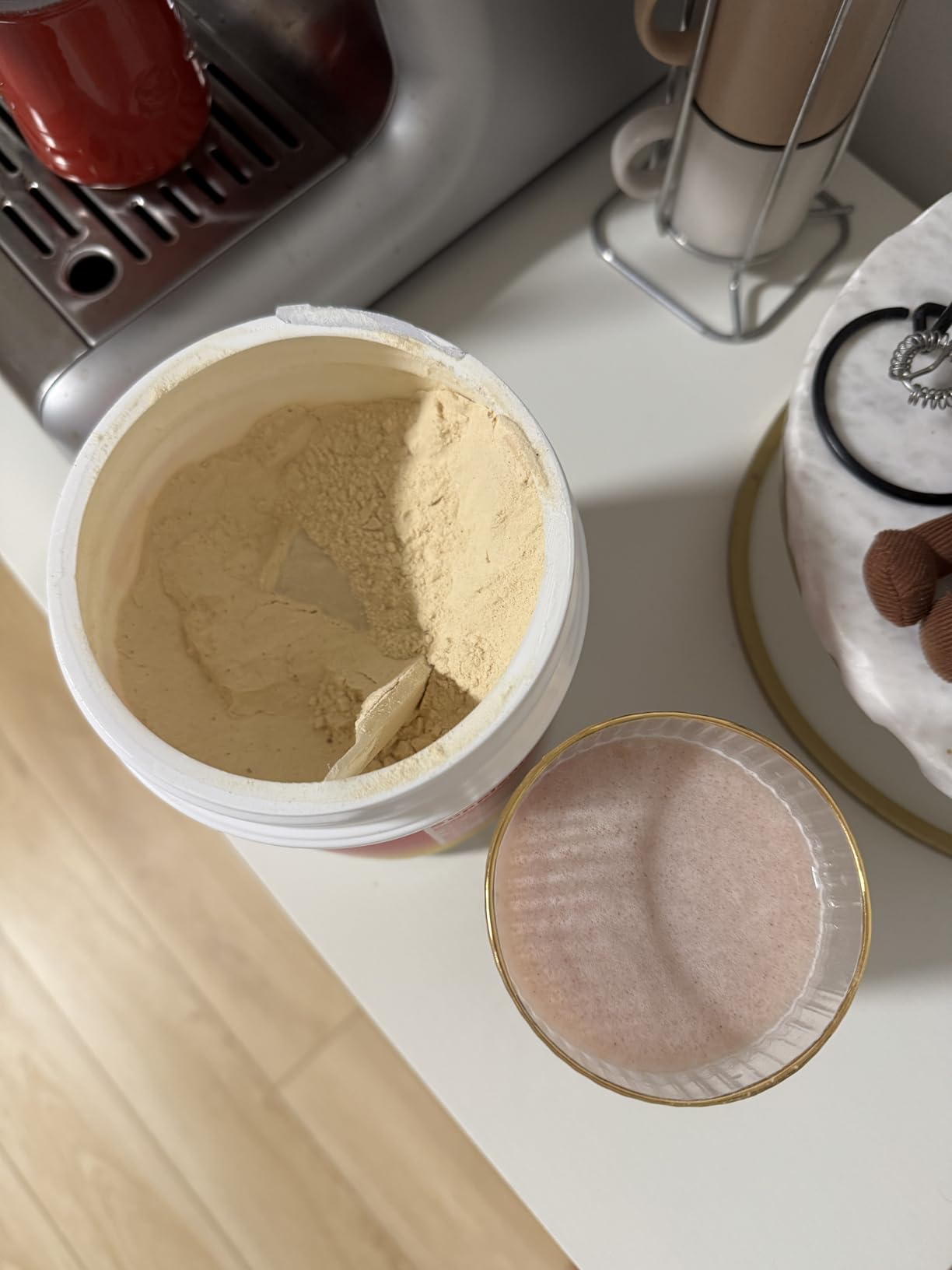
However, I need to be honest about the texture and taste. Multiple reviewers, and my own testing, confirmed that Pink Stork has a noticeably chalky texture that does not dissolve well in water or milk alone. The flavor is described more as butterscotch or caramel than vanilla, which could be a pleasant surprise or a disappointment depending on your expectations.
The high fiber content is a double-edged sword. While it helps with constipation, it can also cause gas and bloating if your body is not used to that much fiber at once. I recommend starting with a half serving to assess your tolerance. At roughly 3.07 dollars per serving for 15 servings, it is on the pricier side too.
Who Should Choose This
Pink Stork is worth considering if constipation is a major issue during your pregnancy and you want the fiber boost alongside protein. The women-owned brand angle and clean formulation are also appealing. However, be prepared for the texture challenges.
Fiber Tolerance and Gradual Introduction
If you are not currently consuming high amounts of fiber, start with half a serving of Pink Stork mixed into a smoothie rather than a standalone shake. This helps your digestive system adjust without causing uncomfortable gas or bloating.
12. Milk Dust Lactation Protein – Best Postpartum and Lactation

Milk Dust Lactation Protein Powder, Vegan, Boosts Milk Supply, Vanilla
16g vegan pea protein
Lactation herbs
Folic acid and iron
Vanilla cinnamon
22 servings
Postpartum support
Pros
- Specifically formulated for breastfeeding and postpartum moms
- Supports milk supply with lactation herbs
- Includes folic acid biotin and iron
- Dairy-free soy-free and GMO-free
- Blends creamy with water alone
Cons
- Very sweet vanilla cinnamon flavor
- Contains cane sugar
- Can cause gas and bloating for some
- Green color of powder is unappealing
Milk Dust Lactation Protein Powder has been around since 2019 and has accumulated over 2,500 reviews from nursing mothers. While primarily designed for breastfeeding support, it is also suitable for late pregnancy and the postpartum period. The 16 grams of vegan pea protein provides a solid base, though it is the lowest protein count on this list.
The real value of Milk Dust is in the targeted lactation support formula. It includes lactation-supporting herbs alongside essential nutrients like folic acid, biotin, and iron that remain important throughout pregnancy and postpartum. The superfood blend of chia seeds, pumpkin seeds, and flax seeds adds omega-3s and fiber.
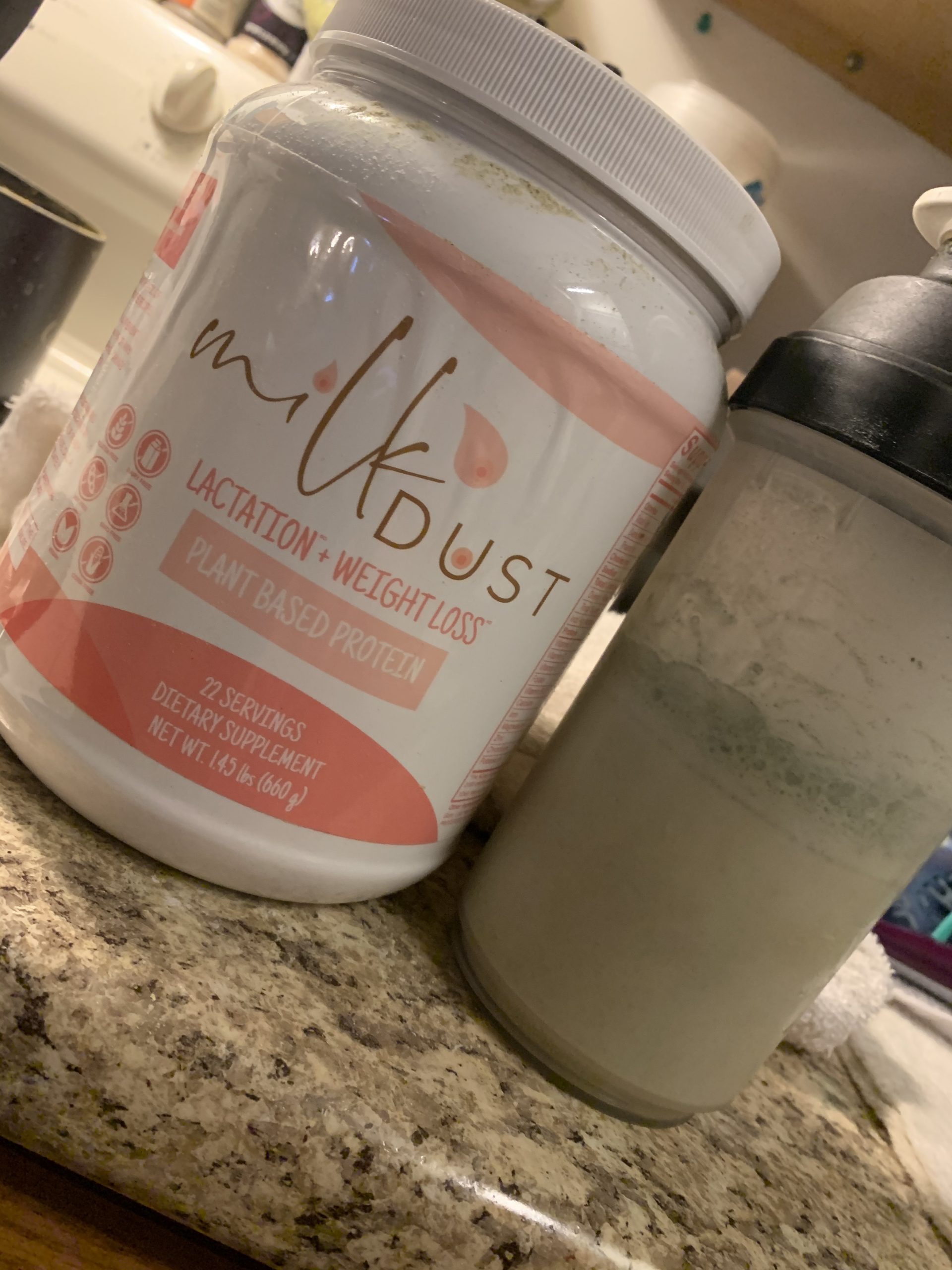
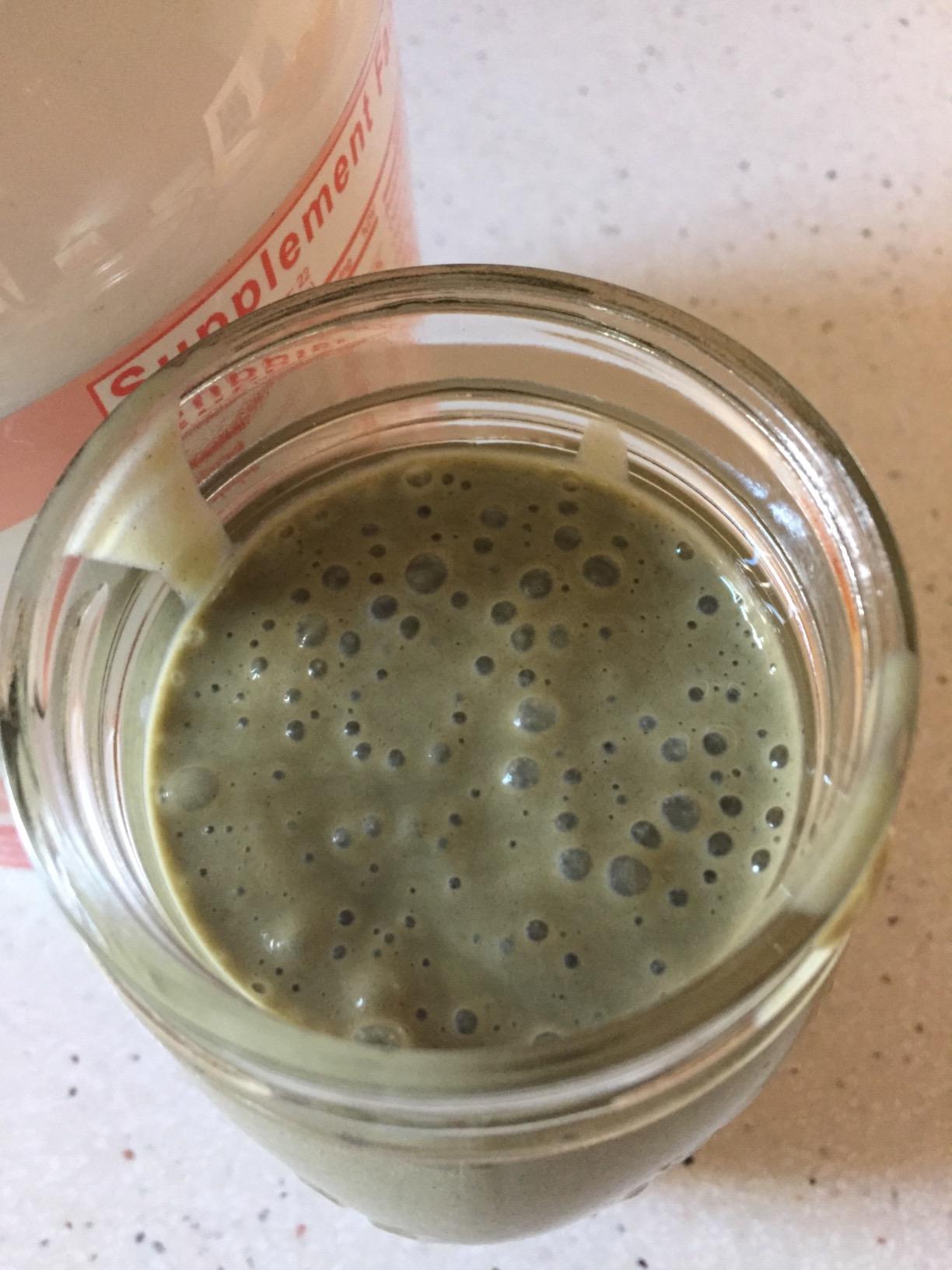
I need to be upfront about the taste. The vanilla cinnamon flavor is very sweet, and the powder contains cane sugar, which is unusual for protein powders in this category. Some women love the sweetness, while others find it cloying or even nauseating, especially during pregnancy when taste preferences are heightened. The green color of the powder also threw me off initially.
On the plus side, Milk Dust blends creamier than most plant-based powders when mixed with plain water. Many reviewers praised this quality since it means you do not always need a blender. The lactation benefits are well-documented across hundreds of reviews from moms who saw measurable increases in milk supply.
Who Should Choose This
Milk Dust is best positioned for women in late pregnancy or the postpartum period who are planning to breastfeed. The lactation herbs and targeted nutrient profile make it unique. However, the added sugar and lower protein content may not suit everyone.
Sugar Content Awareness
Unlike most products on this list, Milk Dust contains cane sugar. If you are managing gestational diabetes or prefer zero-sugar protein powders, this is important to know. The protein per serving is also lower at 16 grams compared to the 19 to 25 grams offered by other products here.
How to Choose the Best Protein Powder During Pregnancy
Choosing the right pregnancy-safe protein powder comes down to understanding your specific needs, dietary restrictions, and which trimester you are in. Here is what our team learned from three months of testing and researching this category.
Protein Needs by Trimester
Your protein requirements increase as pregnancy progresses. In the first trimester, your baseline needs are roughly 71 grams per day, though many women struggle to meet even basic intake due to nausea and food aversions. By the second trimester, aim for 71 to 80 grams daily. In the third trimester, when fetal growth accelerates dramatically, target 80 to 100 grams per day depending on your weight and activity level.
The American College of Obstetricians and Gynecologists recommends that pregnant women consume 71 grams of protein daily at minimum. Active women, those carrying multiples, or women with higher body weights may need more. A protein powder serving typically provides 16 to 25 grams, which can fill a meaningful gap when whole food intake falls short.
What to Look For in Pregnancy-Safe Protein Powder
Third-party testing is the single most important factor. Look for NSF Certified, Clean Label Project certified, or Informed Sport Certified products. These certifications mean an independent organization has verified the product is free from heavy metals like lead, arsenic, cadmium, and mercury, which are a real concern in protein powders since plants can absorb contaminants from soil.
Ingredient simplicity matters too. The best protein powders for pregnancy have short ingredient lists you can actually pronounce. Avoid products with proprietary blends, artificial sweeteners like sucralose or aspartame, and added caffeine. Stevia and monk fruit are generally considered safe during pregnancy, but some women experience digestive sensitivity to stevia specifically.
Protein source is another consideration. Whey protein provides a complete amino acid profile and absorbs quickly, making it ideal for post-workout recovery. Plant-based proteins like pea and rice are suitable for vegan pregnancies and tend to be easier on digestion for some women. Collagen protein supports skin elasticity and joint health but is not a complete protein on its own.
Ingredients to Avoid During Pregnancy
Several ingredients commonly found in protein powders should be avoided during pregnancy. Artificial sweeteners like sucralose, aspartame, and saccharin remain controversial, and many healthcare providers recommend limiting them. High doses of caffeine, sometimes included in fitness-oriented protein powders, should be limited to under 200 milligrams per day during pregnancy.
Adaptogens and herbal additives are another red flag. Ingredients like ashwagandha, maca, guarana, and high-dose green tea extract have not been adequately studied for pregnancy safety. Some protein powders include added vitamins and minerals that could interact with your prenatal vitamin, potentially leading to excessive intake of certain nutrients like vitamin A.
Avoid protein powders that contain added amino acid supplements like beta-alanine, creatine in high doses, or BCAAs in supplement form beyond what naturally occurs in protein. These are fitness supplements designed for athletes, not pregnant women. Stick to products with clean, simple ingredient lists.
First Trimester Protein Strategies
The first trimester is the hardest time to meet protein needs. Nausea, food aversions, and exhaustion can make the thought of cooking or eating protein-rich foods overwhelming. Unflavored collagen peptides, like FullWell, are particularly helpful here because they add protein to any food or drink without changing the taste or smell.
Temperature matters too. Cold protein shakes are often better tolerated than warm ones when nausea is active. Try blending your protein powder with ice, frozen fruit, and ginger, which has natural anti-nausea properties. Small, frequent servings throughout the day are easier on a sensitive stomach than one large shake.
One Reddit user at week seven shared that they were struggling with just two eggs and one cup of Greek yogurt daily. For women in similar situations, a single protein shake can add 20 grams of protein in a form that is much easier to consume than solid food when aversions are at their peak.
Third-Party Certifications Explained
NSF International certification means the product has been tested by an independent lab to verify it contains exactly what the label claims, without harmful levels of contaminants. NSF Certified for Sport goes further, testing for over 250 substances banned by athletic organizations. This level of testing is excellent for pregnancy safety.
The Clean Label Project is a nonprofit that tests protein powders specifically for heavy metals, plasticizers, and other contaminants. Their Clean Sixteen list highlights the cleanest products tested. If a powder is on the Clean Sixteen list, it has passed some of the most rigorous contaminant screening available.
Informed Sport and Informed Protein are additional third-party verification programs. While originally designed for athletes, the same contamination testing that protects athletes from accidentally consuming banned substances also protects pregnant women from heavy metals and other contaminants. Ritual carries both of these certifications.
When and How to Use Protein Powder During Pregnancy
Timing your protein intake can maximize benefits and minimize digestive discomfort. Many women find that a protein shake with breakfast helps stabilize blood sugar throughout the morning, which can reduce nausea. A mid-afternoon protein shake can combat the energy crash that many pregnant women experience between 2 and 4 PM.
Post-workout, protein powder within 30 minutes of exercise supports muscle maintenance, which matters because pregnancy places increasing demand on your musculoskeletal system. Before bed, a small protein serving can support overnight tissue repair and help stabilize morning blood sugar.
Avoid using protein powder as a complete meal replacement during pregnancy unless specifically formulated for that purpose, like Boobie Body. Whole foods provide fiber, vitamins, minerals, and phytonutrients that no powder can fully replicate. Use protein powder as a supplement to fill gaps, not replace meals entirely.
FAQs
What is the best protein powder to take while pregnant?
The best protein powder to take while pregnant depends on your dietary needs and trimester. For most pregnant women, we recommend Ritual Prenatal Vegan Protein Powder as our top overall pick due to its third-party testing certifications and added choline for fetal brain development. For collagen support, FullWell Unflavored Collagen Peptides is ideal. Always consult your OB-GYN before starting any supplement during pregnancy.
Can you have protein powders when pregnant?
Yes, some protein powders are safe during pregnancy, but not all. The FDA does not regulate dietary supplements as strictly as medications, so it is critical to choose pregnancy-safe protein powders with third-party testing certifications like NSF, Clean Label Project, or Informed Sport. Avoid powders with artificial sweeteners, added caffeine, adaptogens, and proprietary blends. Always consult your healthcare provider first.
How much protein do I need during pregnancy?
The American College of Obstetricians and Gynecologists recommends at least 71 grams of protein per day during pregnancy. In the third trimester, needs may increase to 80 to 100 grams daily depending on body weight and activity level. A single serving of protein powder typically provides 16 to 25 grams, which can help fill the gap when whole food intake is insufficient.
Is whey protein safe during pregnancy?
Whey protein is generally considered safe during pregnancy when it comes from a clean, third-party tested source. It provides a complete amino acid profile and absorbs efficiently. However, avoid whey products with added supplements like creatine, BCAAs, or caffeine. Choose plain or lightly sweetened whey protein with minimal ingredients, and confirm with your healthcare provider that it fits your pregnancy nutrition plan.
What ingredients should I avoid in pregnancy protein powder?
Avoid artificial sweeteners like sucralose and aspartame, high doses of caffeine, adaptogens like ashwagandha and maca, guarana, proprietary blends, and excessive added vitamins that could interact with your prenatal. Also avoid protein powders that lack third-party testing, as they may contain heavy metals like lead, arsenic, cadmium, or mercury absorbed from soil during plant cultivation.
When is the best time to take protein powder during pregnancy?
The best time to take protein powder during pregnancy depends on your needs. With breakfast, it helps stabilize morning blood sugar and reduce nausea. As a mid-afternoon snack, it combats energy dips. Post-workout, it supports muscle maintenance. Before bed, it aids overnight tissue repair. Spread your protein intake throughout the day rather than consuming it all at once for optimal absorption.
Final Thoughts on the Best Protein Powders for Pregnancy
Finding the best protein powders for pregnancy does not have to be complicated if you focus on three things: third-party testing, clean ingredient lists, and your personal taste and digestive preferences. Our top recommendation is Ritual Prenatal Vegan Protein for its unmatched testing certifications and pregnancy-specific formulation with choline. For budget-conscious moms, EarthChimp delivers exceptional quality at a fraction of the cost. And for first trimester nausea, FullWell unflavored collagen is a lifesaver.
Remember that protein powder is a supplement, not a replacement for whole food protein sources. Use it strategically to fill gaps in your diet, and always check with your OB-GYN or midwife before starting any new supplement during pregnancy. Every product on this list has been tested for quality, but your healthcare provider knows what is best for your unique pregnancy.