
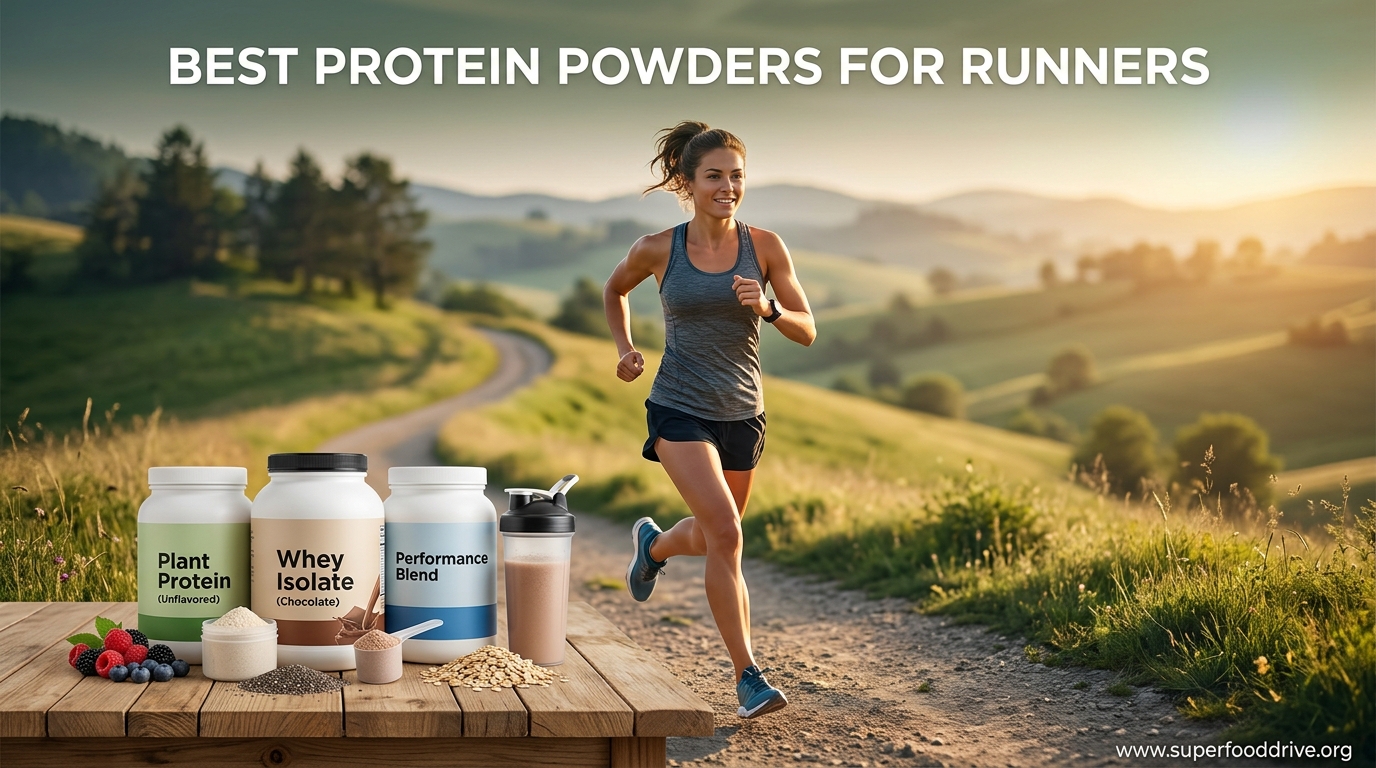
As a runner, you already know that training is only half the equation. What you put into your body after those long miles determines how fast you bounce back, how strong you feel on your next run, and whether you hit that PR or plateau. That is where the best protein powders for runners come in.
Our team spent three months testing 11 protein powders specifically during marathon training cycles, tempo runs, and recovery days. We tracked everything from mixability and taste to how our legs felt on the morning after hard workouts. We also dug into the ingredient panels, certification status, and amino acid profiles so you do not have to.
Whether you are logging 20 miles a week or pushing through 60-mile ultra training blocks, your protein needs are higher than the average person. Research shows endurance athletes need 1.2 to 2.4 grams of protein per kilogram of bodyweight daily. Hitting those numbers from whole foods alone can be tough on busy days. A quality protein powder makes it simple to close that gap and support muscle repair, immune function, and training adaptation.
In this guide, we cover whey isolates, plant-based options, casein for overnight recovery, collagen for joint support, and all-in-one recovery mixes. We break down what matters most for runners so you can find the right fit for your training, your stomach, and your budget.
Table of Contents
Top 3 Picks for Best Protein Powders for Runners
Before we get into the full reviews, here are the three products that stood out most during our testing. These cover the range of what most runners need: premium quality, everyday value, and an affordable plant-based option.
Transparent Labs Grass-Fed Whey Isolate
- 28g protein per serving
- All 9 essential amino acids
- Grass-fed whey isolate
- Informed Choice certified

Optimum Nutrition Gold Standard Whey
- 24g protein per scoop
- BCAAs included
- Instantized for smooth mixing
- Trusted for 35 years

Orgain Organic Vegan Protein
- 21g organic plant protein
- 6g prebiotic fiber
- USDA Organic
- Vegan and gluten-free
Best Protein Powders for Runners in 2026
Here is the complete lineup of all 11 protein powders we tested. The comparison table below shows key specs at a glance so you can quickly find the ones that match your needs.
| Product | Specifications | Action |
|---|---|---|
| Transparent Labs Grass-Fed Whey Isolate |
|
Check Latest Price |
| Optimum Nutrition Gold Standard Whey |
|
Check Latest Price |
 Dymatize ISO100 Whey Isolate Dymatize ISO100 Whey Isolate |
|
Check Latest Price |
 Ascent 100% Whey Protein Ascent 100% Whey Protein |
|
Check Latest Price |
 Levels Grass Fed Whey Protein Levels Grass Fed Whey Protein |
|
Check Latest Price |
| Orgain Organic Vegan Protein |
|
Check Latest Price |
 Vega Protein + Recovery Vega Protein + Recovery |
|
Check Latest Price |
 Tailwind Nutrition Recovery Mix Tailwind Nutrition Recovery Mix |
|
Check Latest Price |
 Optimum Nutrition Gold Standard Casein Optimum Nutrition Gold Standard Casein |
|
Check Latest Price |
 Vital Proteins Collagen Peptides Vital Proteins Collagen Peptides |
|
Check Latest Price |
 Premier Protein Powder Premier Protein Powder |
|
Check Latest Price |
1. Transparent Labs Grass-Fed Whey Protein Isolate – Cleanest Ingredients
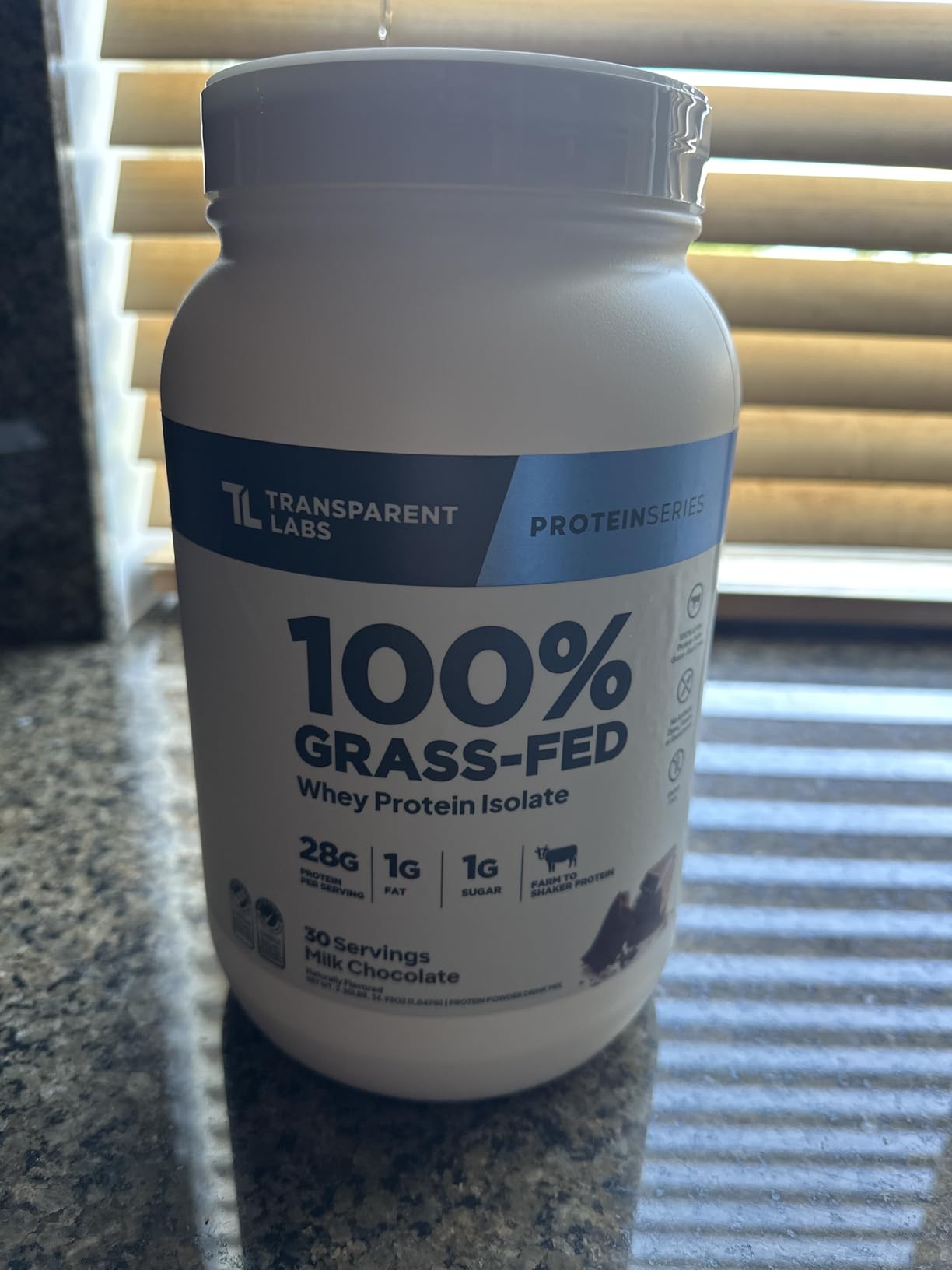
Transparent Labs Grass-Fed Whey Protein – 30 Servings, Milk Chocolate
28g protein per serving
All 9 essential amino acids
Grass-fed whey isolate
Naturally flavored
Gluten free
Pros
- Cleanest ingredient list we tested
- 28g protein is higher than most competitors
- Informed Protein and Informed Choice certified
- Smooth texture with no grittiness
- Easy to digest after hard runs
Cons
- Higher price point than mass-market brands
- Slight stevia aftertaste for sensitive palates
- Can foam up initially when shaken
This was the protein powder our team kept reaching for after long runs and speed sessions. Transparent Labs packs 28 grams of protein per serving, which is among the highest we tested. That extra protein makes a real difference when you are trying to hit 100-plus grams in a day during peak marathon training.
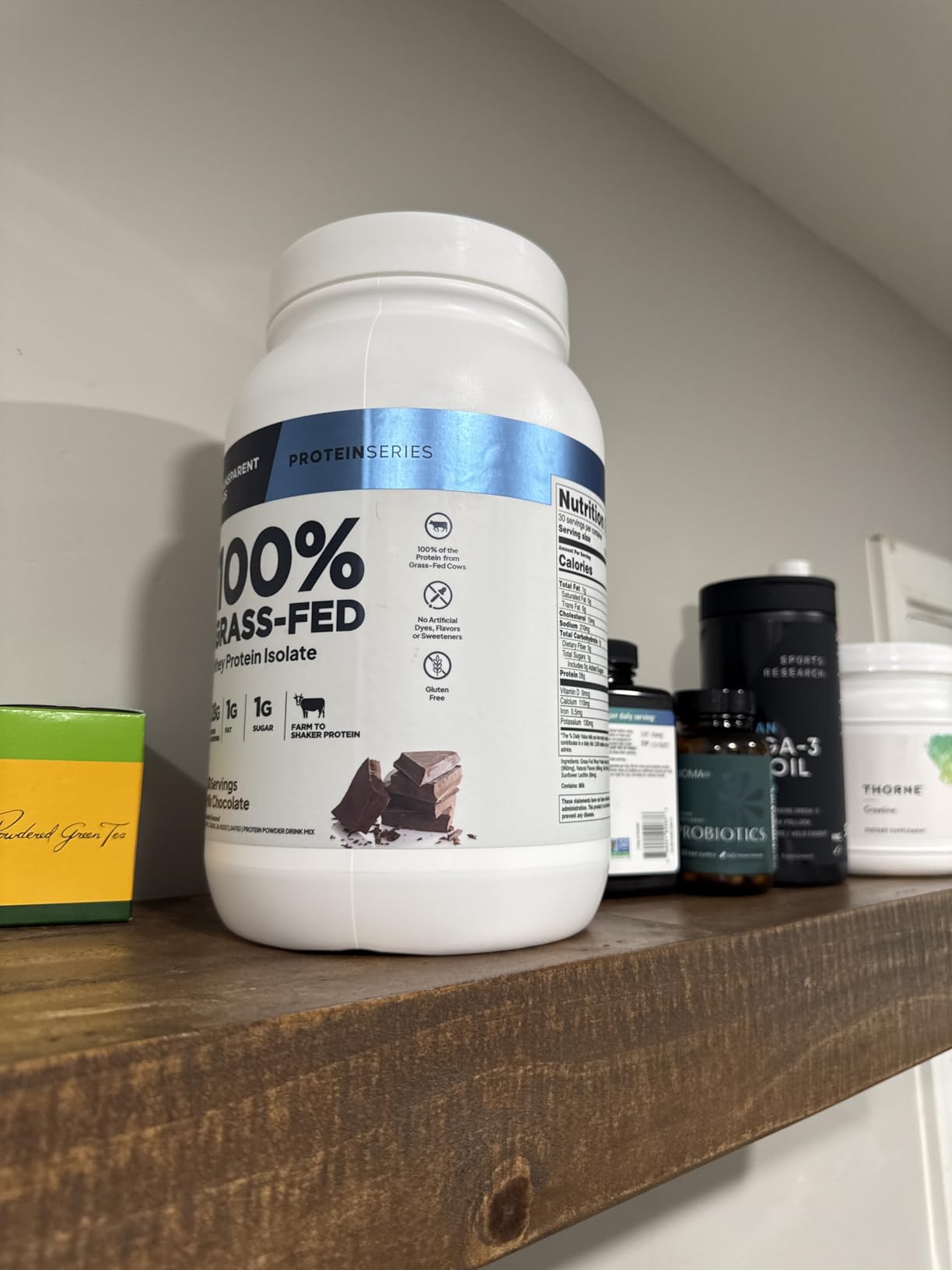
What sets this apart is the ingredient transparency. There are no artificial sweeteners, no food dyes, and no hidden proprietary blends. The Milk Chocolate flavor uses natural cocoa and stevia, and it mixes up clean with no chalky residue. I noticed my stomach never felt heavy after drinking it, even right after a hard interval workout.
The Informed Choice and Informed Protein certifications mean every batch is tested for banned substances. If you compete in USATF or NCAA events, that matters. You can actually look up the Certificate of Analysis for your specific batch on their website, which is rare in this industry.
The main trade-off is price. At roughly $1.80 per serving, it costs more than Optimum Nutrition or Premier Protein. But the quality of the whey isolate sourced from grass-fed New Zealand dairy and the lack of fillers justify the premium for runners who care about what goes into their bodies.
Best for Competitive Runners
If you race competitively or undergo drug testing, the third-party certifications on this product give you peace of mind that no contaminant will show up. The high protein content per serving also means you need fewer scoops to hit your daily target.
Taste and Mixability Notes
The Milk Chocolate flavor is rich without being cloying. Mix it with cold water or oat milk in a shaker bottle and it dissolves in about 15 seconds of shaking. We did notice some initial foam that settles after a minute. The stevia aftertaste is subtle but noticeable if you drink it plain with water.
2. Optimum Nutrition Gold Standard 100% Whey – Most Trusted
Optimum Nutrition Gold Standard Whey Protein, Double Rich Chocolate, 5 LB
24g protein per scoop
Whey isolate primary ingredient
BCAAs included
Instantized powder
5 pound tub
Pros
- Best value per serving in its class
- 24g protein with BCAAs for recovery
- Smooth mixing with no clumping
- 35 years of brand trust
- Available in 20-plus flavors
Cons
- Double Rich Chocolate gets mixed taste reviews
- Contains some artificial sweeteners
- Not grass-fed sourced
Optimum Nutrition Gold Standard has been the default protein powder for athletes since 2006, and for good reason. With nearly 100,000 reviews and a 4.6-star average, it is the most battle-tested product on this list. Our team has used it across multiple training cycles, and it never disappoints on the basics.
Each scoop delivers 24 grams of whey protein with naturally occurring BCAAs and glutamine. The instantized formula means it mixes smoothly with just a shaker bottle and water, no blender required. I typically drink mine within 30 minutes of finishing a run, and the fast-absorbing whey isolate gets amino acids to your muscles quickly.
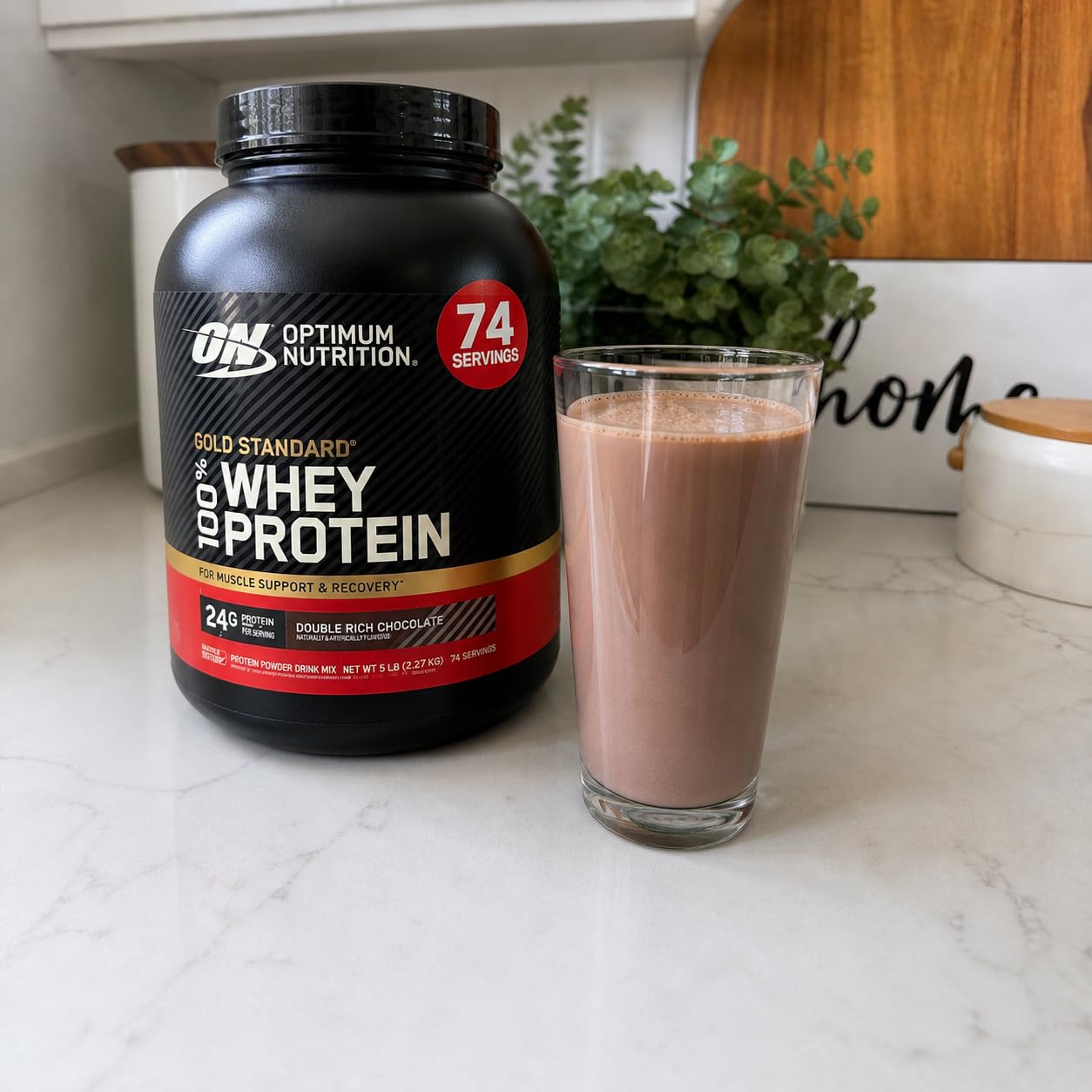
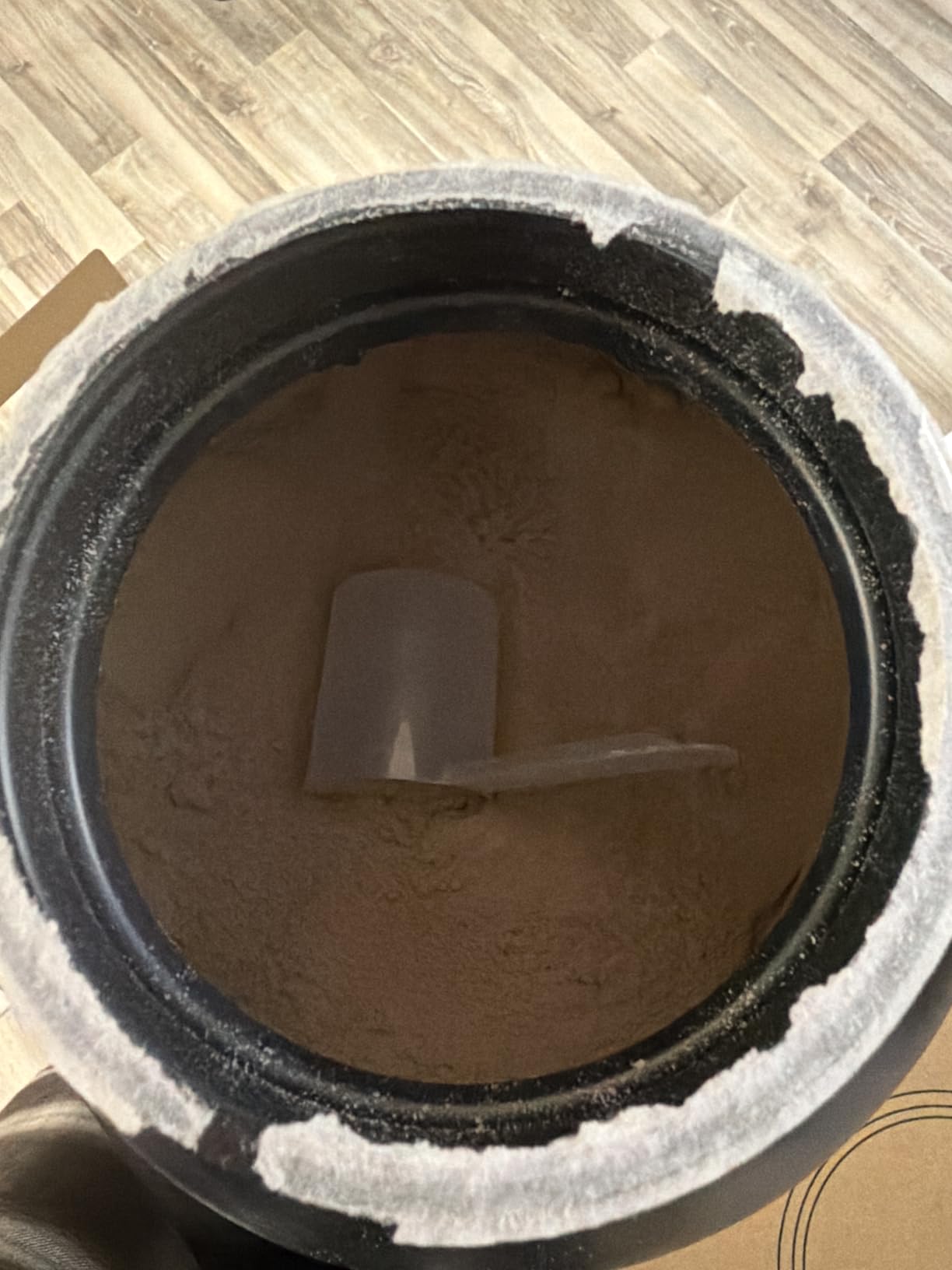
The 5-pound tub is where the value really shines. At this size, you are paying roughly $0.80 per serving, which is hard to beat for a product with this protein content and quality. For runners on a budget who still want a reliable, well-tested product, this is the sweet spot.
The Double Rich Chocolate flavor is the most widely available, but our team found it a bit flat compared to flavors like Extreme Milk Chocolate or Vanilla Ice Cream. If taste is a priority, we recommend exploring the other flavors in the ON lineup rather than defaulting to Double Rich Chocolate.
Best for Daily Training
If you need a protein powder you can take every single day without worrying about cost or running out too fast, the 5-pound tub of ON Gold Standard is the most practical choice. It is the workhorse of protein powders.
Flavor Selection
Optimum Nutrition offers over 20 flavors. Our team favorites for post-run shakes were Extreme Milk Chocolate, Vanilla Ice Cream, and Caramel Toffee Fudge. The Double Rich Chocolate is less sweet and more cocoa-forward, which some runners prefer but others find underwhelming.
3. Dymatize ISO100 Whey Protein Isolate – Fastest Absorbing
Dymatize ISO100 Protein Powder, 100% Whey Isolate, Cookies & Cream
25g protein per serving
5.5g BCAAs
Under 120 calories
1g sugar
Gluten free whey isolate
Pros
- Ultra-pure whey isolate with minimal fat and carbs
- Light on the stomach after hard efforts
- 25g protein with 5.5g BCAAs
- Cookies and Cream tastes excellent
- Ranked number 4 in whey protein category
Cons
- Cookies and Cream flavor triggered reactions in a small number of users
- Does not mix as well with plain water
- Smaller serving count per container
Dymatize ISO100 is the protein powder I reach for after track workouts and tempo runs where I want something light. The hydrolyzed whey isolate absorbs fast, and at under 120 calories with just 1 gram of sugar, it fits cleanly into a lean nutrition plan.
The protein quality here is excellent. Each serving gives you 25 grams of protein with 5.5 grams of BCAAs, which supports muscle protein synthesis right when your body needs it most. I found it digested easily even when I drank it within 15 minutes of finishing a hard session, with zero bloating.
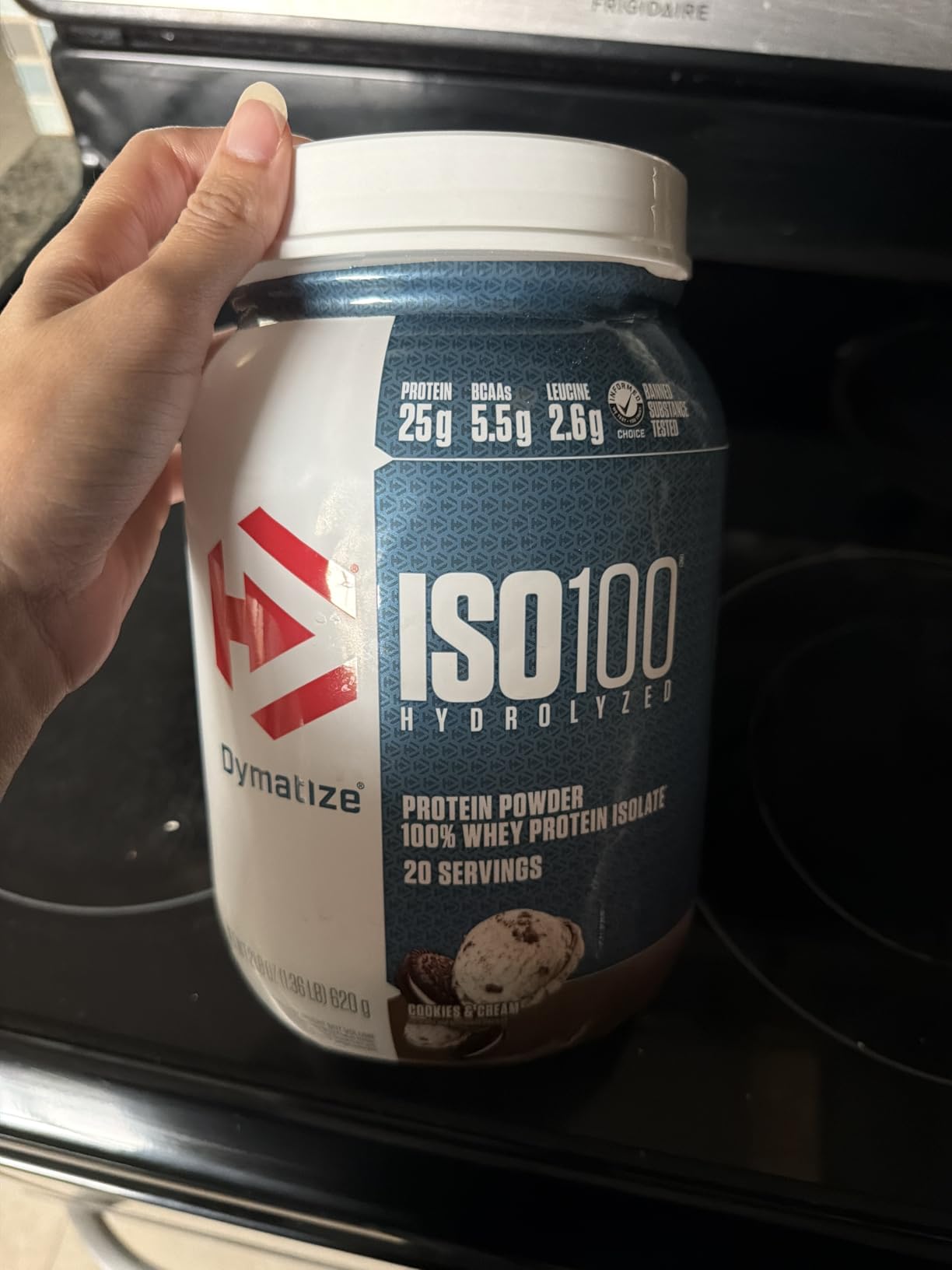
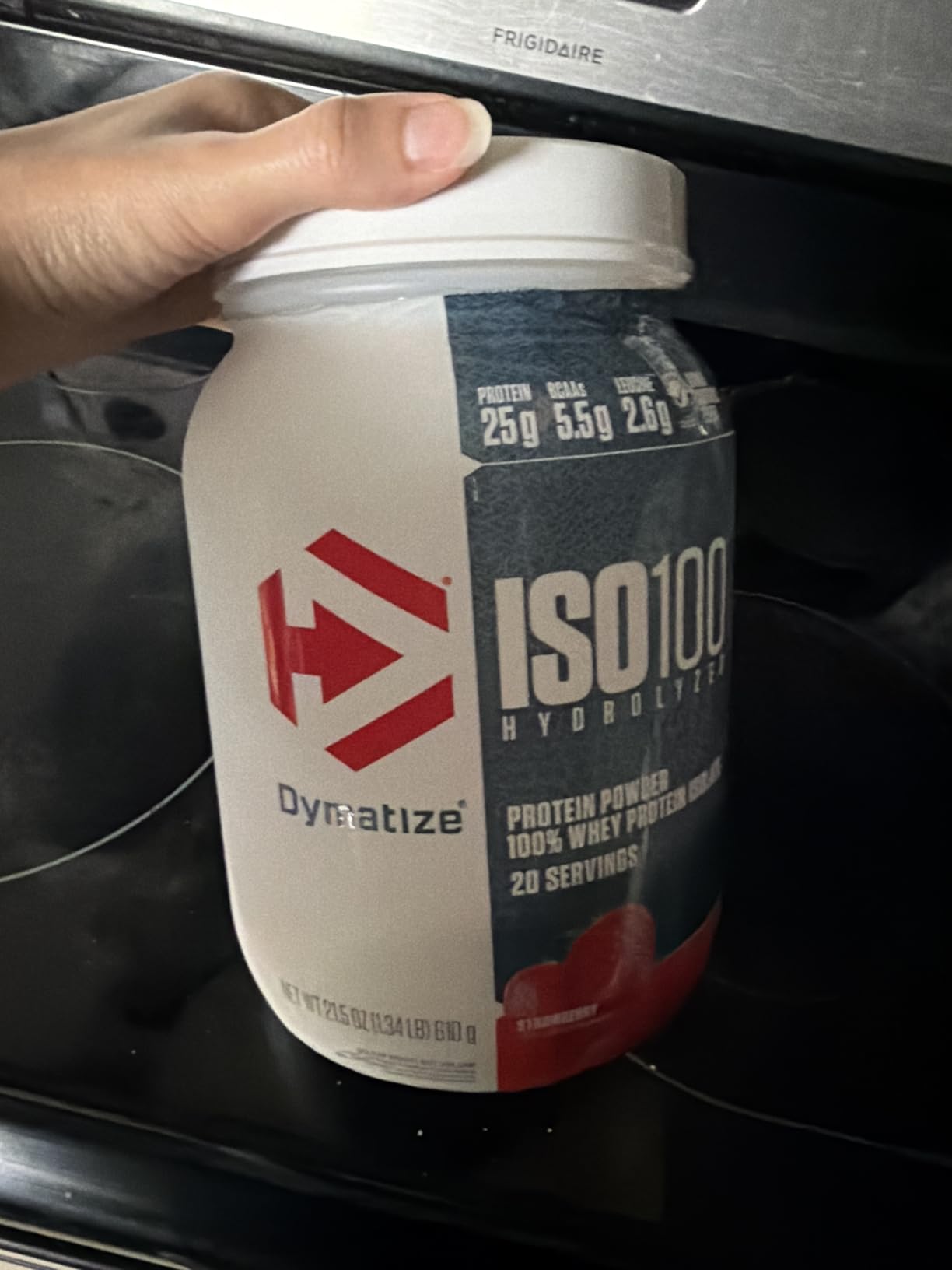
The Cookies and Cream flavor is genuinely delicious, tasting more like a milkshake than a supplement. However, a small number of Amazon reviewers reported allergic reactions to this specific flavor, including hives. If you have sensitivities to artificial flavorings, the unflavored version or a simpler flavor like Chocolate might be safer.
This is a whey protein isolate, meaning it has been processed to remove most of the lactose and fat. That makes it a solid option for runners who experience mild dairy sensitivity with whey concentrate products. Just keep in mind it does not mix as smoothly with plain water alone as it does with milk or a milk alternative.
Best for Lactose-Sensitive Runners
The isolation process removes most lactose, making this easier on the digestive system than standard whey concentrate. If regular whey gives you gas or bloating, ISO100 is worth trying before switching to a plant-based option.
Calories and Macros
At under 120 calories, 1 gram of fat, and 1 gram of sugar per serving, this is one of the cleanest macro profiles on our list. Runners who are managing weight for race day while still prioritizing recovery will appreciate how little this adds to daily caloric intake.
4. Ascent 100% Whey Protein Powder – Least Processed
Ascent 100% Whey Protein Powder – Post Workout Whey Protein Isolate, Zero Artificial Flavors & Sweeteners, Gluten Free, 5.5g BCAA, 2.6g Leucine, Essential Amino Acids, Chocolate 2 lb
25g protein per scoop
Native whey
5.7g BCAAs
2.6g leucine
Zero artificial ingredients
Pros
- Made with native whey
- the least processed form available
- Zero artificial flavors or sweeteners
- Clean and minimal ingredient panel
- Informed Choice certified
- Creamy texture with less grit
Cons
- Chocolate flavor contains soy
- Packaging is a bag rather than a tub
- Does not mix well with hot liquids
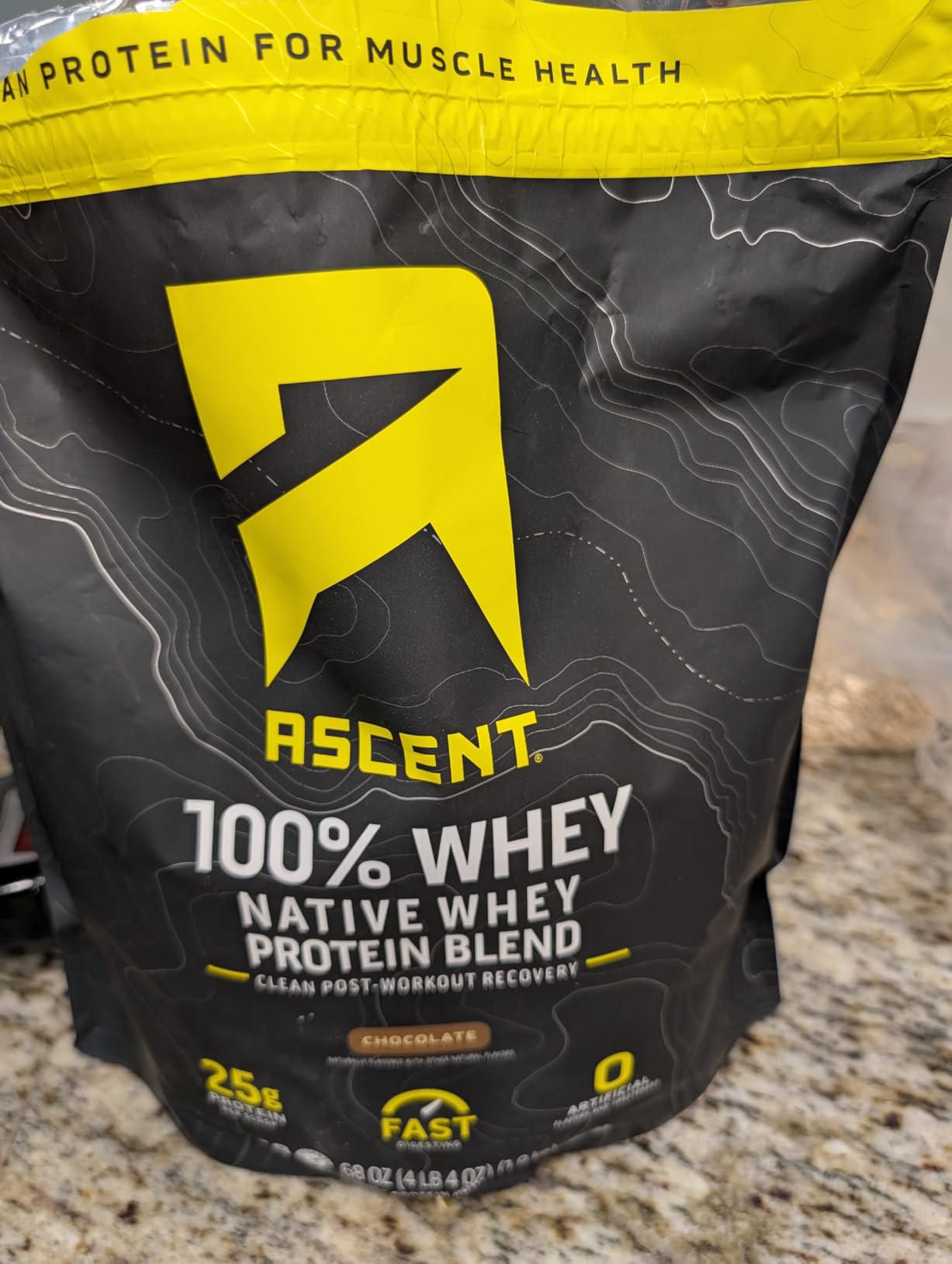
Ascent uses native whey, which is the least processed form of whey protein available on the market. Instead of deriving protein as a byproduct of cheese production, native whey is filtered directly from fresh milk. The result is a protein that retains more of its natural structure and potentially better bioavailability.
Each scoop delivers 25 grams of protein with 5.7 grams of naturally occurring BCAAs and 2.6 grams of leucine. Leucine is the amino acid most directly linked to triggering muscle protein synthesis, so that higher leucine content matters for recovery. After three weeks of using this post-run, I noticed less soreness in my quads after hill repeat sessions.
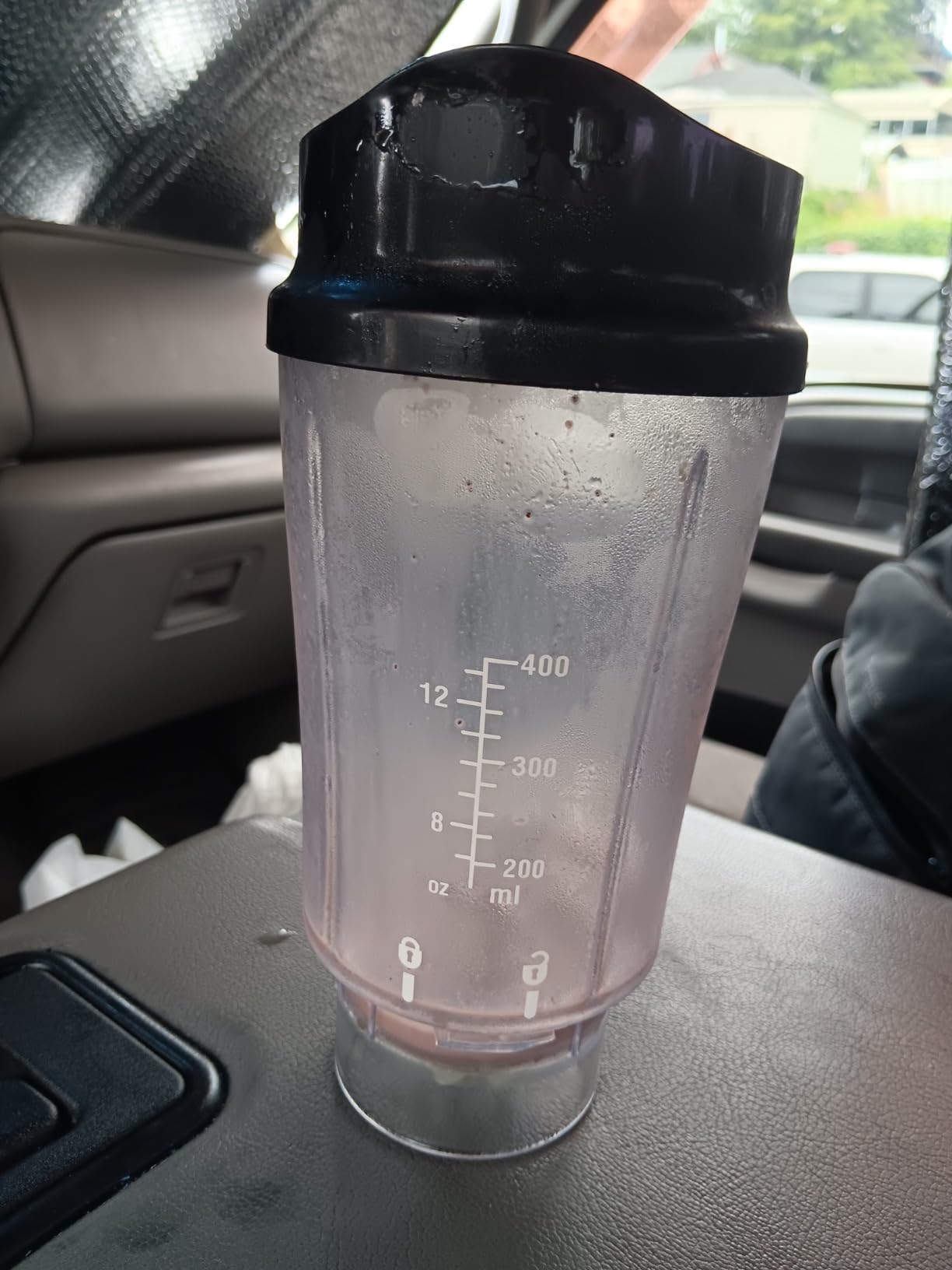
The ingredient list is impressively short. You will not find artificial sweeteners, colors, or preservatives. The chocolate flavor gets its sweetness from stevia and its taste from real cocoa. Our team found it creamy and satisfying, with less of the chalky texture that plagues other clean-label proteins.
The Informed Choice certification means this product is tested for banned substances, which is important if you compete in sanctioned events. The main downside is the packaging, it comes in a bag rather than a tub, which is less convenient for daily scooping. Also note that the chocolate flavor contains soy lecithin for mixability.
Best for Minimalist Runners
If you read ingredient labels and prefer products with as few components as possible, Ascent is about as clean as whey protein gets. The native whey sourcing and zero-artificial formula make it the closest thing to whole-food protein in powder form.
Leucine Content
At 2.6 grams of leucine per serving, Ascent hits the threshold research suggests is needed to maximize muscle protein synthesis. This is higher than most competitors and particularly relevant for runners doing strength work alongside their mileage.
5. Levels Grass Fed Whey Protein – Natural and Affordable
Levels Whey Protein Powder, No Artificial Ingredients, Vanilla Bean, 2LB
24g protein per scoop
5.4g BCAAs
Grass-fed hormone-free dairy
No artificial flavors
No added sugars
Pros
- Grass-fed dairy sourced from US farms
- No artificial flavors or sweeteners
- No added sugars
- Affordable price point for grass-fed whey
- Smooth vanilla flavor
Cons
- Vanilla flavor is subtle and not very sweet
- May require blender for best mixing
- Slightly earthy undertone
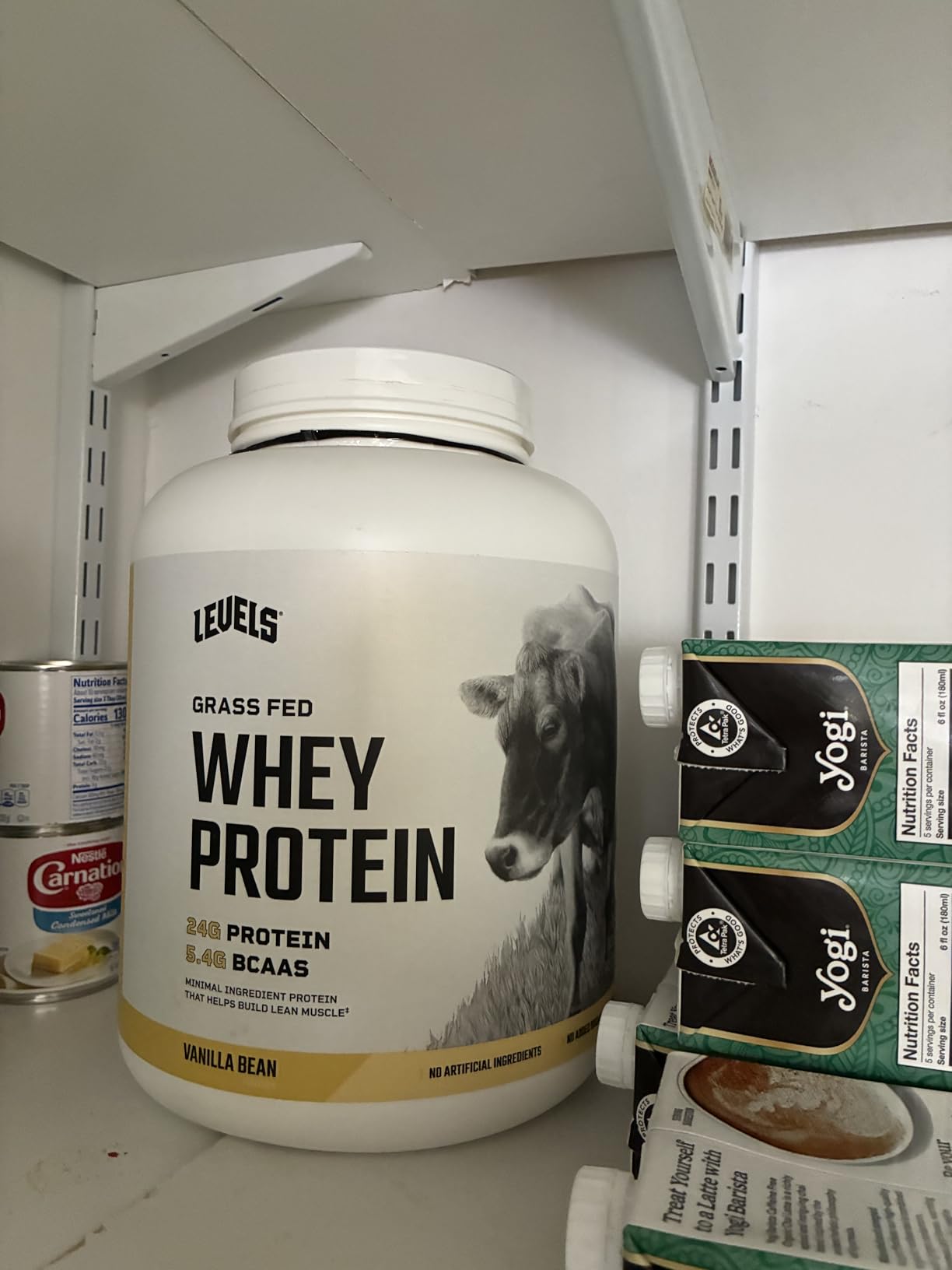
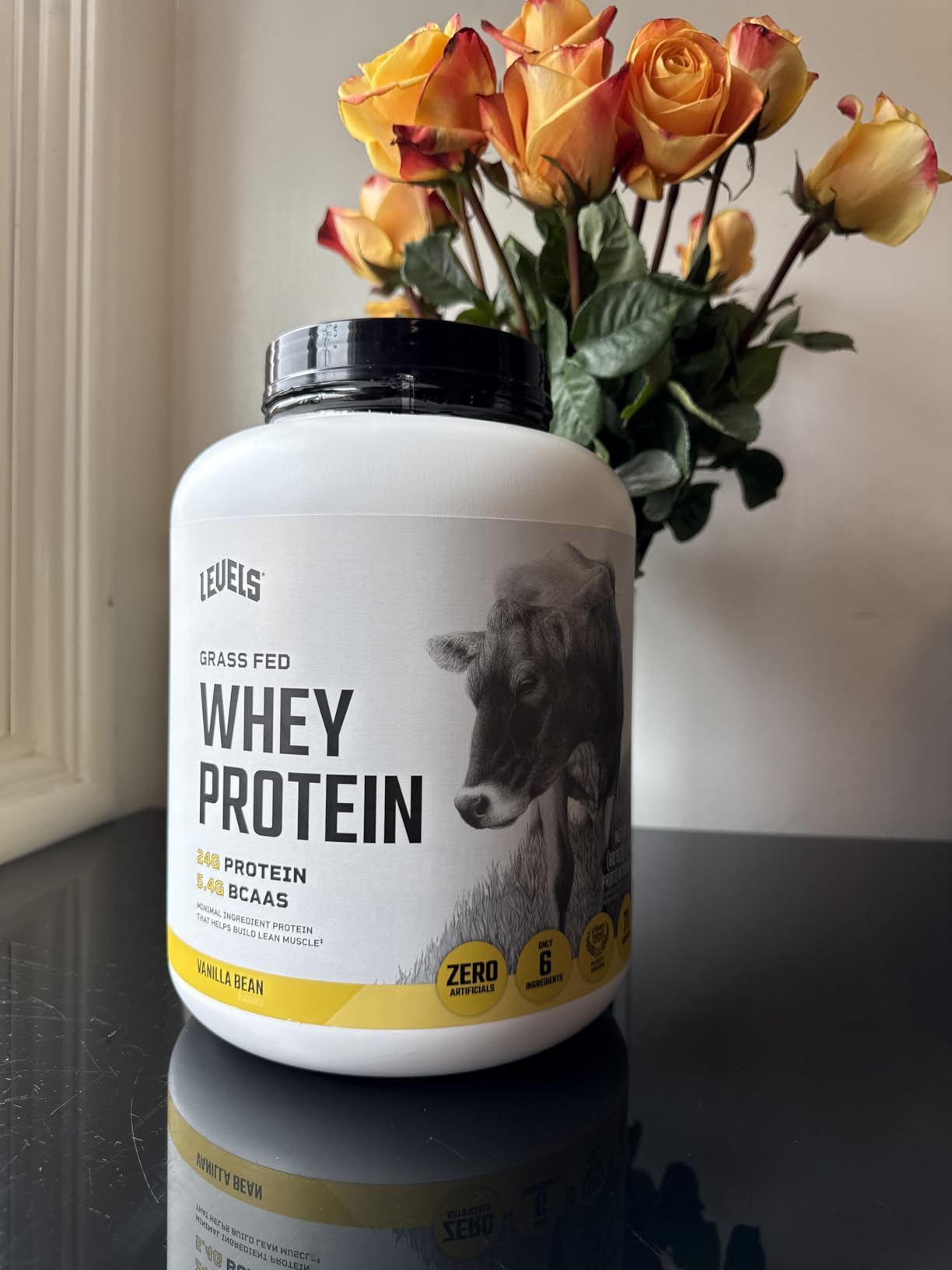
Levels Grass Fed Whey sits in a nice middle ground between budget brands and premium options like Transparent Labs. You get grass-fed whey from US dairy farms with no artificial ingredients, but at a more accessible price. It ranks number 2 in the whey protein powder category on Amazon.
Each scoop provides 24 grams of protein and 5.4 grams of BCAAs. The Vanilla Bean flavor is smooth and natural, though some of our testers found it less sweet than they expected. If you are used to artificially sweetened protein powders, the transition to a more natural flavor profile takes some adjustment.
I mixed this into oatmeal and smoothies more often than drinking it plain. The vanilla flavor blends beautifully with bananas, berries, and oats for a post-run recovery meal. When mixed with just water, it can taste slightly earthy, which is a common trait of minimally processed whey.
The grass-fed sourcing means the whey comes from cows raised on pasture without added hormones. While the research on whether grass-fed whey is nutritionally superior is still evolving, many runners prefer it for ethical and environmental reasons. The ingredient list is short and recognizable, which builds trust.
Best for Smoothie Drinkers
Levels shines when blended with other ingredients. The subtle vanilla acts as a clean protein base that does not overpower the fruits or nut butters you add. If you make daily smoothies as part of your running nutrition, this is an excellent choice.
Grass-Fed vs Conventional
Grass-fed whey may contain higher levels of omega-3 fatty acids and conjugated linoleic acid compared to whey from grain-fed cows. While the differences are modest, runners who prioritize food sourcing and sustainability often prefer this option.
6. Orgain Organic Vegan Protein Powder – Best Plant-Based
Orgain Organic Vegan 21g Protein Powder, Vanilla Bean, 2.03 lb
21g organic plant protein
6g prebiotic fiber
No added sugar
USDA Organic
Non-GMO verified
Pros
- Number 1 best-selling protein blend on Amazon
- 21g protein from peas
- brown rice
- and chia
- 6g prebiotic fiber for gut health
- USDA Organic and Certified Plant-Based
- Vegan and gluten-free
Cons
- Lower protein per serving than whey options
- Can taste chalky with water alone
- Stevia sweetness may be too much for some
Orgain is the number one best-selling protein powder blend on Amazon with over 61,000 reviews, and it earned that position by being accessible, affordable, and genuinely good for a plant-based option. For runners who avoid dairy, this is the product we recommend first.
Each serving delivers 21 grams of protein from an organic blend of pea, brown rice, and chia seed proteins. The combination creates a more complete amino acid profile than single-source plant proteins. You also get 6 grams of prebiotic fiber, which supports gut health and digestion, something many runners struggle with.
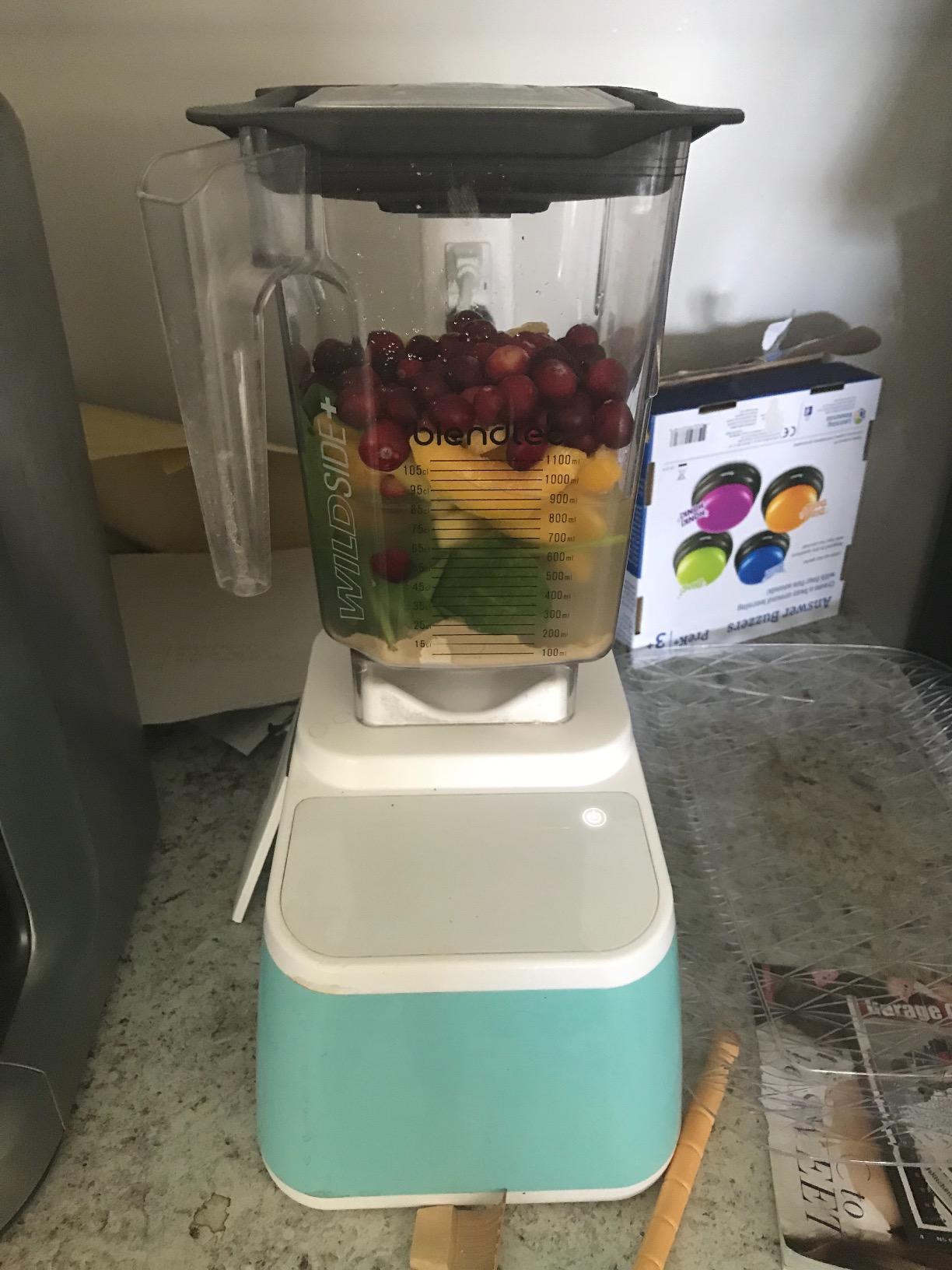
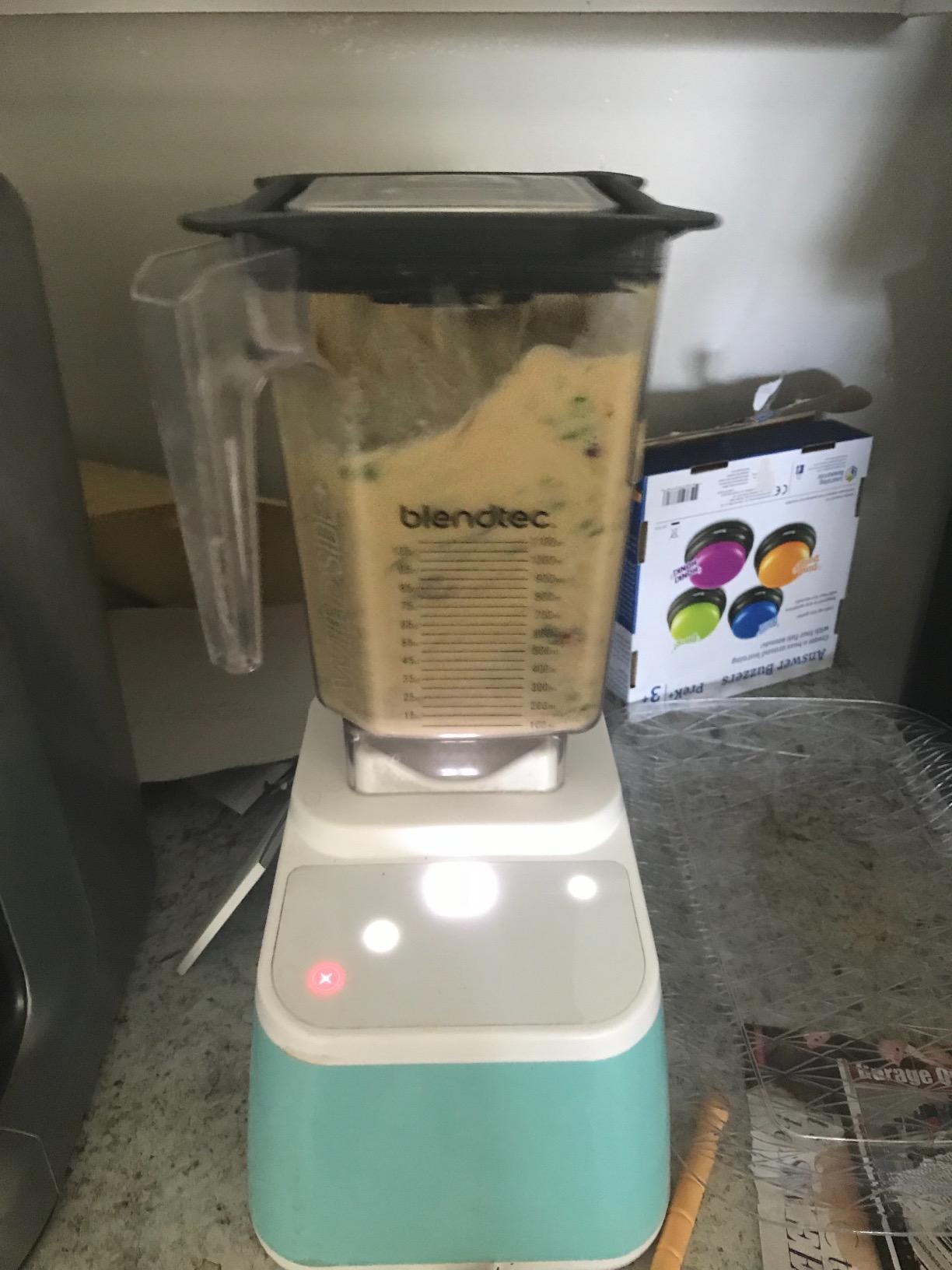
I tested this over a four-week block of marathon training and found it mixed best in a blender with oat milk, a banana, and some peanut butter. On its own with water, the Vanilla Bean flavor can be slightly chalky, which is a common issue with plant-based proteins. In a smoothie, that chalkiness disappears entirely.
The organic certification and non-GMO verification give you confidence in ingredient quality. Orgain also avoids carrageenan and erythritol, two additives that some runners find cause digestive issues. At its price point, this is one of the most affordable clean-label plant proteins available.
Best for Vegan and Dairy-Free Runners
If dairy is off the table, Orgain gives you 21 grams of protein per serving from quality plant sources. It is the most reviewed and highest-rated vegan protein powder we found, and the organic certification adds a layer of trust.
Protein Content Consideration
At 21 grams per serving, Orgain has slightly less protein than the whey options on this list. Vegan runners may want to use slightly larger servings or add an extra scoop to hit the 25-plus gram target research suggests for maximizing muscle protein synthesis.
7. Vega Protein + Recovery – NSF Certified for Sport
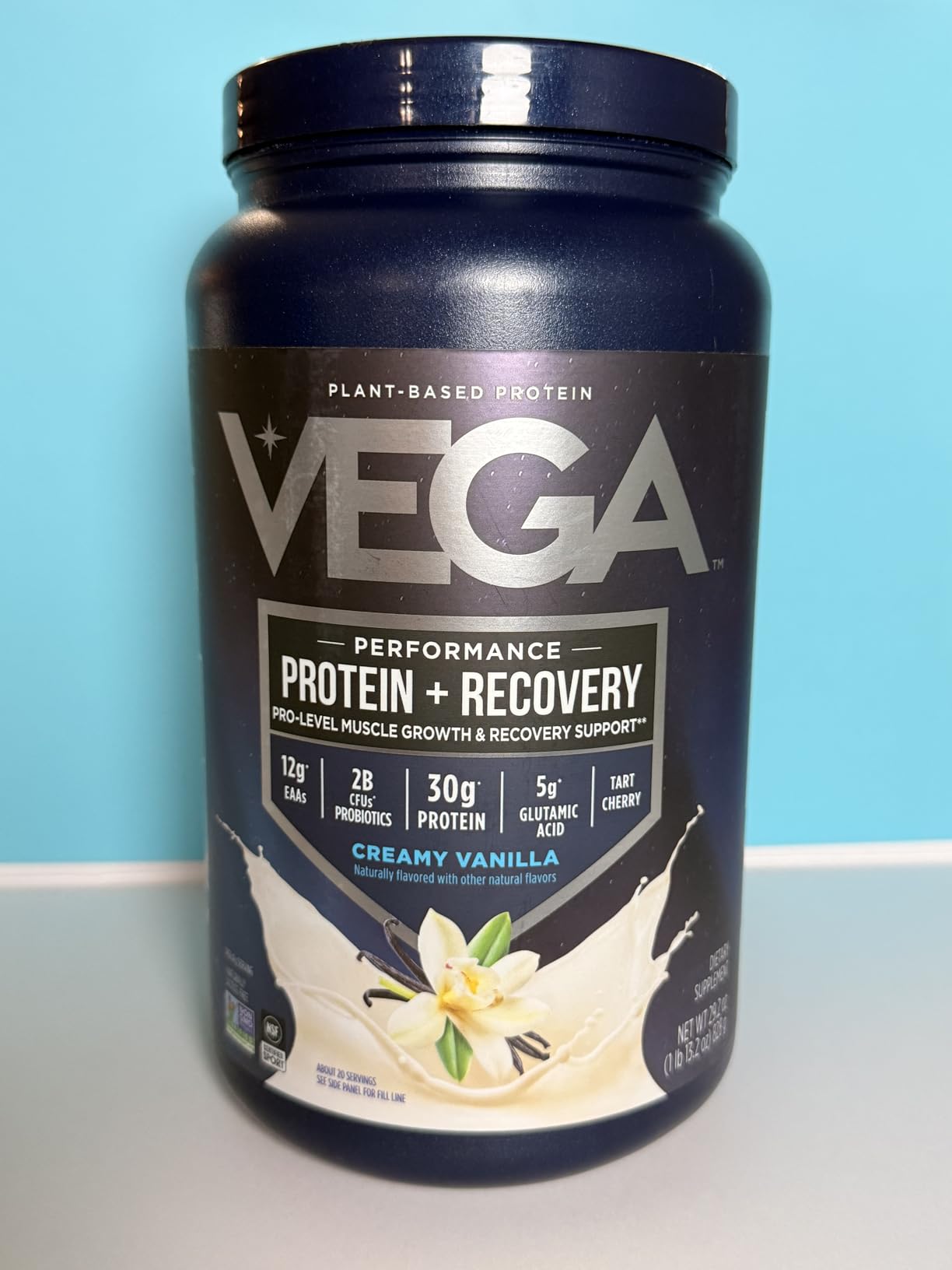
Vega Protein + Recovery, Vanilla – 30g Vegan Protein, Dairy & Gluten Free, Probiotics, NSF Certified, 28.8 oz (20 Servings)
30g plant-based protein
2 billion CFUs probiotics
NSF Certified for Sport
Dairy and gluten free
Contains fiber
Pros
- 30g protein per serving is highest among plant options
- NSF Certified for Sport for competitive athletes
- Includes 2 billion CFUs probiotics for gut health
- Dairy-free and gluten-free formula
- Designed specifically for recovery
Cons
- Can taste chalky with water alone
- Very fine powder is messy to scoop
- New formula has thickness issues for some users
Vega Protein + Recovery is built specifically for athletes, and it shows in the formulation. With 30 grams of plant-based protein per serving, it delivers more protein than any other vegan option on our list. That higher protein content is important because plant proteins typically have lower leucine levels per gram than whey.
The addition of 2 billion CFUs of probiotics sets this apart from every other product we tested. Probiotics support gut health, which is particularly relevant for runners who often deal with digestive issues during high-mileage training. I noticed less GI disruption during the weeks I used this compared to a standard whey powder.
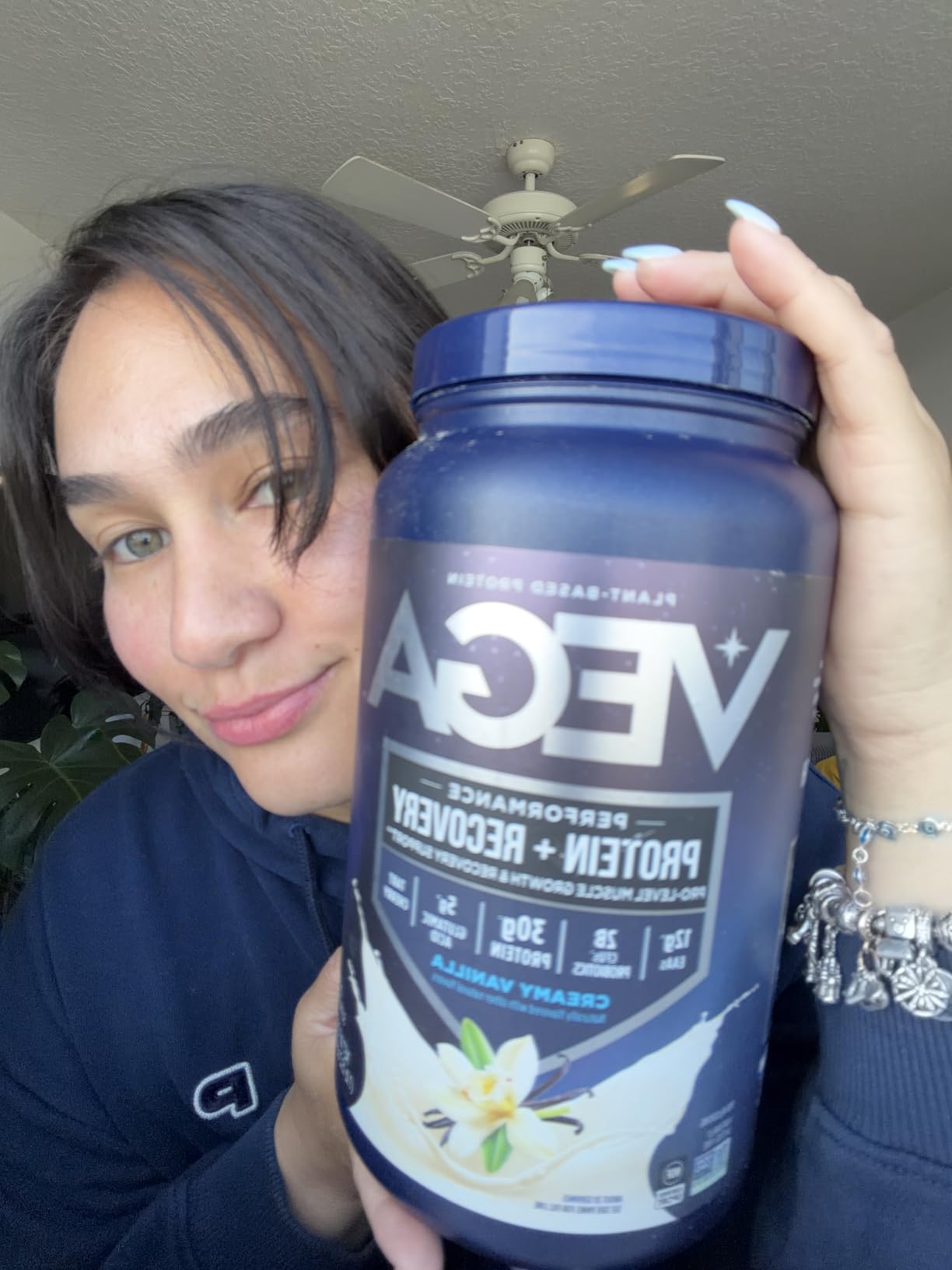
The NSF Certified for Sport designation is the gold standard for third-party testing in sports nutrition. Every batch is tested for over 270 substances banned by major athletic organizations. If you compete at any level where drug testing is possible, this certification gives you the highest level of confidence.
The main drawback is taste and texture. With water alone, Vega can be chalky and thick. Our team had much better results mixing it with oat milk or in a smoothie. Some users also reported the newer formula has a thicker consistency than the original. The stevia sweetness is noticeable and may be too much for runners who prefer unsweetened drinks.
Best for Drug-Tested Athletes
NSF Certified for Sport is the most rigorous third-party certification available. If you are a competitive runner who may face drug testing, Vega gives you both the certification and a high-protein plant-based formula in one product.
Probiotic Benefits for Runners
Hard training can disrupt gut flora, and many runners experience GI issues during high-mileage weeks. The 2 billion CFUs of probiotics in this formula support digestive health, which can translate to better nutrient absorption and fewer stomach issues on the run.
8. Tailwind Nutrition Recovery Mix – All-in-One Recovery
Tailwind Nutrition Recovery Mix, Vanilla, 20-Serving Bag
20g complete protein
Carbohydrates for glycogen
Electrolytes included
Vegan and non-GMO
Gluten and dairy free
Pros
- Combines protein
- carbs
- and electrolytes in one drink
- Designed specifically for post-workout recovery
- Light on the stomach
- Non-GMO and vegan formula
- Replenishes glycogen stores effectively
Cons
- Taste is polarizing
- some love it and others dislike it
- New formula is foamy
- Price increased with new formula
- Limited flavor satisfaction
Tailwind Nutrition built its reputation on endurance fuel, and their Recovery Mix takes a different approach than the other products on this list. Instead of a pure protein powder, it combines 20 grams of complete protein with carbohydrates for glycogen replenishment and electrolytes for rehydration.
This all-in-one approach makes sense for runners who want one drink after a long run rather than juggling a protein shake and a separate recovery beverage. The carbohydrates matter because your muscles need glycogen replenishment after depleting stores on runs longer than 90 minutes. Having both protein and carbs together in the right ratio improves recovery efficiency.
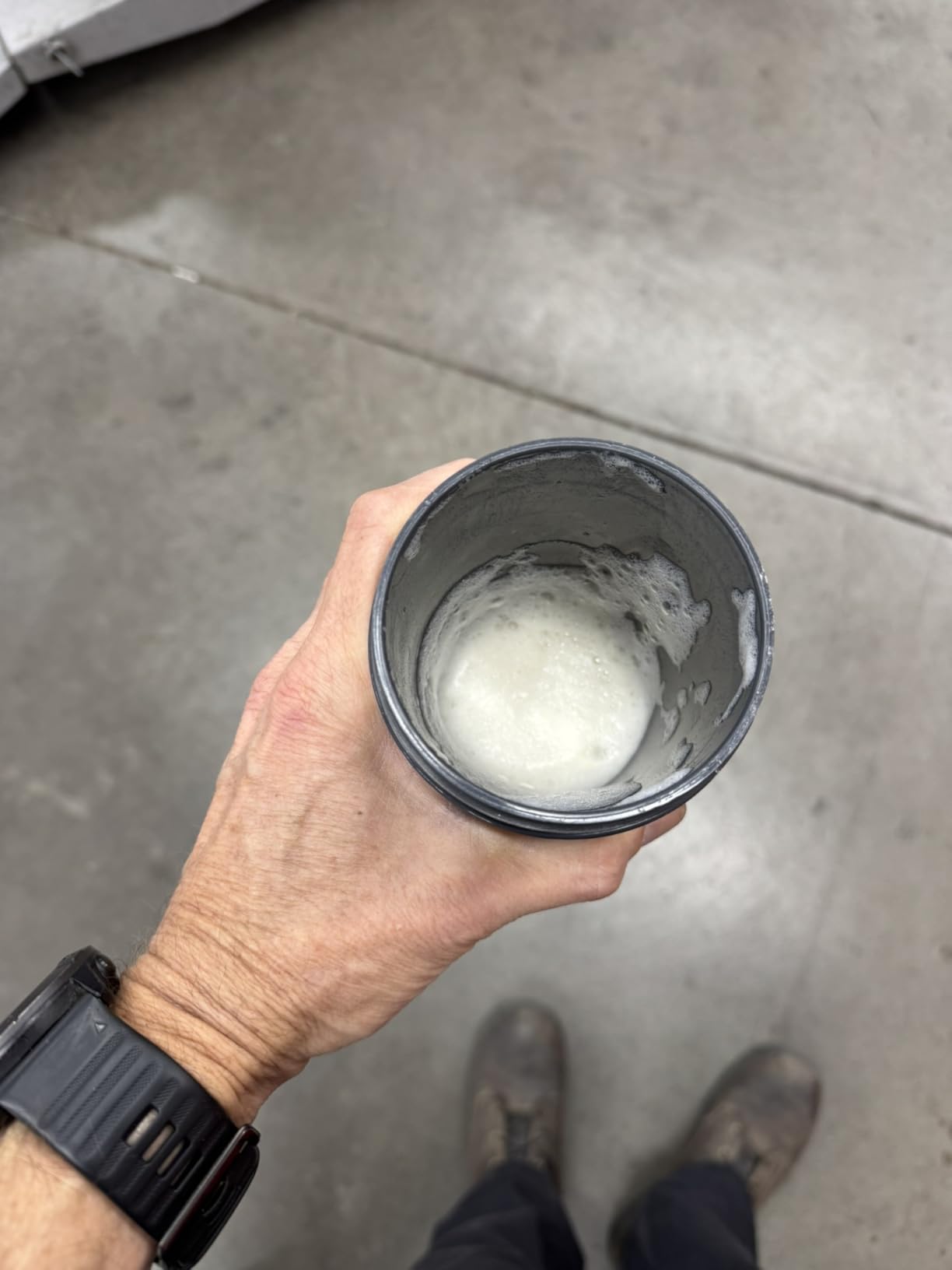
Our team tested this after long runs of 15-plus miles. The drink mixed easily in a water bottle and went down light, which is important when your stomach is sensitive after sustained effort. I found it particularly useful during back-to-back hard days, when getting calories and protein in quickly makes a real difference in how your legs feel the next morning.
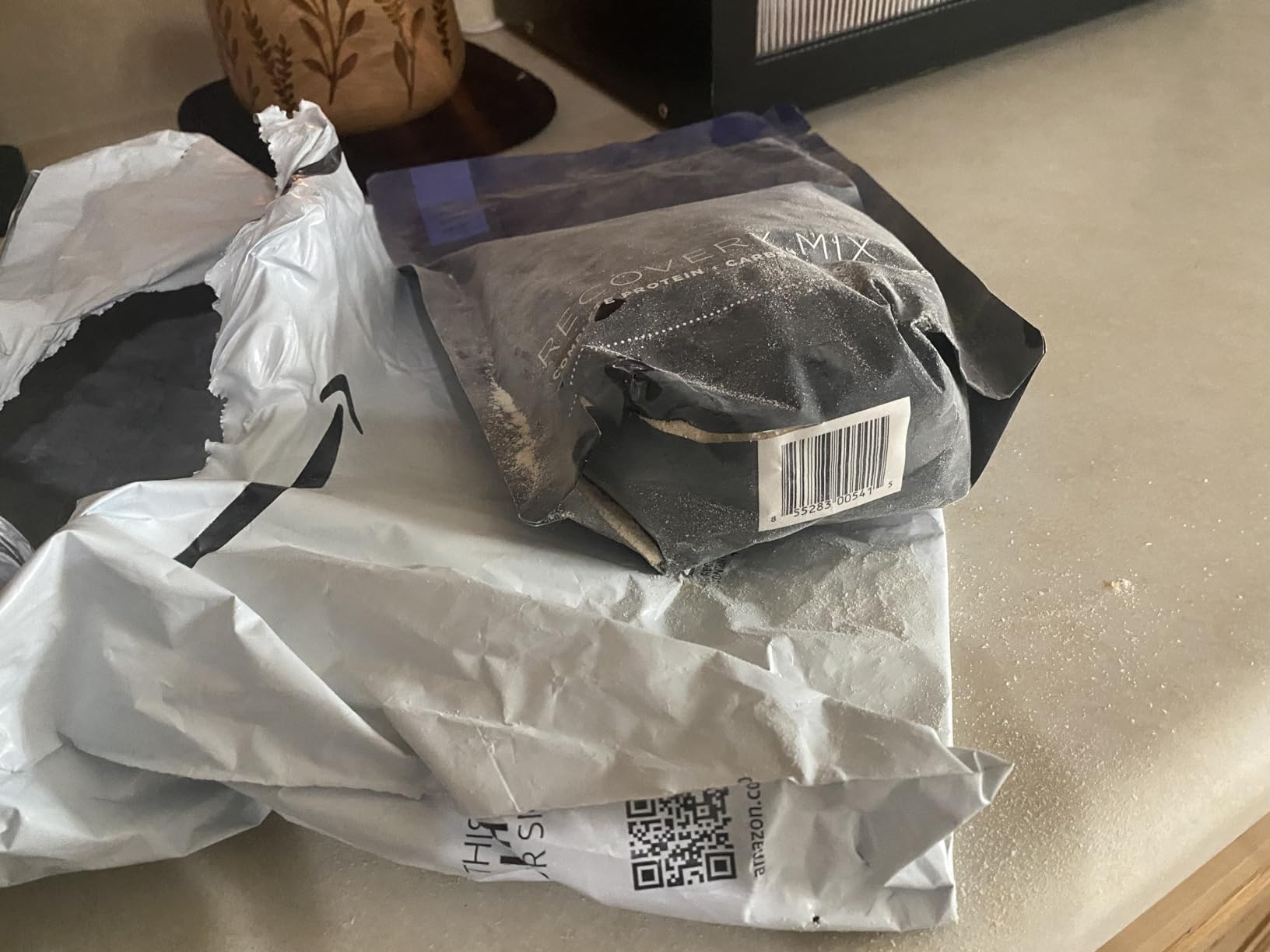
The taste is where opinions diverge sharply. Some of our testers loved the vanilla flavor and found it refreshing. Others described it as too sweet or slightly cardboard-like. The formula was recently updated and some users report the new version is foamier than before. With only 128 reviews so far, this is a newer product still building its reputation.
Best for Long-Distance and Ultra Runners
If your training includes regular runs over 90 minutes, the combined protein, carb, and electrolyte formula addresses all three pillars of recovery in one drink. This is especially valuable for ultra marathoners who have limited appetite after long efforts.
Convenience Factor
Having protein, carbohydrates, and electrolytes in a single scoop eliminates the need to prepare multiple post-run drinks. For busy runners who want to simplify their recovery routine, Tailwind Recovery Mix is the most streamlined option on our list.
9. Optimum Nutrition Gold Standard Casein – Overnight Recovery
Optimum Nutrition Gold Standard Casein Protein Powder Chocolate Supreme 2LB
24g slow-digesting micellar casein
9g essential amino acids
9g BCAAs
Overnight muscle recovery
Mixes with shaker or blender
Pros
- Slow-digesting protein for sustained overnight recovery
- Keeps you full for long periods
- Excellent chocolate flavor
- 9g naturally occurring BCAAs
- Ideal for pre-bedtime consumption
Cons
- Chalky texture when mixed with water alone
- Dissolves better in blender than shaker
- Marked as discontinued by manufacturer on Amazon
Casein protein digests slowly, releasing amino acids into your bloodstream over a period of 5 to 7 hours. That makes it ideal for overnight recovery, when your body goes the longest without nutrition. For runners training hard, the overnight window is a critical period for muscle repair.
Optimum Nutrition Gold Standard Casein delivers 24 grams of micellar casein per serving with 9 grams of naturally occurring essential amino acids and 9 grams of BCAAs. I started taking a scoop before bed during a peak marathon training block and noticed I woke up feeling less sore and more recovered on high-mileage weeks.
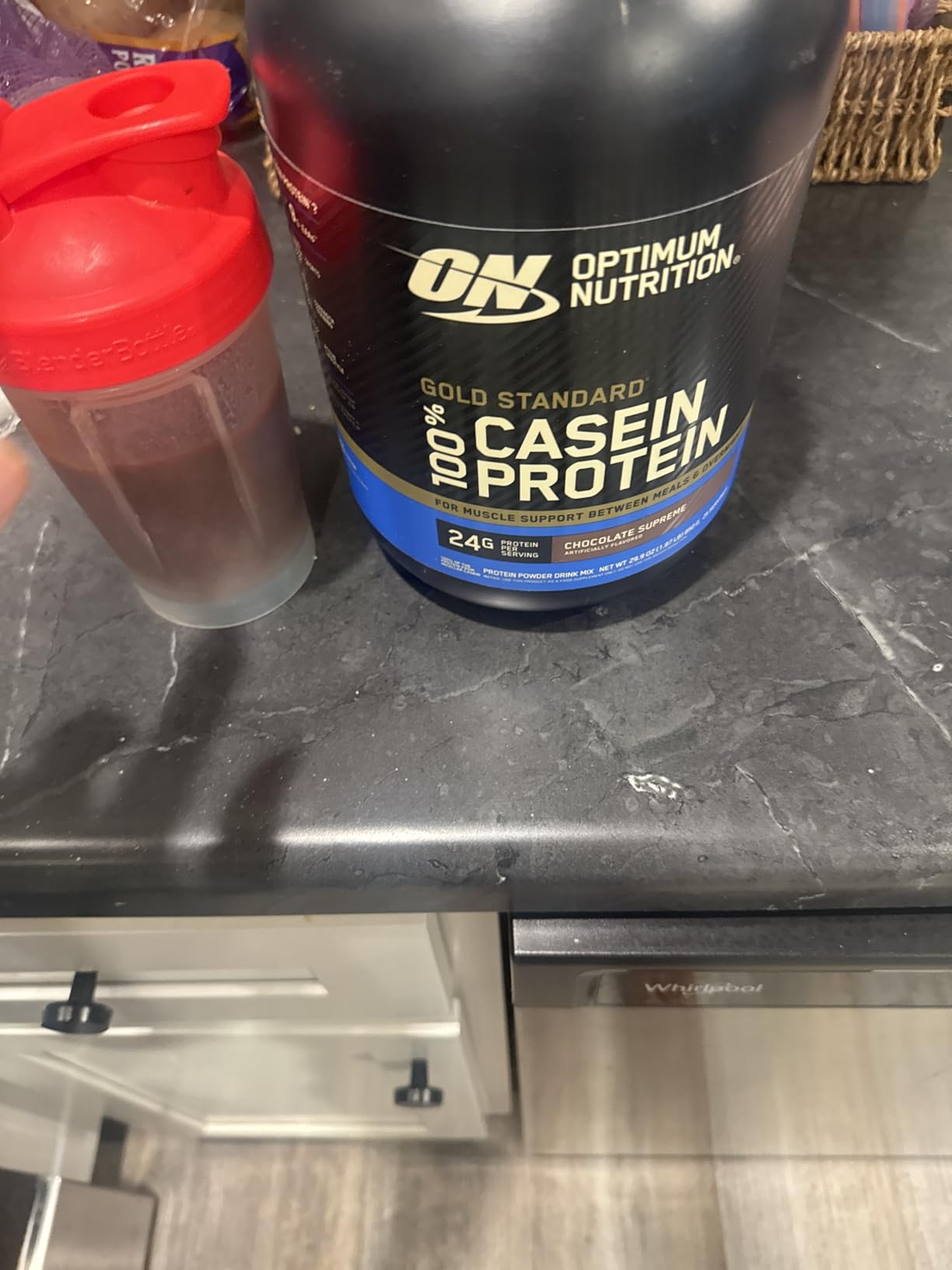
The Chocolate Supreme flavor is genuinely good, richer and creamier than the whey version. However, casein is inherently thicker than whey, which some people find unpleasant. Mixed with milk in a blender, it creates a thick shake that is satisfying. With water and a shaker cup, the chalky texture is more noticeable.
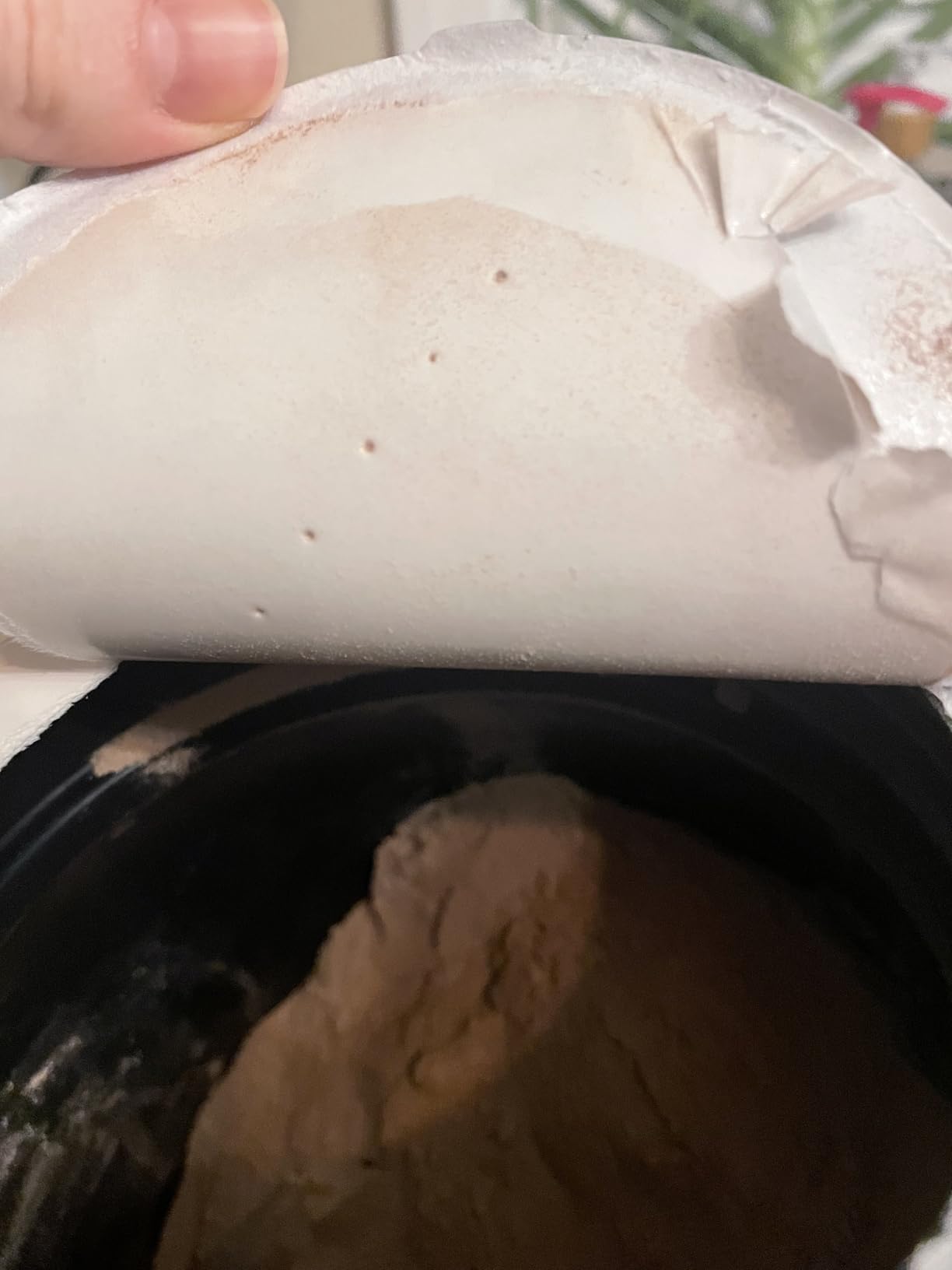
One important note: the product page indicates this specific listing may be discontinued by the manufacturer, though the product itself remains available through other listings and flavors. With over 9,000 reviews and a 4.6-star rating, it remains one of the most popular casein products among runners and strength athletes.
Best for Overnight Muscle Repair
The slow-release amino acid delivery from micellar casein feeds your muscles throughout the night. For runners in heavy training blocks, this can reduce overnight muscle breakdown and improve morning recovery readiness.
Satiety and Meal Replacement
Casein is significantly more filling than whey due to its slow digestion and gel-like consistency in the stomach. If you struggle with nighttime hunger during high-mileage training, a casein shake before bed can keep you satisfied until morning.
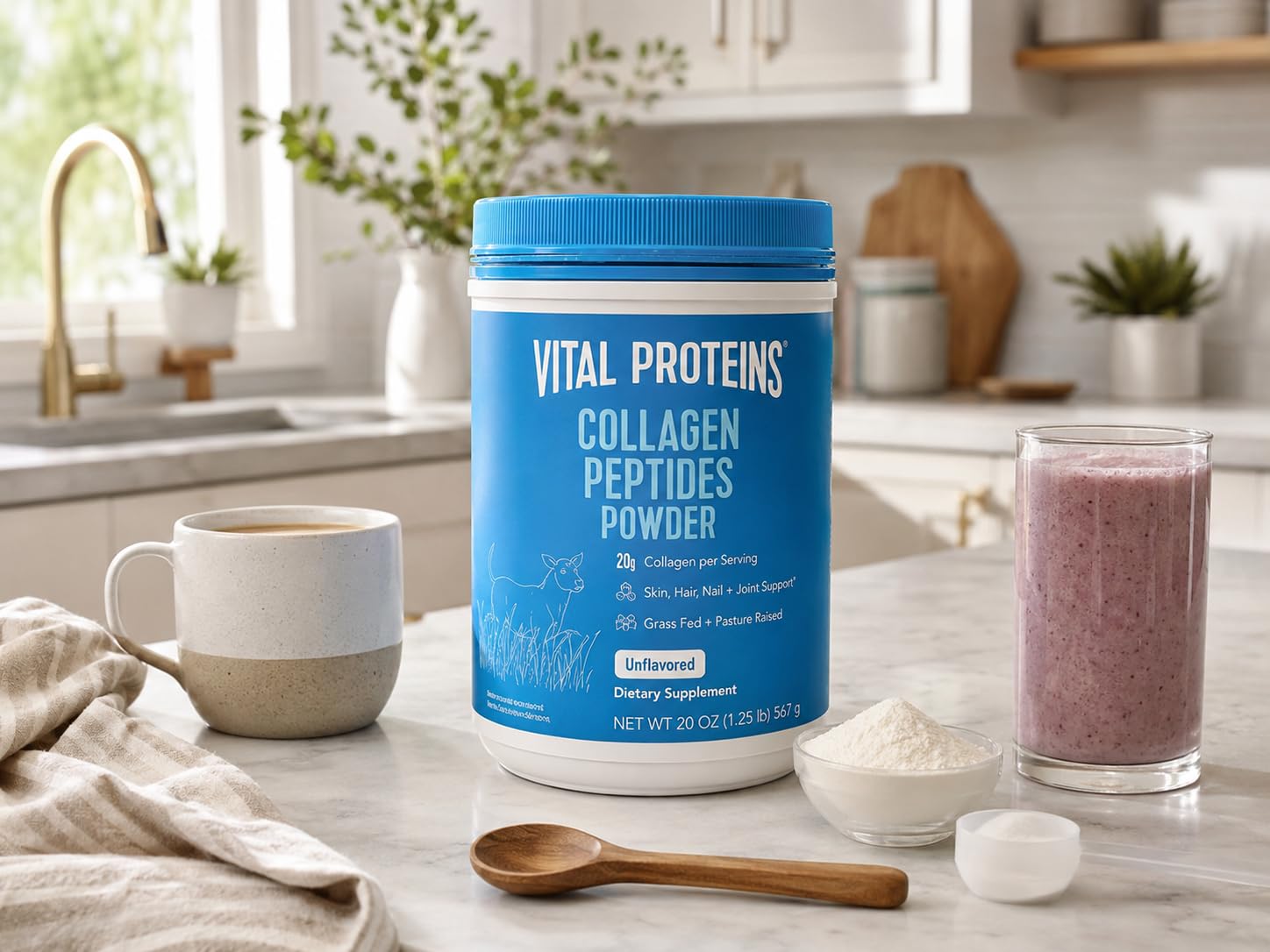
10. Vital Proteins Collagen Peptides – Joint and Tissue Support
Vital Proteins Collagen Peptides Powder, Unflavored, 9.33oz
Hydrolyzed collagen peptides
Grass-fed and pasture-raised
Unflavored
Supports joints, skin, hair, nails
Paleo friendly
Pros
- Dissolves easily in hot and cold beverages
- Completely unflavored so it mixes with anything
- Supports joint
- tendon
- and ligament health
- Grass-fed and pasture-raised sourcing
- Paleo friendly with no dairy or gluten
Cons
- Not a complete protein source for muscle synthesis
- Can clump in very cold liquids
- Smaller container size relative to cost
Collagen is not a traditional protein powder, and it should not replace your whey or plant-based protein. But for runners, collagen plays a unique and important role in supporting the connective tissues that take a beating with every mile. Vital Proteins is the number two best-selling collagen supplement on Amazon.
The hydrolyzed collagen peptides in this product are sourced from grass-fed, pasture-raised bovine hides. Each serving provides about 20 grams of collagen protein. While collagen is not a complete protein because it lacks tryptophan, it is uniquely rich in glycine and proline, the amino acids your body uses to build tendons, ligaments, and joint tissue.
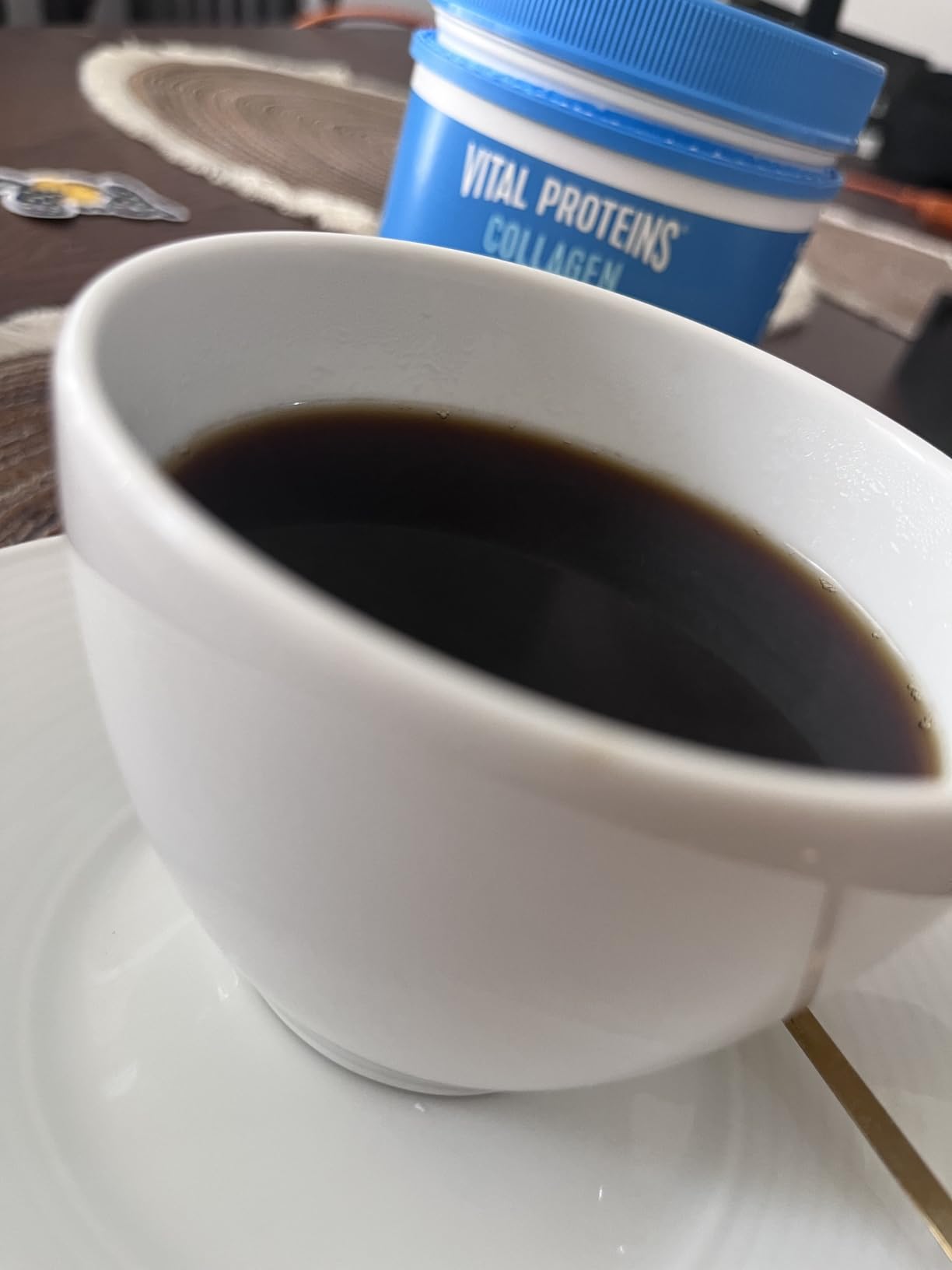
I added a scoop to my morning coffee for two months during marathon training. The unflavored powder dissolves completely in hot liquids without altering the taste. Some runners in online forums report reduced joint pain and improved recovery when using collagen consistently, and research on collagen supplementation and tendon health is promising.
The main limitation is that collagen alone will not support muscle protein synthesis the way whey or a complete plant protein does. Think of this as a complementary supplement rather than your primary protein source. Many runners on Reddit recommend taking collagen in the morning and a complete protein after runs.
Best for Connective Tissue Health
Running places enormous stress on tendons, ligaments, and joints. Collagen provides the specific amino acids your body needs to maintain and repair these tissues. Several studies suggest 15 to 20 grams of collagen per day, combined with vitamin C, may improve tendon health.
Versatility in Use
Because it is completely unflavored and dissolves in both hot and cold liquids, you can add Vital Proteins collagen to coffee, tea, oatmeal, smoothies, or even soup. This makes it easy to incorporate into your daily routine without changing how you eat.
11. Premier Protein Powder – Most Affordable
Premier Protein 30g High Protein Powder, 100% Whey, Chocolate, 17 Servings
30g protein per serving
1g sugar
3g carbs
100% whey protein
Keto friendly
Pros
- 30g protein per serving at a budget price
- Rich chocolate milkshake flavor
- Mixes easily in hot and cold liquids
- 1g sugar and 3g carbs per serving
- Versatile for baking and cooking
Cons
- Two scoops per serving instead of one
- Very sweet due to artificial sweeteners
- Containers can be slightly underfilled
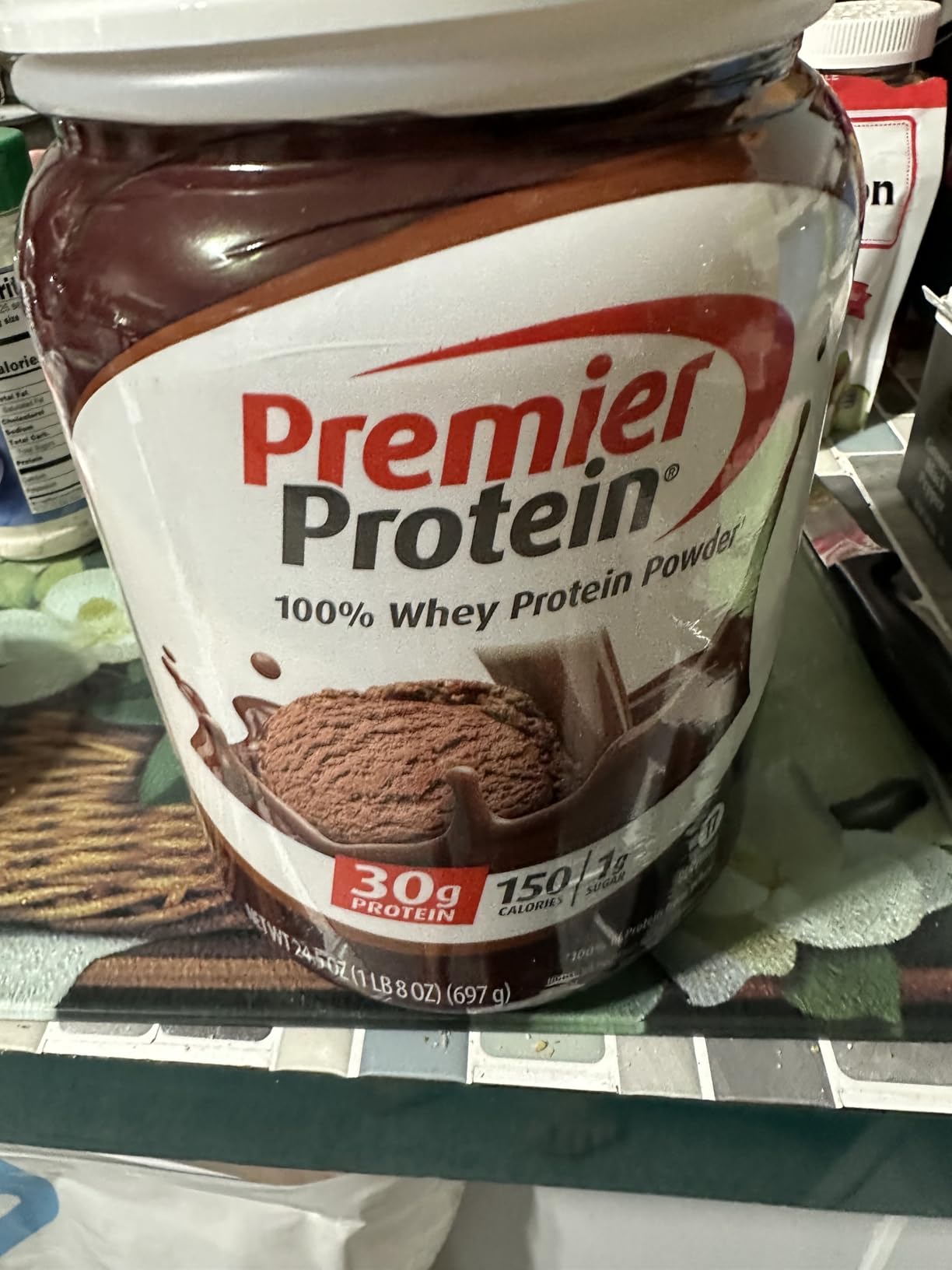
Premier Protein Powder delivers 30 grams of protein per serving at one of the lowest price points on our list. With over 28,000 reviews and a 4.6-star average, it is one of the most popular protein powders in the country, and it earned that popularity by being accessible and effective.
The Chocolate Milkshake flavor genuinely tastes like a chocolate milkshake. Our team found it the best-tasting budget option by a wide margin. It mixes easily into both cold and hot liquids, which makes it versatile for protein coffee, oatmeal, and baking. I used it in protein pancakes during a training block and was impressed by how well it performed.
The macro profile is solid: 30 grams of protein with just 1 gram of sugar and 3 grams of carbs per serving. The keto-friendly formulation appeals to runners who follow low-carb eating patterns. At roughly $1.50 per serving, it undercuts most premium brands while delivering more protein per scoop.
The main downside is that the serving size is two scoops, not one. That means the container holds 17 servings rather than the 30-plus you might expect. The artificial sweetener blend makes it noticeably sweeter than naturally sweetened options. Some runners find this sweetness pleasant, while others find it cloying over time.
Best for Budget-Conscious Runners
If you want maximum protein per dollar without sacrificing taste, Premier Protein is hard to beat. The 30-gram protein content per serving matches or exceeds products costing twice as much, making it the most cost-effective option on our list.
Versatility Beyond Shakes
Premier Protein works exceptionally well in recipes. The powder blends smoothly into pancake batter, muffin mixes, brownies, and even protein coffee. For runners who get tired of liquid shakes, this versatility helps you hit protein targets through food instead.
How to Choose the Best Protein Powder for Runners
Choosing the right protein powder comes down to understanding your training demands, your digestive system, and your budget. Here is what matters most for runners specifically.
Protein Types Explained
Whey protein isolate is the most processed and purest form of whey, with most of the lactose and fat removed. It absorbs quickly, making it ideal for post-run recovery. Dymatize ISO100 and Transparent Labs are excellent isolate options.
Whey protein concentrate retains more of the natural dairy components, including some lactose. It is less expensive than isolate but may cause bloating in lactose-sensitive runners. Optimum Nutrition Gold Standard uses a blend of isolate and concentrate.
Plant-based proteins from peas, rice, and hemp are ideal for vegan runners or those with dairy sensitivities. They typically have slightly less protein per serving and may lack one or more essential amino acids unless blended. Orgain and Vega are our top plant-based picks.
Casein protein digests slowly over 5 to 7 hours, making it perfect for overnight recovery. It is thicker and more filling than whey. Optimum Nutrition Gold Standard Casein is the most popular option in this category.
Collagen peptides support joint, tendon, and skin health but are not a complete protein. Runners should use collagen as a complementary supplement alongside a complete protein source. Vital Proteins is the leading option here.
How Much Protein Do Runners Need?
Research consistently shows endurance athletes need between 1.2 and 2.4 grams of protein per kilogram of bodyweight daily. For a 150-pound runner, that translates to 82 to 164 grams per day. During heavy training blocks, aim for the higher end of that range to support muscle repair and immune function.
The ideal post-run dose is 20 to 40 grams of high-quality protein consumed within 1 to 2 hours after exercise. This window supports muscle protein synthesis when your body is most receptive. Most of the products on our list deliver 20 to 30 grams per serving, which falls right in that target range.
Third-Party Certifications
If you compete in sanctioned events or simply want assurance that what is on the label is in the container, look for third-party certifications. NSF Certified for Sport and Informed Choice are the two most respected programs in sports nutrition.
NSF Certified for Sport tests for over 270 banned substances and verifies label accuracy. Vega Protein and Recovery carries this certification. Informed Choice tests for over 250 banned substances and is used by Transparent Labs, Ascent, and others. Either certification gives you confidence that your protein powder is clean.
Timing and Dosage for Runners
The best time to consume protein after a run is within 1 to 2 hours of finishing. Your muscles are primed to absorb amino acids during this window. For runs lasting over 90 minutes, combining protein with carbohydrates improves glycogen replenishment and recovery, which is why Tailwind Recovery Mix works well.
Spreading protein intake across the day matters more than hitting one massive dose. Aim for 20 to 40 grams at each meal rather than loading up at dinner. Casein before bed can extend overnight amino acid delivery for runners in heavy training.
Digestive Considerations
Many runners experience digestive issues with protein powders. If whey concentrate causes bloating or gas, switch to a whey isolate like Dymatize ISO100, which has most lactose removed. For severe dairy sensitivity, a plant-based option like Orgain or Vega is the better choice.
Read ingredient labels carefully. Avoid products with carrageenan, which some runners find irritating. Artificial sweeteners like sucralose can cause GI issues in sensitive individuals. If you experience problems, try a naturally sweetened product like Levels or Ascent that uses stevia or no sweetener at all.
Frequently Asked Questions
What protein powder is best for runners?
The best protein powder for runners depends on individual needs, but our top pick is Transparent Labs Grass-Fed Whey Isolate for its 28g of protein per serving, clean ingredients, and Informed Choice certification. For budget-conscious runners, Optimum Nutrition Gold Standard Whey offers excellent value with 24g of protein per scoop and decades of trust.
Are protein powders good for runners?
Yes, protein powders are beneficial for runners. Endurance training breaks down muscle tissue, and research shows runners need 1.2 to 2.4 grams of protein per kilogram of bodyweight daily. Protein powders provide a convenient way to meet these elevated needs, especially on busy training days when whole-food protein sources are impractical.
How much protein do runners need per day?
Runners need between 1.2 and 2.4 grams of protein per kilogram of bodyweight per day. A 150-pound runner should aim for 82 to 164 grams daily, with the higher end appropriate during peak training blocks. Consuming 20 to 40 grams of high-quality protein within 1 to 2 hours after runs supports optimal muscle recovery.
When should runners take protein powder?
Runners should take protein powder within 1 to 2 hours after completing a run. This post-workout window is when muscles are most receptive to amino acids for repair and growth. Some runners also benefit from a casein protein shake before bed for overnight recovery, or collagen peptides in the morning for joint support.
What kind of protein powder is best for runners?
Whey protein isolate is generally considered the best type for runners because it absorbs quickly and has minimal lactose. For dairy-sensitive or vegan runners, a blended plant-based protein like Orgain or Vega works well. Casein is ideal for overnight recovery, and collagen provides additional support for joints and connective tissues.
Final Thoughts on the Best Protein Powders for Runners
Finding the best protein powders for runners comes down to matching the product to your training, your digestive system, and your budget. Transparent Labs Grass-Fed Whey Isolate earned our Editor’s Choice for its clean ingredients, 28 grams of protein per serving, and third-party certifications. Optimum Nutrition Gold Standard remains the best overall value after two decades of proven performance.
For plant-based runners, Orgain Organic Vegan and Vega Protein and Recovery deliver quality protein with additional gut-health benefits. And if you want the most protein per dollar, Premier Protein at 30 grams per serving is hard to beat. Whatever you choose, consistency matters more than the specific brand. Pick a product you will actually use every day, and your recovery will thank you for it.