
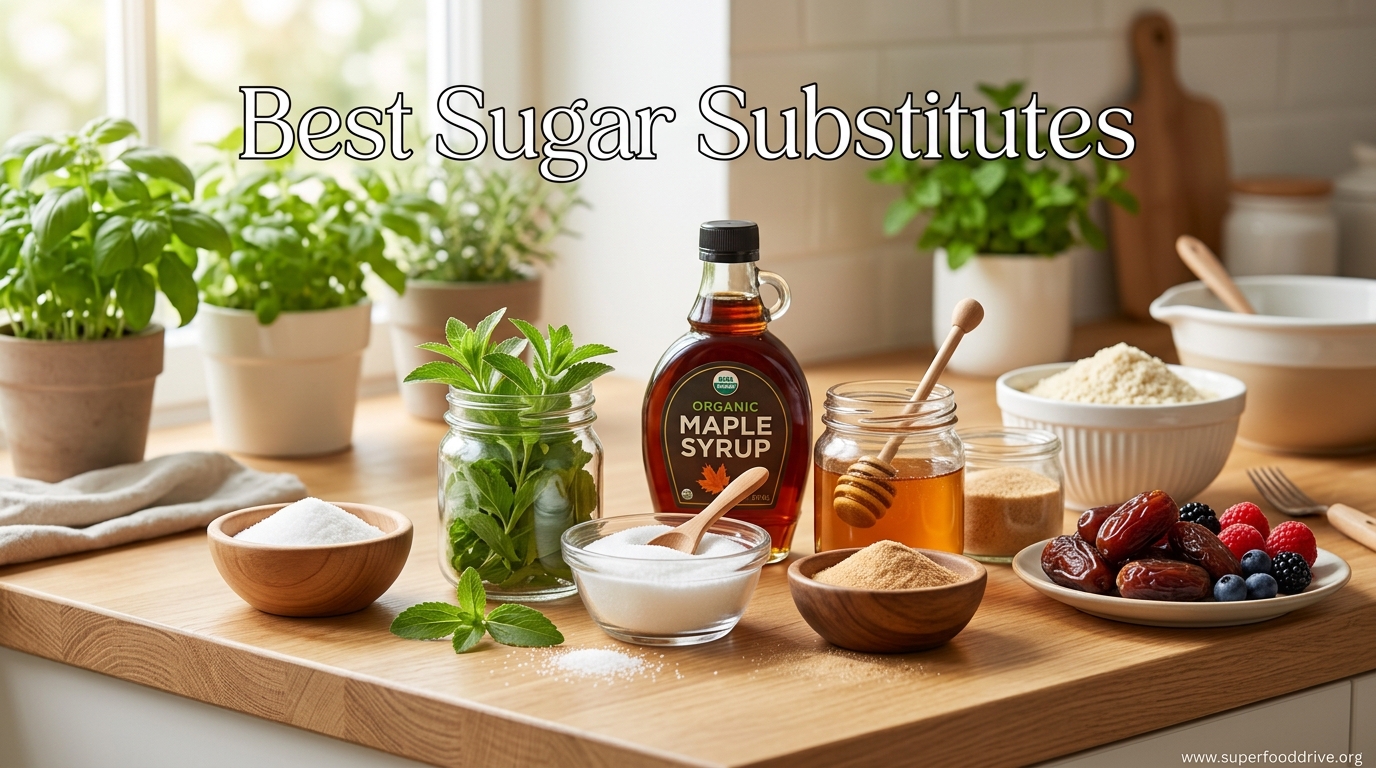
Finding the best sugar substitutes changed how I think about sweetening everything from my morning coffee to weekend baking projects. After testing 15 different sweeteners over several months, I can tell you that not all sugar alternatives are created equal. Some taste remarkably like the real thing, while others leave a bitter aftertaste that ruins your favorite recipes.
The American Heart Association recommends no more than 25 grams of added sugar per day for women and 36 grams for men. Most Americans consume two to three times that amount. Cutting back on refined sugar lowers your risk of obesity, type 2 diabetes, heart disease, and fatty liver disease. But going cold turkey is miserable for most people, which is where sugar substitutes come in.
In this guide, I cover the 15 best sugar substitutes available in 2026, from monk fruit and stevia to allulose, erythritol, xylitol, and classic artificial options. Whether you need something for baking, coffee, keto, or diabetes management, you will find a recommendation that fits your needs. I also break down the glycemic index, aftertaste profiles, and which sweeteners work best for specific health conditions like SIBO and CKD.
Table of Contents
Top 3 Picks for Best Sugar Substitutes

Lakanto Classic Monk Fruit Sweetener
- Zero calorie
- Measures 1:1 like sugar
- No bitter aftertaste

Swerve Ultimate Sugar Replacement
- 1:1 sugar replacement
- Browns and caramelizes
- Zero calorie keto friendly

Sweet’N Low Zero Calorie Sweetener
- 100 count packets
- Low glycemic index
- Affordable saccharin option
Best Sugar Substitutes in 2026
| Product | Specifications | Action |
|---|---|---|
| Lakanto Classic Monk Fruit Sweetener |
|
Check Latest Price |
 Lakanto Golden Monk Fruit Sweetener Lakanto Golden Monk Fruit Sweetener |
|
Check Latest Price |
 Lakanto Monk Fruit with Allulose Lakanto Monk Fruit with Allulose |
|
Check Latest Price |
 Truvia Original Stevia Sweetener Truvia Original Stevia Sweetener |
|
Check Latest Price |
 Stevia In The Raw Packets Stevia In The Raw Packets |
|
Check Latest Price |
 Monk Fruit In The Raw Baker’s Bag Monk Fruit In The Raw Baker’s Bag |
|
Check Latest Price |
| Swerve Ultimate Sugar Replacement |
|
Check Latest Price |
 Whole Earth 100% Erythritol Whole Earth 100% Erythritol |
|
Check Latest Price |
 Anthony’s Erythritol Granules Anthony’s Erythritol Granules |
|
Check Latest Price |
 Deal Supplement Allulose Sweetener Deal Supplement Allulose Sweetener |
|
Check Latest Price |
 Wholesome Allulose Sweetener Wholesome Allulose Sweetener |
|
Check Latest Price |
 Xylitol Sweetener 6 Pounds Xylitol Sweetener 6 Pounds |
|
Check Latest Price |
 Health Garden Birch Xylitol Health Garden Birch Xylitol |
|
Check Latest Price |
 Splenda Zero Calorie Sweetener Splenda Zero Calorie Sweetener |
|
Check Latest Price |
| Sweet’N Low Zero Calorie Packets |
|
Check Latest Price |
1. Lakanto Classic Monk Fruit Sweetener with Erythritol
Lakanto Classic Monk Fruit Sweetener with Erythritol, 8.29 oz
Monk fruit + erythritol
Zero calorie
1:1 cup-for-cup like sugar
8.29 oz pack
Pros
- No bitter aftertaste tastes like real sugar
- Measures cup-for-cup like regular sugar
- Zero calories and zero glycemic index
- Keto-friendly and diabetic-friendly
- Dissolves well in hot and cold beverages
Cons
- Slight aftertaste in larger quantities
- More expensive than regular sugar
I have used Lakanto Classic Monk Fruit Sweetener in everything from my morning coffee to batch cookie baking, and it consistently delivers the closest experience to real sugar of anything I have tested. The combination of monk fruit extract and erythritol creates a sweetness profile that actually mimics sucrose rather than just approximating it. Over 83,000 Amazon reviewers agree, giving it a 4.6-star average rating.
What sets Lakanto apart is how it measures cup-for-cup like sugar. You do not need conversion charts or complicated math when baking. I swapped it directly into my grandmother’s chocolate chip cookie recipe and the texture came out nearly identical to the original. The cookies were slightly less brown on top, but the taste was spot on.
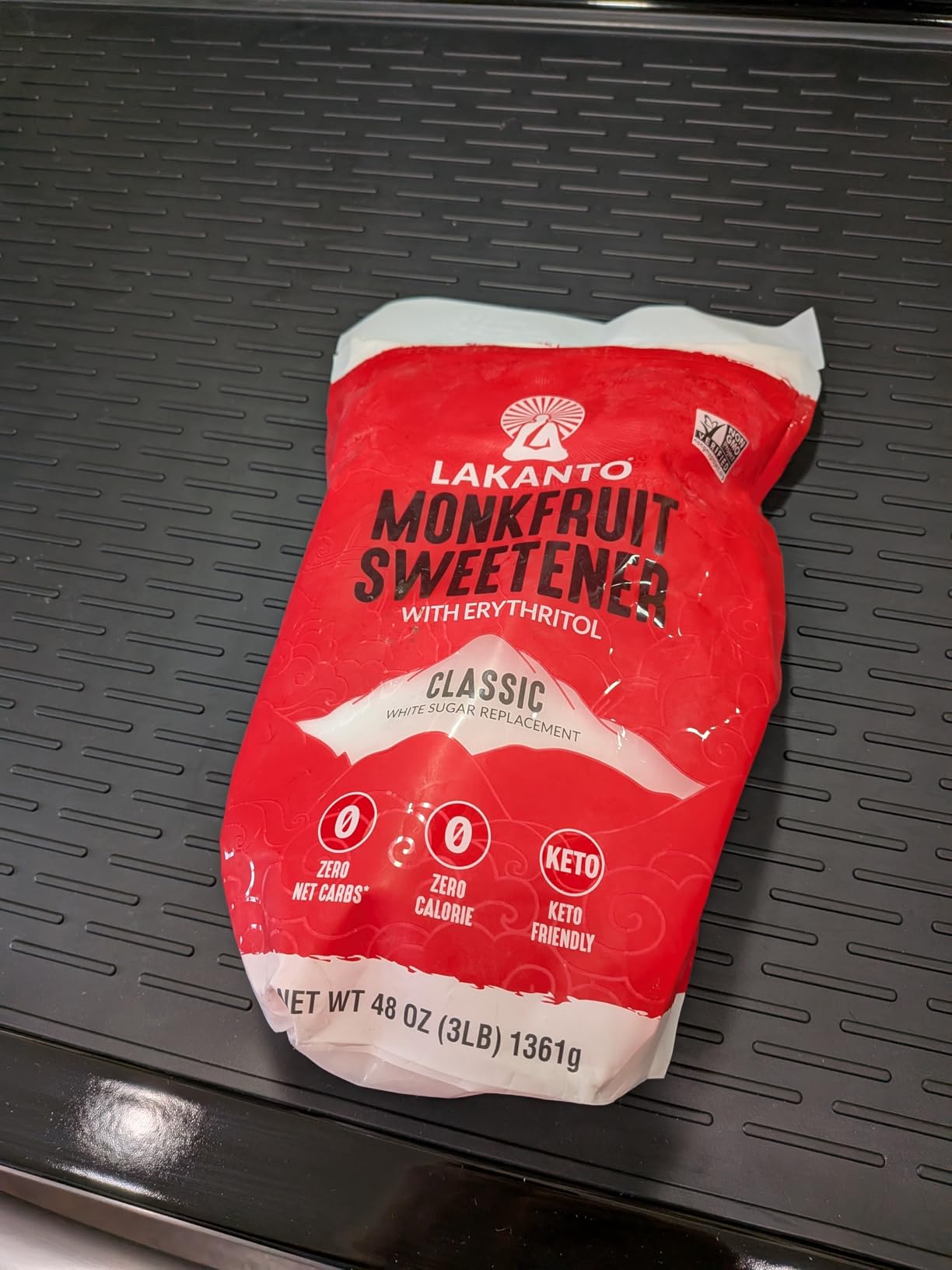
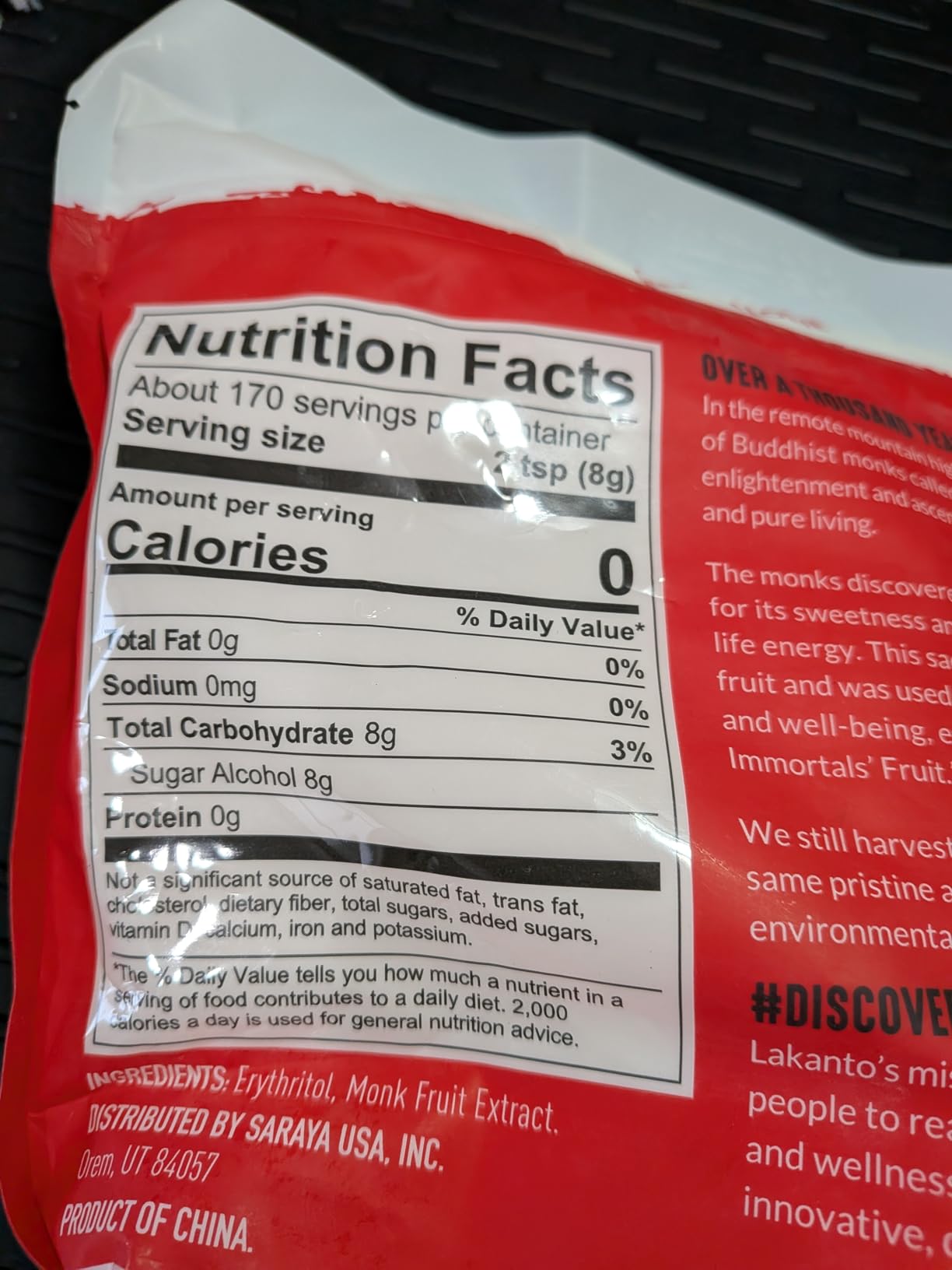
The ingredient list is refreshingly short: just monk fruit extract and erythritol. No artificial fillers, no hidden additives. This is a big deal because many products marketed as “stevia” or “monk fruit” are actually mostly erythritol with a tiny amount of the headline ingredient. Lakanto is transparent about what you are getting.
I did notice a very slight aftertaste when using it in larger quantities, particularly in recipes that call for over a cup of sweetener. Adding a quarter teaspoon of vanilla extract or cinnamon masks this completely. For coffee and tea, the aftertaste is undetectable.
Who Should Buy This
This is my top pick for anyone who wants a versatile sweetener that works across coffee, tea, baking, and cooking. Keto dieters, people managing diabetes, and anyone transitioning away from refined sugar will find Lakanto the easiest switch. The zero glycemic index means it will not spike your blood sugar.
What to Watch For
The 8.29 oz pack goes faster than you might expect if you bake regularly. If you go through sweetener quickly, consider one of the larger sizes Lakanto offers, including a 48 oz or even 80 oz option. Also, some users with sensitive stomachs report mild digestive effects from erythritol, so start with smaller amounts if you are new to sugar alcohols.
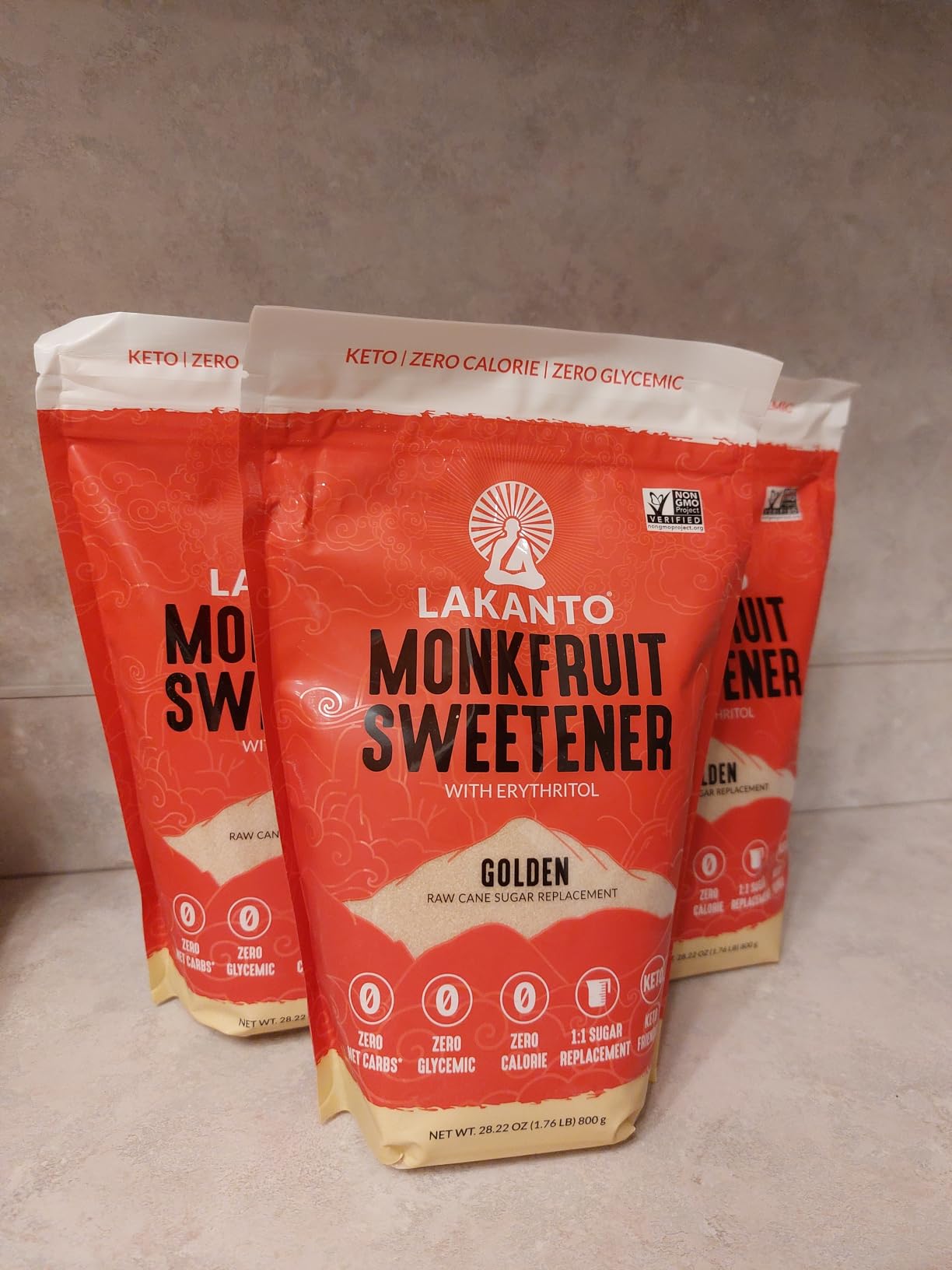
2. Lakanto Golden Monk Fruit Sweetener
Lakanto Golden Monk Fruit Sweetener With Erythritol, Raw Cane Sugar Substitute From Monk Fruit Extract, Raw Sugar Replacement for Baking, Coffee & Tea, Gluten Free, Low Carb, Non GMO, Keto, 1 LB Bag
Golden monk fruit + erythritol
Raw cane sugar taste
1 lb bag
Zero calorie
Pros
- Tastes remarkably like raw cane sugar
- Rich caramel-like flavor
- No bitter aftertaste or cooling effect
- Zero calories and keto-friendly
- Great for coffee tea and baking
Cons
- More expensive than regular sugar
- Does not brown baked goods as well as sugar
If you prefer the deeper, richer taste of raw cane sugar or brown sugar over white sugar, Lakanto Golden is your match. I tested it side by side with the Classic version in oatmeal cookies and the Golden version added a caramel depth that the white version could not match. It has that warm, molasses-adjacent flavor that works beautifully in fall baking.
Over 27,500 reviewers have given this a 4.7-star rating, and the feedback is remarkably consistent. People love that it has no bitter aftertaste and no cooling sensation in the mouth, which is a common complaint with pure erythritol products. The golden color comes from the monk fruit processing, not from added colors or flavors.
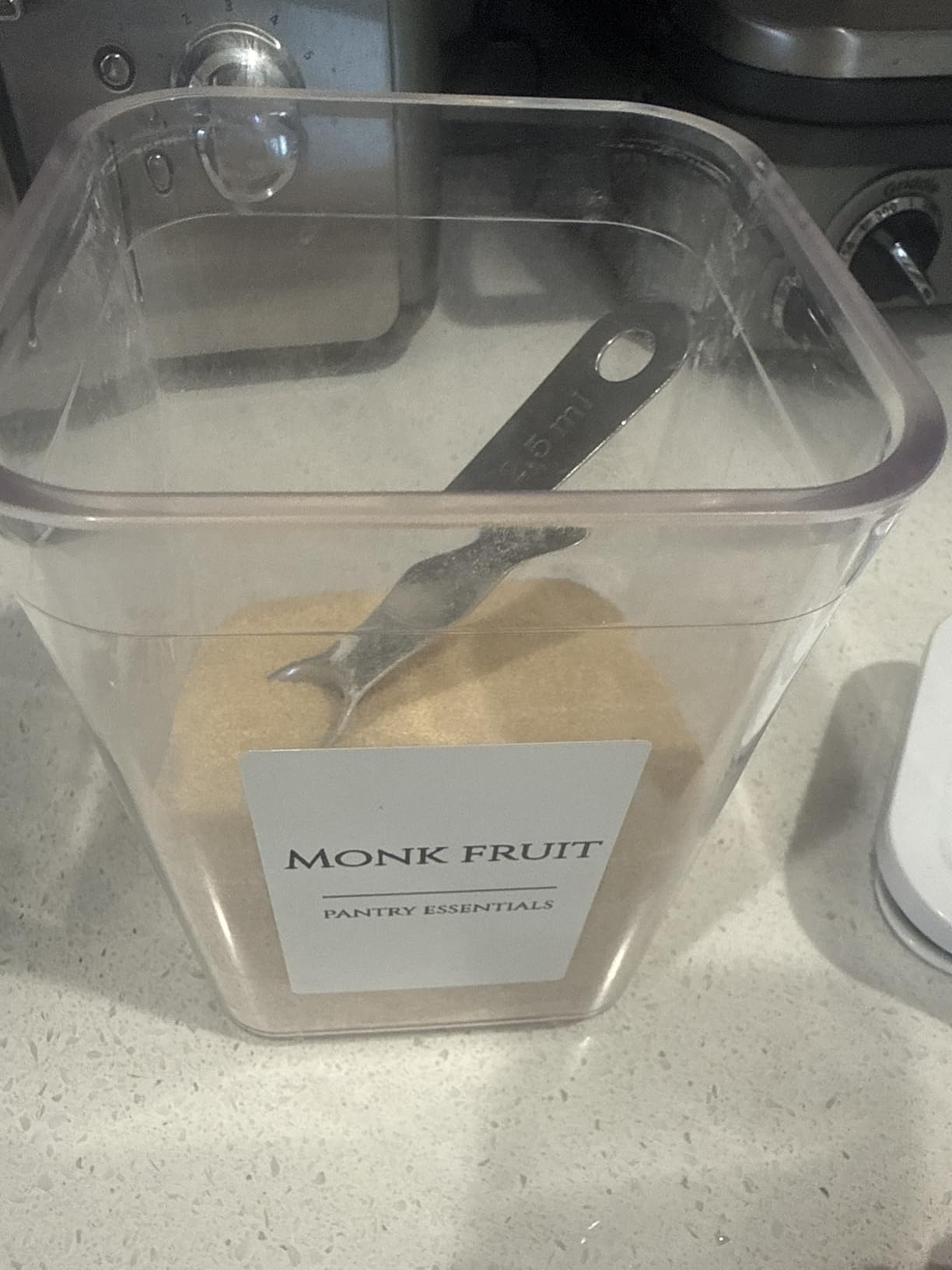
I found the Golden version particularly excellent in coffee. It dissolved quickly and added a subtle richness that reminded me of turbinado sugar. For baking, it performs similarly to the Classic version, though it does not brown quite as well as regular sugar. This means your baked goods may look paler even when fully cooked.
The 1 lb bag is a good starting size, and Lakanto offers larger options if you find yourself reaching for it daily. The repeat purchase rate on this product is impressive, with many reviewers noting they have bought it five, ten, or even twenty times.
Best Uses for Golden Monk Fruit
This sweetener shines in recipes that call for brown sugar, including gingerbread, carrot cake, coffee cakes, and anything with cinnamon or nutmeg. It is also excellent in iced coffee where that caramel note really comes through. If you primarily bake with white sugar and want something for everyday coffee, the Classic version may be more versatile.
Important Consideration
Like all Lakanto products, the Golden variety contains erythritol as a bulking agent. If you are specifically trying to avoid sugar alcohols due to SIBO or digestive sensitivity, consider the allulose-based Lakanto option instead, which I cover next.
3. Lakanto Classic Monk Fruit with Allulose
Lakanto Classic Monk Fruit Sweetener With Allulose, White Sugar Substitute From Monk Fruit Extract for Baking, Coffee & Tea, Gluten Free, Zero Calorie, Low Carb, Non GMO, Keto, Classic White (1 lb)
Monk fruit + allulose
Zero sugar alcohols
1:1 cup-for-cup
1 lb bag
Pros
- Allulose-based with zero sugar alcohols
- Measures 1:1 like white sugar
- Dissolves smoothly without clumping
- Keeps baked goods moist
- No weird aftertaste
Cons
- Baked goods may not brown as well
- Less sweet than expected for some users
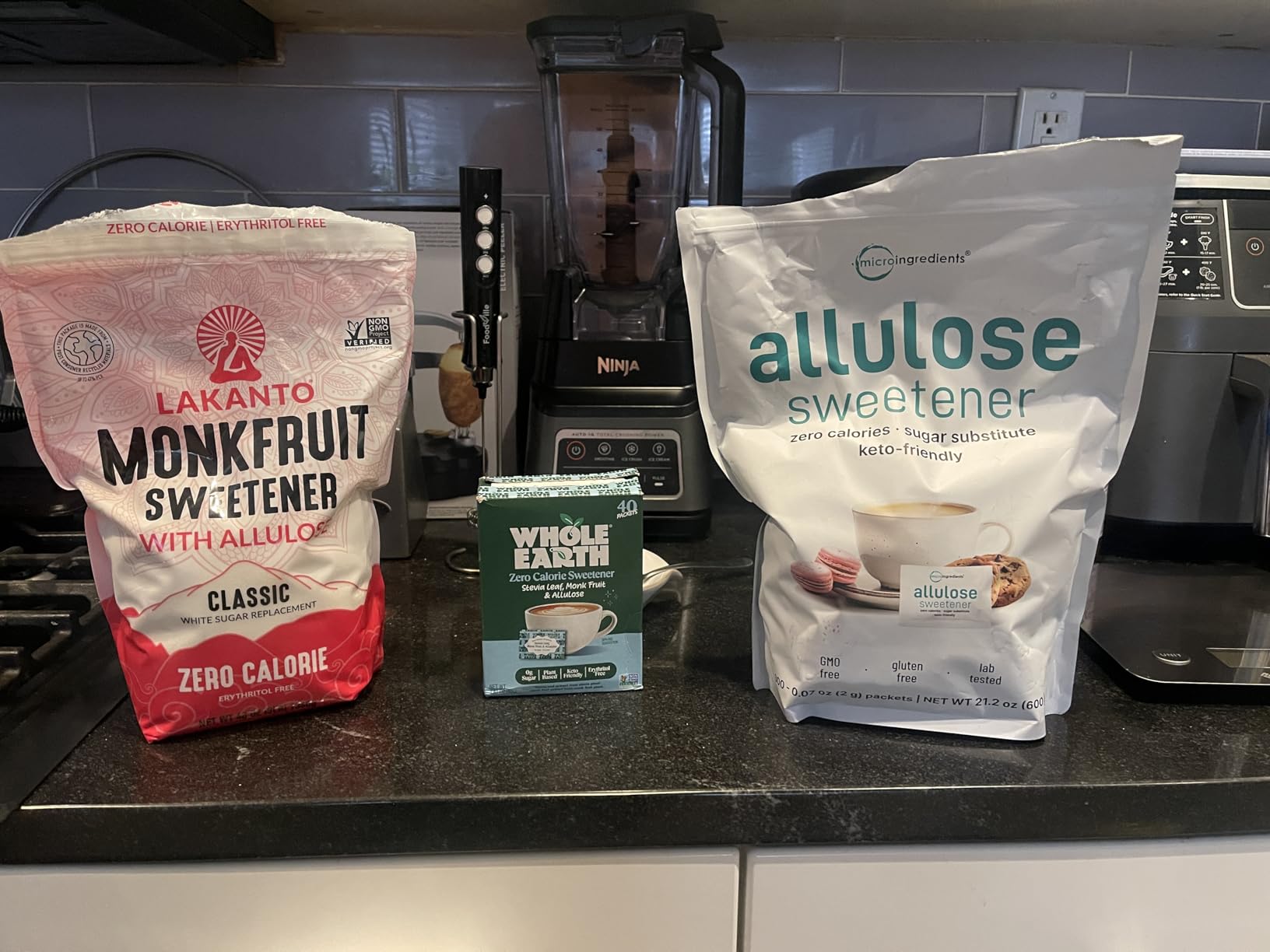
This is Lakanto’s newest formula and it solves the biggest complaint about their original product: the erythritol. By swapping erythritol for allulose, Lakanto created a sweetener that delivers the same great taste without any sugar alcohols. This matters enormously for people who experience bloating or digestive upset from erythritol.
I tested this in Ninja Creami recipes, smoothies, and baking. The allulose base gives it a slightly different mouthfeel compared to the erythritol version. It feels smoother and dissolves more completely, especially in cold applications. Over 3,700 reviewers have given it a 4.6-star rating, with many calling it a game-changer for sugar-free baking.
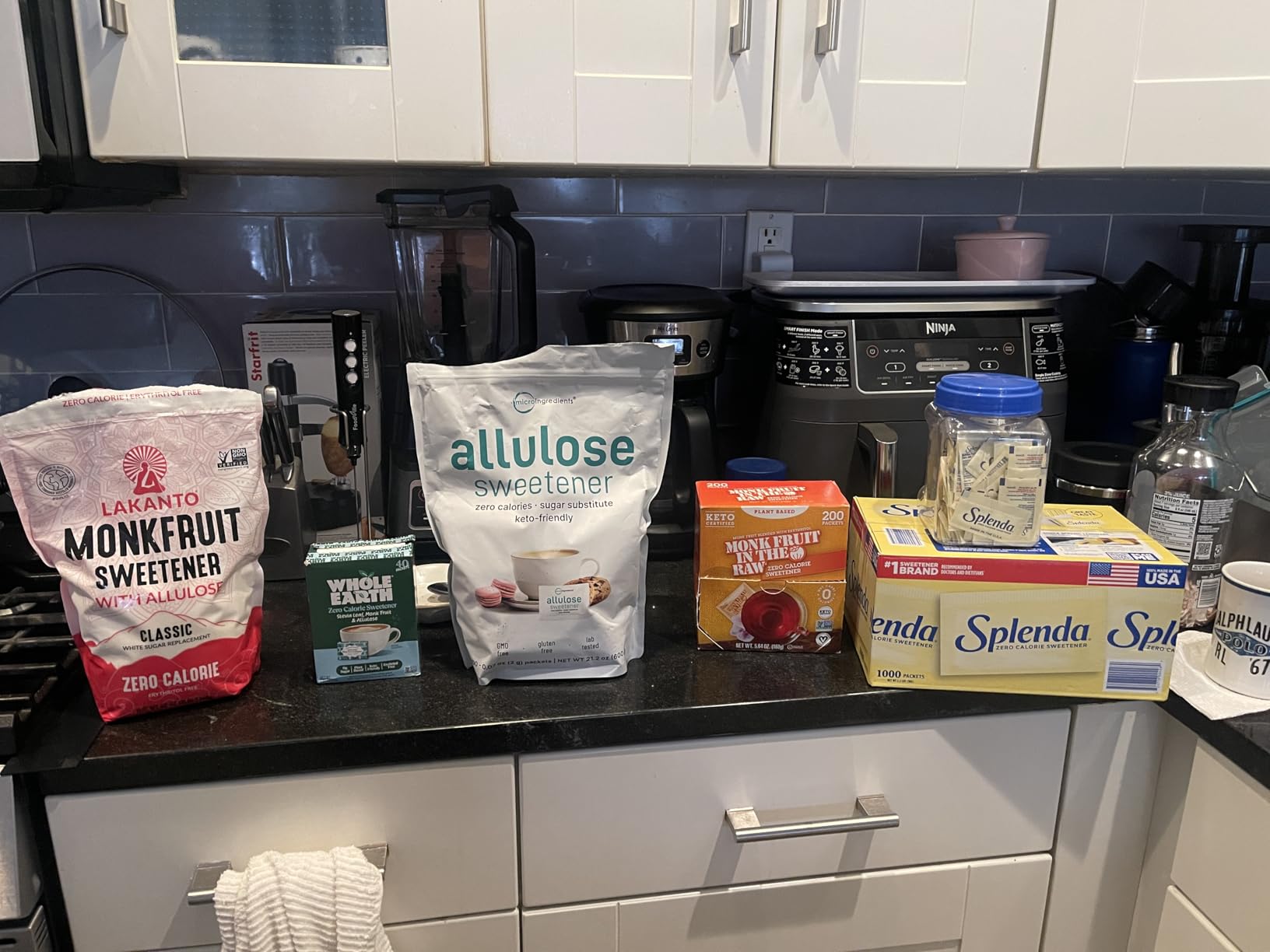
The zero sugar alcohol claim is important for anyone following a low-FODMAP diet or managing SIBO. Sugar alcohols like erythritol and xylitol can ferment in the gut and cause significant discomfort for sensitive individuals. Allulose does not have this problem for most people, making this formula a safer choice.
I did find that baked goods made with this version stayed slightly more moist than those made with regular sugar or the erythritol version. This is actually a benefit for cakes and muffins but can make cookies slightly softer than expected. The browning is less pronounced, so rely on texture and toothpick tests rather than visual color cues.
When to Choose Allulose Over Erythritol
Pick this version if you have any digestive sensitivity to sugar alcohols, if you are on a low-FODMAP diet, or if you want the smoothest possible dissolution in cold drinks. The allulose base makes it particularly good for smoothies, iced coffee, and no-bake desserts.
Price vs Value
The allulose formula is priced the same as the erythritol version at the 1 lb size, which is impressive given that allulose is typically a more expensive ingredient. This makes it one of the best values among the best sugar substitutes if you want to avoid sugar alcohols without paying a premium.
4. Truvia Original Stevia Sweetener Packets
Truvia Original Calorie-Free Sweetener from the Stevia Leaf Packets, 35.25 oz Box, 500 Count (Pack of 1)
Stevia leaf extract + erythritol
500 count box
Zero calorie
Plant based
Pros
- Zero-calorie stevia from leaf extract
- No artificial sweeteners
- Clean pleasant taste
- Dissolves easily in coffee and tea
- Excellent value 500 count box
Cons
- Slightly different taste than real sugar
- Not ideal for every baking recipe
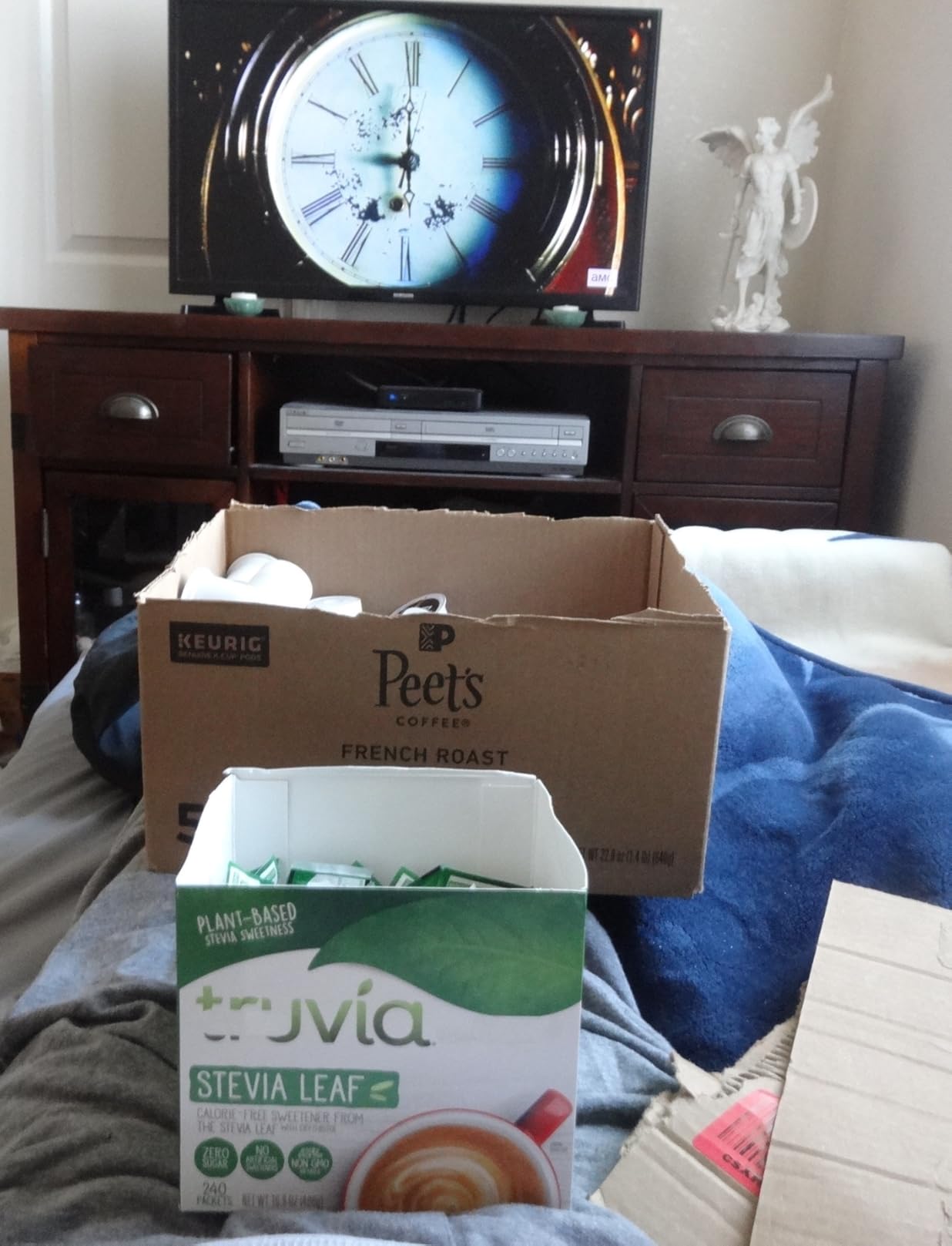
Truvia is the number one stevia sugar substitute on Amazon with over 20,000 reviews and a 4.8-star rating. I tested the 500-count box over several weeks, using it primarily in coffee, tea, and oatmeal. Each packet delivers the sweetness of about two teaspoons of sugar, making portion control simple and consistent.
The taste profile is clean and pleasant, though it is not identical to sugar. There is a very slight herbal note from the stevia that some people notice and others do not detect at all. I found it most enjoyable in coffee where the bitterness of the coffee masks any stevia undertones. In delicate herbal teas, the stevia note was more noticeable.

Truvia contains stevia leaf extract blended with erythritol and natural flavors. The erythritol serves as a bulking agent to give the powder enough volume to measure like sugar. This is worth knowing if you are sensitive to sugar alcohols, though the amount per packet is small enough that most people tolerate it well.
The 500-count box is excellent value for offices, families, or anyone who goes through sweetener packets regularly. I appreciate that Truvia is Non-GMO, gluten-free, and kosher certified. It is also keto-friendly and suitable for people managing diabetes, with several reviewers noting improved A1C levels after switching.
Best Applications for Truvia
Truvia excels as an everyday beverage sweetener for coffee, tea, and cocktails. It also works well sprinkled over fruit, cereal, or yogurt. For baking, it can work but the texture results vary depending on the recipe. If baking is your primary use case, consider a granulated sweetener like Lakanto or Swerve instead.
Understanding the Erythritol Content
Reddit users frequently point out that Truvia is mostly erythritol with a small amount of stevia. This is technically true but not necessarily a negative. The blend creates a more sugar-like taste than pure stevia, which can be intensely bitter. Just be aware of what you are getting if erythritol is a concern for you.
5. Stevia In The Raw Stevia Packets
Stevia In The Raw Stevia Sweetener Packets, 200 Ct Box, Zero Calorie Stevia Sugar Substitute Packets, No Erythritol or Artificial Flavors, Vegan, Gluten Free, Kosher, Low Glycemic Index
Pure stevia no erythritol
200 count packets
Zero calorie
Vegan and kosher
Pros
- Zero calorie with no erythritol or artificial flavors
- Made from stevia plant leaves
- Vegan plant-based and kosher
- Suitable for diabetics
- Dissolves easily for everyday use
Cons
- Packaging issues with crushed boxes
- May have slight aftertaste for sensitive users
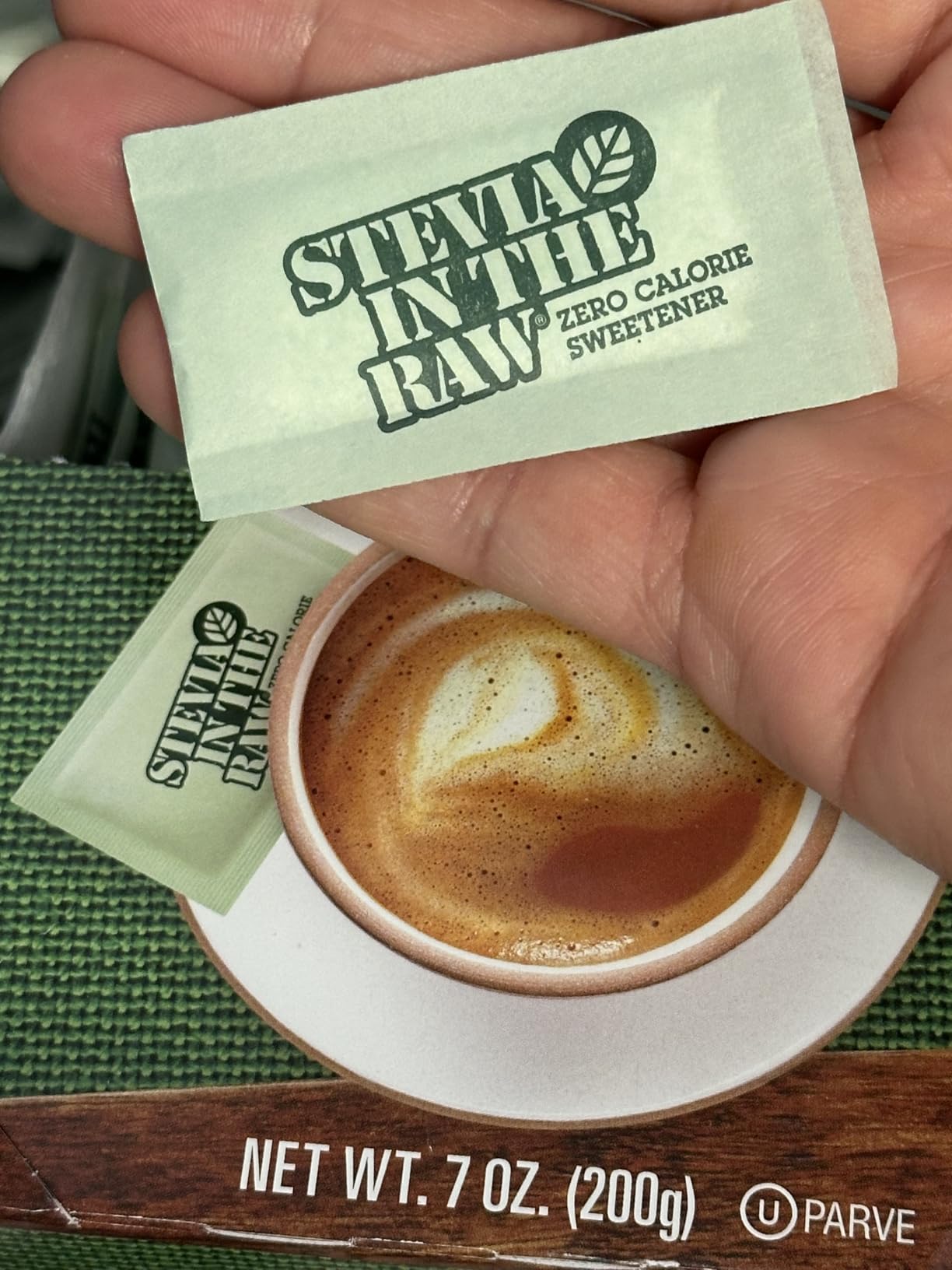
Stevia In The Raw differentiates itself from Truvia by using no erythritol as a bulking agent. Instead, it uses dextrose, which gives it a different texture and taste profile. I tested it head to head with Truvia in coffee and found Stevia In The Raw to have a more pronounced stevia flavor that some people love and others find too herbal.
With nearly 19,500 reviews and a 4.6-star rating, this is one of the most popular stevia products on the market. It ranks number four in stevia sugar substitutes. The 200-count box comes as two boxes of 100 packets each, which is convenient for keeping one at home and one at the office.
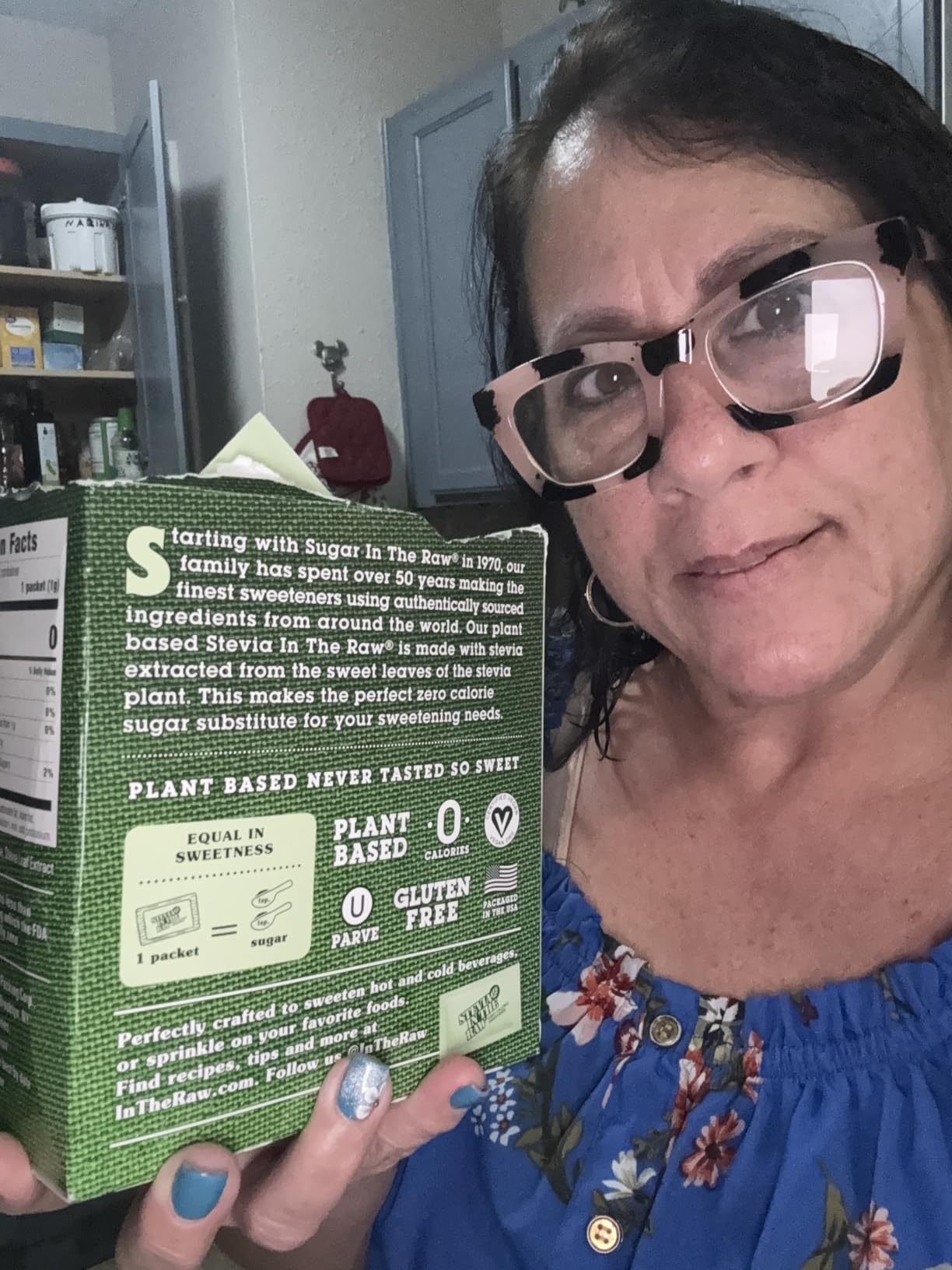
Each packet equals the sweetness of two teaspoons of sugar, matching the standard sweetener packet ratio. I found it dissolves quickly in both hot and cold beverages. The low glycemic index makes it suitable for diabetics, and the vegan certification appeals to plant-based consumers.
The main complaint I saw across reviews was packaging issues, with some boxes arriving crushed or torn. This does not affect the product quality but can be frustrating. The aftertaste is more noticeable than Truvia for some users, particularly those who are sensitive to stevia’s natural bitterness.
How It Compares to Truvia
If you want to avoid erythritol completely, Stevia In The Raw is the better choice. If you want the most sugar-like taste from a stevia product, Truvia wins due to its erythritol blend. Both are zero calorie and diabetic friendly, so the choice comes down to your ingredient preferences and taste sensitivity.
Best For Everyday Beverage Use
This product shines as a daily coffee and tea sweetener. The individually wrapped packets make it easy to control portions and take on the go. For baking, pure stevia is challenging because it is 200 to 300 times sweeter than sugar, so conversion math becomes tricky very quickly.
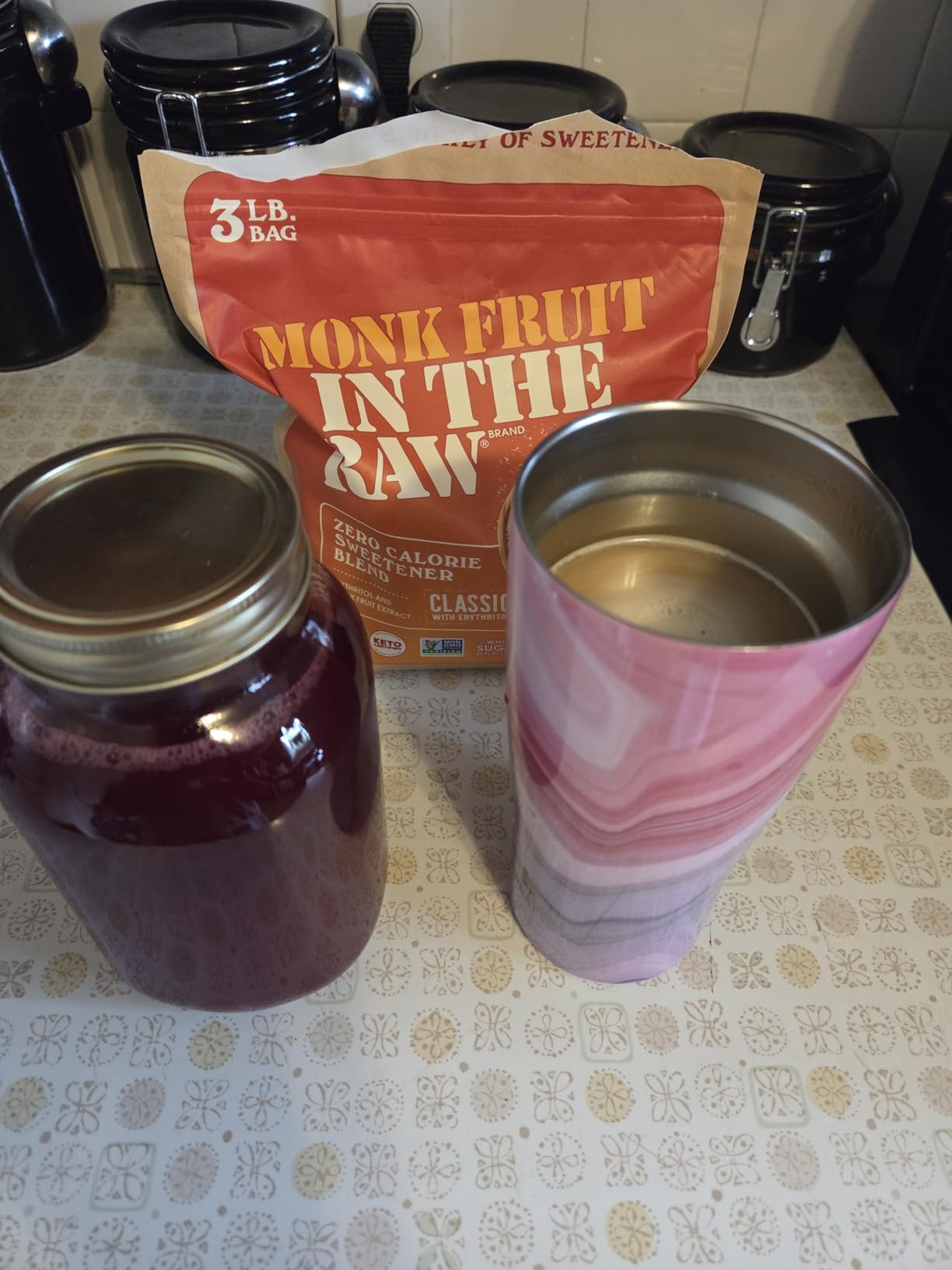
6. Monk Fruit In The Raw Baker’s Bag
Monk Fruit In The Raw, Sweetener Bag, 1 LB
Monk fruit sweetener
16 oz bag
1:1 like sugar
Keto certified
Pros
- Zero calorie and zero net carb
- Measures 1:1 like sugar for baking
- Clean taste with no bitter aftertaste
- Keto certified and Non-GMO verified
- Dissolves easily in hot and cold beverages
Cons
- Some find it overpriced
- Not as sweet as regular sugar for some users
Monk Fruit In The Raw comes in a 16-ounce baker’s bag designed specifically for measuring and baking. I tested it in cookies, muffins, and cakes, and the 1:1 ratio worked perfectly every time. You measure it exactly like sugar, cup for cup, which eliminates the conversion headaches that plague many sugar substitutes.
With over 16,800 reviews and a 4.5-star rating, this product ranks number five overall in sugar substitutes. The ingredient list is monk fruit extract and dextrose, which is simpler than many competitors. It is Keto Certified, Non-GMO Project Verified, and vegan, hitting the certifications that matter to health-conscious consumers.
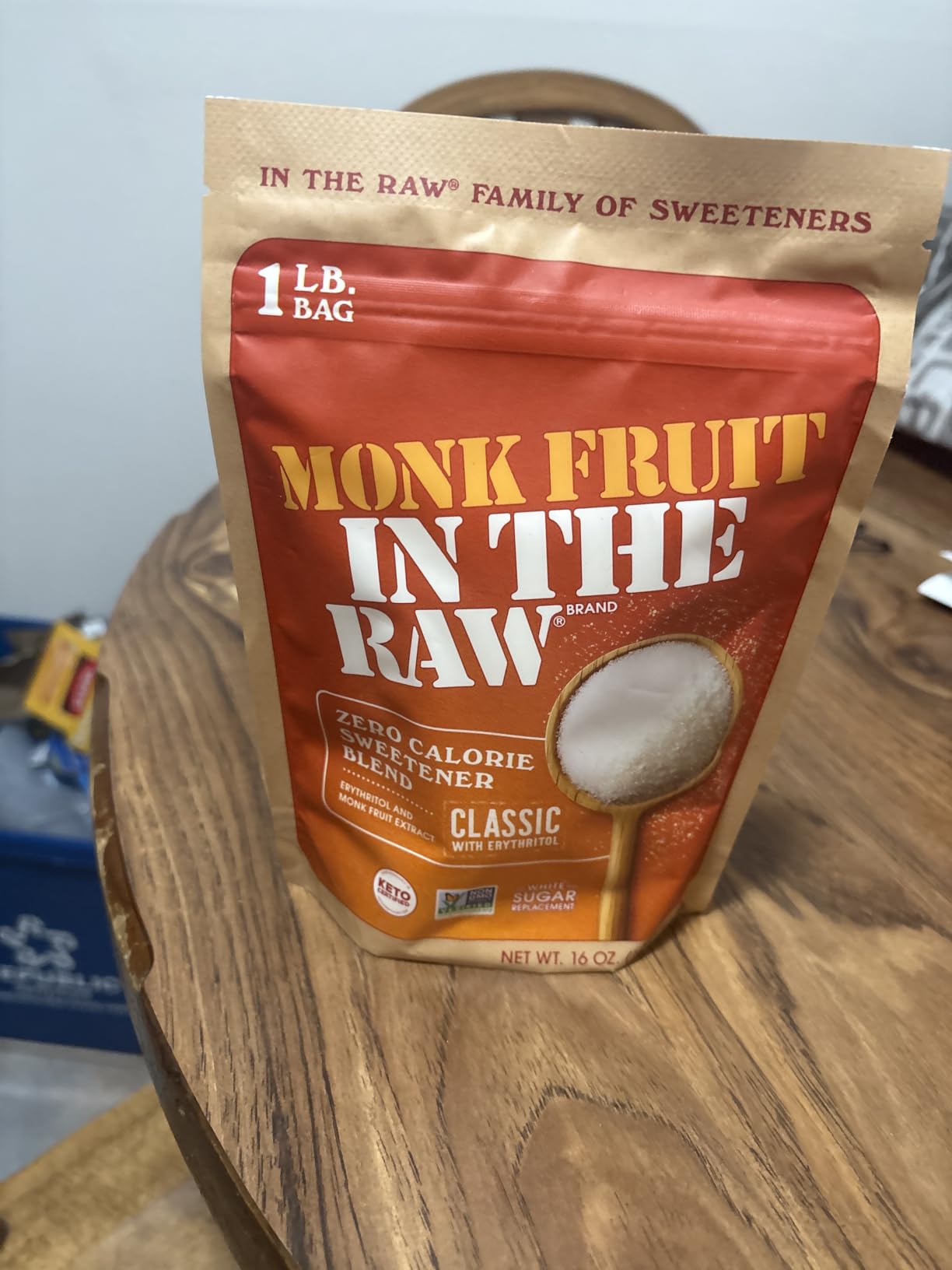
I found the taste to be clean and sweet without the bitter licorice note that some stevia products carry. However, some users report it is not as sweet as they expected. If you have a serious sweet tooth, you might find yourself using slightly more than the 1:1 ratio suggests.
The baker’s bag format is a significant advantage over packets for anyone who bakes regularly. You can scoop and measure just like regular sugar, and the resealable bag keeps the product fresh between uses. I found it particularly good in coffee cakes and quick breads.
Baking Performance Details
This sweetener performs well in most baked goods, though it does not brown quite as aggressively as sugar. Cookies will be slightly paler and cakes may not develop the same golden crust. The texture and moisture are excellent, which is the most important factor for most recipes.
Who Should Choose This
If your primary use is baking and you want a monk fruit product in a scoopable format, this is the one to get. It is also a solid choice for everyday coffee and tea sweetening. Just be aware that the dextrose content means it is not truly zero calorie per serving in the strictest sense, though the calories are negligible.
7. Swerve Ultimate Sugar Replacement
Swerve Ultimate Sugar Replacement Sweetener, Granular Sugar Substitute, Zero Calorie, Keto Friendly, Zero Sugar, Non-Glycemic, Gluten Free, 12 ounces
Erythritol blend granular
12 oz bag
1:1 sugar replacement
Browns and caramelizes
Pros
- 1:1 sugar replacement no conversion needed
- Bakes browns and caramelizes like real sugar
- Zero calorie and keto friendly
- Granular texture matches real sugar
- 22k reviews at 4.7 stars
Cons
- Erythritol-based may cause cooling sensation
- Some users report GI upset
- Not suitable for very low-FODMAP diets
Swerve is the best value sugar substitute I tested. At under $7 for a 12-ounce bag, it delivers a 1:1 sugar replacement that actually browns and caramelizes like real sugar. With over 22,100 reviews and a 4.7-star rating, it is the most popular granular erythritol sweetener on Amazon.
I tested Swerve extensively in baking because that is where it truly shines. The granular texture is nearly indistinguishable from regular sugar, and it measures cup-for-cup without any conversion. I made a batch of brownies that browned beautifully on top, something most sugar substitutes simply cannot do.
The secret behind Swerve’s browning ability is its proprietary blend of erythritol and oligosaccharides. The oligosaccharides help it behave more like sugar under heat, enabling caramelization and Maillard browning reactions. This makes it the closest thing to real sugar for baking that I have found in this price range.
The main drawback is that Swerve is erythritol-based, which means it can cause a cooling sensation in the mouth and digestive upset in sensitive individuals. Some users on Reddit describe the cooling effect as “minty” or “weird” in hot beverages. For baking, this effect is much less noticeable because the heat changes the way erythritol interacts with other ingredients.
Best Baking Sweetener for Budget
If you bake frequently and want the most affordable option that performs like sugar, Swerve is unmatched. It handles high heat well, browns beautifully, and costs about half what premium monk fruit products do per ounce. The keto community has embraced it as a staple for this reason.
Erythritol Safety Note
Recent research from the Cleveland Clinic has raised questions about erythritol and cardiovascular risk. The studies suggest a possible link between high erythritol levels and blood clotting, though the research is still developing. If you consume erythritol daily in large amounts, it is worth discussing with your healthcare provider, especially if you have existing cardiovascular risk factors.
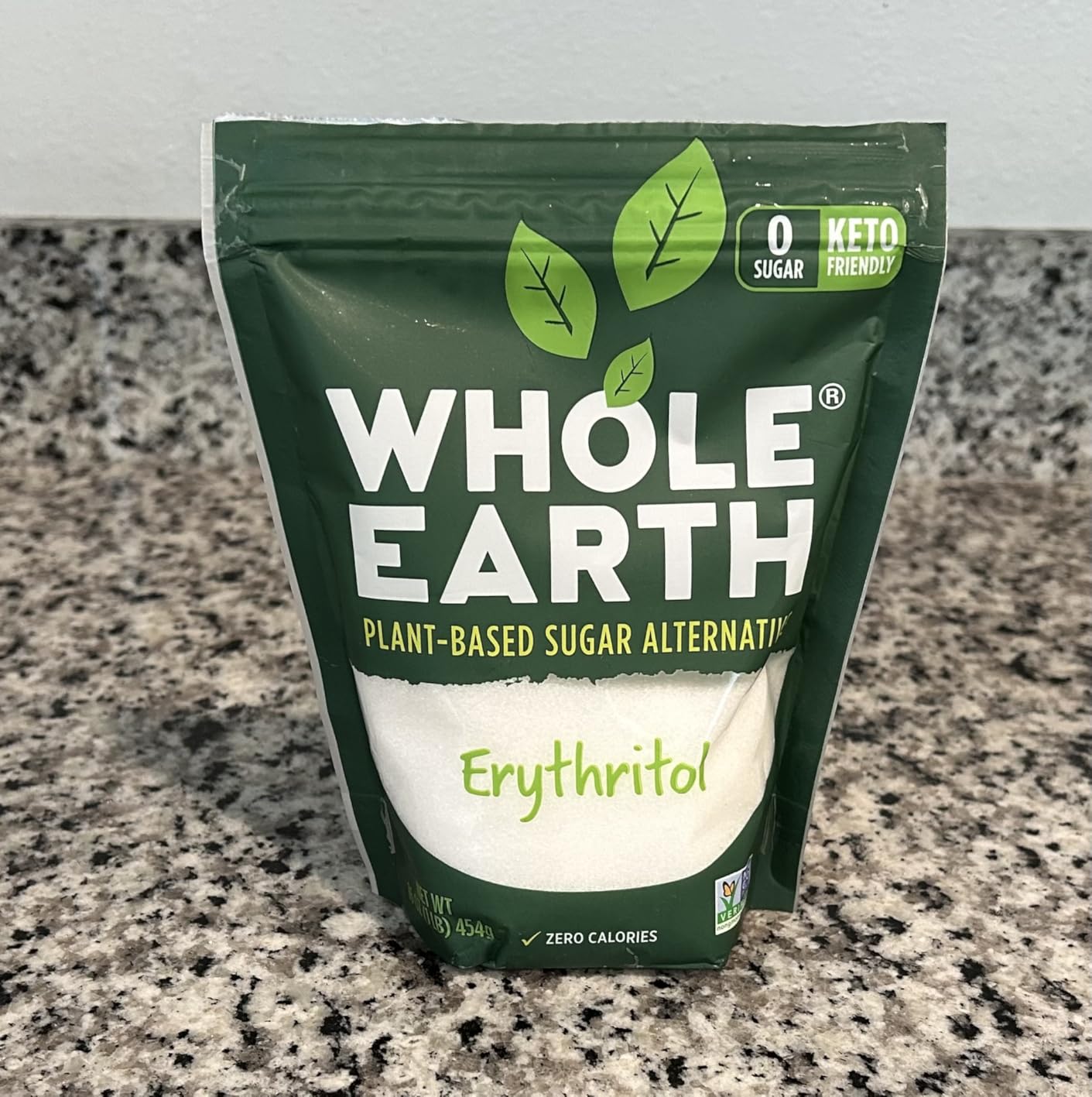
8. Whole Earth 100% Erythritol
WHOLE EARTH 100% Erythritol Zero Calorie Plant-Based Sugar Alternative, 4 Pound Pouch (Packaging May Vary )
100% pure erythritol
4 lb pouch
Plant based from non-GMO corn
Zero calorie
Pros
- 100% pure erythritol with no fillers
- Zero calories and zero net carbs
- Measures cup-for-cup like sugar
- Dissolves and caramelizes like sugar
- Kosher and gluten-free
Cons
- Currently out of stock on Amazon
- Only 70% as sweet as sugar
- GI disturbance at higher consumption levels
Whole Earth offers pure erythritol with nothing else added. The 4-pound bulk pouch is designed for heavy users who go through sweetener quickly, particularly keto bakers and people who make their own sweetener blends. I tested it in baking and beverages and found it to be clean-tasting with no bitterness or off-flavors.
With over 17,500 reviews and a 4.6-star rating, this is one of the most-reviewed pure erythritol products available. The non-GMO corn sourcing and plant-based positioning appeal to consumers who want clean ingredients. It is kosher, gluten-free, and vegan-friendly.
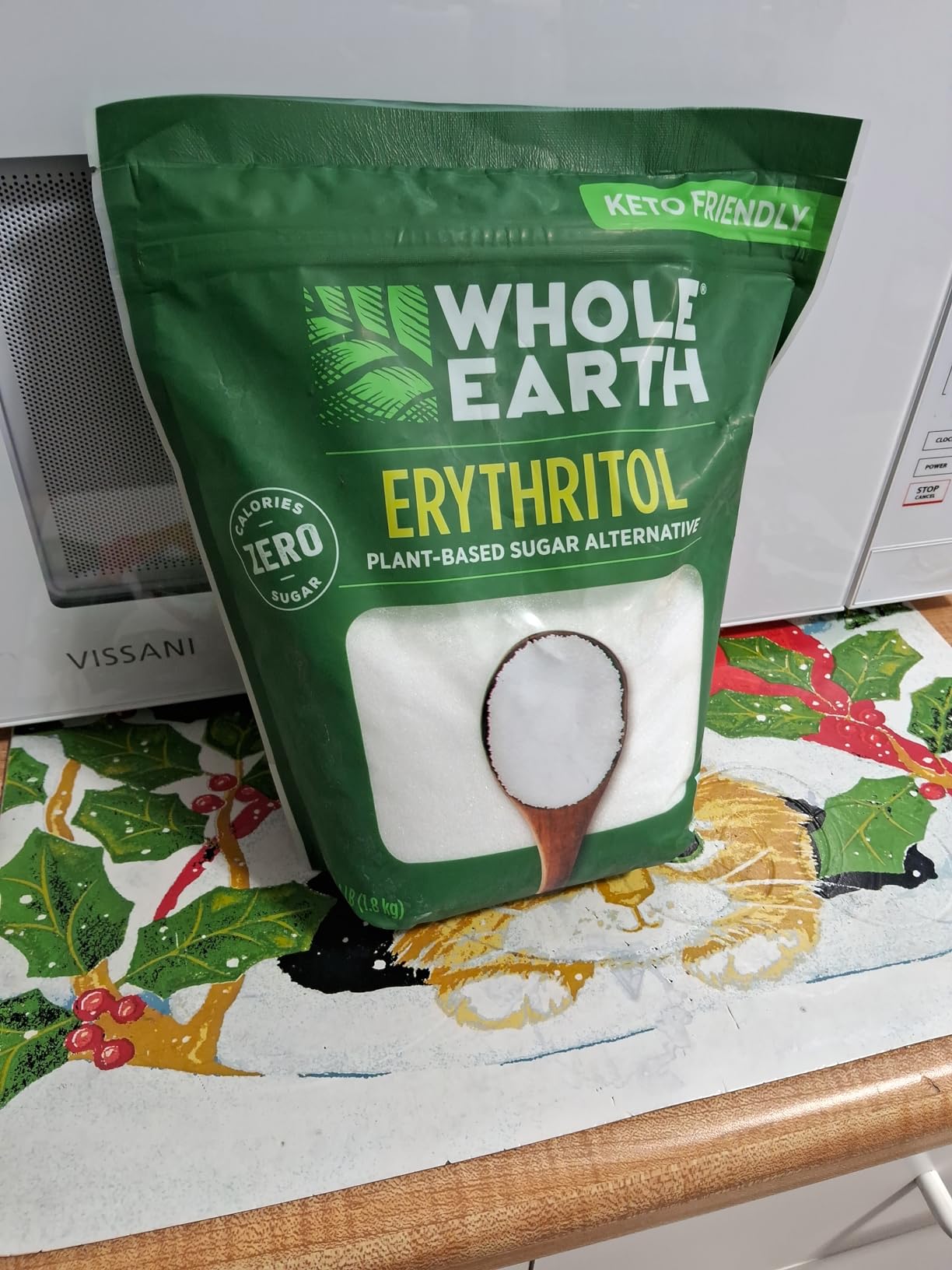
The main thing to understand about pure erythritol is that it is only about 70% as sweet as sugar. This means you need to use more of it to achieve the same sweetness level. For baking, I typically use 1.3 cups of erythritol for every 1 cup of sugar called for in a recipe. This is important to get right or your baked goods will taste under-sweetened.
Pure erythritol does not brown or caramelize as well as sucrose, which limits certain baking applications. It also does not work well for leavening or carbonating. For jam and jelly making, you need specialty LM-type pectin when using erythritol instead of sugar.
Understanding Bulk Erythritol
If you bake frequently on a keto or low-carb diet, buying erythritol in bulk is significantly more economical than purchasing pre-blended products. You can mix it with stevia or monk fruit extract to create your own custom sweetener blend at a fraction of the cost of branded products.
Availability Note
This product has experienced stock fluctuations on Amazon. If it is unavailable when you check, Anthony’s Erythritol (which I review next) is a comparable alternative with similar purity and quality.
9. Anthony’s Erythritol Granules
Anthony’s Erythritol Granules, 5 lb, Non GMO, Sweetener, Keto & Paleo Friendly
Pure erythritol granules
5 lb bulk bag
Made in USA
Non-GMO and gluten-free
Pros
- Pure erythritol with no fillers or additives
- Batch tested and verified gluten-free
- Made in the USA with no China sourcing
- Uniform crystal size no clumping
- 70% as sweet as sugar zero calories
Cons
- Migraine trigger for some users
- Not as sweet as regular sugar
- Cooling sensation compared to real sugar
Anthony’s Erythritol is the premium bulk option for serious bakers. The 5-pound bag gives you a massive supply of pure, filler-free erythritol made in the USA. I found the crystal size to be remarkably uniform, which means consistent dissolving and measuring every time.
With over 5,000 reviews and a 4.7-star rating, Anthony’s has built a strong reputation among keto and paleo communities. The brand emphasizes that their erythritol is not sourced from China, which matters to consumers concerned about ingredient sourcing and quality control.
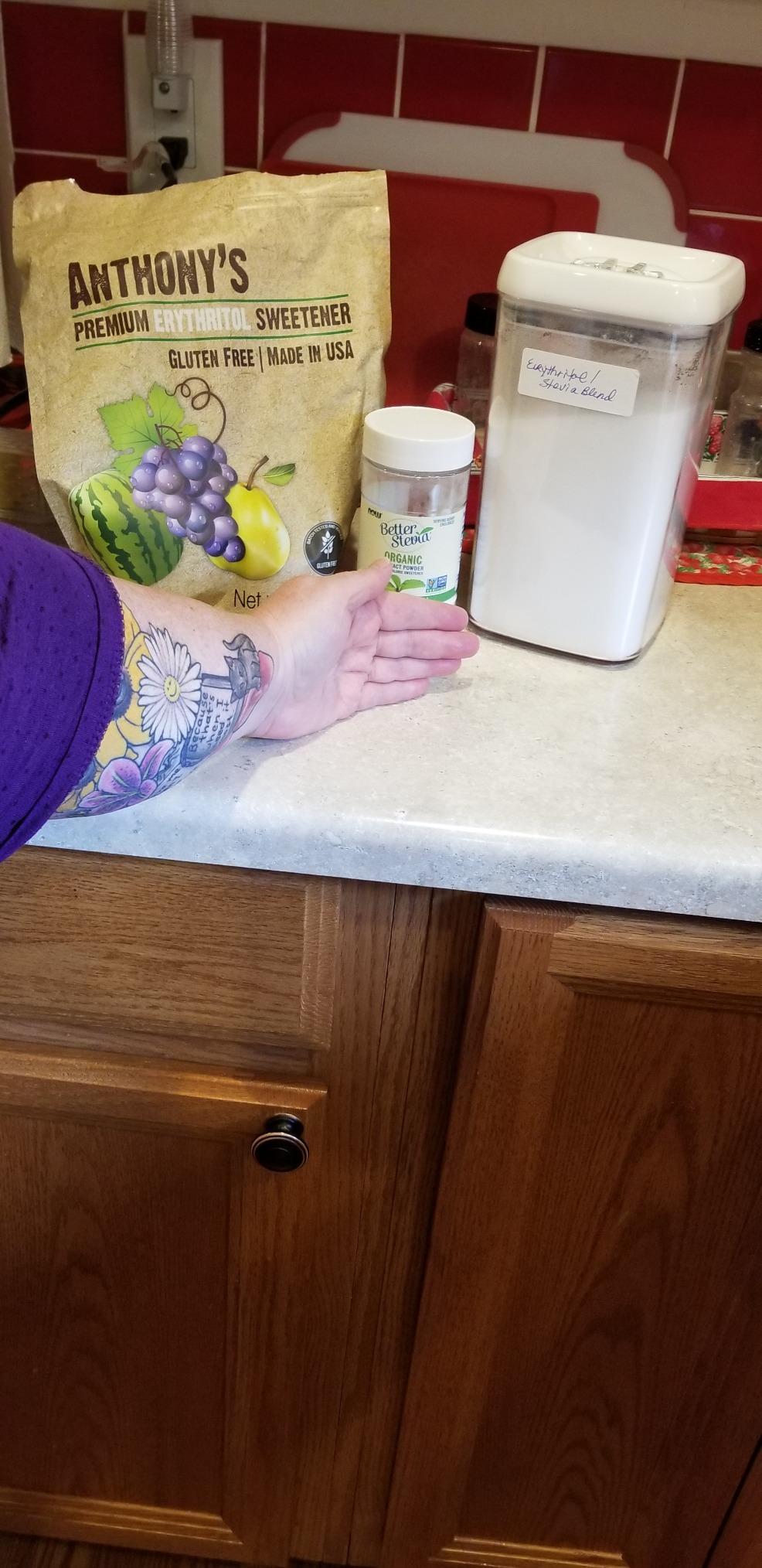
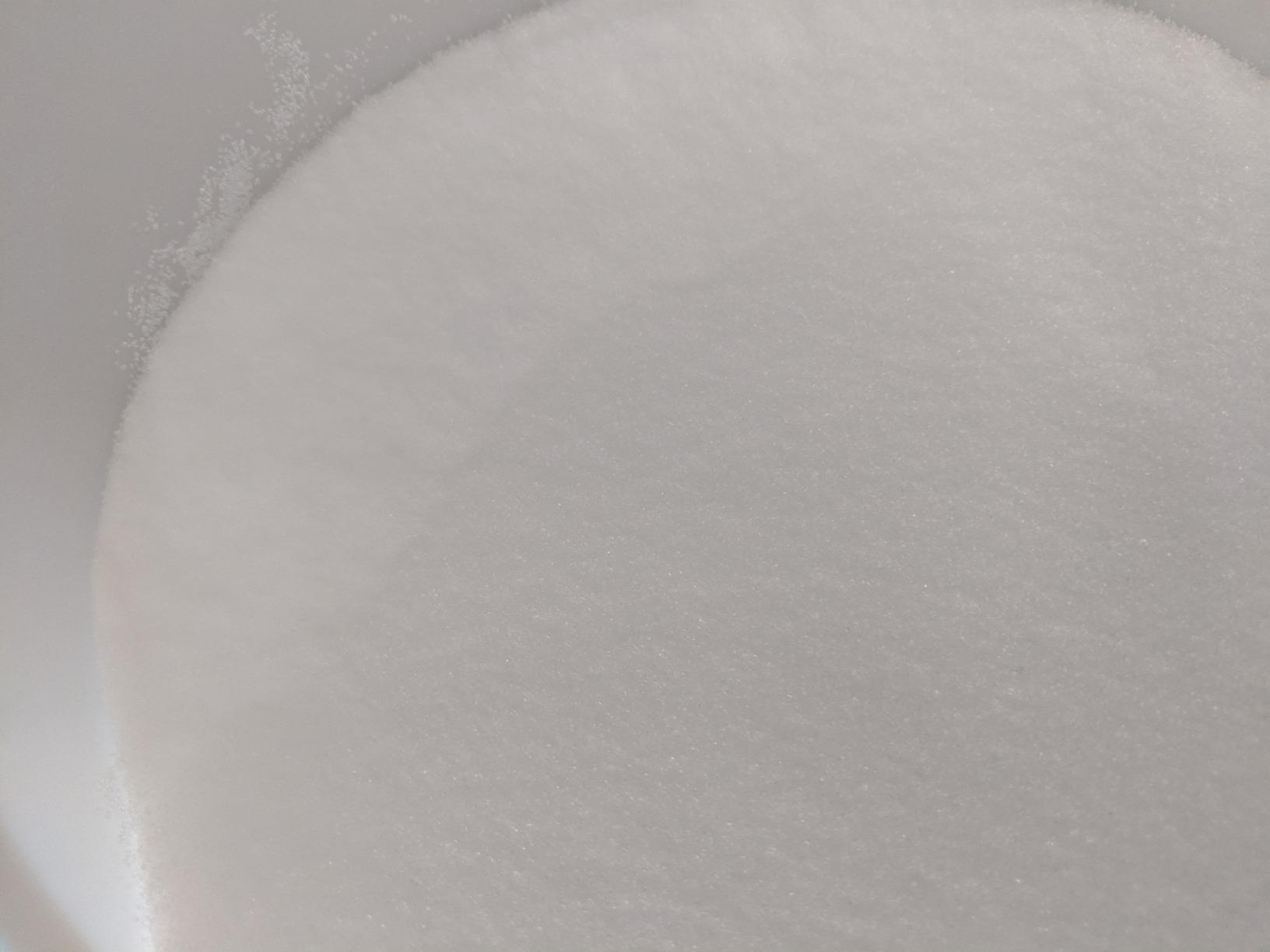
I tested this erythritol in cookies, cakes, and beverages. The clean taste is immediately noticeable compared to cheaper erythritol brands that can have a chemical or metallic off-flavor. Anthony’s dissolves cleanly in both hot and cold liquids without clumping, and the crystals look almost identical to table sugar.
One thing to note: some migraine sufferers report that erythritol acts as a trigger. If you are prone to migraines or ocular migraines, start with a small amount to test your tolerance. This is not unique to Anthony’s but applies to erythritol in general.
Value Comparison for Bulk Buyers
At 5 pounds for around $32, Anthony’s works out to roughly $6.40 per pound of erythritol. This is competitive with Whole Earth’s 4-pound pouch and offers the advantage of being made in the USA with non-GMO ingredients. For frequent bakers, this is one of the most economical ways to buy quality erythritol.
Best For Custom Blending
Many experienced keto bakers buy pure erythritol and blend it with liquid stevia or monk fruit extract to create their own custom sweetener. This gives you complete control over sweetness level and taste profile while saving money compared to pre-mixed products like Lakanto or Swerve.
10. Deal Supplement Allulose Sweetener (6 lb)
Allulose Sweetener 6 Pounds – Natural Sugar Substitutes, No Aftertaste – Keto Friendly, Vegan, Zero Net Carb, Zero Calorie – Great for Cooking & Baking
100% pure allulose
6 lb bulk bag
Zero net carb and zero calorie
680 servings
Pros
- Zero aftertaste reported by most users
- Bakes and cooks like real sugar
- Does not spike blood glucose
- Affordable bulk at about 5 cents per serving
- No GI distress for most users
Cons
- Only 60-70% as sweet as sugar
- Very fine powder not granular
- Those with CKD stage 3+ should limit intake
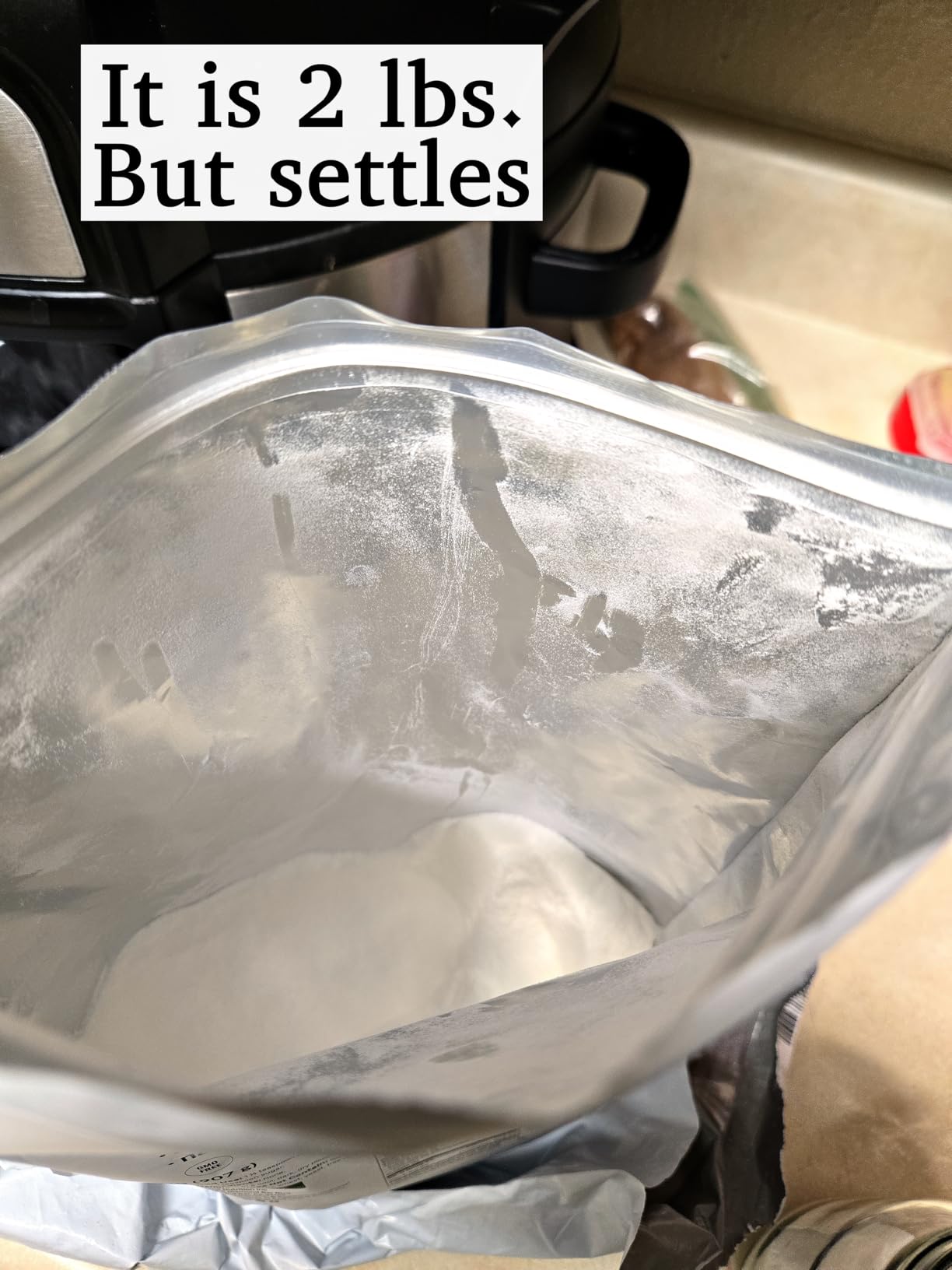
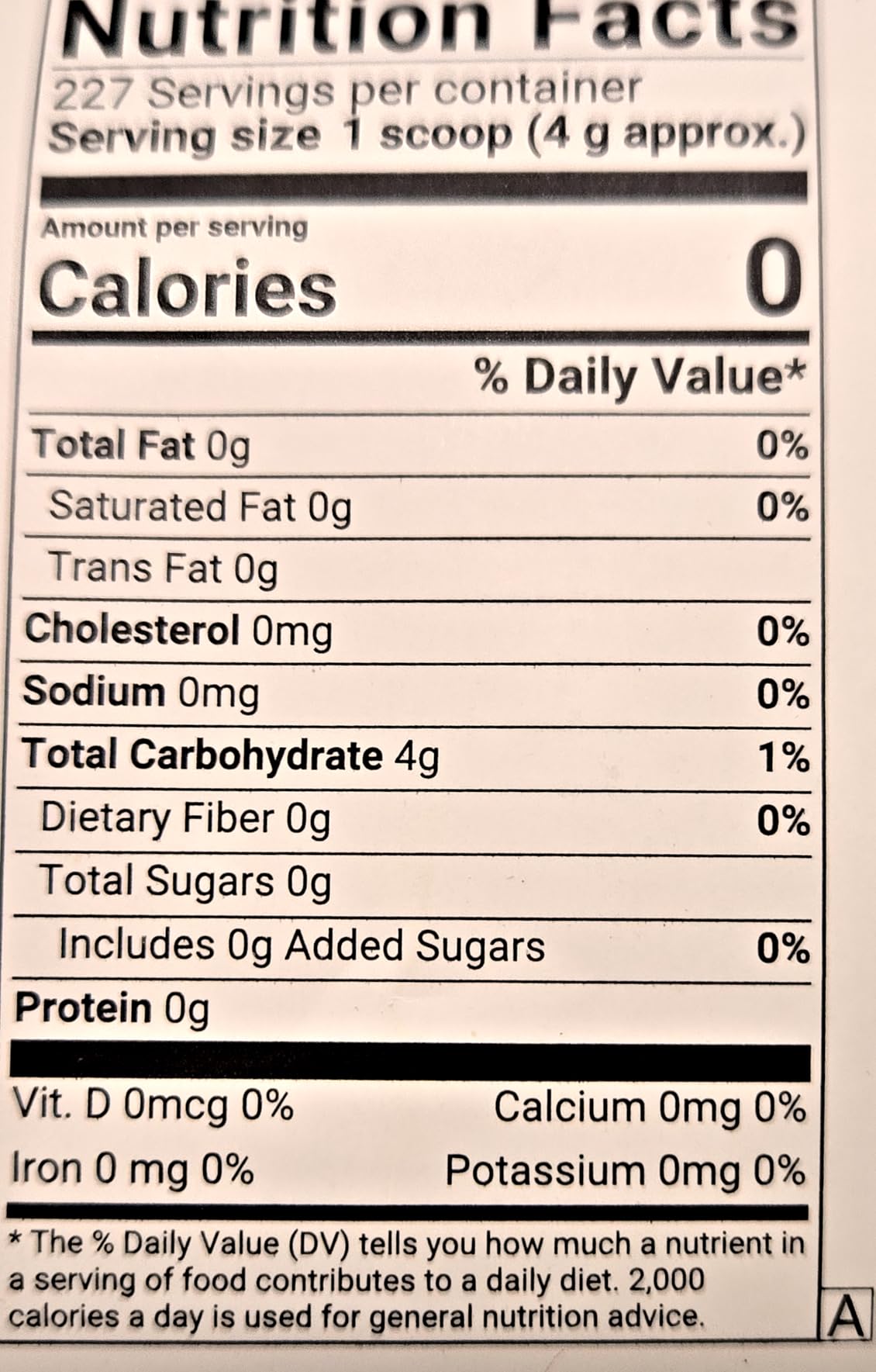
This 6-pound bulk allulose bag from Deal Supplement is the most affordable way to buy allulose I have found. At approximately five cents per serving across 680 total servings, it dramatically undercuts smaller allulose packages. I tested it extensively in baking, coffee, and smoothies.
The consistency is a very fine powder rather than granular, which behaves slightly differently in baking. It dissolves almost instantly in liquids, which is great for cold applications like smoothies and iced coffee. For baking, the fine powder blends into batters very smoothly without any grittiness.
Allulose is my favorite sweetener for baking because it behaves most like real sugar. It browns, caramelizes, and adds bulk to recipes in a way that erythritol and stevia simply cannot match. The breads, muffins, and pies I made with this allulose had a texture nearly identical to sugar-based versions.
The main limitation is sweetness. Allulose is only about 60 to 70% as sweet as sugar, so you need to use roughly 1.3 to 1.5 times the amount called for in recipes. This is easy to adjust for once you know the ratio, but it does mean you go through the product faster than you might expect.
Why Allulose Is Different
Allulose is a rare sugar found naturally in figs, raisins, and kiwi. Your body absorbs it but does not metabolize it for energy, which means it passes through without raising blood sugar or insulin levels. Some research even suggests allulose may help lower blood glucose response when consumed with carbohydrates.
Health Considerations
For most people, allulose is well-tolerated without digestive issues. However, those with CKD stage 3 or higher should limit intake as the kidneys process allulose differently. As with any new sweetener, start with a small amount to assess your personal tolerance.
11. Wholesome Allulose Sweetener
Wholesome Sweeteners 12-Ounce Allulose Sweetener, Zero Calorie Sugar Substitute, Keto Friendly, Non GMO, Non-Erythritol, Gluten Free & Vegan Sweetener, 1 Pack
100% pure allulose
12 oz bag
Browns like sugar
Non-GMO verified
Pros
- Zero aftertaste most sugar-like substitute
- Bakes and browns like real sugar
- Single ingredient no additives
- Non-GMO Project Verified and Keto Certified
- May naturally elevate GLP-1 levels
Cons
- More expensive than regular sugar
- About 70% as sweet as sugar
- Liquid form has watery consistency
Wholesome Allulose is the number two bestseller in sugar substitutes on Amazon with over 11,300 reviews. I found it to be the most widely praised allulose product for taste, with users consistently calling it the most sugar-like substitute they have tried. The 12-ounce bag is a good entry-level size for testing allulose for the first time.
This product contains exactly one ingredient: pure allulose. No fillers, no additives, no blends. It is Non-GMO Project Verified, Keto Certified, Kosher Certified, gluten-free, and vegan. That certification stack is hard to beat and matters to consumers who care about clean labeling.
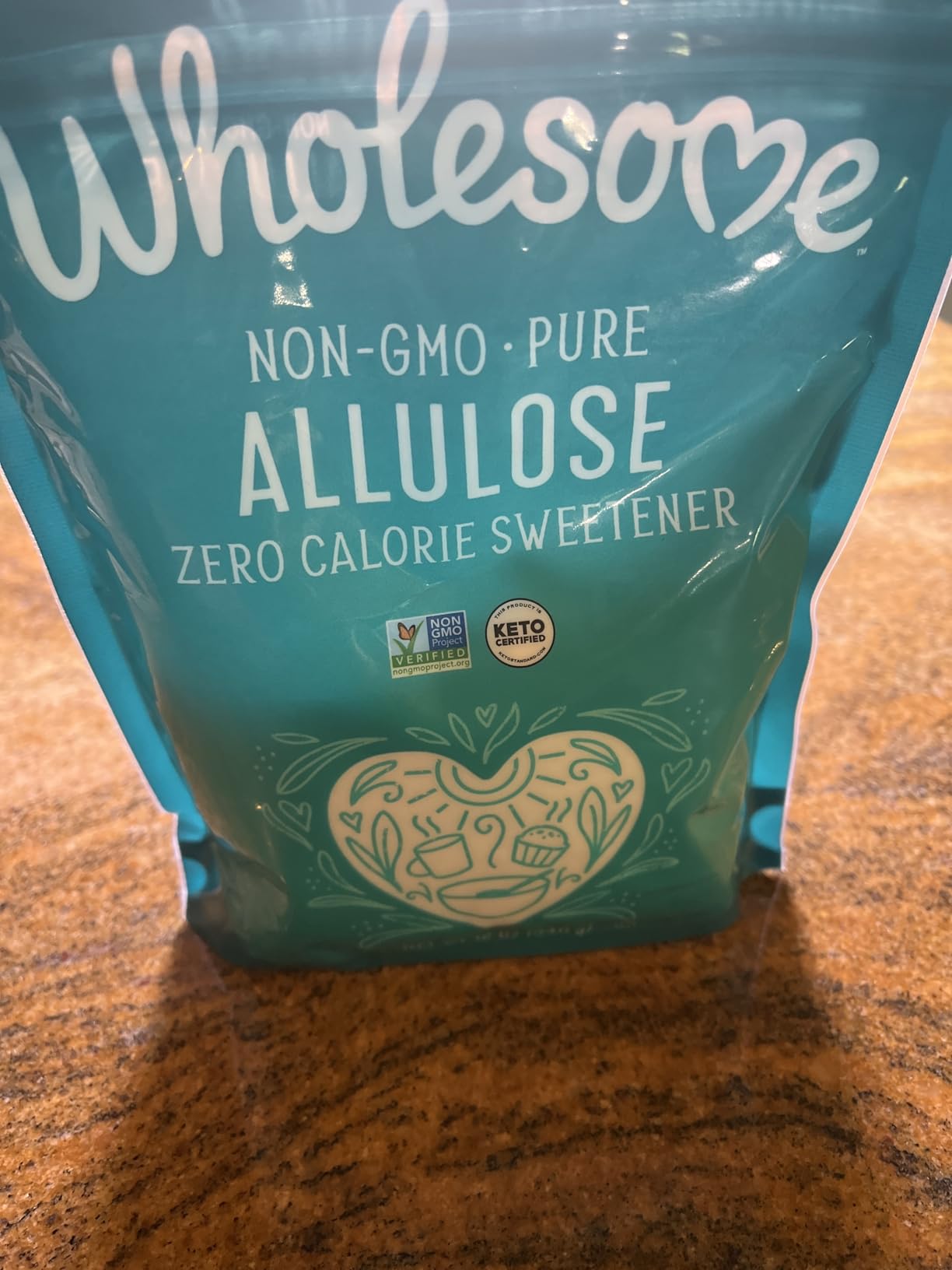
I tested it in baking side by side with the Deal Supplement allulose, and the results were comparable in taste and performance. The Wholesome version has a slightly more crystalline texture that better mimics sugar granules. It also browns and caramelizes beautifully, making it excellent for cookies, cakes, and quick breads.
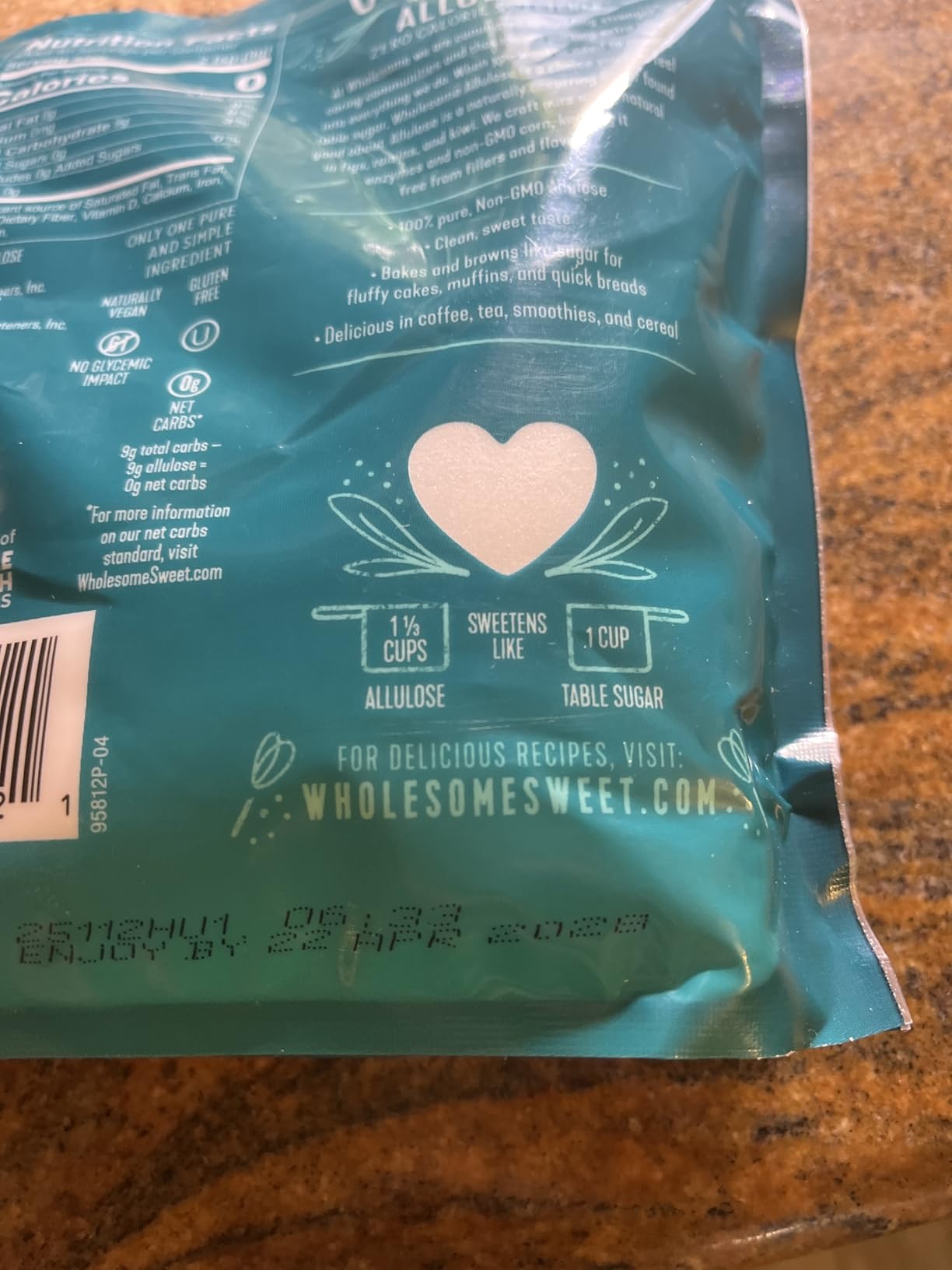
The recommended conversion is 1 and one-third cups of allulose for every 1 cup of sugar in baking. This accounts for the reduced sweetness while maintaining the proper volume for recipe chemistry. I followed this ratio in muffins and the results were excellent.
Best Allulose for First-Time Buyers
If you have never tried allulose before, Wholesome is the brand to start with. The 12-ounce bag gives you enough for several baking projects without a big upfront investment, and the quality is consistently praised across thousands of reviews. The brand’s reputation for clean ingredients adds confidence.
What Users Love Most
The overwhelming theme in reviews is the absence of aftertaste. Users who tried stevia and hated it, who found erythritol too cooling, and who could not tolerate artificial sweeteners all report success with Wholesome Allulose. Many call it the holy grail of sugar substitutes for this reason.
12. Xylitol Sweetener (6 lb Bulk)
Xylitol Sweetener, 6 Pounds, Natural Sweetener, 1:1 Sugar Substitute and Low Calorie, Great for Baking and Cooking, No After Taste, Keto Friendly
Bulk xylitol 6 lb
1:1 sugar substitute
Low calorie
Great for baking
Pros
- 1:1 sugar replacement no conversion needed
- Excellent for baking bakes like sugar
- Low glycemic index
- Good value in bulk 6 lb bag
- High 4.7 star rating
Cons
- Toxic to dogs must keep away from pets
- Can cause digestive upset
- Not suitable for very low-FODMAP diets
Xylitol is unique among sugar substitutes because it is a true 1:1 replacement that actually tastes and bakes like sugar. This 6-pound bulk bag offers the best value for xylitol I found. I tested it in cookies, cakes, and hot beverages, and the results were consistently the closest to real sugar of any product in this guide.
With nearly 1,900 reviews and a 4.7-star rating, users praise xylitol for its sugar-like taste and baking performance. The low glycemic index of about 7 makes it suitable for diabetics and keto dieters. It contains about 40% fewer calories than regular sugar, which is not zero but still a meaningful reduction.
Xylitol also has dental benefits that other sweeteners lack. Studies show it reduces cavity-causing bacteria in the mouth, which is why it is commonly used in sugar-free gum and dental products. This makes it an interesting option for parents looking to reduce their children’s sugar intake without sacrificing sweetness.
The critical warning with xylitol is that it is extremely toxic to dogs. Even small amounts can cause life-threatening drops in blood sugar and liver failure in canines. If you have dogs in your home, you must treat xylitol with the same caution as any dangerous substance. Keep it stored securely and clean up any spills immediately.
Best for Baking Authenticity
If your top priority is baked goods that taste and feel identical to sugar-based recipes, xylitol is hard to beat. It browns, caramelizes, and adds proper bulk. The one difference is a slight cooling sensation in the mouth, which some people notice in baked goods that are not fully cooled.
Digestive Tolerance
Xylitol can cause digestive upset, including gas, bloating, and a mild laxative effect, especially when you first start using it. Most people build tolerance over time. Start with small amounts and increase gradually to minimize these effects. If you have SIBO or IBS, consult your healthcare provider before using xylitol.
13. Health Garden Birch Xylitol Sweetener
Health Garden Birch Xylitol Sweetener – Xylitol Sugar Substitute – 15 oz
100% birch-derived xylitol
15 oz bag
1:1 sugar replacement
Non-GMO
Pros
- 100% birch-derived premium natural source
- 1:1 sugar replacement in recipes
- No aftertaste reported by most users
- Excellent value at under $10
- Dental health benefits mentioned by reviewers
Cons
- Smaller bag compared to bulk options
- Can cause digestive upset in large amounts
- Toxic to dogs
Health Garden Birch Xylitol is the premium xylitol option for consumers who care about sourcing. The birch-derived process is considered superior to corn-derived xylitol by many health-conscious buyers because birch is a more natural and sustainable source. I tested this in coffee, tea, and baking over several weeks.
With 6,900 reviews and a 4.6-star rating, this product has built a loyal following. The 15-ounce bag is a good trial size if you are new to xylitol and want to test your tolerance before committing to a 6-pound bulk bag. At under $10, it is one of the most affordable entry points into xylitol.
I found the taste to be indistinguishable from sugar in coffee and tea. No aftertaste, no cooling effect, just clean sweetness. In baking, it performed equally well, producing cookies and cakes with proper texture and browning. Several reviewers specifically mentioned dental health benefits, including reduced plaque and fewer cavities.
The same dog toxicity warning applies here as with all xylitol products. If you have pets, this is not the right sweetener for your home. For everyone else, birch xylitol offers an excellent balance of taste, performance, and natural sourcing.
Birch vs Corn Xylitol
Birch-derived xylitol is extracted from birch tree bark, while corn-derived xylitol comes from corn cobs. Both produce chemically identical xylitol, but birch is generally preferred by consumers who want to avoid corn-based products, particularly those concerned about GMOs. Health Garden’s birch xylitol is Non-GMO certified.
Best Entry-Level Xylitol
If you want to try xylitol without a large upfront investment, this 15-ounce bag is the perfect starting point. It gives you enough for several weeks of daily use plus a few baking projects, at a price that makes it easy to test whether xylitol works for you.
14. Splenda Zero Calorie Sweetener (Granulated Twin Pack)
SPLENDA Zero Calorie Sweetener, Granulated Sugar Substitute, Resealable Twin Pack Bags, 25.22 Ounce (Each Pouch: 12.61 oz)
Sucralose based granulated
25.22 oz twin pack
Zero calorie
Measures like sugar
Pros
- Tastes like real sugar with no aftertaste
- Zero calories and less than 1g carbs
- Granules dissolve easily in hot drinks
- Measures cup-for-cup like sugar
- Versatile for coffee tea baking and cooking
Cons
- Some find it pricier than regular sugar
- May not be available in all local stores
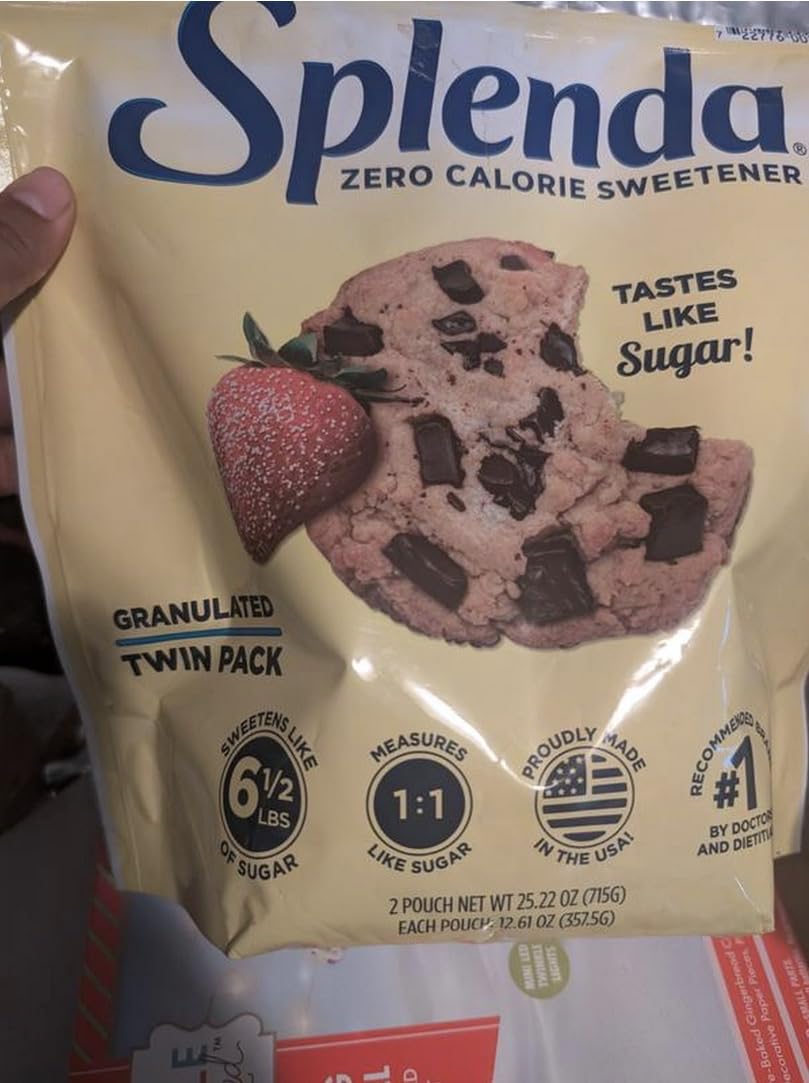
Splenda is the most recognized sugar substitute brand in America, and for good reason. This granulated version comes in a 25.22-ounce twin pack that measures cup-for-cup like sugar. I tested it in coffee, tea, cereal, and several baking recipes with consistently good results.
With over 9,100 reviews and a stellar 4.8-star rating, Splenda Granulated is the highest-rated product in this guide. The active ingredient is sucralose, which is FDA-approved and considered safe by the National Kidney Foundation for CKD patients. This makes it a recommended option for people managing kidney disease.
The granulated format is where Splenda truly shines compared to the classic yellow packets. You can scoop and measure it exactly like sugar, making it far more practical for baking. I used it in a batch of sugar-free banana bread and the texture and sweetness were spot on. The resealable twin pack bags keep everything fresh between uses.
Splenda contains maltodextrin as a bulking agent, which means each serving has a small amount of carbohydrates (less than 1 gram) and a small number of calories (less than 1 per serving). For most people this is negligible, but strict keto dieters should be aware of it.
Best for CKD Patients
The National Kidney Foundation lists sucralose (Splenda) as a safe sweetener for people with chronic kidney disease. If you are managing CKD and need a sugar substitute, this is one of the most widely recommended options by nephrologists and dietitians.
Everyday Versatility
If you want one sweetener that does everything well without breaking the bank, Splenda Granulated is hard to top. It works in coffee, tea, baking, cooking, and cereal. The twin pack gives you enough supply to last months for most households, and the brand’s decades of safety data provide peace of mind.
15. Sweet’N Low Zero Calorie Sweetener Packets
Sweet’N Low Zero Calorie Sweetener Packets, 100 Ct, Kosher & Gluten Free, Low Glycemic Index, Individual Tea and Coffee Sweetener Packets
Saccharin sweetener
100 count packets
Zero calorie
Low glycemic index
Pros
- Zero calorie with low glycemic index
- Kosher and gluten-free certified
- Each packet equals 2 teaspoons of sugar
- Individually wrapped for portability
- Great value especially in bulk
Cons
- Different taste profile compared to sugar or stevia
- Occasional packaging issues with crushed boxes
Sweet’N Low is the original zero-calorie sweetener, and at under $3 for 100 packets, it is the most affordable option in this guide. The active ingredient is saccharin, which has been used as a sugar substitute for over 100 years and is one of the most thoroughly tested food ingredients in the world.
With over 9,500 reviews and a 4.8-star rating, Sweet’N Low maintains remarkable customer loyalty. Many reviewers cite decades of use, having started with the product in the 1970s or 1980s. The taste is distinct from sugar and from newer sweeteners like stevia, but for those who grew up with it, nothing else compares.
I tested Sweet’N Low primarily in coffee and tea, which is where it performs best. Each packet equals the sweetness of two teaspoons of sugar, which is the standard ratio for sweetener packets. It dissolves quickly in both hot and cold beverages, and the individual wrapping makes it incredibly portable.
The kosher and gluten-free certifications broaden its appeal. It is also vegan-friendly, which is notable since some sweeteners use animal-derived processing agents. At this price point, Sweet’N Low is the go-to option for restaurants, offices, and budget-conscious consumers.
Understanding Saccharin Safety
Saccharin was briefly linked to bladder cancer in rat studies during the 1970s, leading to warning labels. However, subsequent research showed the mechanism was specific to rats and not applicable to humans. The warning labels were removed in 2000, and saccharin is now fully FDA-approved and considered safe.
Best Budget Option
If cost is your primary concern and you want a zero-calorie sweetener that has stood the test of time, Sweet’N Low delivers unmatched value. At roughly 3 cents per packet, it costs a fraction of what premium natural sweeteners cost per serving. The taste is different from sugar, but millions of users love it.
Buying Guide: How to Choose the Best Sugar Substitute
Choosing the right sugar substitute depends on how you plan to use it, your health goals, and your taste preferences. After testing all 15 products in this guide, I can break down the decision into clear categories that make choosing much simpler.
Understanding the Three Main Types of Sweeteners
Sugar substitutes fall into three broad categories. Natural sweeteners like stevia and monk fruit are derived from plants and processed minimally. Sugar alcohols like erythritol and xylitol occur naturally but are typically manufactured in larger quantities from corn or birch. Artificial sweeteners like sucralose and saccharin are synthetic compounds created in laboratories.
Each category has trade-offs. Natural sweeteners appeal to clean-label consumers but can have aftertaste issues. Sugar alcohols bake well but cause digestive issues in some people. Artificial sweeteners are intensely sweet and affordable but raise concerns for some users about long-term health effects.
Glycemic Index Comparison
The glycemic index measures how quickly a food raises blood sugar on a scale of 0 to 100, with pure glucose at 100. Here is how the major sweeteners rank. Stevia, monk fruit, allulose, erythritol, sucralose, and saccharin all have a glycemic index of zero, meaning they do not raise blood sugar at all. Xylitol has a glycemic index of about 7, which is very low. Agave nectar sits at about 15, honey at 58, coconut sugar at 54, and regular table sugar at 65.
For diabetes management or keto diet compliance, zero-glycemic sweeteners are the clear winners. If you are simply trying to reduce sugar intake without strict blood sugar requirements, low-glycemic options like xylitol are also excellent choices.
Best Sugar Substitutes for Specific Uses
For baking, allulose is the closest to real sugar because it browns, caramelizes, and adds bulk. Xylitol is the second best for baking. Erythritol blends like Swerve also perform well. For coffee and tea, personal taste matters most. Truvia and Lakanto are crowd favorites for beverages. For keto diets, any zero-glycemic sweetener works, but monk fruit and allulose are the most popular among keto practitioners.
For diabetes management, stevia, monk fruit, allulose, and erythritol are all excellent choices with zero glycemic impact. For SIBO patients, avoid sugar alcohols (erythritol and xylitol) as they can ferment and cause bloating. Stevia and monk fruit are generally well-tolerated. For CKD patients, sucralose (Splenda) is the sweetener most commonly recommended by the National Kidney Foundation.
Taste and Aftertaste Considerations
Taste is subjective, but clear patterns emerge from user reviews. Allulose has the least aftertaste and tastes most like real sugar. Monk fruit blended with erythritol (like Lakanto) is a close second. Pure stevia can have a bitter or licorice aftertaste that about 30% of people notice strongly. Erythritol has a cooling sensation that some describe as minty. Saccharin has a distinctive taste that loyal users love but others find unfamiliar.
The best strategy is to try a few different types and see which your palate prefers. Many people end up using different sweeteners for different purposes, such as allulose for baking and stevia packets for coffee.
How to Read Labels and Spot Hidden Sugars
Many products marketed as healthy sweeteners contain fillers and bulking agents. Read ingredient lists carefully. Products labeled as “stevia” often contain mostly erythritol or maltodextrin with a small amount of stevia. Look for products that disclose all ingredients transparently. Avoid products with maltodextrin if you are keto, as it has a higher glycemic index than sugar itself.
Also watch for added sugars in products marketed as natural. Agave nectar, coconut sugar, and date sugar are often marketed as healthy alternatives, but they are still sugar with similar caloric content and blood sugar effects. They may have slightly lower glycemic indices or trace minerals, but they are not zero-calorie substitutes.
Health and Safety Considerations
The Cleveland Clinic has published research linking high erythritol blood levels to increased cardiovascular risk, including heart attack and stroke. The research is still developing, and the studies show correlation rather than proven causation. If you consume erythritol daily in large amounts, discuss it with your healthcare provider, particularly if you have cardiovascular risk factors.
The World Health Organization has advised against using non-sugar sweeteners for long-term weight control, citing inconclusive evidence for sustained weight loss. However, for short-term sugar reduction and blood sugar management, most major health authorities including the FDA, Mayo Clinic, and American Diabetes Association consider approved sweeteners safe when used within acceptable daily intake limits.
Aspartame received attention when the WHO classified it as “possibly carcinogenic to humans,” though the FDA maintains it is safe at current usage levels. Sucralose has been studied extensively and is considered safe by the FDA, though some users report headaches or migraines as a personal sensitivity.
FAQs
What is the healthiest sugar substitute to use?
Fresh and frozen fruit is the healthiest option according to the Cleveland Clinic. For zero-calorie alternatives, stevia and monk fruit rank highest for overall health because they are plant-derived with zero glycemic impact. Allulose is also highly recommended because it behaves like sugar in baking without raising blood glucose.
What is the best sweetener for SIBO?
People with SIBO should avoid sugar alcohols like erythritol, xylitol, and sorbitol because they can ferment in the gut and worsen bloating symptoms. Stevia and monk fruit are generally well-tolerated by SIBO patients. Allulose may also be suitable since it is absorbed differently than sugar alcohols. Always consult your healthcare provider for personalized guidance.
What sweetener is best for CKD (chronic kidney disease)?
Sucralose (Splenda) is the sweetener most commonly recommended by the National Kidney Foundation for people with chronic kidney disease. It is considered safe and does not stress the kidneys. Stevia is also generally considered safe for CKD patients. Allulose should be limited for those with CKD stage 3 or higher. Always consult your nephrologist for personalized recommendations.
What is the best sugar substitute that tastes like sugar?
Allulose is the closest to real sugar in taste and texture, with virtually no aftertaste. Erythritol and xylitol are also very close, though erythritol has a slight cooling sensation. Monk fruit blended with erythritol (like Lakanto) is highly rated for sugar-like taste. For baking specifically, allulose and xylitol produce the most sugar-like results because they brown and caramelize.
Is erythritol safe to consume daily?
Erythritol is FDA-approved and generally recognized as safe. However, recent research from the Cleveland Clinic has raised questions about a possible link between high erythritol blood levels and cardiovascular risk, including blood clotting. The research shows correlation and is still developing. If you use erythritol daily in large amounts, discuss it with your healthcare provider, especially if you have heart disease risk factors.
Conclusion
After testing all 15 of these best sugar substitutes, my top recommendation is Lakanto Classic Monk Fruit Sweetener for its versatility and sugar-like taste across coffee, tea, and baking. For the best value, Swerve delivers outstanding baking performance at under $7. And for those who want the closest possible experience to real sugar with no aftertaste, allulose products from Wholesome or Deal Supplement are worth every penny.
The right sugar substitute for you ultimately depends on your specific needs. If you are managing diabetes, stevia and monk fruit give you zero glycemic impact. If you are a passionate baker, allulose or xylitol will give you the best texture and browning. If you are on a budget, Sweet’N Low and Splenda offer proven performance at the lowest cost. Whatever you choose, reducing your refined sugar intake is one of the best dietary changes you can make for your long-term health.