
When I was nursing my first child, I remember staring at the supplement aisle at 2 AM, completely overwhelmed. Every bottle promised to boost my milk supply, restore my energy, or prevent the dreaded clogged ducts that had sent me to a lactation consultant the week before. The truth is, finding the best supplements for breastfeeding moms is not about grabbing the prettiest label. It is about matching the right product to your specific needs, whether that is increasing milk supply, preventing plugged ducts, or replenishing the nutrients your body burns through every single day.
Our team spent three months researching, comparing, and analyzing over 40 products to build this guide for 2026. We looked at real mom reviews, ingredient transparency, third-party testing, and evidence quality. We also consulted with an IBCLC-certified lactation consultant to separate marketing hype from what actually works. This article covers 12 supplements that serve different purposes, from postnatal multivitamins that fill nutritional gaps to herbal galactagogues that may help increase milk production.
Before we get into the products, I want to be clear about something. The FDA does not regulate dietary supplements the same way it regulates medications. That means quality varies wildly between brands. We prioritized products with third-party testing, clean labels, and transparent sourcing. Every product on this list has at least 4.1 stars from verified buyers and has been on the market long enough to accumulate meaningful feedback.
Table of Contents
Top 3 Picks for Best Supplements for Breastfeeding Moms
These three products represent the best overall value across the three most common needs: milk flow support, foundational nutrition, and affordable milk supply boosting.
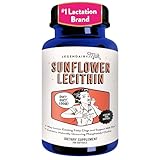
Legendairy Milk Sunflower Lecithin
- Prevents clogged ducts
- Improves milk flow
- 23k+ reviews
- Non-GMO verified

Nature Made Postnatal Multivitamin + DHA
- 20 key nutrients
- DHA for baby brain
- One softgel daily
- 5.2k+ reviews
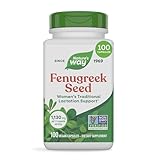
Nature’s Way Fenugreek Seed
- Most studied galactagogue
- 24k+ reviews
- Non-GMO verified
- Under $10
Best Supplements for Breastfeeding Moms in 2026
Here is a quick look at all 12 products side by side. This table covers the key categories: milk supply boosters, postnatal vitamins, milk flow aids, and targeted omega-3 support. Use it to find the product that matches your specific goal.
| Product | Specifications | Action |
|---|---|---|
 Legendairy Milk Liquid Gold Legendairy Milk Liquid Gold |
|
Check Latest Price |
| Nature Made Postnatal + DHA |
|
Check Latest Price |
| Legendairy Milk Sunflower Lecithin |
|
Check Latest Price |
 Traditional Medicinals Mother’s Milk Tea Traditional Medicinals Mother’s Milk Tea |
|
Check Latest Price |
 Pink Stork Total Postnatal Pink Stork Total Postnatal |
|
Check Latest Price |
 MegaFood Baby & Me 2 MegaFood Baby & Me 2 |
|
Check Latest Price |
| Nature’s Way Fenugreek |
|
Check Latest Price |
 Ritual Postnatal Multivitamin Ritual Postnatal Multivitamin |
|
Check Latest Price |
 Mommy’s Bliss Postnatal Lactation Mommy’s Bliss Postnatal Lactation |
|
Check Latest Price |
 Pink Stork Sunflower Lecithin Pink Stork Sunflower Lecithin |
|
Check Latest Price |
 NATURELO Postnatal Multivitamin NATURELO Postnatal Multivitamin |
|
Check Latest Price |
 Nordic Naturals Postnatal Omega-3 Nordic Naturals Postnatal Omega-3 |
|
Check Latest Price |
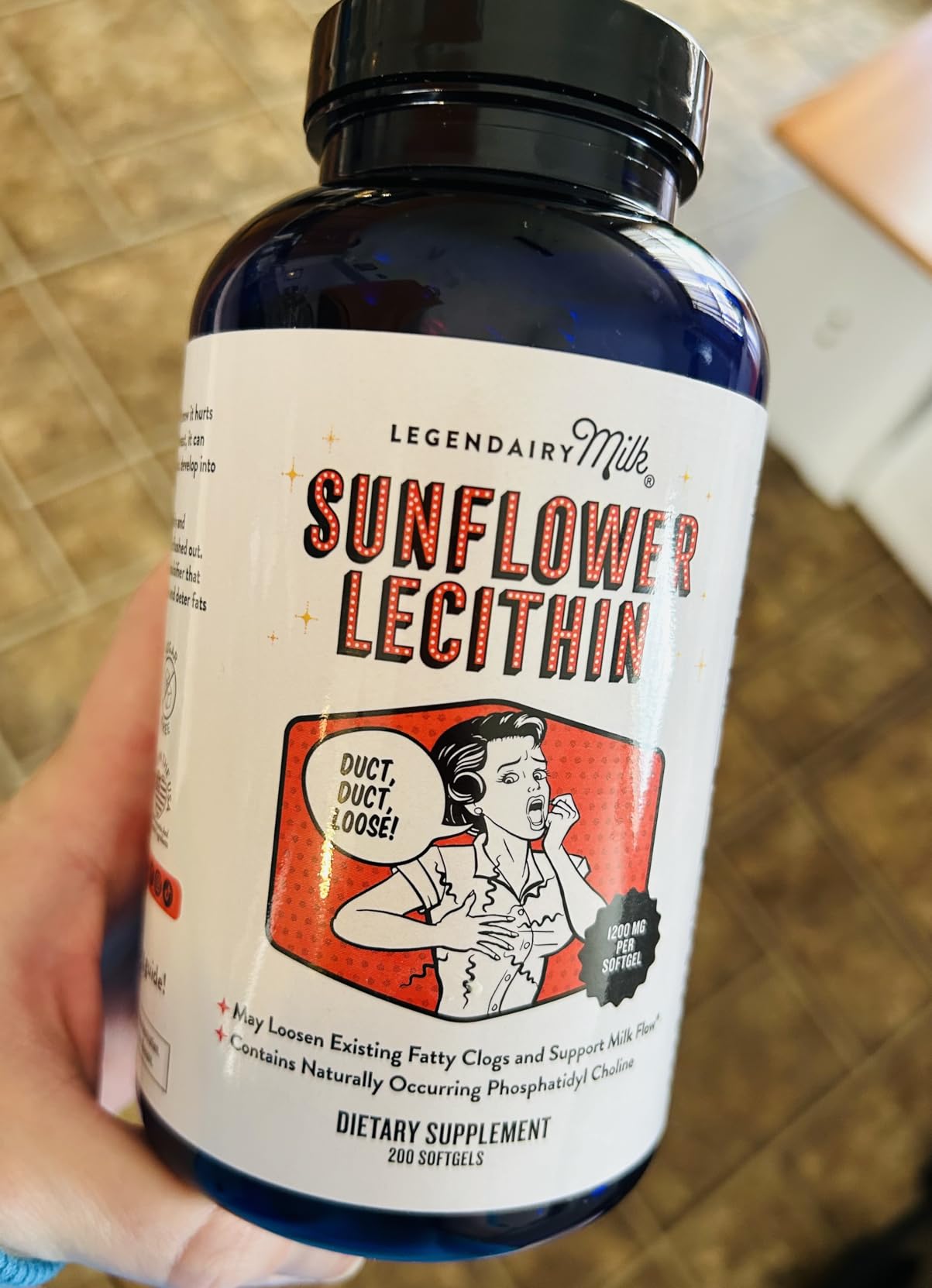
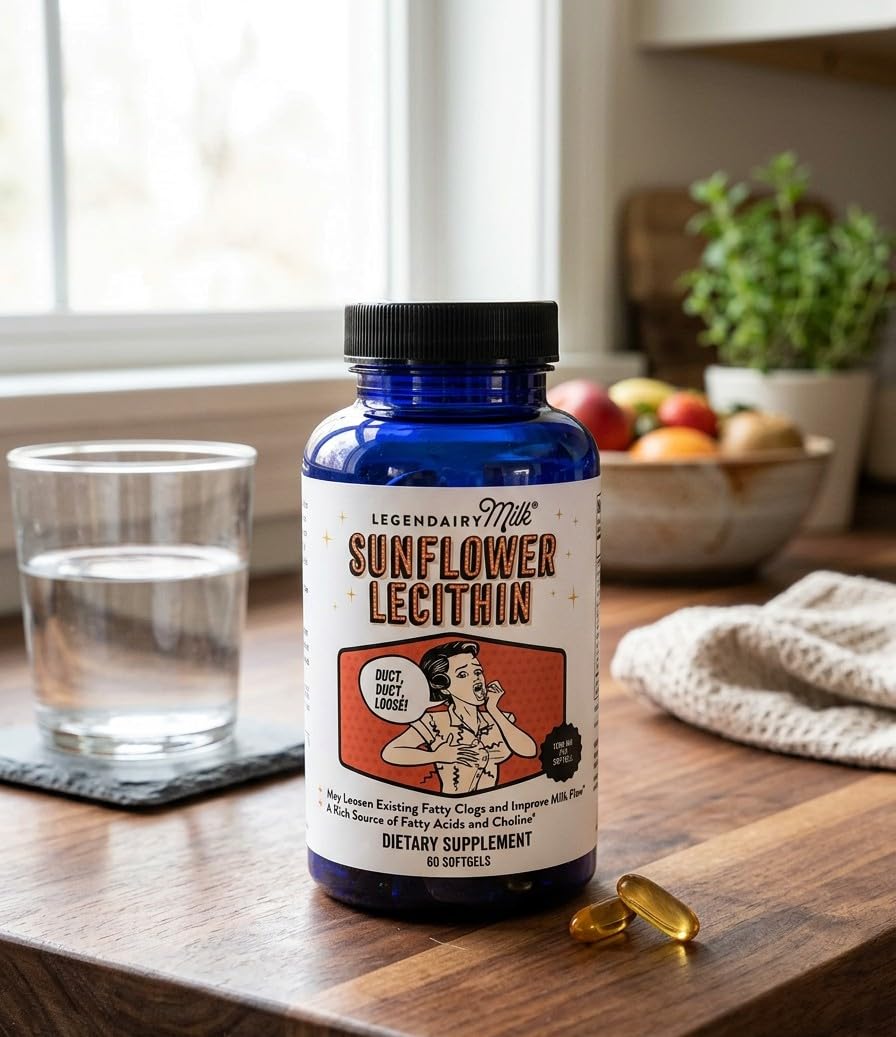
1. Legendairy Milk Sunflower Lecithin – Best for Clogged Ducts and Milk Flow
Legendairy Milk Sunflower Lecithin 1200mg, Lactation Support, Sunflower Lecithin Supplement for Clogged Milk Ducts, Made in USA, 200 Softgels
1200mg sunflower lecithin per softgel
200 softgels per bottle
Soy-free, Non-GMO
Made in USA
Pros
- Prevents and resolves clogged ducts
- Supports smooth milk flow
- Fast relief within days
- Soy-free for allergy-sensitive moms
- 23k+ positive reviews
Cons
- New capsules are slightly larger
- Not designed to increase supply
- Some report mild aftertaste
I have talked to dozens of breastfeeding moms, and clogged ducts are the number one complaint that sends them scrambling for help. I tried Legendairy Milk Sunflower Lecithin during month four of nursing when I started getting recurring plugs that made pumping sessions miserable. Within 48 hours of taking two softgels daily, I noticed the hard lumps in my ducts were softening and my milk was flowing more freely during letdown.
The science behind sunflower lecithin is straightforward. It acts as an emulsifier that reduces the stickiness of breast milk, preventing fat from clumping and blocking ducts. Unlike supplements that claim to boost supply, this one has a specific mechanical job: it keeps your milk thin enough to flow through narrow ducts without obstruction. That is why it works so well for moms prone to recurrent clogs or those with an oversupply where milk sits too long in the ducts.
The 200-count bottle lasts a long time. I took one softgel twice daily for maintenance and bumped to three times daily when I felt a clog forming. The capsules are easy to swallow with no strong taste, though some recent reviewers noted a slight size increase in the newer batches. The soy-free formula is a big win for moms with CMPA or soy allergies in the family.
What impressed me most was the sheer volume of positive feedback. With over 23,000 reviews and an 82% five-star rating, this is not a niche product. It is a staple in breastfeeding support groups. Many moms told me they keep a bottle on hand even after their clogs resolve, just as a preventive measure during growth spurts when supply surges and ducts get overwhelmed.
The Non-GMO Project Verified certification and USA manufacturing add trust layers that matter when you are putting something in your body while nursing. I also appreciate that it is fenugreek-free, which is important for moms whose babies get gassy from galactagogue blends. If you have dealt with mastitis once, you will understand why prevention is worth every penny.
Best For Moms With Recurrent Clogged Ducts or Oversupply
If you are prone to plugged ducts, engorgement, or have an oversupply that leads to milk sitting too long, this is your product. It does not increase supply, so it will not worsen an oversupply situation. It simply keeps the milk you are already making flowing smoothly.
Not Ideal If You Need a Milk Supply Boost
Sunflower lecithin does not raise prolactin or increase milk volume. If your goal is to produce more milk, you need a galactagogue like fenugreek or moringa instead. This is a flow aid, not a supply booster.
2. Nature Made Postnatal Multivitamin + DHA – Best Overall Postnatal Nutrition
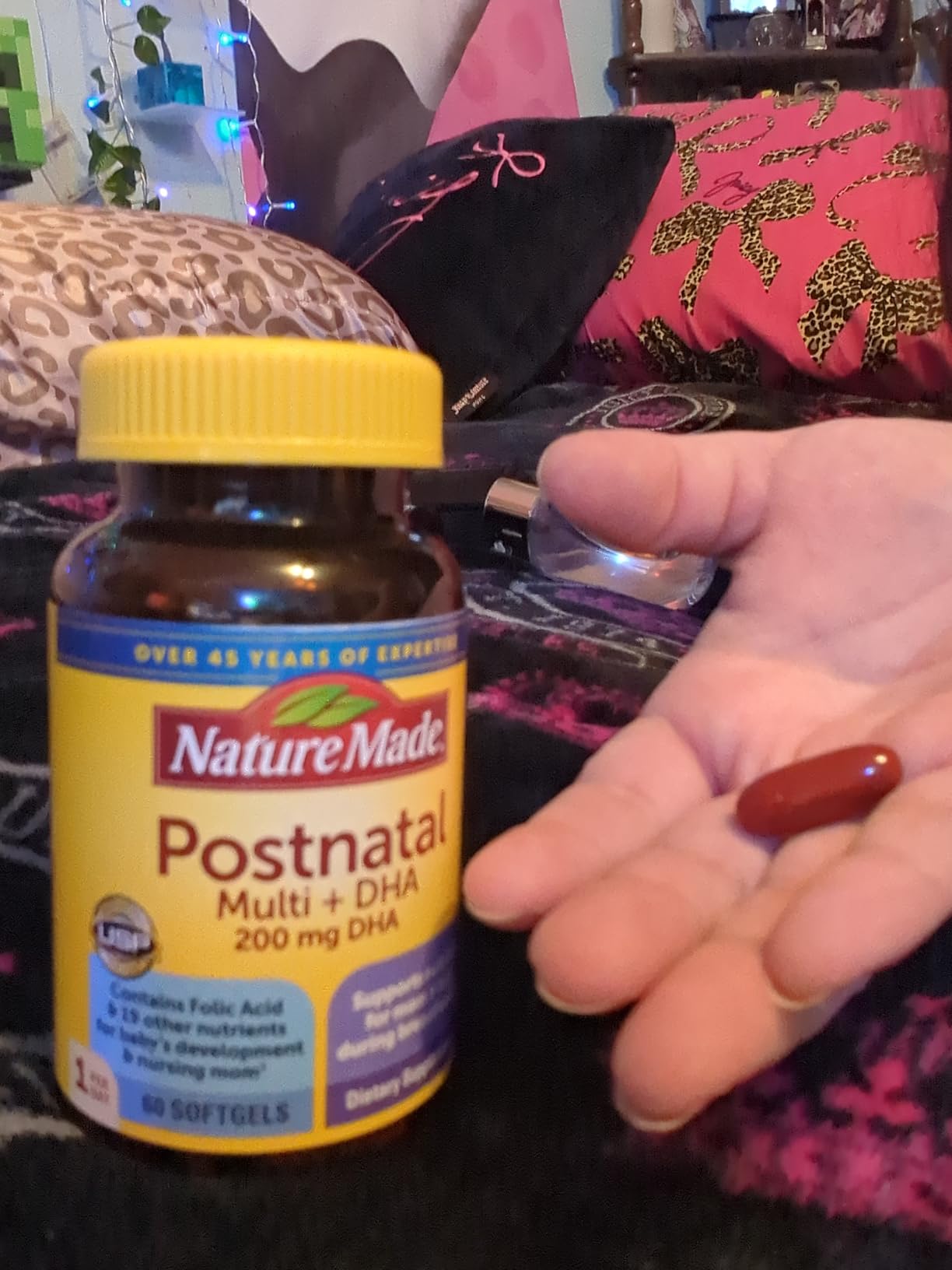
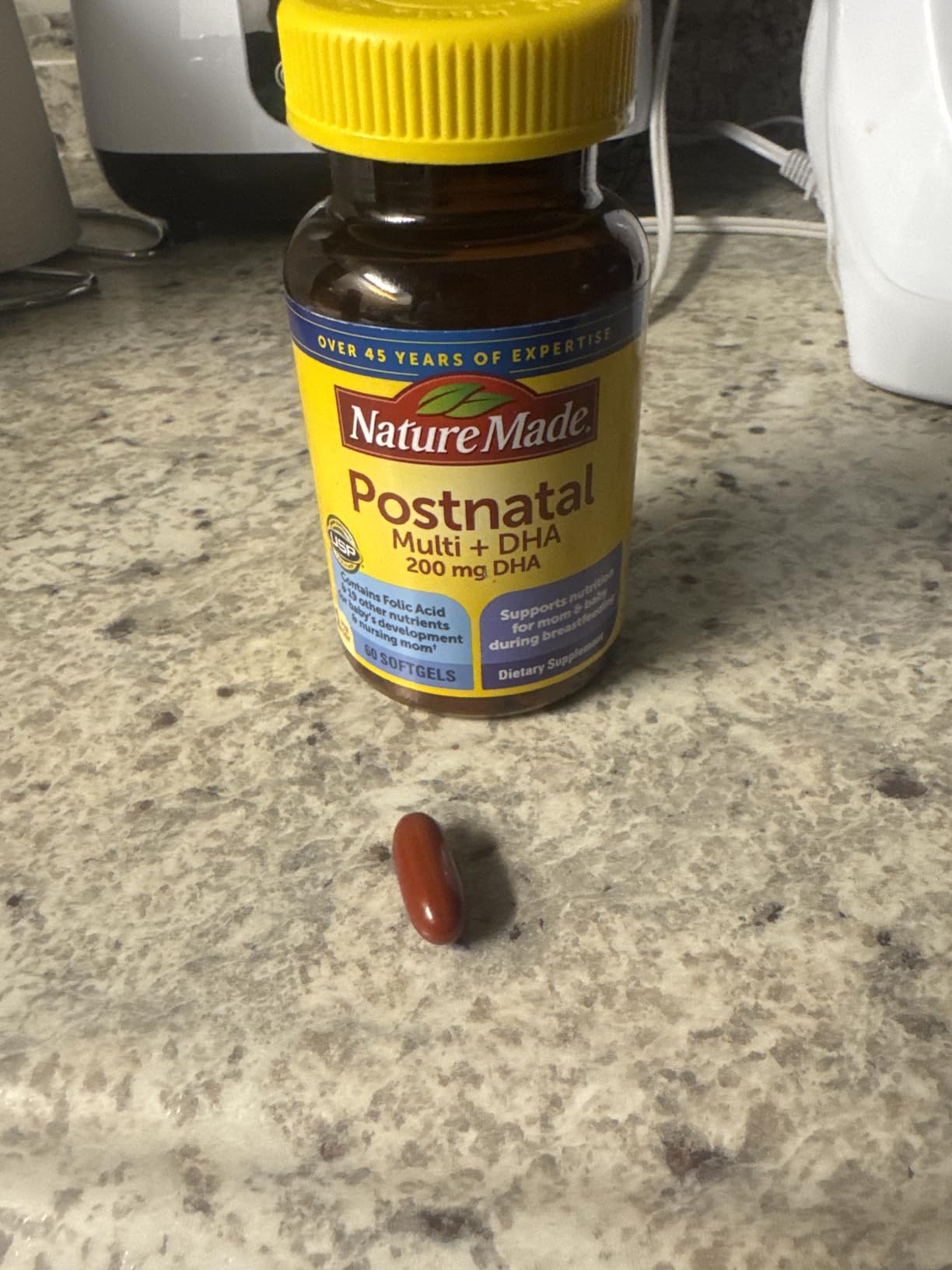
Nature Made Postnatal Multivitamin + DHA 200 mg, 60 Softgels
60 softgels, 60-day supply
20 key nutrients including DHA
One softgel daily
Gluten free
Pros
- One softgel covers all bases
- DHA supports baby brain development
- Higher vitamin A
- C
- D
- E than prenatal
- Gentle on stomach
- Trusted Pharmavite quality
Cons
- Softgels are large
- Fishy smell from DHA
- Low stock at times
After giving birth, most moms are told to keep taking their prenatal vitamin. But here is what I learned: prenatal vitamins are designed for pregnancy, not lactation. Your body needs different amounts of certain nutrients while breastfeeding. Nature Made Postnatal Multivitamin + DHA is specifically formulated for the postpartum period, with higher levels of vitamins A, C, D, and E compared to their prenatal formula.
I switched to this at week three postpartum and noticed a difference in my energy levels within two weeks. The single softgel daily is a relief when you are already juggling a newborn and barely have time to brush your teeth. Each softgel delivers 20 key nutrients including iron, calcium, iodine, magnesium, zinc, and 200mg of DHA omega-3 fatty acids for baby’s brain and eye development.
The DHA component is critical. Research shows that DHA levels in breast milk directly correlate with infant neurological development. Most moms do not eat enough fatty fish postpartum to maintain optimal DHA levels, so supplementation fills that gap. One reviewer told me her doctor still recommended this formula ten months postpartum, which says something about its staying power.
The 84% five-star rating from over 5,200 reviews reflects real satisfaction. Users consistently mention maintained milk supply, better energy, and no stomach upset. The fishy smell from the DHA softgel is noticeable if you hold it to your nose, but I never tasted it when swallowing quickly with water. The large softgel size is the main complaint, though I found it manageable with a big gulp.
Made by Pharmavite with strict quality manufacturing processes, this is the kind of product you can trust for daily foundational nutrition. It is not flashy or trendy, but it covers the basics that every breastfeeding mom needs without requiring a pharmacy degree to understand the label.
Best For Moms Who Want Simple, Complete Daily Nutrition
If you want one pill that covers your nutritional bases without thinking about stacking multiple supplements, this is it. The one-softgel format is perfect for moms who are overwhelmed by complex supplement routines.
Not Ideal If You Need a Fenugreek-Free Formula
This is a multivitamin, not a lactation booster. If you are specifically looking for milk supply support, you will need to pair this with a dedicated galactagogue. It also contains fish-derived DHA, so vegans should look elsewhere.
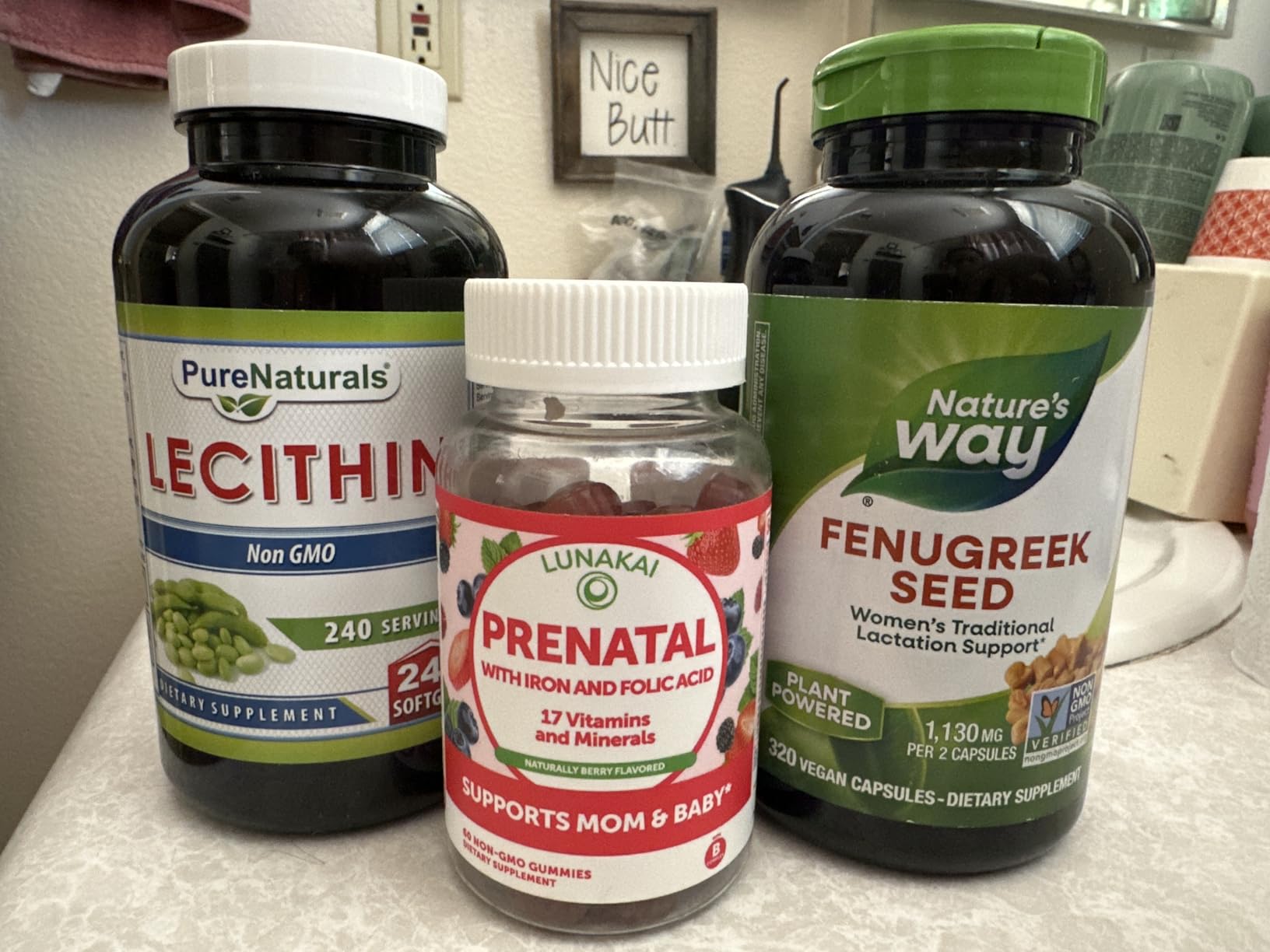
3. Nature’s Way Fenugreek Seed – Best Budget Galactagogue
Nature’s Way Fenugreek Seed Capsules, Traditional Lactation Support*, 100ct
100 capsules, 1,130mg per serving
Non-GMO Project Verified
Vegan, no artificial additives
50+ years brand expertise
Pros
- Most researched galactagogue
- Very affordable
- 24k+ reviews
- Non-GMO verified
- Vegan capsules
Cons
- Maple syrup body odor common
- Large capsules
- Does not work for everyone
- May cause stomach upset
Fenugreek is the most studied galactagogue in the world, and Nature’s Way has been selling this exact formulation for over 50 years. When I was desperate to increase my supply during a growth spurt at week six, this was the first supplement I tried. I took two capsules three times daily, and within 72 hours I noticed my letdown was stronger and my pumping output increased by about 2 ounces per session.
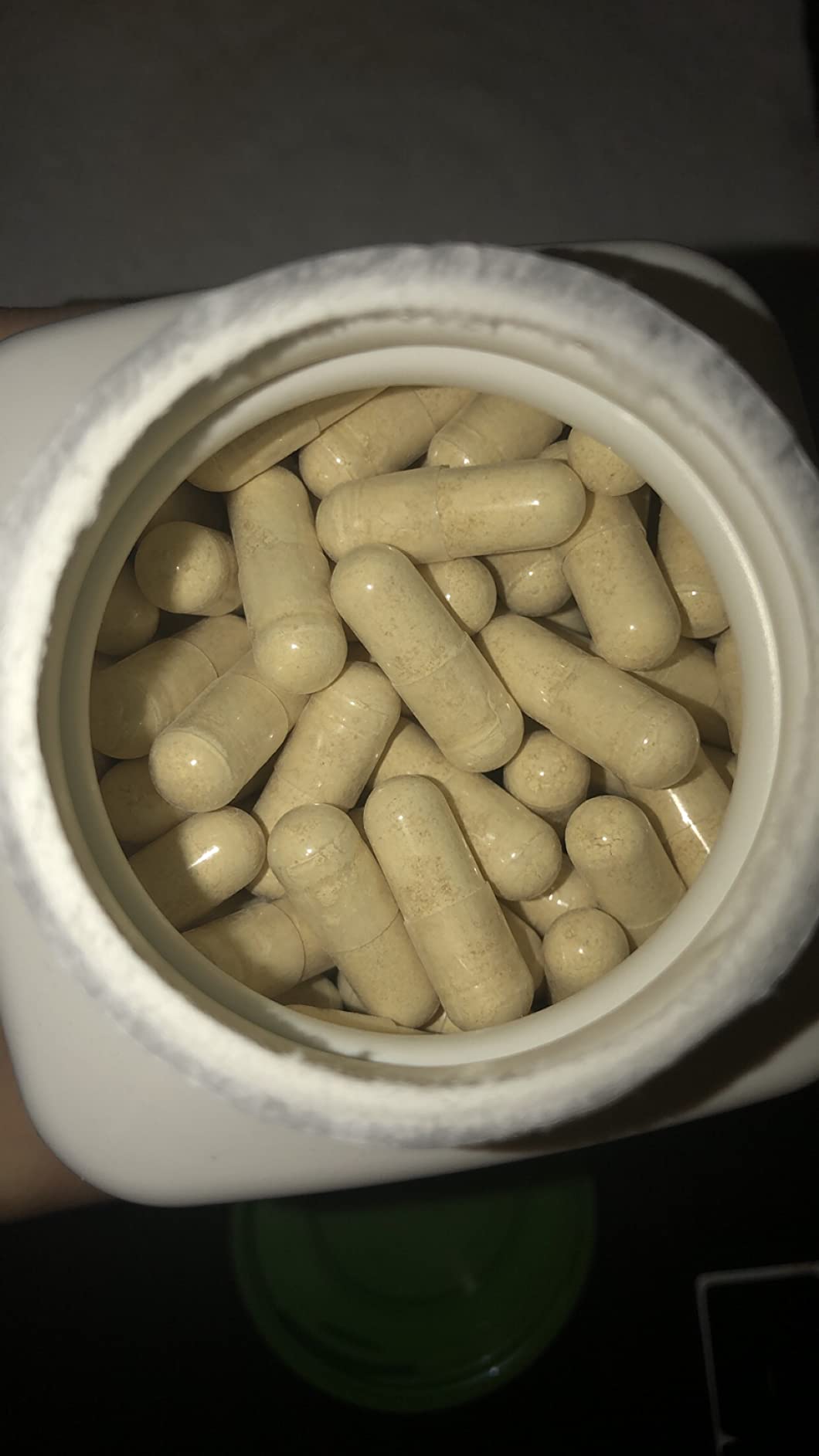
The 1,130mg per serving is a solid dose based on traditional use. The capsules are vegan, free from salt, soy, corn, dairy, and artificial colors. At under $10 for 100 capsules, this is the most accessible entry point for moms who want to test whether galactagogues work for their body without committing to a $30 blend.
Here is the honest truth about fenugreek: it works for many moms, but not all. The 70% five-star rating from 24,000+ reviews shows it is effective for a majority, but the 1-star reviews are full of moms who saw no change. I believe the difference comes down to the root cause of low supply. If your supply issue is hormonal or related to insufficient glandular tissue, fenugreek may not help much. If it is related to stress, dehydration, or temporary dips, it often does.
The maple syrup body odor is real. My husband commented on it by day three, and I could smell it on my own sweat. It is harmless but embarrassing if you are returning to work or have visitors. Some moms also report stomach upset or gassy babies, though I did not experience either. The capsules are on the larger side, so if you struggle with pills, consider opening them into a smoothie.
Despite the side effects, fenugreek remains the gold standard for a reason. It is affordable, widely available, and has enough research behind it that lactation consultants still recommend it as a first-line galactagogue. If you are new to lactation supplements and want to start with the basics, this is where I would point you.
Best For Moms on a Budget Who Want to Try a Proven Galactagogue
This is the lowest-risk financial investment in milk supply support. If it works, you have a cheap solution. If it does not, you are only out about eight dollars and can move on to other options like moringa or goat’s rue.
Not Ideal If You Are Sensitive to Strong Smells or Have Thyroid Issues
The maple syrup odor is nearly universal. If you are self-conscious about body odor at work, skip this. Also, fenugreek can affect thyroid function and blood sugar, so consult your doctor if you have diabetes or hypothyroidism.
4. Legendairy Milk Liquid Gold – Best Fenugreek-Free Lactation Blend
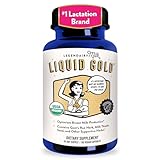
Legendairy Milk Liquid Gold Organic Lactation Support, 60 Capsules
60 capsules, organic herbs
Goat's rue, milk thistle, shatavari
Fenugreek-free formula
Vegan, Kosher, Halal
Pros
- Fenugreek-free for sensitive babies
- Organic certified herbs
- Supports mammary gland growth
- 10 million bottles sold
- Can be used periodically
Cons
- Some babies get gassy
- Price increased significantly
- Requires demand to sustain supply
- Not effective for all users
Legendairy Milk built their entire brand around fenugreek-free lactation support, and Liquid Gold is their flagship product. I tried this after my baby started having green, mucousy stools that my pediatrician suspected were related to fenugreek sensitivity. Switching to Liquid Gold resolved the digestive issues within a week while maintaining my supply.
The formula combines organic goat’s rue, milk thistle, shatavari, fennel, alfalfa, and anise. Goat’s rue is particularly interesting because it has been used historically to support mammary tissue development. Shatavari is an Ayurvedic herb that some studies suggest may support prolactin levels. The combination is designed to work synergistically without relying on fenugreek as the primary active ingredient.
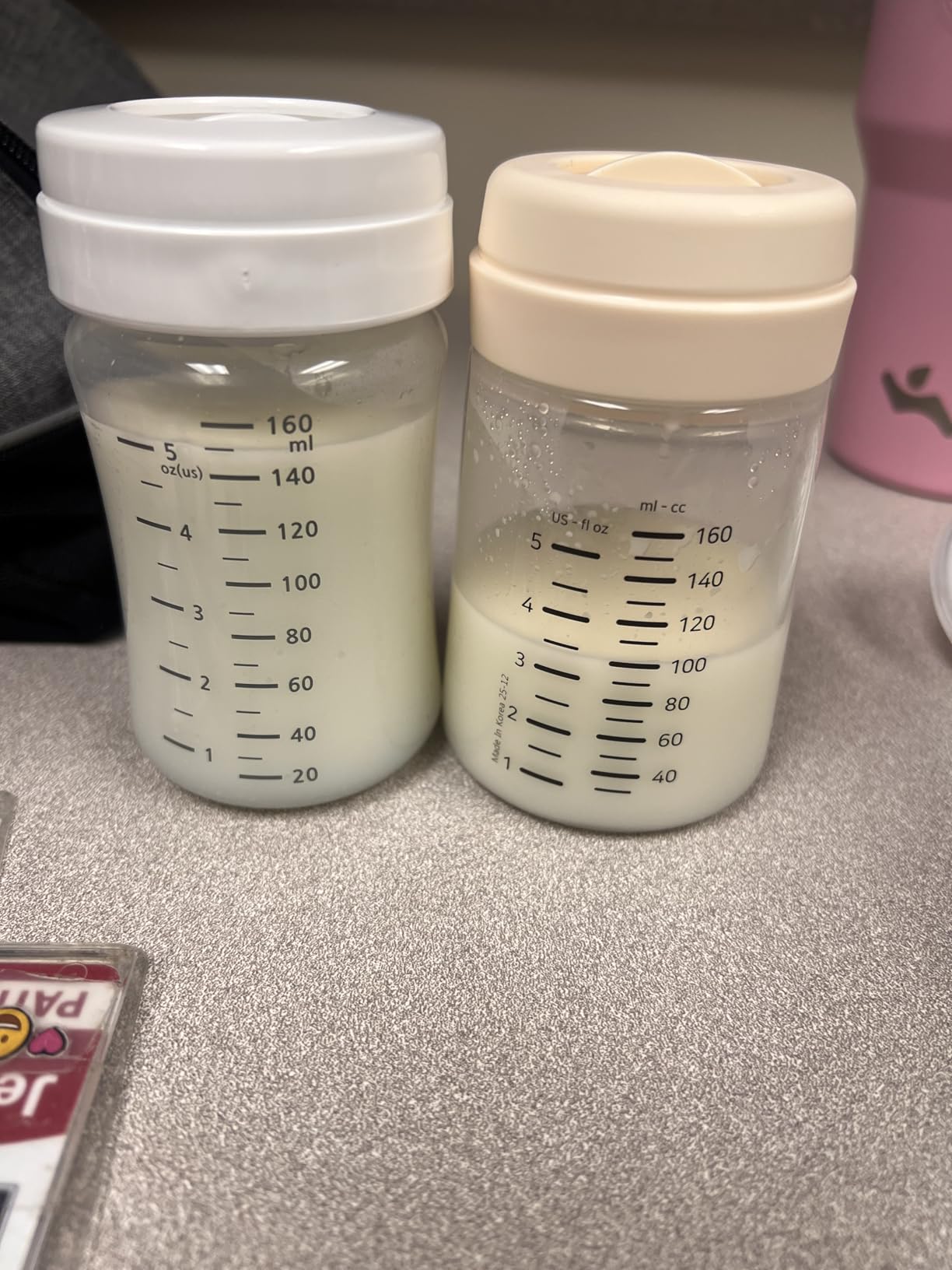
With over 10 million bottles sold and a 4.1-star rating from nearly 15,000 reviews, this is one of the most popular lactation supplements on the market. The 64% five-star rating suggests it works well for a solid majority, but the reviews also reveal an important truth: no supplement replaces demand. You still need to nurse or pump frequently to signal your body to produce more milk.
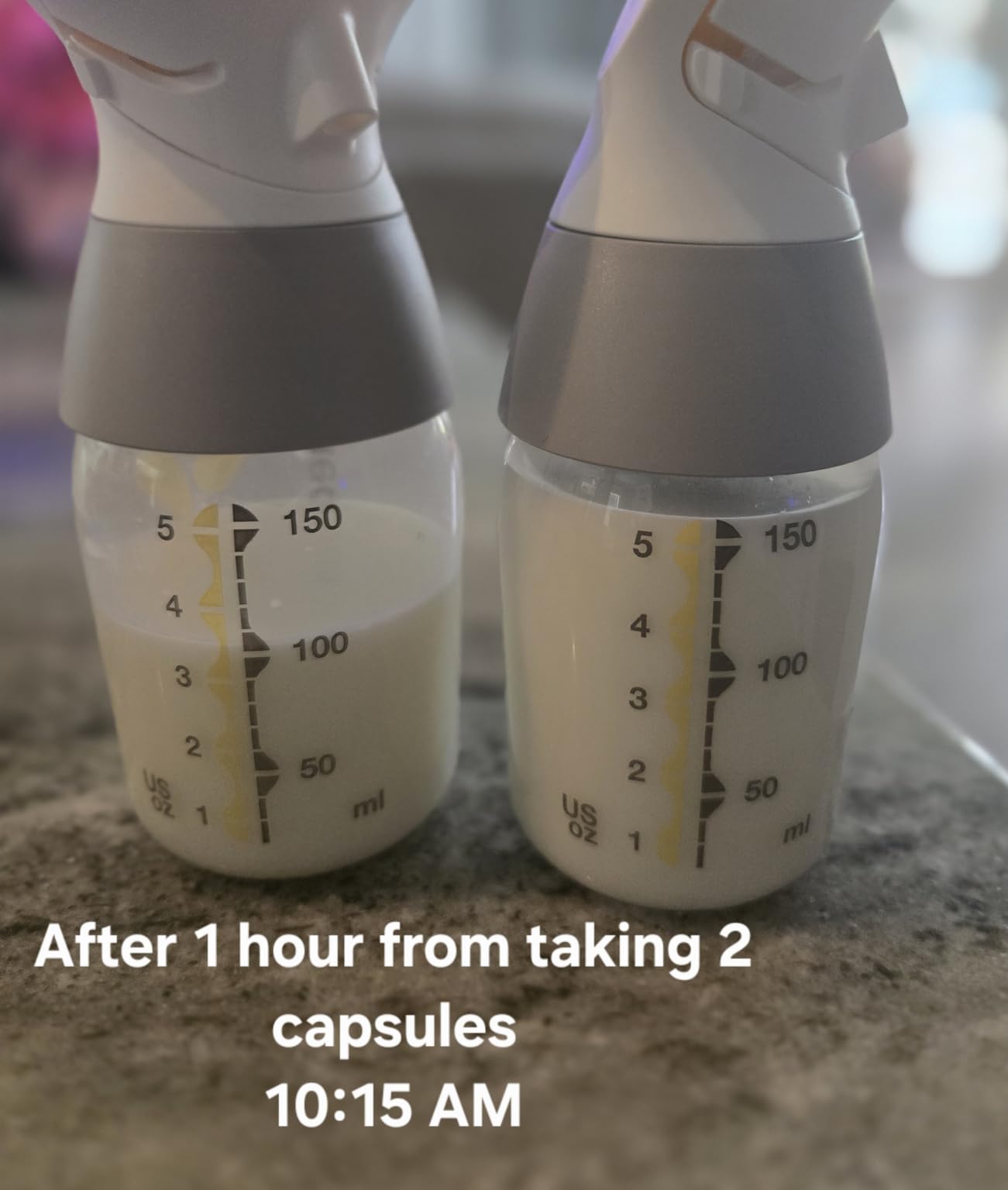
I started with two capsules daily and worked up to the full dose over a week. The capsules are small and easy to swallow. The organic, vegan, kosher, and halal certifications make this accessible to moms with various dietary restrictions. I also liked that I could use it periodically during supply dips rather than committing to taking it indefinitely.
The price increase has been a pain point for loyal customers. Some long-term users noted the cost jumped over 50% in recent years. That is worth factoring into your decision if you plan to take it for months. Still, for moms whose babies react poorly to fenugreek, the premium is justified by the peace of mind.
Best For Moms Whose Babies React to Fenugreek
If you have tried fenugreek and noticed gassy, fussy, or green-stool symptoms in your baby, this is your next step. The fenugreek-free formula eliminates that variable while still providing galactagogue support.
Not Ideal If You Need Immediate Results on a Tight Budget
Some users report supply increases within days, but others need 1-2 weeks. The price point is higher than single-herb options, so if you are experimenting to find what works for your body, start with fenugreek or moringa first.
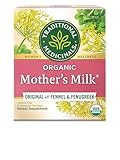
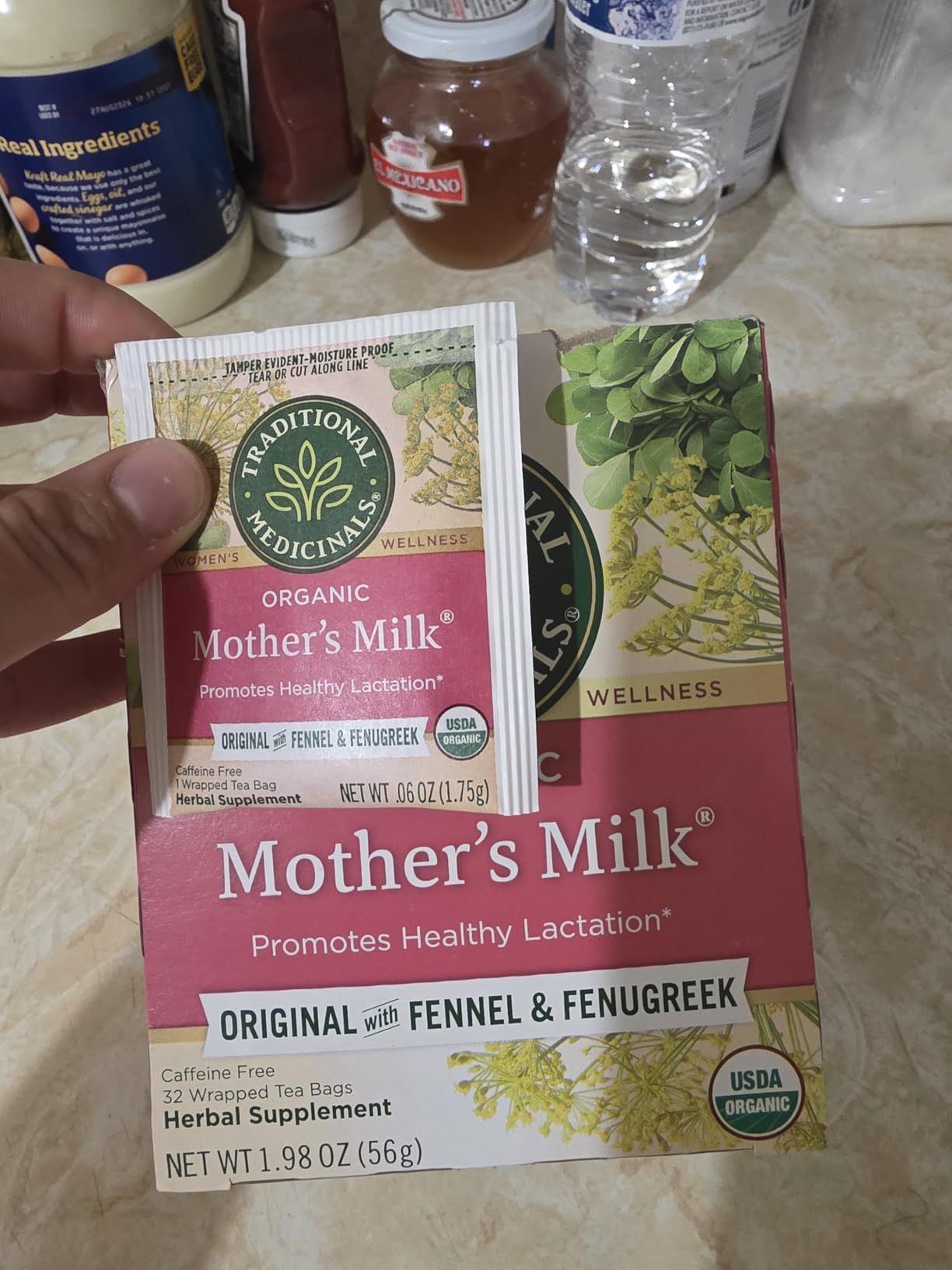
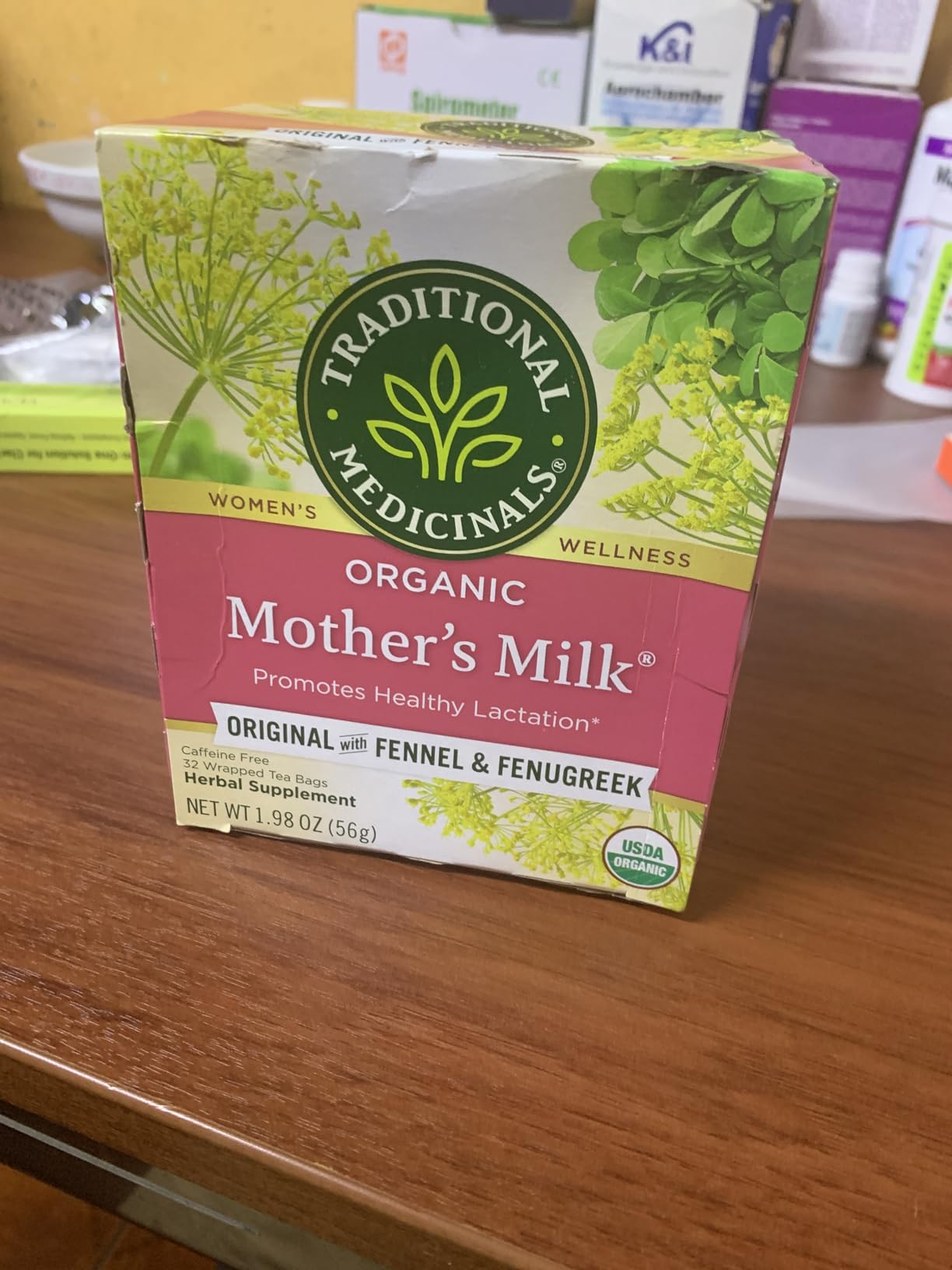
5. Traditional Medicinals Mother’s Milk Tea – Best Lactation Tea
Traditional Medicinals Organic Mother’s Milk, 32 Tea Bags
32 tea bags, organic
Fennel, anise, coriander, fenugreek, blessed thistle
Caffeine-free, USDA Organic
Compostable tea bags
Pros
- Trusted for 40+ years
- Lactation consultant recommended
- Pleasant licorice taste
- Caffeine-free and organic
- Compostable packaging
Cons
- Licorice flavor is polarizing
- Requires consistent daily use
- Pricey per tea bag
- Fenugreek may affect some babies
Sometimes you want a supplement that feels like self-care rather than another pill to swallow. Traditional Medicinals Mother’s Milk Tea has been a breastfeeding staple for over four decades, and it is the only lactation tea I have seen consistently recommended by IBCLCs in hospital discharge packets. I drank two cups daily during my evening nursing sessions and found the ritual itself calming, which probably helped my letdown as much as the herbs.
The formula is based on traditional European medicine, combining fennel, anise, coriander, fenugreek, and blessed thistle. The sweet licorice flavor comes primarily from the fennel and anise, which many moms find pleasant, especially with a teaspoon of honey. It is caffeine-free, so you can drink it before bed without worrying about keeping yourself or baby awake.
With a 4.4-star rating from over 20,000 reviews, this tea has serious staying power. The 74% five-star rating reflects consistent satisfaction. Many users report noticeable supply increases within 3-5 days of drinking 2-3 cups daily. The individually wrapped, compostable tea bags are convenient for tossing in a diaper bag or keeping at your nursing station.
The licorice flavor is polarizing. I loved it, but my sister could not stand it and switched to capsules instead. If you are not a tea drinker or dislike anise flavors, this is not the product for you. Also, because it contains fenugreek, the same baby sensitivity warnings apply. Watch for green stools or increased gas if you introduce this while nursing.
At about 27 cents per tea bag, the cost adds up if you drink multiple cups daily. Some moms brew a large pitcher and keep it in the fridge for iced tea, which stretches the value. I found the hot tea more soothing during winter months, but the iced version was refreshing during summer nursing marathons on the porch.
Best For Moms Who Prefer Drinking Their Supplements
If you already drink tea daily, swapping in Mother’s Milk Tea is an effortless way to add galactagogue support to your routine. The warmth and hydration also support milk production independently of the herbs.
Not Ideal If You Dislike Licorice or Need Fast Results
The anise-forward flavor is strong and distinct. If you are looking for an overnight supply miracle, tea is slower-acting than concentrated capsules. It is also less portable than pills for moms who pump at work.
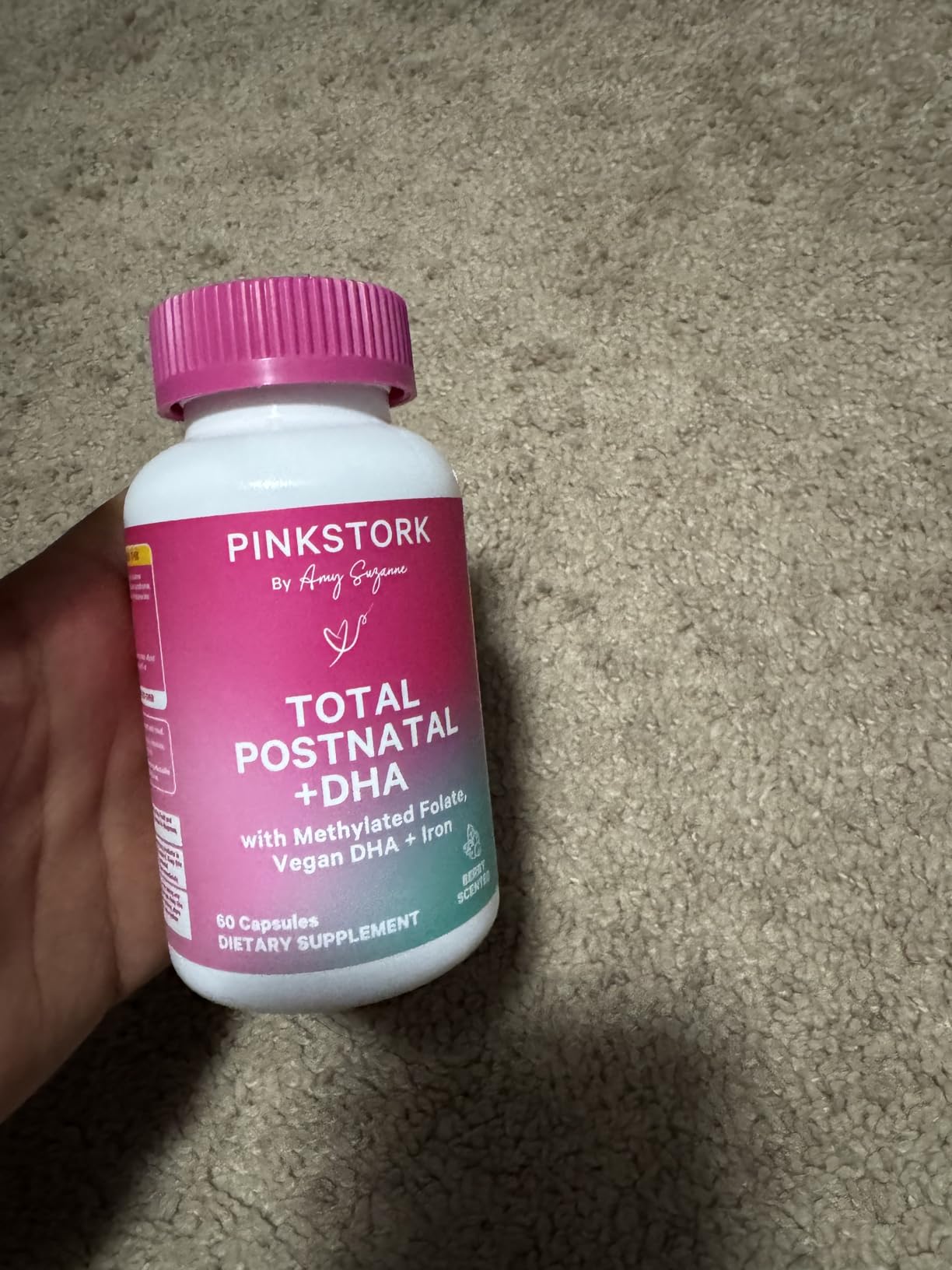
6. Pink Stork Total Postnatal Vitamins – Best for Postpartum Recovery
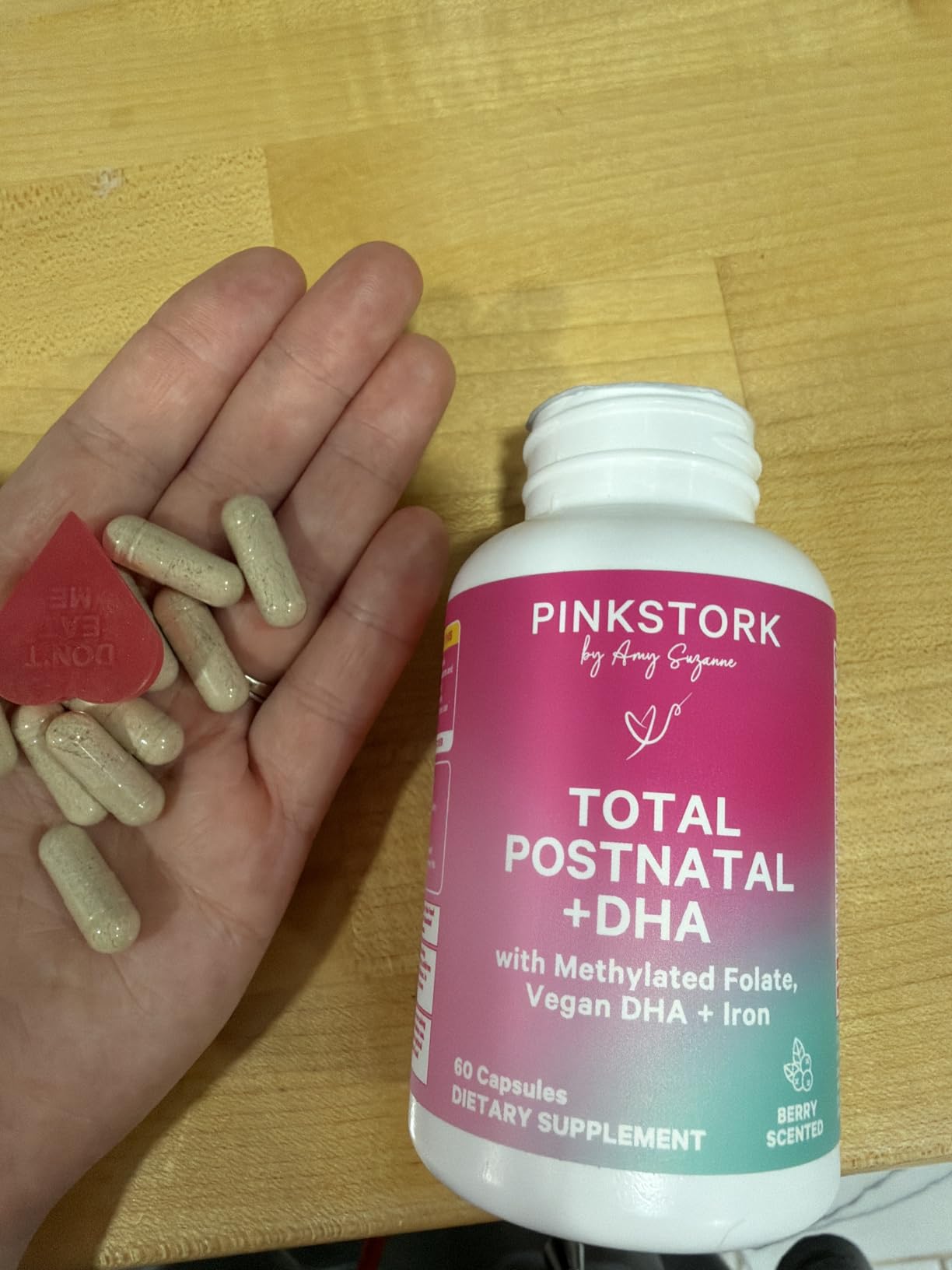
Pink Stork Total Postnatal + DHA with Iron, 60 Capsules, Berry
60 capsules, 30 servings
Vegan algae DHA, methylated folate
20 essential vitamins
Clean Label Project winner
Pros
- Methylated folate for MTHFR variants
- Algae DHA with no fishy burps
- Postpartum-specific formula
- Clean Label Project Purity Award
- Supports mood and energy
Cons
- Algae smell is noticeable
- Requires 2 capsules daily
- Higher price point
- Benefits build gradually
Pink Stork Total Postnatal is not just a repackaged prenatal vitamin. It is specifically formulated for the postpartum period, with nutrients chosen to support recovery, lactation, and mood stability. I tried this during month two when I was struggling with the emotional rollercoaster of new motherhood and noticed my energy levels felt more stable after about ten days of consistent use.
The standout feature is the methylated folate, labeled as L-methylfolate. Many women have MTHFR gene variants that make it difficult to convert standard folic acid into its active form. Methylated folate bypasses that conversion entirely, ensuring you actually absorb this critical nutrient. The 200mg of vegan algae-based DHA is another win, delivering brain-supporting omega-3s without the fishy burps that make some moms gag.
The 20 essential vitamins and nutrients include iron, biotin, and active B12, all of which support postpartum hair health, mood regulation, and energy production. The Clean Label Project Purity Award means this product has been third-party tested for over 200 contaminants including heavy metals, pesticides, and plasticizers. That matters when you are taking something daily while nursing.
The 4.5-star rating from 4,400+ reviews reflects strong satisfaction, particularly around energy and lactation support. The algae DHA does have a smell that some users find unpleasant, though it is milder than fish oil. I took the capsules with a flavored drink and never noticed it. The two-capsule daily requirement is standard for postnatal vitamins but worth noting if you are trying to minimize your pill count.
Many reviewers are repeat purchasers who use Pink Stork as part of a broader postpartum routine. The brand also offers lactation teas, protein powders, and other breastfeeding support products, so you can build a cohesive supplement stack if you like their approach. I found the heart-shaped ScentCert insert charming, though it does not affect the product’s efficacy.
Best For Moms Who Want Postpartum-Specific Nutrition
If you are looking for a vitamin that acknowledges the postpartum period as distinct from pregnancy, this is it. The methylated folate and mood-supporting B vitamins make it ideal for moms concerned about postpartum mental health.
Not Ideal If You Want a Single Capsule or Hate Algae Smell
The two-capsule serving and noticeable algae scent are dealbreakers for some. If you want a one-and-done softgel, Nature Made Postnatal is a better fit. The benefits also build over time rather than delivering an immediate energy jolt.
7. MegaFood Baby & Me 2 Postnatal – Best for Real Food Ingredients
MegaFood Baby & Me 2 Postnatal Vitamins for Women with Moringa, 60 Tablets
60 tablets, 30 servings
Methylated folate, choline, iodine, moringa
Moringa leaf for lactation
Made without 9 allergens
Pros
- Real food ingredients
- Can take on empty stomach
- Moringa leaf for lactation
- Non-GMO and vegetarian
- 82% five-star reviews
Cons
- Tablets are relatively large
- Some report vitamin taste
- May cause gas
- Vitamin D dose is lower
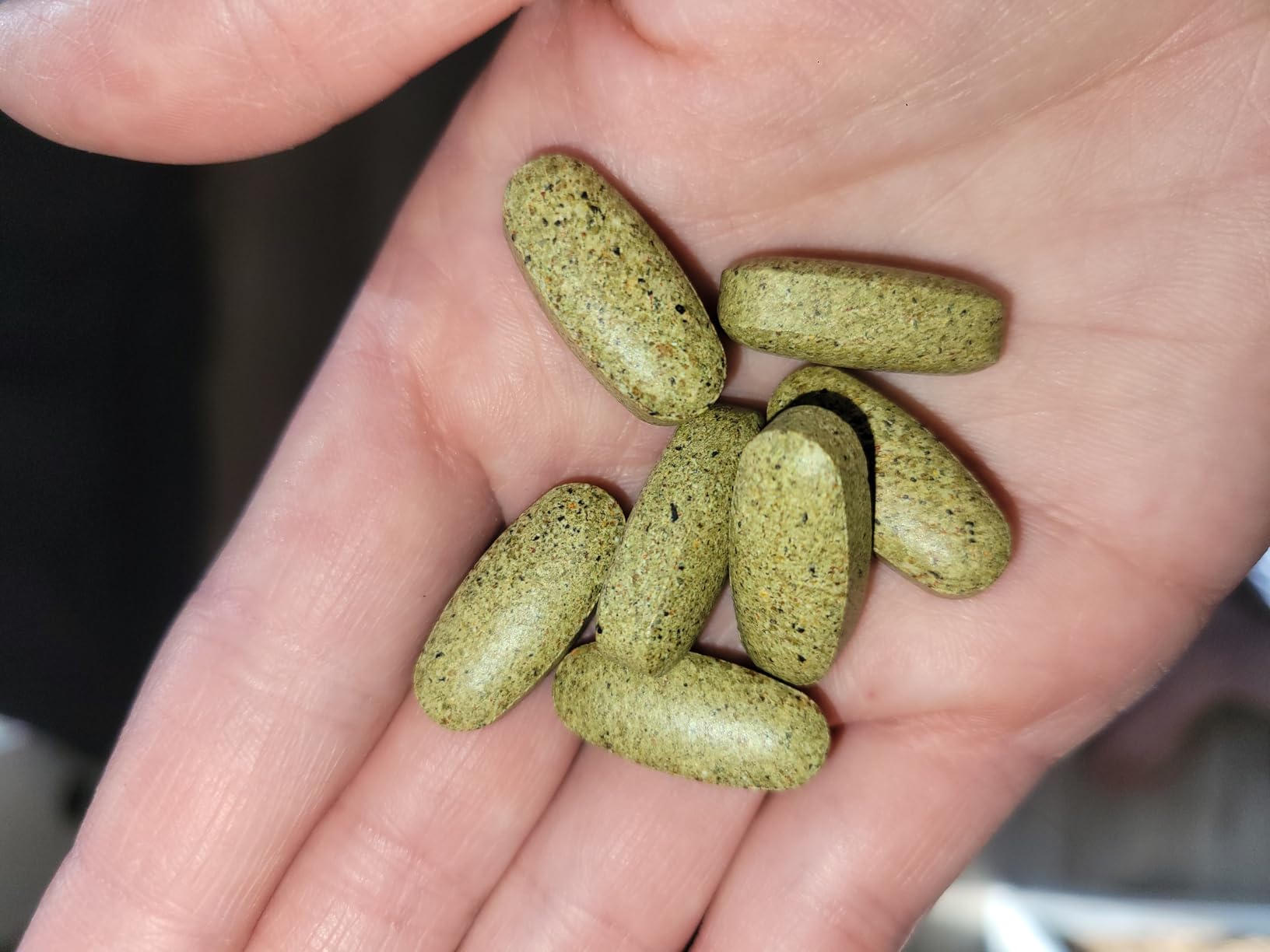
MegaFood takes a different approach to postnatal vitamins. Instead of isolating synthetic nutrients, they combine vitamins with real food ingredients like oranges, carrots, and broccoli. The result is a tablet that is gentler on the stomach and closer to how your body processes nutrients from actual food. I took these on an empty stomach at 6 AM before my baby woke up and never experienced nausea.
The inclusion of moringa leaf is a smart addition for breastfeeding moms. Moringa is an emerging galactagogue with some promising research showing it may increase milk supply. By combining it with a comprehensive postnatal multivitamin, MegaFood gives you nutritional coverage and lactation support in one product. The methylated folate, choline, iodine, and vitamin B12 round out the formula for comprehensive postpartum health.
The 4.6-star rating from 2,680 reviews is impressive, with 82% five-star ratings. Users consistently mention improved energy, better milk supply, and peace of mind about clean ingredients. The made-without-9-allergens claim means it is free from milk, eggs, peanuts, tree nuts, soy, wheat, fish, shellfish, and sesame. That is a huge relief for moms with food allergies in the family.
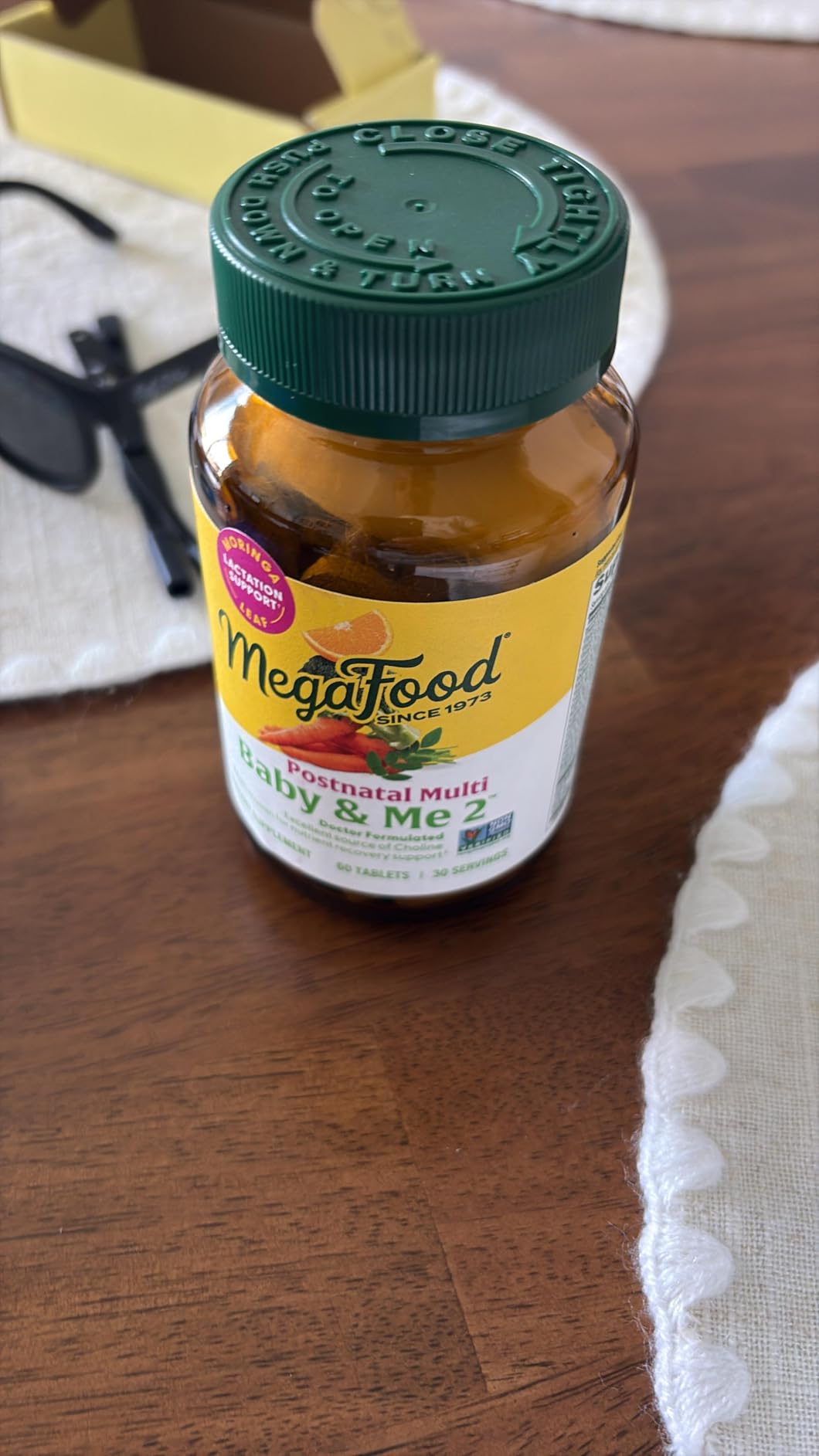
The tablets are on the larger side, which is my main complaint. I got used to them, but moms who struggle with pills may want to break them in half or look for a capsule alternative. Some users report a mild vitamin taste, though I never noticed it when swallowing quickly with water. A small percentage of reviewers noted gas, which may be related to the real food fiber content.
The vitamin D dose is lower than some competitors, so if you live in a northern climate or have confirmed low vitamin D levels, you may need an additional D supplement. I paired this with a separate vitamin D drop during winter months and felt well-covered. The ability to take it anytime, even without food, is a practical advantage for chaotic newborn schedules.
Best For Moms Who Prioritize Real Food Sourcing
If the idea of synthetic, lab-created vitamins makes you uncomfortable, MegaFood’s food-first approach is reassuring. The empty-stomach tolerance is also a major plus for moms who forget to take vitamins with meals.
Not Ideal If You Need High-Dose Vitamin D or Hate Large Pills
The lower vitamin D content and large tablet size are the two main drawbacks. If you have been told you need aggressive vitamin D repletion, you will need a separate product. Pill-averse moms should consider a gummy or liquid alternative.
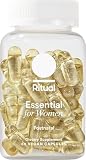
8. Ritual Postnatal Multivitamin – Best for Traceable Ingredients
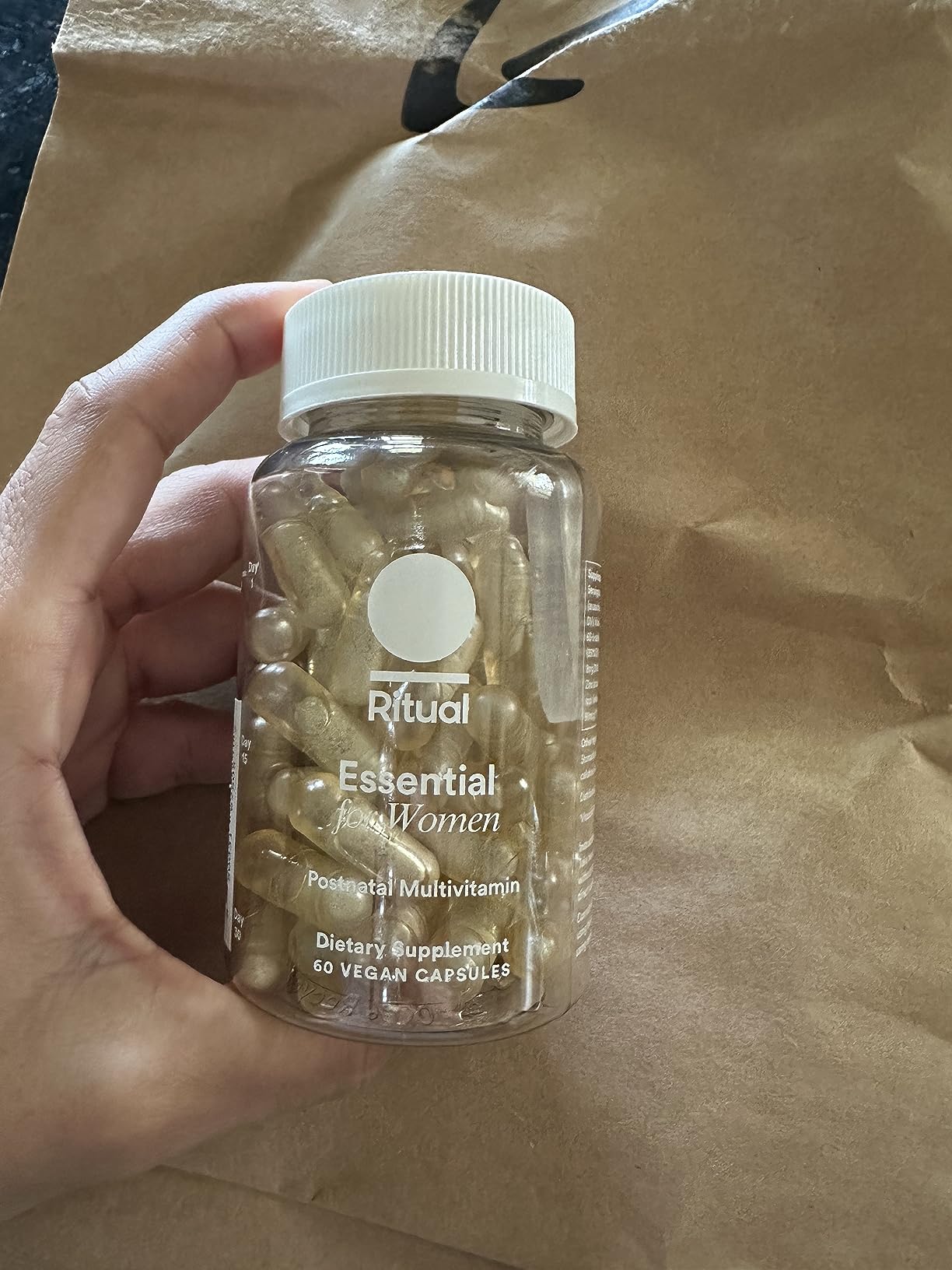
Ritual Women’s Postnatal Multivitamin – 60 Capsules – 30 Servings
60 capsules, 30 servings
15 key nutrients, 350mg DHA
Traceable global sourcing
Vegan, sugar-free, gluten-free
Pros
- Traceable ingredients from named sources
- Smart nested capsule technology
- Delayed-release for better absorption
- Third-party tested
- 30-day happiness guarantee
Cons
- Premium price point
- Mint flavor is divisive
- Fishy aftertaste from DHA
- Some report GI issues
Ritual built its brand on transparency, and their postnatal multivitamin takes that philosophy further than any competitor. You can literally trace where each nutrient comes from: vitamin D3 from lichen in the UK, vitamin A from fermentation in Israel, vitamin C from Scotland, and omega-3 DHA from microalgae in Nova Scotia. For moms who care about sourcing ethics and sustainability, this level of traceability is unmatched.
The 15 key nutrients are specifically chosen for the six months postpartum and throughout lactation. The 350mg of DHA per serving is higher than most competitors, which is important because research suggests lactating women need 300-600mg daily to maintain adequate breast milk DHA levels. The smart nested capsule technology keeps fat-soluble and water-soluble nutrients separate until they reach your small intestine, where absorption is optimal.
The 4.3-star rating from 1,500+ reviews is solid, with 73% five-star ratings. Users transitioning from Ritual Prenatal find it a natural continuation. The most common praise centers on improved energy, reduced brain fog, and better hair and nail health. The delayed-release capsules are genuinely innovative, though the mint flavor and citrus tab are divisive. Some users love the fresh taste, while others compare it to mouthwash.
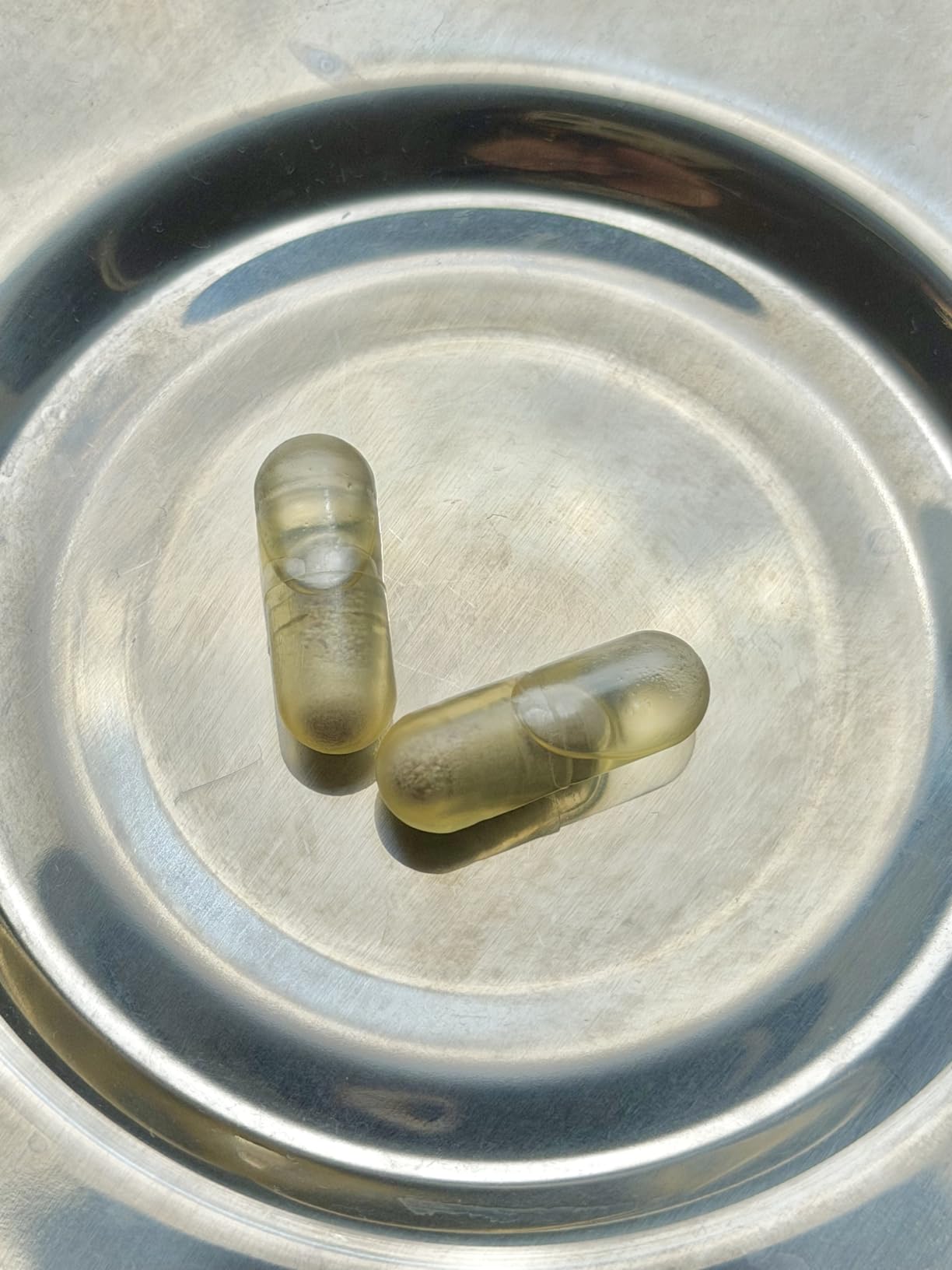
The fishy aftertaste from the DHA is the most common complaint, especially if you take the capsules in the morning on an empty stomach. I switched to taking mine with dinner and the issue disappeared. The two-capsule serving is standard, and the 30-day happiness guarantee means you can try it risk-free. At over $34 for a 30-day supply, this is the most expensive postnatal vitamin on our list.
Is it worth the premium? That depends on how much you value traceability and clean sourcing. If you are the type of mom who reads every ingredient label and researches supply chains, Ritual speaks your language. If you just want affordable, effective nutrition, Nature Made or Pink Stork offer better value. I used Ritual for two months and appreciated the quality, but switched to a cheaper option when my budget tightened during maternity leave.
Best For Moms Who Value Ingredient Transparency and Sustainability
If knowing exactly where your nutrients come from matters to you, Ritual is the only brand that tells you the country, method, and source of every ingredient. The higher DHA dose is also ideal for moms prioritizing infant brain development.
Not Ideal If You Are Budget-Conscious or Sensitive to Mint
The price is significantly higher than competitors with similar nutrient profiles. The mint flavor is strong and polarizing. If you dislike mint or need to watch spending, there are equally effective options at lower prices.
9. Mommy’s Bliss Postnatal Lactation Support – Best Lactation Blend with Probiotics
Mommy’s Bliss Postnatal Lactation Support Supplement with Probiotics, 60 Ct
60 capsules, 60 servings
Fenugreek, blessed thistle, milk thistle
LactoSpore probiotics added
Vegan, gluten-free, soy-free
Pros
- Concentrated formula
- fewer capsules
- Added probiotics for gut health
- Small easy-to-swallow capsules
- Affordable pricing
- Noticeable results in 2 days for some
Cons
- Up to 7 capsules daily needed
- May cause baby gas
- Maple syrup odor
- Fewer total reviews
Mommy’s Bliss is best known for their gripe water, but their postnatal lactation support supplement deserves attention for its unique combination of galactagogue herbs and probiotics. The formula includes fenugreek, blessed thistle, and milk thistle in a concentrated blend that requires fewer capsules per day than some competitors. The added LactoSpore probiotic strain supports postpartum digestive and immune health, which is a nice bonus when your gut is still recovering from pregnancy and antibiotics.
I tried this during a supply dip caused by returning to work and pumping exclusively during the day. The small capsules were genuinely easy to swallow, which matters when you are already taking a prenatal vitamin and possibly a DHA supplement. I took two capsules with breakfast and two with dinner, staying well below the 7-capsule maximum. Within three days, my pumping output returned to pre-work levels.
The 4.2-star rating from 886 reviews is respectable, with 65% five-star ratings. Users praise the fast-acting formula and the probiotic addition. The small capsule size is frequently mentioned as a differentiator from larger, harder-to-swallow alternatives. The vegan, gluten-free, soy-free formulation works for moms with common dietary restrictions.
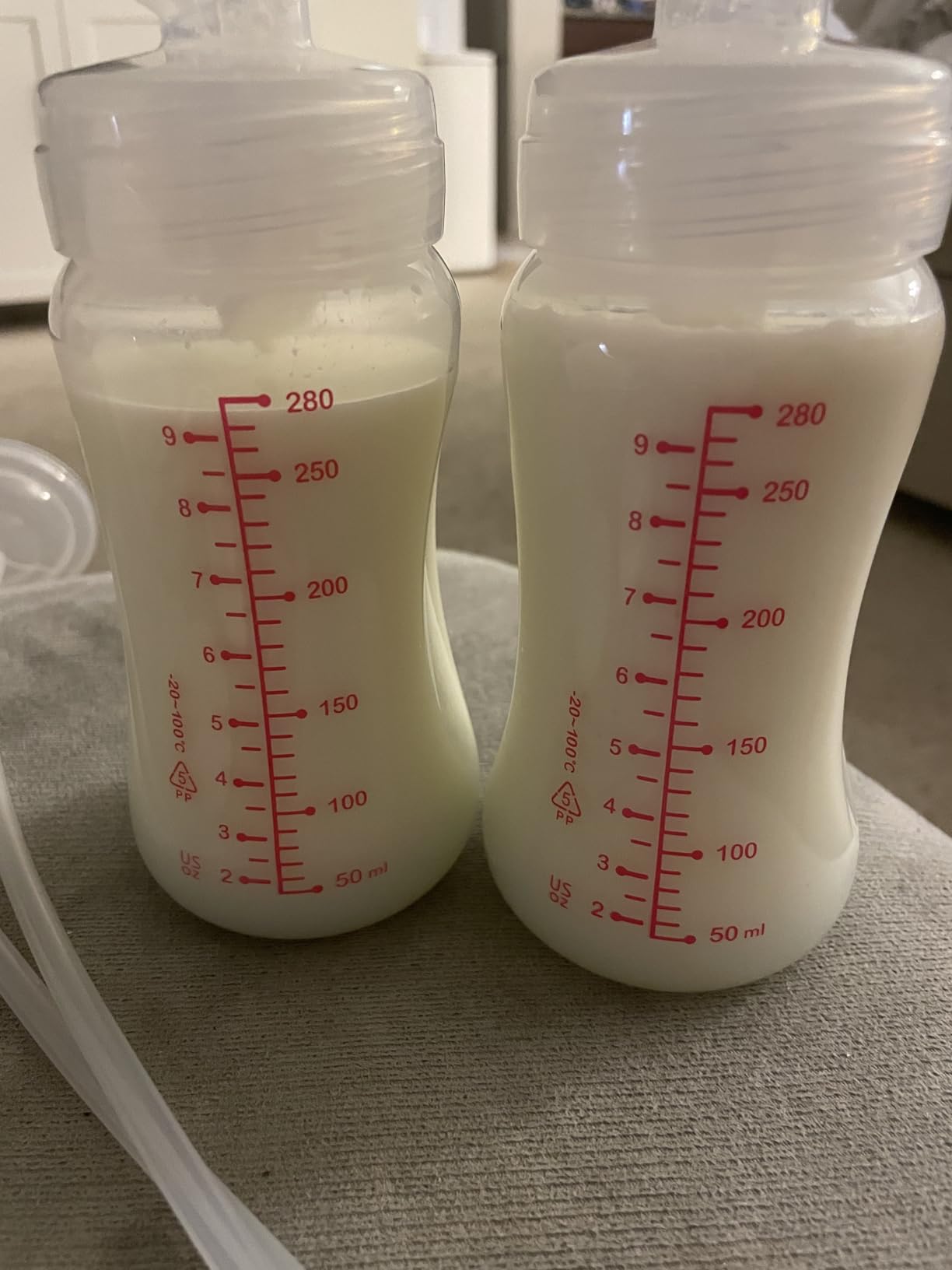
The same fenugreek caveats apply: maple syrup body odor and potential baby gas. Some users report needing the full 5-7 capsule dose to see results, which means a bottle lasts less than a month at higher doses. The supply dip when stopping is also noted by some reviewers, suggesting the effect is maintained while taking it rather than creating permanent supply increases.
At around $12 for 60 servings at the minimum dose, this is one of the more affordable concentrated lactation blends. If you are looking for a middle ground between single-herb fenugreek and premium fenugreek-free blends, Mommy’s Bliss offers solid value with the added probiotic benefit.

Best For Moms Who Want Probiotics With Their Galactagogue
The probiotic addition is genuinely useful for postpartum gut health. If you are already considering a probiotic for yourself or baby, this combines two needs into one supplement.
Not Ideal If You Need a Fenugreek-Free Option
This blend contains fenugreek as the primary galactagogue. If your baby is sensitive to fenugreek or you have thyroid concerns, look at Legendairy Milk Liquid Gold or Pink Stork alternatives instead.
10. Pink Stork Sunflower Lecithin – Best for New Clogged Duct Relief
Pink Stork Sunflower Lecithin Supplement – 1200 mg for Clogged Milk Ducts – Breastfeeding Essentials for Postpartum Moms – Supports Breast Milk Flow – 60 Softgels
60 softgels, 1200mg per serving
Third-party tested
Made without gluten, dairy, peanuts
Women-owned company
Pros
- Effective for clogged ducts within 2 days
- Third-party tested quality
- Women-owned brand
- Softgel form easy to swallow
- May help prevent mastitis
Cons
- Softgels are very large
- Some report nausea and body aches
- Unpleasant smell for some
- Fewer total reviews
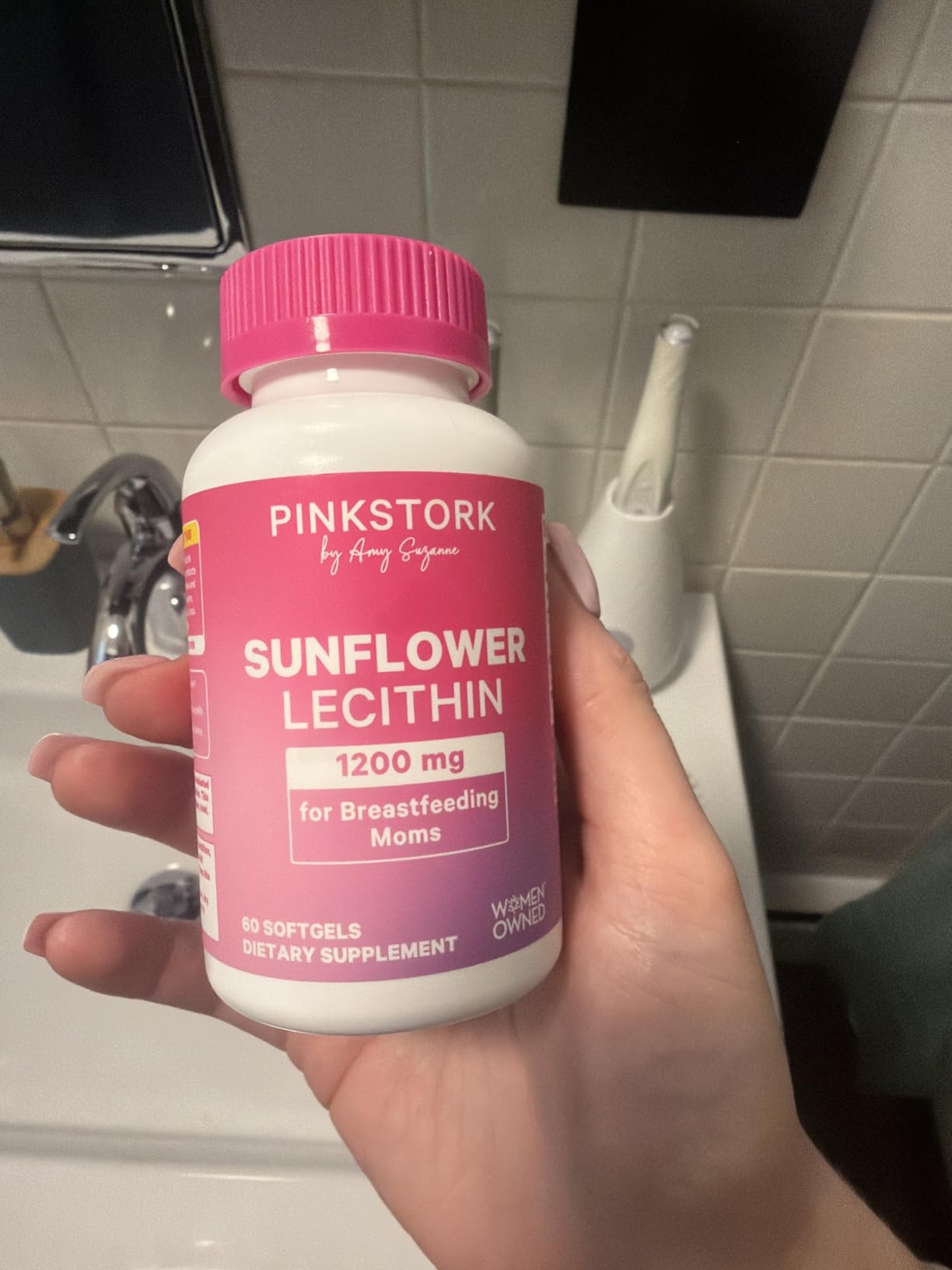
Pink Stork’s Sunflower Lecithin is a newer entry in the lecithin market, but it has already climbed to the number three spot in its category. With 1200mg per softgel and third-party testing, it offers comparable quality to Legendairy Milk’s version in a smaller bottle format. I recommend this for moms who want to try lecithin without committing to a 200-count bottle.
The women-owned, women-run brand story resonates with many customers. Founder Amy Suzanne is a mom of six who built the company out of her own postpartum struggles. That personal connection shows in the product design and customer service. The softgels are large but manageable, and users consistently report relief from clogged ducts within 1-2 days of starting supplementation.
The 4.5-star rating from 195 reviews is strong, with 82% five-star ratings. The lower review count reflects the product’s newer release date in 2024, not a lack of quality. Early adopters praise the rapid relief and the brand’s commitment to clean ingredients. The made-without-gluten, dairy, and peanuts formulation is safe for most allergy profiles.
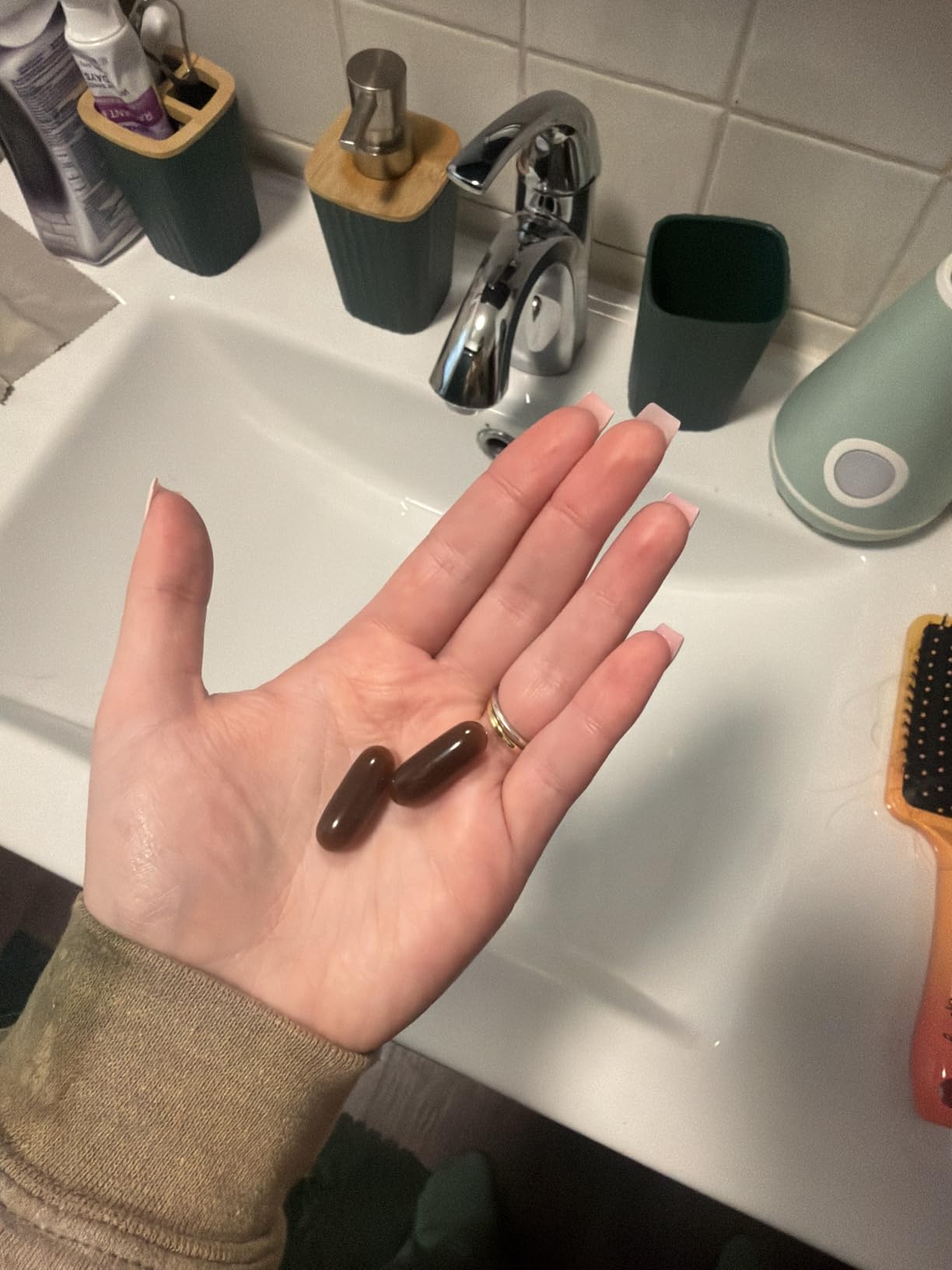
A small number of users report nausea and body aches, which is worth monitoring when you start. I did not experience these side effects, but every body is different. The smell is described as chocolate-like by some and fish-like by others, which is odd but harmless. The 60-count bottle is a good trial size if you are unsure whether lecithin will work for your duct issues.
For moms who want to support a women-owned business while getting effective clogged duct relief, this is a compelling option. It pairs well with other Pink Stork products if you want a unified brand approach to your postpartum supplement routine. I would recommend starting here and upgrading to the 200-count Legendairy Milk bottle if you find lecithin becomes a long-term staple.
Best For Moms Who Want a Smaller Bottle to Start
The 60-count size is perfect for trying lecithin without a big investment. If it works, you can always buy the larger bottle next time. The women-owned brand story is also a nice bonus for values-driven shoppers.
Not Ideal If You Need Long-Term Maintenance on a Budget
The smaller bottle means a higher per-softgel cost than the 200-count competitor. For ongoing maintenance, the Legendairy Milk version is more economical. Some users also report side effects that are less common with the established brand.
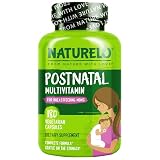
11. NATURELO Postnatal Multivitamin – Best Plant-Based Formula
NATURELO Postnatal Multivitamin, Postnatal Vitamins, 180 Capsules
180 capsules, 30 servings
Plant-based vitamins and minerals
Milk-boosting herbs included
Non-GMO, soy-free, gluten-free
Pros
- 100% plant-based ingredients
- Methylated B vitamins for absorption
- Milk-boosting herbs included
- 77% five-star ratings
- Covers all essential nutrients
Cons
- Requires 3 capsules daily
- Earthy aftertaste
- Contains fenugreek
- Higher price point
NATURELO is one of the few postnatal multivitamins that is genuinely plant-based from top to bottom. Vitamin D3 comes from lichen instead of sheep’s wool. Vitamin E comes from sunflower. Vitamin C comes from Acerola cherry. Calcium and magnesium come from marine algae. Even the iodine is sourced from kelp. For vegan and vegetarian breastfeeding moms, this is the most comprehensive option available.
The formula includes milk-boosting herbs like fenugreek, blessed thistle, fennel, stinging nettle, and alfalfa, which means you get postnatal nutrition and lactation support in one product. The methylated folate, methylcobalamin B12, and P-5-P B6 are all in their active, bioavailable forms, so your body can use them immediately without conversion. The chelated minerals are gentler on the stomach and absorb better than standard oxide forms.
The 4.5-star rating from 1,780 reviews is strong, with 77% five-star ratings. Users report improved energy, enhanced milk supply, better postpartum recovery, and improved hair health. The clean label is genuinely clean: non-GMO, soy-free, gluten-free, no yeast, no gelatin, dairy-free, sugar-free, and vegetarian/vegan. That is a lot of exclusions that matter to moms with dietary restrictions or ethical concerns.
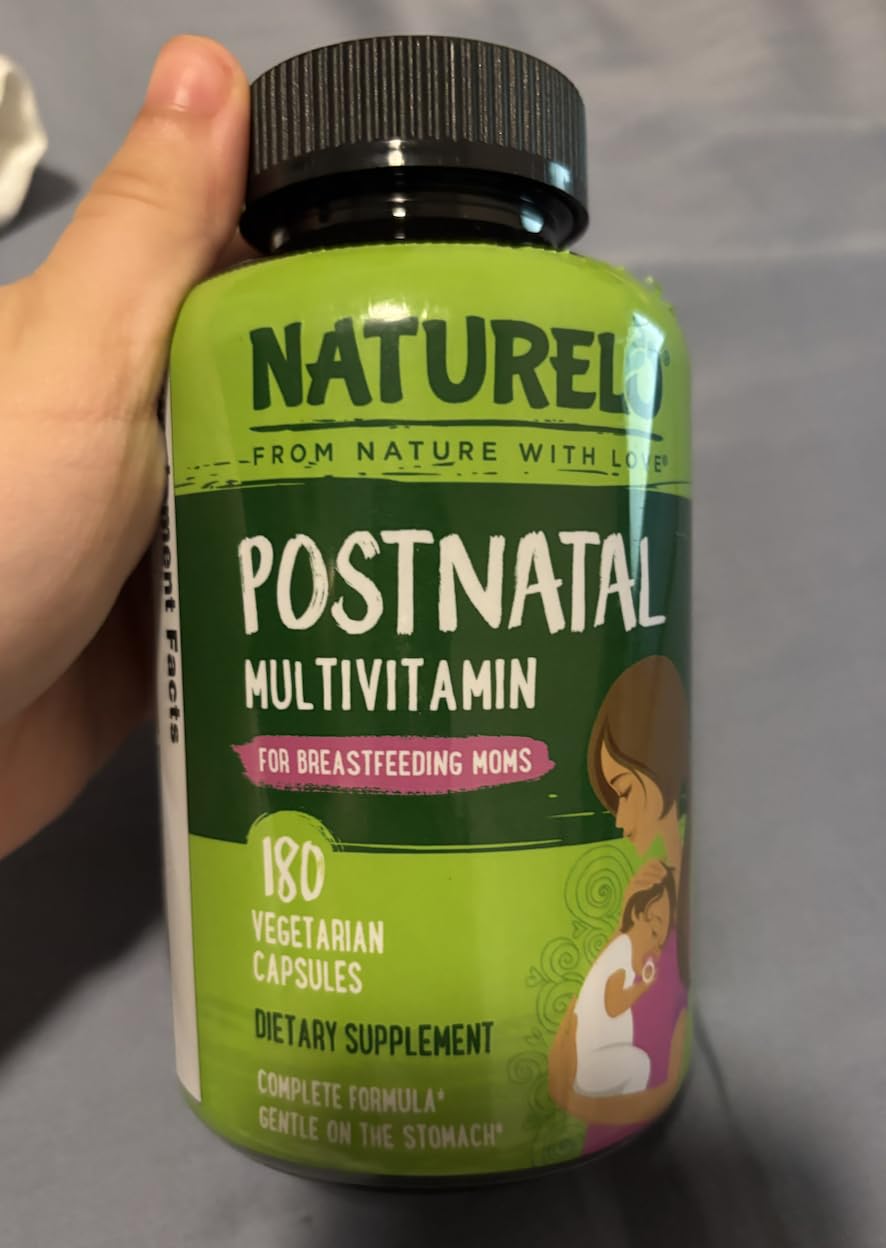
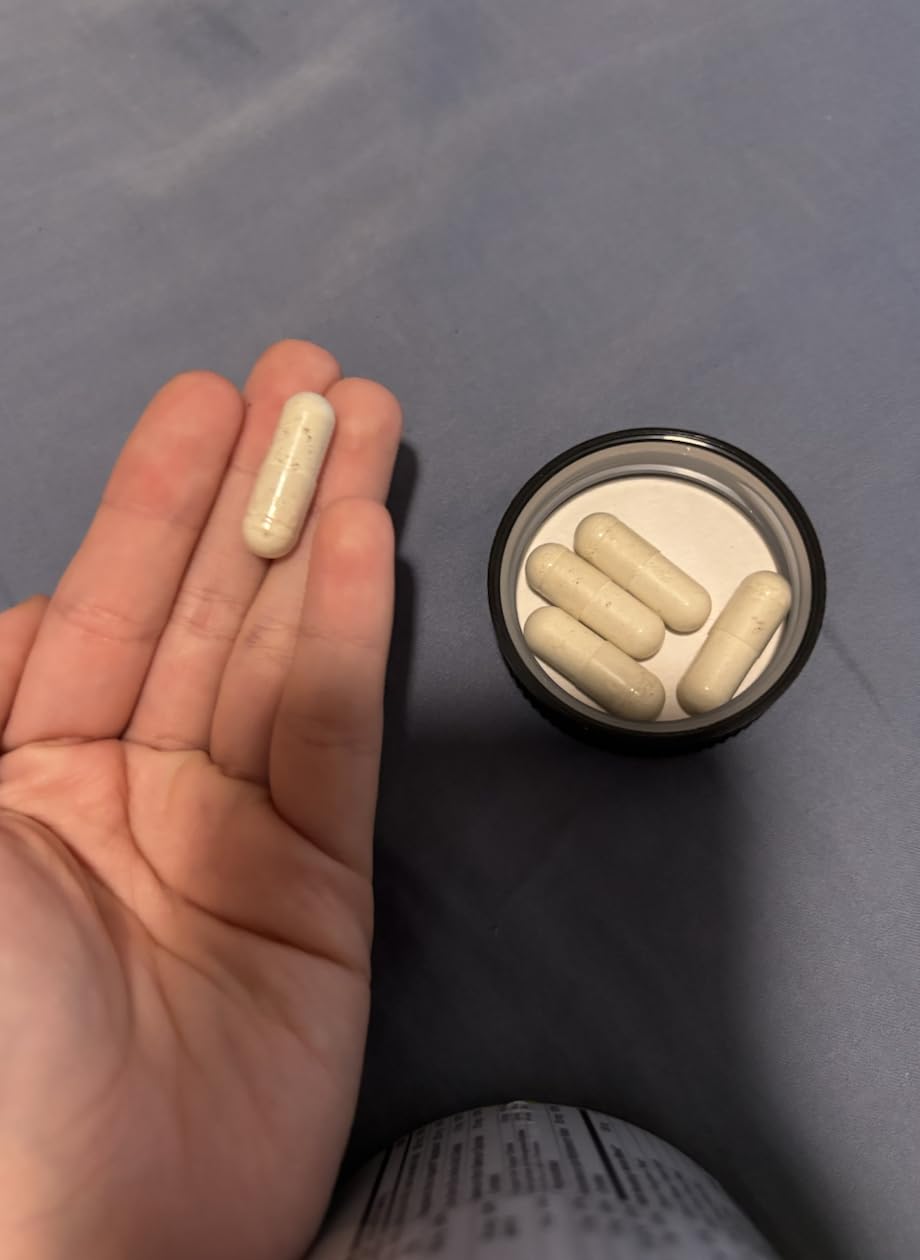
The three-capsule daily serving is the biggest drawback. I got into a rhythm of taking one with each meal, but it is a lot to remember when you are sleep-deprived. Some users report an earthy aftertaste, which is common with plant-based vitamins. I found it mild and tolerable, but if you are sensitive to tastes, this could be an issue. The capsules are also slightly large.
The inclusion of fenugreek is a double-edged sword. It adds lactation support, but it also means the same maple syrup odor and potential baby sensitivity issues apply. For vegan moms who want a complete postnatal plus lactation formula without buying two separate products, the trade-off is usually worth it. I used this for a month and appreciated the convenience of combining nutrition and supply support.
Best For Vegan and Vegetarian Breastfeeding Moms
If you avoid animal products, this is the most comprehensive postnatal multivitamin that does not compromise on ingredient sourcing. The plant-based D3 from lichen alone is rare and valuable for vegans.
Not Ideal If You Want a Single Capsule or Are Fenugreek-Sensitive
The three-capsule requirement and fenugreek content are the two main limitations. If you are already taking a separate galactagogue or your baby reacts to fenugreek, a fenugreek-free postnatal like Pink Stork or Ritual is a better choice.
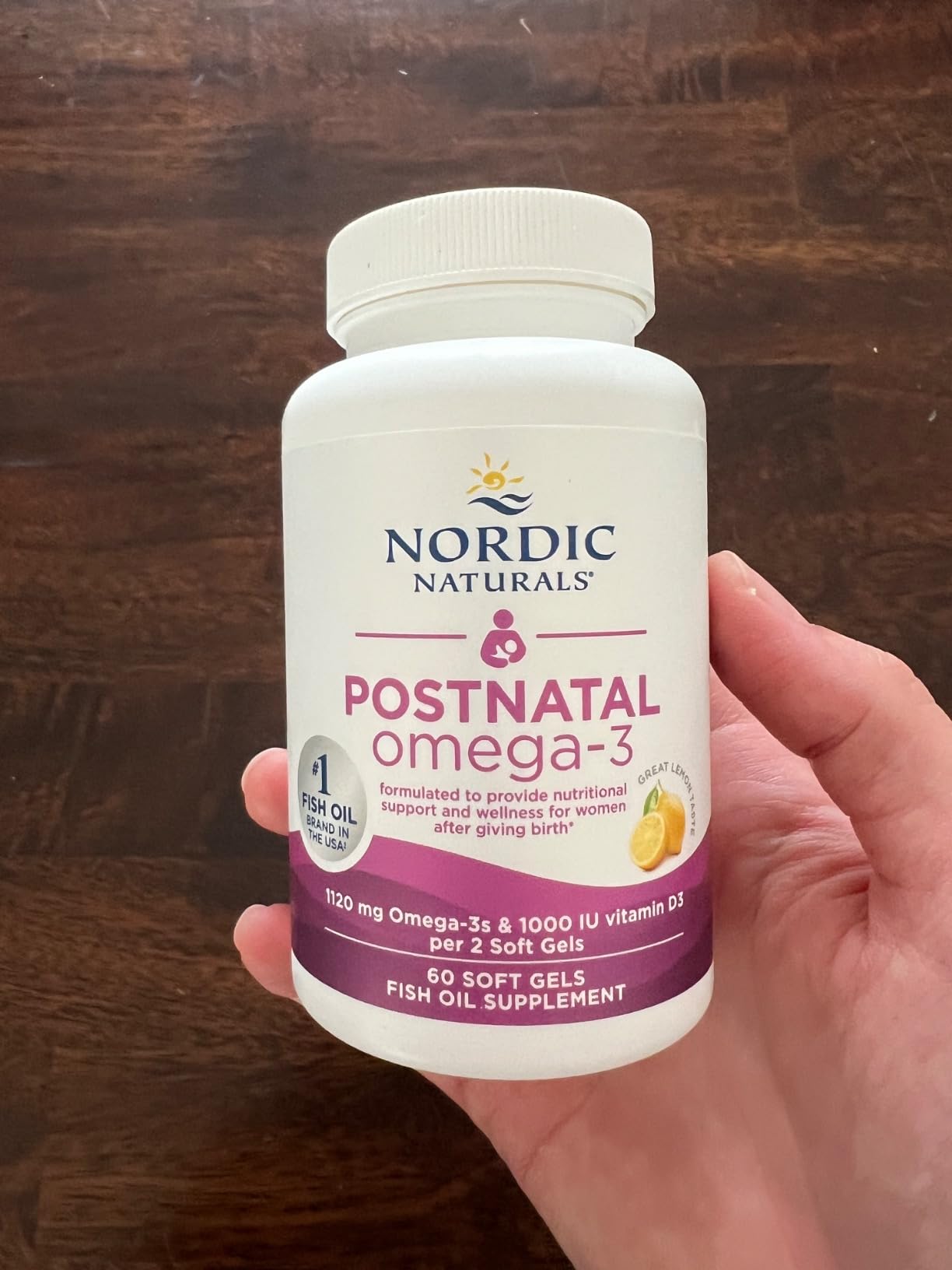
12. Nordic Naturals Postnatal Omega-3 – Best Omega-3 for Breastfeeding
Nordic Naturals Postnatal Omega-3, Lemon – 60 Soft Gels – 1120 Total Omega-3 + 1000 IU Vitamin D3 – Formulated for New Moms; Supports Optimal Wellness, Positive Mood, Healthy Metabolism – 30 Servings
60 soft gels, 30 servings
1120mg total omega-3, 456mg DHA
1000 IU vitamin D3
Lemon flavor, triglyceride form
Pros
- 90% five-star ratings
- 456mg DHA for baby brain development
- No fishy burps
- Triglyceride form for absorption
- Official Postnatal Omega-3 of APA
Cons
- Premium price
- Fish-derived not vegan
- May not help hair loss
Nordic Naturals is the number one selling omega-3 brand in the United States, and their postnatal formula is the highest-rated product on our entire list. With a 4.8-star average and 90% five-star ratings from 1,500+ reviews, this is the gold standard for DHA supplementation during lactation. The 456mg of DHA per serving is well within the research-backed range for supporting infant neurological development through breast milk.
The triglyceride molecular form is the same form found naturally in fish, which means your body absorbs it more efficiently than the ethyl ester form used by cheaper competitors. The lemon flavor genuinely eliminates fishy burps, which is a common complaint with omega-3 supplements. I took these for three months and never once tasted fish, even when I burped after taking them on an empty stomach.
The 586mg of EPA supports maternal mood and healthy metabolism, which are both critical during the postpartum period. Research has shown that EPA levels correlate with lower rates of postpartum mood disturbances. The added 1000 IU of vitamin D3 addresses another common deficiency in breastfeeding women, though you may still need additional D depending on your baseline levels and sun exposure.
The small softgel size is a relief after struggling with some of the larger capsules on this list. The purity guarantee means every batch is tested for heavy metals, PCBs, and other contaminants that can accumulate in fish oil. The brand uses wild-caught fish and commits to sustainable sourcing, which matters if you care about ocean health.
The main criticism is the price, which is higher than drugstore omega-3s. But when you factor in the superior absorption, the absence of fishy burps, and the third-party testing, the premium is justified. The American Pregnancy Association officially recommends this as their postnatal omega-3, which is a strong endorsement from a trusted medical organization.
Best For Moms Who Prioritize DHA Quality and Absorption
If you want the best omega-3 for your baby’s brain development and your own mood support, this is it. The triglyceride form and lemon flavor make it the most pleasant fish oil supplement I have tried.
Not Ideal For Vegan Moms or Those on a Tight Budget
The fish-derived DHA excludes vegans, who should look at algae-based alternatives like Pink Stork or Ritual. The price is also a barrier for budget-conscious moms who can get adequate DHA from cheaper ethyl ester forms, albeit with less absorption and more burps.
How to Choose the Best Supplements for Breastfeeding Moms
After reviewing 12 products, I want to share the framework I use when helping moms choose supplements. The right choice depends on your specific goals, your baby’s sensitivities, and your budget. Here is how to think through the decision.
Identify Your Primary Goal
Are you trying to increase milk supply, prevent clogged ducts, or replenish nutrients? These are three different problems that require different solutions. Milk supply issues respond to galactagogues like fenugreek, moringa, and goat’s rue. Clogged ducts need sunflower lecithin. Nutrient depletion needs a postnatal multivitamin. Many moms need all three, which is why stacking supplements is common.
Do not buy a lactation supplement if your real problem is duct anatomy or a poor latch. No amount of fenugreek will fix a baby who is not transferring milk effectively. Before spending money on supplements, rule out latch issues, tongue ties, and insufficient glandular tissue with an IBCLC.
Check Evidence Quality
Not all supplements are backed by equal research. Here is my honest assessment of the evidence for each category. Fenugreek has the most human studies but mixed results. Moringa has emerging research with promising early data. Sunflower lecithin has strong anecdotal support and a plausible mechanism but limited clinical trials. Postnatal vitamins have the strongest evidence because they address documented nutrient deficiencies in lactating women.
When a brand claims their supplement is “clinically proven,” ask for the citation. Many brands reference small studies, animal studies, or traditional use rather than robust human trials. That does not mean they do not work, but it means you should have realistic expectations.
Consider Your Baby’s Sensitivities
Everything you take can pass into breast milk in some amount. Fenugreek is the most common culprit for baby gas, green stools, and fussiness. If you notice these symptoms after starting a new supplement, stop for 48 hours and see if they resolve. The elimination test is the most reliable way to identify supplement sensitivities in babies.
Some moms also report that certain herbs affect their own digestion or thyroid function. If you have hypothyroidism, diabetes, or a history of blood sugar issues, talk to your doctor before taking galactagogues. Fenugreek and goat’s rue can both affect glucose metabolism.
Look for Third-Party Testing
Because the FDA does not regulate supplements for efficacy or purity, third-party testing is your best protection against contaminated or mislabeled products. Look for certifications from NSF, USP, ConsumerLab, or the Clean Label Project. Brands that invest in third-party testing usually advertise it prominently because it is expensive and sets them apart from lower-quality competitors.
All 12 products on our list have some form of quality verification, whether through Non-GMO Project certification, third-party testing, or cGMP manufacturing. This is not accidental. We excluded dozens of products that lacked transparency about their testing protocols.
Calculate Your True Daily Cost
Do not look at the bottle price alone. A $30 bottle that lasts 60 days costs 50 cents per day. A $12 bottle that lasts 10 days at full dose costs $1.20 per day. The cheaper bottle is actually more expensive. Always divide the total cost by the number of days the bottle will last at your intended dose.
Also factor in whether you need multiple products. If you buy a postnatal vitamin and a separate lactation supplement, your daily cost is the sum of both. Some products like NATURELO Postnatal combine nutrition and lactation support, which may save money compared to buying two separate bottles.
Supplements to AVOID While Breastfeeding
Knowing what not to take is just as important as knowing what to take. Based on research from the InfantRisk Center, La Leche League, and peer-reviewed lactation studies, here are the supplements and herbs that can reduce milk supply or pose risks to your baby.
Sage and peppermint are the two most common milk-supply killers. Sage tea is sometimes recommended for weaning because it reliably suppresses lactation. Peppermint, especially in concentrated essential oil form, can also reduce supply. A cup of peppermint tea is unlikely to cause problems, but taking peppermint oil capsules or using strong peppermint essential oil topically in large amounts is risky.
CBD and cannabis products should be avoided while breastfeeding. THC passes into breast milk and can affect infant brain development. CBD lacks sufficient safety data for lactation. Weight loss medications like tirzepatide should also be avoided due to insufficient research on lactation safety. When in doubt, consult your healthcare provider before taking any medication or supplement.
Frequently Asked Questions
Which supplement is best for a nursing mother?
Postnatal vitamins are the best foundational supplement for nursing mothers, as they replenish nutrients depleted by breastfeeding. For milk supply specifically, fenugreek, moringa, and goat’s rue are the most commonly recommended galactagogues. For clogged ducts, sunflower lecithin is the top choice. Always consult a lactation consultant (IBCLC) before starting any supplement.
Which supplement is best for breast milk supply?
The best supplements for breast milk supply are: 1) Fenugreek – the most widely used and researched galactagogue, 2) Moringa – emerging evidence with fewer side effects, 3) Goat’s Rue – traditional herb for both lactation and digestion, 4) Blessed Thistle – often combined with fenugreek for synergy, 5) Brewer’s Yeast – rich in B vitamins. Note: supplements work best when combined with frequent nursing or pumping.
What is the 4 4 4 rule for breastfeeding?
The 4-4-4 rule for breastfeeding refers to the postpartum recovery timeline: 4 days for your body to adjust to breastfeeding, 4 weeks for your milk supply to regulate, and 4 months for your body to fully recover from pregnancy and childbirth. During this time, proper nutrition and supplementation are critical for both milk production and maternal health.
Can you take tirzepatide while breastfeeding?
Tirzepatide (Zepbound) should not be taken while breastfeeding. There is insufficient research on its safety during lactation, and weight loss medications can potentially pass into breast milk. Always consult your healthcare provider before taking any medication or supplement while breastfeeding.
How long do lactation supplements take to work?
Most lactation supplements take 3-7 days to show noticeable effects, though some moms report changes within 48 hours. Sunflower lecithin for clogged ducts often works faster, with relief within 1-2 days. Consistency matters: skipping doses or stopping too early can prevent you from seeing results. Always pair supplements with frequent nursing or pumping to maximize effectiveness.
Are lactation supplements safe while breastfeeding?
Most lactation supplements are generally considered safe, but the FDA does not regulate them for efficacy or purity. Herbs like fenugreek, moringa, and blessed thistle have long histories of traditional use, but research quality varies. Always choose third-party tested products, start with the lowest dose, monitor your baby for reactions, and consult an IBCLC or your doctor before starting any new supplement.
What vitamins should breastfeeding moms take?
Breastfeeding moms should prioritize postnatal vitamins containing vitamin D, DHA, iron, iodine, choline, and B vitamins including methylated folate and B12. These nutrients are commonly depleted during lactation and are critical for both maternal health and breast milk quality. Vegan moms may need additional B12 and DHA from algae sources. A blood test can identify specific deficiencies.
Final Thoughts
Choosing the best supplements for breastfeeding moms in 2026 comes down to matching the right product to your specific needs. If I had to pick one supplement for every nursing mother, it would be a quality postnatal multivitamin like Nature Made Postnatal + DHA or Pink Stork Total Postnatal. These cover the nutritional foundation that every breastfeeding body needs, regardless of milk supply concerns.
For moms struggling with clogged ducts, sunflower lecithin is non-negotiable in my opinion. Legendairy Milk’s version has the track record and review volume to justify its spot as our editor’s choice. For supply concerns, start with fenugreek if you and your baby tolerate it, then explore fenugreek-free options like Legendairy Milk Liquid Gold if side effects appear.
Remember that supplements are helpers, not magic bullets. The most powerful milk supply booster is frequent, effective milk removal through nursing or pumping. No herb can replace a baby who is not latching well or a pump that is not the right size. If you are struggling, call an IBCLC. Their expertise is worth far more than any bottle of capsules. Here is to a healthy, supported breastfeeding journey in 2026.