

When the first scratch in your throat hits and your nose starts to stuff up, a hot cup of tea is one of the oldest and most comforting remedies you can reach for. Our team spent weeks testing and comparing the best teas for cold and flu relief, evaluating each one for symptom-targeting effectiveness, flavor, ingredient quality, and overall soothing power.
The right tea does more than just warm you up. It delivers active compounds like menthol for congestion, gingerol for nausea, and antioxidants for immune support that work with your body to ease symptoms naturally. Whether you are dealing with a stubborn sore throat, chest congestion, or that restless inability to sleep while sick, there is a specific tea blend designed to help.
In this guide, we review 10 standout teas that target different cold and flu symptoms. From immune-boosting elderberry echinacea blends to throat-coating slippery elm formulas and sinus-clearing peppermint infusions, we cover exactly what works, what each tea tastes like, and which one fits your specific symptoms best.
Table of Contents
Top 3 Picks for Best Teas for Cold and Flu

Traditional Medicinals Immune Zoom
- Elderberry and Echinacea blend
- USDA Organic
- Caffeine-Free
- Immune support

Traditional Medicinals Throat Coat
- Slippery Elm and Eucalyptus
- Throat soothing
- Cough relief
- Caffeine-Free
These three teas stood out across our testing for different reasons. The Traditional Medicinals Immune Zoom takes our top spot for daily immune support, the Throat Coat formula is unmatched for sore throat relief, and the Twinings Lemon and Ginger offers incredible value with 100 bags per box.
Best Teas for Cold and Flu in 2026
1. Traditional Medicinals Immune Zoom Elderberry Echinacea – Best for Daily Immune Support
Traditional Medicinals Organic Immune Zoom Elderberry Echinacea 16 Tea Bags
Elderberry and Echinacea blend
USDA Certified Organic
Caffeine-Free
16 tea bags
Herbalist-formulated
Pros
- Supports immune function with elderberry and echinacea
- Sweet tart berry notes with warming cinnamon
- USDA Organic Kosher and Caffeine-Free
- Herbalist-formulated with studied herbs
- Soothing for sore throats
Cons
- Occasional reports of damaged packaging
- Some may find licorice root flavor dominant
I started drinking this tea at the first sign of a scratchy throat last winter, and it quickly became my go-to immune support brew. The elderberry and echinacea combination is one of the most researched herbal pairings for immune response, and Traditional Medicinals formulates it with a herbalist’s precision. The flavor hits with sweet, slightly tart berry notes balanced by a warming cinnamon kick that makes every cup feel therapeutic.
What impressed me most was how drinkable this tea is. Some immune support teas taste like medicine, but this one has a genuinely pleasant berry-cinnamon profile that I looked forward to. After drinking two cups a day for a week during cold season, I felt like it gave my immune system a real boost without any harsh aftertaste.
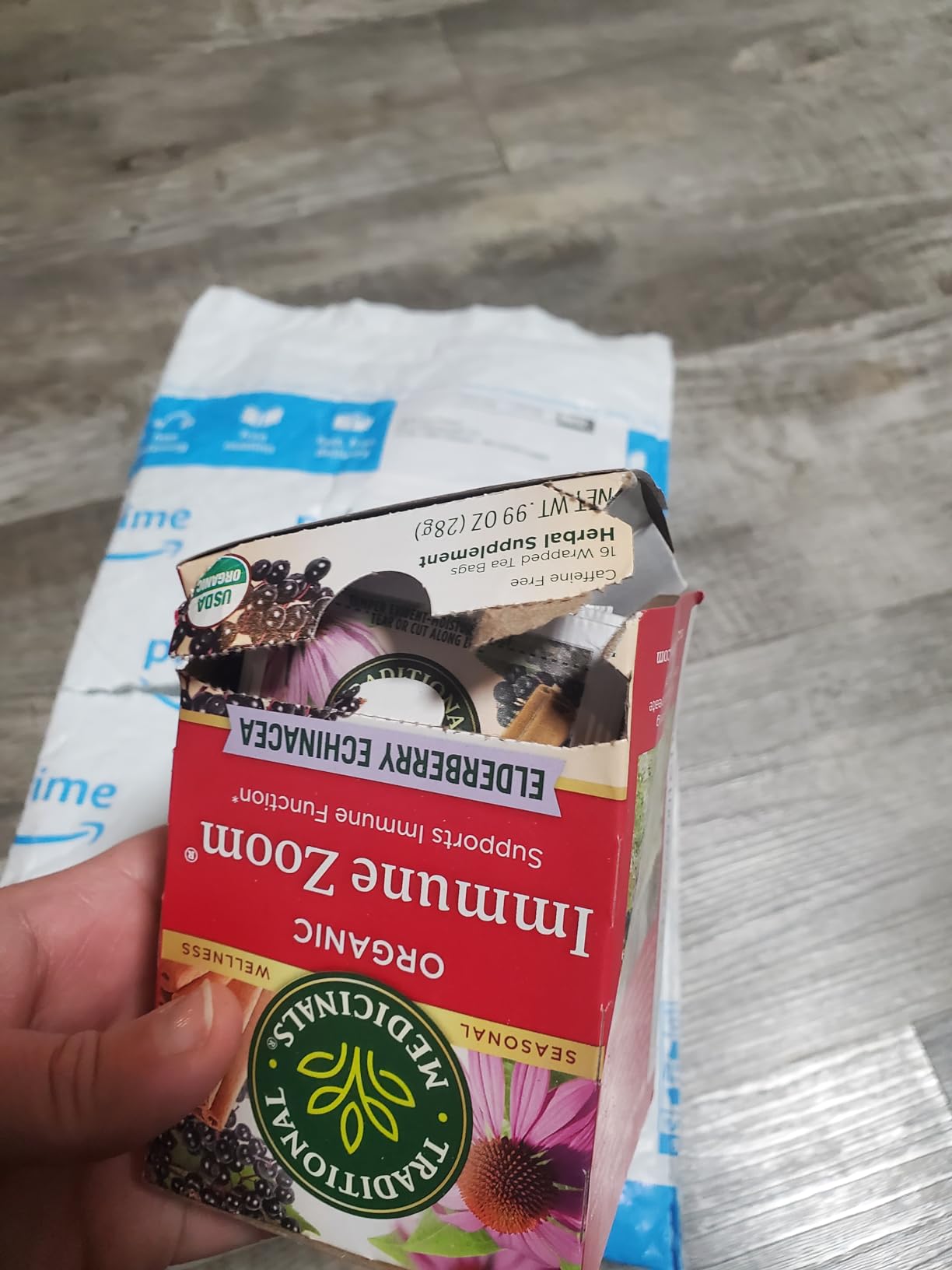
Each box contains 16 compostable tea bags, and the ingredients are USDA Certified Organic, Kosher verified, and completely caffeine-free. That caffeine-free designation matters when you are sick because rest is critical, and you do not want a stimulant interfering with sleep. The echinacea in this blend is widely studied for its ability to support immune response at the onset of illness.
The licorice root in the formula adds natural sweetness but can be a bit dominant for some palates. I found it pleasant, but if you are sensitive to licorice, you might notice it prominently. At its price point, this is one of the most affordable ways to get a clinically-studied elderberry echinacea combination in tea form.
Best For Daily Preventive Use
This tea shines as a daily immune support drink during cold and flu season. If you want something to sip proactively rather than reactively, the pleasant flavor makes it easy to maintain a daily habit. It is also excellent for the very first signs of illness when you want to support your immune response immediately.
Not Ideal If You Dislike Licorice
The licorice root is noticeable enough that anyone who actively dislikes that flavor profile should look elsewhere. If you prefer straightforward berry or citrus teas, you might find the licorice undertone distracting. Consider the Twinings Lemon and Ginger or the Rishi Elderberry Healer as alternatives without strong licorice notes.
2. Traditional Medicinals Organic Cold Care – Best All-Around Cold Comfort

Traditional Medicinals Tea, Organic Herbal Cold Care, Providing Soothing Comfort, 16 Tea Bags
Cold symptom comfort blend
Minty with sweet and spicy notes
USDA Organic
Caffeine-Free
16 tea bags
Pros
- Provides warm soothing comfort for cold symptoms
- Fragrant minty with sweet and spicy notes
- Non-GMO and Certified Organic
- Ethical trading partnerships
- Helps clear sinuses and ease congestion
Cons
- Some concern over non-recyclable wrappers
- Premium pricing for 16 bags
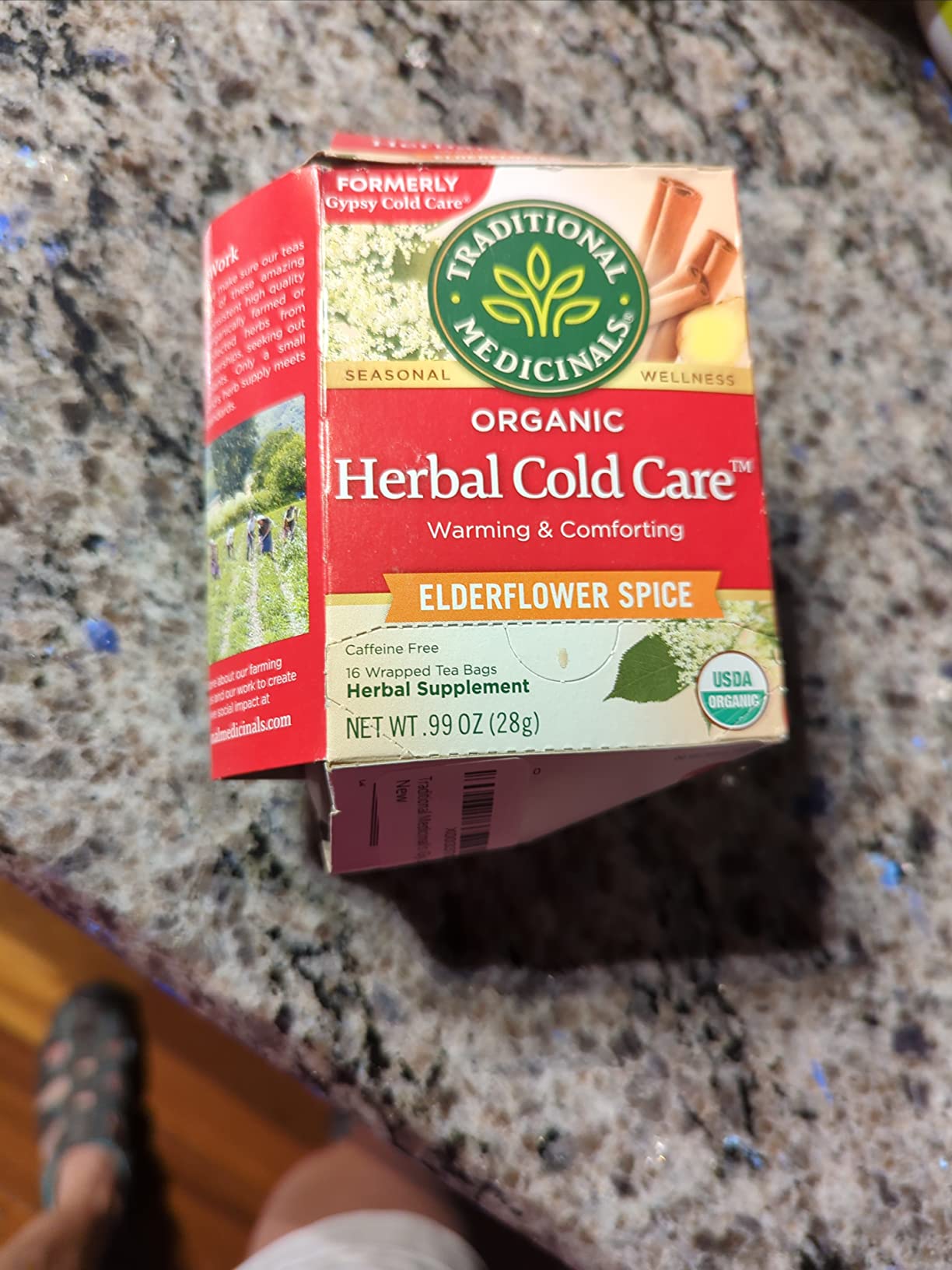
This is the tea I reach for when a cold has already settled in and I need general symptom comfort. Formerly known as Gypsy Cold Care, this Traditional Medicinals blend has been a staple in natural cold remedies for years. The minty, sweet, and spicy flavor profile hits all the right notes when your senses are dulled by congestion.
I brewed my first cup during a particularly miserable head cold, and the aromatic steam alone started opening my sinuses before I even took a sip. The blend includes herbs specifically chosen for their warming and soothing properties, and I could feel the comfort spreading through my chest with each cup.
The formula is Non-GMO Verified with all ingredients Certified Organic, Kosher, and Caffeine-Free. Traditional Medicinals sources their herbs through ethical trading partnerships, which means the quality is consistent and the sourcing is responsible. I appreciated that the tea did not taste mass-produced but rather like something a knowledgeable herbalist would blend.
One thing to note is that the tea bag wrappers changed to a non-recyclable material, which some users have flagged. The pricing is also on the premium side for 16 tea bags. However, the effectiveness and quality of the herbs justify the cost when you are actively fighting a cold.
Best For Active Cold Symptoms
This is the ideal tea for the peak of a cold when you need broad symptom relief rather than targeting one specific issue. The complex herb blend addresses congestion, sore throat, and general malaise simultaneously. If you want one tea to keep in your cabinet for when a cold hits, this is an excellent choice.
Not Ideal For Budget-Conscious Bulk Buyers
If you drink multiple cups per day throughout cold season, the 16-count box at this price point adds up quickly. Consider the FGO Turmeric Ginger or Twinings Lemon and Ginger, both of which offer 100-count packages for better per-cup value. The Cold Care blend is best reserved for acute illness rather than daily preventive use.
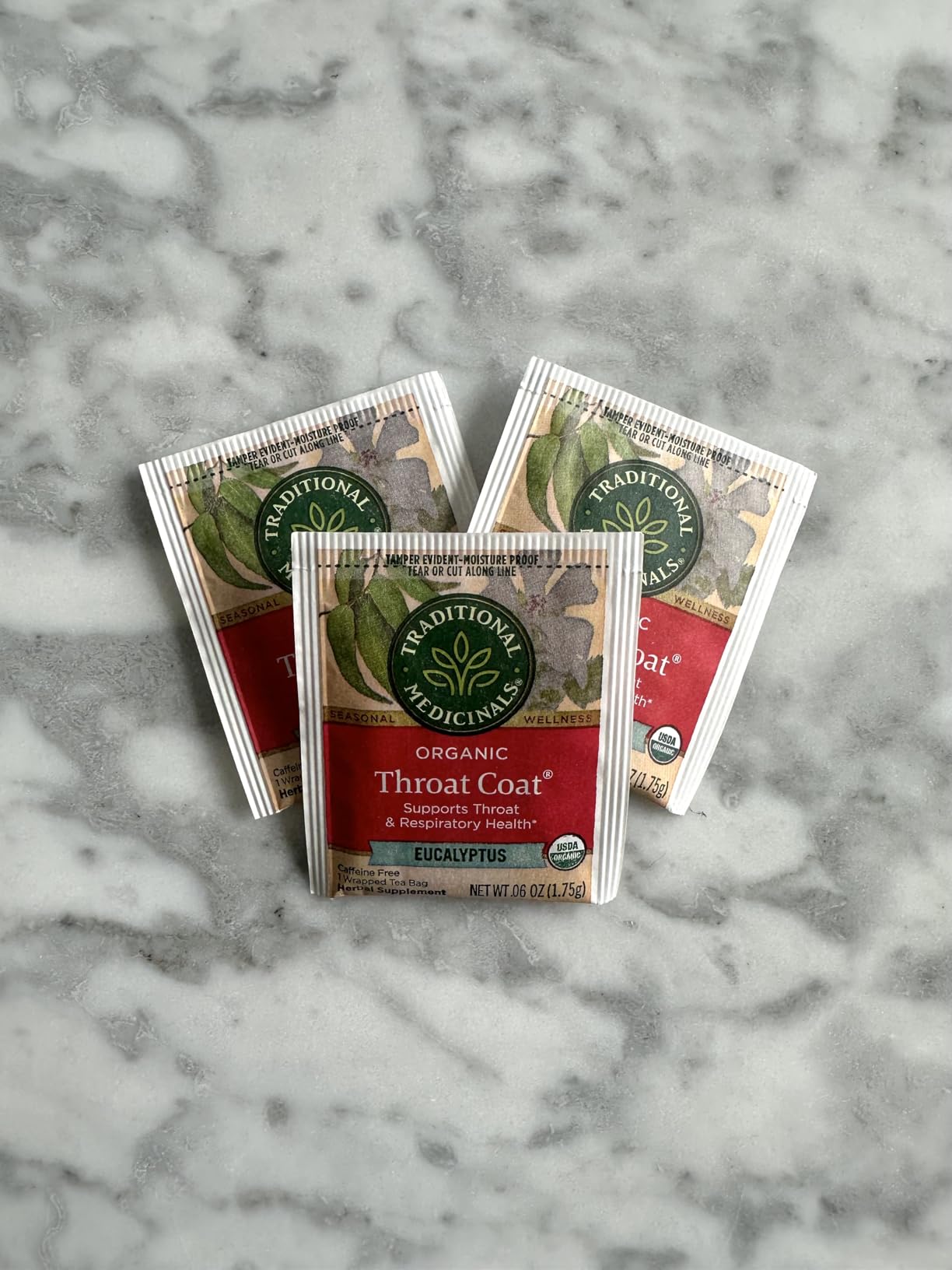
3. Traditional Medicinals Throat Coat Eucalyptus and Slippery Elm – Best for Sore Throat and Cough
Traditional Medicinals Organic, Throat Coat Tea, Eucalyptus & Slippery Elm – Supports Respiratory and Throat Health – Kosher, Non-GMO, Caffeine-Free, Compostable – 16 Tea Bags
Slippery Elm and Eucalyptus blend
Throat coating texture
USDA Organic
Caffeine-Free
16 tea bags
Pros
- Unique slippery texture coats and soothes sore throats
- Sweet earthy with mint hint
- USDA Organic and Caffeine-Free
- Fair Wild Certified Ingredients
- Effective for coughs and respiratory support
Cons
- Some find licorice root flavor too strong
- Available only in 16-count packs
Of all the teas I tested, this one delivered the most immediate and noticeable relief for a raw, scratchy throat. The slippery elm bark creates a unique texture that literally coats your throat as you drink it, and the sensation is instantly soothing. Combined with eucalyptus for respiratory support, this formula targets two of the most miserable cold symptoms at once.
The inspiration comes from Native American and Australian Aboriginal herbal traditions, which have used slippery elm and eucalyptus respectively for centuries. I found the taste to be sweet and earthy with a refreshing hint of mint from the eucalyptus. It is not a tea I would drink casually, but when your throat is on fire, it becomes incredibly appealing.
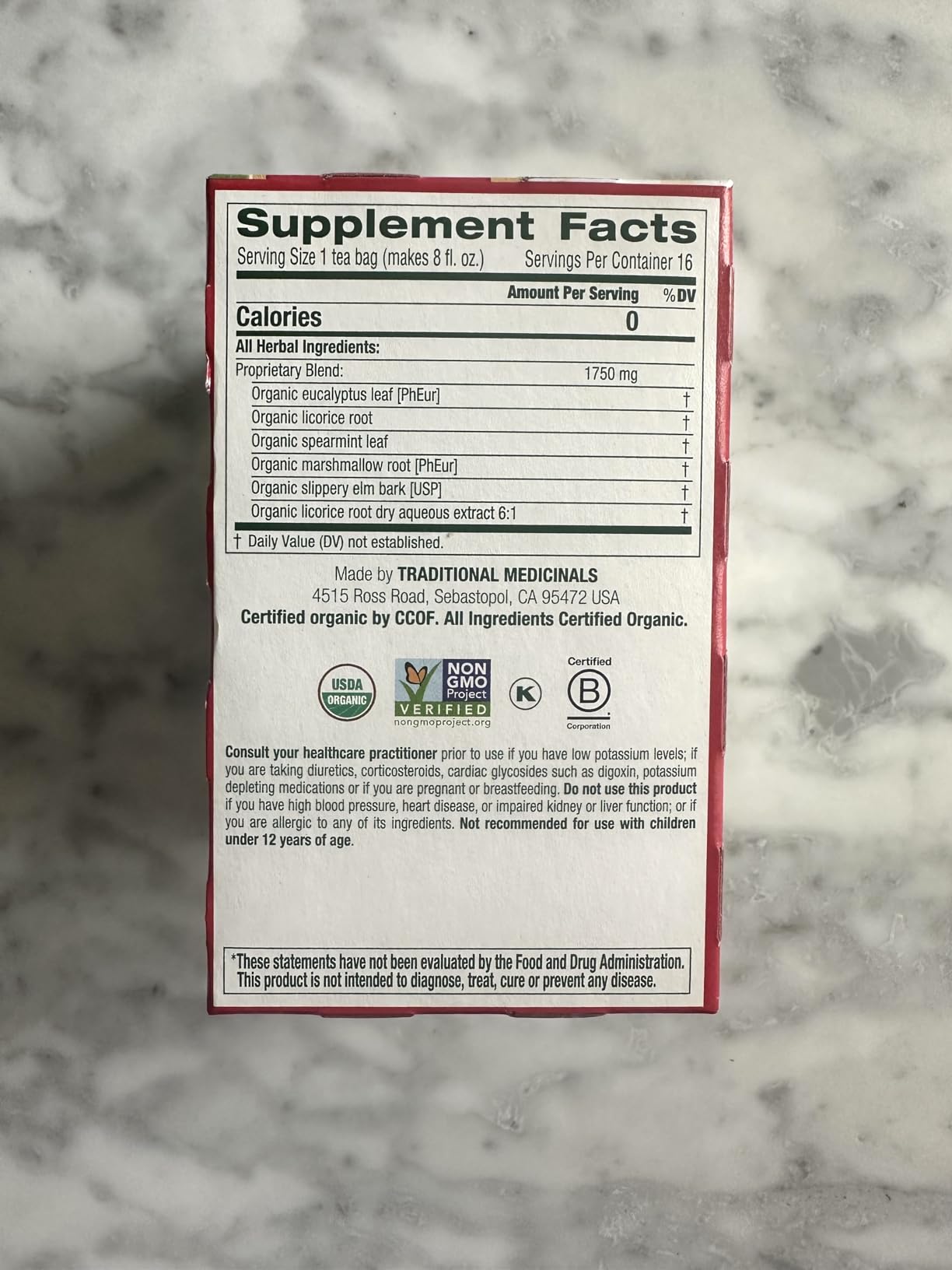
The licorice root in this blend is more prominent than in the Immune Zoom formula, which makes sense since licorice has its own throat-soothing properties. Some users find it overpowering, so be prepared for that flavor. The tea is USDA Certified Organic, Kosher, Caffeine-Free, and Fair Wild Certified, which means the wild-harvested ingredients are collected sustainably.
I tested this tea over three days of a bad sore throat, drinking three cups daily, and the coating effect lasted about 45 minutes to an hour per cup. It significantly reduced my coughing frequency and made swallowing much more comfortable. The 2,154 reviews back up what I experienced, with users consistently reporting real relief.
Best For Severe Sore Throat and Persistent Cough
If your primary symptom is throat pain or a cough that will not quit, nothing in this list beats the coating action of slippery elm. This tea is specifically designed for throat and respiratory support, and it delivers on that promise. Pair it with a spoonful of honey for enhanced throat-coating effects.
Not Ideal For Light or Mild Symptoms
The strong licorice flavor and medicinal coating texture are overkill if you just want a pleasant warm drink. For mild symptoms or general comfort, the Cold Care blend or the Twinings Lemon and Ginger will be more enjoyable. Save this one for when your throat genuinely hurts.
4. Yogi Tea Immune Stress Elderberry Lemon Balm – Best for Evening Immune Support

Yogi Tea, Tea Immune Stress Elderberry Lemon Balm Organic, 16 Count
Elderberry with Ashwagandha
Lemon Balm and Lemongrass
USDA Organic
Caffeine-Free
16 tea bags
Pros
- Bright citrusy flavor with lemon balm and lemongrass
- Elderberry with ashwagandha for immune and stress support
- USDA Organic and Non-GMO Verified
- Caffeine-free and vegan
- Calming ashwagandha promotes relaxation
Cons
- Elderberry flavor is subtle rather than bold
- More for gentle daily support than acute illness
This Yogi Tea blend caught my attention because it combines immune support with stress relief, which is a smart pairing when you are sick and anxious about not feeling well. The ashwagandha adds a calming dimension that I have not found in other immune teas, and it makes this an ideal evening cup when you are trying to rest and recover.
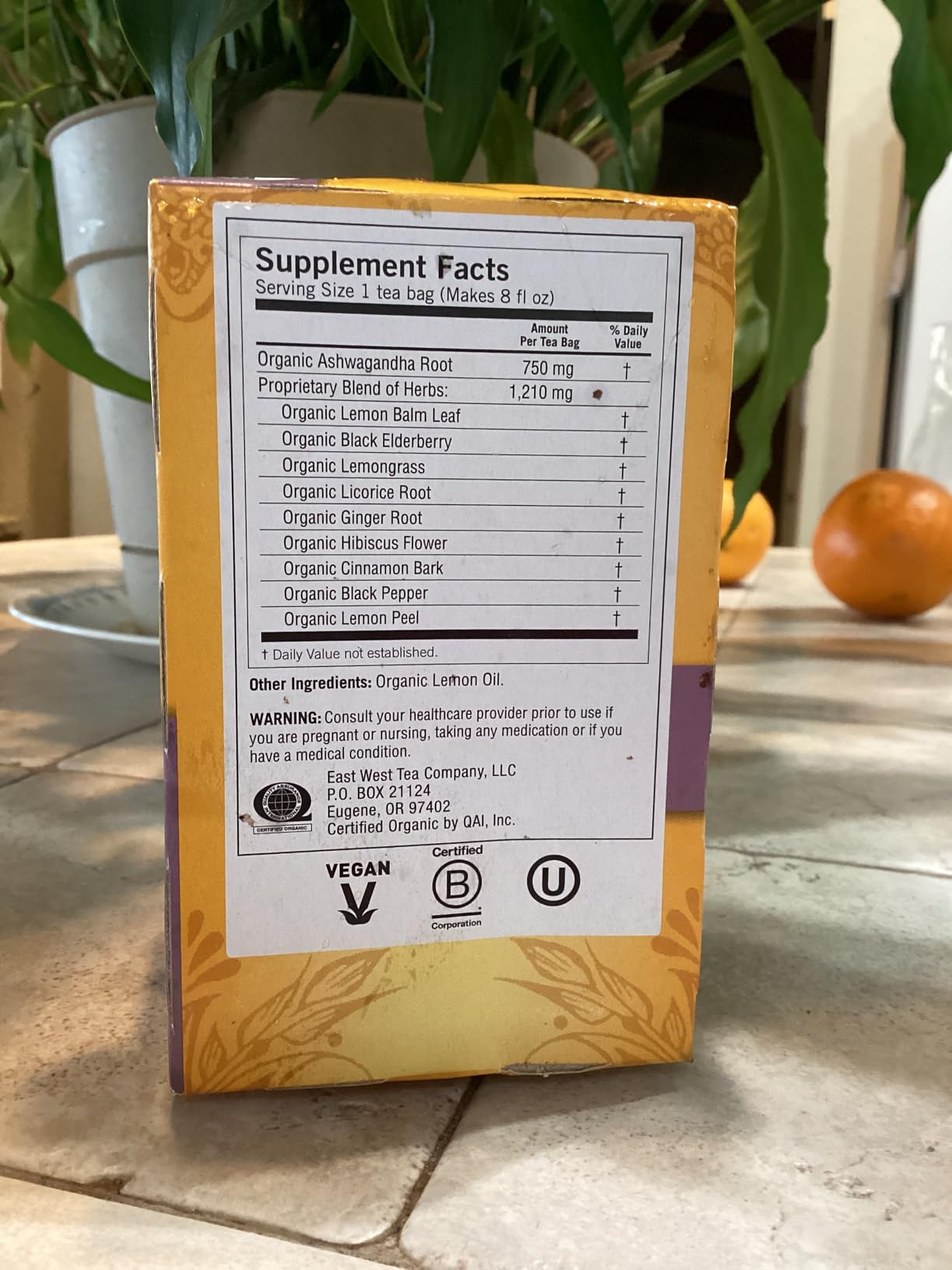
The flavor profile is bright and citrusy, dominated by lemon balm, lemongrass, and lemon peel. I found it refreshing and light, which is exactly what you want when your appetite is suppressed and heavy flavors feel unappealing. The elderberry provides subtle antioxidant support without overwhelming the citrus notes.
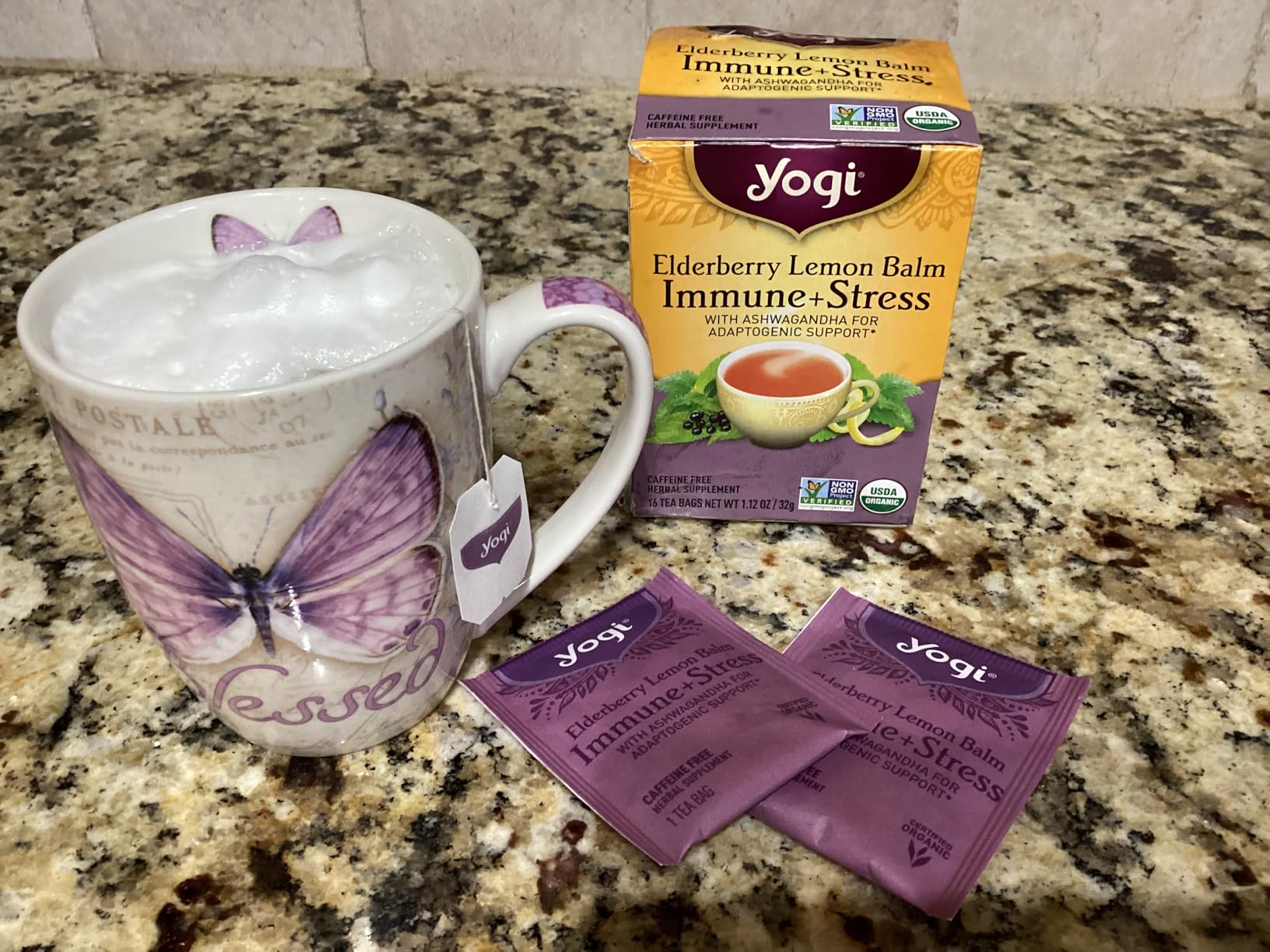
Each box contains 16 compostable tea bags, and the formula is USDA Certified Organic, Non-GMO Project Verified, Caffeine-Free, Vegan, Kosher, and Gluten-free. That is one of the most comprehensive certification profiles on this list. The compostable bags also mean you are not adding to landfill waste with every cup.
The ashwagandha is what sets this tea apart. It is an adaptogen traditionally used to help the body manage stress, and when you are sick, your body is under significant physical stress. I noticed a gentle calming effect about 30 minutes after drinking a cup in the evening, which helped me settle into sleep even with mild congestion.
Best For Evening Relaxation During Illness
This tea is perfect for that evening cup when you are winding down and your body needs both immune support and stress relief. The calming ashwagandha combined with the caffeine-free formula makes it ideal for promoting restful sleep, which is when your body does most of its healing work.
Not Ideal For Acute Heavy-Hitting Symptom Relief
If you are in the thick of a brutal flu with severe congestion or a raging sore throat, this tea is too gentle to provide significant relief. It is better suited for mild symptoms, preventive daily use, or the recovery phase. For acute symptoms, reach for the Throat Coat or Congest Away formulas instead.
5. Twinings Lemon and Ginger Herbal Tea – Best Value and Everyday Go-To

Twinings Lemon & Ginger Herbal Tea Individually Wrapped Bags, 100 Count (Pack of 1), Tangy Lemon, Spicy Ginger, Naturally Caffeine-Free, Enjoy Hot or Iced, 100 Teabags
100 individually wrapped tea bags
Lemon and ginger blend
Caffeine-Free
Naturally caffeine-free
Pros
- Perfect balance of zesty lemon and spicy ginger
- Individually sealed bags stay fresh
- Naturally caffeine-free for any time
- Great value with 100 bags per box
- Supports digestion and soothing warmth
Cons
- Occasional reports of damaged packaging
- Stronger ginger flavor may require adjustment
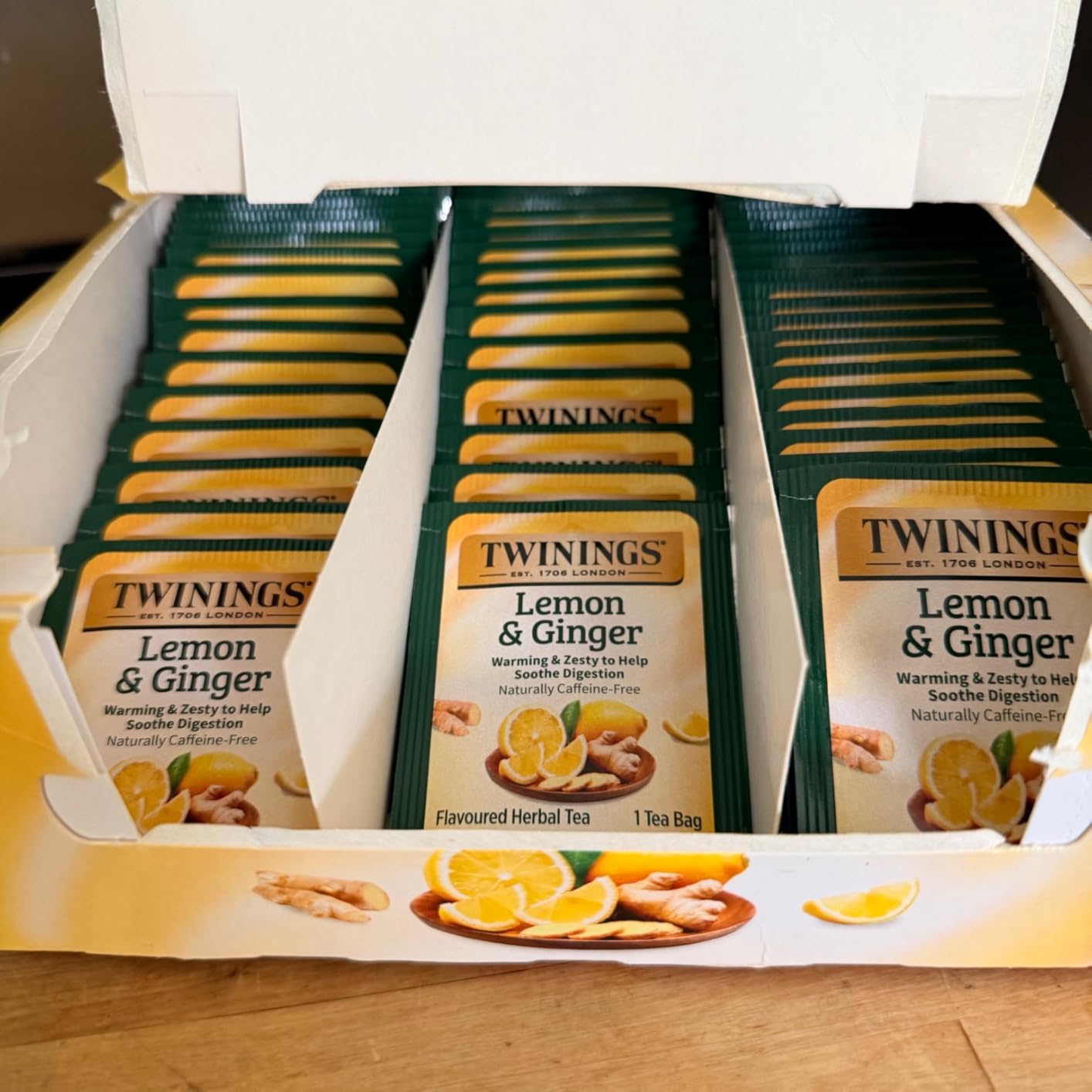
This is the workhorse tea in my cold and flu arsenal. With 100 individually wrapped tea bags in a single box, it offers unmatched value and convenience. The lemon and ginger combination is one of the most praised natural cold remedies across forums and user communities, and Twinings executes it beautifully with a perfect balance of zesty citrus and warming spice.
I went through an entire box over one cold season, drinking two to three cups daily. The individually sealed bags mean each cup tastes as fresh as the first, which is a real advantage over bulk teas that lose potency over time. The ginger provides genuine warming relief for nausea and digestive upset that often accompanies the flu.
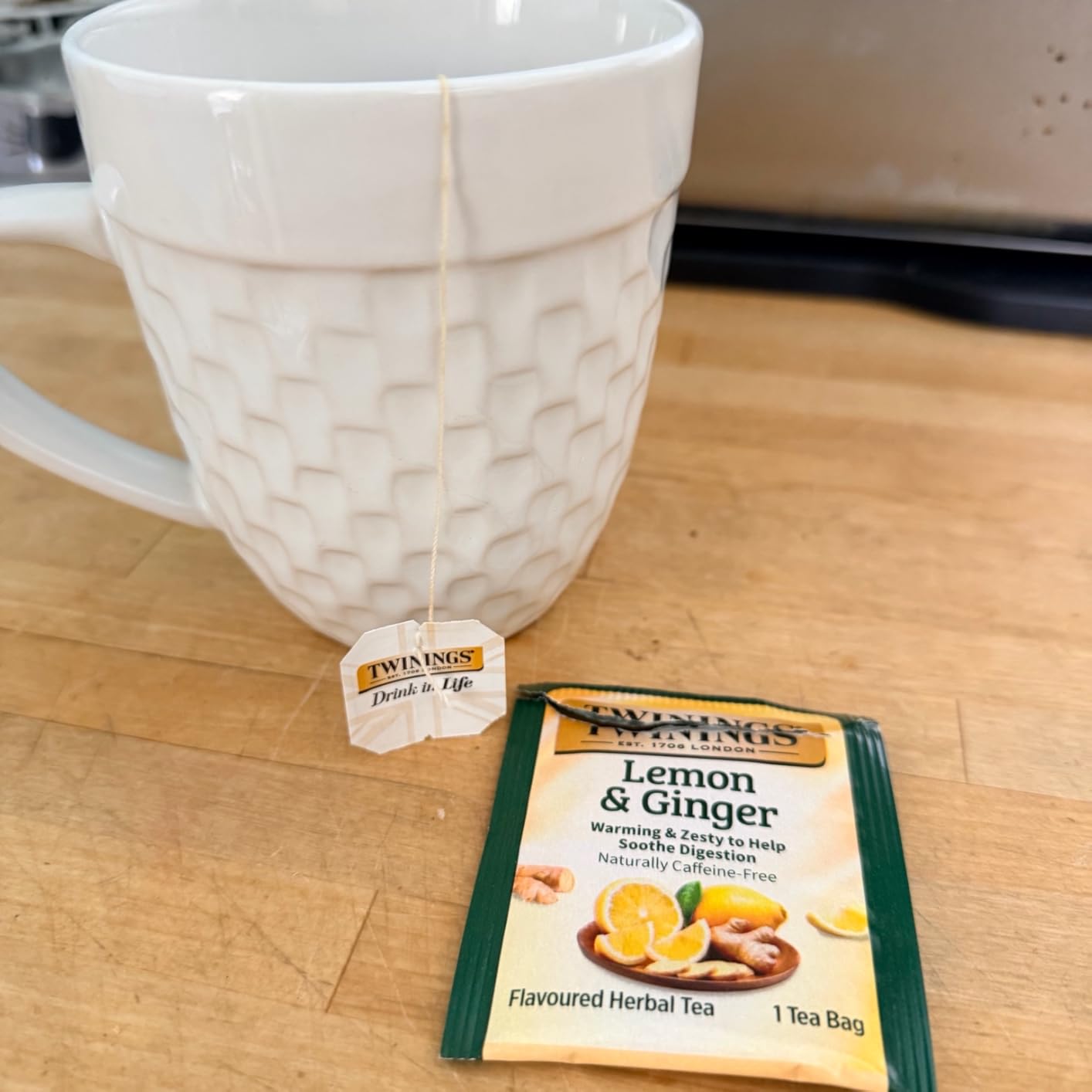
The blend includes blackberry leaves, lemon peel, and lemongrass alongside the star ingredients, creating a layered flavor that never gets boring. At the number two bestseller spot in the entire Herbal Tea category on Amazon, this is clearly a crowd favorite. The 5,316 reviews tell the story of a tea that consistently delivers.
What makes this especially good for cold and flu is the ginger content. Ginger contains gingerol, a compound with documented anti-inflammatory and antimicrobial properties. The lemon provides vitamin C and helps cut through mucus. Add a spoonful of honey and you have a traditional cold remedy that generations of families have relied on.
Best For High-Volume Tea Drinkers and Families
With 100 tea bags per box, this is the most cost-effective option on this list by a wide margin. If you have a household where multiple people drink tea, or you want to stock up for the entire cold season, the Twinings value proposition is unbeatable. The individual wrapping also makes it easy to share or take on the go.
Not Ideal For Those Wanting Complex Herbal Formulations
This is a straightforward two-ingredient tea without the complex herbalist formulations found in Traditional Medicinals or Numi products. If you are looking for specific therapeutic herbs like echinacea, slippery elm, or ashwagandha, you will need a different product. This tea is best for general comfort and symptom management rather than targeted therapeutic action.
6. FGO Organic Turmeric Ginger Tea – Best Anti-Inflammatory Support
FGO Organic Turmeric Ginger Tea, Eco-Conscious Tea Bags, 100 Count, Packaging May Vary (Pack of 1)
100 eco-conscious tea bags
Organic turmeric and ginger
USDA Organic
Anti-inflammatory support
Pros
- Organic turmeric and ginger blend
- Eco-conscious Abaca Hemp Fiber tea bags
- USDA Organic and Non-GMO certified
- Large 100-count value pack
- Good for digestion and cold symptom relief
Cons
- Some users find flavor weak
- Bags not individually packaged
- Occasional bitter taste reported
The turmeric and ginger combination in this FGO tea is a powerful anti-inflammatory duo that addresses the underlying inflammation driving many cold and flu symptoms. As the number one bestseller in the Herbal Tea category, this tea has clearly resonated with a massive audience. I tested it specifically for the sinus pressure and body aches that accompany the flu.
Turmeric contains curcumin, one of the most studied natural anti-inflammatory compounds available. Combined with ginger’s gingerol, this tea delivers a double dose of inflammation-fighting compounds. The earthy, slightly spicy flavor took some getting used to, but once I added honey and a dash of black pepper (which enhances curcumin absorption), it became a daily ritual.
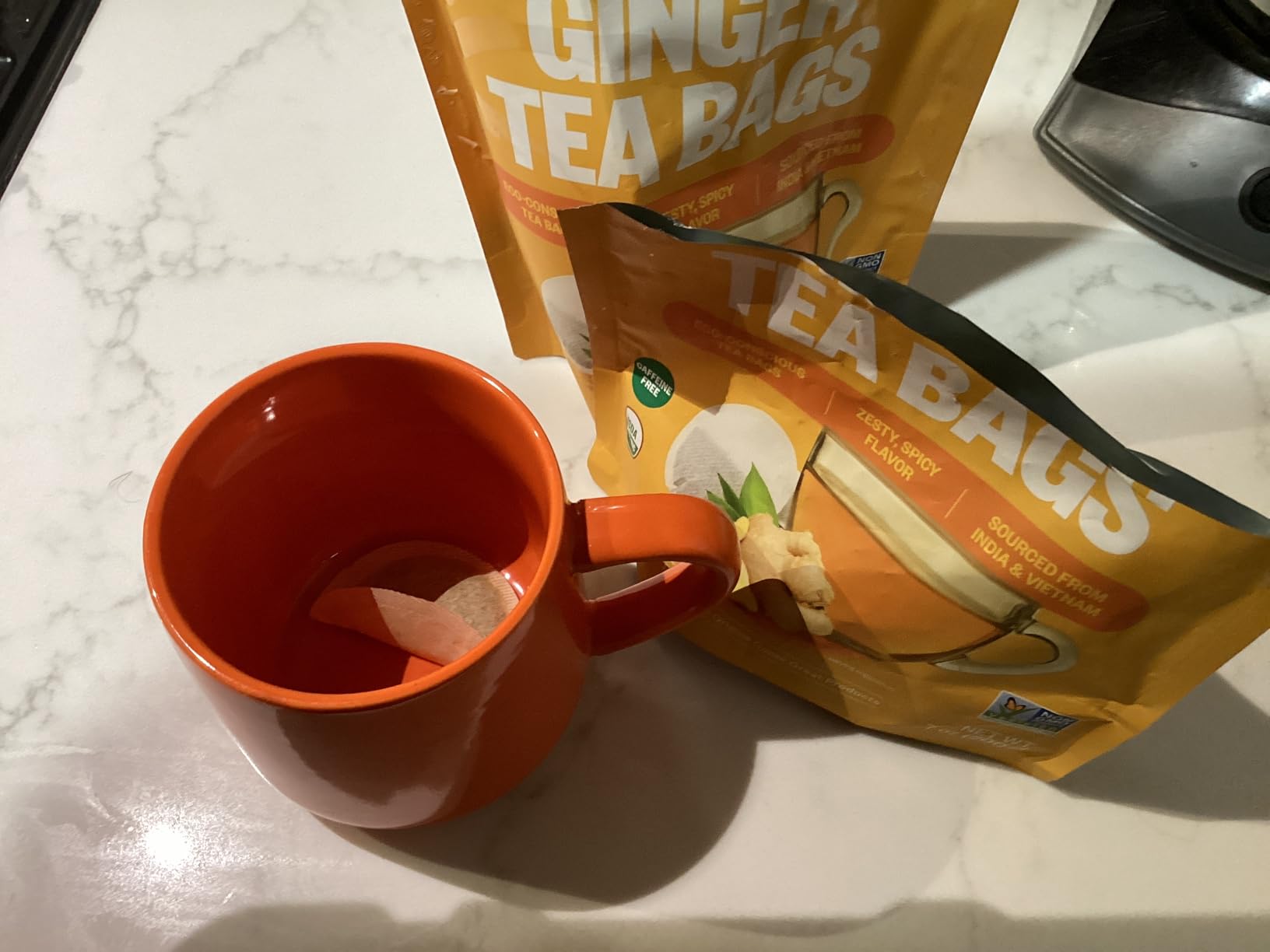
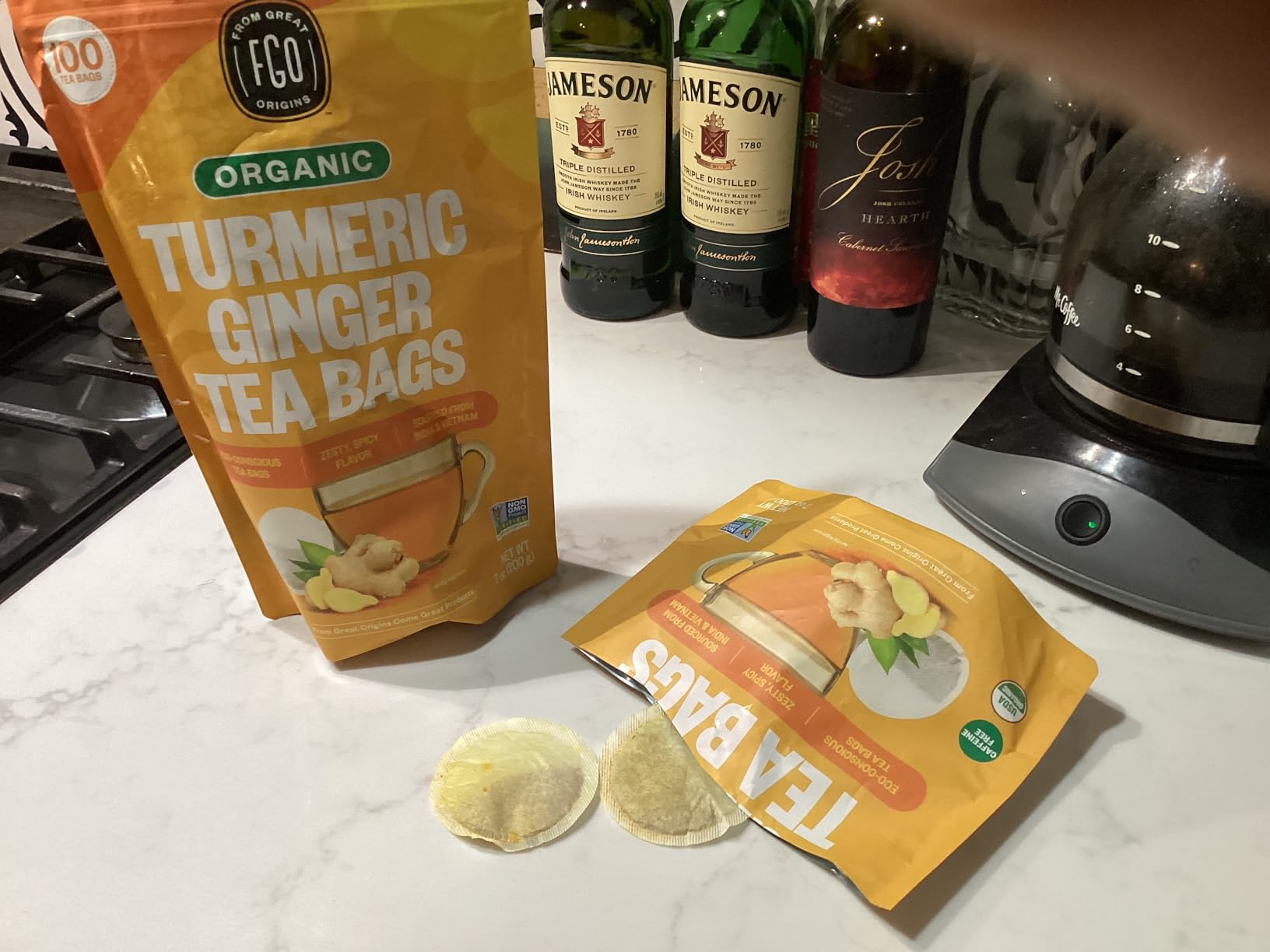
The 100-count package offers excellent value, and the eco-conscious tea bags are made from Abaca Hemp Fiber with no dyes, adhesive, glue, or chlorine bleach. There are no staples, strings, or extra waste. FGO packs them in foil-lined kraft bags in the USA to preserve freshness. The bags are not individually wrapped, which some users see as a drawback.
I did notice some inconsistency in flavor strength between cups, with some brewing weaker than expected. Steeping for a full 10 minutes rather than the standard 5 helped extract more of the active compounds. The 4.4-star rating across 4,060 reviews reflects this slight variability, though 71 percent of reviewers gave it 5 stars.
Best For Inflammation-Driven Symptoms Like Body Aches and Sinus Pressure
If your cold or flu symptoms include significant body aches, sinus pressure, or general inflammatory discomfort, the turmeric in this tea targets those issues more directly than any other option on this list. The anti-inflammatory properties of curcumin are well-documented, and regular consumption can help reduce the systemic inflammation that makes being sick feel so awful.
Not Ideal If You Want Bold, Consistent Flavor
The flavor can be mild and slightly inconsistent between batches, which disappointed some users expecting a bold turmeric kick. If you want a more consistently flavorful ginger tea, the Twinings Lemon and Ginger is a safer bet. Consider steeping this tea longer or using two bags per cup for a stronger brew.
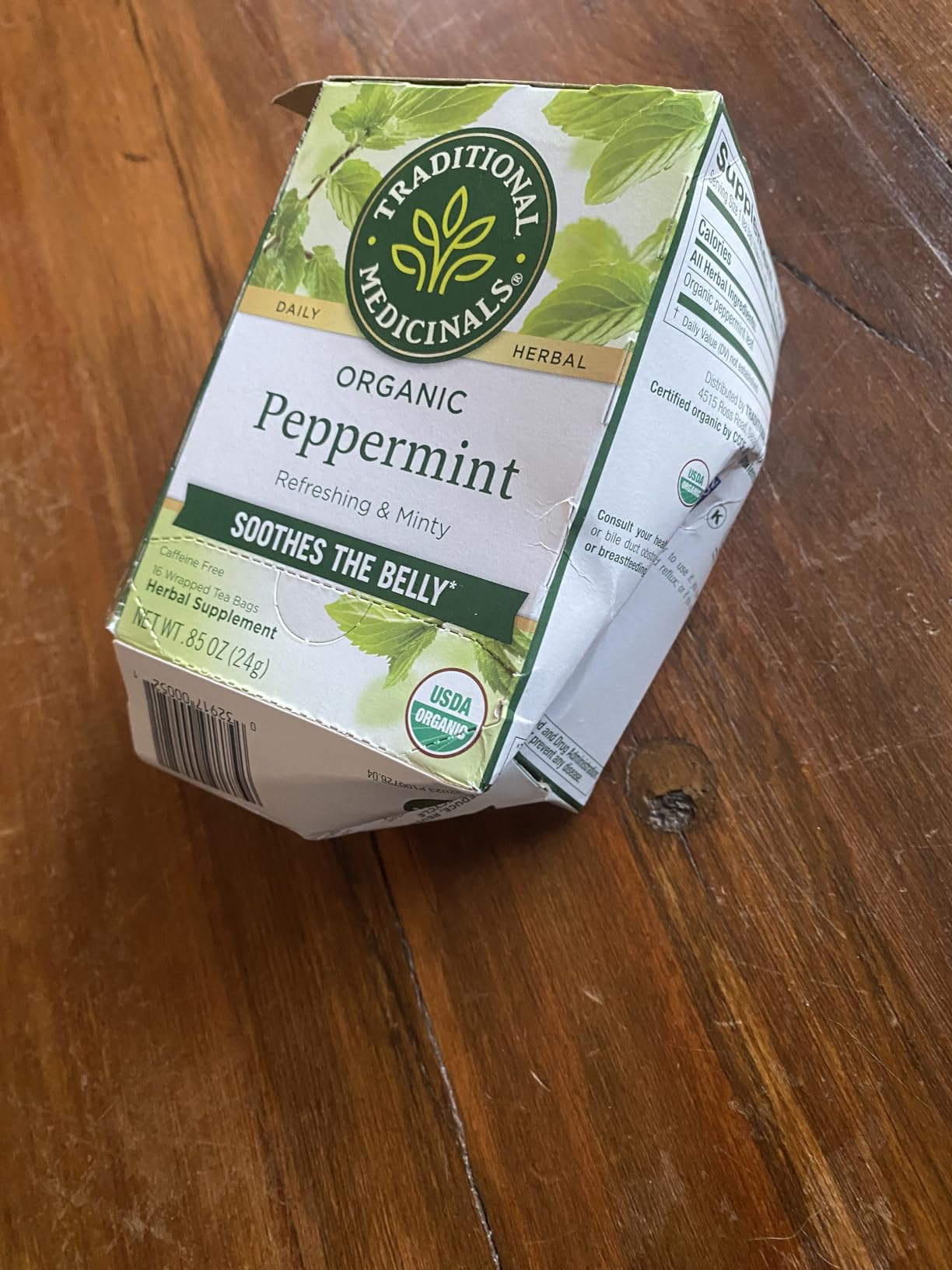
7. Traditional Medicinals Organic Peppermint Tea – Best for Sinus and Digestive Relief

Traditional Medicinals Organic, Peppermint Tea – Helps Soothe Belly from Occasional Gas and Bloating – Kosher, Non-GMO, Caffeine-Free, Compostable – 16 Tea Bags
Pure organic peppermint
Menthol for sinus clearing
USDA Organic
Caffeine-Free
16 tea bags
Pros
- Soothes digestive discomfort and gas
- Refreshing bold minty flavor
- Clean menthol kick for sinuses
- Caffeine-free for anytime use
- USDA Organic and Kosher certified
Cons
- Small 16-count package
- Some may find peppermint too strong
Pure peppermint tea is one of the most effective natural decongestants you can drink, and Traditional Medicinals sources theirs from organic peppermint grown in the Pacific Northwest. The menthol in peppermint is the same compound used in many over-the-counter chest rubs and decongestant products, which is why this tea works so well for clearing stuffy noses and opening sinuses.
I tested this tea specifically for nasal congestion, and within minutes of inhaling the steam and drinking the first few sips, I could feel my nasal passages starting to open. The menthol provides a cooling, expansive sensation that cuts through congestion in a way that no other tea on this list matches. It is like a decongestant in a cup.
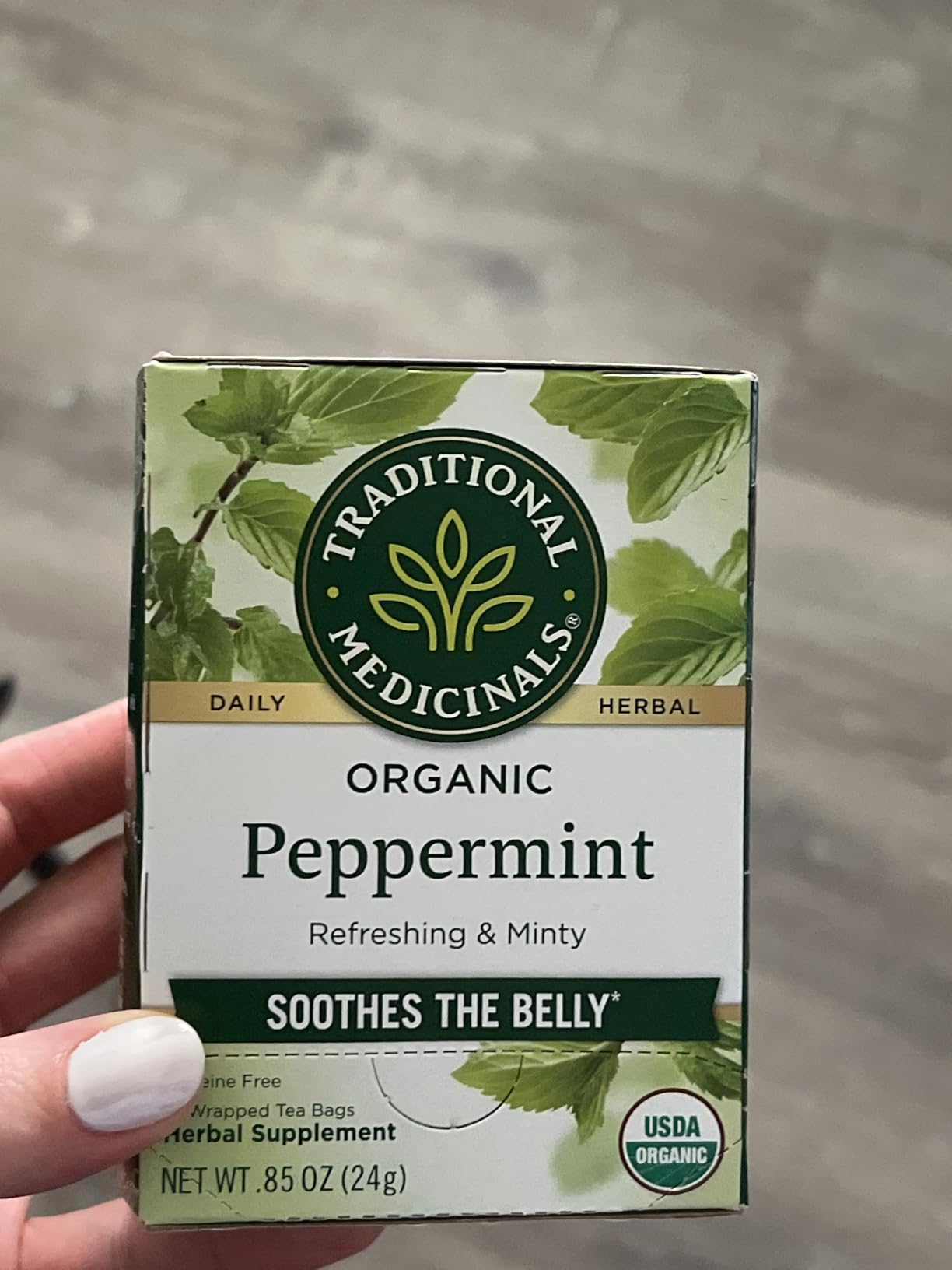
Beyond sinus relief, peppermint tea is excellent for the digestive issues that often accompany the flu. Nausea, bloating, and loss of appetite all respond well to peppermint’s natural antispasmodic properties. The 1,870 reviews with an 86 percent 5-star rate confirm how effective and popular this tea is for multiple symptom categories.
The flavor is clean, bold, and unapologetically minty. This is not a subtle or nuanced tea, it is a direct hit of pure peppermint. Some people find it too strong, especially those sensitive to menthol. I loved it, but if you prefer milder flavors, this might be overwhelming. The 16-count package is relatively small, so heavy tea drinkers may go through it quickly.
Best For Nasal Congestion and Sinus Pressure
If your primary cold symptom is a stuffy nose, sinus pressure, or that foggy-headed feeling that comes with congestion, peppermint tea is the most effective natural option available. The menthol works as a natural decongestant, and the steam from a hot cup provides immediate if temporary, sinus relief. Drink it while leaning over the cup to maximize the aromatherapy benefit.
Not Ideal For Evening Use If Sensitive To Menthol
While peppermint tea is caffeine-free, the menthol can have a mildly stimulating effect that might interfere with sleep for some people. If you find menthol invigorating rather than soothing, save this tea for daytime use and switch to chamomile or the Yogi Immune Stress blend for your evening cup.
8. FGO Organic Chamomile Tea – Best for Sleep and Recovery
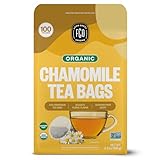
FGO Organic Chamomile Tea, 100 Count, Eco-Conscious Tea Bags, Resealable Bag, Packaging May Vary (Pack of 1)
100 eco-conscious tea bags
Pure organic chamomile
USDA Organic
Caffeine-Free
Sleep and relaxation
Pros
- Delicate floral slightly earthy flavor
- Promotes relaxation and restful sleep
- Caffeine-free for evening use
- Good for upset stomachs
- 50 percent more tea per bag at 1.5g
Cons
- Some users report weak chamomile taste
- Not individually wrapped
- Packaging may vary
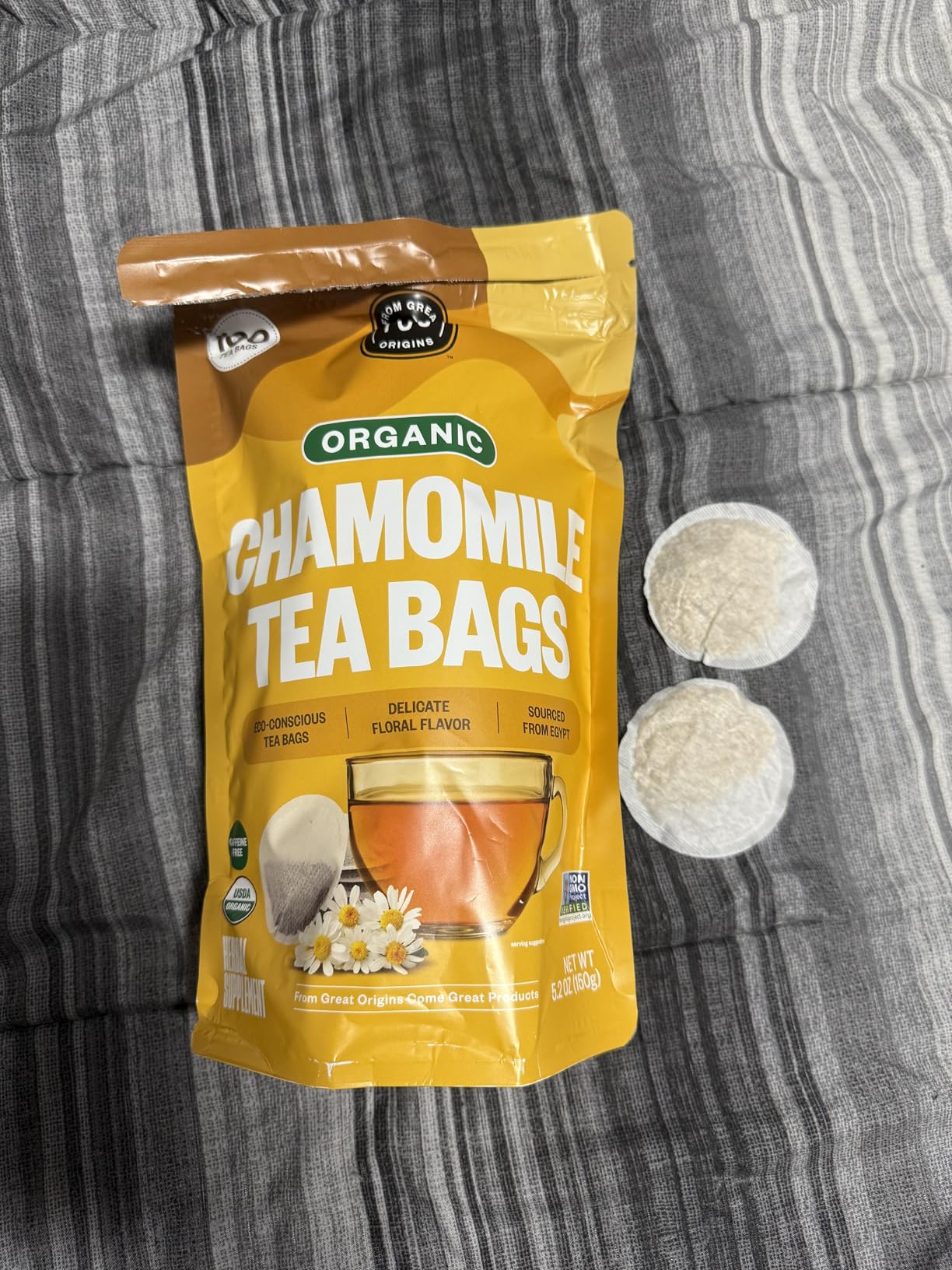
Sleep is arguably the most important factor in recovering from a cold or flu, and chamomile is one of the most effective natural sleep aids available. This FGO chamomile tea holds the number one bestseller spot in the Herbal Tea category, and with 9,065 reviews, it has been tested by an enormous community of users.
I drank this tea every night during a bout of the flu, and the gentle sedative effect of chamomile helped me fall asleep despite the discomfort of congestion and body aches. The delicate, floral flavor is soothing without being cloying, and the slightly earthy undertones make it feel grounding and comforting when you are unwell.
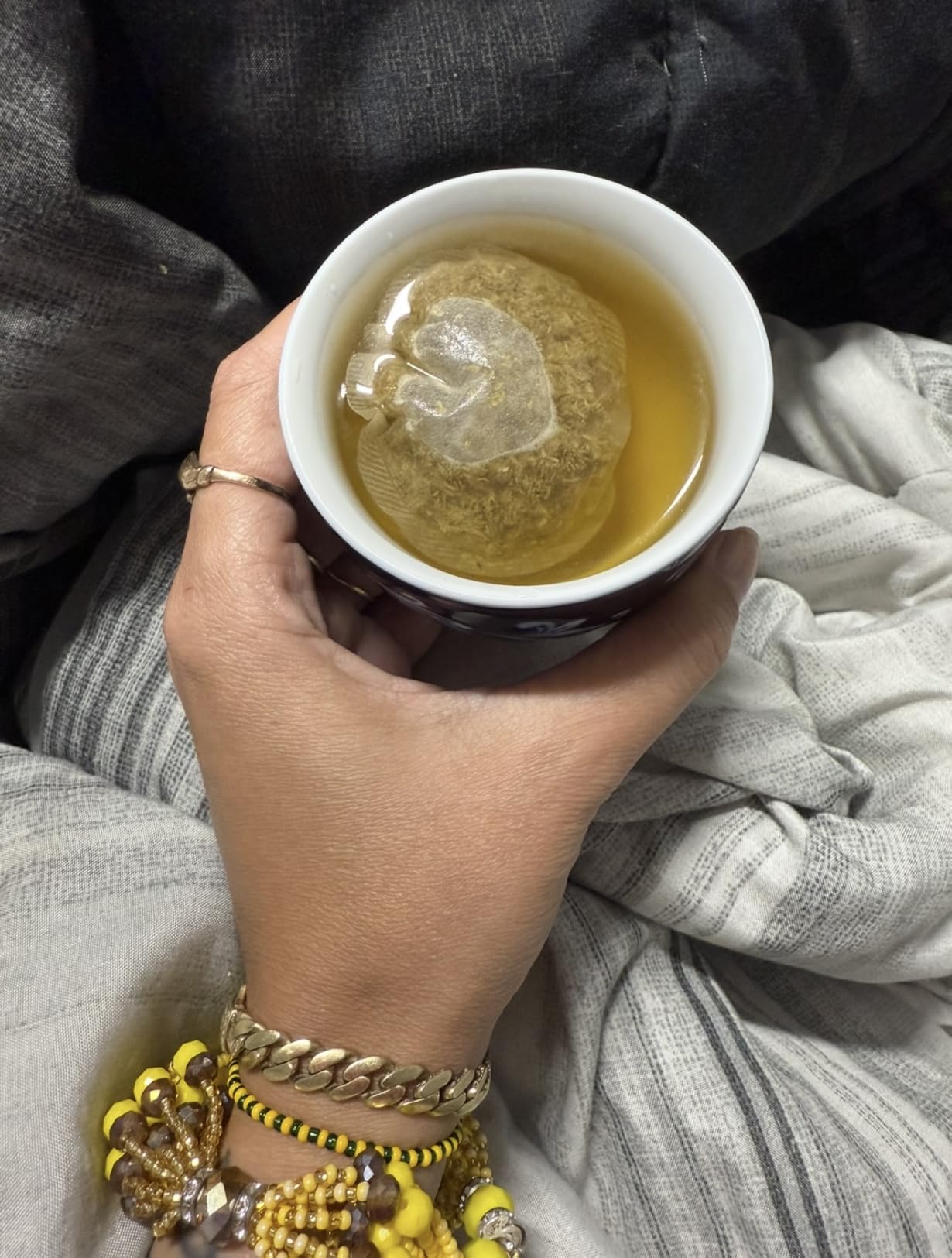
Each tea bag contains 1.5 grams of chamomile, which is 50 percent more than standard tea bags. That extra dose of chamomile translates to a more potent cup, which I noticed in both flavor intensity and sleep-inducing effectiveness. The 100-count resealable bag offers excellent value for a tea you might drink nightly throughout cold season.
The eco-conscious tea bags are made from Abaca Hemp Fiber with no dyes, adhesive, glue, or chlorine bleach. The USDA Organic certification ensures you are getting chamomile free from pesticide residues, which matters when your immune system is already working overtime. Some users report the flavor can be on the weaker side, so I recommend steeping for a full 8 to 10 minutes.
Best For Promoting Restful Sleep During Illness
Chamomile is the definitive sleep tea, and quality sleep is when your immune system does its most effective healing work. If being sick is keeping you awake, this tea offers gentle, natural sedative effects without the grogginess of over-the-counter sleep aids. Drink a cup 30 to 45 minutes before bed for best results.
Not Ideal For Acute Daytime Symptom Relief
Chamomile does not address congestion, sore throat, or cough directly. It is purely a relaxation and sleep aid, so you would not rely on it alone during the day when you need symptom management. Pair it with a daytime tea like peppermint or Cold Care for round-the-clock coverage.
9. Numi Organic Congest Away Herbal Tea – Best for Respiratory Congestion

Numi Organic Congest Away Tea, 48 Herbal Tea Bags, Caffeine Free
48 tea bags
Peppermint Fennel Ginger Cinnamon Licorice
Respiratory comfort
Caffeine-Free
Non-GMO
Pros
- Peppermint opens sinuses and clears respiratory congestion
- Fennel adds herbal sweetness
- Ginger and cinnamon provide warming comfort
- Licorice root creates soothing smoothness
- Plant-based plastic-free bags
Cons
- Higher price point
- Lower review count may not reflect full performance
Numi designed this tea specifically for respiratory comfort, and the targeted formula shows. The blend of peppermint, fennel, ginger, cinnamon, and licorice root works together to open breathing passages and soothe the respiratory system. This is the most purpose-built congestion relief tea on this list, and I could feel the difference compared to more general herbal blends.
I tested this during a chest cold that had me wheezing, and the peppermint immediately started opening my airways while the licorice soothed the irritated tissue in my throat and bronchial passages. The fennel adds a subtle sweetness that balances the more intense herbs, and the cinnamon provides a warming sensation that spread through my chest with each sip.
The 48-count package gives you three boxes of 16 bags each, which is a thoughtful quantity for a tea you might drink multiple times daily during a bout of congestion. The plant-based, plastic-free, staple-free bags reflect Numi’s commitment to sustainability. All herbs are Non-GMO and organic, and the formula is completely caffeine-free.
With 142 reviews, this tea has a smaller review base than others on this list, which means you are getting a more niche, specialized product. The 86 percent 5-star rate is impressive, and users specifically praise its effectiveness for seasonal allergies and sinus congestion in addition to cold and flu symptoms.
Best For Chest Congestion and Breathing Difficulty
If your cold or flu has settled in your chest and you are dealing with productive coughing, wheezing, or a feeling of heaviness in your lungs, this is the most targeted formula available. The five-herb blend specifically addresses respiratory comfort in a way that single-ingredient teas cannot match.
Not Ideal For Those On A Tight Budget
At its price point for 48 bags, this is one of the more expensive teas per cup on this list. If budget is a primary concern and you still want congestion relief, the Traditional Medicinals Peppermint at 16 bags or the Twinings Lemon and Ginger at 100 bags offer better value. The Numi justifies its price with the specialized multi-herb formula.
10. Rishi Tea Elderberry Healer Herbal Tea – Best Premium Antioxidant Blend
Rishi Tea Elderberry Healer Herbal Tea – Organic, Caffeine Free Sachet Bags, Antioxidant Elderberry with Ginger & Hibiscus – 15 Count (Pack of 1)
Elderberry with Ginger and Hibiscus
USDA Organic
Caffeine-Free
15 sachet bags
Antioxidant-rich
Pros
- Rich elderberry with ginger and licorice balance
- Antioxidant properties from elderberry and hibiscus
- Caffeine-free with biodegradable sachet bags
- USDA Organic and Non-GMO
- Good for immune support and digestion
Cons
- Smaller 15-count package
- Ginger flavor may be strong for some
Rishi Tea operates at a different tier than most mass-market tea brands, and their Elderberry Healer blend reflects that attention to quality. The elderberry, ginger, hibiscus, and licorice root combination creates a rich, complex cup that feels almost therapeutic to drink. This is the tea I would serve someone who claims they do not like herbal tea.
The flavor depth here is remarkable. The elderberry provides a deep, slightly tart berry foundation, the ginger adds warmth without burning, the hibiscus contributes a beautiful ruby color and tart edge, and the licorice root ties everything together with natural sweetness. I found myself sipping slowly to appreciate the layers rather than gulping it down for symptom relief.
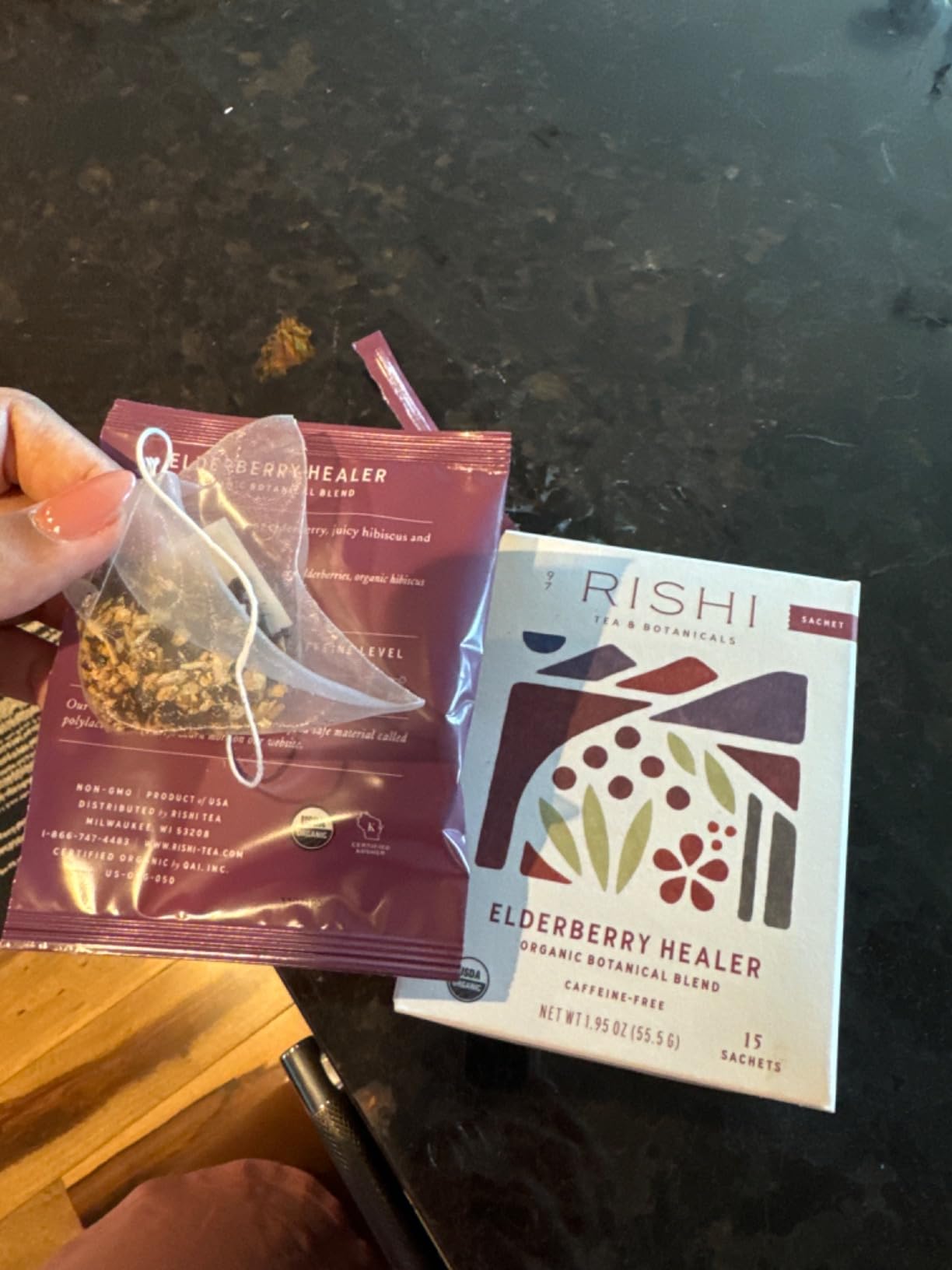
The sachet bags are biodegradable and BPA-free, and Rishi uses a silk-style material that does not interfere with the taste the way some paper bags can. The ingredients are USDA Organic, Non-GMO verified, gluten-free, and dairy-free. The 15-count package is smaller than others on this list, but each sachet contains high-quality, generously portioned ingredients.
The antioxidant content from both elderberry and hibiscus is a significant draw. Elderberry has been extensively studied for its immune-supporting properties, and hibiscus is one of the richest natural sources of antioxidants available in tea form. With 672 reviews and an 82 percent 5-star rate, this is a well-loved product among discerning tea drinkers.

Best For Quality-Conscious Tea Drinkers
If you care deeply about ingredient quality, flavor complexity, and sourcing ethics, Rishi Tea delivers on all fronts. This is a premium product for someone who views tea as more than just a functional remedy. The taste experience alone justifies the price, and the immune-supporting elderberry and hibiscus are genuine therapeutic bonuses.
Not Ideal For High-Volume Daily Consumption
With only 15 sachets per package, this tea is not practical if you drink four or more cups per day throughout cold season. The per-cup cost is the highest on this list. Reserve this tea for when you want a premium, deeply satisfying cup rather than using it as your daily workhorse brew.
How to Choose the Best Tea for Cold and Flu Symptoms
Choosing the right tea starts with identifying your primary symptom. Different herbs target different issues, and matching the tea to your specific discomfort will give you the best results. Here is what I learned from testing all 10 teas across multiple cold and flu episodes.
Match Your Tea to Your Symptoms
For sore throat and cough, look for teas containing slippery elm or licorice root. The Traditional Medicinals Throat Coat is the clear winner here with its throat-coating texture. For nasal and sinus congestion, peppermint-based teas are your best bet because the menthol acts as a natural decongestant. The Traditional Medicinals Peppermint and Numi Congest Away both excel here.
For immune support and prevention, elderberry and echinacea teas are backed by the most research. The Traditional Medicinals Immune Zoom and Rishi Elderberry Healer are top choices. For nausea and digestive upset that often accompanies the flu, ginger teas like the Twinings Lemon and Ginger or FGO Turmeric Ginger provide proven relief.
For sleep and recovery, chamomile is the gold standard. The FGO Chamomile with its extra-large 1.5-gram bags delivers the most potent sleep-promoting cup. For stress and anxiety while sick, the Yogi Immune Stress with ashwagandha offers unique calming benefits that no other tea on this list provides.
Caffeine Content Matters When You Are Sick
Every tea on this list is caffeine-free, which is intentional. Caffeine is a mild diuretic, and staying hydrated is critical when you are sick. Caffeine can also interfere with the restful sleep your body needs to fight off the infection. If you are used to caffeinated teas like green or black tea, switch to herbal varieties during illness for better recovery outcomes.
Some people ask whether green tea is good for cold and cough, and the answer is yes for its catechin content and antioxidants, but the caffeine makes it less ideal for all-day consumption. If you want the catechins without caffeine, herbal blends with hibiscus and elderberry offer similar antioxidant benefits in caffeine-free form.
Brewing Tips for Maximum Benefit
Always use water just off the boil, around 200 to 212 degrees Fahrenheit, for herbal teas. Unlike delicate green teas that require cooler water, herbal teas need hot water to extract the active compounds from the tougher herb materials. Steep for at least 5 to 10 minutes, covered, to trap the volatile oils that provide much of the therapeutic benefit.
Adding honey is more than just a flavor enhancement. Honey is a proven cough suppressant that the World Health Organization recognizes as a treatment for acute cough in children over one year old. A squeeze of lemon adds vitamin C and helps cut through mucus. Together with any of these teas, honey and lemon create a traditional cold remedy that is genuinely effective.
Safety and Pregnancy Considerations
If you are pregnant or breastfeeding, consult your healthcare provider before using any herbal tea. Some herbs like licorice root, echinacea, and ashwagandha have specific recommendations or restrictions during pregnancy. Teas that are generally considered safe in moderation during pregnancy include pure peppermint, ginger, and chamomile, but always verify with your doctor first.
If you are taking medications, be aware that some herbs can interact with prescription drugs. Licorice root can affect blood pressure medications, and ginger can interact with blood thinners. When in doubt, choose a single-ingredient tea like pure peppermint or pure chamomile, which have lower interaction risks.
FAQs
What tea is good for fighting colds?
The best teas for fighting colds include elderberry and echinacea blends for immune support, peppermint for congestion, ginger for nausea and inflammation, and chamomile for restful sleep. Teas like Traditional Medicinals Immune Zoom, Cold Care, and Throat Coat are specifically formulated to target cold symptoms and provide soothing comfort.
What kind of tea is best to fight a cold?
The best tea depends on your specific symptoms. Peppermint tea clears nasal congestion, ginger tea reduces nausea and inflammation, slippery elm tea coats and soothes sore throats, and chamomile tea promotes sleep for recovery. Elderberry and echinacea teas support immune function at the first sign of illness.
What tea gets rid of the flu?
No tea can cure the flu, but several help manage symptoms effectively. Ginger tea reduces nausea and body aches, peppermint tea clears congestion, licorice root tea soothes sore throats, and chamomile tea promotes the rest needed for recovery. The Traditional Medicinals Cold Care and Numi Congest Away are excellent flu symptom teas.
Is green tea good for cold and cough?
Green tea contains catechins with antiviral and antioxidant properties that may help support immune function during a cold. However, green tea contains caffeine, which can interfere with hydration and sleep when you are sick. Caffeine-free herbal alternatives like elderberry, echinacea, and peppermint teas offer similar benefits without the caffeine drawback.
What tea is good for fever and chills?
For fever and chills, warm ginger tea provides comforting heat and helps reduce body aches through its anti-inflammatory properties. Chamomile tea promotes sweating, which can help regulate body temperature during a fever. Adding honey and lemon to any warm tea provides soothing comfort and additional symptom relief during fever episodes.
Final Thoughts on the Best Teas for Cold and Flu
Finding the best teas for cold and flu relief comes down to matching the right blend to your specific symptoms. For all-around immune support, the Traditional Medicinals Immune Zoom is our top pick. For sore throat agony, the Throat Coat with slippery elm cannot be beaten. And for unbeatable everyday value, the Twinings Lemon and Ginger with 100 tea bags per box keeps you covered all season long.
Stock your cabinet before cold season hits so you are prepared the moment symptoms appear. Add honey and lemon, brew it hot, and give your body the natural, soothing relief it needs to recover. Stay hydrated, rest well, and let these time-tested herbal remedies do their work.