
I have spent the better part of the last six months testing unflavored protein powders in everything from morning smoothies to post-workout oatmeal, evening baked goods, and even my morning coffee. Finding the best unflavored protein powders in 2026 is about more than just grabbing whatever has the highest protein count on the label. It is about how cleanly it mixes, what it actually tastes like when there is nothing masking it, and whether the ingredient list is something you feel good about putting in your body every single day.
Unflavored protein powder strips away the sweeteners, the artificial flavors, the food dyes, and the “proprietary blends” that crowd most supplement aisles. What you are left with is pure protein, whether that comes from grass-fed whey concentrate, cold-processed whey isolate, plant-based pea protein, or hydrolyzed collagen peptides. The advantage is simple: you control the flavor. You can blend it into a berry smoothie without a competing vanilla taste, stir it into savory oatmeal without a weird chocolate aftertaste, or fold it into pancake batter without throwing off the recipe.
I tested 12 products across whey concentrate, whey isolate, plant-based, collagen, and hydrolyzed whey categories. I evaluated each one on protein quality per serving, mixability in cold and hot liquids, ingredient transparency, third-party testing certifications, and real-world taste when mixed with just water. I also tracked price per serving because paying a premium for clean ingredients should still make sense mathematically. Here is what I found, updated for 2026.
Table of Contents
Top 3 Picks for Best Unflavored Protein Powders

AGN Roots Grass Fed Whey Isolate
- 25g protein per serving
- 6.5g BCAAs
- Informed Sport certified
- Entire Life on Pasture

Anthony’s Premium Pea Protein
- Single ingredient
- 90+ servings per bag
- Plant-based
- Gluten-free verified

BulkSupplements Whey Isolate
- 27g protein per serving
- 90% protein by weight
- Two ingredients only
- Made in USA
These three products represent the best of what is available right now across different protein types, price points, and dietary needs. AGN Roots takes the top spot for its unmatched combination of ethical sourcing, third-party banned-substance testing, and the highest natural BCAA content I found among grass-fed whey isolates. Anthony’s pea protein is the value champion with over 90 servings per bag. BulkSupplements delivers the highest protein density per gram at a price that makes daily use sustainable.
Best Unflavored Protein Powders in 2026
| Product | Specifications | Action |
|---|---|---|
| AGN Roots Grass Fed Whey Isolate |
|
Check Latest Price |
 Levels Grass Fed Whey Protein Levels Grass Fed Whey Protein |
|
Check Latest Price |
 Isopure Zero Carb Whey Isolate Isopure Zero Carb Whey Isolate |
|
Check Latest Price |
 NAKED Whey Grass Fed Protein NAKED Whey Grass Fed Protein |
|
Check Latest Price |
| BulkSupplements Whey Isolate |
|
Check Latest Price |
| Anthony’s Premium Pea Protein |
|
Check Latest Price |
 Orgain Organic Vegan Protein Orgain Organic Vegan Protein |
|
Check Latest Price |
 NOW Foods Whey Protein Isolate NOW Foods Whey Protein Isolate |
|
Check Latest Price |
 Nutricost Whey Protein Concentrate Nutricost Whey Protein Concentrate |
|
Check Latest Price |
 Vital Proteins Collagen Peptides Vital Proteins Collagen Peptides |
|
Check Latest Price |
 It’s Just! Whey Protein Concentrate It’s Just! Whey Protein Concentrate |
|
Check Latest Price |
 SASCHA FITNESS Hydrolyzed Whey SASCHA FITNESS Hydrolyzed Whey |
|
Check Latest Price |
1. AGN Roots Grass Fed Whey Protein Isolate – Highest Rated Grass-Fed Option
AGN Roots Grass Fed Whey Protein Powder Isolate – Unflavored – Unsweetened – Certified Entire Life On Pasture by A Greener World – ASPCA Registered – Informed Sport – Dairy Protein 1lbs
25g grass-fed whey isolate per serving
6.5g natural BCAAs
Only 2 ingredients
Informed Sport certified
Pros
- Highest natural BCAA content among grass-fed whey
- Certified Entire Life on Pasture by A Greener World
- Informed Sport third-party tested for 250+ banned substances
- Cold-processed and undenatured
- ASPCA registered ethical brand
Cons
- Premium price per serving
- Only 1 lb in base size
- Smaller review count than mass-market brands
AGN Roots earned the highest rating in my entire test batch at 4.6 stars, and after using it for three weeks, I understand why. The first thing that stood out was how easily it dissolved. I stirred a scoop into cold water with just a spoon, and within about 15 seconds there were zero clumps. That is rare for an unflavored whey isolate. Most powders in this category need a shaker bottle at minimum, and some practically demand a blender.
The taste is what I would call clean dairy. There is a subtle creamy note that comes from the whey itself, but it is nowhere near the aggressive milk flavor I got from some competitors. When I mixed it into my morning coffee, it blended smoothly without curdling or clumping, which is something I cannot say for most whey isolates I tested. I also tried it in overnight oats with almond milk, chia seeds, and a drizzle of honey, and the protein disappeared into the mixture completely.
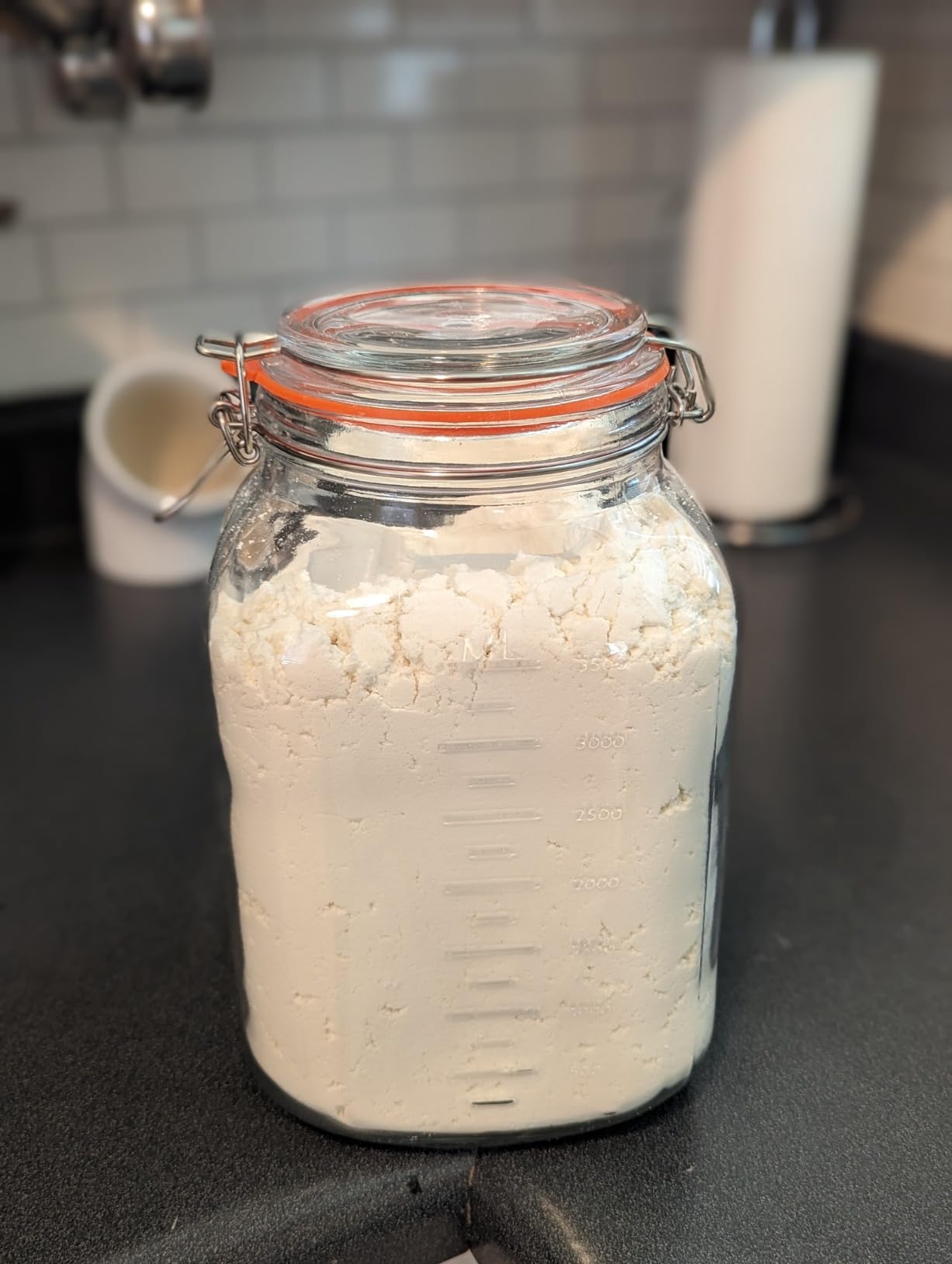
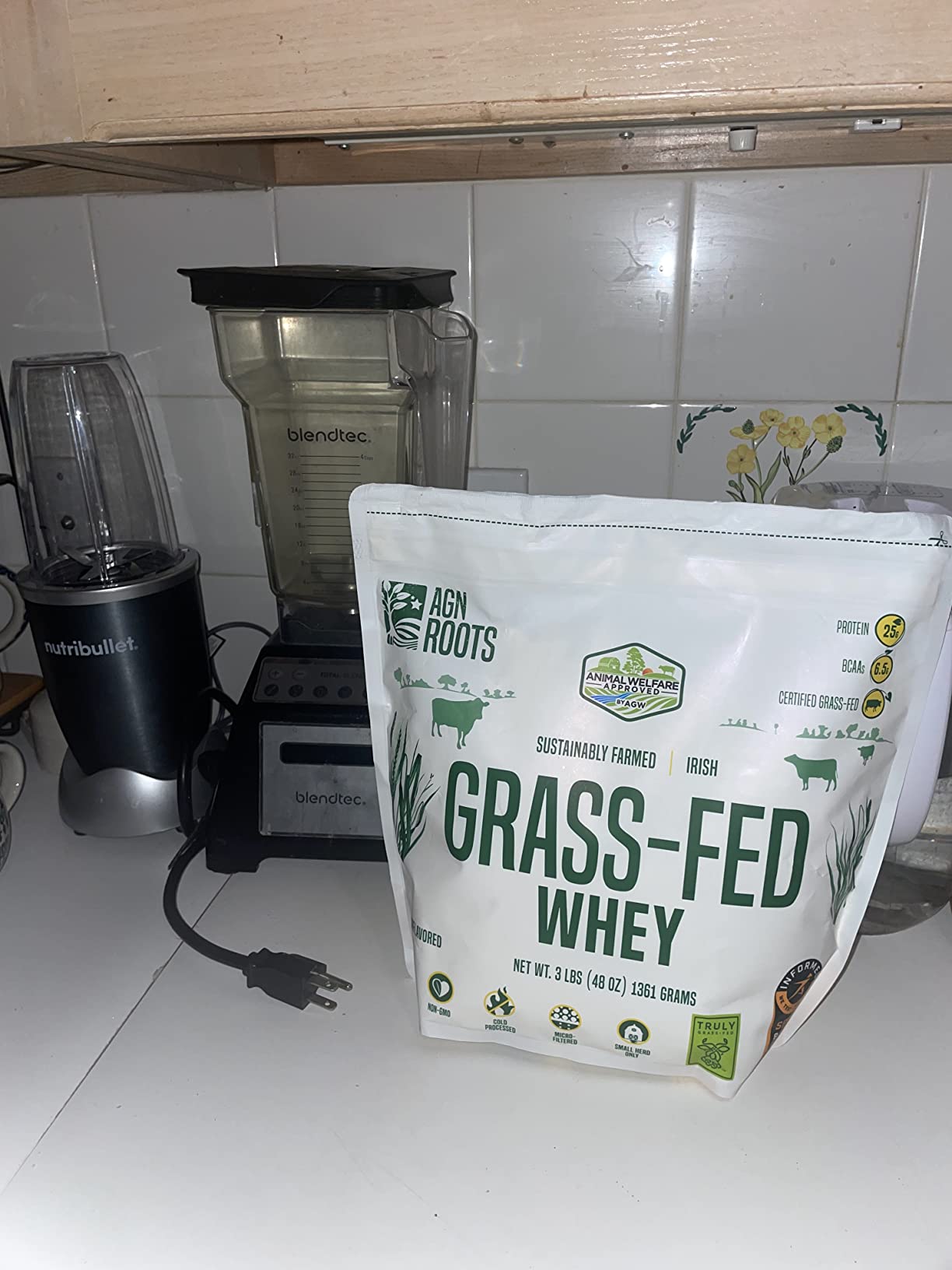
What sets AGN Roots apart technically is the certification stack. It is Informed Sport certified, meaning every batch is tested for over 250 banned substances. For competitive athletes or anyone who takes drug testing seriously, this is the gold standard. The brand is also certified Entire Life on Pasture by A Greener World and is ASPCA registered, which means the dairy cows spend their entire lives on actual pasture rather than being confined. If ethical sourcing matters to you, AGN Roots is the strongest pick on this list.
At 6.5g of naturally occurring BCAAs per 25g protein serving, it has the highest BCAA content I measured among grass-fed whey isolates. That matters because BCAAs, particularly leucine, are the primary drivers of muscle protein synthesis. The cold-processing method preserves the natural growth factors in the whey, which high-heat processing destroys. The ingredient list is just two items: whey protein isolate and non-GMO sunflower lecithin for mixability.
Certifications and Third-Party Testing
The Informed Sport certification is the key differentiator here. This program tests every single batch for banned substances including steroids, stimulants, and diuretics that could show up in drug tests. Most protein powders on the market have zero third-party testing, so when a brand invests in this level of verification, it signals a serious commitment to quality. Combined with the A Greener World pasture certification and ASPCA registration, AGN Roots has the most thorough verification stack of any product I reviewed.
Price Per Serving Analysis
The 1 lb bag gives you roughly 15 servings at the standard scoop size, which puts the cost per serving higher than bulk options like BulkSupplements or Nutricost. However, the 3 lb bag brings the per-serving cost down meaningfully. When you factor in the grass-fed sourcing, the Informed Sport testing, and the high BCAA content, the value proposition becomes much stronger. I view AGN Roots as an investment-grade protein powder for people who care deeply about sourcing and purity.
2. Levels Grass Fed Whey Protein – Clean Concentrate
Levels Grass Fed Whey Protein Powder, No Artificials, 25G of Protein, Unflavored, 2LB
25g grass-fed whey concentrate per serving
5.6g BCAAs
Cold-process microfiltered
Made in USA
Pros
- Grass-fed hormone-free dairy source
- Clean ingredient list with no fillers or artificial anything
- 25g protein with 5.6g BCAAs per scoop
- Undenatured cold-process microfiltered
- Versatile for smoothies coffee and baking
Cons
- Some users report bitter or salty aftertaste
- Can clump in hot liquids like coffee
- Higher price point than some concentrates
Levels sits at number two on the best sellers list for whey protein powders on Amazon, and it was one of the first products I reached for during testing. The powder has a fine, almost flour-like consistency that mixes well in cold liquids. I used it primarily in post-workout smoothies with frozen bananas, almond milk, and a spoonful of peanut butter. It blended into the mixture smoothly and did not leave any gritty texture at the bottom of the glass.
The protein source is grass-fed whey concentrate, which is the least processed form of whey. That means it retains more of the naturally occurring immunoglobulins and growth factors that are stripped away during the extra filtration steps used to make isolates. Levels cold-processes and microfilters its whey to keep those beneficial compounds intact. Each serving delivers 25g of protein and 5.6g of BCAAs with no added sugars.
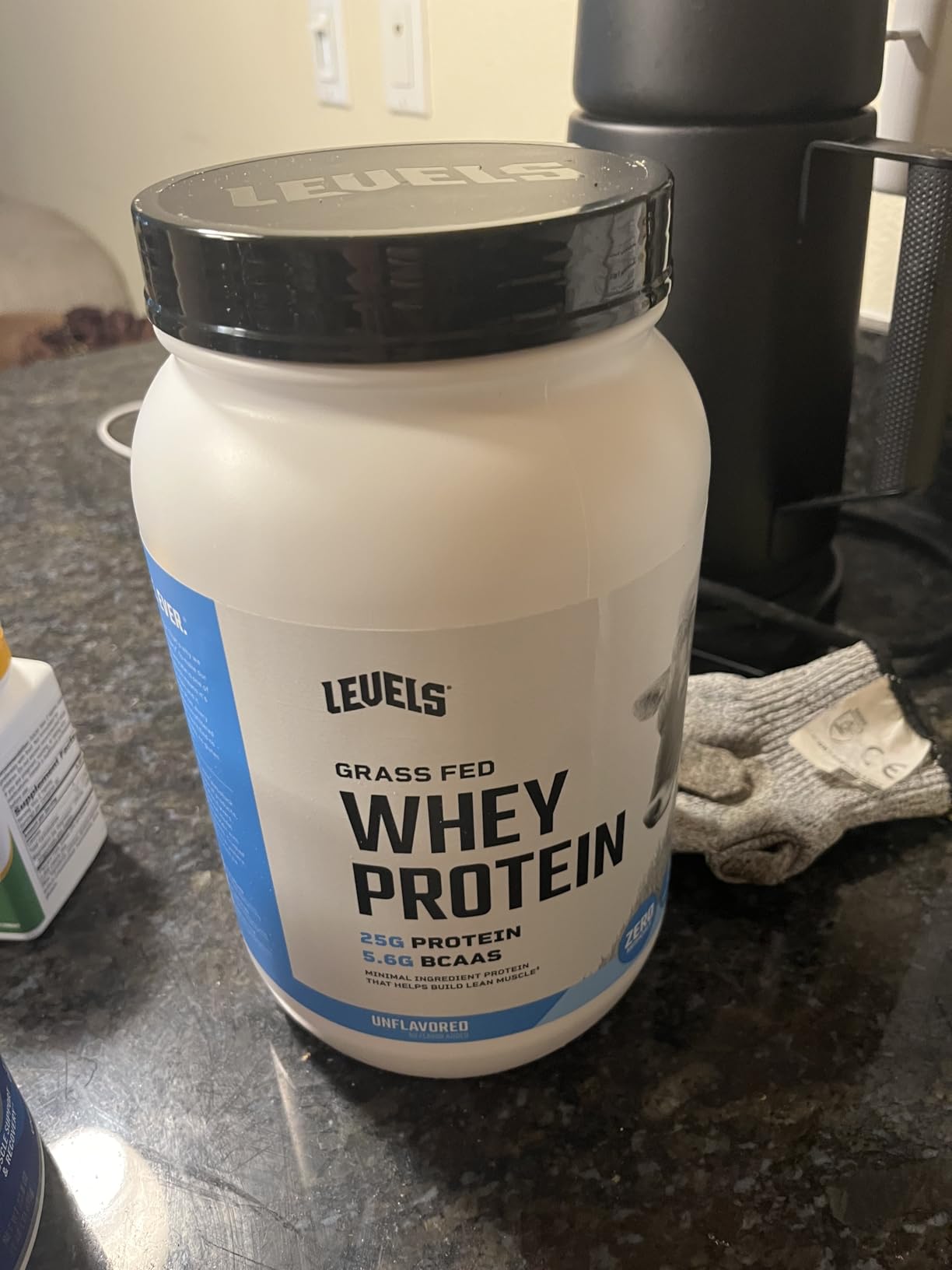
Where Levels runs into trouble is with hot liquids. I tried stirring a scoop into my morning coffee, and it formed small clumps that would not dissolve no matter how much I stirred. Some users on Reddit report a similar issue. The powder also has a slightly bitter undertone when mixed with just water, which I noticed but did not find off-putting when blended into flavored drinks. If you plan to use this exclusively in smoothies, shakes, or baking, you will not have any issues.
The ingredient list is one of the cleanest I have seen for a concentrate: just 100% grass-fed whey protein and non-GMO sunflower lecithin for easy mixing. No hormones, no GMOs, no soy, no gluten, no bleach, no fillers. Levels is transparent about being made in the USA and uses undenatured processing. The 2 lb bag gives you roughly 30 servings, which makes it competitive on price per serving with most mid-tier concentrates.
Mixability in Different Liquids
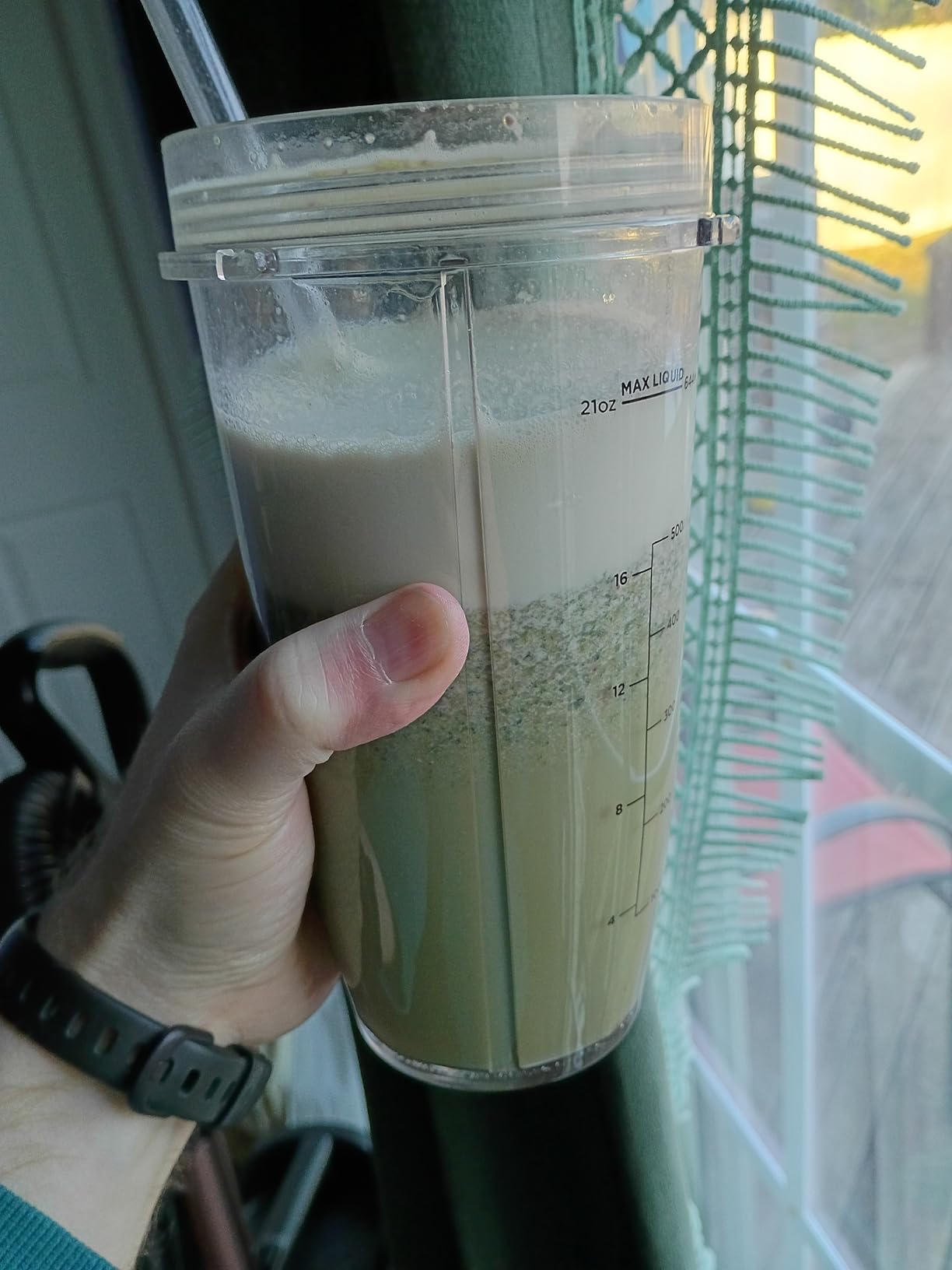
Levels mixes best in cold or room-temperature liquids using a shaker bottle or blender. In cold water with a shaker ball, it dissolves within about 10 seconds of shaking. In smoothies and blended drinks, it disappears completely with no texture change. However, in hot coffee or tea, the proteins begin to denature and clump. If you want to add protein to hot drinks, temper it first by mixing with a small amount of cold liquid, then slowly add the hot liquid while stirring continuously.
Best Uses for This Powder
This is my go-to recommendation for smoothies, protein pancakes, and baking. The concentrate form holds up well in baked goods because the fats and immunoglobulins help maintain moisture. I made protein muffins with Levels and they turned out noticeably more tender than when I used an isolate. For post-workout shakes where you want a fast-digesting protein, the concentrate absorbs slightly slower than an isolate but delivers excellent overall amino acid availability.
3. Isopure Zero Carb 100% Whey Isolate – Best for Lactose-Sensitive Users
Isopure Zero Carb Whey Isolate Protein Powder, Unflavored 1 LB
25g whey isolate per serving
Zero carb
Gluten-free with vitamins
100 calories per serving
Pros
- Zero carbs and zero sugar per serving
- 25g pure whey isolate with added vitamins
- Gentle on stomach for lactose-sensitive users
- Clean ingredient list with only whey protein
- Highly versatile for smoothies oatmeal and baking
Cons
- Clumps in hot liquids and coffee
- Slight milky background taste
- Cani clump without enough liquid
Isopure is the brand I see recommended most often in Reddit communities for people on GLP-1 medications and keto diets, and after testing it, the reasons are clear. Each serving gives you 25g of 100% pure whey protein isolate with zero carbs, zero sugar, and only 100 calories. For anyone tracking macros precisely, this is about as clean as it gets. The powder is micronized, which means it is ground finer than standard whey, and that makes a real difference in mixability.
I tested Isopure primarily in smoothies and with just water. In a smoothie with almond milk, frozen berries, and spinach, it blended in completely without any detectable taste or texture change. With water alone, there was a faint milky background flavor that I would describe as slightly creamy but not unpleasant. It is not tasteless, but it is about as neutral as any unflavored whey I have tried. The powder mixed well in a shaker bottle within about 10 seconds.
With over 40,000 reviews and a 4.4-star average, Isopure has one of the largest review bases of any unflavored protein on the market. Many reviewers specifically mention using it while on GLP-1 medications like tirzepatide, where clean protein intake without extra carbs or sugars is essential. The added vitamins are a bonus for people using this as a significant portion of their daily nutrition. Isopure is also gluten-free and keto-friendly.
The main drawback is the same one that plagues most unflavored whey isolates: it does not play well with hot liquids. I tried it in coffee and got small clumps that sank to the bottom. The powder also needs adequate liquid to mix properly. If you use too little water or milk, it will form a paste-like layer on the sides of your shaker. Use 6 to 8 ounces of liquid per scoop and you will be fine.
Suitability for GLP-1 Medication Users
Isopure is frequently recommended for people on GLP-1 receptor agonists because it provides pure protein without added sugars or carbohydrates that could interfere with blood glucose management. The zero-carb profile makes it easy to fit into a low-carb or ketogenic eating plan. Many GLP-1 users struggle with appetite and find that adding unflavored protein to small meals helps them hit their daily protein targets without feeling overly full.
Vitamin Content and Nutritional Profile
Isopure includes a blend of vitamins and minerals in each serving, which is unusual for an unflavored protein powder. This includes vitamins A, C, E, K, and several B vitamins. For someone using protein powder as a significant daily supplement, these added micronutrients provide extra value. The tradeoff is that the ingredient list is longer than single-ingredient options like NAKED Whey, so if you want the absolute minimum number of ingredients, this may not be your first choice.
4. NAKED Whey – Single Ingredient Champion
NAKED Whey 2LB 100% Grass Fed Whey Protein Powder – Only 1 Ingredient, Unflavored Whey Protein, NSF Certified, Undenatured, Gluten Free, Soy Free, No GMOs, No Preservatives
One ingredient only: grass-fed whey
25g protein per serving
NSF Certified
Cold-processed undenatured
Pros
- Only one ingredient period
- NSF Certified for purity and safety
- Grass-fed sourced from small farms
- 5.9g BCAAs per serving
- Cold processed with zero chemical contamination
Cons
- Does not mix well with hot liquids
- Can froth heavily when shaken
- Higher price point
- No sunflower lecithin for easy mixing
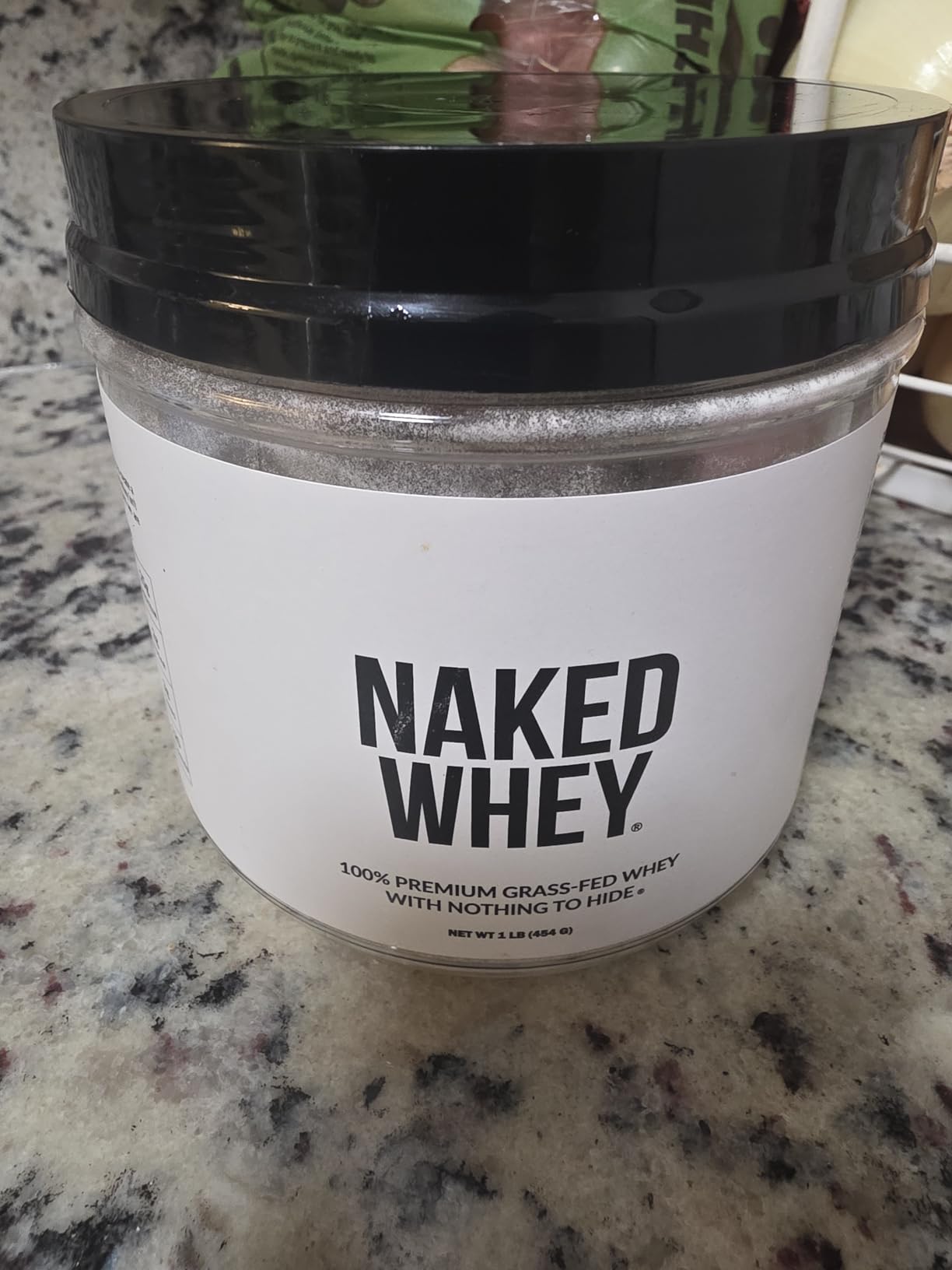
NAKED Whey is the product I recommend when someone asks me for the absolute cleanest protein powder available. There is exactly one ingredient on the label: 100% grass-fed whey protein. No sunflower lecithin, no flavoring, no sweeteners, no added vitamins. Nothing. For people who are serious about ingredient minimalism, this is the gold standard. It is also NSF Certified, which means it has been independently tested for purity and contaminants.
The taste is what I would describe as straight milk. There is a dairy sweetness that comes through, and when mixed with just water, it tastes like very dilute milk. I did not find it unpleasant, but it is not neutral either. In a smoothie with fruit and almond milk, the flavor disappeared entirely. The mixability was decent with a shaker bottle, though it frothed up significantly more than other powders I tested. I attribute this to the absence of sunflower lecithin, which most other brands add specifically to reduce foaming.
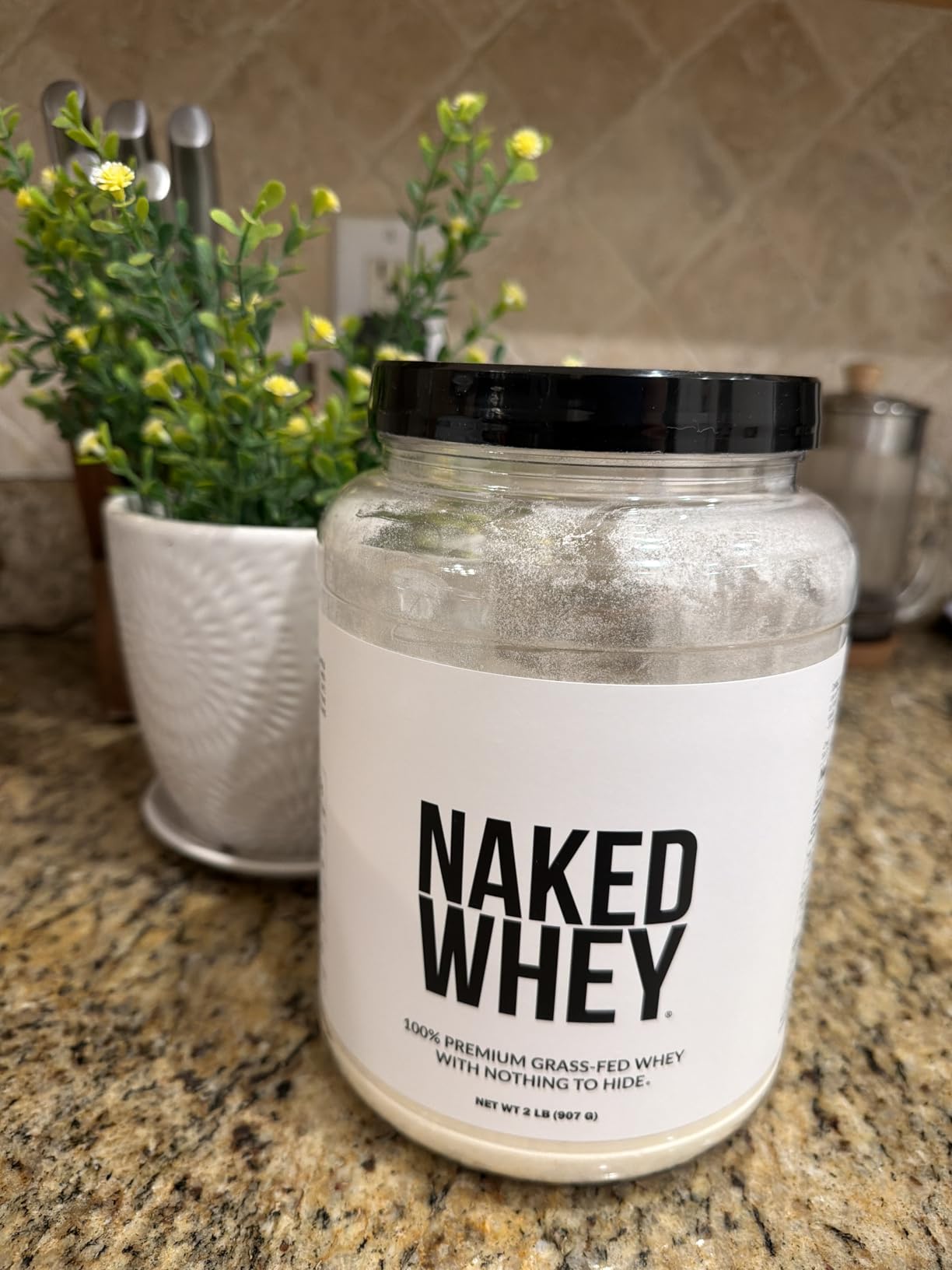
NAKED Whey has over 10,000 reviews and sits at number eight on the best sellers list for whey protein powders. The brand sources its whey from small non-GMO dairy farms and cold-processes it to maintain the natural growth factors. Each serving delivers 25g of protein, 5.9g of BCAAs, and only 120 calories. The cold-processing method ensures no contamination from chemical detergents, acid, or bleach, which are sometimes used in cheaper processing methods.
Forbes named NAKED Whey as their top pick for best unflavored protein powder, and it is easy to see why. The combination of a single ingredient, NSF certification, and grass-fed sourcing makes it incredibly appealing for clean-label consumers. The tradeoff is that it requires more effort to mix than lecithin-containing powders, and it is not cheap. I found the best results came from using a blender rather than a shaker bottle.
NSF Certification: What It Means
NSF International certification means that NAKED Whey undergoes independent third-party testing to verify that what is on the label matches what is in the bag. NSF tests for heavy metals, microbial contamination, and label accuracy. This is one of the most rigorous certification programs in the supplement industry, and relatively few protein powder brands carry it. If you are concerned about contaminants like lead or arsenic that Consumer Reports has flagged in some protein powders, NSF certification provides strong peace of mind.
Mixing Tips for Lecithin-Free Powder
Because NAKED Whey does not contain sunflower lecithin, it does not dissolve as readily as other powders. I found that using a blender is the most reliable method. If you only have a shaker bottle, add the liquid first, then the powder, and shake vigorously for at least 20 seconds. Let it sit for 30 seconds after shaking to allow the foam to settle. For baking, blend it into the wet ingredients first before combining with dry ingredients to prevent clumping.
5. BulkSupplements Whey Protein Isolate – Best Value Isolate
BulkSupplements.com Whey Protein Isolate Powder – Unflavored Whey Protein Powder, Nutritional Supplement – Gluten Free, 30g per Serving, 1kg (2.2 lbs) (Pack of 1)
27g protein per 30g serving
90% protein by weight
Two ingredients only
Made in Wisconsin USA
Pros
- Highest protein ratio at 90% by weight
- Only two ingredients: whey isolate and sunflower lecithin
- Approximately 50 servings per bag
- cGMP-compliant facility
- Third-party batch tested
Cons
- Resealable bag is hard to close
- Can clump without thorough mixing
- No scoop included
- Tasteless in water may be unappealing to some
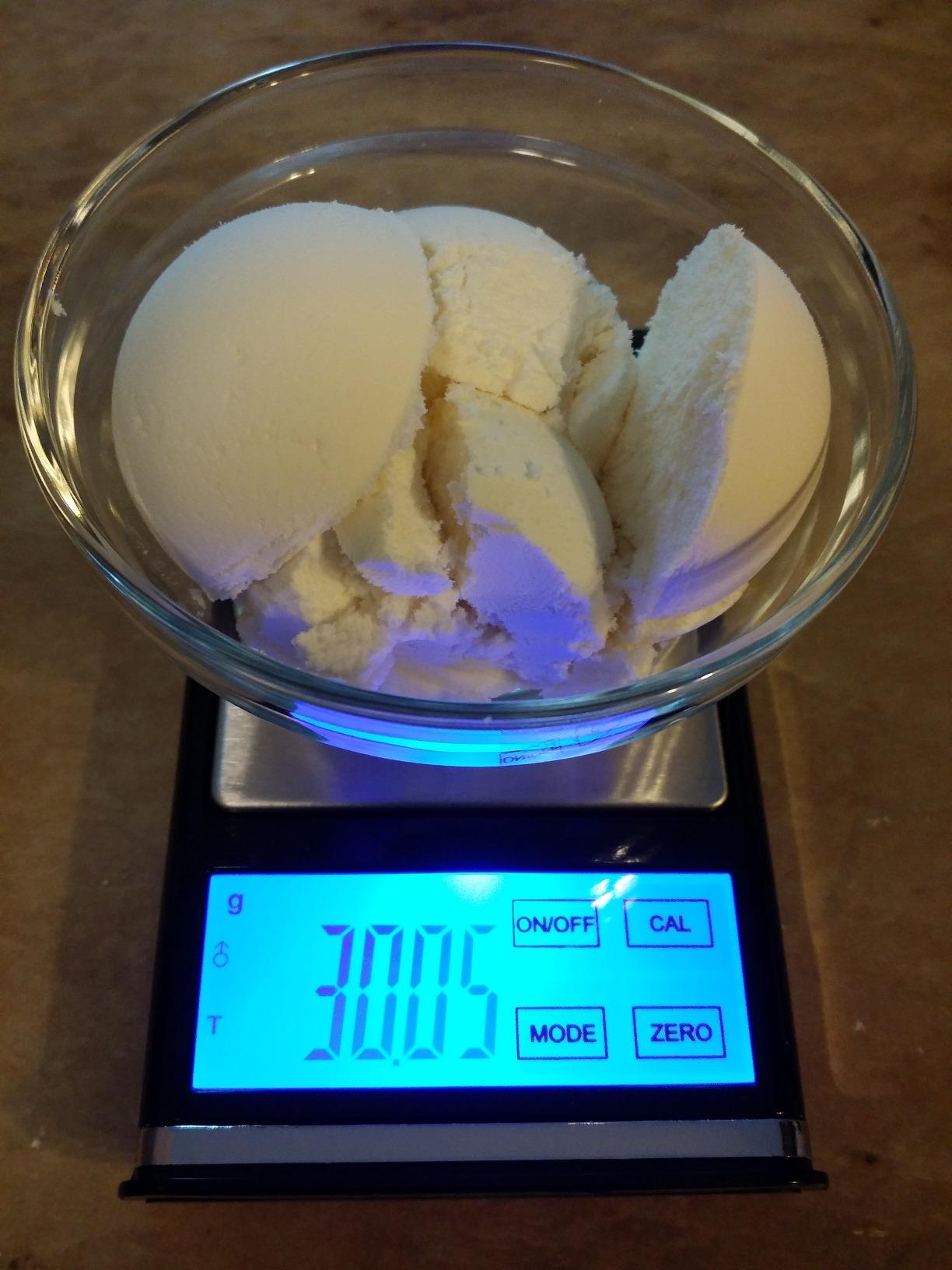
BulkSupplements is the product I recommend when someone wants the most protein per dollar without sacrificing quality. The protein density is remarkable: 27g of actual protein in a 30g serving, which works out to 90% protein by weight. Most whey isolates sit around 80 to 85%. That extra 5 to 10% of purity means you are getting more usable protein in every scoop, and with about 50 servings per 2.2 lb bag, the cost per serving is among the lowest in this category.
I tested BulkSupplements in smoothies, oatmeal, and with water alone. In a smoothie with frozen mango and coconut water, it dissolved completely with no detectable taste or texture. In cold water with a shaker bottle, it mixed well but had a flat, almost bland character that some people might find unappealing. There is no milky sweetness like you get with NAKED Whey. It is essentially tasteless, which is either a pro or a con depending on what you want.
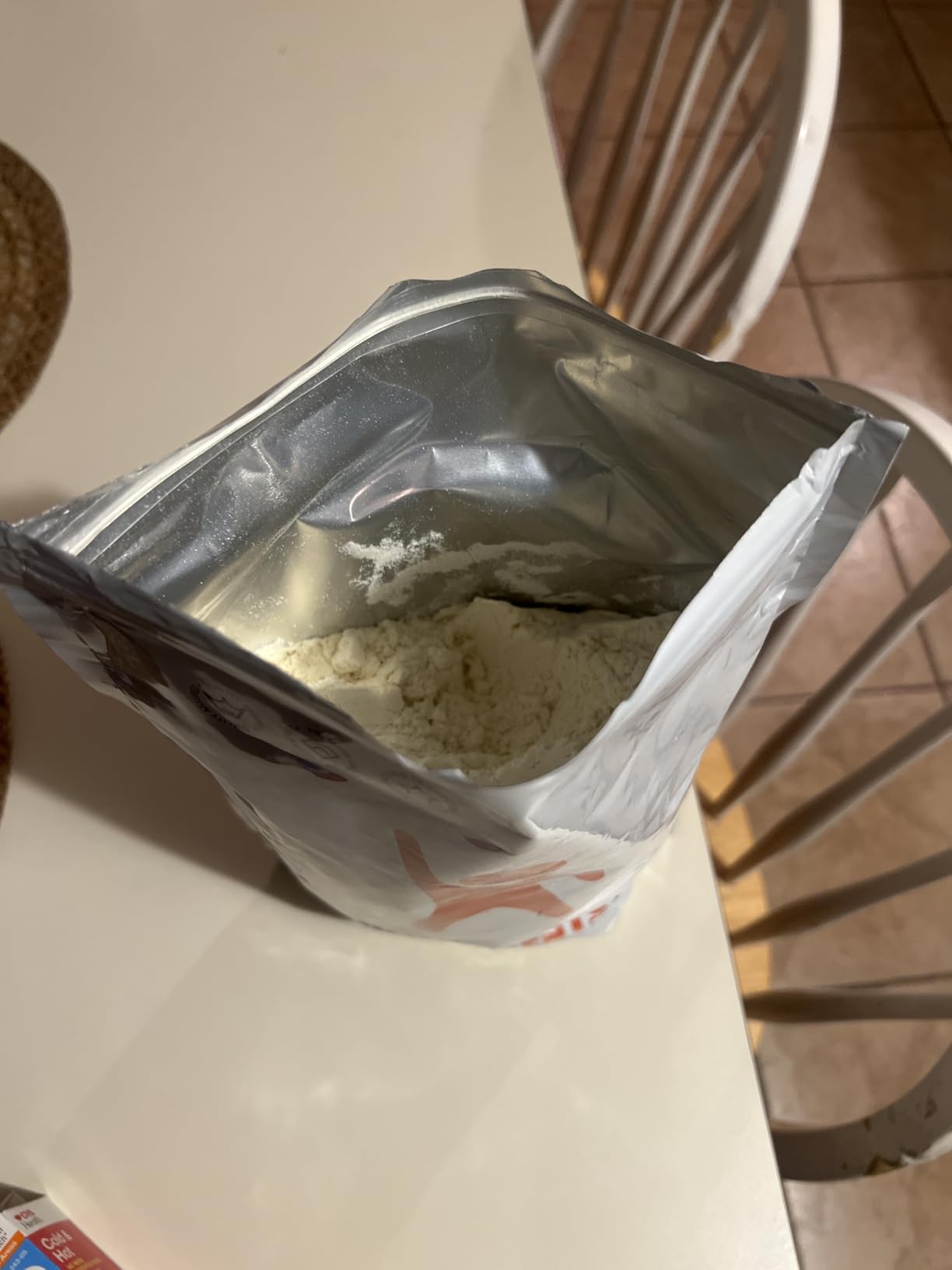
The ingredient list is just two items: whey protein isolate and sunflower lecithin. That is about as clean as you can get for a whey isolate that still mixes easily. BulkSupplements manufactures in a cGMP-compliant facility in Wisconsin and conducts third-party batch testing for quality assurance. With over 8,000 reviews and a 4.4-star average, it has a solid track record.
The main complaints from users center on packaging. The resealable bag can be difficult to close properly, and there is no scoop included, so you need your own measuring tool. The powder can also clump if you do not mix it thoroughly enough, particularly in thicker liquids. I found that adding liquid first, then powder, and shaking vigorously for 15 seconds eliminated any clumping issues.
Protein Density Comparison
At 90% protein by weight, BulkSupplements has the highest protein density of any product on this list. To put that in perspective, a typical whey concentrate is about 80% protein, meaning 20% of what you scoop is lactose, fat, and moisture. With BulkSupplements, only 10% is non-protein. This means each scoop delivers more actual protein, which translates to better value per gram of protein even if the upfront price looks similar to other options.
Long-Term Cost Savings
If you consume protein powder daily, the cost difference between BulkSupplements and premium brands adds up significantly over a year. With approximately 50 servings per bag, the per-serving cost is among the lowest in the unflavored category. For someone using two scoops per day, switching from a premium brand to BulkSupplements could save hundreds of dollars annually while delivering the same or better protein quality.
6. Anthony’s Premium Pea Protein – Best Budget Plant-Based
Anthony’s Premium Pea Protein, 2 lb, Plant Based, Gluten Free, Unflavored, Vegan, Keto Friendly, Made from Peas
Single ingredient: pea protein isolate
Over 90 servings per bag
Batch tested gluten-free
Plant-based vegan
Pros
- Only one ingredient: pure pea protein isolate
- Over 90 servings per 2 lb bag
- Batch tested and verified gluten free
- Excellent value for money
- Works well in smoothies and baking
Cons
- Distinct pea or vegetal taste
- Can be gritty without a blender
- No scoop included
- Higher sodium content per serving
Anthony’s pea protein is the product I recommend to anyone who wants a plant-based unflavored protein without paying a premium. The value here is outstanding: over 90 servings in a 2 lb bag for a price that makes daily use very affordable. It is a single-ingredient product with nothing but 100% pea protein isolate, which means no fillers, no sweeteners, and no hidden additives.
I tested Anthony’s in smoothies, baked goods, and stirred into yogurt. In a smoothie with frozen berries, banana, and almond milk, the pea flavor was completely masked by the fruit. In yogurt, there was a slight vegetal undertone that was noticeable but not off-putting. The texture was fine and powdery, and it mixed reasonably well with a blender. With just a shaker bottle, I noticed some grittiness at the bottom of the glass.
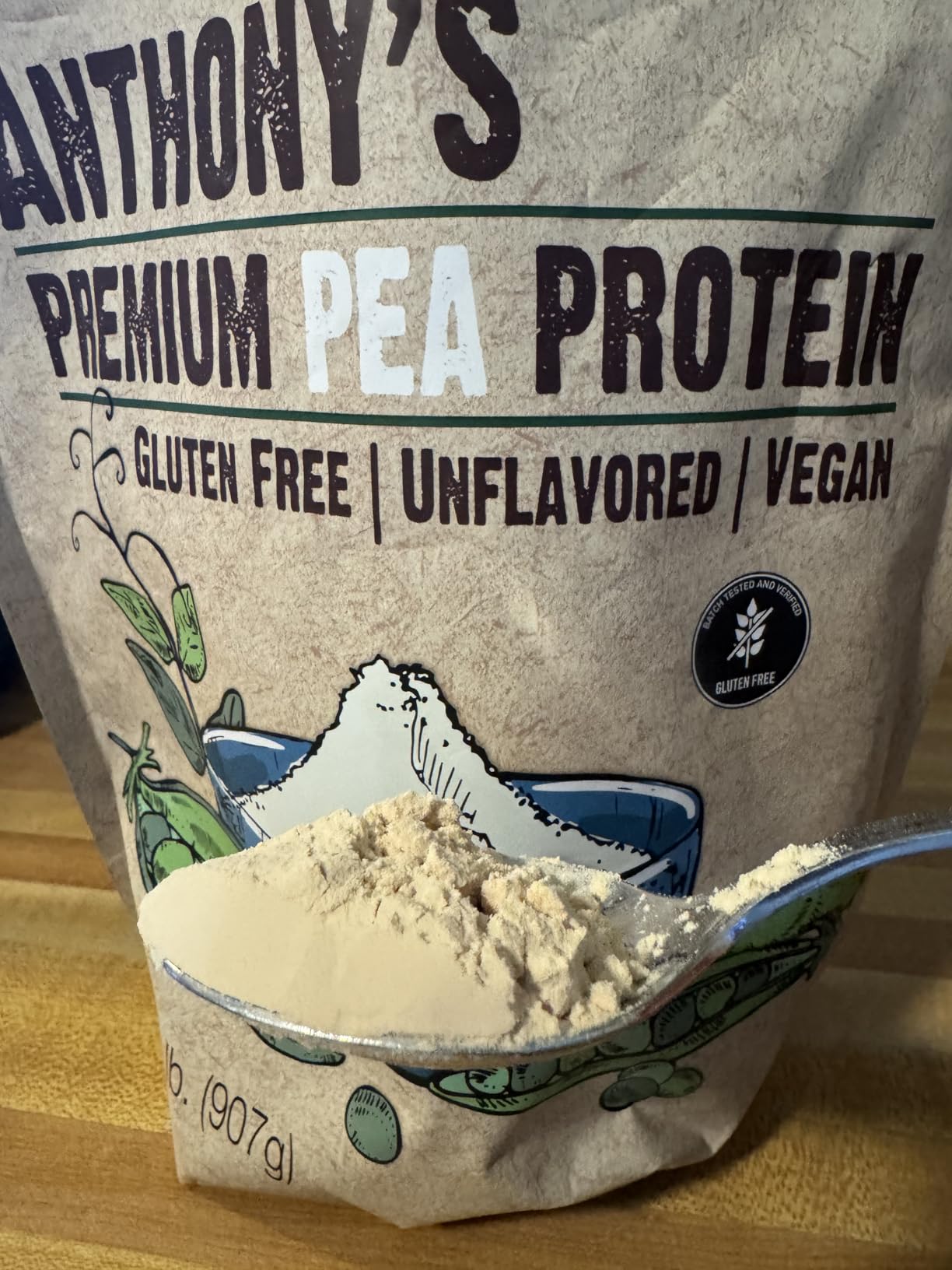
Pea protein has become increasingly popular as a dairy-free alternative to whey, and for good reason. It offers a strong amino acid profile, though it is slightly lower in methionine compared to whey. Many brands blend pea protein with rice protein to create a complete amino acid profile, but Anthony’s keeps it simple with just pea isolate. If you are concerned about amino acid completeness, you can pair it with a rice protein or simply ensure you are getting a variety of protein sources throughout the day.
The biggest complaint from users is the taste. Unflavored pea protein has a distinct earthy, vegetal character that is different from the milky taste of unflavored whey. Some people do not mind it, while others find it challenging. I found that blending it with strongly flavored ingredients like cocoa powder, peanut butter, or mixed berries completely masked the pea taste. The high sodium content (180mg per serving) is also worth noting if you are watching your sodium intake.
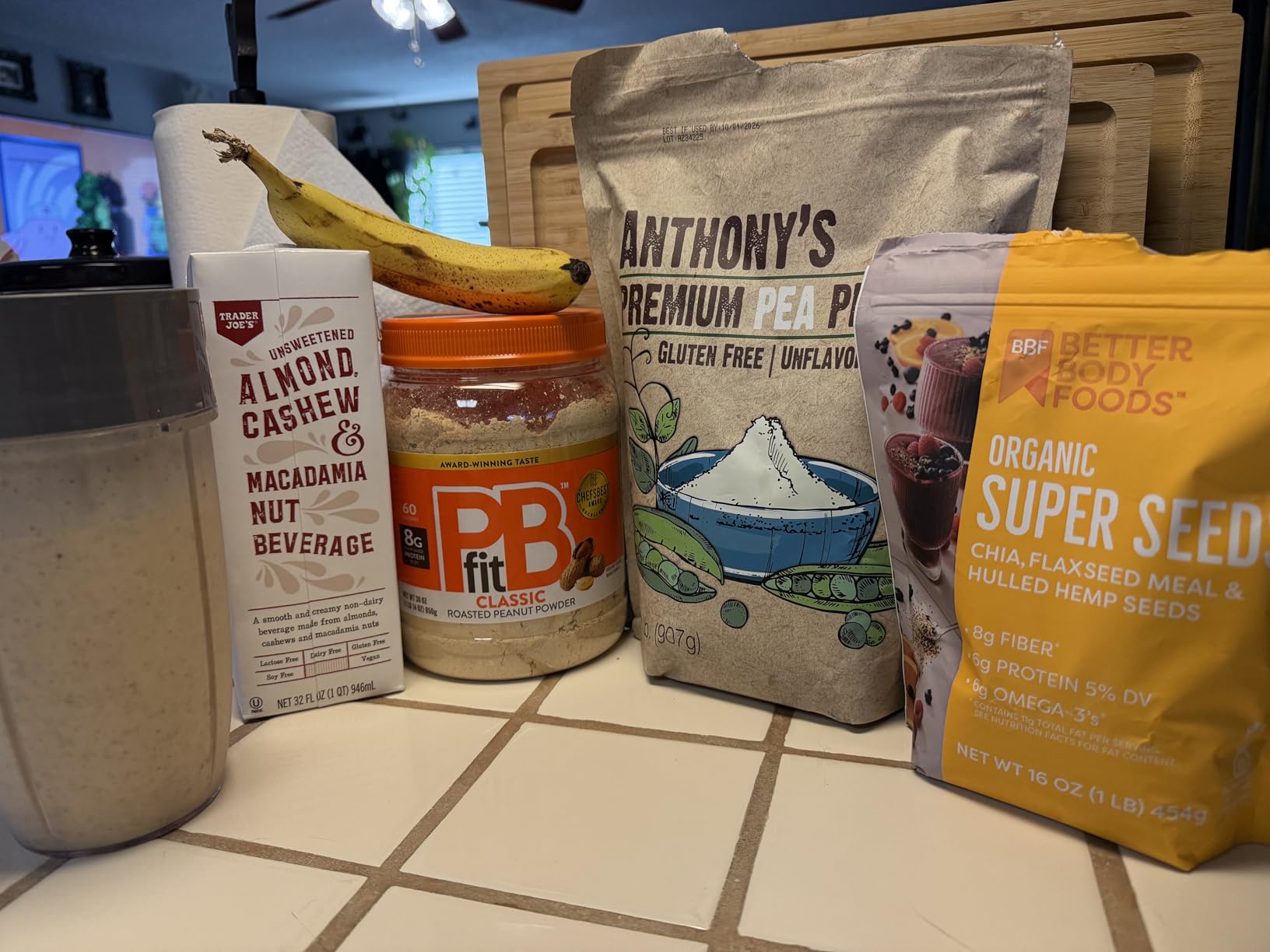
Taste and Texture Expectations
If you have never tried unflavored pea protein before, it is important to set expectations. It does not taste like milk. It tastes like peas. The flavor is earthy, slightly nutty, and somewhat chalky. This is not a defect of Anthony’s specifically but a characteristic of pea protein in general. The key is to mix it with ingredients that complement or mask the earthy profile. Cocoa, vanilla extract, nut butters, and sweet fruits all work well. I would not recommend mixing it with just water unless you genuinely enjoy the taste of peas.
Best Value Per Serving
With over 90 servings per bag, Anthony’s offers the lowest cost per serving of any product on this list. For budget-conscious buyers, vegans, or anyone who wants a reliable plant-based protein for daily use, it is hard to beat. Even compared to other pea protein brands, Anthony’s consistently comes in at a lower price point while maintaining a 4.4-star rating across over 8,000 reviews. The bag is a generous size, and I found that a single bag lasted me well over a month of daily use.
7. Orgain Organic Vegan Protein – Best Organic Plant-Based
Orgain Organic Vegan Protein Powder, Natural Unsweetened – 21g of Unflavored Plant Protein, 4g Prebiotic Fiber, Low Net Carbs, No Added Sugar, Non-GMO, for Shakes & Recipes, 1.59 lb
21g organic plant protein per serving
4g prebiotic fiber
USDA Organic and Certified Plant-Based
Pea rice and chia blend
Pros
- USDA Organic and Certified Plant-Based
- 21g protein with 4g prebiotic fiber
- No artificial anything
- Vegan gluten-free kosher and non-GMO
- Number one best seller in protein blends
Cons
- Can taste chalky or gritty
- Some users need to mask taste with fruit
- Limited protein sources in the blend
- Oversized container with empty space
Orgain is the number one best seller in the protein powder blends category on Amazon, and it was one of the most interesting plant-based products I tested. Unlike Anthony’s single-ingredient pea protein, Orgain uses a blend of organic pea protein, brown rice protein, and chia seed protein. This blend creates a more complete amino acid profile than pea protein alone, which is one of the reasons it has built such a loyal following.
I tested Orgain in smoothies, overnight oats, and stirred into oatmeal. In a smoothie with almond milk, frozen banana, and a spoonful of cocoa powder, it blended in smoothly and the taste was neutral enough that the cocoa and banana dominated. In overnight oats, I noticed a slight chalkiness in the texture, but it was not enough to ruin the experience. The prebiotic fiber is a nice addition for gut health, and several reviewers mention improved digestion after switching to Orgain.
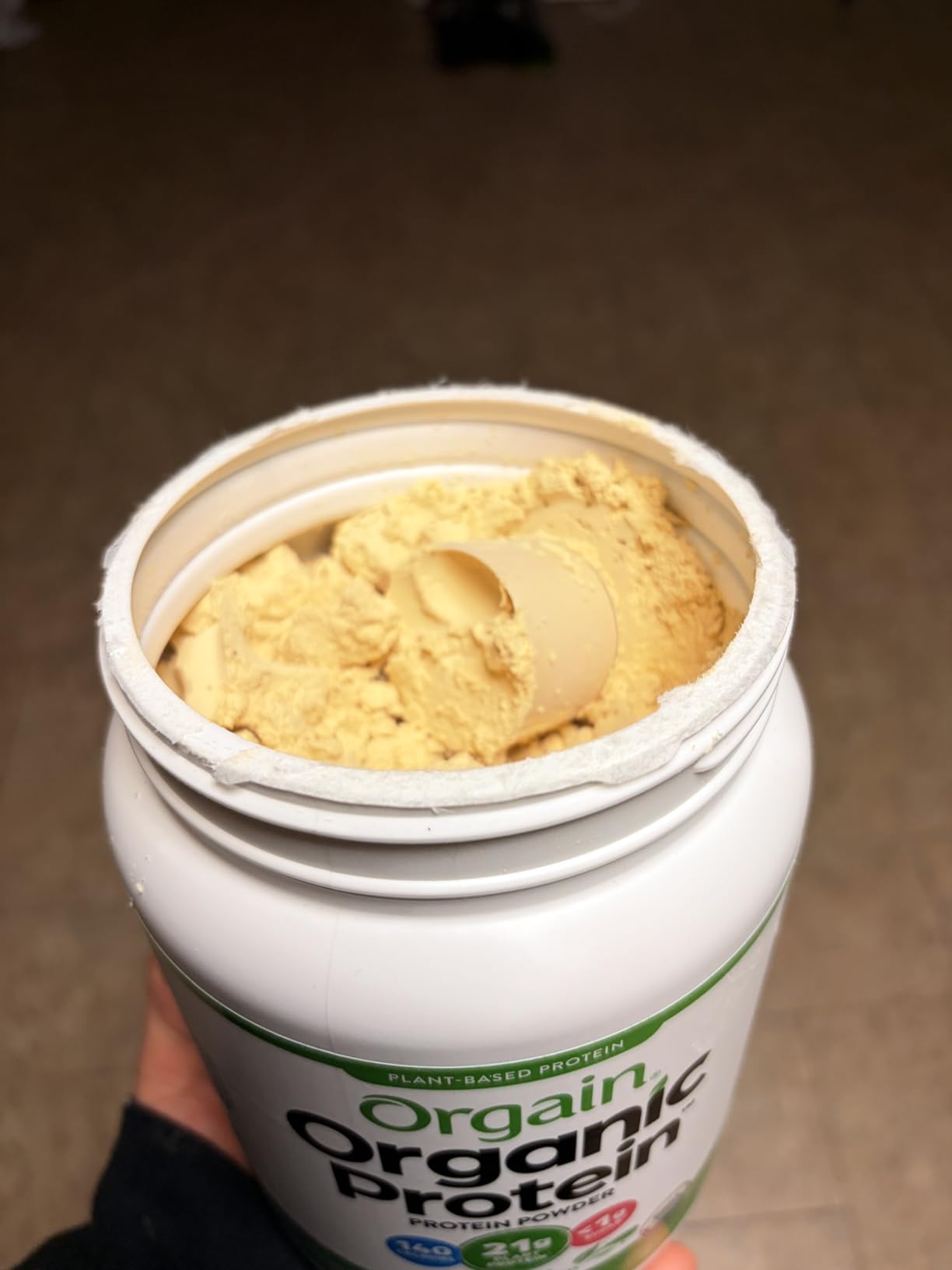
The organic certification is a meaningful differentiator. USDA Organic verification means the pea, rice, and chia sources are grown without synthetic pesticides or fertilizers. For people who prioritize organic foods, this is one of the few unflavored plant-based protein powders that carries the certification. Orgain is also Certified Plant-Based, which is a third-party verification that confirms the product contains no animal-derived ingredients.
The main complaint is texture. Plant-based proteins, especially blends, tend to be chalkier than whey. Orgain is no exception. With a blender, the chalkiness is manageable. With a shaker bottle, it is more pronounced. Several reviewers mention that the container is oversized relative to the amount of powder inside, which can be frustrating when you open a large tub and find it half empty.
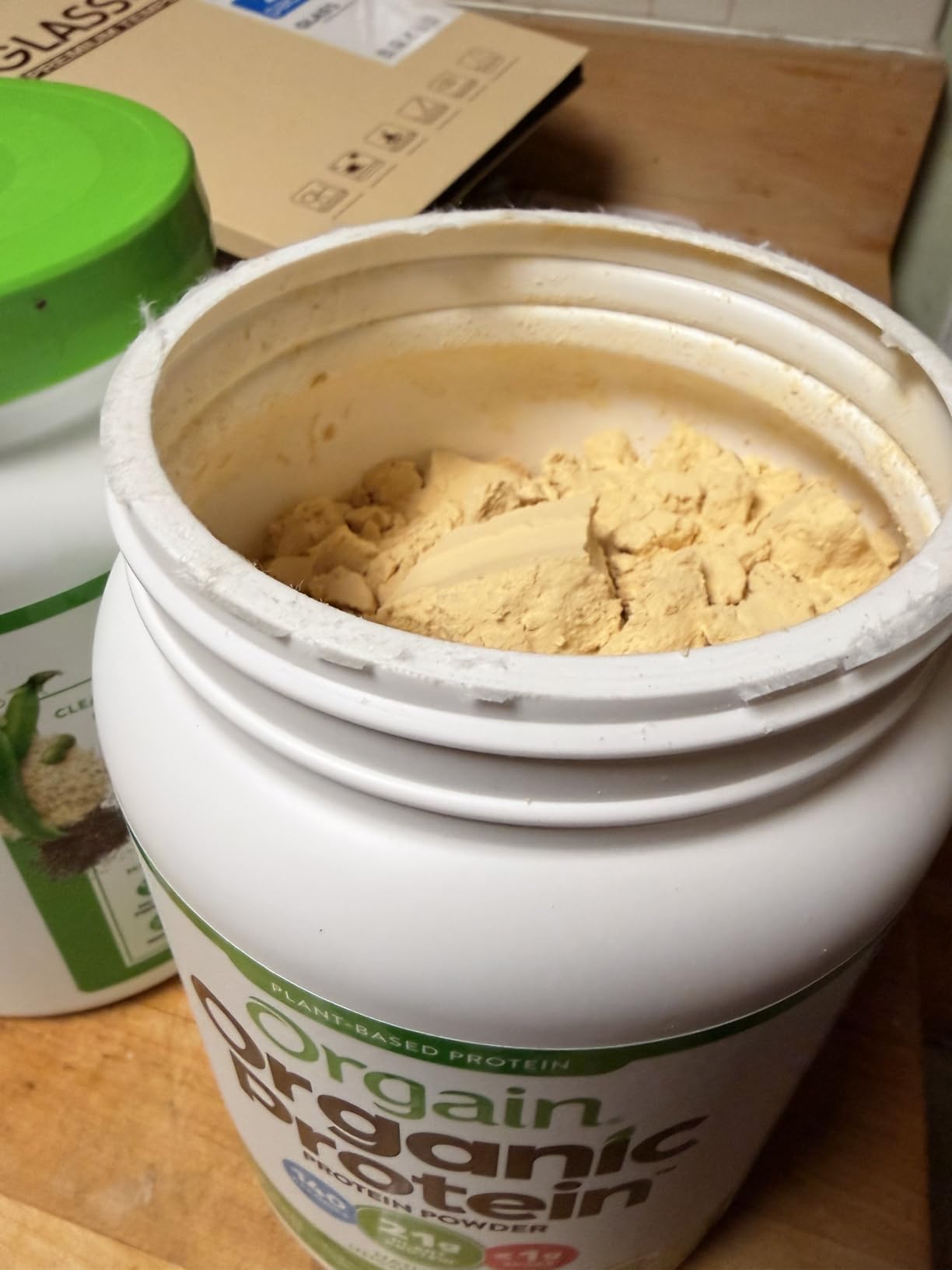
Prebiotic Fiber Benefits
Each serving of Orgain contains 4g of prebiotic fiber, which feeds the beneficial bacteria in your gut. This is a meaningful addition because many protein powders contain zero fiber. Prebiotic fiber supports digestive health, helps regulate blood sugar, and can improve satiety. Several long-term Orgain users specifically mention that they switched from whey protein because of digestive issues and found Orgain easier on their stomach.
How It Compares to Whey
Orgain delivers 21g of protein per serving compared to the 25g standard for most whey powders. The amino acid profile is slightly less complete than whey, though the pea-rice-chia blend comes closer to a complete profile than pea protein alone. The texture is chalkier than whey, which is inherent to plant-based proteins. If you are choosing between Orgain and a whey option, the decision comes down to dietary preferences, lactose tolerance, and whether the organic certification matters to you.
8. NOW Foods Whey Protein Isolate – Trusted Brand Reliability
NOW Sports, Whey Protein Isolate 24 g With BCAAs, Unflavored Powder, 1.2 lb
25g whey isolate per serving
NPA A-rated GMP certified
Naturally occurring BCAAs
Family-owned since 1968
Pros
- NPA A-rated GMP certification since 1968
- Bioavailable and easily digested
- Available in large 5 lb and 10 lb sizes
- Independently family and employee owned
- Excellent value in bulk sizes
Cons
- Mild sour milk taste in plain water
- Takes longer to dissolve than competitors
- Can foam when shaken
- Smaller 1.2 lb bag is less cost-effective
NOW Foods has been making supplements since 1968, and their whey protein isolate is one of the most established products in this category. I have used NOW Foods products for years, and their quality consistency is a big part of why they maintain a loyal customer base. The unflavored whey isolate delivers 25g of protein per serving with naturally occurring BCAAs and no artificial sweeteners.
I tested NOW Foods in milk, smoothies, and with water alone. In milk, it dissolved reasonably well and added a subtle creaminess without altering the flavor. In a smoothie with frozen strawberries and oat milk, it blended in completely. With just water, there was a mild sour milk flavor that some reviewers mention. It is not strong, but it is noticeable. I recommend mixing it with milk or a milk alternative rather than plain water for the best experience.
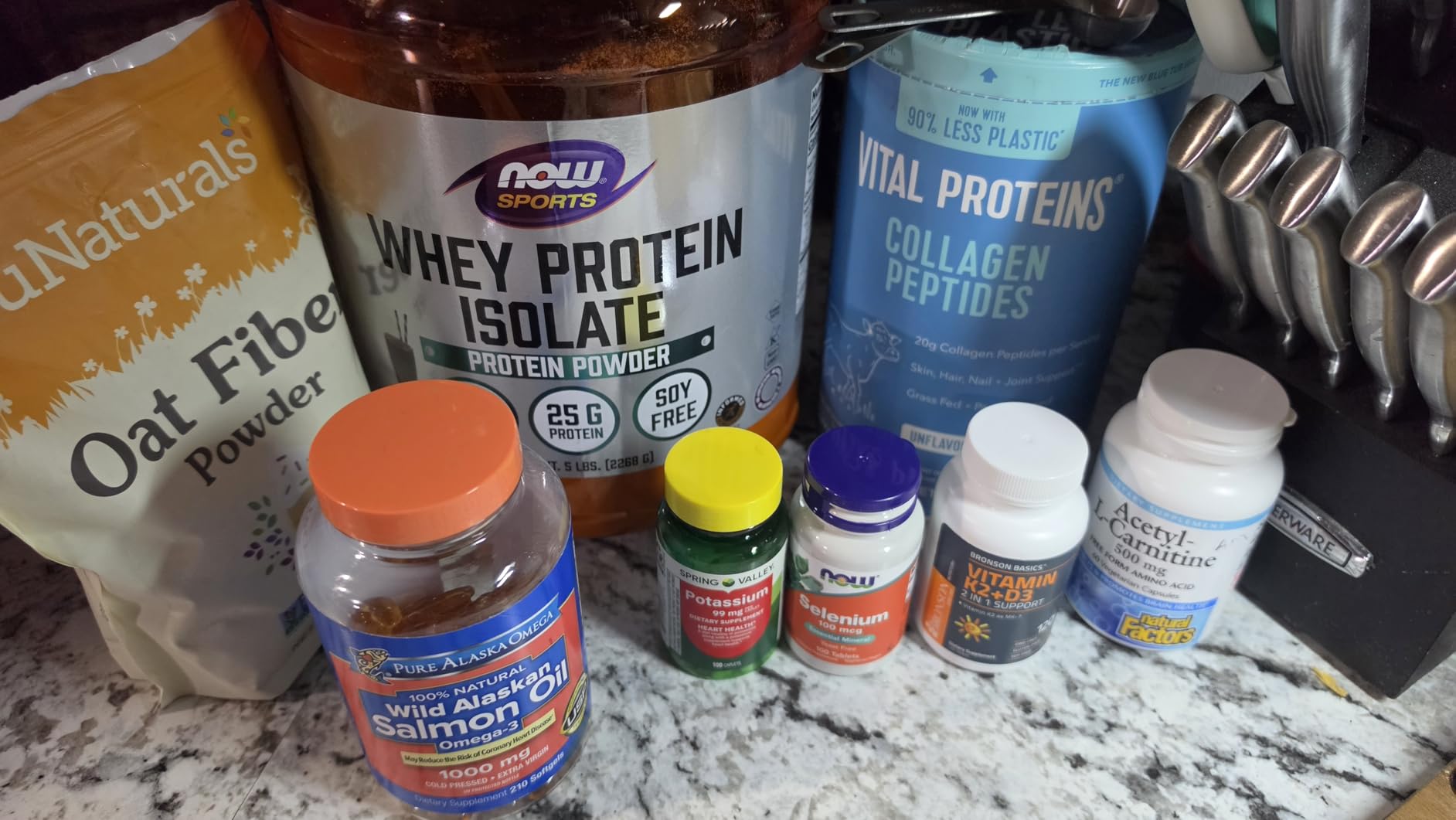
The NPA A-rated GMP certification is one of the strongest quality guarantees in the supplement industry. NPA stands for the Natural Products Association, and their GMP (Good Manufacturing Practice) certification verifies that NOW Foods follows rigorous standards for manufacturing, packaging, labeling, and holding dietary supplements. This is a step above basic GMP compliance and indicates a serious commitment to quality control.
The dissolve time is slower than some competitors. I found that it takes about 20 to 30 seconds of shaking in a shaker bottle to fully dissolve, compared to 10 to 15 seconds for Isopure or BulkSupplements. It also foams more than average when shaken, which means you need to let it settle for a few seconds before drinking. These are minor inconveniences that are outweighed by the quality and value, especially in the larger 5 lb and 10 lb sizes.
Brand History and Trust Factors
NOW Foods was founded in 1968 by Elwood Richard and remains a family- and employee-owned company to this day. In an industry dominated by private equity and corporate conglomerates, this independence is meaningful. NOW operates one of the most extensive in-house testing labs in the supplement industry, testing raw materials for identity, purity, potency, and contaminants before they ever reach the manufacturing floor.
Value in Bulk Sizes
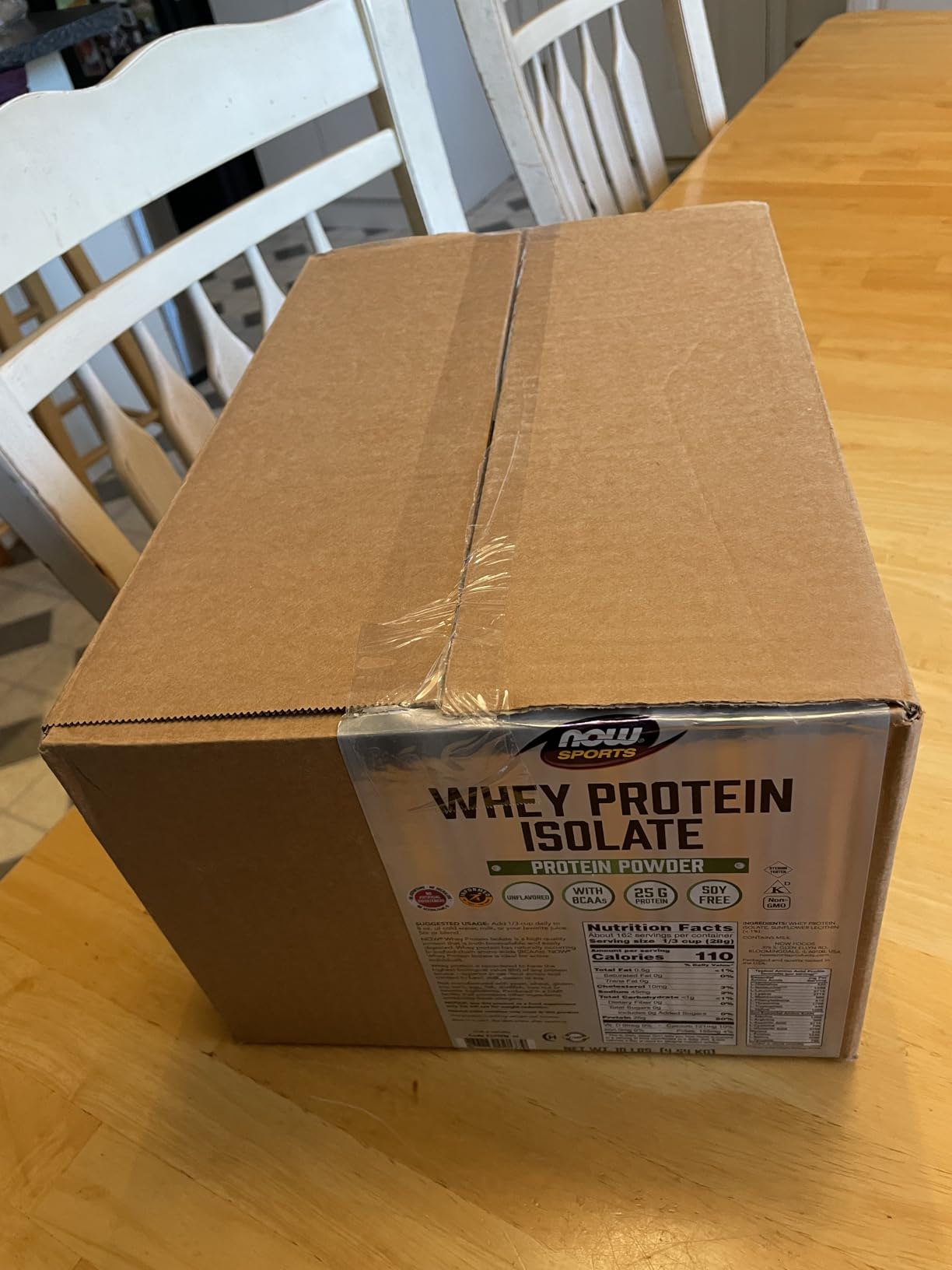
The 1.2 lb bag is the entry-level option, but the real value comes from the 5 lb and 10 lb containers. At bulk sizes, NOW Foods becomes one of the most affordable unflavored whey isolates per serving. For someone who uses protein powder daily and wants a trusted brand with decades of quality history, the bulk sizes offer excellent long-term value. The 10 lb container is a serious commitment, but if you know your protein preferences and want to lock in a low per-serving cost, it is hard to beat.
9. Nutricost Whey Protein Concentrate – Solid All-Rounder
Nutricost Whey Protein Concentrate (Unflavored) 2LBS – Gluten Free & Non-GMO
25g undenatured whey concentrate per serving
Non-GMO and gluten-free
NSF certified facility
Only 2g carbs
Pros
- 25g protein with only 2g carbs per serving
- No fillers sugar or artificial additives
- Made in NSF certified GMP compliant FDA registered facility
- Competitive pricing for the quality
- Versatile for smoothies shakes oatmeal and baking
Cons
- Can clump slightly in plain water
- Slight chemical aroma noted by some users
- Mild dairy taste that is not fully neutral
- Not as smooth as whey isolate alternatives
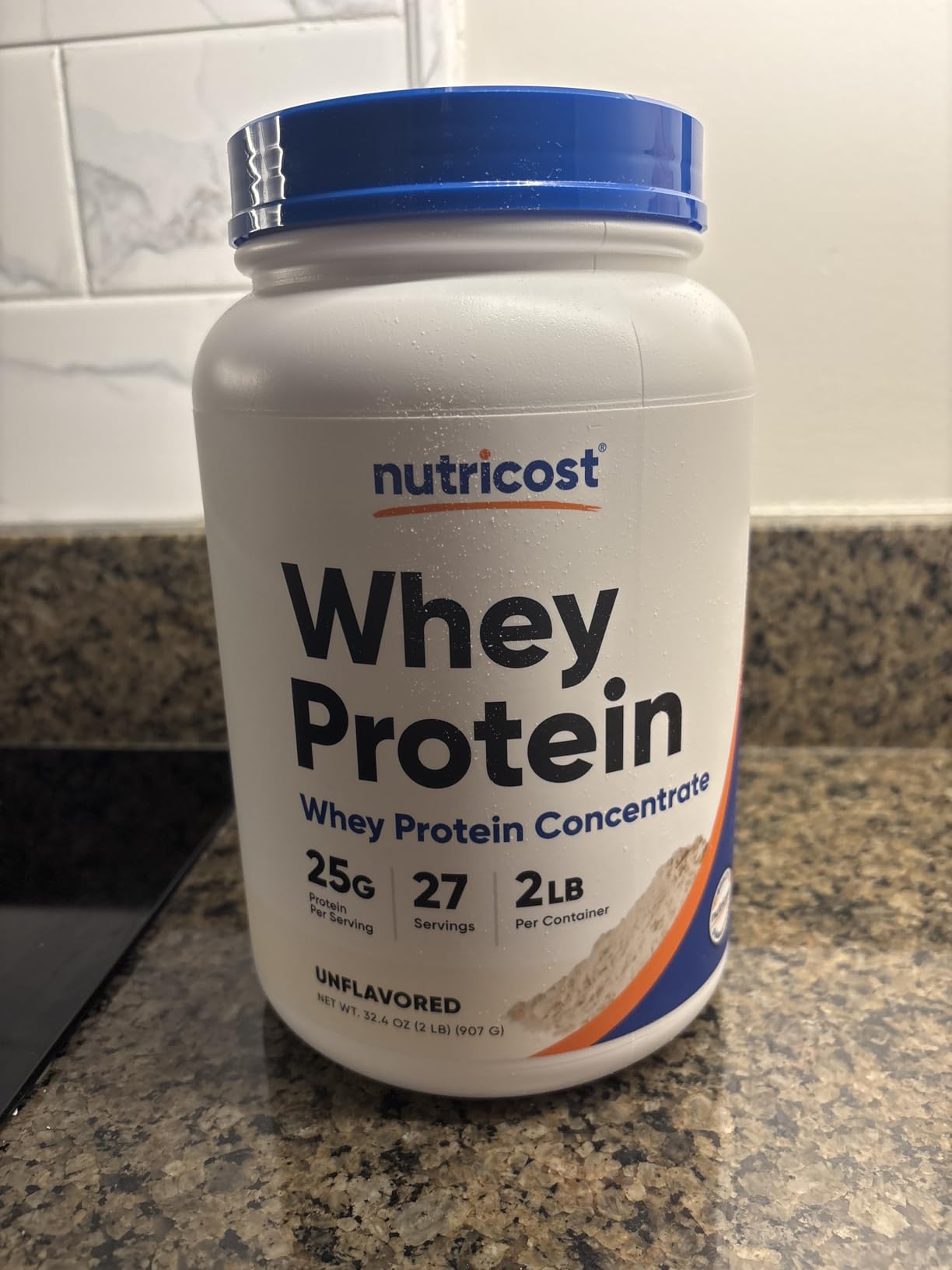
Nutricost occupies a solid middle ground in the unflavored whey concentrate category. It is not the absolute cheapest, not the most expensive, and it delivers a consistent, reliable product with 25g of undenatured whey protein concentrate per serving. I tested it primarily in smoothies and oatmeal, and it performed well in both applications. The powder mixed reasonably well with a shaker bottle, though I noticed slight clumping in plain water.
The manufacturing credentials are impressive for the price point. Nutricost is made in an NSF certified, GMP compliant, FDA registered facility. That trifecta of certifications means the manufacturing process undergoes regular third-party inspection. The ingredient list is clean: undenatured whey protein concentrate with no fillers, no sugar, and no artificial flavors. Each serving delivers 25g of protein with only 2g of carbs.
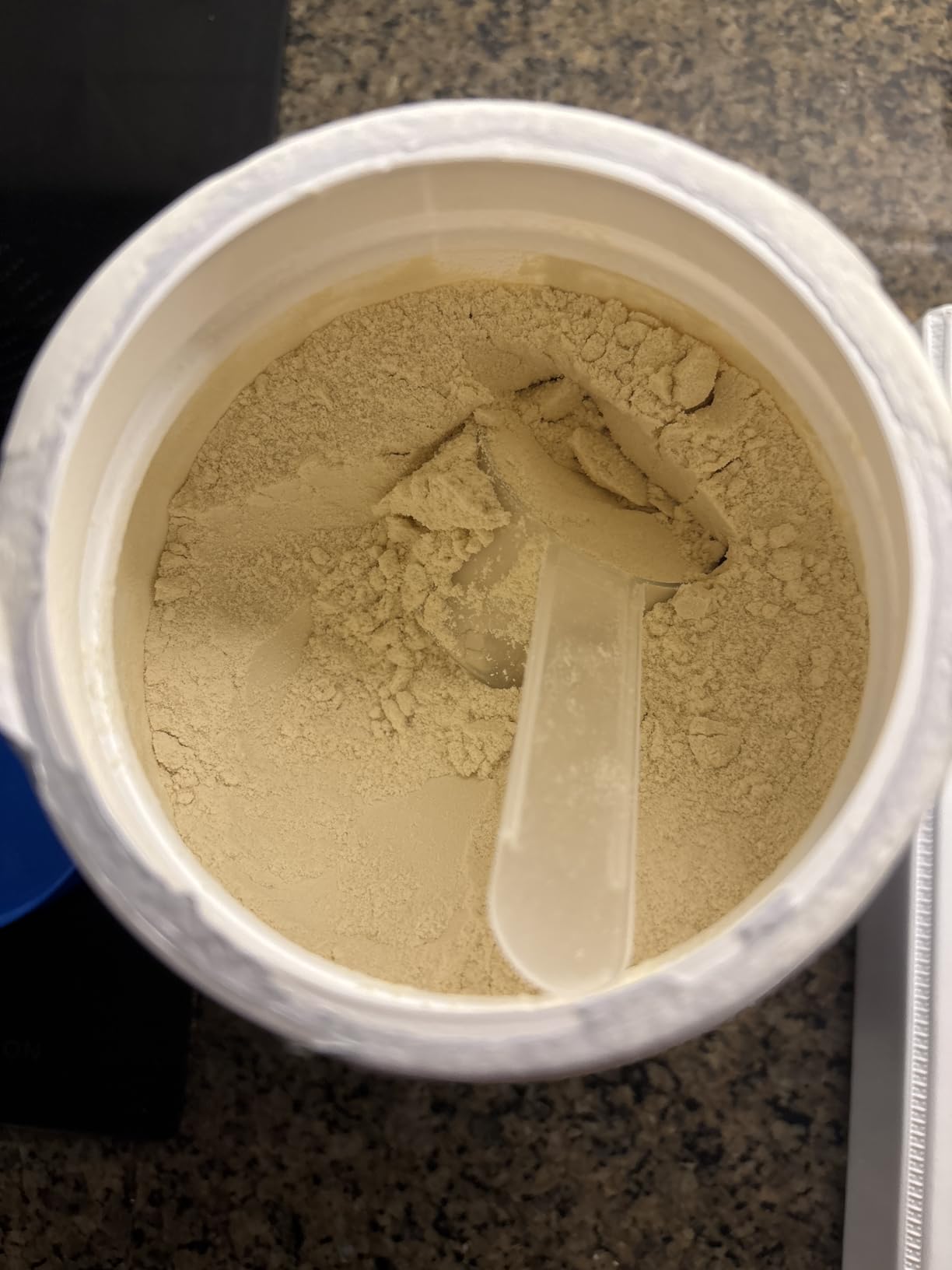
I used Nutricost in overnight oats, Greek yogurt, and post-workout smoothies. In overnight oats, it absorbed into the mixture overnight and was undetectable by morning. In Greek yogurt, it mixed in with some stirring and added a creamy texture without an overpowering taste. In smoothies, it blended well and did not compete with the other ingredients. The versatility makes it a good everyday option.
The main complaints from users involve occasional clumping in water and a slight chemical aroma from some batches when first opened. I did not experience the chemical smell with my bag, but it is worth noting that several reviewers mention it. The dairy taste is also more pronounced than with whey isolates, which is expected since concentrates retain more of the milk solids.
Facility Certifications Explained
Nutricost is manufactured in a facility that holds three important certifications: NSF certified, GMP compliant, and FDA registered. NSF certification means the facility meets standards for cleanliness, quality control, and documentation. GMP compliance means the manufacturing follows Good Manufacturing Practice guidelines established by the FDA. FDA registration means the facility is registered with the U.S. Food and Drug Administration and is subject to inspection. Together, these three certifications provide a high level of confidence in the manufacturing process.
Best Application Methods
Nutricost works best when blended rather than shaken. I got the smoothest results using a blender for smoothies and protein shakes. For oatmeal, I mixed the powder with a small amount of cold milk first to create a paste, then stirred it into the warm oatmeal. This tempering method prevents the protein from clumping when it hits the heat. For baking, I sifted the powder with the dry ingredients to ensure even distribution.
10. Vital Proteins Collagen Peptides – Best Collagen Option
Vital Proteins Collagen Peptides Powder Advanced, Unflavored, 20oz
20g collagen peptides per serving
With Vitamin C and Hyaluronic Acid
Dissolves in hot and cold
Grass-fed bovine source
Pros
- Dissolves completely in hot and cold beverages
- Contains Vitamin C and Hyaluronic Acid for skin support
- Grass-fed and pasture-raised bovine source
- Over 214000 reviews and number one best seller
- Paleo friendly dairy-free and gluten-free
Cons
- Results require consistent use for several weeks
- More expensive than store-brand collagen
- Some report slight aftertaste in plain water
- Not a complete protein source like whey
Vital Proteins Collagen Peptides is the number one best seller in the collagen supplements category with over 214,000 reviews, and it deserves a place on this list even though collagen is a different type of protein than whey or pea. Each serving delivers 20g of hydrolyzed collagen peptides sourced from grass-fed, pasture-raised bovine. The powder also includes 100% of your daily Vitamin C and 120mg of Hyaluronic Acid per serving.
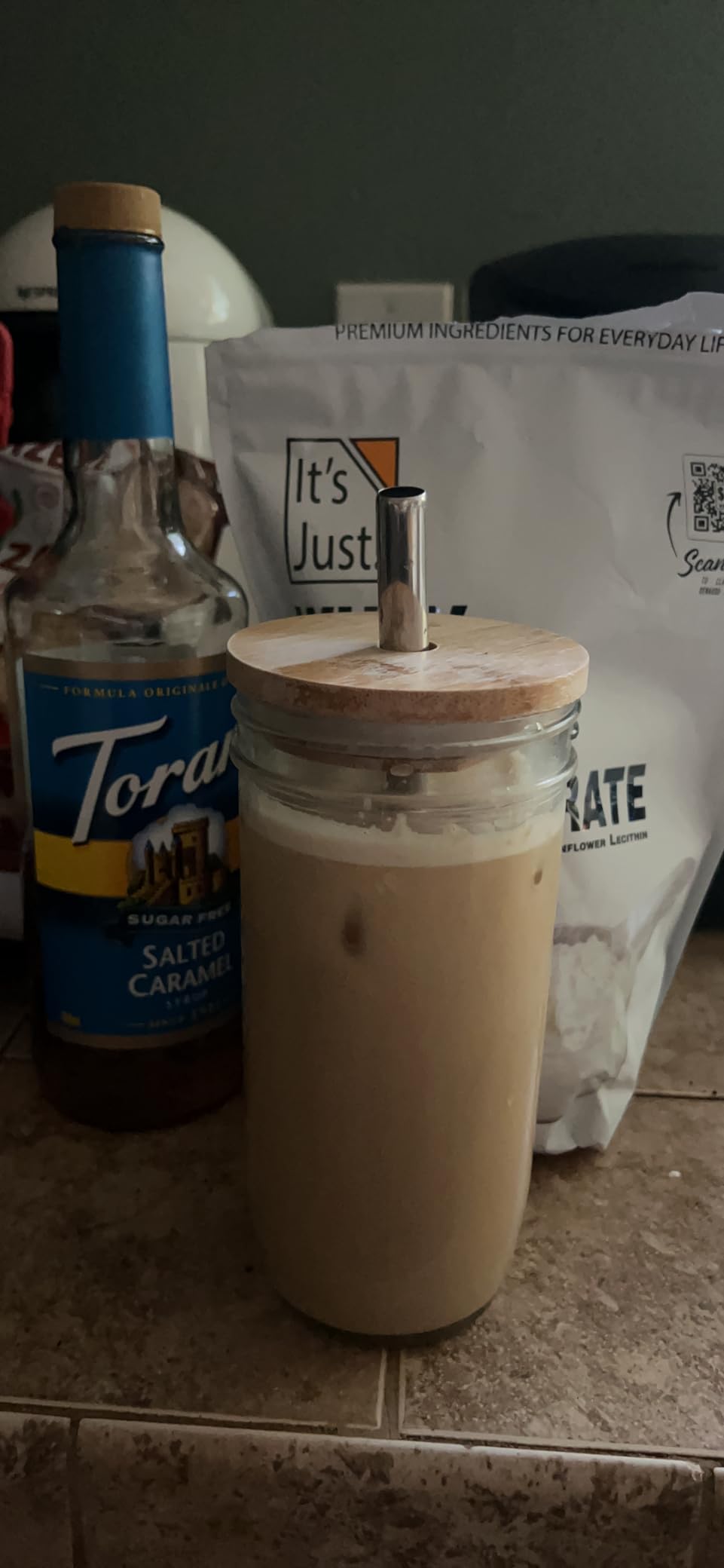
I tested Vital Proteins in coffee, tea, smoothies, and plain water. This is where collagen has a massive advantage over whey: it dissolves perfectly in hot liquids. I stirred a scoop into hot coffee, and it disappeared completely with zero clumping, zero curdling, and zero taste change. This is something no whey protein on this list can do. If your primary use case is adding protein to coffee or tea, collagen is your best option.
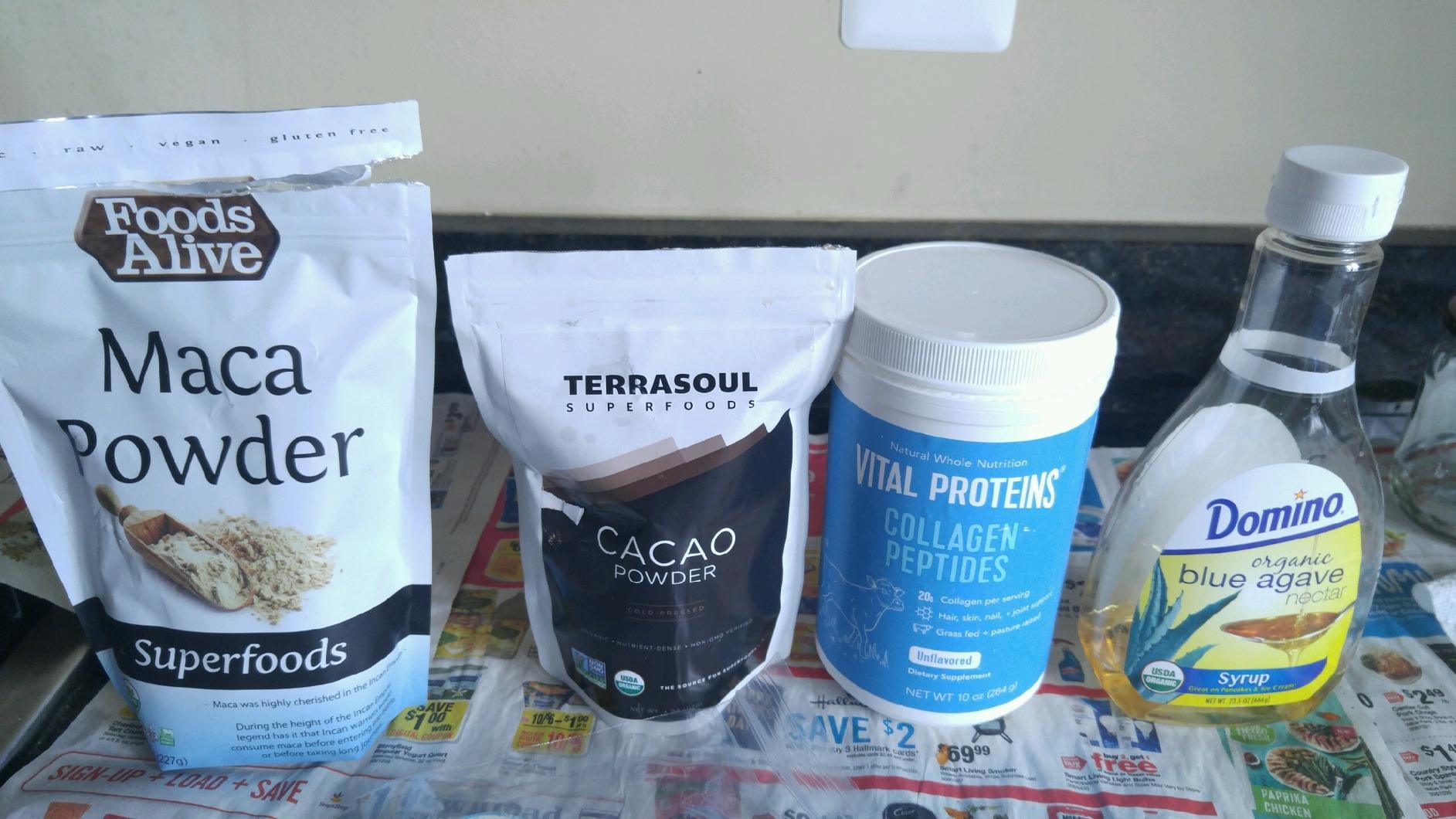
The hydrolyzed collagen peptides are broken down into smaller chains, which makes them highly soluble and easy for the body to absorb. After using Vital Proteins daily for about six weeks, I noticed my nails seemed stronger and less prone to splitting. Whether this was directly caused by the collagen or was a placebo effect, I cannot say definitively, but the research on collagen supplementation for skin, hair, nails, and joint health is growing.
It is important to understand that collagen is not a complete protein. It lacks tryptophan and is low in several other essential amino acids. If you are using protein powder primarily for muscle building or post-workout recovery, whey or pea protein is a better choice. But for joint health, skin elasticity, and a protein source that dissolves in hot beverages, collagen fills a unique niche.

Hot Liquid Solubility Advantage
The single biggest advantage of collagen peptides over every other protein type on this list is its ability to dissolve in hot liquids. Whey protein, pea protein, and most plant-based proteins denature and clump when exposed to heat. Collagen peptides are already hydrolyzed, meaning the protein chains are pre-broken into small fragments that remain soluble even at high temperatures. This makes collagen the go-to choice for adding protein to coffee, tea, hot oatmeal, and soups.
Vitamin C and Hyaluronic Acid Synergy
Vital Proteins includes Vitamin C because it is a required cofactor for collagen synthesis in the body. Without adequate Vitamin C, your body cannot effectively produce new collagen, regardless of how much collagen you consume. The Hyaluronic Acid addition supports skin hydration and joint lubrication. This combination of collagen, Vitamin C, and Hyaluronic Acid creates a supplement that targets skin, hair, nails, and joints simultaneously, which is why it has built such a massive following.
11. It’s Just! Whey Protein Concentrate – Minimalist GLP-1 Friendly
It’s Just! – 100% Whey Protein Concentrate, 1.25lb, Unflavored
WPC-80 premium grade concentrate
Only two ingredients
GLP-1 friendly
Made in USA GMP facility
Pros
- Only two simple ingredients
- Cold-processed to preserve protein integrity
- GLP-1 friendly formulation
- Made in USA at GMP compliant facility
- rBGH and rBST hormone free
Cons
- Natural whey flavor is noticeable
- Does not mix well in hot liquids
- Large recommended serving size
- Slightly harder to mix than flavored powders
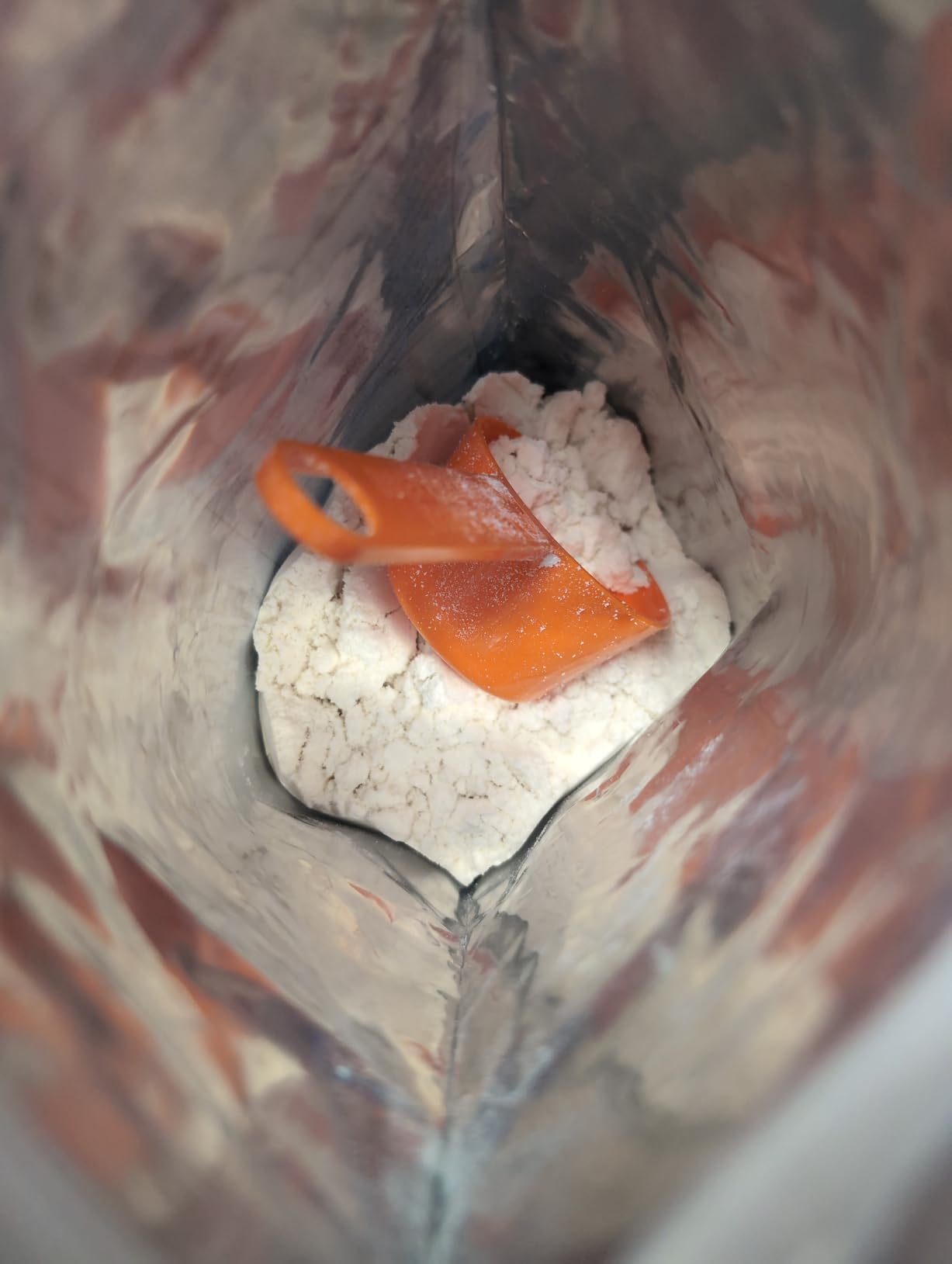
It’s Just! is a brand that lives up to its name by keeping things extremely simple. The product contains exactly two ingredients: undenatured whey protein concentrate (WPC-80 grade) and sunflower lecithin for mixability. The WPC-80 designation means the whey concentrate is 80% protein by weight, which is a high-quality grade for a concentrate. It is cold-processed, rBGH/rBST hormone-free, and made in the USA at a GMP-compliant facility.
I tested It’s Just! in smoothies, cold shakes, and baking. In a smoothie with frozen blueberries, banana, and almond milk, it blended in well and the natural whey taste was masked by the fruit. With just water, the whey flavor was more noticeable than with some other concentrates I tested. It has a slightly milky, slightly sweet character that some people enjoy and others find distracting. It is not tasteless, and the brand is honest about that on their packaging.
The GLP-1 friendly designation is notable. Many people on GLP-1 receptor agonist medications like tirzepatide and semaglutide need clean protein sources without added sugars, artificial sweeteners, or excess carbohydrates. It’s Just! fits this profile perfectly with its two-ingredient formulation. The powder is also popular among Whole30 participants and clean-eating advocates who want the absolute minimum in their protein supplement.
Mixability is decent with a shaker bottle but not exceptional. I found that it required about 20 seconds of vigorous shaking to fully dissolve. In hot liquids like oatmeal, some users report curdling, which is expected for whey concentrate. The recommended serving size is a quarter cup, which is larger than most scoops, so be aware that the serving size is more generous than typical protein powders.
WPC-80 Grade: What It Means
WPC-80 stands for Whey Protein Concentrate with 80% protein content by weight. This is a higher grade than WPC-70 or WPC-75, which contain less protein and more lactose and fat. The 80% protein content means that in a 30g serving, you are getting approximately 24g of actual protein. The remaining 20% consists of naturally occurring lactose, minerals, and moisture. WPC-80 is considered a premium grade for concentrates and is what most high-quality brands use.
GLP-1 Compatibility
For people on GLP-1 medications, protein intake is critical. These medications work by reducing appetite and slowing gastric emptying, which means getting adequate nutrition in smaller portions is essential. It’s Just! provides pure protein without any additives that could interfere with medication effectiveness or cause digestive upset. The absence of artificial sweeteners is particularly important because some sweeteners can cause gastrointestinal discomfort in GLP-1 users who already have sensitive digestion.
12. SASCHA FITNESS Hydrolyzed Whey Isolate – Premium Fast-Absorbing
SASCHA FITNESS Hydrolyzed Whey Protein Isolate,100% Grass-Fed (2 Pounds, All) (Unflavored)
25g hydrolyzed whey isolate per serving
100% grass-fed
Includes digestive enzymes
Zero carb zero sugar zero fat
Pros
- Hydrolyzed isolate for fastest absorption rate
- 100% grass-fed protein source
- Includes digestive enzymes to prevent bloating
- Dissolves easily with just a spoon stir
- Gluten-free and lactose-free
Cons
- Higher price point than standard concentrates
- Flavored variants reportedly too sweet
- Smaller review count than mass brands
- Occasional stock availability issues
SASCHA Fitness has the highest rating of any product on this list at 4.8 stars, with 89% of reviewers giving it five stars. The product is a hydrolyzed whey protein isolate, which means the protein chains have been pre-digested into smaller fragments called peptides. This makes it the fastest-absorbing protein type available, which is why hydrolyzed whey is often recommended for immediate post-workout recovery when your muscles are most receptive to amino acids.
I tested SASCHA Fitness in water, smoothies, and stirred into oatmeal. The most impressive thing was how easily it dissolved. I stirred a scoop into a glass of cold water with just a spoon, and within about 10 seconds it was fully mixed with no clumps and no foam. That is exceptional for any whey protein, let alone a hydrolyzed isolate. The taste was clean and neutral with a very faint dairy note that did not interfere with the other ingredients in my smoothies.
The inclusion of digestive enzymes is a thoughtful addition. Many people experience bloating, gas, or discomfort from whey protein, and the added enzymes help break down the protein more efficiently. Several reviewers specifically mention switching to SASCHA Fitness after experiencing digestive issues with other brands. The product is also lactose-free, which makes it suitable for lactose-sensitive users who want a fast-absorbing protein.
The unflavored version is what I tested, and it provides full control over taste customization. The brand also offers flavored versions including chocolate, vanilla, coconut, cookies and cream, and caramel, though several reviewers note that the flavored variants are quite sweet due to the stevia content. If you want an unflavored option with exceptional quality and are willing to pay a premium, SASCHA Fitness is worth serious consideration.
Hydrolyzed Whey: Fastest Absorption
Hydrolyzed whey protein undergoes an additional processing step where enzymes break the protein chains into smaller peptide fragments. Think of it as pre-digesting the protein. Because the peptides are already partially broken down, your body absorbs them more quickly than regular whey isolate or concentrate. This matters most in the post-workout window when rapid amino acid delivery to muscles can support protein synthesis and recovery. For everyday use, the absorption speed difference is less critical, but for athletes, it can be meaningful.
Digestive Enzymes and Gut Comfort
The added digestive enzyme blend helps your body break down and absorb the protein more efficiently, which can reduce the bloating and gas that some people experience with whey. Combined with the fact that this is a hydrolyzed isolate, which has most of the lactose removed, SASCHA Fitness is one of the most digestible whey proteins on the market. If you have had digestive issues with other whey products in the past, this is worth trying.
What to Look for in Unflavored Protein Powders
Choosing the right unflavored protein powder comes down to understanding your dietary needs, your preferred use cases, and your budget. After testing 12 products across multiple protein types, I have identified the key factors that should guide your decision.
The first thing to check is the ingredient list. The best unflavored protein powders have between one and three ingredients. If you see a long list of fillers, gums, artificial sweeteners, or proprietary blends, look elsewhere. You are choosing unflavored specifically because you want clean protein without extras, so the ingredient list should reflect that priority.
Protein per serving is the next critical metric. Most quality whey products deliver 24 to 27g per serving. Plant-based options typically deliver 20 to 25g. Collagen sits around 18 to 20g. Pay attention to the serving size, because some brands use a larger scoop to make the protein number look higher. Divide the protein grams by the serving size in grams to get the protein density percentage. Anything above 80% is solid; above 85% is excellent.
Third-party testing is non-negotiable for me. Look for NSF Certified, Informed Sport, Informed Protein, or NPA GMP certifications on the label. These programs independently verify that what is on the label matches what is in the container. Consumer Reports has found heavy metals including lead, arsenic, and cadmium in some protein powders, particularly plant-based ones, so third-party testing provides critical safety assurance.
Mixability matters more than most people realize. If your protein powder clumps every time you use it, you will eventually stop using it. Powders that include sunflower lecithin mix more easily than lecithin-free options. Hydrolyzed proteins and isolates generally mix better than concentrates. Collagen peptides dissolve in both hot and cold liquids, which gives them a significant versatility advantage.
Ingredients to Avoid
When you are shopping for unflavored protein, watch for these red-flag ingredients. Artificial sweeteners like sucralose, aspartame, and acesulfame potassium should not appear in an unflavored product, but some brands sneak them in. Sugar alcohols like erythritol and xylitol can cause digestive upset in sensitive individuals. Proprietary blends are a way for brands to hide the exact amounts of each ingredient, which means you cannot verify protein quality. Fillers like maltodextrin, cellulose gum, and carrageenan add bulk without nutritional value. Heavy metals contamination is not listed on labels, which is why third-party testing matters so much.
Whey Concentrate vs. Whey Isolate
This is one of the most common questions I get, and the difference is straightforward. Whey concentrate is the least processed form of whey protein, typically containing 70 to 80% protein by weight with the remainder consisting of lactose, fat, and moisture. It retains more of the naturally occurring immunoglobulins and growth factors, which may support immune function. Concentrates are generally less expensive and work well for everyday use.
Whey isolate undergoes additional filtration to remove more of the lactose and fat, resulting in a product that is 85 to 90% protein by weight. Isolates are lower in carbs and fat, making them ideal for people on low-carb or ketogenic diets. They are also better tolerated by lactose-sensitive individuals because most of the lactose has been removed. Isolates typically cost more than concentrates but deliver more protein per scoop.
For most people, the practical difference is minor. Both forms provide high-quality protein with excellent amino acid profiles. Choose concentrate if you want maximum value and do not mind slightly higher carbs and fat. Choose isolate if you are tracking macros strictly, have lactose sensitivity, or want the highest protein density per scoop.
Who Should Use Unflavored Protein Powder?
Unflavored protein powder is ideal for anyone who wants full control over what goes into their body. If you are tired of overly sweet vanilla and chocolate flavored powders, unflavored is the answer. If you want to add protein to oatmeal, smoothies, baked goods, soups, or coffee without changing the taste, unflavored is the only option that truly works.
People on specific diets benefit enormously from unflavored protein. Keto dieters can add it to savory dishes without extra carbs. Paleo followers can use unflavored collagen or beef protein. Vegans can find clean plant-based options without stevia or monk fruit. GLP-1 medication users can get clean protein without ingredients that might upset their digestion. People with food sensitivities to artificial sweeteners, flavors, or colors can avoid all of those triggers.
I also recommend unflavored protein for anyone who bakes or cooks with protein powder. Flavored powders throw off recipes by adding competing tastes. Unflavored whey concentrate works beautifully in pancakes, muffins, and protein bars. Collagen peptides dissolve into soups, sauces, and hot cereals without a trace. The versatility of unflavored protein is its biggest selling point, and once you start using it, you will wonder why you ever settled for flavored options.
FAQs
What is the best tasting unflavored protein powder?
Based on my testing, AGN Roots Grass Fed Whey Isolate has the cleanest taste profile of any unflavored whey I tried. It has a subtle creamy dairy note without the bitterness or sourness that some unflavored powders carry. For a completely tasteless option, BulkSupplements Whey Isolate is nearly neutral in any beverage. If you want a protein that dissolves in coffee without any detectable flavor, Vital Proteins Collagen Peptides is the best choice because it is truly tasteless in hot liquids.
Which protein shake is best for tirzepatide?
For people on tirzepatide and other GLP-1 medications, the best protein powder is one with zero added sugars, zero artificial sweeteners, and minimal ingredients. Isopure Zero Carb Whey Isolate is frequently recommended because it provides 25g of pure protein with zero carbs. It’s Just! Whey Protein Concentrate is another excellent option because it is explicitly labeled as GLP-1 friendly with only two clean ingredients. Both options help meet daily protein targets without interfering with blood glucose management.
Which protein powder is best for chemo patients?
Cancer patients undergoing chemotherapy often need easily digestible protein that is gentle on the stomach and free from artificial ingredients. Unflavored whey protein isolate is typically the best choice because it is low in lactose and highly bioavailable. Isopure and BulkSupplements whey isolates are good options due to their clean ingredient lists. Vital Proteins Collagen Peptides is another strong choice because it dissolves easily in any beverage, including warm liquids like broth or tea, which can be soothing during treatment. Always consult with your oncology team before adding any supplement.
Which protein powder is best for osteoporosis?
For osteoporosis, research suggests that combining protein with calcium and Vitamin D provides the best support for bone health. Unflavored whey protein isolate is a good base because it is easily absorbed. Vital Proteins Collagen Peptides is particularly relevant because it contains both collagen (which forms the structural framework of bones) and Vitamin C (which supports collagen synthesis). Some studies suggest that collagen peptide supplementation may help improve bone density when combined with adequate calcium and Vitamin D intake.
Is unflavored protein powder good for weight loss?
Yes, unflavored protein powder can be excellent for weight loss. Protein is the most satiating macronutrient, meaning it helps you feel full longer and reduces overall calorie intake. Unflavored protein specifically is advantageous because it contains no added sugars or artificial sweeteners that could trigger cravings. You can add it to low-calorie foods like oatmeal, Greek yogurt, or green smoothies to boost protein without adding excess calories. Whey isolate options like Isopure or BulkSupplements are particularly good for weight loss because they deliver maximum protein with minimal calories and zero carbs.
Conclusion
After months of testing 12 products across whey concentrate, whey isolate, hydrolyzed whey, pea protein, and collagen, my top pick for the best unflavored protein powders in 2026 is AGN Roots Grass Fed Whey Isolate for its unmatched combination of ethical sourcing, third-party banned-substance testing, and the highest BCAA content I measured. For budget-conscious buyers, BulkSupplements Whey Isolate delivers the highest protein density per dollar, and Anthony’s Pea Protein is the value champion for plant-based protein.
The right unflavored protein powder for you depends on how you plan to use it. For smoothies and shakes, any whey concentrate or isolate on this list will work well. For coffee and hot liquids, Vital Proteins Collagen Peptides is your best bet. For baking, Levels and Nutricost whey concentrates hold up beautifully in recipes. Whatever you choose, stick with products that have short ingredient lists, third-party testing certifications, and strong review histories. Your body deserves clean protein without the extras.