
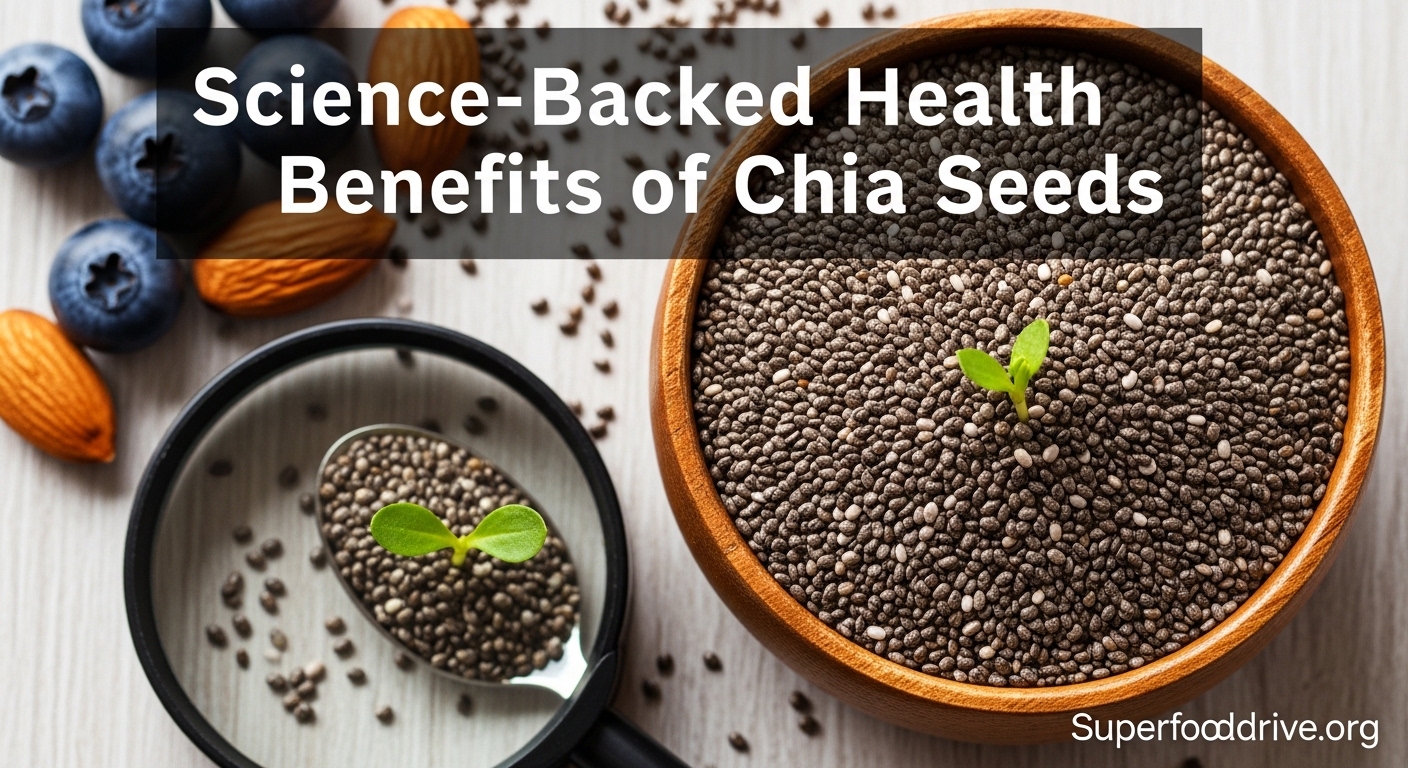
I used to walk right past the chia seed display at my local grocery store without a second glance. Those tiny black specks looked like something you’d sprinkle on a chia pet, not something you’d actually eat. Then I started researching the health benefits of chia seeds for a nutrition project, and I discovered something surprising: these ancient seeds pack one of the most concentrated nutritional profiles of any food on the planet.
Just two tablespoons of chia seeds deliver 11 grams of fiber, 4 grams of protein, 5 grams of heart-healthy omega-3 fatty acids, and a significant portion of your daily calcium, magnesium, and iron needs. In this guide, I’ll walk you through what I learned about the science behind chia seed benefits, how to use them without the digestive issues that trip up beginners, and the specific precautions you need to know about.
Table of Contents
What Are Chia Seeds?
Chia seeds are the edible seeds of the Salvia hispanica plant, a flowering member of the mint family native to Central America. The ancient Aztecs and Mayans considered them a staple food and valued them so highly that they used chia seeds as currency.
When dry, chia seeds are tiny, oval-shaped specks roughly 2 millimeters in diameter. They come in two colors: black and white, with both offering identical nutritional profiles. The seeds have a mild, nutty flavor that makes them incredibly versatile in recipes ranging from smoothies to baked goods.
What makes chia seeds unique is their gel-forming ability. When exposed to liquid, they absorb up to 12 times their weight in water, creating a gel-like coating that gives them their characteristic texture in puddings and drinks.
The Nutritional Powerhouse: What’s Inside Chia Seeds
Before diving into the specific health benefits, let me break down exactly what you’re getting in a standard 1-ounce (28-gram) serving of chia seeds. This isn’t marketing hype – these numbers come from USDA nutritional data:
- Calories: 138
- Fiber: 11 grams (39% of daily value)
- Protein: 4.7 grams (complete protein with all 9 essential amino acids)
- Fat: 9 grams (mostly omega-3 alpha-linolenic acid)
- Calcium: 179 mg (14% of daily value)
- Magnesium: 95 mg (23% of daily value)
- Phosphorus: 244 mg (20% of daily value)
- Iron: 2.2 mg (12% of daily value)
- Zinc: 1.3 mg (12% of daily value)
What stands out here is the omega-3 fatty acid content. Chia seeds contain alpha-linolenic acid (ALA), a plant-based omega-3 that your body can partially convert into EPA and DHA – the same omega-3s found in fatty fish. For vegetarians and vegans, this makes chia seeds one of the best sources of these essential fats.
The Science-Backed Health Benefits of Chia Seeds
I’ve spent hours sifting through clinical studies to separate proven benefits from marketing claims. Here’s what the research actually shows about chia seed benefits:
1. Heart Health Benefits
Chia seeds support cardiovascular health through multiple pathways. The omega-3 fatty acids, particularly ALA, have been shown to reduce inflammation in arterial walls and lower triglyceride levels. A study published in the journal Plant Foods for Human Nutrition found that daily chia seed consumption significantly reduced blood pressure in participants with elevated levels.
The soluble fiber in chia seeds also plays a role in heart health. It binds to cholesterol in your digestive tract, preventing absorption and helping to lower LDL (bad) cholesterol levels. One study showed that consuming 37 grams of chia seeds daily for 12 weeks reduced blood pressure by 3-6 mmHg in people with hypertension.
2. Digestive Health and Gut Support
With 11 grams of fiber per ounce, chia seeds deliver nearly 40% of your daily fiber needs in a single serving. This fiber is approximately 80% insoluble and 20% soluble, giving you the benefits of both types.
The soluble fiber forms a gel-like substance in your gut that acts as a prebiotic, feeding the beneficial bacteria in your microbiome. This supports regular bowel movements and can help alleviate constipation. The insoluble fiber adds bulk to stool and speeds transit time through your digestive tract.
I noticed a significant improvement in my own digestion within two weeks of adding chia seeds to my morning routine. The key was starting slowly – jumping straight to a full serving caused uncomfortable bloating that took days to resolve.
3. Weight Management and Satiety
Chia seeds may help with weight management by increasing feelings of fullness. When the seeds absorb liquid and expand in your stomach, they physically take up space and trigger stretch receptors that signal satiety to your brain.
Research published in the European Journal of Clinical Nutrition found that consuming chia seeds reduced appetite and decreased food intake at subsequent meals compared to control groups. The high protein content also contributes to satiety, as protein takes longer to digest than carbohydrates.
However, I want to be clear: chia seeds are not a magic weight loss bullet. They contain 138 calories per ounce, so adding them to your diet without reducing calories elsewhere won’t automatically lead to weight loss. They work best as a replacement for less nutritious foods or as a way to make healthy meals more filling.
4. Blood Sugar Regulation
The gel-forming fiber in chia seeds slows down the rate at which your body converts carbohydrates into glucose. This helps prevent the sharp blood sugar spikes and crashes that can lead to energy crashes and cravings.
A study in the journal Diabetes Care found that adding chia seeds to white bread significantly reduced the post-meal blood sugar response compared to eating the bread alone. For people with type 2 diabetes or insulin resistance, this effect could be particularly beneficial for glycemic control.
The combination of protein, fat, and fiber means chia seeds have a very low glycemic index, making them suitable for most diabetic eating plans.
5. Bone Health Support
Chia seeds contain several nutrients essential for bone health: calcium, magnesium, phosphorus, and protein. Two tablespoons provide 179 mg of calcium – more than you’d get from the same amount of milk. This makes chia seeds valuable for anyone following a dairy-free diet.
Magnesium works alongside calcium to support bone mineral density, while phosphorus provides structural support to bones and teeth. The protein content matters too – about 50% of bone volume is protein, primarily collagen, which requires adequate protein intake for synthesis.
While no single food can prevent osteoporosis, adding chia seeds to a diet already rich in other bone-supporting nutrients provides an additional layer of protection.
6. Antioxidant Protection
Chia seeds contain several antioxidant compounds that protect your cells from damage by free radicals. These include chlorogenic acid, caffeic acid, myricetin, quercetin, and kaempferol. These antioxidants have been linked to reduced inflammation, slower aging processes, and protection against chronic diseases.
Interestingly, the antioxidant content also helps preserve the delicate fats in chia seeds. Unlike ground flax seeds, which can go rancid quickly, chia seeds stay fresh for years due to this natural protection.
Chia Seeds vs. Other Superfood Seeds
When people ask me about chia seeds, they usually want to know how they compare to flax seeds and hemp seeds. Here’s the breakdown:
- Omega-3 Content: Chia seeds contain more ALA omega-3s than flax seeds and significantly more than hemp seeds
- Fiber: Chia wins here too, with 11 grams per ounce compared to 8 grams in flax and 1 gram in hemp
- Protein: Hemp seeds lead with 10 grams per ounce, followed by chia at 4.7 grams and flax at 5 grams
- Preparation: Chia seeds can be eaten whole; flax seeds must be ground for full nutrient absorption
- Texture: Chia forms a gel when wet; flax stays gritty; hemp hearts remain soft and nutty
My advice? Use all three for different purposes. Chia works best for puddings and as an egg substitute in baking. Ground flax adds a nutty flavor to oatmeal and smoothies. Hemp hearts provide a protein boost to salads and yogurt without changing the texture.
How to Incorporate Chia Seeds Into Your Diet
Preparation Methods
You can eat chia seeds three ways: dry, soaked, or ground. Each method has different applications and benefits.
Dry: Sprinkle directly onto yogurt, oatmeal, cereal, or salads. The seeds add a slight crunch and will absorb liquid from whatever they’re mixed with. This is the easiest method but may cause some people digestive discomfort.
Soaked: Mix 1 part chia seeds with 6-8 parts liquid and let sit for 15-20 minutes. This creates a gel that works well in puddings, smoothies, and as an egg substitute (1 tablespoon chia + 3 tablespoons water = 1 egg).
Ground: Grind dry seeds in a coffee grinder or blender. Ground chia blends seamlessly into baked goods and provides more immediate nutrient absorption since the hard shell is broken.
Simple Recipe Ideas
Here are three recipes I’ve developed that take under 5 minutes to prepare:
Basic Chia Pudding: Mix 3 tablespoons chia seeds with 1 cup milk of choice. Add 1 tablespoon maple syrup and 1/2 teaspoon vanilla. Refrigerate overnight. Top with fresh fruit before serving.
Smoothie Booster: Add 1 tablespoon chia seeds to your usual smoothie recipe. The seeds thicken the texture and boost nutrition without changing the flavor.
Overnight Oats Upgrade: Stir 1 tablespoon chia seeds into your overnight oats mixture. They absorb excess liquid and create a thicker, more satisfying texture.
Serving Size Recommendations
The general recommendation is 1-2 tablespoons (15-30 grams) of chia seeds daily. I strongly suggest starting with just 1 teaspoon for the first week to let your digestive system adjust to the fiber increase.
Drink plenty of water when consuming chia seeds, especially dry. The seeds absorb significant liquid, and without adequate hydration, they can cause constipation rather than prevent it.
Side Effects and Precautions
While generally safe, chia seeds do have some potential downsides you should know about:
Digestive Issues: The high fiber content can cause bloating, gas, and stomach cramps, especially when you first start eating chia seeds. These symptoms typically resolve after your gut bacteria adjust to the increased fiber intake.
Choking Hazard: Never eat dry chia seeds followed by water. The seeds can absorb liquid and expand in your esophagus, creating a blockage. Always pre-soak seeds or mix them into foods with plenty of moisture.
Blood Thinner Interactions: The omega-3 fatty acids in chia seeds have mild blood-thinning effects. If you take anticoagulant medications like warfarin, consult your doctor before adding chia seeds to your diet.
Allergy Risk: While rare, some people may be allergic to chia seeds. Stop consuming them if you experience hives, itching, or difficulty breathing.
Frequently Asked Questions
How much chia seeds should I eat daily?
The recommended daily amount is 1-2 tablespoons (15-30 grams) of chia seeds. Start with 1 teaspoon daily for the first week to allow your digestive system to adjust to the high fiber content, then gradually increase to the full serving size.
Is there a downside to eating chia seeds?
The main downsides are potential digestive discomfort including bloating and gas when first starting, choking risk if consumed dry without adequate liquid, and possible interactions with blood-thinning medications due to their omega-3 content. Some people may also experience allergic reactions, though this is rare.
What happens to your body if you eat chia seeds everyday?
Eating chia seeds daily can improve digestion and regularity, support heart health through omega-3 intake, help stabilize blood sugar levels, increase feelings of fullness, and provide sustained energy. Most people notice improved digestive health within 2-3 weeks of consistent daily consumption.
What is chia seed good for females?
Chia seeds are particularly beneficial for women due to their high calcium content supporting bone health, omega-3 fatty acids that may help with hormonal balance, and fiber that supports digestive health. The iron content also helps support healthy blood levels, and the antioxidants may benefit skin health.
Can chia seeds help with weight loss?
Chia seeds may support weight loss by increasing satiety and helping you feel full longer due to their high fiber and protein content. When mixed with liquid, they expand in your stomach, triggering fullness signals. However, they contain 138 calories per ounce, so they should replace less nutritious foods rather than be added on top of your regular diet.
Should I soak chia seeds before eating?
Soaking chia seeds is recommended for optimal digestion and nutrient absorption, though not strictly necessary. Soaked seeds are easier to digest and reduce the risk of choking or digestive discomfort. Soak 1 part chia seeds in 6-8 parts liquid for 15-20 minutes before consuming.
Conclusion
The health benefits of chia seeds are backed by solid nutritional science, not just marketing hype. From their impressive omega-3 fatty acid content to their complete protein profile and abundant fiber, these tiny seeds deliver significant nutritional value in a small package.
If you’re new to chia seeds, start slowly with just a teaspoon daily and always consume them with adequate liquid. Within a few weeks, you’ll likely notice improved digestion, steadier energy levels, and greater satisfaction after meals. Whether you blend them into smoothies, stir them into oatmeal, or make overnight chia pudding, these ancient seeds deserve a place in your modern kitchen.