
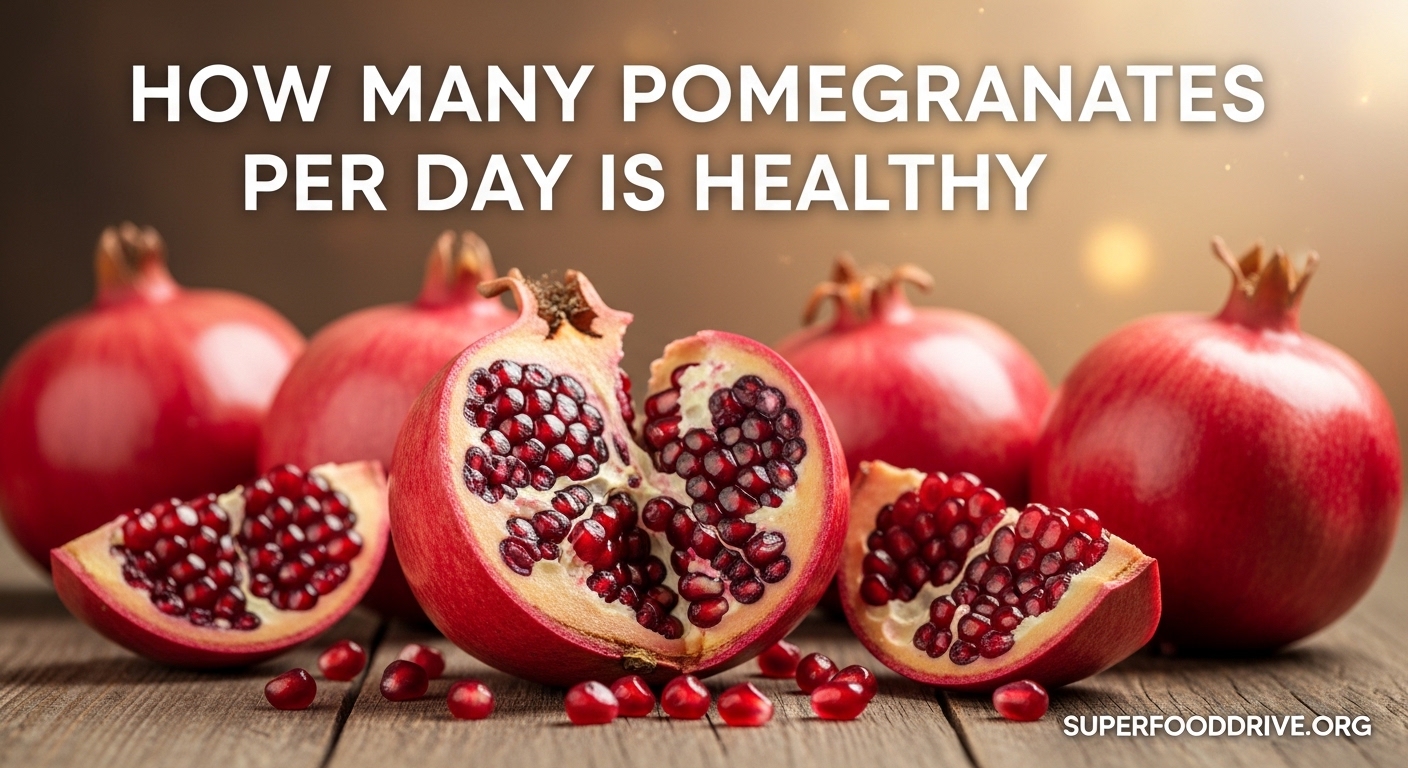
I used to wonder how many pomegranates per day is healthy after eating two whole fruits and feeling slightly overwhelmed by the sweetness. After digging into the research and testing different serving sizes myself, I can give you a clear answer that actually makes sense for your daily routine.
One medium pomegranate per day is the sweet spot for most healthy adults. That gives you roughly one cup of arils (those juicy ruby seeds) containing about 234 calories, 7 grams of fiber, and 39 grams of sugar.
In this guide, I will break down exactly how many pomegranates per day is healthy for different people, what happens when you eat them consistently, and the potential downsides you should know about. Whether you are trying to improve your heart health, manage your weight, or simply enjoy this antioxidant powerhouse safely, I have got you covered.
Table of Contents
How Many Pomegranates Per Day Is Healthy?
The direct answer most people need: one medium pomegranate per day is healthy for most adults. This equals approximately one cup of arils or about 200-250 grams of edible seeds.
Our team reviewed nutritional guidelines and found that consuming more than two whole pomegranates daily pushes you past the recommended sugar intake for a single sitting. While the sugar in pomegranates comes with fiber and nutrients, moderation still matters.
Understanding Serving Sizes
A single medium pomegranate typically weighs between 150-200 grams and yields about half to one cup of arils. Here is what that looks like nutritionally:
One cup of pomegranate arils (about one medium fruit) contains 234 calories, 7 grams of dietary fiber, 39 grams of sugar, 3 grams of protein, and significant amounts of vitamin C, vitamin K, folate, and potassium. The fiber content helps slow sugar absorption, making the natural sugars more manageable than processed alternatives.
If you prefer juice, the recommendation changes significantly. Studies showing health benefits typically use 200-250ml of pure pomegranate juice daily, which is about one cup. Juice concentrates the sugars while removing the fiber, so you get less filling satisfaction with more rapid blood sugar impact.
Maximum Safe Daily Consumption
Eating two whole pomegranates in a day gives you approximately 468 calories and 78 grams of sugar. According to forum discussions I reviewed, one Reddit user noted they would not do more than one or two a day because while nutritious and relatively low calorie, the sugar content adds up quickly.
For most healthy adults, two pomegranates represents the upper daily limit. Going beyond this regularly could contribute to excessive sugar intake and digestive discomfort from the high fiber content.
Whole Fruit vs Juice vs Extract
Whole pomegranates provide the complete nutritional package including fiber, which slows digestion and helps you feel full. The fiber content supports gut health and feeds beneficial bacteria in your microbiome.
Pomegranate juice delivers concentrated antioxidants but lacks fiber. Research from WebMD shows that drinking about 200ml of pomegranate juice daily for six weeks lowered blood pressure in people with type 2 diabetes. However, juice hits your bloodstream faster and can spike blood sugar more dramatically.
Extracts and supplements offer the highest concentration of specific compounds like punicalagins but miss out on the synergistic effects of whole food nutrition. Most studies showing exercise endurance benefits used standardized extracts rather than whole fruit.
The Health Benefits of Daily Pomegranate Consumption
Pomegranates contain some of the most powerful plant compounds discovered by nutritional science. The antioxidant activity of punicalagins found in pomegranates exceeds that of red wine and green tea. These compounds work at the cellular level to reduce oxidative stress and inflammation.
Heart Health Benefits
Can pomegranate reduce blood pressure? Yes, research consistently shows meaningful improvements in cardiovascular markers. That WebMD study I mentioned found that 200ml of daily pomegranate juice for six weeks lowered blood pressure in type 2 diabetics.
The mechanisms work on multiple fronts. Pomegranates help reduce LDL oxidation, which prevents the plaque buildup that leads to atherosclerosis. They improve nitric oxide bioavailability, which relaxes blood vessels and improves circulation. Regular consumption also shows benefits for cholesterol profiles, including reductions in triglycerides and improvements in HDL cholesterol.
One forum participant in the PCOS community reported that drinking 200ml of pomegranate juice daily helped regulate their period, suggesting hormonal and metabolic benefits beyond basic cardiovascular support.
Brain Health and Cognitive Function
Is pomegranate good for nerves? The research suggests yes, particularly for long-term brain protection. The unique compound urolithin A, produced when gut bacteria process pomegranate ellagitannins, shows neuroprotective properties in emerging research.
Studies indicate that regular pomegranate consumption may slow cognitive decline and improve memory in older adults. The anti-inflammatory effects protect neural tissue from damage, while antioxidant compounds cross the blood-brain barrier to directly protect brain cells.
Athletes report mental clarity benefits alongside the physical endurance improvements, suggesting cognitive support that extends beyond age-related protection.
Digestive and Gut Health
Your gut microbiome loves pomegranate fiber. Those seven grams of fiber per cup act as a prebiotic, feeding beneficial bacteria that produce short-chain fatty acids. These compounds reduce inflammation throughout your body and strengthen your intestinal barrier.
The polyphenols in pomegranates also interact directly with gut bacteria, creating a selective pressure that favors beneficial strains over harmful ones. This prebiotic effect may explain some of the metabolic benefits observed in studies.
However, the high fiber content means that suddenly increasing your pomegranate consumption can cause bloating and gas until your gut bacteria adapt. Start with half a pomegranate daily and work up to a full fruit.
Anti-Inflammatory and Antioxidant Power
Chronic inflammation drives most modern diseases, from heart disease to diabetes to cancer. Pomegranates contain multiple classes of anti-inflammatory compounds working through different pathways.
Punicalagins, the signature antioxidant of pomegranates, demonstrate remarkable potency in laboratory studies. These compounds neutralize free radicals and reduce inflammatory markers like C-reactive protein. The ellagitannins convert to urolithins in your gut, which provide sustained anti-inflammatory effects that continue hours after eating.
The anthocyanins that give pomegranates their red color add another layer of protection, supporting cellular health throughout your body.
Exercise Performance and Recovery
Athletes have discovered pomegranate extract for good reason. Multiple studies show improved exercise endurance and faster recovery when participants consume pomegranate regularly. The mechanisms include enhanced blood flow from nitric oxide improvements and reduced oxidative damage to muscle tissue.
One study found that athletes taking pomegranate extract before training experienced less muscle soreness and faster strength recovery compared to placebo. The anti-inflammatory compounds reduce the tissue damage that causes delayed onset muscle soreness.
For regular gym-goers, adding a half pomegranate to your pre-workout routine or recovery meal could provide noticeable benefits within a few weeks.
What Happens After 30 Days of Daily Consumption
What happens if you eat pomegranate daily for 30 days? Based on research and forum testimonials, here is the typical progression:
Week one brings digestive changes as your gut bacteria adapt to the increased fiber and polyphenols. Some people report improved regularity and less bloating within days.
Week two often shows skin improvements as the antioxidant effects reduce inflammation and support collagen production. Many people notice a subtle glow and improved texture.
Week three typically brings cardiovascular benefits like more stable energy levels and potentially lower blood pressure for those with elevated readings. Blood sugar regulation often improves.
Week four consolidates these benefits with improved exercise recovery, better cognitive clarity, and strengthened immune function. The cumulative antioxidant load provides cellular protection that builds over time.
Potential Concerns and Side Effects
While pomegranates offer impressive health benefits, certain populations need to approach them carefully. Understanding these concerns helps you enjoy pomegranates safely.
Sugar Content and Blood Sugar Impact
Each medium pomegranate contains about 39 grams of natural sugar. While the fiber content slows absorption, people with diabetes or insulin resistance should monitor their portions carefully.
The glycemic index of pomegranate arils is relatively low due to the fiber content, but drinking juice removes that protection. If you have blood sugar concerns, stick to whole fruit and consider limiting intake to half a pomegranate per serving.
Forum discussions reveal that many health-conscious consumers worry specifically about the sugar content. One user who ate almost two whole pomegranates noted they felt fine but recognized that 78 grams of sugar in one day is substantial even from a natural source.
Medication Interactions
Pomegranates can interact with several common medications, primarily those affecting blood pressure and blood clotting. The compounds that make pomegranates heart-healthy can amplify the effects of certain drugs beyond safe levels.
Blood pressure medications may work too effectively when combined with regular pomegranate consumption, potentially causing hypotension. Blood thinners like warfarin could have altered effectiveness due to the vitamin K content.
Statins and some heart medications also show interactions in research studies. If you take prescription medications, especially for cardiovascular conditions, discuss pomegranate consumption with your healthcare provider before making it a daily habit.
Kidney Health Considerations
Pomegranates contain moderate amounts of potassium, with one fruit providing about 666mg. For people with chronic kidney disease or those on potassium-restricted diets, this requires attention.
The oxalate content in pomegranates may also concern those with a history of calcium oxalate kidney stones. While not as high as some foods like spinach, regular large consumption could contribute to stone formation in susceptible individuals.
For healthy kidneys, pomegranates actually show protective effects in studies. The antioxidants reduce oxidative stress on kidney tissue and may improve function over time.
Digestive Issues
Can you eat pomegranate seeds if you have diverticulosis? Medical guidance has shifted on this question. Older recommendations suggested avoiding small seeds that might lodge in diverticula, but current evidence does not support this restriction for most patients.
Can GERD patients drink pomegranate juice? The acidity may trigger symptoms in some individuals with acid reflux. Whole fruit tends to be better tolerated than juice because the fiber slows digestion and reduces acid exposure.
The high fiber content can cause gas, bloating, and loose stools if you increase intake too quickly. Start with small portions and gradually build up to a full daily serving over one to two weeks.
How to Select, Prepare, and Eat Pomegranates
Getting into a daily pomegranate habit requires knowing how to handle these fruits efficiently. The intimidating exterior hides a simple preparation process once you know the technique.
Selecting Ripe Pomegranates
Choose pomegranates that feel heavy for their size with firm, unblemished skin. The color ranges from dark red to reddish-brown depending on variety, so do not judge ripeness solely by color.
A ripe pomegranate should have a slight give when pressed gently but should not feel soft or mushy. The skin develops a subtle roughness as the fruit matures.
Peak season runs from October through January in the Northern Hemisphere, though storage techniques allow year-round availability. During peak season, prices drop and quality peaks.
Opening and De-seeding Technique
Many people avoid pomegranates because of the messy de-seeding process. Here is the method that actually works:
Start by cutting off the crown and scoring the skin into quarters without cutting into the seeds. Submerge the scored fruit in a bowl of cold water and break it apart underwater.
The seeds sink while the white pith floats, making separation effortless. Skim off the floating membrane pieces and drain the seeds. This technique eliminates the splattering juice that stains everything it touches.
A medium pomegranate takes about three minutes to process once you get the technique down. De-seed multiple fruits at once and store the arils in an airtight container for up to five days.
Best Ways to Eat Pomegranates Daily
The simplest approach eats the arils straight from the bowl as a snack. The juicy crunch satisfies sweet cravings while providing genuine nutrition.
Adding arils to salads creates flavor bursts that transform basic greens. They pair exceptionally well with bitter greens like arugula, nuts, and sharp cheeses.
Yogurt bowls, oatmeal, and smoothie bowls all benefit from a quarter cup of pomegranate seeds. The color contrast makes food visually appealing while adding texture.
For juice enthusiasts, blend the arils briefly and strain through a fine mesh sieve. This retains more fiber than commercial juicing while still creating a drinkable format. Limit to one cup daily and consume with food to moderate blood sugar impact.
Storage Tips
Whole pomegranates store surprisingly well. Keep them in the refrigerator crisper drawer for up to two months. The thick skin protects the interior from dehydration and spoilage.
De-seeded arils last five to seven days in an airtight container in the refrigerator. For longer storage, freeze arils in a single layer on a baking sheet before transferring to freezer bags. Frozen arils last six months and work great in smoothies.
FAQ
How much pomegranate is safe per day?
One medium pomegranate per day is safe and healthy for most adults. This equals approximately one cup of arils or 200-250 grams of edible seeds. Consuming up to two pomegranates daily is generally safe but pushes sugar intake to 78 grams, which may be excessive for some people. Those with diabetes or blood sugar concerns should limit intake to half a pomegranate per serving.
What happens if I eat pomegranate daily for 30 days?
Eating pomegranate daily for 30 days typically produces noticeable improvements in skin quality, cardiovascular markers, digestive health, and energy levels. Week one brings digestive adaptation. Week two shows skin improvements. Week three brings cardiovascular benefits like more stable blood pressure. Week four consolidates these effects with better exercise recovery and cognitive clarity. Studies show that 200ml of daily pomegranate juice for six weeks lowered blood pressure in people with type 2 diabetes.
Can you eat pomegranate seeds if you have diverticulosis?
Yes, most people with diverticulosis can safely eat pomegranate seeds. Previous medical advice suggested avoiding small seeds, but current evidence does not support this restriction for most patients. However, individual tolerance varies. If you have diverticulosis and experience flare-ups after eating seeds, consult your healthcare provider. Start with small portions to test your personal tolerance.
Is pomegranate good for nerves?
Yes, pomegranate shows promising benefits for nerve health and brain function. The compound urolithin A, produced when gut bacteria process pomegranate ellagitannins, demonstrates neuroprotective properties. Regular consumption may slow cognitive decline, improve memory in older adults, and protect neural tissue from inflammation. The antioxidants cross the blood-brain barrier to directly protect brain cells from oxidative damage.
Can pomegranate reduce BP?
Yes, research consistently shows that pomegranate can reduce blood pressure. One study demonstrated that drinking approximately 200ml of pomegranate juice daily for six weeks lowered blood pressure in people with type 2 diabetes. Pomegranates improve nitric oxide bioavailability, which relaxes blood vessels and improves circulation. The anti-inflammatory compounds also support overall cardiovascular health.
Can GERD patients drink pomegranate juice?
GERD patients should approach pomegranate juice with caution. The acidity may trigger reflux symptoms in some individuals. Whole pomegranate seeds tend to be better tolerated than juice because the fiber content slows digestion and moderates acid exposure. If you have GERD, try small amounts of whole seeds first and avoid juice entirely if you notice symptom flare-ups. Consult your gastroenterologist for personalized guidance.
Is it safe to eat a whole pomegranate everyday?
Yes, eating one whole pomegranate daily is safe for most healthy adults and provides significant health benefits. One medium pomegranate contains approximately 234 calories, 7 grams of fiber, and 39 grams of sugar. The fiber helps moderate blood sugar response. However, eating more than one whole pomegranate daily regularly may contribute to excessive sugar intake. Those on blood pressure medications or blood thinners should consult their doctor before daily consumption.
How many pomegranates should I eat a week?
Eating 5 to 7 pomegranates per week aligns with the recommendation of one daily serving. This frequency provides cumulative health benefits including improved cardiovascular markers, better digestion, and sustained antioxidant protection. If you find daily consumption difficult, aim for at least 4 pomegranates weekly. Consistency matters more than perfect daily adherence for long-term health benefits.
Conclusion
How many pomegranates per day is healthy? The answer is clear: one medium pomegranate daily hits the nutritional sweet spot for most adults. This serving provides 234 calories, 7 grams of fiber, and a potent dose of antioxidants without excessive sugar.
Whether you eat them for heart health, brain function, exercise recovery, or simply the delicious flavor, pomegranates deserve their superfood status. Start with the de-seeding technique I shared, begin with half a fruit daily if you are new to them, and enjoy the benefits that build over your first 30 days.
If you take medications or have specific health conditions, check with your healthcare provider before making pomegranates a daily habit. For everyone else, adding this ruby-red fruit to your routine in 2026 could be one of the simplest upgrades you make to your diet.