
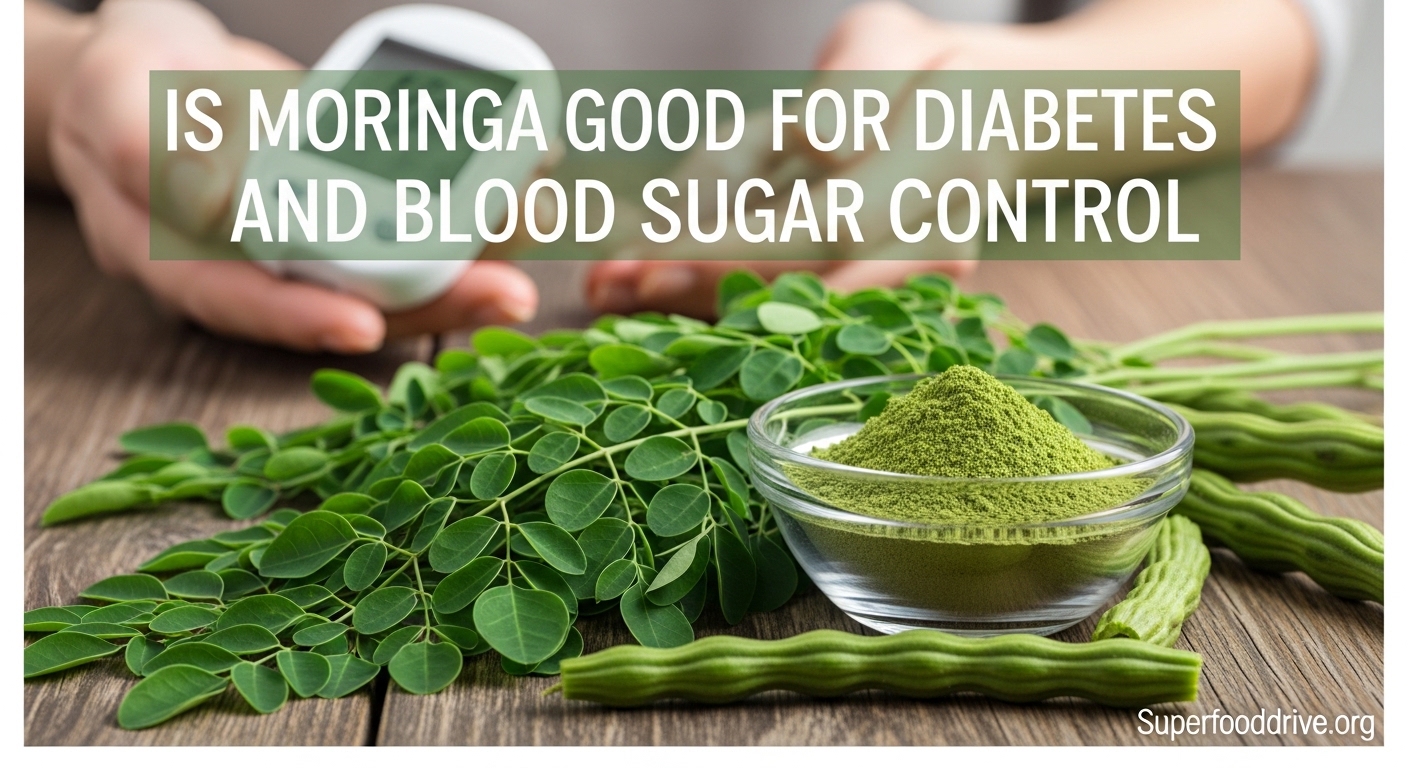
Yes, moringa shows promise for supporting blood sugar control in people with diabetes and prediabetes. Research published in PubMed found that 5 out of 7 human studies showed moringa significantly reduced blood glucose levels in diabetic patients. The leaves contain bioactive compounds like chlorogenic acid, quercetin, and isothiocyanates that may slow carbohydrate absorption and improve insulin sensitivity.
I have spent considerable time reviewing the clinical research and user experiences to give you a complete picture. This article covers what the science actually says, how moringa works, the best ways to use it, and important safety considerations including interactions with diabetes medications.
Whether you are managing type 2 diabetes, dealing with prediabetes, or simply curious about natural blood sugar support, you will find actionable guidance based on real evidence.
Table of Contents
What Is Moringa and Why Is It Studied for Blood Sugar?
Moringa oleifera is a fast-growing tree native to North India, often called the “drumstick tree” or “miracle tree” for its nutrient density. People have used its leaves, seeds, and pods in traditional medicine for thousands of years across India, Africa, and Southeast Asia.
The leaves are particularly rich in vitamins, minerals, and bioactive compounds. They contain significant amounts of vitamin C, vitamin A, calcium, potassium, and iron. But what interests researchers most are the polyphenols and flavonoids that may influence blood glucose metabolism.
Forms Available Today
You can find moringa in several forms. Powdered leaf supplements are the most common and most studied for diabetes. Capsules offer convenience and standardized dosing. Fresh leaves work well in cooking where available. Tea made from dried leaves provides a milder option. Extracts and tinctures offer concentrated doses but vary widely in quality.
Is Moringa Good for Diabetes and Blood Sugar Control? The Evidence
The research on moringa for diabetes includes both human clinical trials and animal studies. Understanding the difference matters because animal results do not always translate to humans.
Human Clinical Studies
A comprehensive review of human studies found that 5 out of 7 trials showed moringa significantly reduced blood glucose levels in diabetic patients. Participants typically received moringa leaf powder or extract over periods ranging from 2 weeks to 3 months.
In one notable study, researchers observed that moringa supplementation reduced fasting blood glucose by an average of 21%. Another trial found improvements in post-meal glucose levels, suggesting moringa may help with carbohydrate processing.
However, study quality varies. Sample sizes were often small, ranging from 30 to 60 participants. Duration was limited, with most studies lasting less than 12 weeks. More large-scale, long-term human trials are needed for definitive conclusions.
Does Moringa Lower Your A1C?
The A1C test measures average blood sugar over 2 to 3 months. Some human studies suggest moringa may modestly reduce A1C levels, though the evidence is not as robust as for fasting glucose. One study showed a reduction of about 0.5 percentage points after 3 months of supplementation.
This level of change, while modest, could be meaningful when combined with diet, exercise, and medical treatment. It is not a replacement for prescribed diabetes medications but may serve as a complementary approach.
Animal Study Findings
Animal studies have provided more consistent and dramatic results. Research on diabetic rats consistently shows moringa reduces blood glucose levels, improves insulin secretion, and protects pancreatic beta cells. These studies help researchers understand potential mechanisms but should be interpreted cautiously when applied to humans.
The Bioactive Compounds Behind Moringa’s Blood Sugar Effects
Moringa leaves contain several compounds that may contribute to blood sugar management. Understanding these helps explain how moringa works and why it interests diabetes researchers.
Chlorogenic Acid
This compound may slow carbohydrate absorption in the gut, similar to how some diabetes medications work. Research shows chlorogenic acid can inhibit glucose-6-phosphate translocase, reducing glucose release from the liver into the bloodstream.
Quercetin and Kaempferol
These flavonoids act as antioxidants and may improve insulin sensitivity in muscle cells. They help reduce oxidative stress, which plays a role in diabetes complications. Studies suggest these compounds may also support pancreatic function.
Isothiocyanates
Compounds like glucomoringin have shown anti-inflammatory effects in research. Since inflammation contributes to insulin resistance, reducing it may improve blood sugar control over time.
How These Compounds Work Together
Rather than one single mechanism, moringa appears to work through multiple pathways. It may reduce carbohydrate absorption, improve how cells respond to insulin, decrease inflammation, and provide antioxidant protection to organs affected by diabetes.
How to Take Moringa for Blood Sugar Control
Based on the research and traditional use, here are practical guidelines for using moringa to support blood sugar management.
Dosage Recommendations
Studies showing blood sugar benefits typically used 5 to 10 grams of moringa leaf powder daily, divided into two doses. For capsules, this translates to roughly 1,000 to 2,000 milligrams per day, though concentrations vary by brand.
WebMD suggests a maximum of 70 grams of moringa leaves or about 11 teaspoons of powder daily as an upper limit. Starting lower and gradually increasing allows you to assess tolerance.
Timing for Best Results
Taking moringa with meals may be most effective for blood sugar control. This timing allows the compounds to work as you digest carbohydrates. Some users report taking it 15 to 30 minutes before eating for maximum impact on post-meal glucose spikes.
Ways to Incorporate Moringa
- Add 1 teaspoon of powder to smoothies with berries and protein
- Stir into soups or stews after cooking (heat can degrade some nutrients)
- Mix into yogurt with cinnamon for a blood-sugar-friendly snack
- Brew as tea using dried leaves or powder in hot water
- Take capsules with your largest meal of the day
Moringa and Insulin Resistance
Insulin resistance occurs when cells stop responding properly to insulin, requiring the body to produce more to manage blood sugar. This condition precedes type 2 diabetes and affects millions of people with prediabetes.
Can moringa reverse insulin resistance? The honest answer is that current evidence is promising but preliminary. Some studies show moringa improves insulin sensitivity markers and reduces fasting insulin levels, suggesting cells become more responsive.
For people with prediabetes, this potential effect is particularly relevant. Addressing insulin resistance early may prevent progression to full type 2 diabetes. However, moringa should complement, not replace, lifestyle interventions like weight management and regular exercise.
Safety, Side Effects, and Drug Interactions
While generally considered safe, moringa does have potential side effects and interactions that anyone with diabetes should understand before starting.
Common Side Effects
Most people tolerate moringa well. Some users report mild stomach upset, especially when starting or taking higher doses. The taste of powder can be grassy or bitter, which some find unpleasant.
Can I Take Moringa If I’m Taking Metformin?
This is one of the most common questions from people considering moringa. The concern is valid because both moringa and metformin lower blood sugar. Taking them together could potentially cause hypoglycemia (dangerously low blood sugar).
If you take metformin or any diabetes medication, you should consult your doctor before adding moringa. They may want to monitor your blood sugar more closely or adjust your medication dosage.
Insulin and Other Medications
The same caution applies to insulin users. Moringa may enhance insulin sensitivity, meaning your usual dose could become too strong. Never adjust insulin on your own; work with your healthcare provider to find the right balance.
Who Should Avoid Moringa
Pregnant or breastfeeding women should avoid moringa root and bark due to potential effects on pregnancy. People with low blood sugar (hypoglycemia) or those prone to it should use caution. Anyone scheduled for surgery should stop moringa 2 weeks beforehand due to potential blood sugar effects during anesthesia.
What Happens If You Drink Moringa Every Day?
Daily use of moringa appears safe for most healthy adults. Regular users in online forums report sustained energy, better blood sugar stability, and reduced cravings for sweets. One user on Diabetes.co.uk noted their blood sugar remained “consistently about 2 points lower on a very modest dose.”
However, long-term studies specifically tracking safety over years are lacking. Most clinical trials lasted only a few months. If you use moringa daily, periodic breaks may be wise, and regular blood work can help ensure it is not affecting liver or kidney function negatively.
Interestingly, some users report that when they stop taking moringa, their blood sugar readings rise again. This suggests the effects may be maintained only with continued use rather than creating lasting changes.
Which Moringa Is Best for Diabetes?
Not all moringa products are equal. Quality varies significantly between brands.
Look for organic certification to avoid pesticide contamination. Choose leaf-only products rather than those containing bark or root. Third-party testing for purity ensures you are getting what the label claims. Minimal processing preserves more bioactive compounds. Reputable brands will provide certificates of analysis.
Powder form offers versatility for adding to foods, while capsules provide convenience and consistent dosing. Both can work; the best form is the one you will actually take consistently.
Frequently Asked Questions
How long does it take for moringa to lower blood sugar?
Most human studies showing significant results lasted between 2 weeks and 3 months. Some participants reported noticing changes within the first 2 weeks, while others needed 6 to 8 weeks to see measurable differences. Individual results vary based on starting blood sugar levels, dosage, diet, and other factors.
How to use moringa to lower blood sugar?
Take 5 to 10 grams of moringa leaf powder daily, divided into two doses with meals. You can add powder to smoothies, stir into soups after cooking, mix into yogurt, or brew as tea. For capsules, follow the manufacturer’s dosage guidelines, typically 1,000 to 2,000 mg daily. Consistency matters more than the specific method.
What is the best way to take moringa for diabetes?
The best way depends on your lifestyle. Powder mixed into food offers versatility and may absorb better with meals. Capsules provide convenience and precise dosing. Taking moringa 15 to 30 minutes before eating may maximize its effects on post-meal blood sugar spikes.
Should people with diabetes take moringa?
Moringa may benefit people with type 2 diabetes or prediabetes as a complementary approach, but it should not replace prescribed medications. Consult your healthcare provider first, especially if you take metformin or insulin, as moringa may enhance blood sugar lowering effects and require medication adjustments.
Can moringa reverse insulin resistance?
Current research suggests moringa may improve insulin sensitivity, but calling it a ‘reversal’ would be overstating the evidence. Some studies show reduced fasting insulin levels and better insulin sensitivity markers. For prediabetes, moringa combined with weight management and exercise may help prevent progression to type 2 diabetes.
What is the bad side effect of moringa?
Serious side effects are rare, but potential concerns include stomach upset at higher doses and the risk of hypoglycemia when combined with diabetes medications. Pregnant women should avoid root and bark preparations. The main ‘risk’ is that moringa may lower blood sugar too much when combined with medications, requiring careful monitoring.
Can I take moringa if I’m taking metformin?
You can potentially take moringa with metformin, but only under medical supervision. Both lower blood sugar, and combining them could cause hypoglycemia. Your doctor may need to adjust your metformin dose or monitor your blood sugar more frequently. Never combine them without consulting your healthcare provider.
Does moringa lower your A1C?
Some studies suggest moringa may modestly reduce A1C levels by approximately 0.5 percentage points after 3 months of use. However, evidence is less robust than for fasting glucose. Any A1C improvement would be modest and should complement, not replace, standard diabetes management.
What happens if I drink moringa every day?
Daily use appears safe for most adults and may provide consistent blood sugar support. Users report sustained energy and stable glucose readings. However, long-term safety data beyond a few months is limited. Consider periodic breaks and regular blood work to monitor liver and kidney function.
Is moringa powder good for type 2 diabetes?
Moringa powder has shown the most research support for type 2 diabetes among moringa forms. Studies using powdered leaf supplements demonstrated reductions in fasting blood glucose. Powder offers versatility for adding to foods and allows flexible dosing based on individual response.
Conclusion: Is Moringa Good for Diabetes and Blood Sugar Control?
The evidence suggests moringa can be a helpful addition to blood sugar management for people with type 2 diabetes and prediabetes. With 5 out of 7 human studies showing significant glucose reduction and multiple bioactive compounds working through different mechanisms, it has genuine potential.
However, moringa is not a replacement for medical treatment. Work with your healthcare provider, especially if you take metformin or insulin. Start with a modest dose, take it consistently with meals, and monitor your blood sugar to see how you respond individually.
Combined with a healthy diet, regular movement, and proper medical care, moringa may help you achieve better blood sugar control in 2026.