
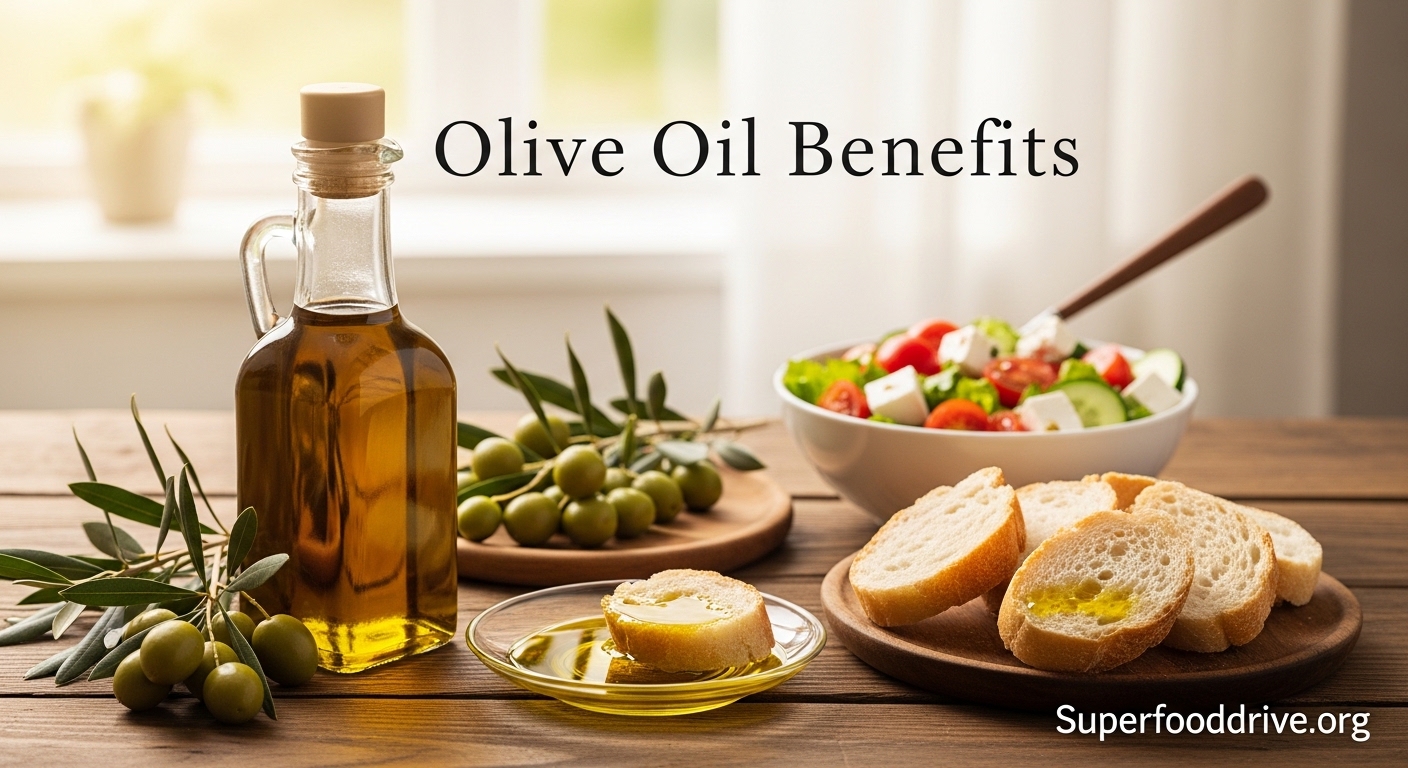
After years of experimenting with different oils in my kitchen, I keep coming back to one simple truth: not all olive oils are created equal. When I switched to high-quality extra virgin olive oil five years ago, I noticed changes I never expected. My digestion improved, my energy stabilized, and meals suddenly had a depth of flavor I had been missing.
Olive oil benefits extend far beyond making food taste better. The research backing extra virgin olive oil (EVOO) is substantial, spanning decades of clinical studies and population research. Scientists have identified specific compounds in EVOO that actively protect your heart, reduce inflammation, and support brain health.
In this guide, you will learn exactly what makes extra virgin olive oil special, the science-backed health benefits you can expect, and how to choose a quality product that delivers on its promises. Whether you are new to EVOO or looking to maximize its benefits, this article covers everything you need to know.
Table of Contents
What Is Extra Virgin Olive Oil
Extra virgin olive oil is the highest grade of olive oil, produced through a simple mechanical process without heat or chemicals. The term “extra virgin” refers to specific quality standards that preserve the natural compounds found in fresh olives. These standards ensure you get the maximum nutritional benefit with every drop.
The production process matters enormously. EVOO comes from the first cold pressing of fresh olives, typically within 24 hours of harvest. This minimal processing retains polyphenols, antioxidants, and healthy fats that would otherwise be lost through heating or refining. The acidity level must stay below 0.8%, indicating fresh, properly handled olives.
Quality EVOO carries distinct flavor characteristics. You should taste notes of fresh grass, green apples, or herbs, with a slight peppery finish at the back of your throat. That peppery sensation comes from oleocanthal, a powerful anti-inflammatory compound unique to fresh olive oil. If your olive oil tastes flat, waxy, or has no bite, it is likely not true extra virgin.
Types of Olive Oil Compared
Walking down the oil aisle can feel overwhelming. You will see bottles labeled extra virgin, virgin, refined, light, and pure olive oil. Understanding the differences helps you make informed choices about which oil to use for health benefits versus general cooking.
Extra virgin olive oil undergoes the least processing, retaining the highest levels of antioxidants and polyphenols. Virgin olive oil comes from a similar process but has slightly higher acidity and less stringent quality standards. Refined olive oil has been chemically processed to neutralize flavors and acidity, stripping away most beneficial compounds.
Light and pure olive oils are marketing terms, not quality indicators. These typically contain refined oil blended with small amounts of virgin oil. While suitable for high-heat cooking, they lack the health-promoting properties that make EVOO special.
| Type | Processing | Acidity | Polyphenols | Best Used For |
|---|---|---|---|---|
| Extra Virgin | Cold-pressed, unrefined | Under 0.8% | High (150-500 mg/kg) | Dressings, finishing, low-heat cooking |
| Virgin | Cold-pressed, unrefined | Under 2.0% | Moderate (100-300 mg/kg) | Cooking where flavor matters less |
| Refined | Chemical/heat processing | Under 0.3% | Very low (under 50 mg/kg) | High-heat cooking only |
| Light/Pure | Blend of refined and virgin | Varies | Low (under 100 mg/kg) | General cooking, baking |
Olive Oil Benefits for Your Health
The health benefits of olive oil are among the most thoroughly researched in nutrition science. Over 4,000 studies have examined its effects on human health, with particularly strong evidence for cardiovascular protection. What makes EVOO unique is that these benefits come from the oil itself, not just from replacing unhealthy fats.
Heart Health and Cardiovascular Protection
Heart disease remains the leading cause of death globally, yet populations consuming traditional Mediterranean diets rich in EVOO show dramatically lower rates. The protective mechanisms are well understood and consistently demonstrated across multiple clinical trials.
EVOO improves cholesterol profiles in measurable ways. Regular consumption increases HDL cholesterol, the protective type that transports excess cholesterol away from arteries. Simultaneously, it reduces LDL oxidation, which is the actual process that leads to arterial plaque formation. The monounsaturated fats in EVOO also help lower blood pressure, with studies showing reductions of 5-8 mmHg in systolic pressure.
Stroke prevention represents another significant benefit. A major study published in Neurology followed over 7,000 older adults for five years. Those consuming high amounts of EVOO had a 41% lower risk of stroke compared to those rarely using it. The protective effect remained significant even after adjusting for other health factors.
Powerful Anti-Inflammatory Properties
Chronic inflammation underlies most modern diseases, from arthritis to heart disease to diabetes. EVOO contains one of the few natural compounds proven to reduce inflammation similarly to low-dose ibuprofen. That compound is oleocanthal, and it works fast.
Oleocanthal inhibits COX enzymes, the same pathway targeted by non-steroidal anti-inflammatory drugs. Research from the Monell Chemical Senses Center showed that 50 grams of high-quality EVOO provides oleocanthal equivalent to about 10% of an ibuprofen dose. While not a replacement for medication, daily consumption provides gentle, ongoing anti-inflammatory support.
Studies confirm EVOO reduces C-reactive protein (CRP), a key marker of systemic inflammation. In one randomized trial, participants consuming EVOO daily showed 20-30% reductions in CRP levels within three weeks. This matters because elevated CRP predicts future heart disease and stroke risk independent of cholesterol levels.
Rheumatoid arthritis patients specifically benefit from EVOO consumption. Multiple studies show that combining EVOO with fish oil supplements significantly reduces morning stiffness and joint pain. The anti-inflammatory compounds appear to work synergistically, providing relief that exceeds either oil alone.
Brain Health and Cognitive Function
Your brain is approximately 60% fat, making dietary fat quality crucial for cognitive function. The Mediterranean diet, with EVOO as a cornerstone, consistently associates with reduced dementia risk. The mechanisms extend beyond general cardiovascular health into direct neuroprotection.
Oleocanthal helps clear beta-amyloid plaques from the brain. These protein accumulations characterize Alzheimer’s disease and disrupt normal neural communication. Temple University researchers demonstrated that oleocanthal enhances the brain’s natural clearance mechanisms, potentially slowing or preventing plaque buildup.
Cognitive decline research supports these findings. The PREDIMED trial, one of the largest nutrition studies ever conducted, found that participants following a Mediterranean diet supplemented with EVOO showed improved cognitive function compared to a low-fat control group. Memory, attention, and executive function all showed measurable benefits after four years.
Age-related cognitive changes may be partially preventable through consistent EVOO consumption. The antioxidant compounds cross the blood-brain barrier, directly protecting neurons from oxidative damage. This protection accumulates over time, suggesting that earlier adoption provides greater long-term benefit.
Blood Sugar and Diabetes Management
Type 2 diabetes prevention and management represents another area where EVOO shines. The monounsaturated fats improve insulin sensitivity, helping cells respond appropriately to blood sugar. This effect has been demonstrated in both healthy individuals and those with existing metabolic concerns.
Post-meal blood sugar spikes become less pronounced when EVOO accompanies carbohydrate-containing foods. The fat slows gastric emptying, creating a more gradual absorption of glucose into the bloodstream. For people monitoring their glycemic response, adding EVOO to meals is a practical strategy for better control.
Large-scale studies confirm the protective effect. Research following over 100,000 participants found that those consuming the most EVOO had a 16% lower risk of developing type 2 diabetes compared to those consuming the least. The benefit persisted after accounting for body weight, exercise, and overall diet quality.
For those already managing diabetes, EVOO offers advantages over other fat sources. Studies show improved HbA1c levels and better lipid profiles when EVOO replaces saturated fats or refined carbohydrates in the diet. The anti-inflammatory properties may also help address the chronic inflammation commonly seen in diabetes.
Cancer Prevention Potential
While no single food prevents cancer, EVOO shows promising protective effects across multiple cancer types. The antioxidant compounds neutralize free radicals that damage DNA and initiate cancerous changes. Population studies consistently link higher EVOO consumption with lower cancer rates.
Breast cancer research has produced particularly encouraging results. The PREDIMED study found 62% lower breast cancer risk among women consuming the most EVOO versus those on a low-fat diet. The protective effect appeared strongest for aggressive, hard-to-treat cancer subtypes.
Digestive cancers also show associations with EVOO consumption. The protective mechanisms likely involve reduced inflammation in the gut lining, improved bile flow, and antioxidant protection of colon cells. Southern European populations with high EVOO intake consistently show lower rates of colon and stomach cancers.
The key active compounds appear to be the polyphenols oleuropein and hydroxytyrosol. These powerful antioxidants directly inhibit cancer cell growth in laboratory studies while protecting healthy cells from oxidative stress. High-quality EVOO contains significantly more of these compounds than refined oils.
Digestive Health and Gut Support
Your digestive system benefits from EVOO in several ways that often go unnoticed. The oil stimulates bile production, which is essential for fat digestion and nutrient absorption. This effect helps explain why Mediterranean populations show better nutrient status despite relatively simple diets.
Bile function improves with regular EVOO consumption. The gallbladder contracts more efficiently, releasing bile when needed for digestion. This prevents bile stagnation that can lead to gallstone formation. People incorporating EVOO into their daily routine often report improved digestion of fatty foods.
Gut microbiome composition may also improve with EVOO consumption. The polyphenols act as prebiotics, feeding beneficial bacteria while inhibiting harmful strains. Emerging research suggests these changes in gut flora contribute to the anti-inflammatory effects seen throughout the body.
Many users in nutrition forums report improved regularity and less bloating after adding EVOO to their morning routine. While individual responses vary, the lubricating effect and stimulation of digestive secretions support overall gut function. Starting with one tablespoon daily is a common recommendation for digestive support.
Joint Health and Arthritis Relief
Rheumatoid arthritis patients have experienced symptom relief through EVOO supplementation. The anti-inflammatory compounds target the joint inflammation that causes pain and stiffness. Studies using EVOO alongside standard treatment show additive benefits.
Morning stiffness, one of the most debilitating RA symptoms, improves with consistent EVOO consumption. A study in the journal Rheumatology found that participants consuming EVOO supplements experienced 50% less morning stiffness duration compared to placebo. Grip strength also improved significantly.
The benefits extend to osteoarthritis, the wear-and-tear joint condition affecting most older adults. While less studied than RA, the anti-inflammatory effects likely help reduce joint discomfort and preserve mobility. The lubricating properties may also support joint function directly.
Antibacterial Properties
EVOO contains compounds that fight harmful bacteria, including Helicobacter pylori. This stomach bacterium causes ulcers and increases stomach cancer risk. Laboratory studies show that EVOO compounds inhibit H. pylori growth and prevent its attachment to stomach walls.
While not a replacement for antibiotic treatment, daily EVOO consumption may support eradication efforts. One study found that consuming 30 grams of EVOO daily for two weeks eliminated H. pylori in 10-40% of participants. Combining EVOO with standard treatment improved eradication rates.
The antibacterial effects extend to other gut pathogens. The polyphenols create an environment that favors beneficial bacteria while suppressing disease-causing strains. This selective antimicrobial action supports overall gut health without the disruption caused by broad-spectrum antibiotics.
Why Extra Virgin Olive Oil Matters Most
The difference between extra virgin and other olive oils is not merely marketing. Processing methods fundamentally change the nutritional profile, often eliminating the very compounds responsible for health benefits. Understanding why EVOO matters helps you make choices that deliver genuine results.
The Polyphenol Advantage
Polyphenols are plant compounds with potent antioxidant and anti-inflammatory effects. EVOO contains up to 36 different polyphenols, with concentrations ranging from 150-500 milligrams per kilogram. Refined olive oils typically contain under 50 milligrams, having lost these compounds during processing.
Hydroxytyrosol and oleuropein are the most studied EVOO polyphenols. These compounds have been shown to protect LDL cholesterol from oxidation, reduce blood pressure, and improve blood vessel function. They also cross the blood-brain barrier, offering direct neuroprotection.
The concentration of polyphenols determines the intensity of health effects. Studies using high-polyphenol EVOO consistently show stronger results than those using lower-grade oils. This explains why some olive oil research shows dramatic benefits while other studies show modest effects – the oil quality matters enormously.
Processing Makes All the Difference
Extra virgin olive oil undergoes minimal processing: olives are washed, crushed, and the oil is mechanically separated from the paste. Temperature never exceeds 27 degrees Celsius (80 degrees Fahrenheit). This cold-pressing preserves heat-sensitive compounds that would be destroyed by higher temperatures.
Refined olive oil starts with lower-quality olives or oil that has developed defects. The oil undergoes chemical processing with solvents, bleaching, and deodorization. While these steps create a neutral-tasting, stable product, they strip away the bioactive compounds that make EVOO special.
The smoke point difference is often misunderstood. Quality EVOO actually has a smoke point of 375-420 degrees Fahrenheit, comparable to or higher than many refined oils. The polyphenols protect the oil from breaking down during heating. You can absolutely cook with EVOO, despite persistent myths suggesting otherwise.
EVOO vs Other Cooking Oils
Comparing EVOO to popular alternatives reveals why it deserves a central place in your kitchen. While oils like coconut and avocado have their uses, none match EVOO’s combination of research support, beneficial compounds, and culinary versatility.
Coconut oil contains primarily saturated fats, which raise LDL cholesterol. While it has antimicrobial properties, the cardiovascular effects are less favorable than EVOO’s monounsaturated fats. Avocado oil offers similar fatty acids to EVOO but lacks the extensive polyphenol content and research backing.
Vegetable and seed oils present additional concerns. These industrial oils often contain high omega-6 fatty acid levels that promote inflammation when consumed in excess. They also undergo extensive refining that removes beneficial compounds. The extraction process frequently involves chemical solvents and high heat.
Common Myths About Olive Oil Debunked
Forums and social media spread misinformation about olive oil that confuses consumers. After reviewing discussions on Reddit and other platforms, I found several recurring myths that deserve correction. These misconceptions prevent people from enjoying EVOO’s full benefits.
Myth: You Cannot Cook with Extra Virgin Olive Oil
This myth persists despite being demonstrably false. Quality EVOO has a smoke point between 375-420 degrees Fahrenheit, suitable for most cooking methods including sauteeing, roasting, and pan-frying. The polyphenols in EVOO actually protect the oil from oxidation during heating.
Research from the University of Barcelona tested EVOO under various cooking conditions. Even after repeated heating, EVOO retained more beneficial compounds and produced fewer harmful byproducts than refined olive oil or seed oils. The antioxidants act as natural preservatives during cooking.
Deep frying is the one application where EVOO’s flavor and cost make it less practical. For everyday cooking – sauteeing vegetables, pan-searing fish, roasting meats – EVOO performs excellently. You will also add beneficial compounds to your food that survive the cooking process.
Myth: Olive Oil Is Just Less Bad Than Other Fats
Some nutrition discussions frame olive oil as merely a better choice compared to butter or lard. This understates its benefits dramatically. EVOO actively promotes health through specific bioactive compounds that reduce disease risk.
The “less bad” framing ignores the research showing EVOO’s independent protective effects. Studies comparing EVOO to other unsaturated fats still show advantages for olive oil. The polyphenols, oleocanthal, and specific fatty acid profile create benefits beyond basic fat replacement.
Consider that populations consuming 40% of calories from EVOO have lower heart disease rates than populations restricting fat altogether. This cannot be explained by EVOO simply being “less bad.” The oil actively improves cardiovascular markers, reduces inflammation, and protects against chronic disease.
Myth: All Olive Oils Offer the Same Benefits
Labeling fraud and adulteration mean that not all bottles labeled “extra virgin” actually contain true EVOO. Studies estimate that up to 80% of imported EVOO fails to meet extra virgin standards when tested. The difference between authentic and fake EVOO is the difference between medicine and cooking oil.
Adulterated oils may contain refined olive oil, seed oils, or old oil that has degraded. These products lack the polyphenols and beneficial compounds that make EVOO special. Consuming them provides none of the researched benefits while potentially exposing you to oxidized fats.
Quality indicators matter enormously. Real EVOO should taste fresh and peppery, not neutral or rancid. Look for harvest dates, specific origin information, and quality seals from organizations like the California Olive Oil Council or the North American Olive Oil Association.
Myth: Drinking Olive Oil Is a Fad
The practice of consuming olive oil by the spoon has ancient roots in Mediterranean cultures. Greek and Italian traditions include morning olive oil consumption for digestive health. Modern wellness trends have simply rediscovered this traditional practice.
While taking EVOO straight is not necessary to obtain benefits, it ensures you consume enough to achieve therapeutic effects. Many people struggle to use sufficient oil in cooking alone. A morning tablespoon guarantees consistent intake of beneficial compounds regardless of daily meal variation.
Quality matters more than quantity for this practice. One tablespoon of high-polyphenol EVOO provides more benefit than several tablespoons of refined oil. If you choose to drink olive oil straight, invest in fresh, high-quality product from reputable producers.
How to Choose Quality Extra Virgin Olive Oil
Selecting authentic, high-quality EVOO requires knowing what to look for on labels and bottles. The olive oil industry has a reputation for fraud, but informed consumers can consistently find excellent products. These guidelines help you navigate the options confidently.
Reading Olive Oil Labels
Harvest date matters more than “best by” dates, which can be arbitrary. Olives are harvested once annually, typically between October and December in the Northern Hemisphere. Oil from the most recent harvest will have the highest polyphenol content. Look for harvest dates within the past 12 months.
Origin information should be specific. “Product of Italy” often means oil was bottled there, not produced from Italian olives. Better labels state “Produced and bottled in [specific region]” or list specific olive varietals. Single-origin oils from known producers offer more accountability than bulk-blended products.
Certification seals provide additional assurance. The California Olive Oil Council (COOC), North American Olive Oil Association (NAOOA), and European PDO/PGI designations indicate third-party testing. These organizations verify that oil meets extra virgin standards through independent laboratory analysis.
Storage and Preservation Tips
Light, heat, and air destroy the beneficial compounds in EVOO. Proper storage preserves both flavor and health properties. Quality producers package EVOO in dark glass bottles or tins that block light exposure.
Store your EVOO in a cool, dark location away from the stove and oven. Ideal storage temperature is around 57 degrees Fahrenheit, though room temperature works fine for oils consumed within a few months. Never store EVOO near heat sources or in clear bottles on countertops.
Oxygen exposure degrades EVOO over time. Purchase sizes you will consume within 3-6 months of opening. Keep bottles tightly sealed between uses. Some enthusiasts transfer oil to smaller containers as the volume decreases, minimizing air contact with the remaining oil.
The refrigerator test helps identify adulterated oil. Pure EVOO will become cloudy and thicken when refrigerated, returning to normal at room temperature. Adulterated oils often remain clear. While not definitive, this test provides a quick check when you are uncertain about authenticity.
Signs of Quality vs Adulterated Oil
Taste testing reveals oil quality immediately. Authentic EVOO should taste fresh and fruity with a peppery finish. Place a small amount on your tongue and inhale through your mouth – you should detect complex flavors. The back-of-throat peppery sensation indicates oleocanthal presence.
Rancid oil tastes waxy, crayon-like, or has a stale aftertaste. These flavors indicate oxidation and degraded compounds. While not harmful, rancid oil provides none of the health benefits you are seeking. If your EVOO tastes flat or unpleasant, it is likely old or adulterated.
Daily Usage Recommendations
Translating research into daily practice requires practical guidance on dosage and usage. The Mediterranean populations showing the strongest health benefits consume significant amounts of EVOO regularly. Adapting these patterns to your lifestyle maximizes benefits.
How Much Olive Oil Per Day
Research studies showing health benefits typically use 25-50 milliliters daily, roughly 2-4 tablespoons. The PREDIMED study, which demonstrated dramatic cardiovascular and cognitive benefits, provided participants with one liter of EVOO every two weeks – about 4 tablespoons daily.
Start with one to two tablespoons daily if you are new to EVOO. You can gradually increase as your palate adjusts and you find more ways to incorporate it. The calories (120 per tablespoon) matter for weight management, though studies show EVOO does not cause weight gain when substituted appropriately.
Timing flexibility allows you to adapt to your preferences. Some people prefer a morning tablespoon on an empty stomach. Others distribute EVOO across meals as dressing or cooking oil. The total daily amount matters more than specific timing for most health benefits.
Best Ways to Consume EVOO
Raw consumption preserves all heat-sensitive compounds. Use EVOO as a finishing oil drizzled over cooked vegetables, soups, and proteins. Dress salads generously – the oil helps absorb fat-soluble vitamins from greens while adding its own benefits.
Dipping bread in EVOO provides an enjoyable way to increase intake. Choose whole grain bread for additional fiber and nutrients. Add a pinch of sea salt or dried herbs to the oil for flavor variation.
Smoothies offer another option for those who dislike the oil’s texture. Blend one tablespoon into fruit or vegetable smoothies – the flavor disappears while the benefits remain. This method works particularly well with citrus-based smoothies.
Cooking with Extra Virgin Olive Oil
Sauteeing vegetables in EVOO adds flavor while preserving most beneficial compounds. Cook over medium heat rather than high heat for best results. The oil will impart a pleasant flavor while adding polyphenols to your vegetables.
Roasting with EVOO works beautifully for vegetables and proteins. Toss ingredients with oil before roasting at temperatures up to 400 degrees Fahrenheit. The oil helps browning while preventing sticking.
Avoid deep frying with expensive EVOO due to cost rather than safety. For occasional shallow frying, EVOO performs well and adds flavor. The stability during heating makes it suitable for most home cooking applications.
Frequently Asked Questions
Is drinking a spoonful of olive oil daily good for you?
Yes, consuming one to two tablespoons of extra virgin olive oil daily provides significant health benefits. Research shows this amount delivers protective polyphenols and anti-inflammatory compounds that support heart health, brain function, and digestion. Start with one tablespoon and adjust based on your caloric needs and preferences.
Does olive oil reduce CRP?
Studies demonstrate that regular EVOO consumption reduces C-reactive protein (CRP), a key inflammation marker. Research participants showed 20-30% reductions in CRP levels within three weeks of daily consumption. The oleocanthal and polyphenols in EVOO directly target inflammatory pathways.
Does olive oil help with bile?
EVOO stimulates bile production and gallbladder contraction, supporting healthy digestion and fat absorption. Regular consumption helps prevent bile stagnation that can lead to gallstones. The oil’s lubricating properties also support overall digestive function.
Does olive oil reduce pigmentation?
While EVOO contains vitamin E and antioxidants that support skin health, research on pigmentation reduction is limited. The anti-inflammatory properties may help with skin irritation, but specific pigmentation benefits require more study. Topical application and dietary consumption both support overall skin health through internal antioxidant effects.
Is extra virgin olive oil better than regular olive oil?
Yes, EVOO is significantly better than regular or refined olive oil for health benefits. EVOO retains polyphenols, antioxidants, and anti-inflammatory compounds lost during refining. The minimal processing preserves compounds that actively reduce disease risk, while refined oils provide primarily calories without therapeutic benefits.
Can you cook with extra virgin olive oil?
Absolutely. Quality EVOO has a smoke point of 375-420 degrees Fahrenheit, suitable for sauteeing, roasting, and most cooking methods. The polyphenols actually protect the oil during heating. Research shows EVOO produces fewer harmful compounds during cooking than refined oils or seed oils.
Final Thoughts
Olive oil benefits are real, measurable, and supported by extensive research spanning decades. The key lies in choosing genuine extra virgin olive oil and consuming enough to achieve therapeutic effects. Not all olive oils deliver these benefits – only authentic EVOO retains the polyphenols, oleocanthal, and antioxidants that make this oil special.
The evidence points clearly to EVOO as a cornerstone of healthy eating. From cardiovascular protection to cognitive support, anti-inflammatory effects to digestive health, this simple food delivers complex benefits. Mediterranean populations have known this intuitively for generations; modern science now confirms what tradition long observed.
Your next step is simple: find a quality EVOO from a reputable producer and incorporate it into your daily routine. Start with one to two tablespoons daily, used for dressing, cooking, or consumed straight. Pay attention to harvest dates, origin information, and quality certifications. The investment in genuine EVOO pays dividends in health benefits that compound over time.
Remember that consistency matters more than perfection. Using moderate amounts of authentic EVOO daily will serve you better than sporadic consumption of larger quantities. Make extra virgin olive oil a regular part of your diet, and your body will thank you for years to come.