
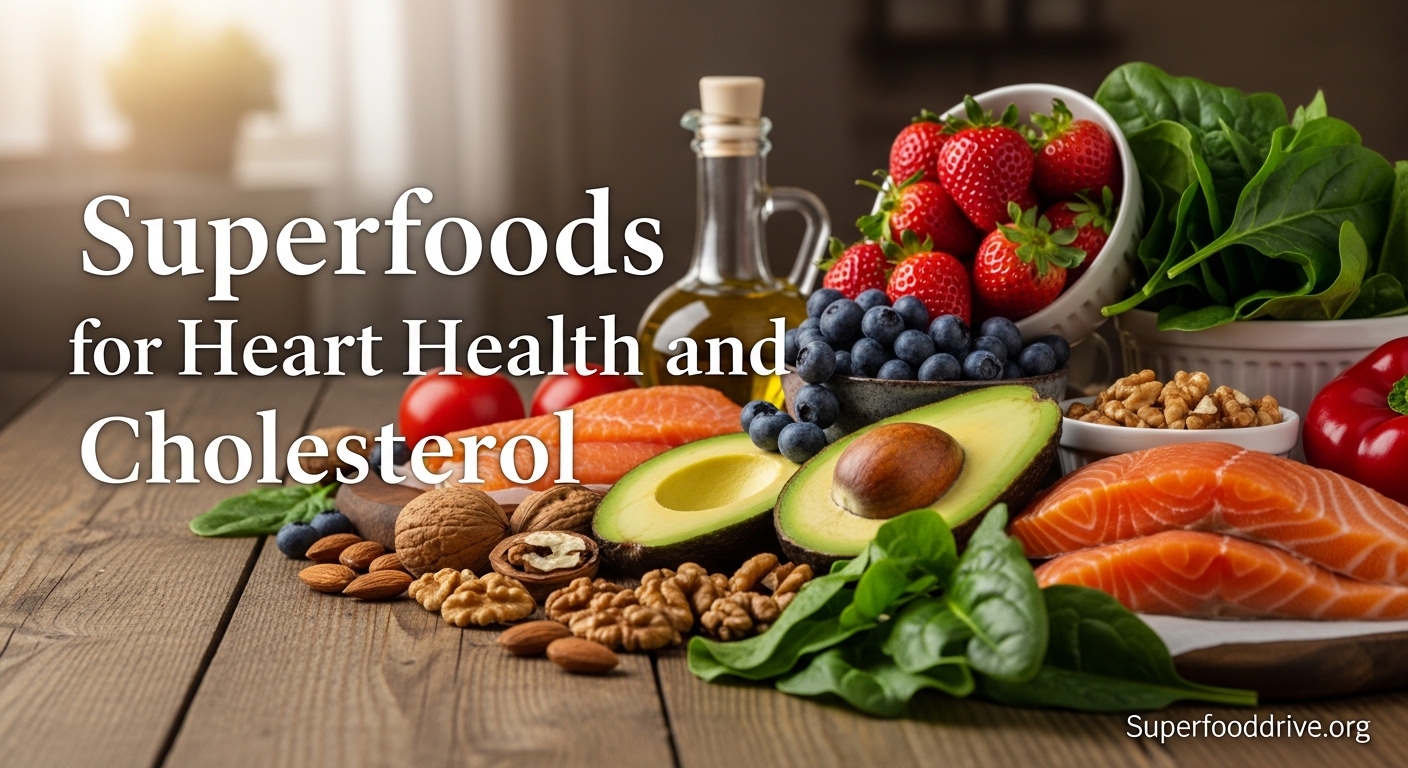
Your heart works tirelessly, beating about 100,000 times per day to keep you alive. Yet heart disease remains the leading cause of death, and the foods you eat play a major role in determining your cardiovascular fate. I have spent years researching nutrition and working with people who want to protect their hearts naturally. The evidence is clear: certain superfoods can lower your LDL cholesterol, raise your HDL cholesterol, reduce inflammation, and protect your blood vessels from damage.
This guide covers 15 superfoods for heart health and cholesterol that have solid scientific backing. You will learn exactly how each food works, how much to eat, and practical ways to add them to your meals. Whether you want to prevent heart disease, manage existing cholesterol issues, or simply eat better, these foods belong in your kitchen.
Table of Contents
Understanding Cholesterol and How Food Affects It
Cholesterol is not the enemy, but balance matters. Your body needs cholesterol to build cells and produce hormones. The problem arises when you have too much LDL cholesterol, the type that sticks to artery walls and forms plaque. This narrowing of arteries increases your risk of heart attack and stroke.
HDL cholesterol acts as the cleanup crew. It carries excess cholesterol back to your liver for disposal. Higher HDL levels generally mean better heart protection. The foods you eat can shift this balance in your favor by reducing LDL production, blocking cholesterol absorption, or boosting HDL levels.
Soluble fiber binds to cholesterol in your digestive system and carries it out before it enters your bloodstream. Healthy fats like omega-3 fatty acids reduce triglycerides and inflammation. Plant compounds called polyphenols protect blood vessel linings from damage. Understanding these mechanisms helps you see why the superfoods below work so well.
Fatty Fish: The Omega-3 Powerhouses
Fatty fish top the list of superfoods for heart health and cholesterol because they deliver omega-3 fatty acids in the most bioavailable form. Salmon, mackerel, sardines, herring, and trout are your best options.
Omega-3 fatty acids reduce triglycerides by 15 to 30 percent in people with elevated levels. They also help prevent irregular heart rhythms and slightly lower blood pressure. The American Heart Association recommends eating two servings of fatty fish per week, which equals about 8 ounces total.
I find that wild-caught salmon offers the best balance of flavor and omega-3 content. Sardines are incredibly affordable and convenient since they come in cans. If fresh fish is not available, frozen options retain most of their nutritional value.
Grill salmon with lemon and herbs. Add sardines to salads or pasta. Bake mackerel with mustard and breadcrumbs. These simple preparations make it easy to hit your twice-weekly target without getting bored.
Oats and Oat Bran: Soluble Fiber Champions
Oats contain beta-glucan, a type of soluble fiber that actively lowers LDL cholesterol. Eating just 3 grams of oat beta-glucan daily can reduce LDL by 5 to 10 percent. That is about one and a half cups of cooked oatmeal.
The fiber works by forming a gel in your digestive tract. This gel binds to cholesterol-rich bile acids and carries them out of your body. Your liver then pulls cholesterol from your blood to make new bile acids, effectively lowering your circulating cholesterol levels.
Start your day with oatmeal topped with berries and nuts. Use oat bran in smoothies or muffins. Try overnight oats for a ready-to-eat breakfast that requires zero morning effort. Steel-cut oats have a lower glycemic index than instant varieties, making them better for blood sugar control.
Nuts and Seeds: Crunchy Sources of Healthy Fats
Almonds, walnuts, flaxseeds, and chia seeds pack a powerful combination of healthy fats, fiber, and plant sterols. A daily handful of nuts can lower LDL cholesterol by about 5 percent while improving artery function.
Walnuts stand out for their high alpha-linolenic acid content, a plant-based omega-3 fatty acid. Almonds are rich in monounsaturated fats and vitamin E, an antioxidant that protects artery walls. Flaxseeds deliver lignans and fiber, though you must grind them to absorb the nutrients.
Aim for about 1.5 ounces of nuts per day, roughly a small handful. Raw or dry-roasted nuts are better than varieties cooked in oil or covered in salt and sugar. Add ground flaxseed to yogurt, oatmeal, or baked goods. Sprinkle chia seeds into smoothies or use them to make chia pudding.
Keep portion sizes in check. Nuts are calorie-dense, and eating too many can lead to weight gain, which counteracts heart health benefits.
Leafy Green Vegetables: Nitrate-Rich Protectors
Spinach, kale, Swiss chard, and collard greens deliver nitrates that convert to nitric oxide in your body. This compound relaxes blood vessels, improves blood flow, and lowers blood pressure.
These vegetables also provide vitamin K, which helps prevent calcium from depositing in your arteries. Folate and potassium round out their heart-protective nutrient profile. Studies show that people who eat the most leafy greens have a significantly lower risk of heart disease.
Sautee spinach with garlic and olive oil for a quick side dish. Massage chopped kale with lemon juice and olive oil to soften it for salads. Blend greens into fruit smoothies where their flavor disappears behind sweet ingredients.
Avocado: The Creamy Monounsaturated Fat Source
Avocados contain more monounsaturated fat than any other fruit. This type of fat raises HDL cholesterol while lowering LDL and triglycerides. One avocado also provides 10 grams of fiber, making it one of the most fiber-rich foods available.
Research shows that eating one avocado daily as part of a moderate-fat diet can reduce LDL cholesterol more effectively than a low-fat diet without avocados. The fruit also contains plant sterols that block cholesterol absorption.
Mash avocado on whole-grain toast with a sprinkle of salt and chili flakes. Add slices to salads and sandwiches. Blend into smoothies for creaminess without dairy. Guacamole is an obvious choice, but watch your portion sizes since it is easy to overeat.
Olive Oil: Liquid Gold from the Mediterranean
Extra virgin olive oil is the cornerstone of the heart-healthy Mediterranean diet. It is rich in monounsaturated fats and polyphenols that reduce inflammation and protect LDL cholesterol from oxidation.
Oxidized LDL is more likely to stick to artery walls and form plaque. The antioxidants in olive oil prevent this process. Studies consistently show that olive oil consumption is linked to lower rates of heart disease and stroke.
Use extra virgin olive oil for salad dressings and drizzling over cooked vegetables. It has a lower smoke point than refined oils, so use avocado oil or light olive oil for high-heat cooking. Buy olive oil in dark glass bottles and store it away from heat and light to preserve its beneficial compounds.
Berries: Antioxidant Powerhouses
Blueberries, strawberries, raspberries, and blackberries contain anthocyanins, pigments that give them deep colors and provide cardiovascular benefits. These antioxidants improve blood vessel function, reduce blood pressure, and lower markers of inflammation.
Regular berry consumption is associated with reduced risk of heart attack in middle-aged and older women. The fiber content also helps with cholesterol management. Frozen berries retain most of their nutrients and are often more affordable than fresh.
Add berries to your morning oatmeal or yogurt. Blend them into smoothies. Eat them as a snack with a handful of nuts. Berries are naturally sweet but low in calories, making them an ideal substitute for sugary desserts.
Beans and Legumes: Plant Protein Plus Fiber
Black beans, lentils, chickpeas, and kidney beans deliver a unique combination of plant protein and soluble fiber. One cup of cooked beans provides about 15 grams of fiber, roughly half your daily needs.
The fiber in beans binds to cholesterol and removes it from your body. Beans also contain plant sterols that block cholesterol absorption. Multiple studies show that eating beans regularly lowers LDL cholesterol and reduces heart disease risk.
Canned beans offer convenience, but rinse them to reduce sodium. Dried beans are more economical but require soaking and longer cooking times. Add beans to soups, salads, and grain bowls. Make hummus from chickpeas for a heart-healthy dip. Lentils cook quickly and work well in curries and stews.
Beets: Natural Nitric Oxide Boosters
Beets and beetroot juice are rich in dietary nitrates that your body converts to nitric oxide. This molecule dilates blood vessels, improves blood flow, and lowers blood pressure. Studies show beetroot juice can reduce blood pressure within hours of consumption.
The betalains in beets also provide antioxidant and anti-inflammatory benefits. Regular consumption may improve exercise performance by enhancing oxygen delivery to muscles.
Roast beets whole in the oven until tender, then peel and slice. Grate raw beets into salads for crunch and color. Blend cooked beets into smoothies for an earthy sweetness and vibrant color. Beetroot juice is concentrated and effective, but watch the sugar content.
Whole Grains: Beyond Just Oats
Quinoa, brown rice, barley, and whole wheat provide fiber, B vitamins, and minerals that support heart health. The fiber in whole grains helps lower LDL cholesterol and improves blood sugar control.
Barley contains beta-glucan similar to oats, making it another excellent cholesterol-lowering grain. Quinoa is technically a seed but functions like a grain and provides complete protein. Brown rice retains the bran and germ that white rice removes, preserving its nutritional value.
Replace white rice with brown rice or quinoa in your meals. Add barley to soups and stews. Choose 100 percent whole wheat bread and pasta. Aim for at least three servings of whole grains daily.
Garlic and Onions: Flavor with Benefits
Garlic contains allicin, a compound that may help lower cholesterol and blood pressure. While the effects are modest compared to other superfoods, garlic adds flavor without calories or sodium, making it easier to stick to a heart-healthy diet.
Onions provide quercetin, an antioxidant that may reduce blood pressure and prevent blood clots. Both garlic and onions belong to the allium family, which has been associated with reduced heart disease risk.
Chop garlic and let it sit for 10 minutes before cooking to activate the allicin. Add raw garlic to salad dressings and hummus. Caramelize onions slowly for a sweet, rich flavor that enhances any savory dish.
Turmeric: The Anti-Inflammatory Spice
Turmeric contains curcumin, a powerful anti-inflammatory compound. Chronic inflammation contributes to artery damage and heart disease progression. Reducing inflammation helps protect your cardiovascular system.
Research suggests curcumin may improve the function of the endothelium, the lining of your blood vessels. Poor endothelial function is a major driver of heart disease.
The challenge with turmeric is absorption. Curcumin is poorly absorbed on its own. Consuming it with black pepper, which contains piperine, increases absorption by 2,000 percent. Turmeric is also fat-soluble, so eating it with healthy fats like olive oil helps.
Add turmeric to scrambled eggs, roasted vegetables, and grain bowls. Make golden milk by warming turmeric with milk and honey. Use it generously in curries and soups.
Tofu and Soy: Plant-Based Protein Power
Tofu and other soy foods contain isoflavones, plant compounds that may help lower LDL cholesterol. The FDA has approved a health claim stating that 25 grams of soy protein daily may reduce heart disease risk.
Soy protein appears to work by increasing LDL receptor activity in the liver, helping remove cholesterol from the blood. Edamame, tempeh, soy milk, and tofu all count toward your daily soy intake.
Press tofu to remove excess water before cooking for better texture. Marinate and bake tofu cubes for a chewy, flavorful protein. Add edamame to salads and grain bowls. Blend silken tofu into smoothies for protein without dairy.
Cruciferous Vegetables: Fiber and Beyond
Broccoli, Brussels sprouts, cauliflower, and cabbage provide fiber, antioxidants, and sulfur compounds that support heart health. These vegetables are particularly rich in glucosinolates, which have anti-inflammatory properties.
The fiber content helps with cholesterol management, while the antioxidants protect blood vessels from damage. Sulforaphane, a compound in broccoli, may help prevent artery hardening.
Roast Brussels sprouts with olive oil until caramelized and crispy. Steam broccoli and toss with garlic and lemon. Make cauliflower rice as a low-carb alternative to grains. Add shredded cabbage to salads and slaws.
Mediterranean and DASH Diets: Putting It All Together
The Mediterranean diet and DASH diet consistently rank as the best eating patterns for heart health. Both emphasize the superfoods covered in this guide.
The Mediterranean diet focuses on olive oil, fish, nuts, vegetables, fruits, and whole grains. It includes moderate wine consumption and limits red meat and processed foods. Studies show it reduces heart attack and stroke risk by about 30 percent.
The DASH diet specifically targets blood pressure reduction through high potassium, magnesium, and calcium intake. It emphasizes fruits, vegetables, low-fat dairy, whole grains, lean protein, and nuts while limiting sodium, red meat, and added sugars.
Both diets work because they combine multiple heart-protective foods rather than relying on single superfoods. The synergy between different nutrients creates greater benefits than any one food alone.
Practical Meal Planning Tips
Knowing which foods to eat is only half the battle. You need practical ways to incorporate them into your daily routine.
Start with breakfast. Oatmeal with berries and walnuts hits three superfood categories at once. Avocado toast on whole-grain bread with a side of berries is another winning combination. Greek yogurt with ground flaxseed and berries provides protein and fiber.
For lunch, build grain bowls with quinoa or brown rice, leafy greens, beans, avocado, and olive oil dressing. Add salmon or tofu for protein. Soups made with lentils, barley, and vegetables pack multiple superfoods into one comforting meal.
Dinner is an opportunity to feature fatty fish twice weekly. On other nights, build plates around beans, tofu, or lean poultry with generous portions of vegetables and whole grains.
Snacks matter too. A handful of nuts, fresh fruit, or cut vegetables with hummus keeps you satisfied between meals without derailing your heart health goals.
Rotate your foods to prevent boredom. Buy seasonal produce for better flavor and lower cost. Prep ingredients on weekends to make weekday cooking easier. Keep frozen fish, berries, and vegetables on hand for quick meals.
FAQ: Common Questions About Superfoods for Heart Health
What are the 7 superfoods for your heart?
The top 7 superfoods for heart health are: 1) Fatty fish like salmon for omega-3s, 2) Oats for soluble fiber, 3) Nuts and seeds for healthy fats, 4) Leafy greens for nitrates, 5) Berries for antioxidants, 6) Avocado for monounsaturated fats, and 7) Olive oil for polyphenols. These foods work through different mechanisms to lower LDL cholesterol, reduce inflammation, and protect blood vessels.
What is the best diet for heart health and high cholesterol?
The Mediterranean diet and DASH diet are both excellent for heart health and cholesterol management. The Mediterranean diet emphasizes olive oil, fish, nuts, vegetables, fruits, and whole grains. The DASH diet focuses on fruits, vegetables, low-fat dairy, whole grains, and lean protein while limiting sodium. Both have strong evidence for reducing heart disease risk and improving cholesterol profiles.
What do cardiologists say is the best breakfast?
Cardiologists typically recommend oatmeal with berries and nuts as an ideal heart-healthy breakfast. This combination provides soluble fiber from oats, antioxidants from berries, and healthy fats from nuts. Other excellent options include avocado toast on whole-grain bread, Greek yogurt with ground flaxseed, or a vegetable omelet cooked in olive oil.
What are the six superfoods that lower cholesterol?
The six most effective cholesterol-lowering superfoods are: 1) Oats and oat bran containing beta-glucan fiber, 2) Beans and legumes with soluble fiber, 3) Nuts providing plant sterols and healthy fats, 4) Fatty fish rich in omega-3s, 5) Avocados with monounsaturated fats, and 6) Apples and citrus fruits containing pectin fiber. These foods can reduce LDL cholesterol by 5 to 10 percent each when consumed regularly.
How quickly can superfoods lower cholesterol?
Superfoods can begin affecting cholesterol levels within weeks of consistent consumption. Oat beta-glucan can show measurable effects in 2 to 4 weeks. Omega-3 fatty acids from fish may reduce triglycerides within days but take longer to affect overall cholesterol profiles. For significant LDL reduction, expect 4 to 12 weeks of regular consumption combined with other lifestyle changes.
Can I eat eggs if I have high cholesterol?
Most people can eat eggs in moderation even with high cholesterol. Dietary cholesterol has less impact on blood cholesterol than previously thought, especially for people without diabetes. The general recommendation is up to one egg daily for most people. Those with diabetes or very high cholesterol should consult their doctor about individual limits.
Conclusion: Superfoods for Heart Health and Cholesterol
The 15 superfoods for heart health and cholesterol covered in this guide give you powerful tools to protect your cardiovascular system naturally. No single food works miracles, but combining these foods creates a protective effect greater than any individual ingredient.
Start by adding two or three of these superfoods to your regular rotation. Swap white rice for quinoa. Add salmon to your weekly menu. Make oatmeal your go-to breakfast. Small changes add up to significant benefits over time.
Remember that diet works best alongside other heart-healthy habits. Regular exercise, not smoking, maintaining a healthy weight, and managing stress all contribute to cardiovascular wellness. Talk to your doctor about your cholesterol levels and whether medication is necessary alongside dietary changes.
Your heart works hard for you every day. These superfoods help you return the favor.