
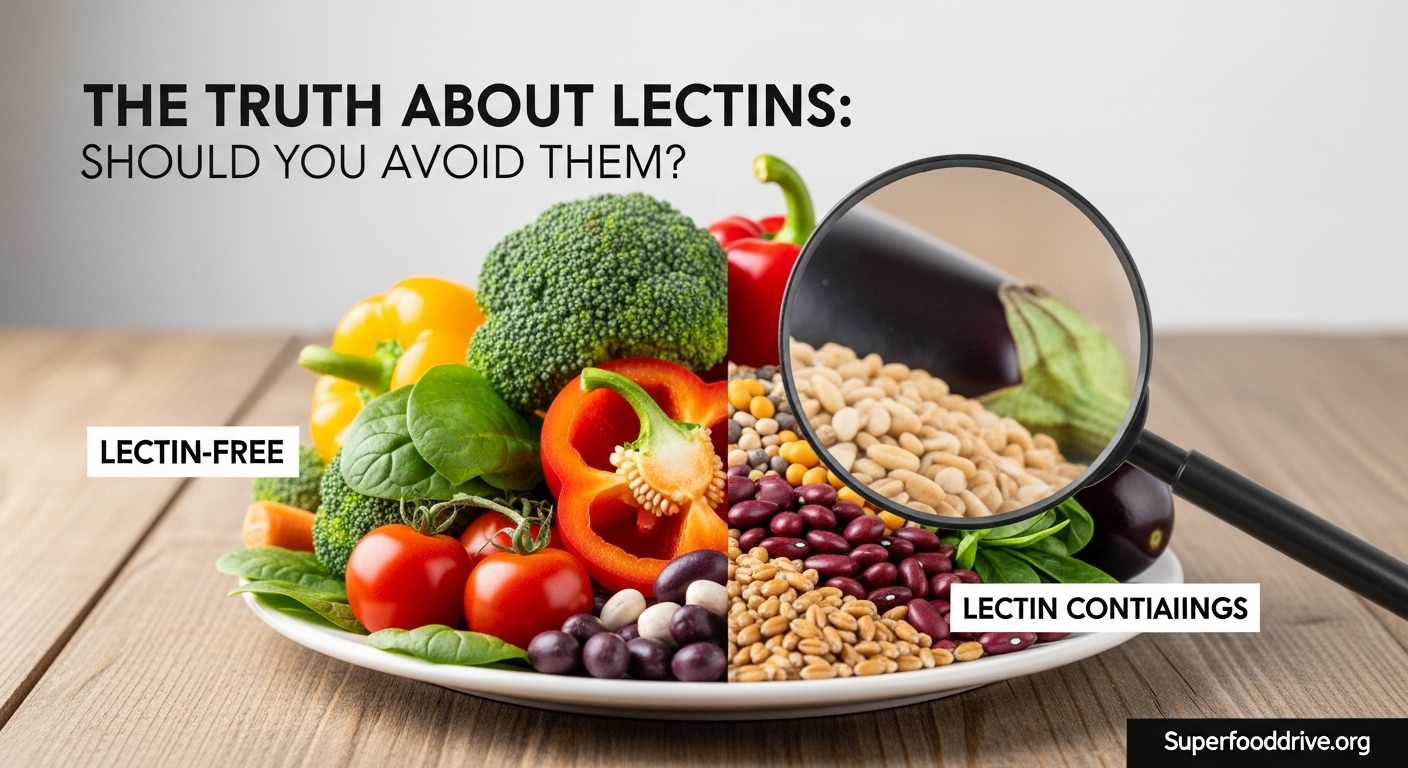
Are lectins secretly destroying your gut health, or is this just another food fear that has gone too far? I have spent months digging into the research on dietary lectins, and what I found might surprise you. The truth about lectins is far less dramatic than some popular diet books would have you believe. In fact, the foods that contain lectins are among the healthiest things you can eat.
This guide will walk you through exactly what lectins are, which foods contain them, what the science actually says about their health effects, and most importantly, whether you should be avoiding them. By the end, you will have a clear, evidence-based answer to the question should you avoid lectins.
Table of Contents
The Truth About Lectins Should You Avoid Them
Lectins are naturally occurring proteins found in most plants, serving as a defense mechanism against pests and predators. They bind to specific sugar molecules and can interfere with nutrient absorption when consumed in extremely large amounts from raw or undercooked foods. However, for properly prepared foods, lectins pose virtually no health risk to the average person.
The current scientific consensus from institutions like Harvard School of Public Health and Mayo Clinic is clear: you should not avoid lectins. Removing lectin-containing foods like beans, whole grains, and vegetables would eliminate some of the most nutrient-dense foods from your diet, potentially causing more harm than any theoretical risk from lectins themselves.
What Are Lectins
Lectins are carbohydrate-binding proteins found in most plants that serve as a natural defense mechanism. They were first discovered in the late 19th century and have been studied extensively since the 1940s for their role in cell biology and immune function.
These proteins bind specifically to sugar molecules like glucose, galactose, and mannose. In plants, lectins protect against insects, fungi, and other predators by making the plant less digestible. In humans, they can potentially interfere with nutrient absorption if consumed in massive quantities from raw foods.
It is important to understand that lectins are not inherently toxic. They are simply one type of antinutrient, a category that includes compounds like phytates and oxalates found in many healthy foods. The presence of antinutrients does not make a food unhealthy. In fact, many foods containing these compounds are among the most nutritious options available.
How Lectins Work in Your Body
When you consume lectins, they pass through your digestive system and can bind to the lining of your gut. This binding action is what sparked concerns about lectins causing leaky gut syndrome or triggering inflammation. However, these effects have primarily been observed in laboratory studies using isolated lectins in amounts far exceeding what anyone would consume through a normal diet.
Your body produces digestive enzymes that break down most lectins during normal digestion. The small amounts that might survive this process typically do not cause harm in healthy individuals. The human gut has evolved over millions of years to handle plant proteins, including lectins, without issue.
Foods High in Lectins
Understanding which foods contain lectins helps put the risk in perspective. The highest concentrations are found in foods that nutrition experts consistently recommend as part of a healthy diet. This should be your first clue that avoiding lectins might not be the smartest strategy.
Legumes and Pulses
Legumes contain the highest lectin concentrations of any food group. This includes kidney beans, black beans, lentils, chickpeas, peas, and soybeans. Raw kidney beans are particularly notable because they contain phytohemagglutinin, a lectin that can cause severe nausea, vomiting, and diarrhea if consumed in large amounts.
However, here is the critical point: nobody eats raw kidney beans. Properly cooked legumes have lectin levels reduced by 90% or more. The occasional reports of lectin poisoning almost always involve undercooked beans prepared in slow cookers at temperatures insufficient to destroy the proteins.
Grains and Cereals
Whole grains like wheat, barley, quinoa, rice, and oats all contain lectins. Wheat germ agglutinin is one of the most studied grain lectins. Again, cooking, baking, or fermenting these grains dramatically reduces lectin content to negligible levels.
Whole grains provide fiber, B vitamins, minerals, and phytonutrients that are essential for heart health and digestive function. Eliminating them to avoid trace amounts of lectins would mean missing out on substantial nutritional benefits.
Vegetables and Nightshades
Tomatoes, potatoes, zucchini, eggplant, and peppers (nightshade vegetables) contain moderate amounts of lectins. These vegetables are staples of the Mediterranean diet, which is consistently associated with longevity and reduced risk of chronic disease.
The lectin content in these vegetables is already much lower than in legumes, and cooking reduces it further. There is no credible evidence that cooked nightshade vegetables cause health problems in the general population.
Nuts and Seeds
Nuts and seeds, including peanuts (technically a legume), cashews, chia seeds, and pumpkin seeds, contain small amounts of lectins. These foods are associated with reduced cardiovascular disease risk and provide healthy fats, protein, and micronutrients.
Roasting nuts further reduces their already low lectin content while enhancing flavor and digestibility.
Health Concerns and Evidence
The controversy around lectins largely stems from claims made in popular diet books, particularly The Plant Paradox by Dr. Steven Gundry. These books suggest that lectins cause inflammation, autoimmune disease, and weight gain. But what does the actual scientific evidence show?
The Lectin-Free Diet Claims
Proponents of lectin-free diets claim that lectins damage the gut lining, causing leaky gut syndrome. They argue this leads to inflammation throughout the body and contributes to conditions like arthritis, diabetes, and autoimmune disorders. Some even claim that eliminating lectins can reverse disease and promote weight loss.
These claims are based primarily on in vitro (test tube) studies and animal research using isolated lectins in concentrations far exceeding dietary exposure. While interesting for understanding cellular mechanisms, these studies do not translate directly to human health outcomes.
What the Research Actually Shows
Large-scale human studies tell a very different story. Research consistently shows that populations consuming the highest amounts of lectin-containing foods (beans, whole grains, vegetables) have lower rates of heart disease, diabetes, and certain cancers. The Mediterranean diet, rich in these foods, is one of the most evidence-based eating patterns for longevity.
A comprehensive review published by Harvard School of Public Health concluded that removing lectin-containing foods from the diet would be more harmful than beneficial. The nutritional benefits of these foods far outweigh any theoretical risks from trace amounts of lectins.
The only documented cases of lectin toxicity in humans involve raw or undercooked kidney beans, causing temporary digestive symptoms that resolve within hours. There are no documented cases of chronic disease caused by properly prepared lectin-containing foods.
Expert Perspectives on Lectins
Mayo Clinic registered dietitian Katherine Zeratsky states: Lectins serve a protective function for plants as they grow. They do not have any nutritional value when consumed in foods. However, there is no good evidence that lectins in the amounts found in a typical diet cause harm to the average person.
Dr. Qi Sun, an assistant professor at Harvard School of Public Health, notes: The healthiest diets are rich in plant foods like whole grains, legumes, fruits, and vegetables. These foods contain lectins along with fiber, vitamins, minerals, and beneficial phytochemicals. Avoiding them would mean missing out on substantial health benefits.
The consensus among nutrition professionals is clear: lectins are not a significant health concern for people eating a varied diet with properly cooked foods.
Cooking Methods to Reduce Lectins
If you are still concerned about lectins, the good news is that proper cooking methods effectively neutralize them. You do not need special equipment or complicated techniques. Standard cooking practices that humans have used for thousands of years are sufficient.
Soaking
Soaking dried beans, lentils, and grains in water for 8-12 hours before cooking begins breaking down lectins and other antinutrients. This simple step also reduces cooking time and can improve digestibility. Discard the soaking water and rinse thoroughly before cooking to remove the compounds that leached out.
Boiling
Boiling is one of the most effective methods for reducing lectin content. Studies show that boiling red kidney beans for just 10 minutes reduces lectins by over 90%. Beans should be boiled vigorously for at least 10 minutes before reducing heat to a simmer. Slow cookers that do not reach boiling temperatures are not recommended for dried kidney beans.
Pressure Cooking
Pressure cooking is even more effective than boiling for destroying lectins. The combination of high heat and pressure denatures lectin proteins completely. A pressure cooker can reduce lectins to undetectable levels in just 15-20 minutes for most beans. This method also preserves more nutrients compared to prolonged boiling.
Fermenting
Fermentation, used in foods like sourdough bread, tempeh, and miso, reduces lectin content while adding beneficial probiotics. The bacteria involved in fermentation break down lectins along with other complex molecules. This traditional preparation method has been used for centuries in cultures that consume high-lectin diets without apparent health consequences.
Bottom Line Recommendations
So, should you avoid lectins? The answer, based on current scientific evidence, is a clear no. For the vast majority of people, lectin-containing foods are not only safe but actively beneficial for health.
The foods highest in lectins – legumes, whole grains, and vegetables – are consistently associated with reduced risk of heart disease, diabetes, and premature death. The Mediterranean diet, which is rich in these foods, is recommended by major health organizations worldwide.
There is no need to follow a lectin-free diet, purchase special products, or eliminate healthy food groups. Simply cooking your food properly is sufficient to neutralize any potential concerns while retaining all the nutritional benefits.
The only people who might consider reducing lectin intake are those with specific diagnosed conditions affecting nutrient absorption, and even then, this should be done under the guidance of a registered dietitian or healthcare provider. For everyone else, enjoy your beans, grains, and vegetables without worry.
Frequently Asked Questions
Are lectins proven to be harmful?
No, lectins are not proven to be harmful when consumed in normal dietary amounts from properly cooked foods. While high concentrations of raw lectins can cause temporary digestive upset, there is no scientific evidence that lectins in cooked foods cause chronic disease or long-term health problems in humans.
What does Mayo Clinic say about lectins?
Mayo Clinic states that lectins serve a protective function for plants but have no nutritional value when consumed. They emphasize that there is no good evidence that lectins in typical dietary amounts cause harm to the average person. Mayo Clinic recommends a well-balanced diet rather than elimination of lectin-containing foods.
Are eggs high in lectins?
No, eggs are not high in lectins. Lectins are found primarily in plant foods, especially legumes, grains, and certain vegetables. Animal products like eggs, meat, fish, and dairy contain minimal to no lectins.
Do lectins have any nutritional value?
No, lectins themselves do not provide nutritional value. They are proteins that bind to carbohydrates and pass through the digestive system. However, the foods containing lectins are extremely nutritious, providing fiber, vitamins, minerals, protein, and beneficial phytochemicals that support overall health.
Are lectins bad for you?
Lectins are not bad for you when consumed in normal amounts from properly cooked foods. The scientific consensus from Harvard, Mayo Clinic, and other major health institutions is that lectin-containing foods like beans, whole grains, and vegetables are beneficial for health and should be included in a balanced diet.
What three foods does Dr. Gundry recommend?
Dr. Gundry recommends avoiding what he calls the three major lectin-containing food groups: legumes (beans and lentils), nightshade vegetables (tomatoes, peppers, eggplant, potatoes), and whole grains. However, these recommendations contradict the scientific consensus and are not supported by major health organizations.
Conclusion
The truth about lectins should you avoid them is clear: you should not avoid them. Despite the fear-mongering in some popular diet books, the scientific evidence strongly supports including lectin-containing foods in your diet. Beans, whole grains, and vegetables are among the healthiest foods you can eat, and eliminating them to avoid trace amounts of lectins would do more harm than good.
Proper cooking methods like soaking, boiling, and pressure cooking effectively neutralize any potential concerns while preserving the nutritional benefits. The consensus from Harvard, Mayo Clinic, and registered dietitians is unambiguous: enjoy your lectin-containing foods as part of a balanced, plant-rich diet.