
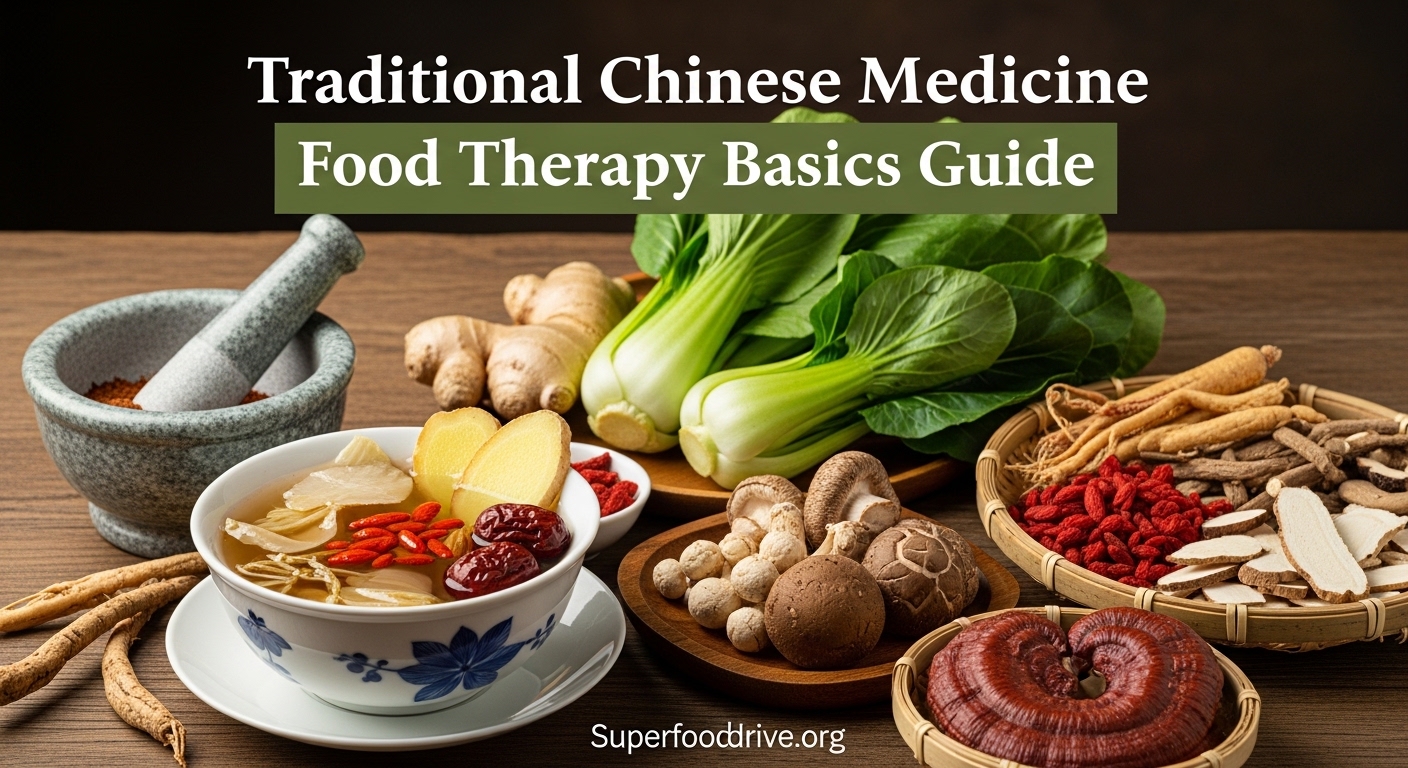
Traditional Chinese Medicine Food Therapy Basics offer a time-tested approach to health that transforms how you think about every meal. Unlike modern diet trends that change with the seasons, TCM food therapy has guided millions of people toward wellness for over 2,000 years. I have studied these principles for years and applied them in my own kitchen with remarkable results.
Food therapy in TCM views what you eat not just as fuel, but as medicine that can restore balance, prevent illness, and support your body’s natural healing abilities. The foundation lies in understanding how different foods interact with your unique constitution and the world around you. In this guide, I will walk you through everything you need to know to start applying these principles in your own life.
You will learn how to classify foods by their energetic properties, understand the five flavors and their organ connections, and adapt your diet to seasons and your individual needs. By the end, you will have practical tools to begin your own food therapy practice.
Table of Contents
- What is Traditional Chinese Medicine Food Therapy
- Yin and Yang Fundamentals in Food Classification
- The Five Flavors and Their Organ Connections
- Thermal Properties of Foods: Warming, Cooling, and Neutral
- Seasonal Eating Guide
- Understanding Your Constitution
- How to Apply Traditional Chinese Medicine Food Therapy Basics in Daily Life
- FAQ
- Conclusion
What is Traditional Chinese Medicine Food Therapy
TCM food therapy is a holistic healing system that uses food as medicine to maintain health and treat disease. The core philosophy centers on the belief that food carries energetic properties that interact with your body’s own energy systems. Every bite you take either supports balance or creates imbalance depending on what you eat and when you eat it.
This approach differs significantly from Western nutrition, which focuses primarily on macronutrients, vitamins, and calories. While Western nutrition asks “what nutrients does this food contain,” TCM food therapy asks “what energetic effect does this food have on my body.” This subtle shift in perspective opens entirely new possibilities for using everyday meals as powerful healing tools.
Historical texts dating back to the Han Dynasty (206 BCE to 220 CE) document systematic approaches to food therapy. The Yellow Emperor’s Classic of Internal Medicine, written around 200 BCE, established foundational principles still used today. These ancient practitioners recognized that different foods affect different people differently based on individual constitution, season, and current health status.
Modern practitioners apply these same principles to help people manage everything from digestive disorders to chronic fatigue. The beauty of this system lies in its personalization. Rather than following a generic diet plan, you learn to choose foods that specifically support your unique needs at any given moment.
Yin and Yang Fundamentals in Food Classification
The concept of yin and yang forms the philosophical foundation of all TCM practice, including food therapy. Yin represents cooling, moistening, downward-moving, and internal energy. Yang represents warming, drying, upward-moving, and external energy. Health exists when these forces remain in dynamic balance within your body.
Foods carry either yin or yang qualities, and understanding these classifications helps you choose foods that restore balance when you feel out of sorts. When you experience signs of excess heat such as irritability, flushed skin, or dry mouth, yin foods can help cool and moisten your system. When you feel cold, sluggish, or fatigued, yang foods can warm and activate your energy.
Yin foods tend to grow in shade, contain more water, and often have a cooling effect on the body. Examples include watermelon, cucumber, tofu, mung beans, and most raw vegetables. These foods excel at clearing heat, moistening dryness, and calming an overactive system. I often recommend yin foods to clients who report feeling overheated, anxious, or dealing with inflammatory conditions.
Yang foods typically grow in sunlight, require cooking, and generate warmth in the body. Examples include ginger, garlic, cinnamon, lamb, chicken, and walnuts. These foods support digestion, boost circulation, and strengthen the body’s metabolic fire. During winter months or when energy feels depleted, yang foods provide essential support.
The goal is never to eat all yin or all yang foods. Instead, you aim for balance while adjusting ratios based on your current condition, the season, and your constitutional tendencies. Someone with a naturally hot constitution might emphasize yin foods even in winter, while someone with a cold constitution might need more warming foods year-round.
The Five Flavors and Their Organ Connections
TCM recognizes five distinct flavors, each associated with specific organs and therapeutic actions. Understanding these connections allows you to intentionally use flavors to support different body systems. The five flavors are sweet, sour, bitter, pungent (or spicy), and salty.
Sweet flavor connects to the spleen and stomach, the organs responsible for digestion and nutrient transformation. Naturally sweet foods like grains, root vegetables, and legumes strengthen digestive function and build energy. However, excessive sweet flavors, especially from refined sugars, weaken digestion and create dampness. I recommend focusing on complex carbohydrates and naturally sweet foods rather than sugary desserts.
Sour flavor relates to the liver and gallbladder. Sour foods like lemons, vinegar, and fermented vegetables help consolidate energy, improve absorption, and support liver function. The astringent quality of sour flavors makes them valuable for conditions involving excess fluid loss or when you need to hold energy inward.
Bitter flavor corresponds to the heart and small intestine. Bitter foods like dandelion greens, bitter melon, and coffee clear heat, dry dampness, and drain downward. This flavor excels at addressing conditions of excess heat in the heart or digestive system. Many traditional cultures valued bitter foods before meals to stimulate digestion.
Pungent or spicy flavor connects to the lungs and large intestine. Pungent foods like ginger, garlic, onions, and peppermint disperse stagnation, promote circulation, and open the pores. These foods prove especially valuable at the onset of colds when you want to push pathogens outward through sweating.
Salty flavor relates to the kidneys and bladder. Salty foods like seaweed, seafood, and naturally salty vegetables soften hardness, lubricate intestines, and guide energy downward. The kidneys represent the root of our vitality in TCM, making proper salty flavor essential for long-term health. Note that this refers to natural mineral salts, not excessive table salt.
A balanced meal in TCM includes all five flavors in appropriate proportions. Each flavor supports its associated organ while maintaining harmony with the others. When one flavor dominates excessively, the corresponding organ becomes stressed while others may weaken from neglect.
Thermal Properties of Foods: Warming, Cooling, and Neutral
Beyond yin-yang classification and the five flavors, TCM categorizes foods by their thermal nature. This system describes how foods affect body temperature and metabolic activity. The four main categories are hot, warm, cool, and cold, with neutral foods representing the balanced middle ground.
Hot foods strongly warm the body and include items like chili peppers, dried ginger, and cinnamon. These foods dramatically increase circulation and metabolic heat. Use them sparingly unless dealing with significant cold patterns.
Warming foods gently heat the body and support digestion without overwhelming the system. Common warming foods include chicken, lamb, ginger, garlic, onions, cherries, and walnuts. I recommend these frequently to clients with cold hands, low energy, or weak digestion. Cooking methods also matter here. Roasting, baking, and slow-cooking increase warming properties, while raw preparation maintains cooling qualities.
Cooling foods reduce heat and calm overactive systems. Examples include cucumber, watermelon, mung beans, tofu, lettuce, and most green vegetables. These foods help address conditions of excess heat, inflammation, or irritability. During hot summer months, increasing cooling foods helps your body adapt to environmental conditions.
Cold foods strongly clear heat but can damage digestion if overused. Raw foods straight from the refrigerator, iced beverages, and certain tropical fruits fall into this category. TCM generally advises against excessive cold food consumption, especially for those with weak digestion or cold constitutions.
Neutral foods provide balanced energy suitable for most constitutions. These include rice, oats, carrots, potatoes, beef, and many beans. Neutral foods form the foundation of a TCM-based diet because they support health without pushing the body in any extreme direction.
Here is a quick reference guide for common foods and their thermal properties:
Warming Foods: Ginger, garlic, onion, cinnamon, chicken, lamb, cherries, dates, walnuts, black pepper, chestnuts
Cooling Foods: Cucumber, watermelon, mung beans, tofu, lettuce, spinach, celery, mint, chrysanthemum tea, bananas, pears
Neutral Foods: Rice, oats, corn, carrots, potatoes, sweet potatoes, beef, pork, eggs, sunflower seeds, almonds
Understanding thermal properties allows you to adjust your diet based on both internal conditions and external weather. If you feel internally cold during winter, increasing warming foods provides direct support. If you experience a fever, cooling foods help restore balance.
Seasonal Eating Guide
TCM teaches that humans exist within nature, not separate from it. As seasons change, so do the needs of your body. Aligning your diet with seasonal rhythms supports health and prevents illness. Each season corresponds to specific organs and requires different dietary approaches.
Spring relates to the liver and gallbladder. As nature awakens and energy rises upward, your body naturally wants to cleanse and renew. Focus on fresh green vegetables, sprouts, and young plants that support liver function. Sour flavors help consolidate rising energy, while pungent foods like young garlic and scallions help move stagnation accumulated during winter. Reduce heavy foods and increase raw or lightly cooked vegetables.
Summer connects to the heart and small intestine. Heat dominates this season, making cooling foods essential. Emphasize fresh fruits, salads, and light preparations. Watermelon, cucumber, and mint tea help clear summer heat. Avoid heavy meats and excessive alcohol that generate internal heat. While raw foods become more appropriate in summer, avoid ice-cold beverages that shock the digestive system.
Late Summer corresponds to the spleen and stomach, the organs of digestion. This transitional season between summer and autumn requires supportive, grounding foods. Sweet vegetables like squash, carrots, and sweet potatoes strengthen digestive fire. Warming spices like ginger and cinnamon prepare the body for cooler weather ahead. This is the time to build reserves for winter.
Autumn relates to the lungs and large intestine. As the air becomes dry and cool, moistening foods become important. Pears, apples, almonds, and honey help nourish lung tissue and prevent dryness. Pungent foods like onions and garlic help disperse the contraction that naturally occurs as temperatures drop. Begin transitioning toward more cooked foods and warming preparations.
Winter connects to the kidneys and bladder, the root of our vitality. Cold weather requires warming, building foods. Root vegetables, hearty soups, stews, and warming spices support kidney energy. Include nuts, seeds, and bone broths that nourish deeply. This is the season to cook foods thoroughly and minimize raw preparations that tax digestive fire.
I have found that following seasonal eating patterns creates a natural rhythm that feels deeply satisfying. Your body recognizes foods appropriate for each season, and cravings often align with what nature provides locally.
Understanding Your Constitution
While general principles guide food therapy, true effectiveness comes from understanding your individual constitution. TCM recognizes that each person has a unique energetic pattern that influences how foods affect them. Learning your constitution helps you make personalized dietary choices.
Qi Deficiency Constitution presents with fatigue, low energy, weak digestion, and tendency toward shortness of breath. People with this pattern feel tired even after adequate rest and may experience prolapse or organ weakness. Warming, sweet foods that build qi become essential. Recommendations include chicken, beef, rice, dates, yams, and moderate amounts of ginger. Avoid cold, raw foods that further weaken digestive fire.
Blood Deficiency Constitution shows through pale complexion, dry skin, brittle nails, poor memory, and scanty menstruation in women. This pattern often affects people who overwork mentally or have experienced blood loss. Foods that build blood include dark leafy greens, beets, beef, liver, eggs, and black sesame seeds. The sour flavor helps consolidate blood, making vinegar and fermented foods valuable.
Yin Deficiency Constitution manifests as night sweats, hot flashes, restlessness, dry mouth, and tendency toward afternoon fever. These individuals often feel warm when others feel comfortable and may experience anxiety or insomnia. Cooling, moistening foods help restore balance. Include tofu, duck, pears, watermelon, mung beans, and seaweed. Avoid hot, spicy foods and excessive alcohol that further deplete yin.
Yang Deficiency Constitution presents with coldness, low metabolism, edema, and low back weakness. These individuals feel cold even in warm environments and may have low libido or fertility issues. Warming, building foods become crucial. Emphasize lamb, ginger, cinnamon, walnuts, and black beans. Cook foods thoroughly and avoid all cold or raw preparations.
Dampness Constitution shows through heaviness, foggy thinking, loose stools, and tendency toward weight gain or water retention. Digestion feels sluggish, and the tongue often appears swollen with teeth marks. Foods that drain dampness include barley, Job’s tears, adzuki beans, bitter melon, and radishes. Avoid dairy, sugar, and greasy foods that create more dampness.
Most people present combinations of these patterns rather than pure types. Working with a qualified TCM practitioner helps clarify your specific constitution and receive personalized recommendations.
How to Apply Traditional Chinese Medicine Food Therapy Basics in Daily Life
Starting a TCM food therapy practice does not require dramatic changes. Small, consistent adjustments produce meaningful results over time. I recommend beginning with observation before making any significant dietary shifts.
Start by noticing how different foods make you feel. After eating warming foods like ginger or lamb, do you feel energized or overheated? After cooling foods like watermelon or cucumber, do you feel refreshed or chilled? Your body’s immediate responses provide valuable information about your current needs.
Pay attention to your digestion. Strong digestion feels comfortable without bloating, gas, or irregularity. If you consistently experience digestive discomfort, consider whether you are eating too many cold or raw foods. Many people benefit from increasing cooked vegetables and warming spices regardless of their constitution.
Incorporate all five flavors into your daily meals. Rather than eating sweet foods alone or making everything spicy, aim for balance. A well-rounded meal includes naturally sweet grains or vegetables, a touch of sour from vinegar or citrus, bitter greens, pungent seasonings, and appropriate salt. This balance supports all organ systems simultaneously.
Adjust your cooking methods seasonally and constitutionally. Raw foods suit hot summer days and individuals with excess heat. Lightly steamed vegetables work for most people year-round. Roasted, baked, and slow-cooked foods provide warmth for cold weather and cold constitutions. The same food changes its thermal property based on preparation.
For modern lifestyles, plan ahead. Batch-cook warming foods on weekends to have ready during busy weeks. Keep cooling snacks like cucumber or fruit available during hot weather. Carry ginger tea bags for when you need digestive support away from home. These small preparations make following TCM principles practical even with demanding schedules.
Remember that food therapy works gradually. Unlike pharmaceutical interventions that force immediate changes, food gently shifts your body’s balance over days and weeks. Be patient and consistent with your practice.
FAQ
What is TCM food therapy and how does it work?
TCM food therapy is a holistic healing system that uses food as medicine to maintain health and treat disease. It works by classifying foods based on their energetic properties including thermal nature (warming, cooling, neutral), taste (sweet, sour, bitter, pungent, salty), and effect on the body’s qi. Foods are chosen to balance individual constitution, address current health conditions, and align with seasonal changes.
What are the five flavors in Chinese medicine?
The five flavors in Chinese medicine are sweet, sour, bitter, pungent (spicy), and salty. Each flavor connects to specific organs: sweet to spleen and stomach, sour to liver and gallbladder, bitter to heart and small intestine, pungent to lungs and large intestine, and salty to kidneys and bladder. A balanced meal includes all five flavors in appropriate proportions to support overall organ health.
How do warming and cooling foods affect the body?
Warming foods like ginger, garlic, chicken, and lamb increase circulation, support digestion, and generate metabolic heat. They benefit people with cold constitutions, weak digestion, or during cold weather. Cooling foods like cucumber, watermelon, mung beans, and tofu reduce heat, calm inflammation, and moisten dryness. They help individuals with excess heat, irritability, or during hot summer months. The effects depend on your individual constitution and current condition.
What are the basic principles of Chinese dietary therapy?
The basic principles include balancing yin and yang through food choices, incorporating all five flavors in meals, selecting foods based on their thermal properties, eating according to seasons, and adapting diet to individual constitution. Food is viewed as medicine that either supports balance or creates imbalance. Cooking methods, timing of meals, and mindful eating practices also play important roles in effective food therapy.
How can food therapy help with common imbalances?
Food therapy addresses imbalances by providing opposite qualities to restore harmony. For qi deficiency and fatigue, warming, sweet building foods like chicken and dates provide energy. For heat patterns and inflammation, cooling foods like pears and mung beans clear excess heat. For dampness and heaviness, bitter and draining foods like radish and barley eliminate excess fluid. For dryness, moistening foods like seaweed and pears restore fluids. Each imbalance has corresponding food remedies that work gently over time.
Conclusion
Traditional Chinese Medicine Food Therapy Basics provide a comprehensive framework for using food as medicine in your daily life. By understanding yin and yang, the five flavors, thermal properties, seasonal rhythms, and your individual constitution, you gain powerful tools for maintaining health and addressing imbalances naturally.
The principles you have learned transform every meal into an opportunity for healing. Rather than following restrictive diet rules, you develop an intuitive sense of what your body needs in each moment. This personalization makes TCM food therapy sustainable and effective for long-term wellness.
Start your practice by observing your current patterns and making one small change. Perhaps add warming ginger to your breakfast routine during cold months, or increase bitter greens to support spring cleansing. Notice how your body responds and adjust accordingly. Over time, these small shifts accumulate into significant health improvements that honor both ancient wisdom and your modern life.