
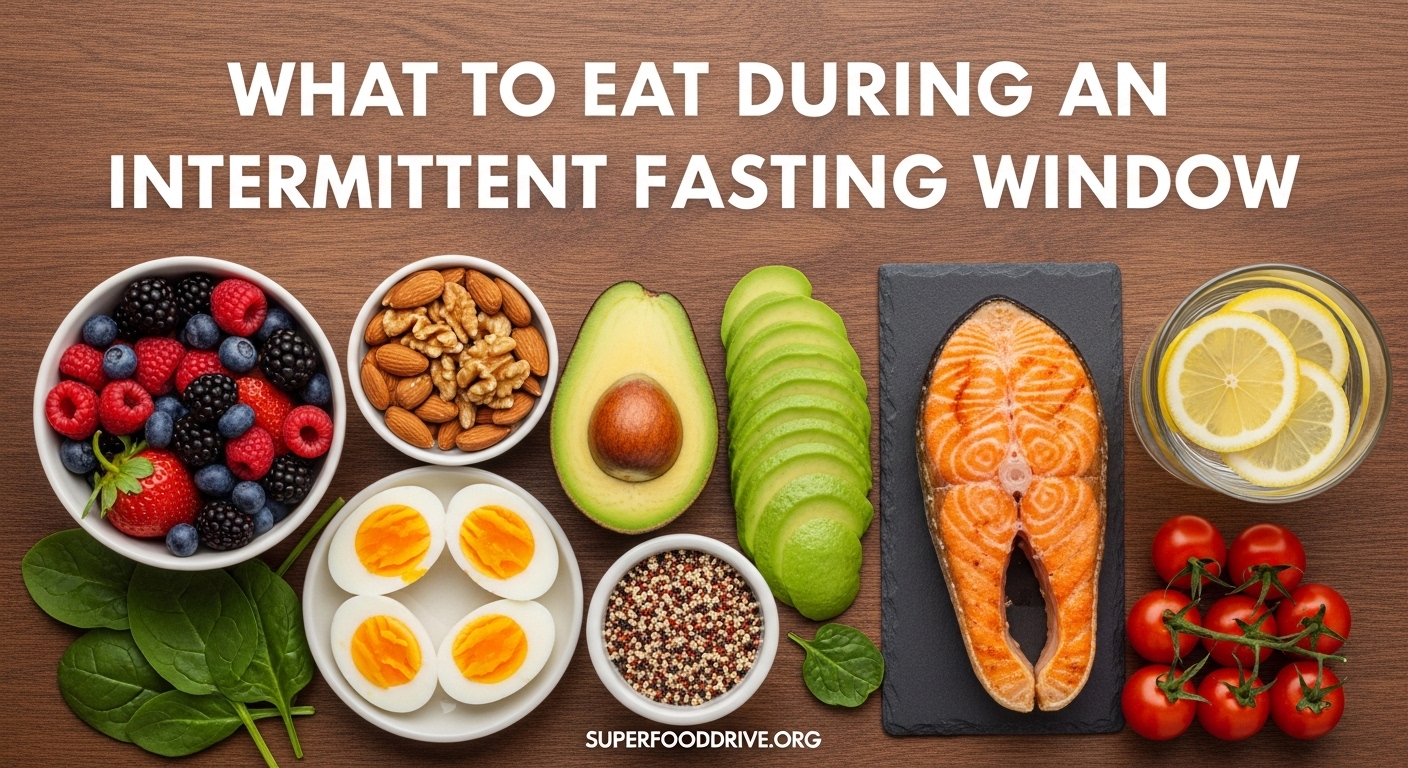
I started intermittent fasting three years ago with one burning question: what do I actually eat when the fasting period ends? This guide answers exactly that. You will learn the difference between your fasting and eating windows, what foods break your fast safely, and how to structure meals that keep you satisfied until your next eating period.
What you eat during your eating window matters just as much as the fasting itself. The foods you choose impact your energy levels, hunger management, and the metabolic benefits you receive. Many beginners make the mistake of thinking they can eat anything during their feeding window, only to find themselves hungry an hour later or missing out on key nutrients.
By the end of this article, you will have a clear understanding of nutrient-dense foods that support your fasting goals. You will also get a sample meal plan you can start using today.
Table of Contents
Understanding Your Fasting and Eating Windows
Before diving into specific foods, you need to understand the fundamental distinction between your fasting window and eating window. This clarity prevents common mistakes that can derail your progress.
What Happens During the Fasting Window
Your fasting window is the period when you consume zero or minimal calories. During this time, your body undergoes metabolic switching, shifting from burning glucose to burning stored fat for energy. This process typically begins after 12 hours without food.
Most intermittent fasting methods create fasting windows ranging from 12 to 20 hours. The popular 16:8 method, for example, involves 16 hours of fasting followed by an 8-hour eating window. Other approaches include the 5:2 method (eating normally five days, restricting calories two days) and OMAD (one meal a day).
During your fasting window, you can consume zero-calorie beverages without breaking your fast. These include water, black coffee, plain tea (green, black, or herbal), and sparkling water without sweeteners. These drinks help manage hunger and maintain hydration.
What Constitutes Breaking a Fast
Anything containing calories technically breaks a fast. This includes coffee with cream or sugar, bone broth during strict fasts, and even small amounts of food. Even 50 calories can trigger an insulin response and halt the metabolic benefits of fasting.
Some people practice “dirty fasting,” which allows small amounts of calories (under 50) from sources like MCT oil or cream in coffee. While this may work for some weight loss goals, it reduces the full metabolic benefits of clean fasting. For maximum autophagy and insulin sensitivity improvements, stick to zero calories during fasting hours.
Choosing Your Eating Window
Your eating window is when you consume all your daily calories. Most beginners find the 16:8 schedule manageable, eating between 12:00 PM and 8:00 PM or 10:00 AM and 6:00 PM. The specific hours matter less than consistency.
I recommend aligning your eating window with your natural hunger patterns and social schedule. If you are not hungry in the morning, skip breakfast and eat from noon to 8:00 PM. If you prefer early dinners, try a 10:00 AM to 6:00 PM window.
How to Break Your Fast Safely
Breaking your fast requires more thought than simply eating your first meal. Your digestive system needs gentle reintroduction to food after hours of rest. Starting with heavy or hard-to-digest foods can cause bloating, stomach pain, or even diarrhea.
Why the First Meal Matters
After fasting, your stomach produces less gastric acid and your digestive enzymes are not fully activated. Dumping a large, heavy meal into a resting digestive system creates stress. Your gut needs time to ramp up digestion.
Many people report feeling nauseous or extremely full when breaking a fast with their usual lunch. This happens because the stomach has shrunk slightly during fasting, and the digestive system is not prepared for a normal-sized meal. Starting small prevents this discomfort.
Best Foods to Break Your Fast
The ideal first foods are easy to digest, nutrient-dense, and gentle on your stomach. Here are the top choices I recommend based on both research and personal experience:
Bone broth ranks as one of the best options. It provides electrolytes, minerals, and amino acids in an easily digestible liquid form. The warm liquid also soothes the digestive tract and prepares it for solid food.
Eggs offer complete protein and healthy fats while being gentle on the stomach. A soft-boiled or scrambled egg makes an excellent first solid food after fasting. The protein helps stabilize blood sugar without overwhelming digestion.
Greek yogurt with berries provides protein, probiotics, and natural sugars. The probiotics support gut health, while the protein and fat keep you satisfied. Choose full-fat, unsweetened yogurt for best results.
Fresh fruit like watermelon, berries, or an apple offers hydration, natural sugars for quick energy, and fiber. The water content helps with hydration, and the natural sugars are easier to process than processed sweets.
Vegetable soup combines hydration, nutrients, and gentle fiber. A simple soup with clear broth and soft-cooked vegetables warms the digestive system and provides nourishment without heaviness.
Foods to Avoid When Breaking Your Fast
Just as important as what you eat first is what you should avoid. Skip these foods for your first meal:
Raw cruciferous vegetables like broccoli or cauliflower can cause gas and bloating on an empty stomach. The complex fibers are hard to break down immediately after fasting. Cooked vegetables are fine, but save raw ones for later meals.
Heavy meats, especially red meat, require significant digestive effort. The high fat and protein content can sit heavily in your stomach. Wait at least an hour after your first light meal before consuming steak or pork.
Processed foods, fried foods, and large amounts of sugar spike insulin and can cause energy crashes. They also lack the nutrients your body needs after fasting. Save treats for later in your eating window when your system is fully active.
Large portions of nuts and seeds, while healthy, can be hard to digest initially. The high fiber and fat content may cause discomfort. A small handful is fine, but avoid large servings as your first food.
Sample Breaking-the-Fast Sequence
Here is how I structure my first hour of eating after a 16-hour fast. Start with 12-16 ounces of water while preparing your first food. Drink a cup of bone broth or eat a small piece of fruit 15 minutes later.
Wait 30 minutes, then have a small protein source like two eggs or Greek yogurt with berries. After another 30-60 minutes, you can eat a full meal with vegetables, protein, and healthy fats. This gradual approach prevents digestive distress and maximizes nutrient absorption.
What to Eat During Your Eating Window
Once your digestive system is active, focus on nutrient-dense foods that provide sustained energy and support your health goals. Your eating window meals should prioritize quality over quantity.
Prioritize Lean Proteins
Protein becomes even more important during intermittent fasting. When you eat less frequently, each meal must deliver adequate protein to maintain muscle mass, support metabolism, and keep you full.
Aim for 20-30 grams of protein per meal, depending on your body weight and activity level. Spread protein intake across your eating window rather than loading it all into one meal. This optimizes muscle protein synthesis.
Eggs provide 6-7 grams of complete protein each, plus choline for brain health. They are versatile, affordable, and easy to prepare. I keep hard-boiled eggs ready for quick protein during busy eating windows.
Chicken breast and turkey offer lean protein with minimal fat. A 4-ounce serving delivers about 25-30 grams of protein. These poultry options are easy to cook in bulk and use throughout your eating window.
Salmon and fatty fish combine protein with omega-3 fatty acids. The anti-inflammatory properties of omega-3s complement the benefits of fasting. Wild-caught salmon, sardines, and mackerel are excellent choices.
Tofu and tempeh provide plant-based complete proteins for vegetarians and vegans. Fermented options like tempeh are easier to digest. Pair with other protein sources to ensure adequate amino acid profiles.
Legumes and lentils offer protein plus fiber and complex carbohydrates. While not complete proteins on their own, combining beans with rice creates a complete amino acid profile. They are also budget-friendly and filling.
Include Healthy Fats
Dietary fat plays a critical role in hormone production, nutrient absorption, and satiety. During intermittent fasting, healthy fats help you feel full longer, extending the benefits into your fasting window.
Avocados provide monounsaturated fats, fiber, potassium, and vitamins. Half an avocado adds creaminess to meals and keeps you satisfied for hours. The fat content also helps absorb fat-soluble vitamins from vegetables.
Olive oil serves as an excellent cooking fat and salad dressing base. Extra virgin olive oil contains polyphenols with anti-inflammatory properties. Use it liberally on vegetables and proteins.
Nuts and seeds offer convenient healthy fats, protein, and minerals. Almonds, walnuts, chia seeds, and flaxseeds are particularly nutrient-dense. A small handful makes an excellent snack between meals.
Fatty fish like salmon, mackerel, and sardines deliver omega-3 fatty acids EPA and DHA. These fats support heart health, brain function, and reduce inflammation. Aim for 2-3 servings weekly.
Coconut products provide medium-chain triglycerides (MCTs) that convert quickly to energy. Coconut oil, coconut milk, and fresh coconut can add variety to your meals. MCT oil is also popular among fasters for quick energy.
Choose Complex Carbohydrates
Carbohydrates are not the enemy during intermittent fasting. The key is choosing complex carbs that digest slowly and provide steady energy rather than spiking blood sugar.
Whole grains like quinoa, brown rice, oats, and whole wheat provide fiber, B vitamins, and sustained energy. Unlike refined grains, they release glucose gradually into your bloodstream. This prevents the energy crashes that lead to hunger during fasting.
Sweet potatoes offer complex carbs plus vitamins A and C, potassium, and fiber. Their natural sweetness satisfies cravings while providing better nutrition than white potatoes. Roast them for easy meal prep.
Legumes combine complex carbohydrates with protein and fiber. Lentils, chickpeas, and black beans create satisfying meals that digest slowly. They are particularly valuable for plant-based eaters doing intermittent fasting.
Oats deliver beta-glucan fiber that supports heart health and steady energy. Steel-cut or rolled oats make excellent breakfast options when breaking a fast. Add protein powder, nuts, or Greek yogurt to increase the protein content.
Load Up on Vegetables
Vegetables provide volume, fiber, vitamins, and minerals with minimal calories. They fill your plate and stomach, making it easier to control portions of higher-calorie foods.
Leafy greens like spinach, kale, arugula, and lettuce offer exceptional nutrient density. They provide folate, vitamin K, iron, and antioxidants with very few calories. Build salads around these greens for volume eating.
Cruciferous vegetables including broccoli, cauliflower, Brussels sprouts, and cabbage support detoxification and provide fiber. These are best consumed later in your eating window after your digestion is fully active.
Colorful vegetables like bell peppers, tomatoes, carrots, and beets provide antioxidants and variety. Different colors indicate different phytonutrients. Aim for a rainbow of vegetables across your meals.
Allium vegetables such as garlic, onions, and leeks add flavor and support immune function. They are also prebiotic, feeding the beneficial bacteria in your gut. Use them liberally in cooking.
Incorporate Fruits Wisely
Fruits provide natural sugars for quick energy, hydration, vitamins, and fiber. During intermittent fasting, they can satisfy sweet cravings while delivering nutrients.
Berries rank among the best fruit choices for fasters. Blueberries, strawberries, raspberries, and blackberries are low in sugar and high in antioxidants. They are perfect for breaking a fast or as a snack.
Citrus fruits like oranges, grapefruits, and lemons provide vitamin C and hydration. Grapefruit has been studied for its potential effects on metabolism. Lemon water is excellent during both fasting and eating windows.
Apples and pears offer fiber, particularly pectin, which supports digestive health. Their natural sweetness and crunch make them satisfying snacks. Pair with nut butter for added protein and fat.
Watermelon and cantaloupe provide hydration and natural sugars perfect for breaking a fast. Their high water content helps rehydrate after fasting. The natural sugars are easier to process than processed sweets.
Foods to Avoid During Your Eating Window
Just as important as what you eat is what you avoid. Certain foods work against the benefits of intermittent fasting and can sabotage your results.
Ultra-Processed Foods
Processed and ultra-processed foods are engineered to be hyper-palatable, making it easy to overeat during your limited eating window. These foods also lack the nutrients your body needs to thrive during fasting periods.
Chips, crackers, packaged snacks, and frozen meals often contain refined oils, excessive sodium, and artificial ingredients. They spike insulin and provide empty calories. Replace these with whole food alternatives.
Fast food and restaurant meals are typically high in calories, sodium, and unhealthy fats. While occasional dining out is fine, making it a habit during your eating window makes portion control difficult.
Refined Sugars and Sugary Beverages
Added sugars cause rapid blood sugar spikes followed by crashes. This pattern increases hunger during your fasting window and undermines the metabolic benefits of intermittent fasting.
Soda, fruit juices, sweetened coffee drinks, and energy drinks deliver sugar without satiety. Even 100% fruit juice lacks the fiber of whole fruit and can spike blood sugar. Stick to water, black coffee, and unsweetened tea.
Candy, pastries, ice cream, and desserts can fit occasionally, but regular consumption defeats the purpose of health-focused fasting. Save treats for special occasions, not daily eating windows.
Refined Carbohydrates
White bread, white rice, regular pasta, and baked goods made with white flour digest quickly and spike blood sugar. These foods provide calories without lasting fullness.
Switch to whole grain alternatives like brown rice, quinoa, whole wheat bread, and whole grain pasta. These options provide fiber that slows digestion and keeps you satisfied longer into your fasting window.
Trans Fats and Excessive Saturated Fats
Trans fats, found in some margarines, baked goods, and fried foods, increase inflammation and heart disease risk. These have no place in a healthy intermittent fasting protocol.
While some saturated fat from whole food sources like meat and dairy is acceptable, excessive amounts from processed meats and fried foods burden digestion. Balance fat intake with plenty of vegetables and fiber.
Excessive Alcohol
Alcohol provides empty calories and can increase appetite. It also affects sleep quality, which is crucial for the benefits of intermittent fasting. During your eating window, alcohol competes with nutrients for metabolic processing.
If you choose to drink, limit it to special occasions and consume it with food. Avoid drinking at the end of your eating window, as it can disrupt sleep and extend your body’s processing time.
Sample One-Day Meal Plan for 16:8 Fasting
Here is a practical meal plan for a 16:8 eating schedule with an eating window from 12:00 PM to 8:00 PM. This plan provides approximately 1,800-2,000 calories with balanced macronutrients.
12:00 PM – Breaking the Fast
Start with a glass of water, then enjoy a bowl of bone broth or a small apple. Wait 15-20 minutes, then have your first solid meal: two scrambled eggs with spinach and half an avocado. This provides protein, healthy fats, and gentle fiber.
Alternatively, try Greek yogurt (1 cup) topped with a handful of berries and a tablespoon of chia seeds. The probiotics support digestion, while the protein and fat keep you full.
3:30 PM – Afternoon Meal
Grilled chicken breast (4-5 ounces) served over a large salad with mixed greens, cherry tomatoes, cucumber, and olive oil dressing. Add half a cup of quinoa for complex carbohydrates.
This meal delivers substantial protein, fiber, and nutrients. The volume from the salad keeps you satisfied without excessive calories. The quinoa provides sustained energy for the afternoon.
7:00 PM – Final Meal Before Fasting
Pan-seared salmon (4-5 ounces) with roasted sweet potato and steamed broccoli. Finish with a small handful of almonds for healthy fats.
The salmon provides omega-3s and protein to carry you through the night. The sweet potato offers complex carbs that digest slowly. Eating this meal 1-2 hours before your fasting window begins allows proper digestion.
Nutritional Breakdown
This sample day provides approximately 120-130 grams of protein, 70-80 grams of healthy fats, and 130-150 grams of complex carbohydrates. The fiber content exceeds 35 grams, supporting digestive health and satiety.
Adjust portions based on your caloric needs, activity level, and goals. Active individuals or larger bodies may need more food, while those seeking weight loss might reduce portions slightly.
Tips for Eating Success During Intermittent Fasting
Success with intermittent fasting requires more than just knowing what foods to eat. These practical strategies will help you thrive during your eating windows.
Prioritize Protein at Every Meal
Build each meal around a protein source. This ensures you meet your protein needs within the limited eating window. Protein also provides the greatest satiety per calorie, helping you fast comfortably.
I aim for at least 25 grams of protein per meal. This might look like 4 ounces of chicken, 2 eggs plus egg whites, a cup of Greek yogurt, or a cup of lentils with rice.
Meal Prep for Efficiency
With limited time to eat, meal prep becomes essential. Cook proteins in bulk at the start of the week. Pre-chop vegetables and store them for quick salads or stir-fries. Prepare grains like quinoa or rice in large batches.
Having healthy food ready prevents the temptation to grab processed convenience foods when hunger hits. I spend 2-3 hours on Sunday preparing food for the week ahead.
Stay Hydrated Throughout the Day
Drink water consistently during both fasting and eating windows. Proper hydration supports digestion, energy levels, and appetite regulation. Many people mistake thirst for hunger.
Aim for at least 8-10 glasses of water daily. Herbal teas count toward this goal. During fasting, plain water, black coffee, and unsweetened tea are your best options.
Listen to Your Body Signals
Learn to distinguish true hunger from boredom, stress, or habit. True hunger builds gradually and can be satisfied with any food. Cravings often demand specific foods and pass if ignored.
During your eating window, eat until you are satisfied, not stuffed. Overeating defeats the benefits of fasting and can cause discomfort. Stop when you feel about 80% full.
Plan for Social Situations
Social eating can challenge intermittent fasting schedules. Plan ahead by adjusting your eating window for special occasions. If you have a dinner party at 7:00 PM, shift your window to 2:00 PM – 10:00 PM that day.
When dining out, scan the menu for protein and vegetable options. Ask for dressings and sauces on the side. Most restaurants accommodate simple modifications.
Adjust for Exercise Timing
If you exercise, time your eating window to support recovery. Many people prefer working out at the end of their fasting window, then breaking the fast with a protein-rich meal.
Heavy strength training may require additional protein and carbohydrates. Add an extra meal or increase portions on training days. Light cardio typically requires minimal adjustment.
What to Eat During Intermittent Fasting Window: Frequently Asked Questions
Can I eat anything during an intermittent fasting window?
Technically, yes, you can eat any foods during your eating window. However, for best results, focus on nutrient-dense whole foods including lean proteins, healthy fats, complex carbohydrates, and vegetables. Avoid ultra-processed foods, refined sugars, and excessive alcohol, as these work against the metabolic benefits of fasting.
What breaks a fast?
Anything containing calories breaks a fast. This includes food, beverages with cream or sugar, bone broth (during strict fasts), and even small amounts of calories like MCT oil. Zero-calorie beverages like water, black coffee, and plain tea do not break a fast.
What should I eat first when breaking a fast?
Start with gentle, easy-to-digest foods. Bone broth, eggs, Greek yogurt with berries, fresh fruit like watermelon or apples, and vegetable soup are excellent choices. Avoid heavy meats, raw cruciferous vegetables, large portions of nuts, and fried foods for your first meal.
How much should I eat during my eating window?
Eat enough to feel satisfied but not stuffed. Most people consume their normal daily caloric needs during their eating window, just condensed into fewer hours. Focus on nutrient density and adequate protein (20-30 grams per meal). Listen to your hunger cues and stop eating when you are about 80% full.
Final Thoughts
What you eat during your intermittent fasting window directly impacts your success with this eating pattern. The foods you choose affect your hunger levels, energy, and the metabolic benefits you experience. By focusing on nutrient-dense whole foods, prioritizing protein, and breaking your fast gently, you set yourself up for sustainable results.
Remember that intermittent fasting is not about restriction during your eating window. It is about nourishment and giving your body what it needs to thrive during both feeding and fasting periods. Start with the sample meal plan provided here, then adjust based on your preferences and results.
The best intermittent fasting protocol is the one you can maintain long-term. Focus on building habits around whole foods, adequate protein, and mindful eating. Your body will thank you with improved energy, better metabolic health, and sustainable weight management.