
Living with PCOS feels like your body is working against you. I remember standing in my kitchen at 2 AM, staring into the refrigerator, wondering why nothing I ate seemed to help. The bloating wouldn’t quit. The fatigue was crushing. And the weight? It seemed to stick no matter what I tried.
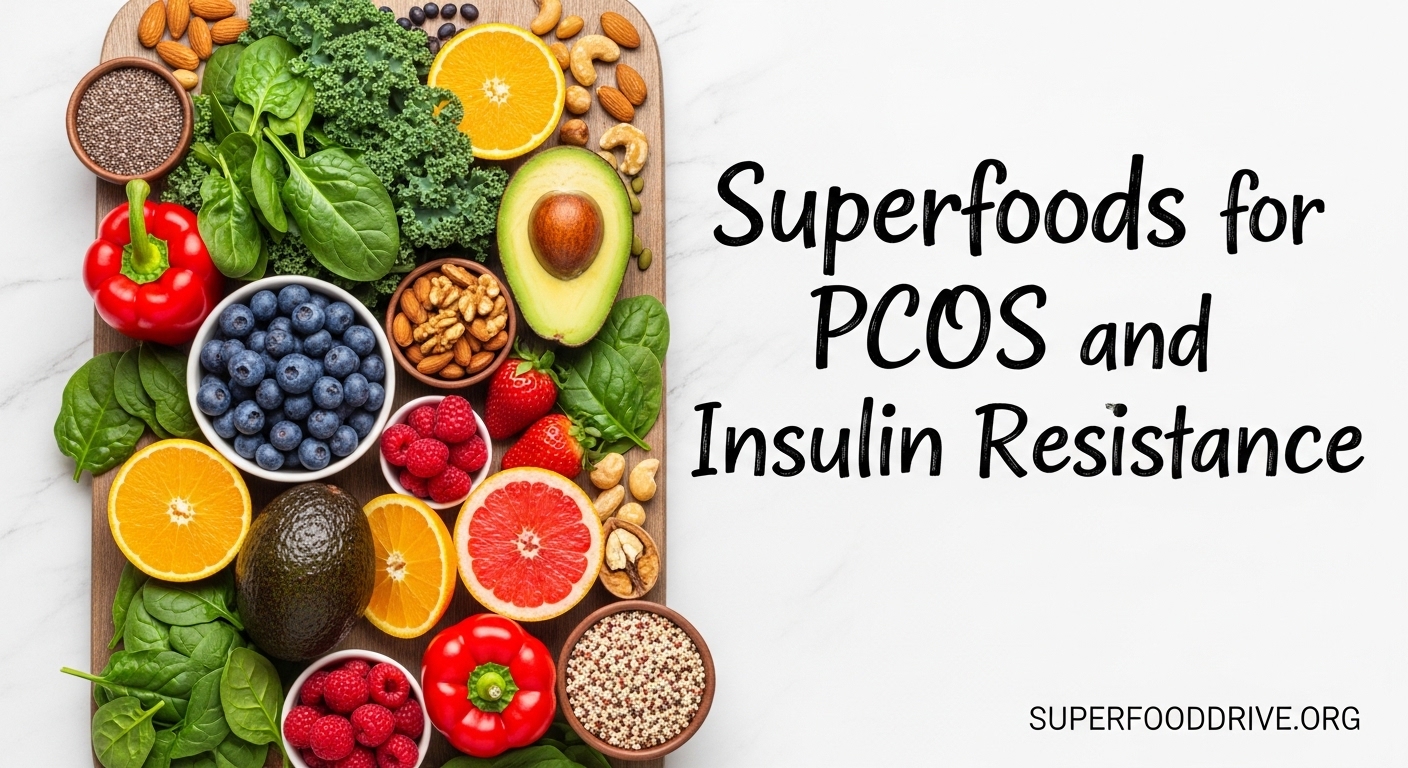
Then I discovered something that changed everything. Superfoods for PCOS and insulin resistance aren’t just trendy buzzwords. They’re specific, nutrient-dense foods that actually help your cells respond to insulin better. When I started eating these foods consistently, my energy returned. My periods regulated. And for the first time in years, my body started cooperating.
This guide shares the exact superfoods that helped me and thousands of others in the PCOS community. You’ll learn which foods lower inflammation, balance hormones naturally, and make weight loss possible again. No complicated diets. No expensive supplements. Just real food that works.
Table of Contents
Understanding PCOS and Insulin Resistance: The Connection
Polycystic Ovary Syndrome (PCOS) affects 1 in 10 women of reproductive age. That’s millions of women dealing with irregular periods, unwanted hair growth, acne, and weight gain. But here’s what many don’t realize: up to 75% of women with PCOS also have insulin resistance.
Insulin resistance means your body’s cells don’t respond properly to insulin, the hormone that moves sugar from your blood into your cells for energy. Your pancreas pumps out more insulin to compensate. This creates a domino effect: high insulin levels trigger your ovaries to produce more androgens (male hormones), which worsens PCOS symptoms.
The good news? What you eat directly impacts this cycle. The right foods can improve insulin sensitivity, lower inflammation, and help rebalance your hormones naturally.
What Is the 30 30 30 Rule for PCOS?
You might have heard about the 30-30-30 rule circulating in PCOS communities. This approach means eating 30 grams of protein within 30 minutes of waking up, followed by 30 minutes of light movement. The idea is to stabilize blood sugar early in the day.
While research specifically on this rule is limited, the principles make sense for PCOS management. Protein at breakfast reduces hunger hormones and prevents the blood sugar spikes that trigger cravings later. Morning movement improves insulin sensitivity for hours afterward. Many women in PCOS forums report this simple routine helps control their appetite and energy levels throughout the day.
Why Diet Matters More Than Anything Else
Medication can help manage PCOS symptoms. But changing what you eat addresses the root cause: insulin resistance. Studies consistently show that dietary modifications improve menstrual regularity, reduce testosterone levels, and support healthy weight loss in women with PCOS.
The women I see succeeding long-term aren’t following extreme diets. They’re making strategic food swaps that work with their bodies instead of against them.
What Makes a Food a ‘Superfood’ for PCOS?
Not every healthy food qualifies as a PCOS superfood. The best superfoods for PCOS and insulin resistance share specific characteristics that directly address the condition’s underlying mechanisms.
First, they have a low glycemic index. This means they don’t spike your blood sugar, which keeps insulin levels stable. Second, they’re anti-inflammatory. Chronic inflammation drives PCOS symptoms, so foods that calm inflammation help break the cycle. Third, they’re rich in fiber, which slows digestion and improves blood sugar control. Fourth, they contain specific nutrients like omega-3 fatty acids, magnesium, and antioxidants that support hormone production and insulin sensitivity.
When I evaluate foods for my own PCOS management, I ask: Will this help my insulin work better? Will it lower inflammation? If the answer is yes, it goes on my plate.
Top 12 Superfoods for PCOS and Insulin Resistance
These 12 superfoods form the foundation of an effective PCOS diet. Each one targets specific aspects of insulin resistance and hormonal imbalance. Mix and match them throughout your week for the best results.
1. Leafy Greens (Spinach, Kale, Swiss Chard)
Leafy greens top the list for good reason. They’re packed with magnesium, a mineral that improves insulin sensitivity. Many women with PCOS are magnesium deficient, which worsens insulin resistance and increases inflammation.
One cup of cooked spinach delivers nearly 40% of your daily magnesium needs. These greens are also rich in iron, folate, and vitamin K. They’re incredibly low in calories and carbohydrates, making them perfect for blood sugar control.
I add a big handful of spinach to my morning smoothie. You won’t taste it, but your cells will thank you. Sauteed kale with garlic makes a perfect side dish for dinner.
2. Berries (Blueberries, Strawberries, Raspberries)
Berries are nature’s candy for PCOS. They’re sweet but surprisingly low in sugar compared to other fruits. A cup of strawberries has only 7 grams of sugar, while providing more vitamin C than an orange.
The real magic is in the antioxidants. Berries contain anthocyanins, compounds that reduce inflammation and improve insulin sensitivity. Studies show that eating berries regularly can lower blood sugar spikes after meals.
Frozen berries work just as well as fresh and cost less. I keep a bag in my freezer for smoothies, yogurt toppings, or a quick snack when cravings hit.
3. Fatty Fish (Salmon, Sardines, Mackerel)
Wild-caught salmon is perhaps the single best protein source for PCOS. It’s loaded with omega-3 fatty acids, which reduce inflammation and improve insulin sensitivity. Research shows that omega-3 supplementation can lower testosterone levels and improve menstrual regularity in women with PCOS.
Aim for two to three servings of fatty fish per week. Sardines are budget-friendly and even higher in omega-3s than salmon. Mackerel, herring, and anchovies are excellent choices too.
If you don’t eat fish, consider an algae-based omega-3 supplement. Your body needs these fats to make healthy hormones.
4. Nuts and Seeds (Walnuts, Flaxseeds, Sunflower Seeds)
The PCOS community on Reddit constantly recommends nuts and seeds, and for good reason. Walnuts are particularly powerful because they contain the plant-based omega-3 called ALA. Just a quarter cup provides nearly 100% of your daily omega-3 needs.
Flaxseeds deserve special mention. They’re the richest source of lignans, compounds that help bind excess estrogen and support hormone balance. Ground flaxseed mixes easily into smoothies, oatmeal, or yogurt. Store it in the fridge to prevent the healthy fats from going rancid.
Sunflower seeds are high in vitamin E, selenium, and magnesium. They’re also one of the most affordable seeds. I keep a jar on my desk for afternoon snacking.
5. Legumes (Lentils, Chickpeas, Black Beans)
Beans and lentils are PCOS powerhouses. They combine protein and fiber in a way that stabilizes blood sugar for hours. One cup of cooked lentils has 18 grams of protein and 16 grams of fiber.
The resistant starch in legumes feeds good gut bacteria, which influences hormone production and insulin sensitivity. Studies show that eating legumes regularly improves glycemic control in people with insulin resistance.
If beans cause digestive issues, start with smaller portions and increase gradually. Rinsing canned beans well removes excess sodium and some of the gas-producing compounds.
6. Whole Grains (Quinoa, Oats, Brown Rice)
Not all carbs are enemies for PCOS. The right whole grains provide steady energy without spiking blood sugar. Quinoa is technically a seed but eats like a grain, and it’s a complete protein containing all nine essential amino acids.
Steel-cut oats are superior to instant oatmeal for blood sugar control. Their fiber content slows digestion, preventing the spikes that trigger cravings. Beta-glucan, the fiber in oats, has been shown to improve insulin sensitivity.
Switch from white rice to brown rice or even better, black rice (forbidden rice). These retain the fiber-rich bran layer that white rice loses during processing.
7. Cruciferous Vegetables (Broccoli, Cauliflower, Brussels Sprouts)
Broccoli and its cousins contain a compound called indole-3-carbinol that helps your liver metabolize estrogen. Since many women with PCOS have estrogen dominance, this matters for hormone balance.
These vegetables are also rich in fiber, vitamin C, and folate. They’re incredibly filling while being low in calories and carbs. Roasted Brussels sprouts with olive oil and garlic have converted even the biggest skeptics in my family.
Cauliflower rice has become a popular low-carb substitute for regular rice. It takes on flavors well and adds bulk to meals without the blood sugar impact.
8. Avocado
Avocados are the perfect PCOS food. They’re high in monounsaturated fats that improve insulin sensitivity. They’re loaded with fiber, more potassium than bananas, and various vitamins and minerals.
The healthy fats in avocado help you feel full and satisfied. Studies show that adding avocado to meals reduces hunger hormones and prevents overeating later. This is crucial for managing the weight gain associated with PCOS.
Don’t fear the fat. Your hormones are made from fat. Eating healthy fats supports hormone production and helps your body use insulin effectively.
9. Cinnamon
This common spice has impressive effects on blood sugar. Research shows that cinnamon can lower fasting blood glucose and improve insulin sensitivity in people with insulin resistance. It mimics insulin’s action and helps move sugar from blood into cells.
Ceylon cinnamon (true cinnamon) is preferred over cassia cinnamon for daily use, as cassia contains higher levels of coumarin. Sprinkle cinnamon on oatmeal, add it to smoothies, or stir it into coffee.
Some studies used doses of 1-6 grams of cinnamon daily. That’s roughly 1/4 to 1 teaspoon. Easy to incorporate and delicious.
10. Greek Yogurt
Plain Greek yogurt is an excellent protein source with gut-friendly probiotics. The protein keeps you full, while the probiotics support a healthy microbiome. Research increasingly links gut health to hormone balance and insulin sensitivity.
Choose plain, full-fat or 2% Greek yogurt over flavored varieties. The flavored ones are loaded with added sugars that spike insulin. Add your own berries and a sprinkle of cinnamon for natural sweetness.
If you’re dairy-sensitive, coconut yogurt with live cultures provides similar probiotic benefits. Just watch for added sugars.
11. Turmeric
The bright yellow spice contains curcumin, one of the most powerful anti-inflammatory compounds known. Since inflammation drives PCOS symptoms, adding turmeric to your diet can help calm the underlying fire.
Curcumin is poorly absorbed on its own. Combine turmeric with black pepper, which contains piperine that increases absorption by 2000%. Adding fat also helps, since curcumin is fat-soluble.
Golden milk (turmeric latte) has become popular for good reason. It’s a delicious way to get your daily dose of this anti-inflammatory spice.
12. Extra Virgin Olive Oil
Olive oil is a cornerstone of the Mediterranean diet, which research consistently shows benefits PCOS. It’s rich in monounsaturated fats and polyphenols that reduce inflammation and improve insulin sensitivity.
Quality matters here. Extra virgin olive oil is the least processed and retains the most beneficial compounds. Use it for salad dressings, drizzling over cooked vegetables, or light sauteeing.
Replace butter and vegetable oils with olive oil. Your cells will respond better to insulin, and you’ll get the anti-inflammatory benefits with every bite.
The Mediterranean Diet Connection for PCOS
If you’re looking for an eating pattern rather than individual foods, the Mediterranean diet is your best bet for PCOS. Research published in the journal Endocrine Connections found that women with PCOS following a Mediterranean diet had improved insulin sensitivity, lower testosterone levels, and better menstrual regularity.
This eating pattern emphasizes vegetables, fruits, whole grains, legumes, nuts, seeds, and olive oil. It includes moderate amounts of fish and seafood, limited poultry and eggs, and minimal red meat. Processed foods, refined grains, and added sugars are avoided.
The Mediterranean diet works for PCOS because it naturally includes the superfoods listed above. It’s anti-inflammatory, low glycemic, and rich in the nutrients your hormones need. Best of all, it’s sustainable. You’re not cutting out entire food groups or counting calories obsessively.
Start by adopting one Mediterranean principle per week. Switch to olive oil. Add a serving of vegetables to every meal. Replace refined grains with whole grains. Small changes add up to significant improvements in how you feel.
Foods to Limit or Avoid with PCOS
Just as important as what you eat is what you avoid. Certain foods worsen insulin resistance, spike blood sugar, and increase inflammation. Reducing these can be as powerful as adding superfoods.
Refined carbohydrates top the list. White bread, pasta, pastries, and sugary cereals digest quickly and spike blood sugar. Your pancreas releases insulin to manage the surge, which over time worsens insulin resistance. Switch to whole grain alternatives.
Added sugars hide in surprising places. Salad dressings, pasta sauces, flavored yogurts, and granola bars can pack more sugar than desserts. Read labels and choose products with less than 5 grams of added sugar per serving.
Processed meats like bacon, sausage, and deli meats contain inflammatory compounds and high sodium. They also lack the beneficial omega-3s found in fish. Choose fresh, unprocessed proteins instead.
Trans fats not only raise bad cholesterol but also increase inflammation. Avoid partially hydrogenated oils found in margarine, shortening, and many packaged baked goods.
Excessive alcohol disrupts blood sugar and hormone balance. If you drink, keep it moderate (one drink or less per day) and choose lower-sugar options like dry wine or spirits with soda water.
Inflammatory oils including soybean, corn, sunflower, and cottonseed oils are high in omega-6 fatty acids. While we need some omega-6s, the modern diet contains way too many, creating an imbalance that promotes inflammation. Cook with olive oil, avocado oil, or coconut oil instead.
How to Incorporate Superfoods Into Your Daily Routine
Knowing which superfoods help PCOS is one thing. Actually eating them consistently is another. Here’s how to make these foods a natural part of your day without stress or complicated meal plans.
Breakfast Ideas
Start your day with protein and fiber to stabilize blood sugar. A veggie omelet with spinach and mushrooms cooked in olive oil takes 10 minutes. Greek yogurt topped with berries, walnuts, and cinnamon requires zero cooking. Overnight oats made with steel-cut oats, chia seeds, and almond butter can be prepped the night before.
The women who see the best results eat within an hour of waking. Waiting too long triggers stress hormones and sets you up for cravings later.
Lunch Strategies
Build your plate around vegetables first. A big salad with mixed greens, chickpeas, avocado, and olive oil dressing. Lentil soup with a side of roasted broccoli. Leftover salmon over cauliflower rice with sauteed spinach.
Meal prepping on Sundays saves time during busy weeks. Cook a big batch of quinoa, roast several pans of vegetables, and grill chicken or salmon. Mix and match throughout the week.
Dinner Approaches
Follow the plate method: half your plate non-starchy vegetables, quarter protein, quarter complex carbohydrates. Baked salmon with roasted Brussels sprouts and sweet potato. Stir-fry with tofu, broccoli, bell peppers, and brown rice. Turkey meatballs over zucchini noodles with marinara.
Eating dinner at least three hours before bed improves sleep quality and overnight blood sugar control. If you’re hungry later, a small handful of almonds or herbal tea usually does the trick.
Snack Solutions
Keep PCOS-friendly snacks accessible to avoid vending machine temptation. Apple slices with almond butter. Carrots and hummus. A small portion of mixed nuts. Hard-boiled eggs. These combine protein, fat, and fiber to keep you satisfied.
Pre-portion snacks at the start of the week. It’s too easy to eat an entire bag of walnuts if you’re reaching into the bag mindlessly.
Sample Shopping List
Stock your kitchen with these PCOS superfoods:
Vegetables: Spinach, kale, broccoli, cauliflower, Brussels sprouts, bell peppers, zucchini
Fruits: Blueberries, strawberries, raspberries, lemons, avocados
Proteins: Salmon, sardines, eggs, Greek yogurt, chicken
Pantry staples: Quinoa, steel-cut oats, brown rice, lentils, chickpeas, black beans, olive oil, coconut oil, walnuts, flaxseeds, sunflower seeds, almond butter, cinnamon, turmeric
Having these foods on hand makes healthy eating automatic rather than a daily struggle.
Budget-Friendly Tips
Eating for PCOS doesn’t require a huge grocery budget. Frozen berries and vegetables are just as nutritious as fresh and cost less. Canned salmon and sardines provide the same omega-3s as fresh fish at a fraction of the price. Dried beans and lentils cost pennies per serving.
Buy nuts and seeds in bulk. Store them in the freezer to prevent spoilage. Shop sales and stock up on non-perishables when prices drop.
Batch cooking saves money and time. A pot of lentil soup feeds you for days. Roasted vegetables work in multiple meals. Hard-boiled eggs are nature’s original fast food.
Lifestyle Changes That Support Your PCOS Diet
Food is powerful for managing PCOS, but it’s not the only factor. These lifestyle changes work synergistically with your diet to improve insulin sensitivity and hormone balance.
Movement That Matters
Exercise improves insulin sensitivity for hours after you’re done. But you don’t need extreme workouts. Walking for 30 minutes after meals significantly lowers blood sugar spikes. Strength training builds muscle, which acts like a sponge for glucose.
Find movement you enjoy. Dancing, swimming, yoga, hiking, whatever gets you moving consistently. The best exercise is the one you’ll actually do.
Start where you are. Ten minutes of movement is better than none. Build up gradually rather than burning out with an overly ambitious plan.
Stress Management
Chronic stress raises cortisol, which worsens insulin resistance and PCOS symptoms. Finding ways to manage stress is as important as managing your diet.
Deep breathing for five minutes lowers cortisol immediately. Meditation apps make it easy to start. Even simple practices like journaling or spending time in nature help.
Prioritize sleep. Poor sleep disrupts hunger hormones and blood sugar control. Aim for 7-9 hours and keep a consistent schedule. Your hormones need the overnight reset that quality sleep provides.
Building Sustainable Habits
The women who succeed long-term focus on progress, not perfection. One healthy meal is a win. Moving your body today matters more than what you did yesterday.
Track how you feel, not just your weight. Energy levels, sleep quality, mood, and menstrual regularity tell you more than the scale. Celebrate non-scale victories.
Connect with others who understand. Online PCOS communities provide support, recipe ideas, and reminders that you’re not alone in this journey.
Frequently Asked Questions
What foods are good for insulin resistant PCOS?
The best foods for insulin resistant PCOS include fatty fish like salmon, leafy greens, berries, nuts and seeds, legumes, whole grains, cruciferous vegetables, avocado, and foods rich in omega-3 fatty acids and fiber. These foods improve insulin sensitivity, reduce inflammation, and help balance hormones naturally.
What is the 30 30 30 rule for PCOS?
The 30-30-30 rule for PCOS involves eating 30 grams of protein within 30 minutes of waking up, followed by 30 minutes of light movement. This approach aims to stabilize blood sugar early in the day, reduce hunger hormones, and improve insulin sensitivity throughout the morning.
How do Japanese treat PCOS?
Japanese treatment for PCOS typically emphasizes traditional dietary patterns rich in fish, vegetables, fermented foods, and green tea. The Japanese diet is naturally anti-inflammatory and low glycemic. Medical treatment may include herbal medicine approaches alongside conventional care, with strong focus on lifestyle modifications including diet and stress reduction.
How to reduce insulin levels in PCOS naturally?
To reduce insulin levels in PCOS naturally, focus on eating low glycemic foods, increasing fiber intake, consuming omega-3 rich foods, adding cinnamon to meals, exercising regularly (especially after meals), managing stress, prioritizing sleep, and maintaining a healthy weight. The Mediterranean diet pattern has shown particular effectiveness for improving insulin sensitivity in PCOS.
Conclusion
Managing PCOS through superfoods for PCOS and insulin resistance isn’t about perfection. It’s about progress. Each meal is an opportunity to support your body with foods that improve insulin sensitivity, lower inflammation, and balance hormones naturally.
Start with one change. Add berries to your breakfast. Swap white rice for quinoa. Take a walk after dinner. Small steps build momentum.
You don’t need to overhaul your entire diet overnight. Focus on adding the good stuff first. As you crowd out inflammatory foods with nutrient-dense superfoods, your body responds. Energy improves. Cravings diminish. Weight becomes easier to manage.
Remember, you didn’t develop PCOS overnight, and healing takes time too. Be patient with yourself. Trust the process. And know that every healthy choice you make is supporting your body’s ability to heal and thrive.