
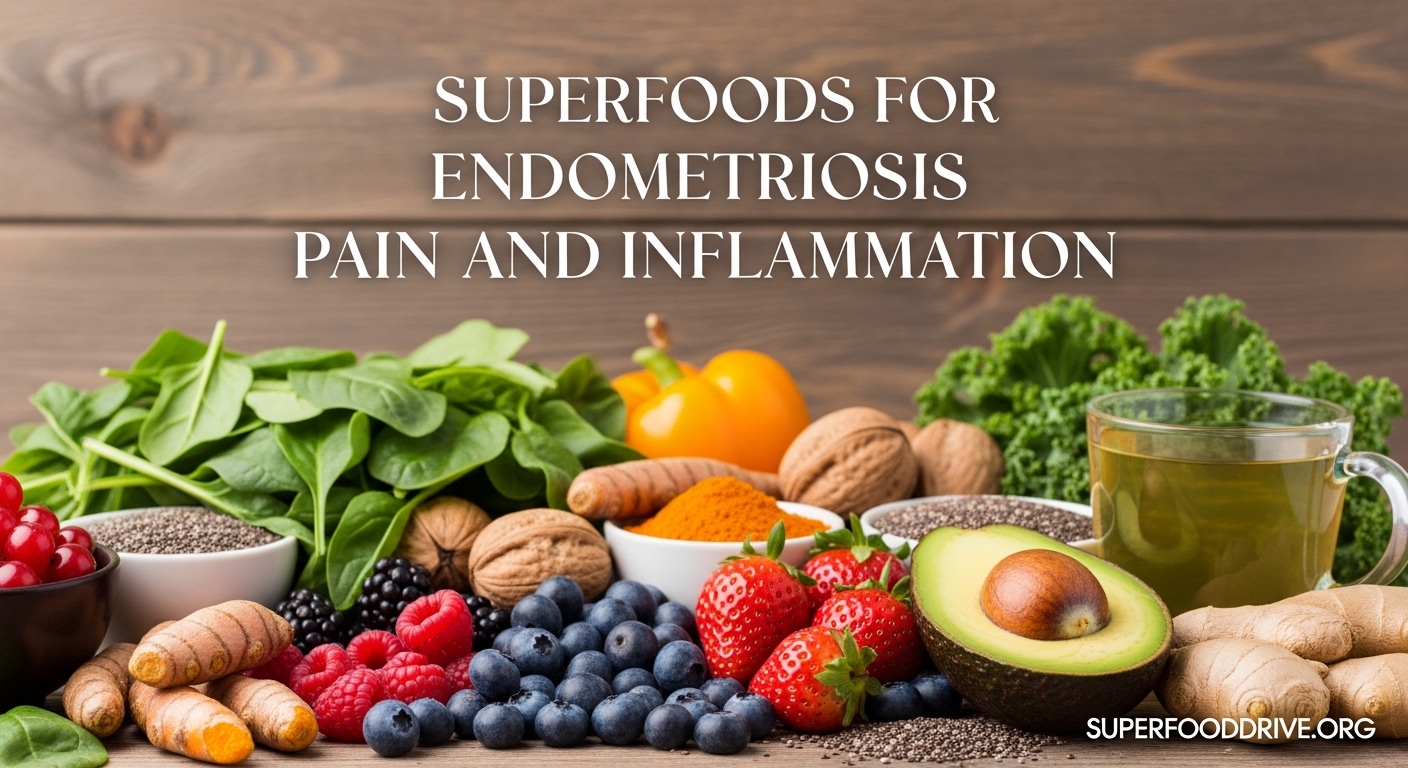
Living with endometriosis means navigating unpredictable pain days and searching for relief beyond medication. The connection between what you eat and how you feel is more powerful than many realize. Research consistently shows that the right superfoods for endometriosis can significantly reduce inflammation and ease chronic pelvic pain.
Our team has spent months analyzing nutritional research and real experiences from the endometriosis community. This guide will show you exactly which foods fight inflammation and how to incorporate them into your daily routine.
Whether you are newly diagnosed or have managed symptoms for years, understanding these dietary strategies can be a game-changer for your quality of life.
Table of Contents
How Superfoods Fight Endometriosis Pain and Inflammation
Endometriosis is fundamentally an inflammatory condition. Tissue similar to the uterine lining grows outside the uterus, triggering an immune response that creates chronic inflammation throughout the pelvic region.
When inflammatory cytokines flood your system, they amplify pain signals and can make menstrual cramps feel unbearable. The good news is that specific nutrients found in superfoods directly counteract these inflammatory markers.
Omega-3 fatty acids, for example, compete with inflammatory omega-6 fats at the cellular level. Studies show women with higher omega-3 intake report significantly lower pain scores. Magnesium helps relax smooth muscle tissue, which can reduce the intensity of uterine contractions. Zinc supports hormone regulation and may help balance estrogen levels that drive endometriosis growth.
The real power comes from combining these nutrients consistently. Forum members in endometriosis communities regularly share stories about how dietary changes reduced their pain by 95%. While results vary between individuals, the evidence for anti-inflammatory eating keeps growing.
Top 10 Superfoods for Endometriosis
These ten superfoods pack the highest concentration of anti-inflammatory compounds specifically beneficial for endometriosis symptoms. Each one offers unique benefits that work together to support your body.
1. Wild-Caught Salmon
Salmon delivers exceptional amounts of eicosapentaenoic acid and docosahexaenoic acid, the two most potent omega-3 fatty acids for fighting inflammation. A single 6-ounce serving provides over 1,500 milligrams of these pain-reducing compounds.
Wild-caught varieties contain fewer contaminants and higher nutrient density than farmed options. Aim for two to three servings per week to maintain consistent anti-inflammatory levels in your bloodstream.
2. Chia Seeds
These tiny seeds are a nutritional powerhouse for endometriosis sufferers. Two tablespoons provide 5 grams of omega-3 fatty acids, 10 grams of fiber, and significant magnesium content.
The soluble fiber in chia seeds helps regulate estrogen by promoting its elimination through the digestive tract. This can be particularly helpful since endometriosis is an estrogen-driven condition. Sprinkle them on yogurt, blend into smoothies, or make chia pudding for an easy breakfast option.
3. Leafy Greens
Spinach, kale, Swiss chard, and collard greens deliver magnesium, iron, and antioxidants in abundance. One cup of cooked spinach provides 157 milligrams of magnesium, nearly 40% of your daily needs.
The high fiber content supports digestive health and hormone balance. Their alkaline nature may help reduce the acidic environment that can worsen inflammation. Try adding a handful to morning smoothies or sauteeing with garlic for dinner.
4. Turmeric
This bright yellow spice contains curcumin, one of the most powerful natural anti-inflammatory compounds known. Research specifically links curcumin to reduced endometrial lesion growth in animal studies.
The key is combining turmeric with black pepper, which increases curcumin absorption by up to 2,000%. Add it to roasted vegetables, golden milk lattes, or curries. For therapeutic doses, many women find supplements more practical than culinary amounts.
5. Berries
Blueberries, raspberries, strawberries, and blackberries are loaded with anthocyanins, antioxidants that give them their vibrant colors. These compounds neutralize free radicals and reduce oxidative stress markers associated with endometriosis.
One cup of blueberries delivers nearly a quarter of your daily manganese needs, supporting bone health and reducing muscle cramps. Fresh or frozen both work well, making berries an affordable year-round option. The endometriosis community frequently recommends berries as a go-to snack that satisfies sweet cravings without triggering inflammation.
6. Walnuts
Walnuts stand out among nuts for their exceptional omega-3 content. A one-ounce serving (about 14 halves) provides 2.5 grams of plant-based omega-3 fatty acids.
They also contain polyphenols and melatonin, which may help with sleep quality and pain perception. Keep a small container in your bag for emergency snacking when hunger strikes. Soaking them overnight makes them easier to digest and reduces phytic acid content.
7. Ginger
Fresh ginger contains gingerol, a bioactive compound with potent anti-inflammatory and pain-relieving properties. Studies show it can be as effective as ibuprofen for menstrual pain in some women.
Adding fresh ginger to teas, stir-fries, or smoothies provides ongoing anti-inflammatory support. Many endometriosis sufferers swear by ginger tea during their worst pain days. Start with small amounts if you are not used to the flavor, as it can be quite spicy.
8. Pumpkin Seeds
Also called pepitas, these seeds are zinc powerhouses. A quarter-cup serving delivers nearly 20% of your daily zinc needs, supporting immune function and hormone regulation.
They also provide magnesium, iron, and healthy fats. The combination makes them particularly valuable for women dealing with both pain and fatigue from endometriosis. Roast them with turmeric and sea salt for a savory snack, or add raw to salads and oatmeal.
9. Flax Seeds
Ground flax seeds offer lignans, plant compounds that can help modulate estrogen metabolism. Two tablespoons provide nearly 4 grams of fiber and 2.4 grams of omega-3 fatty acids.
The fiber helps bind excess estrogen in the digestive tract, potentially reducing the hormonal drive behind endometriosis. Always consume flax seeds ground, as whole seeds pass through undigested. Store ground flax in the refrigerator to prevent oxidation.
10. Broccoli and Cruciferous Vegetables
Broccoli, cauliflower, Brussels sprouts, and cabbage contain sulforaphane and indole-3-carbinol. These compounds support liver detoxification pathways that process excess estrogen.
One cup of broccoli provides over 100% of your daily vitamin C needs, supporting immune function and reducing inflammation. Lightly steaming preserves more nutrients than boiling. Roasting with olive oil brings out natural sweetness and makes them more palatable for daily consumption.
Key Nutrients That Help Endometriosis
Understanding the specific nutrients behind these superfoods helps you make informed choices about your diet. Each plays a distinct role in managing endometriosis symptoms.
Omega-3 Fatty Acids
These essential fats form the building blocks of anti-inflammatory compounds in your body. EPA and DHA specifically reduce production of inflammatory prostaglandins that drive menstrual pain.
Research indicates women with endometriosis often have imbalanced omega-6 to omega-3 ratios. Correcting this through diet can take 8 to 12 weeks but yields measurable pain reduction. Fatty fish remains the best source, though algae-based supplements work for vegetarians and vegans.
Magnesium
This mineral acts as a natural muscle relaxant and pain modulator. It helps calm the smooth muscle contractions that cause cramping during menstruation and endometriosis flares.
Many women with endometriosis are magnesium deficient, partly due to chronic inflammation depleting stores. Dark leafy greens, nuts, seeds, and dark chocolate provide dietary magnesium. Some find additional supplementation helpful, particularly magnesium glycinate which is gentle on digestion.
Zinc
Zinc supports immune regulation and helps modulate inflammation. It also plays a role in hormone metabolism and may help reduce the oxidative stress associated with endometriosis.
Research shows women with endometriosis often have lower zinc levels than healthy controls. Pumpkin seeds, oysters, grass-fed beef, and chickpeas are excellent sources. Aim for 15 to 30 milligrams daily through food and supplements combined.
Fiber and Estrogen Regulation
Dietary fiber binds to excess estrogen in the digestive tract, helping eliminate it from your body rather than recirculating it. This is crucial since endometriosis is estrogen-dependent.
Women consuming 35 grams of fiber daily show better hormone balance than those eating standard Western diets. The Cleveland Clinic specifically recommends this fiber target for endometriosis management. Focus on vegetables, fruits, legumes, seeds, and whole grains to reach this goal naturally.
How to Build an Anti-Inflammatory Meal Plan
Transforming knowledge into daily meals is where many people struggle. Here is a practical framework for building anti-inflammatory plates that support endometriosis management.
Step 1: Start With Vegetables
Fill half your plate with colorful vegetables, emphasizing leafy greens and cruciferous options. These provide the fiber, magnesium, and antioxidants that form the foundation of an anti-inflammatory diet.
Step 2: Add Quality Protein
Include 4 to 6 ounces of fatty fish twice weekly for omega-3s. On other days, choose pasture-raised poultry, eggs, legumes, or tempeh. Protein helps stabilize blood sugar and provides building blocks for tissue repair.
Step 3: Include Healthy Fats
Add olive oil, avocado, nuts, or seeds to every meal. These fats help absorb fat-soluble vitamins and provide anti-inflammatory compounds. A quarter avocado or one tablespoon of olive oil per meal is a good target.
Step 4: Choose Smart Carbohydrates
Round out meals with quinoa, sweet potato, or brown rice rather than refined grains. These complex carbohydrates provide fiber without the blood sugar spikes that can worsen inflammation.
Sample Daily Menu
Breakfast: Smoothie with spinach, blueberries, chia seeds, almond butter, and unsweetened almond milk
Lunch: Large salad with mixed greens, salmon, pumpkin seeds, walnuts, and olive oil dressing
Snack: Apple slices with ginger-turmeric tea
Dinner: Roasted broccoli and cauliflower with turmeric, grilled chicken, and quinoa
Evening: Small handful of walnuts and chamomile tea
Foods to Avoid With Endometriosis
Knowing what to avoid is just as important as knowing what to eat. These foods consistently trigger inflammation and worsen symptoms for many women with endometriosis.
1. Trans Fats and Processed Foods
Processed foods contain industrial seed oils, refined sugars, and artificial additives that drive inflammation. Trans fats specifically increase inflammatory markers and should be eliminated completely.
Read labels carefully for partially hydrogenated oils. The convenience of packaged foods is not worth the inflammatory cost for most endometriosis sufferers.
2. Gluten
Many women with endometriosis report significant symptom improvement when eliminating gluten. While not everyone is sensitive, the protein can trigger inflammation in susceptible individuals.
Forum discussions consistently identify gluten as one of the worst triggers alongside alcohol. Try a 30-day elimination to assess your personal response.
3. Red Meat
Conventionally raised red meat contains high levels of arachidonic acid, which promotes inflammatory prostaglandin production. Some studies link high red meat consumption to increased endometriosis risk.
If you do eat meat, choose grass-fed options occasionally rather than making it a dietary staple. Fish and poultry are better protein choices for daily consumption.
4. Alcohol
Alcohol increases estrogen levels and burdens the liver, which processes hormones. Many women report that even small amounts trigger flare-ups.
Consider complete elimination during the luteal phase (after ovulation) when symptoms typically worsen. If you do drink, choose organic wine and limit to rare occasions.
5. High-FODMAP Foods
Some endometriosis sufferers have overlapping digestive issues that make high-FODMAP foods problematic. These include onions, garlic, certain fruits, and wheat products that ferment in the gut.
If you experience bloating and digestive pain alongside pelvic pain, consider working with a nutritionist to try a low-FODMAP approach temporarily.
Lifestyle Factors Beyond Diet
While superfoods for endometriosis form the foundation of natural symptom management, other lifestyle factors amplify their effects. Diet works best as part of a comprehensive approach.
Regular Movement
Moderate exercise reduces inflammatory markers and improves circulation to pelvic tissues. Walking, swimming, yoga, and gentle strength training all help without overtaxing your system.
Avoid high-intensity workouts during your period if they worsen symptoms. The goal is consistent movement, not athletic performance.
Stress Management
Chronic stress elevates cortisol, which disrupts hormone balance and increases inflammation. Mindfulness practices, breathing exercises, and adequate rest help your nervous system regulate properly.
The Endometriosis Foundation specifically emphasizes stress management alongside dietary changes. Consider meditation apps, gentle yoga, or therapy to address the emotional toll of chronic pain.
Quality Sleep
Poor sleep worsens pain perception and inflammatory responses. Aim for 7 to 9 hours in a cool, dark room without screens before bed.
Magnesium-rich foods and supplements can improve sleep quality, creating a positive feedback loop with your anti-inflammatory diet.
Frequently Asked Questions
What foods reduce inflammation in endometriosis?
Fatty fish like salmon, chia seeds, leafy greens, turmeric, berries, walnuts, ginger, pumpkin seeds, flax seeds, and cruciferous vegetables all help reduce inflammation in endometriosis. These foods provide omega-3 fatty acids, magnesium, zinc, fiber, and antioxidants that counteract inflammatory markers.
How to calm down endometriosis inflammation?
To calm endometriosis inflammation, eat anti-inflammatory superfoods daily, eliminate processed foods and trans fats, reduce or eliminate gluten and alcohol, manage stress through mindfulness practices, get regular moderate exercise, and prioritize quality sleep. Consistency matters more than perfection.
What foods can help with endometriosis pain?
Foods that help with endometriosis pain include salmon and fatty fish for omega-3s, leafy greens for magnesium, ginger for natural pain relief, turmeric for curcumin content, and berries for antioxidants. These superfoods work by reducing inflammatory cytokines and relaxing muscle tissue.
What foods trigger endometriosis flare up?
Common foods that trigger endometriosis flare-ups include trans fats and processed foods, gluten, conventional red meat, alcohol, caffeine, high-sugar foods, and for some individuals, high-FODMAP foods like onions and garlic. Many women report alcohol and gluten as their worst triggers.
How long does it take for diet changes to help endometriosis?
Diet changes typically take 8 to 12 weeks to show measurable improvements in endometriosis symptoms. This timeframe allows omega-3 fatty acids to accumulate in tissues and inflammatory markers to decrease. Some women notice improvements in digestive symptoms within days, while pain relief builds gradually.
Can superfoods cure endometriosis?
No, superfoods cannot cure endometriosis. They serve as a complementary approach to manage symptoms and reduce inflammation alongside medical treatment. Dietary changes help many women experience less pain and fewer flare-ups, but endometriosis requires comprehensive medical care including potential surgical intervention.
Conclusion
Superfoods for endometriosis offer a powerful, natural way to support your body through the challenges of this chronic condition. By focusing on anti-inflammatory foods rich in omega-3 fatty acids, magnesium, zinc, and fiber, you give your system the tools it needs to fight inflammation and manage pain.
The ten superfoods outlined in this guide provide a solid foundation for dietary changes. Start by adding one or two new options each week rather than overwhelming yourself with a complete overhaul. Many women in the endometriosis community report that even small changes, like adding chia seeds to breakfast or swapping processed snacks for walnuts, created noticeable improvements.
Remember that food is medicine, but it works best as part of a comprehensive approach. Combine these nutritional strategies with stress management, regular movement, quality sleep, and appropriate medical care. Your journey with superfoods for endometriosis is personal, so listen to your body and adjust based on what works for you.
We encourage you to start today with one simple change. Your future self may thank you when the next flare-up feels more manageable than the last.