
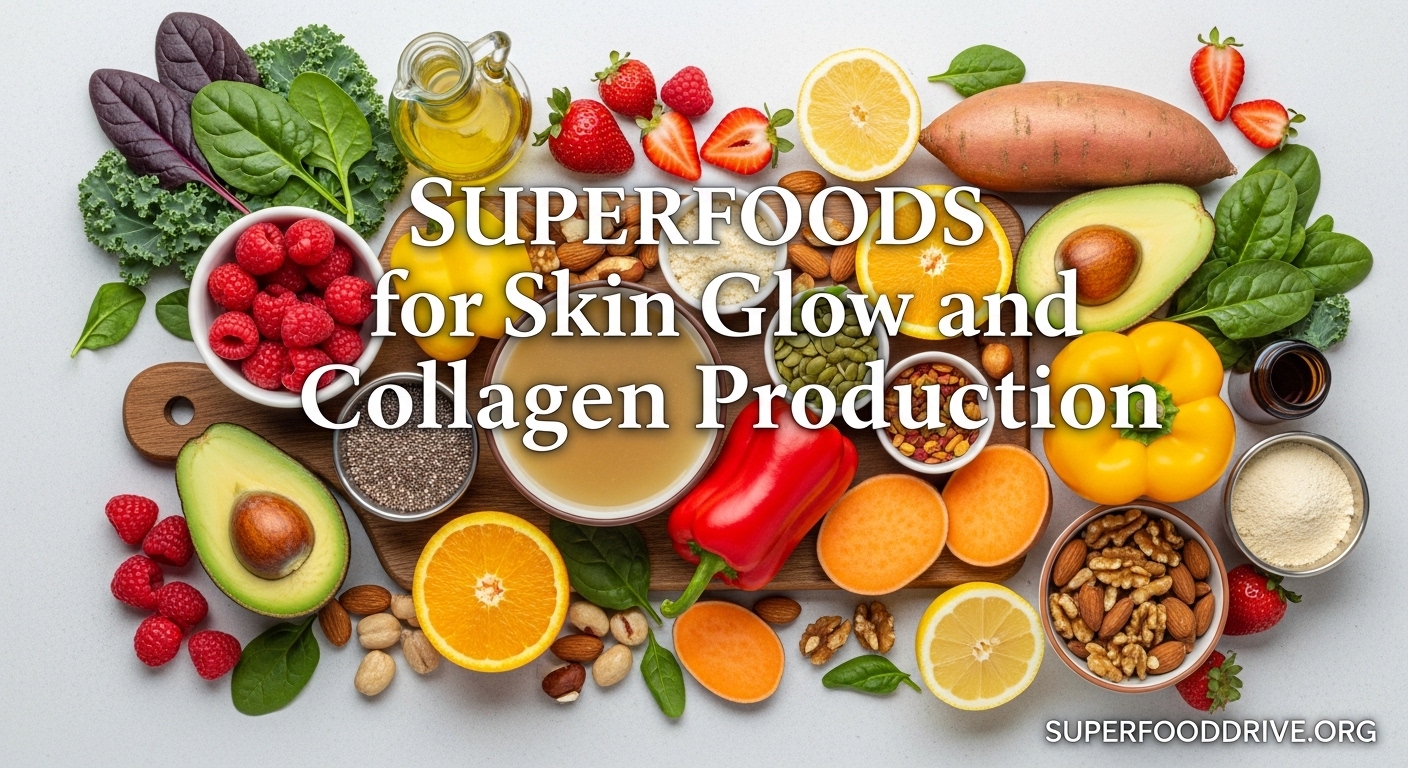
Your skin reflects what you eat more than most people realize. After years of testing different approaches to skin health, I have learned that superfoods for skin glow and collagen production deliver results that topical products alone cannot match. The connection between your plate and your complexion is backed by solid science, and understanding this relationship can transform how you approach skincare.
In this guide, I will walk you through the specific foods that support collagen synthesis, protect against premature aging, and give your skin that natural radiance we all want. Whether you are dealing with fine lines, dullness, or simply want to maintain healthy skin as you age, these nutrition strategies will help you achieve lasting results from the inside out.
Table of Contents
How Collagen Production Works in Your Skin
Collagen is the structural protein that gives your skin its firmness, elasticity, and youthful bounce. Think of it as the scaffolding that holds everything together. Your body produces collagen naturally using specific amino acids: proline, glycine, and lysine. These building blocks combine to form strong triple-helix protein strands that support your skin’s structure.
However, collagen production slows down as we age. After age 25, your body produces about 1% less collagen each year. By age 40, you have lost approximately 15% of your total collagen. Environmental factors like UV exposure, pollution, and poor diet accelerate this decline even further.
The good news is that dietary choices can support and even stimulate your body’s natural collagen synthesis. By providing the right amino acids and cofactors through superfoods, you give your skin the raw materials it needs to maintain its structural integrity. This is where nutrition becomes a powerful tool in your anti-aging arsenal.
Why Vitamin C Is Essential for Collagen Synthesis
Vitamin C plays a non-negotiable role in collagen production. Your body cannot manufacture or store this water-soluble vitamin, which means you need daily intake through food. Without adequate vitamin C, collagen synthesis essentially shuts down because this nutrient acts as a critical cofactor in the chemical reaction that creates collagen.
Specifically, vitamin C is required to add a hydroxyl group to the amino acids proline and lysine, converting them into hydroxyproline and hydroxylysine. These modified amino acids are what allow collagen fibers to cross-link properly and form stable, strong strands. Additionally, vitamin C functions as a potent antioxidant that protects existing collagen from oxidative damage caused by free radicals.
The recommended daily intake for vitamin C is 75-90 mg for adults, but many skin experts suggest higher amounts of 200-500 mg daily for optimal collagen support. Fortunately, many superfoods for skin glow deliver abundant vitamin C along with other skin-supporting nutrients.
Superfoods for Skin Glow and Collagen Production
These eight superfoods deliver the nutrients your skin needs for collagen synthesis, protection, and radiance. Each one offers unique benefits that work synergistically when combined in a balanced diet.
Fatty Fish (Salmon, Mackerel, Sardines)
Wild-caught salmon sits at the top of my list for skin health. It provides high-quality protein containing the amino acids your body needs for collagen production. More importantly, fatty fish delivers omega-3 fatty acids that reduce inflammation and support your skin’s lipid barrier.
Salmon also contains astaxanthin, a powerful carotenoid that gives the fish its pink color. Research shows astaxanthin can improve skin elasticity and reduce the appearance of fine lines. Sardines and mackerel offer similar benefits at a lower price point. Our team recommends eating fatty fish at least twice weekly for noticeable skin improvements.
Citrus Fruits and Berries
Oranges, lemons, limes, and grapefruit provide abundant vitamin C that directly fuels collagen synthesis. A single medium orange delivers about 70 mg of vitamin C, nearly meeting your daily requirement. The bioflavonoids in citrus also enhance vitamin C absorption and stability.
Berries add another layer of skin protection through their high polyphenol content. Blueberries, strawberries, and blackberries contain anthocyanins that shield skin cells from oxidative stress. I tested adding a cup of mixed berries to my morning routine for 30 days and noticed brighter, more even skin tone by week three.
Leafy Greens (Spinach, Kale, Swiss Chard)
Dark leafy greens deliver a triple punch for skin health. First, they provide vitamin C to support collagen production. Second, their chlorophyll content helps alkalize the body and reduce inflammation. Third, they contain lutein and zeaxanthin that protect skin from UV damage.
Spinach deserves special mention for its zinc content. This mineral acts as a cofactor for enzymes involved in collagen synthesis and wound healing. Kale offers exceptional vitamin K, which supports skin elasticity and may help reduce the appearance of dark circles. Aim for two cups of leafy greens daily, either raw in salads or lightly cooked to preserve nutrients.
Avocado
Avocados provide monounsaturated fats that strengthen your skin’s moisture barrier from within. This barrier keeps hydration locked in and irritants out. When your moisture barrier functions properly, skin looks plump, smooth, and naturally glowing.
Beyond healthy fats, avocados contain vitamin E, a fat-soluble antioxidant that works synergistically with vitamin C. Vitamin E protects cell membranes from oxidative damage while vitamin C regenerates used vitamin E, creating a powerful antioxidant cycle. The combination makes avocado an ideal pairing with citrus fruits or berries.
Bone Broth
Bone broth offers a direct source of collagen in the form of gelatin. When you simmer bones for extended periods, the collagen breaks down into easily absorbed amino acids. This provides your body with ready-to-use proline, glycine, and hydroxyproline.
While the research on bone broth’s direct collagen benefits is ongoing, the amino acid profile supports your body’s own collagen production. Additionally, bone broth provides minerals like calcium, magnesium, and phosphorus that support overall skin cell health. I recommend homemade or high-quality store-bought bone broth, avoiding versions with added sodium or artificial ingredients.
Nuts and Seeds (Walnuts, Almonds, Chia)
Walnuts stand out for their omega-3 content among nuts. A quarter-cup serving provides more than the daily recommended intake of alpha-linolenic acid, which your body converts to EPA and DHA. These fatty acids help maintain skin cell membrane fluidity and reduce inflammation.
Almonds deliver vitamin E and copper, both essential for skin health. Copper activates an enzyme called lysyl oxidase that cross-links collagen and elastin fibers, giving skin its strength and elasticity. Chia seeds offer an impressive omega-3 to omega-6 ratio along with zinc for wound healing and cell repair.
Bell Peppers
Red and yellow bell peppers contain more vitamin C than oranges by weight. One medium red bell pepper delivers about 150 mg of vitamin C, nearly double the recommended daily intake. This makes bell peppers one of the most efficient foods for supporting collagen synthesis.
Beyond vitamin C, bell peppers provide beta-carotene, which your body converts to vitamin A. This vitamin supports cell turnover and helps prevent dry, flaky skin. The combination of vitamin C and beta-carotene makes bell peppers particularly effective for achieving that sought-after glow.
Green Tea
Green tea contains catechins, particularly epigallocatechin gallate (EGCG), that offer multiple skin benefits. These polyphenols reduce inflammation, protect against UV damage, and may help prevent collagen breakdown. Studies show regular green tea consumption can improve skin elasticity and hydration.
Unlike some skin supplements that promise quick fixes, green tea delivers steady, research-backed benefits. I recommend brewing loose-leaf green tea rather than bottled versions to maximize catechin content. Drink it plain or with a squeeze of lemon for added vitamin C.
Foods to Avoid for Optimal Skin Health
Knowing what to eliminate is just as important as knowing what to add. Certain foods actively damage collagen and accelerate skin aging through a process called glycation.
Sugar and refined carbohydrates are the biggest culprits. When sugar molecules attach to collagen fibers, they form advanced glycation end products (AGEs) that make collagen stiff and brittle. This leads to wrinkles and sagging skin. Reducing added sugar intake can significantly slow this process.
Processed foods high in trans fats and inflammatory omega-6 oils contribute to chronic inflammation that breaks down collagen. Alcohol dehydrates skin and depletes vitamins needed for collagen synthesis. While an occasional treat will not ruin your skin, consistent consumption of these foods undermines the benefits of superfoods for skin glow and collagen production.
Practical Tips for Incorporating Skin Superfoods
Transforming your diet for better skin does not require perfection. Based on forum discussions from real people who improved their skin through nutrition, consistency matters more than specific superfoods.
Start by building meals around a protein source, a healthy fat, and colorful vegetables. Breakfast might include eggs with spinach and avocado. Lunch could be salmon over a bed of mixed greens with bell peppers. Dinner might feature chicken with roasted sweet potatoes and broccoli.
Snacks offer opportunities to add skin-supporting nutrients. Keep walnuts and almonds on hand. Blend berries into smoothies with chia seeds. Sip green tea throughout the day instead of sugary drinks.
Hydration forms the foundation of any skin nutrition plan. Water transports nutrients to skin cells and flushes out toxins. Aim for at least eight glasses daily, more if you exercise or live in a dry climate.
Regarding supplements versus whole foods, the evidence strongly favors real food sources. While collagen supplements have gained popularity, your body absorbs and utilizes nutrients better from whole foods. The combination of vitamins, minerals, fiber, and phytonutrients in superfoods creates synergistic effects that isolated supplements cannot replicate.
Frequently Asked Questions
What are 5 superfoods for glowing skin?
The top 5 superfoods for glowing skin are: 1) Fatty fish like salmon, which provides omega-3s and astaxanthin for elasticity, 2) Berries, packed with antioxidants and vitamin C for collagen support, 3) Avocado, offering healthy fats and vitamin E for moisture barrier function, 4) Leafy greens like spinach, delivering vitamin C and chlorophyll for protection, and 5) Citrus fruits, providing abundant vitamin C essential for collagen synthesis.
What to eat for glowing skin and collagen?
For glowing skin and collagen production, focus on foods rich in vitamin C, amino acids, and healthy fats. Eat citrus fruits, bell peppers, and berries for vitamin C. Include bone broth, fish, and eggs for amino acids like proline and glycine. Add salmon, walnuts, and avocado for omega-3 fatty acids that support skin structure and reduce inflammation.
What foods increase collagen production in skin?
Foods that increase collagen production include bone broth (provides direct collagen and amino acids), citrus fruits and bell peppers (high vitamin C), berries (antioxidants protect collagen), leafy greens (vitamin C and chlorophyll), fish and chicken (protein with collagen-building amino acids), and garlic (sulfur compounds support collagen formation).
How long does it take to see skin improvements from diet changes?
Most people notice initial skin improvements within 4-6 weeks of consistently eating collagen-supporting superfoods. Deeper changes in skin texture and wrinkle reduction typically require 2-3 months. Skin cell turnover takes about 28 days, so give your body at least two full cycles to regenerate with new nutrients. Consistency matters more than perfection for long-term results.
Are collagen supplements better than collagen-rich foods?
Whole food sources generally outperform supplements for collagen support. Foods provide cofactors like vitamin C, zinc, and copper that enhance collagen synthesis, plus fiber and phytonutrients that isolated supplements lack. While collagen supplements may offer some benefit, a diet rich in bone broth, fish, eggs, and vitamin C-containing fruits and vegetables provides more comprehensive skin support.
Conclusion
Superfoods for skin glow and collagen production offer a natural, effective approach to maintaining youthful, radiant skin. By focusing on nutrient-dense foods like fatty fish, berries, leafy greens, avocado, bone broth, nuts, bell peppers, and green tea, you provide your body with the building blocks it needs for healthy collagen synthesis.
Remember that skin health reflects overall wellness. The same foods that support collagen production also reduce inflammation, protect against oxidative stress, and promote general health. Start by adding one or two of these superfoods to your daily routine. Over time, these small changes compound into visible improvements in your skin’s texture, elasticity, and natural glow.
Your skin renews itself constantly. With the right nutrition, you can ensure each new generation of skin cells has the nutrients needed to look its best. Begin today, stay consistent, and watch your skin transform from the inside out.