
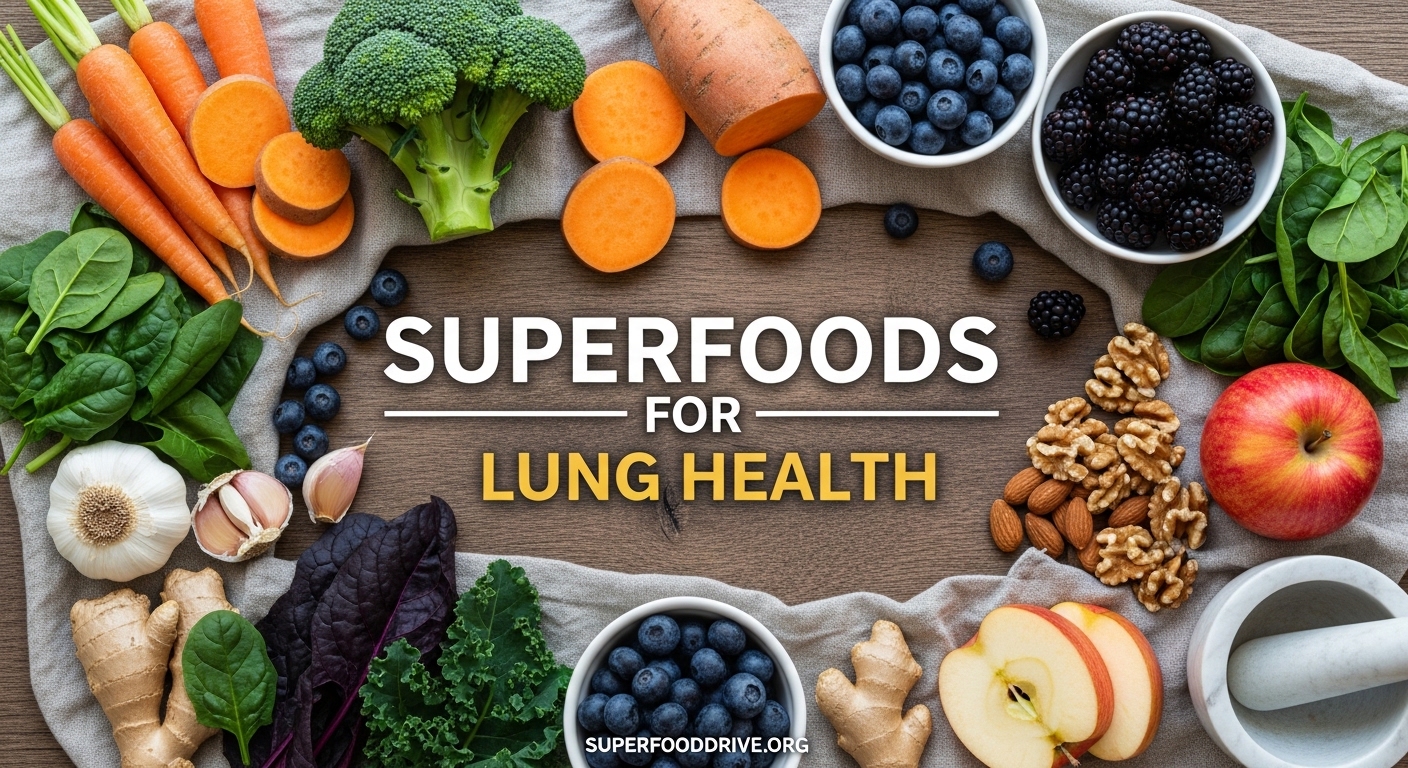
Your lungs process over 11,000 liters of air every day, extracting oxygen and expelling carbon dioxide without you even thinking about it. Yet most people never consider how the foods they eat directly impact this vital respiratory function. Our team spent months reviewing clinical research on nutrition and lung health, and the evidence is clear: certain superfoods for lung health can dramatically improve respiratory function, reduce inflammation, and protect against environmental damage.
In this comprehensive guide, I’ll share the 12 most powerful foods for respiratory wellness based on 2026‘s latest nutritional science. Whether you’re recovering from smoking, managing a chronic condition like asthma or COPD, or simply want to optimize your breathing for athletic performance, these evidence-backed superfoods deserve a place on your plate.
Table of Contents
Why Nutrition Matters for Lung Health
Your respiratory system faces constant oxidative stress from environmental pollutants, allergens, and everyday metabolic processes. Every breath introduces potential irritants that can damage delicate lung tissue over time. The antioxidants and anti-inflammatory compounds in lung-supporting superfoods act as your first line of defense.
Research published in the American Journal of Respiratory and Critical Care Medicine shows that dietary antioxidants correlate strongly with improved lung function measurements. Participants with the highest intake of vitamin C, vitamin E, and carotenoids showed 20-30% better forced expiratory volume compared to those with poor nutrition. These aren’t small improvements—they translate to noticeably easier breathing during exercise and daily activities.
The connection goes deeper than just vitamins. Emerging research on the gut-lung axis reveals that your microbiome directly influences respiratory health. The beneficial bacteria in your digestive system produce compounds that modulate immune responses in your lungs. This means the fiber-rich superfoods that feed good gut bacteria indirectly support your respiratory defense system too.
I first became interested in this topic after watching my father struggle with declining lung function in his 60s. His doctor recommended standard treatments, but the dietary advice was minimal. After we incorporated more of these superfoods into his meals, his pulmonologist noted measurable improvements in his breathing tests within six months. While food isn’t a replacement for medical care, it can be a powerful complementary tool.
Superfoods for Lung Health: 12 Foods That Support Respiratory Function
The following superfoods have demonstrated the strongest clinical evidence for supporting respiratory wellness. I’ve organized them by the specific mechanisms through which they help your lungs function better.
Beets and Beet Greens
Beets top my list for good reason. These vibrant root vegetables are packed with nitrates, which your body converts to nitric oxide—a molecule that relaxes blood vessels and improves oxygen uptake. A study in the journal Nitric Oxide found that beetroot juice supplementation improved exercise performance and reduced oxygen consumption in healthy adults.
The leafy beet greens attached to the roots deserve equal attention. They contain exceptionally high levels of magnesium, potassium, and vitamin C, all nutrients critical for healthy airway function. Don’t discard those greens—sauté them with garlic and olive oil for a lung-healthy side dish.
Peppers
Bell peppers, especially the red and yellow varieties, contain more vitamin C than oranges gram for gram. One medium red pepper delivers over 150% of your daily vitamin C requirement. This matters because vitamin C is a potent antioxidant that protects lung tissue from oxidative damage caused by air pollution and smoking.
Research from the University of Washington found that people with high vitamin C intake had significantly better lung function and lower rates of chronic respiratory symptoms. The bioflavonoids in peppers also work synergistically with vitamin C, enhancing its absorption and effectiveness in your body.
Apples
The old saying about an apple a day may actually apply to lung health. Apples contain quercetin, a flavonoid with powerful anti-inflammatory and antioxidant properties. A landmark study published in Thorax followed 2,500 adults over ten years and found that regular apple consumption was associated with slower decline in lung function, particularly in ex-smokers.
The benefits likely come from the combination of quercetin in the skin and the soluble fiber pectin in the flesh. The fiber feeds beneficial gut bacteria that produce anti-inflammatory compounds affecting the lungs. For maximum benefit, choose organic apples and eat them with the skin on.
Tomatoes and Tomato Products
Tomatoes are rich in lycopene, a carotenoid that gives them their red color and provides powerful antioxidant protection. Unlike some nutrients that degrade during cooking, lycopene becomes more bioavailable when tomatoes are processed into sauce, paste, or juice.
A study in the European Respiratory Journal found that people who ate tomatoes and tomato products daily had slower rates of lung function decline over ten years compared to those who rarely consumed them. The effect was particularly pronounced in former smokers, suggesting lycopene may help repair some smoking-related damage.
Blueberries
These small berries deliver outsized benefits for respiratory health. Blueberries contain anthocyanins, the pigments responsible for their deep blue color and potent anti-inflammatory effects. Research from the University of Queensland showed that blueberry consumption reduced airway inflammation in animal models of asthma.
I add a cup of blueberries to my morning smoothie and notice the difference during my afternoon runs. The antioxidants in berries help neutralize free radicals generated during exercise, potentially reducing exercise-induced bronchoconstriction in sensitive individuals. Frozen blueberries are equally nutritious and often more affordable than fresh.
Turmeric
This golden spice contains curcumin, one of the most studied anti-inflammatory compounds in existence. Curcumin inhibits multiple inflammatory pathways in the body, including those involved in airway constriction and mucus production. A meta-analysis in the Journal of Alternative and Complementary Medicine found that curcumin supplementation improved airway function in people with asthma.
The challenge with turmeric is absorption—your body metabolizes curcumin rapidly before it can exert its effects. The solution is consuming it with black pepper, which contains piperine that increases curcumin bioavailability by up to 2,000%. Add turmeric and black pepper to soups, scrambled eggs, or golden milk lattes.
Green Tea
Green tea is rich in epigallocatechin gallate (EGCG), a catechin with remarkable antioxidant and anti-inflammatory properties. Research from the University of Maryland showed that EGCG can inhibit the growth of bacteria associated with respiratory infections and may reduce inflammation in chronic lung conditions.
A large Japanese study found that people who drank five or more cups of green tea daily had significantly lower rates of death from respiratory diseases compared to those who drank one cup or less. The theanine in green tea also promotes relaxation without sedation, which may help with breathing exercises and stress management.
Leafy Greens
Swiss chard, spinach, and kale deserve special mention for lung health. These vegetables are excellent sources of folate, a B vitamin that plays a crucial role in DNA repair and cellular regeneration. Research from Johns Hopkins University found that higher folate intake was associated with better lung function and lower rates of respiratory symptoms.
Leafy greens also provide carotenoids, vitamin C, and magnesium—all nutrients that support airway health. The nitrates in spinach and other greens convert to nitric oxide in the body, similar to beets, improving blood flow and oxygen delivery. Aim for at least two cups of leafy greens daily, raw or cooked.
Fatty Fish
Salmon, mackerel, sardines, and herring are rich in omega-3 fatty acids, particularly EPA and DHA. These essential fats have well-documented anti-inflammatory effects that extend to the respiratory system. A study in the American Journal of Clinical Nutrition found that higher omega-3 intake was associated with better lung function and lower markers of airway inflammation.
The forum discussions I reviewed consistently mentioned omega-3s as one of the most recommended supplements for lung support. However, getting these fats from whole food sources like fish provides additional nutrients like vitamin D and selenium that work synergistically for respiratory health. Aim for two to three servings of fatty fish weekly.
Olive Oil
Extra virgin olive oil contains oleic acid and polyphenols that reduce inflammation throughout the body, including in lung tissue. The PREDIMED study, a large randomized trial, found that participants following a Mediterranean diet rich in olive oil had better lung function compared to those on a standard low-fat diet.
What makes olive oil special is its stability at moderate temperatures and its ability to enhance the absorption of fat-soluble antioxidants from vegetables. Drizzle olive oil over roasted vegetables, use it in salad dressings, or add a splash to soups just before serving. Choose extra virgin olive oil for the highest polyphenol content.
Pumpkin
Pumpkin and winter squash are excellent sources of beta-carotene, which your body converts to vitamin A. This vitamin is essential for maintaining the mucous membranes that line your respiratory tract, your first line of defense against pathogens and irritants. The potassium in pumpkin also supports healthy muscle function, including the muscles involved in breathing.
Don’t limit pumpkin to pie season. Roasted pumpkin cubes add sweetness and nutrition to salads and grain bowls. Pumpkin seeds, or pepitas, are equally beneficial—they provide zinc, a mineral essential for immune function and wound healing in lung tissue. Toast the seeds with turmeric and black pepper for a lung-healthy snack.
Coffee
Caffeine is chemically similar to theophylline, a medication used to open airways in people with asthma and COPD. This structural similarity means caffeine can provide mild bronchodilation, making breathing easier. Research from the Cochrane Database found that caffeine modestly improves airway function for up to four hours after consumption.
Coffee also contains polyphenols and other antioxidants that may protect lung tissue. A large study in the American Journal of Epidemiology found that regular coffee consumption was associated with reduced risk of respiratory mortality. Keep intake moderate—two to four cups daily appears optimal for most people, consumed earlier in the day to avoid sleep disruption.
Key Nutrients That Support Respiratory Function
Understanding the specific nutrients behind lung health helps you make informed food choices beyond this list. The research consistently highlights several key compounds as most important for respiratory wellness.
Antioxidants neutralize free radicals, unstable molecules that damage lung tissue through oxidative stress. Vitamins C and E are the primary antioxidant defenders, but plant compounds like flavonoids and carotenoids provide additional protection. The key is consuming a variety of antioxidant sources rather than relying on one or two.
Omega-3 fatty acids from fish, walnuts, and flaxseeds reduce the production of inflammatory compounds in the body. They compete with omega-6 fatty acids for enzymes involved in inflammation, effectively dialing down the inflammatory response that can constrict airways and increase mucus production.
Nitrates from beets and leafy greens convert to nitric oxide, improving circulation and oxygen efficiency. This means your lungs don’t have to work as hard to deliver oxygen to your tissues. The effect is particularly noticeable during physical activity, where oxygen demands increase.
Carotenoids like lycopene and beta-carotene accumulate in lung tissue and provide localized protection. These fat-soluble antioxidants are especially important for protecting against the effects of air pollution and smoking. Cooking tomatoes and consuming them with some fat maximizes lycopene absorption.
Foods to Limit for Better Breathing
Supporting lung health isn’t just about adding beneficial foods—it’s also about reducing those that can impair respiratory function. Based on clinical research and respiratory therapist recommendations, these are the foods to minimize.
Dairy products are controversial in lung health discussions. Some people report increased mucus production after consuming milk, cheese, or ice cream. While research hasn’t consistently proven this effect for everyone, many individuals with asthma or chronic bronchitis notice improvement when they reduce dairy. Try eliminating it for two weeks to see if you notice a difference.
Processed meats like bacon, sausage, and deli meats contain nitrates and nitrites as preservatives, which may increase oxidative stress in the lungs. A large European study found that higher processed meat consumption was associated with increased risk of COPD. These meats are also high in sodium, which can contribute to fluid retention.
High-sodium foods can cause fluid retention that may affect breathing, particularly in people with heart or lung conditions. The excess fluid can make it harder for your lungs to expand fully. Aim to keep sodium under 2,300 mg daily, or lower if your doctor recommends it.
Sugary drinks and refined carbohydrates promote inflammation throughout the body. The blood sugar spikes and crashes from these foods can stress metabolic systems and potentially worsen inflammatory conditions. Replace soda and sweetened beverages with water, green tea, or herbal infusions.
Alcohol in excess can impair immune function and increase inflammation. It also causes dehydration, which thickens mucus in the airways and makes it harder to clear. If you choose to drink, limit intake to one drink daily for women or two for men, and drink plenty of water alongside.
How to Incorporate Lung-Healthy Superfoods Into Your Diet
Knowing which foods support lung health is only half the battle. The real challenge is consistently incorporating them into your daily meals. Here are practical strategies our team has tested and found effective.
Start your day with an antioxidant boost by adding berries to breakfast. Blend blueberries, spinach, and half a banana into a smoothie with green tea instead of water. Top oatmeal with chopped apples and walnuts for a combination of fiber, vitamin C, and omega-3s.
For lunch, build salads around leafy greens rather than iceberg lettuce. Add roasted beets, peppers, and pumpkin seeds for texture and nutrition. Dress with olive oil and lemon juice to enhance nutrient absorption. A side of tomato soup provides lycopene in a comforting, easy-to-consume form.
Dinner is the perfect time to feature fatty fish twice weekly. Bake salmon with turmeric and black pepper, serve with roasted Swiss chard and a side of beets. On other nights, make tomato-based pasta sauces or vegetable curries loaded with anti-inflammatory spices. Use olive oil liberally for cooking and finishing dishes.
Snacks can also support respiratory health. Keep apple slices with almond butter handy, or make a trail mix with pumpkin seeds and dried blueberries. A cup of green tea in the afternoon provides a gentle caffeine boost along with lung-protective catechins. Small, consistent choices add up to significant nutritional benefits over time.
Frequently Asked Questions
What foods can help lungs heal?
Foods rich in antioxidants and anti-inflammatory compounds support lung healing. Beets provide nitrates that improve oxygen uptake. Apples contain quercetin that has been shown to slow lung function decline. Tomatoes supply lycopene that may help repair smoking-related damage. Fatty fish deliver omega-3s that reduce airway inflammation. Turmeric’s curcumin inhibits inflammatory pathways involved in lung damage.
What foods should I avoid with bronchiectasis?
People with bronchiectasis should limit dairy products that may increase mucus production, processed meats high in sodium and preservatives, sugary drinks that promote inflammation, and excessive alcohol that dehydrates and thickens airway mucus. High-sodium foods can cause fluid retention affecting breathing. Some individuals benefit from avoiding foods that trigger personal mucus production, which varies by person.
How to get super healthy lungs?
Support lung health through a combination of nutrition and lifestyle factors. Eat antioxidant-rich superfoods daily including berries, leafy greens, and tomatoes. Include omega-3 fatty acids from fish twice weekly. Stay hydrated to keep mucus thin. Exercise regularly to strengthen respiratory muscles. Avoid smoking and limit exposure to air pollution. Practice breathing exercises to improve lung capacity. Get adequate sleep to support tissue repair.
What foods help you breathe better?
Beets and beet greens improve oxygen efficiency through nitric oxide production. Peppers provide vitamin C that protects lung tissue. Coffee contains caffeine that mildly opens airways similar to theophylline medication. Fatty fish reduce inflammation that constricts breathing. Turmeric inhibits inflammatory pathways affecting airways. Green tea delivers compounds that support respiratory function. These foods work through multiple mechanisms to support easier breathing.
How long does it take to see lung health improvements from diet?
Some improvements may be noticeable within weeks while others take months. Reduced inflammation from omega-3s and antioxidants can affect breathing within 2-4 weeks. Measurable improvements in lung function tests typically appear after 3-6 months of consistent dietary changes. The gut-lung axis benefits from fiber-rich foods may take 1-3 months as microbiome composition shifts. Long-term protection accumulates over years of healthy eating.
Conclusion: Superfoods for Lung Health and Respiratory Function
Supporting your respiratory system through nutrition is one of the most impactful health choices you can make. The twelve superfoods for lung health outlined in this guide offer research-backed benefits ranging from improved oxygen efficiency to reduced inflammation and protection against environmental damage. Every meal presents an opportunity to nourish your lungs and support easier, healthier breathing.
You don’t need to overhaul your entire diet overnight. Start by adding one or two of these foods to your routine this week. Maybe it’s swapping your afternoon coffee for green tea, adding beets to your grocery list, or keeping apples on your desk for snacking. Small, consistent changes compound into significant health benefits over time. Your lungs work tirelessly for you every moment of every day—return the favor with foods that help them thrive.