
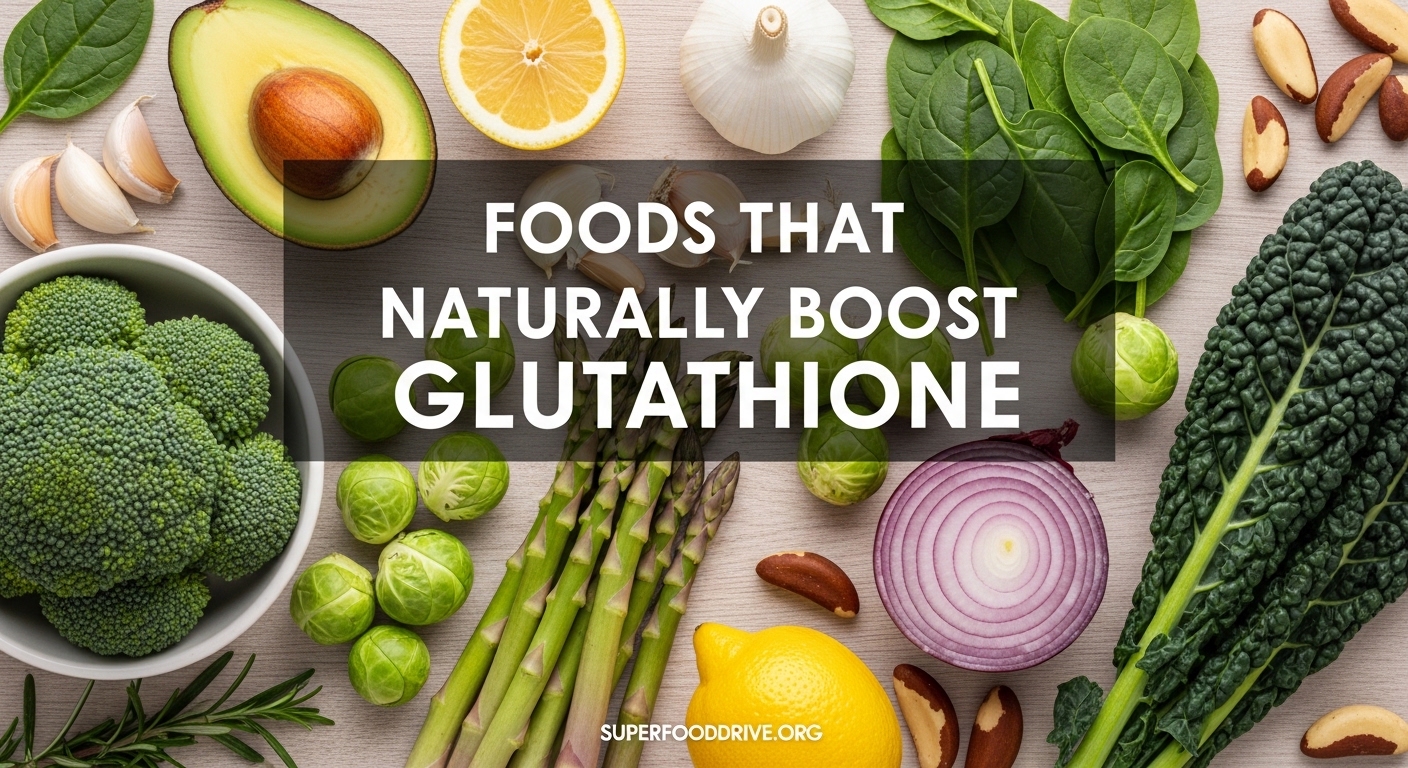
Glutathione is your body’s master antioxidant, protecting every cell from damage while supporting detoxification, immune function, and healthy aging. This powerful molecule contains three amino acids—glutamine, glycine, and cysteine—that work together to neutralize free radicals and recycle other antioxidants like vitamins C and E.
The challenge? Your glutathione levels naturally decline about 1% per year after age 30. Stress, poor sleep, processed foods, and environmental toxins accelerate this decline even further. The good news is that certain foods can directly boost your glutathione levels or provide the building blocks your body needs to produce more.
In this guide, you will learn exactly which Foods That Naturally Boost Glutathione belong on your plate, how cooking methods affect glutathione content, and lifestyle habits that help maintain optimal levels. Our team has compiled the latest research and specific measurements to help you make informed food choices starting today.
Table of Contents
What Is Glutathione and Why Does It Matter?
Glutathione is a tripeptide molecule found in every cell of your body. It acts as the master antioxidant, defending against oxidative stress caused by free radicals, environmental toxins, and normal metabolic processes.
Your liver produces glutathione using three specific amino acids: glutamine, glycine, and cysteine. Cysteine is often the rate-limiting factor—meaning your body can only make as much glutathione as your cysteine supply allows. This is why cysteine-rich foods play such an important role in natural glutathione support.
Beyond antioxidant protection, glutathione helps regenerate other antioxidants, supports phase 2 liver detoxification, assists in DNA repair, and maintains healthy immune cell function. Research published in the Journal of Integrative Medicine shows that higher glutathione levels correlate with better health outcomes across multiple body systems.
Unfortunately, modern lifestyles deplete glutathione faster than ever. Chronic stress, inadequate sleep, alcohol consumption, processed foods, and exposure to environmental chemicals all drain your glutathione reserves. Eating the right foods becomes essential for replenishing and maintaining healthy levels.
Foods That Naturally Boost Glutathione
Certain foods contain glutathione in its preformed state, meaning you absorb it directly without your body needing to manufacture it. These glutathione-rich foods provide the fastest route to increasing your levels through diet.
Asparagus: The Glutathione Champion
Fresh asparagus tops the list with approximately 28 milligrams of glutathione per 100 grams. This green vegetable contains more preformed glutathione than almost any other food source, making it the single best dietary choice for boosting levels quickly.
Asparagus also provides folate, fiber, and vitamins A, C, and K. To preserve the glutathione content, steam asparagus lightly for 3-4 minutes until bright green and tender-crisp. Overcooking destroys the delicate glutathione molecules.
Avocado: Healthy Fats Plus Glutathione
Avocados deliver about 28 milligrams of glutathione per 100 grams, matching asparagus for the top spot. The healthy monounsaturated fats in avocados also support cell membrane health, helping your cells utilize glutathione more effectively.
Beyond glutathione, avocados provide vitamin E, potassium, and fiber. Eating half an avocado daily gives you a substantial glutathione boost along with sustained energy from healthy fats. Add avocado slices to salads, smoothies, or enjoy on whole grain toast.
Spinach: Leafy Green Powerhouse
Fresh spinach ranks among the best vegetable sources of glutathione. A 100-gram serving provides significant preformed glutathione along with magnesium, iron, and folate that support overall antioxidant systems.
Raw spinach in salads preserves the most glutathione, but light steaming for 2-3 minutes softens the leaves while retaining most of the antioxidant content. Avoid boiling spinach for extended periods, as this leaches both glutathione and water-soluble vitamins into the cooking water.
Okra: The Southern Secret
Okra contains substantial glutathione levels while providing unique soluble fiber that supports digestive health. This often-overlooked vegetable deserves more attention in glutathione-boosting meal plans.
Quick steaming or sautéing okra for 5-7 minutes preserves its glutathione content. The mucilaginous texture that some people dislike actually contains beneficial fiber that feeds gut bacteria, creating additional health benefits beyond glutathione support.
Cucumber: Refreshing and Functional
Cucumbers provide glutathione along with high water content that supports hydration and detoxification pathways. Eating cucumbers raw in salads or as snacks gives you the full glutathione benefit without any cooking losses.
The skin of cucumbers contains additional antioxidants, so choose organic cucumbers when possible and eat them unpeeled. A daily cucumber salad with lemon juice and olive oil makes a refreshing, glutathione-boosting side dish.
Grapefruit and Citrus Fruits
Grapefruit contains glutathione along with high vitamin C content that helps recycle oxidized glutathione back into its active form. The combination makes citrus fruits excellent for supporting your antioxidant defenses.
Note that grapefruit can interact with certain medications, including some statins and blood pressure drugs. If you take prescription medications, check with your healthcare provider before adding large amounts of grapefruit to your diet.
Watermelon and Winter Squash
Watermelon provides glutathione along with lycopene, another powerful antioxidant. Winter squash varieties like butternut and acorn also contain meaningful glutathione levels plus beta-carotene that supports skin and eye health.
These foods work well in seasonal eating patterns—watermelon in summer months and winter squash when temperatures drop. Both are versatile ingredients that work in sweet and savory preparations.
Grass-Fed Beef and Lean Meats
Grass-fed beef contains approximately 26 milligrams of glutathione per 100 grams, making it one of the best animal sources. The key is choosing grass-fed rather than grain-fed beef, as the diet of the animal significantly affects glutathione content.
Other lean meats like chicken and turkey provide smaller but meaningful amounts of glutathione along with complete protein that supports glutathione synthesis. Choose pasture-raised and organic options when your budget allows for maximum nutrient density.
Sulfur-Rich Foods That Support Glutathione Production
While some foods contain preformed glutathione, others provide the sulfur-containing amino acids your liver needs to manufacture its own. These sulfur-rich foods give your body the raw materials for glutathione production.
Cruciferous Vegetables: The Sulfur Superstars
Broccoli, Brussels sprouts, cauliflower, cabbage, and kale all contain sulfur compounds that support glutathione synthesis. These vegetables are rich in sulforaphane, a compound that activates cellular pathways involved in glutathione production.
Research shows that cruciferous vegetables increase glutathione S-transferase activity, an enzyme system that helps your body use glutathione for detoxification. Aim for 2-3 servings of cruciferous vegetables daily, rotating between different types for variety.
Lightly steaming or roasting these vegetables preserves both sulfur compounds and vitamin C. Raw consumption in slaws and salads also works well for those who enjoy the crunch and peppery flavors.
Allium Family: Garlic, Onions, and Leeks
Garlic, onions, shallots, and leeks provide sulfur compounds including allicin and diallyl disulfide that support glutathione production. These flavorful ingredients have been used medicinally for centuries, and modern research confirms their antioxidant-supporting properties.
Crushing or chopping garlic and letting it sit for 10 minutes before cooking activates the beneficial compounds. Add onions and garlic to soups, stir-fries, and roasted vegetables daily for consistent sulfur intake.
Eggs: Nature’s Multivitamin
Eggs contain cysteine, the rate-limiting amino acid for glutathione synthesis. They also provide selenium, vitamin B12, and choline that support methylation and detoxification pathways related to glutathione function.
Pasture-raised eggs from hens fed omega-3 rich diets contain higher levels of beneficial nutrients. Eating 1-2 eggs daily provides cysteine and other building blocks for glutathione production without significantly affecting cholesterol for most people.
Vitamins and Minerals That Support Glutathione
Beyond eating glutathione-containing foods, certain vitamins and minerals help your body produce, recycle, and utilize glutathione more effectively. Including these nutrients in your diet amplifies the benefits of glutathione-rich foods.
Vitamin C: The Glutathione Recycler
Vitamin C helps recycle oxidized glutathione back into its active, reduced form. This means vitamin C rich foods extend the lifespan and effectiveness of glutathione in your body.
Bell peppers, strawberries, kiwi, citrus fruits, and broccoli all provide high vitamin C content. Combining these with glutathione-rich foods creates a synergistic antioxidant effect greater than either nutrient alone.
Selenium: Essential for Glutathione Peroxidase
Selenium is a trace mineral required for glutathione peroxidase, an enzyme that uses glutathione to neutralize harmful peroxides. Without adequate selenium, your glutathione cannot function properly in its antioxidant role.
Brazil nuts are the standout source—eating just 2-3 Brazil nuts daily provides all the selenium you need for optimal glutathione peroxidase activity. Other sources include seafood, turkey, and pasture-raised eggs.
Vitamin E and Alpha-Lipoic Acid
Vitamin E works alongside glutathione to protect cell membranes from oxidative damage. Alpha-lipoic acid helps regenerate both glutathione and vitamin E, creating an antioxidant network that supports overall cellular health.
Almonds, sunflower seeds, spinach, and avocado provide vitamin E. Alpha-lipoic acid appears in smaller amounts in spinach, broccoli, and tomatoes. Including a variety of these foods supports the complete antioxidant recycling system.
Cooking Methods That Preserve Glutathione
How you prepare glutathione-rich foods matters significantly. This delicate molecule breaks down under high heat and long cooking times. Using the right methods preserves more of this valuable antioxidant.
Raw Consumption: Maximum Preservation
Eating vegetables raw preserves 100% of their glutathione content. Salads featuring spinach, cucumber, avocado, and raw cruciferous vegetables like shredded cabbage deliver the full glutathione load.
Smoothies with raw spinach, avocado, and berries make excellent glutathione-boosting breakfasts. Adding raw nuts and seeds provides additional support nutrients without any cooking losses.
Steaming: The Gentle Cooking Method
Steaming vegetables for short periods (3-7 minutes depending on the vegetable) preserves most glutathione while making foods more palatable and easier to digest. This method cooks with moist heat without submerging vegetables in boiling water.
Steam asparagus for 3-4 minutes, broccoli for 4-5 minutes, and spinach for just 2-3 minutes. The vegetables should remain bright in color and slightly crisp when done. Overcooked, dull-colored vegetables have lost significant glutathione.
Avoid Boiling and High-Heat Frying
Boiling vegetables leaches water-soluble nutrients including glutathione into the cooking water that gets discarded. If you must boil, use the cooking water in soups or sauces to reclaim the nutrients.
High-heat frying and grilling create advanced glycation end products while destroying glutathione. If you sauté vegetables, use medium heat and cook just until tender. Adding garlic and onions near the end of cooking preserves their sulfur compounds too.
Factors That Deplete Glutathione Levels
Building up glutathione through diet works better when you also minimize factors that deplete it. Understanding what drains your glutathione helps you protect the levels you work hard to maintain.
Chronic psychological stress significantly lowers glutathione levels through cortisol-mediated mechanisms. Finding stress management practices that work for you—whether meditation, exercise, or time in nature—protects your glutathione reserves.
Alcohol consumption places heavy demands on liver glutathione stores, as the detoxification of alcohol requires substantial antioxidant support. Limiting alcohol or abstaining completely allows glutathione to support other bodily functions.
Processed foods containing artificial additives, preservatives, and high levels of refined sugar create oxidative stress that depletes glutathione. Choosing whole, unprocessed foods reduces this burden while providing glutathione-supporting nutrients.
Poor sleep quality and insufficient sleep duration impair the body’s antioxidant systems. Aim for 7-9 hours of quality sleep nightly to support glutathione regeneration and overall cellular repair processes.
Environmental toxins including air pollution, pesticides, heavy metals, and endocrine disruptors require glutathione for detoxification. While you cannot eliminate all exposure, choosing organic foods, filtering water, and using natural personal care products reduces your toxic load.
Lifestyle Habits That Boost Glutathione
Beyond food choices, certain lifestyle habits naturally support healthy glutathione levels. These practices work synergistically with dietary changes for maximum benefit.
Regular Exercise
Moderate exercise increases glutathione production as your body adapts to the mild oxidative stress of physical activity. Both aerobic exercise and resistance training support glutathione levels when performed regularly.
Research shows that consistent exercisers have higher baseline glutathione levels than sedentary individuals. Aim for 150 minutes of moderate activity weekly, combining cardio and strength training for best results.
Quality Sleep
Sleep deprivation quickly depletes glutathione and impairs the body’s ability to regenerate this antioxidant. Studies show that even one night of poor sleep reduces glutathione levels in certain brain regions.
Establish a consistent sleep schedule with 7-9 hours in a dark, cool room. Avoid blue light exposure from screens for 1-2 hours before bedtime to support melatonin production and sleep quality.
Stress Management
Chronic stress elevates cortisol, which increases oxidative stress and glutathione depletion. Practices like meditation, deep breathing, yoga, and time in nature help lower cortisol and preserve glutathione.
Even 10-15 minutes daily of intentional stress reduction practice makes a measurable difference in antioxidant status over time. Find techniques you enjoy so you will practice them consistently.
Frequently Asked Questions
Which food is highest in glutathione?
Fresh asparagus and avocado tie for the highest glutathione content at approximately 28 milligrams per 100 grams. Grass-fed beef follows closely at about 26 milligrams per 100 grams. Other excellent sources include spinach, okra, cucumber, grapefruit, watermelon, and winter squash.
How can I raise my glutathione levels naturally?
To raise glutathione naturally, eat glutathione-rich foods like asparagus and avocado daily. Include sulfur-rich foods such as garlic, onions, and cruciferous vegetables that provide building blocks for glutathione production. Add vitamin C and selenium sources like Brazil nuts. Use gentle cooking methods like steaming or eating vegetables raw. Support with regular exercise, quality sleep, and stress management practices.
What depletes glutathione in the body?
Chronic stress, poor sleep, alcohol consumption, processed foods, and environmental toxins all deplete glutathione. Aging naturally lowers glutathione by about 1% per year after age 30. Chronic diseases, infections, and intense physical stress also drain glutathione reserves. Protect your levels by minimizing these factors while eating glutathione-supporting foods.
Can people with MTHFR take glutathione?
People with MTHFR gene variations can safely consume glutathione from food sources. The MTHFR gene affects folate metabolism, which indirectly connects to methylation processes that intersect with glutathione pathways. Food-based glutathione provides gentle support without the high doses found in supplements. Those with MTHFR variations should focus on methylated folate sources like leafy greens alongside their glutathione-rich foods. Consult a healthcare provider for personalized guidance.
Conclusion
Foods That Naturally Boost Glutathione offer a powerful, accessible way to support your body’s master antioxidant system. Asparagus and avocado lead the pack with approximately 28 milligrams of glutathione per 100 grams, while sulfur-rich foods like garlic, onions, and cruciferous vegetables provide the building blocks for your body to produce its own.
Maximize your results by choosing gentle cooking methods like steaming or eating vegetables raw, adding vitamin C and selenium sources, and supporting your efforts with regular exercise, quality sleep, and stress management. Avoid factors that deplete glutathione like alcohol, processed foods, and chronic stress whenever possible.
Start simple—add asparagus or avocado to your meals this week, include a few Brazil nuts daily, and build from there. Small, consistent changes to your diet create meaningful improvements in glutathione levels and overall health over time.