
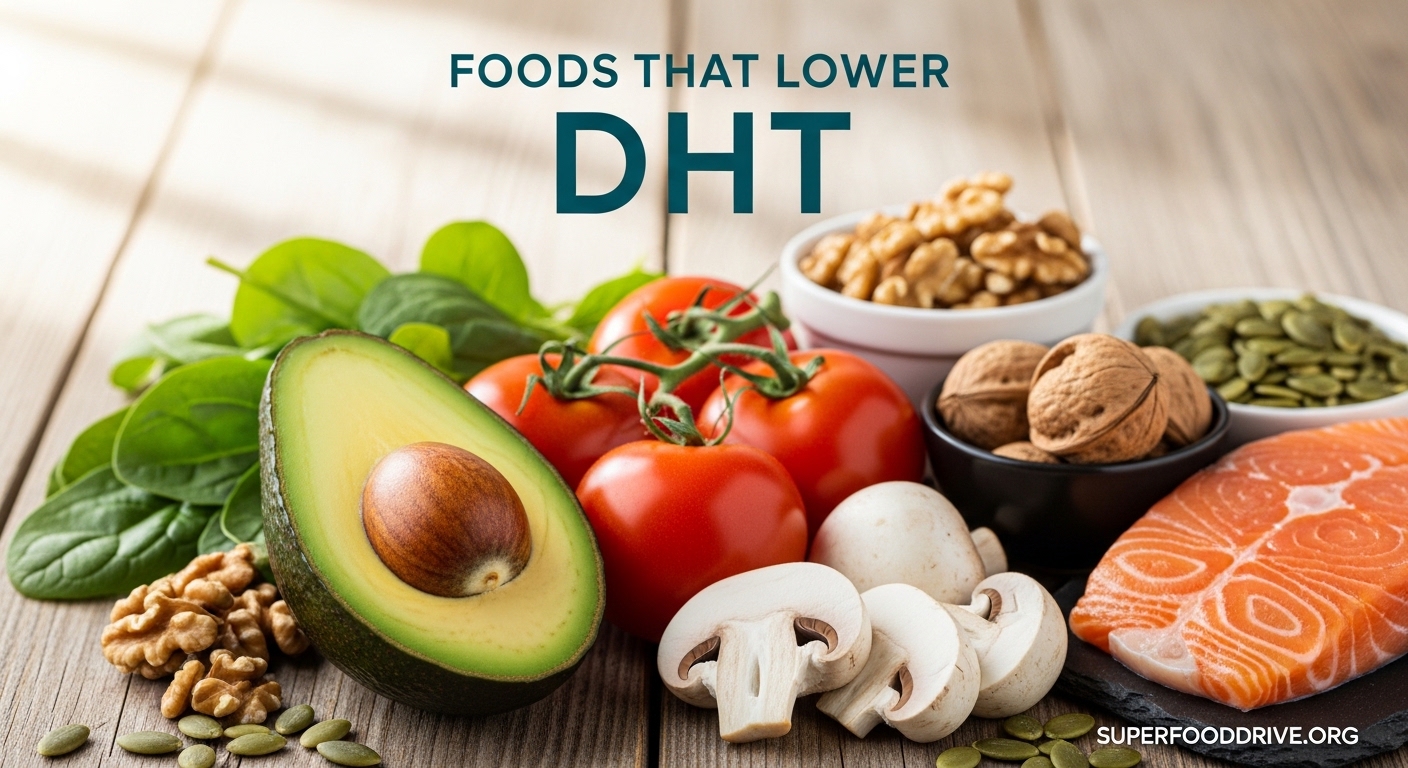
Hair loss can feel devastating, especially when it seems like nothing you try makes a difference. If you are dealing with PCOS-related hair thinning or pattern hair loss, you may have heard about DHT as the underlying culprit. The good news is that certain foods that lower DHT can help address the root cause of hormone-related hair loss naturally.
At 2026, research continues to reveal how diet influences hormone balance. Foods that block DHT work by inhibiting the enzyme that converts testosterone into this potent androgen. For women with PCOS, this dietary approach is particularly valuable because elevated androgens are a core feature of the condition.
In this guide, I will walk you through the science behind DHT and hair loss, explain why PCOS increases your risk, and share 10 evidence-backed foods that may help lower DHT levels naturally. Whether you are looking to complement medical treatments or prefer a natural approach first, these dietary strategies can support healthier hair growth.
Table of Contents
What is DHT and How It Causes Hair Loss
DHT stands for dihydrotestosterone, a powerful androgen hormone created when the enzyme 5-alpha reductase converts about 10% of your testosterone into DHT. While testosterone itself does not directly cause hair loss, DHT binds much more strongly to androgen receptors in your hair follicles.
When DHT attaches to these receptors, it triggers a process called follicle miniaturization. Your hair follicles gradually shrink over time, producing progressively thinner, shorter hairs until they stop producing hair entirely. This process explains both male pattern baldness and female pattern hair loss.
Some people have hair follicles that are genetically more sensitive to DHT. This genetic sensitivity largely determines whether you will experience pattern hair loss and how severe it becomes. However, lowering DHT levels through diet can help slow or even partially reverse this process, particularly when combined with other treatments.
The enzyme 5-alpha reductase comes in two main types. Type I is found primarily in your skin and liver, while Type II concentrates in your hair follicles and prostate. Foods that lower DHT typically work by inhibiting one or both types of this enzyme, reducing the amount of testosterone that gets converted.
The Connection Between PCOS and Elevated DHT
PCOS, or polycystic ovary syndrome, affects up to 10% of women and creates a hormonal environment that promotes elevated androgens including DHT. Women with PCOS often experience insulin resistance, which drives the ovaries to produce excess testosterone that then converts to DHT.
Insulin resistance creates a vicious cycle for PCOS hair loss. High insulin levels stimulate your ovaries to release more testosterone. With more testosterone available, the 5-alpha reductase enzyme has more raw material to convert into DHT. This explains why hair loss often worsens alongside other PCOS symptoms.
PCOS-related hair loss typically follows a different pattern than male baldness. Women usually notice diffuse thinning across the crown of the head rather than a receding hairline. You might also experience other signs of high androgens like acne, irregular periods, or unwanted facial hair growth.
Addressing DHT through diet is particularly important for women with PCOS because standard hair loss medications like finasteride are often not recommended for women of childbearing age. Natural DHT blockers offer a safer first-line approach that can be combined with PCOS management strategies like improving insulin sensitivity.
10 Foods That Lower DHT Naturally
The following foods contain bioactive compounds that inhibit 5-alpha reductase activity, reduce inflammation, or support hormone balance. I have focused on options with the strongest scientific support for DHT reduction and included PCOS-specific benefits where relevant.
1. Green Tea
Green tea contains EGCG (epigallocatechin gallate), a powerful catechin that inhibits 5-alpha reductase activity. Studies show that EGCG can reduce DHT production in hair follicles while also promoting hair growth through other mechanisms like stimulating dermal papilla cells.
A 2026 review of research found that green tea extract applied topically and consumed orally both showed promise for reducing hair loss. For best results, aim for 2-3 cups of high-quality green tea daily or consider a standardized EGCG supplement. The antioxidant properties also support overall scalp health.
2. Turmeric
The bright yellow spice turmeric contains curcumin, a compound with potent anti-inflammatory and 5-alpha reductase inhibiting properties. Curcumin blocks DHT production by interfering with the enzyme conversion process while also reducing inflammation that can damage hair follicles.
For PCOS specifically, turmeric helps address the chronic low-grade inflammation associated with the condition. Add 1 teaspoon of turmeric to your daily routine through golden milk, curries, or smoothies. Pair it with black pepper to enhance absorption by up to 2000%.
3. Pumpkin Seeds
Pumpkin seeds are one of the most researched natural DHT blockers, thanks to their high content of beta-sitosterol, a plant sterol that inhibits 5-alpha reductase. They also provide zinc, which supports hormone balance and hair follicle health.
A notable study published in Evidence-Based Complementary and Alternative Medicine found that men taking pumpkin seed oil supplements experienced 40% increased hair growth compared to placebo. For dietary intake, try 2 tablespoons of raw pumpkin seeds daily as a snack or salad topping.
4. Edamame and Soy Products
Soy foods contain isoflavones, plant compounds that act as phytoestrogens in the body. These compounds can help balance hormone levels by binding to estrogen receptors and potentially reducing the conversion of testosterone to DHT.
For women with PCOS, moderate soy consumption may offer additional benefits through improved insulin sensitivity. Include 1-2 servings of whole soy foods like edamame, tofu, or tempeh in your weekly diet. Fermented soy options like tempeh and miso are particularly beneficial for gut health.
5. Coconut Oil
Coconut oil contains lauric acid, a medium-chain fatty acid that has been shown to block DHT production when applied to the scalp. When consumed, coconut oil provides healthy fats that support hormone production and reduce inflammation.
Many people use coconut oil both as a dietary addition and as a topical hair treatment. For dietary benefits, replace other cooking oils with virgin coconut oil. For scalp application, massage 1-2 tablespoons into your scalp 30 minutes before washing, up to three times weekly.
6. Onions and Quercetin-Rich Foods
Onions are rich in quercetin, a flavonoid with antioxidant and anti-inflammatory properties that may inhibit DHT production. Quercetin also protects dermal papilla cells from damage, supporting healthier hair growth cycles.
Other quercetin-rich foods include apples, capers, and berries. Red onions contain the highest quercetin concentrations. Include half a medium onion daily in your meals, either raw in salads or lightly cooked to preserve the active compounds.
7. Lycopene-Rich Foods
Lycopene, the pigment that gives tomatoes their red color, has demonstrated 5-alpha reductase inhibiting properties in research studies. Foods high in lycopene include tomatoes, watermelon, pink grapefruit, and papaya.
Processing tomatoes actually increases lycopene bioavailability, making tomato paste, cooked tomatoes, and tomato sauce excellent choices. Aim for several servings of lycopene-rich foods weekly. A simple approach is adding 2 tablespoons of tomato paste to soups, stews, or sauces.
8. Berries
Berries are packed with proanthocyanidins, powerful antioxidants that improve blood circulation to the scalp and support hair follicle health. They also help reduce inflammation and improve insulin sensitivity, which is particularly beneficial for PCOS.
Blueberries, blackberries, and raspberries all offer these benefits. The proanthocyanidins in berries have been shown to promote hair growth by extending the active growth phase of hair follicles. Include 1 cup of mixed berries daily, either fresh or frozen.
9. Spinach and Leafy Greens
Spinach and other leafy greens provide magnesium, iron, and folate, nutrients essential for healthy hair growth and hormone balance. Magnesium in particular helps regulate cortisol and supports the enzymes involved in hormone metabolism.
Leafy greens also support liver detoxification pathways that process excess hormones. For women with PCOS, the iron content is especially important since heavy or irregular periods can lead to iron deficiency, which compounds hair loss. Aim for 2-3 cups of leafy greens daily.
10. Spearmint Tea
Spearmint tea deserves special mention for women with PCOS because clinical studies have shown it directly reduces free testosterone levels. In one study, women drinking spearmint tea twice daily saw significant reductions in androgen levels within 30 days.
While spearmint tea may not directly block DHT conversion like some other foods on this list, lowering testosterone levels naturally reduces the substrate available for DHT production. Drink 2 cups of spearmint tea daily for at least one month to assess the effects on your symptoms.
How These Foods Block DHT: The Science
Understanding the mechanisms behind DHT-blocking foods helps you make informed choices about your diet. Most of these foods work through one of three primary pathways: direct enzyme inhibition, anti-inflammatory action, or hormone balance support.
Direct 5-alpha reductase inhibition is the most targeted mechanism. Compounds like EGCG in green tea, beta-sitosterol in pumpkin seeds, and lycopene physically block the enzyme from converting testosterone to DHT. This is the same mechanism used by prescription medications like finasteride, though foods work more gently.
Anti-inflammatory pathways matter because chronic inflammation increases androgen activity in tissues. Curcumin from turmeric and quercetin from onions reduce inflammatory cytokines that otherwise stimulate hair follicle sensitivity to DHT. This is particularly relevant for PCOS, which involves chronic low-grade inflammation.
Insulin sensitivity improvements create downstream effects on hormone balance. Berries, spinach, and soy help regulate blood sugar, which reduces the insulin-driven ovarian testosterone production that feeds DHT synthesis. For PCOS management, this benefit may be as important as direct DHT blocking.
The bioactive compounds in these foods often work synergistically. Combining multiple DHT-lowering foods throughout your day creates a cumulative effect that may be more effective than relying on any single food. This is why a varied, whole-foods diet outperforms isolated supplements for long-term hair health.
PCOS-Specific Dietary Strategies
Women with PCOS need to address both DHT production and the underlying insulin resistance that drives excess androgens. An anti-inflammatory, low glycemic index diet that incorporates the DHT-blocking foods above offers the most comprehensive approach.
Focus on building meals around non-starchy vegetables, lean proteins, healthy fats, and moderate amounts of low-glycemic carbohydrates. This pattern naturally reduces insulin spikes while providing the nutrients needed for hormone balance. The DHT-blocking foods fit perfectly into this template.
Breakfast might include a spinach and mushroom omelet cooked in coconut oil with a cup of spearmint tea on the side. Lunch could feature a large salad with pumpkin seeds, berries, and a turmeric-infused dressing. Dinner might incorporate tofu or tempeh with tomato-based sauces and plenty of vegetables.
Timing matters too. Spearmint tea shows benefits when consumed consistently for at least 30 days. Green tea works best when spread throughout the day rather than consumed all at once. Give dietary changes 3-6 months before evaluating results, as hair growth cycles are slow.
Practical Tips for Adding These Foods to Your Diet
Starting a DHT-lowering diet does not require an overnight overhaul. Small, consistent changes add up to meaningful hormone shifts over time. Here are practical ways to incorporate these foods into your daily routine.
Begin with spearmint tea and green tea since they require minimal meal planning. Replace your morning coffee with spearmint tea and sip green tea throughout the afternoon. These simple swaps deliver active compounds with minimal effort.
Add pumpkin seeds to foods you already eat. Sprinkle them on oatmeal, yogurt, salads, or blend them into smoothies. Keep a small container at your desk for easy snacking. Two tablespoons daily provides a meaningful dose of beta-sitosterol.
Use turmeric as a kitchen staple rather than a supplement. Add it to scrambled eggs, rice dishes, soups, and roasted vegetables. Golden milk, a warm drink made with turmeric, coconut milk, and black pepper, makes an excellent evening ritual that supports sleep and hormone balance.
Make berries your go-to dessert or snack. Keep frozen berries on hand for smoothies when fresh options are not available. Blend them with spinach for a double dose of hair-healthy nutrients in a single drink.
When to Seek Medical Treatment
Dietary approaches to lowering DHT work best as part of a comprehensive strategy. While these foods can help, they may not be sufficient for everyone, particularly if hair loss is advanced or progressing rapidly. Knowing when to involve medical professionals is important.
Consult a dermatologist or endocrinologist if you notice sudden or patchy hair loss, which may indicate conditions beyond pattern hair loss. Significant scalp visibility, rapid progression over weeks rather than months, or hair loss accompanied by other symptoms warrants professional evaluation.
Medical treatments for DHT-related hair loss include topical minoxidil, which stimulates hair growth regardless of DHT levels, and oral medications like spironolactone that block androgen receptors. Finasteride directly inhibits 5-alpha reductase but is generally not prescribed for women who could become pregnant.
Work with a healthcare provider knowledgeable about PCOS for comprehensive hormone management. Addressing insulin resistance through medications like metformin can sometimes reduce DHT more effectively than diet alone. The best outcomes often combine dietary strategies with appropriate medical care.
Frequently Asked Questions
How to block DHT in PCOS?
To block DHT in PCOS, combine spearmint tea (2 cups daily), green tea, turmeric, and pumpkin seeds with an anti-inflammatory, low-glycemic diet. These foods inhibit 5-alpha reductase enzyme activity. Address insulin resistance through diet, as high insulin drives ovarian testosterone production that converts to DHT. Give dietary changes 3-6 months to show results in hair growth.
What foods block DHT in hair?
The top foods that block DHT include green tea (EGCG), pumpkin seeds (beta-sitosterol), turmeric (curcumin), edamame (isoflavones), coconut oil (lauric acid), onions (quercetin), tomatoes (lycopene), berries (proanthocyanidins), spinach (magnesium), and spearmint tea. These contain compounds that inhibit 5-alpha reductase enzyme or reduce testosterone conversion to DHT.
Does PCOS increase DHT levels?
Yes, PCOS increases DHT levels through insulin resistance. High insulin stimulates ovaries to produce excess testosterone, which the 5-alpha reductase enzyme converts to DHT. Women with PCOS often have elevated androgens and may experience female pattern hair loss, acne, and unwanted hair growth due to this increased DHT activity.
How to stop hair thinning with PCOS?
To stop PCOS-related hair thinning, adopt a three-part approach: first, incorporate DHT-blocking foods like spearmint tea, green tea, and pumpkin seeds; second, follow a low-glycemic, anti-inflammatory diet to reduce insulin resistance; third, consider working with a healthcare provider about medications like spironolactone or topical minoxidil. Expect 3-6 months to see visible improvement.
How long does it take for diet to improve PCOS hair loss?
Hair growth cycles are slow, so expect 3-6 months before seeing visible improvement from dietary changes. Some women notice reduced shedding within 4-8 weeks, but new hair growth takes longer. Spearmint tea studies showed hormone changes in 30 days, but hair regrowth requires patience. Consistency with DHT-blocking foods and PCOS-friendly eating patterns produces the best long-term results.
Can natural DHT blockers replace medication?
Natural DHT-blocking foods can complement but may not fully replace medical treatment for moderate to severe hair loss. They work more gently than prescription medications like finasteride. Many women find best results combining dietary approaches with treatments like minoxidil or spironolactone. Consult a healthcare provider to determine the right combination for your situation.
Conclusion
Foods that lower DHT offer a natural, accessible approach to addressing hormone-related hair loss, particularly for women managing PCOS. Green tea, pumpkin seeds, turmeric, and spearmint tea stand out as the most promising options supported by clinical research.
Remember that diet works best as part of a comprehensive strategy that includes managing insulin resistance, reducing inflammation, and addressing nutritional deficiencies. Give yourself 3-6 months of consistent dietary changes before evaluating results.
Whether you are beginning your hair health journey or looking to enhance existing treatments, incorporating these DHT-blocking foods into your daily routine can support healthier hair growth from the inside out. Small changes today compound into significant improvements over time.