
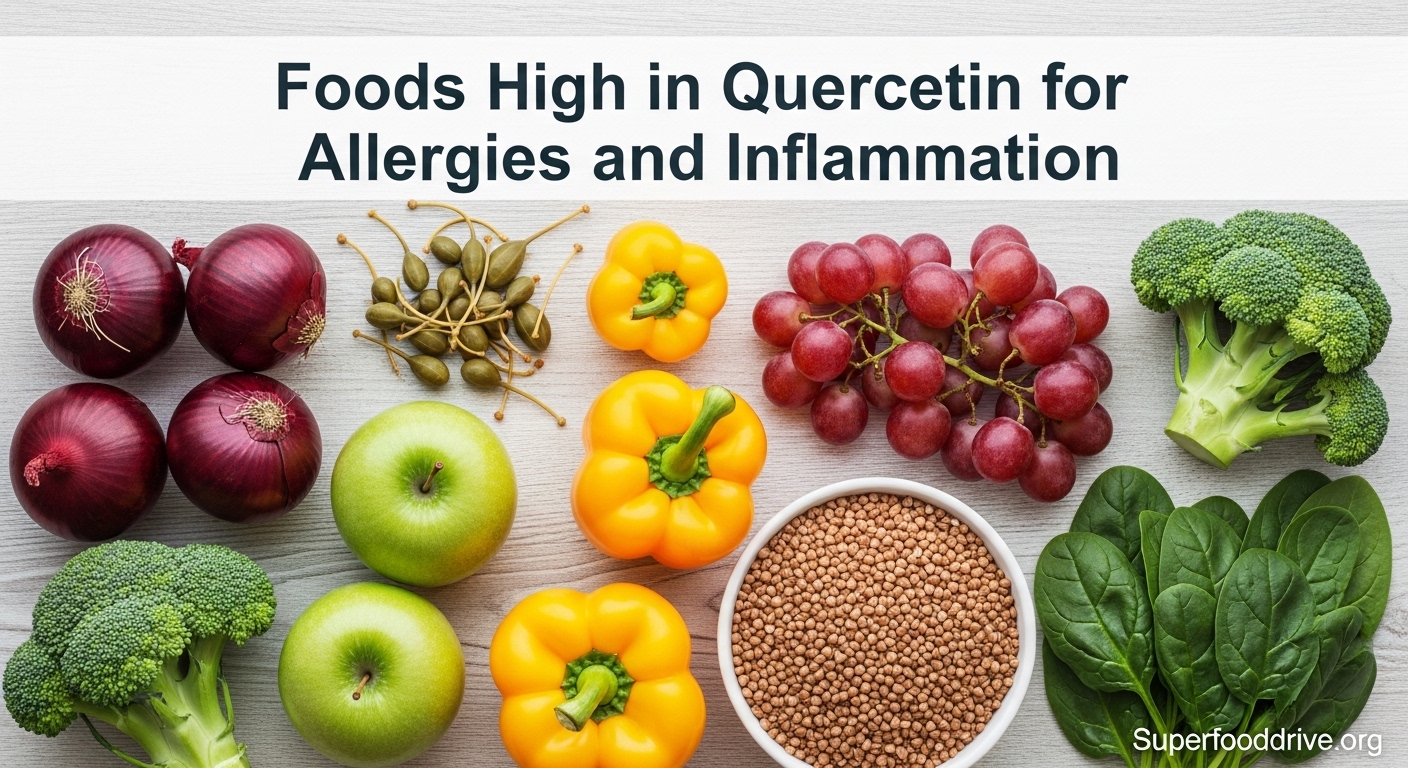
If you suffer from seasonal allergies, chronic inflammation, or histamine intolerance, you have probably searched for natural relief options. I spent months researching how certain foods can calm the immune system without the side effects of conventional medications. What I discovered changed how I approach my own allergy management.
Foods high in quercetin offer a powerful, research-backed approach to reducing allergic reactions and inflammation. Quercetin is a plant flavonoid found in everyday foods like onions, apples, berries, and capers. Research published in the NIH’s PMC database shows quercetin acts as a natural mast cell stabilizer, potentially reducing histamine release and calming the inflammatory cascade that triggers allergy symptoms.
In this guide, I will share exactly which foods contain the most quercetin, how this compound works in your body, and practical ways to incorporate these foods into your daily meals. You will also learn how to maximize quercetin absorption and avoid common mistakes that reduce its effectiveness.
Table of Contents
How Quercetin Works for Allergies and Inflammation
Understanding how quercetin functions in your body helps explain why it is so effective for allergy relief and inflammation reduction. The mechanisms involve multiple pathways that work together to calm an overactive immune response.
Mast Cell Stabilization Explained
Mast cells are part of your immune system that release histamine and other inflammatory chemicals when they detect threats. In people with allergies or mast cell activation syndrome (MCAS), these cells become overly sensitive and release histamine inappropriately. This triggers the familiar allergy symptoms: sneezing, itching, congestion, and swelling.
Quercetin acts as a mast cell stabilizer. It helps prevent these cells from releasing their inflammatory cargo prematurely. According to research published in PMC6273625, quercetin inhibits calcium influx into mast cells, which is necessary for degranulation (the process of releasing histamine). This stabilizing effect can reduce the severity and frequency of allergic reactions.
The mast cell stabilizing properties of quercetin are particularly relevant for people with histamine intolerance and MCAS. Reddit communities dedicated to these conditions frequently discuss quercetin as a cornerstone of their management strategies. Many users report it as “life changing” when taken consistently alongside dietary modifications.
Histamine Inhibition and Anti-Allergic Effects
Beyond stabilizing mast cells, quercetin directly interferes with histamine action. It inhibits the release of histamine from basophils and mast cells, reducing the amount of circulating histamine during an allergic response. Additionally, quercetin can block histamine receptors, preventing the histamine that is released from triggering symptoms.
This dual action makes quercetin particularly valuable for seasonal allergy sufferers. Many people find that increasing quercetin intake before and during allergy season reduces their reliance on over-the-counter antihistamines. The anti-allergic properties extend to respiratory allergies, skin reactions, and food sensitivities.
Anti-Inflammatory and Antioxidant Properties
Quercetin is a potent antioxidant flavonoid that scavenges free radicals and reduces oxidative stress. Chronic inflammation is driven partly by oxidative damage, so reducing free radicals helps calm inflammatory processes throughout the body. This is why quercetin benefits extend beyond allergies to conditions like arthritis, cardiovascular disease, and general immune health.
The compound also modulates inflammatory cytokines including TNF-alpha and IL-6. These signaling molecules drive inflammation in conditions ranging from allergies to autoimmune disorders. By reducing these inflammatory markers, quercetin helps create a more balanced immune response.
Foods High in Quercetin: Complete Chart
Getting enough quercetin from food requires knowing which sources offer the highest concentrations. I have compiled the most comprehensive quercetin food chart based on USDA data and peer-reviewed research. The amounts listed are per 100 grams of food to allow direct comparison.
| Food | Category | Quercetin (mg/100g) | Typical Serving |
|---|---|---|---|
| Capers (raw) | Herb/Condiment | 365 mg | 1 tablespoon (9g) |
| Dill weed (fresh) | Herb | 55 mg | 1 cup (9g) |
| Red onions (raw) | Vegetable | 39 mg | 1 medium (110g) |
| Buckwheat (groats) | Grain | 36 mg | 1 cup cooked (168g) |
| Cranberries (raw) | Fruit | 22 mg | 1 cup (100g) |
| Lingonberries | Fruit | 18 mg | 1 cup (100g) |
| Red wine | Beverage | 15 mg | 5 oz glass (148ml) |
| Blueberries (raw) | Fruit | 7-14 mg | 1 cup (148g) |
| Kale (raw) | Vegetable | 8 mg | 1 cup chopped (67g) |
| Apples with skin | Fruit | 5 mg | 1 medium (182g) |
| Broccoli (raw) | Vegetable | 3 mg | 1 cup chopped (91g) |
| Green tea (brewed) | Beverage | 2.63 mg | 1 cup (240ml) |
Herbs and Condiments: The Quercetin Champions
Capers contain by far the highest quercetin concentration of any commonly consumed food. These unopened flower buds pack an incredible 365 mg per 100 grams. Even a small serving of capers provides a significant quercetin dose. I add them to salads, Mediterranean dishes, and as a garnish for fish to get concentrated quercetin without many calories.
Dill weed is another standout herb with 55 mg per 100 grams. Fresh dill is easy to grow in a windowsill garden and adds bright flavor to soups, salads, and fish dishes. The quercetin in dill comes alongside other beneficial compounds that support digestion and reduce bloating.
Vegetables: Daily Quercetin Sources
Red onions are the vegetable champion with 39 mg per 100 grams. The red and purple varieties contain significantly more quercetin than white or yellow onions. The highest concentration is found in the outer rings and the skin-adjacent layers. I always include raw red onions in salads and sandwiches for maximum benefit.
Kale and broccoli offer moderate quercetin content but are valuable because of how much we can consume regularly. These cruciferous vegetables also provide sulforaphane and other compounds that support detoxification pathways. A daily green smoothie with kale can contribute meaningfully to your quercetin intake.
Fruits, Grains, and Beverages
Buckwheat is the grain with the highest quercetin content at 36 mg per 100 grams. Despite its name, buckwheat is not wheat and is naturally gluten-free. It makes excellent porridge, pancakes, and a rice alternative. Buckwheat groats are easy to cook and provide complete protein alongside their flavonoid benefits.
Cranberries and blueberries offer solid quercetin amounts while being easy to incorporate daily. Wild blueberries tend to have higher concentrations than cultivated varieties. I keep frozen berries on hand year-round for smoothies and oatmeal toppings.
Green tea provides about 2.63 mg of quercetin per cup, but most people drink multiple cups daily. Green tea also contains EGCG and other catechins that work synergistically with quercetin. However, some people with histamine intolerance report sensitivity to green tea, so monitor your individual response.
Cooking and Storage Tips to Preserve Quercetin
How you prepare and store quercetin-rich foods dramatically affects their flavonoid content. Many cooking methods destroy or leach out these beneficial compounds. Understanding these factors helps you maximize the quercetin you actually absorb from your food.
Cooking Methods That Destroy Quercetin
Boiling is the worst cooking method for quercetin preservation. Research shows that boiling vegetables can reduce quercetin content by 50% or more as the compounds leach into the cooking water. If you must boil vegetables, consider using the cooking water for soups or sauces to recapture some of the lost flavonoids.
Frying also significantly reduces quercetin levels. The high heat and oil exposure degrade flavonoids rapidly. Deep-fried onions retain only a fraction of the quercetin found in raw onions. If you cook onions, quick sautéing at moderate heat preserves more quercetin than prolonged frying.
Best Cooking Methods for Quercetin Retention
Raw consumption preserves the maximum quercetin content. Eating onions, apples, berries, and kale raw ensures you get every milligram of flavonoid potential. Salads, smoothies, and fresh fruit snacks are excellent delivery methods for raw quercetin.
Steaming is the gentlest cooking method for vegetables high in quercetin. Steaming kale or broccoli for just 2-3 minutes softens them while preserving most flavonoid content. The water-soluble quercetin stays in the vegetable rather than leaching into cooking water.
Quick sautéing over medium heat for short periods (3-5 minutes) preserves reasonable quercetin levels. This works well for onions and kale when you want the flavor development that cooking provides.
Storage and Selection Tips
Organic produce often contains higher quercetin levels than conventional alternatives. Research shows organic tomatoes can have 79% more quercetin than conventionally grown ones. While not all studies agree, choosing organic for your primary quercetin sources (onions, berries, kale) is a reasonable investment.
Store onions in a cool, dark, dry place to maintain their flavonoid content. Exposure to light and moisture can degrade quercetin over time. Apples store well in the refrigerator crisper drawer, and keeping the skin on is essential since that is where most quercetin concentrates.
Fresh herbs like dill are best used soon after harvest or purchase. If you grow your own, harvest in the morning when flavonoid content peaks. You can freeze chopped herbs in ice cube trays with olive oil for longer-term storage with minimal nutrient loss.
Maximizing Quercetin Absorption: Bioavailability Enhancers
Quercetin has notoriously poor bioavailability. Your body absorbs only a small percentage of the quercetin you consume from food or supplements. Fortunately, certain compounds can dramatically enhance absorption and effectiveness.
Why Quercetin Is Poorly Absorbed Alone
Quercetin in its natural form has low water solubility and is rapidly metabolized by the body. Without assistance, only about 1% of ingested quercetin reaches systemic circulation. This explains why some people eat quercetin-rich foods but do not experience the expected anti-allergy benefits.
The bioavailability problem has led to the development of various quercetin supplement formulations. However, you can also enhance absorption of food-derived quercetin through strategic food combinations and supplement pairing.
Bromelain: The Absorption Amplifier
Bromelain is an enzyme found in pineapple stems and fruit that significantly enhances quercetin absorption. When taken together, bromelain increases the bioavailability of quercetin by reducing its breakdown and improving intestinal uptake. The combination is particularly popular among allergy and MCAS communities on Reddit.
Many quercetin supplements now include bromelain for this reason. If you are getting quercetin from food, consider eating pineapple alongside your quercetin sources or taking a bromelain supplement. The enzyme also has its own anti-inflammatory properties that complement quercetin’s effects.
Vitamin C Synergy
Vitamin C works synergistically with quercetin in multiple ways. It protects quercetin from oxidation, extends its circulation time in the body, and enhances its absorption from the gut. The combination also provides enhanced antioxidant protection compared to either nutrient alone.
Pairing quercetin-rich foods with vitamin C sources creates this synergy naturally. Eat berries with kiwi, add lemon juice to kale salads, or enjoy apples with orange slices. These combinations taste great and maximize your nutritional return.
Zinc and the Ionophore Effect
Quercetin acts as a zinc ionophore, meaning it helps transport zinc into cells where it can support immune function. This property became widely discussed during recent viral outbreaks, but it is valuable for ongoing immune support and allergy management as well.
Zinc itself supports immune regulation and works alongside quercetin to calm inflammatory responses. Taking quercetin with zinc-rich foods or supplements may enhance the benefits of both nutrients. Foods high in zinc include oysters, beef, pumpkin seeds, and chickpeas.
Fenugreek Fiber Enhancement
Research suggests that galactomannan fibers from fenugreek can improve quercetin absorption. These soluble fibers create a favorable environment in the gut for flavonoid uptake. While less commonly discussed than bromelain, fenugreek represents another natural option for enhancing quercetin bioavailability.
Fenugreek seeds can be sprouted and added to salads, or you can use the leaves (methi) in Indian cooking. Some advanced quercetin supplements also incorporate fenugreek-derived fibers specifically for absorption enhancement.
Daily Meal Ideas: Incorporating Quercetin Foods
Knowing which foods contain quercetin is only useful if you actually eat them regularly. Here are practical meal ideas that naturally incorporate multiple quercetin sources while tasting delicious.
Breakfast Options
Buckwheat porridge topped with blueberries and sliced apples provides three quercetin sources in one bowl. Add cinnamon for flavor and blood sugar support. Cook the buckwheat groats in water or milk alternative, then top generously with fresh or frozen berries.
Green smoothie with kale, blueberries, and apple chunks makes a refreshing summer breakfast. Blend with coconut water and a squeeze of lemon for vitamin C synergy. The raw preparation preserves all the quercetin potential of these ingredients.
Lunch Additions
Mediterranean salad with raw red onions, capers, and fresh dill delivers a powerful quercetin punch. Combine cherry tomatoes, cucumber, red onion slices, and a generous sprinkle of capers. Dress with olive oil and lemon juice, then top with fresh dill.
Apple slices with almond butter make a simple, portable lunch addition. Keep the skin on the apples for maximum quercetin. The healthy fats in almond butter may also help absorb the fat-soluble compounds alongside the flavonoids.
Snack Options
Fresh berries eaten by the handful are nature’s candy with benefits. Blueberries, cranberries, and lingonberries all work. Frozen berries are just as nutritious as fresh and make a refreshing summer snack.
Green tea consumed between meals provides gentle quercetin along with L-theanine for calm focus. If you are sensitive to caffeine or histamine, monitor your response. Some people find green tea triggers histamine symptoms despite its quercetin content.
Dinner Combinations
Steamed broccoli and kale with garlic and olive oil makes a simple, quercetin-rich side dish. Steam lightly to preserve nutrients, then toss with good quality olive oil and minced garlic. The garlic provides additional sulfur compounds that support detoxification.
Red onion jam made with slowly caramelized onions preserves more quercetin than you might expect. Use as a topping for chicken, fish, or grain bowls. The onions cook down to a sweet, savory condiment that adds depth to many dishes.
Quercetin Supplements: When Food Is Not Enough
While I always recommend a food-first approach, some situations warrant quercetin supplementation. Understanding when and how to supplement helps you make informed decisions about your health strategy.
When to Consider Supplements
Severe seasonal allergies that significantly impact quality of life may require supplemental quercetin beyond what diet provides. Most people consume 10-15 mg of quercetin daily from food, while therapeutic doses often range from 500-1000 mg.
People with mast cell activation syndrome (MCAS) or severe histamine intolerance often need higher quercetin doses than food can realistically deliver. The stabilizing effect on mast cells requires consistent, higher levels that supplementation can provide.
Acute allergy flare-ups may respond faster to supplemental quercetin than dietary changes alone. When pollen counts spike or you encounter a trigger food, having quercetin supplements on hand provides immediate support.
Recommended Dosage Ranges
For general allergy prevention, most practitioners recommend 500-1000 mg of quercetin daily, divided into 2-3 doses. Some people take up to 2000 mg during peak allergy season. Reddit users in allergy communities often report taking 500 mg three times daily for consistent mast cell stabilization.
Start with a lower dose (250-500 mg) to assess tolerance, then increase gradually. Taking quercetin with bromelain enhances absorption and may allow lower effective doses. Always take quercetin with food to minimize stomach upset.
Best Supplement Forms
Quercetin dihydrate is the most common and cost-effective form. It provides good value and reasonable effectiveness, especially when combined with bromelain. Most studies on quercetin benefits use this form.
Quercetin with bromelain formulations are popular for enhanced absorption. The bromelain improves bioavailability while providing its own anti-inflammatory benefits. This combination is widely available and well-tolerated.
EMIQ (enzymatically modified isoquercitrin) is a highly bioavailable form that converts to quercetin in the body. It is more expensive but may be worth considering if standard quercetin does not provide adequate relief.
Timing and Consistency
Quercetin works best when taken consistently rather than as a rescue medication. Start supplementation 2-4 weeks before allergy season for optimal protection. The mast cell stabilizing effects build over time with regular use.
Divide doses throughout the day to maintain steady blood levels. Taking quercetin with meals that contain healthy fats may improve absorption of fat-soluble components. Many people take morning, afternoon, and evening doses for continuous coverage.
Safety Considerations and Side Effects
Quercetin is generally safe, but understanding potential side effects and interactions helps you use it wisely. Most people tolerate quercetin well from both food and supplement sources.
General Safety Profile
Quercetin has been consumed in foods for thousands of years without significant safety concerns. Even at supplemental doses up to 1000 mg daily, most people experience no adverse effects. Long-term safety data supports its use as a dietary supplement.
The compound is water-soluble, and excess amounts are excreted in urine rather than stored in tissues. This reduces the risk of toxicity compared to fat-soluble nutrients. However, more is not always better, and extremely high doses may cause unwanted effects.
Paradoxical Reactions: When Quercetin Makes Symptoms Worse
Some people report that quercetin actually worsens their allergy or histamine symptoms. Forum discussions on Reddit document cases where users experienced increased nasal congestion, throat irritation, or histamine-like reactions after taking quercetin.
This paradoxical response may occur because quercetin can act as a COMT inhibitor in some individuals. COMT (catechol-O-methyltransferase) is an enzyme that breaks down histamine and other catecholamines. Inhibiting this enzyme could theoretically increase histamine levels in sensitive people.
If you experience worsening symptoms after starting quercetin, discontinue use and consult a healthcare provider. You may be one of the rare individuals who does not tolerate this compound well. Starting with low doses and gradually increasing can help identify your personal tolerance threshold.
Drug Interactions
Quercetin can interact with certain antibiotics, particularly fluoroquinolones like ciprofloxacin. It may reduce the effectiveness of these medications by interfering with their transport. Separate quercetin supplements from antibiotic doses by at least 2 hours.
Blood thinners may interact with high-dose quercetin. Quercetin has mild antiplatelet effects that could theoretically enhance the action of warfarin or other anticoagulants. Consult your doctor if you take blood-thinning medications before starting quercetin supplements.
Quercetin also inhibits certain liver enzymes (CYP3A4 and CYP1A2) that metabolize many medications. This could alter blood levels of drugs processed by these pathways. While food-based quercetin is unlikely to cause problems, high-dose supplements warrant caution with multiple medications.
Who Should Consult a Doctor First
Pregnant and breastfeeding women should consult a healthcare provider before taking quercetin supplements. While dietary quercetin is considered safe, high-dose supplementation has limited safety data in pregnancy.
People with kidney disease should exercise caution as quercetin is excreted renally. Those with liver conditions may want to monitor liver function when taking high-dose supplements. Anyone with a complex medical history or taking multiple medications should seek professional guidance.
Frequently Asked Questions About Quercetin
What foods are high in quercetin for allergies?
The best quercetin-rich foods for allergy relief include capers (365mg/100g), red onions (39mg/100g), buckwheat (36mg/100g), cranberries (22mg/100g), blueberries (7-14mg/100g), apples with skin (5mg/100g), and kale (8mg/100g). Raw red onions are particularly effective because they contain high quercetin in the outer layers. Consuming these foods regularly may help stabilize mast cells and reduce histamine release that triggers allergy symptoms.
What food has the highest quercetin?
Capers contain the highest concentration of quercetin of any commonly consumed food at 365mg per 100 grams. Even a single tablespoon of capers (about 9 grams) provides approximately 33mg of quercetin. Fresh dill weed ranks second with 55mg per 100g. These foods offer concentrated quercetin that can significantly contribute to your daily intake for allergy and inflammation support.
What are the downsides of quercetin?
Quercetin is generally safe but can cause side effects in some people. Common issues include headache, stomach upset, and tingling sensations. A small percentage of people experience paradoxical reactions where quercetin worsens allergy or histamine symptoms. High doses may interact with blood thinners, certain antibiotics, and medications metabolized by liver enzymes CYP3A4 or CYP1A2. Pregnant women and people with kidney disease should consult a doctor before taking supplements.
Can quercetin make allergies worse?
Yes, though rare, some people experience paradoxical reactions where quercetin worsens allergy symptoms. This may occur because quercetin can inhibit the COMT enzyme that breaks down histamine in certain individuals. Reddit users in MCAS and histamine intolerance communities have reported increased nasal congestion, throat irritation, and histamine-like reactions. If you notice worsening symptoms after starting quercetin, discontinue use and consult a healthcare provider.
How long does quercetin take to work for allergies?
Quercetin requires consistent use over 2-4 weeks to reach full effectiveness for allergy relief. Unlike antihistamines that work immediately, quercetin stabilizes mast cells gradually over time. Some people notice improvements within a few days, while others need several weeks of daily use. For seasonal allergies, start supplementation 2-4 weeks before allergy season begins. Food-based quercetin may take longer to show effects than high-dose supplements.
Is it better to get quercetin from food or supplements?
Food sources should be your first choice for quercetin because they provide additional nutrients, fiber, and phytochemicals that work synergistically. However, therapeutic doses for allergies (500-1000mg daily) are difficult to achieve through food alone since most people consume only 10-15mg daily from diet. For general health maintenance, focus on quercetin-rich foods. For significant allergy relief or mast cell issues, combine dietary sources with high-quality supplements.
Conclusion: Start Your Quercetin Journey Today
Foods high in quercetin offer a natural, research-backed approach to managing allergies and inflammation. The flavonoid’s ability to stabilize mast cells, inhibit histamine, and reduce oxidative stress makes it a valuable tool for anyone seeking relief from seasonal allergies, histamine intolerance, or chronic inflammatory conditions.
The data is clear: capers, red onions, buckwheat, berries, and leafy greens deliver the most quercetin per serving. Eating these foods raw or lightly steamed preserves their flavonoid content. Pairing them with bromelain-rich pineapple, vitamin C sources, or zinc can dramatically enhance absorption and effectiveness.
I recommend starting with food sources before considering supplements. Add capers to your next salad. Include raw red onions in your sandwiches. Blend blueberries and kale into morning smoothies. These simple changes can increase your quercetin intake significantly while providing other nutritional benefits.
If food alone does not provide sufficient relief, consider adding a high-quality quercetin supplement with bromelain. Start low, monitor your response, and be aware that rare individuals may experience paradoxical reactions. With patience and consistent use, quercetin may become a cornerstone of your natural allergy management strategy.
What quercetin-rich food will you add to your diet first?