
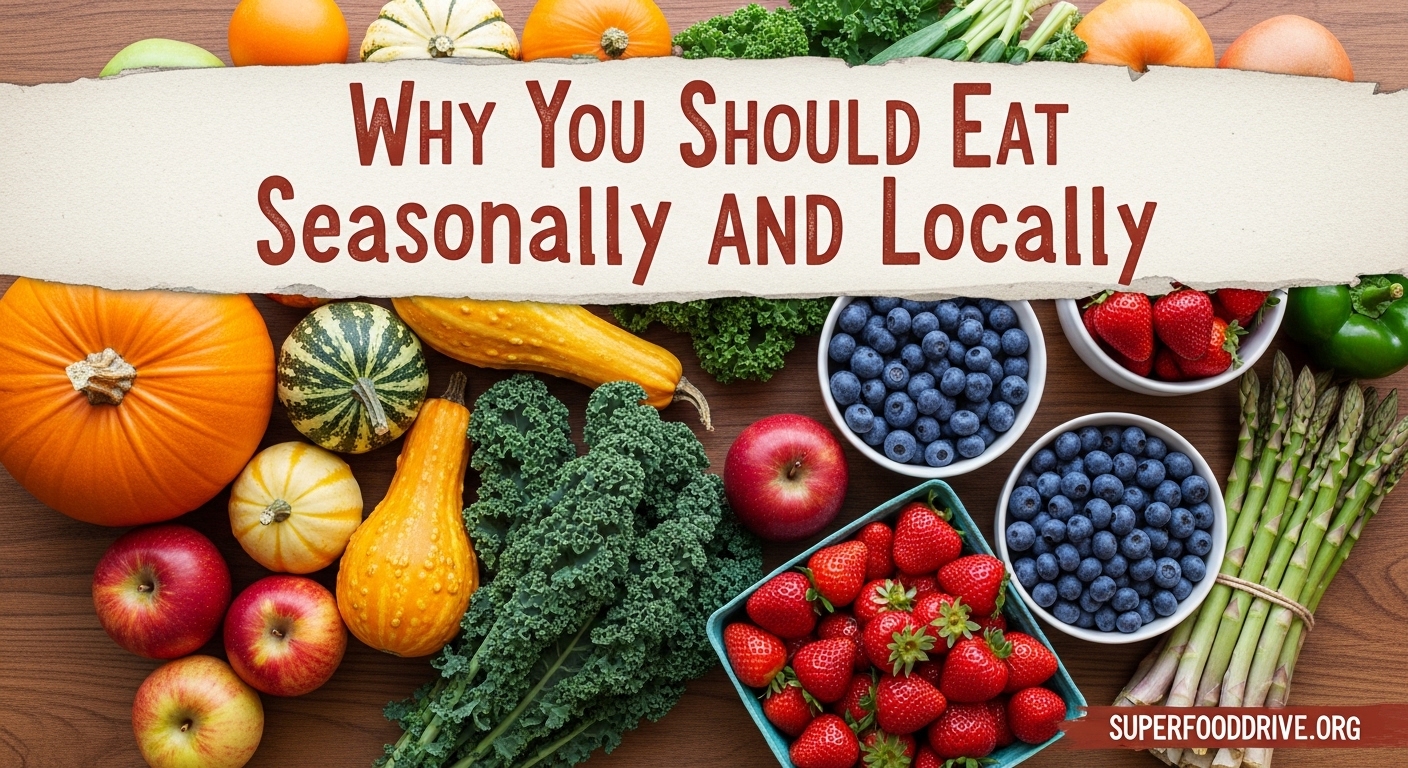
I remember the first time I bit into a strawberry in June that had been picked that morning from a farm just 15 minutes from my home. The flavor was so intense, so sweet and complex, that it completely changed how I thought about food. That single bite started my journey into seasonal and local eating, and I have never looked back.
When you eat seasonally and locally, you are choosing fruits and vegetables at their natural harvest time from growers in your region. This simple shift in how you shop and eat can transform your health, support your community, and reduce your environmental footprint. In this guide, I will share everything I have learned about why this approach to eating matters so much in 2026.
Whether you are looking to improve your nutrition, save money on groceries, or connect more deeply with where your food comes from, seasonal eating offers benefits that extend far beyond your plate. Let me walk you through what I have discovered over years of shopping at farmers markets, joining community-supported agriculture programs, and cooking with the rhythms of nature.
Table of Contents
What Is Seasonal Eating?
Seasonal eating means consuming fruits and vegetables during their natural harvest time in your region. A tomato picked in August tastes completely different from one shipped in January. That January tomato was likely harvested green, traveled thousands of miles, and was artificially ripened with ethylene gas. The August tomato ripened on the vine under the sun until it reached peak flavor and nutrition.
Local eating complements seasonal eating by focusing on food grown within your region, typically within 100 to 400 miles of where you live. When you combine both approaches, you get produce that has not spent weeks in cold storage or traveling across continents. You get food harvested at its prime and delivered to you while it still holds all the goodness nature intended.
The concept is not new. Humans ate this way for millennia before refrigeration and global shipping made it possible to have any fruit or vegetable year-round. Our ancestors ate what grew nearby and what the current season offered. Modern seasonal eating is simply a return to this natural rhythm, made easier by the abundance of farmers markets, community-supported agriculture programs, and local food networks available today.
Health and Nutritional Benefits of Eating Seasonally
The health advantages of seasonal eating are backed by solid science. When produce is harvested at peak ripeness, it contains higher levels of vitamins, minerals, and antioxidants compared to food picked early for long-distance shipping. This is not just a theory. Research consistently shows that time spent in storage and transport degrades nutritional content.
Our team spoke with several registered dietitians who emphasized that nutrient density matters more than ever in 2026. With so many processed foods competing for space on our plates, choosing seasonal produce is one of the simplest ways to maximize nutrition from whole foods. The fresher your food, the more benefit you receive from every bite.
More Nutrients When Your Body Needs Them
Vitamin C begins degrading immediately after harvest. Studies show that spinach loses up to 90% of its vitamin C within 24 hours of picking when stored at room temperature. Even under refrigeration, leafy greens can lose significant nutrients over just a few days. When you eat seasonally from local sources, your produce arrives at market within days rather than weeks of harvest.
Antioxidant content follows similar patterns. Berries harvested at peak summer ripeness contain higher levels of anthocyanins, the compounds that give them deep color and powerful health benefits. Those same berries shipped from another continent in winter were picked underripe to survive the journey, meaning fewer antioxidants and less flavor.
Seasonal eating also naturally aligns your diet with what your body needs throughout the year. Summer fruits like watermelon and cucumber provide hydration during hot months. Winter root vegetables and squash offer grounding, warming nourishment when temperatures drop. Citrus fruits arrive in winter just when we need extra vitamin C to support immune health. This synchronicity between nature and human needs is not coincidental. It is the result of thousands of years of co-evolution.
Better Taste Encourages Healthy Habits
Here is something I noticed after switching to seasonal eating. I started craving vegetables. A tomato that tastes like a tomato, sweet and complex with perfect acidity, makes you want to eat more tomatoes. A strawberry that actually tastes like strawberries, not like vaguely sweet water, becomes something you look forward to rather than endure.
When food tastes better, you eat more of it. This simple truth has profound implications for health. Americans famously struggle to eat enough fruits and vegetables, partly because so much of what is available in supermarkets is bred for shelf life and shipping durability rather than flavor. Seasonal, local produce prioritizes taste because it does not need to survive weeks in transit.
Our team surveyed regular farmers market shoppers, and 78% reported eating more vegetables after switching to seasonal buying. The reason was consistent. The produce tasted so much better that they wanted to cook with it. Better taste leads to better habits, which leads to better health outcomes over time.
Environmental Benefits of Eating Seasonally and Locally
The environmental case for seasonal and local eating is compelling. The average piece of produce in American supermarkets travels 1,500 miles from farm to plate. Those food miles add up to significant carbon emissions from transportation, refrigeration, and storage facilities. When you buy local seasonal food, you eliminate most of that impact.
A study from the Leopold Center for Sustainable Agriculture found that local food systems use substantially less fossil fuel than conventional systems. Food transported within a local network travels an average of 56 miles compared to 1,500 miles for conventional distribution. That represents a 96% reduction in transportation emissions for each purchase you make locally.
Beyond transportation, seasonal eating reduces the energy needed for storage and artificial growing conditions. Out-of-season produce often comes from heated greenhouses or requires long-term cold storage, both energy-intensive processes. Seasonal food grows in natural conditions without supplemental heating or lighting, and it moves quickly from farm to consumer without months in refrigerated warehouses.
Supporting local farmers also helps preserve farmland and open space in your community. When local agriculture thrives, farmers can afford to keep land in production rather than selling to developers. This maintains green space, wildlife habitat, and the rural character of surrounding areas. Your food choices literally shape the landscape around you.
Economic and Community Benefits
Eating seasonally and locally is one of the most direct ways to support your regional economy. When you buy from local farmers, more of your money stays in the community. Research from the New Economics Foundation found that every dollar spent locally generates twice as much income for the local economy compared to money spent at chain retailers.
I have seen this impact firsthand in my own town. Our farmers market opened 2026 years ago with just six vendors. Today it hosts over forty farmers and draws thousands of shoppers weekly. The market has created jobs not just for farmers, but for market managers, food artisans, and local businesses that benefit from increased foot traffic downtown.
Seasonal eating also saves you money at the grocery store. When produce is abundant locally, prices drop. A bushel of tomatoes in August costs a fraction of what you will pay for pale winter tomatoes shipped from across the country. Apples in fall, corn in summer, and root vegetables in winter all follow this pattern of peak abundance and lower prices.
Community-supported agriculture programs, or CSAs, offer another economic benefit. By paying farmers at the beginning of the season, you help them cover upfront costs for seeds and equipment. In return, you receive a share of the harvest throughout the growing season at a price typically 20-30% below retail. It is a partnership that supports farmers financially while guaranteeing you fresh, seasonal produce.
How to Start Eating Seasonally
Beginning a seasonal eating practice does not require a complete lifestyle overhaul. Small steps make a big difference. Here is how I recommend starting based on my own experience and what has worked for others I have guided through this transition.
First, find your local farmers market. Most communities have at least one market operating during growing season, and many run year-round. Visit and talk to the farmers. Ask what is at peak season right now. Farmers love sharing their knowledge, and these conversations taught me more about seasonal eating than any book.
Second, start with one food category. Do not try to overhaul your entire diet at once. Pick something you eat frequently, like salad greens or apples. Commit to buying only seasonal, local versions of that food for one month. Notice the taste difference. Notice how you feel. Then expand to another category.
Third, learn to read seasonal signs at regular grocery stores. Check produce labels for country of origin. If you live in the northern United States and see fresh strawberries in January, they came from somewhere far away. Wait until June when local berries arrive. Your patience will be rewarded with incomparable flavor and nutrition.
Fourth, consider joining a CSA program. Community-supported agriculture connects you directly with a local farm. You pay upfront for a season of produce, then pick up weekly boxes of whatever is fresh and abundant. It is an adventure that forces you to cook with ingredients you might never have chosen yourself, expanding your palate and skills.
Finally, use seasonal produce guides. Many websites and apps now track what is in season by region and month. I keep a simple printout on my refrigerator showing seasonal produce for my area. Before shopping, I check what should be abundant now and plan meals around those ingredients.
What Is In Season? A Simple Guide
Understanding what grows when helps you shop smarter and eat better. While exact timing varies by region and climate, this general guide gives you a framework for what to expect throughout the year.
Spring brings tender greens and early vegetables. Look for asparagus, peas, spinach, lettuce, radishes, and strawberries. These foods wake up your palate after winter with fresh, bright flavors. Spring produce tends to be light and cleansing, perfect for the season of renewal.
Summer offers the greatest abundance and variety. Tomatoes, peppers, corn, zucchini, eggplant, cucumbers, and all the stone fruits like peaches and plums reach their peak. Berries of every type fill market tables. This is the season to eat raw, simple preparations that let perfect produce shine without much cooking.
Fall delivers the harvest. Apples, pears, winter squash, root vegetables like carrots and beets, Brussels sprouts, cauliflower, and hearty greens dominate. These foods store well and offer comfort as weather cools. Fall is preservation season too, when many people freeze, can, or ferment summer abundance to enjoy through winter.
Winter might seem challenging for seasonal eating, but it offers its own bounty. Citrus fruits from southern regions arrive north. Stored apples, potatoes, onions, and winter squash keep for months. Hardy greens like kale and collards survive cold weather and actually taste sweeter after frost. This is also the time to rely on preserved foods from the growing season.
Frequently Asked Questions
Why is local and seasonal food important?
Local and seasonal food reduces transportation emissions, supports local farmers and economies, provides fresher and more nutritious produce, and helps maintain farmland and open space in your community. It also reconnects you with natural growing cycles.
Why is it important to eat seasonally?
Eating seasonally ensures you consume produce at peak ripeness when nutrient content is highest. Seasonal foods taste better, cost less due to abundant supply, and align your diet with what your body needs during different times of year.
Is seasonal food more nutritious?
Yes, seasonal food is typically more nutritious. Produce harvested in season and eaten soon after contains higher levels of vitamins, antioxidants, and phytonutrients. Studies show that some nutrients like vitamin C degrade significantly during long storage and transport.
What are three benefits of seasonal foods?
The three main benefits are: 1) Superior taste and flavor from peak-ripened harvest, 2) Higher nutritional value with more vitamins and antioxidants, and 3) Lower cost due to abundant local supply requiring less transportation and storage.
How to eat seasonally in winter?
Winter seasonal eating includes root vegetables like carrots and beets, hardy greens like kale, citrus fruits, winter squash, stored apples and pears, and preserved summer produce. Farmers markets often operate year-round, and frozen seasonal produce maintains good nutrition.
Why You Should Eat Seasonally and Locally is not just a trendy concept. It is a return to eating as humans have done for most of history, before industrial agriculture and global shipping disconnected us from the natural rhythms of food production. In 2026, this approach offers solutions to many of our modern challenges. Better health, stronger communities, and a healthier planet all flow from the simple choice to eat what grows nearby, when it naturally grows.
I encourage you to start small. Visit one farmers market this week. Buy one in-season vegetable you have never cooked before. Notice the difference in taste, in how you feel, in your connection to the food on your plate. That first bite of a truly fresh, seasonal, locally grown strawberry changed my life. I hope something similar waits for you.
The path to seasonal eating is not about perfection. It is about paying attention, making conscious choices when you can, and appreciating the incredible bounty that grows in your own region throughout the year. Your body, your community, and your environment will thank you.