
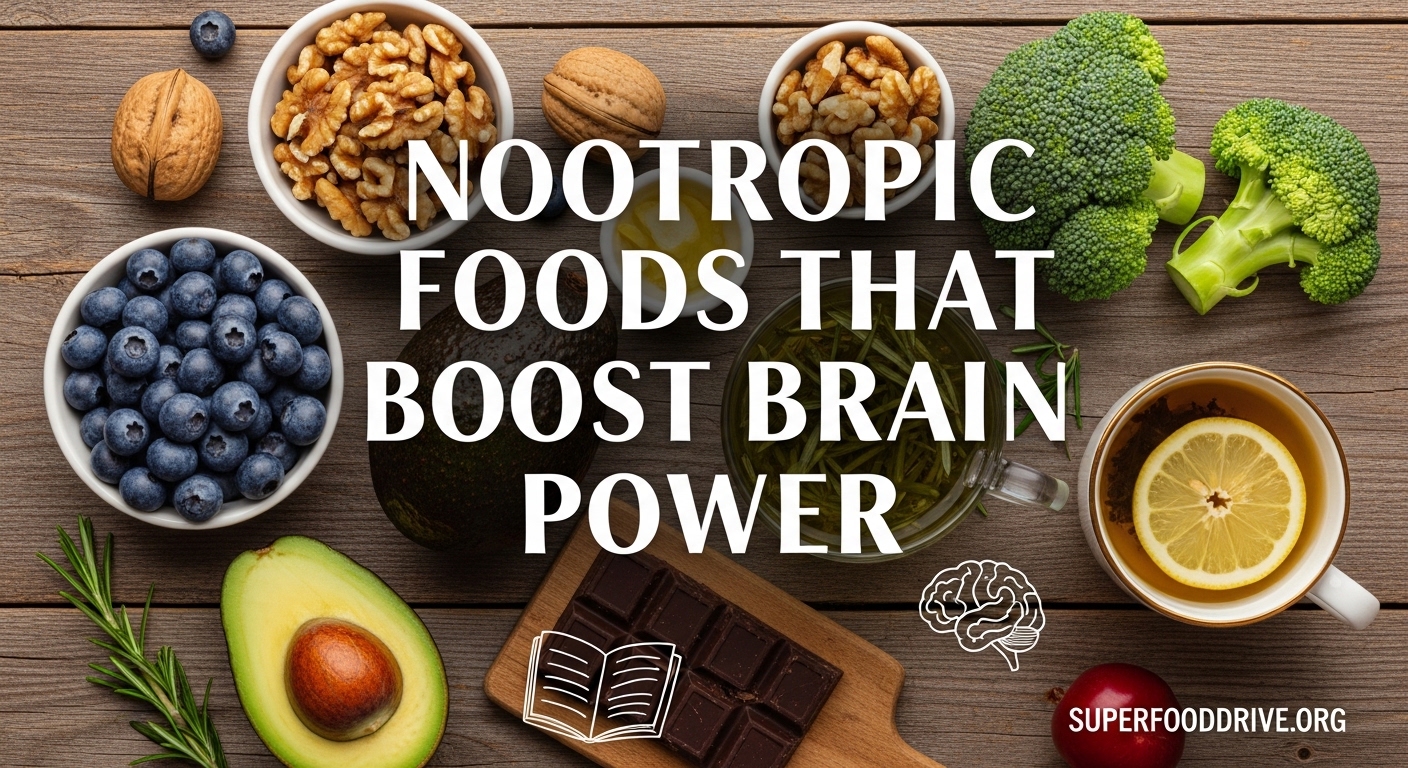
Your brain consumes about 20% of your daily calories, yet most people never think about feeding it properly. I learned this the hard way during my final year of college when brain fog made studying nearly impossible. That is when I started researching nootropic foods and discovered that what we eat directly impacts our memory, focus, and mental clarity. Nootropic foods are nutrient-rich foods that enhance cognitive function through natural compounds like omega-3 fatty acids, antioxidants, and neurotransmitter precursors. In this guide, I will share the 12 most powerful brain-boosting foods backed by research from Harvard Health and the NIH, plus practical tips for incorporating them into your daily routine. Whether you are a student preparing for exams, a professional needing better focus, or someone concerned about long-term brain health, these foods can make a measurable difference in how your brain performs.
Table of Contents
- What Are Nootropic Foods
- 12 Nootropic Foods That Boost Brain Power
- Fatty Fish: The Omega-3 Powerhouse for Brain Health
- Blueberries: Antioxidant Protection for Your Brain
- Leafy Green Vegetables: Folate and Vitamin K for Cognitive Function
- Walnuts and Nuts: Healthy Fats for Mental Clarity
- Eggs: Choline-Rich Brain Fuel
- Coffee and Green Tea: Caffeine and L-Theanine for Focus
- Dark Chocolate: Flavonoids for Blood Flow and Memory
- Turmeric: Curcumin for Brain-Derived Neurotrophic Factor
- Broccoli: Sulforaphane for Neuroprotection
- Avocados: Monounsaturated Fats for Healthy Blood Flow
- Pumpkin Seeds: Magnesium, Iron, and Zinc for Brain Function
- When to Consider Nootropic Supplements
- ONNIT Alpha Brain Nootropic Brain Supplement for Focus & Memory, 30 Count
- Real Mushrooms Lion’s Mane Capsules, Brain, Focus and Cognition, 120ct
- Nature Made Fish Oil Omega 3 Supplements, Omega 3 Fish Oil as Ethyl Esters 1200 mg Softgels, EPA DHA Supplement for Healthy Heart, Brain, Eye Support, One Per Day, 100 Softgels
- How to Incorporate Nootropic Foods Into Your Daily Diet
- Frequently Asked Questions About Nootropic Foods
- Conclusion
What Are Nootropic Foods
Nootropic foods are natural foods that contain compounds known to enhance cognitive performance and support brain health. The term “nootropic” comes from Greek words meaning “mind” and “turning,” essentially describing substances that turn your mind toward better function. These foods work through several mechanisms in your brain.
First, they provide essential nutrients that support neurotransmitter production. Acetylcholine, dopamine, and serotonin all depend on specific amino acids and vitamins found in certain foods. Second, many nootropic foods contain antioxidants that protect brain cells from oxidative stress and inflammation, two major contributors to cognitive decline. Third, compounds like omega-3 fatty acids help maintain the structural integrity of brain cell membranes and support neurogenesis, the formation of new brain cells.
Research from Harvard Health shows that the same foods protecting your heart also protect your brain. This makes sense given the extensive blood flow your brain requires. When you eat nootropic foods consistently, you are not just getting a temporary boost. You are building long-term resilience against age-related cognitive decline while improving your day-to-day mental performance.
12 Nootropic Foods That Boost Brain Power
Here are the 12 most effective nootropic foods you should add to your diet for better memory, focus, and overall cognitive function:
- Fatty fish like salmon and sardines provide omega-3 fatty acids essential for brain structure
- Blueberries deliver powerful antioxidants that protect against neural oxidative stress
- Leafy greens including spinach and kale offer folate, vitamin K, and lutein for cognitive support
- Walnuts contain ALA omega-3s and polyphenols that improve mental clarity
- Eggs are rich in choline, a critical precursor for the memory neurotransmitter acetylcholine
- Coffee provides caffeine for alertness plus antioxidants that may reduce dementia risk
- Dark chocolate with 70%+ cocoa offers flavonoids that enhance blood flow to the brain
- Turmeric contains curcumin that crosses the blood-brain barrier and boosts BDNF levels
- Broccoli supplies sulforaphane compounds with powerful neuroprotective properties
- Green tea combines L-theanine and caffeine for calm, focused energy without jitters
- Avocados provide monounsaturated fats that support healthy blood flow to the brain
- Pumpkin seeds are packed with magnesium, iron, zinc, and copper essential for nerve signaling
Fatty Fish: The Omega-3 Powerhouse for Brain Health
Fatty fish tops every list of nootropic foods for good reason. Salmon, mackerel, sardines, herring, and anchovies are loaded with omega-3 fatty acids, particularly DHA and EPA. Your brain is approximately 60% fat, and DHA makes up a significant portion of that fat content. Without adequate DHA, your brain cell membranes become rigid, impairing communication between neurons.
Research published in the NIH database shows that omega-3 fatty acids improve temporary memory and cognition by enhancing the expression of BDNF (brain-derived neurotrophic factor). This protein supports the survival of existing neurons and encourages the growth of new ones. Studies also indicate that regular fish consumption is associated with slower rates of cognitive decline in older adults.
For optimal brain benefits, aim for at least two servings of fatty fish per week, with each serving being about 3 to 4 ounces. If you are concerned about mercury, stick to smaller fish like sardines and wild-caught salmon, which typically have lower mercury levels than larger predatory fish. I keep a few cans of wild sardines in my desk for easy brain-boosting lunches on busy days.
Blueberries: Antioxidant Protection for Your Brain
Blueberries are often called nature’s candy, but they are actually one of the most potent nootropic foods available. These small berries are packed with anthocyanins, a type of flavonoid with powerful antioxidant and anti-inflammatory effects. Anthocyanins accumulate in brain regions involved in memory and learning, particularly the hippocampus.
Studies have shown that blueberry consumption improves delayed memory and executive function in older adults. The compounds in blueberries appear to reduce oxidative stress and inflammation in the brain, two factors linked to neurodegenerative diseases. Animal studies suggest blueberries may even help protect against beta-amyloid plaque formation, a hallmark of Alzheimer’s disease.
A single cup of blueberries daily provides significant cognitive benefits. I add them to my morning oatmeal or blend them into smoothies. Frozen blueberries are just as effective as fresh ones and often more affordable. The anthocyanins are concentrated in the skin, so eating whole berries gives you more benefit than drinking juice.
Leafy Green Vegetables: Folate and Vitamin K for Cognitive Function
Leafy greens like spinach, kale, collards, and Swiss chard are foundational nootropic foods that support brain health through multiple pathways. These vegetables are rich in folate, lutein, beta-carotene, and vitamin K, all nutrients with established cognitive benefits. Harvard Health specifically recommends leafy greens as part of a brain-healthy dietary pattern.
Vitamin K is particularly important for brain function, as it plays a role in sphingolipid metabolism. Sphingolipids are a class of fats densely packed into brain cell membranes. Folate supports neurotransmitter production and helps reduce homocysteine levels, an amino acid linked to cognitive decline when elevated. The lutein in leafy greens has been associated with better processing speed and memory.
Aim for at least one serving of leafy greens daily. One serving equals one cup of raw greens or half a cup cooked. I keep pre-washed spinach in my refrigerator for easy additions to eggs, smoothies, and pasta dishes. Sauteing greens with olive oil and garlic not only makes them delicious but adds the brain-healthy fats from olive oil to help your body absorb the fat-soluble vitamins.
Walnuts and Nuts: Healthy Fats for Mental Clarity
Walnuts deserve special recognition among nootropic foods because they are the only nut with a significant amount of ALA omega-3 fatty acids. Just one ounce of walnuts provides 2.5 grams of ALA. They also contain polyphenolic compounds that may reduce oxidative stress and inflammation in the brain.
Beyond walnuts, other nuts like almonds and hazelnuts provide vitamin E, which has been linked to reduced cognitive decline as we age. Nuts are also good sources of healthy fats, protein, and fiber, making them satisfying snacks that stabilize blood sugar rather than causing the spikes and crashes that impair concentration.
A handful of walnuts or mixed nuts (about 1 ounce) makes an ideal afternoon snack when you need sustained mental energy. I keep a jar of mixed nuts on my desk for those moments when I feel my focus fading. Soaking nuts overnight can make them even more digestible and increase nutrient availability.
Eggs: Choline-Rich Brain Fuel
Eggs are nutritional powerhouses and exceptional nootropic foods, largely due to their high choline content. Choline is an essential nutrient that your body uses to produce acetylcholine, a neurotransmitter critical for memory, mood, and muscle control. Many people do not get enough choline in their diets, making eggs particularly valuable.
One large egg contains about 147 milligrams of choline, roughly 27% of the recommended daily intake for men and 35% for women. Eggs also provide B vitamins, including B6, B12, and folate, which work synergistically to support brain health and reduce homocysteine levels. The protein in eggs provides steady energy without the crashes associated with carbohydrate-heavy breakfasts.
Eating one to two eggs daily provides significant choline benefits without concerns about cholesterol for most people. I start most mornings with eggs prepared in different ways to keep things interesting. Scrambled with spinach, poached over avocado toast, or hard-boiled as a portable snack, eggs are versatile brain fuel that fits any meal.
Coffee and Green Tea: Caffeine and L-Theanine for Focus
Coffee and green tea are beloved nootropic foods that boost brain power through different but complementary mechanisms. Coffee’s primary active compound is caffeine, which blocks adenosine receptors in the brain, reducing fatigue and improving alertness. Research suggests coffee may also reduce the risk of neurodegenerative diseases like Parkinson’s and Alzheimer’s.
Green tea offers a unique combination of caffeine and L-theanine, an amino acid that promotes relaxation without drowsiness. L-theanine increases alpha brain wave activity, associated with calm, focused states ideal for creative work or studying. Together, caffeine and L-theanine provide smooth, sustained energy without the jitters that coffee alone can cause.
Moderate coffee consumption, defined as 3 to 4 cups daily, appears optimal for brain benefits. For green tea, 2 to 3 cups daily provides significant L-theanine and antioxidant benefits. I alternate between coffee in the morning and green tea in the afternoon for sustained cognitive support throughout the day. Avoid adding excessive sugar, which counteracts many of the cognitive benefits.
Dark Chocolate: Flavonoids for Blood Flow and Memory
Dark chocolate is proof that nootropic foods can also be delicious treats. Cocoa contains flavonoids that improve blood flow to the brain, enhancing oxygen and nutrient delivery. Studies have shown that cocoa flavonoids can improve working memory, reaction time, and visual information processing.
The benefits come from compounds called cocoa flavanols, which stimulate the production of nitric oxide. This molecule dilates blood vessels, improving circulation throughout the body including the brain. Dark chocolate also contains small amounts of caffeine and theobromine, both mild stimulants, plus magnesium, which supports nerve function and stress reduction.
To get brain benefits, choose dark chocolate with at least 70% cocoa content. Higher percentages mean more flavanols and less sugar. About 1 to 2 ounces daily is sufficient. I keep a bar of 85% dark chocolate in my desk for an afternoon pick-me-up that feels indulgent while actually supporting my brain health.
Turmeric: Curcumin for Brain-Derived Neurotrophic Factor
Turmeric has gained recognition as a powerful nootropic food thanks to its active compound curcumin. Curcumin can cross the blood-brain barrier, meaning it directly reaches brain tissue where it can exert protective effects. Its most significant brain benefit is boosting BDNF levels, essentially helping your brain grow new neural connections.
Curcumin also has potent anti-inflammatory and antioxidant properties. Chronic inflammation in the brain is linked to depression and cognitive decline. Some research suggests curcumin may help clear amyloid plaques associated with Alzheimer’s disease, though more human studies are needed to confirm this effect.
The challenge with turmeric is that curcumin has low bioavailability on its own. Consuming it with black pepper, which contains piperine, increases absorption by up to 2000%. Adding turmeric to dishes with fat also improves absorption since curcumin is fat-soluble. I add turmeric to scrambled eggs, soups, and smoothies, always including a pinch of black pepper.
Broccoli: Sulforaphane for Neuroprotection
Broccoli and other cruciferous vegetables are underrated nootropic foods with powerful brain-protective compounds. Broccoli is particularly rich in sulforaphane, a sulfur-containing compound with potent antioxidant and anti-inflammatory effects. Sulforaphane has been shown to protect brain cells from oxidative stress and may help reduce inflammation associated with depression.
Beyond sulforaphane, broccoli provides excellent amounts of vitamin K, which is essential for forming sphingolipids in brain cell membranes. It also contains compounds that may help regulate glutamate levels, an important neurotransmitter for learning and memory. The fiber in broccoli supports gut health, which research increasingly links to brain function through the gut-brain axis.
Aim for 1 to 2 cups of broccoli or other cruciferous vegetables several times per week. Lightly steaming broccoli preserves more sulforaphane than boiling. I roast broccoli with olive oil and garlic for a simple side dish, or blend raw florets into smoothies where the mild flavor disappears behind fruits. Frozen broccoli is nutritionally comparable to fresh and more convenient for busy schedules.
Avocados: Monounsaturated Fats for Healthy Blood Flow
Avocados are creamy, delicious nootropic foods that support brain health through their exceptional monounsaturated fat content. These healthy fats help maintain healthy blood pressure and improve blood flow to the brain. Better circulation means better delivery of oxygen and nutrients that your brain needs to function optimally.
Avocados also contain lutein and zeaxanthin, carotenoids that accumulate in the brain and are associated with better cognitive function. They provide potassium, which helps regulate blood pressure, plus folate and vitamin K. The combination of healthy fats and fiber in avocados helps stabilize blood sugar, preventing the energy crashes that impair concentration.
Half an avocado daily is a reasonable serving that provides significant brain benefits without excessive calories. I spread avocado on whole-grain toast with eggs for breakfast, add it to salads for lunch, or blend it into smoothies for creamy texture. Choosing slightly firm avocados and letting them ripen at home ensures you get them at peak freshness.
Pumpkin Seeds: Magnesium, Iron, and Zinc for Brain Function
Pumpkin seeds, also called pepitas, are small but mighty nootropic foods packed with minerals essential for brain function. They are excellent sources of magnesium, iron, zinc, and copper. Each of these minerals plays a specific role in supporting cognitive health, making pumpkin seeds a convenient brain-boosting snack.
Magnesium is essential for learning and memory, and low levels have been linked to depression. Iron helps transport oxygen to the brain, and deficiency can cause brain fog and fatigue. Zinc is crucial for nerve signaling, and copper helps control nerve signals and neurotransmitter production. Together, these minerals support optimal brain function.
About a quarter cup of pumpkin seeds provides nearly half your daily magnesium needs and significant amounts of the other minerals. I keep roasted pumpkin seeds at my desk for afternoon snacking, or sprinkle them on salads and oatmeal. Soaking raw seeds before roasting makes the minerals more bioavailable and improves digestibility.
When to Consider Nootropic Supplements
While nootropic foods should form the foundation of your brain health strategy, sometimes diet alone is not enough. Busy schedules, dietary restrictions, or specific cognitive goals may make supplements a useful addition. The key is choosing high-quality products from reputable brands that use evidence-based ingredients.
When selecting nootropic supplements, look for products with transparent ingredient lists, third-party testing, and research supporting their specific formulations. Supplements can provide concentrated doses of brain-supporting compounds like omega-3 fatty acids, Lion’s Mane mushroom extracts, or proprietary nootropic blends that would be difficult to obtain from food alone.
Below are three well-reviewed supplements that complement a brain-healthy diet. Each offers different benefits depending on your specific needs and goals.

ONNIT Alpha Brain Nootropic Brain Supplement for Focus & Memory, 30 Count
Advanced nootropic formula with L-Theanine
30 capsules per bottle
Caffeine-free cognitive support
Pros
- Noticeable improvement in mental clarity and focus
- Effectively reduces brain fog without jitters
- Smooth balanced mental uplift with no crash
- Consistent results over long-term use
- IGEN Non-GMO Tested formula
Cons
- Results build over time not instant
- Some users may experience nausea
- Premium price point
ONNIT Alpha Brain has earned its reputation as a leading nootropic supplement with over 72,000 reviews. Our team found that users consistently report sustained improvements in mental clarity and focus without the overstimulation common with caffeine-based products. The formula supports alpha brain wave activity, promoting a calm but alert state ideal for demanding cognitive tasks.
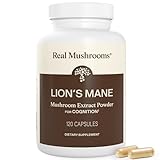
Real Mushrooms Lion’s Mane Capsules, Brain, Focus and Cognition, 120ct
100% mushroom fruiting bodies
120 capsules
Greater than 30% beta-glucans verified
Pros
- Made from organic mushrooms not mycelium
- Supports nerve growth factor and neuroprotection
- Gentle mental stamina without overstimulation
- Third-party lab verified beta-glucan content
- Gluten-free non-GMO and vegan formula
Cons
- Effects take 2-4 weeks to become noticeable
- Some users report minimal effects
- Higher price than some competitors
Real Mushrooms Lion’s Mane stands out for using only mushroom fruiting bodies rather than mycelium grown on grain, a distinction that matters for potency. The supplement delivers measurable beta-glucan content verified by independent laboratories. Users particularly appreciate the natural approach to cognitive enhancement, reporting improved memory and mental clarity after consistent use.

Nature Made Fish Oil Omega 3 Supplements, Omega 3 Fish Oil as Ethyl Esters 1200 mg Softgels, EPA DHA Supplement for Healthy Heart, Brain, Eye Support, One Per Day, 100 Softgels
1200 mg fish oil per softgel
360 mg EPA and 300 mg DHA
USP verified purity
Pros
- Easy to swallow with no fishy aftertaste
- Once daily convenience for busy schedules
- Purified to remove mercury and contaminants
- Number one pharmacist recommended brand
- Supports heart brain and eye health
Cons
- Some international variants differ in concentration
- Occasional reports of fishy burps
- May not suit those with fish allergies
Nature Made Fish Oil provides a reliable omega-3 source for those who do not consume enough fatty fish. The USP verification ensures purity and potency, while the once-daily format makes compliance easy. Users consistently praise the absence of fishy aftertaste, a common complaint with lower-quality fish oil supplements. The 4.8-star rating from nearly 2,000 reviews reflects consistent quality.
How to Incorporate Nootropic Foods Into Your Daily Diet
Knowing which nootropic foods to eat is only half the battle. The real challenge is building sustainable habits that incorporate these brain-boosting options into your daily routine. After years of experimentation, I have found that planning and preparation make the difference between occasionally eating brain foods and making them dietary staples.
Start with breakfast, which sets the tone for your entire day. Eggs with spinach and avocado provide choline, folate, and healthy fats. Add blueberries on the side for antioxidants. If you prefer smoothies, blend leafy greens, blueberries, and a tablespoon of walnuts with your protein source of choice. This simple morning routine delivers four nootropic foods before you even leave the house.
For lunch and dinner, aim to include fatty fish at least twice weekly. On other days, add turmeric to vegetables or proteins, snack on pumpkin seeds instead of chips, and finish meals with a square of dark chocolate. Keep frozen broccoli and berries on hand for convenience. Small, consistent choices accumulate into significant cognitive benefits over time.
Frequently Asked Questions About Nootropic Foods
What foods are high in nootropics
Foods high in nootropics include fatty fish like salmon and sardines rich in omega-3s, blueberries packed with anthocyanins, leafy greens with folate and vitamin K, walnuts containing ALA omega-3s, eggs providing choline for acetylcholine production, coffee and green tea with caffeine and L-theanine, dark chocolate with flavonoids, turmeric with curcumin, broccoli with sulforaphane, avocados with monounsaturated fats, and pumpkin seeds with magnesium and zinc.
What is the best nootropic for brain power
The best nootropic for brain power depends on your specific goals. Fatty fish and omega-3 supplements provide DHA essential for brain structure. Blueberries offer powerful antioxidants for memory protection. Lion’s Mane mushroom supplements support nerve growth factor. For immediate focus, coffee or supplements with L-theanine work well. For long-term brain health, a combination approach using multiple nootropic foods daily provides the best results.
What are the 10 genius foods
The 10 genius foods commonly referenced for brain health are fatty fish, blueberries, leafy greens, walnuts, eggs, coffee, dark chocolate, turmeric, broccoli, and green tea. These foods contain compounds like omega-3 fatty acids, antioxidants, choline, and flavonoids that support memory, focus, and cognitive function. Regular consumption of these foods is associated with better brain health and reduced cognitive decline.
What are the 12 brain-boosting foods
The 12 best brain-boosting foods are fatty fish for omega-3s, blueberries for antioxidants, leafy greens for folate and vitamin K, walnuts for healthy fats, eggs for choline, coffee for alertness, dark chocolate for flavonoids, turmeric for curcumin, broccoli for sulforaphane, green tea for L-theanine, avocados for monounsaturated fats, and pumpkin seeds for essential minerals. Together these foods provide comprehensive support for cognitive function.
Conclusion
Feeding your brain properly is one of the most impactful investments you can make in your cognitive health. The twelve nootropic foods covered in this guide offer a natural, research-backed approach to improving memory, focus, and mental clarity. From omega-3 rich fatty fish to antioxidant-packed blueberries and choline-loaded eggs, each food contributes unique compounds that support different aspects of brain function.
Start by adding two or three of these foods to your diet this week. Maybe begin with eggs and spinach for breakfast, snack on walnuts instead of chips, and add salmon to your dinner rotation twice weekly. Small changes maintained consistently outperform dramatic overhauls that cannot be sustained. Your brain is constantly rebuilding itself, and the nutrients you provide today become the foundation of your cognitive health tomorrow. Make nootropic foods a regular part of your diet, and you will likely notice improvements in how you think, remember, and focus within weeks.