
Living with an autoimmune condition feels like your body has declared war on itself. I’ve spent years watching friends and family members struggle with Hashimoto’s, rheumatoid arthritis, and inflammatory bowel disease. They’ve tried countless medications with mixed results and frustrating side effects. Many found real relief only after changing what they put on their plate.
The Autoimmune Protocol (AIP) diet represents one of the most comprehensive dietary approaches for managing autoimmune disease through food. This guide covers everything you need to know about the foods to avoid with autoimmune disease, what you can eat instead, and how to successfully navigate both the elimination and reintroduction phases.
By the end of this guide, you will understand exactly what makes AIP different from standard Paleo, which foods trigger inflammation in sensitive individuals, how to handle the challenging first weeks, and a step-by-step approach to bringing foods back into your diet safely. Whether you are newly diagnosed or have been managing your condition for years, this protocol offers a structured path toward identifying your personal food triggers.
Table of Contents
What is the Autoimmune Protocol (AIP) Diet?
The Autoimmune Protocol (AIP) diet is a specialized elimination diet designed to reduce inflammation and heal intestinal permeability in people with autoimmune conditions. It works by temporarily removing foods that may trigger immune responses, then systematically reintroducing them to identify individual tolerances. Think of it as a stricter version of the Paleo diet with additional restrictions specifically targeting potential autoimmune triggers.
AIP builds upon the foundation of the standard Paleo diet, which already eliminates grains, legumes, and processed foods. However, AIP goes further by also removing nightshade vegetables, eggs, nuts, seeds, and coffee during the elimination phase. These additional restrictions target compounds like lectins, alkaloids, and other substances that may contribute to leaky gut and immune dysfunction in susceptible individuals.
The protocol follows a three-phase structure: elimination, reintroduction, and maintenance. Most people spend 30 to 90 days in strict elimination before carefully adding foods back one at a time. The goal is not to stay on the restrictive elimination phase forever, but rather to create a personalized, sustainable diet that supports your unique immune system.
The Leaky Gut Connection
Leaky gut, or increased intestinal permeability, sits at the heart of the AIP approach. In a healthy gut, tight junctions between intestinal cells create a selective barrier that allows nutrients through while keeping harmful substances out. When these junctions become loose, partially digested food particles, toxins, and bacteria can escape into the bloodstream. This triggers an immune response that, in genetically susceptible people, may lead to autoimmune attacks on the body’s own tissues.
Research published in 2026 continues to strengthen the connection between gut barrier dysfunction and autoimmune diseases. Conditions like Hashimoto’s thyroiditis, inflammatory bowel disease (IBD), rheumatoid arthritis, lupus, psoriasis, and celiac disease all show associations with intestinal permeability issues. AIP aims to remove the dietary factors that may damage this barrier while providing nutrients that support gut healing.
Core AIP vs Modified AIP: The 2024 Update
In 2026, the AIP community recognizes two main approaches: Core AIP and Modified AIP. Core AIP follows the strictest interpretation of the protocol, eliminating all potential trigger foods without exception. This approach works best for people with severe symptoms or those who want the most definitive results.
Modified AIP, sometimes called AIP-Light, allows certain foods that newer research suggests may be tolerable for many people. These modifications might include seed-based spices, coffee, or specific legumes that have been properly prepared. The Modified approach suits people who find Core AIP too restrictive for their lifestyle or who have already completed elimination and identified their personal triggers.
Both approaches share the same fundamental goal: identify and remove your personal inflammatory triggers while nourishing your body with nutrient-dense foods. Your choice between Core and Modified should depend on your symptom severity, your ability to adhere to strict restrictions, and guidance from your healthcare provider.
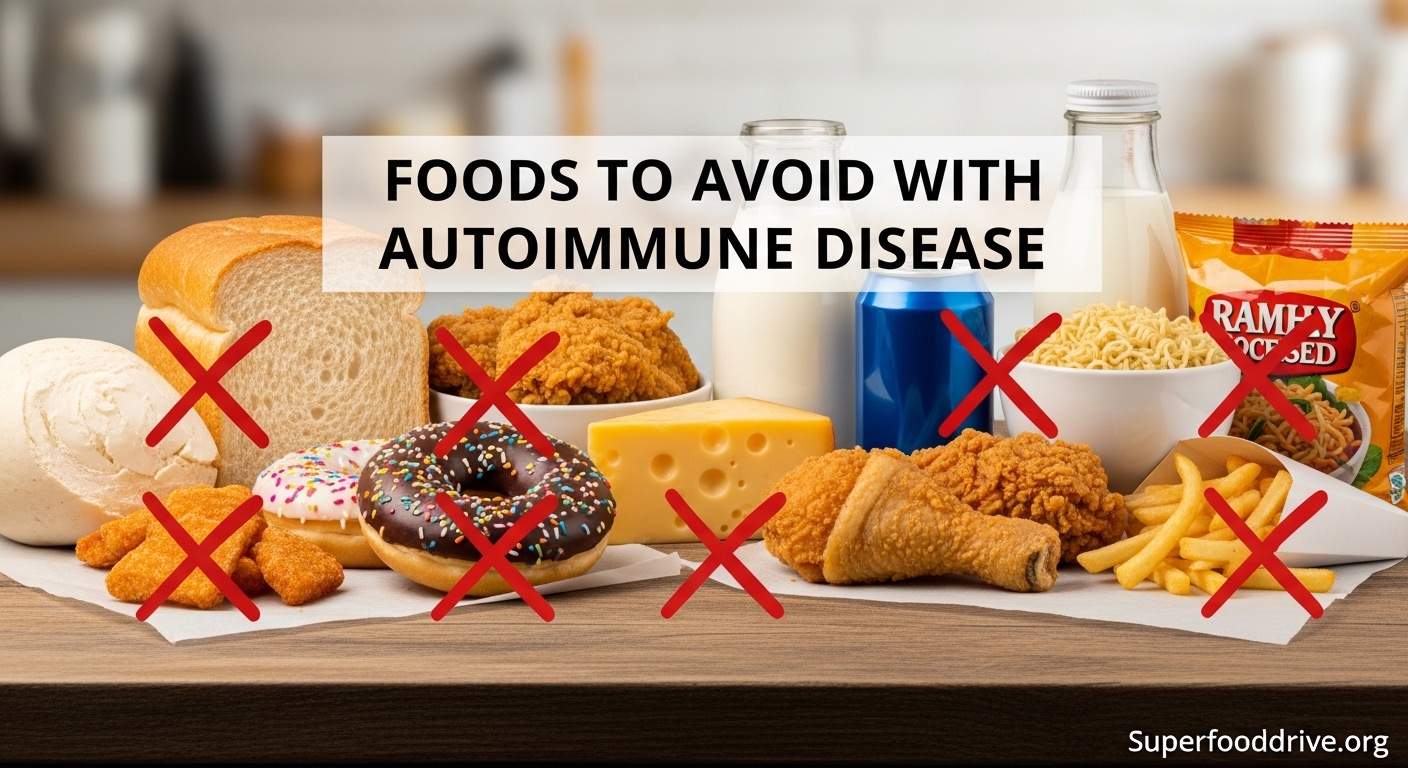
Foods to Avoid With Autoimmune Disease: The Complete AIP List
During the elimination phase, you will temporarily remove several major food categories. This comprehensive list covers everything to avoid on Core AIP. Understanding why each category gets eliminated helps you stay motivated during the challenging early weeks.
All Grains and Gluten-Containing Foods
Grains contain proteins like gluten, lectins, and phytates that can irritate the gut lining and trigger immune responses. You will eliminate wheat, barley, rye, oats, rice, corn, quinoa, millet, amaranth, buckwheat, and all other grains. This includes grain-derived products like bread, pasta, cereal, crackers, and beer.
Gluten deserves special mention because of its well-documented effects on intestinal permeability. Even in people without celiac disease, gluten can increase zonulin production, a protein that regulates tight junctions between intestinal cells. For people with autoimmune conditions, this effect can worsen symptoms and trigger flares.
Legumes and Soy Products
Legumes contain lectins and phytic acid that may contribute to gut irritation in sensitive individuals. Eliminate all beans, lentils, chickpeas, peas, peanuts, and soy products. This includes tofu, tempeh, soy sauce, miso, edamame, and any product containing soy lecithin.
Peanuts are technically legumes, not nuts, and present additional concerns due to their high lectin content and potential for mold contamination. Soy deserves special attention because it appears in many processed foods under names like hydrolyzed vegetable protein, textured vegetable protein, and natural flavoring.
Nightshade Vegetables
Nightshades contain alkaloids like solanine and capsaicin that may contribute to inflammation in some people. You will avoid tomatoes, potatoes (white and sweet are allowed), eggplant, all peppers (bell peppers, chili peppers, hot peppers), tomatillos, ground cherries, and ashwagandha. This elimination proves particularly challenging because nightshades appear in so many cuisines.
Pepper-based spices also require elimination. This includes black pepper, white pepper, cayenne, paprika, and red pepper flakes. These spices hide in many seasoning blends, salad dressings, and processed foods, so careful label reading becomes essential.
Dairy Products
All dairy products come off the menu during elimination. This includes milk, cheese, yogurt, butter, cream, ice cream, and any product containing casein or whey. Even high-quality, grass-fed dairy contains proteins and sugars that may trigger immune responses in sensitive individuals.
Some people find they can tolerate ghee, which has had the milk proteins removed through clarification. However, Core AIP eliminates ghee during the strict elimination phase, with reintroduction of clarified butter happening later in the protocol.
Eggs
Eggs, particularly the whites, contain proteins that can trigger immune reactions in some people. During elimination, you will remove chicken eggs, duck eggs, quail eggs, and eggs from any other bird. This proves challenging for breakfast options but opens up creative alternatives like salmon patties, breakfast sausages, and vegetable hash.
Many people successfully reintroduce egg yolks before whites, as the yolk contains the nutrients while the white contains the more reactive proteins. The reintroduction section below covers this strategy in detail.
Nuts and Seeds
Nuts and seeds contain phytic acid and may trigger immune responses in sensitive individuals. Eliminate all tree nuts (almonds, walnuts, cashews, pecans, hazelnuts, pistachios, Brazil nuts, macadamia nuts) and seeds (sunflower, pumpkin, sesame, chia, flax, hemp).
This elimination extends to nut and seed butters, flours, and oils. Cocoa and chocolate also fall into this category because chocolate comes from cacao seeds. Coffee, being a seed, also gets eliminated on strict Core AIP, though some Modified AIP approaches allow it.
Processed Foods and Additives
All processed foods, refined sugars, and artificial ingredients require elimination. This includes anything with ingredients you cannot pronounce or source from nature. Avoid refined sugars (white sugar, brown sugar, corn syrup), artificial sweeteners (aspartame, sucralose, saccharin), and sugar alcohols that may cause digestive distress.
Food additives like carrageenan, guar gum, xanthan gum, sulfites, and MSG hide in many packaged foods. Even seemingly healthy products like almond milk or coconut milk often contain these thickeners and preservatives. Reading labels becomes a necessary skill during AIP.
Alcohol and Coffee
Alcohol in all forms requires elimination during the strict phase. This includes wine, beer, spirits, and any food cooked with alcohol. Alcohol increases intestinal permeability and may trigger immune responses in susceptible individuals.
Coffee presents a more nuanced situation. Coffee beans are seeds, and coffee contains compounds that may affect gut health and stress hormones. Core AIP eliminates coffee during the strict elimination phase. Some Modified AIP protocols allow coffee if well-tolerated, but strict elimination provides the clearest baseline for reintroduction testing.
Industrial Seed Oils
Highly processed vegetable oils contribute to inflammation through their omega-6 fatty acid profile. Eliminate corn oil, soybean oil, sunflower oil, safflower oil, canola oil, cottonseed oil, and grapeseed oil. These oils appear in most restaurant foods and processed products.
Instead, you will focus on traditional fats like extra virgin olive oil, coconut oil, avocado oil, and animal fats from pastured sources. These fats provide anti-inflammatory compounds and support cellular health without the oxidation concerns of industrial seed oils.
What Can You Eat on AIP? Nutrient-Dense Foods That Heal
After reviewing that extensive elimination list, you might wonder what remains for your plate. The answer: plenty of delicious, nutrient-dense foods that support healing and reduce inflammation. AIP emphasizes quality protein, organic vegetables, healthy fats, and gut-healing foods.
Quality Meats and Organ Meats
All properly raised meats fit within AIP guidelines. Focus on grass-fed beef, pastured pork, lamb, bison, and wild game. Prioritize organic and pasture-raised options when possible to minimize exposure to hormones, antibiotics, and inflammatory feed compounds.
Organ meats deserve special attention because they provide concentrated nutrients that support immune function and tissue repair. Liver, heart, kidney, and other organs contain vitamins A, D, E, K, B12, iron, zinc, and CoQ10 in highly bioavailable forms. If you are new to organ meats, start with mild options like chicken liver or mix ground liver into burgers at a 20 percent ratio.
Wild-Caught Fish and Seafood
Fatty fish provide omega-3 fatty acids that actively reduce inflammation. Include salmon, mackerel, sardines, herring, and anchovies several times per week. White fish like cod, halibut, and tilapia offer lean protein options. Shellfish including shrimp, crab, lobster, oysters, clams, and mussels add variety and minerals like zinc.
Prioritize wild-caught fish over farmed when possible. Farmed fish may contain higher levels of contaminants and inflammatory omega-6 fats from their feed. If wild-caught salmon is not available, look for sustainably farmed options from reputable sources.
Vegetables: Your Foundation
Vegetables form the foundation of AIP eating. Fill half your plate with colorful, organic vegetables at each meal. All vegetables except nightshades are allowed, including leafy greens, cruciferous vegetables, root vegetables, squash, cucumbers, asparagus, and more.
Cruciferous vegetables like broccoli, cauliflower, Brussels sprouts, and cabbage support liver detoxification pathways. Root vegetables like sweet potatoes, carrots, beets, and parsnips provide complex carbohydrates for energy. Leafy greens offer folate, magnesium, and antioxidants. Eat a rainbow of colors to ensure broad nutrient intake.
Fruits in Moderation
Fruits provide antioxidants, vitamins, and natural sweetness. All fresh fruits are allowed on AIP, though moderation matters for blood sugar management. Focus on berries, which offer high antioxidant content with lower sugar levels. Apples, pears, citrus fruits, melons, and stone fruits all fit within the protocol.
Limit dried fruits and fruit juices, which concentrate sugars and may spike blood glucose. If you are managing blood sugar issues or trying to lose weight, keep fruit to 1-2 servings daily and prioritize lower-sugar options like berries over tropical fruits.
Healthy Fats
Quality fats provide energy, support hormone production, and help absorb fat-soluble vitamins. Extra virgin olive oil works beautifully for low-heat cooking and dressings. Coconut oil handles higher heat cooking while providing antimicrobial medium-chain triglycerides. Avocado oil offers a neutral flavor and high smoke point.
Avocados themselves provide creamy texture, fiber, and potassium. Animal fats from pastured animals, including tallow, lard, schmaltz (chicken fat), and duck fat, add flavor and nutrients. These traditional fats have nourished humans for millennia without the inflammatory concerns of industrial seed oils.
Fermented Foods and Bone Broth
Fermented foods support gut health by providing beneficial bacteria and organic acids. Include coconut yogurt, coconut kefir, fermented vegetables (carrots, beets, ginger), and kombucha made without added sugar. Start with small amounts if you are new to fermented foods, as they may initially cause digestive adjustment.
Bone broth deserves a daily place in your AIP routine. Simmering bones releases collagen, gelatin, glycine, and minerals that support gut barrier repair. Drink it as a warm beverage, use it as a soup base, or incorporate it into sauces and braises. Homemade bone broth from pastured animals offers the highest quality.
AIP-Compliant Flours and Alternatives
While grains and nut flours are eliminated, several alternatives allow for AIP baking and cooking. Cassava flour (from yuca root) provides a neutral, wheat-like texture for tortillas, pancakes, and baked goods. Coconut flour adds fiber and works well in muffins and breads when paired with plenty of eggs or gelatin (until egg reintroduction).
Tigernut flour, despite the name, comes from a tuber, not a nut. It offers a slightly sweet, nutty flavor perfect for cookies and pie crusts. Arrowroot starch and tapioca starch work as thickeners for sauces and gravies. These alternatives let you recreate familiar textures while staying compliant.
The Elimination Phase: What to Expect in the First 30-90 Days
The elimination phase requires strict adherence to the protocol for a minimum of 30 days, though 60 to 90 days provides better results for most people. During this time, you commit to complete elimination of all trigger foods while focusing on nutrient density and gut healing.
Complete adherence matters more than partial compliance. Eating “just a little” of an eliminated food can trigger an immune response and reset your elimination timeline. Think of this phase as a medical intervention rather than a casual diet choice.
Most people begin noticing improvements within 2 to 3 weeks. Energy increases, joint pain decreases, skin clears, digestion normalizes, and autoimmune symptoms often reduce significantly. However, the first week can feel challenging as your body adjusts to the new way of eating.
How Long Should You Stay in Elimination?
The minimum elimination period lasts 30 days, but many practitioners recommend 60 to 90 days for full benefit. Hashimoto’s patients and those with severe symptoms may benefit from longer elimination periods of 3 to 6 months before beginning reintroduction.
You are ready to begin reintroduction when you have seen significant symptom improvement and maintained it for at least two weeks. If symptoms persist unchanged after 90 days of strict elimination, consult with your healthcare provider about whether to continue or modify your approach.
The AIP Flu: Understanding Withdrawal Symptoms
The AIP flu represents one of the least discussed but most important aspects of starting this protocol. During days 3 through 7 of elimination, many people experience temporary withdrawal symptoms as their bodies adjust to the absence of sugar, caffeine, processed foods, and familiar comfort foods.
Common symptoms include headaches, fatigue, irritability, brain fog, intense cravings, and temporary digestive changes. Some people report feeling worse before feeling better, which can discourage continued adherence. Understanding that these symptoms represent detoxification and adjustment, not failure, helps you push through this temporary phase.
What Causes the AIP Flu?
Several factors contribute to AIP flu symptoms. Sugar withdrawal affects dopamine pathways and can cause mood changes and cravings. Caffeine withdrawal, if you previously consumed coffee or tea, leads to headaches and fatigue. Changes in gut bacteria, as you eliminate foods that fed certain microbes and add fiber that feeds others, may cause temporary bloating or bowel changes.
Your body also undergoes metabolic shifts as you transition from carbohydrate-heavy eating to fat-adapted metabolism. This adjustment period, sometimes called the “low-carb flu” or “keto flu” in other dietary contexts, affects energy levels while your cells learn to burn fat for fuel efficiently.
Managing AIP Flu Symptoms
Hydration proves essential during this adjustment period. Drink plenty of water, herbal teas, and bone broth to support detoxification pathways. Rest when your body asks for it rather than pushing through fatigue with caffeine or sugar. Your body needs resources to heal, and rest supports that process.
Bone broth provides electrolytes and amino acids that support the gut lining and may ease transition symptoms. Gentle exercise like walking helps circulation and mood without adding stress. Prioritize sleep, aiming for 8 to 9 hours nightly during the elimination phase.
Most AIP flu symptoms resolve within 7 to 10 days. If severe symptoms persist beyond two weeks, consult your healthcare provider to rule out other issues or discuss whether modifications to your approach might help.
The Reintroduction Phase: Bringing Foods Back Safely
The reintroduction phase allows you to systematically test eliminated foods and identify your personal triggers. This phase creates a sustainable, customized diet that includes as many foods as possible while avoiding only those that cause problems for you specifically.
Successful reintroduction requires patience and methodical tracking. Rush this phase, and you will not know which food caused a reaction. Follow the structured approach below for clear results.
The Step-by-Step Reintroduction Protocol
Start with the least inflammatory foods and progress toward more potentially reactive options. The general reintroduction order looks like this: egg yolks, egg whites, legumes (peas and lentils), soaked/sprouted legumes, dairy-free chocolate, nuts and seeds, coffee, alcohol, nightshade spices, nightshade vegetables, dairy (starting with ghee, then butter, then fermented dairy, then milk), and finally gluten-containing grains.
For each food, follow this testing protocol. Day 1: Eat a small amount of the food (1 teaspoon) and wait 15 minutes. If no immediate reaction, eat a slightly larger amount (2 tablespoons). Wait several hours while monitoring symptoms. Day 2: If no reaction on Day 1, eat a normal serving of the food. Day 3 and 4: Stop eating the test food but continue monitoring for delayed reactions.
If you experience no symptoms during the 4-day testing window, that food is likely safe for you. Add it back to your regular diet and move to the next food. If you react, eliminate the food again and wait until symptoms resolve before testing another food.
Signs of Food Reaction to Watch For
Reactions may appear immediately or up to 72 hours after eating a food. Watch for digestive symptoms like bloating, gas, diarrhea, constipation, or stomach pain. Energy changes including fatigue, hyperactivity, or sleep disturbances may occur. Brain fog, headaches, mood changes, anxiety, or depression can indicate neurological reactions.
Physical symptoms include joint pain, muscle aches, skin changes (acne, rashes, eczema flares), respiratory symptoms, or increased mucus production. Autoimmune symptoms specific to your condition may flare. Keep detailed notes in a food-symptom journal to track patterns over time.
What If You React to a Food?
If you experience a reaction, stop eating the food immediately. Return to strict elimination until symptoms completely resolve, typically 3 to 7 days. Do not attempt another reintroduction until you have returned to your symptom-free baseline.
A failed reintroduction today does not mean permanent elimination. Some people find that after longer healing time on AIP, they can successfully reintroduce foods that initially caused reactions. You might retry failed foods after 3 to 6 months of continued healing.
The Science Behind AIP: Does It Actually Work?
While anecdotal success stories abound, what does the scientific research say about AIP? A growing body of evidence supports the connection between diet, gut health, and autoimmune disease management. Several clinical studies specifically testing AIP have shown promising results.
Clinical Evidence for IBD
A 2026 study published in the journal Inflammatory Bowel Diseases followed 15 patients with Crohn’s disease and ulcerative colitis through the AIP protocol. After 6 weeks, 73 percent of participants achieved clinical remission. By week 11, all 11 patients who completed the study showed significant improvements in quality of life scores and fecal calprotectin levels (a marker of intestinal inflammation).
This study mattered because it was the first clinical trial specifically testing AIP on IBD patients. The results suggested that dietary intervention could reduce inflammation as effectively as some medications, without the side effects.
Hashimoto’s Thyroiditis Research
A 2026 study examined AIP’s effects on 16 women with Hashimoto’s thyroiditis. After 10 weeks of following the protocol, participants showed significant improvements in health-related quality of life scores. Six participants experienced reductions in C-reactive protein (CRP), an inflammation marker. While thyroid antibody levels and thyroid function did not change significantly, participants reported improvements in energy, mood, and overall well-being.
This study highlighted an important point: even when lab markers do not immediately shift, quality of life can improve substantially. Many people with Hashimoto’s care deeply about reducing fatigue, brain fog, and mood disturbances, even if their TSH levels remain stable.
Leaky Gut and Intestinal Permeability Studies
Beyond AIP-specific research, numerous studies support the connection between diet and intestinal permeability. Gluten has been shown to increase zonulin production in both celiac and non-celiac individuals. Processed foods, industrial seed oils, and excess sugar have all been associated with gut barrier dysfunction in research settings.
Nutrients like glutamine, zinc, vitamin D, and omega-3 fatty acids support tight junction integrity and gut healing. AIP emphasizes foods rich in these nutrients while removing those that damage the barrier.
Limitations of Current Evidence
While promising, AIP research remains in early stages. Most studies have small sample sizes and short durations. Larger, longer randomized controlled trials would strengthen the evidence base. Additionally, research has focused primarily on IBD and Hashimoto’s, with less data on rheumatoid arthritis, lupus, psoriasis, and other autoimmune conditions.
The absence of extensive research does not mean AIP lacks value. It means we need more studies to fully understand which patients benefit most and why. Anecdotal evidence from thousands of people who have successfully used AIP to manage their conditions provides additional context for its potential.
AIP Success Tips: Social Eating, Budget, and Meal Planning
Successfully following AIP requires more than knowing which foods to avoid. You need practical strategies for real-world challenges like restaurant dining, social gatherings, budget constraints, and time limitations.
Social Eating and Restaurant Survival
Eating out on AIP requires preparation and communication. Research restaurant menus online before you go. Look for steakhouses, seafood restaurants, and farm-to-table establishments that emphasize whole foods. Call ahead to discuss your dietary needs with the kitchen staff.
When ordering, request simple preparations: grilled meat or fish with olive oil, steamed vegetables without butter or seasoning blends, and salads with olive oil and lemon. Ask about ingredients in sauces, marinades, and seasonings. Many restaurants use nightshade-based sauces or soy-containing marinades that are not obvious from menu descriptions.
For social gatherings, eat before you go or bring a compliant dish to share. This ensures you have something safe to eat while contributing to the event. Communicate your needs clearly with hosts without making your diet the center of conversation. Most people appreciate a simple explanation like “I am following a therapeutic diet for health reasons” rather than a detailed lecture on autoimmune disease.
Budget-Friendly AIP Strategies
AIP can feel expensive, especially if you are buying organic produce and grass-fed meats. However, strategic shopping makes this protocol accessible on various budgets. Buy vegetables in season when prices drop and quality peaks. Frozen organic vegetables often cost less than fresh and work perfectly for soups, stews, and stir-fries.
Choose cheaper cuts of meat that offer excellent nutrition at lower prices. Whole chickens cost less per pound than pre-cut pieces and provide bones for broth. Organ meats like liver and heart provide exceptional nutrient density for minimal cost. Tough cuts like chuck roast and pork shoulder become tender and delicious with slow cooking.
Batch cooking saves both time and money. Prepare large quantities of food on weekends to eat throughout the week. A big pot of vegetable soup or bone broth provides multiple meals. Cooking in bulk reduces the temptation to buy expensive convenience foods when you are tired or rushed.
Meal Prep and Kitchen Setup
Setting up your kitchen for AIP success reduces daily decision fatigue. Stock your pantry with AIP-compliant staples: coconut milk, coconut aminos (soy sauce alternative), olive oil, coconut oil, cassava flour, coconut flour, dried herbs, and safe seasonings like garlic powder, onion powder, and sea salt.
Weekly meal prep sessions ensure you always have compliant food ready. Roast a sheet pan of mixed vegetables, cook several proteins, and prepare a batch of bone broth. Store everything in glass containers for easy grab-and-go meals. Having prepared food available prevents the temptation to grab non-compliant convenience options when hunger strikes.
Frequently Asked Questions About AIP
How long should I stay on the AIP elimination phase?
The minimum elimination phase lasts 30 days, but 60 to 90 days provides better results for most people. Hashimoto’s patients and those with severe symptoms may benefit from 3 to 6 months. You are ready to begin reintroduction when you have seen significant symptom improvement and maintained it for at least two weeks.
Can AIP cure autoimmune disease?
No, AIP cannot cure autoimmune disease. Autoimmune conditions involve complex genetic, environmental, and immunological factors that no diet can completely reverse. However, AIP may significantly reduce symptoms, improve quality of life, and help identify food triggers that worsen your specific condition. Many people find they need less medication or experience longer periods of remission while following AIP principles.
Is AIP the same as Paleo?
AIP builds on Paleo but is more restrictive. Standard Paleo eliminates grains, legumes, and processed foods while allowing eggs, nuts, seeds, nightshades, and coffee. AIP removes these additional foods during the elimination phase because they contain compounds that may trigger immune responses in sensitive individuals. AIP also emphasizes gut-healing foods like bone broth and fermented vegetables more strongly than typical Paleo approaches.
What is the Modified AIP approach?
Modified AIP, sometimes called AIP-Light, allows certain foods that newer research suggests may be tolerable for many people. Modifications might include seed-based spices, coffee, or specific properly-prepared legumes. This approach suits people who find Core AIP too restrictive or who have completed elimination and identified their personal triggers. Both approaches share the goal of removing inflammatory triggers while nourishing the body.
Can I do AIP as a vegetarian or vegan?
AIP is challenging but not impossible for vegetarians. The protocol emphasizes meat, fish, and organ meats for nutrient density, but vegetarians can focus on seafood if they eat it, or emphasize vegetables, fruits, healthy fats, and bone broth if they are pescatarian. Vegans face significant challenges meeting protein and nutrient needs on AIP and may need professional guidance and supplementation. The elimination of legumes, nuts, and seeds removes major protein sources for plant-based eaters.
What if I accidentally eat a non-AIP food?
If you accidentally consume a non-AIP food, do not panic or abandon the protocol entirely. One exposure does not undo all your progress, though it may trigger symptoms depending on your sensitivity. Note the incident in your food-symptom journal and return to strict elimination immediately. If you experience a reaction, support your body with extra rest, hydration, and bone broth until symptoms resolve. Use the experience to identify hidden sources of the problematic food and prevent future accidental exposures.
How do I know if AIP is working for me?
Signs that AIP is working include increased energy, reduced pain and inflammation, improved digestion, clearer skin, better sleep, and stabilization of autoimmune symptoms. Keep a detailed symptom journal from day one to track changes objectively. Some improvements happen within days, while others take weeks or months to manifest. If you see no improvement after 90 days of strict adherence, consult your healthcare provider about whether modifications or additional interventions might help.
Should I take supplements on AIP?
A well-formulated AIP diet provides most necessary nutrients, but some people benefit from targeted supplementation. Common supplements for AIP followers include vitamin D, omega-3 fatty acids, magnesium, and digestive enzymes. Probiotics may support gut healing. Work with a healthcare provider to test your levels and determine appropriate supplementation rather than guessing. Avoid supplements with non-AIP ingredients like soy, dairy, or artificial additives.
Conclusion: Taking the First Step Toward Healing
The Autoimmune Protocol diet offers a structured, evidence-informed approach to managing autoimmune disease through food. By understanding the foods to avoid with autoimmune disease and embracing the nutrient-dense options that support healing, you give your body the best possible foundation for recovery. The elimination phase, while challenging, creates space for your gut to heal and your immune system to recalibrate.
Remember that AIP is not a life sentence of restriction. The reintroduction phase allows you to customize the protocol to your unique needs, bringing back every food that does not trigger your symptoms. Many people end up with a varied, enjoyable diet that simply excludes their personal trigger foods.
If you are considering AIP, start by consulting with your healthcare provider, especially if you have complex medical needs or take medications. Then commit to the full elimination phase with patience and curiosity. Track your symptoms, prepare for the temporary AIP flu adjustment period, and approach reintroduction methodically when the time comes.
Your body possesses remarkable healing capacity when given the right resources. AIP provides those resources while removing obstacles to recovery. Thousands of people have reclaimed their health and quality of life through this protocol. Your journey toward healing can start today with a single meal choice.