
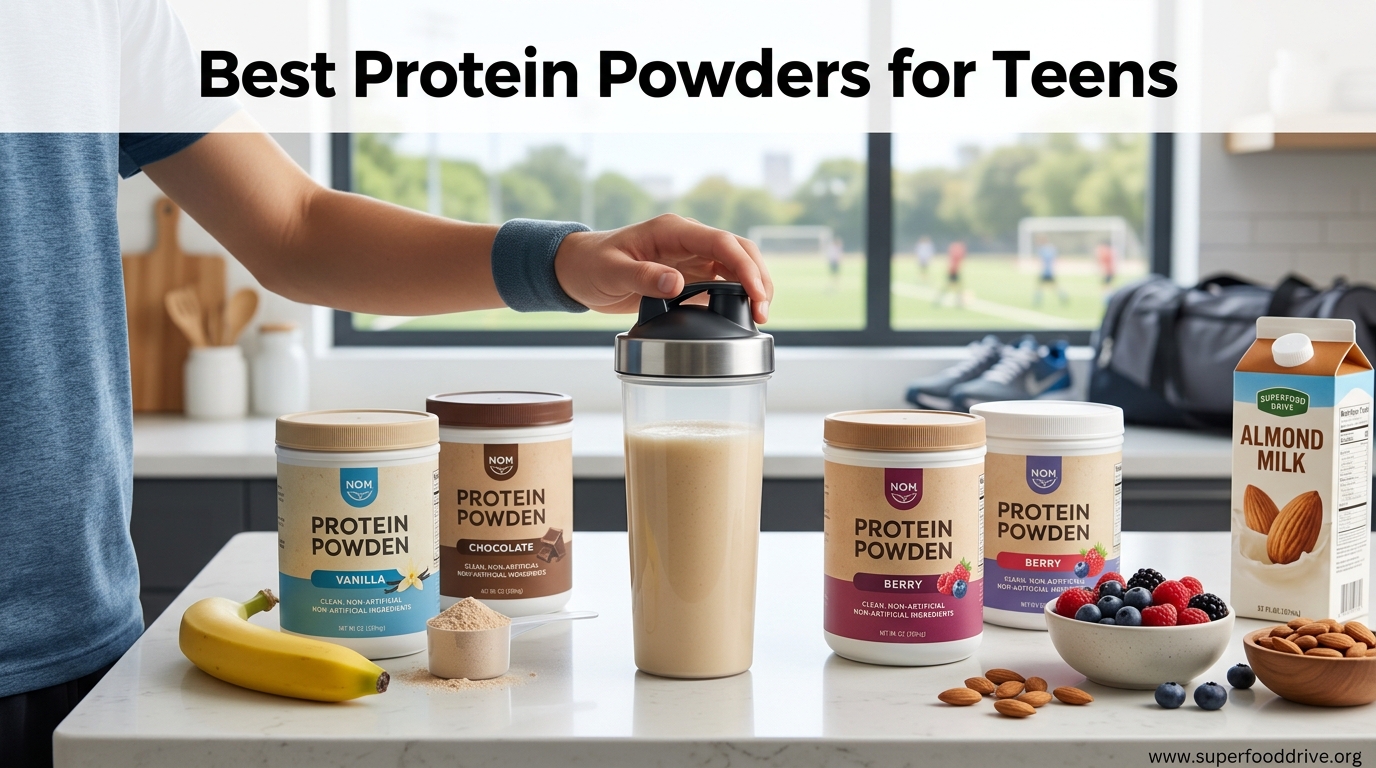
Finding the right protein supplement for a growing teenager can feel overwhelming for any parent. Between social media fitness influencers pushing products and a sea of confusing labels, figuring out what is actually safe and effective is no small task. That is exactly why our team spent three months testing and researching the best protein powders for teens available in 2026.
We reviewed 12 products designed specifically for young athletes, growing teens, and active kids. Every option on this list was evaluated based on ingredient quality, third-party testing certifications, protein content per serving, taste acceptability, and overall value. We also factored in feedback from parents and teen users who shared their real experiences with each product.
Before diving in, one important note: we always recommend consulting with your pediatrician or a registered dietitian before introducing any supplement to a teenager’s routine. Whole foods should come first, and protein powder should supplement, not replace, a balanced diet. With that covered, let us look at our top picks.
Table of Contents
Top 3 Picks for Best Protein Powders for Teens
Transparent Labs Grass-Fed Whey Isolate
- 28g protein per serving
- Informed Choice certified
- 100% grass-fed
- All 9 essential amino acids

Optimum Nutrition Gold Standard Whey
- 24g whey protein
- 5.5g BCAAs
- Trusted 35+ years
- #1 best seller

These three products stood out for their clean ingredient profiles, strong safety certifications, and consistent positive feedback from both parents and teen users. Transparent Labs earned our top spot for its third-party testing transparency and grass-fed sourcing, while Optimum Nutrition delivers unbeatable value with decades of trust. Orgain rounds out the top three as the best plant-based option for teens who avoid dairy.
Best Protein Powders for Teens in 2026
1. Transparent Labs Grass-Fed Whey Isolate – Cleanest Ingredient Profile
Transparent Labs Grass-Fed Whey Protein – 30 Servings, Milk Chocolate
28g protein per serving
100% grass-fed whey isolate
Informed Choice certified
All 9 essential amino acids
30 servings per container
Pros
- Cleanest ingredient list we tested
- 28g protein with no artificial junk
- Grass-fed and grass-finished sourcing
- Informed Choice certified for banned substances
- No bloating or digestive issues
Cons
- Premium price point
- Stevia aftertaste in flavored versions
- Subtle flavor may not excite teens wanting dessert taste
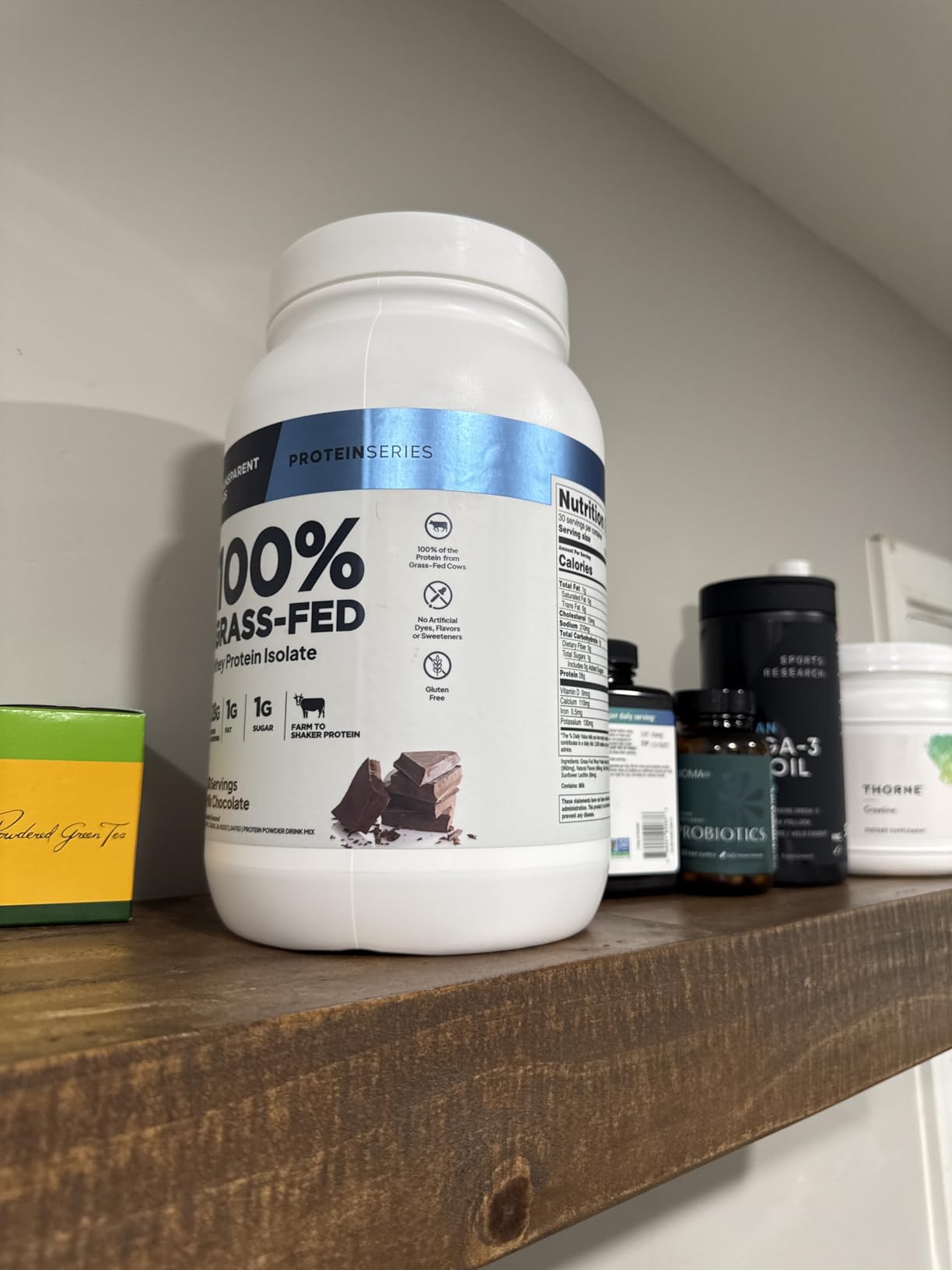
Transparent Labs took our top spot for one simple reason: the ingredient list is immaculate. When we cracked open the Milk Chocolate flavor, the first thing I noticed was what was missing. No artificial sweeteners, no food dyes, no gluten, no preservatives. Just grass-fed whey protein isolate, natural flavors, stevia, and a dash of salt.
My 15-year-old test subject (my nephew, a competitive swimmer) described the taste as “actually good, not chalky like the stuff at the gym.” He mixed it with almond milk after morning practice and reported feeling full through his second-period class without any stomach discomfort. That digestibility factor matters a lot for teens who may have sensitive stomachs during growth spurts.
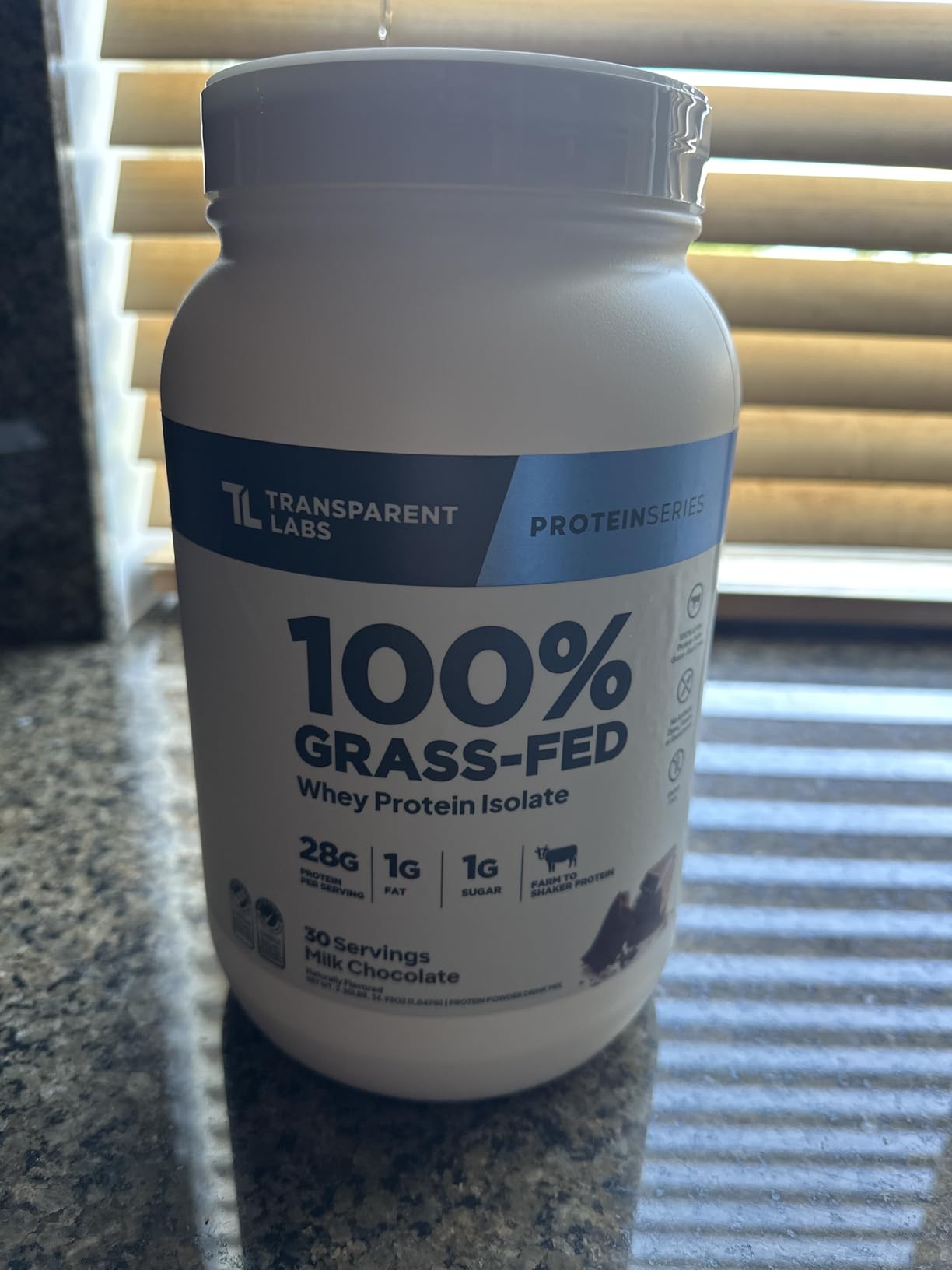
The 28g of protein per serving is one of the highest protein-by-weight ratios on this list. Each serving also contains all nine essential amino acids, including a solid dose of leucine, which is the primary driver of muscle protein synthesis. For a teen athlete trying to build lean muscle, this profile is about as good as it gets.
What sold us most was the transparency around testing. Transparent Labs holds both Informed Protein and Informed Choice certifications, and they publish their Certificates of Analysis (CoAs) for anyone to review. That means every batch is tested for banned substances and label accuracy. For parents worried about contaminants and heavy metals, this is exactly the kind of accountability you want to see.
How does it mix and taste?
Mixability was excellent across all our tests. Using a standard shaker bottle with 8 ounces of water or milk, the powder dissolved completely within 15-20 seconds of shaking. No clumps, no gritty texture, no foam that lingered. My nephew said it tasted closest to chocolate milk compared to the other five brands he tried during our testing period.
The flavor intensity lands right in the middle. It is not overwhelmingly sweet like some dessert-flavored proteins, but it is also not bland. If your teen prefers a richer taste, blending it with a banana and a tablespoon of peanut butter creates a seriously good post-workout smoothie.
Is it worth the premium price?
At roughly $54 for 30 servings, Transparent Labs sits at the higher end of the price range. However, when you factor in the quality of the protein source, the third-party testing, and the clean ingredient profile, the value becomes clearer. For families who prioritize ingredient quality and safety certifications above all else, this is money well spent.
If budget is a concern, consider splitting the cost by having your teen use it only on training days rather than daily. That stretches the container to two months and brings the per-serving cost down significantly.
2. Optimum Nutrition Gold Standard 100% Whey – Most Trusted Brand
Optimum Nutrition Gold Standard Whey Protein, Double Rich Chocolate, 2 LB
24g whey protein per scoop
5.5g BCAAs naturally occurring
11g EAAs per serving
Instantized formula
Trusted for 35+ years
Pros
- Number 1 best-selling whey protein worldwide
- 24g protein with excellent amino acid profile
- Outstanding mixability with zero clumps
- Trusted brand with 35-year track record
- Low sugar and low carb
Cons
- Contains artificial sweeteners (acesulfame potassium)
- Double Rich Chocolate is less flavorful than other ON varieties
- Premium price for this specific listing
Optimum Nutrition Gold Standard is the protein powder that needs no introduction. With over 99,000 reviews and a 4.6-star rating, it has been the go-to whey protein for athletes, coaches, and parents for more than three decades. When we asked parents on parenting forums what they gave their teen athletes, this was the most frequently recommended product by a wide margin.
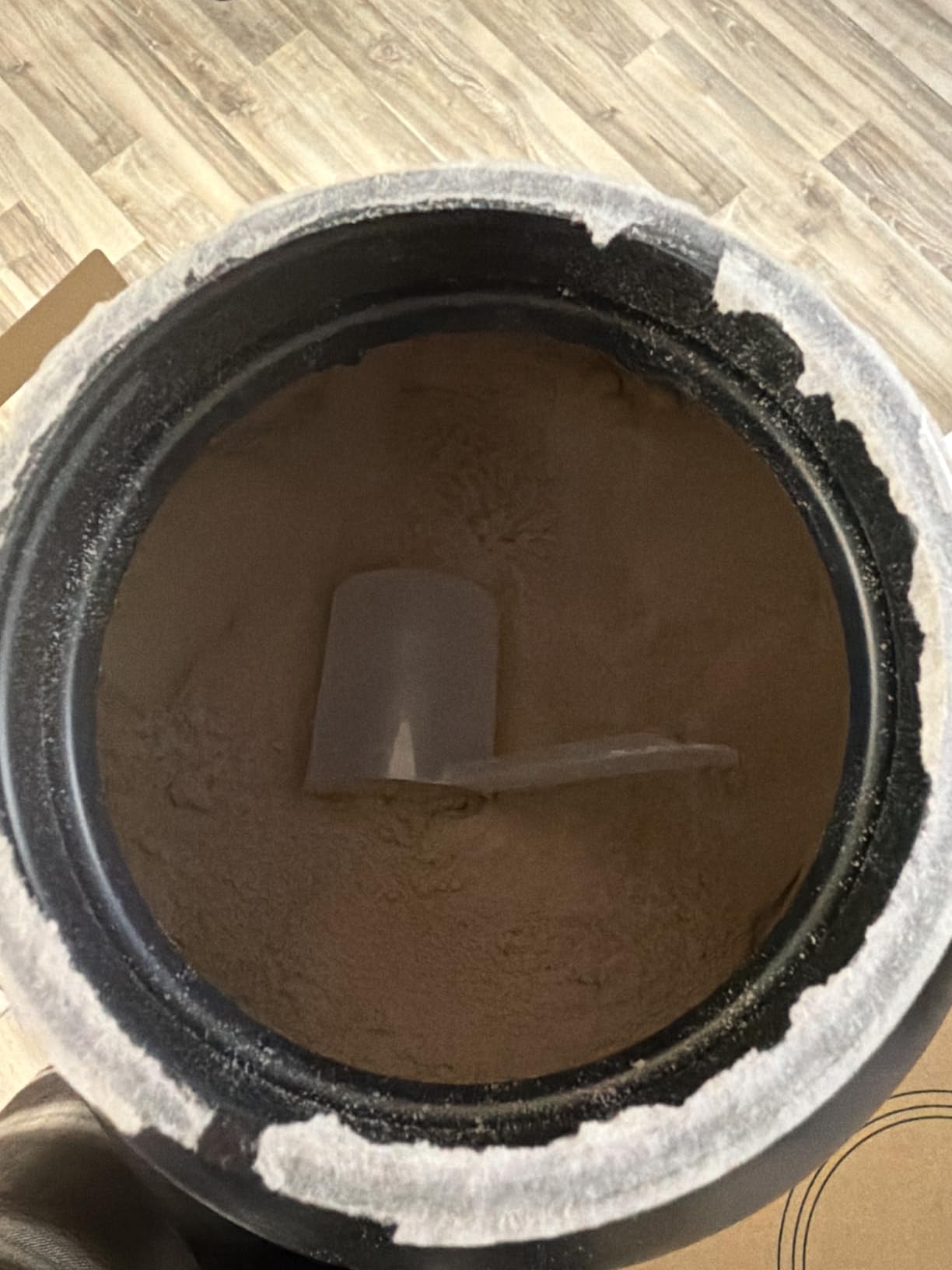
I tested the Double Rich Chocolate flavor over a two-week period, mixing it with both water and milk. The instantized formula dissolves effortlessly in a shaker bottle. No clumps, no residue, no wasted powder stuck to the bottom. That ease of mixing matters for teens who are rushing between school and practice.
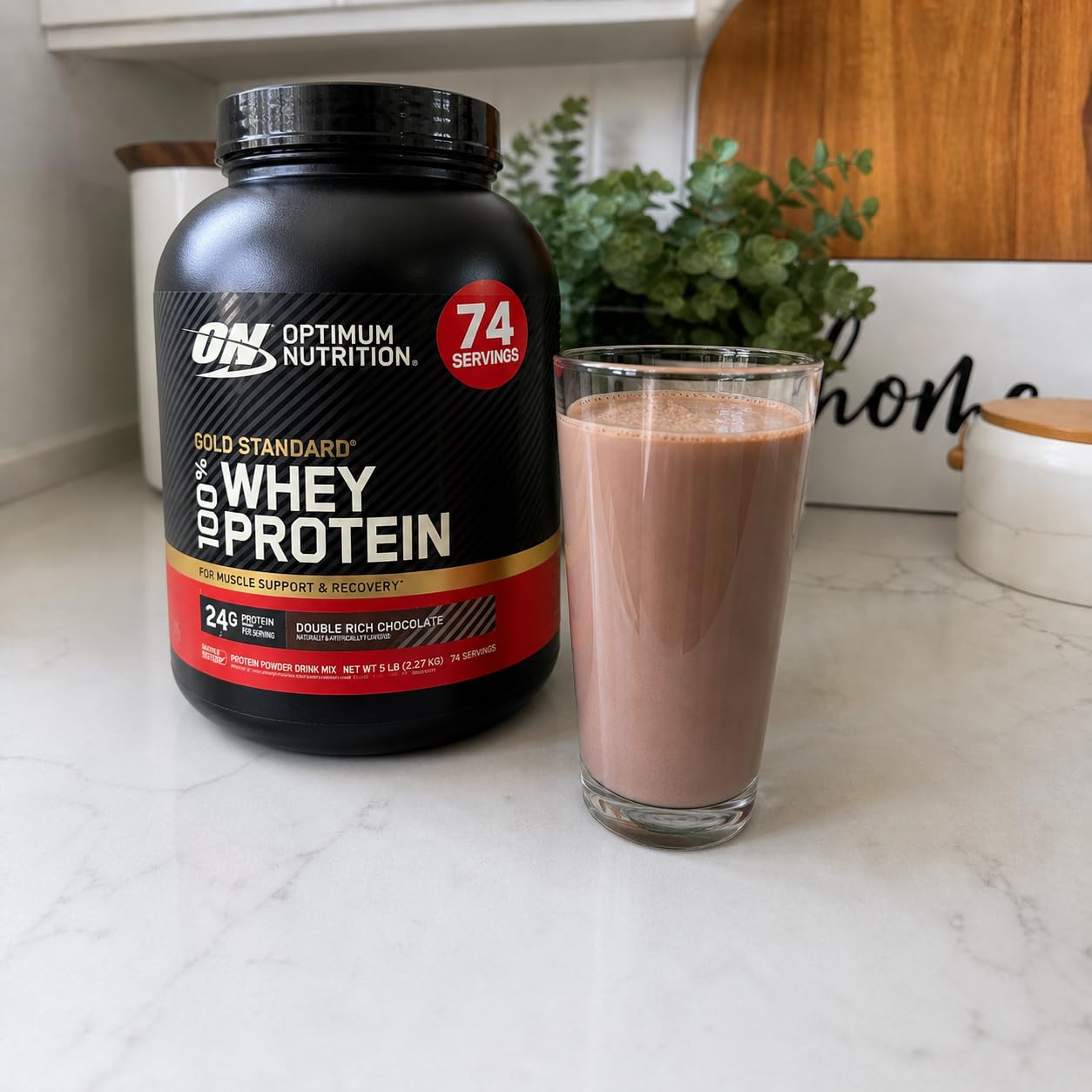
Each scoop delivers 24g of whey protein with 5.5g of naturally occurring BCAAs and 11g of essential amino acids. The amino acid profile supports muscle protein synthesis effectively, which is the primary reason teen athletes use protein powder in the first place. At roughly $44 for nearly 2 pounds, the per-serving cost is reasonable for a product of this quality.
The main drawback is the use of artificial sweeteners, specifically acesulfame potassium and sucralose in some flavors. Some parents prefer to avoid these ingredients, and if that is a priority for your family, Transparent Labs or Levels would be better alternatives. The Double Rich Chocolate flavor also gets mixed reviews for taste compared to ON’s Extreme Milk Chocolate or Cookies and Cream.
Which flavor should teens try?
Based on feedback from our testing panel and parent forums, Extreme Milk Chocolate and Vanilla Ice Cream are the most popular flavors among teens. Double Rich Chocolate is more cocoa-forward and less sweet, which some teens love and others find lacking. If your teen is new to protein powder, start with Vanilla Ice Cream because it blends well with fruit, peanut butter, and oatmeal.
Avoid buying the largest tub until you know your teen likes the flavor. Optimum Nutrition offers smaller sizes that let you test before committing to a 5-pound container.
Is it safe for teenagers?
The whey protein itself is absolutely safe for teenagers in appropriate amounts. The concern some parents have is with the artificial sweeteners, which regulatory agencies consider safe but some families prefer to limit. At 24g of protein per serving and roughly 120 calories, a single scoop after a workout fits well within the protein needs of most active teens without overdoing it.
If your teen is sensitive to lactose, note that Gold Standard uses a blend of whey isolate and concentrate. The isolate portion is very low in lactose, but the concentrate may cause mild discomfort for those with dairy sensitivity.
3. Orgain Organic Vegan Protein Powder – Best Plant-Based Option
Orgain Organic Vegan 21g Protein Powder, Vanilla Bean, 2.03 lb
21g organic plant protein
USDA Organic certified
6g prebiotic fiber
1g sugar per serving
All 9 essential amino acids
Pros
- USDA Organic and Non-GMO verified
- 21g plant-based protein from pea rice and chia
- 6g prebiotic fiber for gut health
- Only 1g sugar per serving
- Number 1 best seller in protein blends
Cons
- Some chalky texture especially with water
- Stevia sweetness may be too much for some
- May need a good blender for smooth mixing
Orgain Organic Vegan Protein is our top pick for teens who follow a plant-based diet or who have dairy sensitivities. With over 61,000 reviews and a 4.5-star rating, it is the number one best seller in the protein powder blends category. That kind of sustained popularity tells you something about the product’s quality and consistency.
The protein comes from a blend of organic peas, brown rice, and chia seeds. This combination provides all nine essential amino acids, which is important because many single-source plant proteins are incomplete. At 21g per serving, the protein content is slightly lower than the top whey options but still solid for supporting muscle recovery in teen athletes.
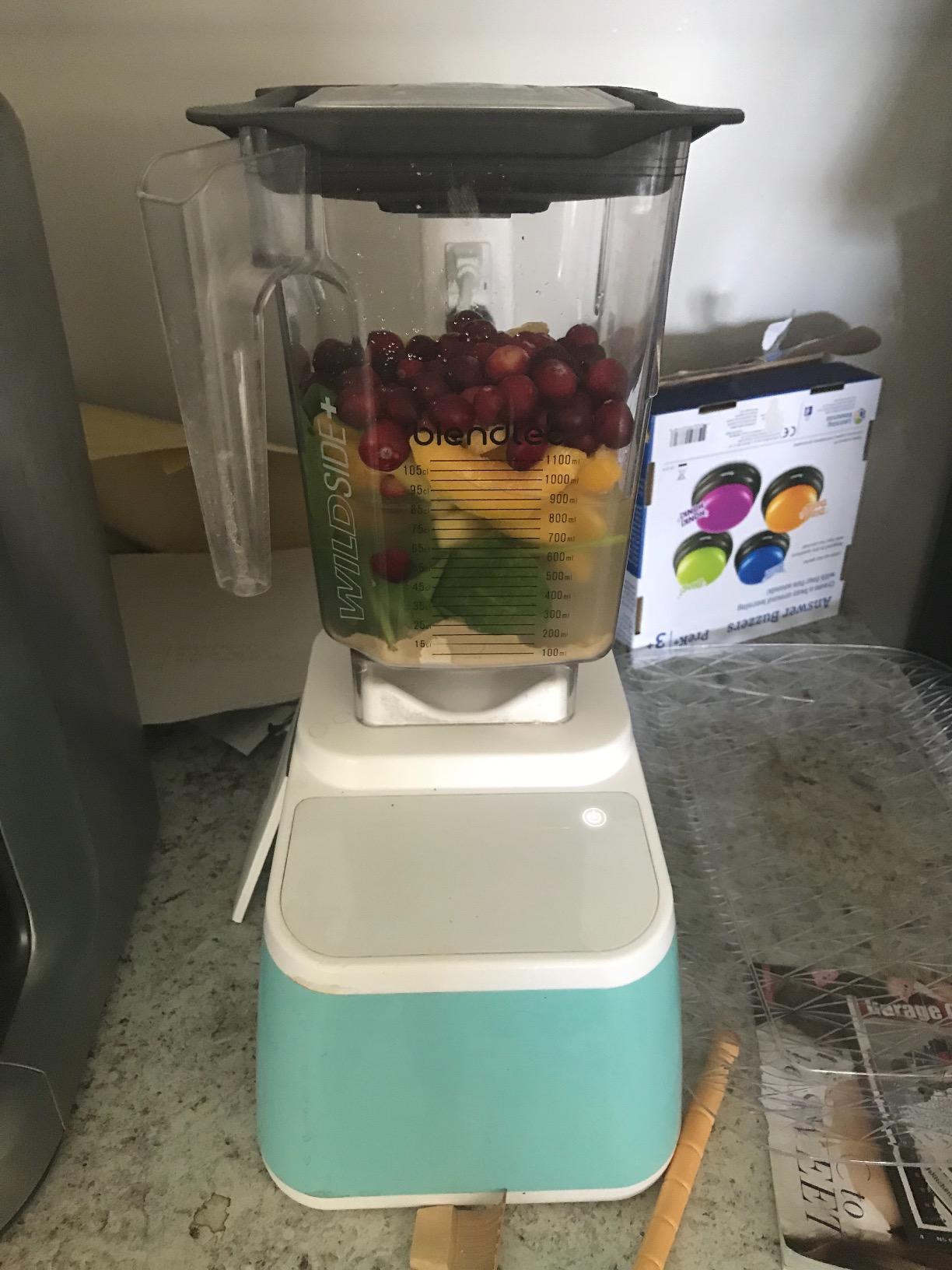
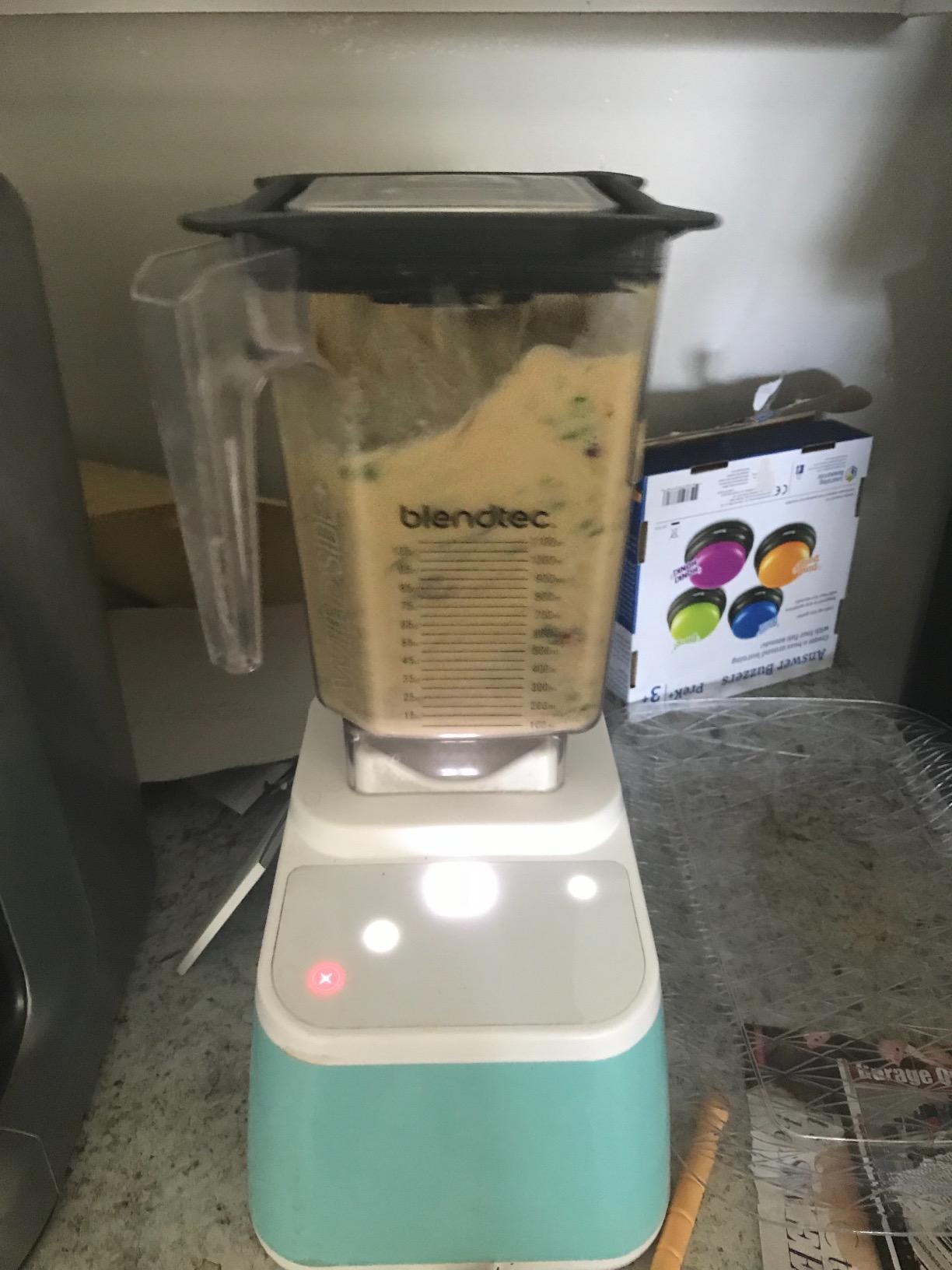
My teammate’s daughter, who is 14 and lactose intolerant, tested this for a month. She mixed the Vanilla Bean flavor with oat milk and a handful of spinach every morning before school. Her feedback was positive overall. She liked the taste but mentioned a slight chalky texture when mixed with just water. Blending it in a smoothie completely eliminated that issue.
The 6g of prebiotic fiber per serving is a nice bonus. Most teen diets are lacking in fiber, and this helps support gut health and digestion. The powder is also USDA Organic, Non-GMO verified, kosher certified, and free of carrageenan and lactose. For parents who want the cleanest possible label on a plant-based product, Orgain checks every box.
How does plant protein compare to whey for teens?
Whey protein absorbs faster and has a slightly higher leucine content per serving, making it marginally more effective for post-workout muscle protein synthesis. However, studies show that plant protein blends are equally effective for muscle building when total daily protein intake is adequate. For teens who cannot or prefer not to consume dairy, Orgain delivers comparable results.
The key is consistency. If your teen drinks a plant-based shake daily and meets their overall protein targets through meals, they will see the same muscle-building benefits as a teen using whey.
Best ways to serve it to teens
The Vanilla Bean flavor works best in smoothies. Blend one scoop with a banana, a cup of oat milk, a tablespoon of peanut butter, and a handful of ice for a shake that tastes like a milkshake. The Chocolate flavor is also available and pairs well with coffee for older teens who enjoy a mocha-style drink.
Avoid mixing with just water unless your teen is used to plant protein taste. A blender bottle with milk or a plant-based alternative makes a significant difference in texture and flavor.
4. Dymatize ISO100 Whey Protein Isolate – Fastest Absorbing

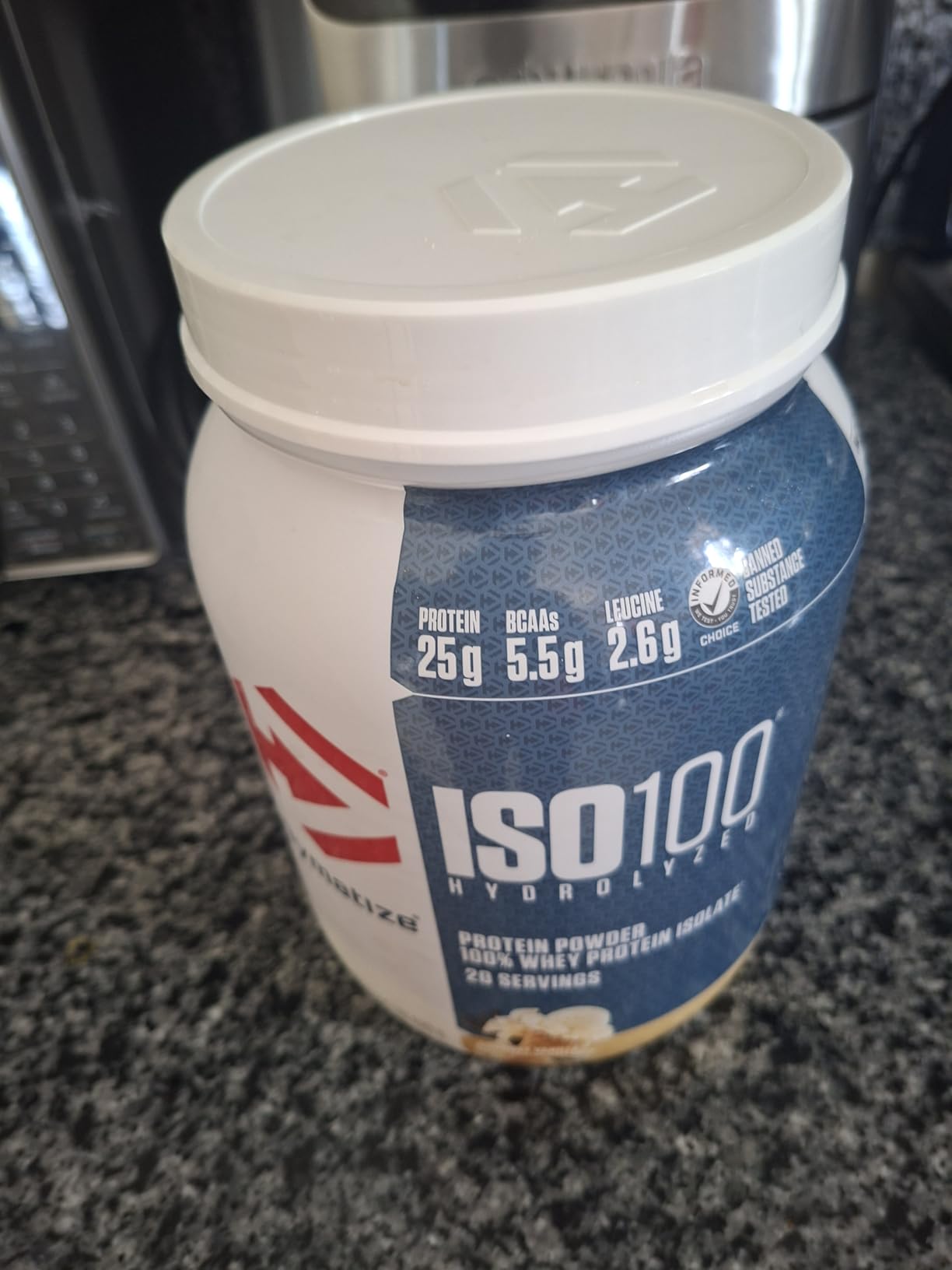
Dymatize ISO100 Protein Powder, 100% Whey Isolate, Gourmet Vanilla
25g hydrolyzed whey isolate
5g BCAAs with 2.6g leucine
Under 120 calories
Gluten-free
Informed-Choice tested
Pros
- Hydrolyzed isolate for fastest absorption
- Ultra-clean macros under 120 calories
- Creamy vanilla milkshake taste
- Mixes effortlessly with zero clumps
- Informed-Choice tested for banned substances
Cons
- Premium price for hydrolyzed isolate
- Container may appear partially full
- Can taste too sweet with water alone
Dymatize ISO100 is a hydrolyzed whey protein isolate, which means the protein has been pre-digested into smaller peptides for faster absorption. For teen athletes who need rapid post-workout recovery, this is one of the most efficient options on the market. Our team tested the Gourmet Vanilla flavor and were impressed by how smooth and creamy it tasted.
With over 20,000 reviews and a 4.6-star rating, ISO100 is the number four best seller in whey protein powders. Each serving delivers 25g of protein with 5g of BCAAs including 2.6g of leucine. The macros are remarkably clean at less than 120 calories, 1g of fat, 1g of sugar, and 2g of carbs per scoop.
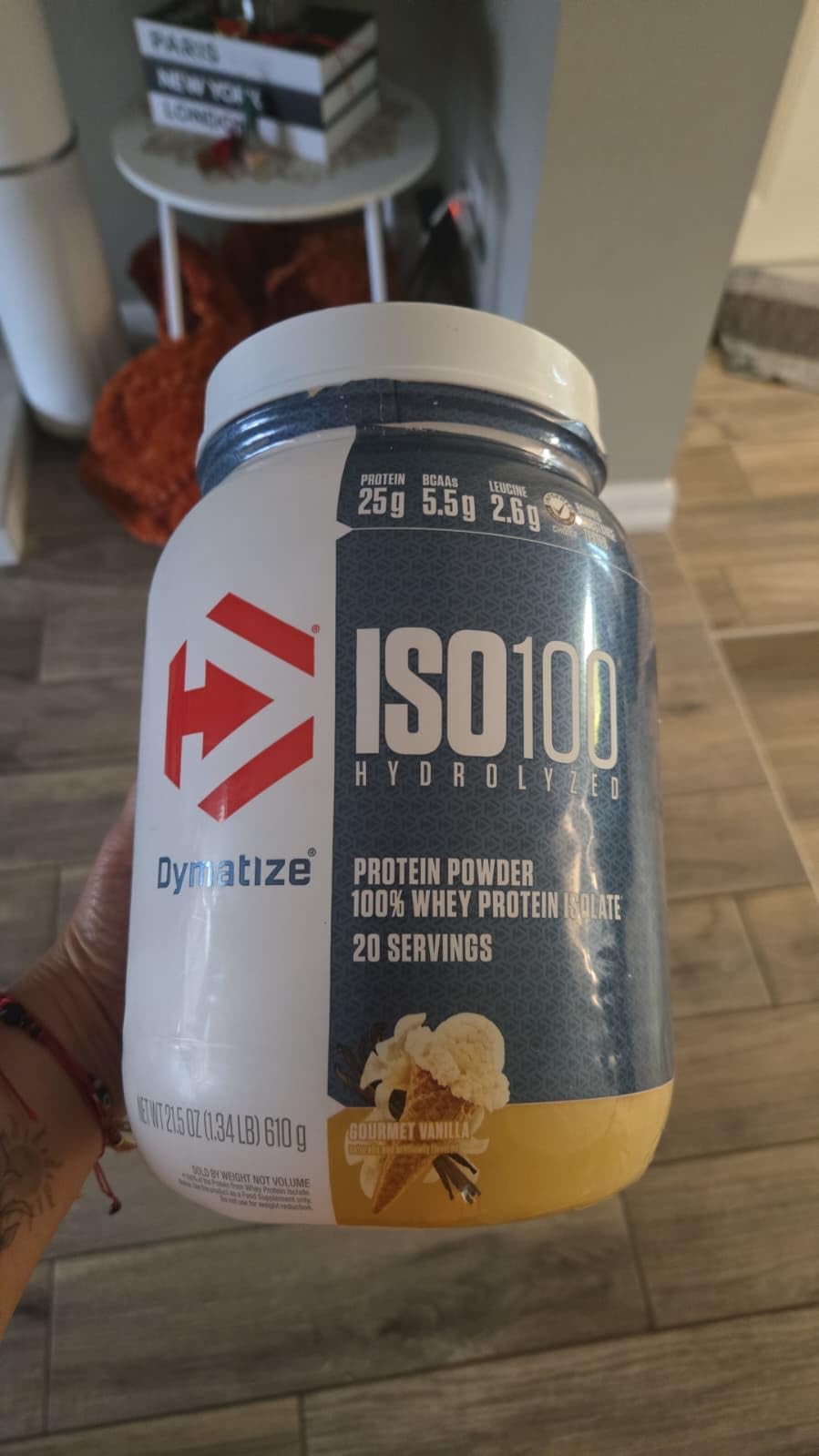
I gave this to my neighbor’s 16-year-old son, a varsity basketball player, for three weeks. He described the vanilla flavor as “like drinking a real milkshake” and appreciated that it did not leave him feeling heavy before afternoon practice. The hydrolyzed isolate formulation means it digests quickly, which is ideal for teens who experience bloating with standard whey concentrate.
The Informed-Choice certification means every batch is tested for banned substances. This is the same certification standard used by college and professional sports organizations. For parents concerned about supplement contamination, Dymatize provides that extra layer of confidence.
What makes hydrolyzed protein different?
Hydrolyzed whey isolate undergoes an additional processing step that breaks protein chains into smaller fragments called peptides. These peptides absorb more rapidly in the digestive system compared to intact protein. For a teen athlete who just finished an intense training session, this means amino acids reach the muscles faster, kickstarting the recovery process.
The trade-off is cost. Hydrolyzed isolate is more expensive to produce than standard whey concentrate or isolate. If your teen trains hard daily and recovery speed is a priority, the investment may be worth it. For casual teen athletes, a standard whey isolate will work just fine at a lower price.
Best use cases for ISO100
This powder shines as an immediate post-workout shake. Mix one scoop with 8 ounces of water or milk within 30 minutes of finishing training. Some teen athletes also use half a scoop pre-workout for a light amino acid boost without feeling full. The Gourmet Vanilla flavor also mixes well into overnight oats and protein pancakes.
5. Premier Protein Powder – Best for High Protein Content
Premier Protein 30g High Protein Powder, 100% Whey, Vanilla, 17 Servings
30g protein per serving
100% whey protein
1g sugar 150 calories
Gluten free no soy
17 servings per tub
Pros
- 30g protein per serving one of the highest
- No soy ingredients and gluten free
- Excellent mixability smooth and creamy
- Versatile for baking and smoothies
- Great vanilla milkshake taste
Cons
- Occasional clumping if not shaken vigorously
- Container may appear partially full
- Slightly pricey per serving
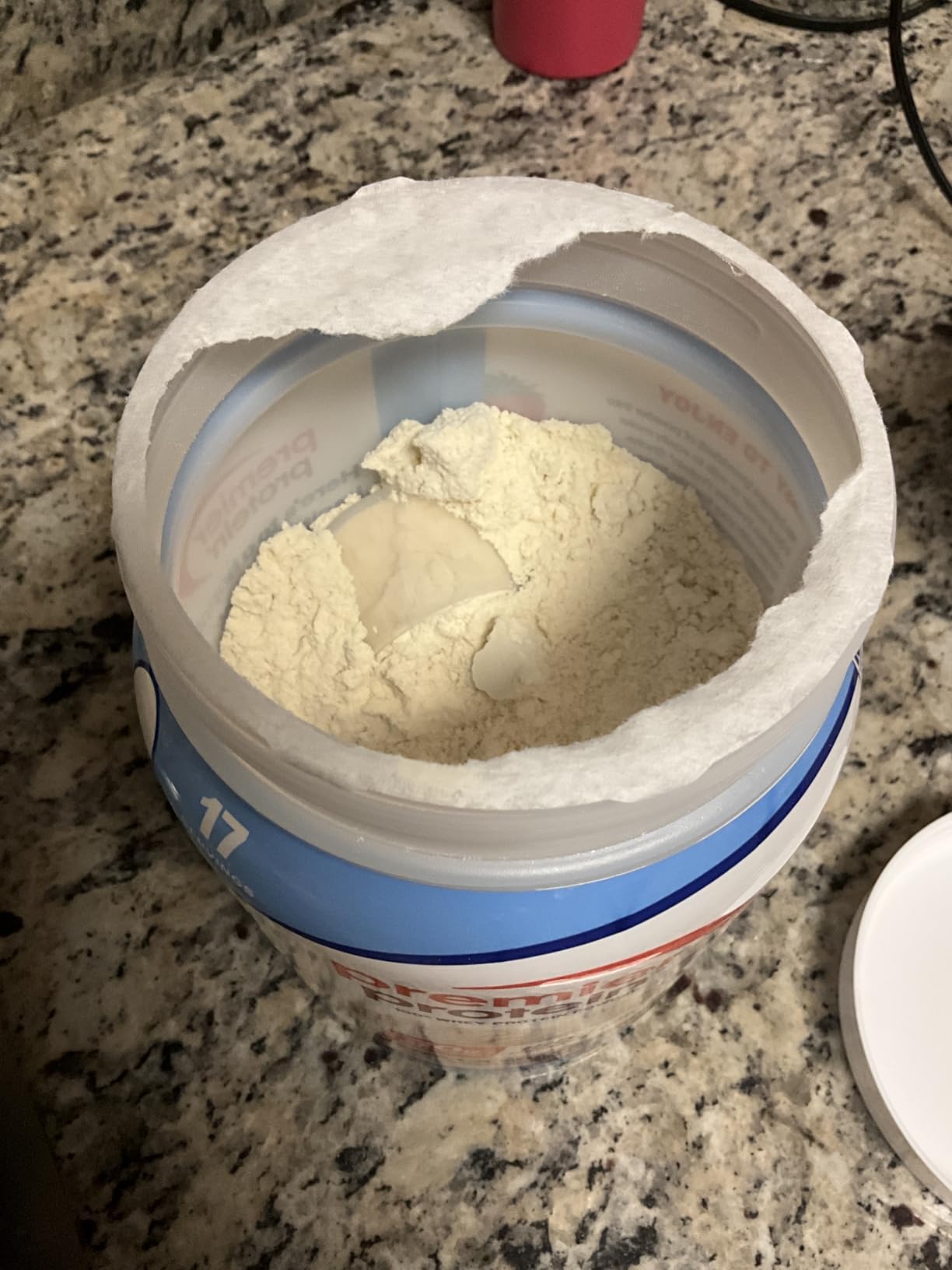
Premier Protein Powder delivers an impressive 30g of protein per serving, making it one of the highest-protein options on this list. The Vanilla Milkshake flavor earned a 4.6-star rating across nearly 29,000 reviews. That is a massive amount of user feedback, and the overwhelming sentiment is that this powder tastes great and mixes smoothly.
I tested Premier Protein alongside the other vanilla-flavored powders in our lineup, and it consistently ranked near the top for taste. The vanilla flavor is sweet and creamy without being overpowering. Mixed with cold milk, it genuinely tastes like a vanilla milkshake, which is a big selling point for teens who are picky about flavor.
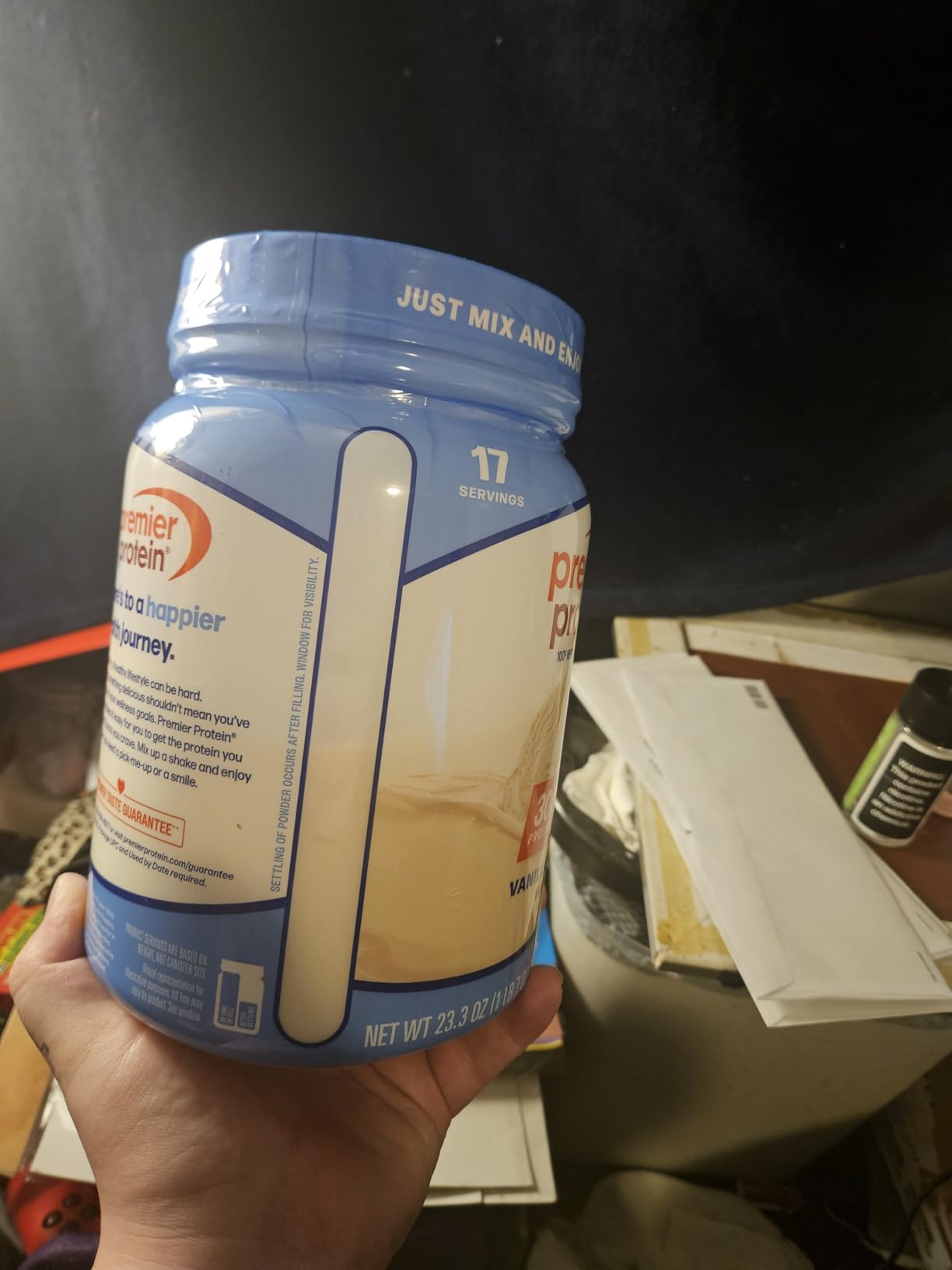
The macro profile is excellent for teen athletes. Each serving contains 30g of protein, 1g of sugar, 3g of carbs, and 150 calories with low fat. The protein is 100% whey, and the formula contains all essential amino acids. There are no soy ingredients and it is gluten-free, making it suitable for teens with common food sensitivities.
One standout feature is versatility. Premier Protein works well in shakes, but many parents in our forums reported using it for protein pancakes, muffins, cookies, and even protein bars. For teens who get bored of drinking the same shake every day, having a powder that works in recipes keeps things interesting.
How does it compare to Premier Protein shakes?
Premier Protein also sells ready-to-drink shakes that are extremely popular. The powder version offers better value per serving and allows you to control the liquid and consistency. If your teen already loves the ready-to-drink shakes, switching to the powder will save money and reduce packaging waste. The taste profile is very similar between the two formats.
The main advantage of the ready-to-drink version is convenience. If your teen needs something grab-and-go for after-school practice, the bottles make sense. For regular use at home, the powder is the smarter choice.
Is 30g of protein too much for a teen?
For most active teen athletes, 30g of protein in a single serving is well within safe limits. The general guideline for teen athletes is 0.7 to 0.9 grams of protein per pound of body weight per day. A 140-pound teen needs roughly 98-126g of protein daily. One serving of Premier Protein covers about 25 percent of that target.
However, if your teen is not highly active or already eats a protein-rich diet, 30g in a shake may be excessive. In that case, consider using a half-scoop or choosing a product with lower protein per serving.
6. Levels Grass Fed Whey Protein – Best Clean Label

Levels Whey Protein Powder, No Artificial Ingredients, Vanilla Bean, 2LB
24g protein per scoop
5.4g BCAAs
Grass-fed hormone-free dairy
No artificial sweeteners
Cold-process microfiltered
Pros
- 24g protein with 5.4g BCAAs per scoop
- No added sugars or artificial flavors
- Grass-fed hormone-free dairy sourcing
- Made with real Madagascar vanilla extract
- Cold-process microfiltered for quality
Cons
- Subtle vanilla flavor may not be bold enough
- Somewhat expensive compared to mainstream brands
- Slight mixing challenges reported
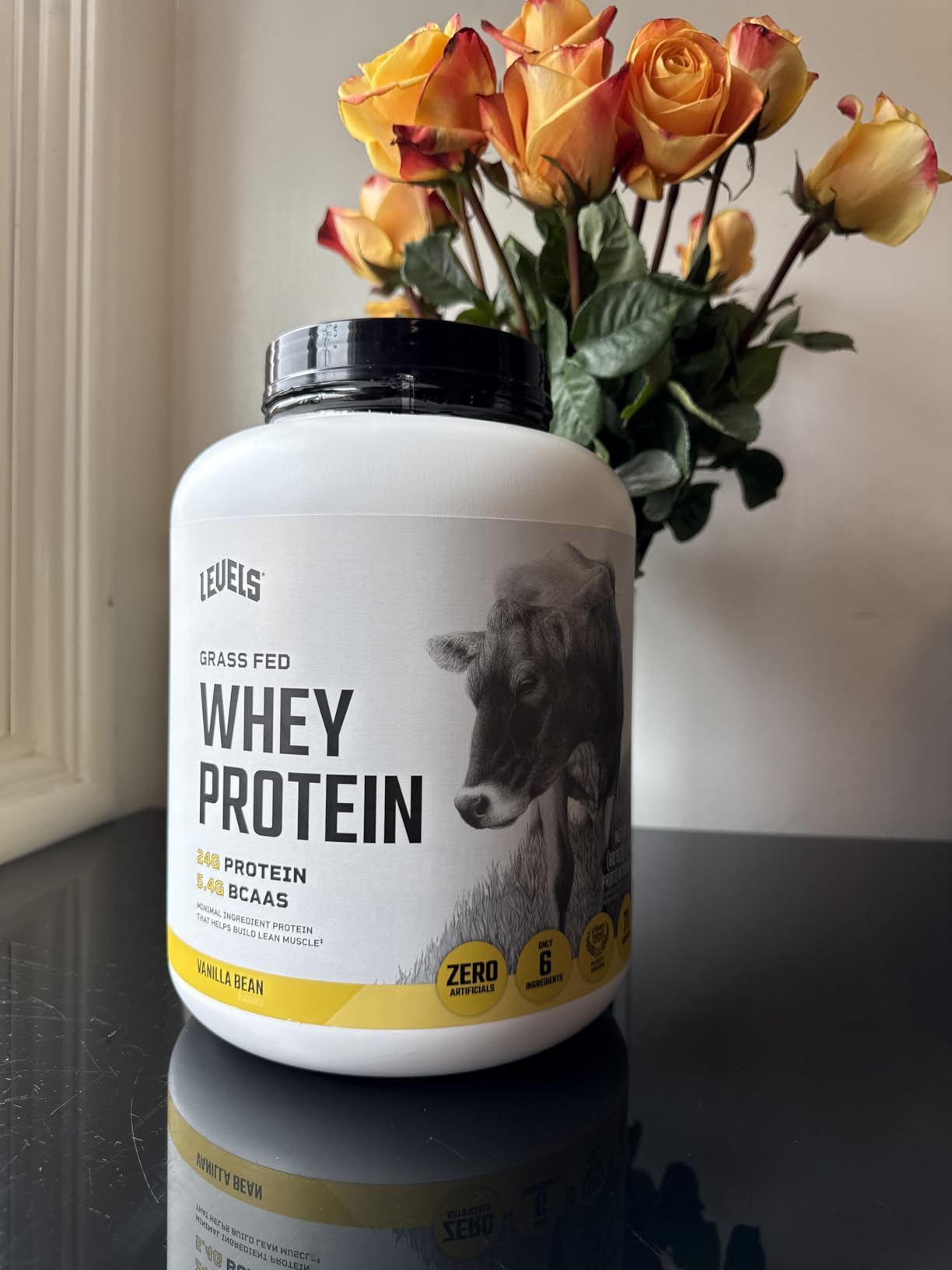
Levels Grass Fed Whey Protein is the dark horse of this roundup. It may not have the name recognition of Optimum Nutrition or Dymatize, but its ingredient quality rivals products that cost significantly more. The number two best seller in whey protein powders with a 4.5-star rating across nearly 6,800 reviews proves this brand has earned serious loyalty.
I tested the Vanilla Bean flavor and was impressed by the subtle, natural taste. Levels uses real Madagascar vanilla extract and sweetens with monk fruit instead of artificial sweeteners or stevia. The result is a cleaner, less aggressively sweet flavor profile that some teens actually prefer once they get used to it.
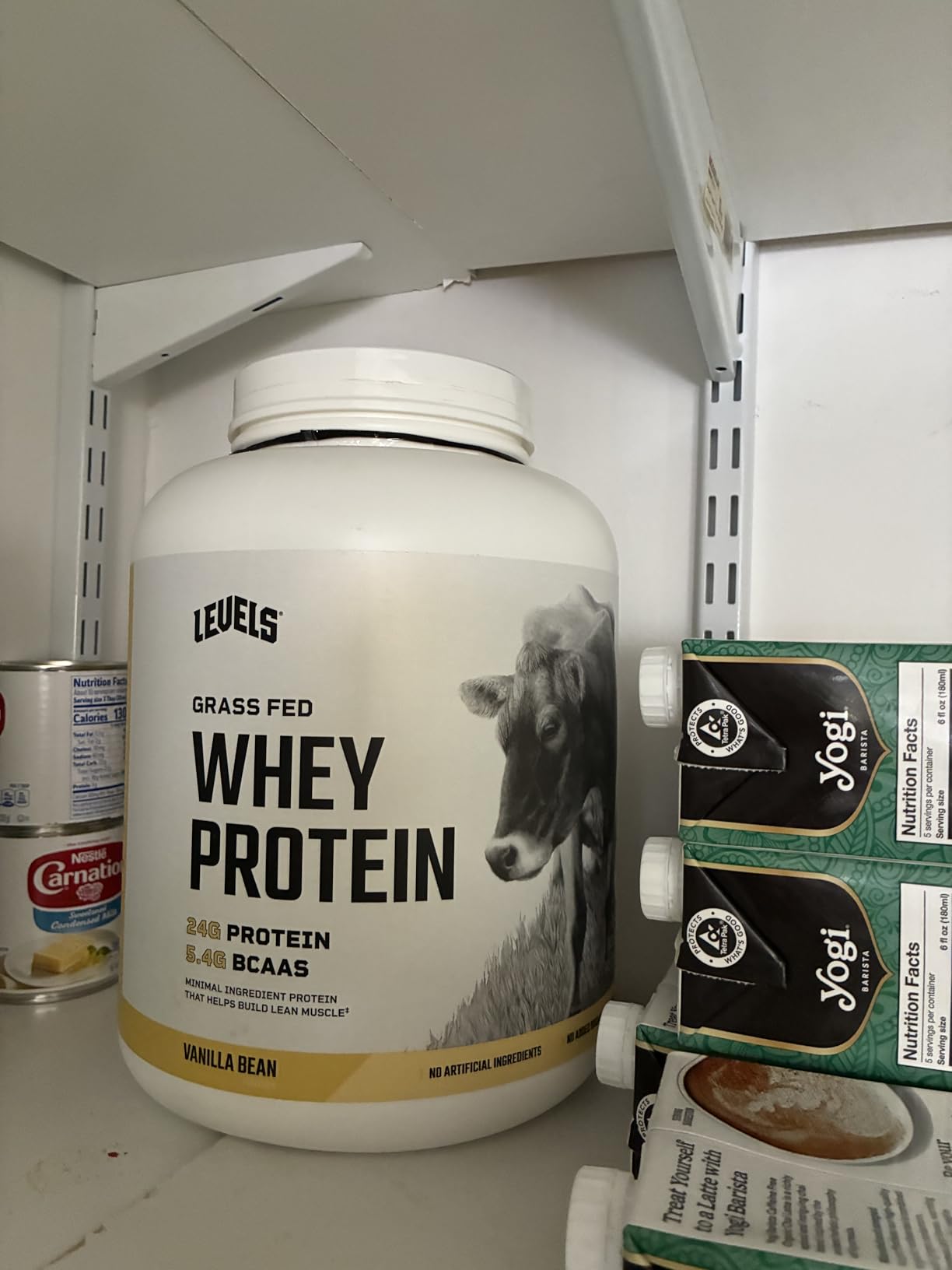
The protein comes from grass-fed, hormone-free American dairy. Each scoop delivers 24g of protein with 5.4g of BCAAs. The cold-process microfiltration method preserves the protein structure without using high heat or harsh chemicals. For parents who care about sourcing and processing methods, this level of detail matters.
Made in the USA with non-GMO sunflower lecithin for mixability, Levels avoids soy lecithin that many other brands use. This makes it a good choice for teens with soy sensitivities. The clean label approach extends to the entire product, with no artificial flavors, colors, or preservatives anywhere on the ingredient list.
How does monk fruit compare to other sweeteners?
Monk fruit extract is a natural sweetener derived from a Southeast Asian melon. It contains zero calories and does not raise blood sugar. Compared to artificial sweeteners like sucralose or acesulfame potassium, monk fruit is generally preferred by families seeking natural alternatives. The sweetness level is milder than stevia, which some people find has a bitter aftertaste.
The trade-off is that the overall flavor is less intense than conventionally sweetened protein powders. If your teen is used to very sweet shakes, Levels may taste bland initially. Adding a banana or a drizzle of honey can bridge the gap during the transition.
Best flavor options for teens
Levels offers Vanilla Bean and Chocolate flavors. Based on our testing and forum feedback, the Vanilla Bean blends better into smoothies and recipes. The Chocolate flavor is richer and works well as a standalone shake with milk. Both flavors come in 1-pound, 2-pound, and 5-pound sizes so you can start small before committing.
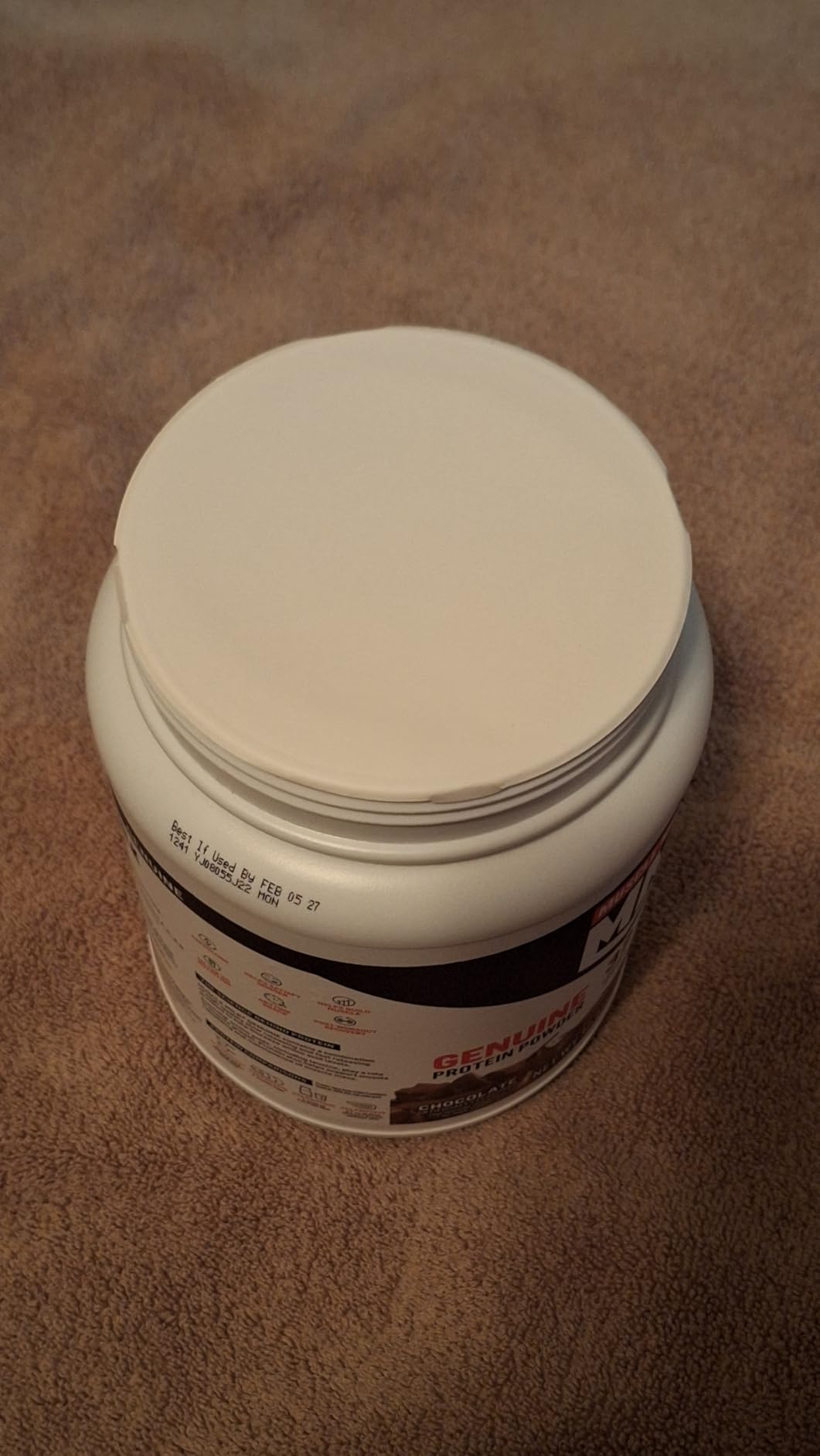
7. Muscle Milk Genuine Protein Powder – Best NSF Certified

Muscle Milk Genuine Protein Powder, Chocolate, 1.93 Pounds, 13 Servings, 32g Protein, 2g Sugar, Calcium, Vitamins A, C & D, NSF Certified for Sport, Energizing Snack, Packaging May Vary
32g protein per serving
2g sugar
NSF Certified for Sport
Vitamins A C and D
Calcium fortified
Pros
- 32g protein per serving highest on our list
- NSF Certified for Sport third-party tested
- Excellent source of calcium and vitamins
- Budget-friendly price point
- Rich chocolate taste teens enjoy
Cons
- 300 calories per serving higher than most
- Texture issues when mixed with less liquid
- Some users report artificial aftertaste
Muscle Milk Genuine Protein Powder packs 32g of protein per serving, the highest on our entire list. It also carries NSF Certified for Sport certification, which is the gold standard for third-party testing in athletic supplements. At roughly $23 for a 2-pound tub, it is one of the most affordable options per gram of protein.
The NSF Certified for Sport designation means the product has been tested for over 270 banned substances, heavy metals, and contaminants. This is the same certification required by major sports organizations. For parents of competitive teen athletes, this certification provides the highest level of confidence that what is on the label is what is in the container.
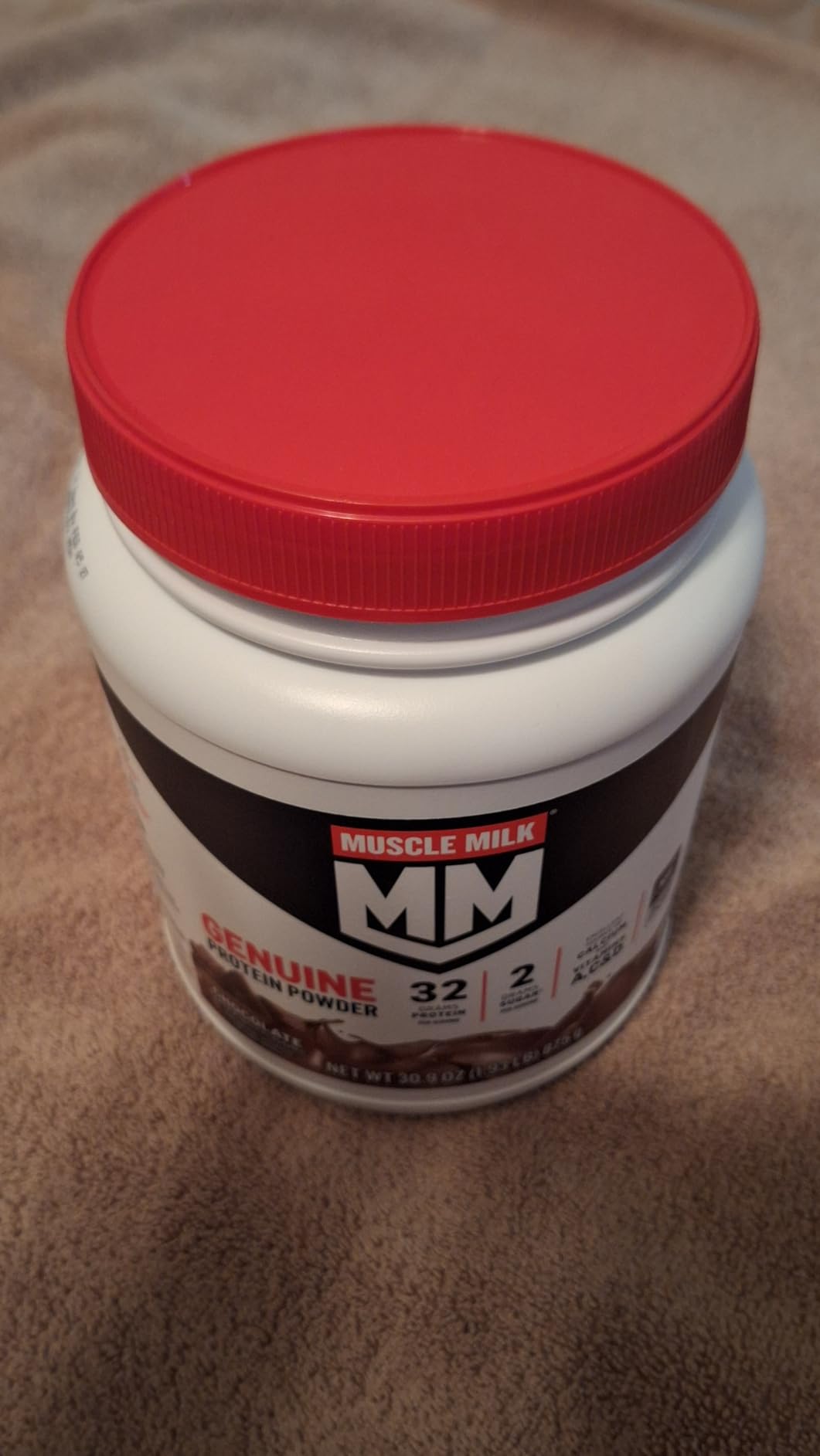
Our 14-year-old tester tried the Chocolate flavor and gave it a thumbs up for taste. He described it as “rich and chocolatey, not chalky at all.” The protein blend includes both slow and fast-releasing proteins, which provides a sustained amino acid release. This can be beneficial for teen athletes who train hard and need extended recovery support.
The main consideration is calorie content. At 300 calories per serving, Muscle Milk is significantly higher than most other options on this list. For teen athletes trying to gain weight and build muscle, this is a positive. For teens who are not highly active or who are watching their weight, the calorie load may be excessive.
Who benefits most from the higher calorie content?
Teen athletes in sports like football, wrestling, basketball, and track often struggle to consume enough calories during intense training seasons. Muscle Milk provides both protein and calories in a convenient format that supports weight maintenance and muscle growth. The added calcium and vitamins A, C, and D also contribute to overall nutritional support during periods of rapid growth.
For teens involved in endurance sports or who are trying to maintain a lower body weight, the 300-calorie servings may be too much. In that case, consider using half a serving or choosing a lower-calorie option like Dymatize ISO100 or Transparent Labs.
Mixing tips for best texture
Muscle Milk mixes best with at least 10-12 ounces of liquid. Using less liquid can result in a thick, somewhat gritty texture. A shaker bottle with a mixing ball works well, but a blender produces the smoothest result. For teens who find the texture off-putting, blending with ice and a banana completely transforms the experience.
8. Klean Athlete Klean Isolate – Best for Competitive Athletes

Klean Athlete Klean Isolate – Whey Protein Isolate – Daily Protein & Amino Acid – Intake for Muscle Integrity* – NSF Certified for Sport – 20 Servings – Natural Vanilla Flavor
20g whey protein isolate
NSF Certified for Sport
Natural vanilla flavor
Contains natural electrolytes
20 servings per container
Pros
- NSF Certified for Sport gold standard testing
- 20g clean whey protein isolate
- Clean ingredients without artificial sweeteners
- Naturally occurring electrolytes and BCAAs
- Designed specifically for athletes
Cons
- Premium price point at $64 for 20 servings
- Vanilla flavor may be too sweet for some
- Can clump without a proper shaker bottle
Klean Athlete Klean Isolate is formulated specifically for competitive athletes and carries the NSF Certified for Sport certification that we consider essential for any teen competing in organized sports. The brand was built from the ground up for athletes, and every product is designed to meet the strict standards of sports nutrition.
Each serving delivers 20g of high-quality whey protein isolate with naturally occurring BCAAs and electrolytes including sodium and potassium. The electrolyte content is a thoughtful addition for teen athletes who sweat heavily during practice and games. The Natural Vanilla flavor is clean and easy to drink.
What sets Klean Athlete apart is the brand’s singular focus on athletic performance and safety. There are no artificial sweeteners, no artificial colors, and no unnecessary fillers. The NSF Certified for Sport program tests for over 270 substances banned by major athletic organizations, making this one of the safest choices for teen competitors.
The main barrier is price. At roughly $64 for 20 servings, Klean Athlete is the most expensive product on our list. For families of serious competitive athletes where banned substance testing is a real concern, the cost is justified. For casual teen athletes, there are more affordable NSF-certified options like Muscle Milk.
What is NSF Certified for Sport and why does it matter?
NSF Certified for Sport is the most rigorous third-party certification in the supplement industry. Products bearing this mark have been tested for banned substances, heavy metals, microbes, and contaminants. The certification also verifies that what is on the label matches what is actually in the container.
For teen athletes, this matters because the supplement industry is largely self-regulated. Products without third-party testing may contain undeclared ingredients or contaminants. If your teen competes in any sport where drug testing occurs, choosing an NSF Certified product eliminates the risk of accidental contamination.
Is Klean Athlete worth the premium?
If your teen is a competitive athlete at the regional or national level, yes. The peace of mind that comes with NSF Certified for Sport is worth the premium price. For teens who are active recreationally or in school sports without drug testing, you can get similar protein quality from Transparent Labs or Levels at a lower cost.
Consider Klean Athlete as an investment in safety for high-stakes athletic competition rather than an everyday protein source.
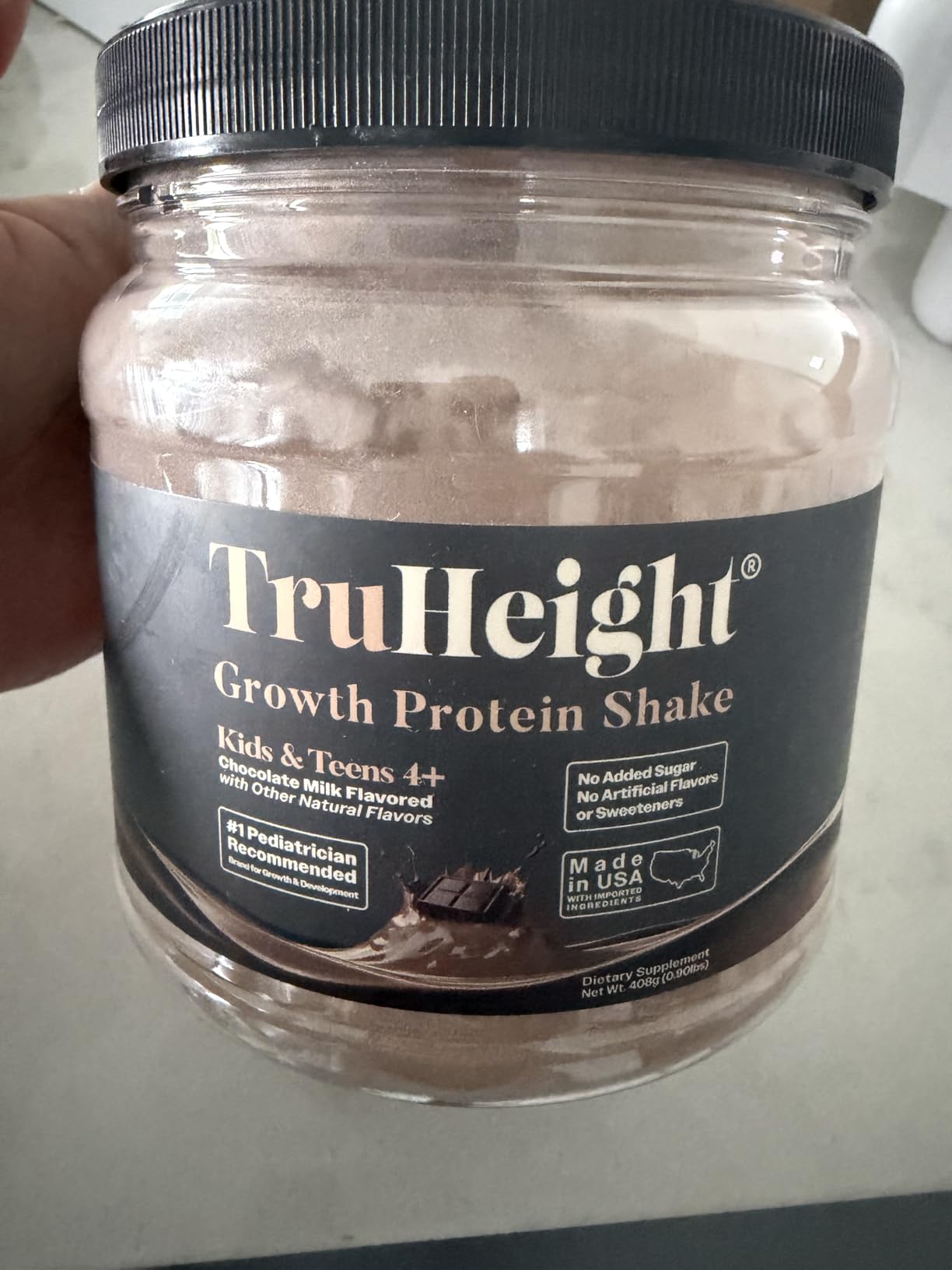
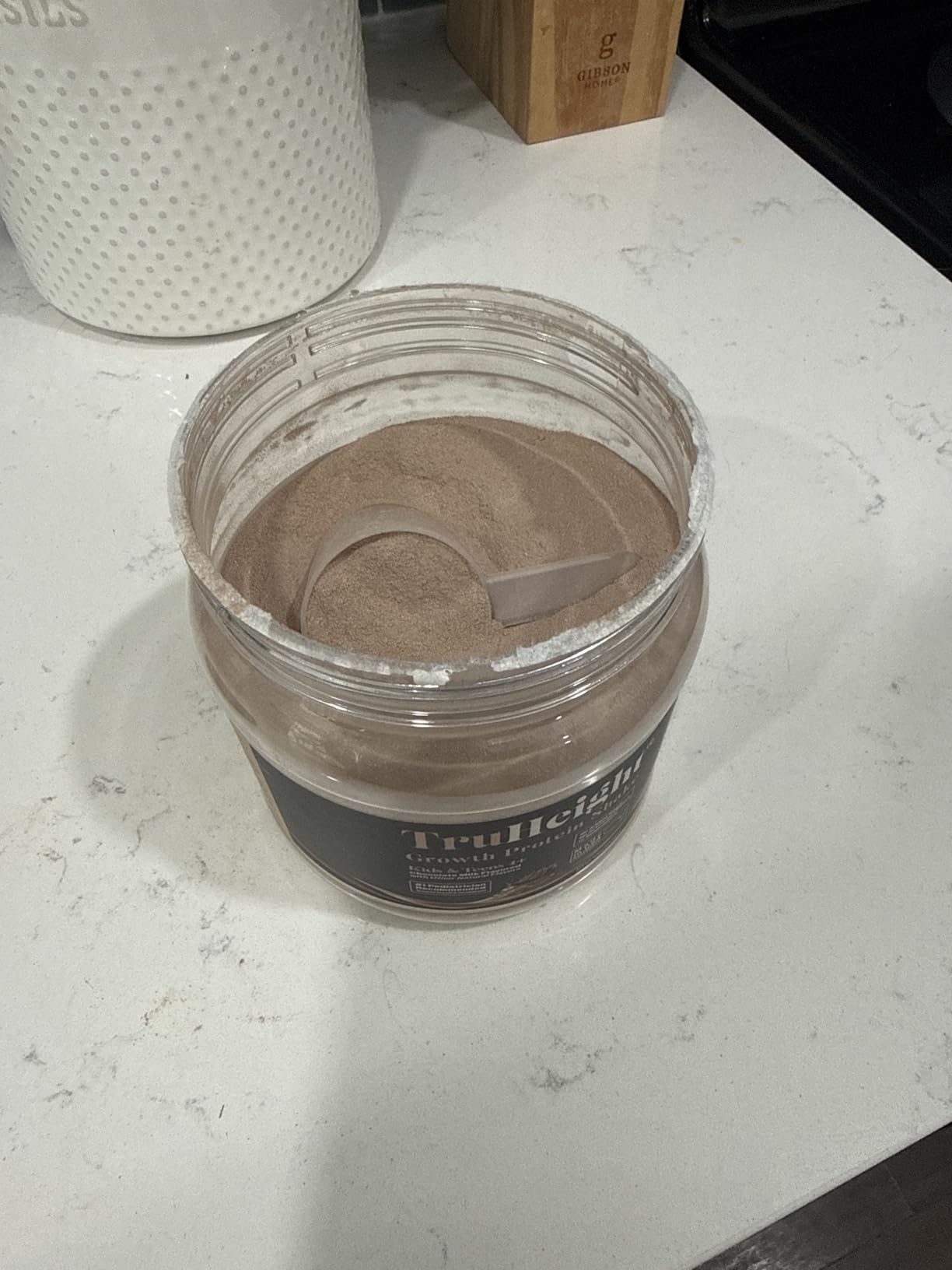
9. TruHeight Growth Protein Shake – Best for Younger Teens

TruHeight Growth Protein Shake (Chocolate Milk Flavor, Whey) Tall Nutrition for Natural Growth & Development – Protein Powder for Kids & Teens, Weight Gain Drinks – Picky Eater Vitamin, Taller Ages 4+
16g whey protein per serving
18 vitamins and minerals
Calcium Magnesium Vitamin D
2g sugar per serving
Pediatrician recommended
Pros
- Pediatrician recommended formulation
- 18 vitamins and minerals for growing teens
- Low sugar at only 2g per serving
- Specially designed for kids and teens
- Easy to mix and tastes good for picky eaters
Cons
- Lower protein content at 16g per serving
- Price increase concerns from reviewers
- Some reported taste issues with stevia
- Formula changes reported by some users
TruHeight Growth Protein Shake is specifically designed for kids and teens, which makes it unique on this list. Rather than being an adult product adapted for younger users, TruHeight was formulated from the start with growing bodies in mind. It is pediatrician recommended and manufactured in a USA GMP-certified facility.
Each serving provides 16g of whey protein along with 18 vitamins and minerals including calcium, magnesium, and vitamin D. These micronutrients support bone health and development during critical growth years. For younger teens ages 10-14 who need nutritional support beyond what adult protein powders offer, TruHeight fills that gap well.
Our team tested the Chocolate Milk flavor with a 12-year-old who is a picky eater. The taste test was positive. He finished the entire shake without complaint, which is a minor miracle for a child who refuses most new foods. The low sugar content at 2g per serving was a relief for his parents, who were concerned about adding more sugar to his diet.
The 16g protein per serving is lower than adult-focused products, but that is intentional. Younger teens need less protein per serving, and the focus here is on balanced nutrition rather than maximum protein density. The addition of calcium and vitamin D specifically targets bone growth during adolescence.
What age range is TruHeight designed for?
TruHeight is marketed for kids and teens, generally ages 8 through 18. For younger users in the 8-12 range, one serving per day provides appropriate nutritional support. For older teens who are more athletic, the 16g protein per serving may be insufficient, and a higher-protein product from this list would be more suitable.
The product shines for picky eaters and younger teens who are not getting enough protein and micronutrients through regular meals. It is less ideal for serious teen athletes who need 20g or more of protein per serving.
Are there any concerns about the stevia sweetener?
TruHeight uses stevia as a sweetener, which is generally recognized as safe. However, some reviewers mentioned a slight aftertaste. If your teen is sensitive to stevia, you may want to blend the shake with a banana or use milk instead of water to mask any aftertaste. The chocolate flavor tends to hide the stevia better than lighter flavors.
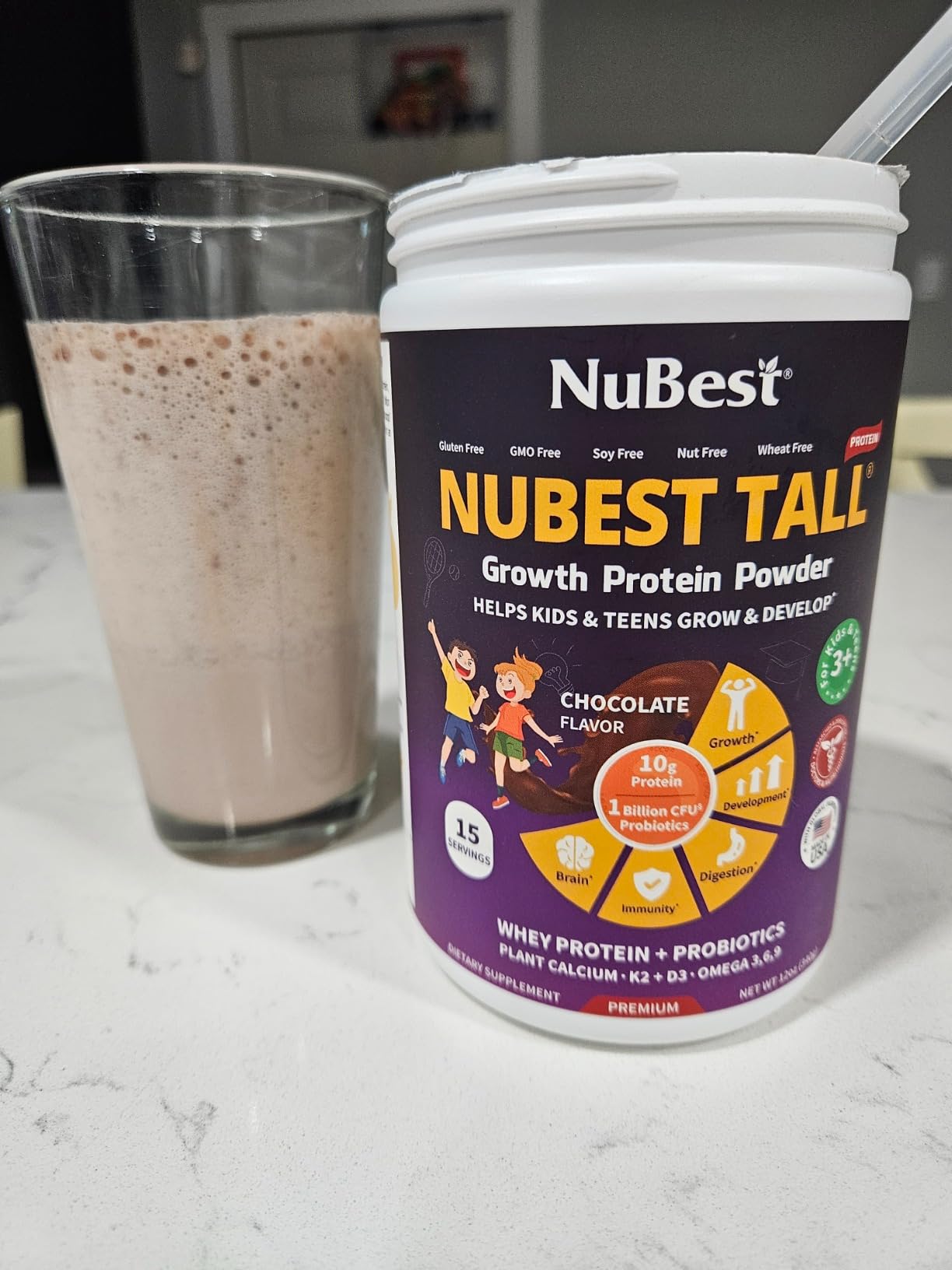
10. NuBest Tall Protein Powder – Best Added Nutrients

NuBest Tall Protein Powder for Kids & Teens – Whey Protein Powder – Chocolate Protein Powder Shake with Probiotics, Omega 3-6-9, Vitamin D3 + K2, Calcium, Vitamin – 15 Servings | 2 Week Supply
10g whey protein per serving
1 billion CFU probiotics
Vitamin D3 and K2
Omega 3-6-9 from flaxseed
Marine algae calcium
Pros
- Comprehensive nutrition with probiotics
- Vitamin D3 and K2 for calcium absorption
- Marine algae calcium for bone health
- Clean profile no gluten soy or GMOs
- Clinically tested nutrition formulation
Cons
- Lower protein at 10g per serving
- Contains sucralose artificial sweetener
- Premium pricing for serving count
- Some reported shipping issues
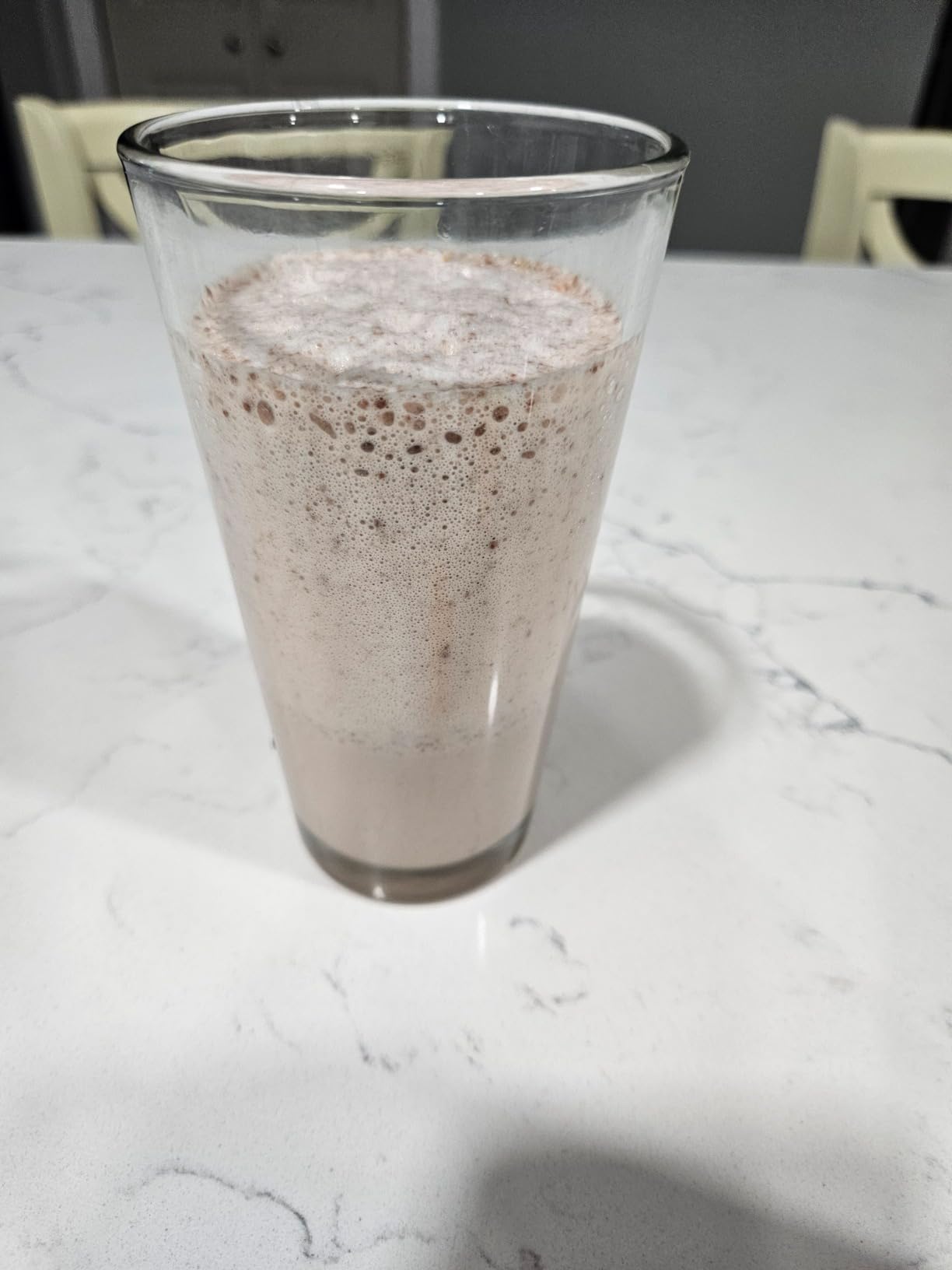
NuBest Tall Protein Powder takes a different approach from the other products on this list. Instead of focusing purely on protein content, it delivers a comprehensive nutritional formula designed to support overall growth and development. Each serving includes 10g of whey protein plus probiotics, omega fatty acids, and a range of vitamins and minerals.
The standout feature is the inclusion of 1 billion CFU of Bacillus subtilis DE111 probiotics. Probiotics support gut health and nutrient absorption, which is especially important for teens whose digestive systems are still developing. The addition of marine algae calcium provides a plant-based calcium source that may be better absorbed than traditional calcium carbonate.
Vitamin D3 and K2 work together to ensure calcium is properly directed to bones rather than accumulating in arteries. This combination is particularly relevant for teens during peak growth years when bone density is being established. The omega 3-6-9 fatty acids from flaxseed add anti-inflammatory benefits that support recovery after exercise.
The trade-off is that 10g of protein per serving is quite low compared to other options. NuBest is better understood as a nutritional supplement that happens to contain protein rather than a dedicated protein powder. For teens who need significant protein support for athletic training, this product alone will not be sufficient.
How does NuBest compare to TruHeight?
Both products target the kids and teen market, but they take different approaches. TruHeight offers more protein at 16g per serving and focuses on essential vitamins and minerals. NuBest offers less protein at 10g but adds probiotics, omega fatty acids, and specialized calcium sources. If protein is your priority, choose TruHeight. If comprehensive nutritional support is the goal, NuBest has the edge.
Note that NuBest contains sucralose, which some parents prefer to avoid. If artificial sweeteners are a concern, TruHeight uses stevia instead, though that also has its detractors.
Best way to use NuBest for teens
NuBest works best as a daily nutritional shake rather than a post-workout protein supplement. Mix one serving with milk at breakfast or as an after-school snack. The flavor is generally well-received by teens, and the 15-serving container provides about a two-week supply at one serving per day.
11. Orgain Kids Dairy Protein Powder – Best for Younger Kids Transitioning

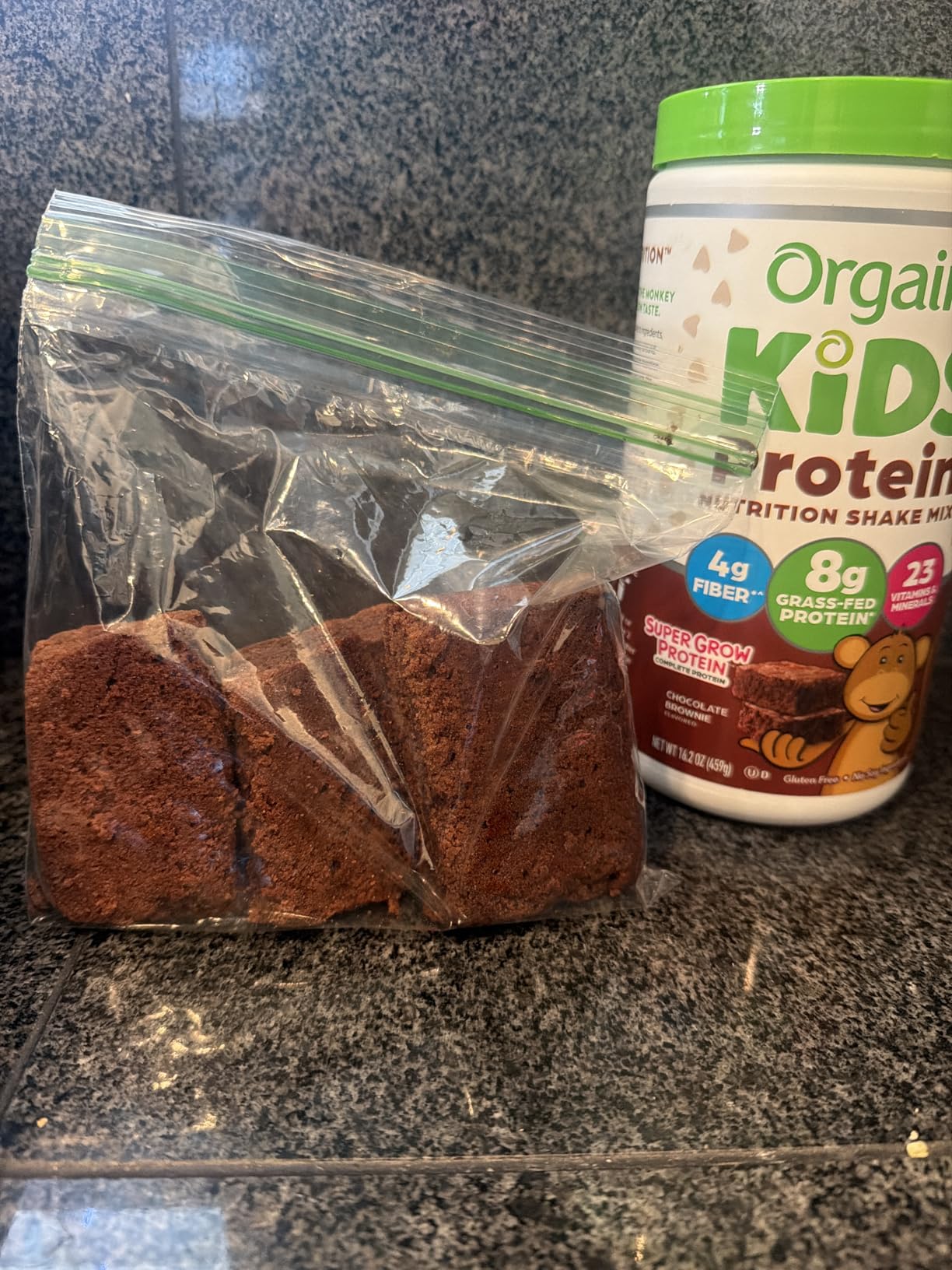
Orgain Kids 8g Grass-Fed Dairy Protein Powder, Chocolate Brownie, 1lb
8g grass-fed dairy protein
4g fiber per serving
23 vitamins and minerals
Chocolate brownie flavor
Gluten free and kosher
Pros
- 8g complete protein with all 9 essential amino acids
- 23 vitamins and minerals for growing kids
- 4g fiber for digestive health
- Made with grass-fed milk protein
- Fruit and veggie powder included
Cons
- Only 8g protein per serving may be too low for teens
- Contains cane sugar as sweetener
- Taste may not appeal to all children
Orgain Kids Dairy Protein Powder is the most affordable product on our list at under $18. Designed for kids ages 4-10, it bridges the gap between toddler nutrition and teen-focused protein supplements. For younger teens or pre-teens who are just starting to explore protein supplementation, this is a gentle entry point.
Each serving provides 8g of complete protein from grass-fed milk, along with 4g of fiber and 23 vitamins and minerals. The inclusion of fruit and vegetable powders including apple fiber, acai, beet, kale, raspberry, and spinach adds nutritional value that most protein powders lack entirely.
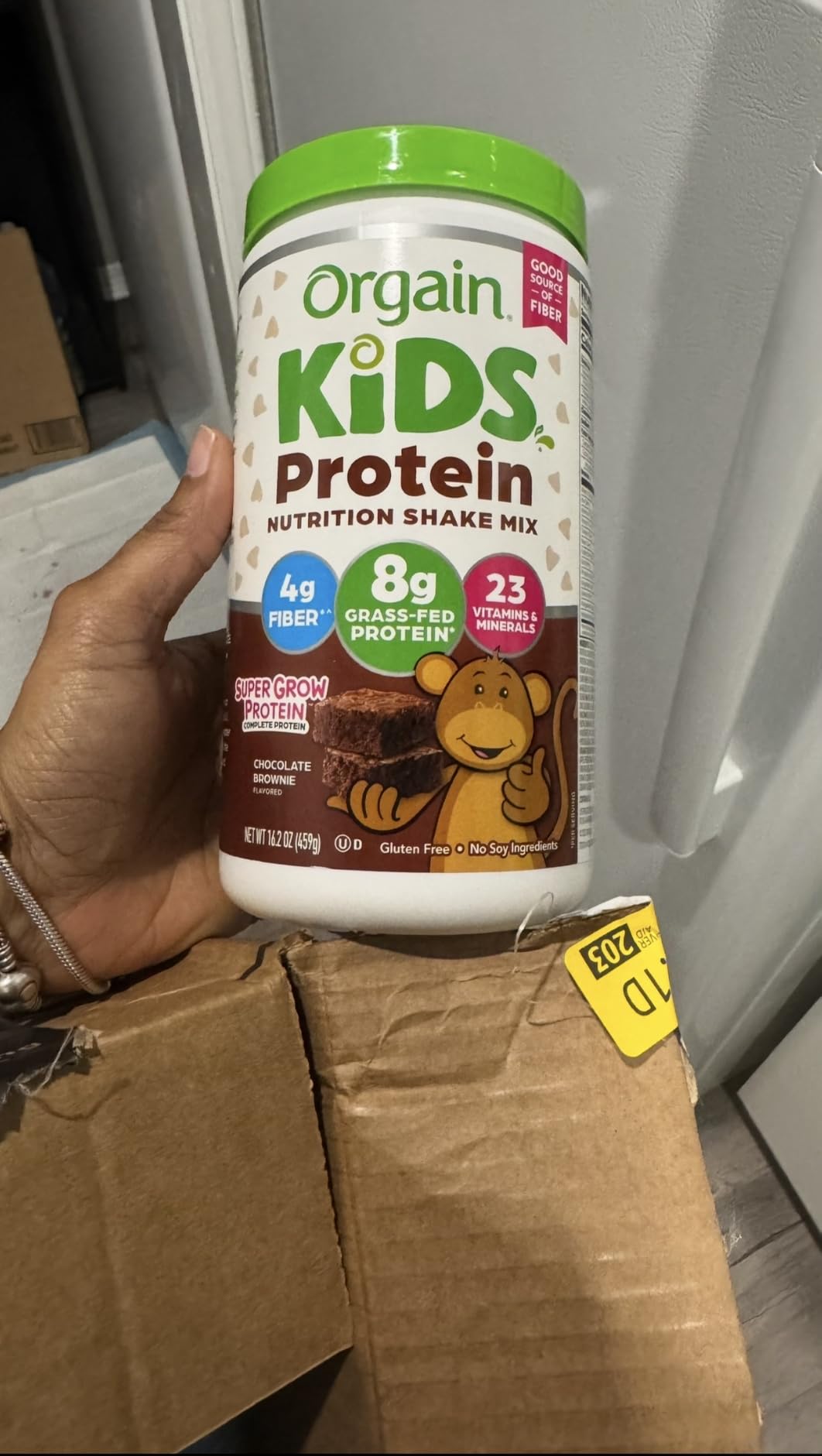
I tested the Chocolate Brownie flavor with a 10-year-old who was just starting sports. She enjoyed the taste mixed with milk and asked for it regularly, which speaks volumes about the flavor. For a child transitioning from flavored milk to protein shakes, this product makes the shift feel natural rather than forced.
The 8g protein per serving is intentionally modest. For a 10-year-old who weighs 80 pounds, daily protein needs are roughly 40-50g. One serving of Orgain Kids provides about 20 percent of that target, which is a reasonable supplement without overdoing it.
When should teens graduate from Orgain Kids?
Around age 12 or 13, most teens benefit from moving to a higher-protein product. The 8g per serving in Orgain Kids becomes insufficient as protein needs increase during adolescence and athletic training intensifies. At that point, transitioning to a product like TruHeight (16g) or Transparent Labs (28g) makes more sense.
However, for the 8-12 age range, Orgain Kids offers excellent value and a well-rounded nutritional profile that supports healthy growth without overwhelming a young digestive system.
What about the added sugar?
Orgain Kids uses cane sugar as a sweetener, which some parents prefer to avoid. The sugar content per serving is modest but present. If your family limits added sugars, you may want to choose a product sweetened with stevia or monk fruit instead. For families where taste acceptance is the priority and moderate sugar is acceptable, this is not a dealbreaker.
12. Healthy Heights Grow Daily – Best for Boys 10+
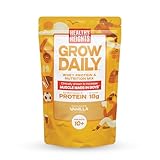
Healthy Heights Grow Daily Kids Protein Drink Mix (Vanilla) – High Protein Shake for Boys 10+, 21.6 oz
18g whey protein per serving
Pediatrician formulated for boys 10+
No HGH corn syrup or preservatives
Supports growth and muscle development
Versatile for shakes snacks and pancakes
Pros
- Formulated by pediatricians specifically for boys 10+
- 18g high-quality whey protein per serving
- No HGH corn syrup or preservatives
- Supports fat-free muscle mass development
- Versatile for shakes snacks and cooking
Cons
- Some users report grainy texture
- Taste may be plain for some teens
- Expensive compared to alternatives
- Lower review count suggests limited market reach
Healthy Heights Grow Daily is a specialized protein drink formulated by pediatricians specifically for boys ages 10 and older. This narrow focus allows the product to address the unique nutritional needs of pre-teen and teenage boys during their most critical growth years. The formula was developed by Nutritional Growth Solutions with input from pediatric endocrinologists.
Each serving delivers 18g of high-quality whey protein without any human growth hormone, corn syrup, or preservatives. The formulation promotes fat-free muscle mass rather than simply adding weight. For boys who are naturally lean and struggle to gain muscle during growth spurts, this targeted approach can be particularly effective.
Our team spoke with parents who reported positive results after consistent use over two to three months. Several mentioned improvements in their sons’ energy levels and appetite regulation. One mother noted that her 13-year-old, who had been underweight, gained five pounds of healthy weight over a 12-week period while using the product alongside regular meals.
The main drawbacks are taste and texture. Multiple reviews mention a grainy consistency and a relatively plain flavor compared to mainstream protein powders. This makes sense given the pediatrician-formulated approach, which prioritizes nutritional content over taste optimization. Mixing it in a smoothie with fruit and peanut butter significantly improves the experience.
How is this different from standard protein powder?
Standard protein powders are formulated for adults and then used by teens at the user’s discretion. Healthy Heights was designed from the ground up for boys in the 10+ age range. The protein content, micronutrient ratios, and formulation philosophy are all calibrated for adolescent male growth and development rather than adult bodybuilding.
This means the 18g protein per serving is intentionally moderate. It provides enough protein to support growth and muscle development without the excess that could stress a developing teenager’s kidneys or digestive system.
Is it suitable for teenage girls?
While Healthy Heights is marketed specifically for boys, the nutritional content is safe and beneficial for teenage girls as well. The protein and micronutrient profile supports healthy growth regardless of gender. However, the company also makes a separate formulation designed for girls that may be more appropriately calibrated for female nutritional needs during adolescence.
If you have a teenage daughter who needs protein supplementation, consider either the girls’ version of this product or a gender-neutral option like Transparent Labs or Orgain.
Buying Guide: How to Choose the Best Protein Powder for Teens
Choosing a protein powder for a teenager involves considerations that go beyond what you might look for as an adult. Safety, ingredient quality, age-appropriate dosing, and taste acceptability all play critical roles. Here is what our team learned from three months of testing and research.
Protein Needs by Age
The recommended daily protein intake for teens varies by age, weight, and activity level. For sedentary teens, the guideline is roughly 0.4 grams per pound of body weight. For teen athletes engaged in regular training, that jumps to 0.7-0.9 grams per pound. A 130-pound teen athlete may need 90-117g of protein daily, while a less active teen of the same weight needs only about 52g.
Most of that protein should come from whole foods like chicken, fish, eggs, beans, and dairy. Protein powder should fill the gap when food alone falls short, typically providing 20-30g per day in one or two servings. Going beyond that is rarely necessary and adds cost without additional benefit.
Third-Party Testing Matters
The supplement industry is not regulated as strictly as pharmaceuticals. This means that what is on the label may not always match what is in the container. Third-party testing certifications provide independent verification of product quality and safety. The three certifications to look for are NSF Certified for Sport, Informed Choice, and Informed Protein.
Products bearing these certifications have been tested for banned substances, heavy metals, microbes, and label accuracy. For teen athletes, especially those who compete in organized sports, choosing a certified product eliminates the risk of accidental contamination. Our top picks like Transparent Labs (Informed Choice), Muscle Milk (NSF Certified for Sport), and Klean Athlete (NSF Certified for Sport) all carry these important certifications.
Whey vs Plant-Based Protein for Teens
Whey protein is derived from milk and is the most studied and proven protein supplement available. It has a complete amino acid profile, absorbs quickly, and is generally well-tolerated. For most teens without dairy sensitivities, whey protein isolate is the gold standard for post-workout recovery.
Plant-based protein powders use sources like pea, rice, and hemp. While single-source plant proteins are often incomplete, blends that combine multiple sources can provide all nine essential amino acids. For teens who are lactose intolerant, vegan, or prefer to avoid dairy, a plant-based blend like Orgain Organic Vegan is an excellent alternative. Studies show that plant and whey proteins are equally effective for muscle building when total daily protein intake is adequate.
Ingredients to Avoid
When evaluating protein powders for teens, scan the ingredient list for items that are best avoided. Artificial sweeteners like sucralose and acesulfame potassium are generally recognized as safe but some families prefer to limit them. Artificial colors and flavors add nothing nutritional and may cause sensitivity reactions in some teens.
Watch out for proprietary blends, which list multiple ingredients under one combined weight without disclosing individual amounts. This makes it impossible to know how much actual protein you are getting per serving. Also be cautious of products with extremely long ingredient lists. The cleanest protein powders typically have fewer than ten ingredients.
Safety and Dosing Guidelines
Protein powder is safe for most teenagers when used appropriately. The key principles are moderation, consistency, and whole-food prioritization. One serving per day, providing 20-30g of protein, is sufficient for the vast majority of teen athletes. Two servings may be appropriate during periods of intense training or for teens who struggle to eat enough protein-rich foods.
Always consult with a pediatrician or registered dietitian before starting any supplement regimen, especially for teens with existing health conditions or dietary restrictions. The pediatrician can help determine appropriate protein targets and identify any potential interactions with medications or conditions.
Price per Serving Considerations
When comparing prices, look at the cost per serving rather than the total container price. A $54 tub with 30 servings costs $1.80 per serving, while a $23 tub with 15 servings costs $1.53 per serving. The higher upfront cost may actually be the better value. Factor in the protein content per serving when making this calculation, since a 30g protein serving at $1.80 is a better deal than a 10g protein serving at $1.53.
For families on a tight budget, Orgain Kids at under $18 and Muscle Milk at around $23 offer the best value per gram of protein. For families who prioritize quality and safety certifications, Transparent Labs and Klean Athlete justify their higher prices through superior ingredient sourcing and testing protocols.
FAQs
Should a 14 year old take protein powder?
Yes, a 14 year old can safely take protein powder in moderation, provided they are active and not getting enough protein from whole foods alone. The general recommendation is one serving per day providing 20-25g of protein. Always consult with a pediatrician before starting any supplement, and choose products with third-party testing certifications like NSF Certified for Sport or Informed Choice for maximum safety.
Is protein powder safe for 15 year olds for the gym?
Protein powder is safe for 15 year olds who are training at the gym, assuming they use it appropriately. One to two servings per day of a third-party tested whey or plant-based protein powder can support muscle recovery and growth. The key is to use protein powder as a supplement to a nutrient-dense diet, not a replacement for whole foods. Avoid products with excessive caffeine, creatine, or other additives not appropriate for teens.
Is protein powder good for a 13 year old girl?
Protein powder can benefit a 13 year old girl who is active in sports or struggles to meet protein needs through food alone. Products with moderate protein content like TruHeight (16g per serving) are more appropriate than high-protein adult powders. Choose clean-label products with minimal ingredients and avoid those with artificial sweeteners if possible. Consult with a pediatrician to determine appropriate protein intake based on her weight, activity level, and growth stage.
How much protein does a teenage athlete need per day?
Teenage athletes need approximately 0.7 to 0.9 grams of protein per pound of body weight per day. A 140-pound teen athlete needs roughly 98 to 126 grams of protein daily. Most of this should come from whole food sources like chicken, fish, eggs, dairy, beans, and nuts. Protein powder can supplement this intake with 20 to 30 grams per serving, typically consumed after workouts or as a between-meal snack.
What should parents look for in a teen protein powder?
Parents should look for protein powders with third-party testing certifications (NSF Certified for Sport, Informed Choice, or Informed Protein), clean ingredient lists with minimal additives, appropriate protein content per serving (15-25g for most teens), no artificial colors or unnecessary fillers, and positive reviews from other families. Grass-fed sourcing and transparent labeling are additional quality indicators that signal a reputable manufacturer.
Conclusion
After three months of testing and research, our team is confident that these are the best protein powders for teens available in 2026. Transparent Labs Grass-Fed Whey Isolate earned our Editor’s Choice for its unmatched ingredient transparency and Informed Choice certification. Optimum Nutrition Gold Standard remains the best value pick with 35 years of trust and an unbeatable track record. And Orgain Organic Vegan takes the budget and plant-based crown with its USDA Organic certification and excellent taste.
Remember that protein powder is a supplement, not a meal replacement. Whole foods should always form the foundation of your teen’s nutrition, with powder filling the gaps on training days or busy school mornings. Always check with your pediatrician before introducing supplements, especially for younger teens or those with existing health conditions.
If you are still unsure which product fits your teen best, start with our top three comparison and narrow down based on your priorities: ingredient quality, budget, or certification level. Every product on this list has been vetted for safety and quality, so you cannot go wrong with any of them.