
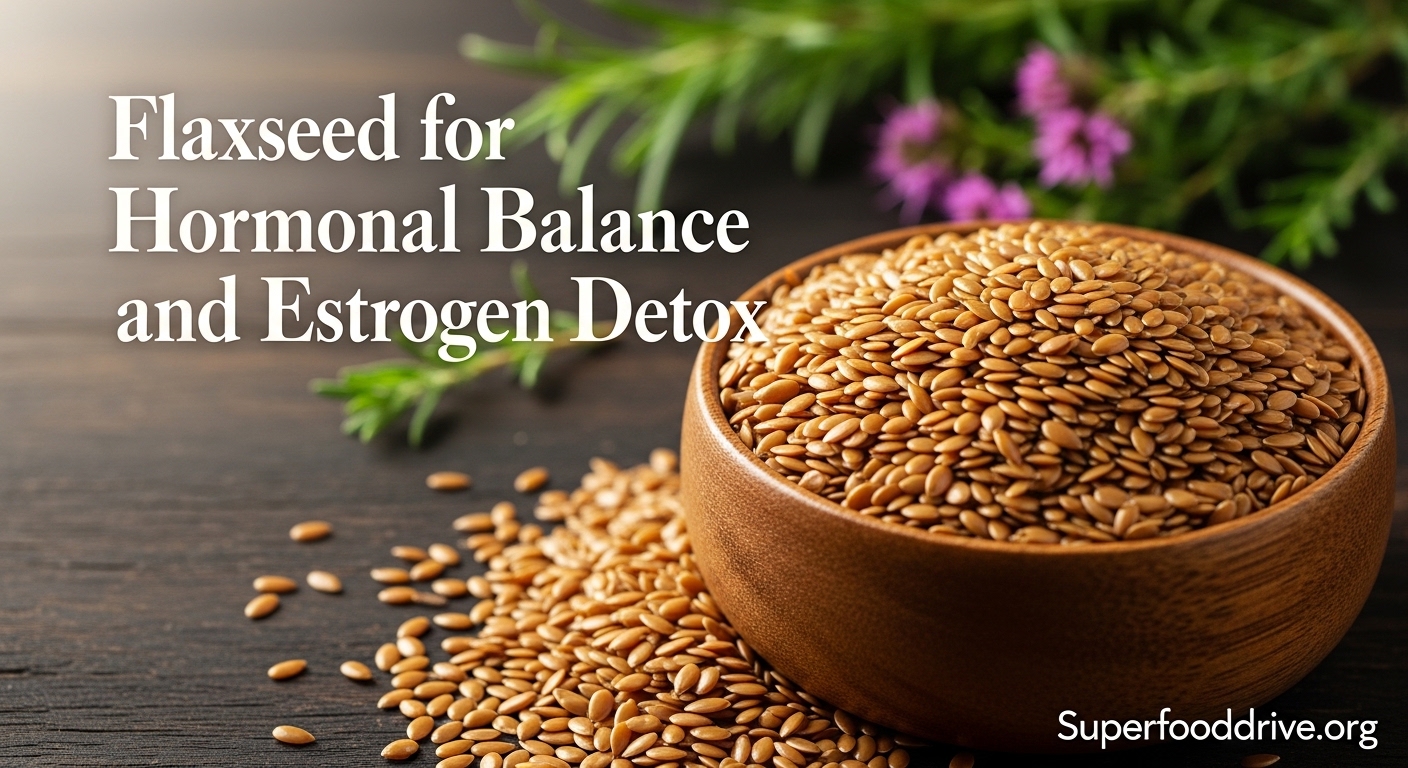
Feeling exhausted, moody, or dealing with unexplained weight gain? These frustrating symptoms often point to one root cause: hormonal imbalance. I spent years struggling with irregular cycles and debilitating PMS before discovering a simple, natural solution that changed everything.
Flaxseed for hormonal balance isn’t just another wellness trend backed by influencers. This tiny seed contains powerful compounds called lignans that can help regulate estrogen levels naturally. Whether you’re dealing with estrogen dominance, perimenopause symptoms, or simply want to support your endocrine system, flaxseed offers science-backed benefits that are hard to ignore.
In this comprehensive guide, I’ll share exactly how flaxseed affects your hormones, what the research actually shows, and practical ways to incorporate it into your daily routine. By the end, you’ll understand why this affordable superfood deserves a place in your hormonal health toolkit.
Table of Contents
What Is Flaxseed and Why Should You Care About It?
Flaxseed, also known as linseed, comes from the flax plant (Linum usitatissimum) and has been cultivated for thousands of years. Ancient civilizations valued it for both food and medicine, and modern science has confirmed what traditional healers knew: this seed packs serious nutritional power.
What makes flaxseed special is its unique combination of nutrients. Each tablespoon delivers fiber, omega-3 fatty acids, protein, and most importantly for hormonal health, lignans. In fact, flaxseed contains up to 800 times more lignans than any other plant food.
You’ll find flaxseed in two main forms: whole seeds and ground meal. Whole seeds have a hard outer shell that makes them difficult to digest, meaning your body can’t access those beneficial lignans. Ground flaxseed, sometimes called flax meal, is the superior choice for hormonal benefits because your body can actually absorb the nutrients.
When I first started using flaxseed, I made the mistake of buying whole seeds. After switching to freshly ground flaxseed, I noticed the difference in how I felt within weeks. The hormonal benefits only work if your body can process what’s inside.
Understanding Lignans and Phytoestrogens: The Science Behind Flaxseed
To understand how flaxseed helps balance hormones, you need to know about lignans. These are polyphenolic compounds found in plant cell walls that act as powerful antioxidants in the body. Flaxseed is the richest dietary source of lignans available.
Here’s where it gets interesting for hormonal health. When you consume lignans, your gut bacteria convert them into enterolactone and enterodiol. These compounds are classified as phytoestrogens, plant-based compounds that can interact with estrogen receptors in your body.
Phytoestrogens work differently than the estrogen your body produces or synthetic versions found in hormone replacement therapy. They’re much weaker than human estrogen but can bind to estrogen receptors and either mimic or block estrogen’s effects depending on your current hormonal state. This adaptability is what makes them so valuable for achieving balance.
Think of phytoestrogens as intelligent modulators. If you have too much estrogen, they can block some of its effects. If you have too little, they can provide gentle estrogenic activity. This dual action is why flaxseed works for women with different hormonal profiles.
The conversion of lignans to active compounds happens in your gut, which means your microbiome health matters. Women with diverse, healthy gut bacteria tend to see better results from flaxseed supplementation. Supporting your digestive health alongside flaxseed consumption maximizes the hormonal benefits.
How Does Flaxseed Affect Estrogen Levels?
Flaxseed influences estrogen through multiple pathways, making it one of the most effective natural tools for estrogen regulation. Understanding these mechanisms helps explain why it works for so many different hormonal concerns.
First, flaxseed lignans compete with estradiol, the strongest form of estrogen, for binding sites on estrogen receptors. When lignan metabolites occupy these receptors, they produce a weaker estrogenic effect than estradiol would. This is particularly beneficial for women with estrogen dominance, a condition where estrogen levels are too high relative to progesterone.
Second, flaxseed affects estrogen metabolism by promoting the conversion of estradiol to less potent forms. It encourages your body to process estrogen through the 2-hydroxyestrone pathway rather than the 16-hydroxyestrone pathway. The 2-pathway produces weaker estrogen metabolites that are easier for your body to eliminate.
Third, the fiber in flaxseed helps your body excrete excess estrogen through the digestive tract. Fiber binds to estrogen in the intestines, preventing reabsorption and supporting healthy elimination. This is why ground flaxseed works better than oil or supplements without fiber.
For women with low estrogen, the weak estrogenic effect of lignans can provide gentle support without overwhelming the system. This makes flaxseed suitable for perimenopausal and postmenopausal women experiencing estrogen decline, though the effects are milder than for those with high estrogen.
Key Benefits of Flaxseed for Hormonal Balance
The hormonal benefits of flaxseed extend far beyond simple estrogen regulation. Regular consumption can address multiple symptoms associated with hormonal imbalance.
Menstrual Cycle Regulation: Many women report more regular periods after adding flaxseed to their diet. The lignans help modulate estrogen and progesterone levels throughout the cycle, potentially reducing the severity of PMS symptoms like bloating, breast tenderness, and mood swings. Studies have shown that daily flaxseed consumption can lengthen the luteal phase in some women, which may support fertility.
Menopause Symptom Relief: Hot flashes, night sweats, and mood changes affect up to 85% of menopausal women. Research published in the Journal of the Society for Integrative Oncology found that women consuming flaxseed experienced significant reductions in hot flash frequency. While not as potent as hormone replacement therapy, flaxseed offers a natural alternative with fewer risks.
PCOS Support: Polycystic ovary syndrome involves hormonal imbalances that can cause irregular periods, acne, and weight gain. Flaxseed’s combination of fiber and lignans helps improve insulin sensitivity and reduce androgen levels, addressing two key drivers of PCOS. The anti-inflammatory omega-3s also support ovarian health.
Acne Reduction: Hormonal acne, particularly along the jawline and chin, responds well to flaxseed’s hormone-balancing effects. By supporting healthy estrogen metabolism and reducing inflammation, flaxseed can help clear skin from the inside out. Many women notice clearer skin within one to two menstrual cycles of consistent use.
Mood Stabilization: Estrogen fluctuations significantly impact neurotransmitters like serotonin. By helping to smooth out these hormonal peaks and valleys, flaxseed may contribute to more stable moods and reduced anxiety. The omega-3 fatty acids in flaxseed also support brain health and emotional regulation.
What Does the Research Say? Scientific Evidence on Flaxseed and Hormones
While traditional medicine has long valued flaxseed, modern research is catching up with promising results. Multiple clinical studies support flaxseed’s role in hormonal health.
A study published in the journal Cancer Epidemiology, Biomarkers & Prevention examined the effects of flaxseed on postmenopausal women. Researchers found that daily flaxseed consumption significantly increased urinary lignan levels and altered estrogen metabolism favorably. Women showed increased ratios of 2-hydroxyestrone to 16-hydroxyestrone, indicating healthier estrogen processing.
Research from the University of Toronto demonstrated that flaxseed lignans can reduce blood levels of 17-beta-estradiol by up to 25% in premenopausal women. This reduction occurred without causing the side effects associated with pharmaceutical estrogen blockers. The study suggests flaxseed may offer protective effects against estrogen-dependent conditions.
A randomized controlled trial focusing on breast health found that women consuming flaxseed daily for three months showed changes in breast tissue composition consistent with reduced cancer risk. While more research is needed, these findings support flaxseed’s potential role in long-term hormonal health maintenance.
Studies on menopausal symptoms have produced mixed but generally positive results. One trial reported a 50% reduction in hot flash frequency after six weeks of daily flaxseed consumption. However, other studies have shown minimal effects, suggesting that individual response varies based on gut bacteria, baseline hormone levels, and consistency of use.
It’s worth noting that much of the research uses specific dosages of lignan extracts rather than whole flaxseed. While whole flaxseed contains these same compounds, the concentration may vary. More research is needed to establish standardized recommendations.
How to Incorporate Flaxseed Into Your Diet for Maximum Hormonal Benefits
Getting the hormonal benefits from flaxseed requires more than just buying a bag and hoping for the best. How you prepare and consume it matters significantly.
Always choose ground flaxseed over whole seeds. Your body cannot break down the hard outer shell of whole flaxseed, meaning those beneficial lignans pass through undigested. You can buy pre-ground flaxseed or grind whole seeds yourself using a coffee grinder. If grinding at home, store seeds in the freezer to prevent the oils from going rancid.
Store ground flaxseed in an airtight container in the refrigerator or freezer. The healthy fats in flaxseed oxidize quickly when exposed to heat, light, and air. Pre-ground flaxseed from the store often sits on shelves for months, losing potency. Freshly ground flaxseed has a mild, nutty flavor and should not taste bitter or fishy.
Here are my favorite ways to use flaxseed daily:
Blend it into smoothies with berries and leafy greens for a hormone-supporting breakfast. The mild flavor disappears completely.
Stir it into oatmeal or yogurt with cinnamon and nuts for a fiber-rich morning meal.
Sprinkle it over salads or roasted vegetables for a nutritional boost.
Mix it into homemade energy balls with dates, nuts, and cacao for a hormone-friendly snack.
Add it to baked goods like muffins, pancakes, or bread. You can replace some of the flour with ground flaxseed or use it as an egg substitute (1 tablespoon flaxseed mixed with 3 tablespoons water equals one egg).
Drink plenty of water when consuming flaxseed. The high fiber content absorbs liquid, and without adequate hydration, you may experience digestive discomfort.
How Much Flaxseed Should You Take for Hormone Balance?
The optimal dosage of flaxseed for hormonal benefits varies depending on individual needs, but research provides some helpful guidelines.
Most studies showing hormonal effects use between 25 and 50 grams of ground flaxseed daily, which equals approximately 2 to 4 tablespoons. This amount provides roughly 50 to 100 milligrams of lignans, the range associated with measurable hormonal changes.
I recommend starting with 1 tablespoon daily for the first week to allow your digestive system to adjust. Increase by 1 tablespoon each week until you reach 2 to 3 tablespoons daily. This gradual approach minimizes bloating and gas that can occur with sudden fiber increases.
Consistency matters more than exact dosage. Taking 2 tablespoons every day for three months will likely produce better results than taking 4 tablespoons sporadically. Hormonal changes happen gradually, and your body needs time to adjust.
Some women cycle their flaxseed intake with their menstrual cycles, taking higher amounts during the first half (follicular phase) when estrogen rises naturally. While this approach aligns with seed cycling practices, daily consistent consumption also works well.
If you have specific health conditions or take medications, consult a healthcare provider before starting flaxseed supplementation. They can help determine an appropriate dosage for your situation.
Potential Side Effects and Precautions You Should Know
While flaxseed is generally safe for most people, awareness of potential side effects helps you use it wisely.
Digestive discomfort is the most common issue, especially when starting out. Gas, bloating, and increased bowel movements often occur as your gut bacteria adapt to the increased fiber. Starting slowly and drinking plenty of water minimizes these effects. If digestive issues persist, reduce the amount or try taking flaxseed with meals.
Flaxseed may interact with certain medications. The fiber can slow absorption of oral medications, so take prescription drugs at least one hour before or two hours after consuming flaxseed. Blood-thinning medications warrant particular caution since flaxseed contains blood-thinning omega-3s. Discuss with your doctor if you take anticoagulants.
Pregnant and breastfeeding women should avoid large amounts of flaxseed. While small amounts in food are likely safe, the phytoestrogen effects could theoretically impact pregnancy. Research is limited, so erring on the side of caution makes sense during these sensitive periods.
Women with hormone-sensitive conditions like uterine fibroids, endometriosis, or hormone-receptor-positive breast cancer should consult their oncologist before using flaxseed. While lignans may actually be protective, individual medical guidance is essential.
Rarely, people experience allergic reactions to flaxseed. Symptoms include rash, itching, or difficulty breathing. Discontinue use immediately if allergic symptoms develop.
Frequently Asked Questions
Does flaxseed increase or decrease estrogen?
Flaxseed can do both depending on your hormonal status. For women with high estrogen, lignans bind to estrogen receptors and block stronger estrogens, effectively lowering estrogen activity. For women with low estrogen, the weak phytoestrogens in flaxseed provide gentle estrogenic effects. This dual action makes flaxseed an adaptogenic food that helps restore balance rather than simply raising or lowering estrogen.
How long does it take for flaxseed to balance hormones?
Most women notice initial improvements in hormonal symptoms within 4 to 6 weeks of consistent daily use. However, significant changes in hormone levels may take 2 to 3 months to fully manifest. Menstrual cycle regulation often occurs within 2 to 3 cycles. Maximum benefits typically appear after 3 months of daily consumption at therapeutic doses of 2 to 3 tablespoons.
Can flaxseed help with estrogen dominance?
Yes, flaxseed is particularly beneficial for estrogen dominance. The lignans compete with estradiol for receptor binding sites, blocking the stronger estrogen’s effects. Flaxseed fiber also promotes elimination of excess estrogen through the digestive tract. Additionally, flaxseed encourages metabolism of estrogen through the healthier 2-hydroxyestrone pathway rather than the potentially harmful 16-hydroxyestrone pathway.
Is flaxseed good for perimenopause?
Flaxseed can help perimenopausal women by smoothing the dramatic estrogen fluctuations that characterize this transition. The weak phytoestrogenic effects may reduce hot flashes, night sweats, and mood swings. However, results vary individually, and some women may need additional support alongside flaxseed. The fiber and omega-3s also support overall health during this hormonal transition.
Can men take flaxseed for hormonal balance?
Yes, men can benefit from flaxseed’s hormonal effects. While men have less estrogen than women, they still produce this hormone and can experience issues from estrogen dominance. Flaxseed lignans may help maintain healthy testosterone-to-estrogen ratios. Some research suggests flaxseed could support prostate health through its effects on hormone metabolism, though more studies are needed specifically in male populations.
Conclusion: Is Flaxseed Right for Your Hormonal Health?
Flaxseed for hormonal balance offers a safe, affordable, and science-backed approach to supporting your endocrine system naturally. From its unique lignan content that modulates estrogen activity to its fiber that promotes healthy hormone elimination, this humble seed addresses hormonal health from multiple angles.
The research supporting flaxseed’s hormonal benefits continues to grow, with studies demonstrating measurable effects on estrogen metabolism, menstrual cycle regulation, and menopausal symptom relief. While not a magic cure, flaxseed represents an accessible tool that can complement other lifestyle approaches to hormonal wellness.
If you’re struggling with hormonal symptoms, consider giving flaxseed a genuine try. Start with 1 tablespoon daily, gradually increase to 2 to 3 tablespoons, and commit to at least three months of consistent use. Track your symptoms, noting changes in energy, mood, cycles, and skin health.
Remember that hormonal balance requires a holistic approach. Flaxseed works best alongside stress management, adequate sleep, regular movement, and a nutrient-dense diet. But as a foundational support, this ancient seed has earned its place in modern hormonal health protocols.