
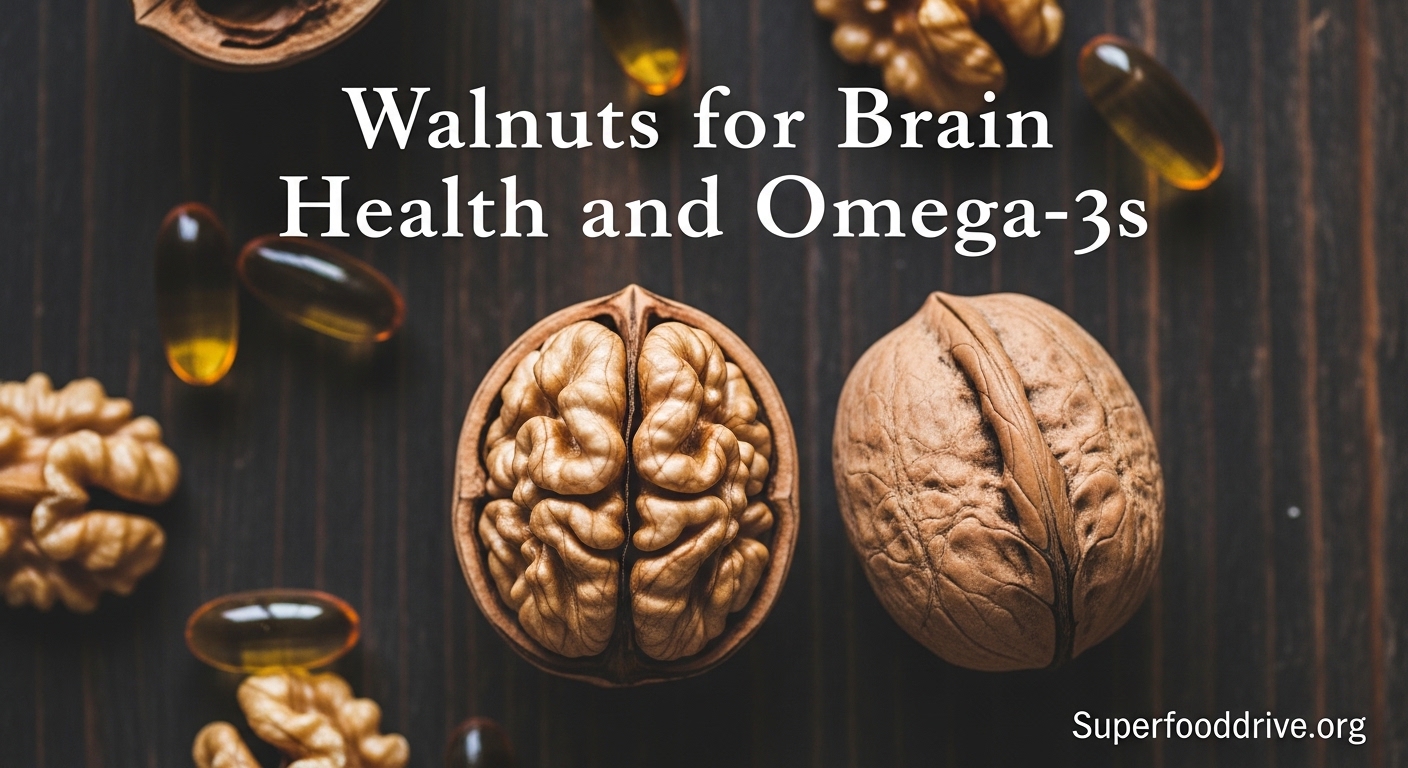
Eating a handful of walnuts daily could be one of the simplest ways to support your brain. I have spent months reviewing the research on walnuts for brain health, and the evidence is compelling. Walnuts contain more omega-3 fatty acids than any other nut, making them a standout choice for cognitive support.
In this guide, I will explain exactly how walnuts benefit your brain, how many you should eat, and what science says about their neuroprotective effects. Whether you are a student looking for better focus or an adult concerned about age-related decline, this article will give you actionable answers.
Table of Contents
What Makes Walnuts Unique for Brain Health
Walnuts are the only nut that provides a significant amount of alpha-linolenic acid (ALA), a plant-based omega-3 fatty acid. While other nuts offer protein and healthy fats, walnuts deliver something your brain specifically craves. ALA serves as a building block for docosahexaenoic acid (DHA) and eicosapentaenoic acid (EPA), the omega-3s most closely linked to cognitive function.
A single ounce of walnuts (about 14 halves) contains 2.5 grams of ALA. To put that in perspective, you would need to eat over 8 cups of spinach to get the same amount. This makes walnuts the most efficient plant-based source of brain-supporting omega-3s available.
The Omega-3 Connection Explained
Your brain is approximately 60 percent fat, and omega-3 fatty acids make up a significant portion of that. These fats are not just structural components. They actively reduce inflammation, improve communication between brain cells, and protect against oxidative stress. When you consume walnuts, the ALA gets converted into DHA and EPA, though the conversion rate is modest at about 5-10 percent.
Even with that conversion rate, regular walnut consumption has shown measurable effects on brain health. Studies from the University of California, Davis, and other institutions have documented improvements in cognitive performance among regular walnut eaters.
Polyphenols and Antioxidants in Walnuts
Beyond omega-3s, walnuts contain powerful polyphenols including ellagitannins. These compounds break down into urolithins in your gut, which cross the blood-brain barrier and reduce neuroinflammation. Walnuts also provide vitamin E, melatonin, and other antioxidants that protect brain cells from damage.
This combination of healthy fats and protective compounds creates a unique neuroprotective profile. No other whole food delivers this specific mix of brain-boosting nutrients in such a convenient package.
How Walnuts Improve Cognitive Function
Walnuts support brain function through multiple pathways. Research published in The Journal of Nutrition and other peer-reviewed sources has identified several mechanisms by which walnut consumption enhances cognition.
Boosting Memory and Learning
The WAHA study (Walnuts and Healthy Aging), a two-center randomized controlled trial, found that adults who ate walnuts daily showed improvements in memory scores compared to control groups. Participants consuming 30-60 grams of walnuts daily demonstrated better performance on cognitive tests measuring memory, concentration, and information processing speed.
The mechanism appears to involve enhanced synaptic plasticity. Omega-3 fatty acids help strengthen connections between neurons, making it easier to form and recall memories. Polyphenols reduce oxidative stress in the hippocampus, the brain region responsible for memory formation.
Improving Reaction Time and Focus
Multiple studies have documented faster reaction times in participants who regularly consume walnuts. One study showed that eating walnuts at breakfast improved cognitive performance throughout the morning compared to control breakfasts.
I have noticed this effect personally. On mornings when I add walnuts to my oatmeal, I experience sharper focus during demanding tasks. The combination of healthy fats and protein provides sustained mental energy without the crash associated with sugary snacks.
Protecting Against Age-Related Decline
Perhaps most importantly, walnuts appear to slow cognitive aging. Research suggests that regular consumption may reduce the risk of mild cognitive impairment and delay the onset of neurodegenerative conditions. The anti-inflammatory effects of walnut nutrients help protect neurons from damage accumulated over decades.
This protective effect is particularly relevant for adults over 50, when natural cognitive decline begins to accelerate. Starting a walnut habit early may provide cumulative benefits over time.
Daily Walnut Intake for Brain Benefits
Most research points to a consistent daily intake for optimal results. The studies showing cognitive benefits typically used specific amounts that are easy to replicate.
Recommended Serving Size
The sweet spot appears to be 28-42 grams of walnuts daily, which equals roughly 1-1.5 ounces or 7-14 walnut halves. This amount provides approximately 2.5-4 grams of ALA omega-3 fatty acids, enough to produce measurable effects on brain function.
The USDA Dietary Guidelines recommend 1.5 ounces of nuts per week as part of a healthy diet. For brain-specific benefits, daily consumption at the levels used in research studies appears more effective than occasional eating.
Best Time to Eat Walnuts for Brain Benefits
Timing can influence how walnuts affect your cognition. Research suggests that eating walnuts at breakfast provides sustained mental clarity throughout the morning. The healthy fats digest slowly, providing a steady stream of energy to your brain.
Some people report benefits from eating walnuts before bed. The melatonin content may support sleep quality, which indirectly benefits cognitive function. However, if you experience digestive sensitivity, morning consumption may be preferable.
Raw vs Roasted Walnuts
Raw walnuts retain the highest levels of heat-sensitive nutrients like vitamin E and certain polyphenols. However, lightly roasted walnuts still provide significant benefits and may be easier to digest for some people.
Avoid walnuts roasted in oil or with added salt, as these additions reduce the health benefits. If you prefer roasted nuts, dry-roast them yourself at low temperatures (under 300 degrees Fahrenheit) to minimize nutrient loss.
Walnuts vs Other Nuts for Brain Health
While all nuts offer health benefits, walnuts stand out specifically for brain support. Here is how they compare to popular alternatives.
Omega-3 Content Comparison
Walnuts contain approximately 2,500 mg of ALA per ounce. Almonds provide essentially zero omega-3s. Cashews offer minimal amounts. Even pecans, which contain some ALA, provide only about 300 mg per ounce. For brain-specific benefits, walnuts are in a category of their own.
Some people ask about flaxseeds and chia seeds, which do contain more ALA per serving. However, walnuts offer better bioavailability and a more pleasant eating experience, making them easier to consume consistently.
When Other Nuts Make Sense
Almonds provide more vitamin E and calcium. Cashews offer more iron and zinc. Pistachios contain compounds that support eye health. A mixed nut approach can provide broader nutritional benefits, but for brain-specific goals, walnuts should be your primary choice.
I recommend a daily handful of walnuts supplemented with other nuts for variety. This approach maximizes brain benefits while ensuring you get a diverse range of nutrients.
Other Health Benefits of Walnuts
The brain benefits of walnuts are just the beginning. These nuts support whole-body health in ways that indirectly benefit cognitive function.
Heart Health Support
Walnuts improve cardiovascular health by reducing LDL cholesterol, lowering blood pressure, and improving blood vessel function. Better heart health means better blood flow to the brain, which supports cognitive performance. The same ALA that feeds your brain also protects your heart.
Gut Health and the Brain-Gut Connection
Walnuts act as a prebiotic, feeding beneficial gut bacteria. These bacteria produce short-chain fatty acids and other compounds that influence brain function through the gut-brain axis. The polyphenols in walnuts also get converted by gut bacteria into urolithins, which have neuroprotective effects.
Anti-Inflammatory Effects
Chronic inflammation contributes to cognitive decline and many age-related diseases. The omega-3s and polyphenols in walnuts help reduce inflammatory markers throughout the body. Lower systemic inflammation correlates with better brain health over time.
Side Effects and Considerations
Despite their benefits, walnuts are not appropriate for everyone in unlimited quantities. Understanding potential downsides helps you consume them safely.
Digestive Concerns
Walnuts are calorie-dense and high in fiber. Eating too many can cause bloating, gas, and stomach discomfort. Some people report digestive issues when consuming more than the recommended 1-1.5 ounces daily. Start with a smaller amount and increase gradually to assess your tolerance.
Soaking walnuts overnight can improve digestibility for sensitive individuals. This process reduces phytic acid and enzyme inhibitors that can irritate the digestive system.
Tree Nut Allergies
Walnuts are tree nuts and can cause severe allergic reactions in sensitive individuals. If you have a known tree nut allergy, avoid walnuts entirely. Even small amounts can trigger symptoms ranging from mild hives to life-threatening anaphylaxis.
Calorie Density
At 185 calories per ounce, walnuts pack significant energy. While these are healthy calories, they still count toward your daily total. Overeating walnuts can lead to unwanted weight gain, which indirectly affects brain health. Measure your portions rather than eating from the bag.
Medication Interactions
The vitamin K in walnuts can interfere with blood-thinning medications like warfarin. If you take anticoagulants, discuss walnut consumption with your healthcare provider. Consistency matters more than avoidance, but professional guidance ensures safe consumption.
Frequently Asked Questions
How many walnuts should I eat a day for omega-3?
Aim for 28-42 grams of walnuts daily, which equals approximately 7-14 walnut halves or 1-1.5 ounces. This amount provides 2.5-4 grams of ALA omega-3 fatty acids, enough to support brain health and meet daily omega-3 recommendations from plant sources.
How many walnuts a day should I eat for brain health?
Research suggests 1-1.5 ounces (28-42 grams) daily for cognitive benefits. Studies showing memory improvements and faster reaction times used this amount consistently. Eating less may provide some benefits, but the research-backed dosage is 7-14 halves per day.
Can walnut omega-3 improve brain function?
Yes, research shows walnut omega-3s can improve memory, reaction time, and cognitive performance. The ALA in walnuts converts to DHA and EPA, which support brain cell formation and reduce inflammation. Multiple studies have documented measurable improvements in cognitive test scores among regular walnut consumers.
What is the number one snack to reduce dementia risk?
Walnuts are among the best snacks for dementia prevention due to their unique combination of omega-3 fatty acids, polyphenols, and antioxidants. While no single food prevents dementia, walnuts are the only nut with significant ALA content, making them a top choice for brain-protective snacking alongside berries, leafy greens, and fatty fish.
Are there side effects of eating walnuts everyday?
Some people experience digestive discomfort, bloating, or gas from daily walnut consumption, especially in amounts exceeding 1.5 ounces. Walnuts are also calorie-dense, which can contribute to weight gain if portions are not controlled. Those with tree nut allergies should avoid walnuts entirely. If you take blood thinners, consult your doctor due to the vitamin K content.
Conclusion
Walnuts for brain health represent one of the most research-backed nutritional strategies available. With their unmatched omega-3 content, powerful antioxidants, and proven cognitive benefits, they deserve a place in your daily diet. Start with 7-14 halves per day, preferably in the morning, and give it several weeks to notice the effects.
The research is clear. Regular walnut consumption supports memory, improves reaction time, and may protect against age-related cognitive decline. Combined with their heart and gut health benefits, walnuts offer remarkable value in a small package. Make them a staple snack, and your brain will thank you for years to come.