
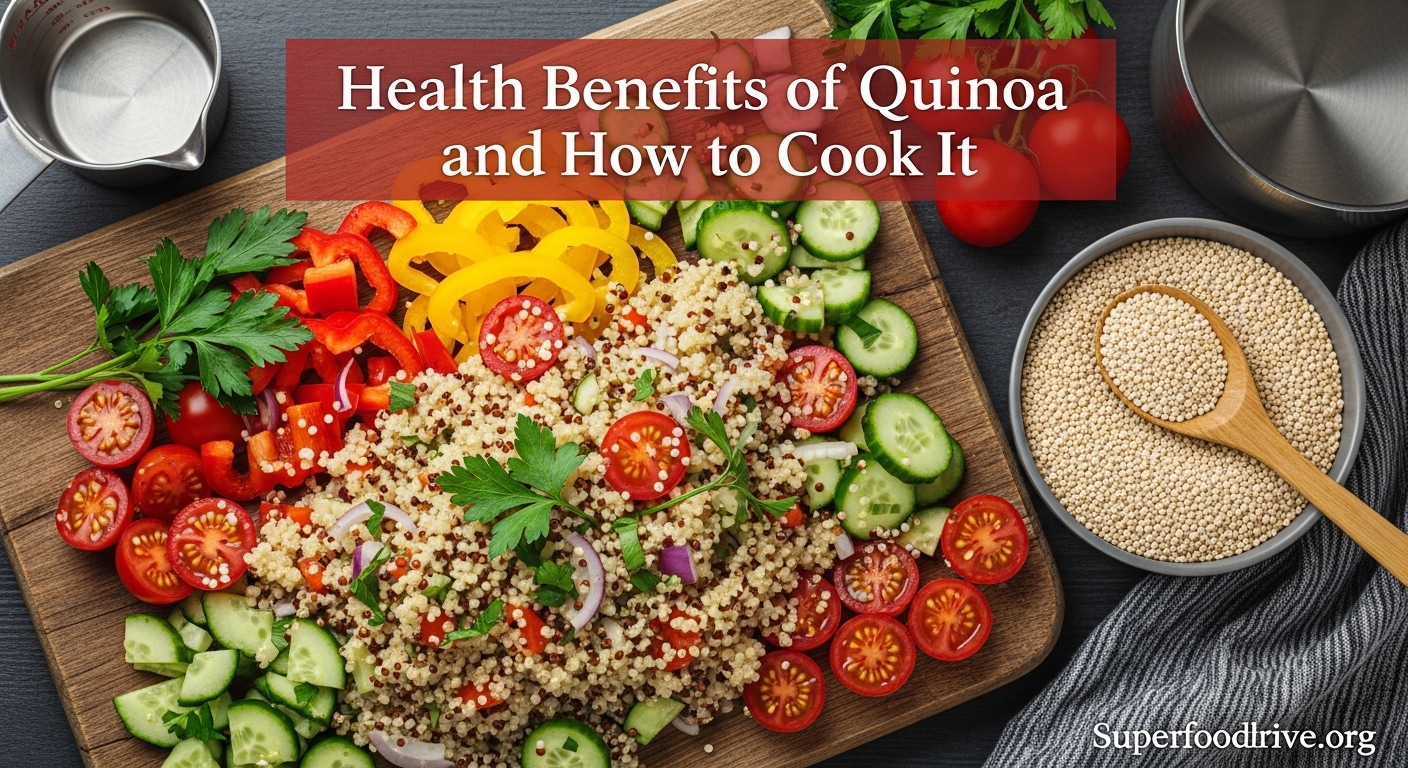
Quinoa has earned its reputation as a superfood for good reason. This tiny seed packs an impressive nutritional punch that few other plant foods can match. I have been cooking with quinoa for over five years, and it has become a staple in my kitchen for quick weeknight meals and meal prep sessions alike.
The health benefits of quinoa extend far beyond basic nutrition. NASA once considered quinoa as a potential crop for long-duration human space missions because of its exceptional nutrient profile and ease of cultivation. That alone tells you something about the power of this ancient food.
In this guide, you will learn everything you need to know about quinoa. We will cover what makes it special, how it supports your health, and exactly how to cook it so it turns out fluffy and delicious every single time. I will also share the common mistakes that ruin quinoa and give you practical recipes to get started.
Key Health Benefits of Quinoa at a Glance:
- Complete protein with all nine essential amino acids
- High fiber content supporting digestive health
- Naturally gluten-free for celiac and gluten-sensitive individuals
- Rich in magnesium, iron, and folate
- Low glycemic index helping blood sugar control
- Packed with antioxidants quercetin and kaempferol
Table of Contents
What is Quinoa
Quinoa is not actually a grain, though we cook and eat it like one. It is a seed from the Chenopodium quinoa plant, which is related to spinach and beets. This makes quinoa a pseudocereal, a term for plants that produce seeds we use like cereal grains.
The Inca civilization called quinoa the “mother of all grains” and considered it sacred. They cultivated it in the Andes Mountains thousands of years ago. Today, most quinoa still comes from Peru and Bolivia, though it grows in many other regions including the United States and Canada.
You will find three main varieties of quinoa in stores. White quinoa has the mildest flavor and fluffiest texture, making it the most popular choice. Red quinoa holds its shape better after cooking, so it works well in salads. Black quinoa has the most earthy flavor and the firmest texture of the three.
All three varieties offer the same nutritional benefits, so your choice comes down to personal preference and how you plan to use them.
Quinoa Nutritional Profile
One cup of cooked quinoa delivers impressive nutrition. You get 222 calories, 8 grams of protein, 5 grams of fiber, and 39 grams of carbohydrates. The protein content stands out because quinoa contains all nine essential amino acids that your body cannot make on its own.
That complete protein status is rare in the plant world. Most grains lack lysine, an amino acid crucial for muscle repair and immune function. Quinoa provides enough lysine to be considered a complete protein source, making it invaluable for vegetarians and vegans.
The mineral content deserves special attention. One cup of cooked quinoa supplies 30% of your daily magnesium needs, 15% of iron, 19% of folate, and 13% of zinc. These minerals support everything from energy production to immune function and DNA synthesis.
Quinoa vs Brown Rice: Nutritional Comparison
When you compare quinoa to brown rice, the differences become clear. Quinoa contains 40% more protein per serving. It provides double the fiber. The iron content is five times higher. Quinoa also delivers significantly more magnesium, potassium, and folate.
Brown rice does have one advantage: it is lower in calories and carbohydrates per cup. For people strictly monitoring carb intake, this might matter. For everyone else, quinoa offers superior nutrition across almost every metric.
Both are gluten-free whole grains, but only quinoa qualifies as a complete protein. That makes quinoa the clear winner for anyone seeking maximum nutrition from their grain choices.
Health Benefits of Quinoa
The health benefits of quinoa have been studied extensively. Research consistently shows positive effects on heart health, digestion, blood sugar management, and more. Here is what the science says about this powerful seed.
Complete Protein Source
Your body needs 20 different amino acids to function properly. It can make 11 of them, but you must get the other 9 from food. These are called essential amino acids, and quinoa contains all of them in meaningful amounts.
A cup of cooked quinoa provides 8 grams of protein with a balanced amino acid profile. This rivals the protein content of an egg. For plant-based eaters, this is game-changing. You no longer need to combine different protein sources to get complete nutrition.
The protein in quinoa is also highly digestible. Studies show that the body absorbs and uses quinoa protein efficiently. This bioavailability means you actually get the benefits you are eating quinoa for.
Heart Health Support
Quinoa supports cardiovascular health in multiple ways. The fiber content helps lower LDL cholesterol levels. The magnesium relaxes blood vessels and helps regulate blood pressure. The antioxidants reduce inflammation that can damage arteries.
Research published in the Journal of Nutrition found that eating quinoa regularly improved several heart disease risk factors. Participants saw reductions in triglycerides and improvements in metabolic health markers.
The potassium in quinoa also matters for heart health. Most people do not get enough potassium, which works with sodium to regulate blood pressure. Quinoa provides more potassium per serving than most other grains.
Blood Sugar Control
Quinoa has a glycemic index of 53, which qualifies as low. Foods with low GI values release glucose slowly into the bloodstream, preventing spikes and crashes in blood sugar levels.
This makes quinoa particularly beneficial for people with diabetes or prediabetes. The fiber content slows digestion further, extending the blood sugar stabilizing effect. Studies show that replacing higher-GI grains with quinoa improves fasting blood sugar and insulin response.
The magnesium in quinoa also plays a role in blood sugar regulation. Magnesium helps insulin work properly in your cells. Many people with diabetes are deficient in magnesium, making quinoa a smart dietary choice.
Digestive Health
Each cup of quinoa delivers 5 grams of fiber, about 20% of your daily needs. This fiber feeds the beneficial bacteria in your gut, supporting a healthy microbiome. A diverse gut microbiome correlates with better digestion, stronger immunity, and even improved mood.
The fiber in quinoa is mostly insoluble, which adds bulk to stool and prevents constipation. However, it also contains some soluble fiber that feeds good bacteria and produces short-chain fatty acids. These compounds nourish the cells lining your colon.
People transitioning to higher fiber diets should introduce quinoa gradually. Suddenly increasing fiber intake can cause bloating and gas. Start with half-cup servings and increase over a few weeks as your digestive system adapts.
Gluten-Free Benefits
Quinoa is naturally gluten-free, making it safe for people with celiac disease or gluten sensitivity. Unlike many gluten-free products that use refined starches, quinoa offers whole-grain nutrition without the problematic protein.
For people with celiac disease, finding safe whole grains matters. Many gluten-free alternatives lack the fiber and nutrients of wheat. Quinoa fills this gap perfectly. It provides the texture and satisfaction of a grain without triggering autoimmune responses.
Cross-contamination can be a concern. If you have celiac disease, look for certified gluten-free quinoa. This ensures the product was processed in facilities that do not handle wheat, barley, or rye.
Antioxidant Properties
Quinoa contains two particularly powerful antioxidants: quercetin and kaempferol. These flavonoids fight free radicals in your body, reducing oxidative stress and inflammation.
Research shows that quercetin may help protect against heart disease, osteoporosis, and certain cancers. Kaempferol has demonstrated anti-inflammatory and antimicrobial properties in studies. Together, these compounds give quinoa anti-aging and disease-preventing potential.
Interestingly, sprouting quinoa increases its antioxidant content even further. Soaking and sprouting the seeds before cooking activates enzymes that boost nutrient availability. This traditional preparation method maximizes the health benefits.
How to Cook Quinoa
Cooking quinoa perfectly requires attention to a few key details. I ruined my first few batches by skipping the rinsing step and using the wrong water ratio. Once you know the technique, quinoa becomes one of the easiest grains to prepare.
Basic Stovetop Method
Start by rinsing your quinoa thoroughly. Place the seeds in a fine-mesh strainer and run cold water over them for 30 to 60 seconds. This removes saponins, natural compounds that can make quinoa taste bitter or soapy. Some packaged quinoa comes pre-rinsed, but I rinse it anyway for best results.
Use a 1:2 ratio of quinoa to liquid. One cup of dry quinoa needs two cups of water or broth. Bring the liquid to a boil in a medium saucepan. Add the rinsed quinoa and a pinch of salt if desired.
Reduce heat to low, cover the pot, and simmer for 15 minutes. Do not lift the lid during cooking. The steam trapped inside finishes the cooking process. After 15 minutes, remove from heat and let it sit, covered, for 5 to 10 minutes.
Fluff with a fork before serving. This separates the grains and gives you that light, airy texture quinoa is known for.
Rice Cooker Method
If you own a rice cooker, quinoa becomes even easier. Use the same 1:2 ratio of quinoa to liquid. Add both to the rice cooker, select the white rice setting, and let it work. The cooker automatically adjusts time and temperature.
When the cycle completes, let the quinoa rest for 5 minutes before opening the lid. Fluff and serve. This method produces consistent results with zero monitoring required.
Troubleshooting Common Problems
Mushy Quinoa: This happens when you use too much liquid or cook too long. Stick to the 1:2 ratio precisely. If your quinoa turns out mushy, spread it on a baking sheet and bake at 300 degrees Fahrenheit for 10 minutes to dry it out.
Bitter Taste: You did not rinse enough. Saponins coat the outer shell of quinoa seeds. Thorough rinsing is non-negotiable for good flavor. Try rinsing for a full minute next time.
Undercooked Grains: If the quinoa is still crunchy after 15 minutes, add 2 tablespoons of water, cover, and cook 5 more minutes. Older quinoa takes longer to soften than fresh.
Watery Quinoa: If liquid remains after cooking, drain it off and return quinoa to the pot over low heat for 2 minutes to evaporate excess moisture.
Flavor Enhancement Tips
Cooking quinoa in broth instead of water transforms the flavor. Vegetable, chicken, or beef broth all work beautifully. The quinoa absorbs the savory notes during cooking, resulting in a more interesting taste.
Toasting quinoa before cooking adds nuttiness. Heat a dry saucepan over medium heat, add the rinsed quinoa, and stir for 3 to 5 minutes until fragrant. Then add your liquid and cook as usual.
Season during cooking for best results. Add salt, garlic powder, onion powder, or herbs to the cooking liquid. The quinoa absorbs these flavors throughout, not just on the surface.
After cooking, mix in fresh herbs, citrus zest, toasted nuts, or dried fruit. These additions create texture contrast and flavor complexity.
Recipe Ideas
Quinoa works in almost any dish where you would use rice or other grains. Its mild flavor and fluffy texture make it incredibly versatile. Here are my favorite ways to use it.
Breakfast Options
Quinoa porridge rivals oatmeal for a warm morning meal. Cook quinoa in milk or plant-based milk instead of water. Add cinnamon, vanilla, and a touch of maple syrup. Top with fresh berries and chopped nuts.
For a savory option, try a quinoa breakfast bowl. Mix cooked quinoa with scrambled eggs, avocado, salsa, and a sprinkle of cheese. This keeps you full for hours with its protein and fiber content.
Quinoa can also replace oats in granola. Toss cooked quinoa with honey, coconut oil, and spices, then bake until crispy. It adds protein to your morning yogurt parfait.
Salads and Bowls
Cold quinoa salads are perfect for meal prep. The grains hold up well for days without getting soggy. Combine cooked quinoa with chopped vegetables, beans, and a simple dressing. Mediterranean flavors work particularly well: cucumber, tomato, feta, olives, and lemon.
Buddha bowls showcase quinoa’s versatility. Start with a base of quinoa, add roasted vegetables, a protein source, and a flavorful sauce. Tahini, peanut, or chimichurri all complement the nutty flavor.
Tabbouleh traditionally uses bulgur, but quinoa makes an excellent gluten-free substitute. Mix with plenty of parsley, mint, tomato, cucumber, and lemon juice.
Side Dishes
Quinoa pilaf replaces rice beautifully. Saute onions and garlic, add quinoa and broth, then cook until fluffy. Stir in dried cranberries and toasted pecans for a festive version.
For Mexican-inspired sides, cook quinoa with tomato sauce, cumin, and chili powder. It makes a perfect base for burrito bowls or alongside grilled meats.
Quinoa stuffs vegetables wonderfully. Mix with herbs, nuts, and cheese, then stuff into bell peppers, tomatoes, or zucchini boats. Bake until the vegetables are tender.
Meal Prep Ideas
I cook a big batch of quinoa every Sunday for the week ahead. It stores perfectly in the refrigerator for 5 to 7 days. Having it ready makes weeknight dinners incredibly fast.
Freeze individual portions for even longer storage. Cooked quinoa freezes well for up to 3 months. Thaw overnight in the refrigerator or quickly in the microwave.
Pre-portion quinoa into containers with different seasonings. One batch gets Mexican spices, another Italian herbs, and a third stays plain for sweet applications. This variety prevents meal prep boredom.
Side Effects and Precautions
Despite its many benefits, quinoa is not perfect for everyone. Understanding potential downsides helps you make informed choices about how much to include in your diet.
Saponins can cause digestive irritation in sensitive individuals. While rinsing removes most of these compounds, trace amounts remain. If you experience stomach discomfort after eating quinoa, try soaking it for a few hours before cooking and rinsing extra thoroughly.
Quinoa contains oxalates, compounds that can contribute to kidney stone formation in susceptible people. If you have a history of calcium oxalate kidney stones, speak with your doctor about appropriate quinoa consumption.
The high fiber content, while beneficial, can cause gas and bloating when you first add quinoa to your diet. Start with small portions and increase gradually. Drinking plenty of water helps fiber move through your digestive system smoothly.
Some people report allergic reactions to quinoa, though this is rare. Symptoms include stomach pain, itching, or difficulty breathing. If you suspect an allergy, discontinue use and consult a healthcare provider.
Quinoa is high in carbohydrates compared to some other protein sources. People following strict ketogenic diets may need to limit portions. However, the low glycemic index makes it suitable for most other carbohydrate-conscious eating plans.
Storage and Shelf Life
Proper storage keeps quinoa fresh and prevents spoilage. Uncooked quinoa lasts 2 to 3 years when stored correctly. Keep it in an airtight container in a cool, dark place. The pantry works fine, but the refrigerator extends freshness even longer.
Cooked quinoa needs refrigeration. Store it in a sealed container for up to 7 days. Let it cool completely before refrigerating to prevent condensation that can make it soggy.
For longer storage, freeze cooked quinoa. Portion it into freezer bags or containers, removing as much air as possible. It keeps for 3 months frozen. Thaw overnight in the refrigerator or use the defrost setting on your microwave.
Signs that quinoa has gone bad include an off smell, visible mold, or a slimy texture. When in doubt, throw it out. Properly stored quinoa rarely spoils, but improper storage can lead to rancidity or bacterial growth.
Frequently Asked Questions
What is the healthiest way to eat quinoa?
The healthiest way to eat quinoa is paired with vegetables, healthy fats, and lean proteins. Combine it with leafy greens, colorful vegetables, and sources of omega-3 fatty acids like avocado or walnuts. Avoid loading it with excessive cheese, butter, or high-sodium sauces that can negate its nutritional benefits.
Is there a downside to quinoa?
The main downsides include potential digestive discomfort from its high fiber content, oxalates that may contribute to kidney stones in susceptible individuals, and saponins that can taste bitter if not rinsed properly. Some people also experience allergic reactions, though this is uncommon. Starting with small portions and rinsing thoroughly minimizes these issues.
Is quinoa ok for prediabetes?
Yes, quinoa is excellent for prediabetes. Its low glycemic index of 53 means it releases glucose slowly into the bloodstream, preventing blood sugar spikes. The high fiber content further slows digestion and improves insulin sensitivity. Studies show that replacing refined grains with quinoa improves blood sugar control in people with prediabetes.
Is quinoa actually a superfood?
Quinoa qualifies as a superfood due to its exceptional nutrient density. It is one of the few plant-based complete proteins, containing all nine essential amino acids. It also provides significant fiber, vitamins, minerals, and antioxidants. While the term superfood is not scientifically defined, quinoa’s nutritional profile justifies the label.
Health Benefits of Quinoa and How to Cook It: Final Thoughts
Quinoa delivers exceptional nutrition in a simple, affordable package. Its status as a complete protein makes it invaluable for plant-based eaters. The fiber content supports digestive health. The minerals strengthen your heart and regulate blood sugar.
Learning how to cook quinoa properly opens up endless meal possibilities. Start with the basic stovetop method, experiment with different flavors, and find the combinations your family loves. Once you master the technique, quinoa becomes a reliable staple you will reach for week after week.
Give quinoa a try this week. Rinse it well, cook it in broth, and serve it alongside your favorite vegetables. You might just discover your new favorite grain.