
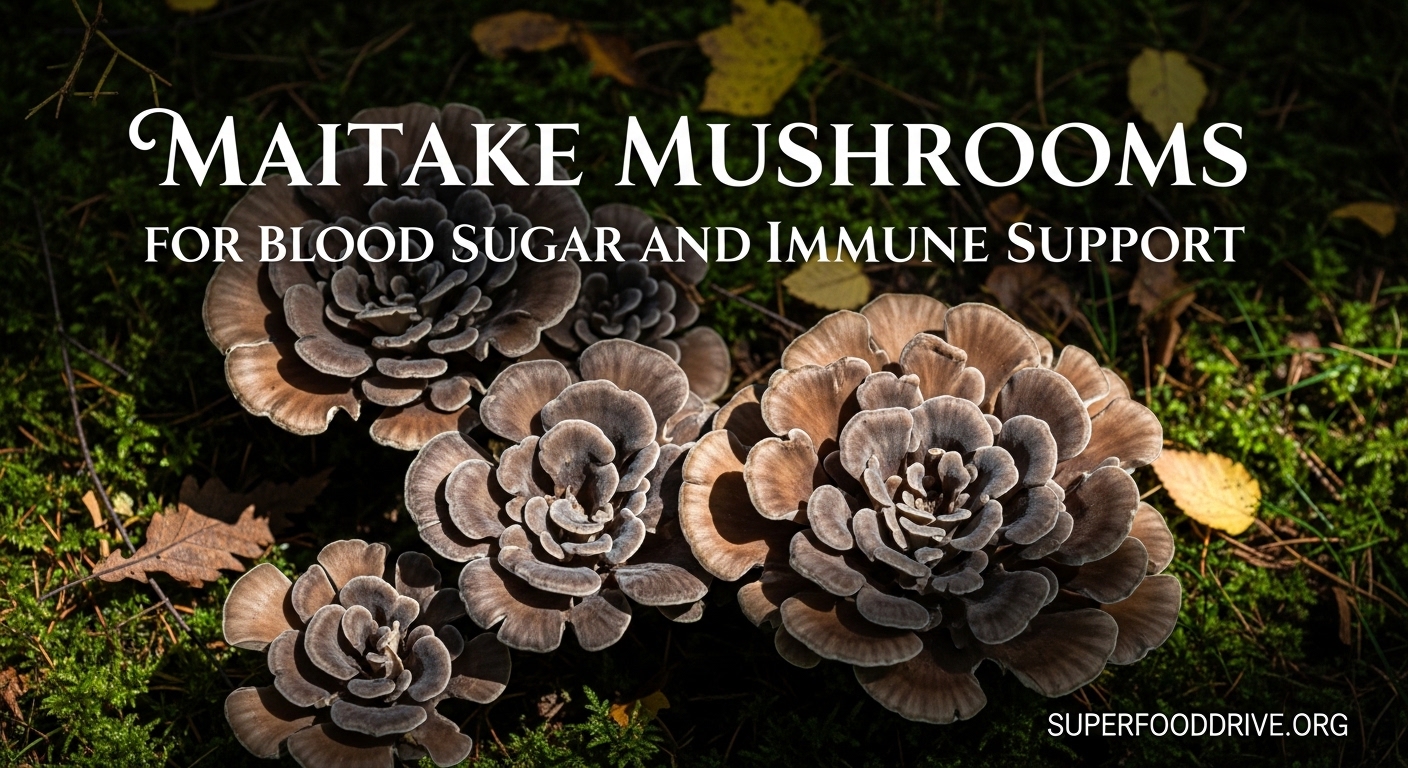
I’ve been researching functional foods for over a decade, and few natural ingredients match the dual-action power of Maitake Mushrooms for Blood Sugar and Immune Support. This remarkable fungus, scientifically known as Grifola frondosa, has earned its nickname “hen-of-the-woods” for good reason. The cascading, feather-like clusters resemble the fluffed plumage of a nesting hen.
What makes maitake truly special are its unique bioactive compounds. Beta-glucans and D-fraction polysaccharides work together to help regulate glucose levels while simultaneously stimulating immune cell activity. This combination explains why traditional Japanese medicine has valued this mushroom for centuries, and why modern research continues to validate its benefits.
In this guide, you’ll learn exactly how maitake mushrooms support your health, the science behind their blood sugar and immune benefits, how to use them safely, and what to know before adding them to your routine in 2026.
Table of Contents
What Is Maitake Mushroom
Maitake mushroom, scientifically classified as Grifola frondosa, is a polypore fungus that grows at the base of oak, maple, and elm trees in temperate forests. Native to Japan, China, and North America, this medicinal mushroom has been harvested for both culinary and therapeutic purposes for thousands of years.
The common name “hen-of-the-woods” describes its distinctive appearance. Multiple grayish-brown caps overlap in layered clusters that can weigh several pounds. The texture ranges from tender to slightly firm, with an earthy, umami-rich flavor that makes it popular in Asian cuisine.
Traditional Uses and History
In traditional Japanese medicine, maitake was considered an adaptogen. Herbalists used it to strengthen the body against physical and mental stress. Historical texts from the Heian period mention it as a prized ingredient for longevity and vitality.
Wild maitake was so valuable in feudal Japan that local lords would trade it for silver. The mushroom’s rarity and perceived health benefits made it a luxury item reserved for nobility and the shogunate. Modern cultivation has made it accessible to everyone while preserving its potent medicinal properties.
Key Bioactive Compounds
The therapeutic effects of maitake stem from several bioactive compounds. Beta-glucan polysaccharides form the foundation of its immune-modulating properties. D-fraction, a specific beta-glucan extract, has been extensively studied for its antitumor and blood sugar regulating effects.
Additional compounds include SX-fraction (shown to support healthy insulin function), MD-fraction (concentrated D-fraction extract), and ergosterol (a provitamin D compound). These work synergistically to support multiple body systems simultaneously.
Blood Sugar Benefits: How Maitake Helps Regulate Glucose
One of the most researched benefits of maitake mushrooms is their ability to support healthy blood sugar levels. Clinical studies have demonstrated significant improvements in glucose control among participants consuming maitake extracts regularly. The mechanism involves multiple pathways working together to improve insulin sensitivity and glucose metabolism.
The Science Behind Blood Sugar Regulation
The D-fraction polysaccharides in maitake activate insulin receptors and improve cellular glucose uptake. This means your cells become more responsive to insulin signals, allowing glucose to move from bloodstream into cells more efficiently. The result is more stable blood sugar levels throughout the day.
Research published in the Journal of Ethnopharmacology showed that maitake extracts significantly reduced fasting blood glucose in diabetic rats. The SX-fraction specifically demonstrated alpha-glucosidase inhibitory activity. This enzyme inhibition slows carbohydrate digestion, preventing sharp spikes in post-meal blood sugar.
Insulin Sensitivity Improvement
Beta-glucans in maitake improve insulin sensitivity through several mechanisms. They reduce systemic inflammation that contributes to insulin resistance. The fiber content slows gastric emptying, creating a more gradual release of glucose into the bloodstream. Additionally, compounds in maitake may support pancreatic beta-cell function.
A study involving 30 patients with type 2 diabetes showed that those taking maitake supplements experienced improved glycemic control compared to placebo groups. The improvements were measurable within 4 weeks of consistent use.
Clinical Evidence Summary
Multiple human and animal studies support maitake’s role in blood sugar management. The consistent findings across different research models suggest the benefits are robust and reproducible. However, most studies note that maitake works best as a complementary approach alongside dietary changes and medical supervision.
Important note: While promising, maitake should never replace prescribed diabetes medications. Anyone with blood sugar concerns should consult their healthcare provider before adding supplements to their routine.
Immune System Support: Natural Defense Enhancement
Beyond blood sugar benefits, maitake mushrooms excel at supporting immune function. The polysaccharide compounds stimulate both innate and adaptive immune responses. This makes maitake valuable for general immune maintenance and specific immune challenges.
How Maitake Activates Immune Cells
Maitake’s beta-glucans bind to receptors on immune cells, triggering a cascade of protective responses. Natural killer (NK) cells become more active and efficient at identifying potential threats. Macrophages increase their phagocytic activity, essentially becoming better at engulfing and destroying unwanted particles.
Dendritic cells, which coordinate the adaptive immune response, show enhanced maturation and antigen-presenting ability when exposed to maitake polysaccharides. This improved cellular communication helps your immune system mount faster, more targeted responses.
Lymphokines and Interleukins
Research shows that maitake extracts stimulate production of important immune signaling molecules. Interleukin-1, interleukin-2, and various lymphokines increase following maitake consumption. These molecules coordinate immune cell activity and help regulate inflammatory responses.
The D-fraction specifically has demonstrated ability to enhance production of tumor necrosis factor (TNF) and interferon-gamma. While these sound concerning by name, they’re actually crucial components of healthy immune surveillance and defense against abnormal cellular growth.
Immune Support Research
A human clinical trial showed that patients taking maitake D-fraction had significant increases in immune cell counts and activity markers. The effects were dose-dependent, with higher standardized extracts producing more pronounced immune enhancements.
Cancer patients receiving chemotherapy have been studied specifically for immune support benefits. Those supplementing with maitake showed better maintenance of white blood cell counts during treatment. This suggests potential applications for supporting immune function during medical interventions.
Additional Health Benefits of Maitake
While blood sugar regulation and immune support are the headline benefits, maitake mushrooms offer several other health advantages. These additional properties make it a well-rounded addition to a health-conscious lifestyle.
Heart Health and Cholesterol Management
Maitake consumption has been linked to improved cholesterol profiles in several studies. Total cholesterol and LDL (the “bad” cholesterol) levels decreased while HDL (the “good” cholesterol) remained stable or improved. The beta-glucan fiber binds to cholesterol in the digestive tract, preventing its absorption.
Blood pressure benefits have also been observed, likely related to improved vascular function and reduced inflammation. These cardiovascular effects complement the blood sugar benefits for overall metabolic health.
Antioxidant Properties
Maitake contains various antioxidant compounds that help neutralize free radicals. Ergosterol and other compounds protect cells from oxidative damage. This antioxidant activity supports cellular health throughout the body and may contribute to healthy aging.
The antioxidant effects are particularly relevant for metabolic health, as oxidative stress plays a significant role in insulin resistance and diabetes complications. By reducing oxidative burden, maitake may help protect pancreatic beta-cells and insulin receptors from damage.
Cancer Research and Antitumor Properties
Extensive research has explored maitake’s potential in cancer support. The D-fraction has shown antitumor effects in laboratory and animal studies, including inhibition of tumor growth and metastasis. Clinical trials in cancer patients have shown improved quality of life and immune markers.
Important clarification: Maitake is not a cancer treatment. Research focuses on its potential as a complementary therapy and its ability to support patients during conventional treatment. Anyone dealing with cancer should work closely with their oncology team.
Maitake vs Other Medicinal Mushrooms
With so many medicinal mushrooms available, you might wonder how maitake compares to popular alternatives like reishi, shiitake, chaga, and lion’s mane. Each mushroom has unique strengths, and understanding these differences helps you choose the right one for your specific goals.
Reishi (Ganoderma lucidum)
Reishi is known primarily for stress reduction and sleep support. While it does offer immune benefits, its strongest effects are on the nervous system and relaxation. If your primary goal is blood sugar regulation, maitake is the stronger choice. For stress management, reishi leads.
Many people take both mushrooms together for complementary effects. Reishi’s calming properties pair well with maitake’s metabolic support.
Shiitake (Lentinula edodes)
Shiitake shares many similarities with maitake, including beta-glucan content and immune benefits. Both support cardiovascular health. However, maitake has stronger research specifically for blood sugar regulation, while shiitake has more extensive cancer research documentation.
Shiitake is more commonly available in grocery stores and easier to incorporate into cooking. Maitake has a more potent medicinal profile for metabolic health.
Lion’s Mane (Hericium erinaceus)
Lion’s mane is primarily known for cognitive support and nerve health. Its benefits for focus, memory, and neuroprotection are well-documented. For blood sugar and immune support specifically, maitake is the clear winner. These two mushrooms serve completely different primary purposes.
Chaga (Inonotus obliquus)
Chaga is valued for its extremely high antioxidant content and digestive benefits. It supports immune function through different mechanisms than maitake. Chaga is particularly popular for gut health support. For metabolic benefits and direct immune cell activation, maitake offers more targeted support.
Choosing the Right Mushroom
For blood sugar support specifically, maitake is the standout choice among medicinal mushrooms. Its unique D-fraction compound isn’t found in comparable concentrations in other fungi. If immune support is your primary goal, both maitake and shiitake are excellent options.
Many functional medicine practitioners recommend combining maitake with other mushrooms for synergistic effects. A blend might include maitake for metabolic health, reishi for stress, and lion’s mane for cognitive function.
How to Use Maitake Mushroom
Adding maitake to your routine is straightforward once you understand the different forms available. Fresh mushrooms, dried preparations, and standardized extracts each have their advantages depending on your preferences and health goals.
Fresh Maitake Preparation
Fresh maitake can be found at Asian grocery stores, farmers markets, and some well-stocked supermarkets. Look for firm, intact clusters without slimy spots or strong ammonia odors. Fresh specimens should have an earthy, slightly sweet smell.
Preparation is simple. Tear the cluster into smaller pieces rather than cutting. Sauté with butter or oil over medium-high heat until edges become crispy and golden. The natural umami flavor makes it excellent in stir-fries, soups, pasta dishes, or simply roasted as a side.
Fresh maitake stores well in paper bags in the refrigerator for up to a week. For longer storage, it freezes beautifully. Simply clean, chop, and freeze flat on a baking sheet before transferring to freezer bags.
Dried Maitake
Dried maitake is convenient and shelf-stable. Rehydrate in warm water for 20-30 minutes before cooking. The soaking liquid is flavorful and nutritious, so don’t discard it. Use it as a base for soups or sauces.
Dried mushrooms concentrate the beta-glucan content, so smaller amounts provide similar benefits to larger fresh portions. They’re excellent for making medicinal teas and broths.
Supplements and Extracts
For consistent dosing and convenience, supplements are popular. Look for products standardized to contain specific percentages of D-fraction or beta-glucans. This standardization ensures you’re getting therapeutic amounts of active compounds.
Common supplement forms include capsules, tablets, liquid extracts, and powders. Powders mix easily into smoothies or coffee. Liquid extracts offer rapid absorption. Capsules provide convenience for consistent daily use.
Dosage Guidance
General recommendations suggest 500-1500 mg daily of standardized maitake extract for immune and metabolic support. For whole mushroom powder, 2-4 grams daily is common. Always start with lower doses and increase gradually.
For cooking with fresh mushrooms, there’s no established upper limit. Incorporating maitake into meals several times per week provides ongoing support. Forum discussions suggest that regular consumption matters more than large single doses.
Culinary Tips from Experienced Users
Community members consistently recommend high-heat cooking methods. Pan-searing brings out the best texture and flavor. Low-heat cooking can make maitake rubbery or soggy.
Many users combine maitake with other mushrooms for complex flavors in dishes. The hearty texture holds up well in stews and braises. It also makes an excellent meat substitute in vegetarian recipes due to its substantial mouthfeel.
Precautions and Side Effects
While maitake mushrooms are generally safe for most people, certain individuals should exercise caution. Understanding potential interactions and contraindications helps you use this medicinal mushroom safely.
Medication Interactions
The blood sugar lowering effects of maitake can potentially interact with diabetes medications. If you take insulin or oral hypoglycemic drugs, combining them with maitake could cause blood sugar to drop too low. Monitor glucose levels closely and work with your healthcare provider to adjust medication if needed.
Immune-modulating effects mean caution is warranted for people taking immunosuppressant medications. Maitake could theoretically reduce the effectiveness of these drugs by stimulating immune activity.
Who Should Avoid Maitake
Pregnant and breastfeeding women should avoid maitake supplements due to insufficient safety data. While culinary amounts in food are likely safe, concentrated extracts haven’t been studied adequately in these populations.
People with bleeding disorders or those scheduled for surgery should discontinue maitake supplements two weeks before procedures. The mushroom may have mild blood-thinning properties that could affect surgical outcomes.
Anyone with mushroom allergies should obviously avoid maitake. Cross-reactivity with other fungi is possible.
Possible Side Effects
Side effects are uncommon but can include digestive upset, nausea, or skin rash in sensitive individuals. Starting with small amounts helps identify any personal sensitivities before committing to therapeutic doses.
If you experience any unusual symptoms after starting maitake, discontinue use and consult a healthcare provider. While rare, allergic reactions to any new food or supplement are possible.
Quality and Sourcing Concerns
Supplement quality varies significantly between manufacturers. Look for products that specify beta-glucan or D-fraction content. Third-party testing for purity and potency provides additional assurance.
Wild foraging requires positive identification skills. Maitake has look-alikes that are not edible. Unless you’re experienced with mushroom identification, purchase from reputable sources rather than foraging.
Frequently Asked Questions
Does maitake mushroom help with blood sugar?
Yes, maitake mushroom helps regulate blood sugar through its beta-glucan and D-fraction compounds. These bioactive polysaccharides improve insulin sensitivity, enhance cellular glucose uptake, and slow carbohydrate digestion. Clinical studies show measurable improvements in fasting blood glucose and post-meal sugar levels among participants taking maitake supplements regularly.
Does maitake mushroom help the immune system?
Yes, maitake significantly supports immune function by activating natural killer cells, macrophages, and dendritic cells. The polysaccharides stimulate production of lymphokines and interleukins that coordinate immune responses. Research shows increased immune cell counts and activity markers in people taking standardized maitake extracts.
Who should not take maitake?
People who should avoid maitake supplements include pregnant and breastfeeding women, those taking immunosuppressant medications, and individuals with bleeding disorders or upcoming surgery. People on diabetes medications should use caution and monitor blood sugar closely. Anyone with mushroom allergies should avoid maitake entirely.
Which mushroom is best for lowering blood sugar?
Maitake mushroom is the best choice for blood sugar support among medicinal mushrooms. Its unique D-fraction polysaccharides have the strongest research for improving insulin sensitivity and glucose regulation. While shiitake and reishi offer some metabolic benefits, maitake’s specific compounds make it the standout option for diabetes support and blood sugar management.
Conclusion
Maitake Mushrooms for Blood Sugar and Immune Support offer a compelling natural approach to metabolic and immune health. The combination of beta-glucans and D-fraction polysaccharides provides dual-action benefits that few other natural ingredients can match.
Whether you choose fresh mushrooms for cooking or standardized extracts for convenience, consistent use provides the best results. Start with small amounts, monitor your response, and consult healthcare providers if you have existing conditions or take medications. In 2026, incorporating this ancient medicinal mushroom into your wellness routine is easier than ever.