
Shiitake mushrooms have earned their place as one of the most celebrated ingredients in kitchens worldwide. I’ve been cooking with these flavorful fungi for over a decade, and I’m always amazed by how they transform simple dishes into something extraordinary. This guide will walk you through everything you need to know about shiitake mushrooms nutrition, from their impressive health benefits to the best cooking techniques that preserve their nutritional power.
Whether you’re a seasoned home cook or just discovering shiitake mushrooms, you’ll learn how to select, store, and prepare them for maximum flavor and nutrition. We’ll also cover the science-backed health benefits that have made these mushrooms a staple in traditional medicine for centuries.
Table of Contents
What Are Shiitake Mushrooms
Shiitake mushrooms, scientifically known as Lentinula edodes, are edible fungi native to East Asia. They grow naturally on decaying hardwood trees, particularly shii trees, which is where their name originates. These mushrooms have been cultivated in China and Japan for over 1,000 years, making them one of the oldest cultivated mushroom varieties in the world.
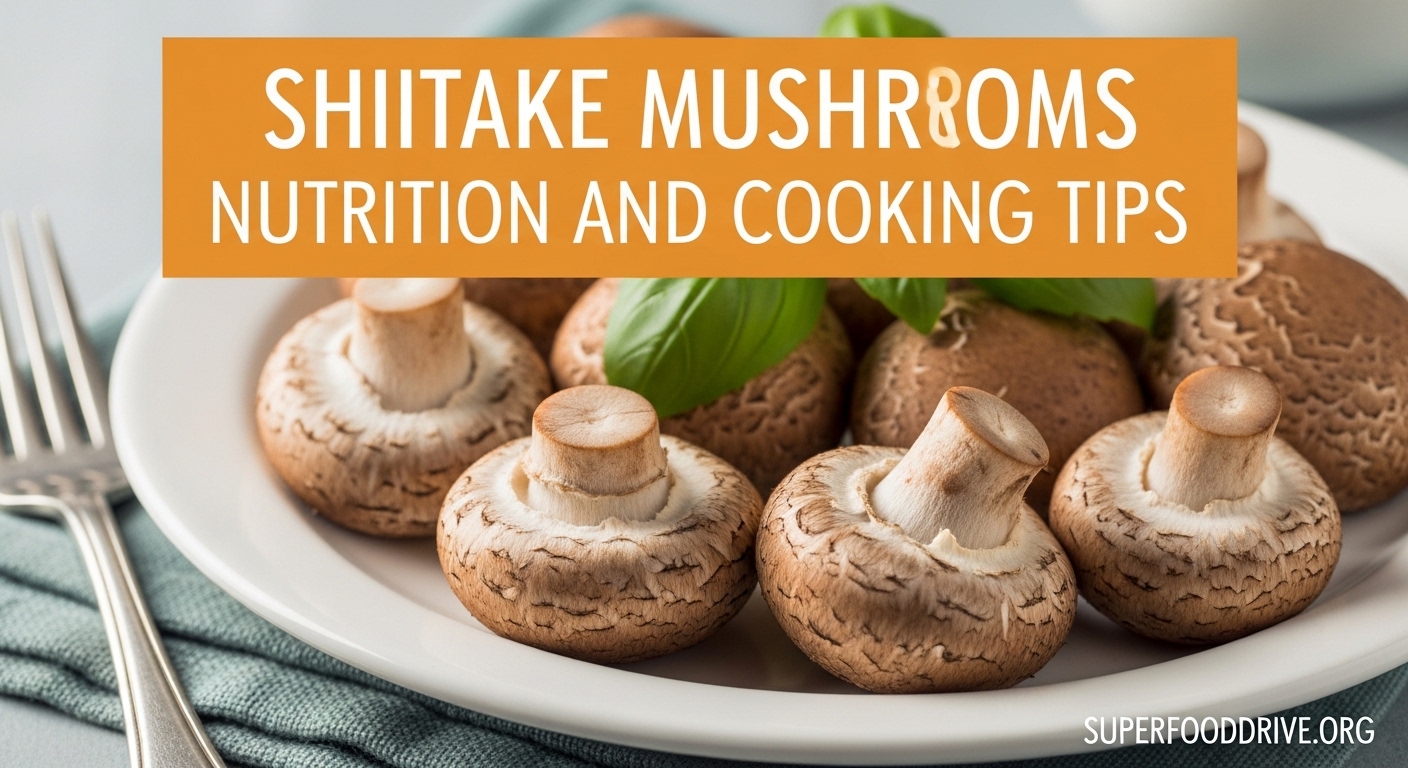
Their distinctive appearance features umbrella-shaped caps ranging from tan to dark brown, with a slightly curled rim when fresh. The gills underneath are white to cream-colored, and the stems are tough and fibrous. When cooked, shiitake mushrooms develop an intense umami flavor that many cooks compare to savory meat.
Today, shiitake mushrooms rank as the second most cultivated mushroom globally, right after the common white button mushroom. You can find them fresh in most grocery stores, dried in Asian markets, or as extracts in supplement form. Their popularity continues to grow as more people discover their culinary versatility and impressive nutritional profile.
Shiitake Mushrooms Nutrition Profile
Shiitake mushrooms deliver an impressive nutritional punch while remaining low in calories. A 100-gram serving of raw shiitake contains only 34 calories, making them an excellent choice for weight management. They provide 2.2 grams of protein and 2.5 grams of dietary fiber per serving, which helps promote satiety and digestive health.
The micronutrient content is where shiitake mushrooms truly shine. They contain one of the highest natural levels of copper found in any food, providing about 45% of your daily recommended intake in a single serving. This mineral plays a vital role in maintaining healthy blood vessels, bones, and immune function. You’ll also get significant amounts of selenium (23% DRI), manganese (11% DRI), and zinc (7% DRI).
Vitamin content includes notable amounts of B vitamins, particularly niacin (vitamin B3), pantothenic acid (B5), and vitamin B6. Shiitake mushrooms exposed to UV light become excellent sources of vitamin D2, containing up to 18% of your daily needs per serving. This makes them particularly valuable for people following plant-based diets who need alternative vitamin D sources.
Bioactive Compounds in Shiitake
Beyond basic nutrition, shiitake mushrooms contain unique bioactive compounds that drive their health benefits. Lentinan, a polysaccharide found in the cell walls, has been extensively studied for its immune-modulating properties. Beta-glucans, another type of polysaccharide, help activate immune cells and support the body’s defense mechanisms.
Eritadenine deserves special attention as it’s exclusive to shiitake mushrooms. This compound helps lower cholesterol by inhibiting an enzyme involved in cholesterol production. Shiitake mushrooms also contain ergosterol, a precursor to vitamin D that converts to the active vitamin when exposed to sunlight or UV light.
Other beneficial compounds include polyphenols with antioxidant properties, sterols that support heart health, and natural compounds with antiviral and antibacterial effects. Research published in the Journal of the American College of Nutrition confirms that these bioactive compounds work synergistically to provide the health benefits associated with regular shiitake consumption.
Health Benefits of Shiitake Mushrooms
Immune System Support
Shiitake mushrooms have earned their reputation as immune boosters through decades of scientific research. The beta-glucans in shiitake activate macrophages, natural killer cells, and T-cells – the body’s frontline defenders against pathogens. A landmark study published in the Journal of the American College of Nutrition found that participants who ate 5-10 grams of dried shiitake daily for four weeks showed improved immune markers and reduced inflammation.
Lentinan has shown particular promise in clinical settings. In Japan, it’s approved as an adjunctive treatment for gastric cancer, helping patients maintain better immune function during chemotherapy. While we need more research to confirm all applications, the existing evidence strongly supports regular shiitake consumption for immune health.
Heart Health and Cholesterol Management
The cardiovascular benefits of shiitake mushrooms are well-documented in peer-reviewed studies. Eritadenine works by inhibiting HMG-CoA reductase, the same enzyme targeted by statin medications. Research shows that consuming shiitake mushrooms regularly can reduce LDL cholesterol by 5-15% in otherwise healthy adults.
Beta-glucans contribute to heart health by binding to cholesterol in the digestive tract and preventing its absorption. The high copper content supports healthy blood vessel formation, while the anti-inflammatory compounds help reduce arterial inflammation. For anyone focused on cardiovascular wellness, adding shiitake mushrooms to your diet is a smart, evidence-based choice.
Potential Anticancer Properties
While no food can cure cancer, shiitake mushrooms contain compounds that show promise in prevention and supportive care. Lentinan has been the subject of over 100 clinical trials, particularly in Japan where it’s used alongside conventional cancer treatments. Studies suggest it may help improve quality of life and extend survival in certain cancer patients.
The antioxidant compounds in shiitake help protect cells from DNA damage that can lead to cancer development. Research from the University of Florida demonstrated that daily shiitake consumption improved immune function markers associated with cancer surveillance. More research is needed, but the existing evidence makes shiitake a valuable addition to any cancer-prevention diet.
Anti-Inflammatory Effects
Chronic inflammation contributes to virtually every major disease, from heart disease to diabetes to Alzheimer’s. Shiitake mushrooms contain multiple compounds that help modulate inflammatory responses in the body. Polysaccharides in shiitake reduce inflammatory cytokine production while promoting anti-inflammatory compounds.
The combination of antioxidants, polyphenols, and unique mushroom compounds creates a powerful anti-inflammatory effect. Regular consumption may help reduce systemic inflammation markers, supporting overall health and potentially reducing disease risk. For people following anti-inflammatory diets, shiitake mushrooms deserve a prominent place on the menu.
Cooking Methods and Preparation
How you cook shiitake mushrooms significantly impacts both their flavor and nutritional value. Different methods affect the bioactive compounds in various ways, so choosing the right technique matters. Here’s what the research and my kitchen experience have taught me about preparing shiitake mushrooms.
Sauteing Shiitake Mushrooms
Sauteing is my go-to method for weeknight cooking and delivers excellent results. Start by removing the stems (save them for broth) and slicing the caps about 1/4 inch thick. Heat 1-2 tablespoons of oil in a skillet over medium-high heat until shimmering. Add the mushrooms in a single layer and cook for 5-7 minutes, stirring occasionally, until golden brown and crispy at the edges.
Research from the PMC study on cooking methods shows that brief sauteing (5-7 minutes) preserves more beta-glucans than extended cooking. The dry heat concentrates the umami flavor and creates appealing texture. I finish with a splash of soy sauce and a sprinkle of sesame seeds for an irresistible side dish that takes less than 10 minutes.
Roasting Shiitake Mushrooms
Roasting brings out deep, caramelized flavors that complement hearty dishes perfectly. Preheat your oven to 400°F (204°C). Toss whole or halved shiitake caps with olive oil, salt, and pepper, then spread on a baking sheet. Roast for 15-20 minutes, flipping halfway through, until the edges are crispy and the centers are tender.
Studies indicate that roasting at moderate temperatures (375-400°F) for 15-20 minutes maintains good retention of antioxidant compounds. The dry heat method also concentrates the natural sugars, enhancing the mushroom’s inherent sweetness. Roasted shiitake works beautifully in grain bowls, on pizzas, or as a meaty addition to vegetarian main courses.
Boiling and Steaming Methods
While boiling and steaming are common cooking methods, research shows they can reduce certain bioactive compounds. A 2026 study published in PMC found that boiling shiitake for 5-20 minutes decreased contents of all four major bioactive components. However, these methods work well when you’re making soups or broths where you consume the cooking liquid.
For steaming, place shiitake in a steamer basket over boiling water for 5-7 minutes until tender. This method preserves more nutrients than boiling since the mushrooms don’t contact the water directly. When making soup, add shiitake during the last 10-15 minutes of cooking to minimize nutrient loss while still infusing the broth with flavor.
Preparing Dried Shiitake Mushrooms
Dried shiitake mushrooms pack concentrated flavor and offer excellent shelf stability. To rehydrate them, cover with warm water and let soak for 20-30 minutes until soft. Save the soaking liquid – it’s mushroom broth gold that adds depth to soups, sauces, and rice dishes. Once rehydrated, slice and cook using any method you’d use for fresh mushrooms.
Interestingly, sun-dried shiitake mushrooms have higher vitamin D content than fresh ones due to the ergosterol-to-vitamin D conversion during drying. The drying process also concentrates the umami compounds, making dried shiitake particularly prized in Asian cooking for stocks and braises. Many chefs prefer dried shiitake for these applications because the flavor is more intense.
Common Cooking Mistakes to Avoid
After years of cooking shiitake mushrooms and talking with fellow home cooks, I’ve noticed several recurring mistakes that affect the final result. Avoiding these pitfalls will help you achieve restaurant-quality shiitake dishes at home.
Overcrowding the pan is the most common error I see. When mushrooms are piled on top of each other, they steam rather than sear, resulting in soggy, rubbery texture. Cook in batches if necessary to give each piece contact with the hot surface. The mushrooms should sizzle when they hit the pan – if you hear simmering, your pan is too crowded.
Not removing the stems leads to chewy, tough bites. While the stems are edible and contain nutrients, their fibrous texture rarely softens adequately during normal cooking times. Remove them before cooking the caps, then simmer the stems separately for stock or discard them.
Adding salt too early draws out moisture and prevents proper browning. Wait until the mushrooms have developed some color before seasoning. Salt at the end of cooking for the best texture and caramelization.
Cooking on too low heat results in mushrooms that release all their liquid and never recover. Use medium-high heat to drive off moisture quickly and achieve that desirable golden-brown crust. If your mushrooms are boiling in their own juices, turn up the heat.
Not washing properly can leave grit in your final dish. While you shouldn’t soak mushrooms (they act like sponges), a quick rinse under cool water followed by immediate patting dry works well for shiitake. Some cooks prefer brushing with a mushroom brush or damp paper towel to avoid any water absorption.
Recipes and Culinary Uses
Shiitake mushrooms shine in countless dishes across cuisines worldwide. Their meaty texture and intense umami flavor make them incredibly versatile. Here are three of my favorite ways to use them, tested and refined over years of home cooking.
Classic Shiitake Stir-Fry
This simple stir-fry lets the mushrooms be the star. You’ll need 8 ounces shiitake caps (stems removed), 2 tablespoons vegetable oil, 2 cloves garlic (minced), 1 tablespoon fresh ginger (minced), 2 tablespoons soy sauce, 1 teaspoon sesame oil, and sliced green onions for garnish.
Slice the shiitake caps into 1/4 inch strips. Heat a wok or large skillet over high heat until smoking. Add the oil, then immediately add the shiitake in a single layer. Let them sear undisturbed for 1 minute, then stir-fry for 3-4 minutes until golden. Add garlic and ginger, stir for 30 seconds until fragrant. Add soy sauce, toss to coat, then remove from heat. Drizzle with sesame oil and garnish with green onions. Serve over rice or noodles.
Creamy Shiitake Risotto
This Italian-inspired dish showcases shiitake’s ability to create rich, satisfying meals. Gather 6 ounces shiitake (stems removed, caps diced), 1.5 cups Arborio rice, 4 cups warm vegetable broth, 1/2 cup dry white wine, 1 onion (diced), 2 tablespoons butter, 1/4 cup Parmesan cheese, and 2 tablespoons fresh thyme.
Saute the shiitake in 1 tablespoon butter over medium-high heat for 5 minutes until golden. Remove and set aside. In the same pot, saute onion until soft, about 5 minutes. Add rice and toast for 2 minutes. Pour in wine and stir until absorbed. Add broth one ladle at a time, stirring constantly and waiting for each addition to absorb before adding more. After 18-20 minutes, when rice is creamy with a slight bite, stir in mushrooms, remaining butter, Parmesan, and thyme. Season with salt and pepper and serve immediately.
Shiitake Mushroom Broth
This umami-rich broth forms the base for exceptional soups and sauces. Collect shiitake stems from 1 pound of mushrooms (or use 4 ounces dried shiitake), 8 cups water, 1 onion (quartered), 3 garlic cloves (smashed), 2-inch piece ginger (sliced), 2 tablespoons soy sauce, and 1 teaspoon black peppercorns.
Combine all ingredients in a large pot. Bring to a boil, then reduce to a gentle simmer. Cook for 45-60 minutes, occasionally skimming any foam from the surface. Strain through a fine-mesh sieve and discard solids. The broth keeps in the refrigerator for 5 days or freezes for up to 3 months. Use as a base for miso soup, ramen, or any recipe calling for vegetable broth.
Fresh vs Dried Shiitake: Which Should You Choose
Both fresh and dried shiitake mushrooms have their place in the kitchen, and understanding their differences helps you choose the right form for each recipe. Fresh shiitake offers convenience and delicate texture, while dried shiitake delivers concentrated flavor and extended shelf life.
Nutritionally, dried shiitake contain more concentrated nutrients per gram because the water has been removed. A serving of dried shiitake provides significantly more copper, selenium, and B vitamins than the same weight of fresh mushrooms. However, sun-dried shiitake offer a unique advantage: they can contain up to 10 times more vitamin D than fresh mushrooms due to the UV exposure during drying.
For cooking applications, use fresh shiitake when you want the mushroom texture to be prominent – in stir-fries, roasted vegetable dishes, or as a pizza topping. Choose dried shiitake for broths, soups, and braises where you want deep, intense mushroom flavor. Many Chinese and Japanese recipes specifically call for dried shiitake because the soaking liquid adds complexity you can’t achieve with fresh.
Storage differs dramatically between the two forms. Fresh shiitake last 7-14 days in the refrigerator when stored properly in a paper bag. Dried shiitake keep for 6-12 months in an airtight container away from light and moisture. I keep both on hand – fresh for immediate use and dried as a pantry staple.
Selection, Storage, and Safety
How to Select Fresh Shiitake
When buying fresh shiitake, look for firm, plump caps with smooth, unbroken surfaces. The caps should feel slightly moist but never slimy or wet. Avoid mushrooms with dry, cracked caps or visible bruising. The gills underneath should appear clean and white to cream-colored – yellowing indicates age.
Size doesn’t necessarily indicate quality. Both small and large shiitake can be excellent; choose based on your intended use. Smaller mushrooms work well whole in soups and stir-fries, while larger ones slice beautifully for sautés and sandwiches. The stems should feel firm and fresh, not woody or dried out.
Proper Storage Techniques
Store fresh shiitake in a paper bag in the main compartment of your refrigerator, never in a sealed plastic container. Paper allows the mushrooms to breathe while absorbing excess moisture that causes spoilage. With proper storage, fresh shiitake last 7-14 days. Check them every few days and use any that begin to soften first.
For dried shiitake, keep them in an airtight container away from light, heat, and moisture. A cool pantry or cupboard works perfectly. Properly stored dried shiitake maintain quality for 6-12 months. If you notice any mold, off odors, or insect activity, discard the entire container.
Signs of Spoilage
Recognizing spoiled shiitake prevents foodborne illness and disappointing meals. Fresh mushrooms that have gone bad develop a slimy coating, dark spots, or an ammonia-like smell. The caps may become wrinkled or develop dark patches. Any visible mold means immediate disposal – don’t try to cut around it.
Dried shiitake spoilage shows as visible mold (white, green, or black fuzz), musty odors, or chewiness rather than crisp snap when broken. If rehydrated mushrooms smell sour or develop an off-putting aroma, discard them. When in doubt, throw it out – mushrooms are relatively inexpensive compared to the cost of food poisoning.
Important Safety Considerations
Shiitake mushrooms are safe and nutritious when properly cooked, but raw consumption carries risks. Some people develop shiitake dermatitis, a skin reaction characterized by itchy red streaks appearing 24-48 hours after eating raw or undercooked shiitake. This condition, caused by lentinan, resolves on its own but can be uncomfortable.
Always cook shiitake thoroughly before eating. Heat deactivates the compounds responsible for dermatitis while making the nutrients more bioavailable. People with mushroom allergies should avoid shiitake entirely, and those taking blood-thinning medications should consult their healthcare provider due to shiitake’s natural blood-thinning properties.
Pet owners often wonder about sharing shiitake with dogs and cats. While cooked shiitake aren’t toxic to pets, they offer no nutritional benefit and may cause digestive upset. The tough texture can be difficult for pets to digest. Keep shiitake dishes for human family members and stick to pet-appropriate treats for your furry companions.
Can Diabetics Eat Shiitake Mushrooms
Shiitake mushrooms are an excellent choice for people managing diabetes. With only 34 calories and 2.5 grams of fiber per 100-gram serving, they have minimal impact on blood glucose levels. The glycemic load is effectively zero, making them a safe addition to diabetic meal plans.
Research suggests shiitake may actually support blood sugar management. The beta-glucans help slow digestion and moderate glucose absorption, preventing sharp spikes after meals. A study in the Journal of Diabetes Investigation found that mushroom consumption was associated with improved blood sugar control in type 2 diabetes patients.
The high fiber content promotes satiety, helping with portion control and weight management – both crucial for diabetes management. Shiitake’s anti-inflammatory properties may also help address the chronic inflammation often associated with diabetes and its complications. As always, diabetics should monitor their individual response and consult their healthcare team about dietary changes.
Frequently Asked Questions
What is the healthiest way to eat shiitake mushrooms?
Sauteing and roasting are the healthiest cooking methods for shiitake mushrooms. Sauteing in a small amount of oil over medium-high heat for 5-7 minutes preserves the most beta-glucans and other bioactive compounds. Roasting at 400°F for 15-20 minutes also maintains good nutrient retention while concentrating the natural umami flavor. Avoid prolonged boiling, which can reduce beneficial compounds by up to 40%. For maximum nutrition, include both the cooking oil and any juices released during cooking in your final dish.
What are some common mistakes when cooking shiitakes?
The most common mistakes include overcrowding the pan (which causes steaming instead of browning), not removing the tough stems before cooking, adding salt too early (which draws out moisture), cooking on too low heat (resulting in soggy mushrooms), and washing mushrooms by soaking them. For best results, cook in a single layer over medium-high heat, remove stems, season at the end, and if washing is necessary, use a quick rinse or damp paper towel rather than soaking.
What is the best method for cooking shiitake mushrooms?
Sauteing is widely considered the best method for cooking shiitake mushrooms because it balances flavor development with nutrient preservation. Heat 1-2 tablespoons of oil in a skillet over medium-high heat, add sliced shiitake caps in a single layer, and cook for 5-7 minutes until golden brown. This method concentrates the umami flavor through the Maillard reaction while preserving approximately 80% of the immune-supporting beta-glucans. For deeper flavor, roasting at 400°F for 15-20 minutes creates caramelized edges that work beautifully in grain bowls and pasta dishes.
Can diabetics eat shiitake mushrooms?
Yes, diabetics can safely eat shiitake mushrooms. With only 34 calories per 100 grams and 2.5 grams of fiber, shiitake have virtually no glycemic impact. The beta-glucans actually help slow digestion and moderate glucose absorption, potentially supporting blood sugar management. Research published in the Journal of Diabetes Investigation found associations between mushroom consumption and improved blood sugar control in type 2 diabetes. Shiitake are low-carb, nutrient-dense, and their high fiber content promotes satiety, making them an excellent choice for diabetic meal plans. As with any dietary change, diabetics should monitor their individual response.
Can you eat shiitake mushroom stems?
Shiitake stems are technically edible but very tough and fibrous, making them unpleasant to eat in most preparations. The stems contain the same nutrients as the caps, so don’t discard them entirely. Instead, remove the stems before cooking the caps, then simmer the stems in broths, stocks, or soups to extract their flavor and nutrients. After simmering for 30-60 minutes, strain them out and discard the fibrous remains. The resulting liquid adds incredible depth to risottos, soups, and sauces.
How long do shiitake mushrooms last in the fridge?
Fresh shiitake mushrooms last 7-14 days in the refrigerator when stored properly. Keep them in a paper bag in the main compartment, never in a sealed plastic container or crisper drawer where moisture accumulates. The paper absorbs excess moisture while allowing the mushrooms to breathe. Check them every few days and use any that begin to soften first. Signs of spoilage include sliminess, dark spots, wrinkled caps, or an ammonia-like smell. Dried shiitake stored in an airtight container away from moisture last 6-12 months.
Conclusion
Shiitake mushrooms offer an impressive combination of culinary versatility and nutritional power that few other foods can match. From their remarkable copper and selenium content to the unique bioactive compounds like lentinan and eritadenine, these mushrooms deliver genuine health benefits backed by scientific research. Whether you’re seeking immune support, heart health improvements, or simply delicious meals, shiitake mushrooms deserve a regular place in your kitchen.
Now that you understand the best cooking methods, common pitfalls to avoid, and how to select and store your mushrooms, you’re ready to make the most of this incredible ingredient. Start with a simple saute, try the recipes I’ve shared, and experiment with incorporating shiitake into your favorite dishes. The umami depth they add transforms ordinary meals into memorable experiences while supporting your health with every bite.
I hope this guide helps you cook with confidence and enjoy all the benefits shiitake mushrooms have to offer. Here’s to healthier, more flavorful meals in 2026 and beyond.