
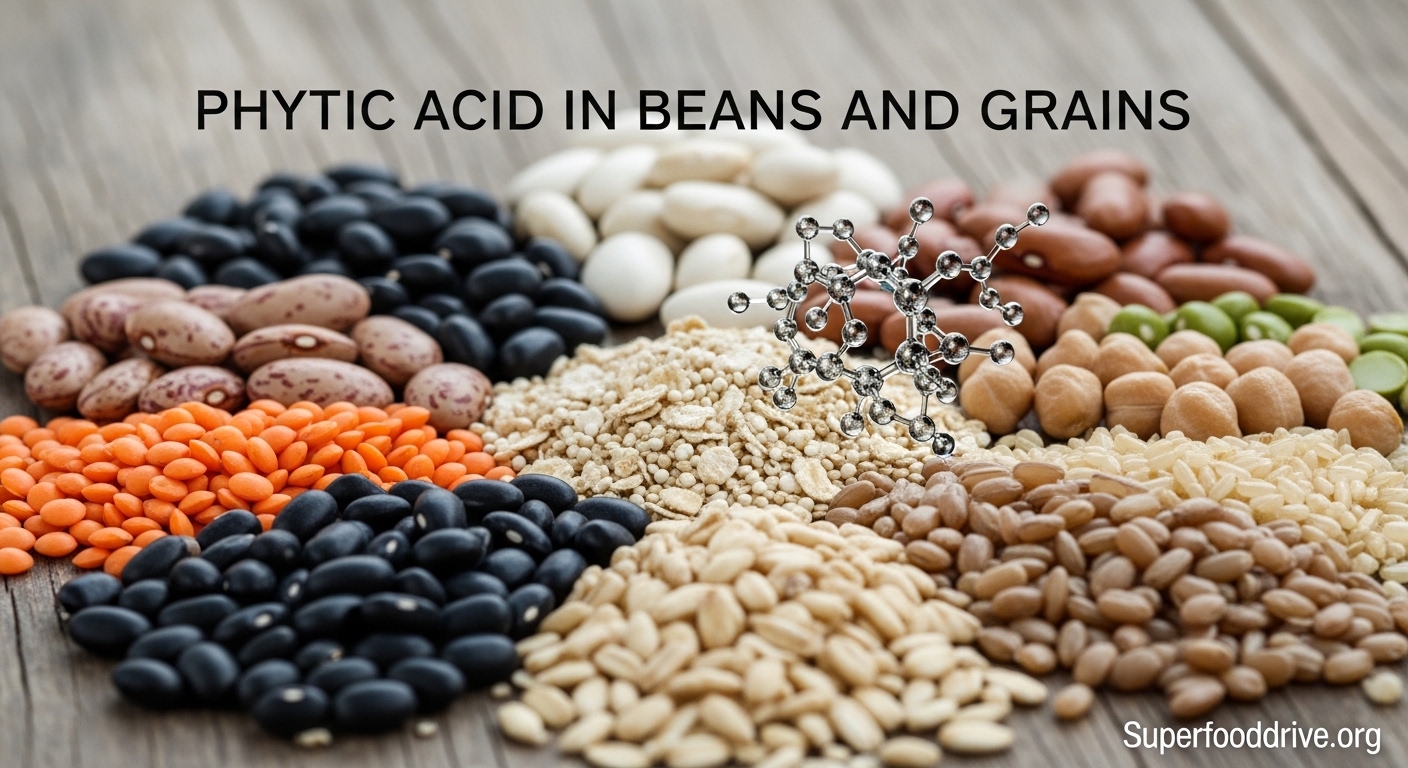
Phytic acid in beans and grains has become a hot topic in nutrition circles. Should you soak them? The short answer is yes. Soaking significantly reduces phytic acid levels, improves mineral absorption, and makes these foods easier to digest. In this guide, I will explain exactly what phytic acid does in your body, why soaking matters for your health, and walk you through the proper techniques for beans, grains, nuts, and seeds.
Our team has spent months reviewing the research on anti-nutrients and traditional food preparation methods. The evidence clearly shows that simple soaking practices can transform how your body processes these staple foods.
Table of Contents
What Is Phytic Acid and Why Seeds Contain It
Phytic acid, also called phytate, is a natural compound found in the bran and germ layers of seeds. It serves as a storage form of phosphorus that plants need for germination. Beans, grains, nuts, and seeds all contain phytic acid as a protective mechanism.
Think of phytic acid as nature’s preservative. It keeps seeds dormant until conditions are right for sprouting. This same compound that protects the seed can create problems when we eat these foods without proper preparation.
Phytic acid is classified as an anti-nutrient. This means it interferes with the absorption of nutrients rather than providing nutrition itself. The compound binds to minerals in your digestive tract, forming insoluble complexes that your body cannot absorb.
How Phytic Acid Affects Mineral Absorption
Phytic acid binds to essential minerals including zinc, iron, calcium, and magnesium. This binding happens in your digestive system, preventing these minerals from being absorbed into your bloodstream. Studies show that diets high in unsoaked beans and whole grains can lead to mineral deficiencies over time.
Zinc deficiency is particularly concerning with high phytic acid intake. Your body needs zinc for immune function, wound healing, and DNA synthesis. Iron absorption also suffers significantly, which matters especially for people who rely on plant-based iron sources.
Calcium and magnesium binding affects bone health and muscle function. While occasional consumption of unsoaked beans or grains won’t cause immediate problems, regular intake without proper preparation can contribute to long-term mineral depletion.
Beyond mineral binding, phytic acid acts as an enzyme inhibitor. It blocks protease enzymes needed for protein digestion and amylase enzymes that break down carbohydrates. This is why some people experience digestive discomfort from beans and grains.
Why You Should Soak Beans and Grains
Soaking triggers the germination process in seeds. When beans and grains sit in water, they begin to sprout internally. This activates phytase, an enzyme that breaks down phytic acid. The result is dramatically reduced anti-nutrient levels and improved nutritional bioavailability.
Research shows that soaking beans for 12 hours can reduce phytic acid by 30 to 50 percent. Adding an acidic medium like vinegar or lemon juice increases this reduction to 50 to 70 percent. The acid creates the right environment for phytase enzymes to work most effectively.
Soaked beans and grains cook faster. We have found that soaked black beans cook in 45 minutes compared to 90 minutes for unsoaked beans. This saves energy and time in the kitchen while producing better texture.
Digestibility improves significantly after soaking. The breakdown of enzyme inhibitors means your body can actually use the proteins and carbohydrates in these foods. Many people who previously avoided beans due to digestive issues find soaked beans much easier to tolerate.
How to Soak Beans to Remove Phytic Acid
Proper bean soaking requires attention to ratios, time, and water quality. Follow these steps for optimal phytic acid reduction.
Step 1: Measure and Sort Your Beans
Start with 1 cup of dried beans. Sort through them to remove any debris, damaged beans, or stones. Rinse under cool water to remove surface dust.
Step 2: Add Water in the Correct Ratio
Place rinsed beans in a large bowl. Add 3 to 4 cups of warm water per cup of dried beans. Beans expand significantly as they absorb water, so use a bowl with plenty of extra space.
Step 3: Add an Acidic Medium
Add 1 tablespoon of apple cider vinegar, lemon juice, or whey per cup of dried beans. The acid lowers the pH and activates phytase enzymes. This step makes a significant difference in phytic acid reduction.
Step 4: Soak for 12 to 24 Hours
Cover the bowl and let it sit at room temperature. Smaller beans need 12 hours. Larger beans like kidney beans benefit from a full 24-hour soak. Keep the bowl out of direct sunlight.
Step 5: Drain and Rinse Thoroughly
Drain the soaking water, which now contains dissolved phytic acid and enzyme inhibitors. Rinse beans under fresh water until it runs clear. Your beans are now ready for cooking.
Step 6: Cook Properly
Place soaked beans in fresh water. Bring to a boil, then reduce to a simmer. Cook until tender. Do not use the soaking water for cooking, as it contains the compounds you just worked to remove.
How to Soak Grains for Better Nutrition
Grains require a similar but slightly different approach than beans. The basic principles apply, but timing and ratios vary by grain type.
Step 1: Measure Your Grains
Start with 1 cup of whole grains. This includes oats, rice, quinoa, millet, or wheat berries. Rinse briefly to remove dust.
Step 2: Add Water and Acid
Combine grains with 2 cups of warm water per cup of grain. Add 1 tablespoon of acidic medium per cup. Apple cider vinegar, lemon juice, or cultured dairy like kefir all work well.
Step 3: Soak for 8 to 24 Hours
Grains generally need less time than beans. Oats and quinoa soak well in 8 to 12 hours. Harder grains like wheat berries benefit from 12 to 24 hours. Cover and leave at room temperature.
Step 4: Drain and Cook
Drain the soaking liquid and rinse grains. Cook in fresh water according to standard directions. Soaked grains cook 20 to 30 percent faster than unsoaked grains.
Soaking Time Reference Charts
Use these charts as a quick reference for soaking times. Times assume room temperature water with an acidic medium added.
Bean Soaking Times
Black beans: 12 to 16 hours
Black-eyed peas: 8 to 12 hours
Chickpeas (garbanzo): 12 to 24 hours
Kidney beans: 16 to 24 hours
Lentils (brown/green): 8 to 12 hours
Lentils (red/yellow): 2 to 4 hours (optional)
Lima beans: 12 to 16 hours
Navy beans: 12 to 16 hours
Pinto beans: 12 to 16 hours
Soybeans: 12 to 24 hours
Grain Soaking Times
Brown rice: 12 to 16 hours
Buckwheat: 6 to 8 hours
Millet: 8 to 12 hours
Oats (steel-cut): 12 to 24 hours
Oats (rolled): 8 to 12 hours
Quinoa: 8 to 12 hours
Wheat berries: 12 to 24 hours
Wild rice: 12 to 24 hours
Nut and Seed Soaking Times
Almonds: 12 to 24 hours
Cashews: 4 to 6 hours (do not oversoak)
Flax seeds: 4 to 6 hours
Pumpkin seeds: 8 to 12 hours
Sesame seeds: 8 to 12 hours
Sunflower seeds: 8 to 12 hours
Walnuts: 8 to 12 hours
Sprouting and Fermentation: Alternative Methods
Soaking is just one way to reduce phytic acid. Sprouting and fermentation offer additional benefits and work through similar biological mechanisms.
Sprouting Beans and Grains
Sprouting takes soaking one step further. After the initial soak, drain the water and rinse the beans or grains twice daily. Keep them in a jar or sprouting tray with good airflow. Small tails will emerge in 1 to 3 days.
Sprouted grains and beans have even lower phytic acid levels than soaked ones. The sprouting process also increases vitamin content, particularly B vitamins and vitamin C. Many people find sprouted foods even easier to digest.
Fermentation Through Sourdough
Sourdough fermentation is the traditional method for preparing grains. The lactic acid bacteria in sourdough starter break down phytic acid over the long fermentation period. Studies show sourdough bread has 60 to 80 percent less phytic acid than bread made with commercial yeast.
The fermentation process also predigests gluten proteins, making sourdough more tolerable for people with mild gluten sensitivity. This method requires more time and skill but offers the most complete anti-nutrient reduction.
Pressure Cooking Without Soaking
Pressure cooking can reduce phytic acid even without soaking, though soaking plus pressure cooking works best. The high heat and pressure break down some anti-nutrients. This option works when you need beans quickly and forgot to soak them.
However, pressure cooking alone does not activate the beneficial enzymes that soaking triggers. For maximum nutritional benefit, combine soaking with pressure cooking when possible.
Practical Tips for Soaking Success
Here are the strategies our team has developed through months of testing different soaking methods.
Batch Soaking and Freezing
Soak large batches of beans, then freeze them in portion sizes. Soaked and drained beans freeze well for up to 6 months. This saves time while ensuring you always have properly prepared beans ready. Thaw overnight in the refrigerator or use directly in cooked dishes.
Canned Beans and Phytic Acid
Canned beans are not soaked before canning in the traditional sense. The industrial canning process does reduce some phytic acid through heat and pressure. However, canned beans retain more phytic acid than properly soaked home-cooked beans.
If you use canned beans, drain and rinse them thoroughly. You can also give canned beans a quick 4-hour soak in acidified water to further reduce phytic acid levels before using them in recipes.
Water Temperature Matters
Use warm water for soaking, not hot. Water around 100 to 110 degrees Fahrenheit activates enzymes without killing them. Hot water above 140 degrees destroys the phytase enzymes you need for phytic acid breakdown.
Addressing Nutrient Loss Concerns
Some water-soluble B vitamins leach into soaking water. This is why you discard the soaking liquid. The trade-off is worthwhile because phytic acid reduction dramatically improves mineral absorption, which matters more for overall nutrition.
If you are concerned about B vitamins, ferment your grains instead of just soaking. Fermentation actually increases B vitamin content while reducing phytic acid.
Frequently Asked Questions
How to neutralize phytic acid in beans?
Soak beans in warm water with an acidic medium for 12 to 24 hours. Add 1 tablespoon of vinegar, lemon juice, or whey per cup of dried beans. This activates phytase enzymes that break down 50 to 70 percent of phytic acid. Drain and rinse thoroughly before cooking in fresh water.
How long to soak grains to remove phytic acid?
Grains need 8 to 24 hours depending on type. Oats and quinoa soak in 8 to 12 hours. Harder grains like wheat berries need 12 to 24 hours. Always add an acidic medium like vinegar or lemon juice to maximize phytic acid reduction.
How long to soak beans to break down phytic acid?
Small beans like lentils need 8 to 12 hours. Medium beans like black beans and pinto beans require 12 to 16 hours. Large beans like chickpeas and kidney beans benefit from 16 to 24 hours. Longer soaking with acid reduces more phytic acid.
Do soaking seeds remove phytic acid?
Yes, soaking seeds reduces phytic acid through the same mechanism as beans and grains. Seeds contain phytase enzymes that activate in water. Soak seeds for 8 to 12 hours with an acidic medium. Nuts and seeds also benefit from this preparation method.
Does soaking beans reduce gas?
Yes, soaking reduces gas-causing compounds. The process leaches out oligosaccharides, complex sugars that cause digestive discomfort. Rinsing after soaking removes these compounds. Properly soaked beans are significantly easier to digest than unsoaked beans.
Is phytic acid bad for you?
Phytic acid is not inherently bad, but it does reduce mineral absorption. In small amounts from a varied diet, it is not a concern. Problems arise when beans and grains form a large part of the diet without proper preparation. Soaking neutralizes most issues while preserving the food’s benefits.
Conclusion: Phytic Acid in Beans and Grains Should You Soak Them
Yes, you should soak beans and grains. The practice reduces phytic acid by 50 to 70 percent, improves mineral absorption, enhances digestibility, and shortens cooking time. The process requires minimal effort and delivers significant nutritional benefits.
Start with one type of bean or grain. Follow the soaking times in this guide. Add an acidic medium to maximize results. Within a few weeks, this practice will become a natural part of your cooking routine. Your body will thank you through better digestion and improved nutrient absorption.