
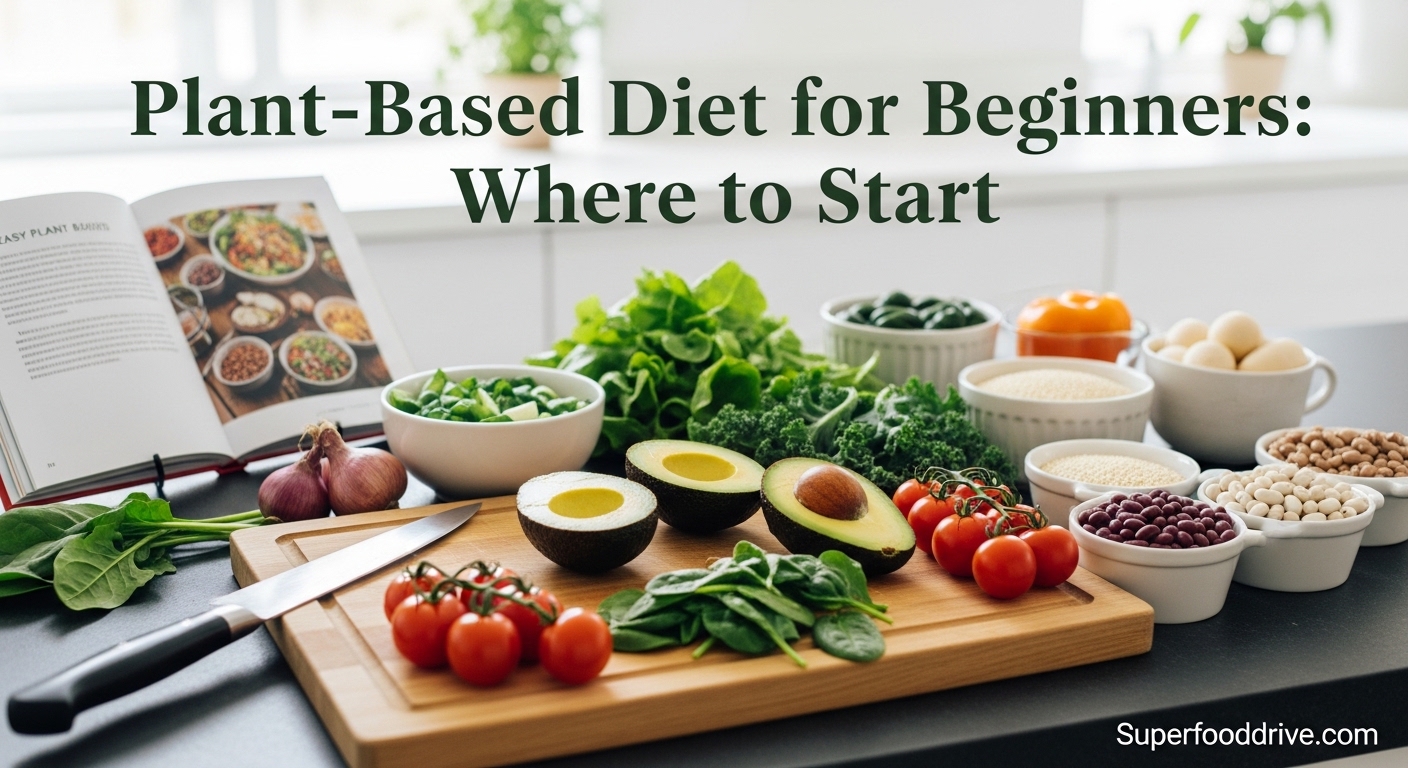
Starting a plant-based diet can feel overwhelming at first. I remember staring at my kitchen cabinets wondering what I could actually eat for dinner without meat or dairy on my plate. After researching extensively and transitioning gradually over three months, I discovered that plant-based eating is not about restriction. It is about abundance, flavor, and feeling better than I ever have before.
This guide will walk you through everything you need to know about a plant-based diet for beginners where to start. You will learn what foods to fill your plate with, how to get enough protein, practical steps for transitioning, and a complete 7-day meal plan to get you going. Whether you want to improve your health, lose weight, or reduce your environmental impact, this comprehensive guide covers the practical steps to make plant-based eating work for your life.
Table of Contents
- What Is a Plant-Based Diet?
- Health Benefits of a Plant-Based Diet
- Foods to Eat on a Plant-Based Diet
- Foods to Limit or Avoid
- How to Start a Plant-Based Diet: Step-by-Step Guide
- Plant-Based Protein Sources
- Essential Nutrients to Monitor
- 7-Day Plant-Based Meal Plan for Beginners
- Budget-Friendly Plant-Based Eating
- Common Challenges and How to Overcome Them
- FAQ
- Conclusion
What Is a Plant-Based Diet?
A plant-based diet is an eating pattern that emphasizes whole, minimally processed foods derived from plants. This includes vegetables, fruits, whole grains, legumes, nuts, and seeds. Unlike strict veganism which eliminates all animal products entirely for ethical reasons, a plant-based diet focuses on plants as the foundation of every meal while allowing flexibility for occasional animal products if desired.
The key distinction lies in food quality. A plant-based diet prioritizes whole foods over processed alternatives. Someone following this approach might occasionally eat eggs from a local farm or fish once a week while keeping their daily meals centered around plants. This flexibility makes it more sustainable for many beginners compared to going completely vegan overnight.
Plant-Based vs. Vegan vs. Vegetarian vs. Flexitarian
Understanding the differences between these terms helps clarify your personal approach:
Plant-based: Focuses on whole plant foods as the dietary foundation. May include minimal animal products occasionally. Emphasizes food quality and health benefits.
Vegan: Eliminates all animal products completely including meat, dairy, eggs, and honey. Often motivated by ethical concerns for animal welfare and environmental impact.
Vegetarian: Excludes meat, poultry, and fish but typically includes dairy products and eggs. There are variations like lacto-vegetarian (dairy only) and ovo-vegetarian (eggs only).
Flexitarian: Primarily vegetarian but occasionally includes meat or fish. This approach offers maximum flexibility while still reducing overall animal product consumption significantly.
The Whole Foods Approach
The most health-promoting version of plant-based eating is often called “whole food plant-based” or WFPB. This approach emphasizes foods in their natural or minimally processed state. Think brown rice instead of white rice, whole oranges instead of orange juice, and homemade bean chili instead of canned varieties loaded with sodium.
Minimally processed plant foods retain their fiber, vitamins, minerals, and phytonutrients. These compounds work synergistically to support health in ways that isolated supplements cannot replicate. When people talk about the remarkable health benefits of plant-based eating, they are typically referring to this whole foods approach rather than diets heavy in processed vegan alternatives.
Health Benefits of a Plant-Based Diet
Research consistently demonstrates that plant-based eating patterns are associated with numerous health benefits. These effects come from the combination of fiber, antioxidants, phytonutrients, and healthy fats found abundantly in plant foods.
Heart Health
A plant-based diet significantly reduces cardiovascular disease risk. The fiber in plant foods helps lower cholesterol levels naturally. Soluble fiber binds to cholesterol in the digestive system and removes it from the body before it can enter the bloodstream. Studies show that people following plant-based diets have up to 40% lower risk of heart disease compared to typical Western diets.
Additionally, plant foods are naturally low in saturated fat and free of dietary cholesterol. The healthy fats found in nuts, seeds, and avocados provide cardiovascular benefits without the inflammatory compounds associated with animal fats.
Type 2 Diabetes Prevention and Management
Plant-based eating improves insulin sensitivity and blood sugar control. The high fiber content slows digestion and prevents blood sugar spikes. Research published in major medical journals shows that plant-based diets reduce diabetes risk by approximately 23% even after controlling for other lifestyle factors.
For those already managing diabetes, plant-based approaches often lead to reduced medication needs and better HbA1c control. The abundance of magnesium-rich foods like leafy greens and legumes also supports healthy glucose metabolism.
Weight Loss and Management
Plant foods tend to be lower in calories while higher in volume and fiber. This combination creates satiety without excess caloric intake. Multiple studies demonstrate that people following plant-based diets naturally consume fewer calories while feeling more satisfied after meals.
The elimination of calorie-dense processed foods and emphasis on nutrient-dense whole foods creates an environment where weight loss happens naturally without strict calorie counting or portion control.
Cancer Risk Reduction
The antioxidants and phytochemicals abundant in colorful plant foods protect cells from DNA damage that can lead to cancer. Cruciferous vegetables like broccoli and Brussels sprouts contain sulforaphane, a compound with potent anti-cancer properties. Lycopene in tomatoes, anthocyanins in berries, and countless other plant compounds work together to reduce cancer risk.
Major health organizations including the World Cancer Research Fund recommend plant-based eating patterns for cancer prevention.
Digestive Health
The fiber content of plant-based diets feeds beneficial gut bacteria. A diverse microbiome is associated with better digestion, stronger immunity, improved mood, and reduced inflammation throughout the body. After an initial adjustment period, most people experience significantly improved digestive regularity and comfort.
Environmental Benefits
Beyond personal health, plant-based eating dramatically reduces environmental impact. Producing plant foods requires significantly less water, land, and energy compared to animal agriculture. Shifting toward plant-based eating is one of the most impactful individual actions for environmental sustainability.
Foods to Eat on a Plant-Based Diet
Building your meals around these food groups ensures nutritional adequacy while maximizing health benefits. The key is variety, aiming to include multiple food groups at each meal.
Vegetables
Vegetables should fill half your plate at every meal. Focus on variety across colors and types:
Leafy greens: Spinach, kale, Swiss chard, collard greens, arugula, romaine lettuce, bok choy. These provide calcium, iron, folate, and vitamin K.
Cruciferous vegetables: Broccoli, cauliflower, Brussels sprouts, cabbage, kale, bok choy, turnips, radishes. These contain cancer-fighting sulforaphane compounds.
Colorful vegetables: Bell peppers (all colors), carrots, sweet potatoes, beets, tomatoes, eggplant, squash, zucchini, asparagus, green beans. Different colors indicate different phytonutrient profiles.
Alliums: Onions, garlic, shallots, leeks, scallions. These provide prebiotic fibers that feed beneficial gut bacteria.
Fruits
Whole fruits provide natural sweetness along with fiber, vitamins, and antioxidants. Berries are particularly nutrient-dense. Include citrus fruits for vitamin C, tropical fruits for variety, and seasonal local fruits for freshness and affordability.
Choose whole fruits over juices to retain fiber content. Frozen fruits are equally nutritious and often more budget-friendly.
Whole Grains
Whole grains provide sustained energy through complex carbohydrates and fiber. Excellent choices include:
Quinoa (complete protein), brown rice, oats, barley, farro, bulgur, millet, amaranth, whole wheat pasta and bread, wild rice, teff, sorghum.
These foods provide B vitamins, magnesium, selenium, and additional protein.
Legumes
Beans, lentils, peas, and peanuts form the protein backbone of plant-based eating. This category includes:
Black beans, kidney beans, chickpeas, lentils (red, green, brown, black), split peas, black-eyed peas, edamame, tempeh, tofu, peanuts and natural peanut butter.
Legumes are among the most affordable protein sources available and provide iron, zinc, folate, and additional fiber.
Nuts and Seeds
These provide healthy fats, protein, and important minerals. Excellent options include:
Almonds, walnuts, cashews, pistachios, Brazil nuts, chia seeds, flaxseeds, hemp seeds, pumpkin seeds, sunflower seeds, sesame seeds, tahini.
Flaxseeds and walnuts specifically provide omega-3 fatty acids. Brazil nuts provide selenium in just one or two nuts daily.
Healthy Fats
Whole food sources of healthy fats support hormone production and nutrient absorption. Include avocados, olives and olive oil, coconut (in moderation), and the nuts and seeds mentioned above.
Herbs, Spices, and Flavor Enhancers
Fresh and dried herbs, spices, nutritional yeast, vinegar, lemon juice, and fermented foods like miso add flavor without excess sodium. Turmeric, ginger, cinnamon, and garlic offer additional health benefits beyond flavor.
Foods to Limit or Avoid
While a plant-based diet emphasizes what to include rather than restrict entirely, certain foods provide minimal nutritional value and may counteract health benefits.
Red and Processed Meats
The World Health Organization classifies processed meats as carcinogenic and red meat as probably carcinogenic. These foods are also high in saturated fat and sodium. Eliminating or drastically reducing these should be a priority.
Poultry and Fish
While less problematic than red meat from a health perspective, these foods still contain cholesterol and saturated fat. Many plant-based eaters choose to eliminate them entirely, while flexitarians might include them occasionally.
Dairy Products
Milk, cheese, yogurt, and butter contain saturated fat and are the top source of dietary cholesterol for many people. Plant-based alternatives made from soy, oats, almonds, or coconut provide similar culinary functions without these concerns.
Eggs
Eggs contain high levels of dietary cholesterol. While dietary cholesterol does not affect blood cholesterol as much as previously believed, eggs are still animal products that many plant-based eaters choose to eliminate.
Processed Foods
Highly processed foods including refined grains (white bread, white rice, pastries), added sugars, artificial sweeteners, and packaged snacks should be minimized. These foods displace more nutritious options and can contribute to inflammation.
Highly Processed Vegan Alternatives
A word of caution for beginners: many packaged vegan products are highly processed and contain added oils, sugars, and sodium. While convenient, these should not form the foundation of your diet. Whole foods should always be the priority.
How to Start a Plant-Based Diet: Step-by-Step Guide
Transitioning gradually proves more successful for most beginners than attempting a complete overnight change. This 4-week plan helps you build sustainable habits without feeling overwhelmed.
Week 1: Start with One Plant-Based Meal Daily
Begin by making breakfast completely plant-based. This is often the easiest meal to modify because traditional options like oatmeal, smoothies, and whole grain toast with nut butter are already plant-based or require minimal changes.
Focus on learning three simple breakfast recipes you enjoy. Practice making oatmeal with fruit and nuts, green smoothies with plant protein, or avocado toast with vegetables.
Week 2: Add Meatless Mondays
Dedicate one day per week to completely plant-based eating. Mondays work well for many people as a fresh start to the week. Plan this day in advance so you have ingredients and recipes ready.
Use this day to experiment with new recipes and discover what you enjoy. Try a bean chili, vegetable stir-fry with tofu, or lentil soup.
Week 3: Build Your Plant-Based Pantry
Stock your kitchen with staples that make plant-based cooking easy and affordable. Your pantry should include dried or canned beans, lentils, whole grains, nuts, seeds, spices, and nutritional yeast.
Fill your freezer with frozen vegetables, fruits, and cooked grains for quick meals. Keep fresh produce that lasts like onions, garlic, potatoes, and winter squash on hand.
Week 4: Master Five Go-To Recipes
Learn five versatile recipes you can make without thinking. A simple bean and vegetable soup, stir-fry with any vegetables and tofu, grain bowls with various toppings, pasta with marinara and vegetables, and a hearty salad with beans and grains provide endless variations.
Once these become automatic, expand your repertoire gradually.
Ongoing Strategies for Success
Find your community. Connect with other plant-based eaters through online forums, local meetups, or social media groups. Support makes the transition much easier.
Meal prep weekly. Dedicate a few hours on weekends to cooking grains, chopping vegetables, and preparing components for the week ahead. This prevents falling back on old habits when busy.
Eat enough food. Plant foods are less calorie-dense than animal products. You may need larger portions than you are used to. Include calorie-dense foods like nuts, seeds, avocados, and whole grains to meet energy needs.
Be patient with yourself. Perfection is not the goal. If you have a meal that includes animal products, simply make the next meal plant-based. Progress matters more than perfection.
Plant-Based Protein Sources
The most common concern for beginners is getting enough protein. Rest assured that adequate protein is easily achievable on a plant-based diet with proper planning.
Complete vs. Incomplete Proteins
Proteins are made of amino acids, nine of which are essential and must come from food. Animal products contain all nine in adequate ratios, making them “complete” proteins. Most plant proteins are “incomplete” because they are lower in one or more essential amino acids.
However, eating a variety of plant proteins throughout the day automatically provides all essential amino acids. Your body maintains an amino acid pool, so you do not need complete proteins at every meal.
Top Plant-Based Protein Sources
These foods provide significant protein per serving:
Legumes: Lentils (18g per cup), chickpeas (15g per cup), black beans (15g per cup), edamame (17g per cup).
Soy products: Tempeh (31g per cup), tofu (20g per cup), edamame.
Whole grains: Quinoa (8g per cup), oats (6g per half cup dry), wild rice (7g per cup).
Nuts and seeds: Hemp seeds (10g per 3 tablespoons), pumpkin seeds (9g per quarter cup), almonds (6g per quarter cup), peanut butter (8g per 2 tablespoons).
Vegetables: Green peas (8g per cup), spinach (5g per cup cooked), Brussels sprouts (4g per cup).
Daily Protein Requirements
Most adults need approximately 0.8 grams of protein per kilogram of body weight daily. Active individuals and older adults may benefit from 1.0 to 1.2 grams per kilogram. A 150-pound person needs roughly 55 grams of protein daily, easily achievable through whole plant foods.
Essential Nutrients to Monitor
While well-planned plant-based diets meet all nutritional needs, certain nutrients require attention to ensure adequacy.
Vitamin B12
This vitamin is not reliably available from plant foods. Deficiency can cause irreversible neurological damage. All plant-based eaters should supplement with B12 or consume fortified foods regularly. The recommended daily amount is 2.4 micrograms, though supplements of 250 to 500 micrograms daily or 2500 micrograms weekly are commonly used.
Iron
Plant iron (non-heme iron) is less bioavailable than iron from meat. Good sources include lentils, beans, tofu, tempeh, pumpkin seeds, quinoa, and dark leafy greens. Consuming these with vitamin C-rich foods enhances absorption significantly. Avoid drinking coffee or tea with iron-rich meals as tannins inhibit absorption.
Calcium
Leafy greens like kale, bok choy, and collards provide highly absorbable calcium. Fortified plant milks and calcium-set tofu are also excellent sources. Aim for 1000 mg daily from food and supplements combined.
Omega-3 Fatty Acids
ALA omega-3s are found in flaxseeds, chia seeds, hemp seeds, and walnuts. The body converts some ALA to EPA and DHA, though conversion rates are low. Consider an algae-based DHA/EPA supplement if you do not consume these foods regularly.
Zinc and Iodine
Soaked and sprouted beans, grains, nuts, and seeds provide zinc. Iodine comes from iodized salt or sea vegetables. Those avoiding iodized salt should consider a small kelp supplement or ensure adequate seaweed consumption.
Vitamin D
This is actually a concern for everyone, not just plant-based eaters. Sun exposure, fortified foods, or supplements help maintain adequate levels, especially in winter months.
7-Day Plant-Based Meal Plan for Beginners
This meal plan provides approximately 1800 to 2000 calories with adequate protein and nutrients. Adjust portion sizes based on your individual needs.
Day 1
Breakfast: Oatmeal with banana, chia seeds, and almond butter.
Lunch: Large salad with mixed greens, chickpeas, quinoa, cherry tomatoes, cucumber, and tahini dressing.
Dinner: Black bean and sweet potato tacos with avocado and salsa.
Snacks: Apple with peanut butter, handful of walnuts.
Day 2
Breakfast: Green smoothie with spinach, frozen berries, banana, hemp seeds, and plant milk.
Lunch: Leftover black bean tacos or lentil soup.
Dinner: Vegetable stir-fry with tofu, broccoli, bell peppers, and brown rice.
Snacks: Carrots with hummus, orange.
Day 3
Breakfast: Whole grain toast with avocado and everything bagel seasoning, side of berries.
Lunch: Quinoa bowl with roasted vegetables and tahini sauce.
Dinner: Chickpea curry with spinach over brown rice.
Snacks: Trail mix (nuts and dried fruit), green smoothie.
Day 4
Breakfast: Overnight oats with almond milk, chia seeds, and blueberries.
Lunch: Large salad with lentils, roasted beets, walnuts, and balsamic vinaigrette.
Dinner: Pasta marinara with white beans and nutritional yeast.
Snacks: Apple slices with almond butter, vegetable sticks.
Day 5
Breakfast: Tofu scramble with vegetables and whole grain toast.
Lunch: Leftover chickpea curry over rice.
Dinner: Stuffed bell peppers with quinoa, black beans, and corn.
Snacks: Banana, mixed nuts.
Day 6
Breakfast: Smoothie bowl with frozen mango, spinach, plant protein, topped with granola and hemp seeds.
Lunch: Vegetable and white bean soup with whole grain bread.
Dinner: Buddha bowl with brown rice, edamame, shredded cabbage, carrots, avocado, and ginger tahini dressing.
Snacks: Pear with walnuts, rice cakes with almond butter.
Day 7
Breakfast: Chia pudding made with coconut milk and topped with berries.
Lunch: Leftover stuffed peppers or buddha bowl.
Dinner: Lentil bolognese over whole wheat pasta with side salad.
Snacks: Dates stuffed with almond butter, herbal tea.
Budget-Friendly Plant-Based Eating
One of the biggest misconceptions about plant-based eating is that it is expensive. In reality, the most nutritious plant foods are also among the most affordable.
Affordable Staple Foods
Build your diet around these budget-friendly basics:
Dried beans and lentils: Cost pennies per serving and provide protein, fiber, and iron. Buy dried in bulk for maximum savings, though canned is still affordable and convenient.
Whole grains: Brown rice, oats, and whole wheat pasta cost less than meat and provide sustained energy. Shop store brands for additional savings.
Seasonal produce: Buy fruits and vegetables in season when they are abundant and priced lowest. Frozen vegetables are equally nutritious and often cheaper than fresh out-of-season options.
Root vegetables: Potatoes, sweet potatoes, carrots, and onions are inexpensive, filling, and nutritious.
Cabbage family: Cabbage, kale, and collard greens offer exceptional nutrition at low cost.
Money-Saving Shopping Tips
Shop at ethnic grocery stores for lower prices on spices, rice, beans, and produce. Buy nuts and seeds from bulk bins. Purchase store brands for staples like canned tomatoes and beans. Use apps like Flashfood or check clearance sections for discounted produce.
Plan meals around sales and seasonal availability. Batch cook and freeze portions to prevent food waste. A well-stocked pantry of dried goods means you can always make a meal even when fresh supplies run low.
Common Challenges and How to Overcome Them
Every beginner faces obstacles. Here is how to handle the most common ones.
Dealing with Cravings
Cravings for familiar foods are normal, especially in the first month. Identify what you are actually craving. Is it texture, flavor, or familiarity? For meat cravings, try hearty mushrooms, tempeh, or jackfruit. For cheese, nutritional yeast and cashew cream sauces provide umami satisfaction.
Keep convenient plant-based options available for moments of weakness. Frozen veggie burgers or plant-based sausages can bridge the gap while you develop new habits.
Social Situations and Dining Out
Restaurant menus usually have workable options. Look for dishes that are easily modified. Ethnic cuisines like Mexican, Indian, Middle Eastern, and Asian restaurants typically offer excellent plant-based choices.
At social gatherings, eat beforehand or bring a dish to share. Most hosts appreciate contributions and you ensure something you can eat. Communicate your preferences politely but firmly.
Digestive Adjustment
Increased fiber intake can initially cause bloating and gas as your gut bacteria adapt. This usually resolves within two to four weeks. Start gradually, drink plenty of water, and consider digestive enzymes temporarily. Soaking beans and lentils before cooking improves digestibility.
Family Resistance
Focus on delicious, familiar foods rather than lecturing. Make plant-based versions of meals your family already enjoys. Pasta with marinara, veggie burgers, tacos with beans, and stir-fries are usually well-received. Let family members add cheese or meat on the side if needed while keeping the base plant-based.
Time Constraints
Batch cooking on weekends saves hours during busy weeks. Prepare grains, chop vegetables, and make sauces in advance. Keep simple meals in your rotation for busy nights. A can of beans, bag of frozen vegetables, and microwaveable brown rice becomes a complete meal in minutes.
Travel
Pack portable snacks like nuts, dried fruit, and protein bars. Research restaurants and grocery stores at your destination. Apps like HappyCow identify plant-based friendly restaurants worldwide. Book accommodations with kitchen access when possible.
FAQ
What to eat on a plant-based diet for beginners?
Focus on whole foods including vegetables, fruits, whole grains, legumes, nuts, and seeds. Build meals around beans, lentils, tofu, or tempeh for protein. Add colorful vegetables for nutrients and whole grains for energy. Include healthy fats from avocados, nuts, and seeds. Simple beginner meals include oatmeal with fruit, bean burritos, vegetable stir-fries with tofu, lentil soup, and grain bowls with tahini dressing.
Is a vegan diet better for CKD?
Plant-based diets may benefit chronic kidney disease by reducing protein waste, lowering blood pressure, and improving blood sugar control. However, CKD patients need individualized guidance as some plant foods are high in potassium and phosphorus. Working with a renal dietitian is essential to ensure nutritional adequacy while managing mineral restrictions. Some research suggests plant protein may be easier on kidneys than animal protein.
What diet is best for high blood pressure?
Plant-based diets are among the most effective for lowering blood pressure. The DASH diet and Mediterranean diet both emphasize plant foods and show strong evidence for hypertension management. These diets are naturally low in sodium and high in potassium, magnesium, and fiber. Eliminating or reducing animal products further enhances these benefits. Studies show plant-based eaters have up to 40% lower risk of hypertension.
Is a plant-based diet good for SIBO?
Plant-based diets can work for SIBO but require careful food selection. Some high-FODMAP plant foods like beans, onions, and garlic may trigger symptoms during active SIBO. A low-FODMAP plant-based approach focusing on tolerated vegetables, gluten-free grains, and small amounts of legumes is possible. Working with a dietitian familiar with SIBO is recommended. Many find symptom improvement after SIBO treatment allows broader plant food variety.
How do I get enough protein on a plant-based diet?
Getting adequate protein is straightforward with proper planning. Include protein sources at every meal: beans, lentils, tofu, tempeh, edamame, quinoa, nuts, and seeds. Aim for variety throughout the day. Most adults need about 0.8 grams per kilogram of body weight. A cup of lentils provides 18 grams, tofu 20 grams per cup, and quinoa 8 grams per cup. Combine different plant proteins for complete amino acid profiles.
Do I need supplements on a plant-based diet?
Vitamin B12 supplementation is essential for all plant-based eaters as it is not reliably available from plants. Consider algae-based omega-3 supplements if you do not regularly consume flaxseeds, chia seeds, or walnuts. Vitamin D supplementation is recommended for many people regardless of diet, especially in winter. Individual needs vary, so periodic blood testing helps identify any deficiencies that may require targeted supplementation.
Conclusion
Starting a plant-based diet does not require perfection or an overnight transformation. The most successful beginners take a gradual approach, learning one new recipe at a time, building a stocked pantry, and giving their taste buds time to adjust. Remember that plant-based diet for beginners where to start is really about progress, not perfection.
Focus on adding more whole plant foods to your plate rather than obsessing over what you are eliminating. The health benefits, from improved heart health to sustainable weight management, develop over time as these foods become your new normal.
Start with just one plant-based meal today. Then try a full day next week. Join online communities for support and recipe inspiration. Before you know it, you will wonder why you ever thought this transition would be difficult. The abundance of flavors, textures, and nutrients waiting in the plant kingdom might just surprise you.