
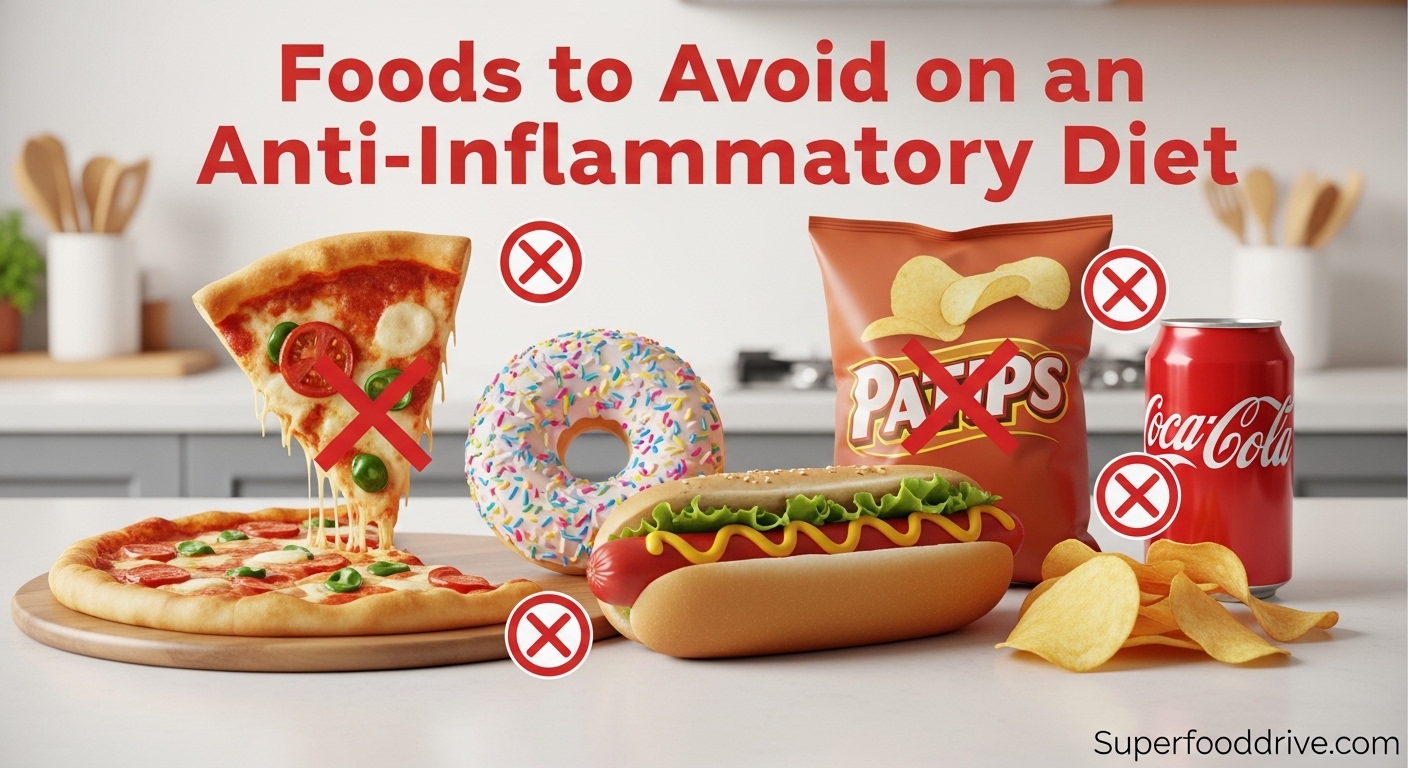
If you are dealing with persistent joint pain, fatigue, or digestive issues, the foods you eat might be fueling the fire. An anti-inflammatory diet can be a powerful tool for reducing chronic inflammation, but knowing which foods to avoid is just as important as knowing what to include. In this guide, I will walk you through the science-backed foods that trigger inflammation and provide practical alternatives to help you feel better.
Our team has spent months reviewing the latest research from Johns Hopkins, the Arthritis Foundation, and clinical studies to bring you actionable advice. Whether you are managing arthritis, gut issues, or simply want to optimize your health, this guide covers everything you need to know about inflammatory foods.
Table of Contents
- Quick Overview: The 5 Worst Foods That Trigger Inflammation
- Understanding Inflammation: Acute vs Chronic
- Foods to Avoid on an Anti-Inflammatory Diet
- Hidden Sugars: The Secret Inflammation Triggers
- Anti-Inflammatory Food Alternatives
- Cooking Methods That Reduce Inflammation
- The 80/20 Rule: Practical Implementation
- Nightshade Vegetables: The Controversy
- Gut Health and Inflammation Connection
- How to Flush Inflammation Out of Your Body
- Frequently Asked Questions
- Conclusion
Quick Overview: The 5 Worst Foods That Trigger Inflammation
Before diving into the details, here are the five food categories that cause the most inflammation in your body:
1. Sugar-Sweetened Beverages – Soda, energy drinks, and sweetened juices spike blood sugar and trigger cytokine release.
2. Refined Carbohydrates – White bread, pasta, and pastries made with white flour break down quickly and cause rapid glucose spikes.
3. Processed Meats – Bacon, sausage, hot dogs, and deli meats contain advanced glycation end products (AGEs) that promote inflammation.
4. Trans Fats – Partially hydrogenated oils found in fried foods and baked goods damage blood vessel linings.
5. Fried Foods – Deep-fried items are high in inflammatory omega-6 fatty acids and AGEs.
These five categories are responsible for the majority of diet-induced inflammation. Let us explore why each one causes problems and what you can eat instead.
Understanding Inflammation: Acute vs Chronic
Inflammation is not always bad. Acute inflammation is your body natural defense mechanism. When you cut your finger or catch a cold, inflammation rushes healing cells to the site. This short-term response protects you and helps you recover.
Chronic inflammation is different. It is a persistent, low-grade inflammatory state that can last months or years. Unlike acute inflammation, chronic inflammation damages healthy tissue over time. It has been linked to serious conditions including heart disease, type 2 diabetes, arthritis, and certain cancers.
Research shows that chronic inflammation can be detected through blood markers like C-reactive protein (CRP) and interleukin-6. Elevated levels of these markers indicate systemic inflammation that affects your entire body. The good news is that dietary changes can significantly reduce these inflammatory markers within weeks.
Foods to Avoid on an Anti-Inflammatory Diet
Knowing what foods to avoid on an anti-inflammatory diet is the foundation of managing chronic inflammation. Here is a detailed breakdown of the worst offenders and the science behind why they cause problems.
Sugar and High-Fructose Corn Syrup
Sugar is one of the most inflammatory substances you can consume. When you eat sugar, your blood glucose spikes rapidly. This triggers the release of cytokines, which are proteins that promote inflammation throughout your body.
High-fructose corn syrup is particularly problematic. Your liver processes fructose differently than glucose, and excess fructose gets converted to fat. This process activates adipose tissue inflammation and increases inflammatory markers. Studies show that consuming just one sugary drink daily significantly raises CRP levels.
Common sources include soda, candy, baked goods, sweetened cereals, and flavored yogurt. Even foods marketed as healthy can contain surprising amounts of added sugar.
Refined Carbohydrates
White bread, white rice, pasta, and pastries made with refined flour are quickly broken down into sugar in your bloodstream. This causes the same inflammatory response as eating pure sugar.
Refined carbohydrates have had their fiber and nutrients stripped away during processing. Without fiber to slow absorption, these foods cause rapid blood sugar spikes followed by crashes. This rollercoaster effect keeps inflammation elevated throughout the day.
Your body also produces more inflammatory cytokines in response to refined carbs. Research from Johns Hopkins shows that diets high in refined grains are associated with higher levels of inflammatory markers compared to whole grain diets.
Processed and Red Meats
Bacon, sausage, hot dogs, deli meats, and excessive red meat consumption are strongly linked to inflammation. These meats contain high levels of saturated fat and advanced glycation end products (AGEs).
AGEs form when proteins or fats combine with sugar during cooking, especially at high temperatures. These compounds trigger oxidative stress and inflammation in your cells. Processed meats also contain preservatives like nitrates that may contribute to inflammation.
Studies have found that people who eat the most processed meat have significantly higher inflammatory markers than those who avoid it. The Arthritis Foundation recommends limiting red meat and avoiding processed meats entirely for those with inflammatory conditions.
Trans Fats and Partially Hydrogenated Oils
Trans fats are artificial fats created by adding hydrogen to vegetable oils. They were originally developed to extend shelf life, but research has shown they are incredibly harmful to your health.
Trans fats damage your endothelial lining, which is the protective layer inside your blood vessels. This damage triggers an inflammatory response and increases your risk of heart disease. The FDA has banned artificial trans fats, but they may still appear in small amounts in some processed foods.
Look out for partially hydrogenated oils on ingredient labels. Common sources include margarine, shortening, fried foods, and commercially baked goods like cookies and crackers.
Fried Foods
French fries, fried chicken, doughnuts, and other deep-fried items are loaded with inflammatory omega-6 fatty acids and AGEs. The high temperatures used in frying create these harmful compounds that promote oxidative stress in your body.
Fried foods also tend to be high in calories and low in nutritional value. They contribute to weight gain, which is itself an inflammatory condition. Adipose tissue, or fat cells, produces inflammatory cytokines that circulate throughout your body.
Regular consumption of fried foods has been linked to higher rates of chronic diseases including heart disease, type 2 diabetes, and certain cancers.
Vegetable Oils High in Omega-6
While omega-6 fatty acids are essential in small amounts, the typical Western diet contains far too many. Corn oil, soybean oil, sunflower oil, and safflower oil are common in processed foods and throw off your omega-6 to omega-3 balance.
This imbalance promotes inflammation because omega-6 fatty acids are precursors to pro-inflammatory compounds. Ideally, you want a ratio of omega-6 to omega-3 closer to 4:1 or lower, but the average American diet is closer to 16:1.
Check labels for vegetable oil blends in salad dressings, mayonnaise, crackers, and snack foods. Replace these with olive oil or avocado oil for cooking.
Alcohol in Excess
Moderate alcohol consumption, particularly red wine, may have some anti-inflammatory benefits due to resveratrol content. However, excessive drinking triggers significant inflammation in your liver and throughout your body.
Alcohol irritates the gut lining, promotes bacterial overgrowth, and increases intestinal permeability. This allows inflammatory compounds to leak into your bloodstream. Heavy drinking also depletes nutrients needed for inflammation control.
The 80/20 approach works well here. Enjoy an occasional glass of wine, but avoid daily heavy drinking.
Hidden Sugars: The Secret Inflammation Triggers
One of the biggest challenges when avoiding inflammatory foods is identifying hidden sugars. Food manufacturers use dozens of different names for added sugar, making it difficult to spot on labels.
Here are the most common aliases for sugar to watch for: high fructose corn syrup, corn syrup, dextrose, maltose, sucrose, glucose, fructose, brown rice syrup, evaporated cane juice, fruit juice concentrate, barley malt, malt syrup, cane sugar, beet sugar, coconut sugar, agave nectar, honey, maple syrup, molasses, treacle, date sugar, and any ingredient ending in -ose.
Ingredients are listed by weight, so if multiple sugar aliases appear in the first few ingredients, that product contains significant added sugar. Even foods marketed as natural or organic can hide sugar behind names like coconut nectar or brown rice syrup.
Your best defense is to read labels carefully and choose whole foods over packaged items whenever possible. When you do buy packaged foods, look for less than 5 grams of added sugar per serving.
Anti-Inflammatory Food Alternatives
Now that you know what to avoid, let us focus on what to eat instead. The goal is not perfection but progress. Small substitutions add up to significant inflammation reduction over time.
Instead of This, Try This: Easy Swaps
Replace white bread and pasta with whole grain versions, quinoa, brown rice, or legume-based pastas. These alternatives provide fiber that slows digestion and prevents blood sugar spikes.
Swap sugary beverages for water infused with lemon, cucumber, or berries. Herbal teas and green tea offer anti-inflammatory polyphenols without the sugar crash.
Choose fatty fish like salmon, mackerel, sardines, and herring two to three times per week instead of processed meats. These fish are rich in omega-3 fatty acids that actively reduce inflammation.
Use extra virgin olive oil for cooking and dressing instead of vegetable oils. Olive oil contains phenolic compounds with anti-inflammatory properties comparable to ibuprofen.
Snack on nuts and seeds instead of chips and crackers. Walnuts, almonds, chia seeds, and flaxseeds provide healthy fats and anti-inflammatory compounds.
The Mediterranean Diet Connection
The Mediterranean diet is consistently rated as one of the best anti-inflammatory eating patterns. It emphasizes vegetables, fruits, whole grains, legumes, nuts, olive oil, and fish while minimizing red meat and processed foods.
Studies show that following a Mediterranean diet reduces C-reactive protein and other inflammatory markers within weeks. The combination of omega-3 fatty acids, antioxidants, and fiber works synergistically to calm inflammation.
Key foods to prioritize include leafy greens, tomatoes, berries, oranges, cherries, fatty fish, olive oil, almonds, walnuts, and colorful vegetables.
Cooking Methods That Reduce Inflammation
How you cook matters just as much as what you cook. Certain cooking methods create harmful compounds while others preserve nutrients and minimize inflammation.
Grilling and frying at high temperatures produce advanced glycation end products (AGEs). These compounds form when proteins and sugars react under heat. AGEs accumulate in your body and trigger oxidative stress and inflammation.
Boiling, steaming, stewing, and microwaving create fewer AGEs. Slow cooking methods that use moisture and lower temperatures preserve nutrients and reduce harmful compound formation.
Research from Johns Hopkins found that microwaving meat for just a few minutes before grilling or frying significantly reduces AGE formation. Marinating meat in acidic ingredients like lemon juice or vinegar also helps.
When you do grill, consider these tips: use a food thermometer to avoid overcooking, flip meat frequently, remove charred portions, and pair grilled foods with antioxidant-rich vegetables to counteract some of the inflammation.
The 80/20 Rule: Practical Implementation
One of the most common questions we see in forums is whether you need to be perfect on an anti-inflammatory diet. The answer is no, and that is where the 80/20 rule comes in.
The 80/20 rule means eating anti-inflammatory foods 80 percent of the time while allowing flexibility for the remaining 20 percent. This approach makes the diet sustainable long-term without triggering guilt or burnout.
In practical terms, this might mean eating anti-inflammatory meals for breakfast, lunch, and dinner six days a week, then enjoying a favorite treat or restaurant meal on the seventh day. Or it could mean choosing the healthiest options available when dining out while sticking to the plan at home.
The key is consistency, not perfection. Eating inflammatory foods occasionally will not undo your progress. What matters is your overall dietary pattern over weeks and months.
Forum members consistently report that the 80/20 approach helps them maintain the diet long enough to see real results in their inflammation symptoms.
Nightshade Vegetables: The Controversy
Nightshade vegetables include tomatoes, peppers, eggplant, and potatoes. Some people claim these foods worsen inflammation, particularly for those with arthritis. But what does the research say?
The truth is that nightshades contain solanine, a compound that can be toxic in very high doses. However, the amounts found in edible nightshades are generally too low to cause problems for most people. Many nightshades are actually rich in anti-inflammatory nutrients like vitamin C and antioxidants.
That said, some individuals do appear sensitive to nightshades. If you suspect a sensitivity, try eliminating them completely for three weeks, then reintroduce them one at a time while tracking your symptoms.
Keep a food-symptom journal to identify patterns. If you notice increased joint pain or digestive issues after eating tomatoes or peppers, you may be sensitive. If not, there is no need to avoid these nutritious vegetables.
Gut Health and Inflammation Connection
Your gut microbiome plays a central role in inflammation regulation. Trillions of bacteria in your digestive tract influence your immune system and inflammatory responses.
When your gut bacteria are out of balance, a condition called dysbiosis, harmful bacteria can trigger inflammation. They produce toxins that irritate your gut lining and may enter your bloodstream.
Probiotic-rich foods help maintain a healthy gut balance. Include fermented foods like yogurt with live cultures, kefir, sauerkraut, kimchi, and kombucha in your diet.
Prebiotics feed beneficial bacteria. These include fiber-rich foods like onions, garlic, leeks, asparagus, bananas, and whole grains. Combining probiotics and prebiotics creates the best environment for gut health.
A healthy gut lining prevents inflammatory compounds from leaking into your bloodstream. Focus on removing inflammatory foods while adding gut-healing options to support this barrier.
How to Flush Inflammation Out of Your Body
Many people ask how to quickly reduce inflammation through diet. While there is no overnight fix, these steps can help your body recover:
Step 1: Remove triggers. Eliminate sugar, refined carbs, processed meats, and fried foods for at least two weeks.
Step 2: Hydrate. Drink plenty of water to help your body flush inflammatory compounds.
Step 3: Eat omega-3 rich foods. Fatty fish, walnuts, and flaxseeds provide anti-inflammatory fats.
Step 4: Load up on vegetables. Aim for 8-10 servings of colorful vegetables daily.
Step 5: Move your body. Regular exercise reduces inflammatory markers independent of diet.
Step 6: Prioritize sleep. Poor sleep increases inflammation, so aim for 7-9 hours nightly.
Most people notice improvements in energy, digestion, and joint comfort within 2-4 weeks of following these steps.
Frequently Asked Questions
What are the 5 worst foods that trigger inflammation?
The five worst inflammatory foods are: 1) Sugar-sweetened beverages like soda and energy drinks, 2) Refined carbohydrates including white bread and pastries, 3) Processed meats such as bacon and deli meats, 4) Trans fats and partially hydrogenated oils found in fried and baked goods, and 5) Deep-fried foods high in omega-6 fatty acids. These foods spike blood sugar, damage blood vessels, and trigger the release of inflammatory cytokines.
How to flush inflammation out of your body?
To reduce inflammation, eliminate trigger foods like sugar and refined carbs for at least two weeks, drink plenty of water, eat omega-3 rich foods such as salmon and walnuts, consume 8-10 servings of vegetables daily, exercise regularly, and prioritize 7-9 hours of sleep. Most people notice improvements within 2-4 weeks.
What are the 5 most anti-inflammatory foods?
The top anti-inflammatory foods are: 1) Fatty fish like salmon and sardines rich in omega-3s, 2) Leafy greens such as spinach and kale packed with antioxidants, 3) Berries including blueberries and strawberries with high polyphenol content, 4) Extra virgin olive oil with anti-inflammatory compounds, and 5) Nuts and seeds like walnuts and flaxseeds.
What is the number one anti-inflammatory snack?
A handful of walnuts is considered one of the best anti-inflammatory snacks. They are rich in omega-3 fatty acids, polyphenols, and antioxidants that actively reduce inflammation. Other excellent options include berries with Greek yogurt, celery with almond butter, or carrots with hummus.
What is the 80/20 rule for anti-inflammatory diet?
The 80/20 rule means eating anti-inflammatory foods 80 percent of the time while allowing flexibility for the remaining 20 percent. This approach makes the diet sustainable long-term without guilt or burnout. Focus on consistency with your overall dietary pattern rather than perfection with every single meal.
Conclusion
Understanding the foods to avoid on an anti-inflammatory diet is your first step toward better health. By eliminating sugar-sweetened beverages, refined carbohydrates, processed meats, trans fats, and fried foods, you remove the biggest triggers of chronic inflammation.
Replace these with whole foods rich in omega-3 fatty acids, antioxidants, and fiber. Focus on the Mediterranean diet pattern, use gentler cooking methods, and remember the 80/20 rule for sustainable success.
Small changes add up. Start by eliminating one inflammatory food category this week and adding one anti-inflammatory alternative. Your body will thank you with improved energy, reduced pain, and better overall health.