
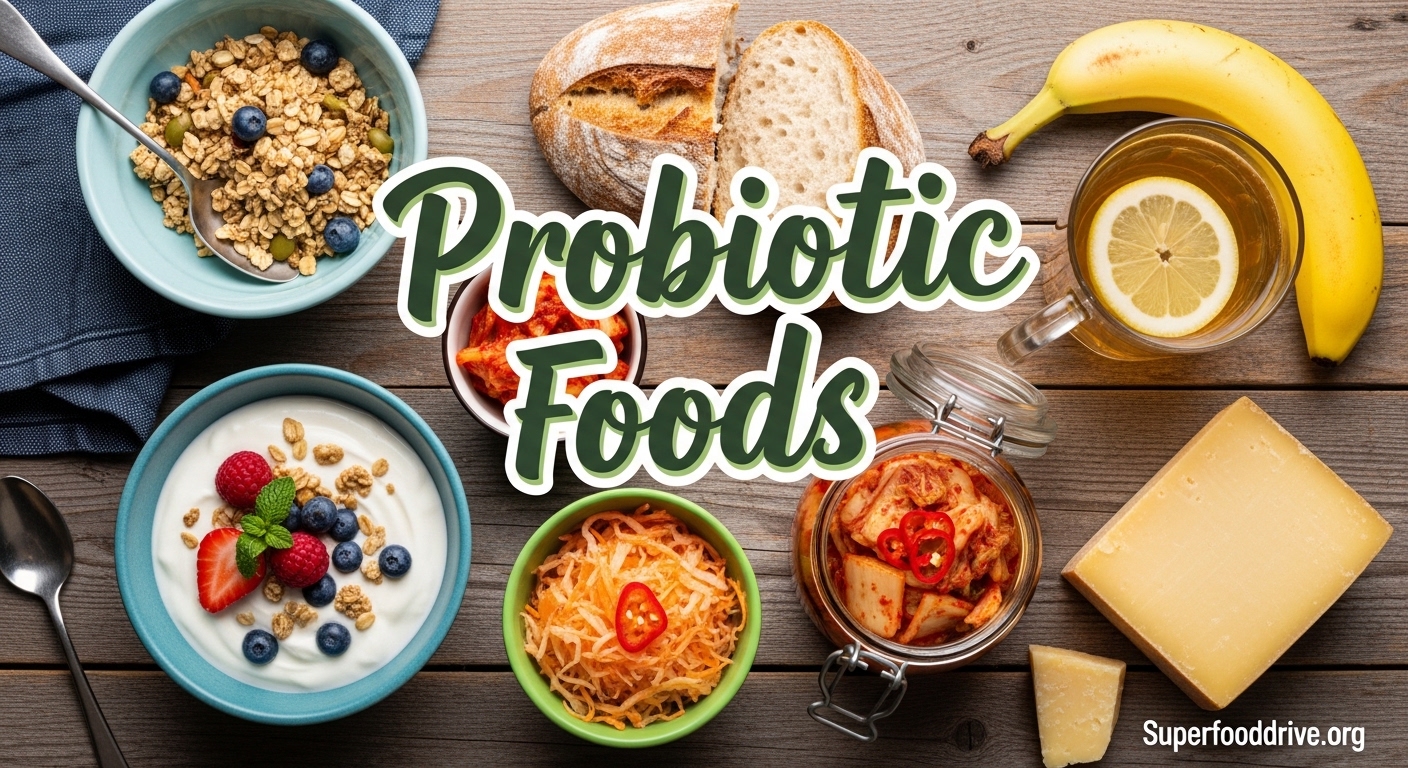
Fermented foods have transformed from an ancient preservation method into one of the hottest topics in nutrition science 2026. If you have been scrolling through health blogs or listening to wellness podcasts, you have probably heard about kombucha, kimchi, and kefir. These probiotic-rich foods promise everything from better digestion to stronger immunity, but the world of fermentation can feel overwhelming when you are just starting out.
I remember staring at my first jar of sauerkraut at the grocery store, wondering if I was ready for that tangy, pungent flavor. The good news is that adding fermented foods to your diet does not require a PhD in microbiology or a kitchen full of special equipment. You can start simple, go slow, and gradually build a gut-friendly diet that actually tastes great.
This guide covers everything you need to know about probiotic foods as a beginner. We will explore what fermentation actually is, why it matters for your health, which foods are easiest to start with, and how to safely incorporate them into your daily routine. By the end, you will have a clear roadmap for improving your gut health one delicious bite at a time.
Table of Contents
What Is Fermentation and How Does It Work
Fermentation is a natural preservation process that humans have used for thousands of years. Beneficial bacteria and yeast break down sugars in food, creating an acidic environment that prevents spoilage while adding unique flavors and nutritional benefits. This process happens without any chemical preservatives or artificial additives.
The most common type for food is called lacto-fermentation. Lactic acid bacteria, which are naturally present on vegetables and in dairy, convert sugars into lactic acid. This acid acts as a natural preservative, gives fermented foods their characteristic tangy taste, and creates the live cultures we call probiotics.
During fermentation, the beneficial bacteria multiply and produce metabolites that can improve food’s nutritional profile. B vitamins increase, minerals become more bioavailable, and compounds that can interfere with digestion break down. The result is food that not only lasts longer but actually becomes more nutritious than its raw or cooked counterparts.
You might hear terms like SCOBY, koji, or lactobacillus thrown around in fermentation circles. A SCOBY is a symbiotic culture of bacteria and yeast used to make kombucha. Koji is a Japanese fermentation starter made from mold-cultured rice. Lactobacillus refers to the family of beneficial bacteria that drive most vegetable and dairy fermentation. Understanding these basics helps you navigate recipes and product labels with confidence.
Probiotic Foods vs Fermented Foods: What Is the Difference
Not all fermented foods contain probiotics, and this distinction matters for your health goals. Fermentation describes the process, while probiotics refer to the live beneficial bacteria that survive to reach your gut. Some fermented foods are heated after fermentation, which kills those beneficial bacteria.
Truly probiotic-rich foods contain live, active cultures that can colonize your gut microbiome. Look for labels that say “contains live and active cultures” or “raw and unpasteurized.” Yogurt with live cultures, raw sauerkraut, and traditionally fermented pickles qualify. Pasteurized versions of these same foods might taste similar but lack the probiotic benefits.
When shopping for fermented foods, the refrigerator section is usually your friend. Shelf-stable products in jars or cans have often been heat-treated for safety and shelf life, which destroys the live cultures. The cold section at your grocery store typically stocks the raw, living versions that deliver real probiotic benefits.
Why Fermented Foods Matter for Your Health
The connection between fermented foods and health starts in your gut microbiome. Your digestive tract houses trillions of bacteria that influence everything from nutrient absorption to immune function. Modern diets, stress, antibiotics, and processed foods can disrupt this microbial balance. Fermented foods help restore and maintain that delicate ecosystem.
Gut Health and Digestive Benefits
Fermented foods improve digestive health in several proven ways. The live cultures help break down food, making nutrients more accessible to your body. They produce enzymes that assist with digestion and create an environment where beneficial bacteria can thrive while keeping harmful pathogens in check.
Research from Stanford University School of Medicine found that a diet rich in fermented foods increases microbiome diversity, which is associated with better overall health. Greater diversity means your gut can handle different foods more effectively and respond better to challenges like travel or illness.
Immune System Support
About 70 percent of your immune system resides in your gut. The beneficial bacteria in fermented foods communicate with immune cells, helping your body distinguish between threats and harmless substances. Regular consumption of probiotic foods has been linked to reduced incidence of respiratory infections and shorter duration of colds.
The Gut-Brain Connection
Scientists have discovered a direct communication highway between your gut and brain called the gut-brain axis. The bacteria in your digestive system produce neurotransmitters like serotonin and GABA that affect mood, anxiety, and cognitive function. Some researchers call the gut a “second brain” because of its profound influence on mental health.
Studies suggest that fermented foods may help reduce symptoms of anxiety and depression through this gut-brain pathway. While food alone cannot replace mental health treatment, supporting your microbiome with probiotic-rich foods is emerging as a valuable piece of the wellness puzzle.
Nutrient Bioavailability
Fermentation breaks down anti-nutrients like phytic acid that can block mineral absorption. Iron, zinc, and calcium become more available to your body when you consume fermented versions of foods. Vitamin B12 and folate levels often increase during fermentation, making these foods particularly valuable for plant-based eaters.
Anti-Inflammatory Properties
Chronic inflammation underlies many modern diseases, from heart disease to autoimmune conditions. The compounds produced during fermentation, including short-chain fatty acids, have demonstrated anti-inflammatory effects in research studies. Regular consumption of fermented foods may help reduce systemic inflammation markers.
Probiotic Foods A Beginners Guide to Fermented Foods: Top Options
When you are ready to start eating fermented foods, the variety can seem overwhelming. These are the most accessible, widely available options that deliver genuine probiotic benefits for beginners.
Yogurt and Kefir
Yogurt is the gateway fermented food for most people. Look for brands with “live and active cultures” listed on the label. Greek yogurt offers protein along with probiotics, while skyr and traditional plain yogurt provide different bacterial strains. Dairy-free options made from coconut, almond, or oat milk can also contain beneficial cultures if properly fermented.
Kefir takes yogurt’s benefits further. This fermented milk drink contains more bacterial strains and yeast cultures than yogurt, making it a probiotic powerhouse. The consistency is drinkable, and the flavor is tangy but approachable. You can blend kefir into smoothies or drink it straight from the bottle.
Sauerkraut
Traditional German sauerkraut is simply fermented cabbage with salt. The crunch and tang make it an excellent topping for sandwiches, salads, or grilled meats. Look for raw, refrigerated sauerkraut rather than the shelf-stable canned versions, which have been pasteurized and lost their live cultures.
Store-bought raw sauerkraut typically contains lactobacillus bacteria that support digestive health. Start with a small forkful alongside your regular meals to get used to the flavor and prevent digestive discomfort from the sudden introduction of new bacteria.
Kimchi
This Korean staple combines fermented cabbage with spices, garlic, ginger, and often fish sauce or shrimp paste. The result is a complex, spicy, umami-rich condiment that pairs perfectly with rice, eggs, or grilled proteins. Vegetarian versions replace seafood ingredients with miso or seaweed.
Kimchi offers the probiotic benefits of fermentation plus the anti-inflammatory compounds found in garlic, ginger, and chili peppers. Research specifically on kimchi has shown benefits for cholesterol levels, immune function, and even weight management.
Kombucha
Kombucha is a fermented tea made with a SCOBY that transforms sweet tea into a tangy, effervescent drink. The fermentation process produces organic acids, B vitamins, and beneficial bacteria. Most grocery stores now carry multiple brands and flavors, making this an easy entry point.
Start with smaller bottles or share a larger one until you know how your body responds. Some people experience digestive changes when first introducing kombucha, so moderation is wise as you adapt.
Miso
This Japanese fermented soybean paste adds incredible depth of flavor to soups, marinades, and dressings. Traditional miso fermentation can take months to years, developing complex flavors and beneficial compounds. Different types range from sweet white miso to robust red miso.
To preserve the live cultures in miso, add it to dishes at the end of cooking or use it in cold preparations like salad dressings. Boiling miso directly will kill the beneficial bacteria, though the flavor and prebiotic fiber remain beneficial.
Tempeh
Originating in Indonesia, tempeh is made from fermented soybeans pressed into a firm cake. Unlike tofu, tempeh contains whole beans bound together by a beneficial mold, creating a protein-rich food with a nutty flavor and firm texture. It absorbs marinades well and works in stir-fries, sandwiches, or crumbled as a ground meat alternative.
The fermentation process reduces compounds in soy that can interfere with digestion, making tempeh easier to tolerate than other soy products for some people. It is also a complete protein, providing all essential amino acids.
Traditional Pickles
True fermented pickles, not the vinegar-pickled versions, are made by submerging cucumbers in a salt brine and letting natural fermentation occur. The result is a sour, crunchy pickle with live cultures. Look for labels that say “naturally fermented” or “lacto-fermented” rather than “pickled in vinegar.”
Other vegetables can be fermented similarly. Carrots, green beans, beets, and cauliflower all make excellent ferments. Some stores now carry refrigerated fermented vegetables beyond just pickles and sauerkraut.
Sourdough Bread
While sourdough does not contain significant live probiotics by the time you eat it (the baking process kills the bacteria), it offers important benefits for gut health. The fermentation process breaks down gluten and phytic acid, making the bread more digestible and nutrients more available.
Sourdough acts as a prebiotic, feeding the good bacteria already in your gut. The long fermentation also creates compounds that can improve mineral absorption. For beginners, sourdough is an easy way to support gut health through familiar foods.
Beginner Progression: Easy to Advanced Fermented Foods
One of the biggest mistakes beginners make is diving into complex home fermentation projects before building confidence. A tiered approach helps you develop taste preferences and understand how your body responds to different fermented foods.
Entry Level: Store-Bought and Simple
Start with widely available, approachable options from your grocery store. Plain yogurt with live cultures, store-bought kombucha, and quality sourdough bread require zero preparation. These foods introduce your palate and gut to fermented flavors without overwhelming intensity.
Commercially produced tempeh and miso paste are also beginner-friendly. Both are cooked before packaging, so they are safe and consistent. Miso soup from a restaurant or prepared with store-bought paste lets you explore fermented flavors without any DIY risk.
Mid Level: Moderate Intensity
Once you enjoy basic fermented foods, branch into stronger flavors. Raw sauerkraut and kimchi from the refrigerated section offer more complex bacterial profiles than cooked versions. These have assertive flavors that pair well with rich or fatty foods.
Kefir represents a step up from yogurt in terms of bacterial diversity. The drinkable format makes it easy to incorporate into your morning routine. Some people find kefir more digestible than milk because the fermentation breaks down lactose.
Advanced: Homemade Fermentation
When you are ready, simple home fermentation projects let you control ingredients and freshness. Lacto-fermented vegetables require only vegetables, salt, and water in a jar. Start with green beans or carrots, which stay crisp and mild, before tackling cabbage-based ferments like sauerkraut.
Making your own kefir or kombucha at home takes more equipment and attention but rewards you with fresh, living cultures at a fraction of store-bought prices. Many beginners find that successfully completing a simple ferment builds confidence for more complex projects.
How to Get Started with Fermented Foods
Starting a fermented food habit does not require a complete diet overhaul. Small, consistent steps lead to sustainable changes that benefit your gut health over time. Here is a practical approach based on what actually works for beginners.
Step 1: Start with One Serving Per Day
Choose one fermented food and commit to eating it daily for two weeks. This could be a cup of yogurt with breakfast, a side of sauerkraut with lunch, or a glass of kombucha in the afternoon. Consistency matters more than quantity when you are starting out.
Starting with one food lets you observe how your body responds. Some people notice improved digestion quickly, while others need time to adapt. Keeping a simple food journal helps track which foods give you the best results.
Step 2: Begin with Small Portions
A tablespoon of sauerkraut or half a cup of kefir is plenty for your first introduction. Your gut microbiome needs time to adjust to the influx of new bacteria. Eating too much fermented food too quickly can cause bloating, gas, or digestive discomfort.
Gradually increase your portion size over several weeks as your body adapts. Most people can work up to a standard serving, which is typically half to one cup of fermented vegetables or beverages per day.
Step 3: Choose Quality Store-Bought Options
Until you are ready for DIY fermentation, focus on finding high-quality commercial products. Read labels carefully and look for “live and active cultures,” “raw,” or “unpasteurized.” The refrigerator section is your best bet for finding truly probiotic foods.
Build relationships with staff at local health food stores or specialty markets. They can often recommend brands with consistent quality or introduce you to fermented foods you have not tried before.
Step 4: Time Your Consumption
Many people find that eating fermented foods with meals works best. The bacteria can interact with your food as you digest, potentially improving nutrient absorption. Some prefer fermented foods first thing in the morning on an empty stomach, believing this delivers bacteria more effectively to the gut.
Experiment with timing to find what works for your schedule and digestion. There is no universal “best time” that applies to everyone.
Step 5: Increase Variety Gradually
After a few weeks with your first fermented food, add a second option. Different fermented foods contain different bacterial strains, so variety supports a more diverse microbiome. Aim to eventually include several types of fermented foods throughout your week.
Rotating between dairy-based options like yogurt and kefir, vegetable ferments like sauerkraut and kimchi, and beverages like kombucha gives you the broadest range of beneficial bacteria.
How Much Fermented Food Should You Eat Daily
There is no official recommended daily allowance for fermented foods, but research and traditional diets offer useful guidance. Studies showing microbiome benefits typically used one to three servings per day of various fermented foods.
A realistic serving size is about half a cup to one cup of fermented vegetables, a cup of yogurt or kefir, or eight to sixteen ounces of kombucha. Starting with one serving daily and potentially increasing to two or three as you adapt is a sensible approach for most beginners.
Quality and variety matter more than sheer quantity. A small amount of diverse, live-culture fermented foods likely provides more benefit than large amounts of single varieties. Listen to your body and adjust based on how you feel rather than forcing large quantities.
If you experience digestive discomfort, bloating, or changes in bowel habits that persist beyond a few weeks, reduce your intake and consult a healthcare provider. Some people with sensitive digestion do better with smaller, more frequent servings rather than large amounts at once.
Does Cooking Kill Probiotics in Fermented Foods
Heat is the enemy of live probiotic bacteria. Temperatures above approximately 115 degrees Fahrenheit start killing beneficial cultures, and by the time food reaches boiling, most probiotics are destroyed. This does not mean cooked fermented foods are worthless, but it does change their nutritional profile.
To preserve live cultures when cooking with fermented foods, add them at the end of the cooking process. Stir miso into soup after removing it from heat. Top hot dishes with a spoonful of raw sauerkraut or kimchi just before serving. Use yogurt as a finishing sauce rather than cooking it into dishes.
Even when heated, fermented foods retain nutritional benefits. The fermentation process has already broken down anti-nutrients and created beneficial compounds. The food acts as a prebiotic, feeding your existing gut bacteria even if the live probiotics are gone.
Safety and Precautions: Who Should Be Careful
Fermented foods are generally safe for healthy people, but certain groups should exercise caution or consult healthcare providers before making significant changes to their diet.
Compromised Immune Systems
People with weakened immune systems, including those undergoing chemotherapy, organ transplant recipients, or individuals with HIV/AIDS, may be at risk from the live bacteria in raw fermented foods. Pasteurized versions or cooked preparations may be safer alternatives.
Histamine Intolerance
Fermented foods are naturally high in histamine, a compound involved in immune responses. People with histamine intolerance may experience headaches, hives, digestive issues, or anxiety after consuming fermented foods. If you suspect histamine issues, work with a healthcare provider to test your tolerance.
Pregnancy Considerations
Pregnant women should avoid unpasteurized dairy products and homemade ferments that may carry contamination risks. Commercially produced, pasteurized fermented foods like yogurt and kefir are generally considered safe, but discuss specific recommendations with your prenatal care provider.
Recognizing Spoilage
While fermentation is a preservation method, improper handling can lead to spoilage. Throw away fermented foods that develop mold (except for the intentional surface mold on some cheeses), smell rotten rather than tangy, or change color dramatically. When in doubt, discard the product.
Store-bought fermented foods should remain refrigerated and be consumed by the expiration date. Homemade ferments require clean equipment and proper technique to avoid contamination with harmful bacteria.
Common Beginner Mistakes to Avoid
Learning from others’ mistakes can save you time, money, and digestive discomfort. These are the most common pitfalls beginners encounter when adding fermented foods to their diet.
Overdoing It Too Quickly
Enthusiasm for gut health can lead to eating large amounts of fermented food immediately. This sudden bacterial influx often causes bloating, gas, and discomfort. Your microbiome needs time to adjust. Start small and increase gradually.
Ignoring Labels
Not all products marketed as fermented actually contain live cultures. Vinegar-pickled vegetables, heat-treated sauerkraut, and pasteurized kombucha lack probiotic benefits. Read labels carefully and look for specific mentions of live, active cultures.
Giving Up After the First Taste
Fermented foods have strong, complex flavors that can surprise first-time tasters. Many people need multiple exposures before developing appreciation for tangy, sour, or funky flavors. Try different brands, varieties, or serving methods before deciding a food is not for you.
Buying the Wrong Types
Shelf-stable pickled products in the canned goods aisle are typically pasteurized and vinegar-based, not fermented. The real probiotic foods live in the refrigerated section. Shopping in the wrong area of the store leads to missing out on actual benefits.
FAQ
How to ferment food for probiotics
Start with simple lacto-fermentation using vegetables, salt, and water. Chop vegetables, mix with 2-3% salt by weight, pack into a jar with the brine, and let sit at room temperature for 3-7 days. Keep vegetables submerged, burp the jar daily, and refrigerate when tangy enough. Easy beginner options include carrots, green beans, and cabbage for sauerkraut.
What are the top 10 fermented foods
The top fermented foods for beginners are: 1) Yogurt with live cultures, 2) Kefir, 3) Sauerkraut, 4) Kimchi, 5) Kombucha, 6) Miso, 7) Tempeh, 8) Traditional pickles, 9) Natto, and 10) Sourdough bread. These foods offer diverse bacterial strains, are widely available, and provide varying levels of probiotic benefits for gut health.
Does cooking fermented food kill probiotics
Yes, cooking fermented food above 115 degrees Fahrenheit kills most probiotic bacteria. To preserve live cultures, add fermented foods to dishes after cooking or use them in cold preparations. Top hot foods with raw sauerkraut or kimchi, stir miso into soup after removing from heat, and use yogurt as a finishing sauce rather than cooking it into dishes.
How much fermented food per day for gut health
Research suggests 1-3 servings of fermented foods daily supports gut health. A typical serving is 1/2 to 1 cup of fermented vegetables, 1 cup of yogurt or kefir, or 8-16 ounces of kombucha. Start with one serving daily and gradually increase as your body adapts. Variety matters more than quantity for microbiome diversity.
Who should not eat fermented foods
People with compromised immune systems, histamine intolerance, or certain medical conditions should avoid or limit raw fermented foods. This includes chemotherapy patients, organ transplant recipients, and those with histamine sensitivity. Pregnant women should avoid unpasteurized dairy and homemade ferments. Always consult a healthcare provider if you have specific health concerns.
What are the dangers of fermented foods
The main risks are contamination in improperly prepared homemade ferments, histamine reactions in sensitive individuals, and digestive discomfort from consuming too much too quickly. Spoiled fermented food may develop harmful mold or pathogenic bacteria. Stick to reputable commercial products when learning, follow proper food safety for DIY fermentation, and start with small portions to assess tolerance.
Your Fermented Food Journey Starts Now
Probiotic foods offer one of the most accessible ways to support your gut health, immune function, and overall wellbeing 2026. You do not need to ferment everything yourself or overhaul your entire diet overnight. The path to better gut health starts with a single serving of yogurt, a forkful of sauerkraut, or a glass of kombucha.
Remember that building a healthy gut microbiome is a gradual process. Start simple, stay consistent, and increase variety as your confidence grows. Your digestive system contains trillions of bacteria that respond to the foods you feed them. Small, positive changes add up to significant health benefits over time.
Whether you stick with convenient store-bought options or eventually explore home fermentation, incorporating fermented foods into your daily routine is a decision your gut will thank you for. The ancient practice of fermentation has sustained human health for millennia, and it remains one of the most powerful tools we have for modern wellness.