
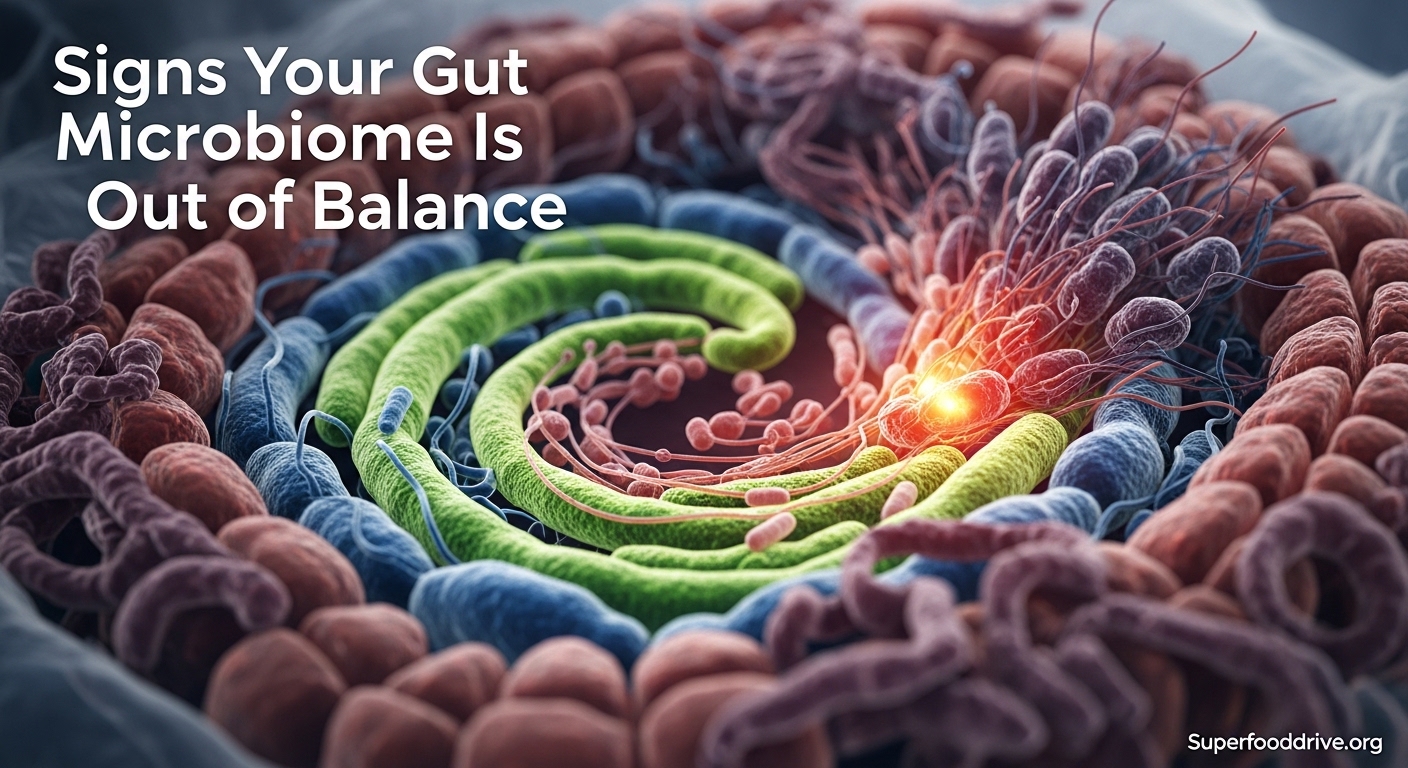
Your gut microbiome plays a critical role in your overall health, yet most people do not realize when it is out of balance until symptoms become impossible to ignore. If you are experiencing persistent digestive issues, unexplained fatigue, or mysterious skin problems, your gut bacteria might be sending you warning signals. Understanding the signs your gut microbiome is out of balance can help you take action before minor discomfort turns into chronic health conditions. In this guide, I will walk you through the key symptoms to watch for, what causes dysbiosis, and how to restore balance naturally.
Table of Contents
What is the Gut Microbiome?
Your gut microbiome refers to the trillions of bacteria, viruses, fungi, and other microorganisms living in your digestive tract. These microscopic inhabitants outnumber your human cells by roughly 10 to 1, making them essential partners in your health journey.
Most of these microbes reside in your large intestine, where they help break down food, produce vitamins, and protect against harmful pathogens. The beneficial bacteria in your gut produce short-chain fatty acids that nourish your intestinal lining and reduce inflammation throughout your body.
What is Gut Dysbiosis?
Gut dysbiosis occurs when the balance between beneficial and harmful bacteria shifts in the wrong direction. This imbalance happens when pathogenic bacteria, yeast, or other problematic microbes multiply and crowd out the good bacteria your body needs.
When dysbiosis sets in, your gut cannot perform its essential functions properly. Digestion suffers, inflammation increases, and the effects ripple outward to affect your skin, mood, immune system, and energy levels. Research published in medical journals links chronic dysbiosis to conditions ranging from irritable bowel syndrome to depression and autoimmune diseases.
Key Signs Your Gut Microbiome Is Out of Balance: Digestive Symptoms
Digestive problems are often the first and most obvious indicators that your gut microbiome needs attention. These symptoms occur because imbalanced bacteria disrupt the normal breakdown of food and absorption of nutrients.
- Persistent bloating and gas that occurs after meals or throughout the day, often accompanied by visible abdominal distension
- Chronic constipation with infrequent bowel movements, hard stools, or difficulty passing waste
- Frequent diarrhea or loose stools that happen more than three times per week without an obvious cause
- Acid reflux and heartburn that persists despite dietary changes or over-the-counter medications
- Irregular bowel movements that alternate between constipation and diarrhea without warning
- Feeling of incomplete evacuation even after using the bathroom, as described by many people in health forums
- Nausea and stomach discomfort that makes eating normal portions difficult
According to the Cleveland Clinic, these digestive symptoms represent the most common presentation of dysbiosis. When harmful bacteria ferment undigested food in your intestines, they produce excess gas that leads to bloating and discomfort.
Food Sensitivities and Intolerances
An imbalanced gut often leads to new or worsening food sensitivities. You might find that foods you once tolerated now cause gas, bloating, or diarrhea. This happens because dysbiosis damages your intestinal lining, a condition sometimes called leaky gut, which allows partially digested food particles to trigger immune responses.
Non-Digestive Signs of Gut Imbalance
Your gut microbiome influences far more than digestion. Through the gut-brain axis, microbial imbalances can trigger symptoms throughout your entire body. Here are the key non-digestive warning signs:
Skin Problems
Your skin often reflects what is happening inside your gut. Imbalanced gut bacteria can trigger inflammation that manifests as:
- Persistent acne that does not respond to topical treatments
- Eczema or atopic dermatitis flare-ups
- Rosacea and facial redness
- Psoriasis patches
- Dull, dry skin that lacks its normal glow
Research consistently shows connections between gut health and skin conditions. When bad bacteria proliferate, they release toxins that increase systemic inflammation, which often shows up on your skin first.
Mood Changes and Mental Health
Your gut produces about 90% of your body’s serotonin, the neurotransmitter that regulates mood, sleep, and appetite. When your microbiome is imbalanced, serotonin production drops, potentially leading to:
- Increased anxiety that seems to come out of nowhere
- Depression or persistent low mood
- Brain fog and difficulty concentrating
- Mood swings and irritability
- Trouble sleeping or insomnia
The gut-brain axis creates a two-way communication system between your digestive tract and your central nervous system. An unhealthy gut sends stress signals to your brain, while mental stress negatively impacts your gut bacteria.
Fatigue and Low Energy
Chronic fatigue often accompanies gut dysbiosis. When your gut cannot properly absorb nutrients from food, your cells lack the fuel needed for energy production. Additionally, the inflammation caused by bad bacteria puts your immune system on constant alert, draining your energy reserves.
Many people report feeling tired even after a full night’s sleep when their gut is out of balance. This type of fatigue does not improve with caffeine and often comes with a heavy, sluggish feeling.
Unexplained Weight Changes
Your gut bacteria influence how your body extracts calories from food and stores fat. Dysbiosis can cause:
- Unintentional weight gain despite eating the same amount of calories
- Unexplained weight loss due to poor nutrient absorption
- Difficulty losing weight even with diet and exercise
- Increased cravings for sugar and processed carbohydrates
Certain gut bacteria extract more calories from food than others. When these bacteria dominate, you might gain weight even without increasing your food intake.
Weakened Immune System
Since about 70% of your immune system resides in your gut, microbiome imbalances often lead to frequent illness. Signs include:
- Catching colds and flu more often than usual
- Slow recovery from infections
- Increased allergies or allergic reactions
- Autoimmune condition flare-ups
Beneficial gut bacteria train your immune system to distinguish between harmless substances and real threats. When these bacteria are depleted, your immune system may overreact or fail to respond appropriately.
Bad Breath and Oral Health Issues
Persistent bad breath that does not improve with brushing and mouthwash can indicate gut dysbiosis. The same bacteria that cause problems in your gut can travel upward and affect your oral microbiome, leading to gum inflammation, bleeding gums, and tooth decay.
What Causes Your Gut Microbiome to Become Imbalanced?
Understanding what disrupts your gut bacteria helps you make choices that protect your microbiome. The most common causes include:
Poor Diet Choices
A diet high in processed foods, refined sugar, and unhealthy fats starves beneficial bacteria while feeding harmful microbes. Fiber acts as fuel for good bacteria, and most people consume far less than the recommended 25-35 grams daily. Without adequate fiber, beneficial bacteria cannot produce the short-chain fatty acids that keep your gut lining healthy.
Antibiotic Use
Antibiotics are sometimes necessary for fighting bacterial infections, but they do not discriminate between good and bad bacteria. A single course of antibiotics can disrupt your microbiome for months or even years. Many people in health communities report ongoing gut issues lasting more than two years after antibiotic treatment.
Chronic Stress
When you are stressed, your body releases cortisol and other stress hormones that alter gut motility and reduce blood flow to your digestive organs. Chronic stress also changes the composition of your gut bacteria, favoring inflammatory species over beneficial ones.
Lack of Sleep
Poor sleep quality and insufficient sleep duration negatively impact your gut microbiome. Your gut bacteria follow circadian rhythms just like the rest of your body. Disrupting your sleep patterns disrupts these rhythms and leads to dysbiosis.
Other Contributing Factors
- Excessive alcohol consumption, which irritates the gut lining and kills beneficial bacteria
- Sedentary lifestyle with little physical activity
- Proton pump inhibitors and other acid-reducing medications
- Frequent infections requiring multiple rounds of medication
- Smoking, which alters the oral and gut microbiome
Signs Your Gut Is Healing
Recognizing positive changes helps you stay motivated during your gut health journey. As your microbiome rebalances, you may notice:
- Regular bowel movements occurring at consistent times each day
- Reduced bloating and gas after meals
- Clearer skin with fewer breakouts or eczema flare-ups
- Improved mood and more stable emotions
- Better energy levels throughout the day without afternoon crashes
- Deeper, more restful sleep
- Reduced food sensitivities and ability to tolerate previously problematic foods
- Stronger immune system with fewer colds and infections
Healing takes time. Depending on the severity of your dysbiosis and the changes you implement, you might see improvements within a few weeks, but full rebalancing can take several months. Patience and consistency matter more than quick fixes.
How to Restore Your Gut Microbiome Balance
The good news is that you can take concrete steps to restore balance to your gut microbiome. These evidence-based strategies help beneficial bacteria thrive:
Eat More Fiber
Focus on whole plant foods that provide prebiotic fiber. Excellent sources include legumes, whole grains, onions, garlic, asparagus, bananas, and apples. Aim for at least 30 different plant foods per week to maximize microbial diversity.
Include Fermented Foods
Fermented foods introduce beneficial probiotics directly into your digestive system. Add foods like yogurt with live cultures, kefir, sauerkraut, kimchi, miso, and kombucha to your regular diet.
Reduce Stress
Implement stress-reduction practices such as meditation, deep breathing exercises, yoga, or spending time in nature. Even 10 minutes of daily mindfulness can positively impact your gut bacteria.
Prioritize Sleep
Aim for 7-9 hours of quality sleep per night. Maintain consistent sleep and wake times, even on weekends. Create a relaxing bedtime routine that supports your circadian rhythm.
Exercise Regularly
Moderate physical activity increases microbial diversity and promotes the growth of beneficial bacteria. Find activities you enjoy, whether walking, swimming, cycling, or dancing.
Limit Antibiotics
Only use antibiotics when absolutely necessary and prescribed by your doctor. If you must take antibiotics, discuss protective strategies with your healthcare provider.
Stay Hydrated
Drinking adequate water supports the mucosal lining of your intestines and helps beneficial bacteria thrive. Aim for at least 8 glasses of water daily.
When to See a Doctor
While many gut imbalances respond well to lifestyle changes, certain symptoms warrant professional medical attention. Contact your healthcare provider if you experience:
- Persistent digestive symptoms lasting more than two weeks
- Blood in your stool or black, tarry stools
- Severe abdominal pain that does not improve
- Unexplained weight loss of more than 10 pounds
- Signs of dehydration from chronic diarrhea
- Symptoms that significantly impact your quality of life
A doctor can run tests to rule out serious conditions like inflammatory bowel disease, celiac disease, or infections that require specific treatment.
Frequently Asked Questions
What are the 7 signs of an unhealthy gut?
The 7 key signs of an unhealthy gut include: 1) Persistent bloating and gas, 2) Chronic constipation or diarrhea, 3) Unexplained fatigue and low energy, 4) Skin issues like acne or eczema, 5) Mood changes including anxiety or depression, 6) Food sensitivities and intolerances, and 7) Unexplained weight changes. These symptoms indicate that your gut bacteria may be imbalanced and require attention.
How to fix unbalanced gut microbiome?
To fix an unbalanced gut microbiome, eat more fiber-rich plant foods, include fermented foods like yogurt and sauerkraut, reduce stress through meditation or yoga, prioritize 7-9 hours of quality sleep, exercise regularly, stay hydrated, and limit unnecessary antibiotic use. Consistency with these habits over several weeks to months allows beneficial bacteria to repopulate and restore balance.
How do I know if I have a microbiome imbalance?
You likely have a microbiome imbalance if you experience persistent digestive symptoms like bloating, gas, constipation, or diarrhea that do not resolve with dietary changes. Other indicators include frequent illness, skin problems, unexplained fatigue, mood changes, brain fog, and new food sensitivities. If these symptoms persist for more than two weeks, consider consulting a healthcare provider.
What does an unbalanced gut feel like?
An unbalanced gut often feels uncomfortable and draining. You may experience a constant heavy or bloated feeling in your abdomen, irregular bowel habits, low energy despite adequate sleep, skin irritation, difficulty concentrating, and mood instability. Some people describe feeling like their bowels are inflamed or that they never fully empty after using the bathroom.
How long does it take to rebalance gut bacteria?
Rebalancing gut bacteria typically takes between 4 weeks to 6 months depending on the severity of the imbalance and the changes implemented. Minor imbalances may improve within 2-4 weeks of dietary changes and lifestyle modifications. More severe dysbiosis, especially following antibiotic use, may require 3-6 months of consistent gut-supporting habits to fully restore microbial diversity.
What naturally kills bad bacteria in the gut?
Natural substances that help reduce bad gut bacteria include fermented foods containing beneficial probiotics, garlic with its antimicrobial properties, oregano oil, ginger, turmeric, and polyphenol-rich foods like berries and green tea. Increasing fiber intake also helps as beneficial bacteria produce short-chain fatty acids that create an environment less hospitable to harmful microbes.
Conclusion
Recognizing the signs your gut microbiome is out of balance empowers you to take control of your health before minor symptoms become chronic problems. Whether you are dealing with persistent bloating, unexplained fatigue, skin issues, or mood changes, your gut bacteria likely play a significant role. By understanding what causes dysbiosis and implementing simple strategies like eating more fiber, reducing stress, and prioritizing sleep, you can restore balance and feel better from the inside out.
Remember that healing takes time. Be patient with your body as you make positive changes, and do not hesitate to seek medical guidance if your symptoms persist or worsen. Your gut health journey starts with awareness and continues with consistent, supportive habits that nourish your microbiome every day.