
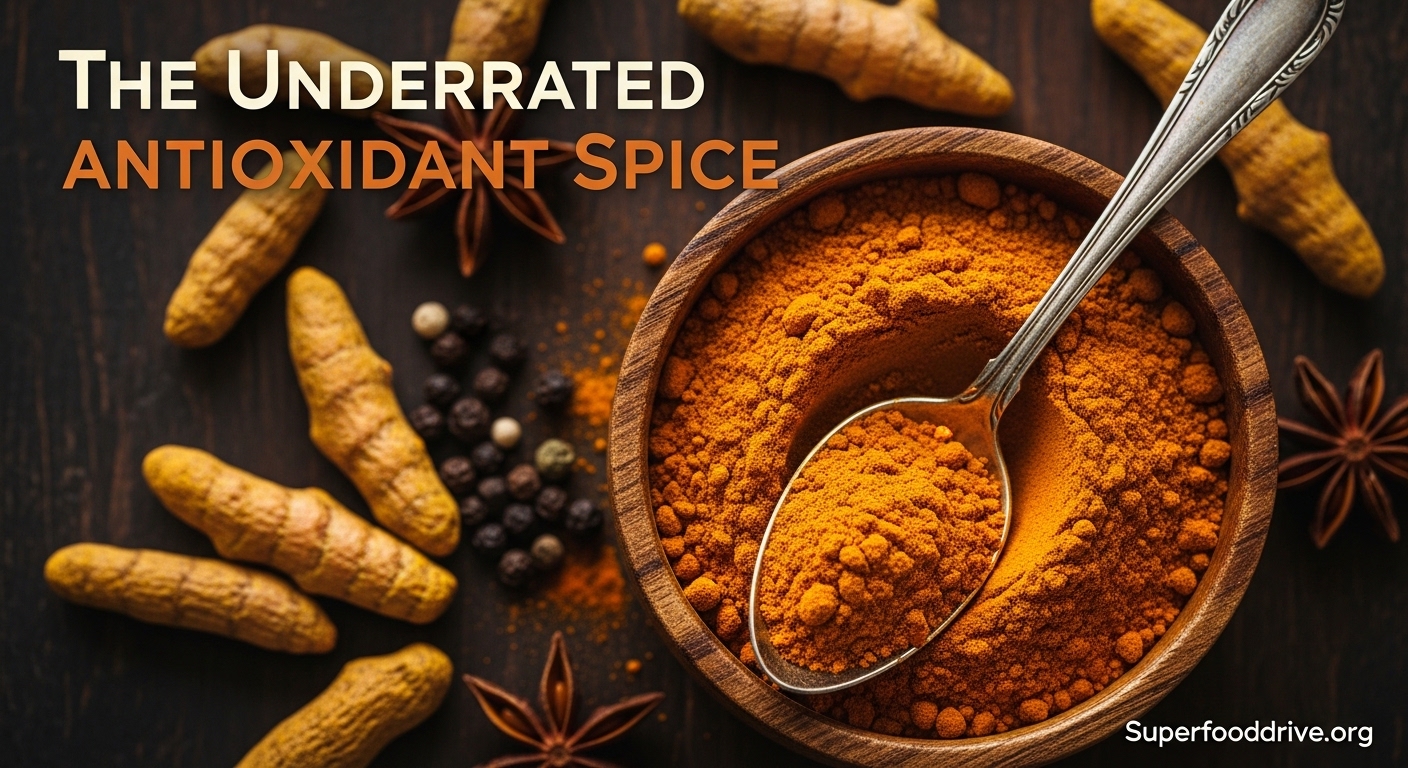
Most home cooks have a spice cabinet filled with the usual suspects. You probably have cinnamon, cumin, paprika, and maybe some turmeric tucked in the back. But there’s one spice that deserves a permanent spot in your kitchen that you might have overlooked entirely.
Sumac is arguably one of the most underrated spices you should have in your collection. This vibrant, burgundy-colored powder packs a tart, citrusy punch while delivering antioxidant power that rivals some of the most celebrated superfoods. In this guide, you’ll learn exactly what sumac is, why it’s considered a functional food, how to use it in your cooking, and what you need to know about safety when handling this unique spice.
Our team has spent months researching the science behind sumac, talking to Middle Eastern cooks who’ve used it for generations, and testing it in dozens of recipes. What we found surprised us. This isn’t just a flavor enhancer. It’s a legitimate nutritional powerhouse hiding in plain sight on spice shelves around the world.
Table of Contents
What Is Sumac?
Sumac is a spice made from the dried and ground berries of the Rhus coriaria shrub, a plant native to the Mediterranean region and parts of the Middle East. The berries grow in dense clusters that turn a deep reddish-purple when ripe, creating the distinctive burgundy powder you see in stores.
The processing is simple but specific. Harvesters collect the berries at peak ripeness, dry them under the sun, and then grind them into a coarse powder. This traditional method has remained largely unchanged for centuries, which is part of why sumac carries such an authentic, unchanged flavor profile.
The Rhus coriaria plant belongs to the Anacardiaceae family, which includes mangoes, cashews, and pistachios. This family connection matters because it explains both the rich flavor compounds and the allergen warnings we’ll cover later. The plant thrives in rocky, poor soil conditions, making it a resilient crop that doesn’t require intensive farming practices.
Historically, sumac has played a starring role in Middle Eastern and Mediterranean cuisine for thousands of years. Ancient Romans used it as a souring agent before lemons became widely available in Europe. Lebanese, Turkish, Syrian, and Iranian cooks have all developed signature dishes that rely on sumac’s unique characteristics. It’s a foundational ingredient in za’atar, the beloved Middle Eastern herb and spice blend that combines sumac with thyme, sesame seeds, and salt.
Why Sumac Is a Powerful Antioxidant
Sumac contains a wide array of chemical compounds with potent antioxidant activity. The deep red color actually hints at its nutritional power. Those anthocyanins that give sumac its visual appeal are the same compounds researchers study for their health-protective effects.
The primary antioxidant compounds in sumac include anthocyanins, tannins, and flavonoids. Anthocyanins are water-soluble pigments that scavenge free radicals in your body. Tannins add that characteristic astringent quality while providing additional antioxidant support. Flavonoids round out the profile with their own cell-protective properties.
Some researchers suggest sumac may contain up to three times more antioxidant power than better-known superfoods like acai berries or blueberries. While ORAC (Oxygen Radical Absorbance Capacity) scores can vary based on testing methods, multiple studies have confirmed sumac’s exceptional antioxidant capacity. A 2016 study published in the journal Food Chemistry specifically highlighted sumac’s high phenolic content and strong radical-scavenging abilities.
The combination of these compounds creates what nutritionists call a synergistic effect. Rather than working in isolation, the various antioxidants in sumac appear to enhance each other’s effectiveness. This is why whole-food sources of antioxidants often outperform isolated supplements.
Sumac Health Benefits
Modern research has started catching up with what traditional medicine practitioners have known for centuries. Sumac offers genuine health benefits that extend far beyond its culinary applications. Here’s what the science shows about what sumac does to your body.
Anti-Inflammatory Effects
Chronic inflammation sits at the root of many modern health problems, from joint pain to cardiovascular disease. The compounds in sumac appear to help reduce inflammatory markers in the body. The tannins and flavonoids work together to modulate inflammatory responses, potentially offering relief for people dealing with ongoing inflammation issues.
Animal studies have shown promising results regarding sumac’s anti-inflammatory properties. While human trials are still limited, the traditional use of sumac for soothing digestive discomfort and supporting overall wellness aligns with these preliminary findings. Many users report that regular consumption seems to support their general sense of wellbeing, though individual results vary.
Blood Sugar Management
A 2014 study published in the Journal of Medicinal Food examined sumac’s effects on blood sugar control. The researchers found that sumac supplementation helped improve insulin sensitivity in participants with type 2 diabetes. This suggests sumac may have a role to play in metabolic health management.
The mechanism appears to involve multiple pathways. Sumac compounds may help slow carbohydrate absorption, reduce post-meal blood sugar spikes, and improve how cells respond to insulin signals. For people managing blood sugar concerns, this makes sumac an interesting functional food to incorporate into meals.
It’s worth noting that sumac isn’t a treatment for diabetes. But as part of a broader dietary approach focused on blood sugar management, it offers potential benefits that go beyond basic nutrition. The fiber content and polyphenols both contribute to this metabolic support.
Cardiovascular Support
Sumac contains meaningful amounts of oleic acid and linoleic acid, the same heart-healthy fats found in olive oil. These monounsaturated and polyunsaturated fats support cardiovascular health by helping maintain healthy cholesterol levels and supporting arterial function.
The antioxidant compounds in sumac also protect LDL cholesterol from oxidation, which is a key step in the development of arterial plaque. By reducing oxidative stress in the cardiovascular system, sumac may contribute to long-term heart health when consumed regularly as part of a balanced diet.
Traditional Middle Eastern populations that consume sumac regularly have shown interesting cardiovascular health patterns in epidemiological studies. While correlation doesn’t prove causation, the association between sumac consumption and heart health deserves further investigation.
Antimicrobial Properties
Sumac has a long history of use as a food preservative, and modern research has confirmed its antimicrobial properties. The same compounds that provide antioxidant benefits also inhibit the growth of certain bacteria and fungi. This made sumac invaluable before refrigeration existed.
Contemporary studies have tested sumac extracts against various foodborne pathogens with positive results. The spice shows particular effectiveness against common culprits like Salmonella and E. coli in laboratory settings. While you shouldn’t rely on sumac for food safety instead of proper handling, it’s interesting to note this traditional use has scientific backing.
Some natural health practitioners also explore sumac’s potential for supporting digestive health through its antimicrobial effects. The idea is that sumac may help maintain a balanced gut microbiome by discouraging harmful bacterial overgrowth. However, more research is needed to fully understand these applications.
What Does Sumac Taste Like?
Sumac delivers a tart, citrusy flavor that many cooks describe as lemon-like but more complex. The acidity comes from malic acid and other organic acids present in the berries, giving it a pleasant sourness without the sharp bite of citrus juice.
Unlike lemons, sumac carries earthy undertones and a subtle astringency from its tannin content. Reddit users in cooking forums describe it as “citrus, spicy, tingly, a bit of sting” while clarifying that it’s not actually spicy in the chili sense. The flavor lingers pleasantly on the palate, encouraging another bite.
Sumac works beautifully as a lemon substitute in many dishes, but it isn’t identical. You lose the liquid component and fresh citrus aroma, but you gain a depth of flavor and visual appeal that lemon can’t match. The burgundy color adds a stunning presentation element to light-colored foods like hummus, rice, or yogurt.
Forum discussions reveal that many people first encounter sumac at Middle Eastern restaurants and can’t identify the “secret ingredient.” Once they discover it’s sumac, they often report buying 500 grams at a time after recognizing its versatility. Home cooks describe it as the ingredient that “transforms hummus” and is an “absolute must for taking it up a whole nother level.”
How to Use Sumac in Cooking
Sumac’s versatility makes it one of the most useful spices in a creative cook’s arsenal. It works across multiple cuisines and applications, from traditional Middle Eastern preparations to modern fusion experiments. Here’s how to incorporate this underrated spice into your cooking routine.
Traditional Applications
In Middle Eastern cuisine, sumac appears in countless classic dishes. It’s the defining ingredient in za’atar, the aromatic blend that combines sumac with dried thyme, sesame seeds, and salt. This mixture gets sprinkled on flatbreads, stirred into olive oil for bread dipping, or rubbed onto meats before grilling.
Fattoush, the Lebanese bread salad, relies heavily on sumac for its characteristic tang. The spice dresses the mixed greens, vegetables, and toasted pita pieces, creating a bright, refreshing dish that showcases sumac’s ability to elevate simple ingredients. Similar applications appear in Turkish and Persian cuisines, where sumac frequently accompanies grilled meats and rice dishes.
Mediterranean cooks often use sumac with seafood, where its acidity cuts through rich flavors without overwhelming delicate fish. It’s also traditional in kibbeh, the Levantine meat and grain dish, and various stuffed vegetable preparations. Understanding these traditional uses helps you appreciate the flavor boundaries sumac respects.
Practical Cooking Tips
Sumac works best as a finishing seasoning rather than a cooking spice. The delicate flavor compounds can diminish with prolonged heat exposure, so add it near the end of cooking or even after plating. This preserves the full aromatic complexity and visual appeal.
Grilled meats benefit enormously from a sprinkle of sumac just before serving. The spice cuts through fat and char, adding brightness that balances rich flavors. Try it on lamb chops, chicken thighs, or even burgers for an instant upgrade that surprises dinner guests.
Vegetables also love sumac. Roasted cauliflower, grilled zucchini, and sautéed greens all take on new dimensions with a light dusting. The spice particularly enhances root vegetables, where the earthy-sour combination creates sophisticated flavor profiles.
Salad dressings provide another excellent application. Whisk sumac into vinaigrettes for green salads, grain bowls, or bean dishes. It emulsifies well and distributes evenly, ensuring every bite carries that distinctive tang. You’ll find yourself reaching for it whenever a dish needs “something” but you can’t identify what.
Perhaps no application demonstrates sumac’s magic better than hummus. As home cooks on Reddit consistently report, sumac transforms basic hummus into something restaurant-worthy. Sprinkle it on top as a garnish, or blend it directly into the chickpea mixture for deeper integration. The combination of creamy texture and bright acidity is genuinely addictive.
Sumac Substitutes
If you can’t find sumac, several substitutes can approximate its effects, though none perfectly replicate its unique character. Lemon zest offers the closest flavor parallel, providing citrus oils and brightness without liquid. Use about twice as much zest as you would sumac.
Lemon juice works in a pinch but adds moisture that may affect your recipe. Start with half the amount of sumac called for and adjust to taste. Vinegar, particularly milder varieties like rice vinegar or white wine vinegar, can provide similar acidity.
The key limitation with any substitute is the color component. Nothing else provides that stunning burgundy hue that makes sumac-dusted dishes so visually striking. For presentations where appearance matters, there’s simply no replacement.
Where to Buy Quality Sumac
Finding good quality sumac can be surprisingly challenging. Reddit users frequently complain that store-bought versions often taste bland and lack the vibrant color that indicates freshness. The spice quality matters enormously with sumac, more so than with many other spices.
Quality indicators start with color. Fresh, potent sumac should be a deep burgundy or purplish-red. Pale, brownish sumac has likely oxidized or been cut with inferior products. The aroma should be distinctly tart and fruity. If you can’t smell anything, you won’t taste much either.
Middle Eastern markets remain the best source for high-quality sumac. These specialty stores typically source from reliable suppliers who understand the product’s importance in their customer base. The turnover is usually higher, ensuring fresher stock.
Online sources can work well if you choose reputable spice merchants. Look for vendors who specialize in Middle Eastern ingredients rather than general grocery retailers. Read reviews specifically mentioning freshness and flavor intensity.
Storage affects sumac’s potency significantly. Keep it in an airtight container away from light and heat. Properly stored sumac maintains its quality for about a year, though hardcore enthusiasts often replace it more frequently to ensure maximum flavor impact.
Safety: Poison Sumac vs Edible Sumac
This section addresses the most common concern people have about sumac. The confusion between edible culinary sumac and poison sumac prevents many people from enjoying this spice. Understanding the difference is essential for both safety and peace of mind.
Edible sumac (Rhus coriaria and related species) produces dense clusters of red to burgundy berries. These are the berries used for culinary sumac spice. The plant has compound leaves and grows as a shrub or small tree in Mediterranean climates and similar regions worldwide.
Poison sumac (Toxicodendron vernix) contains the same skin-irritating oil as poison ivy and poison oak. It produces white or pale green berries, not the red ones used for spice. This visual difference is the most reliable identification method. If you see white berries, stay away.
The confusion arises because both plants share the common name “sumac” and both belong to the broader Anacardiaceae family. However, they occupy different genera and have distinct characteristics. Poison sumac typically grows in wet, swampy areas in North America, while edible sumac prefers drier, rocky terrain.
Foragers must exercise extreme caution when harvesting wild sumac. Proper identification requires knowledge and experience. Unless you’re absolutely certain of your identification skills, purchase sumac from commercial sources rather than foraging. The risk of misidentification simply isn’t worth the reward.
Regarding consumption safety, most people can enjoy culinary sumac without issues. However, individuals with allergies to mangoes, cashews, or pistachios should approach sumac carefully due to the family relationship. Start with small amounts to test your tolerance.
Pregnant and breastfeeding women should consult healthcare providers before consuming large amounts of sumac, as with any concentrated herbal product. While culinary amounts are generally considered safe, medicinal doses haven’t been extensively studied for these populations.
People taking blood sugar medications should monitor their levels when adding sumac regularly to their diet. The potential blood sugar-lowering effects could interact with diabetes medications, requiring dosage adjustments. Always discuss dietary changes with your healthcare provider if you manage chronic conditions.
Frequently Asked Questions
What does sumac do to your body?
Sumac delivers antioxidant compounds including anthocyanins, tannins, and flavonoids that help protect your cells from oxidative damage. These compounds also provide anti-inflammatory effects, support blood sugar management by improving insulin sensitivity, and offer cardiovascular benefits through heart-healthy fats like oleic and linoleic acid.
Who should not eat sumac spice?
People with allergies to mangoes, cashews, or pistachios should use caution with sumac due to family relationships within the Anacardiaceae family. Individuals taking blood sugar medications should monitor levels when consuming sumac regularly. Pregnant and breastfeeding women should consult healthcare providers before consuming large amounts. Those uncertain about wild foraging identification should avoid harvesting sumac themselves.
Does sumac spice have any health benefits?
Yes, sumac offers multiple evidence-backed health benefits. It provides potent antioxidant protection, anti-inflammatory effects, support for blood sugar management, cardiovascular benefits from healthy fats, and antimicrobial properties. Research from 2014 and 2016 specifically demonstrated sumac’s positive effects on insulin sensitivity and its high phenolic content.
Is sumac a good antioxidant?
Sumac is an exceptional antioxidant source. It contains high concentrations of anthocyanins, tannins, and flavonoids that scavenge free radicals in the body. Some research suggests sumac may contain up to three times more antioxidant power than well-known superfoods like acai or blueberries, making it one of the most antioxidant-rich spices available.
Conclusion
Sumac truly deserves its reputation as an underrated antioxidant spice. From its impressive nutritional profile to its remarkable versatility in the kitchen, this burgundy powder offers something valuable for virtually everyone. Whether you’re seeking health benefits, new flavors, or both, sumac delivers.
Start with a small purchase from a reputable source and experiment with the applications we’ve covered. Sprinkle it on hummus, rub it on grilled meats, or whisk it into your next salad dressing. Once you experience what sumac brings to your cooking, you’ll understand why Middle Eastern cuisines have treasured it for millennia. Sumac isn’t just a spice. It’s a simple upgrade to your entire approach to flavor and nutrition.