
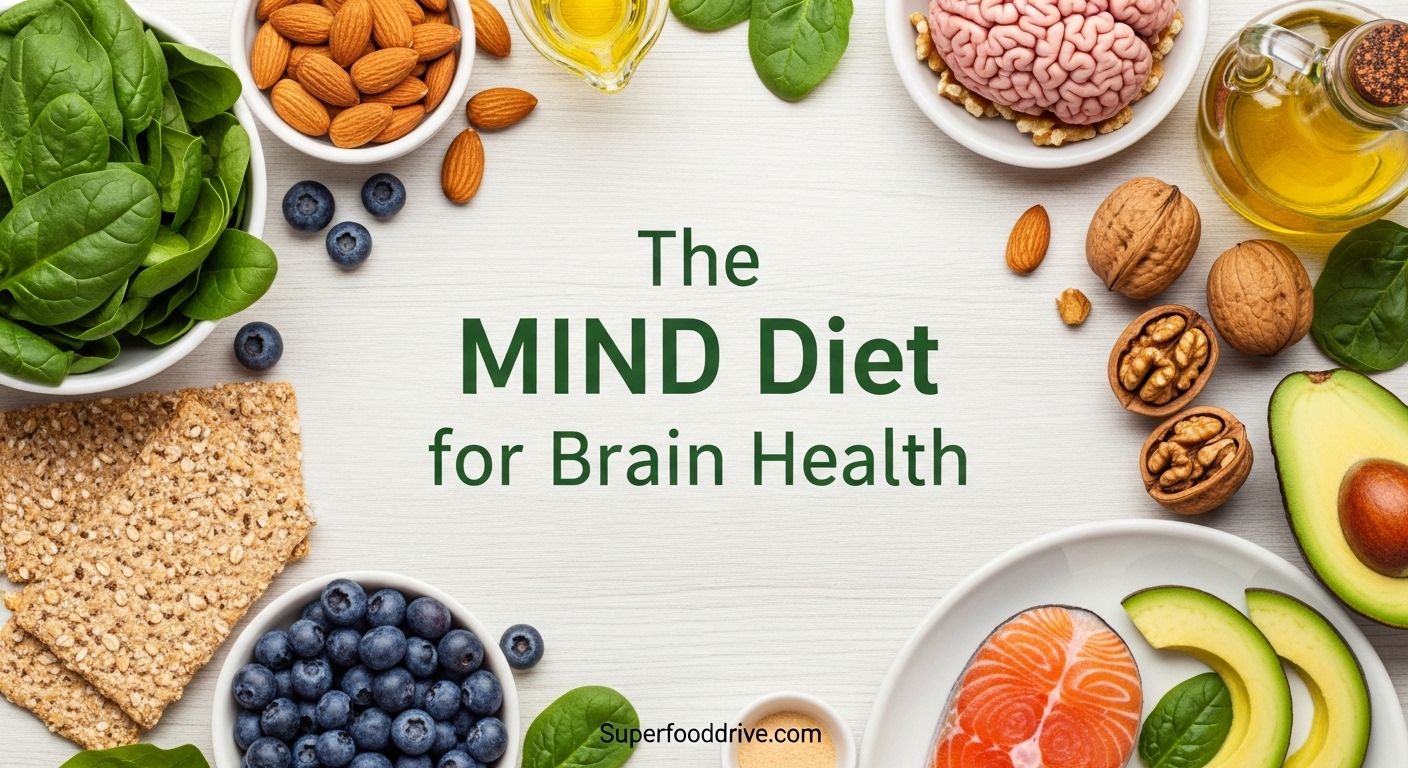
Your brain health matters more than ever in 2026. The MIND diet offers a science-backed approach to protecting your cognitive function and reducing your risk of Alzheimer’s disease through simple, delicious food choices.
Our team spent months analyzing the research behind this eating pattern. We reviewed studies from Rush University, Harvard, and major medical institutions to bring you the most comprehensive guide to the MIND diet for brain health. You will learn exactly what to eat, what to avoid, and how to implement this lifestyle change without overwhelming yourself.
Whether you are concerned about memory loss, want to stay sharp as you age, or simply want to eat for better brain health, this guide covers everything you need to know. Let us explore how the right foods can protect your mind.
Table of Contents
- What Is the MIND Diet?
- What to Eat on the MIND Diet: 10 Brain-Healthy Food Groups
- 5 Foods to Limit or Avoid on the MIND Diet
- Research-Backed Benefits of the MIND Diet
- MIND Diet Meal Planning: A 7-Day Sample Plan
- How to Start the MIND Diet: Practical Tips for Success
- Frequently Asked Questions About the MIND Diet
- What are 5 foods to avoid on the MIND diet?
- What is the number one fruit for reversing memory loss?
- What do you eat for breakfast on the MIND diet?
- What are the 5 best foods for memory?
- Does the MIND diet help with weight loss?
- Is the MIND diet suitable for vegetarians?
- How soon can I expect to see results?
- Conclusion
What Is the MIND Diet?
MIND stands for Mediterranean-DASH Intervention for Neurodegenerative Delay. It is a research-driven eating pattern created by nutritional epidemiologist Martha Clare Morris and her team at Rush University in Chicago.
The MIND diet combines the best elements of two proven healthy eating patterns: the Mediterranean diet and the DASH (Dietary Approaches to Stop Hypertension) diet. But it goes further by specifically targeting foods that support brain health and protect against cognitive decline.
The Science Behind the MIND Diet
Your brain faces constant threats from oxidative stress and inflammation. These processes damage brain cells over time and contribute to neurodegenerative diseases like Alzheimer’s.
The MIND diet works by flooding your body with neuroprotective nutrients. Foods rich in antioxidants, vitamin E, folate, and omega-3 fatty acids help neutralize free radicals that cause oxidative damage. Anti-inflammatory compounds in berries, leafy greens, and fatty fish reduce chronic inflammation that harms brain tissue.
Research published in the journal Alzheimer’s & Dementia showed that the MIND diet slowed cognitive decline equivalent to being 7.5 years younger in people who followed it most closely. This is not just about preventing disease. It is about maintaining your mental sharpness and quality of life.
The MIND Diet Scoring System
Researchers developed a simple scoring system to measure MIND diet adherence. You earn points for eating the 10 brain-healthy food groups and lose points for consuming the 5 foods to limit.
A perfect MIND diet score is 15 points. Studies show that even a moderate score of 7-8 points delivers significant brain benefits. This flexibility makes the MIND diet more sustainable than rigid eating plans. You do not need perfection to protect your brain.
What to Eat on the MIND Diet: 10 Brain-Healthy Food Groups
The MIND diet emphasizes 10 specific food groups that research has linked to better cognitive outcomes. Each group provides unique nutrients that support different aspects of brain function.
1. Leafy Green Vegetables
Leafy greens are the foundation of the MIND diet. You should eat at least six servings per week of vegetables like spinach, kale, collards, Swiss chard, romaine lettuce, and arugula.
These vegetables are packed with folate, vitamin E, carotenoids, and flavonoids. Folate helps reduce homocysteine levels in your blood. High homocysteine is linked to cognitive impairment and Alzheimer’s risk. Vitamin E acts as a powerful antioxidant that protects brain cell membranes from damage.
A 2018 study in Neurology found that people who ate one serving of leafy greens daily showed slower cognitive decline than those who rarely ate them. The difference was equivalent to being 11 years younger mentally. Adding a simple salad or green smoothie to your day could have profound long-term effects.
2. Other Vegetables
Beyond leafy greens, aim for at least one additional serving of vegetables daily. Focus on non-starchy options like broccoli, cauliflower, bell peppers, carrots, tomatoes, and zucchini.
Variety matters here. Different colored vegetables provide different phytonutrients. Orange vegetables offer beta-carotene. Red and purple vegetables contain anthocyanins. Cruciferous vegetables like broccoli provide sulforaphane. Eating a rainbow of vegetables ensures you get the full spectrum of brain-protective compounds.
3. Berries
Berries are the only fruit specifically emphasized on the MIND diet. You should eat berries at least twice per week. Blueberries and strawberries get special mention in the research.
These small fruits are antioxidant powerhouses. They contain high levels of flavonoids called anthocyanins that cross the blood-brain barrier. Once in your brain, they reduce inflammation and improve communication between brain cells.
The Memory and Aging Project found that regular berry consumption was associated with a slower rate of cognitive decline. Participants who ate more berries maintained better memory and executive function over time. Frozen berries work just as well as fresh, making this an affordable year-round option.
4. Nuts
Eat nuts at least five times per week on the MIND diet. A serving is about one ounce, or roughly a small handful.
Nuts provide healthy unsaturated fats, vitamin E, and plant compounds that support brain health. Walnuts deserve special attention because they are rich in alpha-linolenic acid (ALA), a plant-based omega-3 fatty acid. Almonds provide significant vitamin E. Other excellent choices include pistachios, cashews, and hazelnuts.
Choose unsalted, raw, or dry-roasted nuts to avoid excess sodium and unhealthy oils. Store nuts in the refrigerator or freezer to prevent the healthy fats from going rancid.
5. Olive Oil
Make olive oil your primary cooking fat and salad dressing base. The MIND diet specifically recommends olive oil over butter, margarine, or processed vegetable oils.
Olive oil is rich in monounsaturated fats that support healthy blood vessels. Healthy circulation ensures your brain receives adequate oxygen and nutrients. Extra virgin olive oil also contains polyphenols that reduce inflammation and protect against oxidative stress.
Use olive oil for sautéing vegetables, dressing salads, and drizzling over whole grains. When cooking at high heat, choose regular olive oil rather than extra virgin, as it has a higher smoke point.
6. Whole Grains
Include at least three servings of whole grains daily on the MIND diet. Good options include oatmeal, brown rice, quinoa, whole wheat bread, whole grain pasta, and barley.
Whole grains provide fiber that feeds beneficial gut bacteria. Emerging research shows strong connections between gut health and brain health through the gut-brain axis. Whole grains also provide B vitamins that support nerve function and steady energy without blood sugar spikes.
Transitioning to whole grains can be gradual. Start by mixing brown rice with white rice. Choose whole grain bread for sandwiches. Try oatmeal for breakfast instead of refined cereal. Small changes add up to significant brain benefits over time.
7. Fish
Eat fish at least once per week on the MIND diet. Fatty fish like salmon, mackerel, sardines, trout, and herring are particularly beneficial.
These fish are rich in omega-3 fatty acids, especially DHA. DHA is a major structural component of brain cell membranes. It reduces inflammation, supports neuroplasticity, and helps maintain healthy brain volume as you age.
Baking, grilling, or poaching fish preserves the healthy fats better than deep frying. If fresh fish is not available, frozen or canned options still provide benefits. Look for wild-caught fish when possible and limit high-mercury species like swordfish and king mackerel.
8. Beans
Include beans and legumes in at least four meals per week. This includes lentils, chickpeas, black beans, kidney beans, and pinto beans.
Beans provide plant-based protein, fiber, and folate. They stabilize blood sugar levels, which is important because diabetes and insulin resistance increase dementia risk. The fiber in beans also supports healthy cholesterol levels and cardiovascular health.
Canned beans are convenient and nutritious. Just rinse them to reduce sodium content. Dried beans are more economical and allow you to control the sodium completely. Batch cook beans on weekends to have them ready for quick meals throughout the week.
9. Poultry
Eat poultry at least twice per week. Chicken and turkey provide lean protein without the high saturated fat content of red meat.
Protein is essential for neurotransmitter production and maintaining muscle mass as you age. Poultry also provides B vitamins that support energy metabolism and nervous system function.
Choose skinless cuts to minimize saturated fat intake. Bake, grill, or roast poultry instead of frying. Avoid processed poultry products like chicken nuggets or deli meats, which often contain added sodium and preservatives.
10. Wine (Optional)
The MIND diet permits moderate wine consumption, but this is entirely optional. If you choose to drink, limit it to one glass daily for women and two for men.
Red wine contains resveratrol and other polyphenols that may offer brain protection. However, the risks of alcohol consumption may outweigh benefits for some people. Those with a history of alcohol abuse, liver disease, or certain medical conditions should skip wine entirely.
Grape juice and whole grapes provide similar polyphenols without the alcohol. These are excellent alternatives for people who prefer to avoid drinking.
5 Foods to Limit or Avoid on the MIND Diet
Just as important as what you eat is what you reduce or eliminate. The MIND diet identifies five food categories that harm brain health through inflammation, oxidative stress, and impaired blood flow.
1. Butter and Margarine
Limit butter and stick margarine to less than one tablespoon per day. These spreads are high in saturated fats and trans fats that promote inflammation and arterial stiffness.
Replace butter with olive oil whenever possible. Use olive oil for cooking, dressing bread, and finishing dishes. If you must use butter, choose small amounts of grass-fed butter and savor it as an occasional treat rather than a daily staple.
2. Cheese
Limit cheese to no more than one serving per week. Cheese is high in saturated fat and sodium. While it provides calcium and protein, the MIND diet prioritizes brain health over dairy consumption.
If you love cheese, choose strongly flavored varieties like aged cheddar or Parmesan. A small amount delivers big flavor, making it easier to stay within the weekly limit. Consider nutritional yeast as a cheese alternative for sprinkling on dishes.
3. Red Meat
Limit red meat to no more than three servings per week. This includes beef, lamb, and pork. Processed red meats like bacon, sausage, and hot dogs should be minimized even further.
Red meat contains high levels of saturated fat and iron. While iron is essential, excess iron accumulation in the brain is associated with oxidative stress and cognitive decline. Red meat consumption is also linked to higher inflammation markers.
When you do eat red meat, choose lean cuts and keep portions small. Make meat a side dish rather than the main event. Fill most of your plate with vegetables and whole grains instead.
4. Fried and Fast Food
The MIND diet recommends avoiding fried and fast food entirely. These foods are typically cooked in unhealthy oils that contain trans fats and oxidized compounds.
Fast food is also typically high in sodium, refined carbohydrates, and processed ingredients that harm both brain and cardiovascular health. The convenience comes at a significant cost to your cognitive future.
When you crave fast food flavors, try making healthier versions at home. Bake sweet potato fries instead of deep frying. Make homemade burgers with lean turkey or bean patties. Your brain will thank you for the extra effort.
5. Pastries and Sweets
Limit pastries and sweets to no more than four times per week. This includes cookies, cakes, donuts, ice cream, candy, and sugar-sweetened beverages.
High sugar intake is associated with inflammation, insulin resistance, and impaired cognitive function. Some researchers now call Alzheimer’s “type 3 diabetes” because of the strong connection between blood sugar dysregulation and dementia risk.
Satisfy your sweet tooth with berries and a small piece of dark chocolate instead of processed desserts. When you do indulge in traditional sweets, keep portions small and truly savor the experience.
Research-Backed Benefits of the MIND Diet
The MIND diet is not just another trendy eating plan. It is supported by rigorous scientific research from prestigious institutions. Understanding the evidence helps you stay motivated when making dietary changes.
The Rush University Memory and Aging Project
The original MIND diet research came from the Rush University Memory and Aging Project, an ongoing study that began in 1997. Researchers followed over 900 older adults, tracking their diets and cognitive function over years.
The results were striking. Participants with the highest MIND diet scores had a 53% lower risk of developing Alzheimer’s disease compared to those with the lowest scores. Even those with moderate adherence saw a 35% reduction in risk. These benefits held true regardless of other health conditions or genetic risk factors.
Slowing Cognitive Decline
Alzheimer’s prevention is important, but maintaining everyday cognitive function matters too. Multiple studies show that MIND diet adherence slows normal age-related cognitive decline.
Research published in the journal Alzheimer’s & Dementia found that people who followed the MIND diet most closely showed cognitive decline rates equivalent to being 7.5 years younger than their actual age. This means a 75-year-old following the MIND diet might have the cognitive function of a typical 67-year-old.
Brain imaging studies support these findings. MRI scans show that higher MIND diet scores correlate with larger brain volumes, particularly in the hippocampus. The hippocampus is critical for memory formation and is one of the first brain areas affected by Alzheimer’s disease.
Beyond Alzheimer’s Prevention
The benefits of the MIND diet extend beyond Alzheimer’s disease. Research suggests it may help protect against other forms of dementia, including vascular dementia and Lewy body dementia.
Stroke survivors following MIND diet principles show better recovery outcomes. The diet’s emphasis on cardiovascular health supports healthy blood flow to the brain, reducing the risk of vascular cognitive impairment.
Some studies even suggest MIND diet benefits for mood and mental health. The anti-inflammatory effects may help reduce depression risk, while stable blood sugar supports consistent energy and emotional regulation.
MIND Diet Meal Planning: A 7-Day Sample Plan
Knowing what to eat is helpful, but seeing it in action makes implementation easier. This 7-day meal plan shows you how to incorporate all 10 brain-healthy food groups while limiting the five foods to avoid.
Day 1
Breakfast: Oatmeal topped with blueberries, walnuts, and a drizzle of olive oil instead of butter. Add cinnamon for flavor.
Lunch: Large spinach salad with grilled chicken, cherry tomatoes, cucumbers, and olive oil vinaigrette. Side of whole grain bread.
Dinner: Baked salmon with roasted broccoli and quinoa. Side salad with mixed greens.
Snack: Handful of almonds and a small apple.
Day 2
Breakfast: Whole grain toast with avocado and a poached egg. Side of strawberries.
Lunch: Lentil soup with kale and carrots. Side of mixed green salad.
Dinner: Grilled turkey burger (no bun) with roasted sweet potato wedges and sautéed spinach.
Snack: Greek yogurt with mixed berries and a sprinkle of pumpkin seeds.
Day 3
Breakfast: Smoothie with spinach, banana, blueberries, walnuts, and almond milk.
Lunch: Chickpea and vegetable stir-fry with brown rice. Use olive oil for cooking.
Dinner: Herb-crusted trout with asparagus and whole grain couscous.
Snack: Raw vegetables with hummus.
Day 4
Breakfast: Whole grain cereal with sliced almonds and raspberries. Use unsweetened almond milk.
Lunch: Tuna salad (made with olive oil mayo) on a bed of mixed greens with tomatoes and bell peppers.
Dinner: Bean and vegetable chili with side salad. Skip the cheese and sour cream toppings.
Snack: Small handful of pistachios and an orange.
Day 5
Breakfast: Vegetable omelet with spinach, mushrooms, and tomatoes cooked in olive oil. Side of whole grain toast.
Lunch: Quinoa bowl with roasted vegetables, chickpeas, and olive oil dressing.
Dinner: Grilled chicken breast with Mediterranean-style vegetables (zucchini, eggplant, peppers) and whole wheat pita.
Snack: Sliced bell peppers with guacamole.
Day 6
Breakfast: Overnight oats with chia seeds, walnuts, and mixed berries.
Lunch: Three-bean salad with olive oil dressing over arugula. Side of whole grain crackers.
Dinner: Baked mackerel with roasted Brussels sprouts and farro.
Snack: Apple slices with almond butter.
Day 7
Breakfast: Whole grain pancakes topped with fresh strawberries and a sprinkle of walnuts. Use olive oil in the batter instead of butter.
Lunch: Grilled vegetable and white bean salad with olive oil and lemon dressing.
Dinner: Turkey meatballs (baked, not fried) with whole grain pasta and marinara sauce. Side of steamed green beans.
Snack: Small handful of mixed nuts and dark chocolate squares (70% cacao or higher).
How to Start the MIND Diet: Practical Tips for Success
Transitioning to a new eating pattern can feel overwhelming. These practical strategies help you adopt the MIND diet without stress or deprivation.
Start Gradually
You do not need to change everything overnight. Pick one or two MIND diet principles to implement each week. Maybe start by adding a daily serving of leafy greens. Once that becomes habit, add berries twice weekly. Gradual change is more sustainable than dramatic overhauls.
Track your progress with the MIND diet scoring system. Aim to increase your score by one or two points each week until you reach a sustainable level. Even a score of 8 out of 15 delivers significant brain benefits.
Shop Smart
Keep MIND diet staples on hand so healthy choices are always easy. Stock your pantry with olive oil, whole grains, nuts, and beans. Fill your freezer with frozen berries and fish. These items have long shelf lives and make meal prep simple.
Shop the perimeter of the grocery store where fresh produce, fish, and poultry are located. Minimize trips down the center aisles where processed foods typically live. When you do buy packaged foods, read labels carefully. Avoid items with added sugars, hydrogenated oils, or long ingredient lists.
Make It Budget-Friendly
Brain-healthy eating does not have to break the bank. Frozen berries are often more affordable than fresh and retain their nutritional value. Canned fish like sardines and mackerel cost less than fresh salmon but provide similar omega-3 benefits.
Dried beans are one of the most economical protein sources available. Buy nuts in bulk to save money. Store brands of olive oil are typically just as good as name brands. Seasonal vegetables are cheaper and fresher than out-of-season options.
Dining Out on the MIND Diet
Eating out while following the MIND diet requires some strategy, but it is entirely possible. Choose restaurants that offer grilled fish, salads, and vegetable sides. Mediterranean and Asian restaurants often have MIND-friendly options.
Ask for olive oil instead of butter or processed dressings. Request vegetables steamed or grilled rather than fried. Order sauces on the side to control sodium and fat intake. Do not hesitate to make special requests. Most restaurants accommodate dietary preferences.
Meal Prep for Success
Preparation prevents poor choices. Wash and chop vegetables on Sunday so they are ready for quick meals throughout the week. Cook a large batch of whole grains and beans to use in multiple dishes. Grill several chicken breasts at once for easy protein options.
Keep healthy snacks readily available. Portion nuts into small containers. Wash berries and store them at eye level in the refrigerator. Having brain-healthy options within easy reach makes it simple to follow the MIND diet even on busy days.
Frequently Asked Questions About the MIND Diet
What are 5 foods to avoid on the MIND diet?
The MIND diet recommends limiting butter and margarine to less than 1 tablespoon daily, cheese to less than 1 serving per week, red meat to less than 4 servings per week, fried and fast food to less than 1 serving per week, and pastries and sweets to less than 5 servings per week. These foods are high in saturated fats, trans fats, and added sugars that promote inflammation and oxidative stress in the brain.
What is the number one fruit for reversing memory loss?
Blueberries are considered the top fruit for memory support according to MIND diet research. They contain high levels of flavonoids called anthocyanins that cross the blood-brain barrier and improve communication between brain cells. Studies from the Rush Memory and Aging Project specifically identified blueberries as the most brain-protective fruit.
What do you eat for breakfast on the MIND diet?
Popular MIND diet breakfast options include oatmeal topped with berries and nuts, whole grain toast with avocado, vegetable omelets cooked in olive oil, smoothies with spinach and berries, and whole grain cereal with sliced almonds. The key is incorporating whole grains, berries, and nuts while avoiding butter, pastries, and processed cereals.
What are the 5 best foods for memory?
The top 5 memory-supporting foods on the MIND diet are leafy green vegetables (for folate and vitamin E), berries (for anthocyanins and antioxidants), nuts especially walnuts (for vitamin E and healthy fats), fatty fish like salmon (for omega-3 fatty acids), and olive oil (for monounsaturated fats and polyphenols). These foods protect brain cells and support cognitive function through multiple mechanisms.
Does the MIND diet help with weight loss?
The MIND diet is not specifically designed for weight loss, but many people lose weight as a side benefit. The diet emphasizes nutrient-dense, filling foods like vegetables, whole grains, and legumes while limiting high-calorie processed foods, sweets, and fried items. The focus on whole foods naturally reduces calorie intake for many people while providing excellent nutrition.
Is the MIND diet suitable for vegetarians?
Yes, the MIND diet can be easily adapted for vegetarians. Simply emphasize the plant-based components like leafy greens, other vegetables, berries, nuts, whole grains, beans, and olive oil. Replace fish and poultry with additional beans, lentils, and tofu for protein. The core brain-healthy nutrients in the MIND diet come primarily from plant sources, making vegetarian adaptation straightforward.
How soon can I expect to see results?
Research suggests that following the MIND diet consistently for several years provides the strongest protection against cognitive decline and Alzheimer’s disease. However, many people report improved mental clarity, better energy levels, and enhanced focus within weeks to months of adopting the diet. Brain health is a long-term investment, and the earlier you start, the greater the benefits.
Conclusion
The MIND diet for brain health offers a practical, science-backed approach to protecting your cognitive function as you age. By emphasizing leafy greens, berries, nuts, whole grains, olive oil, fish, beans, and poultry while limiting butter, cheese, red meat, fried foods, and sweets, you can significantly reduce your risk of Alzheimer’s disease and slow cognitive decline.
Research from Rush University shows that strict adherence to the MIND diet can reduce Alzheimer’s risk by up to 53%. Even moderate adherence delivers a 35% risk reduction. These numbers represent real protection for your brain and quality of life.
Starting the MIND diet does not require perfection. Begin with small changes like adding a daily serving of leafy greens or swapping butter for olive oil. Every step toward the MIND diet principles supports your brain health. Your future self will thank you for the choices you make today.