
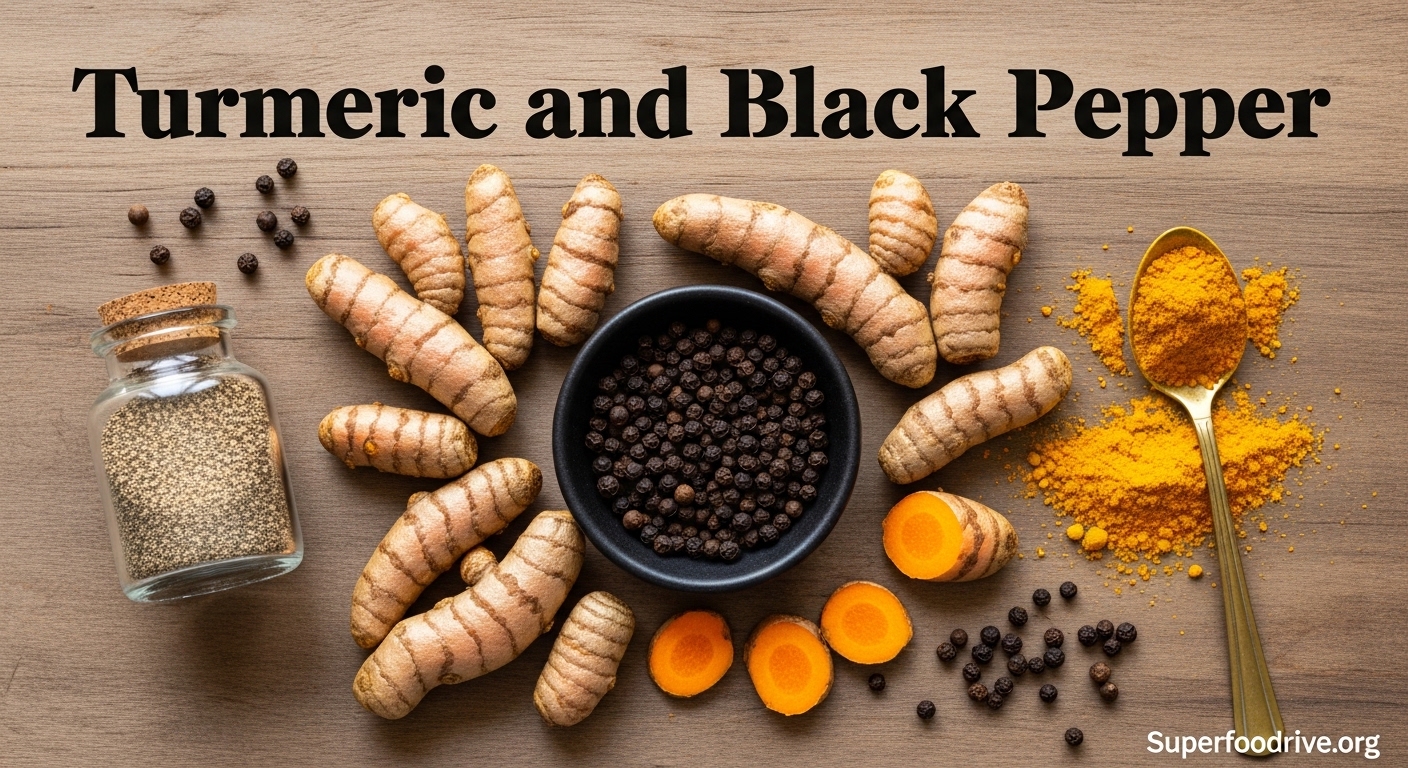
You have probably heard about the incredible health benefits of turmeric. This golden spice has become a wellness staple in kitchens around the world. But here is something most people do not realize: without black pepper, your body barely absorbs any of turmeric’s beneficial compounds.
I learned this the hard way after taking turmeric supplements for months with minimal results. Once I added black pepper to my routine, everything changed. The reason comes down to one powerful compound called piperine, which can increase turmeric absorption by up to 2,000%.
In this guide, I will explain exactly why turmeric and black pepper work better together, how the science behind absorption actually works, and practical ways to combine them for maximum health benefits.
Table of Contents
What Is Curcumin? The Active Compound in Turmeric
Turmeric is the bright yellow root from the Curcuma longa plant, a member of the ginger family native to Southeast Asia. People have used it for thousands of years in cooking and traditional medicine, particularly in Ayurvedic practices.
However, the real star of turmeric is not the spice itself but a compound called curcumin. Curcumin is one of several curcuminoids found in turmeric and is responsible for most of its health benefits. It gives turmeric its distinctive golden color and delivers powerful anti-inflammatory and antioxidant effects.
Here is the problem: turmeric root naturally contains only about 3% curcumin by weight. Even worse, curcumin has extremely poor bioavailability when consumed alone. Your body struggles to absorb it, and most passes through your system unused.
What Is Piperine? The Secret in Black Pepper
Black pepper comes from the Piper nigrum plant and contains its own powerful active compound called piperine. This alkaloid gives black pepper its sharp, pungent flavor and bite. But piperine does much more than add taste to your food.
Piperine has been shown to enhance the bioavailability of various nutrients and compounds, including curcumin. It works through multiple mechanisms that help your body actually use the beneficial substances you consume.
Research shows that you only need a tiny amount of piperine to make a dramatic difference. Just 20 milligrams of piperine (about 1/20 teaspoon of black pepper) can increase curcumin absorption by up to 2,000%.
Turmeric and Black Pepper Absorption: How It Actually Works
Piperine enhances curcumin absorption through two primary mechanisms: inhibiting liver metabolism and improving intestinal permeability. Together, these effects dramatically increase how much curcumin reaches your bloodstream.
Normally, when you consume curcumin, your liver quickly metabolizes it through a process called glucuronidation. This converts curcumin into water-soluble compounds that your body excretes. Piperine temporarily inhibits these liver enzymes, slowing down the breakdown process and allowing more curcumin to circulate in your system.
Additionally, piperine enhances the permeability of your intestinal wall. This means more curcumin can pass through your gut lining and enter your bloodstream rather than being eliminated.
Curcumin is also fat-soluble, which means it absorbs better when consumed with dietary fats. Combining turmeric with both black pepper and healthy fats like coconut oil, olive oil, or avocado creates the ideal absorption environment.
Traditional Ayurvedic medicine recognized this synergy thousands of years ago. Practitioners regularly combined turmeric with black pepper in remedies, understanding that the combination worked better than either spice alone.
Key Health Benefits of Combining Turmeric and Black Pepper
When you combine turmeric and black pepper properly, you unlock the full potential of curcumin’s health benefits. Here is what research supports:
Enhanced Anti-Inflammatory Effects
Chronic inflammation contributes to many modern diseases. Curcumin is a potent anti-inflammatory compound that works at the molecular level. By blocking NF-kB, a molecule that activates inflammation-related genes, curcumin helps reduce inflammation throughout the body.
Superior Antioxidant Protection
Oxidative damage from free radicals ages your cells and contributes to disease. Curcumin neutralizes free radicals directly while also stimulating your body’s own antioxidant enzymes. With black pepper enhancing absorption, these antioxidant effects become significantly more powerful.
Joint Health and Arthritis Support
For people with rheumatoid arthritis (RA) and osteoarthritis, the turmeric and black pepper combination offers natural relief. Studies show curcumin can reduce joint inflammation and pain as effectively as some anti-inflammatory drugs, without the side effects.
People with RA can take turmeric, but should start with lower doses and monitor symptoms. The anti-inflammatory properties may help reduce morning stiffness and joint swelling.
Digestive Support
Both turmeric and black pepper support healthy digestion. Turmeric stimulates bile production, which helps break down fats. Piperine increases digestive enzyme secretion and enhances nutrient absorption from your food.
Brain Health and Cognitive Function
Curcumin crosses the blood-brain barrier and may help clear amyloid plaques associated with Alzheimer’s disease. It also boosts BDNF (brain-derived neurotrophic factor), a growth hormone that supports brain function and memory.
Heart Health Benefits
The combination supports cardiovascular health by improving endothelial function (the lining of blood vessels), reducing inflammation, and providing antioxidant protection against oxidative stress.
How to Combine Turmeric and Black Pepper for Maximum Absorption
Getting the ratio right matters. Research suggests a 1:4 ratio of black pepper to turmeric works best. This means for every teaspoon of turmeric, use about 1/4 teaspoon of freshly ground black pepper.
Golden Milk Recipe
Golden milk (turmeric latte) is one of the most popular ways to enjoy this combination:
Ingredients:
- 1 cup milk (dairy or plant-based)
- 1 teaspoon turmeric powder
- 1/4 teaspoon black pepper
- 1 tablespoon coconut oil or ghee
- 1 teaspoon honey or maple syrup (optional)
- 1/2 teaspoon cinnamon (optional)
Instructions: Warm the milk gently in a saucepan. Whisk in turmeric, black pepper, and coconut oil. Simmer for 5 minutes while stirring. Remove from heat, add sweetener and cinnamon if desired, and enjoy.
Turmeric Tea Preparation
For a simple tea, simmer 1 teaspoon turmeric and 1/4 teaspoon black pepper in 2 cups water for 10 minutes. Strain and add lemon and honey to taste.
Adding to Curries and Savory Dishes
When cooking with turmeric, always add black pepper. Indian cuisine naturally includes this combination. Try adding both spices to soups, stews, roasted vegetables, and rice dishes.
Best Fat Sources for Absorption
Since curcumin is fat-soluble, always pair your turmeric and black pepper with healthy fats:
- Coconut oil or coconut milk
- Olive oil
- Avocado
- Nuts and seeds
- Full-fat dairy
Timing Matters
Take turmeric and black pepper with meals for best results. The dietary fat in your food enhances absorption, and taking it with food reduces any potential digestive upset.
How Much Turmeric and Black Pepper Should You Take Daily
For general wellness, aim for 500 to 1,000 milligrams of curcumin daily. Since turmeric powder contains only about 3% curcumin, this translates to roughly 1 to 2 teaspoons of turmeric powder per day.
You only need a small amount of black pepper. About 1/20 teaspoon (20 milligrams of piperine) is sufficient to enhance absorption significantly. Many people use 1/4 teaspoon of freshly ground pepper per teaspoon of turmeric.
For therapeutic purposes like reducing inflammation, some studies use higher doses of 1,000 to 2,000 milligrams of curcumin daily. However, start with lower amounts and gradually increase to assess your tolerance.
If using supplements, look for products that already contain piperine or BioPerine (a standardized piperine extract). This ensures you get the absorption enhancement without measuring pepper.
Safety, Side Effects, and Drug Interactions
Turmeric and black pepper are generally safe for most people when consumed in food amounts. However, high-dose supplements require more caution.
Common Side Effects
Some people experience digestive upset, including nausea or diarrhea, at higher doses. Starting with smaller amounts and taking with food usually prevents these issues.
Blood-Thinning Medications
Curcumin has mild blood-thinning properties. If you take blood thinners like warfarin, aspirin, or clopidogrel, consult your doctor before taking high-dose turmeric supplements.
Diabetes Medications
Turmeric may lower blood sugar. If you take diabetes medications, monitor your blood glucose closely as adjustments may be needed.
HRT and Hormone-Related Medications
Does turmeric interfere with HRT? Current evidence suggests turmeric is generally safe with hormone replacement therapy, but high doses may theoretically affect hormone levels. Consult your healthcare provider for personalized advice.
Tirzepatide and Other Medications
Can you take turmeric with tirzepatide? There are no known direct interactions, but turmeric may affect blood sugar levels. Monitor your response and consult your doctor, especially when starting either supplement or medication.
Who Should Avoid
Avoid turmeric supplements if you have gallbladder disease, are pregnant or breastfeeding (high doses), or have upcoming surgery (due to blood-thinning effects). Those with iron deficiency should also be cautious, as turmeric may inhibit iron absorption.
Frequently Asked Questions
Is it true you need black pepper to absorb turmeric?
Yes, it is true. Without black pepper, your body absorbs very little curcumin from turmeric. Piperine in black pepper increases curcumin absorption by up to 2,000%. While you will still get some benefit from turmeric alone, adding black pepper dramatically enhances effectiveness.
Can you take turmeric without black pepper?
You can take turmeric without black pepper, but you will absorb significantly less curcumin. If you cannot consume black pepper, try taking turmeric with fats like coconut oil or olive oil, which also improves absorption. Some people use other absorption enhancers like quercetin found in onions and apples.
What does black pepper do for turmeric?
Black pepper contains piperine, which enhances turmeric absorption in two ways. First, it inhibits liver enzymes that break down curcumin. Second, it increases intestinal permeability, allowing more curcumin to enter your bloodstream. Just 1/20 teaspoon of black pepper can make a dramatic difference.
How much turmeric and black pepper should you take daily?
For general health, aim for 1 to 2 teaspoons of turmeric powder daily with about 1/4 teaspoon of black pepper per teaspoon of turmeric. For supplements, look for 500 to 1,000 milligrams of curcumin with 20 milligrams of piperine. Start with lower doses and increase gradually.
Is it safe to take turmeric and black pepper everyday?
Yes, taking turmeric and black pepper daily is safe for most people when consumed in culinary amounts. For high-dose supplements, long-term safety data is limited, so periodic breaks or cycling may be wise. Always consult a healthcare provider if you take medications or have health conditions.
Can people with RA take turmeric?
Yes, people with rheumatoid arthritis can take turmeric. In fact, studies show curcumin may help reduce RA symptoms including joint pain and morning stiffness. Start with lower doses and monitor your symptoms. Consult your doctor, especially if taking RA medications.
What are the side effects of turmeric and black pepper?
Common side effects include digestive upset, nausea, and diarrhea at higher doses. Some people experience acid reflux. Black pepper may cause sneezing or irritation in sensitive individuals. Taking with food reduces side effects. Stop use and consult a doctor if you experience severe reactions.
What is the best time to take turmeric and black pepper?
The best time is with meals, particularly meals containing healthy fats. This enhances absorption and reduces potential stomach upset. Many people take it in the morning with breakfast or in the evening with dinner. Consistency matters more than exact timing.
Conclusion
Turmeric and black pepper absorption is one of the most important yet overlooked aspects of using this powerful spice. Without piperine from black pepper, most of curcumin’s benefits pass through your body unused.
The solution is simple: add a pinch of black pepper to your turmeric. Just 1/20 teaspoon can increase absorption by up to 2,000%. Combine this with healthy fats like coconut oil or olive oil, and you have created the ideal conditions for your body to benefit from turmeric’s anti-inflammatory and antioxidant properties.
Whether you prefer golden milk, turmeric tea, or adding both spices to your cooking, the key is consistency. Start with small amounts, take it with meals, and pay attention to how your body responds. With the right approach, turmeric and black pepper can become a valuable part of your daily wellness routine.