
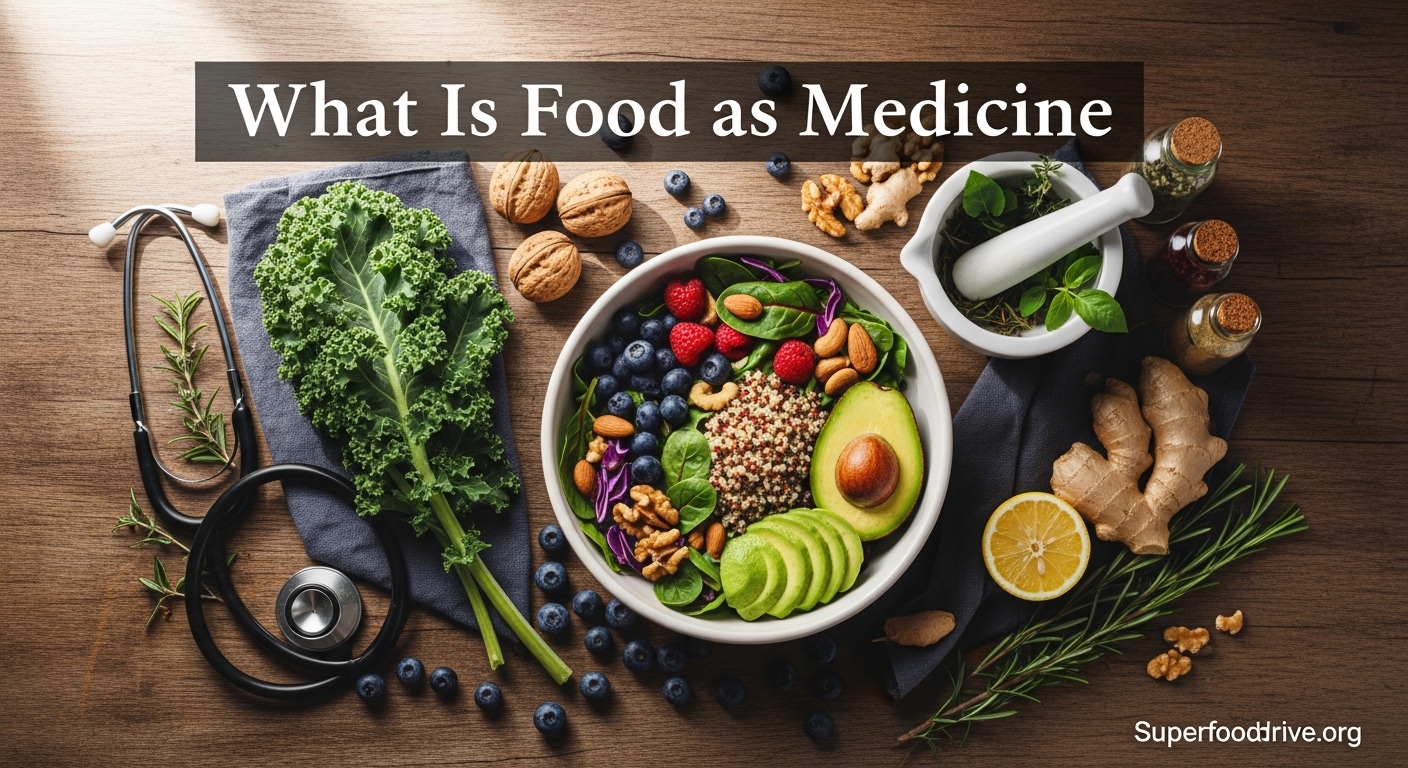
Food as medicine is a holistic approach that uses nutrient-dense whole foods to prevent, manage, and treat chronic diseases by addressing root causes rather than symptoms alone. I first encountered this concept after struggling with persistent fatigue and brain fog that no medication seemed to fix. Within three months of shifting my diet toward anti-inflammatory whole foods, my energy returned and my mental clarity improved dramatically.
This guide will walk you through everything you need to know about food as medicine holistic nutrition. You will learn the science behind how food literally becomes information for your cells, discover practical ways to implement this approach in your daily life, and understand which healing foods deserve a permanent place on your plate.
Table of Contents
What Is Food as Medicine?
Food as medicine means viewing what you eat as a powerful tool for healing rather than just fuel. This philosophy recognizes that every bite you take sends chemical signals to your body, influencing everything from gene expression to inflammation levels.
The concept traces back over 2,500 years to Hippocrates, who famously stated, “Let food be thy medicine and medicine be thy food.” Modern science has finally caught up with this ancient wisdom. Research from 2026 confirms that dietary patterns can reduce the risk of major chronic diseases by 16 to 32 percent.
Unlike conventional medicine that often treats symptoms after they appear, food as medicine focuses on prevention. It asks a different question: What if we could stop disease before it starts by giving our bodies the nutrients they need to repair, regenerate, and thrive?
The Science Behind Food as Medicine
Your body is constantly rebuilding itself using the raw materials you provide through food. Every cell membrane, every hormone, every neurotransmitter depends on the nutrients you consume.
Bioactive compounds in whole foods act as messengers that tell your genes how to express themselves. This field, called nutrigenomics, reveals that food is not just calories. It is information that can turn disease-promoting genes off and health-promoting genes on. Foods rich in phytonutrients like berries, leafy greens, and turmeric have been shown to activate protective cellular pathways.
Chronic inflammation sits at the root of most modern diseases, from diabetes to heart disease to autoimmune conditions. The foods you eat either fan these inflammatory flames or extinguish them. A study published in the Journal of the American College of Cardiology found that participants following an anti-inflammatory diet had a 46 percent lower risk of heart disease compared to those eating pro-inflammatory foods.
Core Principles of Holistic Nutrition
Holistic nutrition goes beyond counting calories or macros. It recognizes that food affects not just your physical body but your mental clarity, emotional balance, and spiritual wellbeing.
Here are the five core principles that guide food as medicine holistic nutrition:
1. Eat Whole Foods in Their Natural State
Whole foods retain their complete nutritional profile. An orange provides not just vitamin C but also fiber, flavonoids, and synergistic compounds that work together. Processing strips away these healing elements. Focus on foods that look similar to how they grew.
2. Prioritize Nutrient Density
Not all calories are created equal. Nutrient-dense foods pack the most vitamins, minerals, and phytonutrients per calorie. Think leafy greens, organ meats, berries, nuts, and seeds. These foods give your cells the building blocks for repair and regeneration.
3. Support Your Gut Microbiome
Your gut contains trillions of bacteria that influence everything from immunity to mood. Feeding these beneficial bugs with fiber-rich foods and fermented options creates a healthy internal ecosystem. A thriving microbiome produces short-chain fatty acids that reduce inflammation throughout your body.
4. Minimize Toxins and Anti-Nutrients
Industrial seed oils, refined sugars, and artificial additives burden your detoxification systems. These substances promote inflammation and oxidative stress. Reading labels and choosing organic when possible reduces your toxic load.
5. Eat Mindfully and Intuitively
How you eat matters as much as what you eat. Stress impairs digestion. Eating slowly, chewing thoroughly, and paying attention to your body’s hunger and satiety signals optimizes nutrient absorption and prevents overeating.
The Gut-Health Connection
Your gut does far more than digest food. It houses approximately 70 percent of your immune system and produces neurotransmitters that regulate mood and cognition.
The gut-brain axis represents a bidirectional communication highway between your digestive system and your brain. When your gut microbiome is out of balance, a condition called dysbiosis, inflammatory signals travel to your brain and can trigger anxiety, depression, and brain fog.
Prebiotic foods feed beneficial bacteria. These include garlic, onions, leeks, asparagus, bananas, and oats. Probiotic foods introduce beneficial bacteria directly. Think sauerkraut, kimchi, kefir, yogurt, and kombucha. Combining both creates the ideal environment for gut health.
Anti-Inflammatory Foods That Heal
Certain foods stand out for their exceptional healing properties. I have seen clients transform their health simply by adding more of these foods to their daily routine.
Omega-3 Rich Foods
Wild-caught salmon, sardines, mackerel, walnuts, chia seeds, and flaxseeds provide omega-3 fatty acids that actively reduce inflammatory markers like hs-CRP. Aim for two to three servings of fatty fish weekly.
Colorful Vegetables and Fruits
The pigments in plants are not just pretty. They are powerful antioxidants. Blueberries contain anthocyanins that protect brain cells. Tomatoes provide lycopene linked to heart health. Leafy greens offer chlorophyll and folate for cellular repair.
Medicinal Herbs and Spices
Turmeric contains curcumin, which matches the effectiveness of some anti-inflammatory drugs without side effects. Ginger aids digestion and reduces muscle soreness. Garlic supports immune function and cardiovascular health.
Research Insight: A study found that eating just one serving of nuts daily adds approximately 33 minutes of healthy life. Small changes compound into significant benefits.
Practical Implementation Guide
Knowing what to eat is one thing. Actually doing it consistently is where transformation happens. Here is how to make food as medicine part of your everyday life.
The 3-3-3 Rule for Daily Health
This simple framework ensures you get key nutrients daily. Eat three servings of vegetables, three servings of fruit, and three sources of healthy fats. This foundation covers your bases for fiber, phytonutrients, and essential fatty acids.
Meal Planning Made Simple
Start with protein and build around it. Choose organic or pasture-raised animal proteins or plant-based options like lentils and tempeh. Fill half your plate with colorful vegetables. Add a small portion of complex carbohydrates like sweet potato or quinoa. Include a source of healthy fat such as olive oil, avocado, or nuts.
Mindful Eating Practices
Put your phone away during meals. Chew each bite thoroughly, about 20 to 30 times. Notice the flavors, textures, and how your body responds. Stop eating when you feel about 80 percent full. This prevents digestive distress and supports healthy weight management.
Batch Cooking for Success
Prepare staples on Sunday. Roast a tray of mixed vegetables. Cook a pot of grains like brown rice or quinoa. Make a big salad that lasts several days. Having healthy options ready eliminates the temptation to grab processed convenience foods.
Chronic Disease Prevention
Chronic diseases account for 90 percent of healthcare costs in the United States. The good news is that most of these conditions are preventable through lifestyle choices, especially diet.
Type 2 diabetes responds remarkably well to food as medicine approaches. Reducing refined carbohydrates and increasing fiber-rich whole foods stabilizes blood sugar naturally. Many people have reversed their diabetes diagnosis entirely through dietary changes.
Heart disease prevention focuses on omega-3 fatty acids, antioxidant-rich produce, and elimination of trans fats and processed meats. The Mediterranean diet, a classic food as medicine template, reduces cardiovascular risk by up to 30 percent.
Autoimmune conditions benefit from elimination protocols that remove inflammatory triggers like gluten, dairy, and nightshades for a period. Reintroduction helps identify personal triggers. Supporting gut health simultaneously reduces the immune system overreaction that characterizes autoimmunity.
FAQ
Is the food as medicine approach scientifically proven?
Yes, extensive research supports food as medicine. Studies show dietary patterns can reduce chronic disease risk by 16-32%. Clinical trials demonstrate that specific foods like omega-3 rich fish, leafy greens, and berries reduce inflammatory markers. The Academy of Nutrition and Dietetics formally recognizes food as medicine as an evidence-based approach. Research in nutrigenomics confirms that food compounds influence gene expression and cellular function.
What is the 3-3-3 rule for health?
The 3-3-3 rule is a simple daily framework for optimal nutrition. Eat three servings of vegetables, three servings of fruit, and three sources of healthy fats each day. This ensures adequate fiber, phytonutrients, and essential fatty acids. It is an easy way to build a nutrient-dense foundation without complicated calculations. Many practitioners recommend this as a starting point for food as medicine beginners.
What food adds 33 minutes to your life?
Research shows that eating one serving of nuts daily adds approximately 33 minutes of healthy life expectancy. Nuts provide omega-3 fatty acids, fiber, and antioxidants that reduce inflammation and support heart health. Walnuts, almonds, and pistachios offer particularly strong benefits. This small daily habit compounds into significant long-term health advantages.
Does Tim Spector eat meat?
Tim Spector, a leading food as medicine researcher and author of Spoon-Fed, does eat meat but emphasizes quality over quantity. He recommends reducing meat consumption to no more than four servings weekly and choosing organic, grass-fed, or pasture-raised options when possible. His research focuses on food diversity and microbiome health, supporting a plant-rich diet with minimal ultra-processed foods.
How do I start eating for health using food as medicine principles?
Start by adding before subtracting. Add one serving of vegetables to each meal. Include a handful of nuts daily. Drink more water. Once these habits feel natural, begin reducing processed foods, refined sugars, and industrial seed oils. Focus on whole foods in their natural state. Consider working with a functional medicine practitioner or holistic nutritionist for personalized guidance based on your specific health goals.
Conclusion: Your Food as Medicine Journey Starts Now
What is food as medicine holistic nutrition? It is the understanding that every meal is an opportunity to heal, nourish, and energize your body. The choices you make at breakfast, lunch, and dinner literally become the building blocks of your cells, the regulators of your hormones, and the protectors of your DNA.
You do not need to overhaul your entire diet overnight. Start with one principle from this guide. Add an extra serving of vegetables to your dinner. Swap your afternoon snack for a handful of nuts. Drink an extra glass of water. Small steps compound into profound transformations.
Your body wants to heal. It is designed for repair and regeneration. Give it the nutrient-dense whole foods it needs, and watch what happens. The food as medicine approach has transformed millions of lives. Yours could be next.