
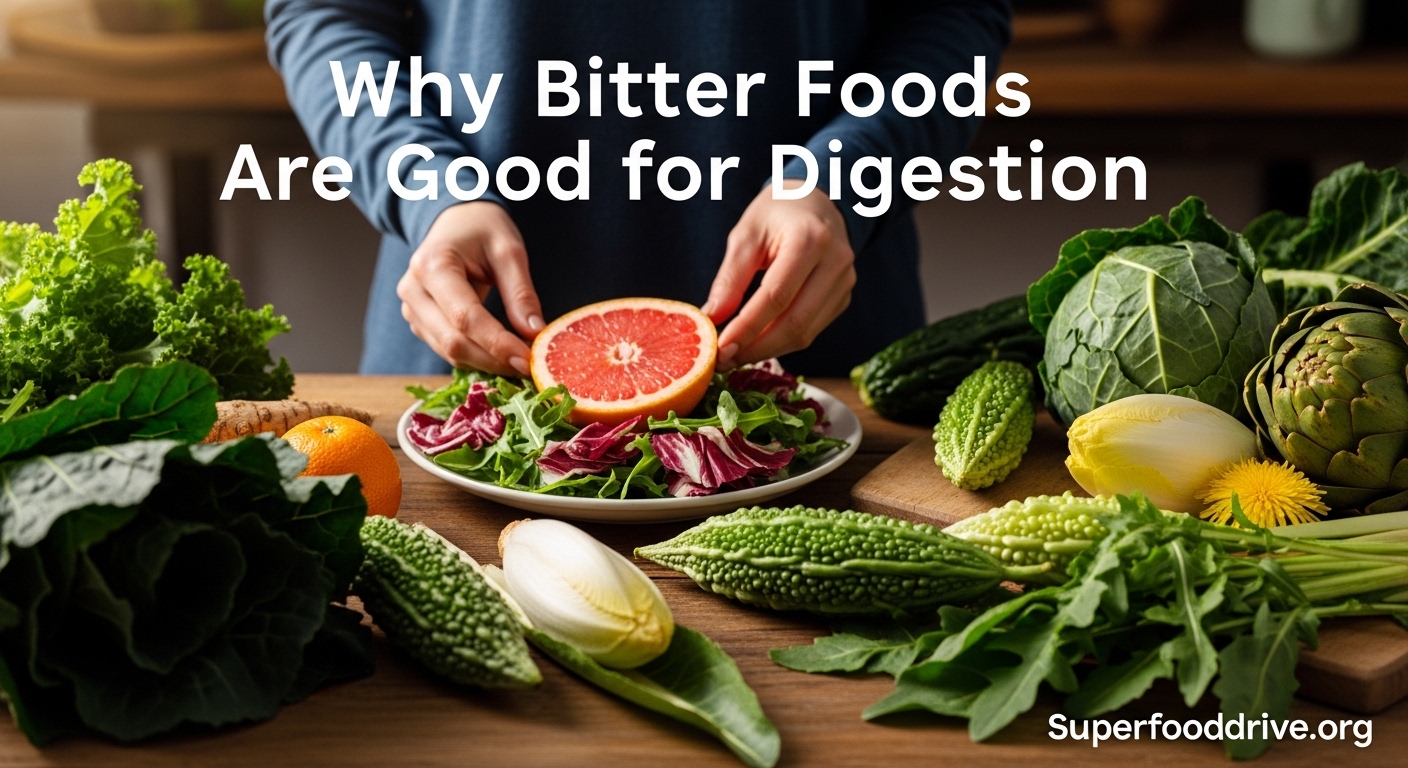
Bitter foods digestion has become a hot topic in gut health circles, and for good reason. When I first started exploring natural ways to improve my digestive issues, I was skeptical about the connection between bitter flavors and better gut function. After months of research and personal experimentation, I discovered that bitter foods trigger a fascinating biological response that can transform how your body processes meals.
In this guide, you’ll learn exactly why bitter foods are good for digestion, how they stimulate your body’s natural digestive processes, and which bitter foods to incorporate into your daily routine. Whether you struggle with bloating, low stomach acid, or simply want to optimize your gut health, understanding the science behind bitter foods could be the missing piece of your digestive puzzle.
Table of Contents
What Are Bitter Foods?
Bitter foods are plants, herbs, and vegetables that contain natural compounds giving them their characteristic sharp, often unpleasant taste. These bitter compounds include alkaloids, glycosides, and terpenoids that plants produce as defense mechanisms. What makes them special for digestion is how your body responds when these compounds hit your taste receptors.
You can get digestive benefits from two main sources: whole bitter foods like arugula, dandelion greens, and grapefruit, or concentrated digestive bitters supplements made from herbal extracts. Both work through the same mechanism, though whole foods provide additional fiber, vitamins, and phytonutrients that support overall gut health.
The Traditional Medicine Perspective
Traditional healing systems have valued bitter foods for thousands of years. Ayurvedic medicine includes bitter as one of the six essential tastes, recommending it for detoxification and digestive balance. Traditional Chinese Medicine uses bitter herbs to clear heat and drain dampness from the body. These ancient systems recognized what modern science is now confirming: bitter flavors activate our digestive machinery in powerful ways.
How Bitter Foods Stimulate Digestion
Bitter foods trigger what scientists call the “bitter reflex” – an immediate cascade of digestive secretions that prepares your body to break down food efficiently. When bitter compounds contact your taste buds, they activate bitter taste receptors (TAS2R receptors) not just on your tongue, but throughout your entire gastrointestinal tract.
The Bitter Reflex Mechanism
The bitter reflex works through your parasympathetic nervous system, also known as your “rest and digest” mode. Here’s what happens in sequence: First, bitter taste stimulates saliva production, which contains enzymes that begin breaking down carbohydrates. Second, your stomach receives signals to increase gastric juice production, including hydrochloric acid needed for protein digestion. Third, your pancreas and liver get activated to release digestive enzymes and bile for fat breakdown.
This coordinated response happens within seconds of tasting something bitter. It’s your body’s ancient wisdom at work – bitterness in nature often signaled potential toxins, so your digestive system evolved to respond with maximum defensive readiness, which happens to be exactly what you need for thorough food breakdown.
Bitter Taste Receptors Throughout Your Body
Scientists have discovered that bitter taste receptors (TAS2R receptors) exist far beyond your mouth. These receptors line your stomach, intestines, pancreas, and even your gallbladder. When activated, they trigger the release of gastrointestinal hormones like cholecystokinin and GLP-1 that regulate digestion, appetite, and blood sugar.
The GLP-1 connection is particularly exciting. This hormone helps stimulate insulin production, slow gastric emptying, and increase feelings of fullness. Bitter foods naturally stimulate your body’s own GLP-1 production without medication, which explains why many people report better appetite control when incorporating bitter flavors into their meals.
Scientific Evidence Behind Bitter Foods
Research published in peer-reviewed journals consistently supports what traditional healers have known for centuries. A comprehensive review in the Journal of Ethnopharmacology documented how bitter compounds increase gastric acid secretion by up to 40% in healthy adults. Multiple studies show enhanced bile flow and improved fat digestion within 30 minutes of consuming bitter preparations.
Research from 2026 demonstrated that regular consumption of bitter foods improved gut motility – the speed at which food moves through your digestive tract. Participants eating bitter foods before meals showed 23% faster gastric emptying compared to control groups, reducing bloating and discomfort after eating.
The Gut Hormone Connection
Bitter foods influence several key gastrointestinal hormones. Cholecystokinin (CCK) increases when you consume bitter flavors, triggering gallbladder contraction and enzyme release from your pancreas. GLP-1 levels rise measurably after bitter food consumption, supporting the emerging understanding that bitter foods act as natural metabolic regulators.
Ghrelin, the hunger hormone, shows decreased levels following bitter food consumption in clinical studies. This helps explain why cultures worldwide traditionally began meals with bitter aperitifs or salads – the practice naturally moderates appetite and prevents overeating.
Health Benefits of Bitter Foods
The digestive benefits of bitter foods extend far beyond simple meal preparation. Regular consumption can address multiple digestive complaints while supporting long-term gut health. Here are the specific benefits backed by both research and traditional use.
Increased Stomach Acid Production
Low stomach acid affects millions of people, causing poor protein digestion, nutrient deficiencies, and increased susceptibility to harmful bacteria. Bitter foods stimulate parietal cells in your stomach lining to produce more hydrochloric acid. Many people who struggle with acid reflux actually have too little stomach acid, not too much, and bitters can help restore proper levels.
Enhanced Bile Flow and Fat Digestion
Your liver produces bile to break down fats, storing it in your gallbladder until needed. Bitter foods trigger gallbladder contraction, releasing bile into your small intestine. This improved bile flow helps you digest dietary fats more completely, reducing the greasy, heavy feeling after fatty meals and improving absorption of fat-soluble vitamins A, D, E, and K.
Reduced Bloating and Gas
When food sits too long in your stomach or isn’t properly broken down, it ferments and produces gas. The enhanced digestive secretions triggered by bitter foods speed up the entire digestive process. Food moves through your system more efficiently, leaving less time for fermentation and gas production. Many people report significant bloating reduction within 2-3 weeks of consistently eating bitter foods.
Liver Detoxification Support
Your liver processes everything you consume, and bitter foods support its natural detoxification pathways. Bitter compounds stimulate phase I and phase II liver detoxification enzymes, helping your body process and eliminate waste products more efficiently. Traditional liver-supporting herbs like dandelion and milk thistle work partly through their bitter properties.
Improved Nutrient Absorption
Thorough digestion means better nutrient extraction from your food. The enhanced enzymes, acid, and bile production triggered by bitter foods help break down proteins, fats, and carbohydrates into absorbable units. Research shows improved absorption of minerals like iron, calcium, and magnesium when bitter foods are consumed with meals.
Appetite Regulation
Bitter foods help regulate appetite through multiple mechanisms. The GLP-1 release they trigger increases satiety hormones while reducing hunger signals. The enhanced nutrient absorption means your body gets more nutrition from less food, naturally reducing cravings. Starting meals with something bitter can reduce overall calorie consumption by 15-20% according to some studies.
Top Bitter Foods for Digestion
Not all bitter foods are created equal when it comes to digestive benefits. Some provide gentle support perfect for beginners, while others pack a powerful bitter punch for those seeking maximum digestive activation. Here are the most effective bitter foods organized by intensity level.
Mild Bitter Foods (Best for Beginners)
Arugula offers a peppery bitterness that’s palatable even for those new to bitter flavors. Add it to salads or blend it into smoothies for gentle digestive support. Green tea provides mild bitterness along with antioxidants that support overall health. Drink it 20 minutes before meals for optimal digestive benefits.
Ginger adds a warming bitter quality to foods and drinks. It specifically supports nausea relief and stomach comfort while providing digestive stimulation. Turmeric, related to ginger, offers earthy bitterness with powerful anti-inflammatory properties that benefit gut health beyond simple digestion support.
Medium Bitter Foods (Moderate Intensity)
Brussels sprouts and other cruciferous vegetables provide substantial digestive benefits. Their bitterness activates digestive secretions while their fiber feeds beneficial gut bacteria. Roasting them with a touch of olive oil makes them more palatable while preserving their digestive benefits.
Grapefruit and other citrus fruits offer refreshing bitterness with high vitamin C content. The pectin fiber in grapefruit also supports healthy cholesterol levels. Artichoke hearts contain cynarin, a compound proven to stimulate bile production and support liver function. They’re one of the most researched bitter foods for digestion.
Coffee and cocoa provide familiar bitter flavors for many people. Black coffee stimulates digestion, though excessive consumption can irritate sensitive stomachs. Dark chocolate (70%+ cacao) offers gentle bitter compounds plus magnesium that supports muscle relaxation, including digestive muscle function.
Very Bitter Foods (Maximum Impact)
Dandelion greens rank among the most powerfully bitter foods available. Their leaves stimulate digestion, support liver function, and provide abundant vitamins and minerals. Use them in salads mixed with milder greens, or saute them with garlic and olive oil to temper the bitterness.
Bitter melon, popular in Asian cuisine, lives up to its name with intense bitterness that provides strong digestive activation. It’s been studied extensively for blood sugar regulation alongside its digestive benefits. Gentian root, used in traditional digestive bitters formulas, provides one of the strongest bitter triggers available.
Wormwood and burdock root offer traditional bitter support for digestion. These herbs appear in classic digestive bitters preparations and provide reliable digestive stimulation. Use them as teas or in herbal preparations rather than as whole foods.
How to Incorporate Bitter Foods Into Your Diet
Adding bitter foods to your daily routine doesn’t require drastic dietary changes. Small, consistent additions before meals provide the digestive benefits you’re seeking. Here’s a practical approach based on timing, tolerance building, and sustainable habits.
Step 1: Start With Timing
Consume bitter foods 15-20 minutes before meals for maximum digestive activation. This timing allows your body to release digestive secretions before food arrives. Start your morning with grapefruit or green tea before breakfast. Have arugula or artichoke hearts as an appetizer before lunch and dinner.
Step 2: Build Your Tolerance Gradually
If you’re sensitive to bitter flavors, start with mild options and gradually increase intensity. Mix bitter greens with sweeter lettuces in salads. Add lemon juice or vinegar, which complement and partially mask bitterness while providing their own digestive benefits. Over time, your palate will adapt and you’ll actually begin craving these flavors.
Try this progression: Week 1-2, add arugula to your regular salad. Week 3-4, include steamed Brussels sprouts as a side dish. Week 5-6, try dandelion greens mixed with other greens. By week 8, you should be able to handle stronger bitter foods without discomfort.
Step 3: Create Simple Bitter Recipes
Simple preparations preserve bitter compounds while making them palatable. Saute dandelion greens with garlic, olive oil, and a squeeze of lemon. Roast Brussels sprouts with balsamic vinegar until caramelized. Blend bitter melon into smoothies with pineapple to balance the intensity.
Make your own digestive bitters spray by steeping gentian root, dandelion, and orange peel in vodka or apple cider vinegar for two weeks. Spray a few drops on your tongue before meals. This traditional preparation delivers concentrated bitter benefits without needing to eat large amounts of bitter foods.
Daily Routine for Optimal Digestion
Morning: Start with green tea or grapefruit 20 minutes before breakfast. This wakes up your digestive system after the overnight fast. If you drink coffee, have it black or with minimal sweetener to preserve the bitter benefits.
Lunch: Include a bitter green salad before your main meal. Arugula, watercress, or radicchio mixed with olive oil and lemon make an ideal digestive starter. The combination of bitter compounds and healthy fats primes your system for the meal ahead.
Dinner: If eating a heavier meal, take digestive bitters or eat artichoke hearts as an appetizer. End your evening with a small piece of dark chocolate to provide gentle overnight digestive support and satisfy sweet cravings without sugar.
Safety Considerations and Side Effects
While bitter foods are generally safe for most people, certain individuals should exercise caution. Understanding potential interactions and contraindications helps you use bitter foods safely and effectively.
Who Should Consult a Healthcare Provider
Pregnant and breastfeeding women should check with their healthcare provider before using concentrated digestive bitters, as some herbs can stimulate uterine contractions or pass into breast milk. Whole bitter foods in normal dietary amounts are generally safe, but medicinal preparations require professional guidance.
People with gallstones should avoid strong bitter stimulation until consulting a doctor. The increased bile flow triggered by bitter foods could potentially dislodge stones and cause complications. Those with gastritis or active stomach ulcers may find strong bitters irritating to inflamed tissues.
Medication Interactions
Bitter foods can interact with certain medications. They may enhance the absorption of some drugs, potentially altering their effectiveness. Blood pressure medications, diabetes medications, and blood thinners are of particular concern. If you take prescription medications, discuss bitter food use with your healthcare provider.
Bitter melon specifically can lower blood sugar significantly. If you take insulin or other diabetes medications, combining them with bitter melon could cause hypoglycemia. Monitor your blood sugar closely and consult your doctor about adjusting medication doses.
Post-Gallbladder Removal Considerations
People who have had their gallbladders removed can still benefit from bitter foods, though the response differs. Without a gallbladder, bile drips continuously into your intestine rather than being released in surges. Bitter foods still stimulate bile production from the liver, which supports fat digestion even without gallbladder storage. Start with mild bitters and monitor your tolerance.
What to Expect When Starting Bitter Foods
Some people experience initial digestive changes when adding bitter foods. Increased stomach gurgling, more frequent bowel movements, or temporary changes in stool consistency indicate your digestive system is adapting. These symptoms typically resolve within 1-2 weeks as your body adjusts to improved digestive secretions.
If you experience heartburn after starting bitters, you may have started too strong. Reduce the intensity or amount and try again with milder options. True allergic reactions to bitter foods are rare, but discontinue use if you develop rash, difficulty breathing, or severe stomach pain.
Frequently Asked Questions
What do bitter foods do for digestion?
Bitter foods trigger the ‘bitter reflex’ – a cascade that stimulates saliva production, increases stomach acid, releases digestive enzymes, and enhances bile flow. This prepares your digestive system to break down food more efficiently and absorb nutrients better.
Do bitters actually help digestion?
Yes, scientific research confirms that bitter foods and digestive bitters significantly improve digestion. Studies show they increase gastric acid secretion by up to 40%, enhance bile flow, improve gut motility, and stimulate beneficial GI hormones like GLP-1 and cholecystokinin.
What is the healthiest bitter food?
Dandelion greens and artichokes rank among the healthiest bitter foods due to their combination of digestive benefits and nutrient density. Dandelion supports liver function while providing vitamins A, C, and K. Artichoke contains cynarin, which has been extensively researched for bile production support.
When should you eat bitter foods?
The optimal time to consume bitter foods is 15-20 minutes before meals. This timing allows your body to release digestive secretions before food arrives, priming your system for efficient breakdown and absorption. You can also drink bitter teas between meals for ongoing digestive support.
Can bitter foods help with bloating?
Yes, bitter foods often significantly reduce bloating by speeding up digestion and preventing food from fermenting in the gut. The enhanced digestive secretions break down food more completely before bacteria can ferment it and produce gas. Many people report reduced bloating within 2-3 weeks of consistent use.
Are bitter foods safe for everyone?
Bitter foods are generally safe for most people when consumed in normal dietary amounts. However, pregnant women, people with gallstones, those with active ulcers or severe gastritis, and individuals taking certain medications should consult a healthcare provider before using concentrated digestive bitters or large amounts of bitter foods.
Conclusion
Understanding why bitter foods are good for digestion opens up a simple, natural approach to gut health that costs little and provides significant benefits. The bitter reflex mechanism – triggering enhanced saliva, stomach acid, enzymes, and bile – represents one of the most accessible ways to support your digestive system.
Start with mild bitter foods like arugula and green tea, then gradually work up to stronger options as your palate adapts. Take them 15-20 minutes before meals for maximum benefit. Pay attention to how your body responds and adjust accordingly.
The science supporting bitter foods digestion continues to grow, confirming what traditional healing systems recognized centuries ago. Whether you struggle with bloating, low stomach acid, or simply want to optimize your digestive function, incorporating bitter foods into your daily routine could provide the support your gut needs to function at its best.