
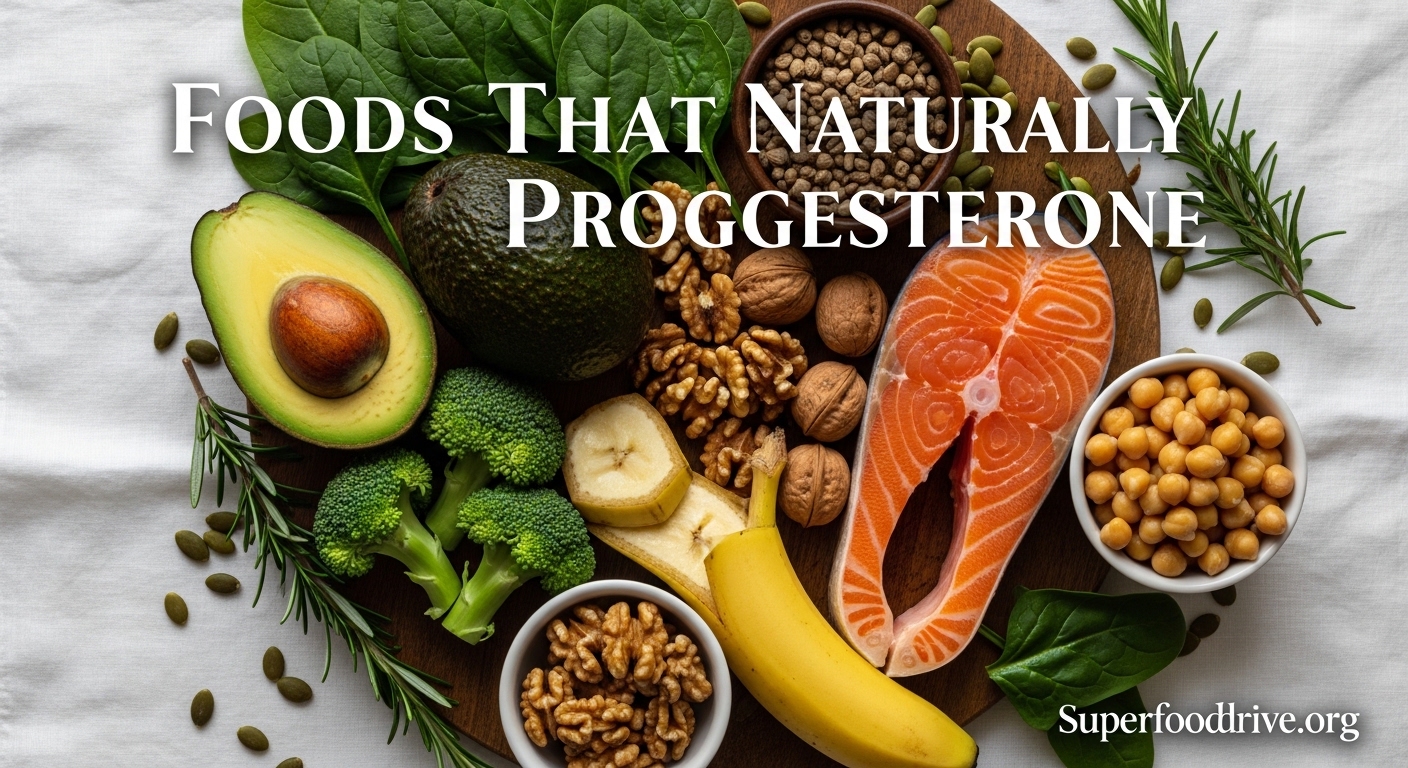
If you are struggling with fertility, irregular periods, or persistent PMS, your body might not be producing enough progesterone. Learning which foods that naturally increase progesterone can make a meaningful difference in your hormonal health. I spent weeks reviewing research from fertility clinics and nutrition studies to put together this guide based on what actually works.
By the end of this article, you will understand exactly how progesterone works in your body. You will know the specific nutrients that support its production and which foods deliver them. You will also learn practical meal ideas and lifestyle habits that can boost your progesterone levels naturally without medication.
Table of Contents
What Is Progesterone and How It Works
Progesterone is a steroid hormone primarily produced by the corpus luteum in your ovaries after ovulation. The corpus luteum forms from the empty follicle after an egg is released. It pumps out progesterone to prepare and maintain the uterine lining for a potential pregnancy.
Your progesterone levels follow a predictable pattern throughout your menstrual cycle. During the follicular phase, which is the first half, progesterone remains low. After ovulation marks the beginning of the luteal phase, and progesterone rises sharply. It peaks around day 21 of a typical 28-day cycle. If pregnancy does not occur, the corpus luteum breaks down and progesterone drops, triggering menstruation.
The pituitary gland in your brain controls this entire process through follicle stimulating hormone (FSH) and luteinizing hormone (LH). These hormones signal your ovaries to develop follicles and trigger ovulation. Without proper pituitary function, progesterone production suffers.
Symptoms of Low Progesterone
Low progesterone creates noticeable symptoms that affect your physical health, emotional wellbeing, and reproductive function. Many women experience these signs for months before identifying the root cause.
Fertility and menstrual issues include:
- Difficulty conceiving or recurrent early pregnancy loss
- Short luteal phase (less than 10 days)
- Irregular periods or missed cycles
- Spotting between periods
Physical symptoms include:
- Breast tenderness
- Bloating and fluid retention
- Headaches or migraines
- Weight gain, especially around the midsection
- Decreased sex drive
- Hot flashes and night sweats
Emotional and cognitive symptoms include:
- Anxiety and nervousness
- Depression or low mood
- Irritability and mood swings
- Trouble sleeping or insomnia
- Brain fog and difficulty concentrating
If you recognize several of these symptoms, testing your progesterone levels on day 21 of your cycle can confirm whether you have a deficiency.
Key Nutrients That Support Progesterone Production
Four specific nutrients play critical roles in progesterone synthesis. Each one contributes to a different part of the hormonal production pathway.
Zinc
Zinc directly stimulates the pituitary gland to release follicle stimulating hormone. This kickstarts the process that eventually leads to progesterone production. Zinc also supports cell division and function in the corpus luteum. Without adequate zinc, your pituitary cannot signal your ovaries effectively.
Magnesium
Magnesium helps regulate the hypothalamic-pituitary-adrenal (HPA) axis, which controls your stress response. Chronic stress depletes magnesium and raises cortisol. High cortisol blocks progesterone production by stealing the building blocks needed for hormone synthesis. Magnesium calms this system and preserves progesterone.
Vitamin B6
Vitamin B6 supports the corpus luteum and helps your body process estrogen properly. It reduces estrogen dominance, which occurs when estrogen levels are high relative to progesterone. B6 also supports neurotransmitter production, helping with mood and sleep issues associated with low progesterone.
Vitamin C
Research shows vitamin C significantly increases progesterone levels in women with luteal phase defect. It appears to improve corpus luteum function directly. Studies demonstrate measurable improvements in progesterone after consistent vitamin C supplementation.
Foods That Naturally Increase Progesterone
Here are the specific foods that deliver these critical nutrients in meaningful amounts. I have included serving sizes so you can plan your meals effectively.
Zinc-Rich Foods
Oysters: Just six medium oysters provide 32mg of zinc, which is 291% of your daily needs. This is by far the most concentrated source.
Beef: A 3-ounce serving of cooked beef delivers about 7mg of zinc, covering 64% of daily requirements. Choose grass-fed when possible for better omega-3 content.
Pumpkin Seeds: One ounce (about 1/4 cup) contains 2.9mg of zinc. These make an excellent snack or salad topping.
Chickpeas: One cup of cooked chickpeas provides 2.5mg of zinc. They are versatile and work well in curries, salads, and roasted snacks.
Chicken: A 3-ounce serving of dark meat chicken offers 2.4mg of zinc. Dark meat contains more zinc than white meat.
Magnesium-Rich Foods
Dark Chocolate: One ounce of 70-85% dark chocolate provides 64mg of magnesium. Choose varieties with minimal added sugar.
Avocado: One medium avocado contains 58mg of magnesium. It also provides healthy fats that support hormone production.
Almonds: One ounce delivers 76mg of magnesium. A small handful makes a perfect progesterone-supporting snack.
Spinach: One cup of cooked spinach packs 157mg of magnesium. It wilts down significantly, making it easy to eat large amounts.
Black Beans: One cup of cooked black beans provides 120mg of magnesium. They are budget-friendly and filling.
Vitamin B6 Foods
Salmon: A 3-ounce serving of cooked salmon contains 0.6mg of vitamin B6, covering about 35% of daily needs. Wild-caught salmon offers superior nutrition.
Eggs: Two large eggs provide 0.3mg of vitamin B6. Eat the whole egg since the yolk contains concentrated nutrients.
Sweet Potatoes: One medium baked sweet potato delivers 0.6mg of vitamin B6. The natural sweetness makes them satisfying.
Bananas: One medium banana contains 0.4mg of vitamin B6. They are convenient for on-the-go snacking.
Tuna: A 3-ounce serving of yellowfin tuna provides 0.9mg of vitamin B6. Fresh or canned both work well.
Vitamin C Foods
Red Bell Peppers: One medium red bell pepper delivers 190mg of vitamin C, more than double what an orange provides.
Kiwi: Two medium kiwis contain about 140mg of vitamin C. They are also gentle on digestion.
Strawberries: One cup of strawberries provides 85mg of vitamin C. Choose organic when possible since they are on the dirty dozen list.
Broccoli: One cup of cooked broccoli delivers 101mg of vitamin C. Steaming preserves more nutrients than boiling.
Brussels Sprouts: One cup of cooked Brussels sprouts contains about 96mg of vitamin C. Roasting brings out their natural sweetness.
Foods to Avoid
Certain foods and substances actively block progesterone production or create estrogen dominance. Limiting these can be just as important as adding progesterone-supporting foods.
Processed and ultra-processed foods: These contain xenoestrogens, which are chemicals that mimic estrogen in your body. They disrupt the delicate estrogen-progesterone balance. Common sources include plastic packaging, pesticide residues, and artificial additives.
Excess caffeine: Drinking more than 200mg of caffeine daily (about two cups of coffee) can elevate cortisol and interfere with hormone production. Consider switching to herbal teas like chamomile or peppermint.
Alcohol: Even moderate drinking affects liver function, which processes hormones. Alcohol also raises cortisol and disrupts sleep quality. Many women notice their cycles regulate after cutting out alcohol.
Non-organic dairy and meat: Conventionally raised animals may receive hormones and antibiotics that affect your endocrine system. Choose organic, grass-fed, and pasture-raised options when your budget allows.
Lifestyle Factors That Support Progesterone
Food provides the building blocks, but lifestyle determines whether your body can use them effectively. These habits work alongside your diet to optimize progesterone.
Manage Stress
Chronic stress is the biggest progesterone killer. When you are stressed, your adrenal glands prioritize making cortisol over progesterone. This is called the pregnenolone steal. Daily stress management practices like meditation, deep breathing, or gentle yoga can preserve your progesterone levels.
Prioritize Sleep
Most progesterone production happens during sleep, particularly in the early morning hours. Aim for 7-9 hours of quality sleep. Keep your bedroom cool and dark. Avoid screens for one hour before bed to support melatonin production.
Maintain a Healthy Weight
Both underweight and overweight conditions disrupt hormone production. Body fat produces estrogen, so excess weight can create estrogen dominance. Very low body fat signals your body to shut down reproductive hormone production. A BMI between 20 and 25 supports optimal progesterone.
Exercise Smartly
Moderate exercise supports hormone balance. However, excessive high-intensity exercise raises cortisol and can suppress progesterone. Focus on strength training, walking, swimming, or yoga. Limit intense cardio to a few sessions per week.
Meal Planning Tips for Hormone Balance
Putting these foods together into actual meals makes the advice practical. Here are some simple combinations that deliver multiple progesterone-supporting nutrients.
Breakfast Ideas:
- Two eggs with sauteed spinach and half an avocado
- Smoothie with spinach, banana, almond butter, and kiwi
- Greek yogurt topped with pumpkin seeds and strawberries
Lunch Ideas:
- Salmon salad with dark leafy greens and chickpeas
- Beef and vegetable stir-fry with red bell peppers
- Black bean and sweet potato bowl with avocado
Dinner Ideas:
- Grilled chicken with roasted Brussels sprouts and sweet potato
- Baked salmon with broccoli and quinoa
- Beef and vegetable soup with spinach and chickpeas
Snack Ideas:
- Handful of almonds with dark chocolate square
- Hard-boiled eggs with sliced red pepper
- Pumpkin seeds mixed with dried strawberries
FAQ
How do I boost my progesterone levels naturally?
Boost progesterone naturally by eating zinc-rich foods like beef and pumpkin seeds, magnesium sources like spinach and dark chocolate, vitamin B6 foods like salmon and eggs, and vitamin C from bell peppers and kiwi. Reduce stress, prioritize 7-9 hours of sleep, maintain a healthy weight, and limit caffeine and alcohol.
Which foods increase progesterone the most?
Oysters provide the most zinc per serving. Spinach and dark chocolate are top magnesium sources. Salmon and sweet potatoes deliver significant vitamin B6. Red bell peppers offer the highest vitamin C content. Combining these foods throughout your day creates the strongest progesterone support.
What are signs of low progesterone?
Signs include difficulty conceiving, short luteal phase, irregular periods, spotting between cycles, breast tenderness, bloating, mood swings, anxiety, trouble sleeping, hot flashes, and decreased sex drive. Testing progesterone on day 21 of your cycle can confirm deficiency.
What triggers the increase of progesterone?
Progesterone increases after ovulation when the corpus luteum forms from the empty follicle. The pituitary gland releases luteinizing hormone (LH) to trigger ovulation. After the egg releases, the corpus luteum produces progesterone to prepare the uterine lining for potential pregnancy.
What blocks progesterone production?
Chronic stress and high cortisol levels block progesterone by stealing the pregnenolone needed for its production. Xenoestrogens from processed foods and plastics create estrogen dominance. Excess caffeine and alcohol raise cortisol and disrupt liver function. Poor sleep and extreme exercise also suppress progesterone.
Can high cortisol cause low progesterone?
Yes, high cortisol directly causes low progesterone through a mechanism called pregnenolone steal. Both hormones are made from the same precursor hormone, pregnenolone. When stress is high, your body prioritizes making cortisol over progesterone, leaving insufficient building blocks for progesterone synthesis.
Conclusion
Supporting your progesterone levels naturally requires a combination of the right nutrients and healthy lifestyle habits. Focus on getting adequate zinc, magnesium, vitamin B6, and vitamin C from whole foods like oysters, spinach, salmon, and bell peppers. Avoid processed foods, excess caffeine, and alcohol that disrupt hormone balance.
Remember that foods that naturally increase progesterone work best when combined with stress management, quality sleep, and moderate exercise. Your hormones respond to the totality of how you live, not just what you eat. Start by adding one or two progesterone-supporting foods to your daily meals and build from there. Small, consistent changes create lasting hormonal balance over time.