
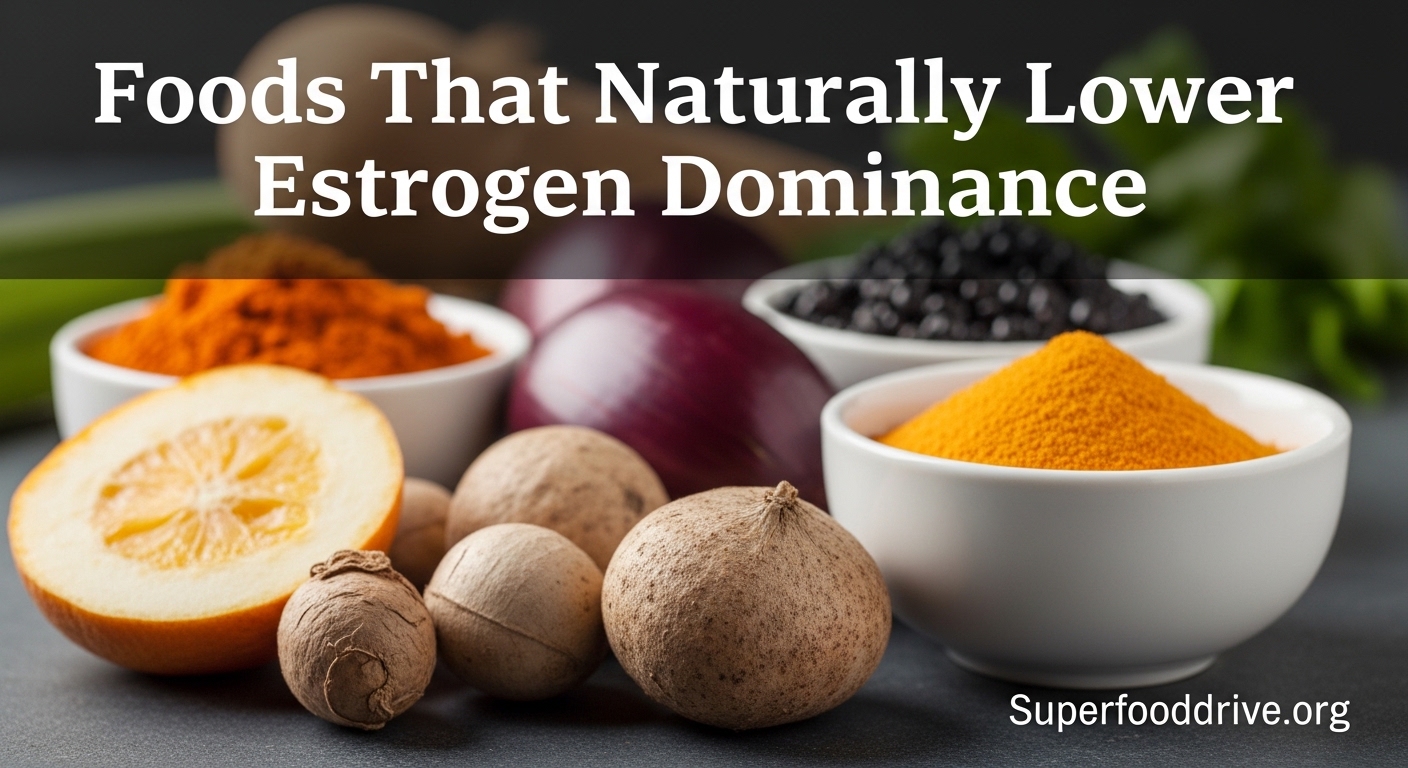
Feeling bloated, irritable, and carrying stubborn weight around your midsection? These frustrating symptoms might signal estrogen dominance, a common hormonal imbalance affecting millions of women. I spent months researching natural solutions after my own hormone struggles, and what I discovered changed everything.
The good news? You can significantly influence your estrogen levels through the foods you eat every day. In this guide, I will share the science-backed foods that naturally lower estrogen dominance and help restore hormonal balance without extreme measures or complicated protocols.
You will learn exactly which foods flush excess estrogen from your body, how to support your liver and gut for optimal hormone metabolism, and practical steps to implement these changes starting today.
Table of Contents
Understanding Estrogen Dominance
Estrogen dominance occurs when estrogen levels are too high relative to progesterone, creating a hormonal imbalance that affects your entire body. This is not necessarily about having too much estrogen in absolute terms, but rather an improper ratio between these two key hormones.
Your body produces three main types of estrogen: estradiol (the most potent), estrone, and estriol. When these estrogens accumulate without sufficient progesterone to balance them, symptoms begin to emerge. The condition affects women of all ages, from menstruating women to those in perimenopause and beyond.
Common Symptoms of Estrogen Dominance
Recognizing the signs of estrogen dominance is the first step toward addressing it. Common symptoms include persistent bloating that does not respond to typical remedies, unexplained weight gain particularly around the hips and thighs, and mood swings that feel out of proportion to daily stressors.
Other warning signs include irregular or heavy periods, breast tenderness, fibrocystic breasts, fatigue that coffee cannot fix, and sleep disturbances. Some women experience headaches, decreased sex drive, or memory issues. If you recognize several of these symptoms, your diet may be a powerful tool for relief.
Why Diet Matters for Hormonal Balance
Your body processes and eliminates estrogen through two primary pathways: liver metabolism and digestive elimination. The foods you eat directly influence both processes. Certain foods support your liver in breaking down estrogen efficiently, while others help your gut eliminate excess hormones before they re-enter circulation.
Research published in the Journal of Nutrition shows that dietary fiber increases fecal estrogen excretion by up to 40 percent in some women. Meanwhile, cruciferous vegetables contain unique compounds that shift estrogen metabolism toward less potent forms. These food-based interventions work with your body rather than against it.
How Your Diet Affects Estrogen Levels
Understanding the mechanisms behind food-based estrogen management helps you make informed choices. Your body handles estrogen through three main pathways, and specific nutrients support each one.
The Liver Detoxification Pathway
Your liver processes estrogen through two phases of detoxification. Phase one converts estrogen into intermediate metabolites, while phase two binds these metabolites for safe elimination. Foods rich in B vitamins, magnesium, and antioxidants support both phases.
Cruciferous vegetables are particularly valuable here because they contain indole-3-carbinol and diindolylmethane, compounds that help the liver produce more favorable estrogen metabolites. This means less potent estrogen circulating in your system and reduced risk of estrogen-related health issues.
The Gut Elimination Pathway
Once processed by the liver, estrogen enters your digestive system for elimination. Here is where fiber becomes essential. Soluble fiber binds to estrogen in the gut, preventing reabsorption and ensuring elimination through bowel movements.
Your gut bacteria also play a crucial role. Certain bacterial strains produce an enzyme called beta-glucuronidase that can actually free bound estrogen for reabsorption. Maintaining healthy gut flora through probiotic foods helps minimize this unwanted recycling of hormones.
The Aromatase Enzyme Connection
Aromatase is the enzyme that converts androgens into estrogen. Some foods naturally inhibit this enzyme, effectively reducing estrogen production. Others, particularly inflammatory foods, can increase aromatase activity and contribute to estrogen dominance.
Foods That Naturally Lower Estrogen Dominance
Now let us explore the specific foods that can help restore hormonal balance. These categories work synergistically to support estrogen metabolism, elimination, and overall hormonal health.
Cruciferous Vegetables: Your Hormone-Balancing Powerhouses
Cruciferous vegetables top the list of foods that naturally lower estrogen dominance for good reason. This family includes broccoli, cauliflower, Brussels sprouts, cabbage, kale, bok choy, and collard greens. They contain unique sulfur-containing compounds that directly influence estrogen metabolism.
When you chew or chop these vegetables, an enzyme called myrosinase converts glucosinolates into indole-3-carbinol. Your stomach acid then transforms I3C into diindolylmethane, commonly known as DIM. Research shows that DIM promotes the conversion of estradiol into weaker estrogen metabolites that are easier to eliminate.
Broccoli deserves special mention because it also contains sulforaphane, a potent compound that supports liver detoxification pathways. Studies suggest that just two to three servings of cruciferous vegetables daily can significantly improve estrogen metabolism markers.
Preparation matters for maximum benefit. Chopping these vegetables and letting them sit for five to ten minutes before cooking activates the enzyme systems that produce beneficial compounds. Light steaming preserves more nutrients than boiling, while raw consumption in salads or smoothies retains the highest levels of active compounds.
High-Fiber Foods: The Estrogen Eliminators
Fiber is perhaps the most underrated tool for managing estrogen dominance. Both soluble and insoluble fiber play important roles, though they work differently. Soluble fiber forms a gel-like substance in your gut that binds to estrogen, while insoluble fiber speeds transit time, reducing the window for estrogen reabsorption.
The best fiber-rich foods for estrogen balance include legumes like lentils, chickpeas, and black beans, which provide both fiber and plant protein. Whole grains such as oats, quinoa, and brown rice offer sustained energy while supporting elimination. Ground flaxseeds deserve special attention for their lignan content combined with fiber.
Seeds and nuts add fiber along with healthy fats that support hormone production. Chia seeds, hemp hearts, and almonds are particularly beneficial. Berries provide fiber with the added bonus of antioxidants that protect against inflammation.
Aim for at least 30 grams of fiber daily from whole food sources. Increase gradually to avoid digestive discomfort, and drink plenty of water to help fiber do its job effectively.
Probiotic and Fermented Foods: Gut Health for Hormone Balance
Your gut microbiome directly influences estrogen levels through the estrobolome, a collection of bacterial genes that metabolize estrogen. An imbalanced gut can lead to increased estrogen reabsorption rather than elimination, perpetuating estrogen dominance.
Fermented foods introduce beneficial bacteria that support healthy estrogen metabolism. Yogurt and kefir provide lactobacillus strains that may reduce beta-glucuronidase activity. Sauerkraut, kimchi, and other fermented vegetables add diverse bacterial strains along with fiber.
Miso and tempeh, though soy-based, are fermented and may have different effects than unfermented soy products. Traditional fermented foods generally contain compounds that support gut barrier function and reduce inflammation, both important for hormonal health.
Kombucha and water kefir offer probiotic benefits for those who prefer non-dairy options. Aim to include at least one fermented food daily, rotating varieties to promote bacterial diversity in your gut.
Omega-3 Rich Foods: Anti-Inflammatory Hormone Support
Chronic inflammation drives many hormonal imbalances, including estrogen dominance. Omega-3 fatty acids help reduce inflammation while supporting healthy cell membrane function, which is essential for proper hormone signaling.
Fatty fish like salmon, mackerel, sardines, and herring provide the most bioavailable forms of omega-3s. Wild-caught salmon contains approximately 1,500 milligrams of EPA and DHA per three-ounce serving. These long-chain omega-3s have been shown to support healthy estrogen metabolism and may reduce symptoms of hormonal imbalance.
For plant-based omega-3s, walnuts, chia seeds, and flaxseeds provide alpha-linolenic acid. While conversion to EPA and DHA is limited in humans, these foods still offer anti-inflammatory benefits and fiber for estrogen elimination.
Aim for two to three servings of fatty fish weekly, or consider a high-quality fish oil supplement if you do not consume fish. Include omega-3 rich plant foods daily for consistent anti-inflammatory support.
Additional Estrogen-Lowering Foods
Beyond the major categories, several other foods support healthy estrogen levels through various mechanisms. These additions can enhance your hormone-balancing efforts.
Green tea contains catechins, particularly epigallocatechin gallate, which may inhibit aromatase activity and reduce estrogen production. Studies suggest three to four cups daily can positively influence estrogen metabolism. Choose organic varieties to avoid pesticide exposure.
Citrus fruits provide d-limonene and vitamin C, which support liver detoxification. Grapefruit, oranges, lemons, and limes add bright flavor while supporting phase one and phase two liver pathways. The white pith contains particularly beneficial compounds.
Leafy greens beyond the cruciferous family, including spinach, Swiss chard, and beet greens, provide magnesium and B vitamins essential for hormone metabolism. They also contribute fiber and antioxidants that support overall health.
Mushrooms, particularly white button and portobello varieties, contain compounds that may inhibit aromatase activity. They also provide beta-glucans that support immune function and gut health.
Flaxseeds: The Lignan Powerhouse
Flaxseeds deserve their own section because they offer unique benefits for estrogen balance. They contain lignans, phytoestrogens that can both modulate estrogen activity and support elimination.
Ground flaxseeds provide lignans that can bind to estrogen receptors, potentially blocking stronger estrogens from taking effect. They also offer abundant fiber for elimination. Research shows that flaxseed consumption can reduce circulating estrogen levels in some women.
Start with one to two tablespoons of freshly ground flaxseeds daily. Store whole seeds in the refrigerator and grind them just before use, as the oils oxidize quickly. Add to smoothies, oatmeal, or yogurt for easy incorporation.
Foods to Avoid with Estrogen Dominance
Just as important as what you eat is what you avoid. Certain foods and substances can raise estrogen levels or interfere with hormone metabolism.
Processed and Packaged Foods
Highly processed foods contribute to estrogen dominance in multiple ways. They often contain refined carbohydrates that spike insulin, which can increase aromatase activity and estrogen production. They also tend to be high in omega-6 fatty acids that promote inflammation.
Packaged foods frequently contain endocrine-disrupting chemicals from plastics and additives. Bisphenol A, phthalates, and other compounds can mimic estrogen in the body or interfere with hormone metabolism. Choose whole foods in their natural state whenever possible.
Alcohol and Caffeine Considerations
Alcohol significantly impacts estrogen metabolism. Your liver prioritizes alcohol detoxification over hormone processing, slowing estrogen elimination. Regular alcohol consumption, even moderate amounts, has been associated with higher estrogen levels in studies.
Caffeine affects individuals differently. Some women find that coffee worsens estrogen dominance symptoms, while others tolerate it well. Pay attention to your body. If you drink coffee, choose organic varieties and avoid drinking it on an empty stomach, which can stress your adrenal glands.
The Soy and Phytoestrogen Question
Soy contains isoflavones, phytoestrogens that can bind to estrogen receptors. This creates confusion about whether soy helps or harms estrogen dominance. The answer depends on individual factors and the form of soy consumed.
Fermented soy products like miso, tempeh, and natto may have different effects than processed soy products like soy protein isolate. Whole food sources of phytoestrogens in moderation may actually help modulate estrogen activity, while concentrated forms could be problematic. Monitor your individual response and consider working with a practitioner if unsure.
Environmental Toxins and Xenoestrogens
Xenoestrogens are synthetic compounds that mimic estrogen in the body. They are found in plastics, pesticides, personal care products, and cleaning supplies. While not foods themselves, these compounds enter the food supply through packaging and agricultural practices.
Choose organic produce when possible, particularly for items on the Environmental Working Group’s Dirty Dozen list. Store food in glass or stainless steel rather than plastic. Filter your water to remove potential endocrine disruptors. These steps reduce your overall estrogenic burden.
Lifestyle Tips for Hormonal Balance
Diet forms the foundation of estrogen management, but lifestyle factors significantly influence hormonal health. These practices complement your dietary changes.
Stress Management Matters
Chronic stress raises cortisol, which can disrupt the delicate balance between estrogen and progesterone. When your body perceives constant stress, it prioritizes cortisol production over progesterone, potentially worsening estrogen dominance.
Implement stress-reduction practices daily. Meditation, deep breathing, yoga, and time in nature all activate your parasympathetic nervous system. Even five minutes of conscious breathing can shift your hormonal state. Prioritize activities that bring you joy and relaxation.
Movement and Exercise
Regular physical activity supports estrogen metabolism in multiple ways. Exercise helps maintain healthy body composition, and excess body fat produces additional estrogen through aromatase activity. Movement also supports lymphatic drainage and stress reduction.
Focus on moderate exercise rather than extreme intensity, which can stress your system. Walking, swimming, cycling, and strength training all offer benefits. Aim for at least 30 minutes of movement most days of the week.
Sleep and Hormone Regulation
Poor sleep disrupts hormone production and metabolism. Your liver performs much of its detoxification work during sleep, and inadequate rest impairs this process. Aim for seven to nine hours of quality sleep nightly.
Create a sleep-supportive environment by keeping your bedroom cool and dark. Establish a consistent bedtime routine. Avoid screens for at least an hour before bed, as blue light disrupts melatonin production and can affect estrogen metabolism.
Quick-Start Guide: Foods That Naturally Lower Estrogen Dominance
Ready to put this information into action? Here is a practical guide to get started immediately.
Your 7-Day Action Plan
Day one, add one serving of cruciferous vegetables to your diet. Steam broccoli or add cauliflower to your dinner. Day two, include a fermented food like sauerkraut or yogurt. Day three, incorporate ground flaxseeds into your breakfast.
Day four, replace refined grains with whole grains like quinoa or brown rice. Day five, add fatty fish or walnuts for omega-3s. Day six, drink green tea instead of coffee. Day seven, eliminate one processed food from your diet.
Sample Day of Eating
Breakfast might include oatmeal with ground flaxseeds, walnuts, and berries. Lunch could be a large salad with mixed greens, cruciferous vegetables, salmon, and olive oil dressing. Dinner might feature grilled chicken with roasted Brussels sprouts and quinoa.
Snacks could include carrots with hummus, a green apple with almond butter, or a small handful of mixed nuts. Aim to include at least five servings of vegetables daily, with emphasis on cruciferous varieties.
When to Expect Results
Most women notice initial improvements within two to four weeks of consistent dietary changes. Energy levels often improve first, followed by reduced bloating and better digestion. Menstrual cycle improvements typically take one to three months to manifest fully.
Be patient with your body. Hormonal shifts happen gradually. Track your symptoms to identify patterns and improvements over time. Consider working with a healthcare provider who can run hormone panels to objectively measure changes.
Frequently Asked Questions
What foods flush out excess estrogen?
Cruciferous vegetables like broccoli and Brussels sprouts, high-fiber foods such as flaxseeds and legumes, and fermented foods like sauerkraut and kimchi help flush excess estrogen. These foods support liver detoxification and bind estrogen for elimination through the digestive tract.
What foods worsen estrogen dominance?
Foods that worsen estrogen dominance include processed foods, alcohol, non-organic dairy and meat with hormone residues, and foods stored in plastic containers. Excessive caffeine and sugar can also disrupt hormone balance by affecting insulin and cortisol levels.
Does DIM lower estrogen in men?
Yes, DIM can lower estrogen in men by promoting the metabolism of estrogen into less potent forms and supporting healthy testosterone to estrogen ratios. Men with excess body fat or those using certain supplements may benefit from DIM’s estrogen-modulating effects.
Can low estrogen raise A1c?
Low estrogen can affect insulin sensitivity and potentially influence A1c levels, particularly in postmenopausal women. Estrogen plays a role in glucose metabolism, and imbalances in either direction may impact blood sugar control and A1c readings over time.
How to fix estrogen dominance quickly?
To address estrogen dominance quickly, eliminate alcohol and processed foods, increase cruciferous vegetable intake to 2-3 servings daily, add 30 grams of fiber from whole foods, and include fermented foods for gut health. These changes can show results within 2-4 weeks.
Should I avoid soy with estrogen dominance?
The relationship between soy and estrogen dominance is complex. Fermented soy products like miso and tempeh may be better tolerated than processed soy. Monitor your individual response and consider working with a healthcare provider to determine what works for your body.
How long does it take to see results from dietary changes?
Most women notice initial improvements in energy and digestion within 2-4 weeks of dietary changes. Menstrual cycle improvements typically take 1-3 months. Hormonal balance is a gradual process, so consistency with diet and lifestyle changes is key for lasting results.
Foods That Naturally Lower Estrogen Dominance: Final Thoughts
Restoring hormonal balance through food is one of the most empowering approaches to health. The foods that naturally lower estrogen dominance work with your body’s built-in systems rather than overriding them with artificial interventions.
Focus on cruciferous vegetables daily, prioritize fiber from whole foods, and support your gut with fermented foods. These three pillars form the foundation of an estrogen-balancing diet. Add omega-3 rich foods, green tea, and flaxseeds for additional support.
Remember that sustainable change happens gradually. You do not need to overhaul your entire diet overnight. Start with one or two changes from this guide and build from there. Your body has an incredible capacity to heal when given the right nutrients and support.
If symptoms persist despite dietary changes, consider working with a functional medicine practitioner who can assess your hormone levels and identify underlying factors. Sometimes additional support through targeted supplementation or further investigation is needed. But for most women, the foods outlined here provide a powerful starting point for reclaiming hormonal balance naturally.