
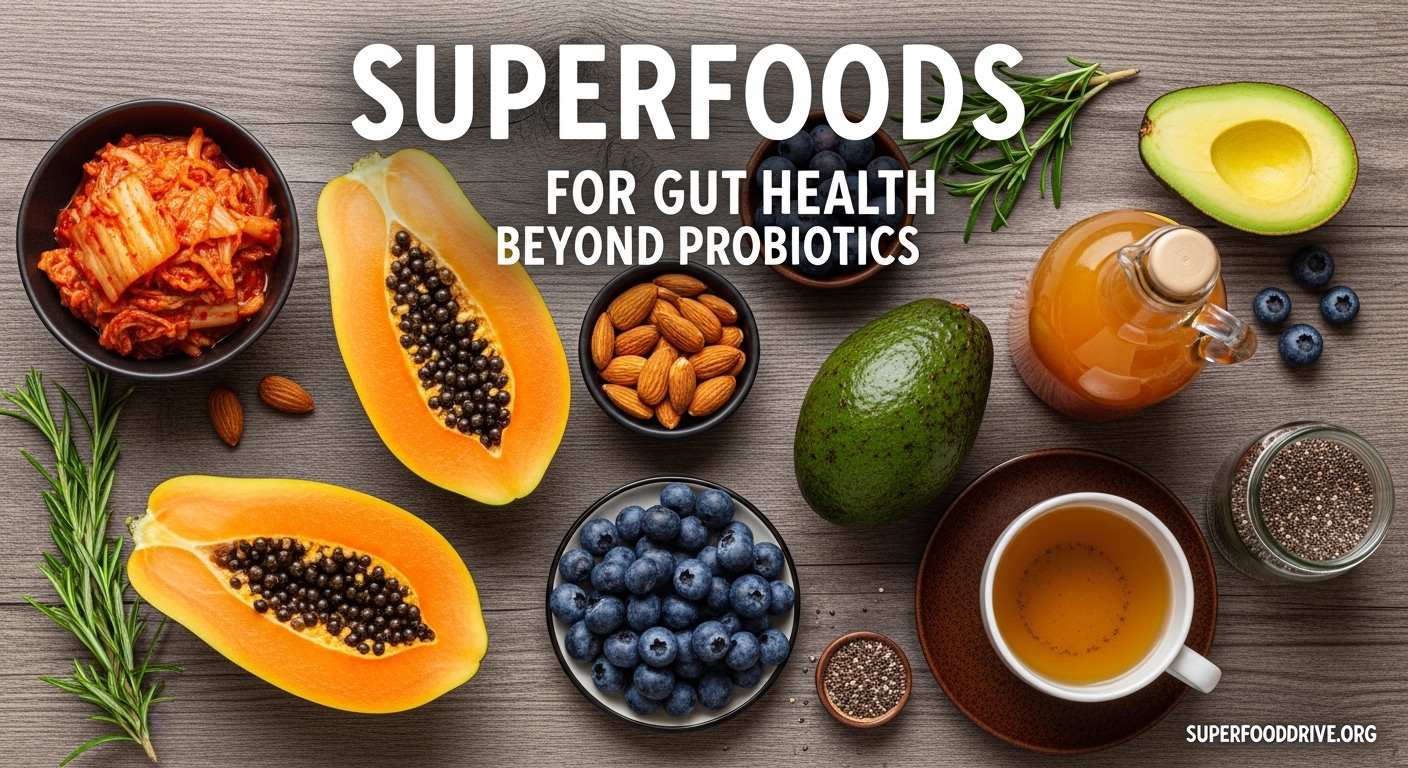
Your gut microbiome contains trillions of bacteria that influence everything from digestion to mood. While probiotics get most of the attention, they represent just one piece of the puzzle. Prebiotic and postbiotic foods are equally essential for building a thriving digestive ecosystem.
In this guide, I will show you exactly which superfoods for gut health go beyond probiotics. You will learn how these foods feed beneficial bacteria, repair your gut lining, and reduce inflammation naturally. These are practical, affordable options you can find at any grocery store.
I have researched the latest nutrition science and real-world experiences to bring you actionable recommendations. Whether you are dealing with bloating, recovering from antibiotics, or simply optimizing your health, these foods can make a measurable difference in how you feel.
Table of Contents
What Are Prebiotics and Why They Matter
Prebiotics are non-digestible fibers and compounds that pass through your digestive system intact. They reach your colon where beneficial bacteria ferment them into short-chain fatty acids like butyrate. These compounds fuel your gut lining cells and reduce inflammation throughout your body.
Think of prebiotics as fertilizer for your internal garden. Without them, probiotic bacteria cannot thrive no matter how many supplements you take. Research published in 2026 continues to confirm that microbiome diversity depends heavily on prebiotic fiber intake.
The difference between prebiotics and probiotics is simple but crucial. Probiotics are the live bacteria themselves, found in fermented foods and supplements. Prebiotics are the food those bacteria need to survive and multiply. You need both working together for optimal gut health.
How Prebiotics Work in Your Gut
When you eat prebiotic-rich foods, the fibers resist digestion in your stomach and small intestine. They arrive in your colon as intact fuel sources for Bifidobacterium and Lactobacillus strains. These beneficial microbes convert prebiotics into butyrate, propionate, and acetate.
Short-chain fatty acids strengthen your intestinal barrier and prevent harmful substances from leaking into your bloodstream. They also signal your immune system to stay balanced and reduce unnecessary inflammation. This mechanism explains why prebiotic intake correlates with lower rates of digestive disorders.
Prebiotic Superfoods for Gut Health
The following foods represent nature’s most concentrated prebiotic sources. I have organized them by category to help you build a diverse, gut-nourishing diet.
Chicory Root and Jerusalem Artichoke
Chicory root contains the highest concentration of inulin of any food source. This soluble fiber feeds beneficial bacteria and promotes regular bowel movements. Jerusalem artichoke, also called sunchoke, runs a close second with its rich prebiotic profile.
Both vegetables support calcium absorption and help regulate appetite by promoting satiety. You can brew chicory root as a coffee alternative or roast Jerusalem artichokes like potatoes. Start with small portions as the high inulin content can cause gas if introduced too quickly.
Garlic, Onions, and Leeks
The allium family delivers powerful prebiotic benefits along with antimicrobial compounds. Garlic contains fructooligosaccharides that specifically feed Bifidobacterium strains. Onions and leeks provide similar fibers plus quercetin, which reduces gut inflammation.
Raw garlic offers the highest prebiotic content, but cooking still preserves significant benefits. Add minced garlic to salad dressings or soups just before serving. Caramelized onions make an excellent topping for grains and proteins while supporting your microbiome.
Asparagus and Dandelion Greens
Fresh asparagus contains inulin and pectin that support both digestion and immune function. Research shows asparagus extracts can increase beneficial Bifidobacterium and Lactobacillus populations. Dandelion greens offer similar benefits plus liver-supporting compounds.
These green vegetables are among the most affordable prebiotic sources available. Steam asparagus lightly to preserve nutrients or add raw dandelion greens to smoothies. The slightly bitter taste indicates their high prebiotic and antioxidant content.
Oats and Barley
Beta-glucan fiber in oats and barley feeds gut bacteria while simultaneously lowering cholesterol. These whole grains provide sustained energy and promote feelings of fullness. Their soluble fiber content makes them ideal for maintaining regular digestion.
Steel-cut and rolled oats offer more prebiotic benefits than instant varieties. Barley adds a nutty flavor to soups and salads while delivering significant fiber per serving. Both grains work well as breakfast foundations or savory side dishes.
Apples and Flaxseeds
An apple’s pectin content feeds gut bacteria and helps eliminate toxins from your digestive tract. Flaxseeds provide both soluble fiber and lignans that support hormone balance and gut health. Together they create a powerful prebiotic combination.
Eat apples with the skin for maximum fiber content. Ground flaxseeds blend seamlessly into smoothies, oatmeal, and baked goods. The combination of pectin and lignans supports both digestive regularity and microbiome diversity.
Bananas and Plantains
Unripe bananas and cooked green plantains contain resistant starch that functions as a powerful prebiotic. This special starch resists digestion and reaches your colon intact. As gut bacteria ferment resistant starch, they produce butyrate that heals your intestinal lining.
Green bananas work well in smoothies with minimal impact on blood sugar. Cooked and cooled plantains offer even more resistant starch than when freshly prepared. These affordable tropical fruits provide accessible prebiotic benefits year-round.
Postbiotic Foods: The Next Frontier
Postbiotics are the beneficial compounds produced when gut bacteria ferment prebiotic fibers. They include short-chain fatty acids, enzymes, and other metabolites that directly support your health. While probiotics and prebiotics get attention, postbiotics do the actual healing work.
These compounds strengthen your intestinal barrier, regulate immune responses, and communicate with your brain through the gut-brain axis. Research in 2026 highlights postbiotics as key players in reducing inflammation and supporting mental health. You can obtain postbiotics by eating fermented foods or by consuming foods that promote their production.
Fermented Foods as Postbiotic Sources
Traditional fermented foods contain both live bacteria and the beneficial compounds they have already produced. Kimchi, sauerkraut, miso, and tempeh deliver postbiotics in ready-to-use form. These foods have supported human health across cultures for thousands of years.
Kimchi offers the added benefit of cruciferous vegetables plus fermentation compounds. Sauerkraut provides similar benefits with simpler ingredients and longer shelf stability. Miso and tempeh offer plant-based protein alongside their gut-healing properties. Start with small portions of fermented foods if you are new to them, as the flavor and bacterial content can be intense initially.
Butyrate-Rich Foods
Butyrate deserves special attention among postbiotics because it directly feeds your colon cells. Butter and ghee from grass-fed cows contain natural butyrate. More importantly, you can increase your body’s butyrate production by eating resistant starch from cooled potatoes, rice, and green bananas.
When you cook and cool starchy foods, the starch structure changes to resist digestion. Reheating does not eliminate this resistant starch, making meal prep an efficient strategy. Aim to include one cooled starch source daily to support your butyrate levels and gut lining health.
Combining Foods for Synergistic Gut Benefits
Certain food combinations amplify gut health benefits beyond what individual foods provide. Strategic pairing creates synergistic effects that maximize prebiotic, probiotic, and postbiotic potential. These combinations also make meals more satisfying and nutritionally complete.
Pair prebiotic foods with probiotic sources for enhanced results. Oatmeal topped with yogurt feeds the live bacteria while providing fuel for their continued growth. Garlic added to miso soup combines allium prebiotics with fermented postbiotics. These pairings mimic how traditional cuisines naturally support digestive health.
Include healthy fats with prebiotic vegetables to improve nutrient absorption. Olive oil on asparagus helps your body access fat-soluble vitamins. Avocado with leafy greens provides similar benefits plus additional fiber. The fat also slows digestion, allowing more time for bacterial fermentation in your colon.
Combine different prebiotic types in single meals for microbiome diversity. A salad with raw onions, sliced apples, and flaxseed dressing delivers multiple fiber varieties. Each fiber type feeds different bacterial strains, promoting a more resilient and diverse gut ecosystem.
Foods That Can Harm Your Gut Health
Supporting your gut requires both adding beneficial foods and limiting harmful ones. Certain dietary choices damage your microbiome and counteract the benefits of prebiotic superfoods. Awareness of these gut disruptors helps you make informed decisions.
Processed foods containing artificial sweeteners alter bacterial populations in harmful ways. Studies link sucralose and saccharin to reduced beneficial bacteria and increased glucose intolerance. Excessive alcohol kills gut bacteria and damages your intestinal lining directly.
Highly refined sugars feed pathogenic bacteria and yeast that compete with beneficial strains. Industrial seed oils high in omega-6 fatty acids promote inflammation throughout your digestive system. Limiting these foods creates space for beneficial bacteria to establish and thrive.
Antibiotics are sometimes necessary but can devastate your microbiome for months. If you must take antibiotics, increase your prebiotic intake significantly during and after treatment. Focus on the superfoods in this guide to help your gut bacteria recover their diversity and function.
Practical Tips for Adding Gut-Healthy Foods to Your Diet
Implementing these superfoods into your daily routine requires practical strategies. Start gradually to avoid the bloating that can accompany rapid fiber increases. Your gut bacteria need time to adjust to new fuel sources.
Cooking methods matter for preserving prebiotic content. Light steaming preserves more beneficial compounds than boiling. Raw preparations offer maximum prebiotic density for foods you can tolerate uncooked. Fermenting vegetables at home extends shelf life while adding postbiotic benefits.
Budget-conscious shoppers can prioritize affordable options like onions, garlic, oats, and green bananas. These provide significant prebiotic benefits at minimal cost. Seasonal shopping for asparagus and apples helps manage expenses while maintaining variety.
Meal prep strategies make consistency easier. Cook and cool grains and potatoes in advance to maximize resistant starch. Prepare jars of overnight oats with flaxseeds for grab-and-go breakfasts. Keep fermented vegetables accessible as condiments for daily meals.
Frequently Asked Questions
What is the best superfood for gut health?
There is no single best superfood for gut health. The greatest benefits come from dietary diversity. Focus on combining prebiotic foods like garlic, onions, and oats with fermented foods that provide probiotics and postbiotics. This comprehensive approach supports microbiome diversity better than any single food could.
How long does it take to improve gut health with food?
Most people notice initial improvements within 2 to 4 weeks of consistently eating gut-healthy foods. Significant microbiome changes typically require 3 to 6 months of sustained dietary changes. Factors like previous antibiotic use, stress levels, and baseline diet affect how quickly you respond.
Can you eat too many prebiotic foods?
Yes, consuming too many prebiotics too quickly can cause bloating, gas, and digestive discomfort. Start with small portions and increase gradually over several weeks. This allows your gut bacteria to adapt without overwhelming your digestive system with fermentation byproducts.
Are prebiotic supplements as good as food sources?
Whole food sources of prebiotics are generally superior to supplements. Foods provide fiber diversity, additional nutrients, and compounds that work synergistically. Supplements can be helpful for targeted support but should complement rather than replace a diet rich in prebiotic foods.
What foods heal the gut lining?
Foods rich in butyrate and other short-chain fatty acids help heal the gut lining. These include butter and ghee from grass-fed sources, as well as resistant starch from cooled potatoes and green bananas. Foods that promote butyrate production by feeding beneficial bacteria, like oats and asparagus, also support gut lining repair.
Conclusion
Superfoods for gut health extend far beyond probiotic supplements. Prebiotic foods like garlic, onions, oats, and asparagus feed your beneficial bacteria. Postbiotic sources including fermented foods and resistant starch deliver the compounds that actually heal your gut lining and reduce inflammation.
Start by adding one or two new gut-healthy foods to your routine this week. Gradually build diversity rather than overwhelming yourself with changes. Your microbiome responds to consistency over time, not perfection in any single meal.
Remember that gut health is a foundation for overall wellness. The foods you choose influence your immune function, mental clarity, and energy levels. By prioritizing these superfoods beyond probiotics, you are investing in long-term health that extends throughout your entire body.