
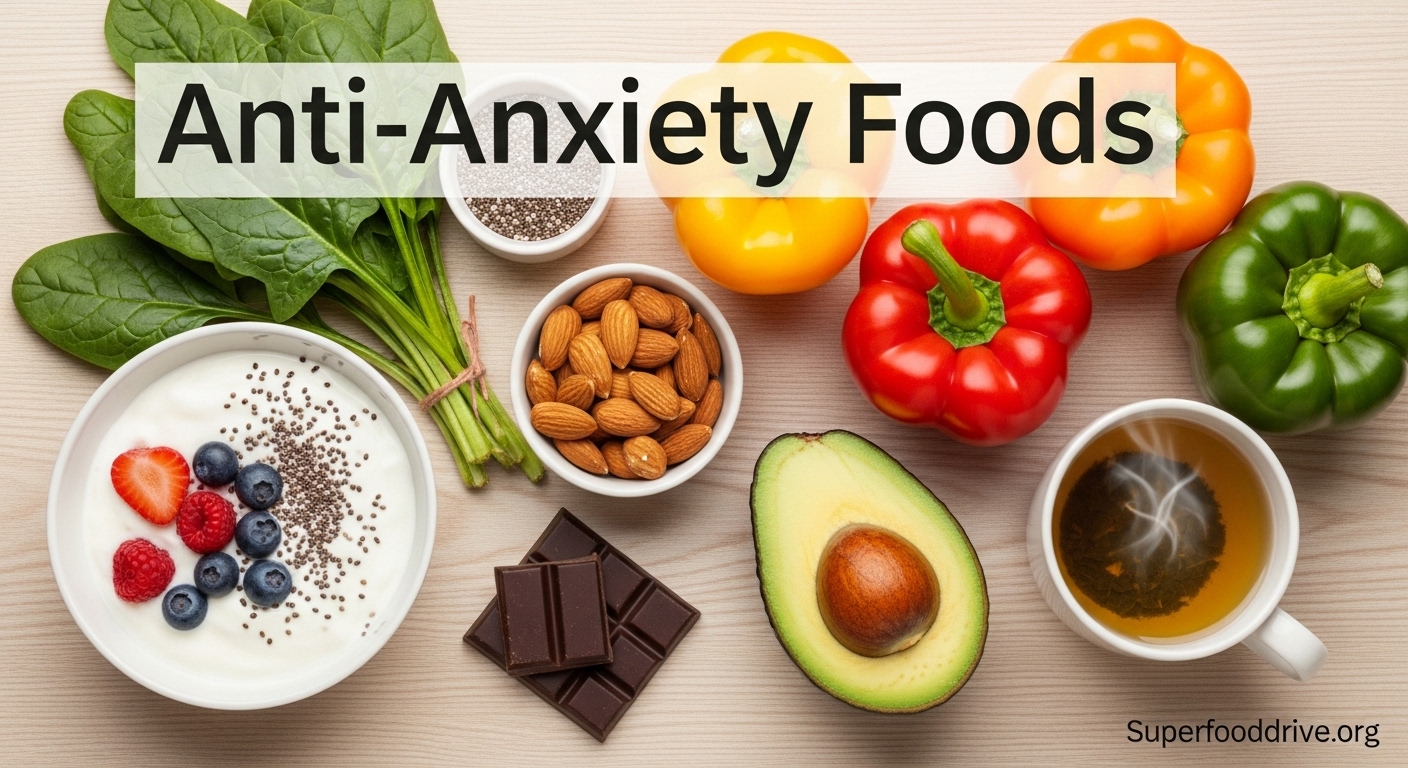
About 31% of adults will experience an anxiety disorder at some point in their lives. That is nearly one in three people walking around with persistent worry, racing thoughts, or that unsettling feeling that something terrible is about to happen. If you are one of them, you have probably tried breathing exercises, therapy, or maybe even medication. But here is something that surprised me when I started digging into the research: your grocery list might be just as powerful as your prescription.
The connection between what we eat and how we feel is not some fringe wellness theory. Scientists have been mapping the gut-brain highway for decades, and the evidence keeps mounting. Every bite you take either feeds inflammation that ramps up anxiety, or delivers nutrients that help your brain produce calming neurotransmitters. This is not about replacing professional treatment. It is about giving your brain the biological raw materials it needs to function optimally.
In this guide, I am breaking down the anti-anxiety foods that actually have scientific backing. No miracle cures. No superfood hype. Just real food with real mechanisms for reducing anxiety symptoms. Whether you are dealing with generalized anxiety, social anxiety, or just the everyday stress that wears you down, these are the foods worth adding to your plate.
Table of Contents
How Food Affects Your Anxiety Levels
Your gut and brain talk to each other constantly through something called the gut-brain axis. This is a bidirectional communication system involving nerves, hormones, and immune signals. The vagus nerve acts like a direct phone line between your digestive tract and your emotional control center. When your gut microbiome is out of balance, it sends distress signals upstairs that can trigger or worsen anxiety.
About 90% of your serotonin receptors are located in your gut, not your brain. Serotonin is the neurotransmitter most associated with mood stability and calm. The foods you eat directly influence how much serotonin your body can produce, and how effectively your brain can use it. They also affect cortisol, your primary stress hormone, and GABA, your brain’s natural calming agent.
Then there is inflammation. Chronic low-grade inflammation has been linked to depression and anxiety in dozens of studies. Certain foods dial up inflammation. Others actively fight it. The anti-anxiety diet is essentially an anti-inflammatory diet with extra attention to specific nutrients that support brain chemistry.
Here are the key players: omega-3 fatty acids help build brain cell membranes and reduce neuroinflammation. Magnesium regulates the stress response and promotes GABA activity. B vitamins are essential for neurotransmitter synthesis. Probiotics feed the good bacteria that produce calming compounds. And antioxidants protect your brain from oxidative stress that can amplify anxiety.
5 Anti-Anxiety Foods to Start Eating Today
If you are feeling overwhelmed and do not know where to start, here is your quick-hit list. These five foods have the strongest evidence for reducing anxiety symptoms:
- Wild-caught salmon – Packed with EPA and DHA omega-3s that reduce inflammation and support brain cell function
- Pumpkin seeds – One of the best food sources of magnesium, nature’s relaxation mineral
- Greek yogurt with live cultures – Probiotics that support gut health and neurotransmitter production
- Blueberries – Loaded with antioxidants that protect your brain from stress-induced oxidative damage
- Green tea – Contains L-theanine, an amino acid that promotes alpha brain waves and relaxation without drowsiness
Add these to your shopping cart this week. Even small changes can start shifting your brain chemistry within days.
Fatty Fish: Omega-3 Powerhouses for Brain Health
When researchers want to study the food-anxiety connection, they almost always start with omega-3 fatty acids. A 2018 meta-analysis published in JAMA Network Open found that omega-3 supplementation significantly reduced anxiety symptoms compared to placebo. The effect was strongest in people who had clinical anxiety disorders.
Fatty fish like salmon, mackerel, sardines, anchovies, and herring are the richest dietary sources of two specific omega-3s: EPA (eicosapentaenoic acid) and DHA (docosahexaenoic acid). EPA seems particularly important for mood regulation. It helps reduce neuroinflammation and supports the fluidity of brain cell membranes, which allows neurotransmitters to signal more effectively.
I recommend aiming for two to three servings of fatty fish per week. A single 4-ounce serving of wild salmon delivers about 2,000 milligrams of combined EPA and DHA. If you are not a fish eater, algae-based omega-3 supplements can provide DHA, though they typically lack the EPA found in fish. For plant-based eaters, flaxseeds, chia seeds, and walnuts provide ALA, a precursor omega-3, though your body only converts about 5-10% of ALA into the active EPA and DHA forms.
Fermented Foods: Building a Calm Gut Microbiome
The bacteria living in your digestive system produce neurotransmitters, regulate inflammation, and influence the stress response through the gut-brain axis. When beneficial bacteria dominate, they churn out calming compounds like GABA and short-chain fatty acids that reduce anxiety. When harmful bacteria take over, the result is often increased inflammation and heightened stress signals to the brain.
A 2015 study from the University of Maryland found that people who ate more fermented foods had fewer social anxiety symptoms, especially among those with high neuroticism. Fermented foods contain probiotics, live beneficial bacteria that colonize your gut and help restore balance to your microbiome.
The best options include plain yogurt with live active cultures, kefir (a fermented milk drink with even more strains than yogurt), kimchi (Korean fermented vegetables), sauerkraut, miso, tempeh, and kombucha. Aim to include at least one fermented food daily. Even a small serving of sauerkraut with lunch or a cup of yogurt for breakfast can make a measurable difference in your gut bacteria composition within weeks.
Magnesium-Rich Foods: Nature’s Relaxation Mineral
Magnesium deficiency is surprisingly common in modern diets. Some estimates suggest up to 50% of Americans do not get enough of this crucial mineral. That matters because magnesium plays a direct role in regulating the body’s stress response. It helps control the hypothalamic-pituitary-adrenal (HPA) axis, your central stress response system. It also binds to GABA receptors and helps activate them, producing a calming effect similar to how anti-anxiety medications work.
Research published in the journal Nutrients found that magnesium supplementation reduced subjective anxiety in people with mild-to-moderate anxiety. While supplements can help, getting magnesium from whole foods provides additional nutrients and better absorption.
The top food sources include pumpkin seeds (156 mg per ounce), spinach (157 mg per cup cooked), Swiss chard, almonds (80 mg per ounce), black beans, avocados, dark chocolate (64 mg per ounce), and bananas. A large salad with spinach, pumpkin seeds, and avocado can easily deliver half your daily magnesium needs. Add a square of dark chocolate for dessert and you are giving your nervous system exactly what it craves.
Antioxidant Powerhouses: Berries and Dark Chocolate
Oxidative stress occurs when there is an imbalance between free radicals and antioxidants in your body. It is linked to aging, chronic disease, and increasingly, to anxiety and depression. Your brain is particularly vulnerable to oxidative damage because it consumes 20% of your body’s oxygen but makes up only 2% of your body weight. When oxidative stress runs high, it can trigger inflammation that disrupts mood regulation.
Berries are among the most antioxidant-dense foods available. Blueberries, blackberries, raspberries, and strawberries are loaded with flavonoids, particularly anthocyanins, that cross the blood-brain barrier and reduce oxidative stress in neural tissue. A 2020 review in Nutritional Neuroscience found that berry consumption was associated with improved mood and cognitive function across multiple studies.
Dark chocolate is another antioxidant heavyweight, specifically because of its flavanol content. Cocoa flavanols improve blood flow to the brain, reduce inflammation, and may help regulate cortisol levels. The key is choosing chocolate with at least 70% cocoa content and keeping portions moderate, about 1 to 1.5 ounces daily. Milk chocolate does not count, it has too much sugar and too little cocoa to provide real benefits.
Green Tea: L-Theanine for Calm Focus
Green tea contains a unique amino acid called L-theanine that has been shown to promote relaxation without causing drowsiness. It works by increasing alpha brain wave activity, the same type of brain waves present during meditation. L-theanine also boosts GABA, serotonin, and dopamine levels, creating a calm yet alert mental state.
A 2019 study in Nutrients found that L-theanine reduced stress-related symptoms and improved cognitive function in healthy adults. The effect was noticeable within 30 to 60 minutes of consumption and lasted several hours. The standard cup of green tea contains about 25 to 60 milligrams of L-theanine.
Green tea also contains a small amount of caffeine, about 25 to 35 milligrams per cup compared to 95 milligrams in coffee. The L-theanine appears to moderate the caffeine’s effects, preventing the jitters that coffee can cause. If you are sensitive to caffeine, consider decaffeinated green tea, which retains most of the L-theanine. Matcha, a powdered form of green tea, contains even higher concentrations of L-theanine because you consume the entire leaf.
Turmeric: Curcumin’s Anti-Anxiety Effects
Turmeric has been used in Ayurvedic medicine for thousands of years, and modern science is finally catching up. Its active compound, curcumin, has potent anti-inflammatory and antioxidant properties. It also boosts brain-derived neurotrophic factor (BDNF), a protein that supports the growth of new neurons and protects existing ones. Low BDNF levels have been linked to depression and anxiety.
A 2015 randomized controlled trial found that curcumin supplementation reduced anxiety scores in obese adults over 30 days. Animal studies have shown similar anxiolytic effects, with curcumin appearing to modulate neurotransmitter systems involved in anxiety regulation.
The challenge with curcumin is absorption. It is poorly absorbed on its own. Combining turmeric with black pepper, which contains piperine, increases absorption by up to 2,000%. Adding a fat source like coconut milk or olive oil helps too, since curcumin is fat-soluble. Try golden milk (turmeric latte) before bed, or add turmeric liberally to soups, stews, and rice dishes. Aim for about 500 milligrams of curcumin daily, which translates to roughly 1 to 1.5 teaspoons of turmeric powder.
Tryptophan-Rich Foods: Supporting Serotonin Production
Tryptophan is an essential amino acid that your body uses to produce serotonin, the neurotransmitter that stabilizes mood and promotes feelings of calm and well-being. Without adequate tryptophan, your brain cannot manufacture enough serotonin, which can lead to increased anxiety and depression.
Research published in the Archives of General Psychiatry demonstrated that depleting tryptophan in the diet caused mood changes and anxiety symptoms in vulnerable individuals. The reverse is also true: consuming tryptophan-rich foods supports healthy serotonin levels.
The best dietary sources include eggs, turkey, chicken, cheese, nuts, seeds, tofu, and fish. Eggs are particularly valuable because they contain both tryptophan and tyrosine, another amino acid that helps produce dopamine. The tryptophan in protein-rich foods competes with other amino acids to cross the blood-brain barrier. Eating carbohydrates alongside tryptophan-rich foods can actually improve absorption by triggering insulin release, which helps other amino acids enter cells and leaves tryptophan available to reach the brain.
Foods That Make Anxiety Worse (And What to Choose Instead)
Eating anxiety-fighting foods is only half the battle. You also need to cut back on foods that trigger or worsen anxiety symptoms. Here is what to watch out for and what to swap in instead.
Caffeine
Caffeine blocks adenosine receptors in your brain, which prevents you from feeling tired. It also stimulates cortisol and adrenaline release. For people with anxiety, even moderate caffeine intake can trigger panic symptoms, racing thoughts, and physical jitters. If you cannot quit completely, limit yourself to one small cup of coffee in the morning. Better yet, switch to green tea for a gentler energy boost with built-in calming compounds.
Alcohol
Alcohol might seem to calm nerves initially because it enhances GABA activity. But as it metabolizes, it disrupts sleep, dehydrates you, and causes rebound anxiety that can last for days. Regular drinking also depletes B vitamins and magnesium, two nutrients essential for mood regulation. Instead of reaching for a glass of wine to unwind, try sparkling water with lemon, herbal tea, or a turmeric latte.
Added Sugar and Refined Carbohydrates
Sugar spikes your blood glucose, which triggers an insulin surge, which then causes a blood sugar crash. That crash can feel remarkably similar to a panic attack: shakiness, sweating, racing heart, and anxiety. Refined carbs like white bread, pasta, and pastries have the same effect. Choose whole grains, legumes, and fiber-rich fruits instead. These provide steady energy without the roller coaster.
Processed and Fried Foods
Trans fats and highly processed vegetable oils promote inflammation throughout your body, including your brain. Processed foods are also typically low in the very nutrients your brain needs to stay calm. Cook with olive oil, avocado oil, or coconut oil. Choose whole, minimally processed foods whenever possible.
How to Build an Anti-Anxiety Diet: Practical Tips and Meal Ideas
Knowing which foods help anxiety is useful, but actually incorporating them into your daily routine is what creates change. Here is how to build meals that support calm, plus specific ideas for breakfast, lunch, dinner, and snacks.
Breakfast Options
Start your day with protein, healthy fats, and complex carbohydrates to stabilize blood sugar. A spinach and mushroom omelet with whole grain toast provides tryptophan, magnesium, and B vitamins. Greek yogurt topped with blueberries, pumpkin seeds, and a drizzle of honey delivers probiotics, antioxidants, and magnesium. Oatmeal made with chia seeds, walnuts, and berries offers fiber, omega-3s, and antioxidants that sustain energy without spikes.
Lunch Ideas
Salmon salad on leafy greens with olive oil dressing covers your omega-3s, magnesium, and healthy fats in one bowl. A quinoa bowl with chickpeas, avocado, fermented vegetables, and tahini dressing provides plant-based protein, probiotics, magnesium, and tryptophan. Turkey and vegetable soup with a side of kimchi delivers lean protein, antioxidants, and beneficial bacteria.
Dinner Options
Grilled mackerel with roasted sweet potatoes and sauteed spinach hits your omega-3 and magnesium targets. Stir-fry with tofu, broccoli, bell peppers, and turmeric over brown rice combines tryptophan, antioxidants, and anti-inflammatory compounds. Chicken thighs braised with olives, tomatoes, and herbs served with Greek yogurt sauce provide protein, healthy fats, and probiotics.
Smart Snacks
When anxiety strikes between meals, reach for foods that stabilize rather than spike. A small handful of almonds provides magnesium and vitamin E. Dark chocolate with 70% or higher cocoa content offers flavanols and a small amount of magnesium. Carrot sticks with hummus give you fiber and protein. A banana with a spoonful of almond butter combines potassium, magnesium, and healthy fats. Green tea with a square of dark chocolate makes an excellent afternoon pick-me-up.
Meal Timing Matters
Going too long without eating can trigger anxiety by causing blood sugar drops. Aim to eat every three to four hours. Include protein and fat with each meal or snack to slow digestion and provide steady fuel. Avoid large meals right before bed, as digestion can interfere with sleep quality. A small snack with tryptophan, like a few almonds or a small piece of cheese, may actually help you relax before bedtime.
Frequently Asked Questions About Anti-Anxiety Foods
What foods calm anxiety quickly?
Foods that provide quick anxiety relief include green tea (within 30-60 minutes due to L-theanine), dark chocolate (flavanols improve mood within an hour), and complex carbohydrates like oatmeal (help tryptophan reach the brain). These work faster than supplements because your body recognizes them as food and processes them efficiently.
Which drink calms anxiety?
Green tea is the best drink for calming anxiety due to its L-theanine content, which promotes alpha brain waves and relaxation without drowsiness. Chamomile tea contains apigenin, an antioxidant that binds to benzodiazepine receptors in the brain. Warm turmeric milk before bed combines anti-inflammatory curcumin with the comfort of a warm beverage.
How long does it take for diet to affect anxiety?
Some effects can be felt within hours, like the calming effect of L-theanine from green tea. However, meaningful changes in anxiety symptoms typically require 2-4 weeks of consistent dietary changes. This allows time for gut bacteria to shift, inflammation to decrease, and nutrient stores to replenish. Studies on omega-3s and probiotics generally show results after 4-8 weeks.
What foods should I avoid for anxiety?
Avoid caffeine (triggers cortisol and adrenaline), alcohol (causes rebound anxiety and disrupts sleep), added sugar and refined carbs (cause blood sugar crashes that mimic panic), and highly processed foods (promote inflammation). Artificial sweeteners may also worsen anxiety in sensitive individuals by affecting neurotransmitter balance.
Can probiotics really help with anxiety?
Yes, research supports the connection between probiotics and reduced anxiety. A 2017 systematic review in the Annals of General Psychiatry found that probiotic supplementation significantly reduced anxiety symptoms compared to placebo. Fermented foods like yogurt, kefir, and kimchi provide these beneficial bacteria naturally. The effect works through the gut-brain axis, where gut bacteria produce neurotransmitters and regulate inflammation.
What is the 3-3-3 rule for anxiety?
The 3-3-3 rule is a grounding technique for managing acute anxiety, not a dietary rule. It involves naming 3 things you see, 3 sounds you hear, and moving 3 body parts. This brings your focus back to the present moment. While not food-related, combining this technique with a calming snack like a few almonds or a cup of green tea can be particularly effective.
Conclusion
The connection between your plate and your peace of mind is real, measurable, and backed by growing scientific evidence. Anti-anxiety foods work by reducing inflammation, supporting neurotransmitter production, regulating cortisol, and nourishing the gut-brain connection. Start with the big five: fatty fish for omega-3s, fermented foods for probiotics, leafy greens and seeds for magnesium, berries and dark chocolate for antioxidants, and green tea for L-theanine.
Remember that food is a powerful tool, but it is not a replacement for professional mental health care. If anxiety is interfering with your daily life, consult a healthcare provider. Consider working with a registered dietitian who can help you implement these changes in a way that fits your lifestyle and preferences. Small, consistent changes to your diet can compound over weeks and months into meaningful improvements in how you feel. Start with one anti-anxiety food today. Your brain will thank you.